Home Blog Page 2628

Striving to balance work, life and raising kids

0

When Mrs Lindy Loh had her first child three years ago, she took four months of no-pay leave after four months of maternity leave.

When she had her second child last year, she took seven months of no-pay leave.

Both times, it came at a cost. The first led to an internal transfer while the second caused her position to be made vacant and ultimately led to her decision to move to a new job.

Her former employer had its reasons, she acknowledges. “I think it’s fair… because there is work that has to be done. But it will be good to extend the (leeway) period so that mothers can remain in the same jobs if they want to,” said Mrs Loh, 32, now a civil servant.

Millennials, from dating teenagers to young mothers such as Mrs Loh, say they face their own set of challenges when it comes to getting married and starting a family.

For one thing, expectations are different. Notes Ms Samantha Chin, a young adults specialist from Focus on the Family Singapore: “Millennials tend to want to ‘have it all’ – to be successful both at home and at work.”

And while they are no different from their parents or grandparents in desiring the basics – a home, a job, a pre-school that will take good care of their offspring – what has changed is the nature of these needs.

So, for instance, today’s young parents may no longer be satisfied with the run-of-the-mill pre-schools, but instead hanker for more expensive options such as Montessori schools.

And if they cannot meet the cost, homeschooling may even be an option.

Says Ms Nursheila Muez, 24, a research analyst: “Kindergarten education is so expensive now as competitiveness among parents to send their children to the best school increases. I might consider homeschooling as an option.”

Millennials whom The Straits Times spoke to are striving to attain some measure of financial security amid the rising cost of living and uncertain economy and employment scene.

Even as they struggle to find some form of work-life balance, they also feel pressured to raise children who could succeed as adults.

“Things are so expensive and salaries aren’t rising as fast. It’s stressful,” says Ms Amalina Rozman, 25, a creative director.

But the silver lining is also that millennials are more adept at harnessing the latest technologies for greater convenience.

For instance, polytechnic student Faith Ong, 19, says employers can offer options such as telecommuting or lighter workloads during the gap period.

“When I become a mother, at least that allows me to continue earning an income, and yet be near enough to look after my children.”

Measures being considered to coax couples to marry and have babies

Housing

•Reduce the wait for Build-To-Order Housing Board flats

Childcare

•Increase childcare spaces to two for every three children

•Look for suitable spaces in buildings, such as underutilised carparks, that can be converted into childcare centres

•Attract childcare teachers through better pay and career planning, and elevate their social status to that of school teachers

Caring for babies at home

•Match local nannies to those who need them

•Train maids to look after babies

At the workplace

•Get employers to offer flexible work arrangements and promote work-life balance, with the Government taking the lead as an employer


This article was first published on Oct 12, 2016.
Get a copy of The Straits Times or go to straitstimes.com for more stories.
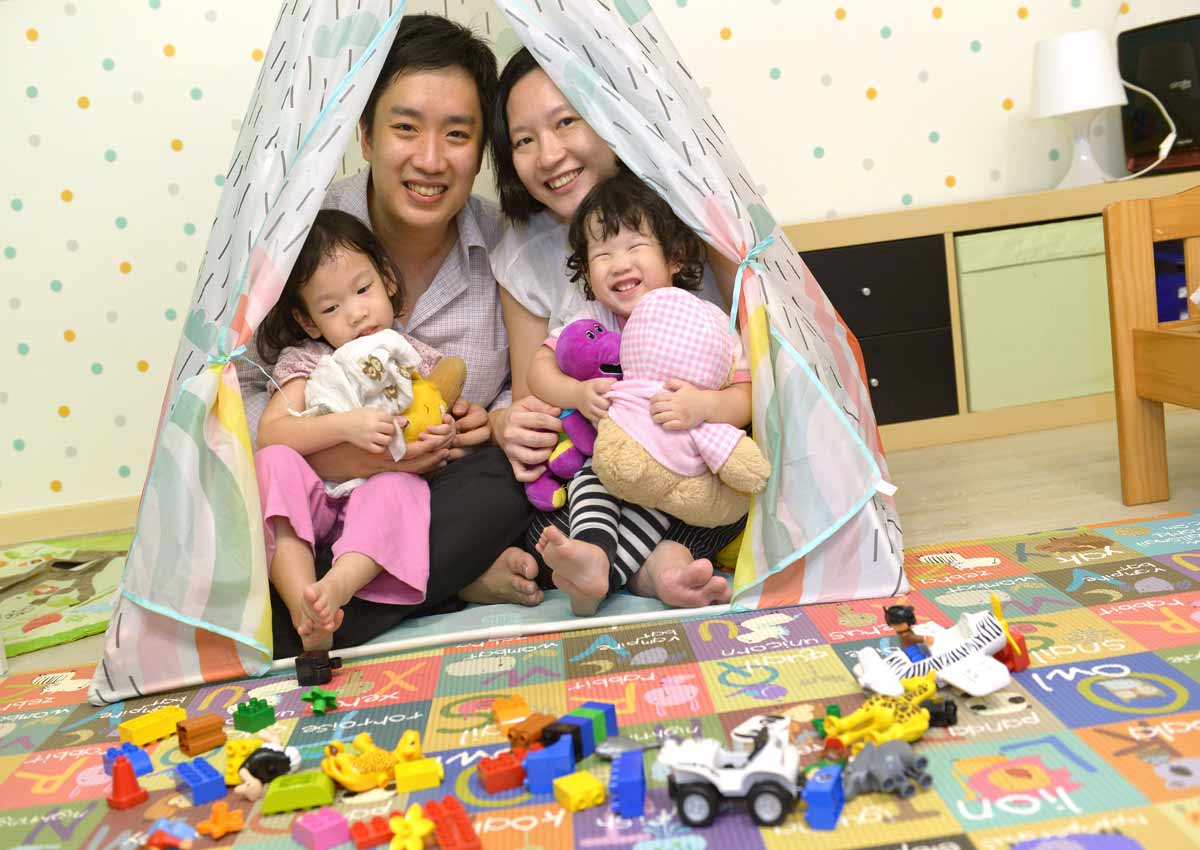
Image: 
Category: 
Publication Date: 
Wednesday, October 12, 2016 – 15:00
Send to mobile app: 
Source: 


Story Type: 
Others

Source link

Cabbies cry foul over pirate taxis' street hails

0

It is against the rules for drivers of private-hire cars, such as those under car-booking apps Uber and Grab, to pick up passengers off the streets without prior booking. But some still try their luck anyway.

The National Taxi Association said some private-hire drivers are picking up fares from the kerbside as well as at taxi stands. While passengers do not seem to mind, the association’s executive adviser, Mr Ang Hin Kee, said the taxi group has raised this issue with the authorities, and it has been told enforcement actions were being taken.

In response to queries from The Straits Times, the Land Transport Authority (LTA) said last week it has investigated 35 alleged cases of private-hire vehicles and private cars picking up fares illegally since 2013.

“Out of the 35 cases involving unlicensed private cars or private-hire cars that LTA has investigated, one has been charged and 19 were issued with warnings,” a spokesman said. She said the rest were found to “not have infringed any relevant rules” after investigations.

Taxi driver Alan Tang, 53, said such cars have been seen at several places, including nightspots and shopping centres.

“If I were a private-hire driver desperate to cover my rental, I would wait by the side of the road,” he said. “People will approach me when they see my Uber or Grab logo. I am not touting or soliciting, so I don’t think I am breaking the law. That is a loophole there.”

Two weeks ago, Facebook user Mohamed Hanas posted images of a new Toyota Sienta outside Mustafa Centre at 1am. “Blinking ‘TAXI’ sign on driver side,” he wrote. “Uber logo on passenger side. Parked the car with passenger door open… looking at passers-by.”

It was the second such posting in recent months. There was another post on a private car spotted in a taxi queue at Changi Airport.

Recent checks by The Straits Times found a number of private cars waiting along slip roads leading to the airport terminals.

The LTA did not say if it is illegal for a non-taxi to carry a Taxi sign, but said all private-hire vehicles are not allowed to pick up street hails like a taxi. “Anyone who operates an unlicensed public service vehicle, or causes or permits a motor vehicle to be used as one, is liable to a fine not exceeding $3,000, or imprisonment for a term not exceeding six months, or both,” it said. “The vehicle used may also be forfeited.”

Lawyer Bryan Tan, 45, said if private-hire vehicles were allowed to pick up fares from the kerbside, “I’d have no qualms getting into one”. “My concern, however, will be kids and unaccompanied women,” he said. “For them, they need to be a bit more conservative.”

In April, Senior Minister of State for Transport Ng Chee Meng said private-hire drivers will be subject to regulations, to safeguard the interest of commuters.

Like taxi drivers, they will have to go through medical tests and background screenings, attend a vocational-licence course, and be put under a demerit point system.

Private-hire cars used for bookings under Uber and Grab – which made their debut in Singapore in 2013 – will have to be registered with the LTA, and the vehicles must display decals prominently so that commuters and the authorities can easily identify them. These rules are expected to kick in in the first half of next year.


This article was first published on Oct 12, 2016.
Get a copy of The Straits Times or go to straitstimes.com for more stories.
Category: 
Publication Date: 
Wednesday, October 12, 2016 – 14:00
Keywords: 
Send to mobile app: 
Source: 


Story Type: 
Others

Source link

Millennials are 'gung-ho'

0

How are millennials different from baby boomers and Generation X?

They live longer and have more options.

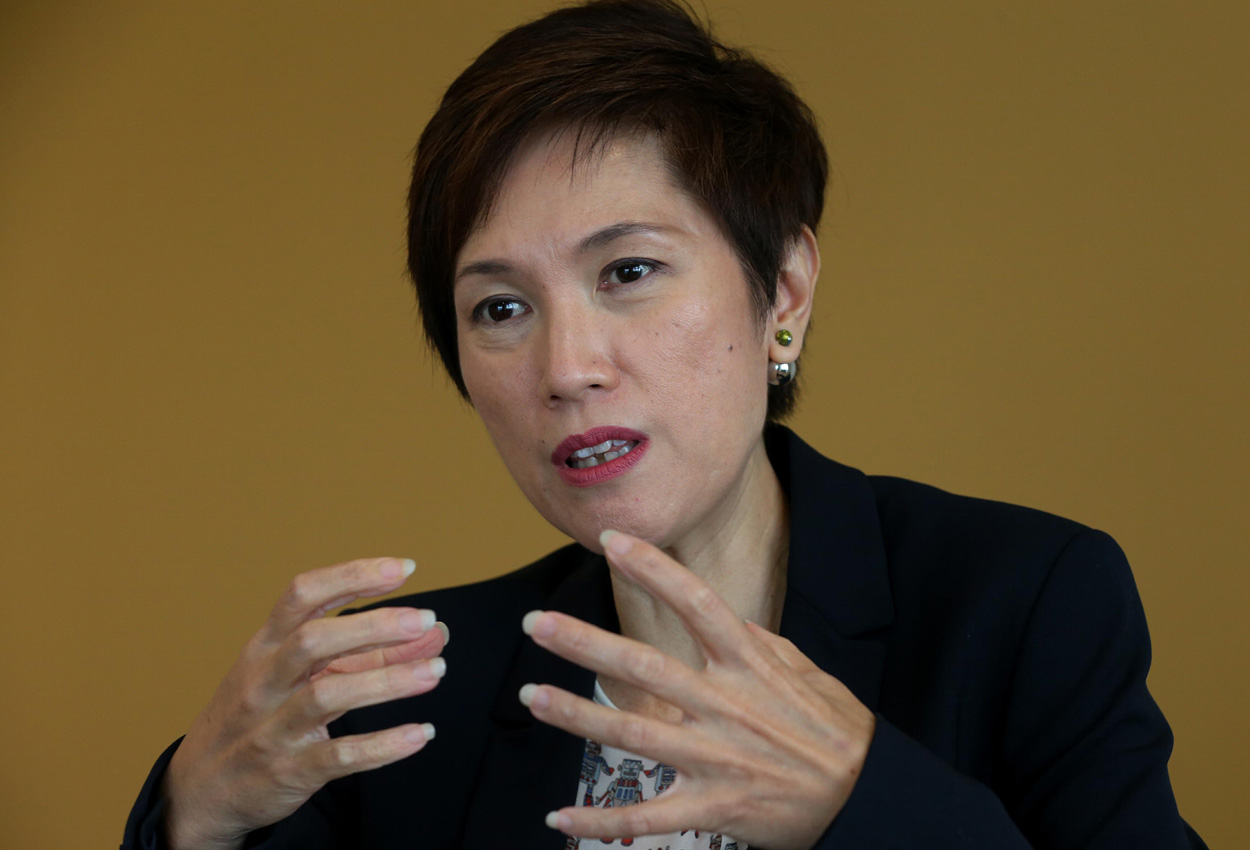
This means they will be open to being “gung-ho” pioneers by taking the leap to have children even as they begin building their careers, Senior Minister of State Josephine Teo believes.

This is what gives her cause for optimism that Singapore’s future population picture is not as dire as it could be.

She said: “This generation must think differently. They are the new pioneers.”

One way in which millennials may differ from older Singaporeans is how they view career and families. Unlike some older Singaporeans who see building careers and raising families as two distinct and sequential phases of life, millennials can pursue both at the same time, said Mrs Teo.

And they have the right aptitude to pursue both, she added in an upbeat tone. “They are very gung-ho. And they are game.”

She singled out a group that she found intriguing – young couples with children. “I’m the one who asked them, ‘Isn’t it very difficult?’ And they are the ones who shrugged their shoulders and said, ‘Ya, but we manage,’ ” said Mrs Teo with a laugh.

She also noted that living longer and having more opportunities mean that the younger generation will lead different lives from the generations before.

“The tempo of their life, the way their whole life story has to be written probably has got to be different,” she said.

“If you are going to live to 80, and just going to peak at 40, 50, then after that what happens?” she asked.

“So this generation must think differently… and redefine how personal, family and career aspirations can be met.”


This article was first published on Oct 12, 2016.
Get a copy of The Straits Times or go to straitstimes.com for more stories.

Category: 
Publication Date: 
Wednesday, October 12, 2016 – 15:00
Send to mobile app: 
Source: 


Story Type: 
Others

Source link

Madame Tussauds Hong Kong to feature Jokowi wax figure

0

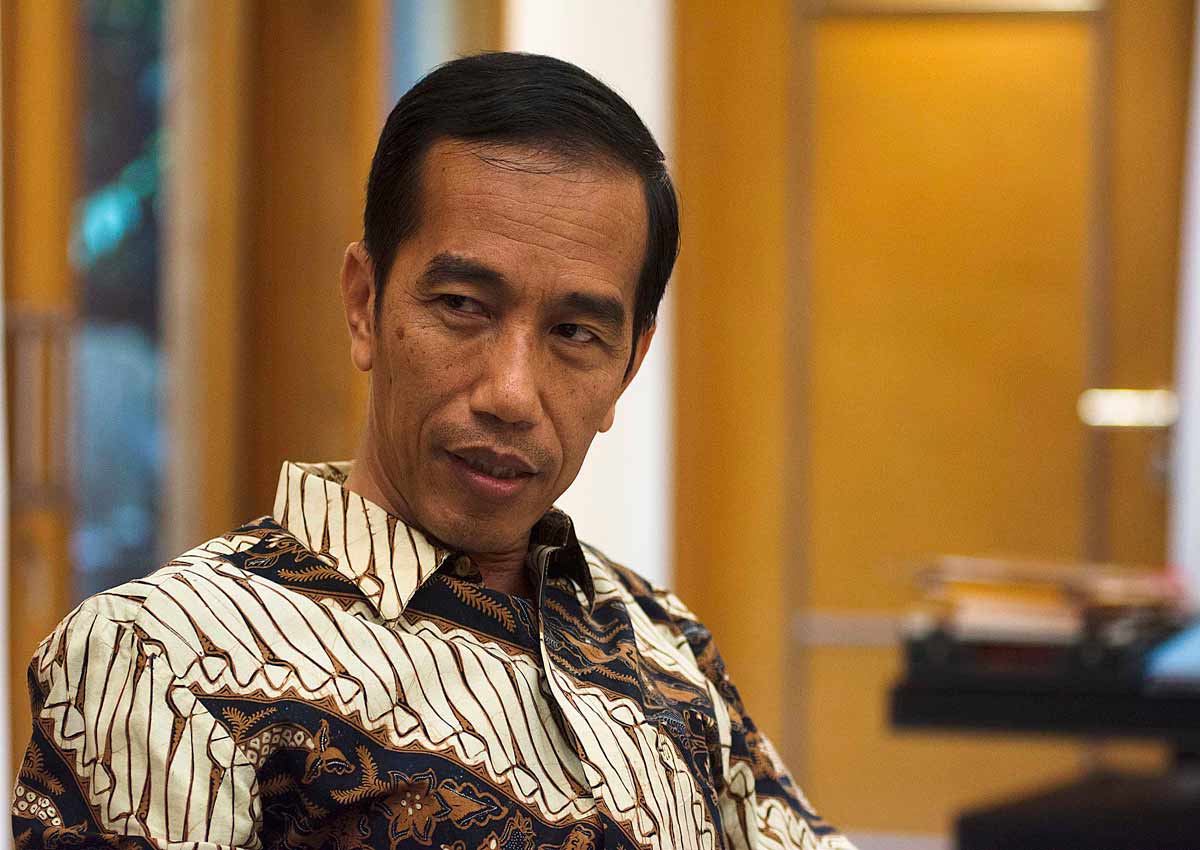
The State Palace has agreed to Madame Tussauds Hong Kong’s proposal to create a wax statue of President Joko “Jokowi” Widodo.

“We agreed [to the request]. This wax statue can be one of the instruments to promote Indonesia as the museum is visited by international tourists,” Presidential Secretariat head Darmansjah Djumala told kompas.com on Monday.

Jokowi’s statue will be placed alongside other influential world figures.

The museum also plans to change the Jokowi statue’s outfits periodically to exhibit various Indonesian fabrics.

“For example, the statue will wear batik on National Batik Day,” said Darmansjah.

The same thing will be applied for Indonesia’s first president Sukarno’s statue too, which is already at the museum.

Madame Tussauds Hong Kong made a request to create the Jokowi statue following a poll carried out by the museum.

Most of the visitors chose Jokowi as their number one choice to be made into a statue, beating current US presidential candidates Hillary Clinton and Donald Trump, who were also on the list.

Image: 
Category: 
Publication Date: 
Wednesday, October 12, 2016 – 12:49
Send to mobile app: 
Source: 


Story Type: 
Others

Source link

79-year-old effortlessly switches between voicing Dragon Ball's Goku and his sons

0

Most people in Singapore are no strangers to Dragon Ball and its main character, Goku, having at least read the comic or watched the cartoon when growing up.

However, what some people may not know is that the voice of Goku in Japan is actually supplied by a 79-year-old actress.

Masako Nozawa, born Oct 25, 1936, began voicing Goku when the Dragon Ball cartoon started in 1986. The well known actress and voice actress has since gone on to voice Goku’s sons and a few more characters in the long-lived cartoon series, the latest of which is Dragon Ball Super, now airing on Sundays in Japan.

Recently on Japanese TV, she showed off how effortlessly she switches between voicing Goku and his son.

She revealed in the interview that she does not prepare or train beforehand for the voice work.

She switches between the characters on screen effortlessly by “looking at the screen”, she said. If Goku is talking in the video, then she speaks Goku’s lines, when the image changes to Goten (Goku’s son), she switches quickly to Goku’s lines, she explained.

sinsh@sph.com.sg

Image: 
Category: 
Publication Date: 
Wednesday, October 12, 2016 – 12:47
Keywords: 
Send to mobile app: 
Source: 


Rotator Headline: 
79-year-old actress effortlessly switches between voicing Dragon Ball's Goku and his sons
Rotator Image: 
video embed code: 
<blockquote class="twitter-video" data-lang="en-gb"><p lang="ja" dir="ltr">野沢さんは本当に最高すぎますね<br><br>それに素敵で素晴らしい人ですから、自分は野沢さんをずっと憧れます<br><br>このドラゴンボール超のメイキング映像を見てると、凄く感動します <a href="https://twitter.com/hashtag/%E3%83%89%E3%83%A9%E3%82%B4%E3%83%B3%E3%83%9C%E3%83%BC%E3%83%AB%E8%B6%85?src=hash">#ドラゴンボール超</a> <a href="https://t.co/PlfQu5uSCh">pic.twitter.com/PlfQu5uSCh</a></p>&mdash; Elisa (@Eli_bebe_DBZ) <a href="https://twitter.com/Eli_bebe_DBZ/status/783502002840109056">5 October 2016</a></blockquote>
<script async src="//platform.twitter.com/widgets.js" charset="utf-8"></script>
Video Media: 
Other Video Media
Story Type: 
Rewritten Story

Source link

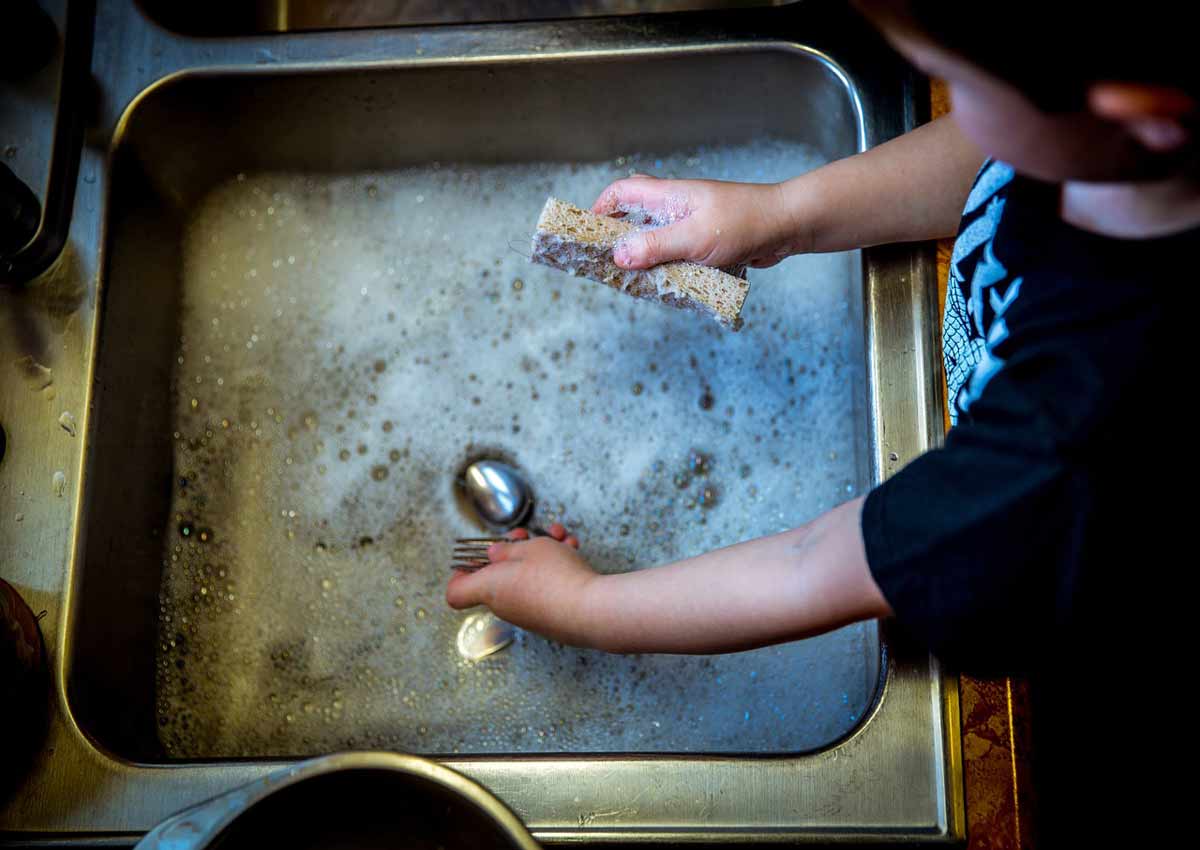
Boys and girls should share household chores: Activists

0

“It is in a girl’s nature to wash dishes and so on. Her place is in the kitchen. That’s how it’s meant to be,” said Kusnia, 35, a woman with one daughter from Lampung.

Kusnia, a domestic worker in Jakarta, said she had begun asking her 4-year-old daughter, Nahwa Kania Putri, to help in the kitchen.

“But I don’t like it,” Nahwa said, adding that she would rather study than do household chores.

While women in the country – Finance Minister Sri Mulyani Indrawati being a perfect example – can have stellar careers in many fields, many Indonesian girls are sill facing social pressures to do domestic chores.

According to a UNICEF report, the gender stereotype that has burdened women for centuries remains a global challenge.

The report, released to mark International Day of the Girl on Oct 11, finds that girls between 5 and 14 years old worldwide spend 40 per cent more time on unpaid household chores and collecting water and firewood compared to boys their age.

A girl aged 5 to 9 spends an average of almost four hours per week on household chores, while older girls aged 10 to 14 spend around nine hours per week on these activities. In some regions and countries, these numbers are twice as high.

The report includes the first global estimates on the time girls spend doing household chores such as cooking, cleaning, caring for family members and collecting water and firewood.

The data shows that the disproportionate burden of domestic work begins early, with girls between 5 and 9 years old spending 30 per cent more time on household chores than boys their age.

The numbers rise as girls get older, with 10 to 14 year olds spending 50 per cent more time, or 120 million more hours each day, according to the report, titled Harnessing the Power of Data for Girls: Taking stock and looking ahead to 2030.

“The overburden of unpaid household work begins in early childhood and intensifies as girls reach adolescence,” said UNICEF’s principal gender advisor, Anju Malhotra.

National Commission on Child Protection (Komnas PA) chairman Arist Merdeka Sirait said the global report reflected the situation in Indonesia as well, with the country’s strong patriarchal culture.

“In Indonesia, girls always do more household chores than boys. It doesn’t matter if the girls are younger or older, parents usually ask them to do the chores, not the boys,” he said.

Parents sometimes consider it inappropriate for boys to do household chores, and thus perpetuating gender stereotypes, KPAI commissioner Maria Ulfa Anshor said. “When girls are told to sweep floors, boys can play football outside,” she told The Jakarta Post.

As a result, girls sacrifice opportunities to learn and grow as time spent on chores limits a girl’s time to play, socialize with friends, study and be a child, Arist said.

The report also noted that girls’ work is less visible and often undervalued. This unequal distribution of labour among children violates the Constitution, which guarantees no gender-based discrimination, Arist said.

Image: 
Category: 
Publication Date: 
Wednesday, October 12, 2016 – 12:43
Send to mobile app: 
Source: 


Story Type: 
Others

Source link

Minister's rejoinder to 'no flat, no child' belief

0

You do not need much space to have sex.

That was the feisty rejoinder from Senior Minister of State Josephine Teo, who oversees the National Population and Talent Division, to a question on whether young people are not getting their flats early enough to have children.

The suggestion was that this could be a chicken-and-egg problem. To qualify for the Parenthood Priority Scheme, which gives first- time married couples first dibs on getting a flat, they must be expecting or have a citizen child below 16.

But to have a child, some say they need to have a flat first.

With a straight face, Mrs Teo declared: “You need a very small space to have sex.”

Known for her candid blog posts on dating and marriage, Mrs Teo does not mince her words – think “menstruation” and “cysts” – when it comes to urging young people to look for love and settle down early.

In an interview on marriage and parenthood issues last week, the mother of three teenage children tackled issues ranging from infertility to why the Government should not be “too kaypoh” (Hokkien for busybody).

She noted that the Singaporean love story has a different arc from that of countries in the West. “In our case, man meets woman, man falls in love with woman, man proposes to woman, they then plan the wedding and do the house,” she said.

“In France, in the UK, in the Nordic countries, man meets woman, tonight they can make a baby already. They love each other. Both of them partly have their own family, so it is a matter of living in yours or living in mine, and they also don’t have to worry about marriage – that comes later,” she added.

So how about having a couple declare that they wish to have a child in two years and get the flat first?

    “What if they can’t conceive? Take back the flat from them? How do you know they really tried to conceive? Can we check whether they use contraceptives? Cannot, right?” she replied, amused.

    Instead of having the Government poke its nose into the bedroom, Mrs Teo relied instead on persuasion. She urged women to have babies early as they would not know if they are fertile or not.

    “You never really know that you’re not fertile until you try. Unfortunately, it is one of those things. There is no fertility indicator. As a woman you will know, if you have regular menstruation, okay, (there is a) likelihood. But maybe you have a major cyst and how would you know until you attempt to conceive, only to realise that you can’t?”

    The search for love is also not something to be left to chance, she said. “When I meet young people and ask if they go and look for upgrading opportunities, they said ‘yes’. I said, ‘What about love? Do you go and look for love?’ They said ‘no’. I said, ‘Why not?’ They said, ‘If it happens, it happens’.

    “I said, ‘You don’t think that upgrading and a good job, if it happens it happens, right? So why is it that you would apply that thinking to your career and your own education, but you don’t apply it to your personal life?’ “

    However, the minister was quick to point out that there is a need to respect personal choice when it comes to marriage and children.

    She said: “In this day and age, it is not possible for us to say that you are somehow bad, you are not doing your part for society.

    “No, there are many reasons why people remain single. Sometimes, (for) very good reasons. Why should we pass judgment on them?”

    Measures being considered to coax couples to marry and have babies

    Housing

    • Reduce the wait for Build-To-Order Housing Board flats

    Childcare

    • Increase childcare spaces to two for every three children
    • Look for suitable spaces in buildings, such as underutilised carparks, that can be converted into childcare centres
    • Attract childcare teachers through better pay and career planning, and elevate their social status to that of school teachers

    Caring for babies at home

    • Match local nannies to those who need them
    • Train maids to look after babies

    At the workplace

    • Get employers to offer flexible work arrangements and promote work-life balance, with the Government taking the lead as an employer


    This article was first published on Oct 12, 2016.
    Get a copy of The Straits Times or go to straitstimes.com for more stories.

    Image: 
    Category: 
    Publication Date: 
    Wednesday, October 12, 2016 – 14:00
    Send to mobile app: 
    Source: 


    Rotator Headline: 
    You don't need much space to have sex: Josephine Teo on 'no flat, no child' belief
    Rotator Image: 
    Story Type: 
    Others

    Source link

    Man injured after van flips at Buona Vista

    0

     A man in his 20s suffered minor injuries after a van flipped to its side on the junction of North Buona Vista Road and Ayer Rajah avenue on Wednesday, says SCDF. 

    Source link

    Manufacturing companies need to embrace change in digital economy: Koh Poh Koon

    0

    Minister of State for Trade and Industry Koh Poh Koon urges companies to adopt an open mindset and take advantage of new opportunities. 

    Source link

    HSA cracks down on 9 retailers for selling tobacco products to minors

    0

    All nine outlets were caught selling tobacco products to minors under 18 for the first time, and will not be able to sell such products for six months.

    Source link