Home Blog Page 2541

Delve into Little India's history at new exhibition

0

SINGAPORE – Today, it is a red light district associated with sleazy activities after dark.

In 19th-century Singapore, it was a meat district too, albeit one with a bloodier shade of red.

For the Desker Road of the olden days was part of an area where a slaughterhouse was found.

The road was in fact named after Andre Felipe Desker, one of the first butchers in Singapore. The Eurasian of Portugese descent got into the business in the 1850s and owned land stretching from Desker Road to Sungei Road and the Kallang River.

The area was where he ran his abattoir, which had cattle and sheep imported from Australia. They were fattened, slaughtered then sold here.
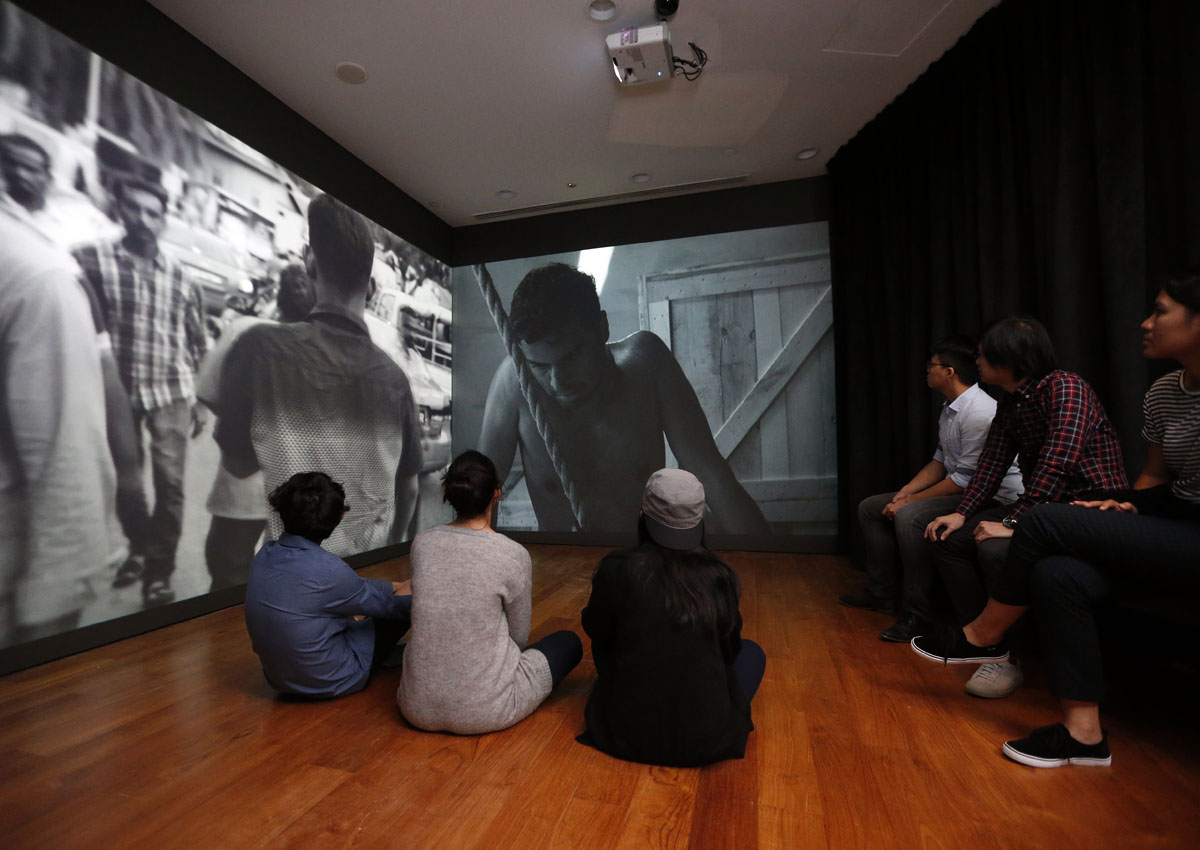
K Rajagopal’s film The Day I Lost My Shadow being screened at the Indian Heritage Centre’s special exhibition, Once Upon a Time in Little India. Photo: The Straits Times

The origins of Desker Road is just one of the many tales told at the Indian Heritage Centre’s first special exhibition, Once Upon a Time in Little India, which was launched by Minister for Trade and Industry S. Iswaran today (Oct 21).

It aims to tell the story of the historic Little India enclave through its key arterial roads – Serangoon Road, Kandang Kerbau and Mackenzie Road.

On display are more than 100 artefacts from the community and the national collection.
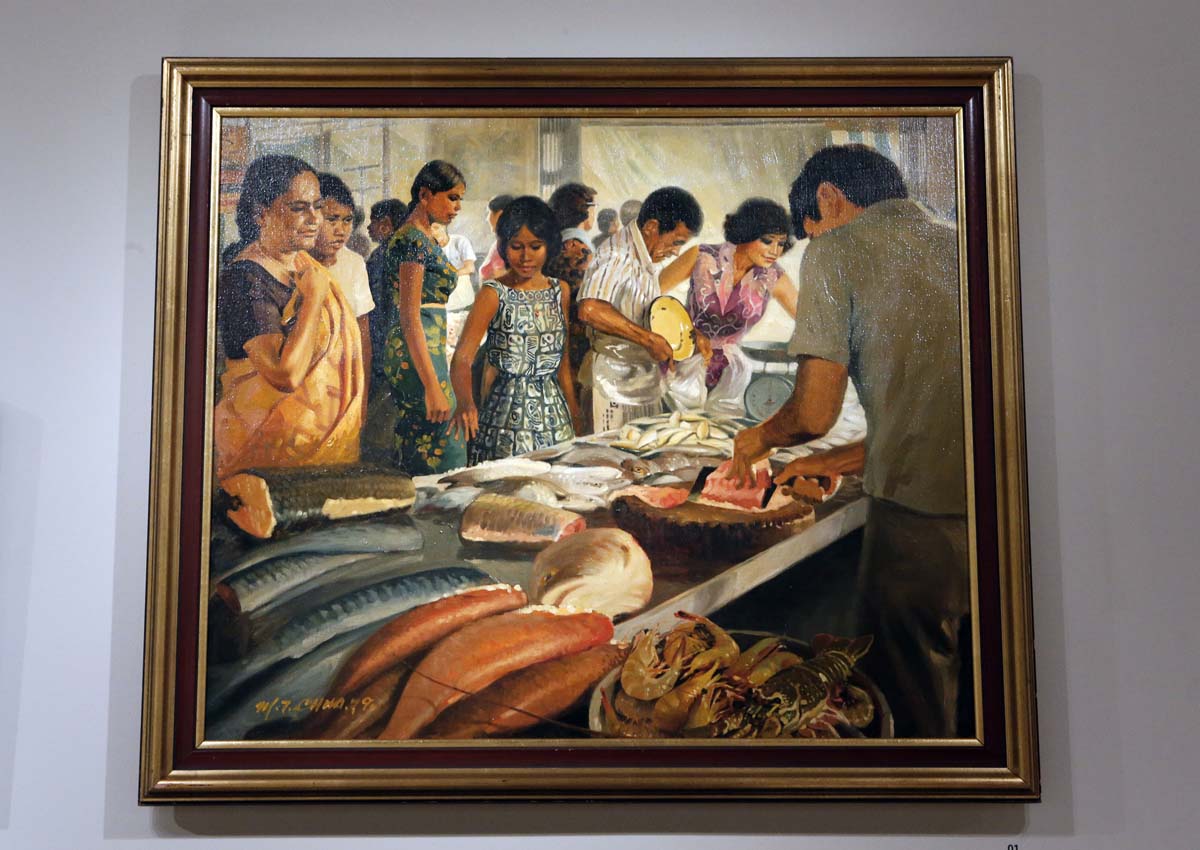
A painting of the kandang kerbau fresh food market. Photo: The Straits Times

They include the late Desker’s indenture notice featuring his business address and his last will and testament. These are on loan from his great-grandson, Mr Barry Desker, 69, Singapore’s Ambassador to Spain and the Holy See and distinguished fellow at the S. Rajaratnam School of International Studies.

Mr Desker said he was glad to share his family’s artefacts with the rest of Singapore.

He said: “I thought it would be useful for Singaporeans to have a sense of history. As a historian myself, I often regret that we in Singapore don’t recongise our own history, and where we come from. We exist as if only the present matters.”

Indian Heritage Centre curator Nalina Gopal said the exhibition aims to juxtapose past and present: “Little India then, home to a cosmopolitan society with a majority of Indians, is not very different from what it is today.

“Our showcase discusses the different life experiences people have had with reference to the neighbourhood which once stretched from Bras Besah through Dhoby Ghaut, most of Serangoon Road and right up to Potong Pasir. We also draw parallels with the global settlements of the Indian diaspora.”
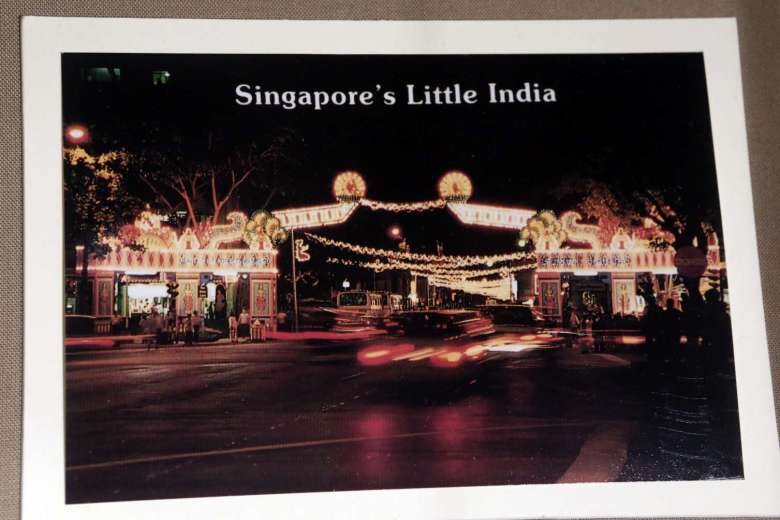
A postcard showing Deepavali light-up decorations at Little India. Photo: The Straits Times

Another lesser known community featured in the exhibition is the Chittys – Indian Peranakans from Tamil Nadu, who settled in Malacca in the 14th century and married local Malay women.

They could be found in Chitty Road in Little India in the late 19th and early 20th centuries.

Mr Iswaran said the special exhibition is a good addition to the centre’s existing offerings, which includes a permanent exhibition.

He noted that the centre has attracted 250,000 visitors since it opened last May, exceeding expectations.

The centre does not only serve as a focal point for Indians of Singapore to recollect their past, he said, but it is also about sharing and communicating their culture, history, and traditions “with other Singaporeans of different ethnic groups”.


This article was first published on October 21, 2016.
Get a copy of The Straits Times or go to straitstimes.com for more stories.
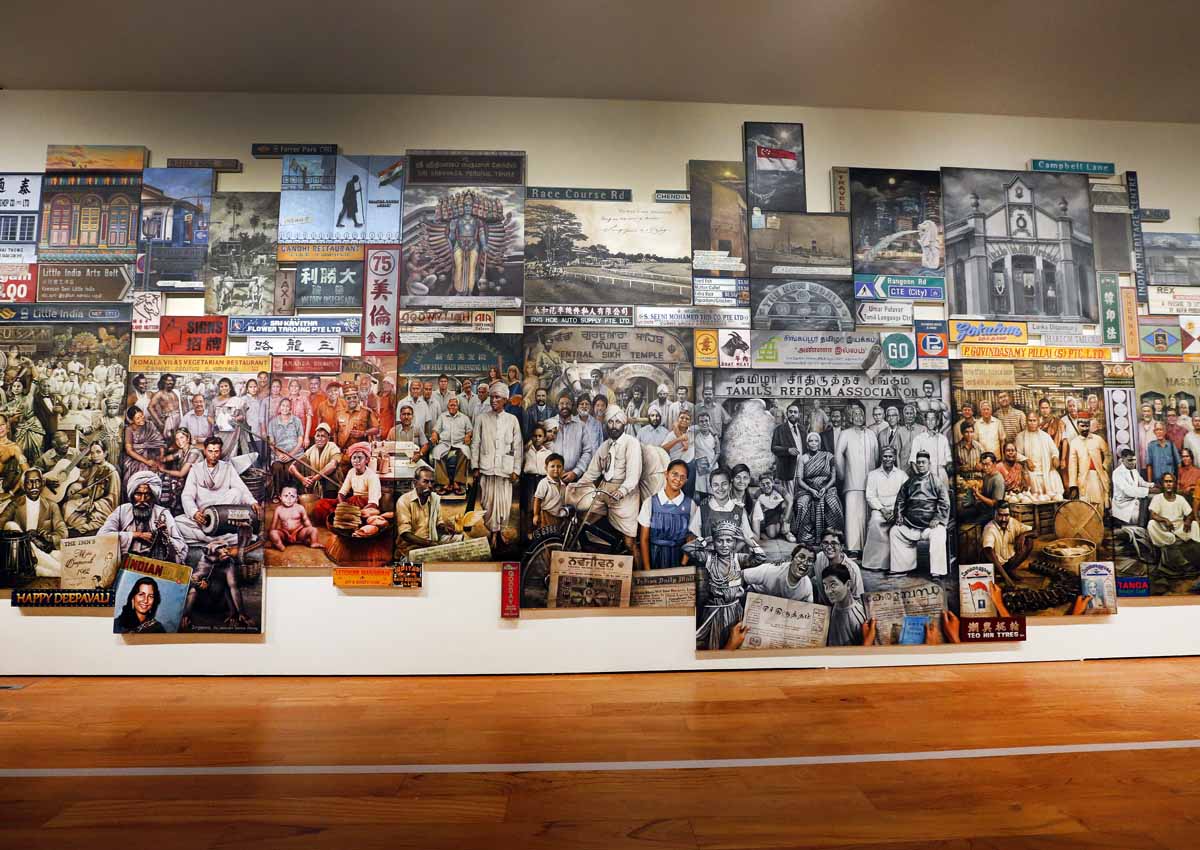

Image: 
Category: 
Publication Date: 
Saturday, October 22, 2016 – 11:44
Keywords: 
Send to mobile app: 
Source: 


Story Type: 
Others

Source link

28-year-old nurse arrested after patient loses $3,000 cash

0

SINGAPORE – Police have arrested a 28-year-old nurse, after a patient lost $3,000 in cash during his hospitalisation.

The patient, who is a 34-year-old taxi driver, told Shin Min News Daily he had suffered from a spinal cord injury from a fall on March 23.

During his hospitalisation in June, he withdrew $3,000 from an ATM in the hospital and intended to keep the money in the drawer beside his hospital bed, reported the Chinese newspaper on Friday (Oct 21).

But at a nurse’s suggestion, he left the money with the staff instead.

When he tried to retrieve the cash a few days later, he discovered that another nurse had allegedly taken the money.

“I heard that one of her relatives had died, so she needed the money urgently for the funeral,” he told Shin Min.

He added that he wanted to resolve the issue amicably and offered to let the nurse return the money in instalments, but the police were already involved.

The nurse has been dismissed from the hospital, according to the report.

Police said investigations are ongoing.


This article was first published on October 21, 2016.
Get a copy of The Straits Times or go to straitstimes.com for more stories.
Image: 
Category: 
Publication Date: 
Saturday, October 22, 2016 – 11:37
Keywords: 
Send to mobile app: 
Source: 


Story Type: 
Others

Source link

Football: Russia chooses wolf as 2018 World Cup mascot

0

MOSCOW – Russia has chosen a goggled wolf as mascot for the 2018 World Cup.

The wolf, unveiled to the public early Saturday after a month of online voting, prevailed over a cat and a tiger dressed in a space suit after receiving more than half the votes.

The mascot – named “Zabivaka”, which in Russian means “one who scores” – was presented on a popular late-night show on Pervy Kanal state television.

More than one million people voted in the contest following what FIFA said was “the most engaging creative process” for selecting an official mascot in its history.

Russia is set to host the 2018 World Cup in 11 cities including Moscow, Saint Petersburg and Sochi.

Image: 
Category: 
Publication Date: 
Saturday, October 22, 2016 – 11:29
Send to mobile app: 
Source: 


Story Type: 
Others

Source link

Singapore film banned in Malaysia because of cultural sensitivities

0

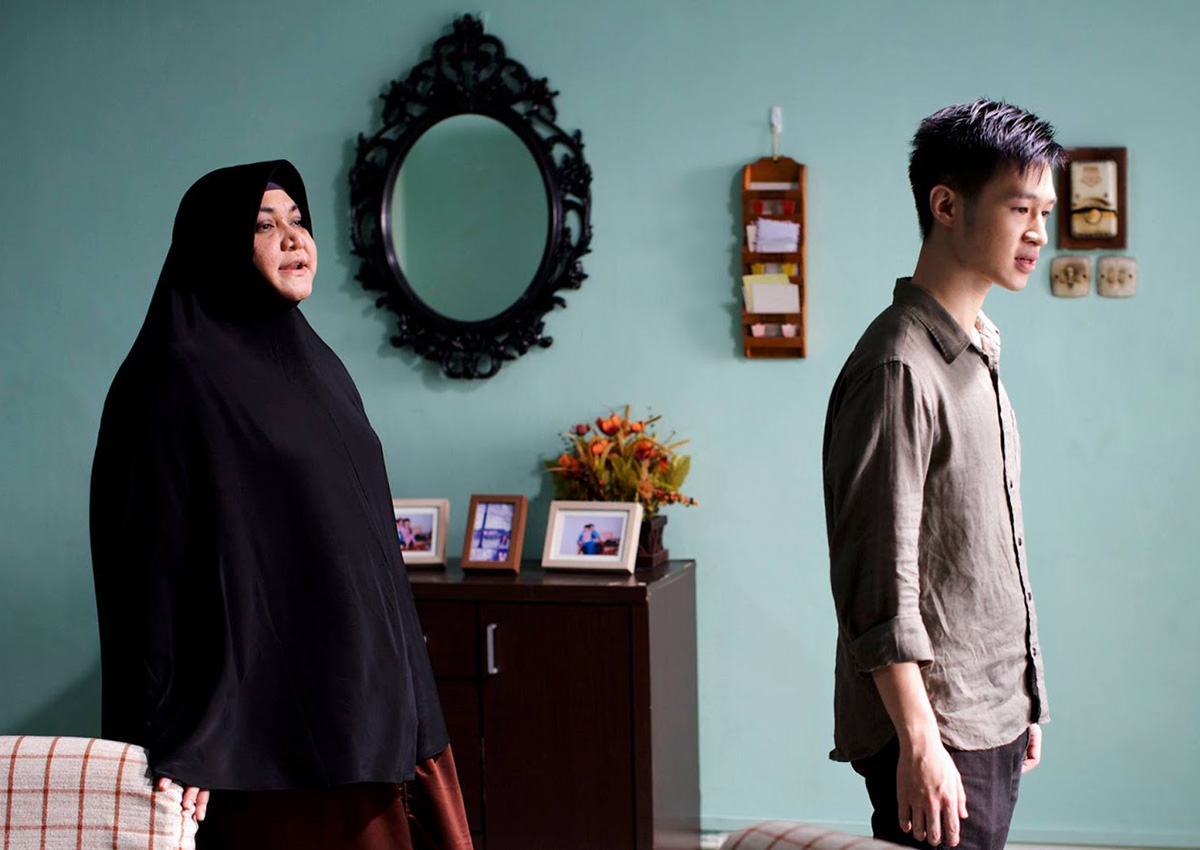
SINGAPORE – Singaporean film Fundamentally Happy, about a reunion between a young Chinese man and an elderly Malay woman who were once neighbours, has been banned from Malaysian cinemas due to cultural sensitivities.

According to the film-makers, the Film Censorship Board of Malaysia (LPF) said that the film contains “elements that may be sensitive to the feelings of Malaysian Malays and may be interpreted by Malaysian Malays as an attempt to reflect the community’s attitude towards those who abuse the weak to fulfil their desires”.

In the film, the happy reunion between the neighbours soon leads to allegations of child abuse in the past which may or may not have happened.

The play of the same name that the film is based on was staged in 2007 in Kuala Lumpur at The Actor’s Studio, without any cuts, advisory or rating.

Haresh Sharma wrote the 2006 play, which won Best Script and Best Production at the Life Theatre Awards.

Singapore film-makers Tan Bee Thiam and Lei Yuan Bin adapted it for the screen last year. While it has not been released here commercially, it has been screened at events and festivals.

It will next be screened at *Scape on Nov 5. The session will be followed by a Q&A with director Tan and leading man Joshua Lim.

In a Facebook post uploaded by the Fundamentally Happy film production team on Thursday (Oct 20), it wrote: “We are deeply disappointed that our Malaysian audience is being denied the opportunity to watch Fundamentally Happy in the cinema.

“This film was based on an award-winning play that was a result of months of research and consultation with the community. The play and the film are, above all, works of social relevance and compassion. We were hoping to share this film with our audience in Malaysia so that we could have a conversation on the important issues brought up by the film.”

The film-makers are considering appealing the decision.


This article was first published on October 21, 2016.
Get a copy of The Straits Times or go to straitstimes.com for more stories.
Image: 
Category: 
Publication Date: 
Saturday, October 22, 2016 – 11:24
Send to mobile app: 
Source: 


Story Type: 
Others

Source link

Typhoon Haima lashes China's south coast

0

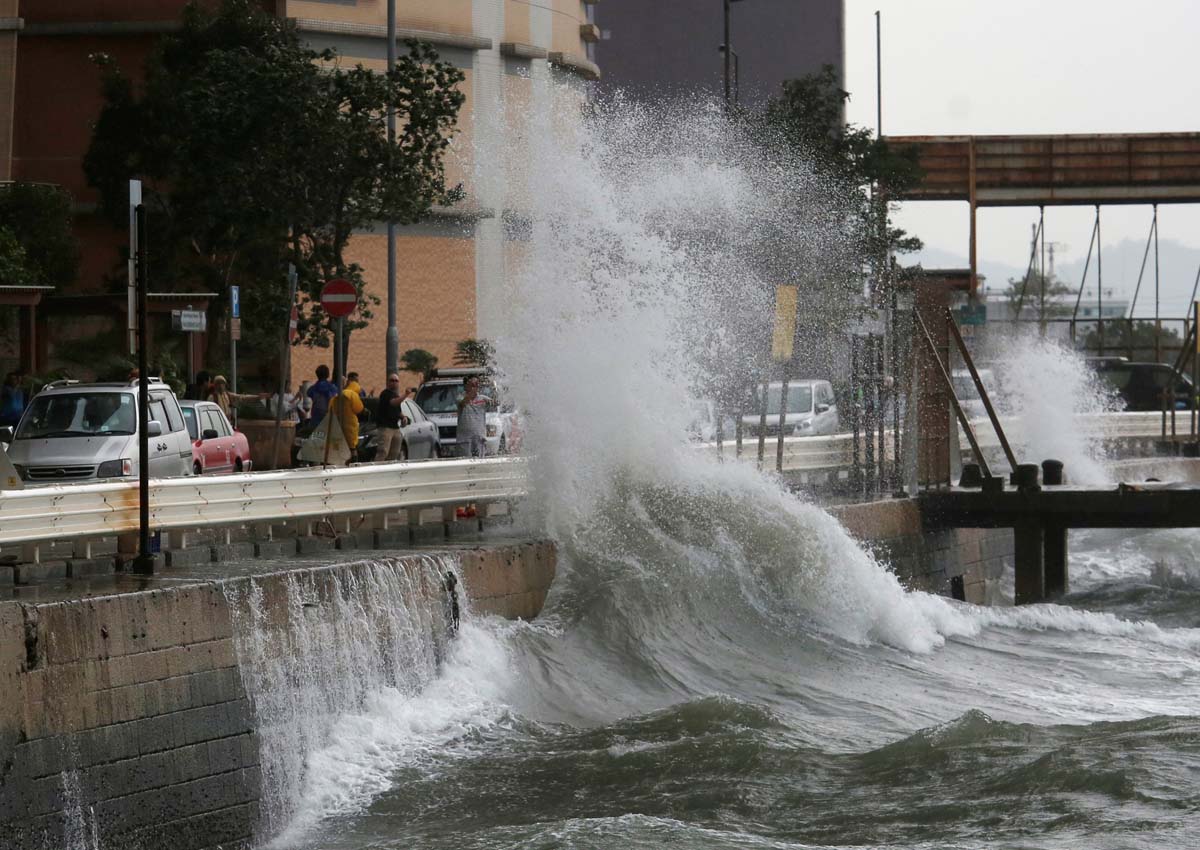
“The strong gale almost blew me away,” said Huang Rongjun, a resident in the city of Shanwei, after Typhoon Haima made landfall in Guangdong province.

“I was all wet when I returned home at noon, and I saw many umbrellas blown away, as well as some billboards and tree branches taken down by the storm,” said the young woman worker.

“Many people will have to stay at home on Friday night due to the bad weather.”

According to an engineer surnamed Zhang in charge of equipment operation and maintenance at a local wind power station in Shanwei, the power grid has been shut down since Thursday night.

“Haima is so strong that more than 10 electricity generating units at the power station have been knocked out, resulting in economic losses valued at millions of yuan,” Zhang told China Daily on Friday.

Haima, meaning sea horse in Chinese, made landfall in Houmen township in Shanwei at 12:40 pm on Friday. It has caused widespread economic losses and wreaked havoc in Guangdong’s eastern coastal cities.

Haima, the 22nd typhoon to hit the Chinese coast this year, is the strongest one to strike Guangdong province in late October.

Government departments are still busy calculating the direct economic losses caused by Haima. In Hong Kong, the government received at least 197 reports of fallen trees in the city, and 12 people were injured as of 4 pm.

According to Guangzhou Railway Group, all passenger train services in Guangdong’s eastern coastal areas ceased on Friday.

More than 570 flights in Shenzhen had been cancelled as of 9 am on Friday because of Haima. Shenzhen Baoan International Airport did not resume departure service until 6 pm.

China Southern Airlines also cancelled flights in Jieyang airport on Friday.

In Hong Kong, at least 742 flights were cancelled as of 2 pm, according to the Airport Authority of Hong Kong.

Liang Jian, chief forecaster with the Guangdong provincial meteorological observatory, said Haima is expected to weaken in Jiangxi province on Saturday morning after more than 12 hours of lashing Guangdong.

But the eastern and northern parts of Guangdong will witness downpours in the next one or two days, Liang said.

He Guoguang, an official in charge of flood relief with the Guangdong provincial department of water resources, urged relevant departments to introduce effective and concrete measures to prevent possible flooding in major rivers and landslides in the mountainous cities in the coming two days.

The Hong Kong Observatory raised a No 8 storm signal early on Friday morning, as Haima approached. Gales and heavy rains caused disturbances across the city.

In a Wellcome supermarket store in Hung Hom, Kowloon, a cashier surnamed Chan, who had worked the day shift since 6 am, said she had been so busy that she hardly had time to go to the bathroom.

Shelves for vegetables and meats were almost empty while there was no evident price hike. She said the checkout line never seemed to end and she felt exhausted.

However, prices of vegetables in wet markets went up around 10 per cent on Friday.

Image: 
Category: 
Publication Date: 
Saturday, October 22, 2016 – 10:58
Keywords: 
Send to mobile app: 
Source: 


Story Type: 
Others

Source link

Mr Bean: $1 Discount for UOB Cardholders from 17 Oct – 11 Dec 2016

0

MR BEAN: Get $1 off min $5 spend when you pay with a UOB card via NETS

Mr Bean: $1 Discount for UOB Cardholders from 17 Oct – 11 Dec 2016

Pay with a UOB card via NETS and enjoy $1 off with a minimum spend of $5 at Mr Bean outlets till 11 December. Limited to the first 500 UOB Cardmembers per day.

Source

Apathy, complacency and mediocrity standing in the way of better solutions for society: Lien Foundation CEO Lee Poh Wah

0

Lee Poh Wah of the Lien Foundation went “On the Record” to discuss a raft of issues concerning children and the elderly, philanthropic organisations, and how his battle with cancer shaped his attitudes towards life and work. 

Source link

'Toilet lid' couple criticised for damaging image of Chinese tourists

0

The Ningbo Municipal Tourism Administration posted a notice on its Weibo account on Wednesday calling on Chinese tourists to adopt civilised behaviour when travelling abroad.

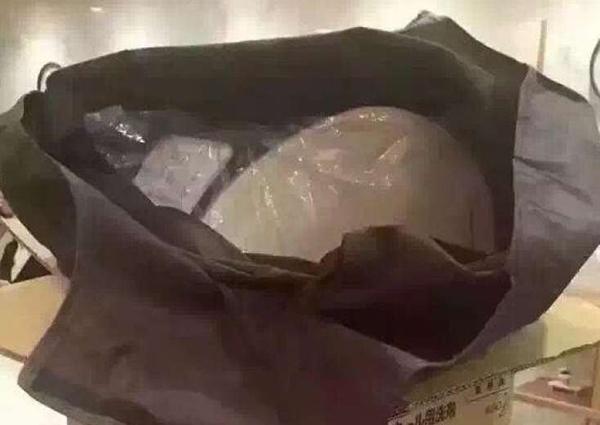
A man, surnamed Li, and his wife were part of a tour group that began a six-day tour in Japan on Oct 17. Before departing the Toyoko Inn Nagoya, Li found a new electronic toilet seat cover in a box under their bed.

Li said he thought it might have been left behind by another tourist, which is why he took it, but it turned out that it belonged to the hotel.

According to Yang Shipei, manager of Shanghai Spring and Autumn International Travel Service’s Ningbo branch, which organised the tour, the hotel contacted its tour escort.

When he found out it belonged to the hotel, Li said he regretted his behaviour. He took it back to the hotel the same day with the help of the tour guide and wrote a letter of apology. The hotel forgave Li for his actions, Yang said.

But news of the incident went viral, arousing the anger of Chinese netizens, who criticised Li for discrediting the image of Chinese tourists.

According to zjol.com, a provincial leading news website, criticism from netizens amounting to what it called a “cyber-manhunt” led to the couple deciding to leave the tour, adding that one of them had already sent a resignation letter.

The tour group is scheduled to arrive back in China on Saturday.

China has taken a series of measures to eliminate uncivilized behaviour by Chinese tourists when abroad.

“We should all abide by the local laws, customs and habits when abroad to protect the international image of Chinese tourists” said Gu Weiwei, deputy director of Ningbo Municipal Tourism Administration.

Image: 
Category: 
Publication Date: 
Saturday, October 22, 2016 – 10:52
Keywords: 
Send to mobile app: 
Source: 


Story Type: 
Others

Source link

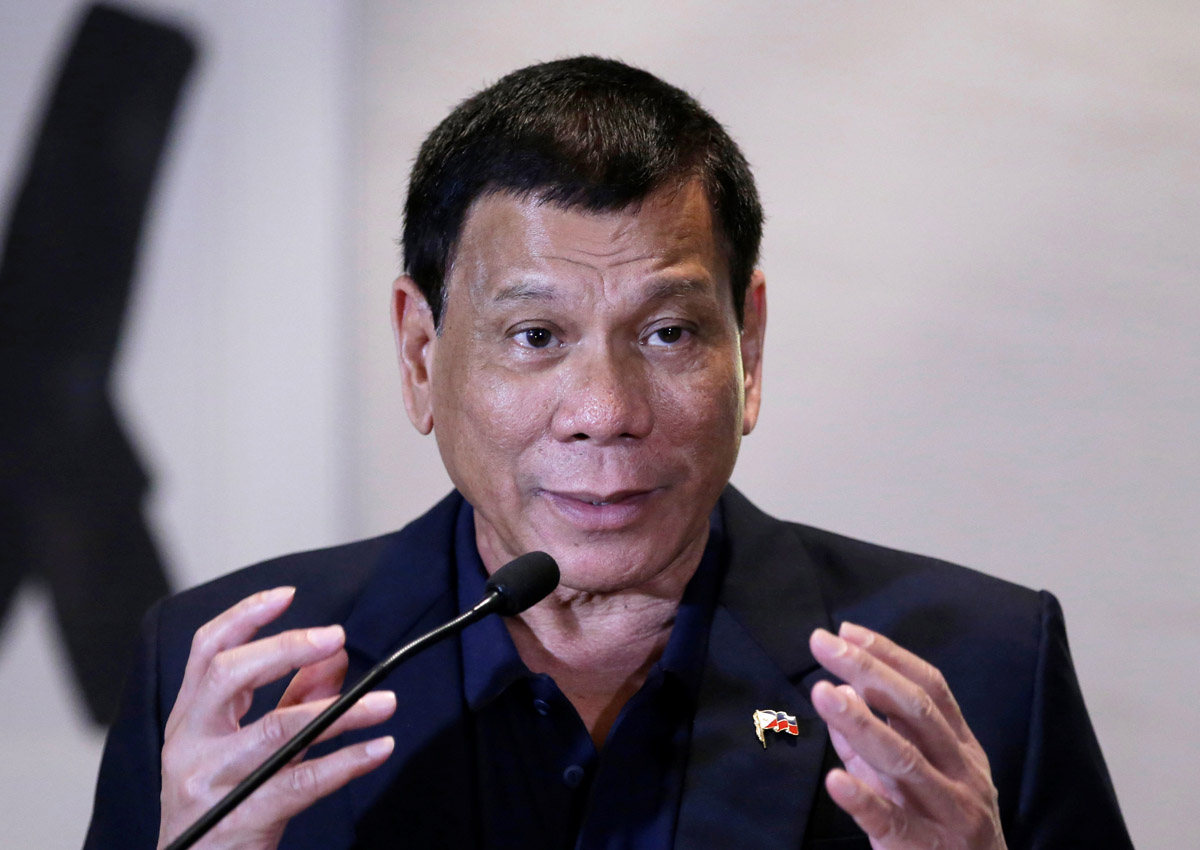
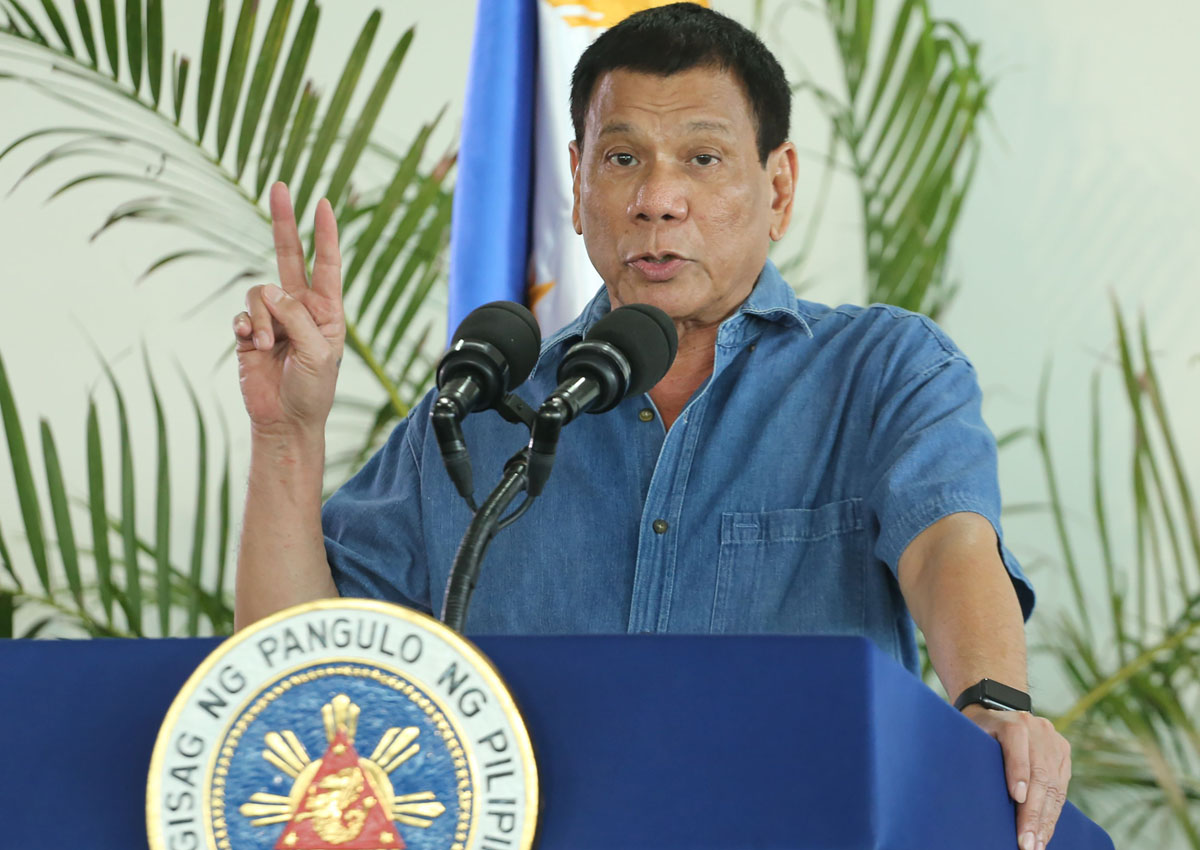
Xi, Duterte hail 'springtime' of ties

0

China and the Philippines agreed on Thursday to properly handle their maritime disputes and restore the bilateral ties soured by the South China Sea dispute. The development is a “welcome U-turn” in the bilateral ties, said Jia Duqiang, a senior researcher of Southeast Asian studies at the Chinese Academy of Social Sciences.

Rodrigo Duterte’s first visit to China as Philippine president also saw the two countries sign 13 deals, worth more than $13.5 billion (S$18.9 billion), on finance, anti-drug efforts, production co-operation and tourism, said Ramon Lopez, the Philippine trade and industry secretary.

Read also: Philippines bags $18.9 billion in deals from China

President Xi Jinping, after a grandiose welcoming ceremony for his counterpart, described his handshake with Duterte as “warm and firm”, even though the bilateral ties recently underwent some “winds and rains”.

China is the first country outside the Association of Southeast Asian Nations region that Duterte has visited since he took office in June.

The visit took place amid a backdrop of bilateral ties that had suffered due to the unilateral filing of the South China Sea arbitration case against China by Duterte’s predecessor, Benigno Aquino III.

Xi called on the two countries to handle disputes properly on the South China Sea issue, to set aside the disagreements, and to focus more on co-operation. China and the Philippines have a history of generations of friendship, and there are no excuses for hostility and confrontation, he said.

Xi, who called the visit a milestone for bilateral ties, said the two countries remain friendly neighbours.

Duterte expressed gratitude for China’s support for the economic development of the Philippines.

“This is the springtime of our relationship,” he told Xi, adding that the two countries should enhance co-operation in areas including trade, investment, agriculture, manufacturing, infrastructure and tourism, as well as in efforts to combat drugs and terrorism.

Vice-Foreign Minister Liu Zhenmin said the visit means a new page has been turned in the relationship between the two countries in addressing the South China Sea issue through bilateral consultations.

China will provide financial support for infrastructure construction in the Philippines, Liu said, and will take part in the construction.

According to Liu, Xi has announced that China will lift the travel advisories issued two years ago for Chinese people travelling to the Philippines, adding that this will encourage more Chinese to visit the Southeast Asian country.

China has also resumed permits to 27 Philippine companies that export tropical fruit, including mangoes, to the country, he added.

Jia Duqiang, the researcher at the Chinese Academy of Social Sciences, said Duterte’s visit is a “turning point” for China-Philippines ties.

“Unlike his predecessor Benigno Aquino III, who relied much on the United States, Duterte has taken an independent approach in diplomatic policies,” he said.

Jia expressed cautious optimism regarding China-Philippines ties because “setting aside the arbitration case temporarily does not mean the resolution of disputes for good”.

Song Junying, a researcher of Asia and Pacific studies at the China Institute of International Studies, said that as a pragmatic political figure, Duterte aims to speed up the country’s economic development to bring real benefits for his people.

Aid from China will be crucial for Duterte to improve the country’s infrastructure, he said.

Image: 
Category: 
Publication Date: 
Saturday, October 22, 2016 – 10:38
Send to mobile app: 
Source: 


Story Type: 
Others

Source link

Philippines bags $18.9 billion in deals from China

0

BEIJING – For agreeing to return to the negotiating table to settle a dispute in the South China Sea, the Philippines is getting US$9 billion (S$12.6 billion) in soft loans from China, part of the US$13.5 billion in deals signed during President Duterte’s visit to Beijing this week.

Encouraged by the apparent success of his trip, Duterte announced his “separation” from the US on Thursday, declaring it had “lost,” and he had realigned with China.

Addressing a group of Chinese and Filipino businessmen after his talks with Chinese President Xi Jinping, Duterte said relations with the US had reached “checkmate.”

“The US has lost now,” Duterte said.

“I’ve realigned myself in your ideological flow and maybe I will also go to Russia to talk to (President Vladimir) Putin and tell him that there are three of us against the world-China, Philippines and Russia. It’s the only way,” he said.

“With that, in this venue, your honours, I announce my separation from the US, both in military, not in social, both in military (and) economics,” he remarked.

“I have separated from them. Hence, I will be dependent on you for all time. But do not worry. We will also help as you help us.”

He means it

Defence Secretary Delfin Lorenzana declined to comment, but National Security Adviser Hermogenes Esperon Jr. told reporters that Duterte meant what he said.

Manila and Washington are bound by the PH-US Mutual Defence Treaty in force since 1951.

Duterte cannot scrap the treaty on his own. Abrogation of the treaty requires action by the senate.

Xi and Duterte oversaw the signing of 13 agreements and memoranda of understanding after their talks at the Great Hall of the People in Beijing on Thursday.

The agreements included the establishment of the so-called Joint Coastal Guard Committee on Maritime Cooperation as a prelude to co-operation in the heavily disputed South China Sea.

“In this visit, bilateral relations have fully recovered, and the two countries will return to the track of dialogue and consultation to address maritime issues,” Chinese Vice Foreign Minister Liu Zhenmin told reporters after the signing of the agreements.

Liu said China welcomed the Philippines’ participation in its so-called Maritime Silk Road and committed to taking an active part in the development of infrastructure, agriculture and finance in the Philippines.

He said Xi agreed to lift travel advisories issued a few years ago to Chinese citizens travelling to the Philippines.

“This lift will encourage more Chinese citizens planning to visit the Philippines,” Liu said.

US$12.6 billion in soft loans

According to the Inquirer, during the talks, Xi committed US$6 billion in soft loans to the Philippines from the Chinese government, while another US$3 billion in credit facilities would be made available by private Chinese banks.

Xi also committed 100 million yuan (S$20.7 million), or about US$15 million, for building rehabilitation centres to aid Duterte’s brutal war on drugs. Finance Secretary Carlos Dominguez and Presidential Communications Secretary Martin Andanar confirmed this information.

Other deals signed were the Agricultural Cooperation Action Plan 2017-2019, co-operation on animal and plant inspection and quarantine, conduct of feasibility studies for major projects and production capacity and investment co-operation.

The two governments also agreed on establishing economic and technological co-operation; strengthening trade, investment and economic co-operation; preparing draft on economic co-operation and development plans and implementing a tourism plan for 2017-2022.

They also agreed to co-operate on transportation and infrastructure development and to financing co-operation between the Export-Import Bank of China and the Philippines’ Department of Finance.

Credit line

The two governments also agreed to share information and to co-operation between the Narcotics Control Bureau of the Ministry of Public Security of China and the Philippine Drug Enforcement Agency, another boost for Duterte’s war on drugs.

Bank of China will open on Friday a US$3-billion credit facility for Philippine industries and infrastructure, in a deal to be signed at the close of Duterte’s visit.

Businessmen from the Philippine companies described the deal as “nonbinding.”

“They want to give us a credit line for any use we may have for it,” one company official said. “It will most likely be (loaned out) at market rates,” he said.

Eight Philippine conglomerates and corporations will enter into an agreement with Bank of China for the credit facility.

They are JG Summit Holdings, Filinvest Development Corp., Metro Pacific Investment Corp., SM Investments Corp., International Container Services Inc., Ayala Corp., Pan Pacific Renewable Power Philippines Corp. and Udenna Corp.

The credit deal will be signed at the Bank of China headquarters in Beijing.

After overseeing the signing, Duterte will fly back to Davao City. He is expected to arrive there at 10:45 pm local time.

Liu said that after the talks between Xi and Duterte, China resumed giving permits to 27 Philippine companies exporting fruits, including mangoes, to the mainland.

He said China has also vowed to support the Philippines in its responsibilities as chair of the Association of Southeast Asian Nations for 2017.

Liu said the talks did not touch on Filipino fishermen’s return to Scarborough Shoal, or Panatag Shoal, which China had seized from the Philippines in 2012.

“However, they did talk about co-operation in fishery. They agreed that the two countries will strengthen fishery co-operation in the South China Sea and also co-operation in terms of fishery products (and) industries,” he said.

Image: 
Category: 
Publication Date: 
Saturday, October 22, 2016 – 10:30
Keywords: 
Send to mobile app: 
Source: 


Story Type: 
Others

Source link