Home Blog Page 2540

Soul singer Joss Stone sang Teochew opera in S’pore

0

He remains single in real life, but he was lucky enough to be “married” to English soul singer Joss Stone for an evening.

Former actor Nick Shen Weijun, 40, and the 29-year-old Grammy award winner played a married couple in an excerpt from Teochew opera The Reunion.

Stone’s two-hour Teochew opera lesson was shot in Swatow Restaurant for a yet-to-be-titled documentary for the singer’s ongoing Total World Tour, where she immerses herself in different cultural experiences.

The Reunion tells the story of Chinese scholar Lv Meng Zheng, who is separated from his wife Liu Cui Ping but sends for her to join him in his official residence after he becomes the top scholar in the imperial examinations.

Shen, founder and creative director of Teochew opera troupe Tok Tok Chiang, told The New Paper over the phone on Wednesday that he was delighted to have shared the stage with Stone.

“It was my first time acting with a Caucasian person and I was honoured to have such a talented artist as my ‘wife’,” he said.

Stone attended the Teochew opera lesson with her boyfriend, concert promoter Si Chai.

Said Shen: “Her boyfriend wasn’t jealous of us playing husband and wife.

“He enjoyed the performance and even took photos with us.”

Shen was full of praise for Stone for taking to Chinese opera like a duck to water.

“Teochew opera is very challenging. It’s tough getting the pronunciation of the Teochew dialect right, even for native speakers,” he said.

“Plus new people often get stage fright.

“Joss was a very fast learner. Although her Teochew was not smooth, she did her best.

“Her passion really showed and she had so much stage presence, she was not shy at all.”

Stone had been in town in March for the Sing Jazz festival and at her Sing Jazz press conference then, she had mentioned the Teochew opera lesson with Shen and expressed her excitement about it.

In a separate interview with TNP after her press conference, she said: “As a singer, opera is amazing to me. It’s like, wow, how do they do that?’

“And Chinese opera is a whole other kettle of fish, it’s very traditional and cool.

“At first, I felt confused that Chinese opera is a big thing in Singapore because, to me, China and Singapore are two different places.

“But now I’ve learnt that Singapore is made up of a different influences, including Chinese.”

Shen said Stone was delighted with her Teochew opera makeover, complete with traditional headgear, costumes and red-and-white make-up.

“Joss was especially fascinated by her hair because we used a very traditional, handmade stick-on fringe for her.”

Shen also said Stone found the gestures accompanying the Teochew opera singing challenging but she tackled them with gusto.

“She had to learn how to synchronise her eye and hand movements, and move her water sleeves in a graceful, flowing manner,” he said.

“She learnt how to do the opera steps by walking very slowly, with paper sandwiched between her thighs.

“I think she did very well and looked like a professional performer.”

DEDICATED

Shen, who is dedicated to promoting Teochew opera in Singapore and beyond, is excited to introduce more young people and foreigners to it.

Tok Tok Chiang performs on most Friday evenings at Swatow Restaurant and conducts Teochew opera workshops in primary and secondary schools. It also organises events with partners like National Heritage Board and National Arts Council.

Shen added: “Joss is warm and humble, it was a pleasure meeting her. She said she would let me know if there are opportunities for cultural performances in England in future.”

He added that Westerners can be more open than Chinese people in learning about Teochew opera, which can be enjoyed by all races.

“I hope that with the release of Joss’ documentary, more young people will be interested in Chinese opera after seeing it repackaged in a different way,” he said.


This article was first published on October 22, 2016.
Get The New Paper for more stories.

Image: 
Category: 
Publication Date: 
Saturday, October 22, 2016 – 19:00
Send to mobile app: 
Source: 


Story Type: 
Others

Source link

LKY's estate withdraws application to appeal

0

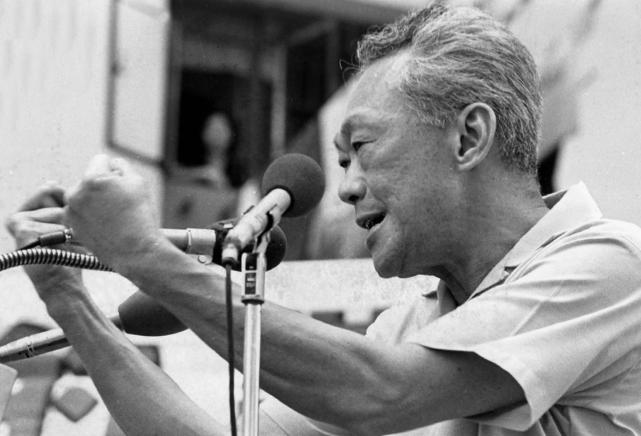
The estate of the late Mr Lee Kuan Yew has withdrawn its application for permission to appeal against a judge’s decision.

Earlier this month, Dr Lee Wei Ling and Mr Lee Hsien Yang – in their role as executors of Mr Lee’s estate – had applied for leave to appeal against a High Court decision that prevented them from submitting to court an account of how their father’s interview transcripts ended up with the Government after his death.

The Supreme Court confirmed that the application was withdrawn yesterday at a hearing in chambers in the High Court.

The executors of Mr Lee’s estate had initially applied to court last year to clarify an agreement their father had made with the Government over the control and use of the interviews he gave in the 1980s as prime minister.

As part of the case, they wanted to file an affidavit setting out a detailed account of how the Cabinet Secretary came to possess the transcripts after Mr Lee’s death in March last year.

But in his judgment on Sept 28, High Court Judge Tay Yong Kwang did not allow it, saying “the details were unnecessary and quite irrelevant” to the case.

The judgment had set out background facts on the transcripts – that they were found in Mr Lee’s home at 38 Oxley Road by a family member shortly after he died on March 23 last year.

Between March 23 and May 5 last year, an unnamed member of Mr Lee’s family, thinking that the transcripts were official government documents, handed them to the Cabinet Secretary without the knowledge or consent of Mr Lee’s estate.

Following the judgment, lawyers for the estate said the estate was looking to reverse Justice Tay’s decision “to seal or expunge certain affidavits, portions of affidavits, and other court documents, from the court file”. The estate then filed an application in the High Court for permission to appeal against the decision, but withdrew it yesterday.

Lawyers for the estate did not respond to a request for comment yesterday.

dansonc@sph.com.sg


This article was first published on October 22, 2016.
Get a copy of The Straits Times or go to straitstimes.com for more stories.

Image: 
Category: 
Publication Date: 
Saturday, October 22, 2016 – 15:00
Keywords: 
Send to mobile app: 
Source: 


Story Type: 
Others

Source link

Survey to be formed to study suicides among young people

0

A questionnaire will be developed for police investigation officers to complete in their interviews with victims’ family and witnesses following suicide cases involving young people.

Referring to the suicide of Benjamin Lim, 14, who was found dead at the foot of his Yishun block on Jan 26, State Coroner Marvin Bay said yesterday that the court is keen on devising strategies to address the stressors and influences that may cause young people to harm themselves.

This questionnaire will be a first step to study and understand suicide cases among young people.

He said: “This questionnaire will prompt officers to look into salient factors in each case, including the presence of conditions which are likely to be relevant such as depression, schizophrenia, autism, attention deficit hyperactivity disorder (ADHD), impulse control and rage issues.”

On May 18, an 11-year-old Primary 5 boy died after he jumped from his 17th-storey Sengkang flat.

The coroner found that the boy had killed himself after failing two subjects, Higher Chinese and maths, in his recent mid-year exam.

Experts The New Paper spoke to said every parent wants the best for his or her child, but these expectations should be realistic.

ABILITY

Mr Daniel Koh, a psychologist at Insights Mind Centre, said many parents tend to base their expectations not on the ability of their children, but the ability of their children’s peers.

He said: “Parents need to tailor expectations to meet the child, not blindly expect the child to go a top school because people say go to a top school.

“Especially for children lacking confidence, these expectations come in three parts – fear, rejection and disappointment.”

The overall reported suicide rate last year was 409, the lowest since 2012. But suicide rates are increasing for those aged 10 to 19.

Last year, 27 children in that range ended their lives, according to figures from the Samaritans of Singapore.

It is the highest for the age group in 15 years.

In 2014, it was 13 suicides for the same age group.

Why they killed themselves was not specified in the report.

Dr Ken Ung, a psychiatrist at Adam Road Medical Centre, said these victims could have been affected by a psychiatric disorder.

“Doing badly by itself is usually not sufficient to cause something like this. It’s usually depression or presence of a psychiatric disorder,” he said.

Lending an ear to your child’s woes could go a long way in strengthening the relationship, said Dr Carol Balhetchet, senior director for youth services at the Singapore Children’s Society.

She said: “In turn, your child will know he is able to turn to you in times of distress. Get to know your child, bond with your child, and be with your child.

“Know their limits and be real. A reality check is what some parents are missing out on.

“Everyone wants our children to be prime ministers, doctors, surgeons and lawyers. But were you that?”


HELPLINES
Samaritans of Singapore (SOS):1800-2214444
Singapore Association for Mental Health:1800-2837019
Sage Counselling Centre:1800-5555555
Care Corner Mandarin Counselling:1800-3535800


This article was first published on October 22, 2016.
Get The New Paper for more stories.

Image: 
Category: 
Publication Date: 
Saturday, October 22, 2016 – 19:00
Keywords: 
Send to mobile app: 
Source: 


Story Type: 
Others

Source link

Motorcyclist dies in accident at Tuas 'danger zone'

0

The first thought that crossed his mind when he heard a loud crash outside his workplace was: “Not again.”

His worst fears were confirmed when he went out to check and saw the gory scene of yet another accident on Wednesday morning.

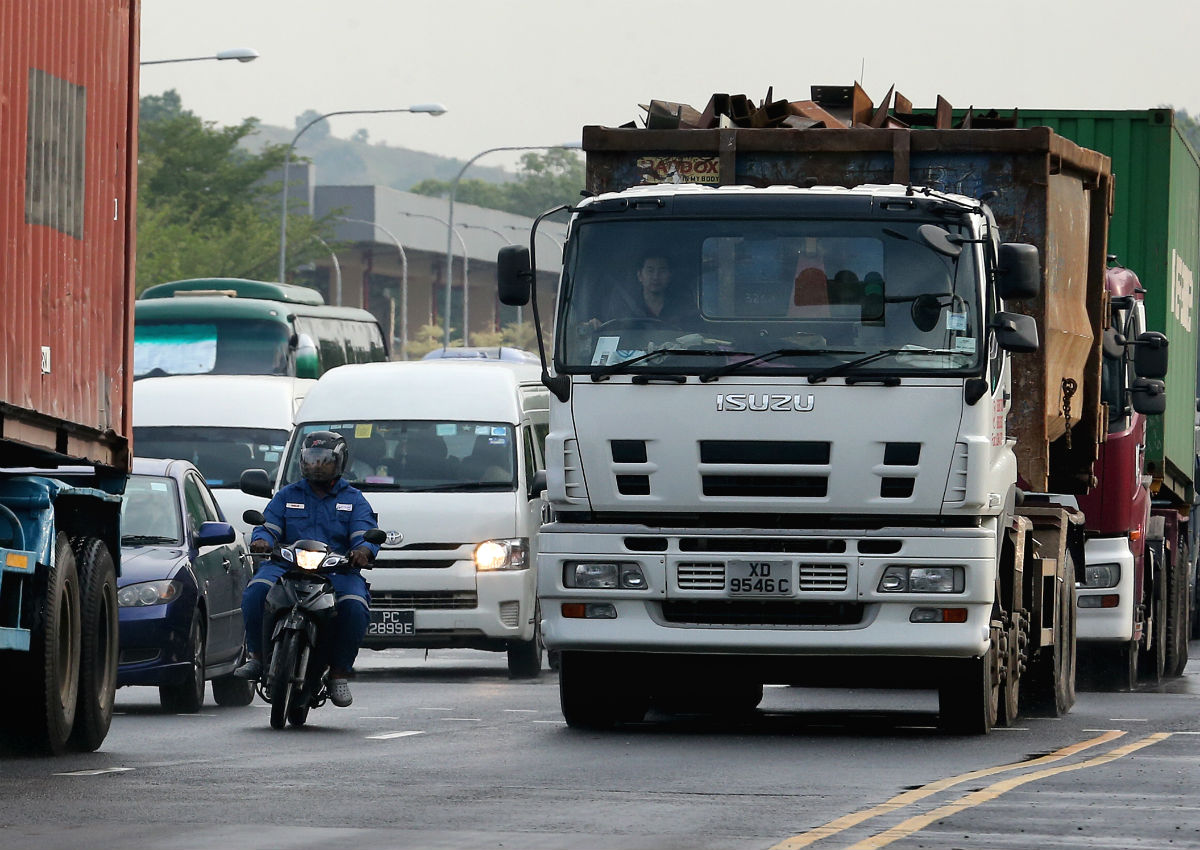
A lorry had stopped in an awkward position and a man was pinned under one of its rear wheels, his damaged motorcycle beneath him.

The technician, who wanted to be known only as Mr Aaron, told The New Paper: “We were eating breakfast in an air-con room, its doors and windows shut tight. Yet we could hear the crash loud and clear.

“There was an accident at the same spot just two months ago,” added Mr Aaron, who is in his 30s.

He said he has seen about 10 accidents involving heavy vehicles in the industrial estate in Tuas in the last eight years.

The peak-hour traffic, usually packed with heavy vehicles and motorcycles going to and leaving the factories in the area, makes the roads especially dangerous, he added.

Wednesday’s accident happened at about 7.40am at Tuas West Road towards Tuas South Avenue 2.

“From the way the lorry had stopped, it looked like it was trying to make a right turn after leaving a factory when it collided with the motorcycle,” said Mr Aaron.

“The motorcyclist was in bad shape. His whole face was bloody from a head injury and his legs looked deformed. I don’t think he was moving much any more.”

He added that it was raining at the time of the accident.

“We didn’t get too near to the scene because we couldn’t do anything to help. My colleague just left his umbrella over the victim to shield him,” said Mr Aaron.

A Singapore Civil Defence Force spokesman said the 27-year-old motorcyclist, who was pinned under the lorry, had to be extricated by officers using rescue tools.

The victim, believed to be a Malaysian, was pronounced dead by paramedics at the scene.

A 33-year-old driver was arrested for causing death by a negligent act and investigations are ongoing, said the police.

The accident on Wednesday was one of four fatal accidents, three of which involved heavy vehicles, in three days this week.

PACKED

When TNP checked out the area at peak hour yesterday morning, Tuas West Road was packed with heavy vehicles and motorcycles.

There were a few close shaves as motorcyclists overtook heavy vehicles and cars sped between two heavy vehicles.

Road safety experts told TNP that blind spots on heavy vehicles are just one of the factors contributing to accidents.

Mr Aaron, a Malaysian who drives to work from Johor Baru every morning, believes more traffic lights with more right-turn arrow signals would be helpful for motorists in the area.

“Sometimes, it’s confusing even for someone who has been driving here for eight years,” he said, adding that the accidents he has seen are a stark reminder of the importance of driving safely.

“Each time I see an accident, I am both sad and scared (about driving). But I have no choice. I live in Malaysia but work here. So I just tell myself to be more careful when I drive.”


Blind spots a worry for drivers

Trailer driver Jasman Jili tries his best to drive safely, but his vehicle’s blind spot is a perpetual worry.

For instance, if a car is right beside his trailer truck, the 43-year-old would not be able to see it because of the wide blind spot.

“We can’t do anything about the blind spot, but motorists don’t understand that. Nowadays, there are also people on e-scooters, making things a lot trickier,” he said.

Aside from blind spots, lorry crane driver Ng Beng Koon, 59, thinks that inattention is also a factor in accidents involving heavy vehicles.

He said: “It is riskiest when making a turn. I can’t just check once – I have to check twice, even thrice, to make sure the coast is clear.”

Mr Ng, who has been driving for more than 30 years, said he had seen his fair share of careless drivers.

“As our vehicles are higher, we can see other drivers very clearly. I’ve seen lorry drivers filling out forms while driving and many motorists using their phones on the roads.”

Road Safety Council chairman Bernard Tay thinks the long working hours of heavy vehicle drivers is another factor.

He said: “These drivers are paid per trip and encouraged to make as many trips as possible. Many of them suffer from fatigue and may not be alert on the roads.”

TRAINING

Mr Tay believes employers can play a role in ensuring that their drivers are well-trained. He noted that lorry drivers in Europe have to go through refresher courses every five years.

“For employers here, training would mean extra costs and they would be short of manpower during the course period,” said Mr Tay.

“But if they think about the long-term benefits, proper training for drivers would mean protecting the company’s image and the lives of employees and other road users.”

This year, the Automobile Association of Singapore (AAS) launched a prevention course aimed at commercial drivers, including heavy vehicle drivers.

AAS chief executive Lee Wai Mun said that more than 100 drivers have been trained over the past few months.

“Advancements in technology, such as proximity sensors, can address the issue of blind spots, but the issue is still about safety and sharing the roads,” he said.

“Pedestrians must also realise that just because they can see the vehicle, it doesn’t mean the driver in the vehicle can see them.”

Read also: Dramatic video captures jaywalking woman getting hit by car in Punggol


4 fatal accidents in a week

The Tuas tragedy on Wednesday was one of four fatal accidents this week. Three of them involved heavy vehicles,  two occurred on Sunday.

– A 71-year-old pedestrian was killed after she was hit by a lorry at the junction of Choa Chu Kang North 5 and Choa Chua Kang Street 51.

Unaware that he had hit someone, the driver continued driving with the victim trapped under the lorry until a passer-by shouted for him to stop, a witness told Chinese evening daily Shin Min Daily News.

The woman was pronounced dead by paramedics at the scene. A 30-year-old male driver was arrested for a rash act causing death.


– On the same day, a 74-year-old man was hit by a taxi at the junction of Chin Swee Road and Havelock Road.

A witness told Shin Min that the victim’s nose was bleeding non-stop and his injuries looked serious. He was taken unconscious to Singapore General Hospital, where he later died.


– On Monday, netizen Syafiq Syahmi posted a heart-rending account of his attempt to save a cyclist who had been hit by a prime mover in Punggol at about 7am.

Mr Syafiq wrote on Facebook that the cyclist had been going against the flow of traffic and was “taking chances” when he was run over by the heavy vehicle at a pedestrian crossing.

He added that the cyclist had suddenly appeared at the prime mover’s blind spot.

“I tried my very best in giving CPR (cardiopulmonary resuscitation) on the victim while waiting for the ambulance to arrive but it was too late,” he wrote.

A police spokesman said the 27-year-old male cyclist was taken unconscious to Khoo Teck Puat Hospital, where he died.

The 61-year-old male driver was arrested for a rash act causing death.

The police are investigating all the cases.

Traffic Police statistics show that accidents involving heavy vehicles rose to 877 cases last year – up from 839 in 2014. Of the 877 cases, 34 were fatal – down from 44 in 2014.


This article was first published on October 22, 2016.
Get The New Paper for more stories.

Image: 
Category: 
Publication Date: 
Saturday, October 22, 2016 – 14:00
Keywords: 
Send to mobile app: 
Source: 


Story Type: 
Others

Source link

Bosch is having an Exclusive Sale w/ Up to 60% Off from 22 – 23 Oct 2016

0

TWO DAYS ONLY: Bosch up to 60% OFF home appliances at Tanjong Katong Complex till Sunday, 23 Oct

Share this news with anyone you know who is looking to get home appliances

Bosch is having an Exclusive Sale w/ Up to 60% Off from 22 – 23 Oct 2016

Head down to Tanjong Katong Complex this weekend to enjoy up to 60% off on selected Bosch Appliances at Bosch Exclusiv Sale – before everything gets snapped up. The sale features washers, fridges, cooker hobs and many more

Source

Falling parts in old blocks: Call for more checks

0

Parts of housing blocks have fallen off on at least three occasions over the past two months, prompting at least one Member of Parliament to ask for more to be done to ensure the integrity of old housing blocks here.

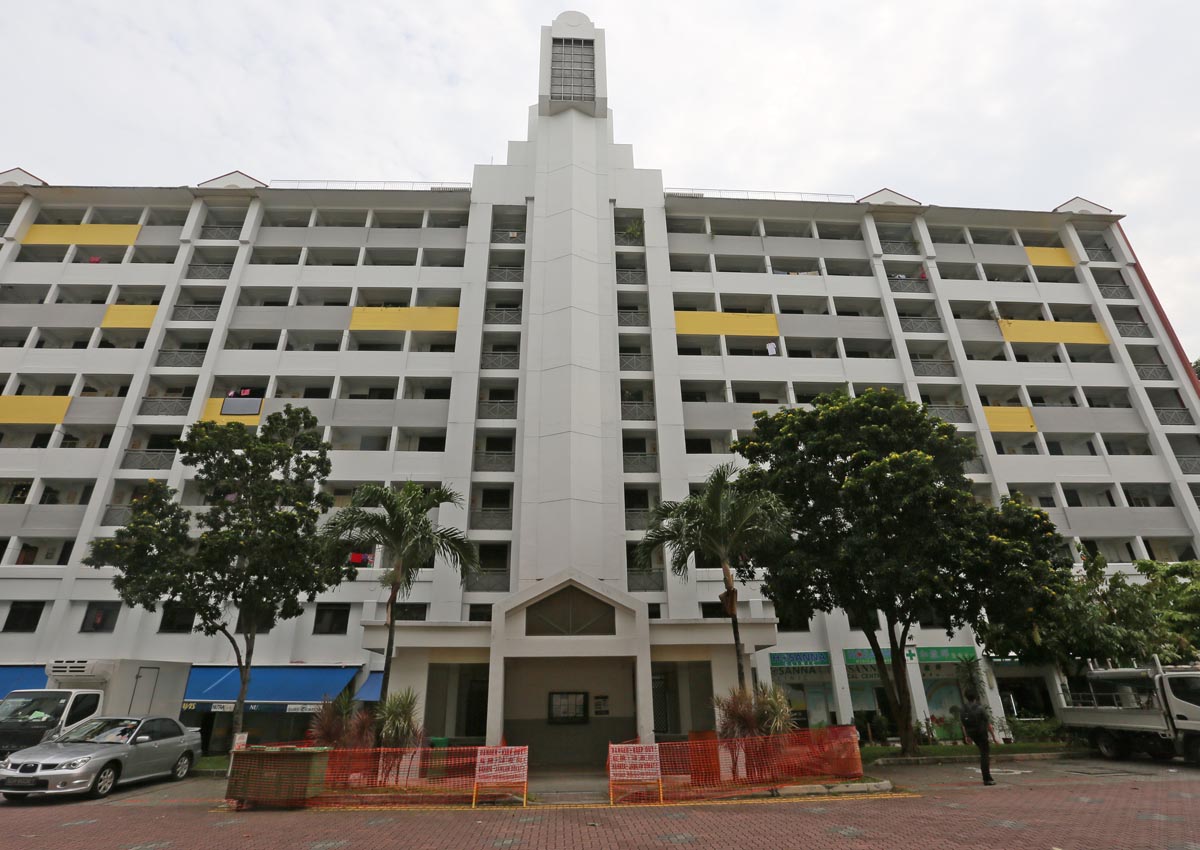
Early on Wednesday morning, a piece of the facade of a block in Circuit Road fell and crashed to the ground in the wake of strong winds and rain. No one was injured.

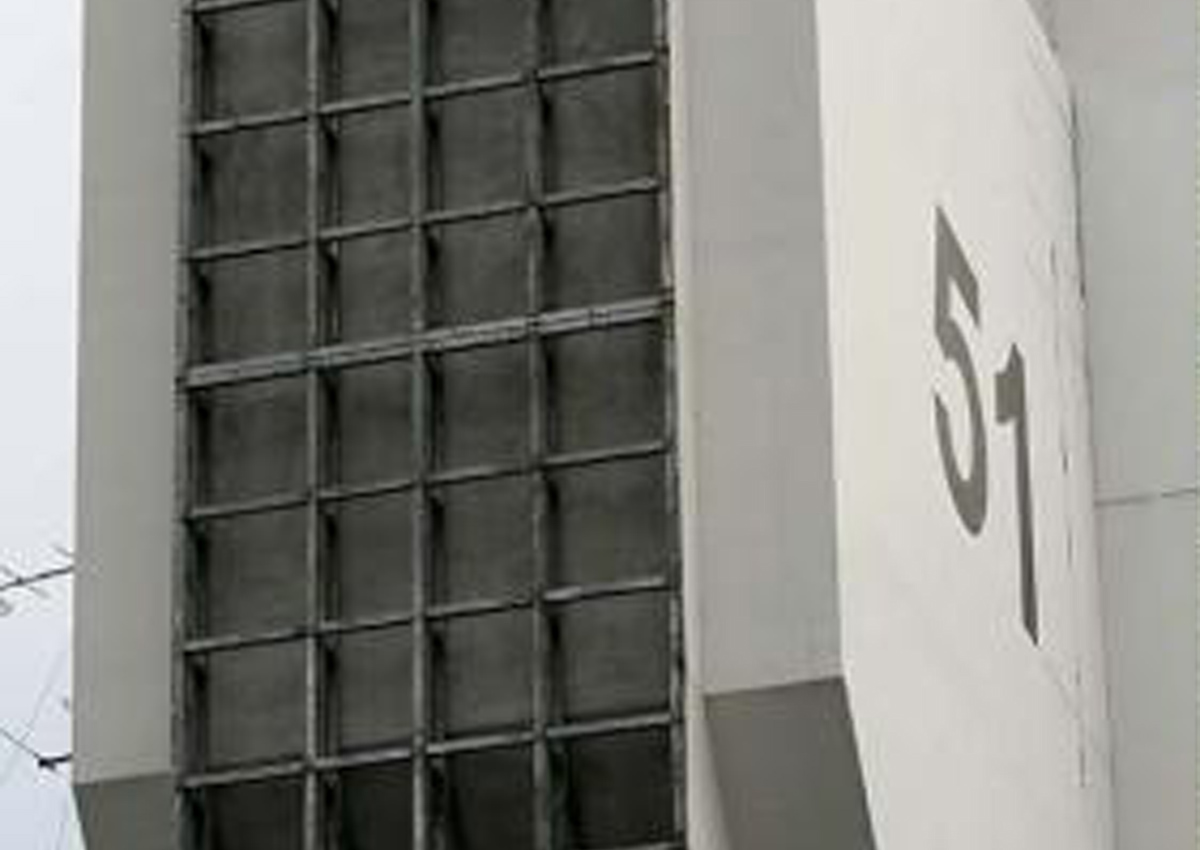
The Housing Board said it was informed by the Marine Parade Town Council that a piece of calcium silicate cladding board had been dislodged from the facade of the Block 51, Circuit Road.

The board is part of the facade design and non-structural, HDB told The Straits Times yesterday.

Photo: Shin Min

The town council will carry out the necessary repairs and checks on the neighbouring blocks with similar facade designs, it added.

MacPherson MP Tin Pei Ling told ST that the block was built in 1965 and had, in 1997, undergone HDB’s Main Upgrading Programme – a scheme to rejuvenate public housing estates.

According to the town council, recent checks on the block and adjacent blocks – done as part of repair and redecoration works – found them to be in good condition, said Ms Tin.

Still, she said more should be done to protect residents of older housing estates. “I hope more checks can be done on the older blocks,” she said.

She added that she has filed parliamentary questions for next month’s sitting to address the issue. Among them is the question of whether the authorities “will consider another round of upgrading for old blocks”.

In another incident, a false ceiling at the void deck of Block 807, Tampines Avenue 4, collapsed on Monday. No one was hurt.

Tampines GRC MP Baey Yam Keng said termites had attacked the wooden frame that held up the false ceiling, causing it to give way.

“It was an isolated incident. It’s not a systemic issue and it poses no danger to the integrity of the building,” he told ST yesterday.

The termites were traced to the switch room, which houses the electrical circuit board, and found to have entered the room through underground cables. The switch room is inspected only once a year.

Mr Baey added that the town council is in the process of removing the false ceilings at the void decks of eight other nearby blocks to check for termite infestation.

These false ceilings, found near the lift landings, are similarly held up by wooden frames. The frames will be replaced with metal ones to prevent a repeat of the incident.

He urged residents not to be unduly worried, adding that they should report any sightings of termites to the town council.

On Sept 25, a concrete sunshade outside a fourth-storey Tampines flat became dislodged and fell onto the sunshade on the third storey. No one was hurt and the building was later found to be structurally safe by HDB engineers.

The affected block – Block 201E, Tampines Street 23 – and three other blocks with similar sunshades were built in 1985.

The HDB later embarked on an ultrasound inspection of the sunshades, using equipment to help it “assess the condition of each sunshade, including the presence of reinforcement bars embedded within the sunshades”.

mellinjm@sph.com.sg


This article was first published on October 22, 2016.
Get a copy of The Straits Times or go to straitstimes.com for more stories.

Image: 
Category: 
Publication Date: 
Saturday, October 22, 2016 – 14:00
Keywords: 
Send to mobile app: 
Source: 


Story Type: 
Others

Source link

New measures set to spark exit of more private schools

0

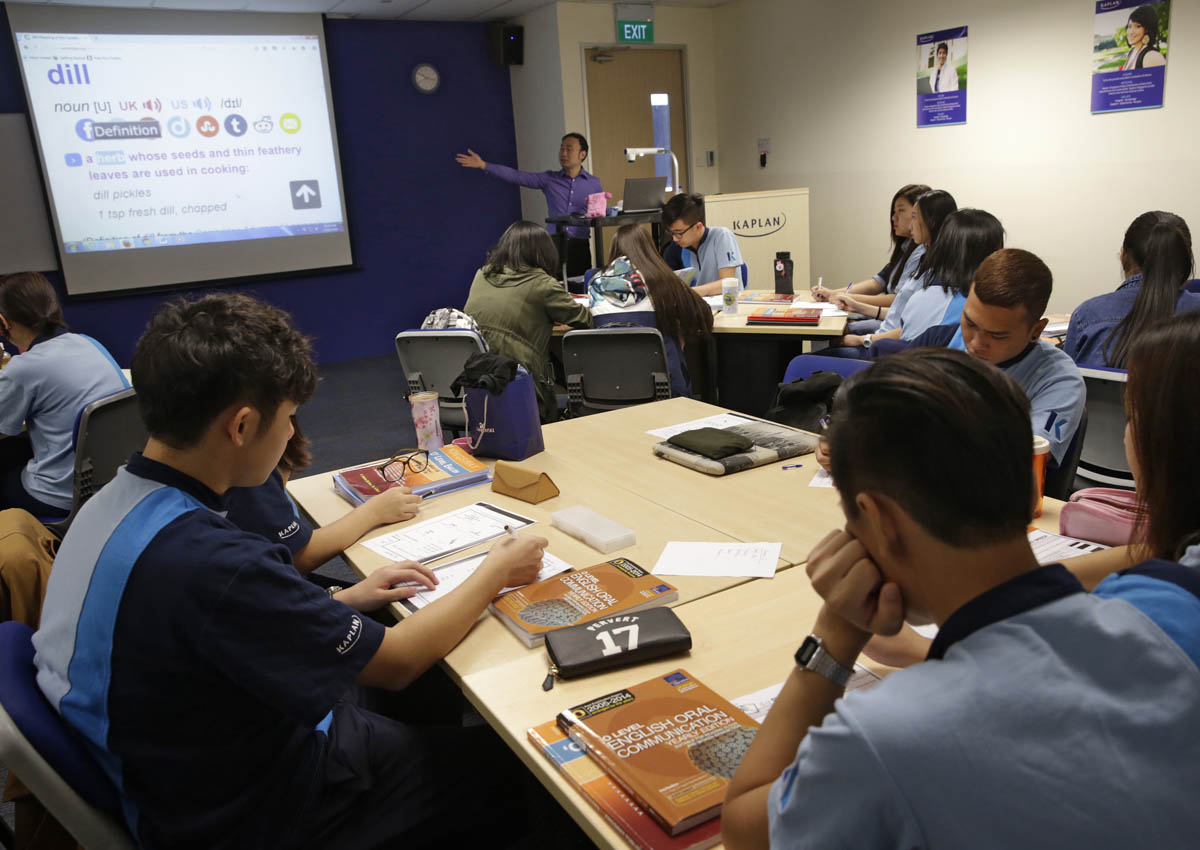
More private schools that offer run-of-the-mill degrees are expected to exit as new measures to tighten the quality of the sector take effect.

Those that remain will most likely be the more established ones that offer relevant courses and continue to be more viable as businesses, or niche players that plug gaps in the market, said observers.

Bigger players such as SIM Global Education, Kaplan, Management Development Institute of Singapore and PSB Academy said the new regulations are a step towards greater transparency, academic quality and accountability to students.

Mr Lee Kwok Cheong, president of the Singapore Association for Private Education, said the number of private schools has declined in the last few years – a trend that looks to continue with the new rules.

There are now 291 private education institutions (PEIs), compared with about 1,000 in 2009.

“There are already requirements, but it is quite clear that the new policies go a step further – focusing on raising the minimum standards for admission, financial strength and capability of PEIs,” said Mr Lee.

Ms Denise Phua, who heads the Government Parliamentary Committee for Education, said: “These measures will boost public confidence in PEIs and help to dispel the perception that PEIs are inferior to public education institutions.”

National Institute of Education don Jason Tan said smaller players that may not have the financial resources or do not have links to reputable overseas universities would be most affected.

“Those that offer generic business degrees may also lose out in a competitive market,” he added.

Mr Lee said private schools must also see themselves as part of the SkillsFuture journey – a national drive to encourage Singaporeans to take up job-oriented skills. For instance, small players must “focus on a niche and be good at it”.

Ms Phua said: “As the private education market continues to further consolidate, market forces will influence more PEIs to be even more sensitive to the gaps for training for jobs of the future. As long as the offerings are relevant and in demand, there is always a place for small boutique quality PEIs.”

The new rules come at a time of falling private student numbers due to the expansion of local universities and fewer work opportunities for foreign students. There were 77,000 local students and 29,000 foreigners in private schools last year, compared with about 100,000 local students and about 35,000 foreigners four years ago.

The changes will lead to higher course fees at at least one private school here. Aventis School of Management, which is preparing to submit its EduTrust application by the year end, said its course fees are “expected to increase… due to higher operating cost in administering the EduTrust framework”.

About 60 per cent of its over 300 students are on degree programmes. The school’s director, Ms Joyce Chew, called for more funding to support PEIs. “This will allow us to keep our course fees affordable,” she said.

ateng@sph.com.sg mellinjm@sph.com.sg


This article was first published on October 22, 2016.
Get a copy of The Straits Times or go to straitstimes.com for more stories.

Image: 
Category: 
Publication Date: 
Saturday, October 22, 2016 – 14:00
Send to mobile app: 
Source: 


Story Type: 
Others

Source link

Shake-up to raise quality of private education

0

The private education sector is set for a major shake-up in the next two years with new measures to protect students and also encourage them to pick schools wisely.

Private education institutions (PEIs), who enrol 77,000 local students between them, will have to uphold higher financial standards.

Those offering degrees will have to take part in an annual graduate employment survey.

The Committee for Private Education (CPE) – which is parked under the newly formed SkillsFuture Singapore statutory board – laid out several measures to improve the quality of private education.

The latest regulations, estimated to affect about 70 out of about 290 private schools, come as the Government opens up more pathways for Singaporeans through SkillsFuture by allowing people to work and study at the same time.

Now, private schools that offer degree programmes will be required to take part in a yearly survey to track how easily their graduates find jobs. There are currently 50 to 60 such schools.

The survey will be centrally administered by CPE. Results will be published on its website from next year.

Private schools that want to offer degrees, or courses including diplomas that lead directly to degrees, must also obtain a four-year EduTrust certification, a quality assurance award.

About 60 per cent of existing schools with such programmes already meet this mark, while the rest must apply for it by June next year and attain it by June 2018.

Fresh school-leavers joining certain courses will now also need to meet academic entry requirements. Existing PEIs have up to next June to revise their admission criteria.

But schools will also have flexibility to admit mature students with relevant work or learning experience.

Private schools will also need to meet minimum financial standards – a paid-up capital of at least $100,000 will now be required of new schools, to ensure they are properly resourced. Existing schools will also need to meet a minimum credit rating by next June, to show that they have healthy finances.

Mr Brandon Lee, director-general (private education) of SkillsFuture Singapore, said yesterday: “As the sector matures, we need to ensure that institutions continue to have sound foundations on which to operate and deliver the quality of training that students expect.

“The new measures are aimed at doing so, and will provide additional safeguards for students who choose to enrol with PEIs.

“We also hope that the enhanced information transparency will be useful in helping students make more informed decisions.”

Singapore Association for Private Education president Lee Kwok Cheong said the new standards are “not unreasonable”.

“Any company which wants to offer degree-level programmes must put in more effort to invest in quality courses.”

Existing students will not be affected even if their schools do not meet the new standards. They will be allowed to finish their courses.

ateng@sph.com.sg


This article was first published on October 22, 2016.
Get a copy of The Straits Times or go to straitstimes.com for more stories.

Image: 
Category: 
Publication Date: 
Saturday, October 22, 2016 – 14:00
Send to mobile app: 
Source: 


Story Type: 
Others

Source link

Air traffic controllers lauded at regional meeting in Singapore

0

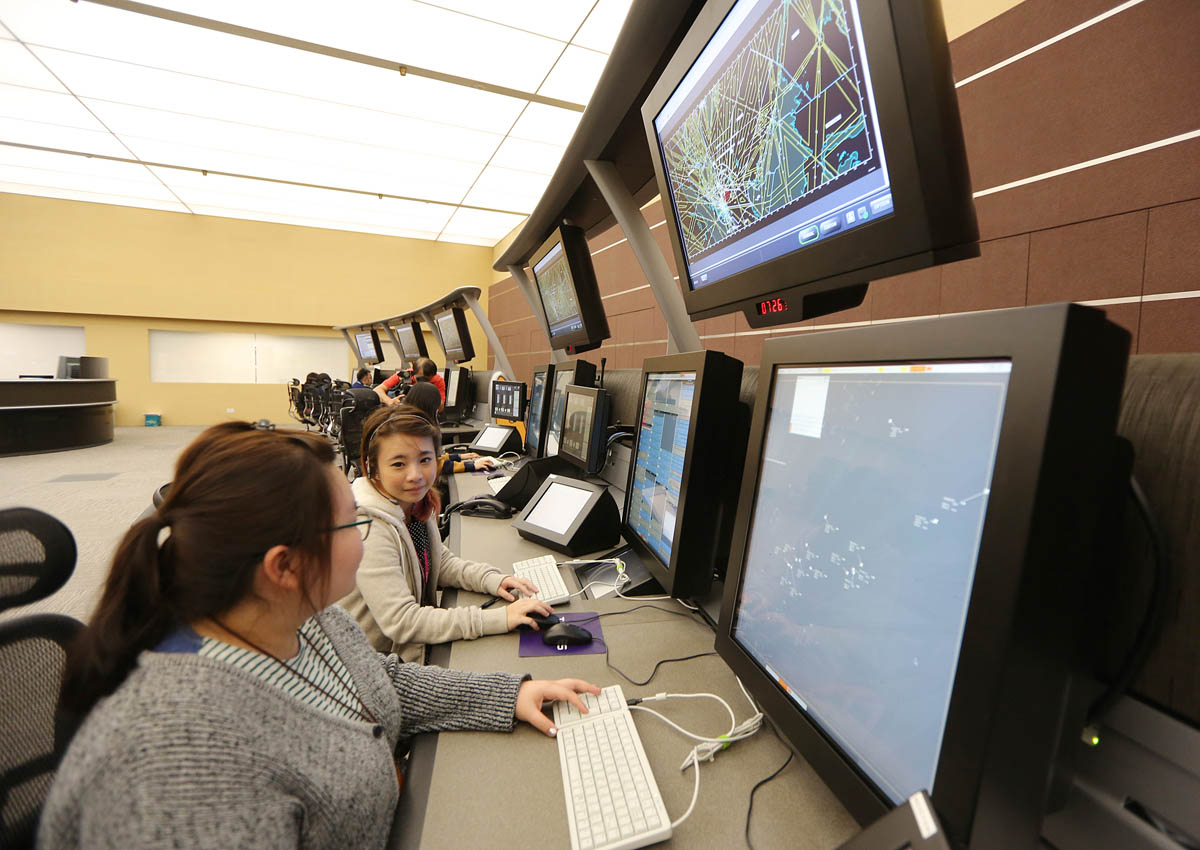
SINGAPORE – About 160 air traffic controllers and pilots from 10 territories including Singapore met here on Friday (Oct 21) for an annual opportunity to discuss industry matters and exchange ideas.

The event at the Singapore Aviation Academy was jointly organised by the Air Traffic Controllers Association (Singapore) and Air Line Pilots Association (Singapore).

Overseas participants came from Malaysia, Indonesia, Vietnam, Thailand, the Philippines, Sri Lanka, Mongolia, Hong Kong and Taiwan.

Opening the one-day symposium, Mr Soh Poh Theen, deputy director-general (air navigation services) at the Civil Aviation Authority of Singapore, noted close ties between pilots and air traffic controllers who “talk to one another over the air all the time on a daily basis”.

“They are constantly working hand in glove together,” he said.

Oct 20 had marked The International Day of the Air Traffic Controller.

On Friday (Oct21), Mr Soh took the opportunity to pay tribute to the men and women who ensure safe takeoffs, landings and flights.

“People out in the world know about airlines and they know about airports. But you and I know who the unsung heroes behind civil aviation are. This morning, I shall sing you praises… Without air traffic control, the aviation system as we know it will grind to a halt,” he declared.

Air traffic control is not just a job, but a vocation and a calling, he said. It is a 24/7 commitment. Air traffic control does not sleep.

For air traffic controllers, safety is in the blood, Mr Soh said.

“This priority on safety is not just lip service alone, it is all very real. The lives of many people are in your hands every time you take control of an aircraft. On a day to day, hour to hour, and minute to minute basis, the safe operation of each and every flight is made possible by the dedication and professionalism of air traffic control officers,” he said.

The cross-border nature of aviation also demands collaboration regardless of nationalities, Mr Soh stressed.

“This instinct is indispensable to our work. It also lightens our burden. It makes us better than who we are alone. We are more effective and safer working together,” he added.

With the demand for air travel growing not just in Singapore but globally, the International Civil Aviation Organisation – the United Nations’ civil aviation arm – estimates that the world will need another 40,000 air traffic controllers by 2030.

In Singapore, the CAAS intends to grow the pool of air traffic controllers from 390 now to about 600 from 2020 onwards.

karam@sph.com.sg


This article was first published on October 21, 2016.
Get a copy of The Straits Times or go to straitstimes.com for more stories.

Image: 
Category: 
Publication Date: 
Saturday, October 22, 2016 – 12:09
Keywords: 
Send to mobile app: 
Source: 


Story Type: 
Others

Source link

61 schools to have new principals next year

0

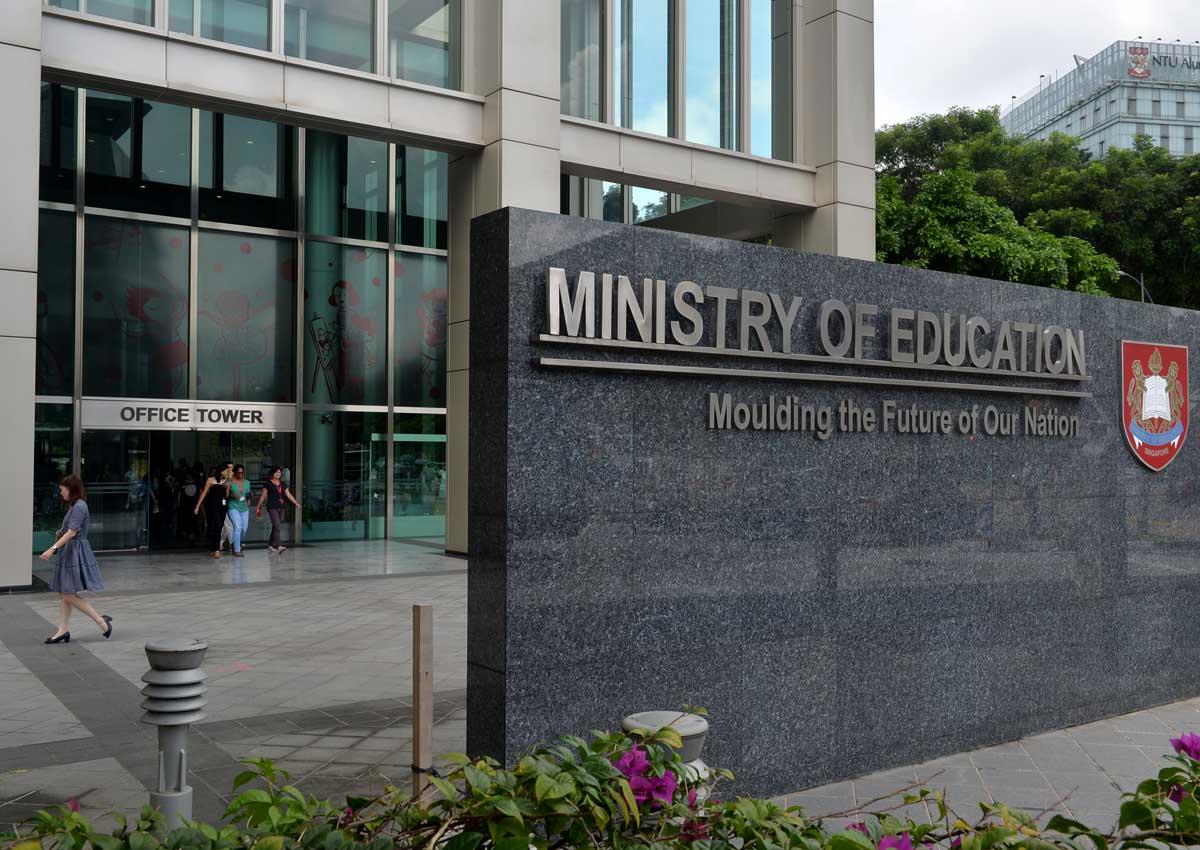
SINGAPORE – Sixty-one schools will be getting a new principal next year (2017), as part of the Ministry of Education’s (MOE) annual reshuffle exercise.

Of the 61 schools, 13 will have principals who have been appointed for the first time. These include Mr Chan Choon Loong, currently vice-principal of Bukit Panjang Government High School, who will head Northbrooks Secondary School.

In a statement on Friday, the MOE said the appointment for these 13 new principals is an important milestone as they assume major responsibilities as leaders in education.

“For the 48 serving principals and headquarter officers who are assuming new principalship appointments, it is an affirmation of MOE’s confidence in their abilities to continue guiding our teachers and our students in our schools.”

MOE said the process of appointing and rotating principals allows schools to benefit from fresh perspectives and experienced principals to share their best practices across schools.

“It also gives these principals the opportunity to take on new challenges as part of their career development.”

Mr Chan, who will head Northbrooks Secondary next year, said he is excited to lead a school for the first time. “I’ll spend the next few months getting to know the school, and I hope to continue the good work done by the school.”

The 38-year-old, who had also been a vice-principal at National Junior College for four years, said he hopes to guide secondary school students in their post-secondary education choices, and help teachers improve their craft through professional development.

Mr Kwek Hiok Chuang, who has chalked up 38 years in the education service, said he is “very satisfied with the experiences gained over the years”.

The 61-year-old, who spent 26 years as a principal across four schools, his latest being Nanyang Junior College, is the longest-serving principal among those retiring this year.

He had also been principal of North View Secondary , Anderson Secondary, Pioneer Junior College. “I counted the number of students I’ve met from my teaching days all the way until now – it’s about 22,000 students,” he said. “I like education very much because it’s how we influence young people.”


This article was first published on October 21, 2016.
Get a copy of The Straits Times or go to straitstimes.com for more stories.

Image: 
Category: 
Publication Date: 
Saturday, October 22, 2016 – 11:56
Send to mobile app: 
Source: 


Story Type: 
Others

Source link