Home Blog Page 2370

Ah Boys To Men actor moves from 'ah pui' to hunk

0

His ambitious character, Aloysius Jin, in the Ah Boys To Men (ABTM) movies made him a well-known figure in showbiz and helped him score many acting roles in recent months.

But the ABTM role also caused many to have a stereotyped image of him.

Actor Maxi Lim, 29, told The New Paper: “Whenever people talk to me after meeting me for the first time, they would tell me that they’re surprised I’m not the nerd they thought I was.

“It got a bit tiring after a while, after hearing it so many times.”

The stereotype, Lim felt, also meant he is usually cast in the same roles.

Lim was also called Ah Pui (“fatty” in Hokkien) by his friends, encouraging him to do something about how others perceived him.

He said: “I decided to take up some muay thai classes and change my eating habits to a few small meals a day.

“After 2½ months, I managed to lose 11kg and I’m very happy.

“I wanted to lose weight because if I change my outlook, I can change my career and take on other different roles.”

He regularly posts pictures of his muay thai classes and his body transformation on his Instagram page.

BIG WALK

He will also be exercising at The New Paper Courts Big Walk on Nov 26, with his ABTM co-star Joshua Tan.

With a laugh, Lim said: “I call Joshua an ape and I don’t know why. But I’m excited to walk with the ape.

“I used to be in the Young Scientists Club in primary school, so we would head to the zoo often.

“I also had a zoologist badge that I would pin to my uniform every time I went.

“I do love wildlife and going back to the zoo will be (a) nostalgic (trip) for me.”

Other than filming for a variety show called Oh My Getai on StarHub and the latest season of The Noose on Channel 5, Lim has acted in a film, 4Love, which will be released on Dec 1. It also stars Tan.

He also will be in Take 2, a Chinese New Year movie produced by Jack Neo, about ex-convicts integrating back into society.

Lim will play an ex-convict who becomes a teacher. It was a difficult role to play, he said.

“I had to act out a monologue 
in Mandarin and teach mathematics, and those topics are like Greek to me.

“It took a month for me to get the monologue right. I would rehearse every day for an hour,” he said.

It was also difficult to channel different emotions and to switch between them, all without looking at the script, said Lim.

“Besides that, I spoke to a few real-life ex-convicts, and you have to understand the situation that they were in (in order to) learn and empathise with them, as they were the ones who had to start afresh.

“Then, you can play the character well,” he said.

“I learnt to have a lot of gratitude for the time we have in this world and to know that we shouldn’t waste the opportunities given to us. That’s a motivation for me.”


This article was first published on November 14, 2016.
Get The New Paper for more stories.

Read also:
Beatrice Chia-Richmond’s firm owes RWS $200,000 over Ah Boys To Men musical

Image: 
Category: 
Publication Date: 
Tuesday, November 15, 2016 – 00:00
Keywords: 
Send to mobile app: 
Source: 


Story Type: 
Others

Source link

Samsung, Hyundai tycoons questioned over alleged secret meetings with S Korea President

0

South Korea’s most powerful businessmen were summoned by the prosecution over the weekend to answer questions about their alleged closed-door meetings with President Park Geun-hye last year.

The move comes amid deepening suspicions over their dubious ties with the nation’s troubled leader, who is at the centre of an influence-peddling scandal involving her longtime friend.

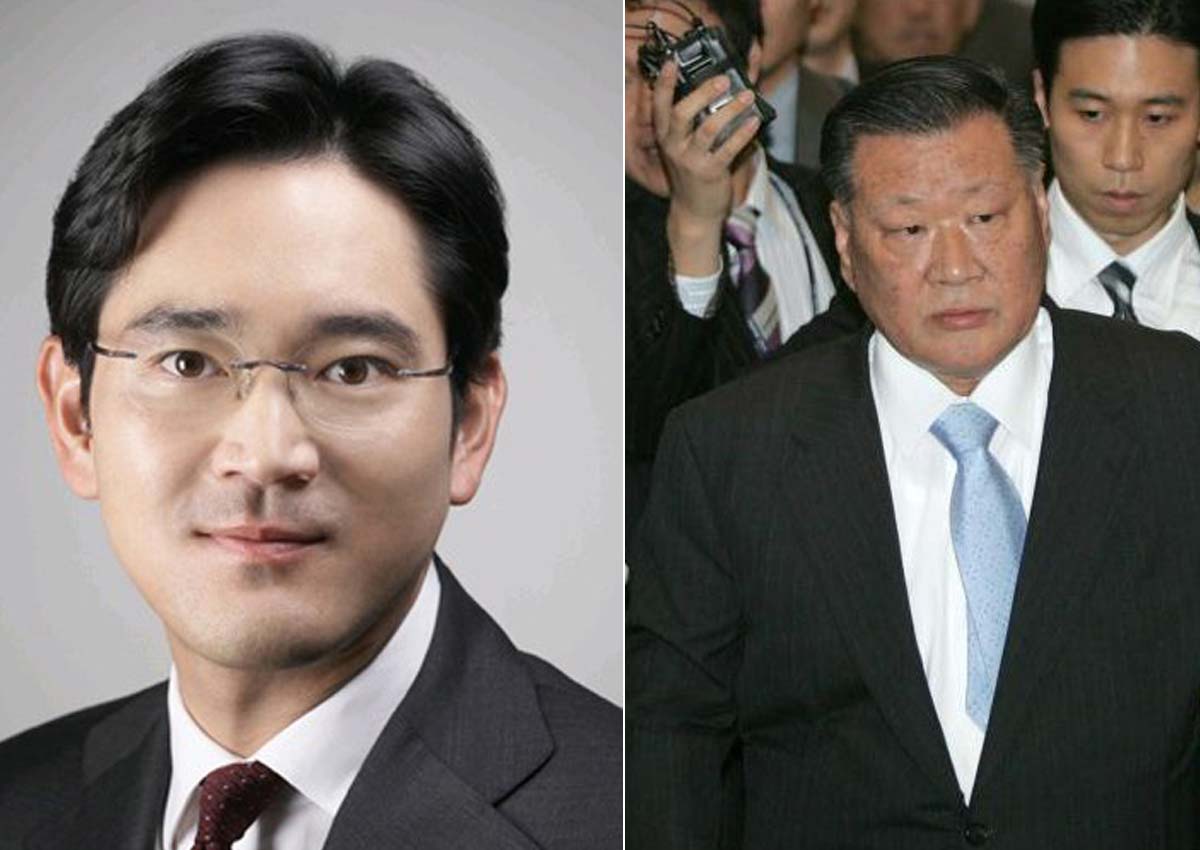
A special investigation team at the Seoul Central Prosecutors’ Office said it had questioned Samsung Electronics Vice Chairman Lee Jae-yong, LG Group Chairman Koo Bon-moo and CJ Group co-Chairman Sohn Kyung-shik. SK Group Chairman Chey Tae-won and Hanjin Group Chairman Cho Yang-ho were also summoned even though they were not on the list of tycoons said to have had one-on-one meetings with Park.

On Saturday, the prosecution summoned Hyundai Motor Group Chairman Chung Mong-koo, Hanwha Group Chairman Kim Seung-youn and Kim Chang-geun, chairman of SK Supex Council, who was said to have met Park instead of Chey.

The summonses were carried out unofficially, an official at the team said. The tycoons were all summoned as witnesses, the official added.

The questioning came after the prosecution obtained a Cheong Wa Dae document on Park’s schedule, which stated that she met the seven business leaders one-on-one on July 25 last year.

The business leaders were to be asked whether the president demanded them to provide funds for the operations of two controversial foundations led by her longtime friend Choi Soon-sil. The focus of the investigation was to find out whether Park was involved with the foundations, but it can be shifted also to the businesses if their donations were made in exchange for business favors, according to legal sources.

Officials at the companies declined to comment, saying they were not told of an exact timeline of the tycoons entering the prosecutors’ office.

Hanjin Group Cho Yang-ho was also summoned despite his denial of meeting Park. He was questioned on a separate issue — whether he was pressured to step down from the chairman post of the PyeongChang Olympics Committee by a former vice culture minister, allegedly a close associate of Choi.

The seven conglomerates made massive donations to the Mir and K-Sports foundations. Samsung Group, through a number of its affiliates, offered a combined 20.4 billion won ($17.5 million), while Hyundai Motor Group donated 12.8 billion won. SK Group gave 11.1 billion won while Hanwha offered 2.5 billion won, according to the reports.

A report by a local corporate tracker, chaebul.com, showed that the seven companies spent more on nonoperating expenses last year than in the previous year.

Nonoperating costs reported by 75 listed companies under the seven conglomerates surged 16.2 per cent to 27.2 trillion won last year in contrast to a 0.3 per cent increase in their operating expenses. Non-operating expenses refer to money spent on things including donations, interest payments and losses in invested assets.

In a separate probe, the prosecution summoned Posco Chairman Kwon Oh-joon on Friday evening over suspicions surrounding the alleged involvement of Choi’s associates in the company’s 2014 sale of an in-house ad agency, Poreka.

Suspicions have been growing that a former senior presidential secretary tried to intimidate a local ad company into purchasing Poreka and handing over 80 per cent of its shares to a third party associated with Cha Eun-taek, a close associate of Choi. Kwon who finalized the sale of Poreka, is being questioned on whether he was aware of such a scheme.

Samsung Electronics President Park Sang-jin, who is in charge of the tech giant’s external affairs, was also questioned for 19 hours over his involvement in suspicious donations to Choi’s daughter Chung Yoo-ra.

Reports emerged that Samsung gave 2.8 million euros ($3.04 million) to a company called Widec Sports owned by Choi and her daughter, a former member of the national equestrian team.

Samsung Electronics is the main sponsor of the Korea Equestrian Federation, while Park serves as the chairman of the organisation.

Before summoning Park, the prosecution raided Samsung’s head office in southern Seoul last week.

By Cho Chung-un (christory@heraldcorp.com)

Image: 
Category: 
Publication Date: 
Monday, November 14, 2016 – 13:03
Send to mobile app: 
Source: 


Story Type: 
Others

Source link

Prominent names thrown up for Singapore's next president

0

Since Prime Minister Lee Hsien Loong announced last week that next year’s presidential election will be reserved for Malay candidates, several names of possible candidates have surfaced.

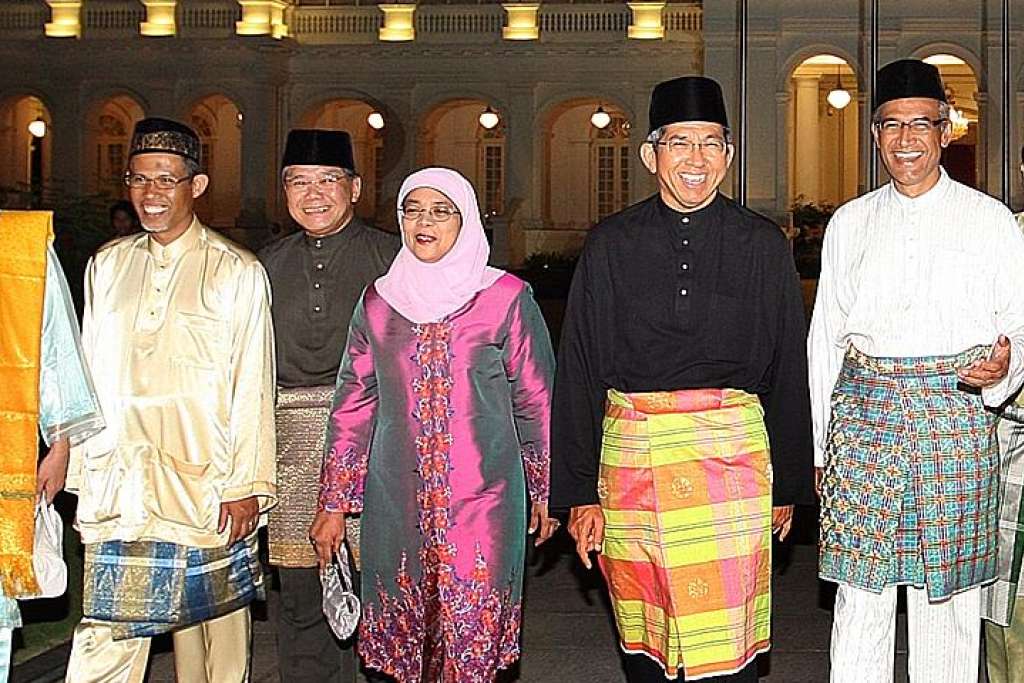
Community leaders and observers cite two prominent figures from the community: Speaker of Parliament Halimah Yacob, and former Cabinet minister Abdullah Tarmugi, who was Speaker from 2002 to 2011.

Observers said both possible candidates tick all the boxes of the eligibility criteria for those from the public sector, having spent at least three years in key public offices.

PM Lee was speaking during the debate in Parliament on changes to the Constitution to ensure minorities are represented in the elected presidency from time to time, as the office is a symbol of the nation’s multiracialism.

Singapore has not had a Malay president since its first president Yusof Ishak, who died in office in 1970.

  • Possible candidates from public sector

  • Madam Halimah Yacob, 62

    MP since 2001, Minister of State from 2011 to 2013, Speaker of Parliament since 2013.

    Mr Abdullah Tarmugi, 72

    MP from 1984 to 2011, Cabinet minister from 1993 to 2002, Speaker of Parliament from 2002 to 2011, member of Presidential Council for Minority Rights since 2012.

    Dr Yaacob Ibrahim, 61

    MP since 1997, Cabinet minister since 2003.

    Mr Masagos Zulkifli, 53

    MP since 2006, Cabinet minister since last year.

    Mr Zainul Abidin Rasheed, 68

    MP from 1997 to 2011, Senior Minister of State for Foreign Affairs from 2006 to 2011, non-resident ambassador to Kuwait since 2011.

Madam Halimah, 62, an MP for Marsiling-Yew Tee GRC, entered politics in 2001, became minister of state in 2011 and then Speaker in 2013.

She is widely seen as a front runner. But when asked if she has given the matter thought, Madam Halimah told The Straits Times: “My paramount consideration is service to Singapore which I am doing by wholeheartedly focusing on my current responsibilities.

“Regardless of our position of service, it is more important to stay focused on the same core mission, which is to do our best for Singapore,” she added.

Read also: Malay candidates must meet same standards, says Yaacob

Political observer Eugene Tan of the Singapore Management University said her background as a unionist – she spent 33 years at the National Trades Union Congress and left as deputy secretary-general – will endear her to the man in the street. The labour movement will have no problem backing her, he said.

“That she is a ‘double minority’ sends a powerful message – that a Malay-Muslim and a woman can aspire to and be elected to the highest office in the land, as both groups are under-represented in the office of head of state,” said Associate Professor Tan, a former Nominated MP.

Association of Muslim Professionals chairman Abdul Hamid Abdullah added that Madam Halimah connects well with people on the ground, who know her to be capable. “The fact that she wears a tudung is not a handicap,” he said. “She is very well accepted by both the Malay and non-Malay community.”

Iseas – Yusof Ishak Institute fellow Norshahril Saat noted that Madam Halimah would need to resign as an MP and a Speaker if she were to run for the presidency.

There is a precedent for this – former deputy prime minister Ong Teng Cheong resigned in 1993 to contest the first presidential election that year.

But Dr Norshahril said some voters might think Madam Halimah is too closely affiliated to the ruling party if she steps down as an MP and runs for president shortly after.

On the other hand, Mr Abdullah, 72, is a little more “detached”, having retired from politics in 2011.

Asked if he would run, Mr Abdullah, who was part of the nine-man Constitutional Commission that reviewed the elected presidency, said he has not given it serious consideration. But several friends have encouraged him to do so, he added.

“I’d be lying if I say that friends have not been asking me about it. I suppose that is to be expected. If you look at the people who qualify, it is not that big a pool,” he said.

“But when my friends suggest that, I tell them: Hold on, hold on… It is still early days yet. And I’ve got to think of my own preferences, my life, my family and my privacy. This is not a journey I take myself.”

Observers also see Communications and Information Minister Yaacob Ibrahim and Environment and Water Resources Minister Masagos Zulkifli as possible candidates, but both would have to step down and resign from the Cabinet to stand.

Read also: Tan Cheng Bock ‘disappointed’ he’s unable to stand in next presidential election

Dr Yaacob said in a Facebook post last Friday: “When the time comes, I hope qualified Malay candidates will step forward to serve all Singaporeans… We must ensure that the best qualified person who reflects the values and ethos of our nation will be elected to the highest office of our land.”

Mr Masagos joined politics in 2006 and became a Cabinet minister last year. Although key office holders are required to have been in the office for a period of three years, observers said he may qualify under the “deliberative” track, which allows the Presidential Elections Committee to consider candidates who did not meet the criteria, but have comparable experience and ability.

When asked about such a possibility, Mr Masagos said: “I don’t lose sleep over that. Keeping racial harmony in working condition – that’s what I worry about.”

Observers also suggested former senior minister of state Zainul Abidin Rasheed as a potential candidate. Dr Norshahril said that while Mr Zainul might not meet the qualifying criteria outright, he has had significant posts in the Malay community, having been president of the Islamic Religious Council of Singapore and Mendaki chief executive.

“He is quite an established name in the community… If you look at it on the principle of him meeting comparable or equivalent standards, he might qualify,” he said.

But while these names from the public sector have surfaced, there has been little talk of candidates from the private sector.

Some have attributed this to the tightened eligibility criteria, and the fact that few minorities have helmed large private sector firms.

Private sector candidates must have helmed a company with $500 million in shareholders’ equity, a change from the old threshold of $100 million in paid-up capital.

One name that has surfaced is Mr Po’ad Mattar, a former managing partner at Deloitte & Touche who is a member of the Council of Presidential Advisers.

It is harder to ascertain who in the private sector will qualify to run in the next presidential election, said Prof Tan.

But “if this person is not in the public eye, and has not been active in community work, it is much harder to make the case for seeking election to the highest office in the land”, he added.


This article was first published on Nov 14, 2016.
Get a copy of The Straits Times or go to straitstimes.com for more stories.

Image: 
Category: 
Blurb: 
<p>Since Prime Minister Lee Hsien Loong announced last week that next year's presidential election will be reserved for Malay candidates, several names of possible candidates have surfaced.</p>
Publication Date: 
Monday, November 14, 2016 – 14:02
Send to mobile app: 
Source: 


Story Type: 
Others

Source link

Malacca harbour plan raises questions about China's strategic aims

0

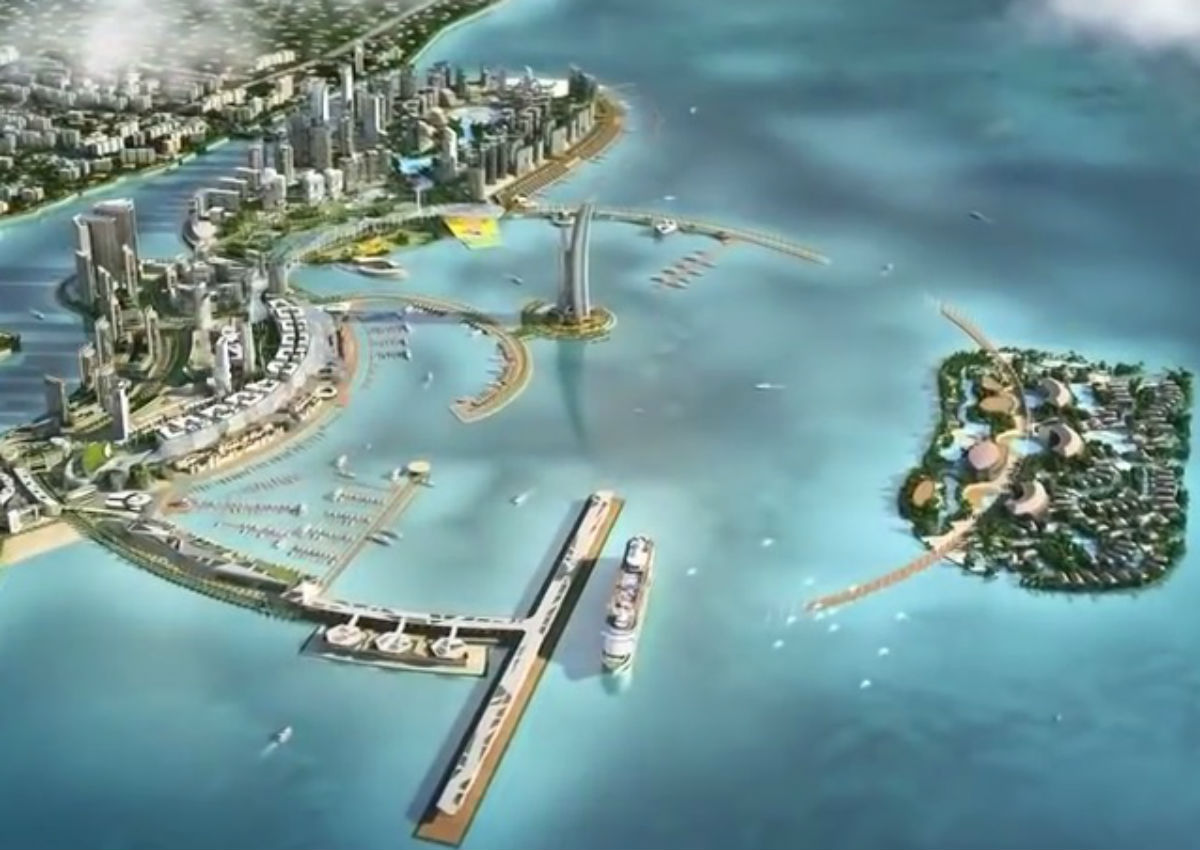
A RM43 billion (S$14 billion) harbour being developed in Malacca aims to overtake Singapore as the largest port in the region, but questions are being raised about the need for the added capacity and whether China’s eager participation has to do with good business or its crucial strategic interests in the Malacca Strait.

For China, not only does most of its trade pass through the Malacca Strait, but so does up to 80 per cent of its energy needs. This prompted then President Hu Jintao to make the “Malacca Dilemma” a key strategic issue as far back as 2003.

“There is the strategic element of the Malacca Strait. It always starts with an economic presence, which can develop into a naval one, because China will be obliged to ensure the safe passage of its commercial ships,” said Dr Johan Saravanamuttu of the S. Rajaratnam School of International Studies, who studies the Malaysia-China relationship.

The Melaka Gateway joint venture is part of a wider port alliance between Kuala Lumpur and Beijing to increase bilateral trade and boost shipping and logistics along China’s much-vaunted Maritime Silk Road.

Chinese firm Guangxi Beibu International Port Group already owns 40 per cent of Kuantan port, which faces the disputed waters of the South China Sea, and 49 per cent of the Kuantan Industrial Park in Pahang, the home state of Malaysian Prime Minister Najib Razak.

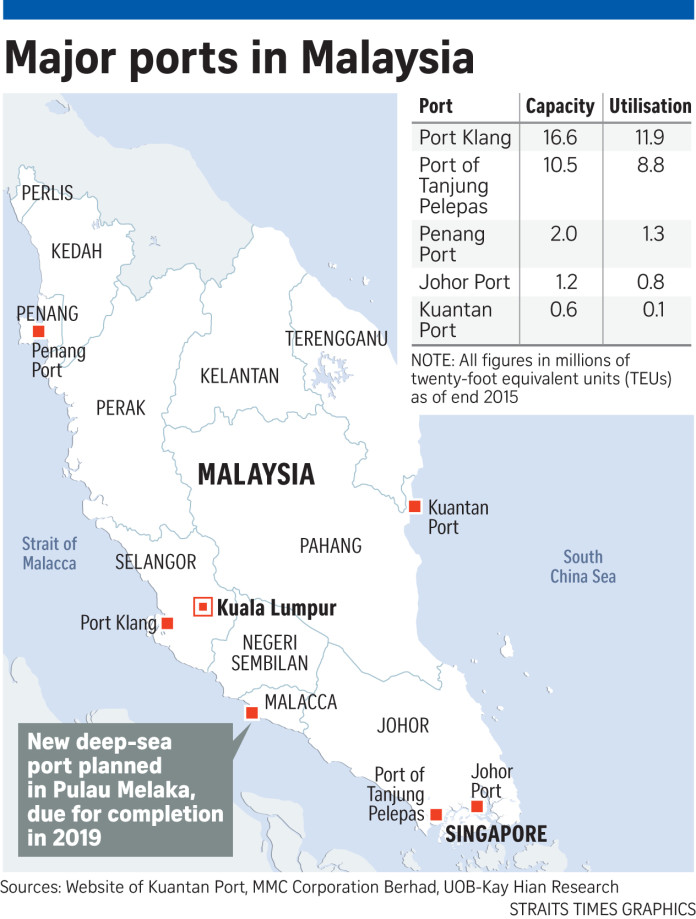
The Malaysian authorities are talking up the game-changing Melaka Gateway deal between little-known KAJ Developments and energy giant PowerChina International, which will form a joint venture and spend RM30 billion to reclaim three islands off Malacca’s coast. The entire Gateway development will be completed in 2025 but the deep-sea port is expected to be ready by 2019. The Malaysian government hopes to attract the bulk of 100,000 vessels, most of them Chinese, that ply the Malacca Strait annually.

Some industry players have expressed concern about the cannibalising of existing ports along the strait, especially in the light of Singapore’s own port expansion.

Though the Malaysian government has said a new port is needed because Klang, the country’s most important port, will be full by 2020, studies appear to show otherwise.

A World Bank study commissioned by the government last year showed a new port on Malaysia’s west coast is not necessary, as existing facilities have yet to reach capacity, according to sources. Both operators at Port Klang – Westports and MMC – have also made expansion proposals that would double the port’s capacity, the sources added.

“Because there seems to be no logic to the Melaka deal, many are questioning if this has more to do with military rather than commercial interests,” a logistics player told The Straits Times.

Sources also said the reclaimed islands would be given freehold status and the port granted a 99-year concession – both rare and generous terms. Melaka Gateway did not respond to a request for comment.

China’s military presence around Malaysian waters has increased significantly since last year. In September last year, all three branches of the Chinese armed forces took part in a six-day joint exercise on “disaster relief” in the Malacca Strait.

China has also gained access to Kota Kinabalu, a crucial dock in Sabah close to the disputed Spratly Islands, where Beijing’s construction activities have been a source of diplomatic strife in the region.

A former port authority chief noted that China has made moves to reduce its reliance on the Malacca Strait, such as via port-and-rail or pipeline projects in Pakistan, Myanmar and Eastern Europe, which means “we cannot take Beijing’s commitment here for granted”.

“If China pulls out her support, the port becomes useless because it has no hinterland, unlike Klang and Penang which serve a big local market. In fact, many businesses prefer to send their goods to Klang by road instead of the existing Malacca or Penang ports because it is more efficient.”

Critics have questioned Malay- sia’s over-reliance on China, in the light of the huge deals struck during Datuk Seri Najib’s recent visit to Beijing, as well as a whopping RM55 billion loan to build a railway that will eventually link Port Klang on the west and Kuantan port in Pahang and also Terengganu and Kelantan.

“There is the question of over-dependence, and the diplomatic leverage involved if Beijing were to move in more aggressively. So far, Najib is still hedging, but when it comes to investments, you can’t expect as much from America as you can from China. If you want to go up against Singapore, then this port makes sense, especially when it is in the form of foreign investment, given Malaysia’s fiscal constraints,” said Dr Saravanamuttu.

Transport Minister Liow Tiong Lai batted away these concerns on his return from Beijing, telling reporters that “with the economy growing, we need more ports”. He said: “The port alliance… has seen results, bringing more competitiveness to our ports and logistic sectors.”


This article was first published on Nov 14, 2016.
Get a copy of The Straits Times or go to straitstimes.com for more stories.

Image: 
Category: 
Blurb: 
<p>A RM43 billion (S$14 billion) harbour being developed in Malacca aims to overtake Singapore as the largest port in the region, but questions are being raised about the need for the added capacity and whether China's eager participation has to do with good business or its crucial strategic interests in the Malacca Strait.</p>
Publication Date: 
Monday, November 14, 2016 – 14:05
Keywords: 
Send to mobile app: 
Source: 


Story Type: 
Others

Source link

His call leads to discovery of dead body at French Road

0

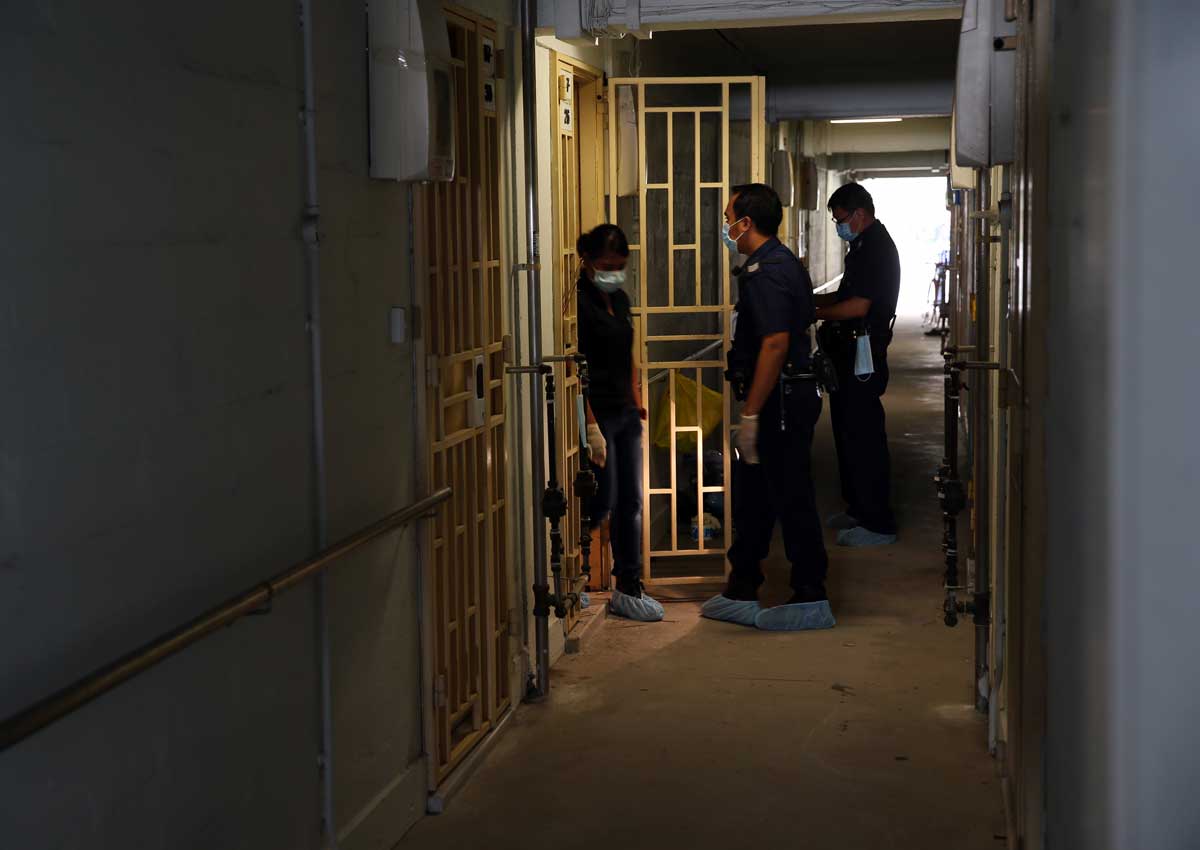
Mr Ong, 60, lives next to a 76-year-old man who was found dead in a one-room rental flat on the seventh storey of Block 8, French Road.

Initially, he did not think much of the strange smell coming from his neighbour’s flat early last week. But he became concerned on the third day.

The former taxi driver, who declined to give his full name, told The New Paper: “On Tuesday, I saw flies and the smell became worse. It smelt like rotting meat or a dead cat. Then I sensed something was wrong.

“His toilet window is right next to mine and when the wind blew, I could smell the stench. It was quite strong.”

Mr Ong called The New Paper hotline and the report was published on Nov 9.

He said he remembered the man as a quiet but friendly uncle who worked as a security guard and would make small talk with him.

After calling the police, he called TNP to raise awareness of the many elderly people who live alone in one-room flats which do not have an alarm system.

He said: “My 20-storey block doesn’t have the alarm system, although there are many elderly living here. I live alone and I don’t want this to happen to me.”

TNP, together with Lions Befrienders Service Association and Ngee Ann Polytechnic, organises Project Helping Hands, a charity project to help elderly people who live alone. To volunteer, you can call Lions Befrienders at 1800-375-8600.

Mr Xie Feng Jie, 28, was another reader who called the TNP hotline with a tip-off.

An LRT vehicle on the Sengkang East LRT line had broken down due to a burst tyre at about 5pm on Tuesday.

Mr Xie lives at Rivervale Crescent, near Rumbia station.

“I was resting at home when I heard a loud noise, as if something mechanical had exploded,” he said.

“I rushed to my window and saw that the LRT had stopped. After a few minutes, an ambulance and the police came to the scene.”

The report was published on Nov 9.

An anonymous reader alerted TNP to a story about students taking upskirt photos of their teachers, which was the cover story of TNP’s Oct 29 edition. The report reached more than 11,000 views online.

For sharing these stories, each hotline caller will receive a $100 Texas Chicken voucher.

We value and appreciate your calls and e-mails, so keep them coming.

You can call us at 1800-733-4455, SMS or MMS 9477-8899 or e-mail us at tnp@sph.com.sg.

My 20-storey block doesn’t have the alarm system, although there are many elderly living here. I live alone and I don’t want this to happen to me.

bxliew@sph.com.sg


This article was first published on Nov 14, 2016.
Get The New Paper for more stories.

Image: 
Category: 
Publication Date: 
Monday, November 14, 2016 – 14:00
Keywords: 
Send to mobile app: 
Source: 


Story Type: 
Others

Source link

Indonesian toddler dies after church attack

0

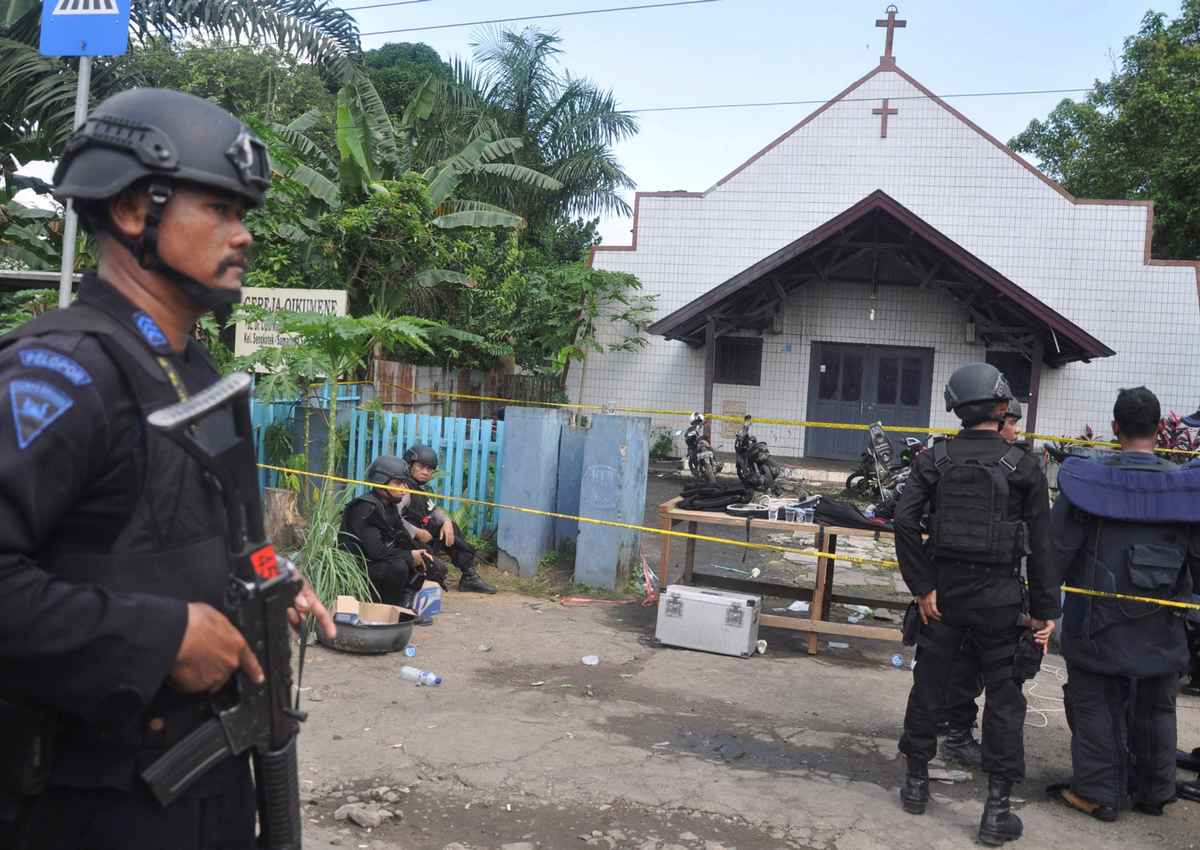
JAKARTA – A toddler died Monday after being injured in a Molotov cocktail attack on an Indonesian church, police said, the latest assault on a religious minority in the Muslim-majority country.

Two-year-old Intan Olivia Marbun was among four small children hurt when an attacker wearing a t-shirt with the word “jihad” on it threw explosives at the church on Borneo island Sunday from a motorbike.

The youngsters, aged between two and four, had been playing in the car park of the church in the city of Samarinda at the time of the attack.

Local police spokesman Fajar Setiawan told AFP that Marbun suffered severe burn injuries, adding: “Unfortunately the doctors could not save the victim… she died early this morning.” The other children suffered less serious injuries and were still being treated in hospital, said the spokesman.

“We hope they can come home soon,” said Setiawan.

Police have arrested the suspected attacker, a 32-year-old man who was previously jailed over his involvement in a parcel bomb plot in 2011 targeting figures including a moderate Muslim cleric and the counter-terror chief.

Indonesia has the world’s biggest Muslim population, but most practise a moderate form of Islam and the country is also home to substantial populations of Christians, Buddhists and Hindus.

However there has been an increasing number of attacks on religious minorities in recent years by Muslim hardliners.

Sunday’s attack was the latest on a church in recent months. In August, an Indonesian teenager who was obsessed with the Islamic State (IS) group stabbed a priest in a church and tried to detonate a homemade bomb.

The rise of IS has also fanned the flames of extremism in a country that has long struggled with militancy, with hundreds of Indonesians heading to fight with the jihadists in the Middle East.

A suicide bombing and gun attack in the Indonesian capital Jakarta in January, claimed by IS, killed four attackers and four civilians.

Image: 
Category: 
Publication Date: 
Monday, November 14, 2016 – 12:29
Keywords: 
Send to mobile app: 
Source: 


Story Type: 
Others

Source link

Singapore, Indonesia sign MOUs to boost tourism, infrastructure cooperation

0

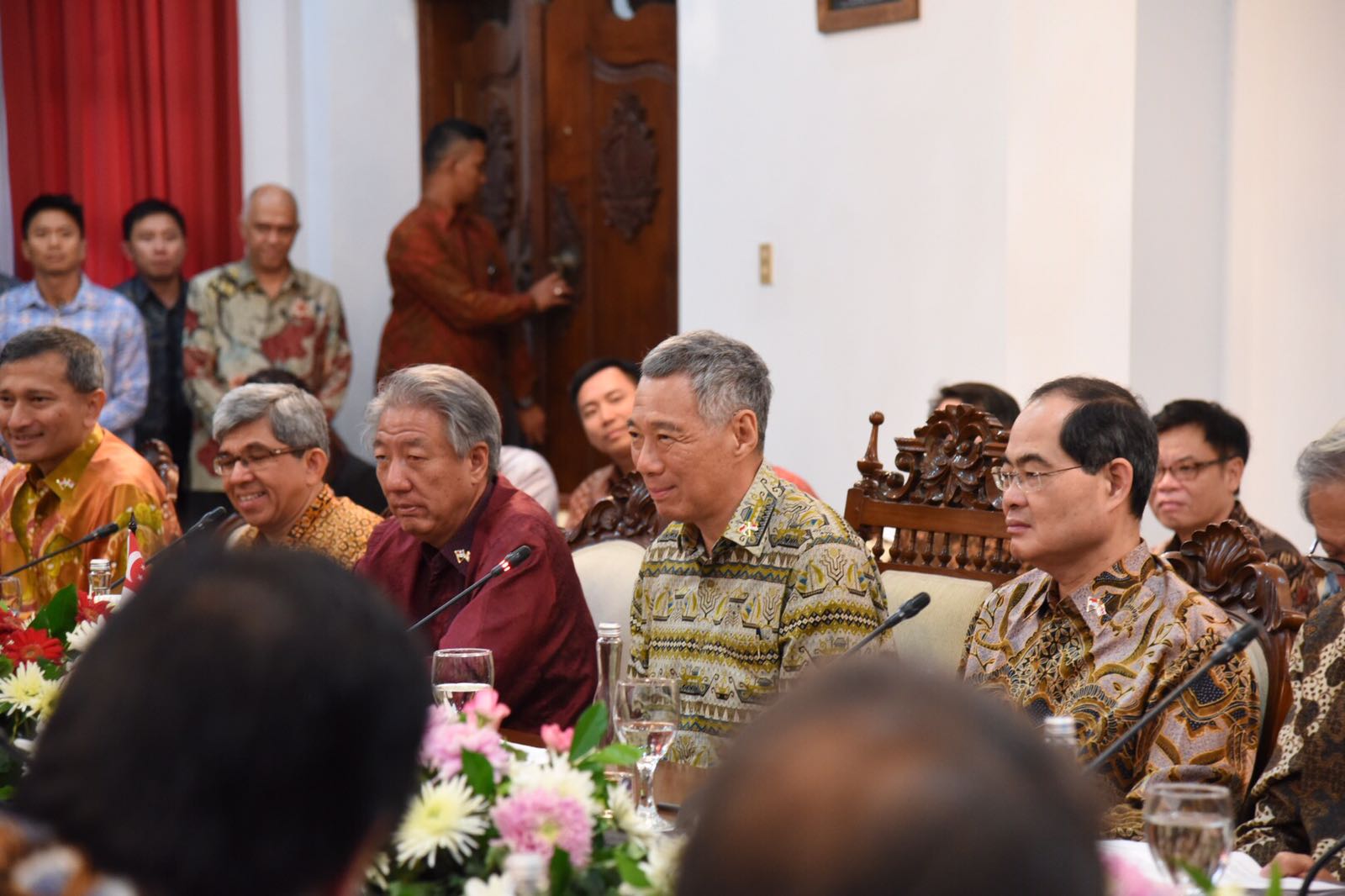
SEMARANG, Indonesia: Singapore and Indonesia will expand cooperation in various sectors such as tourism, hospitality and infrastructure after four memorandums of understanding (MOUs) were signed on Monday (Nov 14) on the sidelines of Prime Minister Lee Hsien Loong’s leaders’ retreat with President Joko Widodo.

The deal on tourism aims to further strengthen cooperation between the two countries. Areas of collaboration include developing the cruise sector, tourism marketing and MICE (meetings, incentives, conventions and exhibitions).

According to the Singapore Tourism Board (STB), activities may include destination and port development, human resource development, tourism investments and private sector cooperation.

The agreement was signed by Minister for Trade and Industry (Industry) S Iswaran and Minister of Tourism for the Indonesia Ministry of Tourism Dr Arief Yahya. Mr Lee and Mr Widodo witnessed the signing which was held at Wisma Perdamaian, the Central Java governor’s function hall and complex.

The collaboration is expected to last for five years but it may be extended if there is a mutual agreement between both countries.

The new agreement is different from the existing bilateral MOU on tourism, which was signed in 1994 to promote and develop mutual cooperation between the two countries in the particular sector.

Indonesia was Singapore’s top source of visitor arrivals last year with an estimated 2.7 million Indonesian visitors and tourism receipts of S$614 million. Likewise, Singapore was also one of the top sources of visitors to Indonesia last year, with 1.57 million arrivals.

An agreement to enhance the capabilities of the tourism and hospitality sector was also signed on Monday. The deal signed by Republic Polytechnic and Indonesia’s Tourism Ministry involves developing a two-year programme to train about 150 Indonesians from the four National Tourism Institutions.

The participants will also be taught social media and branding, quality and productivity management specific to the industry. Temasek Foundation has committed a grant of S$494,500 towards the programme.

COMPLEMENTING INDONESIA’S EFFORTS TO DEVELOP DIGITAL ECONOMY

Other MOUs that were signed on the sidelines of the retreat include developing smart city solutions for Makassar City in Indonesia. The partnership between International Enterprise (IE) Singapore and Makassar City Government will see the city-state complementing the Indonesian government’s efforts in driving a digital economy.

Areas of collaboration may include developing e-government platform and smart cards, while other examples consist of pre-emptive flood detection systems and smart street lighting.

Through the partnership, IE Singapore hopes to demonstrate Singapore’s capacity to contribute to Indonesia’s economic and social development beyond Java and the Riau Islands, which are the traditional regions for Singapore investments.

Under the MOU between Temasek Polytechnic (TP) and Politeknik Negeri Batam (PNB), the two institutions will develop a programme to train the staff from PNB in software engineering, software development and other relevant IT areas.

The two-year agreement aligns with Indonesia’s vision of driving the digital economy sector as an engine of growth. The programme will be conducted at PNB and TP.

These agreements are expected to boost the economic relations between Singapore and Indonesia, which recorded a bilateral trade of S$58.7 billion in 2015. Singapore was also Indonesia’s top investor last year after Singapore invested a total of US$5.9 billion (S$8.3 billion) in Indonesia. 

Source link

ERP rates reduced for Dec school holidays

0

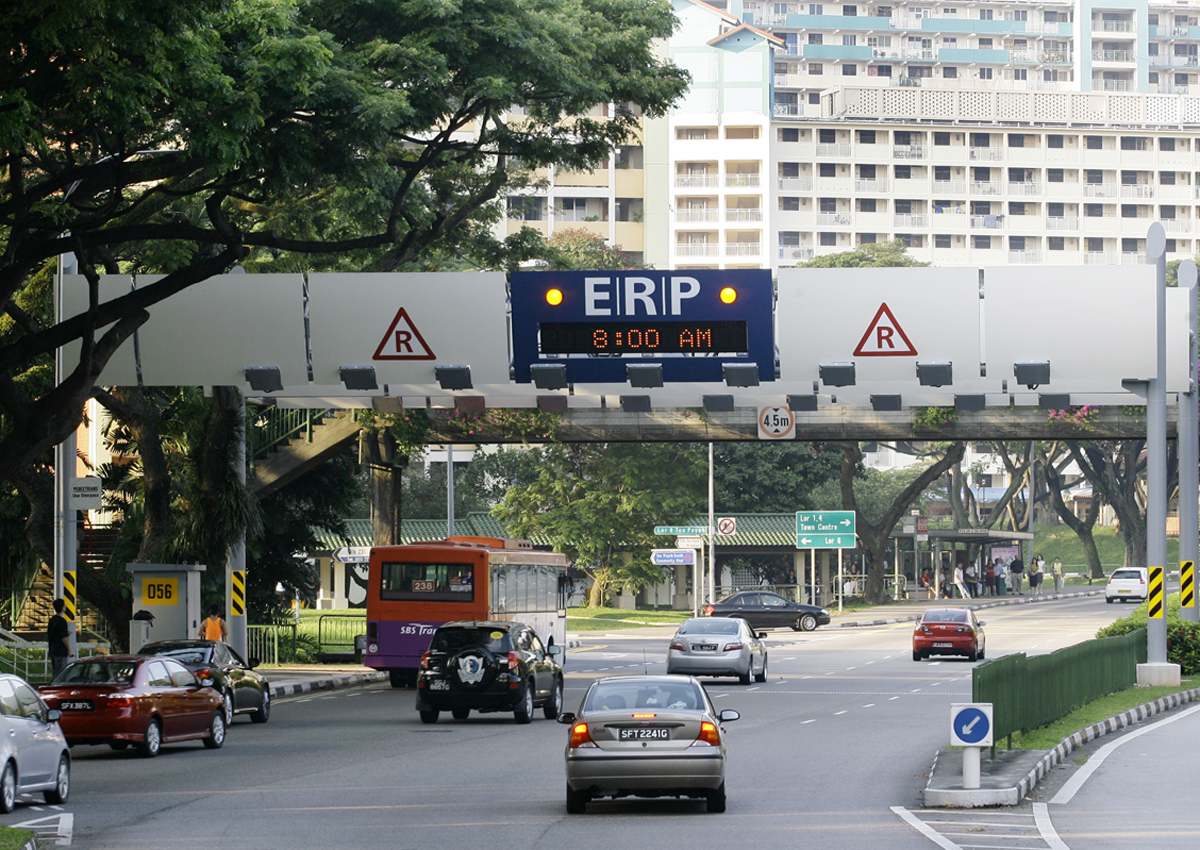
SINGAPORE – Get ready for some holiday cheer as the Electronic Road Pricing (ERP) fees are reduced for the December 2016 school holidays.

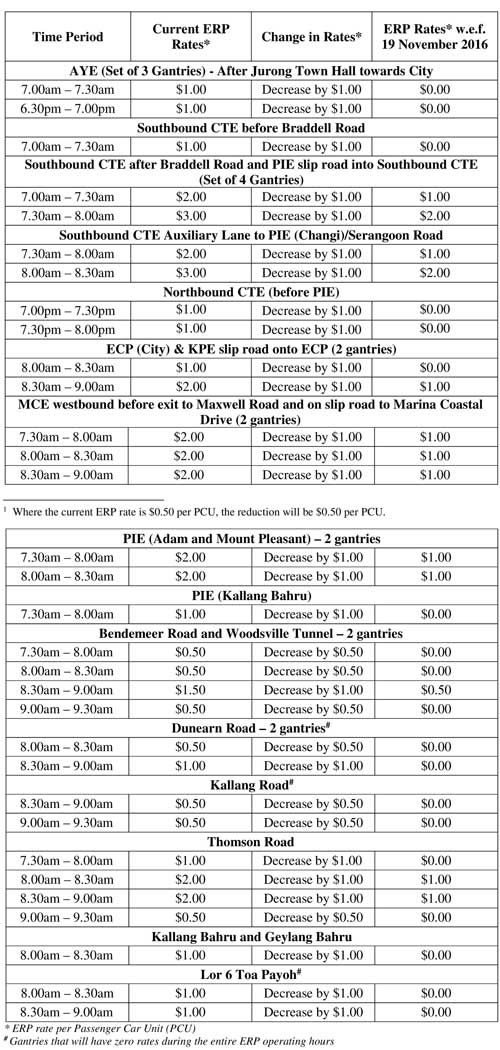
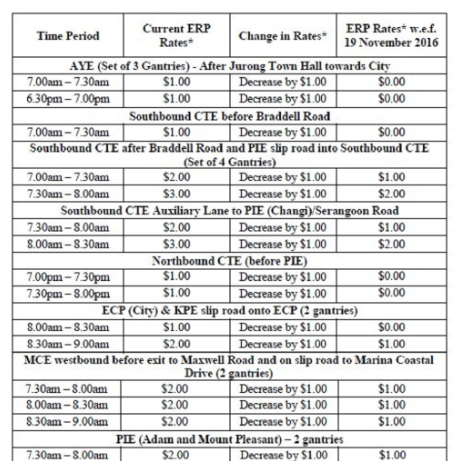
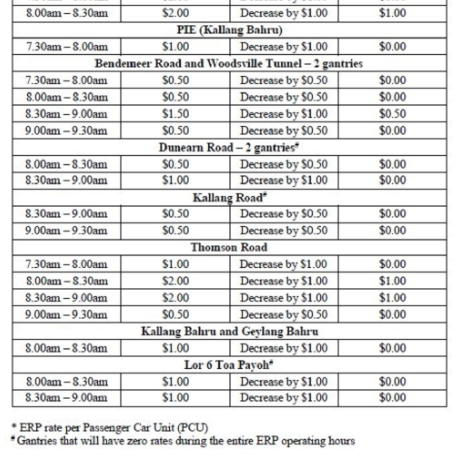
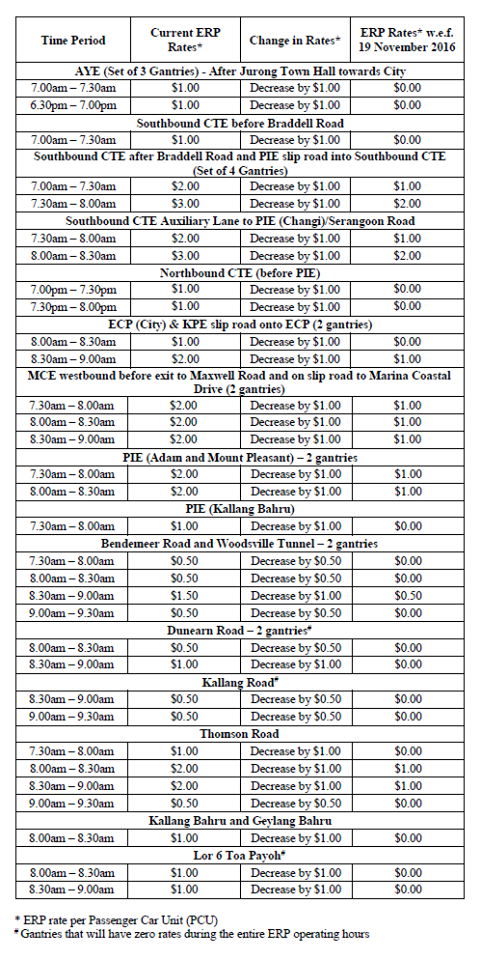
With the latest review, some ERP gantry fees will be reduced by $1, the Land Transport Authority (LTA) said in a statement.

The revised rates will apply from Nov 19 to Dec 31, and will revert back to the original fees from Jan 2.

Photo: LTA

The rates for the other gantries will remain unchanged, LTA added.

The next ERP rate review will take place in Feb 2017 for the first quarterly rate review of 2017.

grongloh@sph.com.sg

Image: 
Category: 
Publication Date: 
Monday, November 14, 2016 – 12:04
Keywords: 
Send to mobile app: 
Source: 


Story Type: 
Others

Source link

Reduced rates at selected ERP gantries during school holidays

0

SINGAPORE: Selected Electronic Road Pricing (ERP) gantries will have adjusted rates for the year-end school holidays, the Land Transport Authority (LTA) announced on Monday (Nov 14) after a review. 

The revised rates will apply from Nov 19 to Dec 31, 2016. 

In line with the ERP rate adjustment of S$1 per Passenger Car Unit (PCU), ERP rates at the following roads and expressways during the specified time periods will be reduced by S$1 per PCU (except where the current ERP rate is S$0.50 per PCU).

Kallang Road, Thomson Road and the ECP (City) and KPE slip on to ECP are among the roads that will have reduced ERP rates. On the PIE, gantries with lower rates during the school holidays include Kallang Bahru, Adam and Mount Pleasant.


The ERP rates will revert to the pre-school holiday period from Jan 2, 2017. The rates for the other gantries will remain unchanged.

According to the LTA, the next ERP rate review will take place in February 2017 for the year’s first quarterly rate review. 

Source link

ERP rates reduced for 25 gantries from Nov 19

0

SINGAPORE — Electrionic Road Pricing (ERP) rates will go down by 50 cents or S$1.00 from Saturday (Nov 19) until Dec 31, said the Land Transport Authority (LTA), having completed its ERP rates review for the December 2016 school holidays.

A total of 25 gantries across the island will be affected. The rates for the other gantries will remain unchanged.
The ERP rates will revert to the pre-school holiday period from Jan 2 next year. The next ERP rate review will take place in February.

Here’s the full list of gantries with reduced rates:

Source link