30.7 C
Singapore, SG
Wednesday, September 30, 2026
Home Blog Page 2338

New hotline launched in the fight against scammers

0

SINGAPORE: In the fight against increasingly sophisticated scams, the National Crime Prevention Council (NCPC) and the Singapore Police Force (SPF) launched a new anti-scam helpline on Sunday (Nov 20) to give advice to the public on such ploys, should they suspect that they have fallen for one.

The anti-scam hotline number, manned by the NCPC, is 1800 722 6688. It operates from Monday to Friday, from 9am to 5pm.

They have also launched a new anti-scam television commercial – the fourth to date – to raise even greater awareness of such scams. Starring local celebrity Li Nanxing, it highlights how impersonation scams, internet love scams and credit-for-sex scams are carried out in Singapore.

It shares three simple points with viewers when it comes to dealing with such scams – not to panic, not to believe the scammers words, and not to give in to the demands.

The Police said it forms part of continuing outreach efforts to raise awareness of such scams, which according to latest figures still remain high. For example, reported scams involving the impersonation of China Officials stands at 249 in the three months from July to September 2016 – higher than the 179 cases reported for the period between January and June this year.

NCPC Vice-Chairman Gerald Singham said Singapore residents tend to be trusting, which lends itself to being exploited by scammers.

“Indeed it is a battle and a challenge that we have on our hands, but even more so we’ve got to try to create education and awareness in our residents – we cannot give up. And indeed it is worrying – we have something like about 22 victims reporting scams a day, losing about S$120,000 a day. That’s a lot, and a dollar too many,” said Mr Singham.

“We cannot stop, we cannot retreat – we need to create that awareness and education, and we’re hopeful and encouraged that eventually these education protocols will come up, and then through word-of-mouth through friends, through families and even through the Internet where education can also take place, to guard against such unscrupulous scammers.”

The TV commercial and anti-scam hotline were both launched at the annual Festive Season Crime Prevention Campaign at Rivervale Plaza. In attendance was Deputy Prime Minister and Coordinating Minister for National Security Teo Chee Hean.  

Source link

Singapore anglers avoiding Indonesian waters

0

Fewer recreational fishermen have been heading to Indonesia for deep-sea fishing trips since 28 people – nearly all Singaporean anglers – were arrested for alleged trespassing and immigration offences earlier this year.

Members of the fishing community here say Singaporeans are instead heading for waters here or in Malaysia.

Two Singaporean boat captains, Shoo Chiau Huat and Ricky Tan Poh Hui, remain in Indonesian custody pending their court hearings in the Riau Islands’ provincial capital of Tanjung Pinang.

Shoo was arrested on April 16 in Tanjung Berakit, off Bintan, while Tan and his crew and passengers were caught on Aug 21.

Their passengers, mainly anglers, were deported shortly after being detained but the captains were held for trespassing or immigration offences.

Earlier this month, 10 Singaporean anglers were also stopped for sailing in an unlicensed boat off Bintan island.

Their Indonesian-flagged vessel was said to be sailing in Indonesian waters without valid permits and a proper passenger manifest.

The Sunday Times understands that all 10 passengers on the fishing boat have been released and since returned to the country.

Indonesia has been increasing sea patrols – mainly targeting illegal, unreported and unregulated fishing – since President Joko Widodo announced plans to beef up the country’s fisheries sector last year.

Anyone who enters Indonesia illegally could spend up to a year in prison, while infringement of the Fisheries Act – which covers illegal fishing – carries a sentence of up to five years in jail.

Mr Joe Ng, 60, owner of Joe Fishing Tackle in Beach Road, estimates that there has been more than a 50-per-cent drop in the number of anglers travelling to Indonesia. He has been in the fishing business for more than 20 years and used to travel to Indonesian waters.

“Those who go regularly to Indonesia to fish are generally above the age of 40,” he said. “Such trips often involve spending nights on a boat and can be uncomfortable for the inexperienced.”

But anglers enjoy fishing there as they catch more as well as land bigger fish.

Mr Augustine Chai, 48, owner of trip organiser Fishing Affairs, said that since the incidents, around half his customers who were heading to Indonesia either cancelled their packages or chose a local fishing trip. He added that boat captains are being cautious. “Instead of staying 1km away from territorial borders, some stay 2km or more away.”

Mr Soh Hoe Jiang, 50, a fishing boat charter operator and boat captain of 16 years, sails to Indonesian waters about twice a week but has seen a fall in bookings.

“Our operations now involve clearance, such as passport and port clearances and customs declarations, with Indonesian authorities before we fish in their waters,” he said, adding that customers fish for leisure and not profit. “Problems arise when they consider us commercial fishermen.”

Mr Ivan Goh, 37, chief guide of Deep Sea Fishing, which runs fishing charters, said the firm has stopped making trips to Indonesian waters where the incidents took place as a “precaution”. While he will be taking customers on a trip to Indonesia next month, he said, they will head to East Kalimantan, further from the area where the arrests took place. The group intends to travel by plane before going out to sea on an Indonesian-flagged vessel.

He added that anglers are attracted to fishing in Indonesia because of the different species found there, such as large stingrays and shovelnose sharks.


This article was first published on Nov 20, 2016.
Get a copy of The Straits Times or go to straitstimes.com for more stories.

Image: 
Category: 
Publication Date: 
Sunday, November 20, 2016 – 15:00
Keywords: 
Send to mobile app: 
Source: 


Story Type: 
Others

Source link

Famous parents, famous kids

0

Actor Mason Lee and director Derek Tsang were recently promoting their movies when attention inevitably turned instead to their famous fathers, Oscar- winning director Lee Ang and Hong Kong veteran actor Eric Tsang.

Apart from Mason, 26, who stars in Billy Lynn’s Long Halftime Walk, and Derek, 37, who helms Soul Mate, other Asian scion have also followed their parents into show business.


ALEX LAM, 31

Photo: Instagram

​

Famous relations: His father is veteran Hong Kong singer George Lam, 69, and stepmother is Taiwan-born singer Sally Yeh, 55.

What he does: With his strong jawline, floppy hair and dimpled smile, he looks a little like the Hong Kong version of Korean-American Walking Dead star Steven Yeun.

In 2012, he released his solo music album Alex Lam, whose singles such as Happy Newlyweds and Earth Protector made the Top 10 charts in Hong Kong.

Photo: Apple Daily

His father and stepmother have been supportive of his musical endeavours, featuring him as a guest singer in several of their concerts.

But they were reportedly wary of his acting roles, wondering if some of his films, such as the erotic drama Lan Kwai Fong 3 (2014), were soft porn.

Besides singing and acting, the chiselled Alex has also appeared in many commercials for electronics brands Canon and Philips, among others.


ZHANG MO, 33

Photo: Instagram

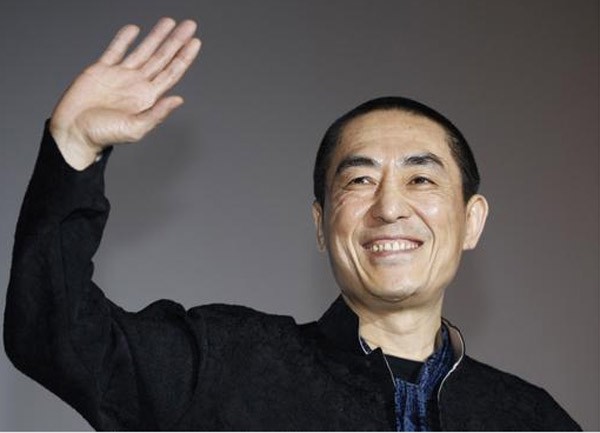
Famous relations: Her father is Chinese director Zhang Yimou, 65.

What she does:The New York University film school graduate has worked as an editor and assistant director on her father’s films, including Under The Hawthorn Tree (2010) and The Flowers Of War (2011).

Photo: Reuters

​

She makes her directorial debut with the romance flick, Suddenly Seventeen, starring Talu Wang, Ni Ni and Wallace Huo, which will be released in China next month.

She is married to an American by the surname of Tovey, who is reportedly working in the finance industry.


SONAM KAPOOR, 31; RHEA KAPOOR, 29; HARSHVARDHAN KAPOOR, 26

Photo: AFP

​

Famous relations: Their father is Indian actor Anil Kapoor, 59.

What they do: Not only are all of Anil Kapoor’s children good-looking, but they are also doing well in their careers. Sonam is a top film actress, having won critical acclaim for her movies such as Raanjhanaa (2013) and Neerja (2016).

Photo: AFP

Rhea is a producer who has made films such as Aisha (2010) and Khoobsurat (2014).

Harshvardhan, who made his debut in Mirzya earlier this year, has been noted by several media outlets as the next hot young actor to watch.


ANDREW CHAU, 26

Photo: The Straits Times

​

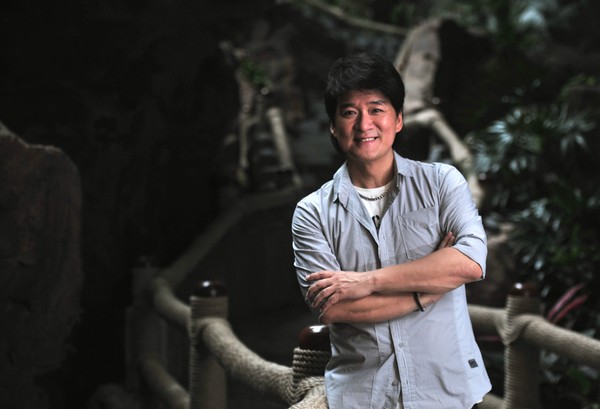
Famous relations: His father is Taiwanese singer Wakin Chau, 56.

What he does: With his wavy hair and sunshine-boy pan-Asian looks, courtesy of his American mother, he has what it takes to join a preppy boy band.

But it is acting that he is pursuing – he made his debut earlier this year in the comedy film, Welcome To The Happy Days, as a foreign backpacker in Taiwan who can speak Mandarin.


WESLEY WONG, 29

Photo: Golden Village Pictures

​

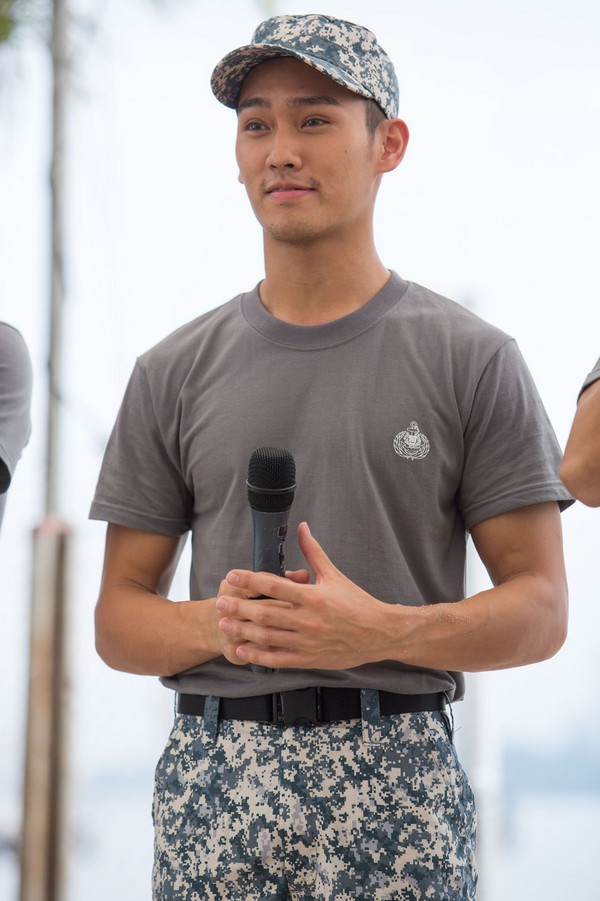
Famous relations: His parents are former Hong Kong actress Angie Chiu Nga Chi, 62, and former actor Melvin Wong, 70.

What he does: Jack Neo’s hit movie Ah Boys To Men 3: Frogmen last year featured a hunky new recruit. That guy is rising Hong Kong actor Wesley Wong, who inherited the sharp nose and delicate features of his actress mother, who was a huge star in the 1980s after she appeared in the hit drama series, The Bund, opposite Chow Yun Fat.

Photo: Melvin Wong

In China, Wong is frequently referred to as “the most handsome second-generation star”. He is spoken for – he has been dating a girl outside of show business named Denise for the past eight years.


SYAMSUL YUSOF, 32

Photo: Skop Productions

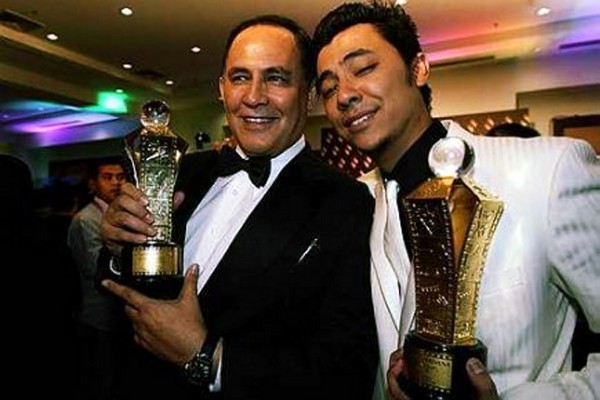
Famous relations: His father is Malaysian film-maker Yusof Haslam, 62.

What he does: Like his famous father, this dapper Malaysian, who is married to actress Puteri Sarah, is also a film-maker.

Photo: MStar

​

His films KL Gangster (2011) and its 2013 sequel, KL Gangster 2, both starring Aaron Aziz, are among the highest-grossing Malaysian-made films.

KL Gangster also earned him the Best Director award at the Malaysian Film Festival.


SHRUTI HASSAN, 30

Famous relations: Her father is Indian actor-director Kamal Hassan, 62, and mother is actress Sarika Thakur, 55.

What she does: This gorgeous Indian actress made her first film appearance in the period crime drama, Hey Ram (2000), which was directed by her father, one of the biggest stars working in the Tamil film industry.

But forget her strong familial connections – she has proven her acting chops, winning three Filmfare awards last year, including for Best Actress (Telugu) for the film Race Gurram (2014).


LEE YU BI, 25

Photo: Starhub

​

Famous relations: Her mother is South Korean actress Kyeon Mi Ri, 51.

What she does: Sweet-faced, doe-eyed but not yet A-list, she is quickly becoming an actress to watch as she collects a string of Best New Actress award nods for her recent work, such as the New Star Award at the SBS Drama Awards for her role in hit television drama, Pinocchio (2014).


This article was first published on Nov 20, 2016.
Get a copy of The Straits Times or go to straitstimes.com for more stories.

Image: 
Category: 
Blurb: 
<p>Actor Mason Lee and director Derek Tsang were recently promoting their movies when attention inevitably turned instead to their famous fathers, Oscar- winning director Lee Ang and Hong Kong veteran actor Eric Tsang.</p>
Publication Date: 
Sunday, November 20, 2016 – 16:30
Send to mobile app: 
Source: 


Rotator Headline: 
Children of celebrities show that talent and good looks run in the family
Rotator Image: 
Story Type: 
Others

Source link

Paying stamp duty on property not as easy as 1-2-3

0

Lorna Tan Nothing is certain but death and taxes, as the saying goes, but some of us still have difficulty getting those taxes, particularly stamp duty payments, right.

Ignorance is not bliss; the penalties for committing mistakes can be costly. Documents that are not stamped or those with an insufficient stamp duty can attract penalties of up to four times the undercharged amount.

Stamp duty is paid on documents or agreements relating to immovable property such as tenancy or lease agreements, acceptance of options to purchase, and sale and purchase agreements. Duty is also payable on share transactions.

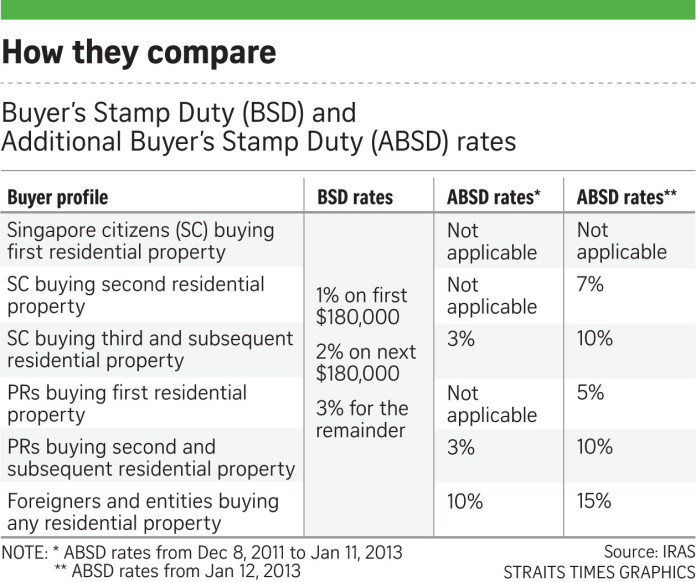
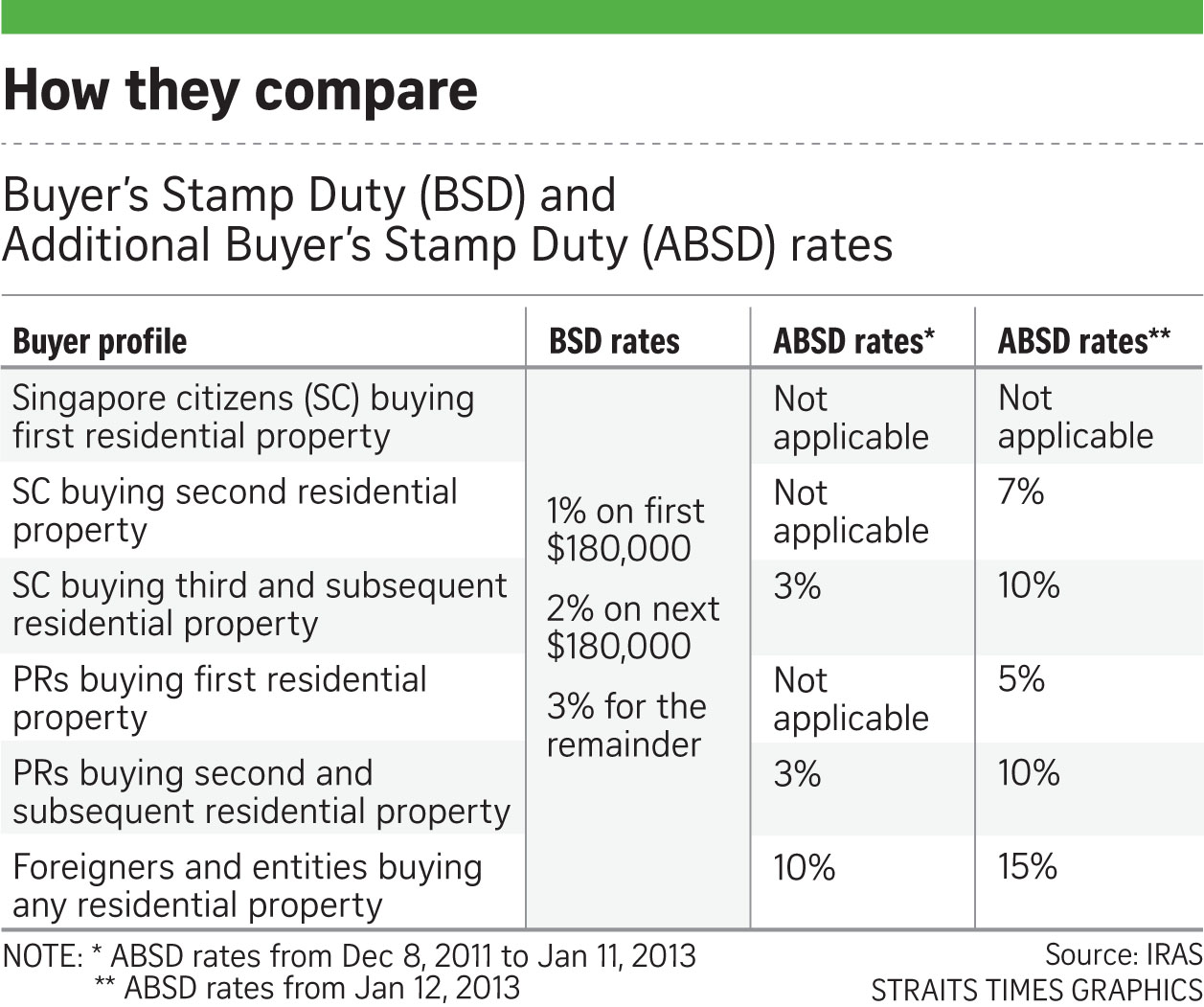
One of the most high-profile levies is the Additional Buyer’s Stamp Duty (ABSD) introduced in December 2011 to help cool the property market. This levy is paid on top of the existing buyer’s stamp duty. The rate depends on whether the buyer is a Singapore citizen, a permanent resident, a foreigner or an entity like a trustee. The number of residential properties the buyer owns is also factored in.

An ABSD of 7 per cent to 10 per cent is imposed for Singaporeans buying their second or subsequent properties. Foreigners pay more.

Close to 40 out of 437 stamp duty audit cases uncovered in the three years to March 31 this year involved non-compliance of the ABSD, said the Inland Revenue Authority of Singapore (Iras).

To ensure you do not get tripped up by these levies, The Sunday Times highlights common mistakes that property owners and buyers should steer clear of when paying stamp duty. Fictitious names are used in the cases cited.

Stamp duty

The good news is that during that same period, more than 90 per cent of taxpayers complied with stamp duty requirements.
The taxman takes a strong stance against non-compliance and its auditing programmes have been successful in identifying non-compliant cases involving significant stamp duty amounts.

Iras recovered about $21 million in taxes and penalties from stamp duty audits in the three years to March 31.

“The minority who did not comply were mostly those who failed to stamp or were late in stamping their documents, or did not pay the correct amount of stamp duty due to incorrect computation,” said Iras. “For example, the stamp duty is computed based on purchase price which is far below the market value of the property.”

Non-compliance has also been uncovered in areas such as gift transfers and trust arrangements. The cases reflect taxpayers’ lack of understanding of stamp duty requirements. And some taxpayers were wrongly advised by their lawyers and agents.

Common scenarios of non-compliance

1. TRANSFER OF PROPERTY BY WAY OF GIFT – WRONG BASIS OF CALCULATING THE STAMP DUTY

Stamp duty should be based on the market value when a property is transferred by way of gift. Real-life case: Mr Allan Poh executed a document to transfer his property by way of gift to his son. Instead of stamping the document based on the market value, the document was wrongly stamped based on how much the father charged, which was $1 in this case. What you should do: As a recipient of a gift property, you are liable to pay stamp duty. Ensure that the document is adequately stamped based on the property’s reasonable market value.

2. MISCONCEPTION THAT STAMP DUTY IS NOT REQUIRED FOR RENTAL OF ROOMS, SUBLETTING AND LEASE RENEWALS

There have been cases where tenancy agreements were not stamped for rental of rooms, rental of whole units and renewal of leases.

Stamp duty is payable on signed documents for subletting and/or renewal of lease. Usually, tenants are responsible for paying the stamp duty unless otherwise stated in the tenancy or lease agreements.

What you should do: Tenants should ensure tenancy agreements for rental of rooms or whole units and lease renewals are stamped.

3. OWNERSHIP OF OTHER PROPERTIES AT TIME OF PURCHASE

Some taxpayers indicated ignorance, or did not inform their lawyers of other residential properties that they own. This resulted in the wrong ABSD rate being applied.

As the ABSD rate depends on the number of residential properties owned, buyers should consider all such properties in the property count, including those that are:

•Completed or under construction;

•Owned wholly by the buyer or jointly with others;

•Transferred to the buyer by way of gift or inheritance; and

•Held in trust where the buyer is the beneficiary stated in the trust instruments.

Real-life case: Mr Edward Tay did not pay the ABSD on the purchase of his third residential property. He claimed that he was unaware of his joint ownership in two other homes that were transferred to him from his late parents.

Real-life case: Mr Dominic Lee did not pay the ABSD on the purchase of his second residential property, claiming that he had already transferred ownership of his HDB flat to his son. However, HDB records reflected that the flat was still jointly owned by Mr Lee, his wife and their son.

Real-life case: When Ms Agnes Koh bought her second residential property, she thought the ABSD was not applicable as she had already discharged her loan for her first property, an HDB flat. However, the ABSD is not dependent on the number of loans outstanding but the number of residential properties owned.

Real-life case: Ms Vicky Tan did not pay the ABSD on the purchase of her second residential property, which was under construction. She thought the duty was payable at the point the development received its Temporary Occupation Permit.

In these cases, penalties of up to two times the amount of duty the buyer failed to pay were imposed.

What buyers should do: You can seek advice from your lawyers or Iras to determine your total property count.

4. MISCONCEPTIONS ON PROPERTY AND LAND USE

There were instances where buyers regarded mixed-used properties as commercial properties and so mistakenly thought the ABSD would not apply. In mixed-used properties such as HDB shops with living quarters, the ABSD applies to the portion deemed residential.

Real-life case: Singaporean Jimmy Low owned two residential properties and bought an HDB shop with living quarters on the second floor.

An Iras audit found he paid only the 3 per cent buyer’s stamp duty. He claimed that the HDB shop was a commercial property and would not attract the ABSD.

However,the duty applied to the living quarters on the second storey. Mr Low had to pay an additional stamp duty of 10 per cent and a penalty of two times the amount of the ABSD that he had failed to pay.

What buyers should do: You can verify your ABSD obligations with Iras or your lawyers for the purchase of mixed-use properties, buildings under construction and vacant land or entire building with land.

5. INACCURATE ADVICE GIVEN BY INTERMEDIARIES

Intermediaries such as property agents and lawyers have given inaccurate advice on the ABSD to their clients.

Real-life case: Singaporean Larry Lim bought his second residential property and signed the sale and purchase agreement on June 11, 2013. The ABSD was payable at 7 per cent but his lawyer had referred to outdated rules and failed to advise him that the duty was payable.

After an Iras audit, Mr Lim was asked to pay the ABSD of 7 per cent. His lawyer agreed to pay the penalty of two times the amount of ABSD undercharged due to his negligence.

Iras said: “Intermediaries who handle conveyance matters for their clients have to be familiar with prevailing stamp duty policies and rates.

“They are responsible for ensuring that they provide correct advice on ABSD liability based on the date of document, permitted use/ zoning, count of residential properties owned and the residency status of their clients.”

Iras encourages intermediaries to do a self-review of past cases to check if stamp duty obligations were fulfilled accurately.

What intermediaries should do: You should be familiar with the prevailing stamp duty policies and rates to correctly advise your clients.

What buyers should do: You have to be more careful when engaging intermediaries to handle your property transactions. You should conduct self-checks on ABSD rules on the Iras website.

6. STAMP DUTY FRAUD – FORGERY OF STAMP CERTIFICATES

It is a crime for any individual or business to deliberately forge stamp certificates and knowingly misrepresent counterfeit “certificates” as genuine. The maximum punishment is jail of up to three years or a fine of up to $10,000 or both.

Iras advises potential property buyers and tenants to check the authenticity of the stamp certificates in their possession by visiting the e-Stamping website at https://estamping.iras.gov.sg

An authentic certificate should bear the full details: the stamp duty payment, description of the document, address of the property, stamp duty amount and date of the document.

All these details, including the Stamp Certificate Reference Number, should match the information on the e-Stamping website.

Iras said: “Although stamp duty is usually paid by property buyers and tenants, sellers and landlords should also request copies of stamp certificates and verify them online to protect their own interests. For instance, in the event of legal disputes, the document must be duly stamped before it can be admitted as evidence in court.”

What you should do: Ensure that your stamp certificates are authentic by referring to the e-Stamping website.

Find out more about stamp duty

Information on stamp duty as well as the e-Tax Guide Additional Buyer’s Stamp Duty (ABSD) on Purchase of Residential Properties can be found on the Iras website. Contact Iras on 1800-460-4923 or e-mail estamp@iras.gov.sg for assistance on e-Stamping.


This article was first published on Nov 20, 2016.
Get a copy of The Straits Times or go to straitstimes.com for more stories.
Image: 
Blurb: 
<p>Lorna Tan Nothing is certain but death and taxes, as the saying goes, but some of us still have difficulty getting those taxes, particularly stamp duty payments, right.</p>
Publication Date: 
Sunday, November 20, 2016 – 16:15
Send to mobile app: 
Source: 


Story Type: 
Others

Source link

Slow growth is here to stay

0

The festive season is approaching, but Singapore’s economy seems to have missed the memo. Numbers released last Thursday showed a bigger-than-expected fall in exports in October, fanning fears that worse is to come.

As it is, Singapore will barely escape recession this year. The economy is expected to grow at the lower end of a measly 1 to 2 per cent range, and at the same snail’s pace next year.

While the Government has ruled out an outright recession for now, that is hardly reason to cheer.

Growth below 2 per cent this year would be the slowest since the economy sank into negative territory seven years ago, at the height of the global financial crisis. It would also be the lowest in a year not immediately before or after a recession.

In fact, the services sector – which makes up two-thirds of the economy – is already in a technical recession, having shrunk for three consecutive quarters between January and September this year. If exports continue to decline, economists believe the whole economy may be in danger of a technical recession too.

To be sure, this is not Singapore’s first slowdown, or even its worst. But it has already earned the dubious record of being its longest, with the end of the tunnel still far away. Never before has modern Singapore’s economy grown below 5 per cent for five years in a row, as it has now since 2012.

And in a departure from the recent downturns, the economy is unlikely to bounce back quickly from this period of sluggishness to grow at the same rate it used to. As Prime Minister Lee Hsien Loong said in a dialogue with labour movement leaders earlier this month, while Singapore is not in a crisis, slower growth will be the “new normal” here.

This requires workers and companies to respond differently than in previous recessions. They must accept that the current malaise is not only a short-term economic blip, where everyone can just hunker down until the worst blows over.

While some of the slowdown is due to short-lived cyclical factors that will hopefully improve in time, structural changes are complicating the mix. Global trade has slumped partly due to longer-lasting shifts in trading patterns as consumers buy fewer imports and more local products.

Protectionist instincts are on the rise, and trade-boosting pacts such as the Trans-Pacific Partnership are faltering amid uncertainty over the incoming Trump administration in the United States.

The sweeping disruption wrought by technology is also transforming economic sectors, pummelling corporate stalwarts and eliminating tens of thousands of jobs. New positions are being created to support emerging industries, but not nearly enough to make up for the redundancies as tech advancements reduce labour intensity.

In many cases, the new jobs require completely new skills that will take years to learn. Shorter business cycles and the rapid rate of change in technology also imply that these new skills may in turn be more quickly outdated, prolonging the structural mismatch between available jobs and unemployed workers.

To stay relevant in a slow-growing yet fast-changing landscape, workers must constantly train for the next career challenge – even if they are currently employed.

That means making time, possibly in between a full-time job and family commitments, to learn new skills and taking up opportunities outside their comfort zone. It also means not squandering the SkillsFuture credits offered by the Government on recreational baking classes – unless they have a sound business plan for opening a cake shop – but carefully using them to learn the most marketable, future-proof skill relevant to them.

Employers in turn need to recognise that training is an essential component of any job and requires significant time dedication in order to be effective. At best, they could set aside a regular time slot for workers to spend learning new skills. At the very least, they should consider re-training workers in danger of being made redundant so they can be deployed in new roles.

Another consequence of a long-term slowdown is lower growth in government revenues. Stagnating incomes and squeezed corporate profits are likely to result in smaller tax collections, while the gloomy global outlook is diminishing the long-term rates of return from state investment companies, and potentially their contributions to the annual budget.

The state coffers cannot grow at the same rate as before, even as demands on the public purse are increasing with an ageing population.

Those waiting for the Government to swoop in with a silver bullet will be disappointed. In the absence of an outright crisis, the authorities will likely press on with steering the economy towards more sustainable growth from greater productivity gains, and focus on providing targeted help for companies and industries to retool for the future economy.

For a developed country like Singapore, some loss of growth momentum cannot be avoided forever. And a cooler economy has its benefits – it wasn’t so long ago that Singaporeans were complaining about growth that was too fast.

Less rapid growth can lead to reduced cost pressures. It can also lead to a lower level of environmental damage and congestion, and more breathing space – literally and metaphorically – for those tired of the endless rat race.

Having joined the ranks of advanced economies, Singapore can endure slower growth and still maintain absolute real economic gains similar to those of the past and of other countries. In other words, incomes here today may need to grow just 2 per cent to rise by the same absolute amount as a 10 per cent increase in the past, or a 10 per cent increase in another country.

But a foreseeable future of slower growth also presents Singapore with obvious challenges. There is likely to be a drawn-out series of company closures, job losses and industry consolidation as the economy adjusts to new growth expectations. In the first six months of this year alone, nearly as many companies have shut down as for the whole of last year.

The jobless rate, while low, is also trending up and will probably keep doing so as the rise in the cost of hiring a worker continues to outpace the additional value each worker creates. Disguised retrenchments may gather steam as struggling companies gradually and quietly trim loss-making departments while trying to avoid paying out termination benefits for mass layoffs.

Investors who no longer see strong growth prospects in Singapore’s future could leave, depressing asset values here. Slower trend growth will also make Singapore’s open economy more exposed to external shocks beyond its control.

So while a lower pace of expansion is not a bad thing in itself, what is important is that the growth that remains is high-quality enough to sustain rising incomes and a good standard of living.

Creating the best circumstances for such growth to continue – whether that means identifying the most promising industries in the future economy or persuading companies and workers to keep up with changing trends – will be the main economic challenge for Singapore to maintain its global competitiveness and domestic quality of life in the coming decades.


This article was first published on November 20, 2016.
Get a copy of The Straits Times or go to straitstimes.com for more stories.

Image: 
Publication Date: 
Sunday, November 20, 2016 – 13:00
Keywords: 
Send to mobile app: 
Source: 


Rotator Headline: 
Slow economic growth in Singapore is here to stay
Rotator Image: 
Story Type: 
Others

Source link

ISIS losing ground, but extending reach

0

While Singapore held its biggest counter-terrorism exercise ever barely a month ago in response to the growing threat from the Islamic State in Iraq and Syria (ISIS), what is the situation with the group’s centre of struggle in the Middle East? And how will the changing situation affect South- east Asia?

A round-table held by The Sunday Times last Monday heard that big inroads are being made in the battle to reclaim ISIS-held territory, but on the down side, this could translate into more trouble in Asia.

THE INROADS

ISIS’ last stronghold in Iraq, the city of Mosul, is feeling the full force of a Western-backed military campaign to retake it.

The offensive has seen Iraqi security forces, Kurdish Peshmerga fighters and various militia groups supported by an international coalition attack Mosul from three fronts over the past month, severely weakening the terror group’s hold on territory in its so-called “caliphate”.

THE EFFECTS

The fact that ISIS is now losing territory means that, like Al-Qaeda before it, the group is likely to morph and spread itself out, while the estimated 700 Indonesians, 100 Malaysians and 100 Filipinos who went to the region to join the fight are likely to return to South-east Asia.

The recapture of Mosul – Iraq’s second-largest city – will deal a psychological blow to the terror group, said security experts, as it was in its Great Mosque two years ago that ISIS leader Abu Bakr al-Baghdadi had declared himself the first caliph – commander of all Muslims – in generations.

“There is a sense that Mosul will not last very long in ISIS’ hands,” Associate Professor Kumar Ramakrishna, Head of Policy Studies at the S. Rajaratnam School of International Studies, told the round-table. “After that, the coalition will also try and retake Raqqa in Syria, ISIS’ de facto capital.”

But while coalition forces have had successes retaking territories held by ISIS – the key feature setting it apart from other terror groups – the group’s virulent ideology is proving more difficult to eradicate.

The seductive idea that it is building a pure, utopian state that model Muslims are obliged to be a part of is a powerful one that explains how ISIS has attracted not just thousands of foreign fighters but also families, including a number from countries in the region such as Singapore, Malaysia and Indonesia, said Prof Kumar.

But with the heavy fighting and continued territorial losses, many of these foreigners are heading home, including back to South- east Asia.

This sets the stage for a repeat of the cycle of terror of the early 2000s, after the Soviet-Afghan war ended. With reinvigorated homegrown militant groups and self-radicalisation, there is now a “three-tier threat” that raises the spectre of more attacks in South-east Asia next year, said Prof Kumar.

Back in the 1990s, the South-east Asian elements of the Mujahideen – Islamist insurgents who drove out the Soviets – had returned to this region with war-fighting skills, started Jemaah Islamiah, and carried out a string of attacks, including the 2002 Bali bombings and the 2004 bombing of the Australian embassy in Jakarta.

“What we think we’ll be seeing is a phenomenon where many of ISIS’ South-east Asian fighters will come back, and they will augment the terrorism threat in the region,” said Prof Kumar.

For all its losses in the Middle East, the danger of ISIS has metastasised and spread to many parts of the world, including South- east Asia.

The group’s early military victories last year and the year before reinvigorated militant groups worldwide and sparked a number of terror attacks, and many of these groups have since pledged allegiance to ISIS.

A briefing map from the United States National Counterterrorism Centre, picked up by the US media in August, showed that ISIS is now “fully operational” in 18 countries, including Nigeria, Algeria and Libya, compared with seven in 2014.

It also counted six “aspiring branches”, such as in Bangladesh, Indonesia and the Philippines.

Most worrying of these is the foothold achieved in South-east Asia over the past year in the southern Philippine province of Mindanao, which is already a hotbed of unrest.

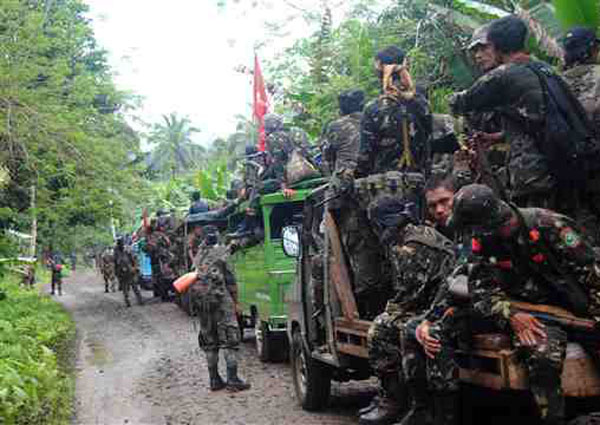
Security experts have highlighted the rising threat of pro-ISIS groups there, noting that many Indonesian returnees have gone to Mindanao to fight with groups such as the Abu Sayyaf.

Outspoken Philippine President Rodrigo Duterte said in September that he wants US special forces troops helping to fight terrorism in Mindanao to leave, throwing the long-term response to pro-ISIS groups there into question.

ISIS has also endorsed Abu Sayyaf leader Isnilon Hapilon as “emir” of its South-east Asia campaign, signalling its growing focus on the region.

The group’s effectiveness in bringing previously unrelated militant groups together under its banner was flagged in a report last month by the Institute for Policy Analysis of Conflict, a think-tank headed by Jakarta-based security analyst Sidney Jones.

“Support for ISIS in Mindanao has meant more than a repackaging of old kidnapping-for-ransom groups. It has facilitated cooperation across clan and ethnic lines, widened the extremist recruitment pool to include computer-savvy university students and opened new international communication and possibly funding channels,” it noted.

“It means that more deadly violence in the Philippines involving alliances of pro-ISIS groups is a matter of when, not if.”

Analysts told Insight that three factors – ISIS’ building of a springboard into South-east Asia, its savvy use of social media to self-radicalise and groom lone-wolf attackers and its shift in tactics from spectacular and well-coordinated attacks to individual acts of terror that are harder to prevent – will make this region far more dangerous in the coming years.

“They are promoting the idea that you don’t need to make a bomb, that with a knife or a truck you can also cause mass casualties,” said Prof Kumar, alluding to a knife attack in Minnesota in September that wounded nine people, and the July incident involving a truck in Nice, France, which killed 86 people.

By holding up successful attacks as models to follow in its calls to supporters to spread terror wherever they are, ISIS wants to inspire copycats, said Mr Remy Mahzam, an associate research fellow at the International Centre for Political Violence and Terrorism Research, who was a panellist at the round-table.

“We’ve seen how the November 2015 Paris attacks inspired the January Jakarta attacks, and we can pre-empt more of such replication of attacks next year,” he said.

This mindset shift means that terror attacks in the future are likely to occur not just at traditional hard targets such as government buildings, but even at places such as shopping malls and ferry terminals, said fellow panellist David Chan, who heads the Behavioural Sciences Institute at the Singapore Management University.

This was the case in June’s Puchong incident when ISIS-linked militants lobbed a grenade into a nightclub outside Kuala Lumpur.

“It has evolved to the point where you should expect a terror attack to happen anywhere and everywhere,” he said.

“And it can be carried out not just by structured groups, but organic groups and even individuals.”


This article was first published on Nov 20, 2016.
Get a copy of The Straits Times or go to straitstimes.com for more stories.
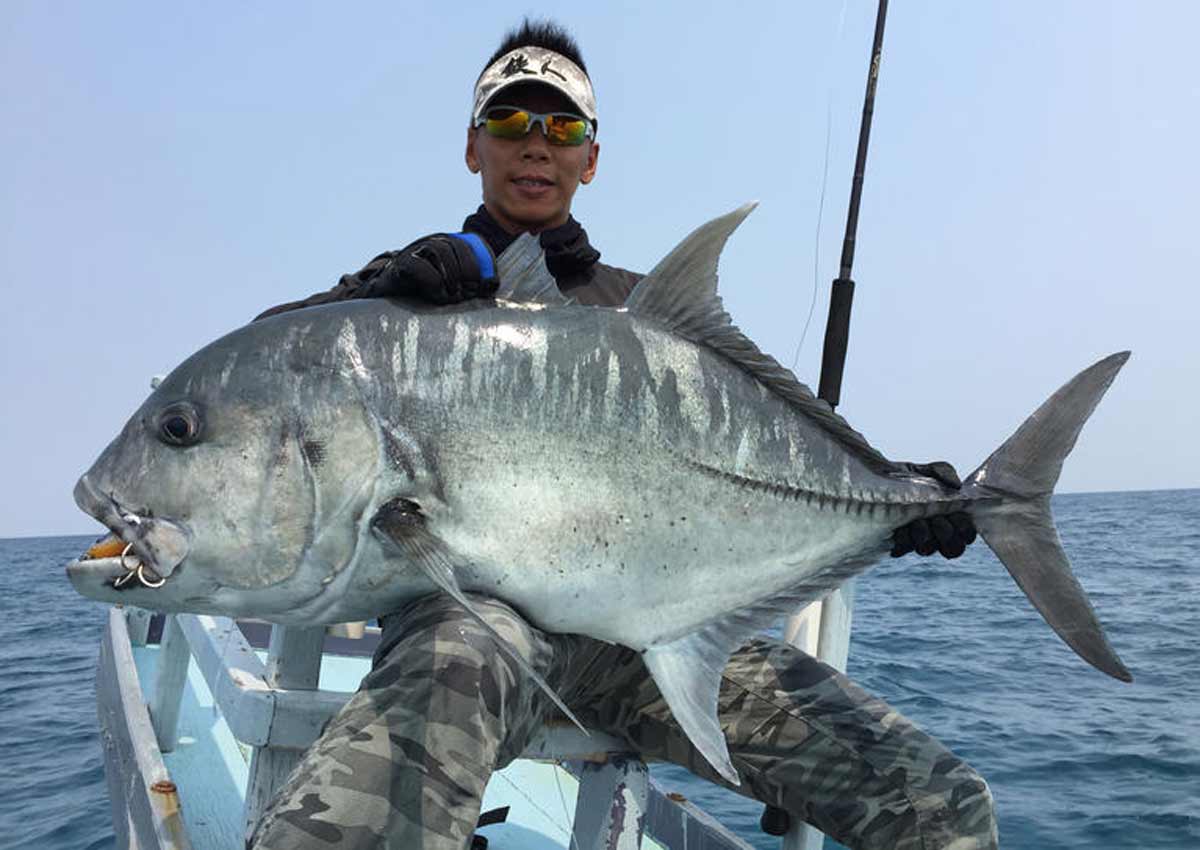
Image: 
Category: 
Blurb: 
<p>While Singapore held its biggest counter-terrorism exercise ever barely a month ago in response to the growing threat from the Islamic State in Iraq and Syria (ISIS), what is the situation with the group's centre of struggle in the Middle East? And how will the changing situation affect South- east Asia?</p>
Publication Date: 
Sunday, November 20, 2016 – 16:00
Keywords: 
Send to mobile app: 
Source: 


Story Type: 
Others

Source link

The day after: Would Singaporeans stay unified?

0

On the night of Nov 13 a year ago, the Syeds, a Muslim family of five, were watching football on TV at home in the French capital of Paris when they heard gunshots.

The nearby Bataclan theatre was under attack by ISIS extremists and, soon, police and terrified concertgoers were running past the Syeds’ home.

The family opened their doors and, together with their neighbours, gave what help they could to the injured in the courtyard of their building.

Because of their actions, the community in Paris’ lively 11th district has grown closer in the aftermath of the terrorist attack, a fact highlighted in media reports as they commemorated the one-year anniversary of the Paris attacks that killed 130 people and injured another 370.

These community bonds are a precious thing against an enemy which is trying to pull society apart, said the panel of experts during the round-table with Insight last Monday.

The question is, would Singaporeans rally together in a similar fashion if a terror attack were to happen here? Or would we turn against one another?

Read also: How prepared in Singapore for an attack?

How Singaporeans would react the day after an attack is one of the top concerns of both security experts and the Government.

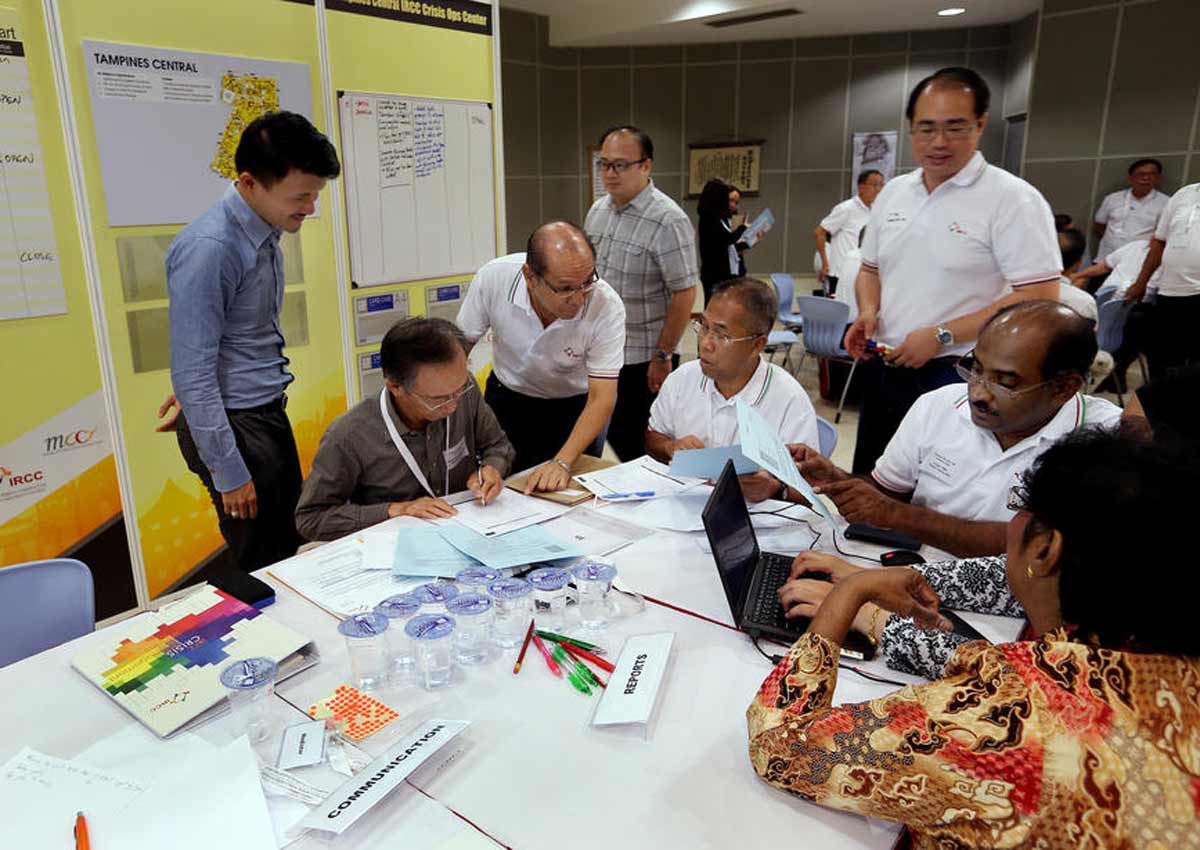
Some focus has been placed on this: A day after last month’s islandwide anti-terror exercise, another wide-ranging exercise was carried out at the grassroots level, where community leaders discussed how racial and religious tensions can be defused after an attack.

Home Affairs Minister K. Shanmugam said at a dialogue last Monday: “We will be tested not only by whether an attack takes place, but also by how society responds the day after.”

Citing how people in Paris and London “bounced back with spirit” after attacks, he added: “If we started pointing fingers at each other, we would have lost. But if we respond strongly, then we would have won.”

Recognising that ISIS’ goal is to divide society and create ethnic and religious conflict is the first step to any strategy, said roundtable panellist Kumar Ramakrishna, head of policy studies at the S. Rajaratnam School of International Studies.

“The likes of ISIS are very sectarian. Their operations and attacks are designed to create conflict and divide society so that they will polarise it, turn society against each other and then they will find opportunities to recruit,” he said.

“We must not allow these groups which are trying to divide society to break up the multicultural fabric that we’ve built up for so many years.”

This resilience is rooted in Singapore’s social and racial harmony, said Associate Professor Kumar, citing the work of community groups such as the Inter-Racial and Religious Confidence Circles (IRCCs). Set up after the first wave of Jemaah Islamiah arrests in Singapore in 2001, the IRCCs organise dialogues between leaders of different faiths and are a platform for believers of different stripes to forge links with one another.

Their members now take part in crisis preparedness exercises regularly to discuss how they can react in the event of a terror attack.

Such bonds of cohesion are very difficult to build up.

“It’s exactly the same as trust, very difficult to build up and, once built up, it’s difficult to maintain and quite easily lost,” said another panellist, Professor David Chan, a behavioural scientist.

Read also: 18-hour operation to test anti-terror response

EMBRACING DIVERSITY

An important thing to realise is, even though attacks are often committed in the name of Islam, the religion and Muslims are not to blame, said Prof Chan.

“It’s important for the non- Muslims in this case to really understand that (terrorism) is not about the religion or religiosity or religious consciousness. It is about the criminals who are making use of the religion,” he said.

In Singapore’s context, the Chinese, as the majority racial group, should take the responsibility to be sensitive to differences and embrace diversity, Prof Chan said.

He pointed out that, as the majority group, a Chinese person could possibly go about daily life without interacting with a Malay, but the reverse would be difficult.

At the same time, any approach also has to take into consideration non-Singaporeans, said Prof Chan, adding that 40 per cent of the population here are either permanent residents or foreigners.

“You cannot have a security situation where you focus only on Singaporeans. You need to focus on the foreigners here, who are diverse,” he added.

Encouraging dialogue and appealing to a common humanity that cuts across cultures could be one way to do this.

“How we do it is not to stifle and shut people up, but to appeal to a common core value identity that we believe in… You and I are different in our religion, race and skin colour, but we are Singaporean, we are humans. That needs to be activated,” said Prof Chan.


This article was first published on November 20, 2016.
Get a copy of The Straits Times or go to straitstimes.com for more stories.
Image: 
Category: 
Publication Date: 
Sunday, November 20, 2016 – 15:08
Keywords: 
Send to mobile app: 
Source: 


Rotator Headline: 
The day after an attack: Would Singaporeans stay unified?
Story Type: 
Others

Source link

The day after: Would S'poreans stay unified?

0

On the night of Nov 13 a year ago, the Syeds, a Muslim family of five, were watching football on TV at home in the French capital of Paris when they heard gunshots.

The nearby Bataclan theatre was under attack by ISIS extremists and, soon, police and terrified concertgoers were running past the Syeds’ home.

The family opened their doors and, together with their neighbours, gave what help they could to the injured in the courtyard of their building.

Because of their actions, the community in Paris’ lively 11th district has grown closer in the aftermath of the terrorist attack, a fact highlighted in media reports as they commemorated the one-year anniversary of the Paris attacks that killed 130 people and injured another 370.

These community bonds are a precious thing against an enemy which is trying to pull society apart, said the panel of experts during the round-table with Insight last Monday.

The question is, would Singaporeans rally together in a similar fashion if a terror attack were to happen here? Or would we turn against one another?

Read also: How prepared in Singapore for an attack?

How Singaporeans would react the day after an attack is one of the top concerns of both security experts and the Government.

Some focus has been placed on this: A day after last month’s islandwide anti-terror exercise, another wide-ranging exercise was carried out at the grassroots level, where community leaders discussed how racial and religious tensions can be defused after an attack.

Home Affairs Minister K. Shanmugam said at a dialogue last Monday: “We will be tested not only by whether an attack takes place, but also by how society responds the day after.”

Citing how people in Paris and London “bounced back with spirit” after attacks, he added: “If we started pointing fingers at each other, we would have lost. But if we respond strongly, then we would have won.”

Recognising that ISIS’ goal is to divide society and create ethnic and religious conflict is the first step to any strategy, said roundtable panellist Kumar Ramakrishna, head of policy studies at the S. Rajaratnam School of International Studies.

“The likes of ISIS are very sectarian. Their operations and attacks are designed to create conflict and divide society so that they will polarise it, turn society against each other and then they will find opportunities to recruit,” he said.

“We must not allow these groups which are trying to divide society to break up the multicultural fabric that we’ve built up for so many years.”

This resilience is rooted in Singapore’s social and racial harmony, said Associate Professor Kumar, citing the work of community groups such as the Inter-Racial and Religious Confidence Circles (IRCCs). Set up after the first wave of Jemaah Islamiah arrests in Singapore in 2001, the IRCCs organise dialogues between leaders of different faiths and are a platform for believers of different stripes to forge links with one another.

Their members now take part in crisis preparedness exercises regularly to discuss how they can react in the event of a terror attack.

Such bonds of cohesion are very difficult to build up.

“It’s exactly the same as trust, very difficult to build up and, once built up, it’s difficult to maintain and quite easily lost,” said another panellist, Professor David Chan, a behavioural scientist.

Read also: 18-hour operation to test anti-terror response

EMBRACING DIVERSITY

An important thing to realise is, even though attacks are often committed in the name of Islam, the religion and Muslims are not to blame, said Prof Chan.

“It’s important for the non- Muslims in this case to really understand that (terrorism) is not about the religion or religiosity or religious consciousness. It is about the criminals who are making use of the religion,” he said.

In Singapore’s context, the Chinese, as the majority racial group, should take the responsibility to be sensitive to differences and embrace diversity, Prof Chan said.

He pointed out that, as the majority group, a Chinese person could possibly go about daily life without interacting with a Malay, but the reverse would be difficult.

At the same time, any approach also has to take into consideration non-Singaporeans, said Prof Chan, adding that 40 per cent of the population here are either permanent residents or foreigners.

“You cannot have a security situation where you focus only on Singaporeans. You need to focus on the foreigners here, who are diverse,” he added.

Encouraging dialogue and appealing to a common humanity that cuts across cultures could be one way to do this.

“How we do it is not to stifle and shut people up, but to appeal to a common core value identity that we believe in… You and I are different in our religion, race and skin colour, but we are Singaporean, we are humans. That needs to be activated,” said Prof Chan.


This article was first published on November 20, 2016.
Get a copy of The Straits Times or go to straitstimes.com for more stories.

Image: 
Category: 
Blurb: 
Publication Date: 
Sunday, November 20, 2016 – 13:00
Keywords: 
Send to mobile app: 
Source: 


Story Type: 
Others

Source link

Indonesia, Malaysia, Philippines to hold joint military training to fight Abu Sayyaf

0

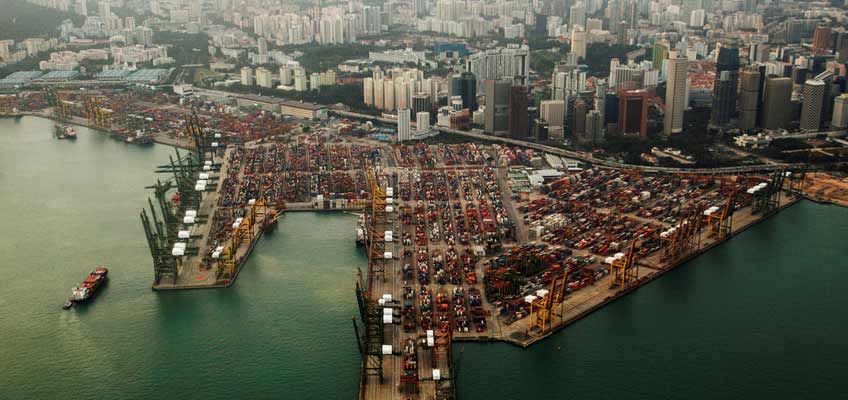
JAKARTA, Indonesia – The three countries will hold joint military training for their army personnel starting January 2017 to fight terror group Abu Sayyaf and secure the Sulu Sea from rampant piracy.

Indonesia, Malaysia and the Philippines have agreed to initiate joint army training to advance efforts to secure the Sulu Sea from rampant piracy.

Indonesian Defence Minister Ryamizard Ryacudu explained that each of the countries would first begin its own army personnel training in January 2017 before conducting the joint training later in the year.

The military training will take place in Indonesia’s Tarakan in North Kalimantan, Malaysia’s Tawao Island and the Philippines’ Bongao Island.

Ryacudu said Army soldiers set to participate in the joint military training would form a special force tasked with facing the notorious Abu Sayyaf militant group that masterminded a series of recent kidnappings in Sulu waters, located in the southwestern Philippines.

“It’s part of a concrete action we, ASEAN countries, are taking to secure the region,” he said in Jakarta on Thursday.

Ryacudu said the training locations would later become posts for a joint taskforce assigned to help secure Sulu waters.
The need for joint army training was discussed during a meeting between Ryamizard and his Malaysian and Philippines counterparts, Hishammuddin Hussein and Delfin Lorenzana, held on the sidelines of the ASEAN Defence Ministers’ Meeting (ADMM) retreat earlier this week in Laos.
Both Malaysia and the Philippines welcomed the initiative, which will add to a joint sea patrol in Sulu waters that the three countries previously agreed upon.

Image: 
Category: 
Publication Date: 
Sunday, November 20, 2016 – 14:49
Send to mobile app: 
Source: 


Story Type: 
Others

Source link

SPH appoints new EMTM managing editor and BT editor

0

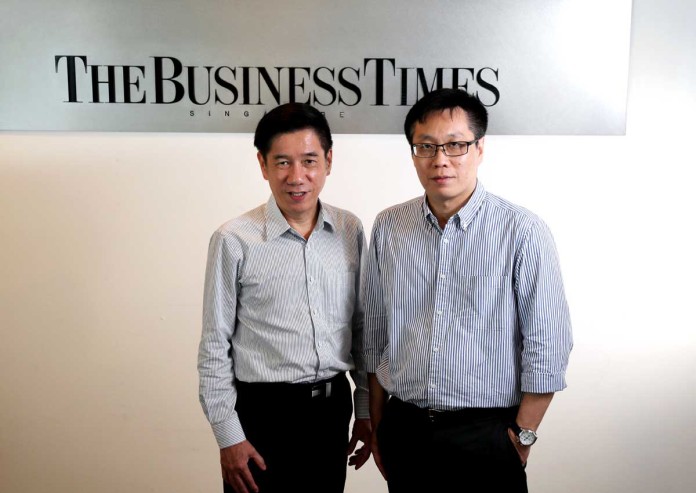
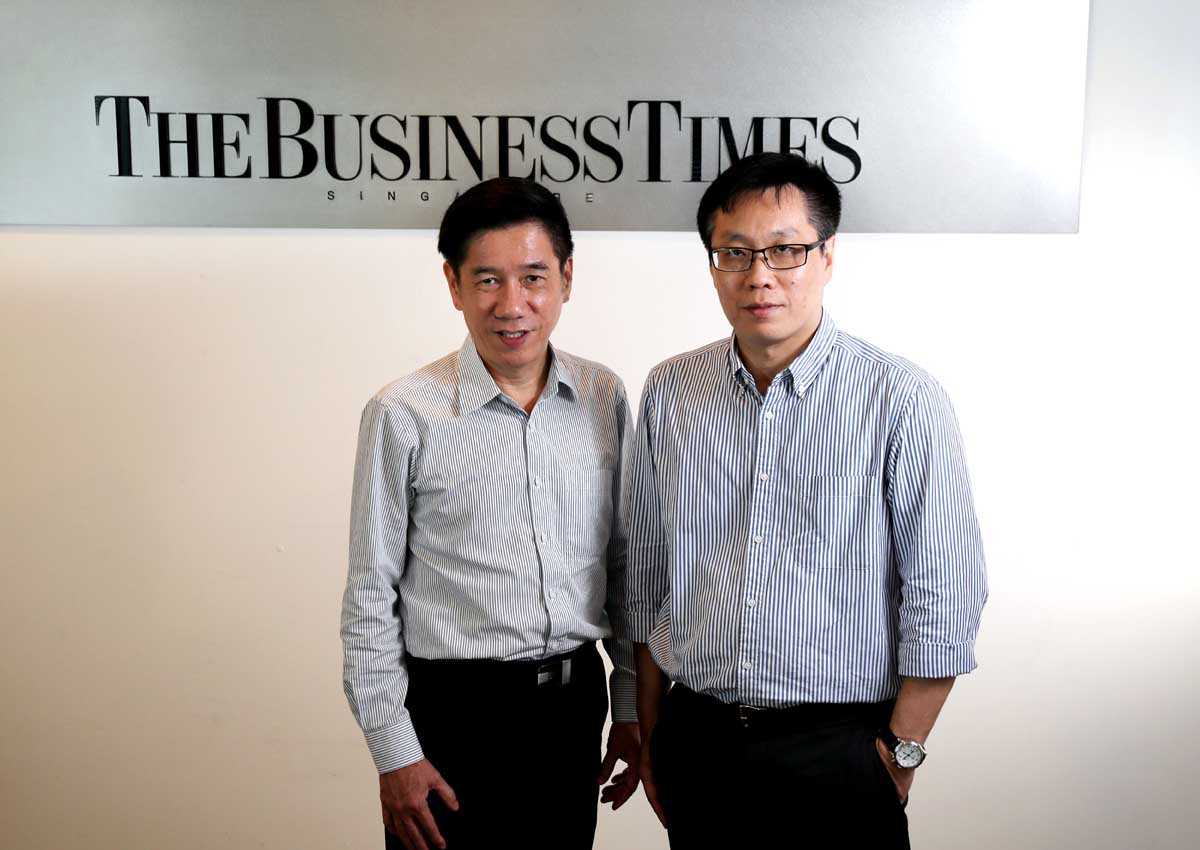
Singapore Press Holdings Limited (SPH) on Sunday (Nov 20) announced the appointment of Alvin Tay as Managing Editor of English/Malay/Tamil Media group (EMTM) and Wong Wei Kong as Editor of The Business Times (BT) from Dec 1 this year. Both will report to Warren Fernandez, Editor-in-Chief of EMTM and Editor of The Straits Times.

The appointments are part of leadership succession in EMTM, which comprises the print and digital editions of The Straits Times, The Business Times, The New Paper, Berita Harian, and their respective student publications.

It also includes subsidiaries Tamil Murasu Ltd, which also publishes tabla!, the weekly for the Indian community; book publishing arm Straits Times Press Ltd; SPH Data Services Ltd which licenses the use of the Straits Times Index in partnership with the Singapore Exchange and FTSE-Russell Ltd; financial data company Shareinvestor; the two English stations of SPH Radio – Kiss92 and ONE FM 91.3; and SPH Golf (including SPH Pacom Ltd).

Mr Tay, 61, became BT’s editor on Sep 1, 2002. In 2004, he revamped the business daily and turned around a downward trend in circulation and advertising revenue. He also grew BT.com’s digital readership and revenue. In 2008, he converted BT Weekend from a broadsheet to a compact format to cater to readers on the move. In Oct 2014, the BT team undertook another major revamp and reorganised BT’s content by sector rather than by geography to better capture sectoral and industry-wide trends.

In October this year, in celebration of BT’s 40th anniversary, BT Weekend introduced a “newspaper magazine” for quality weekend reading. Today, BT publishes three successful magazine titles which are distributed free with the daily paper – SME Magazine, Wealth Magazine and the Luxe Magazine. It also organises four business awards catering to companies at different stages of development – Emerging Enterprises, Enterprise 50, the Singapore Corporate Awards (for listed companies) and the Singapore Business Awards, to recognise the best in corporate performance and governance.

Mr Fernandez said: “Alvin is a respected veteran in the newsroom with more than 30 years of experience with BT and ST. His wealth of knowledge and strong network of contacts will put him in good stead as he helps EMTM identify and seize new opportunities for synergy and growth of our products and adjacencies, as well as new businesses.”

He said Alvin will be assisted by S Murali, 46, Deputy Managing Editor, who will move from The New Paper. Alvin will also work with Tan Ooi Boon, 48, EMTM’s Senior Vice-President of Business Development.

Mr Fernandez added: “Wei Kong has been with BT for 18 years. Committed and driven, he is also a strong mentor and leader, and has the full support and trust of the BT newsroom. I have every confidence that he will grow BT from strength to strength.”

Mr Tay said: “BT is run like a big family and I am grateful to all my colleagues for working with me to build BT to where it is today. It’s in reasonably good shape financially, and I am confident that Wei Kong will bring it to even greater heights. Wei Kong has been groomed to assume the BT editorship for the past two years and I know he is ready.”

He added: “As for my new assignment, I look forward to working with colleagues from other newsrooms to monetise the product offerings in the EMTM group, as well as develop new project collaborations between newspapers, in both print and digital.”

Mr Wong, 48, said: “Under Alvin’s editorship, BT made tremendous strides in growing its franchise, both as a news product on multiple platforms and as a brand. He has given us a very strong base to build on. Just as important, he has created a great atmosphere here, and done much to build a happy newsroom.”

He added: “BT will continue to focus on growing our franchise. We do not want to underestimate what we’re up against, but we don’t want to underestimate our strengths too. Chief among these is a very talented newsroom, one that is together and with a can-do spirit. This gives us the quiet confidence that we can turn challenges into opportunities.”

Image: 
Category: 
Publication Date: 
Sunday, November 20, 2016 – 14:33
Send to mobile app: 
Source: 


Story Type: 
Others

Source link