Home Blog Page 2260

Grades are not the only pathway to success, says community group

0

With every release of major examination results here comes much talk of grades and top scorers.

Increasingly, there are appeals to parents to look beyond results – on social media and, recently, from a community group called 100 Voices.

Following the recent release of this year’s Primary School Leaving Examination (PSLE) results, 100 Voices said in a statement to The Sunday Times that it hoped society would place less emphasis on pursuing good grades.

“We have noted responses on social media which highlighted that grades, especially PSLE grades, are not the sole determinants of future excellence. Such sentiments help to expand mindsets that there are multiple pathways in life,” the statement said.

The group, whose members include World Toilet Organization founder Jack Sim, who failed his O- and A-level examinations, aims to showcase at least 100 different success stories, via posts and videos on Facebook.

100 Voices, which has about 860 members in its public Facebook group, was set up in October this year by some friends who had been discussing, via the WhatsApp messaging app, the suicide of a Primary 5 pupil, who had reportedly been facing pressure over his grades.

Read also: Who cares about your PSLE score on Facebook? It’s the real story that matters

Four members of the group share their stories in the profiles featured here.

One of them, Mr Dean Yap, 42, says: “Success depends on how you define it.

“If you cannot make it in school, thrive on your natural strengths,” says the stay-at-home father and freelance IT professional.

Some education experts, however, feel that it is still valuable to celebrate academic success.

Dr Timothy Chan, director of SIM Global Education’s academic division, says that some students might get the wrong idea, for example, that “someone with poor results will nonetheless be a successful business person”.

“The student may ask: ‘Why do I need to study hard? Why do I need to master certain skills and knowledge?'” he says.

“People worry about an over- emphasis on grades, which might create pressure and compromise self-esteem. But that is half the story,” he says.

“Academic success is a form of accomplishment. It is not the results per se. If the student puts in hard work and gets good results, that is worth celebrating. While there is no need to compare, parents should not shy away from celebrating that, as a form of encouragement to the child.”


 Finding success as a family man

Mr Dean Yap’s academic success did not prepare him for working life. The stay-at-home father, 42, is a freelance software developer. He is married to human resource professional Josephine Goh, 40, and they have three children: Elyse, nine; Jayden, six; and Anders, five months old.


“I was always a good student but, in terms of my career, I do not have a success story.

After I graduated with an electrical and electronic engineering degree from the United Kingdom, I started working as an engineer in a semi-conductor company.

After two years, I became interested in the software industry and did a post-graduate degree in software design at Nanyang Technological University. For the next few years, I worked at a firm specialising in currency markets and then at a bank.

Throughout my career, even though I performed well, I was never promoted and I wondered why. I decided to start a business in software development in 2004.

The business failed after about four years, losing about $700,000. When I looked at my children, I felt a sense of guilt that I had exhausted my family’s finances.

I was forced to reflect upon myself: As a student, I lacked many soft skills and did not see the need to listen to others. I dominated in school projects as I knew the subject well. I also did not see the need for teamwork or empathy, and failed to build a team in my business.

I did not know how to communicate or negotiate. I failed to understand what clients wanted, so I was unable to propose mutually beneficial deals.

Because of these setbacks, I want to expose my children to as many experiences as possible.

To learn how to socialise, they go to the playground almost daily.

We sometimes explore different urban areas. It helps them to handle ambiguity and setbacks. Once, we used a map and walked from Chinatown to Merlion Park, getting lost on part of the route.

I am also a parent volunteer at my two elder children’s schools. Last year, I helped about 80 families prepare for a mini funfair at school. I’m helping families create memories.

I define my success as a father, husband and a parent volunteer. I find these roles meaningful and I can do a pretty good job.

I am happier now because the only thing I worry about is income. If I were working 10 to 12 hours a day, I would probably worry, additionally, about whether I was spending enough time with my children or communicating with my wife.

When the children grow up, I will focus more on my career.”


 Life has many paths
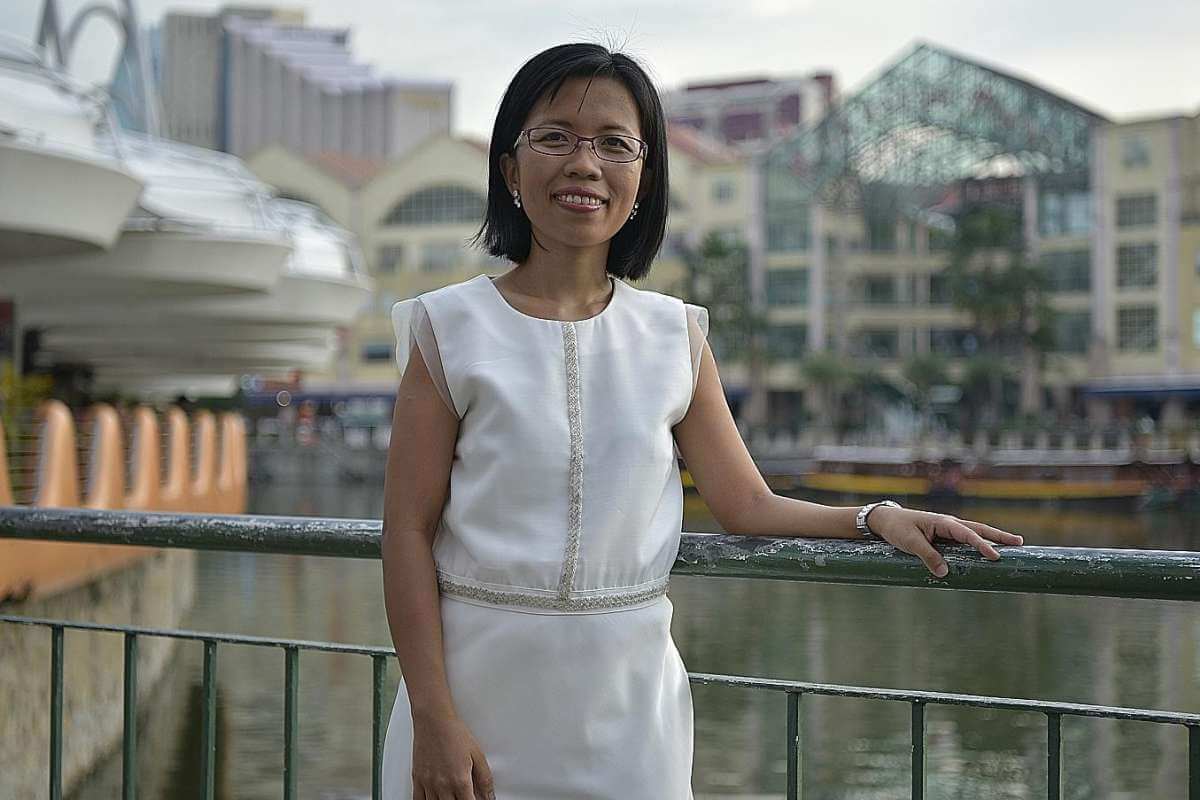
 

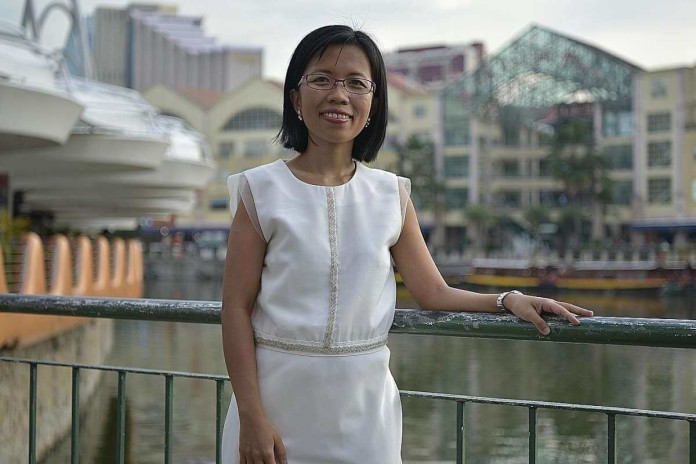
Mrs Ada Lim, 37. Photo: The Straits Times


Mrs Ada Lim, 37, made safe choices in her education, which did not benefit her career. She is the marketing and sales director of a technology business that she co-founded with her husband, Mr Christopher Lim, 38. They have two sons, aged seven and four.


“I made safe choices in life, but I found that they were not necessarily the best for me.

I did okay in school. For example, I had a single-digit score for O levels. It was only after I went into the real world that I experienced multiple failures.

I followed my friends and pursued an engineering degree at university, but it was not my strength and I flunked some subjects. I listened to my relatives and stuck to it, even though I wasn’t sure what I wanted to work as after graduation.

I have not worked a day in engineering since graduating.

As I had volunteered as a mentor to troubled youth during my university days, I wanted a job where I could interact with people. My first job was a marketing communications role at a non-profit organisation, after which I moved to a managerial role in a charity for special needs children.

My former boss, who was the chairman of the charity’s board, said to me: “You may not have the skills, but you have the right attitude.”

I was the only full-time staff and reported to a board comprising volunteers. I was running it with guidance from the board of directors.

I count that as one of my failures as the charity had to close within two years. But it gave me a taste of what it was like to run a company, and I started one after a stint in corporate communications.

About six years ago, after I had my first child, I started a public relations consultancy, working from home. It lasted about four years. I would have earned at least $100,000 more during that time if I had stayed in a full-time job.

Still, these were not spectacular failures. I did not go broke.

Running the consultancy gave me a lot of flexibility – I could spend more time with my children in their growing-up years, than I would if I’d had a full-time job.

My current company is less than a year old. I’ve learnt a lot earlier in my career and I am applying those lessons now, such as how to talk to people as potential customers. I am also able to multi-task, in areas such as networking, bookkeeping and information technology.

There are many paths in life and I do not regret my choices.”


Seek your own idea of success
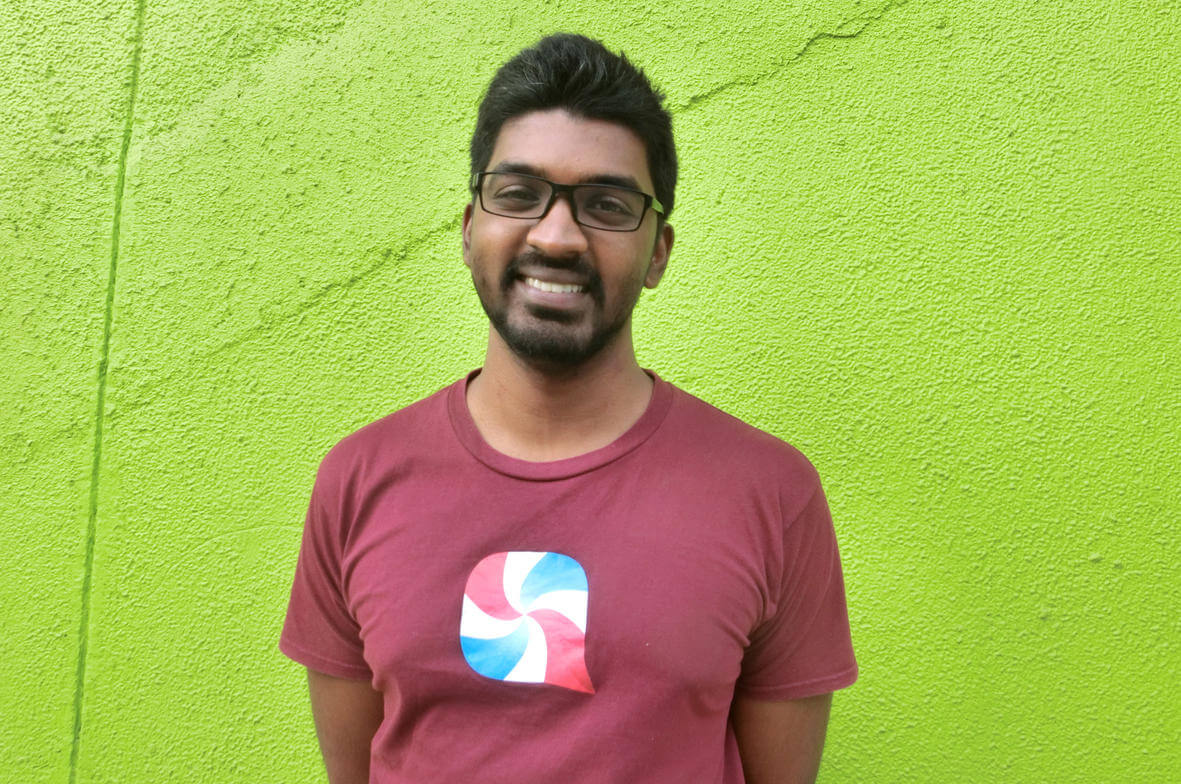
 

Mr Visakan Veerasamy, who sat the A levels twice, blogged about how to retake the examination as a private candidate.Photo: The Straits Times

Mr Visakan Veerasamy, a former Gifted Education Programme pupil, found school difficult. The marketing executive is married to Ms Sharan Kaur, a freelance software developer. They are both 26 and have no children.


“I never got into the habit of doing homework. I tried to, but I struggled.

In primary school, I read a lot and played video games. In secondary school, I played basketball and the guitar. When I was between 17 and 20 years old, I was in a band.

I was in the Gifted Education Programme in primary school. The teachers talked to me like I would become someone great.

But when it came to PSLE (Primary School Leaving Examination), I thought, “how come I couldn’t get into RI (Raffles Institution)?”

My parents have a secondary- school education. There wasn’t anyone who could effectively manage me. I needed to be managed.

I repeated the first year when I was in Tampines Junior College and retook my A levels. Both times, I did not do well enough to get a place in university.

My boss found me through my blog. I’ve been in this job for about four years. Marketing is something that I’m good at and I want to be better at it.

I have been blogging about my experiences for more than 10 years, including a post on how to retake the A levels as a private candidate. Every year, around the time the A-level results are released, there is a surge in traffic on my blog and students message me for help.

I’m not blaming the system, but I was probably not the right fit. I was a misfit in many ways, but people hardly noticed. When they did, the default response was: “What’s wrong with you? Why are you failing, being recalcitrant?” It’s assumed the child needs some kind of fixing.

It’s important to recognise that every person is not just a set of grades. You might just need someone to talk you through this. It’s about reducing the tremendous anxiety you feel about not fitting in.

I believe that everyone has something that is theirs: a talent, an ability or even the questions they might have. It’s important to seek to expand your concept of self, your own idea of what success might be.”


First million made at 32
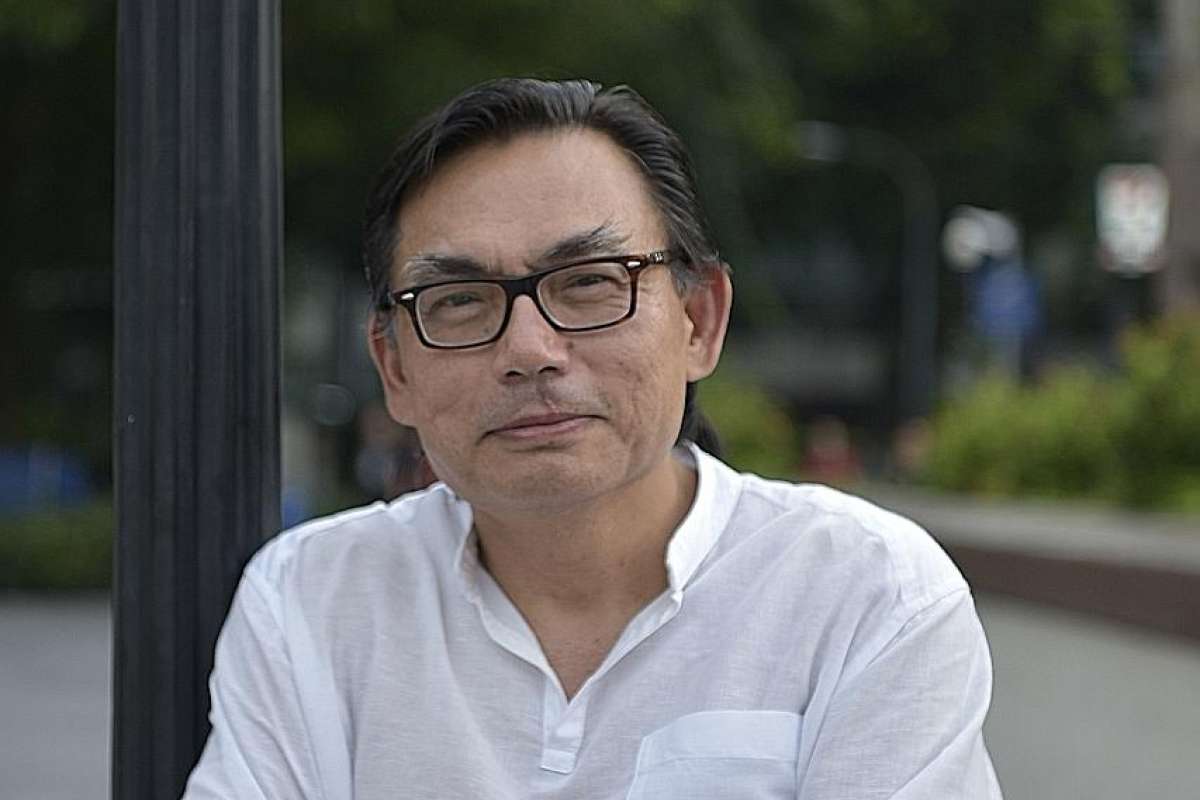
 

Mr Mark Phooi failed to get into a polytechnic after sitting the O levels four times. Photo: The Straits Times

For Mr Mark Phooi, 54, education was the ticket out of poverty, but his children have other options. He is the founder of First Media, a holding company that manages design agencies and institutions. He is married to housewife Elisa Chong, 56, and they have three sons, Marcus, 27; Kenneth, 23; and Nicholas, 19.


“I flunked my O levels the first time – I got only two credits, in Chinese and history. I was sent to the Construction Industry Training Centre, where I enrolled in a brick-laying course and survived only one day. It was not the kind of career I wanted.

I went on to take the O levels as a private candidate three more times because I wanted to get into a polytechnic like my peers. Education was the only way to success at the time. Without education, you had to go the blue-collar route.

My parents worked as labourers and I am the fourth of five children. We were at the lowest economic level. We often had achar or peanuts with porridge for lunch.

I did not pass any of the O-level examinations I took. I took on factory jobs and worked as a lifeguard and swimming coach. I earned up to $4,000 a month in the 1980s giving swimming lessons.

In my early 20s, I enrolled in Nanyang Academy of Fine Arts in a diploma course in fine art. I had enjoyed art in school and I was hoping to make something out of it. At least I was going to school – that made me feel good. Six months later, I switched to a graphic design course because the field had commercial prospects, compared with fine art.

To be rich, I needed to start a business. I started recruiting my fellow students to do design work and selling these services to companies. At 27, after graduating with a diploma in applied arts, I started a design agency, Lancer Design. Later, I took a master’s degree in design from the University of New South Wales, Australia.

I made my first million when I was about 32 and was able to invest in property.

I had been taken in by the idea that grades were the only way to success. Later, I told my three sons that as long as they passed, it’s all right.

Kids need to move away from a purely academic focus. My sons went to Anglo-Chinese School (ACS) (International), which provided academic and project-based learning, where students worked with one another. Being in the school also paved their way to possible future business opportunities with their old classmates.

My two elder sons got their degrees from Australian universities. My firstborn, Marcus, is helping me with my business. Kenneth is in his final year studying accounting and finance at University of Melbourne.

Having a degree gives one self- esteem and is one of the measures of a person’s employability and, hence, financial stability.

But for those who have options, such as letting their children work in the family business, grades may not be important.

Our education system has served us very well. Saying grades are not important in general might have dire consequences. I see families pursuing good grades because they cannot afford to send their kids overseas for higher education, and their only chance is to get scholarships. That is a fact of life.”


This article was first published on Dec 04, 2016.
Get a copy of The Straits Times or go to straitstimes.com for more stories.
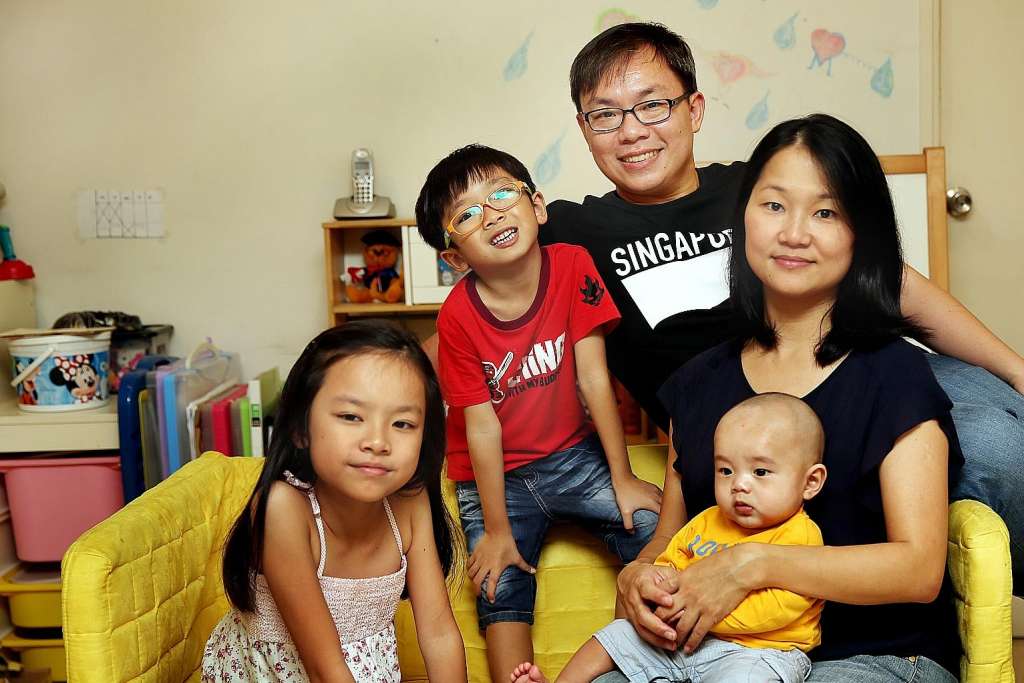
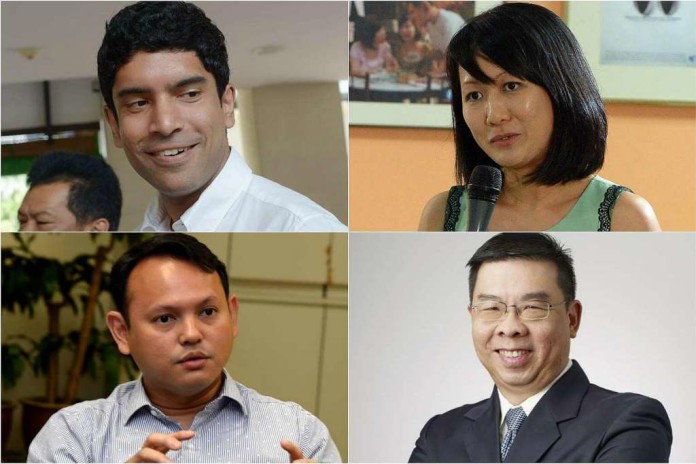
Image: 
Category: 
Blurb: 
<p>With every release of major examination results here comes much talk of grades and top scorers.</p>
Publication Date: 
Sunday, December 4, 2016 – 17:30
Send to mobile app: 
Source: 


Story Type: 
Others

Source link

Facing up to fake news: How to fight back

0


It could be a social media story that spreads falsehoods about an individual. Or it could be an amateur’s prank that causes national consternation, as with a teenager’s made- up story in March last year prematurely reporting that former prime minister Lee Kuan Yew had died.

Whether you are an outraged individual or the Government, you will want to halt the spread of that fake news.

While it is not a direct offence to write or distribute fake news, there is legislation one can tap to hold someone accountable.

Take the Telecommunications Act. Under it, people who transmit a message known to be false or fabricated can be fined up to $10,000, jailed for three years, or given both punishments.

The penalties are higher if it is a bomb hoax.

In 2007, a polytechnic student was sentenced to three months’ jail and a $4,000 fine after he posted a bogus article on a forum saying that bombs had been found at the Toa Payoh bus interchange. It was put up a day after the July 7, 2005, London bombings.

However, there are practical difficulties to enforcing this, says RHTLaw Taylor Wessing partner Eugene Quah. These include finding out the identities of people who post news anonymously, and establishing that they actually had knowledge that the news posted was false or fabricated.

In the case of the polytechnic student, the police took almost a year to find him, partly because he had tapped his neighbour’s Internet connection to make the posting, masking his true identity.

As for those who threaten to disrupt social harmony, there are several statutory options.

For example, under the Penal Code and Sedition Act, it is an offence to promote feelings of ill will between different races or classes.

At least eight people have been charged with sedition since 2005, but only in the most recent case – involving the founders of sociopolitical website The Real Singapore – were made-up articles involved.

The Maintenance of Religious Harmony Act also allows the Home Affairs Minister to issue a restraining order against any religious leader inciting enmity between different religious groups, or a person who encourages a religious leader or group to do so. So far, no such restraining order has been issued.

Individuals or organisations believing their reputation has been damaged by fake news can turn to defamation laws.

There can be damage without there being a clear victim of defamation – a false rumour about an impending outbreak of war causing investors to panic and sell investments, for example.

“In such situations, it is arguable whether the victims can rely on the tort (a civil wrong) of negligent misstatement causing economic loss to claim damages, as the test may not be easy to satisfy,” says Mr Quah.

Read also: All lies: Why we should be worried about the scourge of fake news

Victims can also seek legal recourse via the Protection from Harassment Act. “The bar for this is lower, as it doesn’t have to be defamatory, just false,” says lawyer Vikram Nair, an MP for Sembawang GRC.

All Internet content providers are automatically licensed under the Class Licensing Scheme by the Infocomm Media Development Authority (IMDA), which subjects the providers to a code of practice.

While the code does not directly address fake news as a category, if a content provider breaches the code by, say, sowing racial discord or threatening national security in an article, the IMDA can cancel the class licence. It can also block overseas sites that are not class-licensed.

But other agencies with more teeth might have already stepped in. The police, for example, can arrest someone who posts a bomb hoax.

The mainstream media is also regulated, with most Acts coming under the purview of the Ministry of Communications and Information.

But, Mr Nair says, the biggest check on traditional media is its professional integrity.

“I’m less concerned about the established papers, because in this age, just about anyone can spread news and they are much harder to track down.”

PROBLEMS WITH MAKING IT ILLEGAL

There are good reasons not to put in place laws to criminalise fake news, Mr Quah says.

First, this could inadvertently clamp down on journalists, who might “second-guess themselves”, especially while reporting preliminary information on rapidly developing situations.

Second, it is difficult in some cases to distinguish between facts and opinions, he adds.

A third reason is that it is human nature to tell stories, which may get embellished in the retelling. “Enacting laws to criminalise fake news would then expose a wide class of persons to potential prosecution.”

Fourth, criminalising fake news means we would lose satire, humour and artistic expression, too. It could also appear to be censorship, “which always leaves a bad taste”, says PRecious Communications managing director Lars Voedisch.

PUSHING BACK

But other ways to address the issue of fake news are emerging.

Already, four undergraduates from three American colleges have created a false news detector in the form of a Chrome browser extension during a college hackathon. It is available for the public to download to try.

In Singapore, new local start-up JobTech posted an open letter directed at Facebook, offering to “jointly counteract misinformation”. Its technology has already successfully helped to filter out duplicate and bogus job applications.

And Facebook and fellow social media giant Google have promised to cut fake news sites from their advertisement programmes – a move that will most likely stifle those who churn out phony stories for the lucrative revenue.

Facebook chief executive Mark Zuckerberg has said he is working to improve the technological ability to classify misinformation, put out labels on stories that have been flagged as false, and make it easier for people to report fake news, among other things.

Indeed, just last Friday, stories began to appear on Facebook feeds with a survey attached, asking: “To what extent do you think this link’s title uses misleading language?”

Readers were given five options to tick – “not at all”, “slightly”, “somewhat”, “very much” and “completely”.

But some are calling for Google and Facebook to be held to the same standards as an established traditional media company. German Justice Minister Heiko Maas has suggested that Facebook ought to be held criminally liable for failing to remove hate speech.

In Singapore, in 2012, the Government took the step of setting up a website called Factually to clarify misperceptions about its policies or incorrect public assertions on government matters potentially harmful to Singapore’s social fabric.

It has tackled rumours and clarified policies related to the haze and the economy and, most recently, to address a sociopolitical website’s article that had fabricated and attributed racially charged statements to Home Affairs and Law Minister K. Shanmugam.

The Government also set up the Media Literacy Council in 2012 to help citizens navigate digital information. The council has been running an annual campaign to encourage citizens to be discerning about what they encounter online, and it works with partners such as Facebook, Google and the National Library Board to help people distinguish fake items from real information.

Individuals can also do their bit. “Communities should step up and correct falsehoods about the community,” says Institute of Policy Studies senior research fellow Carol Soon.

Mr Zaqy Mohamad, an MP for Chua Chu Kang GRC and who chairs the Government Parliamentary Committee for Communications and Information, believes that grassroots groups still play an important role in addressing untruths, many of which are still spread by word of mouth or via text messages.

These are harder to address than on a public platform such as a blog or on Facebook.

Mr Zaqy says he has come across several taxi drivers who complain that they have heard that Uber or Grab drivers are mostly foreigners who are stealing their jobs.

“But this is obviously untrue – you have to be Singaporean or a permanent resident to be such a driver,” he says, emphasising the need for community leaders to keep an ear out for such rumours and familiarise themselves with the facts.

But it is individuals who have a key role to play too, observers say.

“If you think something is wrong, just Google it (to check it) – it works most of the time,” says PRecious Communications’ Mr Voedisch.

Dr Soon says users can play an active role by calling out dubious sites. “Automated searches for fake news require machine learning, which in turn depends on human input,” she says.

Nanyang Technological University communications professor Ang Peng Hwa advises people to balance their online newsfeed with a diversity of viewpoints.

The last word goes to Media Literacy Council chairman Lock Wai Han, who declares: “To stem fake news or misinformation, a combination of public education and corporate responsibility is necessary.”

“However, the responsibility for distinguishing fact from fiction ultimately rests with the individual.”


This article was first published on Dec 04, 2016.
Get a copy of The Straits Times or go to straitstimes.com for more stories.
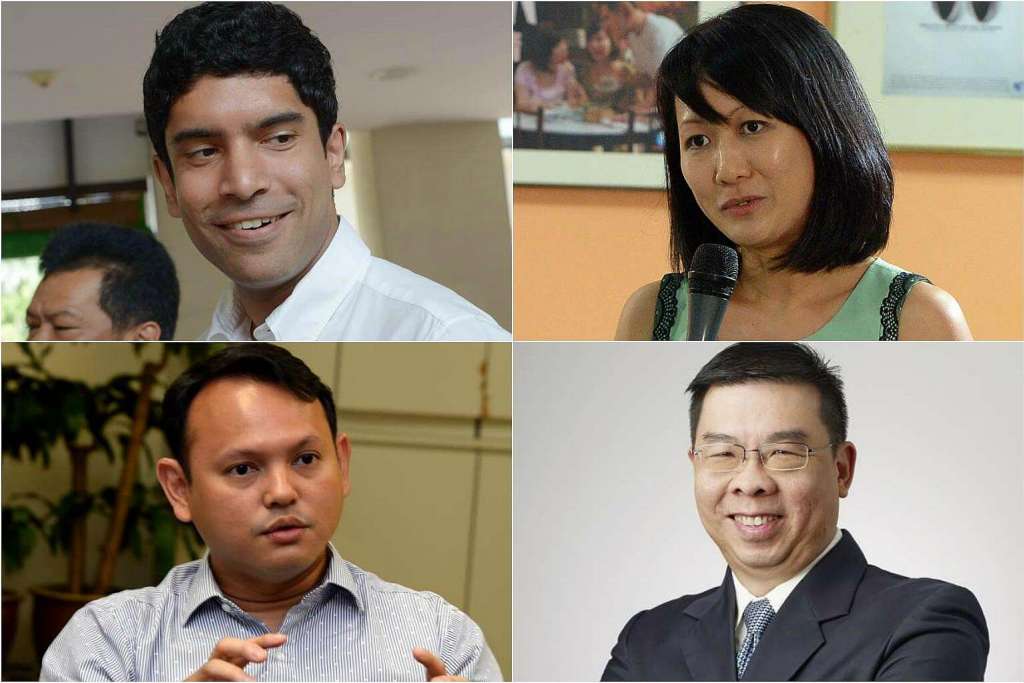
Image:
Blurb:
<p>It could be a social media story that spreads falsehoods about an individual. Or it could be an amateur’s prank that causes national consternation, as with a teenager’s made- up story in March last year prematurely reporting that former prime minister Lee Kuan Yew had died.</p>
Publication Date:
Sunday, December 4, 2016 – 13:00
Keywords:
Send to mobile app:
Source:

Story Type:
Others

Source link

All lies: Why we should be worried about the scourge of fake news

0

During the recent American presidential campaign, the Pope endorsed Mr Donald Trump, Mrs Hillary Clinton sold weapons to terror group Islamic State in Iraq and Syria, and a Federal Bureau of Investigation agent involved in her e-mail leaks case was found dead in an apparent murder-suicide.

The problem with these stories? They were all fake.

Yet, they were among the most popular stories according to Facebook shares, outperforming those of fact-checked, mainstream news.

This has prompted concern that fake news – overwhelmingly weighted in Mr Trump’s favour – had a hand in propelling the Republican nominee to the highest office in the United States.

Fake news is an issue in Singapore too, with several examples catching the attention of the police in the last few years alone.

Just last month, a photograph circulating online, purporting to be of a collapsed roof in a Housing Board block, resulted in a Singapore Civil Defence Force fire engine and one of its Red Rhino vehicles racing down to Punggol Waterway. The photo story turned out to be fake, and the HDB said it would lodge a police report.

Yesterday, a Facebook post was circulated in which the headline of a Straits Times article, on President Tony Tan Keng Yam conveying his best wishes to Thailand’s new King and inviting him to visit Singapore, had been modified.

Some perpetrators distribute bogus news for a lark, and most times it affects just individuals, or in some more serious cases like the Punggol hoax, residents and government agencies.

But on a national level, some types of false news can have exponential consequences.

Illustrating the potential for fake news to cause disruption, Defence Minister Ng Eng Hen said in 2013 that distorted or false information, rumours and smears that surface on the Internet posed a threat to Singapore’s Total Defence efforts. Online misinformation could spread widely during tense or volatile situations, causing confusion and chaos, he said, adding: “Those who would do us harm will purposely start (spreading such misinformation) to weaken our resolve and cause disunity.”

FANNING THE FLAMES

Even before the Internet, there were local cases of news being distorted or snippets of truths being taken out of context – to dire consequences.

False newspaper reports on the custody case of Maria Hertogh, a Dutch Catholic girl whose foster family raised her as a Muslim, inflamed religious sentiments and led to riots in December 1950 that left 18 dead and 173 injured.

The racial riots of 1964, which saw clashes between Malays and Chinese while Singapore was still part of the Federation of Malaysia, are another example. There have been several explanations for what incited the riots, but then prime minister Lee Kuan Yew said hardline activists from the Umno-led Alliance government in Malaysia provoked the riots for political reasons, and that the People’s Action Party (PAP) government was wrongly blamed for starting them.

These rumours, spread by word of mouth, helped spark an angry chain reaction among the different races that eventually led to 36 deaths and 560 people being injured.

The riots prompted the formation of “goodwill committees” to calm tensions and restore communal relations, the precursor to today’s Citizens’ Consultative Committees.

It is no wonder then that Singapore takes seriously any falsehoods and rumours that could affect racial harmony.

Over the decades, enough statutory teeth have been put in place to enable it to take to task anyone who threatens that harmony, though the Internet and its constant evolution keep throwing up new curve balls.

One need only look to the region to see how fake news is deployed to prey on racist sentiments.

In 2014, when then Jakarta governor Joko Widodo was running for the Indonesian presidency, fake news smear campaigns wrongly alleged that he is a Chinese-descended Christian from Singapore, not a Javanese Muslim.

Pictures were put up on social media supposedly of a marriage certificate showing this, and tabloids were distributed to Islamic boarding schools with bogus articles about his background and faith.

Mr Joko had been a front runner but the fake stories saw his popularity ratings dip, though he eventually won the election.

In Singapore, the issue of fake news was thrown into the spotlight with the antics of the now-defunct sociopolitical site The Real Singapore (TRS).

The site, which had as many as 2.6 million visitors a month, thrived on fabricated articles, some of which attempted to sow discord between Singaporeans and foreigners.

A court of law earlier this year found six such stories amounted to sedition – Singapore’s worst case to date. One of the offending articles falsely claimed that a Filipino family’s complaints caused a scuffle between the police and participants at last year’s Thaipusam procession.

The contributor of the original article posted on another website that the allegations made in the TRS piece were untrue. But this did not stop some from making derogatory statements about foreigners when they read the article.

Site founders Yang Kaiheng and his wife Ai Takagi were jailed for eight and 10 months, respectively.

Read also: Facing up to fake news: How to fight back

FAKE NEWS, REAL APPEAL

Around the world, there are fake news websites dedicated to manufacturing hoaxes, propaganda and disinformation.

One motivation is simply money. Such sites deliberately seek to inflame social media, which in turn drives traffic to them, thus attracting advertisers and their dollars. The founders of TRS made at least $500,000 this way, the court heard.

The sheer scale of the false news churned out during the recent US presidential election astonished many – and it was often done for the cash returns.

A report by media outlet BuzzFeed said that more than 100 pro-Trump websites publishing sensational and often false content were being run from a single town in Macedonia, in eastern Europe. Some sites had seemingly believable names such as USConservativeToday.com, DonaldTrumpNews.co and WorldPoliticus.com.

A 17-year-old who ran one of the sites told BuzzFeed that faking news was an “easy way to make money”.

Some Singaporeans encountered – and even shared – election fakery.

One popular hoax post purported to be of a young Mr Trump saying in a People magazine interview in 1998: “If I were to run, I would run as a Republican. They’re the dumbest group of voters in the country.”

In the nation of Georgia, student Beqa Latsabidze, 22, set up pseudo-US political news websites to make money from Google ads by luring people off Facebook pages to him.

Apart from financial gain, other reasons to pump out fake news include the desire to advance a political agenda, or to commit pure mischief.

In the US, it has sparked fears that intelligence agencies in Russia may have meddled in American politics and used fake news to influence the election.

But a combination of factors here makes it harder for Singaporeans to be suckered in by fake political news, argues Nanyang Technological University communications professor Ang Peng Hwa.

For starters, he says that individuals, whether pro- or anti-PAP, are more likely to come across alternative views.

“In the US, people are so touchy precisely because of the strong (political) divide (there).

“But in Singapore, people seem to talk quite freely,” he says.

Another reason is that pragmatic Singaporeans are simply more concerned with bread-and-butter issues like housing or the Central Provident Fund – not so much about the candidates themselves.

Prof Ang says: “When it comes to misinformation about policies, you can be sure that the Government will clarify.

“And when it comes to wrong statements about individuals, there are defamation suits. Because of this, some politicians may take one or even two steps back.”

WHAT LIES AHEAD?

The borderless nature of the Internet and the speed at which it facilitates dissemination of material make it harder for mainstream media to fact-check the deluge.

In March last year, several international news outlets, including CNN and Chinese broadcaster CCTV, prematurely announced the death of former prime minister Lee Kuan Yew after they were taken in by a Singapore teenager’s hoax.

More recently, this newspaper was among several to be affected by the fake news phenomenon.

In a news report last month, it attributed US President-elect Trump’s appointment of billionaire Wilbur Ross as Commerce Secretary to a tweet, allegedly from Mr Ross himself.

Although Mr Trump eventually announced the job offer, the tweet had turned out to be from a hoax account.

As to Mr Trump’s actual election, Facebook chief executive Mark Zuckerberg initially said it was “extremely unlikely hoaxes changed the outcome of this election”.

However, he has since joined Google in pledging to cut off ad revenue to fake news creators.

In terms of the political implications here of fake news, the situation is quite different from the US in that the ruling People’s Action Party won a strong mandate from voters in the last general election – it clinched 69.9 per cent of the vote.

In contrast, although Mr Trump won due to the American system of the electoral college, which is measured on state-by-state results, his actual vote share was 46.2 per cent against Mrs Clinton’s 48 per cent.

As such, in Singapore there is less enthusiasm – or at least a smaller audience – for fake counter narratives.

While Singaporeans seem to be more discerning and less trigger-happy in sharing fake news compared to the early 2010s, MP Zaqy Mohamad thinks that such bogus stories still pose a threat to security and harmony here.

Says Mr Zaqy, who chairs the Government Parliamentary Committee on Communications and Information: “All it takes is one person and one message.

“One bomb threat could cause panic. One comment could create the impression that it’s okay to bash foreigners.

“They add up, and then you may end up with a real situation where people think that such views are common and okay.

“If that’s the case, what becomes of Singapore?”

HOW TO SPOT THE REAL DEAL

The NLB’s S.U.R.E (Source. Understand. Research. Evaluate.) initiative was launched in 2013 as the primary education arm for the National Information Literacy Programme.

SOURCE: Make sure the source of information is credible and reliable.

UNDERSTAND: Know what you’re reading and search for clarity.

RESEARCH: Investigate thoroughly before making a conclusion; check with multiple sources

EVALUATE: Look from different angles – there are at least two sides to a story

  • SPOTTING BOGUS GOVERNMENT SITES

    With fake government websites for phishing scams or pure mischief on the rise, the Government has these suggestions to identify them:

    1. E-mails that use a public Internet account

    Take a look at the sender’s e-mail address before clicking on any link sent to you via e-mail. Do not trust the e-mail if it was sent via a public account. Singapore government e-mail addresses will end with @[AGENCY NAME].gov.sg.

    2. Incorrect URL

    A tell-tale sign of a fake website is the usage of incorrect suffixes in the URL of the website. All Singapore government websites end with gov.sg. Many fake government websites will use domain names such as .org or .net.

    3. Site is not secure

    Legitimate websites use encryption to help ensure your payment information remains safe. Look for a lock symbol in the browser window. The address should also start with “https://” rather than “http://”. Do not enter payment information on any site that isn’t secure.

    4. Grammatical errors

    Watch out for poor English or grammatical errors as this could mean that the site is not genuine and was put together quickly by someone looking to make a quick profit.

    5. Low-resolution images

    Scammers usually put up fake sites quickly, resulting in poor-quality websites. If a ministry logo or text appears to have poor resolution, this could be a clue that the website should not be trusted.


    This article was first published on Dec 04, 2016.
    Get a copy of The Straits Times or go to straitstimes.com for more stories.
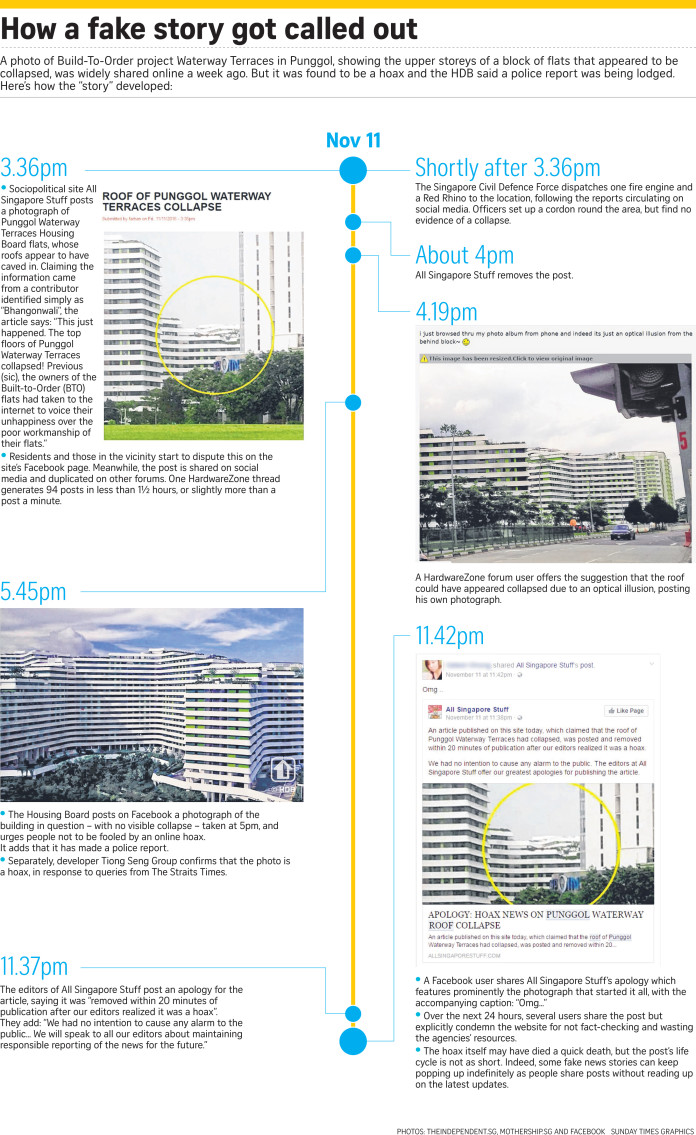
Image: 
Category: 
Blurb: 
<p>During the recent American presidential campaign, the Pope endorsed Mr Donald Trump, Mrs Hillary Clinton sold weapons to terror group Islamic State in Iraq and Syria, and a Federal Bureau of Investigation agent involved in her e-mail leaks case was found dead in an apparent murder-suicide.</p>
Publication Date: 
Sunday, December 4, 2016 – 15:55
Keywords: 
Send to mobile app: 
Source: 


Story Type: 
Others

Source link

Man dents cars, kicks over motorbikes at HDB carpark

0

A man punched and dented more than 10 cars in a Serangoon North carpark yesterday, before turning his ire on four motorcycles.

In front of stunned eyewitnesses, the bespectacled vandal kicked over the vehicles before walking off towards the nearest bus stop.

The incident happened at around 9am at Block 139 in Serangoon North Avenue 2.

An eyewitness, who declined to be named, told Chinese newspaper Shin Min Daily News that he saw a man in a red shirt pounding on the bonnets of vehicles with his fists. He appeared to be bleeding.

Photo: Shin Min Daily News

The man also reportedly stood at the entrance to the HDB carpark, blocking other vehicles from turning in.

Shin Min spoke to designer Liu Jinxing, 48, who said the man’s outburst lasted about 15 minutes.

At least two motorists arrived to inspect their vehicles shortly after the man left.

Police told The Sunday Times that they were alerted to a case of vandalism in the area at about 9.30am and are investigating.


This article was first published on Dec 04, 2016.
Get a copy of The Straits Times or go to straitstimes.com for more stories.
Image: 
Category: 
Blurb: 
<p>A man punched and dented more than 10 cars in a Serangoon North carpark yesterday, before turning his ire on four motorcycles.</p>
Publication Date: 
Sunday, December 4, 2016 – 13:00
Send to mobile app: 
Source: 


Rotator Headline: 
Man seen pounding car bonnets with fist appeared to be bleeding
Story Type: 
Others

Source link

Slow take-up for Lasting Power of Attorney scheme

0

Since the Lasting Power of Attorney (LPA) scheme started in 2010, only 1 per cent of the adult resident population in Singapore, or about 35,000 people, have applied for an LPA.

Retiree Ong Teck Wan, who was keen on getting an LPA done, said in a letter to The Straits Times Forum that he was put off from doing so after his family doctor told him it would cost $120.

“I feel it’s important to do it, but I also feel it’s very pricey,” Mr Ong, 65, said.

The Sunday Times understands that, on average, certificate issuers charge between $120 and $150 for their services. However, there are hundreds of options available and prices tend to vary widely.The Office of the Public Guardian said it does not have rules on how much certificate issuers should charge.

A spokesman for the office said: “The identified certificate issuers can charge a professional fee for this service, as the role involves various responsibilities and fees may differ between certificate issuers, depending on complexity of the case for assessment.”

Psychiatrists, practising lawyers and accredited doctors can all serve as LPA certificate issuers.

There are two versions of the LPA.

LPA Form 1 can be used for standard cases where the appointed person has almost full power over the donor’s personal welfare and property affairs. LPA Form 2 needs to be drafted by a lawyer and allows applicants to create specific powers to be granted to the appointed person.

Mr Goh Kok Yeow, a partner at law firm De Souza Lim & Goh, said if a client requests that two appointed persons act jointly on his behalf, he must make sure the client understands the implications. “If one of them dies or becomes a bankrupt, for instance, the document becomes invalid,” he said.

Mr Goh typically charges clients a few hundred dollars, depending on factors such as whether the person requires his help to fill in the form, and how long the consultation takes.”I can spend two hours with a client explaining these things,” he said.

At LifePoint, a centre set up by voluntary welfare organisation Sheng Hong Welfare Services, monthly talks are organised to help seniors better understand the scheme.

The centre works with lawyers to offer subsidised services, meaning the elderly can get their LPA forms signed and certified for $60.

Sheng Hong manager Liau Yi Fang said: “A lot of elderly folk do not know how to read English – the language used for such official documents – so they come to us and we explain it to them.”

Step-by-step guide

Here is a step-by-step guide on how to apply for Lasting Power of Attorney (LPA).

1. Choose who you want to appoint as your donee – the person who will look after your health and financial affairs if you lose mental capacity. You can have up to two donees if you are applying with LPA Form 1. Decide what powers you want to give your donee, and download the appropriate LPA form. Form 1 is the standard version; Form 2 is for those with non-standard requirements. You will need a lawyer’s help with Form 2.

2. You can download the various forms on the website of the Office of the Public Guardian (OPG). You will need several documents. These include:

•Completed LPA form

•• A copy of the front and back of the donor’s NRIC, as well as those of the donees and replacement donees. The OPG website provides a printable version of this checklist, a sample of a completed form, and other guides.

3.  Get your form signed by an LPA certificate issuer, who will certify that you know the implications of making an LPA. Accredited doctors, practising lawyers and psychiatrists are all qualified. You can find a list of certificate issuers on the OPG website. If you choose Form 2, you will need to see a lawyer to draft the annex to Part 3 of your LPA.

4.  Submit your completed form to the OPG. The application fee for Form 1 will be waived until end-August 2018. Those applying with Form 2 have to pay $200. The application fee is different from what you pay a certifier.

5.  After the OPG verifies that the application can be accepted, there will be a six-week waiting period. If no valid objections are raised, the LPA will be registered.

•Additional reporting by Carolyn Khew


This article was first published on Dec 04, 2016.
Get a copy of The Straits Times or go to straitstimes.com for more stories.

Image: 
Category: 
Blurb: 
<p>Since the Lasting Power of Attorney (LPA) scheme started in 2010, only 1 per cent of the adult resident population in Singapore, or about 35,000 people, have applied for an LPA.</p>
Publication Date: 
Sunday, December 4, 2016 – 13:00
Send to mobile app: 
Source: 


Story Type: 
Others

Source link

AIA to set up panel of preferred doctors

0

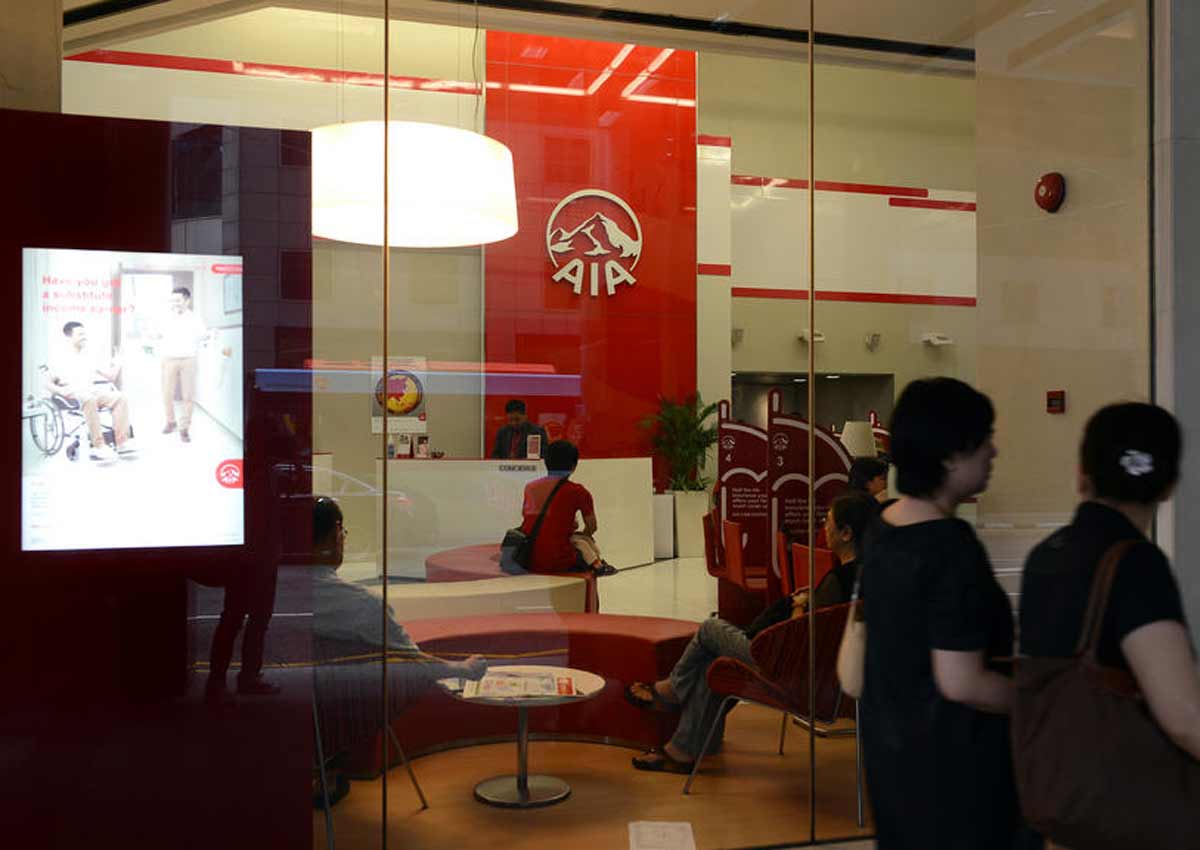
To keep a lid on spiralling premiums, insurer AIA is making several changes, including forming a panel of preferred private doctors for clients to choose from.

The firm, one of six offering MediShield Life integrated plans (IP) here, will also tweak its rider schemes so that patients might have to bear part of their medical bills, instead of paying nothing out of pocket like they do now.

AIA will also require pre-authorisation for clients seeking certain types of treatment. This way, they can be assured that the treatment is covered by their policy.

These moves are in line with a report by the Health Insurance Task Force in October aimed at reining in the rising cost of insurance here, making AIA one of the first insurers to implement some of the measures proposed by the task force.

The insurer, which has a significant share of the IP market, will be able to negotiate prices with the panel of doctors. The list should be ready by the early part of next year, said Ms Ho Lee Yen, AIA’s chief marketing officer. Mr Richard Wyber, head of AIA’s Healthcare & Vitality Marketing, said it will be big enough so there is “more than enough choice for customers”.

One indication of quality, said Ms Ho, is for patients not to be re-admitted or need a second operation for the same condition.

Mr Wyber added: “We see clear patterns from the data. Overtreatment is not in the best interests of cost or quality.” A clear example of overtreatment would be someone who is admitted to hospital for stomach pain and gets a gastroscopy, colonscopy, MRI and an abdominal scan, and is warded for two nights and billed $25,000.

To encourage customers to use its panel or go to a public hospital, AIA put out a cheaper rider earlier this year. It pays for both the deductible, which is the initial amount before insurance kicks in, and the 10 per cent co-payment for the rest of the bill – but only if they go to a public hospital or choose a doctor from the panel. Those who don’t have to pay the deductible, but not the co-payment.

The difference in premiums is significant and increases with age. A 65-year-old, for instance, has to pay $2,128 a year for a full rider, but only $1,087 for the “saver” rider.

The cost of “as charged” plans, which pay whatever the doctor charges, will go up, said Mr Wyber, but those who wish to can continue with the current option.

facebook.com/ST.Salma


This article was first published on Dec 04, 2016.
Get a copy of The Straits Times or go to straitstimes.com for more stories.

Image: 
Blurb: 
<p>To keep a lid on spiralling premiums, insurer AIA is making several changes, including forming a panel of preferred private doctors for clients to choose from.</p>
Publication Date: 
Sunday, December 4, 2016 – 13:00
Send to mobile app: 
Source: 


Story Type: 
Others

Source link

Singapore much better off than other countries to face global challenges: PM Lee

0

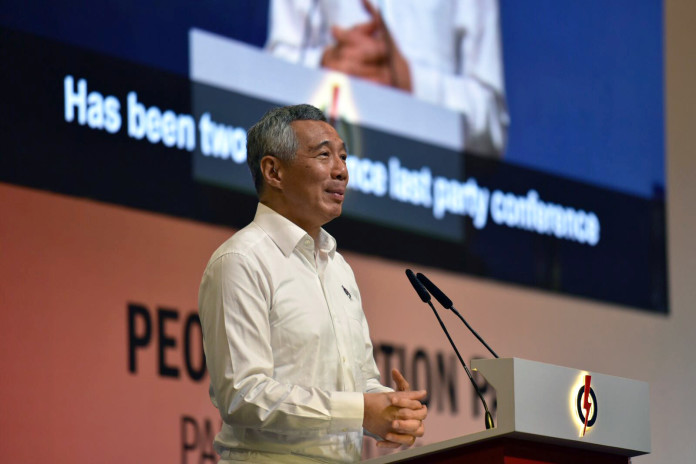
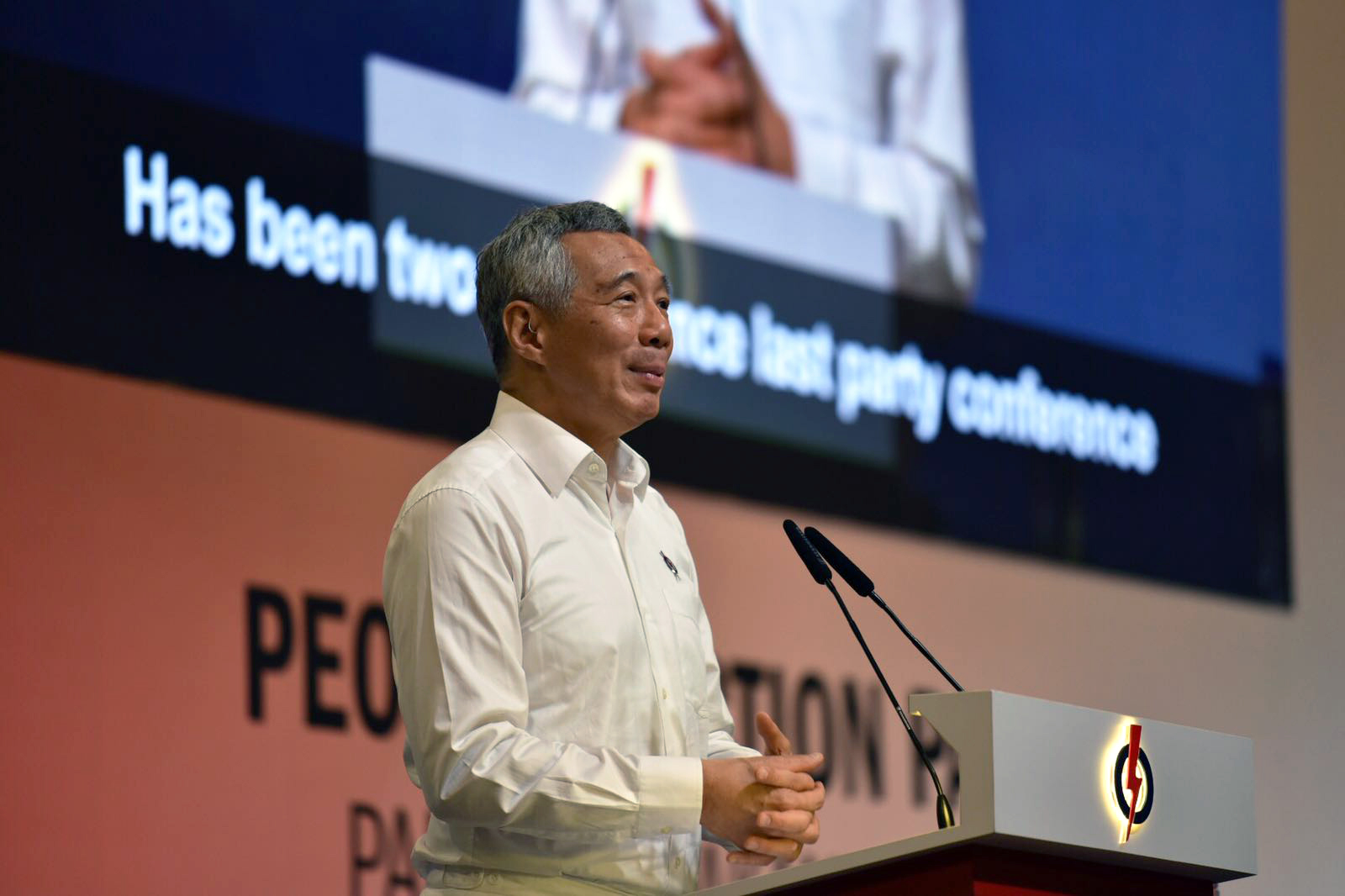
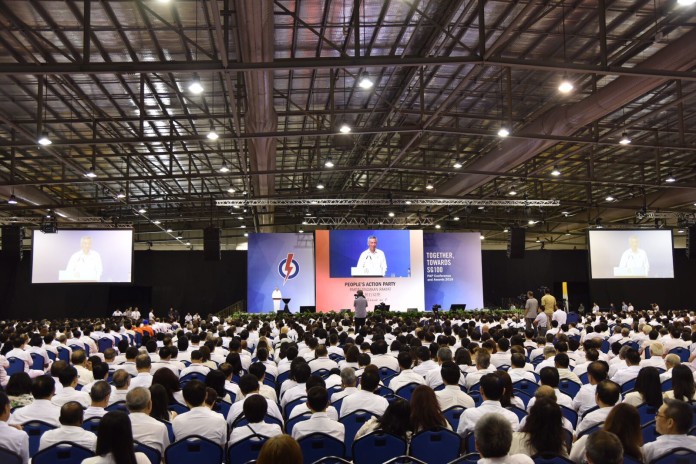
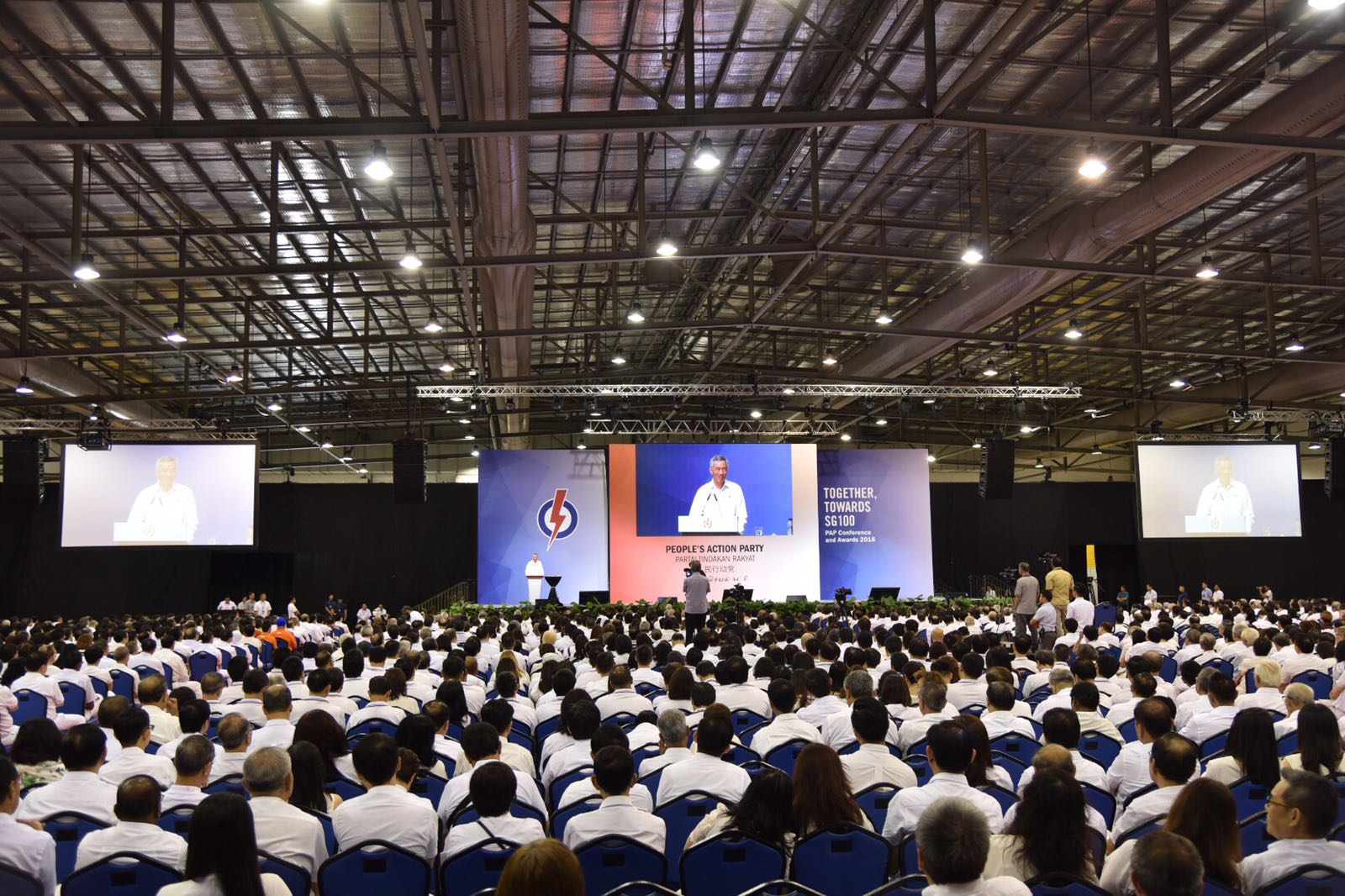
SINGAPORE: Compared to other developed countries, Singapore has been fortunate and is overall in a much better situation when dealing with the challenges of an uncertain global outlook, said Prime Minister Lee Hsien Loong on Sunday (Dec 4). 

In a speech at the 34th People’s Action Party (PAP) Conference held at Singapore Expo, Mr Lee said while other countries struggle with high unemployment, Singapore boasts a low rate of 3 percent and continues to create “more jobs than there are Singaporeans to fill them”. He also noted that Singapore is creating better jobs.

“In other countries, average households have seen incomes stagnate for many years,” he added in his address to 2,500 party members. “In Singapore, household incomes have been increasing steadily, even for average and poorer families.

“Other governments are cutting social safety nets because budgets are tight … We are strengthening our safety nets.” 

BETTERING SINGAPOREAN LIVES 

Mr Lee said while Singaporeans and the PAP Government “can take credit” for these, the party has to strive even harder to improve lives – by equipping Singaporeans with skills and boosting social safety nets. 

Hence the focus on education, he said. Noting how Singapore’s primary school and secondary students rank top internationally in both maths and science, he stated: “We have educated our people well; our schools and teachers are doing a very good job. But more importantly, it means our people have the relevant skills and knowledge to be globally competitive.” 

“That is why when our students graduate, they will find jobs, even if it takes longer to find one in today’s weaker economy,” said Mr Lee. “Unlike students in Europe, or even in Taiwan, Hong Kong and Korea, where youth unemployment is high.” 

He also pointed to the availability of schemes such as SkillsFuture to help workers upgrade and reskill – all part of Singapore’s bid to keep workers relevant and continue creating new jobs. 

Mr Lee then hailed initiatives such as the Pioneer Generation Package for making healthcare affordable and accessible, and the likes of Silver Support in providing more support for old age. “We are building more hospitals, polyclinics, and social service centres to serve Singaporeans. And as our population ages, we will do more,” he promised. 

Singapore as a home also continues to be built up physically with better public transport, a new airport, a mega-port, HDB towns, and so on, said Mr Lee. 

“In Singapore, when you get married, we help you to own a home and start a family,” he highlighted. “Not so in any other major city in the world. In Hong Kong, Taipei, Seoul, Shanghai, London, or New York, housing is a big issue, especially for young people.” 

STRONG PAP FOR STRONG SINGAPORE 

Mr Lee said viewing Singapore as home is also about feeling a sense of nationhood and unity – and to achieve that, the PAP must stay a strong national party. 

“It works both ways,” he explained. “If our society is united, the PAP can represent a broad range of Singaporeans in one political party. And if the PAP government pursues policies that bring all Singaporeans closer together, then our society can remain united.” 

But it will not be easy to do this as Singapore becomes more diverse, he acknowledged. 

“People have different interests, adopt different causes, take different views on social issues,” Mr Lee explained. “We have nature groups, arts groups, conservatives and liberals on LGBT issues, groups focussed on people with disabilities.” 

“Such diversities can be strengths, but only if we do not let them divide us.” 

To stay strong, fight effectively and win the next General Election (GE) in 2021, he called on the PAP to reach out to all segments of society; to serve the people and to provide strong leadership. 

“We must not only have a capable PAP team for today, but a deep bench, as we build a team for the future,” said Mr Lee on the last point. “I’m glad we have strengthened the next leadership team in the last two GEs.” 

“The younger leaders have been active… They will progressively take over from me and my older colleagues,” he added. 

In this period of great uncertainty, he concluded, the PAP has to “work harder to earn our living, to keep Singaporeans united, and to take Singapore forward”. 

“We are here today because Singaporeans gave us their trust. Never take that trust for granted; never be complacent or arrogant; never forget your duty or ideals.”

Source link

Singapore must remain open, even as rest of world turns inwards: PM Lee

0

SINGAPORE: Against a trend of developed countries turning inwards and adopting a more protectionist, nativist approach, Singapore must remain open, said Prime Minister Lee Hsien Loong on Sunday (Dec 4). 

In his speech at the 34th People’s Action Party (PAP) Conference held at Singapore Expo, Mr Lee pointed out that the events of Brexit and the US presidential elections – which he called “another very nasty campaign” – were the byproduct of unhappy voters and divided societies. 

“Voters are fed up, not just with particular parties or individual leaders but with the whole system,” said Mr Lee, who is the PAP’s secretary-general. “Because they felt the elite is out-of-touch; and the system is not working for them.”  

He said this was a mood also spreading across Europe ahead of its election season next year. “Extreme parties on both the left and the right are strengthening, gaining support,” said Mr Lee. “They can’t govern, they offer no workable alternative, but voters still support them – doesn’t matter, bring the house down.” 

“These changes impact not just individual countries, but also the whole international order and environment – the world we live in,” he said, noting that developed countries are turning away from the same broad objective of prosperity and the shared perspective of cooperation. 

“Instead of being open, self-confident, and proud of their own countries, and seeking win-win opportunities with other countries, now voters have become insecure, inward-looking, anxious about their future,” said Mr Lee. “When others succeed they think of it as a win-lose proposition, and so try to shut themselves off from the rest of the world.” 

“This looks like the trend now,” he said. “I do not know how far it will go, but I do not like the direction it is going. If more countries turn this way, the world is going to change, and change for the worse.” 

SINGAPORE’S PLACE TODAY 

The changes around the world will have major consequences especially for small, open countries like Singapore, said Mr Lee. 

“We have always depended on open trade, making friends around the world, looking for opportunities to cooperate with others,” he said. “We have relied on a secure, peaceful Asia, an international order where countries big and small cooperate and compete according to rules which are fair to all; where small countries have a right to their place in the sun.” 

“That is how we have prospered these last 50 years.” 

He added: “Yes, we worked very hard, and earned our success. But we were also very lucky to enjoy this international environment. We attracted foreign investments, negotiated FTAs, worked with other countries, expanded our exports, traded, prospered.” 

But now, said Mr Lee, other countries are flexing their muscles and becoming increasingly assertive. 

“Nobody can tell how relations between the big powers will develop,” he admitted. “If US-China relations grow tense, Singapore is going to be in a very difficult spot, because we regard both as our friends and do not want to have to choose between them. 

“At the same time, world trade is flat, obstacles to trade are increasing. Our exports are not growing very much. It’s harder for countries to prosper together, to achieve win-win outcomes.” 

He cited the Trans-Pacific Partnership (TPP), which 12 countries, including the US and Singapore, spent six years negotiating for what he called “a good deal”. 

“But now, President Trump has declared the TPP is bad for the US, and that he will pull the US out of the TPP. Without the US, there will be no TPP,” said Mr Lee. 

“We have to accept the world as it is, not as we wish it to be. We still hope that one day we will have a regional trade deal including the US and other big countries,” he said. “But meanwhile, we have to continue to pursue trade liberalisation with others in the region, for example through the Regional Comprehensive Economic Programme.” 

“We must continue to cooperate with our major partners – the US, China, ASEAN and others,” Mr Lee concluded. “Because if we close up like other countries, our people will be finished.” 

Source link

Yunomori Onsen & Spa’s 1-for-1 promotion is back by popular demand (Mon – Wed) till 28 Dec

0

BACK by popular demand: Yunomori Onsen & Spa’s 1-for-1 promotion returns! Valid Mon – Wed, 7pm to 11pm, till 28 Dec

Yunomori Onsen & Spa’s 1-for-1 promotion is back by popular demand (Mon – Wed) till 28 Dec

Need to rejuvenate your senses after a hard day’s work or finding the a mini getaway after a stressful day? Good news! Yunomori’s 1 for 1 promotion is back! Now you can experience the first authentic Japanese Onsen in Singapore at only $38++ per pax!

Source

Fresh Start scheme will be made flexible

0

The Government will waive some conditions on a case-by-case basis when implementing the Fresh Start Housing Scheme, a programme that helps struggling families own a flat again.

Senior Minister of State for Defence and Foreign Affairs Maliki Osman revealed this to reporters yesterday, on the sidelines of a career fair in Bedok.

Dr Maliki chairs the advisory panel which will support outreach efforts and guide how best to put the scheme into practice. He was in the Ministry of National Development when Prime Minister Lee Hsien Loong mentioned the scheme at last year’s National Day Rally.

The scheme is for families who once owned a flat but now live in public rental units. It helps the families, who must have at least one child aged below 16, by letting them buy a two-room flexi flat on a shorter lease, with a grant of up to $35,000. Applications opened last Thursday.

One condition of the scheme is that the family must live in the new flat for 20 years before they can resell it, but Dr Maliki said this minimum occupation period (MOP) could be waived in certain cases.

“The MOP is to give a sense of contracting with the Government because we are giving them subsidies again. We want to make sure that they are focused on stabilising the families in the long term,” he said.

“But, if within 10 years, you are doing very well and you feel that you want to give your children the sense that you can upgrade (to a bigger flat) and do better, why not?”

He added: “There’s the MOP for commitment, but there’s the flexibility to work on a case-by-case basis.”

About 1,000 families could qualify for the scheme. Interested families must apply and be placed on the scheme before applying for a flat.

Dr Maliki said outreach efforts would be made to get families who potentially qualify to understand the options available to them.

He said some families may worry about whether they can afford to buy a new flat and “may need a bit of handholding to look at the sums and what they already have”.

Government agencies will work with community partners to help such families and encourage those who do not meet certain eligibility criteria, such as in employment, to seek help to improve their situation so they can apply, he said. One of the scheme’s conditions is that at least one parent has been in stable employment in the previous 12 months.

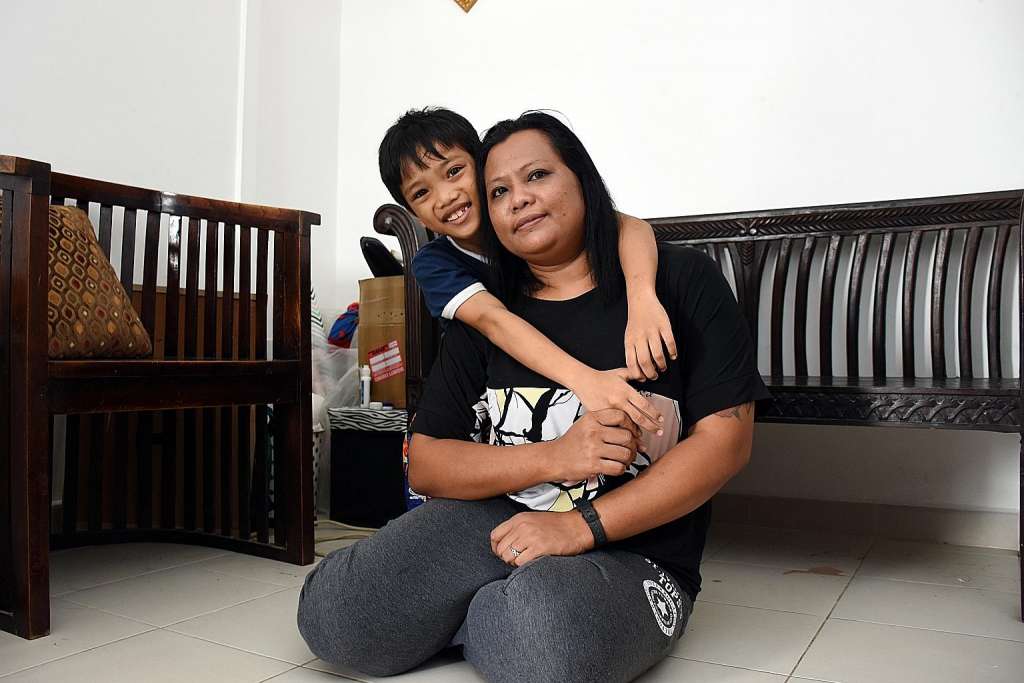
Security supervisor Jamnah Hamzah, 43, is keen to apply. She lives in a two-room rental flat in Woodlands with her two children, aged eight and 19. Her husband is in jail.

She used to own a flat but had to move out due to financial difficulties. She said: “I hope to give my children a better learning environment and stable home.”


This article was first published on Dec 04, 2016.
Get a copy of The Straits Times or go to straitstimes.com for more stories.
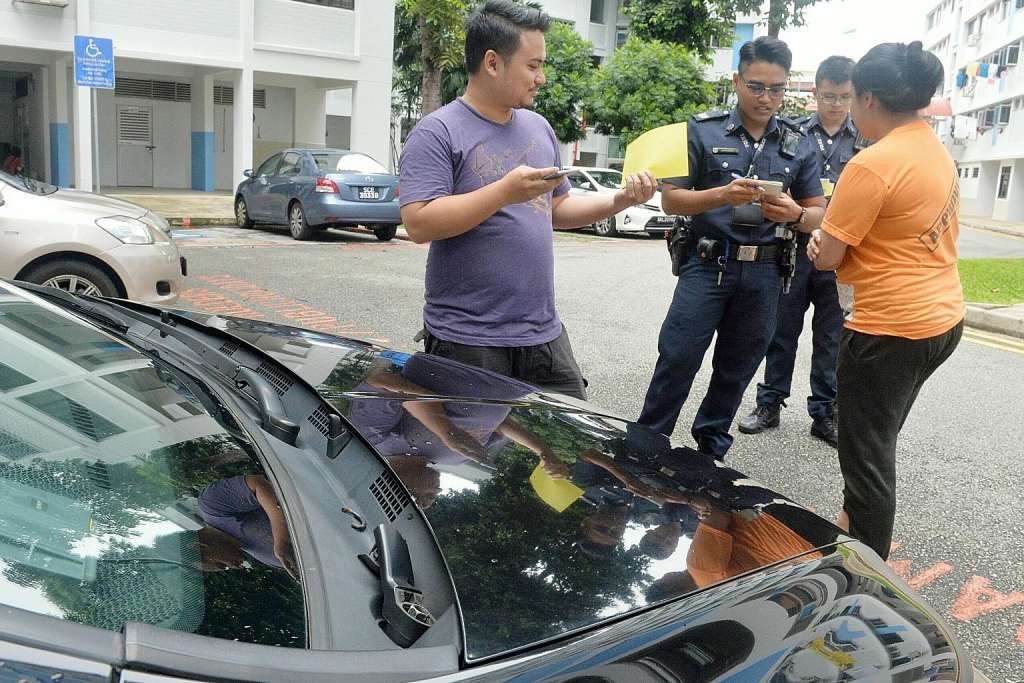
Image: 
Category: 
Blurb: 
<p>The Government will waive some conditions on a case-by-case basis when implementing the Fresh Start Housing Scheme, a programme that helps struggling families own a flat again.</p>
Publication Date: 
Sunday, December 4, 2016 – 14:30
Keywords: 
Send to mobile app: 
Source: 


Story Type: 
Others

Source link