30.2 C
Singapore, SG
Saturday, September 26, 2026
Home Blog Page 2254

Injured cyclist gets $8.65m damages in record payout, down from $26m sought

0

SINGAPORE – A cyclist struck by a bundle of overhead cables that fell without warning was awarded $8.65 million in damages by the High Court.

It is understood to be the biggest payout in such a negligence claim.

Ms Siew Pick Chiang, now 42, suffered relatively minor physical injuries, but the post-traumatic stress disorder (PTSD) was so serious that she has been warded for more than two years.

The mishap occurred when she was cycling on a public pavement along Pasir Ris Drive 8 on Oct 15, 2009. The cables that hit her originated from a nearby worksite for which Hyundai Engineering & Construction was the main contractor.

Justice Woo Bih Li found Hyundai to be 100 per cent liable for the accident after a hearing in May 2014. The second phase of the case involved how much she should get in compensation for her losses, including medical treatment and suffering.

The assessment hearings took place over two tranches during 2015 and this year.

She was admitted at least 18 times into Gleneagles Hospital or Mount Elizabeth Hospital.

“She was warded there for more than two years at a stretch, and I understand, still remains warded there,” noted Justice Woo in decision grounds issued on Dec 1.

Ms Siew, through her lawyer Chong Pik Wah from Wong, Thomas & Leong had sought $26 million in special and general damages, which included medical and hospital expenses.

United Legal Alliance lawyer Michael Eu for Hyundai argued the “staggering” $26 million claim “was 13 times the highest award of damages by a Singapore court for a personal injury claim and was a figure that should give anyone pause for thought”.

The judge said it was not disputed that Ms Siew had a ” host of medical issues” arising from her PTSD.

“Furthermore, it appears that she was in reasonably good health before the accident, that is, the contrary was never suggested,” added Justice Woo.

The $8.645 million, pared down from $26 million, included sums for loss of future earnings, present and future medical costs as well non-medical expenses.


This article was first published on Dec 05, 2016.
Get a copy of The Straits Times or go to straitstimes.com for more stories.

Image: 
Category: 
Publication Date: 
Tuesday, December 6, 2016 – 09:00
Keywords: 
Send to mobile app: 
Source: 


Story Type: 
Others

Source link

Crane hits tunnel ceiling at CTE entrance, man arrested and investigations ongoing

0

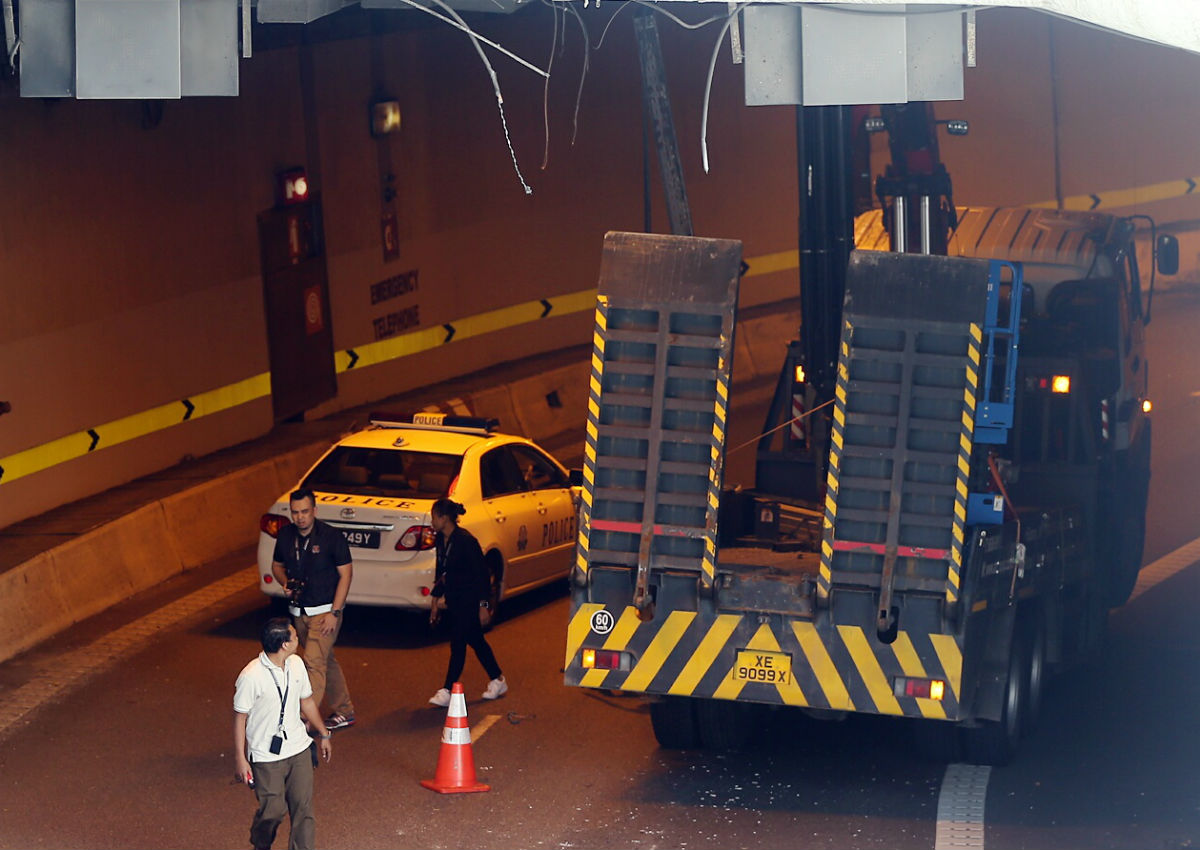
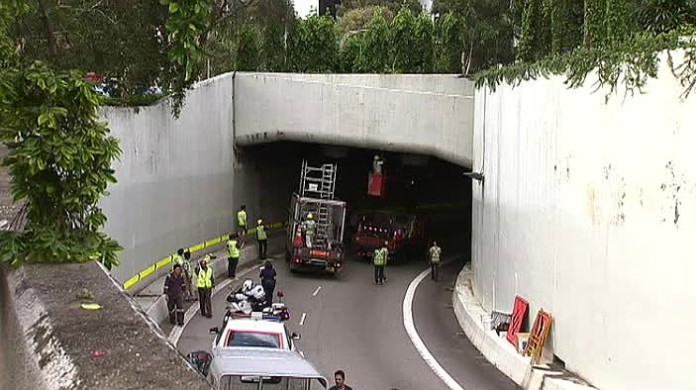
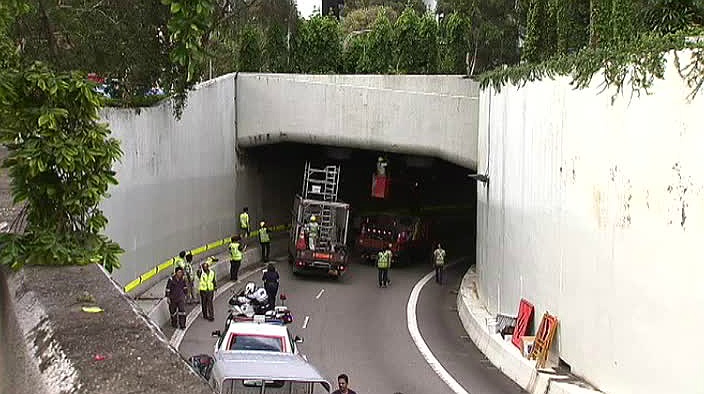
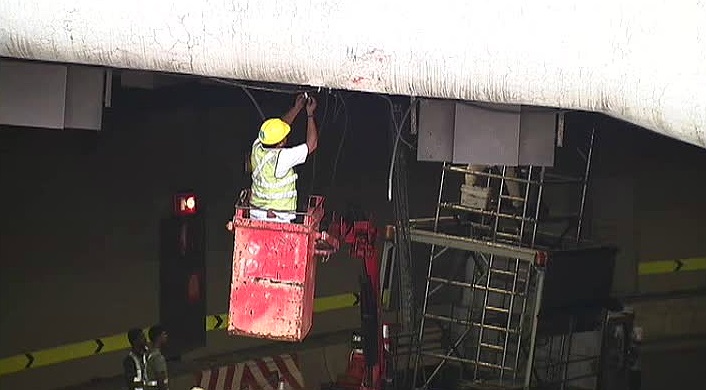
SINGAPORE – A crane struck the ceiling of the Central Expressway (CTE) tunnel on Monday (Dec 5) afternoon.

The accident, which happened at the slip road of Upper Cross Street, caused the entrance of the CTE tunnel towards Seletar Expressway to be closed off.

The incident caused a jam, with vehicles snaking back along Havelock Road.

The Straits Times understands that no one was injured, and no vehicle other than the crane was damaged. Police are still on the scene, and the incident is ongoing.

Police were alerted to the accident at 1.07pm. A 63-year-old man was arrested in relation to the case, and investigations are ongoing.


This article was first published on Dec 05, 2016.
Get a copy of The Straits Times or go to straitstimes.com for more stories.

Image: 
Category: 
Publication Date: 
Tuesday, December 6, 2016 – 09:00
Keywords: 
Send to mobile app: 
Source: 


Story Type: 
Others

Source link

Train fares in Singapore among the lowest in Asia: Public Transport Council

0

SINGAPORE – Train fares in Singapore are among the lowest compared to other major cities around the world, a study has revealed.

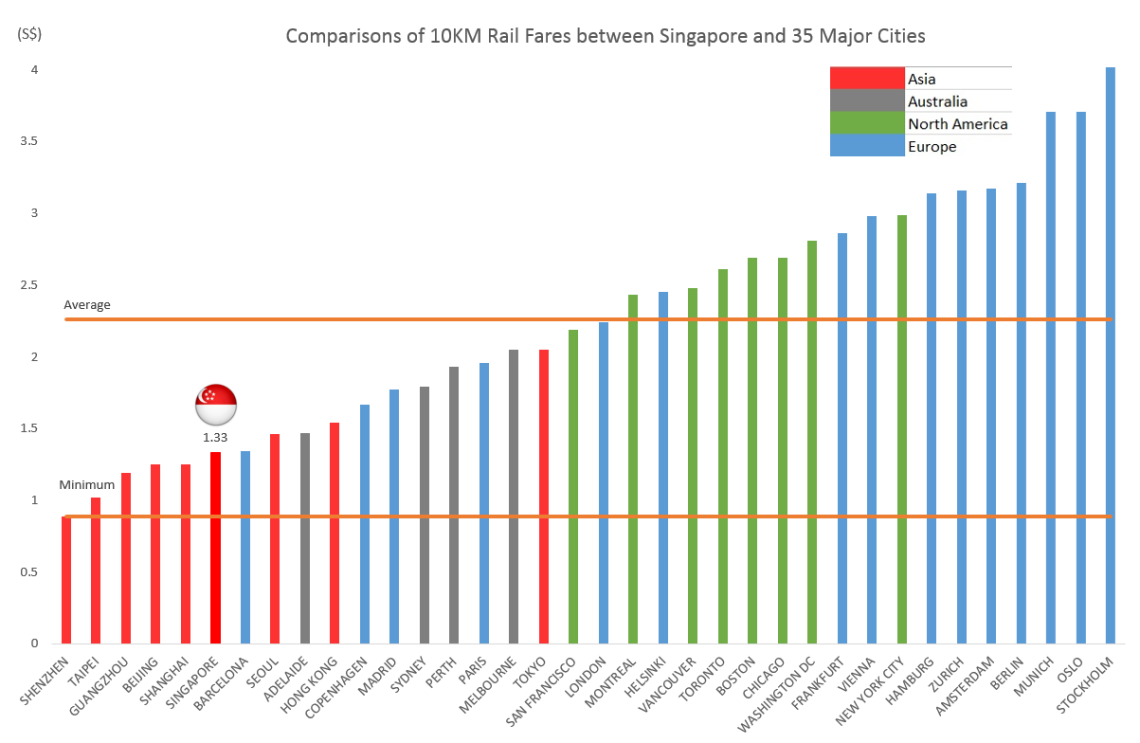
For a 10km rail journey, commuters pay S$1.33, the 6th cheapest in a comparison of 36 cities across Asia, Australia, Europe and North America.

Only Shanghai, Beijing, Guangzhou, and Shenzhen in China and Taipei in Taiwan have lower fares than Singapore for a train trip of the same distance.

The study, which was conducted by SIM University, was released by the Public Transport Council (PTC) on its blog on Monday (Dec 6).

Photo: Public Transport Council

PTC chairman Richard Magnus said in the blog post: “We will continue to conduct such comparison studies, to ensure that we are kept abreast of international fare trends and uphold PTC’s commitment to keep fares affordable for our commuters, while ensuring the sustainability of our public transport system.”

Besides comparing fares for a 10km train trip, the study also looked at the lowest rail fare in the 36 cities.

Photo: Public Transport Council

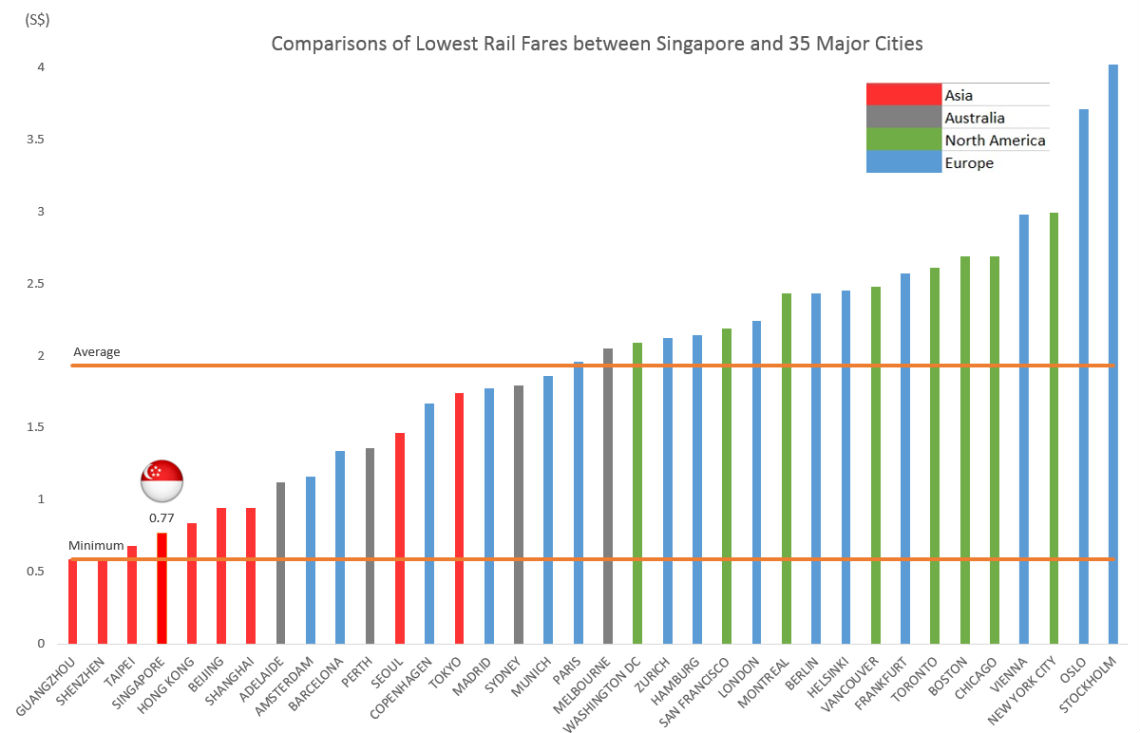
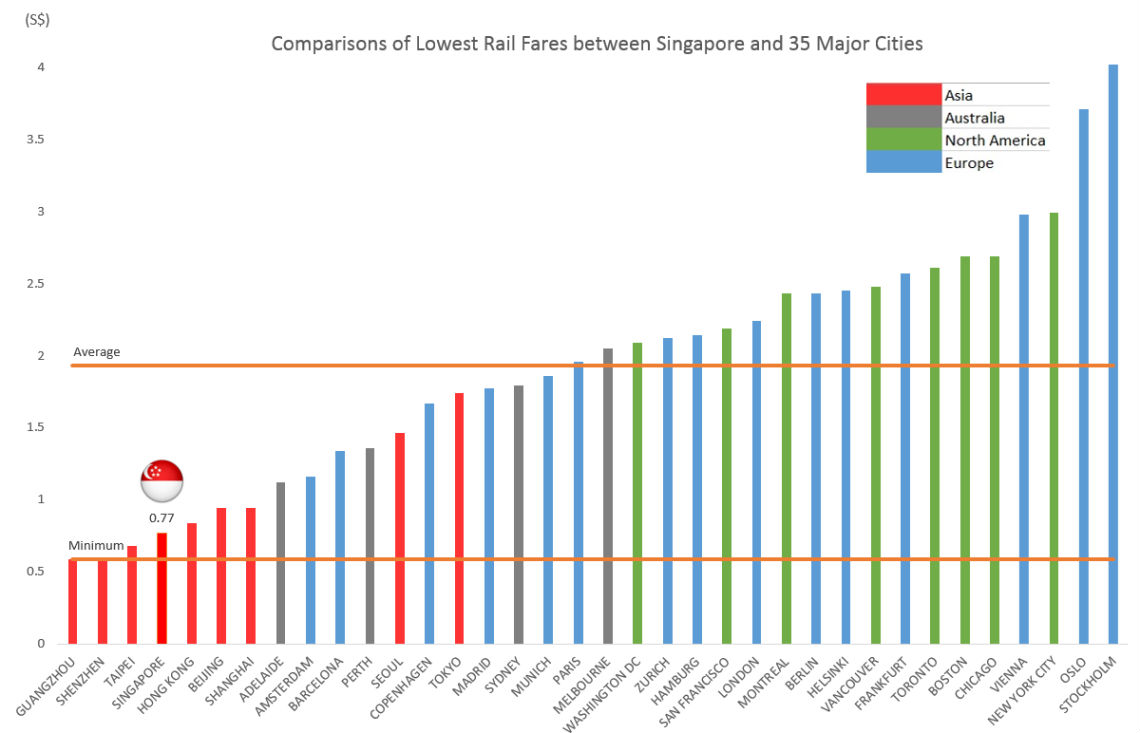
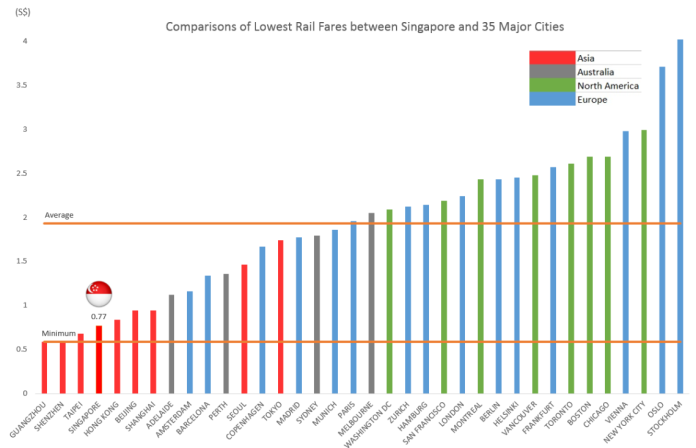
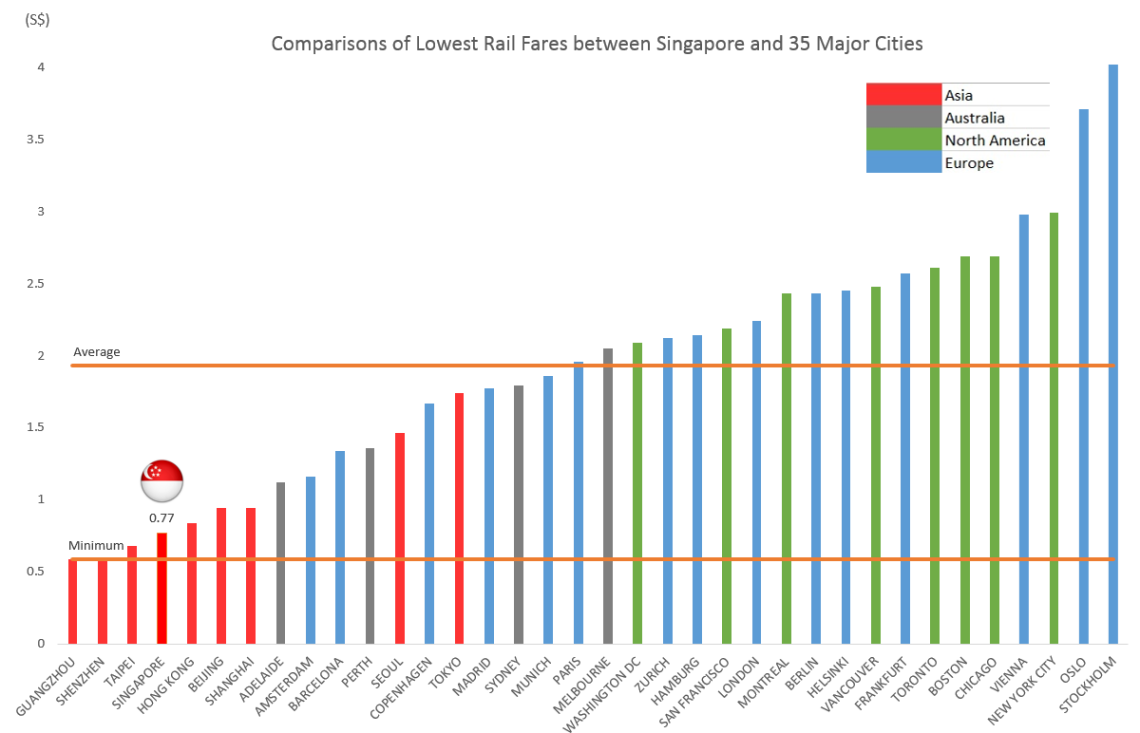
Singapore’s lowest train fare is S$0.77, placing it 4th among the 36 cities. Only Guangzhou, Shenzhen and Taipei have a lower minimum fare.

Mr Magnus said of the findings: “Within Asia, the rail fares in Singapore are amongst the lowest, while rail fares in cities like Tokyo and Seoul lie on the higher end of the spectrum in Asia.”

He added: “When compared to cities in Australia, Europe and North America, rail fares in Singapore are considerably lower.”

With the exception of Taipei, fare levels for the cities were converted to Singapore dollars based on each city’s purchasing power parity (PPP).This accounts for any differences in the strength of currency and cost of living across the region.

Without an official PPP conversion factor, fares in Taipei were converted to Singapore dollars only using the prevailing exchange rate.

The PTC’s blog post comes ahead of an overall fare cut of 4.2 per cent for bus and train trips, which will kick in on Dec 30.

On that day, fares will be levelled down so commuters pay the same amount for the same distance, regardless of whether they hop on a train line that is underground or above-ground


This article was first published on Dec 05, 2016.
Get a copy of The Straits Times or go to straitstimes.com for more stories.

Image: 
Category: 
Publication Date: 
Tuesday, December 6, 2016 – 09:00
Send to mobile app: 
Source: 


Story Type: 
Others

Source link

8 things you should know about Singapore’s wealth gap

0

SINGAPORE – The gap between the wealthy and the poor is widening, and in countries like Singapore it is more and more being recognised as a cause for concern.

Wealth inequality in developed countries has risen to a 30-year high, according to a 2015 report by the Organisation for Economic Cooperation and Development (OECD).

Wealth deals with the value of a person’s entire assets, such as disposable cash and property, minus all their debts, such as loans and mortgages. Income, or their earnings from work, are added to their pile of wealth.

The National University of Singapore’s (NUS) Vice-Dean of Research Sumit Agarwal believes that wealth inequality is a more important measure than income inequality. “As wealth inequality increases, it will create tensions and it will create problems in society,” he said.

Channel NewsAsia documentary It Figures brings you the eight key things you should know about Singapore’s wealth gap. (Watch the episode here.)

1.  Household net wealth in Singapore more than doubled between 2005 and 2015.

Singapore’s household net wealth was S$700 billion in 2005, and it grew to more than S$1,500 billion in 2015, according to the Household Sector Balance Sheet.

According to SingStat, the Household Sector Balance Sheets looks at the assets and liabilities of all households in Singapore. However, it does not include foreign assets such as property owned by Singaporean residents.

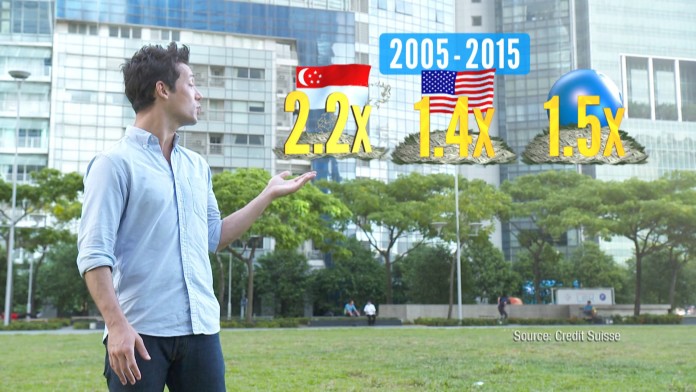
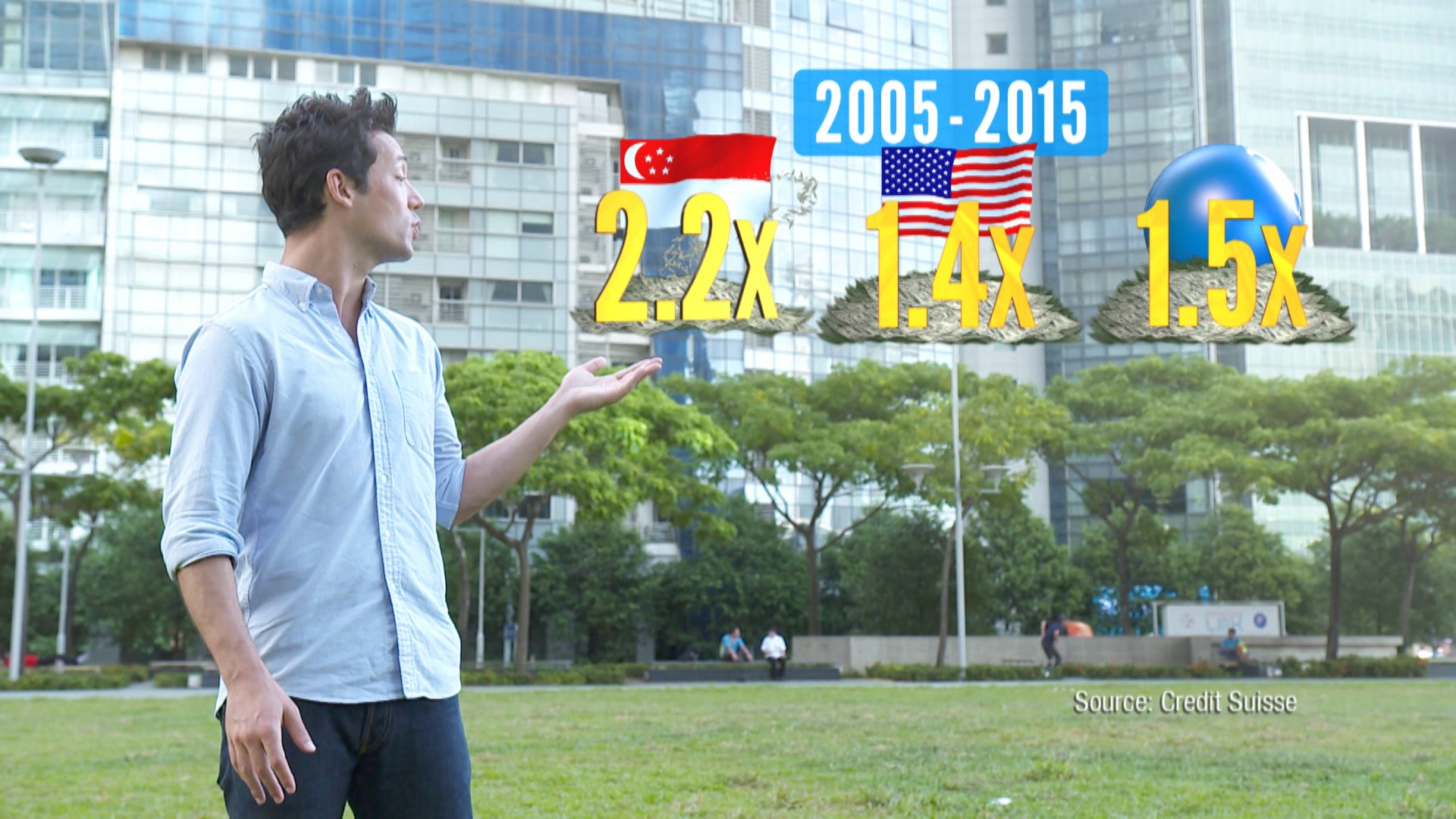
Compared to the rest of the world, Singapore’s wealth grew much faster. In the last 10 years, according to Credit Suisse, Singapore’s wealth increased by 2.2 times, while the US’s wealth grew by 1.4 times, after accounting for inflation.
Singapore is one out of fewer than 20 countries in the world that makes its wealth information public.

2. The housing boom is one of the main reasons for Singapore’s wealth growing quickly.

Singapore’s fast-growing wealth is partly a result of its housing boom, which led to an increase in value of Singaporean residents’ property, Ms Selena Ling, head of OCBC’s Treasury Research and Strategy, told It Figures. “As the housing prices rise, you see asset wealth moving up in tandem.”

According to Professor Sumit, it is also because of Singapore’s low taxes and relative stability in the region. This has enticed foreign investors to safeguard their wealth in Singapore by buying up property here or depositing it in local banks.

3. Overall average wealth is more than double of what’s owned by the person in the middle, if Singaporeans were lined up in order of wealth.

If wealth were equally distributed between the wealthiest and least wealthy in a country, the median wealth to average wealth would be in a ratio of 1 is to 1, according to NUS Department of Economics lecturer Ong Ee Cheng.

Median wealth refers to the wealth owned by the person in the middle when we line up all residents above the age of 20 according to their wealth, from least to most wealthy.
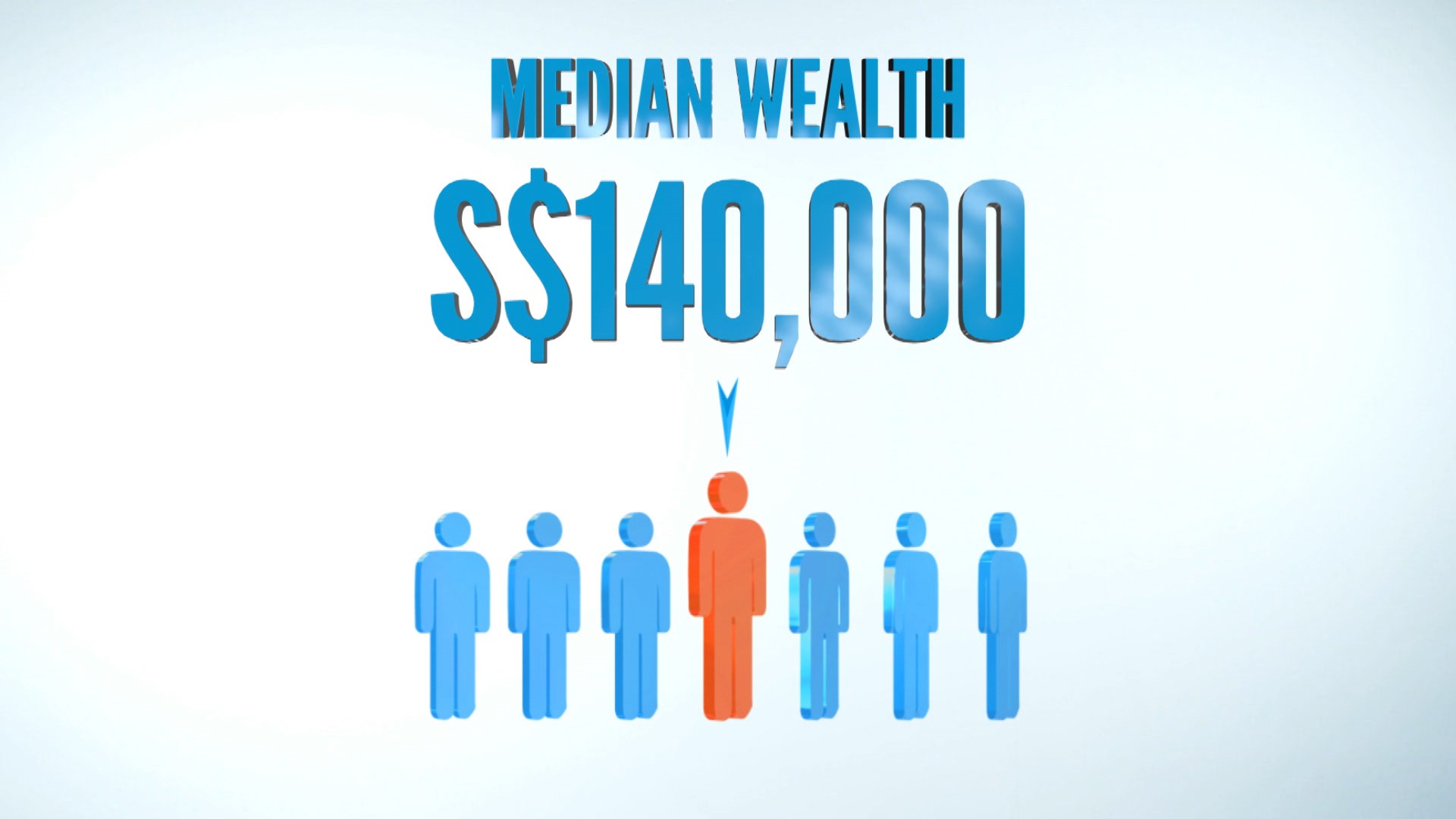
The ratio of median to mean (average) wealth, or the wealth gap ratio, is a measurement used by the OECD to represent wealth inequality.

“If you had a very few people who are very rich, they would be pulling up the mean,” said Dr Ong.

In 2015, Singapore’s mean wealth was S$380,000 and its median wealth was S$140,000, according to global financial company Credit Suisse’s estimates.

That would make Singapore’s wealth gap ratio 1 is to 2.72.

4. Singapore’s wealth gap is narrower than that of the United States, Sweden and Switzerland.

Singapore’s wealth gap is relatively narrow compared to other advanced economies.

According to Credit Suisse’s 2015 report, the US, which is the world’s wealthiest country, has a wealth gap of 1 is to 7.09. Scandinavian countries such as Sweden and Denmark have ratios of 5.42x and 4.85x respectively.

Countries with wealth gaps narrower than Singapore’s include Australia and Japan, whose ratios are around 1 is to 2.

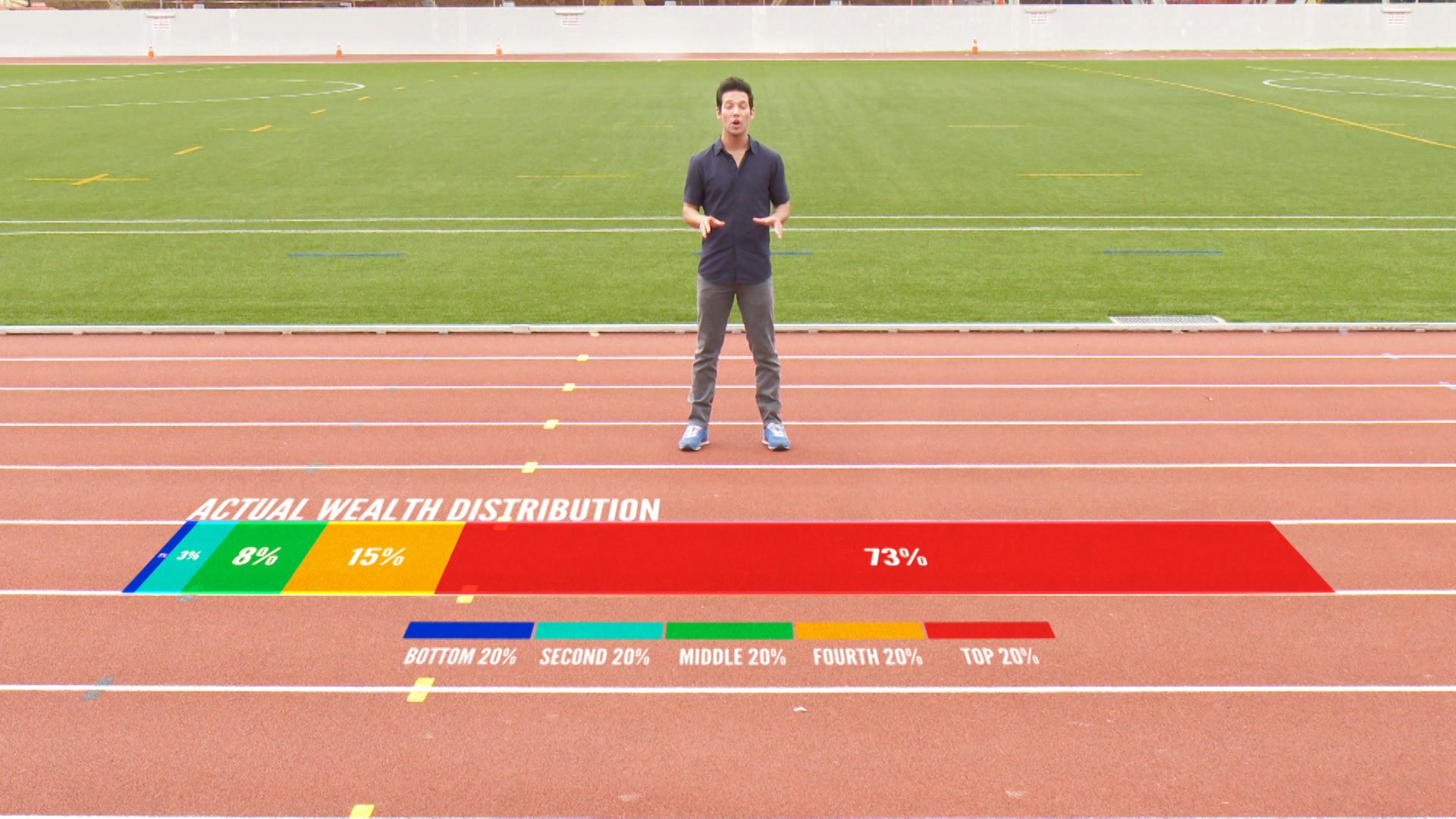
5. 73 per cent of Singapore’s wealth is owned by the wealthiest 20 per cent.

This is based on an estimate of Singapore’s wealth distribution by Credit Suisse, as there is no official statistics on how wealth is distributed here. The bottom 20 per cent owns 1 per cent of the overall wealth.

But the wealthiest 20 per cent are not homogeneously wealthy. Dr Ong pointed out that looking at 20 per cent of people at a time is a broad measure.

“For example, within the top 20 per cent, you have the one-percenters who are multibillionaires and fly around on private jets, “ she said. “And you have people like you and me who are earning a decent living but we’re still taking out mortgages for our homes.”

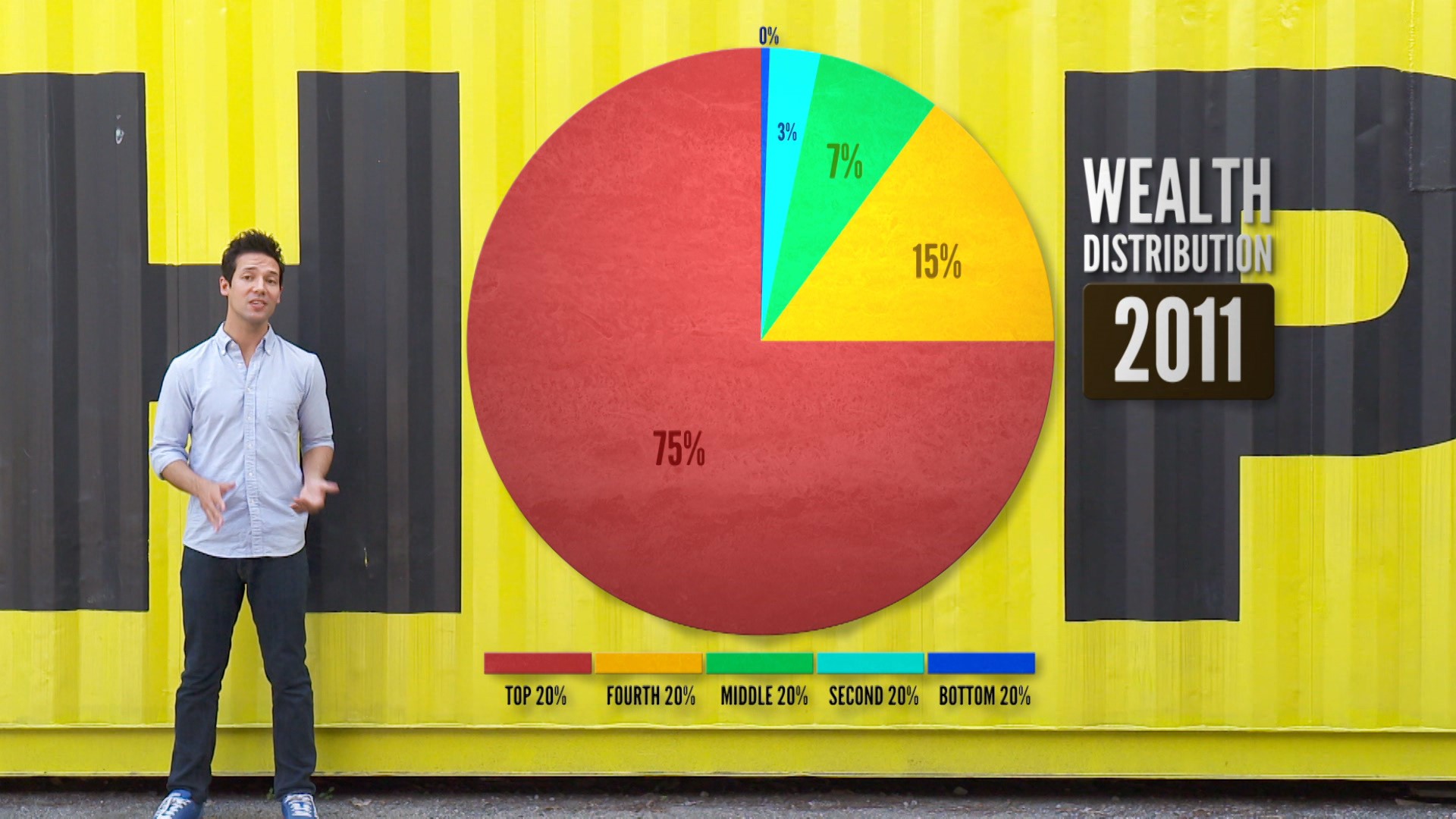
6. Singapore’s wealth distribution has not changed much in the last 5 years.
From 2011 to 2015, the percentage of wealth owned by each 20 per cent segment of Singapore’s households has remained almost constant, according to Credit Suisse’s estimates.
7. But despite this, wealth inequality is rising in Singapore.

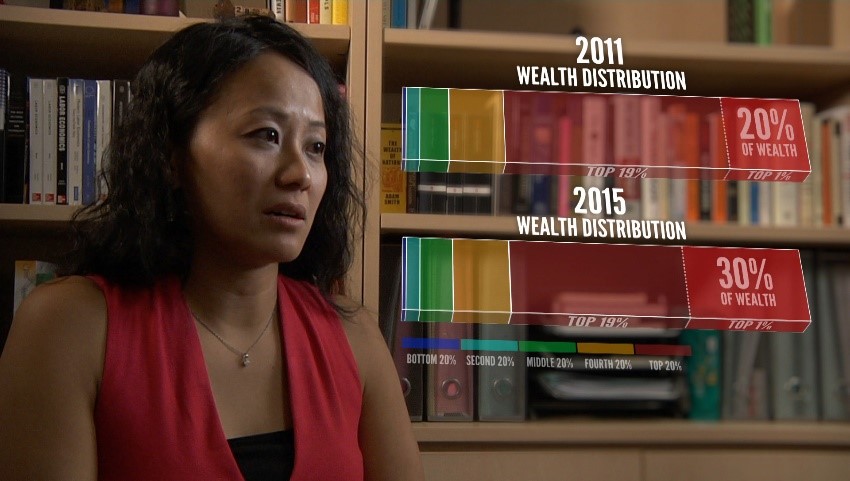
Singapore’s wealth distribution remaining constant might not necessarily be a good thing. Considering that Singapore’s wealth has more than doubled in the last 10 years, this means that the wealth owned by the top 20 per cent would be growing more rapidly than the bottom 20 per cent’s.

“It is very likely…that the top 1 per cent [of households’] share increased from 20 per cent to 30 per cent. So if you slice it up by that, you’ll probably see inequality increasing,” said Dr Ong.
8. The good news is, social mobility in Singapore is high.

In fact, it’s one of the highest in the world.

Among young adults, 14 per cent of those from the poorest 10 per cent of households moved into the top 20 per cent of income earners, according to Deputy Prime Minister and then-Finance Minister Tharman Shanmugaratnam at the 2015 Budget debate.

In contrast, only 7.5 per cent in the US and 8 per cent in the UK did so.
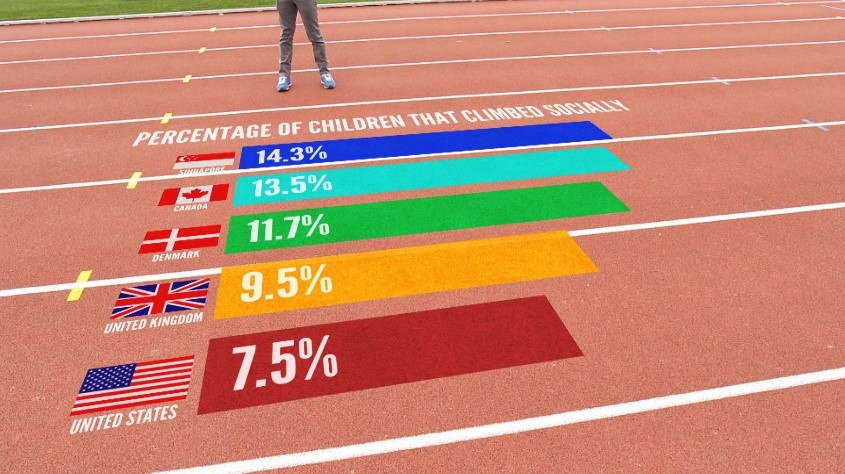
New episodes of It Figures every Monday at 8pm SG/HK on Channel NewsAsia. Watch the full episode on the wealth gap on Toggle.

Source link

Fly fr $45 all-in to 22 destinations with Scoot’s 2hr Take Off Tuesday promo (7am to 9am) on 6 Dec 2016

0

TOMORROW 6 Dec 7am to 9am: Scoot promo fares featuring all-in fares to Gold Coast $148, Perth $108 & more!

Fly fr $45 all-in to 22 destinations with Scoot’s 2hr Take Off Tuesday promo (7am to 9am) on 6 Dec 2016

Escape the ordinary with Super Scootee. Scoot’s bringing the heat on this summer with the hottest destinations for some sun, sea, shopping, art and dance with their upcoming Take Off Tuesday promo

Source

President Tony Tan visits quake-hit school rebuilt with funds from Singapore

0

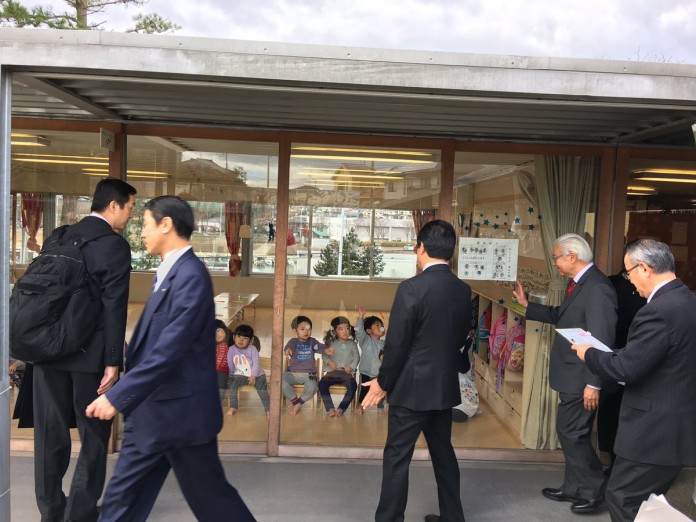
SHICHIGAHAMA, Japan: Singapore President Tony Tan Keng Yam on Monday (Dec 5) visited a nursery school in Miyagi prefecture that was rebuilt with donations from Singapore following the 2011 earthquake and tsunami.

The Shichigahama Toyama Nursery School was badly damaged in the disaster and was rebuilt at a cost of S$5 million. The new building, which opened in 2013, is constructed on elevated ground so it can serve as an evacuation centre for future emergencies.

The mayor of Shichigahama town expressed his gratitude to Singapore, saying the donations had made a great difference to the children’s lives. “Thank you very much. We’re deeply moved. In fact, we’re overwhelmed and most honoured in welcoming the Singapore delegation led by President Tony Tan,” he said.

The children performed two Christmas carols for Dr Tan and his delegation. They also sang a birthday song for his wife Mrs Mary Tan when they found out it was her birthday.

The school is one of several rebuilding projects undertaken by the Singapore Red Cross, which raised a total of US$25 million in support of Japan’s recovery efforts. It was Singapore’s largest disaster relief contribution. The Singapore Red Cross also rebuilt an elderly care centre and two community halls to double up as evacuation centres.

Dr Tan is on a nine-day state visit to mark 50 years of diplomatic relations between Singapore and Japan.

Singapore President Tony Tan waving to students at a Japanese nursery school rebuilt with funds from the Singapore Red Cross. (Photo: Roland Lim)

During his trip, he has been highlighting the strong bonds between the people of both countries. “The friendships you build here reflect and contribute to the broader relationship between Singapore and Japan,” said Dr Tan on Sunday at a reception attended by more than 300 Singaporeans in Tokyo.

Dr Tan returns to Singapore on Tuesday.

Source link

Singapore's rail fares among the lowest in major cities worldwide: PTC

0

SINGAPORE: Singapore’s rail fares are among the lowest compared to that of 35 major cities across Asia, Australia, North America and Europe, a new study commissioned by the country’s Public Transport Council (PTC) showed.

In a blog post on Monday (Dec 5), PTC chairman Richard Magnus released some of the key findings from the study, which was carried out by private university UniSIM.

The study showed that at S$0.77, Singapore’s lowest rail fare is higher than only the minimum fares in Guangzhou, Shenzhen and Taipei.

(Image: Public Transport Council)

A separate comparison, of the cost of travelling 10km by rail in each city, likewise ranked Singapore low among the 35 cities in the survey.

(Image: Public Transport Council)

The 10km data point is meant to reflect the average journey distance for commuters in Singapore, said Mr Magnus. In Singapore, a 10km journey would cost S$1.33.

He added that fares for the other cities were converted to Singapore dollars based on each city’s purchasing power parity, where available. The adjustments account for any differences in strength of currency and cost of living across the regions, he said.

A PTC spokesperson said the survey findings would be used as a benchmark to monitor Singapore’s public transport fares.

“We will continue to conduct such comparison studies, to ensure that we are kept abreast of international fare trends and uphold PTC’s commitment to keep fares affordable for our commuters, while ensuring the sustainability of our public transport system,” Mr Magnus wrote in his blog post.

He added that the PTC also monitors the public transport expenditure of commuters as a percentage of their household income. “The figure, currently at 2.2 per cent for the second quintile income group of households, has improved over the years,” he wrote.

“This means the average public transport user is spending a smaller proportion of their monthly income on public transport expenditure.”

The PTC said it would publish the full report of the fare benchmark study on its website by Dec 31.

It also pointed to an upcoming fare reduction, which takes effect on Dec 30. Fares will be lowered by 4.2 per cent, which translates into a reduction of up to 27 cents per trip.

Source link

63-year-old man arrested after crane hit CTE tunnel ceiling

0

SINGAPORE: A 63-year-old man was arrested on Monday (Dec 5) after a crane on the heavy vehicle he was driving hit the ceiling of the Central Expressway (CTE) tunnel.

Channel NewsAsia understands that the crane on the vehicle had not been stowed properly.

The accident took place along Upper Cross Street on the slip road into the CTE tunnel in the direction of Seletar Expressway (SLE), and caused the entrance to be closed.

Police said they were alerted to the incident at 1.07pm. Investigations into the accident are ongoing.

The Land Transport Authority (LTA) alerted drivers to the incident on Twitter at about 1.30pm.

In a Facebook post at about 4.50pm, police urged motorists to use alternative routes to the CTE.

As of 5.35pm, the Upper Cross Street entrance to the CTE is still closed. 

At least 20 cases have been reported of overhead road structures being hit by “over-height” vehicles since 2013, according to figures from LTA. 

In June this year, the roof of a linkway in Bukit Batok West collapsed after it was hit by a crane on a lorry. In July, a linkway at Bukit Batok Street 52 was damaged after a similar accident.  

From 2017, all lorries with cranes must be fitted with an audio warning system to reduce the risk of collision with overhead road structures. Existing lorries with cranes have until Sep 30, 2017 to comply with the new requirement.

In announcing the requirement, LTA said many of the incidents could have been prevented had drivers stowed the cranes before setting off. 

Source link

Philippines VP vows to take on Duterte after cabinet exit

0


Philippines Vice President Leni Robredo resigned from the cabinet on Monday but vowed to lead the opposition and challenge the policies of President Rodrigo Duterte, including his deadly war on drugs and moves to reinstate the death penalty.

Robredo, who will remain vice president, had clashed frequently with Duterte and decided to resign from her ministerial role after being instructed via a text message to stay away from his cabinet meetings.

She was elected vice president in May in a separate contest and was not Duterte’s running mate.

Robredo renewed her warning of a plot taking shape to remove her from the number two post and said the instruction from Duterte was tantamount to being sacked.

Read also: Duterte admits ogling at Robredo’s legs during Cabinet meeting

“If you are not being allowed to attend cabinet meetings anymore, what does that mean?” she said at a news conference. “I will be an opposition leader. I will oppose policies that will be detrimental to the people.” Those includes the death penalty, lowering the age of criminal liability and alleged extrajudicial killings as part of the crackdown on drugs, which has killed more than 2,000 people.

Duterte accepted Robredo’s resignation as housing secretary”with a heavy heart”, his spokesman Ernesto Abella said.

Robredo, 52, a former lawyer and social activist, won the vice presidential election in May by a narrow margin, defeating Ferdinand Marcos Jr, the son and namesake of the late dictator overthrown in a 1986 revolt.

Read also: Duterte threatens to kill rights activists if drug problem worsens

Marcos, better known by his nickname “Bongbong”, has appealed to a tribunal of the Supreme Court for a recount, which Robredo said she was confident of winning.

Robredo did not give details of the alleged plot to “steal”the vice presidency, but said Marcos accompanying Duterte on an official visit to China in October was telling. “In China, the president took Bongbong Marcos and even introduced him as the vice president,” she said.

Marcos’s lawyer, Vic Rodriguez, issued a statement saying Robredo’s resignation was “long overdue given her very obvious adversarial attitude”.

He described Robredo’s claim of a plot to unseat her as hypocritical. “The vice presidency has indeed been stolen, and it was stolen by no less than Mrs Robredo,” Rodriguez said.

Read also: Drug users aren’t human: Philippines’ Duterte

Image:
Category:
Publication Date:
Monday, December 5, 2016 – 20:12
Send to mobile app:
Source:

Hermes ID:
2 789 650
Hermes ID String:
JLDUTERTE05
Hermes Author:
LJESSICA
Story Type:
Others

Source link

Taiwan urges calm from China after Trump call

0

Taiwan urged China to stay calm Monday after the Taiwanese leader’s unprecedented phone call to US President-elect Donald Trump angered Beijing, as residents and analysts in Taipei expressed fears at the possible fallout.

Ties between Taipei and Beijing have grown increasingly frosty since China-sceptic Tsai Ing-wen took power in Taiwan in May, ending eight years of cross-strait rapprochement.

Beijing has since cut off all official communication with the self-ruled island, which it still views as part of its territory.

Tsai’s call on Friday was the first between a Taiwanese leader and an incoming or serving US president since Washington switched recognition from Taipei to Beijing in 1979.

China has protested to Washington at Trump’s breach. The incoming president responded with a Twitter broadside accusing China of currency manipulation and militarising the South China Sea.

On Monday Taiwan’s China affairs minister Chang Hsiao-yueh urged Beijing to consider the matter with a “calm attitude”.

“The government values ties with (China) and the president has reiterated time and again that Taiwan will not go back to the old way of confrontation… I don’t think there is an act of provocation,” she told reporters.

Tsai herself has made no comment but the presidential office has insisted there is “no conflict” between Taiwan maintaining relations with the US and with China.

In Taipei some said they now fear a Beijing backlash.

“I doubt that a short phone call will help Taiwan that much in the long-term, but it will infuriate China and they will likely take vengeful moves against Taiwan,” said receptionist Hu Chi-hui, 38.

Saleswoman Ho Li-chin, 43, said she fears China will try to isolate Taiwan even more in the international community.

Political analysts said Tsai was gambling that the call would increase her bargaining power with Beijing.

Fan Shih-ping of the National Taiwan Normal University, said Tsai wanted to show Beijing that “giving Taiwan the cold shoulder would drive it further towards the US”.

But as she battles falling approval ratings at home over domestic issues, observers agreed the move was unlikely to significantly improve her popularity – and could damage it further.

“Beijing will not leave the matter at that and this could do Tsai more harm than good, such as prompting Beijing to get Taiwan’s diplomatic allies to switch recognition,” said Tang Shao-cheng, a political scientist at the National Chengchi University.

However, some residents voiced support for Tsai.

“Taiwan has the right to maintain relations with other countries and we shouldn’t look to China before taking our moves,” said pensioner Lin Ji-chen in Taipei.

“Taiwan should walk its own path.”

Image: 
Category: 
Publication Date: 
Monday, December 5, 2016 – 20:02
Send to mobile app: 
Source: 


Hermes ID: 
2 789 624
Hermes ID String: 
JLTAIWAN05
Hermes Author: 
LJESSICA
Story Type: 
Others

Source link