Home Blog Page 2230

Save up to 80% off Electrolux home appliances at SAFRA Toa Payoh from 10 – 11 Dec 2016

0

Save up to 80% off Electrolux home appliances at SAFRA Toa Payoh till Sunday, 11 Dec

Save up to 80% off Electrolux home appliances at SAFRA Toa Payoh from 10 – 11 Dec 2016

Visit SAFRA Toa Payoh this weekend to enjoy up to 80% off Electrolux products! Rice cookers, vacuums and value-for-money bundle deals are all up for grabs.

Source

Ask ST: Why can't retrenchment benefits be mandatory?

0

Reader Gabriel Tham wrote in to askST: “Why does Singapore not have a mandatory retrenchment benefits scheme?

“First, it will make employers weigh the cost of retrenchment in the short term.

“Second, it will make employers think twice about over-hiring and then abusing the system.”

Manpower correspondent Toh Yong Chuan answers.

This issue crops up from time to time, especially during economic slowdowns when retrenchments rise. The Government has always rejected suggestions to make it mandatory for companies to pay retrenchment benefits to workers who are laid off.

It has always maintained that it is not necessary for such payments to be made mandatory because the practice is already widespread. According to its own surveys, as many as nine in 10 companies which retrenched workers paid such benefits. It would rather give companies and unions the flexibility to negotiate such payments, rather than prescribing them under the law, because the circumstances of companies that retrenched workers are different and there cannot be a one-size-fits-all approach.

This approach is consistent with the longstanding view of the Government that if labour laws are rigid, such as making retrenchment payments compulsory, firms will be deterred from hiring workers from the onset and workers will be hurt.

The furthest that the Government will go, for now, is to make it compulsory for firms to report to the Ministry of Manpower within five working days of laying off workers. The new rule, which kicks in from Jan 1, will make sure that retrenched workers get timely help, the Government said when it announced the new rule last month.

The pressure on the Government to make retrenchment payments compulsory will continue to increase. As workers become more educated, they will want to see their rights protected. The Government will have to balance the desire for more protection by workers against the flexibility that it gives companies in hiring and firing.


This article was first published on Dec 10, 2016.
Get a copy of The Straits Times or go to straitstimes.com for more stories.

Image: 
Blurb: 
<p>This issue crops up from time to time, especially during economic slowdowns when retrenchments rise. The Government has always rejected suggestions to make it mandatory for companies to pay retrenchment benefits to workers who are laid off.</p>
Publication Date: 
Saturday, December 10, 2016 – 16:00
Keywords: 
Send to mobile app: 
Source: 


Story Type: 
Others

Source link

More retirees seeking financial assistance

0

More retirees, even after decades of working, are applying for social assistance.

The proportion of retirees who applied for short- to medium-term assistance from the Community Care (ComCare) Endowment Fund increased from 9.9 per cent in 2012 to 12.9 per cent last year.

The proportion of people aged 55 and above who applied for such help also rose during the same period: from 29.4 per cent to 35.2 per cent.

This was revealed in a ComCare trends report released by the Ministry of Social and Family Development yesterday. It gave figures on the breakdown of citizens who received financial aid from the state in the last four financial years.

This is the second time that the ministry has released such a report. It previously did so last year.

In a Facebook post yesterday, Minister for Social and Family Development Tan Chuan-Jin said the trends of more households with elderly people and retirees requiring social assistance “caught (his) attention”. He added that his ministry will continue to monitor the trends closely, and reach out to vulnerable elderly people and families

Experts in the social service sector said the rise is likely due to an ageing population, compounded by retirees not having enough savings to cope with rising living costs.

Short- to medium-term financial help is targeted at low-income people who are looking for work or are temporarily unable to work, perhaps due to illness. It is also for people who have little or no family support or savings to meet their daily needs.

Retirees seeking such help probably fall under this group, said social workers.

Ms Petrine Lim, principal social worker at Fei Yue Family Service Centre, said the retirees who apply for financial aid are likely to have previously held blue-collar jobs with low wages.

Medical costs and other living expenses have risen over the years, she added.

Mr Ng Koon Sing, head of Comnet Senior Services at AMKFSC Community Services, noted that some low-income elderly people have strained relationships with their children, who may not be offering them financial support even if they have the means to do so.

He said the Government has been giving financial help to needy seniors in recent years, through policies such as the Pioneer Generation Package and Silver Support Scheme.

Singapore Management University law don Eugene Tan suggested that more be done to spur people to have financial literacy and plan for their retirement.

Retired cleaner Tan Cheng Yan, 61, has a monthly Central Provident Fund payout of $700 but hopes to receive ComCare help too.

“I stopped work because of my heart problems. My three step-children have their own families and are not willing to help, while my wife does not get much income as a kitchen help. So it would help if my ComCare application could be approved,” he said.


This article was first published on Dec 10, 2016.
Get a copy of The Straits Times or go to straitstimes.com for more stories.

Image: 
Blurb: 
<p>More retirees, even after decades of working, are applying for social assistance.</p>
Publication Date: 
Saturday, December 10, 2016 – 14:00
Keywords: 
Send to mobile app: 
Source: 


Story Type: 
Others

Source link

Dr Ng visits SAF troops deployed in Kuwait

0

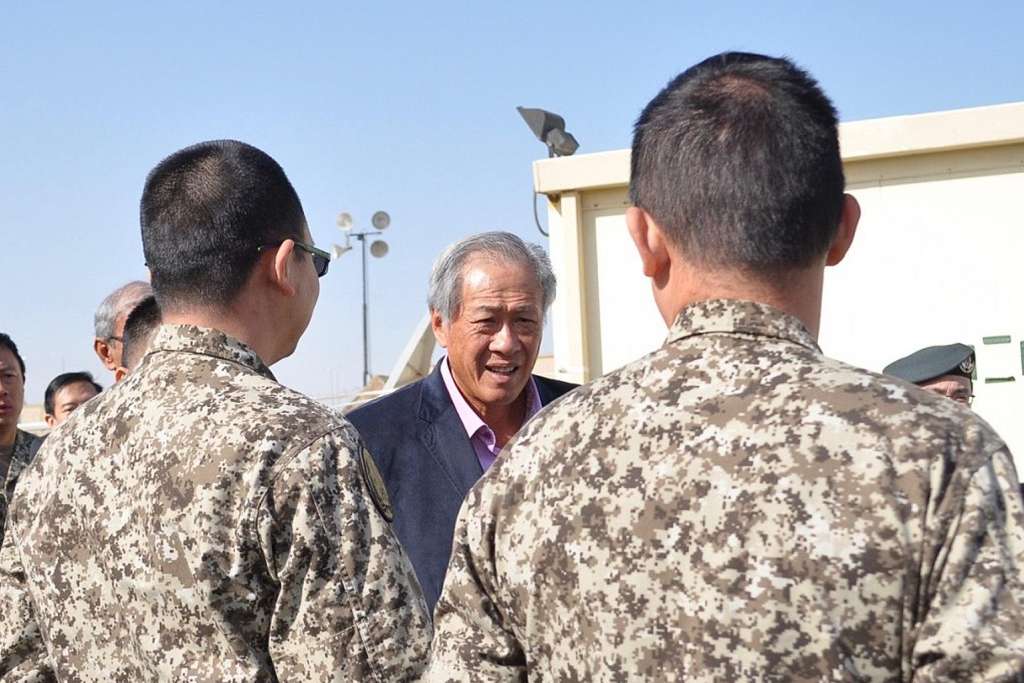
Singapore Armed Forces (SAF) troops deployed in Kuwait are doing valuable work that protects Singaporeans and Singapore, by helping to disrupt the operations of terror group ISIS (Islamic State in Iraq and Syria), Defence Minister Ng Eng Hen said yesterday.

“All of us recognise that unless you attack terrorism at the source, you will not be able to… stop them from exporting terrorism,” he said after visiting the SAF’s 11-man Imagery Analysis Team that has been supporting the counter-ISIS coalition at the Combined Joint Task Force Headquarters.

Dr Ng was in Kuwait on his way to Bahrain for the International Institute for Strategic Studies Manama Dialogue, where he will speak.

Since an international coalition against ISIS started in 2014, its footprint has shrunk significantly, and coalition forces are trying to liberate key cities and bring them back for mainstream governments, Dr Ng said. The SAF team turns raw images into useful intelligence products, the Defence Ministry noted.

Dr Ng said the team’s morale is very good, and commanders were deeply appreciative of their work.

He added: “They know this job they are doing here is very serious and what they do here protects Singaporeans and Singapore. We will continue to add other contributions that we deem beneficial for this fight against terror.”

Joanna Seow


This article was first published on Dec 10, 2016.
Get a copy of The Straits Times or go to straitstimes.com for more stories.

Image: 
Category: 
Blurb: 
<p>Singapore Armed Forces (SAF) troops deployed in Kuwait are doing valuable work that protects Singaporeans and Singapore, by helping to disrupt the operations of terror group ISIS (Islamic State in Iraq and Syria), Defence Minister Ng Eng Hen said yesterday.</p>
Publication Date: 
Saturday, December 10, 2016 – 15:00
Send to mobile app: 
Source: 


Story Type: 
Others

Source link

Worker dies in fall at Sembawang construction site

0

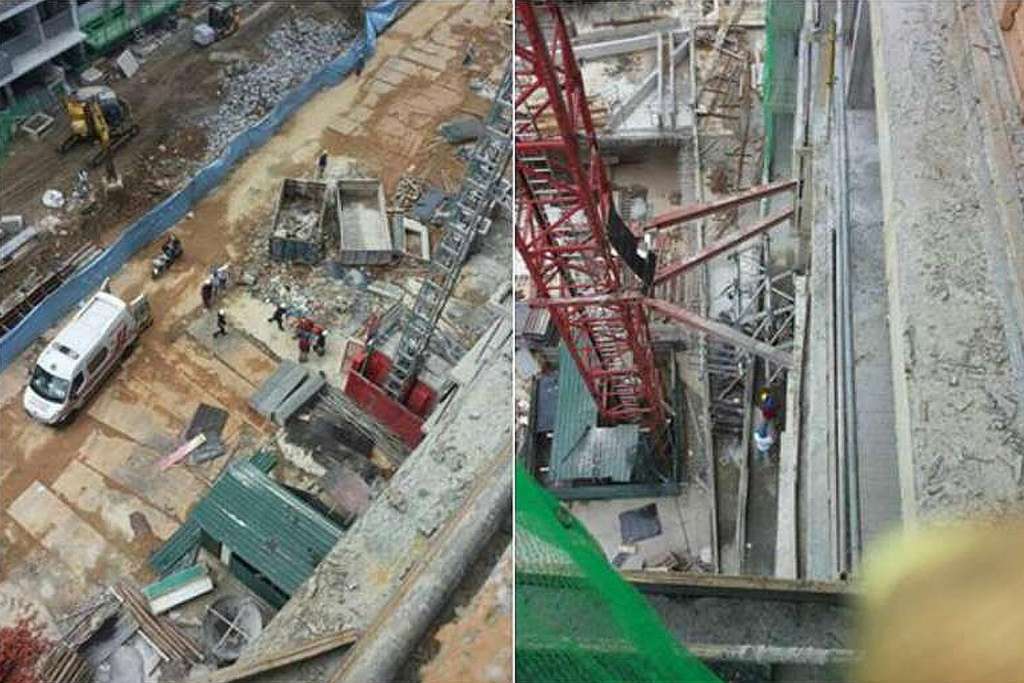
A construction worker fell to his death at a Sembawang worksite yesterday, the 63rd workplace death this year.

A Ministry of Manpower (MOM) spokesman said preliminary findings indicate that the 47-year-old man was working on a formwork that fell off the building, and he fell with it.

Police said they were alerted to “a case of unnatural death” at the construction site located at the junction of Sembawang Road and Canberra Road at 9.46am yesterday.

The worker was pronounced dead at the scene. The police are investigating the incident.

The Singapore Civil Defence Force sent an ambulance to the scene.

The MOM spokesman said officers from the ministry’s Occupational Safety and Health Inspectorate responded immediately and have started investigations.

A full stop-work order has been issued on the site.

According to MOM, there have been 63 workplace deaths to date this year. There were 66 fatalities last year.

It has been reported that the construction sector had the highest casualty rate.

A report published in September by the Workplace Safety and Health Institute said falls continued to be the most common cause of fatalities at work.

Chew Hui Min


This article was first published on Dec 10, 2016.
Get a copy of The Straits Times or go to straitstimes.com for more stories.

Image: 
Category: 
Blurb: 
<p>A construction worker fell to his death at a Sembawang worksite yesterday, the 63rd workplace death this year.</p>
Publication Date: 
Saturday, December 10, 2016 – 15:00
Send to mobile app: 
Source: 


Story Type: 
Others

Source link

Why must trains move slower on rainy days?

0

Reader Gabriel Tham wrote in to ask: “Why do MRT trains have to move slower when it rains? Road users drive slower for safety reasons, but why trains?”

Senior transport correspondent Christopher Tan answers.

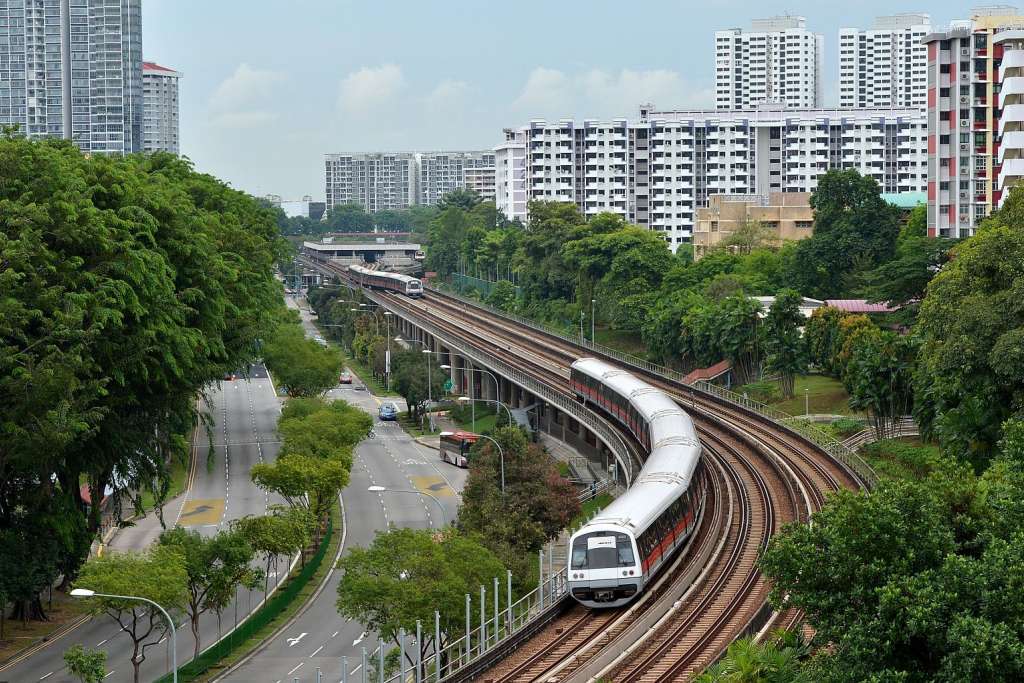
MRT trains go slower when it rains for safety reasons too.

However, the weather has an impact only on trains running on surface lines. This is because, when it rains, the tracks get wet. And trains require a longer braking distance when the tracks are wet – just like land vehicles on wet roads. To compensate for the longer stopping distance, trains go slower.

The rain does not affect underground lines. But operators might at their discretion adjust scheduling of such lines, to cater for the slower arrivals of surface trains at interchange stations on wet days.

The train network is like a giant living organism – what happens to one part will have an effect, no matter how small, on other parts. The commuter does not always feel this ripple effect unless it is major.


This article was first published on Dec 10, 2016.
Get a copy of The Straits Times or go to straitstimes.com for more stories.

Image: 
Category: 
Blurb: 
<p>MRT trains go slower when it rains for safety reasons too.</p>
Publication Date: 
Saturday, December 10, 2016 – 15:00
Keywords: 
Send to mobile app: 
Source: 


Story Type: 
Others

Source link

CAAS hopes affected SIA flights to Jakarta can be restored

0

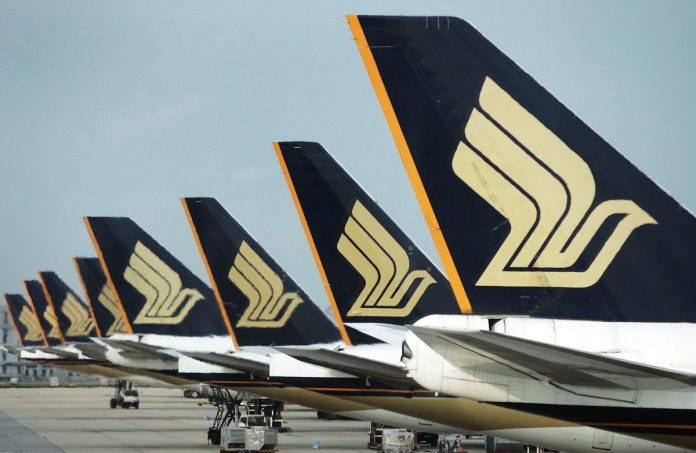
The Singapore aviation authorities say they hope flights by Singapore Airlines affected by a runway upgrade at Jakarta’s main airport can be restored, while a new route to Sydney from the Indonesian capital can start as soon as possible.

In a statement yesterday, the Civil Aviation Authority of Singapore (CAAS) said it has asked for more details from the Indonesian authorities on how the runway upgrading has affected the airport’s capacity and other carriers.

It added that it hopes to receive the information quickly so it can find ways to reschedule SIA’s services “without the need for any cancellations”.

The Indonesian civil aviation authorities had requested that SIA temporarily adjust the frequency of its weekly services on the Singapore-Jakarta route from 63 to 58 with effect from Dec 1. The airline had been operating 63 weekly services on the route since July 2013.

SIA had also delayed the launch of a new route linking Singapore, Jakarta and Sydney, which CAAS said would have facilitated people and trade flows between these cities.

This was because of work being done at Soekarno-Hatta International Airport to reinforce its North runway.

Indonesia’s state-owned airport operator Angkasa Pura II told The Straits Times last month that the upgrading was aimed at allowing wide-body aircraft such as the Boeing 777 to carry a maximum load.

Mr Agus Haryadi, corporate secretary and head of legal affairs at Angkasa Pura II, also said the upgrading work would affect 51 flights, but some of those services – by Garuda Indonesia, Lion Air, Wings Air and Batik Air – were diverted to the South runway.

Garuda and Lion Air, however, said at the time that they were not affected by the maintenance work.

The Indonesian embassy in Singapore confirmed in a letter published in The Straits Times Forum page yesterday that Garuda, Emirates, Oman Air, Jetstar Asia Airways, Sriwijaya Airlines, Lion Mentari Airlines, MY Indo Airlines and Batik Air are affected.

“We hope that the runway maintenance works will be completed expeditiously, and that the impact on airlines will be fairly distributed across all carriers,” said the CAAS statement.

Singapore and Indonesia were each other’s biggest source of tourist arrivals in 2015. CAAS said the two countries “have a long and deep relationship at all levels and enjoy mutually-beneficial cooperation in many areas including in the aviation and tourism sectors”.

“Both governments also have a common interest in strengthening and expanding air connectivity to facilitate tourism, investment and business linkages,” said CAAS.


This article was first published on Dec 10, 2016.
Get a copy of The Straits Times or go to straitstimes.com for more stories.

Image: 
Blurb: 
<p>The Singapore aviation authorities say they hope flights by Singapore Airlines affected by a runway upgrade at Jakarta's main airport can be restored, while a new route to Sydney from the Indonesian capital can start as soon as possible.</p>
Publication Date: 
Saturday, December 10, 2016 – 13:00
Keywords: 
Send to mobile app: 
Source: 


Regions: 
Country: 
Story Type: 
Others

Source link

Candle revolution: How candles led to Park’s impeachment

0
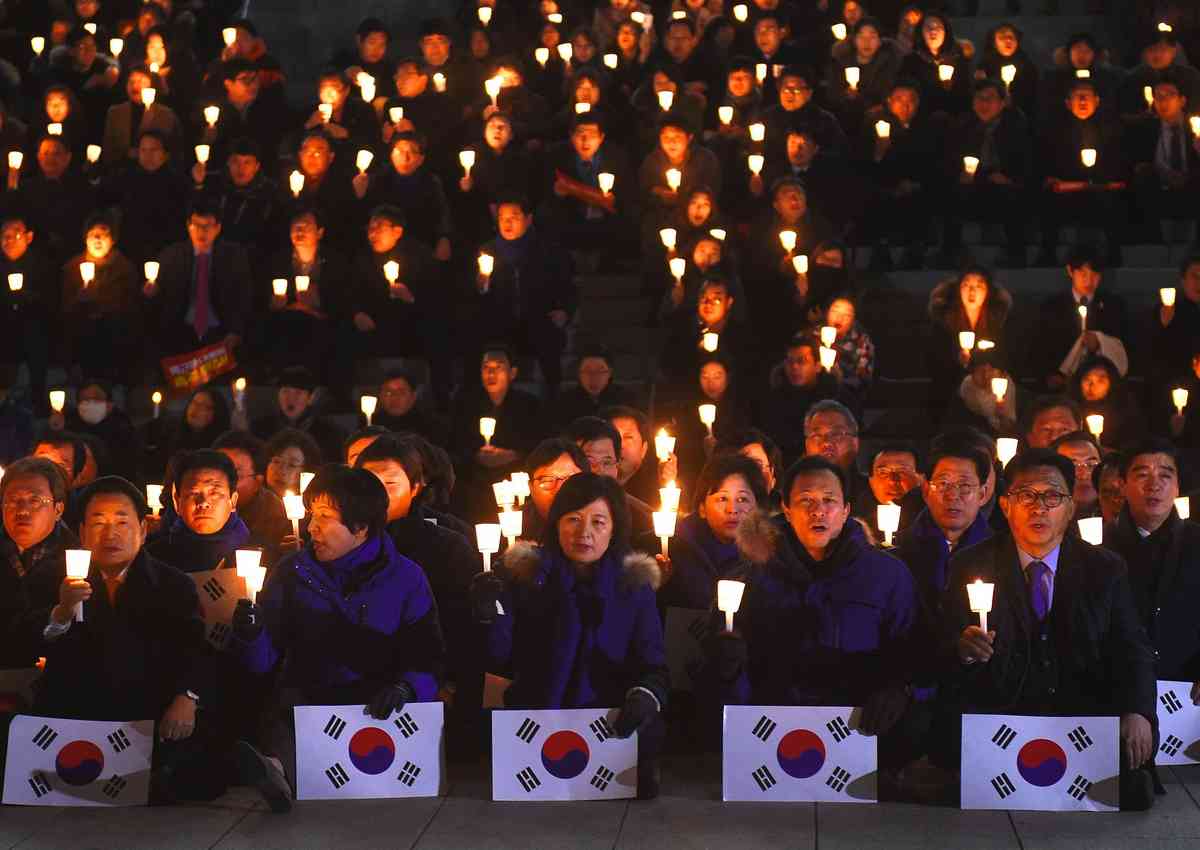
Protesters hold candles and banners calling for the resignation of South Korea's President Park Geun-Hye during an anti-government rally in central Seoul on November 19, 2016. Tens of thousands of protestors rallied in Seoul on November 19, for the fourth in a weekly series of mass protests urging President Park Geun-Hye to resign over a corruption scandal. / AFP PHOTO / JUNG YEON-JE


The parliament on Friday voted to impeach President Park Geun-hye, bringing her presidency to the brink of collapse.

The impeachment was a victory for many of South Koreans who have taken to the streets for the past six weeks in massive street rallies to demand her resignation.

It was the candle-holding protesters who unwaveringly demanded Park’s immediate removal ever since the scandal broke in late October and pushed lawmakers to cast ballots to impeach her.

“Parliamentary impeachment of Park wouldn’t have happened if citizens didn’t light up their candles,” said former Rep. Moon Jae-in of the main opposition Democratic Party of Korea, referring to the large-scale candlelight vigils held nationwide every Saturday demanding Park’s resignation.

“South Koreans are writing a new history today, with the candles. The parliament’s impeachment of Park is the beginning of a great civil “candle” revolution that will lead our country into a better future.”

The first anti-Park candlelight vigil was relatively small, but grew with each passing week as more Koreans became enraged by the series of revelations implicating Park in the scandal and her refusal to step down.

The first protest was held on Oct. 29, a few days after local TV channel JTBC found a discarded tablet PC, supposedly owned and used by Choi, which contained files of Park’s photos, presidential speeches and policy drafts.

The president made an apology a day later, saying she sought advice from Choi, who had previously helped her through difficult times, on public speeches. She rejected other accusations, saying she knew nothing about Choi’s alleged influence-peddling and embezzlement of public funds.

As her apology fell short of clarifying suspicions, the first protest in central Seoul drew about 30,000 people. They voiced anger towards Park’s friend Choi Soon-sil who, despite holding no government post and having no policy background, manipulated power from behind the scenes.

At that time, the protestors, mostly unaffiliated citizens who came with their family and friends, demanded the truth from the president. Only a few called for her resignation.

The following week, Park reshuffled her Cabinet and presidential staff to diffuse public anger. But such actions were only seen as clinging to power amid the spiraling scandal.

A day before the second rally on Nov. 5, Park made a second apology, saying she would accept prosecutorial questioning and an independent counsel investigating her. But she insisted that all she did was for the sake of the country’s economy and people’s livelihoods.

At that time, the opposition bloc didn’t campaign for Park’s departure from office. Its stance was that a new, neutral Cabinet should be formed and Park should relinquish some of her presidential power to it.

The second protest on Nov. 5 saw a nearly ten-fold increase in participants. Some 200,000 flocked to Gwanghwamun Square, vehemently calling for Park’s resignation.

Startled by the massive outpouring of public fury, opposition parties leaned towards removing Park from office.

The third rally came on Nov. 12, attracting up to 1 million people in central Seoul.

It was the biggest rally in decades since the country’s democratization in the late 1980s. It was also the first time that protestors were allowed to get as close as 200 meters to the presidential palace of Cheong Wa Dae.

Since the Nov. 12 rally, politicians from opposition parties have joined protesters on the streets, calling for Park’s ouster. The ruling Saenuri Party started to falter, with the pro-Park leadership and defiant rebels clashing over what to do with the embattled leader.

Despite the large-scale rally, Park was still seen fighting back resignation calls, appointing a new culture minister and ordering the prosecution to thoroughly investigate a lobbying scandal involving a real estate development project in the southern city of Busan.

Then came the fourth weekend rally on Nov. 19, which attracted 960,000 people at 60 locations across the nation.

Protestors were further angered by signs of President Park refusing to step down and a remark by Rep. Kim Jin-tae, one of the staunch loyalists of Park in the ruling Saenuri Party: “The candles are blown out when wind blows.”

A day after the rally, public prosecutors investigating the scandal named the president a suspect in the influence-peddling scandal and accomplice to Choi Soon-sil and her presidential aides on charges of extorting donations from local conglomerates.

Breaking her earlier promise, the president refused to respond to the face-to-face questioning by the prosecution through his lawyer, saying it is politically “biased.”

Days before protestors gathered again for the fifth anti-Park rally, all three opposition parties — the Democratic Party of Korea, People’s Party and Justice Party — declared a campaign to impeach Park.

Then the rally on Nov. 26 set a new record — 1.9 million participants across the country. By this day, Park’s approval rating had slipped to an abysmal 4 per cent, according to a Gallup Korea poll.

Stung by the undying public censure, pro-Park loyalists within the ruling Saenuri Party came up with a plan in which the president steps down in April, allowing the next presidential election to be held in June.

The emboldened opposition set Dec. 2 as the impeachment vote day.

In her third apology on Nov. 29, just days before the crucial vote on her fate, the president offered to give up her presidency, but only in accordance with a schedule and legal procedure that the rival parties agree on.

Park’s offer was a veiled jab at her foes and it did succeed to an extent in shaking the pro-impeachment coalition. The impeachment vote was delayed, as Saenuri lawmakers who had earlier supported the opposition-led motion changed their mind.

It was again the people who showed up in even bigger numbers to lash out at both Park for refusing to resign and the lawmakers for so far failing to remove her from office.

An estimated 2.32 million people poured onto the streets in the sixth rally on Dec. 3, making it the largest protest in the nation’s history.

The rally forced the grey-zone lawmakers within the ruling Saenuri Party to switch sides again and rejoin forces to oust Park.

The decision led to the passage of the impeachment motion on Friday, which many see as a triumph of people’s power.

“If the public had not taken to the streets in large numbers like this, the lawmakers would have not moved to pass the impeachment motion,” Lee Byoung-hoon, sociology professor from Chungang University, told The Korea Herald.

“It was South Korean people who forced lawmakers to end their political power game, listen to the public and join forces to remove President Park from office,” he said, adding it was an opportunity for South Korean democracy to mature.

“From now on, rallies should evolve into a platform for the public not only to vent anger, but to reveal problems and find the solutions in society,” he said.


Image:
Category:
Publication Date:
Saturday, December 10, 2016 – 12:16
Keywords:
Send to mobile app:
Source:

Story Type:
Others

Source link

South Koreans gather for candlelight vigil to celebrate impeachment

0
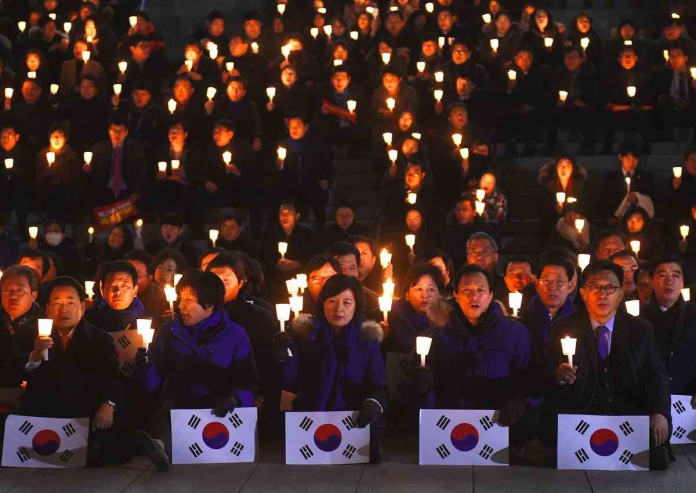
Lawmakers and members of South Korea's main opposition Democratic Party hold candles at a protest urging the impeachment of President Park Geun-Hye at the National Assembly in Seoul on December 8, 2016. South Korea's parliament on December 8 introduced an impeachment motion against Park, ahead of a vote seeking her ouster over a corruption scandal that has riveted the country and paralysed her administration. / AFP PHOTO / JUNG Yeon-Je


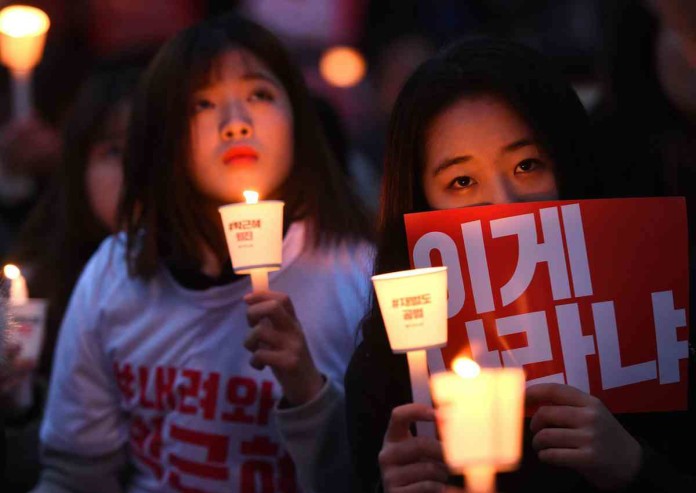
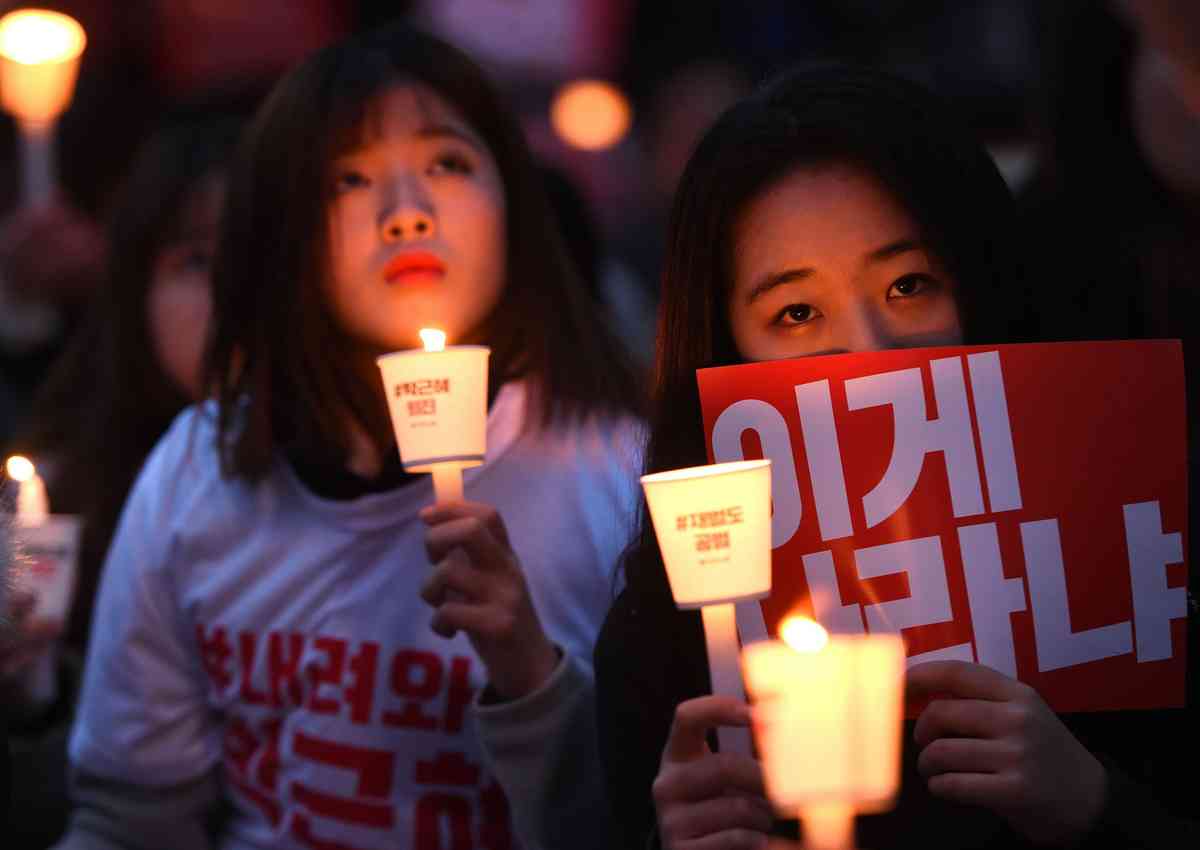
As in previous weekends, many South Koreans are expected to gather in central Seoul with candles, this time to celebrate the impeachment of Park Geun-hye.

Rally organizers said Friday that this Saturday’s candlelight vigil, the seventh against President Park since a scandal involving her confidante erupted late October, will be a festive event with lots of cultural performances, stand-up comedy and displays of satirical messages.

The messages will centre on demanding President Park immediately step down and calling for the Constitutional Court to make a decision rapidly.

As in previous rallies, participants will completely surround the presidential office from several locations starting from 4 p.m. The main event is scheduled for 6 p.m. in its seventh massive street rally against Park.

Upon the announcement of Park’s impeachment on Friday, some protestors who have gathered in front of the National Assembly shouted “The impeachment motion was passed!” The area near the front gate of the Assembly building turned into an outdoor festival on Friday afternoon.

An estimated 20,000 people erupted in cheers and stood up to share the historic moment, shouting “We won!” Some shed tears, others expressed joy by dancing to music and taking pictures with the Assembly building in the background.

“I am extremely happy. It is a touching moment. We clearly showed Park Geun-hye and political elites what could happen to them if they ignore us,” Kim Kyung-ja, 50, told The Korea Herald right after the news was delivered.

“We have a long fight ahead against the Park administration’s flawed policies like labour market reforms, state-issued history textbooks and agreement on comfort women,” she said, jumping up and down in joy.

Among the most relieved were the bereaved families of the Sewol ferry, who have fought long to reveal truth behind the tragedy that took away the lives of more than 300 people in April in 2014.

“It is a big relief. I think my daughter Soo-jin helped the motion to be passed from heaven. I thank her,” said Kim Jong-ki, who lost her 17-year-old daughter in the maritime disaster. “The Constitutional Court should rule in favour of the motion so that we can finally find the truth about the cause of the ferry disaster.”

The president has come under fire for the administration’s botched rescue efforts to save the victims, with questions growing over what she did for seven hours while the ferry sank.

After minutes of celebration, protestors pledged to continue their candlelight rallies to fix the political, social and economic structure to root out injustice, inequality and corruption in the society. They demand a thorough probe and stern punishment for Park, her friend Choi Soon-sil and ex-presidential aides such as Woo Byung-woo and Kim Ki-choon involved in the influence-peddling scandal.

“I expected Park Geun-hye to be impeached to some extent. The impeachment is only a beginning of structural reforms ranging from dissolution of the ruling Saenuri Party to punishment of family-owned conglomerates,” said Heo Woo-jin, 25. “I will join the rally on Saturday at the Gwanghwamun Square to call for the Constitutional Court to immediately make a decision on the impeachment.”

As the motion was passed with the approval of 234 lawmakers from the 300-seat National Assembly, the fate of her presidency is left up to the Constitutional Court. It reviews the motion and should make a ruling within 180 days.

“People won. We won. Following the June democratic uprising in 1987, we opened a new chapter of this country’s democracy,” said Seoul Mayor Park Won-soon before the crowds at the front gate of the Assembly building. “Park Geun-hye should immediately resign without waiting for the Constitutional Court’s decision.”

Civic groups also welcomed the passage of the impeachment motion.

An association of 1,500 civic groups demanding Park’s resignation and holding candlelit protests every weekend called it a “reasonable result.”

“The passage of the motion is a precious achievement of people who have taken to the streets and held up candles. We took a jab at opportunistic politicians only caring out their interests. President Park said she would not step down despite the passage of the impeachment motion, which is a declaration of war on Korean people,” they said in a statement. “So we will light more candles.”

laeticia.ock@heraldcorp.com

Image:
Category:
Publication Date:
Saturday, December 10, 2016 – 12:07
Send to mobile app:
Source:

Story Type:
Others

Source link

Park Geun-hye: From dictator’s daughter to disgraced president

0


From the first child of a slain dictator to the nation’s first female president and now the epicenter of the country’s worst political fiasco, the life of Park Geun-hye has had many turns.

Park taking on her first public role in South Korea happened as dramatically and abrupt as ever; with the assassination of her mother Yuk Young-soo, wife of former president Park Chung-hee.

The death of Yuk to a bullet meant for her husband and president called for then-22-year-old Park to take on the role as the first lady. It was then when Park developed a close relationship with Choi Tae-min, a cult leader who claimed to be a messenger of her deceased mother.

After the assassination of her father in 1979, Park Geun-hye left the presidential palace of Cheong Wa Dae. In years that followed, Park kept Choi close, while running an educational foundation named after Yuk.

Her relationship with Choi would become the source of lurid rumours that would haunt her throughout her political career, and her friendship with Choi’s daughter — Choi Soon-sil — would later explode in what is believed to be the worst political scandal in the country’s history.

‘Queen of elections’

Since leaving Cheong Wa Dae, Park lived in seclusion for 18 years until she joined the Grand National Party — the forerunner of the now-ruling Saenuri Party. Park was elected to the parliament on the GNP ticket in 1998.

As a politician, she enjoyed solid support from voters nostalgic for her father whose 18-year rule saw the economy making a meteoric rise dubbed “the Miracle on the Han River.”

She earned a nickname, “queen of elections,” after 2004 general elections, in which she led the then-crushed GNP into a surprising performance.

Elected as the party leader in the month before the election, Park decided to relocate the party’s head office into a makeshift tent in a symbolic move to apologise for an illegal funding scandal it was involved in.

The election was widely expected to be a nail in the coffin for the GNP, but when the dust cleared on April 15, 2004, the GNP exceeded expectations by winning 121 of 299 parliament seats — there are currently 300 seats.

Uri Party won the majority for the first time in its history with 152, but it was rather underwhelming as strong public support had it once shooting for 200-plus seats.

It was the first in a line of successful election campaigning that later became a core asset to the “queen of elections.”

Rise to top office and downfall

In August 2012, Park became the presidential candidate for the Saenuri Party.

Her presidential campaign was marked by questions about her past — her relation with the self-proclaimed pastor Choi who by that time had already passed away.

Many people also raised questions if a daughter of a dictator can be president of a democratic society.

But Park eventually defeated the liberal candidate Moon Jae-in in a close race to become the first female president in Korean history in February 2013.

One of the worst incidents during Park’s tenure was the sinking of ferry Sewol in April 16, 2014. The tragedy left 304 dead or missing, and the lackluster rescue effort had ultimately revealed a network of connections between the civic and public sectors.

It sparked the administration to launch a pan-government anti-corruption task force headed by the Prime Minister’s Office.

Park’s time in office has been marked by a deteriorating relationship with North Korea. Pyongyang’s new leader Kim Jong-un — who took power after his father’s death in 2011 — repeatedly snubbed international regulations and conducted more ballistic missile launches than his father did in his 17 year-reign.

The administration also indefinitely postponed the transfer of wartime operation control from the US military to Korea, citing stronger military alliance against North Korea.

Other notable incidents during her tenure include the disputed decision to disband the far-left Unified Progressive Party in 2014, an outbreak of Middle East Respiratory Syndrome in 2015 and the controversial decision to reinstate the state-authored history textbooks in the same year.

But the biggest bang came in 2016, when it was revealed that Park’s civilian friend Choi Soon-sil had access to classified documents and is believed to have siphoned public funds via nonprofit foundations.

Prosecutors believed that Park conspired with Choi and her former aides, and an independent counsel, Park Young-soo, is expected to investigate whether or not the money raised by local corporations for Choi’s foundations amounted to bribery for Park’s inner circles.

The scandal led to Park’s impeachment on Friday. If the Constitutional Court endorses it, she will be the first president of Korea to be removed by the parliament.

Image:
Category:
Publication Date:
Saturday, December 10, 2016 – 12:03
Keywords:
Send to mobile app:
Source:

Story Type:
Others

Source link