One-Michelin-starred Chinese restaurant Summer Palace and the Regent Hotel’s banquet kitchen have had their food hygiene grade lowered to a “C”, after 43 people fell ill from eating there last November.
In a statement on the National Environment Agency’s (NEA) website, it said guests suffered from symptoms of gastroenteritis, or what is commonly known as “stomach flu”, after eating food provided from Summer Palace and the banquet kitchen on Nov 11, 2017.
Following the food hygiene demotion on Jan 29, NEA said it will be reviewing their status again in a year, while keeping the premises under surveillance.
The two establishments previously received an “A” food hygiene rating according to NEA’s website.
Summer Palace, which specialises in Cantonese cuisine, received its one Michelin star last year.
SINGAPORE: In 2004, when brothers Phil and Cedric Ho started Highlander Coffee to supply coffee machines to establishments, they also offered options to loan the machines.
Mr Phil Ho recalled an incident in which a steakhouse decided to lease a fully automatic coffee machine, which does everything from grinding coffee to brewing the beverage.
“Instead of keeping the brand new machine in the bar area, it kept it in the kitchen where it was hot and moist,” Mr Ho said.
“When we took back the machine, we found cockroaches inside it. It was moist and comfortable, like a resort for them.”
The issue of cockroaches making a home inside coffee machines was highlighted in a Guardian article over the weekend. It described how a couple in the UK found their S$2,200 De’Longhi contraption infested with baby cockroaches. The article quoted one manufacturer as saying “cockroaches inside coffee machines is a reality. A disgusting reality”.
Closer to home, pest exterminators and coffee machine suppliers said the problem is more common at food and beverage outlets and office pantries, and rarely occur in espresso machines for home use.
FULLY AUTOMATIC MACHINES ARE A “RESORT” FOR COCKROACHES
Mr Ho said his company has ceased the loan of coffee machines to establishments, and only sells them now.
According to him, cockroach infestations are limited to establishments that use fully automatic machines, rather than the professional espresso machines seen at many cafes. This is because fully automatic ones operate using thermoblock technology instead of having boilers.
“Those machines used by professional baristas are very unlikely to have cockroaches because the boilers inside are huge and very, very hot,” Mr Ho said.
“Any cockroach that lands on one of the metal pieces inside will probably be fried. But the fully automatic ones do not have boilers, and are not very hot. So the cockroaches will go inside, make a home and have a good time.”
A cockroach monitoring trap that was left under a coffee machine. Coffee machine suppliers say infestations are common inside fully automatic coffee machines. (Photo: PestBusters)
Based on his experience, many hotels use fully automatic coffee machines, although some boutique hotels do purchase the bigger boiler-type machines from his company. Fully automatic machines are also commonly placed in office pantries.
“If the office pantry is not well-designed and is moist and not well ventilated, I suspect you will also find cockroaches inside those machines.”
AMERICAN COCKROACHES IN HOMES TOO BIG TO HIDE INSIDE COFFEE MACHINES
A servicing agent for a home coffee machine brand said it had never encountered the problem of cockroaches inside its machines before.
Indeed, two local pest control companies Channel NewsAsia spoke to said the problem is far more common at commercial establishments.
AntiCimex Southeast Asia said that while the company has not seen cockroach infestations in home coffee machines, it has treated machines at food and beverage outlets.
PestBusters also confirmed that coffee machines are one of the common areas its staff inspect as part of their pest management services at food and beverage outlets. He suggested that around 40 per cent of the commercial coffee machines that they check are infested.
“German cockroaches are commonly found at F&B outlets and they are small enough to hide inside these coffee machines,” its director for technical and client services Eugene Surendra said.
When asked why coffee machine infestations in homes are rare in Singapore, Mr Surendra explained that the commonly found species of cockroaches in homes here is different.
“In countries like the US and UK, where it’s colder, these German cockroaches may be dwelling in homes,” Mr Surendra said.
“But in Singapore homes, American cockroaches are more common. Not only are they too big to hide inside these machines, but the environment inside a coffee machine is also not something they would prefer.”
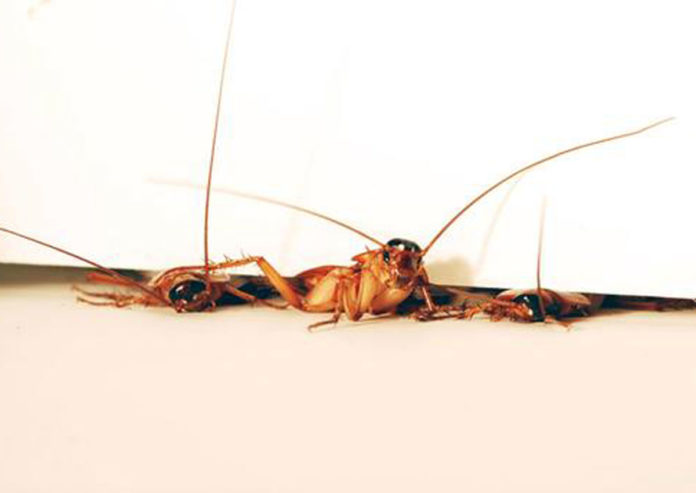
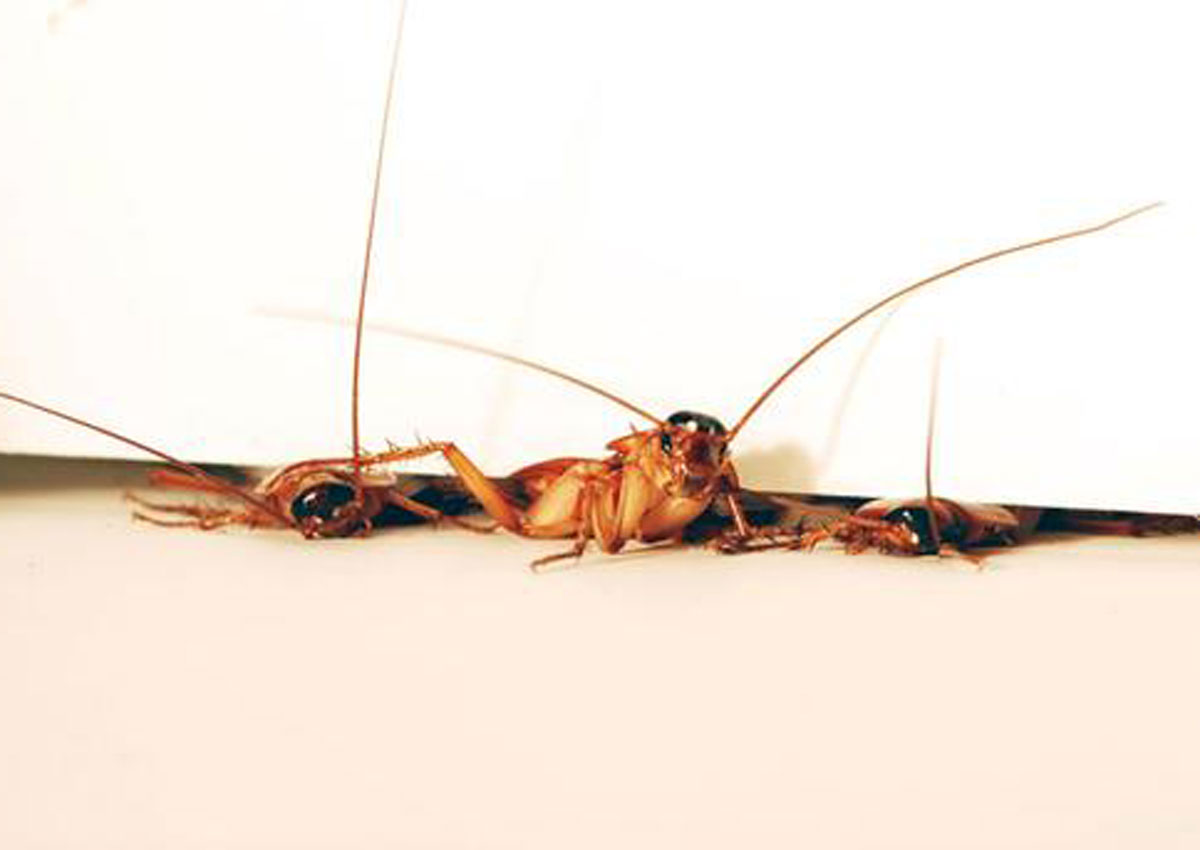
American cockroaches and not German cockroaches, such as the one seen here, are more common in local households. The bigger American cockroaches are also less likely to hide inside home coffee machines. (Photo: PestBusters)
MACHINES INSPECTED AT LEAST ONCE A MONTH AT ESTABLISHMENTS
PestBusters said it inspects coffee machines at its clients’ establishments at least once a month. Once an infestation is detected, it will get the outlet to call in the coffee machine’s servicing technician to dismantle it. That is when a gel bait is applied with a syringe directly where the infestation is.
“Cockroaches that consume the gel will be killed directly, but there is also the secondary poison, when other cockroaches that feed on the dead cockroach will also be poisoned,” AntiCimex’s general manager of merger and acquisitions Andrew Chan said.
To ensure that coffee machines are free from infestations, Mr Ho said they should be placed in well-ventilated areas such as on the bar countertop instead of in the kitchen. He said staff should also avoid placing leftover food in the vicinity of the coffee machine.
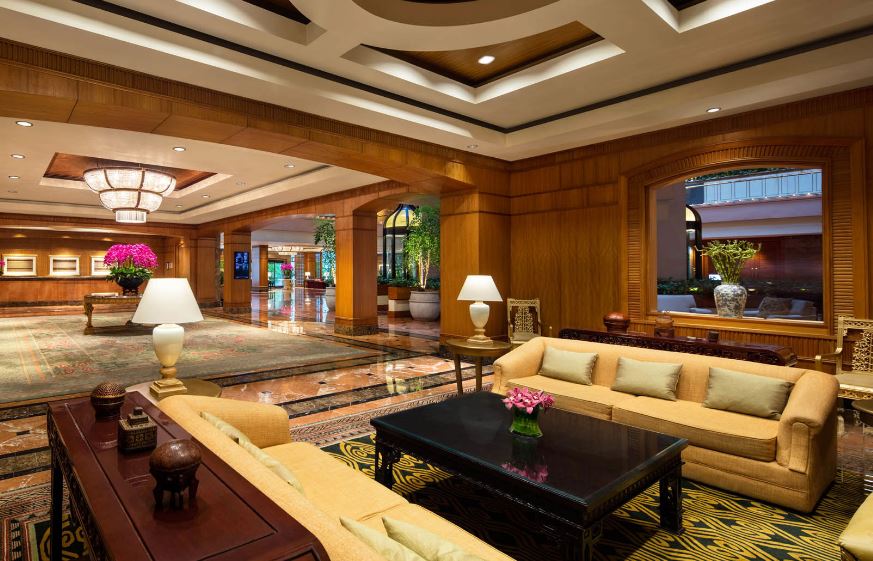
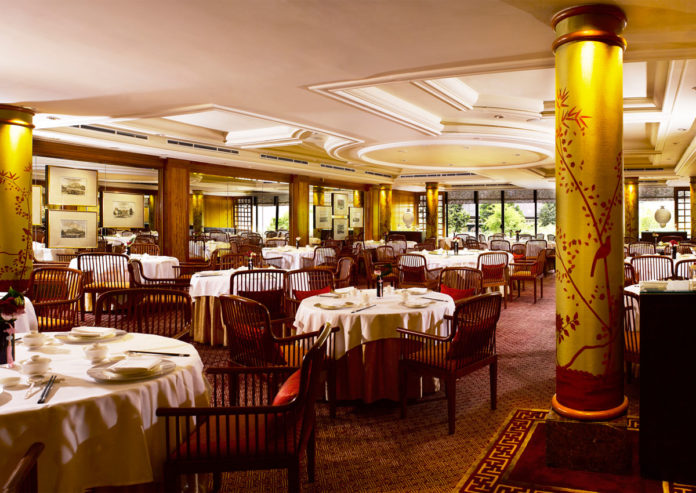
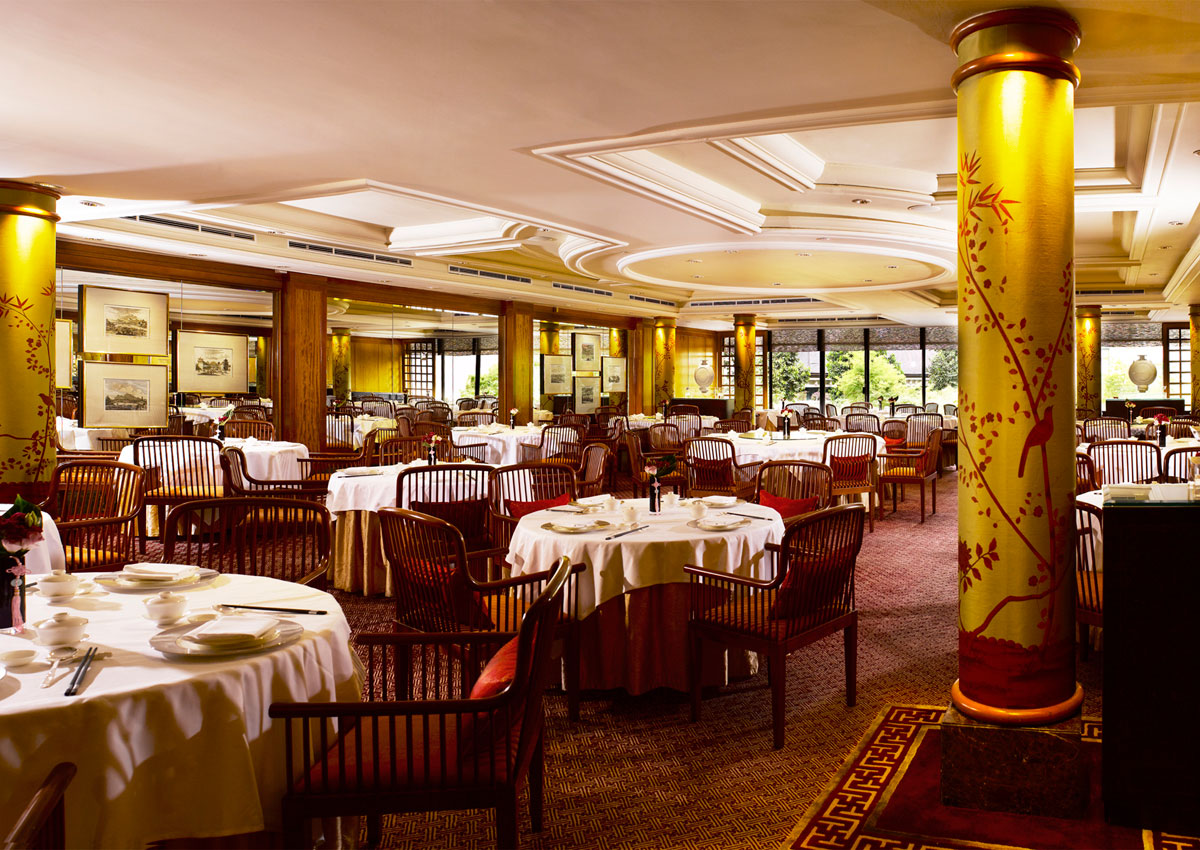
Michelin one-star Cantonese restaurant Summer Palace and the five-star hotel’s banquet kitchen previously had “A” grades for food hygiene.
Michelin one-star Cantonese restaurant Summer Palace previously had an “A” food hygiene grading. (Photo: Regent Hotels)
(Updated: )
Bookmark
SINGAPORE: The food hygiene grades of Summer Palace restaurant and Regent Singapore’s banquet kitchen were downgraded to “C” on Monday (Jan 29) after dozens of patrons came down with food poisoning.
The National Environment Agency (NEA) said in an advisory that a total of 43 people who ate food from the establishments on Nov 11 last year had stomach flu – or gastroenteritis – symptoms.
The food hygiene grade of the establishments will be reviewed in 12 months’ time, and NEA will keep the premises under surveillance in the meantime, the authority added.
Michelin one-star Cantonese restaurant Summer Palace is located in Regent Singapore, a five-star hotel along Cuscaden Road. Both the restaurant and the hotel’s banquet kitchen previously had an “A” grading for food hygiene, according to NEA’s website.
Channel NewsAsia has reached out to Regent Singapore for comment.
SINGAPORE: In 2004, when brothers Phil and Cedric Ho started Highlander Coffee to supply coffee machines to establishments, they also offered options to loan the machines.
Phil Ho recalled an incident in which a steakhouse decided to lease a fully automatic coffee machine, which does everything from grinding coffee to brewing the beverage.
“Instead of keeping the brand new machine in the bar area, it kept it in the kitchen where it was hot and moist,” Mr Ho said.
“When we took back the machine, we found cockroaches inside it. It was moist and comfortable, like a resort for them.”
The issue of how cockroaches like to make a home inside coffee machines was highlighted in a Guardian article over the weekend. It described how a couple in the UK found their S$2,200 De’Longhi contraption infested with baby cockroaches. The article quoted one manufacturer as saying “cockroaches inside of coffee machines is a reality. A disgusting reality”.
Closer to home, pest exterminators and coffee machine suppliers said discerning coffee drinkers who buy espresso machines for home use can breathe a sigh of relief, as the problem is more common in food and beverage outlets and office pantries.
FULLY AUTOMATIC MACHINES ARE A ‘RESORT’ FOR COCKROACHES
Mr Ho said his company has ceased loaning coffee machines to establishments, and only sells them. Even so, he said a potential cockroach infestation is limited to establishments that use fully automatic machines rather than professional espresso machines seen at many cafes.
That is because fully automatic ones operate using thermoblock technology instead of having boilers.
“Those machines used by professional baristas are very unlikely to have cockroaches because the boilers inside are huge and very, very hot,” Mr Ho said.
“Any cockroach that lands on one of the metal pieces inside will probably be fried. But the fully automatic ones do not have boilers, and are not very hot. So the cockroaches will go inside, make a home and have a good time.”
A cockroach monitoring trap from under a coffee machine. Coffee machine suppliers say infestations are common inside fully automatic coffee machines but rare inside the professional machines found in cafes. (Photo: PestBusters)
Mr Ho said that based on experience, many hotels tend to use fully automatic coffee machines, although some boutique hotels do purchase the bigger boiler-type machines from his company. Fully automatic machines are also commonly placed in office pantries.
“If the office pantry is not well-designed and is moist and not well ventilated, I suspect you will also find cockroaches inside those machines.”
AMERICAN COCKROACHES IN HOMES TOO BIG TO HIDE INSIDE COFFEE MACHINES
Indeed, two local pest control companies Channel NewsAsia approached said the problem of cockroaches hiding inside coffee machines is common. But both said they’re more commonly seen at commercial establishments rather than domestic machines.
A servicing agent for a home coffee machine brand said it had never had been approached to get cockroaches out of one of their devices.
Andrew Chan, who is General Manager of AntiCimex Southeast Asia’s Merger and Acquisitions Department, said while his company has never been approached to treat coffee machines in homes for cockroach infestations, it has treated coffee machines at food and beverage outlets.
PestBusters’ director for technical and client services, Eugene Surendra also confirmed that coffee machines are one of the common areas staff inspect as part of their pest management services at food and beverage outlets. He suggested that around 40 per cent of the commercial coffee machines that they check are infested.
“German cockroaches are commonly found at F&B outlets and they are small enough to hide inside these coffee machines,” Mr Surendra said.
When asked why coffee machine infestations in homes are rare in Singapore, Mr Surendra explained that the commonly-found species of cockroach in homes here is different.
“In countries like the US and UK, where it’s colder, these German cockroaches may be dwelling in homes,” Mr Surendra said.
“But in Singapore homes, American cockroaches are more common. Not only are they too big to hide inside these machines, but the environment inside a coffee machine is also not something they would prefer.”
American cockroaches and not German cockroaches, such as the one seen here, are more common in local households. The bigger American cockroaches are also less likely to hide inside home coffee machines. (Photo: PestBusters)
MACHINES INSPECTED ONCE A MONTH AT LEAST AT ESTABLISHMENTS
PestBusters said it inspects coffee machines at its clients’ establishments at least once a month. Once staff detect an infestation, they will get the outlet to call in the coffee machine’s servicing technician to dismantle it. That is when a gel bait is applied with a syringe directly where the infestation is.
“Cockroaches that consume the gel will be killed directly, but there is also the secondary poison, when other cockroaches that feed on the dead cockroach will also be poisoned,” Mr Chan added.
To ensure that coffee machines are free from infestations, Mr Ho said they should be placed in well-ventilated areas such as on the bar counter top instead of the kitchen. He said staff should also avoid placing leftover food in the vicinity of the coffee machine.
SINGAPORE: Singapore is moving full speed ahead with its Smart Nation focus, and in the run up to Budget 2018, we have seen increased discussion around the need for companies to go digital.
For example, the Singapore Chinese Chamber of Commerce and Industry’s (SCCCI) 2017 Annual Business Survey released last October revealed that small- and medium-sized enterprises were concerned with cost and resource constraints that created barriers in their adoption of e-commerce in the digital economy.
Discussion has also centred on the disruption digitalisation is creating in the marketplace.
Digitalisation however, does not equate digital transformation.
We often use the terms interchangeably, but true digital transformation requires a much broader outlook, a complete end-to-end overhaul. You must consider the surrounding ecosystem – from designers and manufacturers to suppliers, partners and customers.
For this reason, HP recently opened our new Asia Pacific and Japan Campus, and Smart Manufacturing Applications and Research Centre (SMARC) supported by the Economic Development Board of Singapore.
SMARC is designed to help transform HP’s supplies manufacturing processes by leveraging digital technologies including additive manufacturing (3D printing), advanced robotics and large-scale data analytics.
The Singapore campus and SMARC are reflections of our drive to constantly reinvent the way we work to enhance productivity, boost efficiency, and transform business.
This transformation goes beyond technology and processes. It is also a state-of-mind: The willingness to adapt and be open to change.
People cross a street in Singapore’s central business district. (Photo: Sutrisno Foo)
Once we understand this mindset, the Smart Nation goal of empowering people with technology to lead meaningful and fulfilled lives will become more tangible.
The Singapore Government has actively promoted digital transformation and the application of technology to support automation, increase productivity and accelerate research.
Last October, Minister for Trade and Industry (Industry) S Iswaran announced the Industry Transformation Map for Singapore’s electronics sector, with the aim of achieving a manufacturing value-add of S$22.2 billion and creating 2,100 new jobs for professionals, managers, executives and technicians by 2020.
Moves like these suggest that while the creation of new jobs is beneficial, successful digital transformation necessitates that potential employees must have the requisite skills to perform in these new roles.
THE NEW BUZZWORD: UPGRADING
While there are numerous ways businesses can leverage Smart Nation initiatives, developing talent is of particular importance.
Companies and organisations may computerise processes and move to online transactions and cloud-based services to become more efficient and effective.
Yet research by the World Economic Forum has reported that on average, by 2020, more than one-third of in-demand core occupational skill-sets will be comprised of skills that are not yet considered crucial to jobs today.
This means that fixating on the implementation of new technologies is inadequate. Instead, we need to ensure that our talent is constantly upskilling in tandem – and if possible, pre-emptively – in this ever-changing environment.
The Government has invested in numerous initiatives such as upgrading programmes like SkillsFuture, professional conversion programmes and partnerships with educational institutions that equip citizens with workplace-ready ICT skills.
Digital literacy has become a fundamental skillset. Now we have to progress beyond digital literacy to digital mastery – utilising Artificial Intelligence, Internet of Things, and data analytics to inform business strategy and customer engagement.
We need to make progress from gaining digital literacy to possessing digital mastery. (Photo: Pixabay)
At an organisational level, digital mastery of these tools will give companies a competitive edge, improve customer experience, drive efficiency and drive profit. And as we master these, we need to keep a look-out for what comes next.
The bottom line is that there is no final destination. The finish line is continuously redrawn as the technological landscape changes.
THINK, WORK BEYOND BORDERS
Singapore’s workforce needs overseas experience to differentiate itself. Results from a survey conducted by International Enterprise (IE) Singapore in 2016 revealed that Singapore companies face a lack of talent with global experience.
With its well-educated workforce, geographic, cultural and linguistic advantages, Singapore may have had a head start as a regional business hub.
However, professionals in China and India are rapidly developing language and managerial skills. They are also demonstrating far greater willingness to take up overseas assignments, deepening their geographic exposure, giving them a leg up in regional and global roles.
But Singaporeans are still well-positioned to compete. Singapore acts as a global interchange for talent, allowing workers to develop an international point of view and leadership skills through collaborating within diverse teams.
To further develop their leadership capacity, Singaporean talent must venture beyond local borders.
Overseas study and internship experience are good starting points, but the willingness to explore must extend into one’s long-term career path.
While businesses and the Government should consider different ways to encourage workers, in-country work experience in markets outside of Singapore should be seriously considered and pursued by professionals for the workforce to remain competitive, as well as for their own personal development.
Mr Foo Tiang Lim, currently the operating partner of seed-stage venture capital firm SeedPlus, described the NUS Overseas College programme as a “life-changing” experience for him. (Photo: Tang See Kit)
A NEW APPROACH FOR A NEW REALITY
Ensuring the workforce is nimble, diverse and future-ready is the responsibility of the Government, employers and employees alike. The ways in which we approach both business objectives and talent development must address the new reality.
At HP, our culture is rooted in adopting a “growth mindset” – the idea that talent is not an innate trait, but rather something that can be nurtured and developed.
As a forward-looking organisation it is imperative that we keep this in mind, encouraging employees to take risks, venture into uncharted territory and continually seek to improve.
There will be many obstacles that governments, organisations and individuals face as technology evolves, but a true Smart Nation is one that can stand up to these challenges and rise to meet them head on.
Richard Bailey is President of the Asia Pacific and Japan region at HP.
Dressed in white and accompanied by five fellow female artists, pop singer Kesha took the spotlight at the Grammys on Sunday to deliver a powerful ballad as part of the Time’s Up movement to end workplace sexual harassment.
Kesha, 30, who has been battling her former record producer Dr. Luke for years in US courts over allegations of emotional and sexual abuse, performed her defiant single “Praying”alongside Cyndi Lauper, Andra Day, Camila Cabello, Bebe Rexha and Julia Michaels and an all-female choir.
Dr. Luke has repeatedly denied Kesha’s allegations.
Actress and musician Janelle Monae introduced Kesha, calling for the music industry as a whole to “create safe work environments, equal pay and access for all women.” “We come in peace but we mean business. And to those who would dare try to silence us, we offer you two words: Time’s up,” Monae said as the audience applauded.
The Time’s Up movement was launched by more than 300 Hollywood industry figures earlier this month in response to sexual assault and harassment allegations against powerful men in entertainment, politics and other fields.
“It’s not just going on in Hollywood or in Washington. It’s right here in our industry as well. Just as we have the power to shape culture, we also have the power to undo the culture that does not serve us well,” Monae said.
“Praying” is the lead single from “Rainbow,” Kesha’s first album in five years following her bitter legal fight over her record contract.
“You brought the flames and you put me through hell; I had to learn how to fight for myself,” Kesha sang.
The singer broke down in tears at the end of her performance and hugged the artists accompanying her on stage.
Host James Corden, with tears in his eyes, said, “Music often resonates more than the spoken word ever could.”
Kesha, Cyndi Lauper and Bebe Rexha perform “Praying”.Photo: Reuters
SUPPORT, BUT NO AWARD
Despite the rousing reception, Kesha was passed over for the awards. She was not nominated in major categories and came up short for the two pop prizes for which she was in the running. Both “Praying” and “Rainbow” were nominated for Grammy awards this year but lost to Ed Sheeran’s “Shape of You” song and “Divide” album in the pop categories.
Some artists considered the lack of Grammys a snub. Rising young pop singer Daya said that Kesha’s performance left her in tears.
“‘Praying’ is a beautiful song in meaning and delivery and should’ve been a no brainer” for a Grammy, Daya tweeted.
“Praying” was the lead single off Kesha’s third album “Rainbow,” a lush work with mournful piano and strings, and lyrical explorations about her struggles with self-image.
The sound was a far cry from the light, dance-pop hits that launched Kesha’s career such as “Tik Tok” and “Die Young.” Before the Grammys, Kesha tweeted that she was nervous to perform, adding: “I needed this song in a very real way.” “If you need it, I hope this song finds you,” she wrote.
SOLIDARITY BY ROSES
In another sign of support for #MeToo movement, attendees including pop superstar Lady Gaga wore white roses in solidarity with survivors of abuse and in a call for gender equality.
“Time’s up,” Lady Gaga, who has confided her own experience of assault, whispered from her piano bench in between ballads.
The rapper Logic later issued a passionate call for women’s rights at the close of his suicide prevention song, “1-800-273-8255.” Women, he declared, “are stronger than any man I’ve ever met.” “And unto them, I say stand tall and crush all predators under the weight of your heart that is full of the love they will never take away from you.”
A brave girl decided not to escape with her mother and stayed back to warn over six households after a fire broke out in a unit within her block.
The incident happened at Block 169 Hougang Avenue 1 on Friday (Jan 26) at around 10.05pm, and the affected unit was a 4-room flat on the 2nd floor.
Over 100 residents living on the 2nd, 3rd, 4th, and 5th floor were evacuated during the fire.
Ms Hong Meiqi, 18, who lives in an apartment above the affected unit said she heard explosions and rushed down to take a look.
She was shocked to see billows of thick black smoke coming from the stairs and immediately rushed home to inform her mother.
The two attempted to flee, but Ms Hong thought that some of her neighbours may not know about the impending disaster, and decided to stay behind to warn them.
Said Ms Hong who has stayed at the block her whole life:
“We are very close to our neighbours, and we always help out one another.”
The Institute of Technical Education (ITE) student said that she was aware that there was a 90-year-old granny in a wheelchair who would have trouble evacuating the block as her children were still at work.
Not knowing how she could help, Ms Hong called the police instead.
Officers arrived at the scene within five minutes, and carried the old lady to safety.
According to Lianhe Wanbao, the fire spread to the corridors from the unit and is believed to have started due to a short circuit from a power socket.
The walls of the corridors leading o the stairs were left charred and blackened by the fire.
In response to media queries, the Singapore Civil Defence Force (SCDF) said that it was investigating the cause of the fire.