Home Blog Page 4465

PM pays tribute to Mr Lee at Cabinet meeting

0

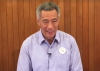
At today’s Cabinet meeting, Prime Minister Lee Hsien Loong and Cabinet members observed a minute of silence to remember Mr Lee Kuan Yew on the first anniversary of his passing. PM Lee also delivered a speech to pay tribute to the late Mr Lee, which was broadcasted as a live video on his Facebook page. 

This is his full speech:

Colleagues,

One year ago today, Mr Lee Kuan Yew passed away. The week of national mourning that followed was a landmark in our nation building, and in developing a Singapore identity. Time passes quickly, and now we are at the first anniversary.

We are marking this day by celebrating Mr Lee’s life and looking forward. Many groups all over Singapore are holding events to commemorate his values and his life work. We are all rededicating ourselves to Mr Lee’s lifelong passion – Singapore.

As we begin our Cabinet meeting today, let us take a moment to remember Mr Lee and what he stood for and did over the years, especially in this very room.

The PAP came into power in 1959. At first, the Prime Minister’s Office was at the City Hall. In 1971, Mr Lee moved his office to the Istana. Cabinet meetings were held in this room. Every week for 40 years, Mr Lee chaired or attended Cabinet here to discuss the issues of the day, and to make decisions that set the course for Singapore.

There is a Chinese saying “运筹帷幄之中,决胜千里之外”. The general sits in his command tent, devising strategies and plans that bring his armies victory a thousand miles away. This Cabinet Room was Mr Lee’s command tent, where issues were examined and debated, decisions were taken, instructions given, and progress tracked.

This was a collective endeavour. Mr Lee was primus inter pares – first among equals.

But the Ministers took active part in Cabinet deliberations. Many know Mr Lee’s public face – his leadership style, his approach to problems, his record of achievements. But few have had the privilege of his Cabinet colleagues, including quite a number of us here today, who worked directly with him, and experienced up close how he ran his Cabinet and Government.

It was an open, interactive, dynamic process, an unforgettable experience for all those who participated in it.

Mr Lee would usually have clear views on the matter under discussion. He would recount the history and the considerations that led us to where we were, so that we kept sight of the context when making fresh decisions.

He was mindful that before removing a fence, one had to understand why it had been put there in the first place. Though he often gave his views up front, he would encourage Ministers with different views to argue their case, and listen to them with an open mind.

One example I remember well was our decision to cut CPF contributions in 1985. During a phase of rapid growth, Mr Lee had systematically built up CPF contributions, eventually raising them to 50% of wages. He had defended this in his usual robust way, against critics who wanted to reduce the CPF to cut costs.

Then we ran into a severe recession. I chaired the Economic Committee, which eventually concluded that our costs had got out of line, and that we did indeed need to reverse policy, to cut the CPF to make the economy competitive again.

Dr Tony Tan, who was the Minister for Trade and Industry, agreed. MTI put up a Cabinet paper proposing to cut the CPF contribution rate from 50 per cent to 40 per cent. Mr Lee listened to our arguments. Then to our surprise he said if you are going to do it, do it properly. 40 per cent is neither here nor there. Make a decisive move, and cut it to 35 per cent. Furthermore, cut only the employer’s contributions. Do not cut employee’s contributions to increase take home pay.

That may sweeten the package, but it will do nothing to make us more competitive.

It was bitter medicine, and we had to work hard to sell it to the unions and workers. But it worked, brought us out of the recession and brought jobs back. It also was an important bonding experience for the younger ministers and population. We learnt a lesson not just in economic management but in political leadership.

As Prime Minister, Mr Lee kept an eagle’s eye on every aspect of Singapore, whether it was the health of our economy, the state of our foreign relations, the trees along the East Coast Parkway, or the cleanliness of the Singapore River. He left nothing to chance.

Yet he knew that he could not control everything personally, and that even more so another Prime Minister would have to govern in a different way. He advised us that one could not use ten fingers to catch ten fleas, quoting Mao. One had to focus on the important things and build a team.

He himself made an enormous effort to ensure that his successors succeeded. Even after he stepped down as Prime Minister, he continued to attend Cabinet meetings as Senior Minister and Minister Mentor.

Most remarkably, three generations of younger ministers benefitted from his experience and insights, his views and concerns, and increasingly his thoughts for Singapore’s future.

So for nearly half a century, here in this room, we had a level of discussion and decision-making that would have been exceptional in any Cabinet room in the world.

Now we are a new team, dealing with a changed world in new ways, but always inspired by Mr Lee’s example and his memory, and holding firm the ethos and values that he stood and fought for.

These will guide us as we in our turn follow the rainbow that Mr Lee himself chased all his life – to build an exceptional nation and to improve the lives of all Singaporeans.

We have so much to be grateful for. Let us observe a minute of silence together.

Cabinet marks 1st anniversary of Lee Kuan Yew’s passing

Live from the Cabinet room: PM Lee and Cabinet members remember Mr Lee Kuan Yew on the first anniversary of his passing(PMO Video by Alex Qiu and Chiez How)#RememberingLeeKuanYew#RememberingLKY

Posted by Lee Hsien Loong on Wednesday, March 23, 2016
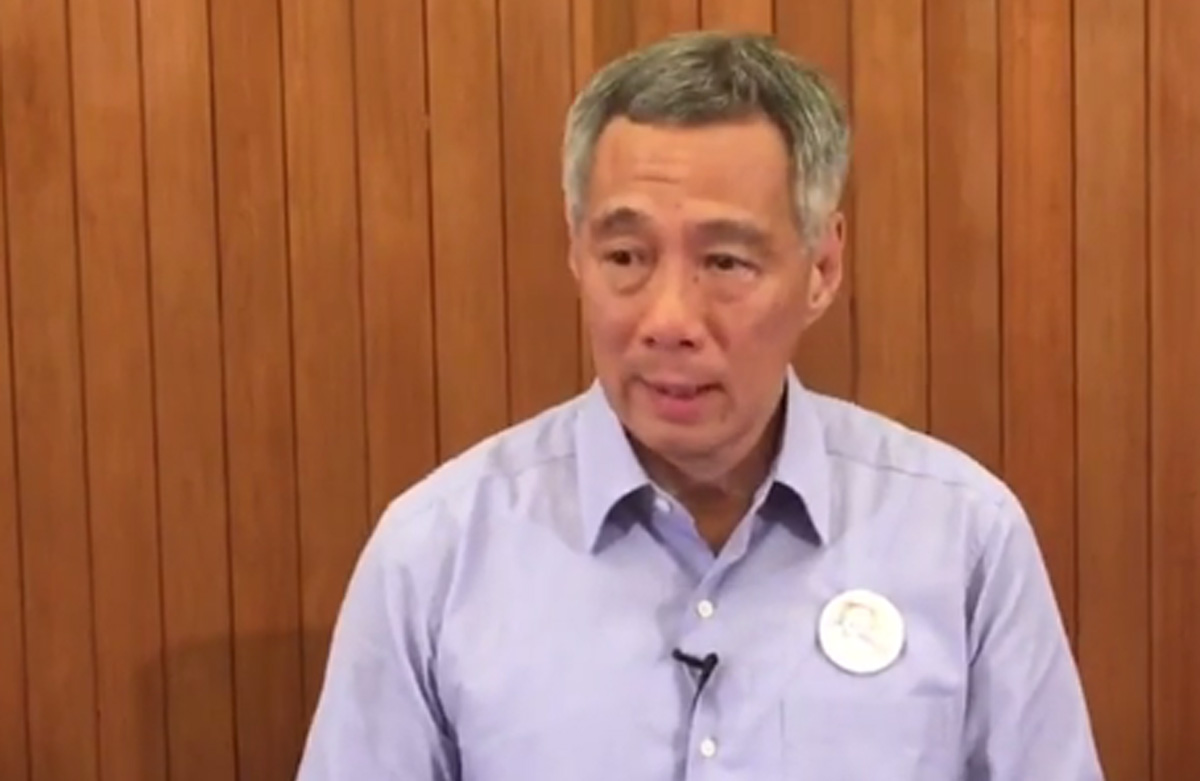
Image: 
Category: 
Publication Date: 
Wednesday, March 23, 2016 – 16:45
Keywords: 
Send to mobile app: 
Source: 


Rotator Image: 
Story Type: 
Others

Source link

PM at Cabinet meeting pays tribute to Mr Lee

0

At Cabinet meeting today, Prime Minister Lee Hsien Loong and Cabinet members observed a minute of silence to remember Mr Lee Kuan Yew on the first anniversary of his passing. PM Lee also delivered a speech to pay tribute to the late Mr Lee, which was broadcasted as a Facebook Live video on his Facebook page. 

This is his full speech:

Colleagues,

One year ago today, Mr Lee Kuan Yew passed away. The week of national mourning that followed was a landmark in our nation building, and in developing a Singapore identity. Time passes quickly, and now we are at the first anniversary.

We are marking this day by celebrating Mr Lee’s life and looking forward. Many groups all over Singapore are holding events to commemorate his values and his life work. We are all rededicating ourselves to Mr Lee’s lifelong passion – Singapore.

As we begin our Cabinet meeting today, let us take a moment to remember Mr Lee and what he stood for and did over the years, especially in this very room.

The PAP came into power in 1959. At first, the Prime Minister’s Office was at the City Hall. In 1971, Mr Lee moved his office to the Istana. Cabinet meetings were held in this room. Every week for 40 years, Mr Lee chaired or attended Cabinet here to discuss the issues of the day, and to make decisions that set the course for Singapore.

There is a Chinese saying “运筹帷幄之中,决胜千里之外”. The general sits in his command tent, devising strategies and plans that bring his armies victory a thousand miles away. This Cabinet Room was Mr Lee’s command tent, where issues were examined and debated, decisions were taken, instructions given, and progress tracked.

This was a collective endeavour. Mr Lee was primus inter pares – first among equals.

But the Ministers took active part in Cabinet deliberations. Many know Mr Lee’s public face – his leadership style, his approach to problems, his record of achievements. But few have had the privilege of his Cabinet colleagues, including quite a number of us here today, who worked directly with him, and experienced up close how he ran his Cabinet and Government.

It was an open, interactive, dynamic process, an unforgettable experience for all those who participated in it.

Mr Lee would usually have clear views on the matter under discussion. He would recount the history and the considerations that led us to where we were, so that we kept sight of the context when making fresh decisions.

He was mindful that before removing a fence, one had to understand why it had been put there in the first place. Though he often gave his views up front, he would encourage Ministers with different views to argue their case, and listen to them with an open mind.

One example I remember well was our decision to cut CPF contributions in 1985. During a phase of rapid growth, Mr Lee had systematically built up CPF contributions, eventually raising them to 50% of wages. He had defended this in his usual robust way, against critics who wanted to reduce the CPF to cut costs.

Then we ran into a severe recession. I chaired the Economic Committee, which eventually concluded that our costs had got out of line, and that we did indeed need to reverse policy, to cut the CPF to make the economy competitive again.

Dr Tony Tan, who was the Minister for Trade and Industry, agreed. MTI put up a Cabinet paper proposing to cut the CPF contribution rate from 50 per cent to 40 per cent. Mr Lee listened to our arguments. Then to our surprise he said if you are going to do it, do it properly. 40 per cent is neither here nor there. Make a decisive move, and cut it to 35 per cent. Furthermore, cut only the employer’s contributions. Do not cut employee’s contributions to increase take home pay.

That may sweeten the package, but it will do nothing to make us more competitive.

It was bitter medicine, and we had to work hard to sell it to the unions and workers. But it worked, brought us out of the recession and brought jobs back. It also was an important bonding experience for the younger ministers and population. We learnt a lesson not just in economic management but in political leadership.

As Prime Minister, Mr Lee kept an eagle’s eye on every aspect of Singapore, whether it was the health of our economy, the state of our foreign relations, the trees along the East Coast Parkway, or the cleanliness of the Singapore River. He left nothing to chance.

Yet he knew that he could not control everything personally, and that even more so another Prime Minister would have to govern in a different way. He advised us that one could not use ten fingers to catch ten fleas, quoting Mao. One had to focus on the important things and build a team.

He himself made an enormous effort to ensure that his successors succeeded. Even after he stepped down as Prime Minister, he continued to attend Cabinet meetings as Senior Minister and Minister Mentor.

Most remarkably, three generations of younger ministers benefitted from his experience and insights, his views and concerns, and increasingly his thoughts for Singapore’s future.

So for nearly half a century, here in this room, we had a level of discussion and decision-making that would have been exceptional in any Cabinet room in the world.

Now we are a new team, dealing with a changed world in new ways, but always inspired by Mr Lee’s example and his memory, and holding firm the ethos and values that he stood and fought for.

These will guide us as we in our turn follow the rainbow that Mr Lee himself chased all his life – to build an exceptional nation and to improve the lives of all Singaporeans.

We have so much to be grateful for. Let us observe a minute of silence together.

Cabinet marks 1st anniversary of Lee Kuan Yew’s passing

Live from the Cabinet room: PM Lee and Cabinet members remember Mr Lee Kuan Yew on the first anniversary of his passing(PMO Video by Alex Qiu and Chiez How)#RememberingLeeKuanYew#RememberingLKY

Posted by Lee Hsien Loong on Wednesday, March 23, 2016
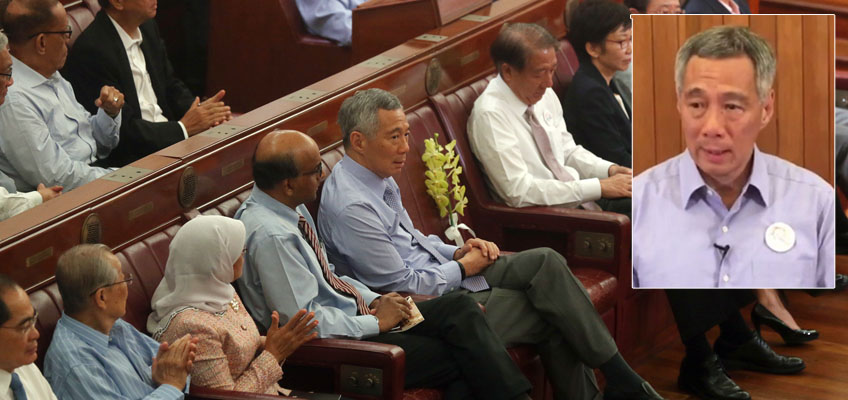
Image: 
Category: 
Publication Date: 
Wednesday, March 23, 2016 – 16:45
Keywords: 
Send to mobile app: 
Source: 


Rotator Image: 
Story Type: 
Others

Source link

Love is in the air for giant pandas Kai Kai and Jia Jia

0

When both bears are ready, they will be taken out of their respective exhibits for three days to allow natural mating in the dens. During this time, visitors to River Safari will not be able to see Kai Kai and Jia Jia in the Giant Panda Forest. 

Source link

Mr Lee Kuan Yew’s lifelong passion was Singapore: PM Lee

0

SINGAPORE – Even after he stepped down as Prime Minister in 1990, the late Mr Lee Kuan Yew continued to attend Cabinet meetings as Senior Minister and Minister Mentor, allowing three generations of younger ministers to benefit from his experience and insights…

Source link

Charge of murdering son, 5, to be amended if Belgian expat pleads guilty

0

March 23, 2016 3:53 PM

SINGAPORE – A Belgian expat accused of killing his five-year-old son in their D’Leedon condominium home will face a reduced charge of culpable homicide should he elect to plead guilty.


Source link

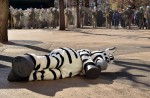
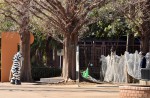
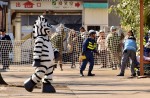
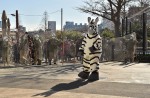
Runaway zebra dies in Japan after golf course police chase

0

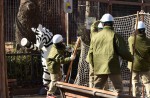
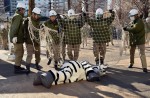
TOKYO – A runaway zebra led police on a dramatic chase across a golf course in Japan, until its bid for freedom ended in death when it collapsed in a water trap.

The creature’s odyssey, which was broadcast live on national television, saw officers in hot pursuit as they tried – in vain – to recapture it alive.

After unsuccessfully attempting to corral the stripy animal, vets shot it with a tranquiliser dart – only to watch as it plunged into a small lake on the golf course.

“It collapsed in the pond, so we hurriedly pulled it ashore, but its heart had already stopped beating,” said Takahiro Taniguchi, a police spokesman in central Gifu.

“Veterinarians performed cardiac massage,” he said, but it was not enough to prevent the “bitter aftertaste” of the animal’s demise.

The zebra had bolted on Tuesday from the Mikuni West Farm in neighbouring Aichi.

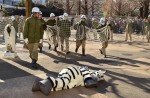
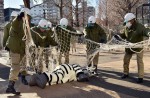
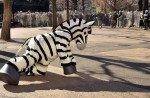
The failed attempt to recapture the creature came just a month after a Tokyo zoo held a drill practising this very eventuality.

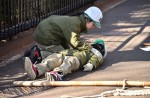
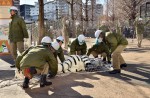
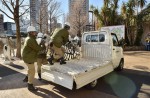
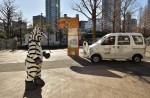
Every year, a zookeeper dresses as an animal and stages an escape, giving colleagues the opportunity to hone their techniques.

This year’s creature was a zebra, which was successfully collared and returned to its pen.

But as if to prove that practice doesn’t always make perfect, this week’s real life response didn’t quite go to plan.

According to Ueno Zoo, which staged the zebra escape drill last month, the animals are easily panicked.

Japan has previously had more success with animal escapes.

In 2012 a penguin on the run from a Tokyo aquarium outwitted authorities for 82 days before being caught.

There were more than 30 sightings of the 60-centimetre (two-foot) bird, known only as Penguin 337, who was spotted around various locations, including swimming in Tokyo Bay.

Image: 
Category: 
Publication Date: 
Wednesday, March 23, 2016 – 15:52
Keywords: 
Send to mobile app: 
Source: 


Story Type: 
Others

Source link

Candidates begin walking the ground

0

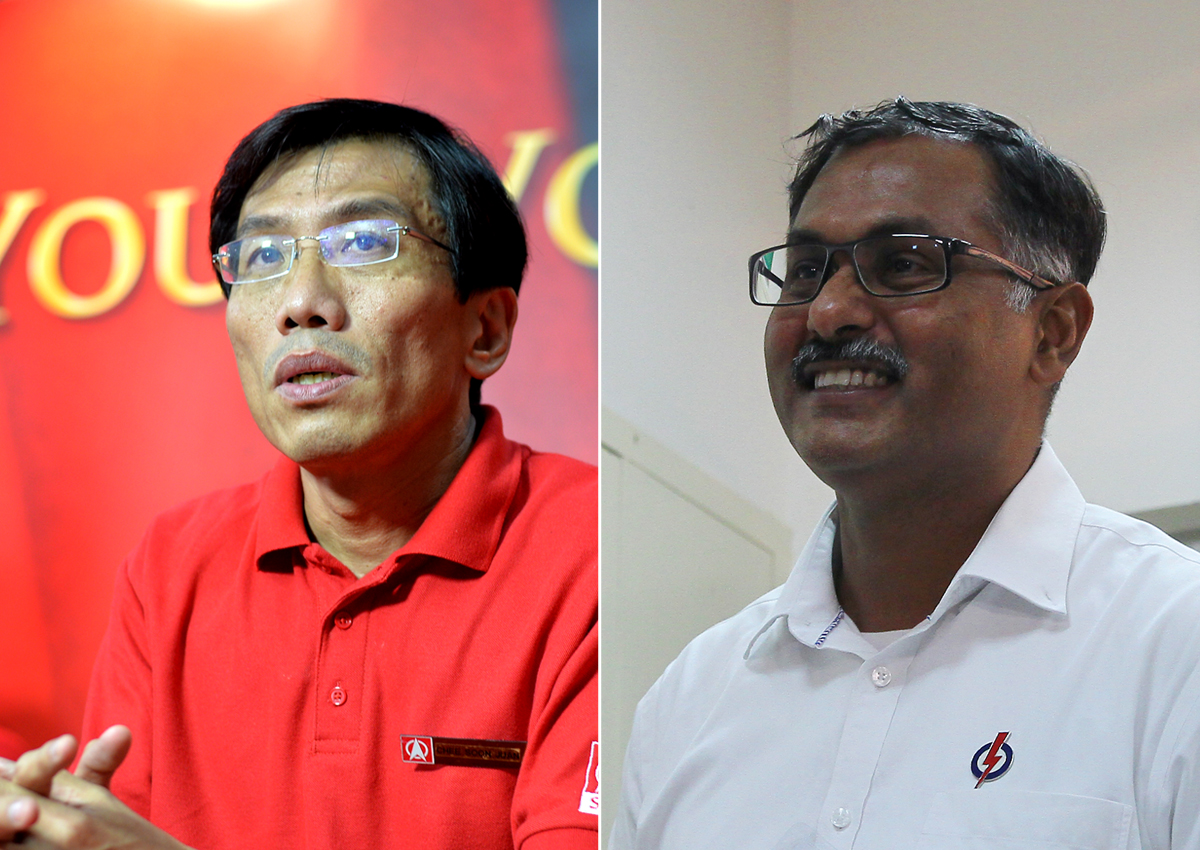
The two candidates for Bukit Batok have begun pounding the streets in the single-member constituency to woo its 27,000 voters.

Both Singapore Democratic Party chief Chee Soon Juan, 53, and People’s Action Party branch chairman Murali Pillai, 48, continued their house visits last night.

Though the date for the by-election has not been announced, both teams say they are trying to cover as much ground as they can in the days and weeks ahead.

The single seat’s 45,000 residents were left without an MP when Mr David Ong resigned over an alleged affair with a grassroots volunteer.

SDP introduced Dr Chee as its candidate on Sunday and the PAP announced Mr Murali, a lawyer, as its pick on Monday.

Yesterday evening, Dr Chee congratulated Mr Murali on being selected when he met reporters ahead of house visits. “He is a very able person to represent the PAP in this by-election,” he said. “I look forward to having a good contest with him.”

Dr Chee said he would speak up on issues like jobs and the poor.

He also said his edge over Mr Murali, a grassroots volunteer in Bukit Batok for over 16 years, is that his would be an alternative voice in a PAP-dominated Parliament.

“I just don’t see how Mr Murali is going to be different from his other 81 colleagues,” he said.

He cited last year’s hepatitis C outbreak at Singapore General Hospital, and noted that officials have not named the people involved, despite there being several deaths.

“There’s been a dearth of accountability and I think that’s where we come in and can make a difference that Mr Murali cannot,” he said.

Dr Chee led the SDP team to contest Holland-Bukit Timah GRC at the 2015 General Election and it won 33.4 per cent of the votes.

The SDP candidate for Bukit Batok, Mr Sadasivam Veriyah, won 26.4 per cent of the votes, while the PAP’s Mr Ong received 73 per cent.

Mr Murali was in the PAP team contesting Aljunied GRC in GE2015 that won 49 per cent of the votes.

He told The Straits Times before house visits yesterday that he had a busy schedule to reacquaint himself with residents. Mr Murali, who was PAP’s Bukit Batok branch secretary before he moved to Paya Lebar ward in 2012, said his focus was to “meet with residents and have some face-time with them”.

“The reception has thankfully been warm, and the more senior people remember me,” he said. “It’s always nice to catch up with them.”

Mr Murali would not be drawn into commenting on his rival, but Emeritus Senior Minister Goh Chok Tong said in a Facebook post: “Murali is humble and not egoistic; sincere and not opportunistic; a committed doer and not a smooth talker; an honest man and not a born-again politician. I will back him anytime.”

Dr Chee said he found it insulting that Mr Goh would use characterisations, and would prefer to focus on the issues.

Retired engineer Lee Yifang, 72, said he backs the PAP, as it has always met his needs, but said PAP MPs had to “learn their lesson and not fool around”.

Another resident, who wanted to be known only as Wu, said: “The PAP has been good with its policies, but it is important to have an alternative voice in Parliament so that real residents’ voices are reflected.”

Residents like salesman Wilson Sng, 46, are undecided: “When these candidates come along, I’ll ask what each of their plans are to reduce the noise coming from the MRT station. Maybe that is what will decide my vote.”

rachelay@sph.com.sg


This article was first published on March 23, 2016.
Get a copy of The Straits Times or go to straitstimes.com for more stories.

Image: 
Category: 
Publication Date: 
Wednesday, March 23, 2016 – 17:00
Send to mobile app: 
Source: 


Story Type: 
Others

Source link

Hot weather may be more frequent, says Met Service

0

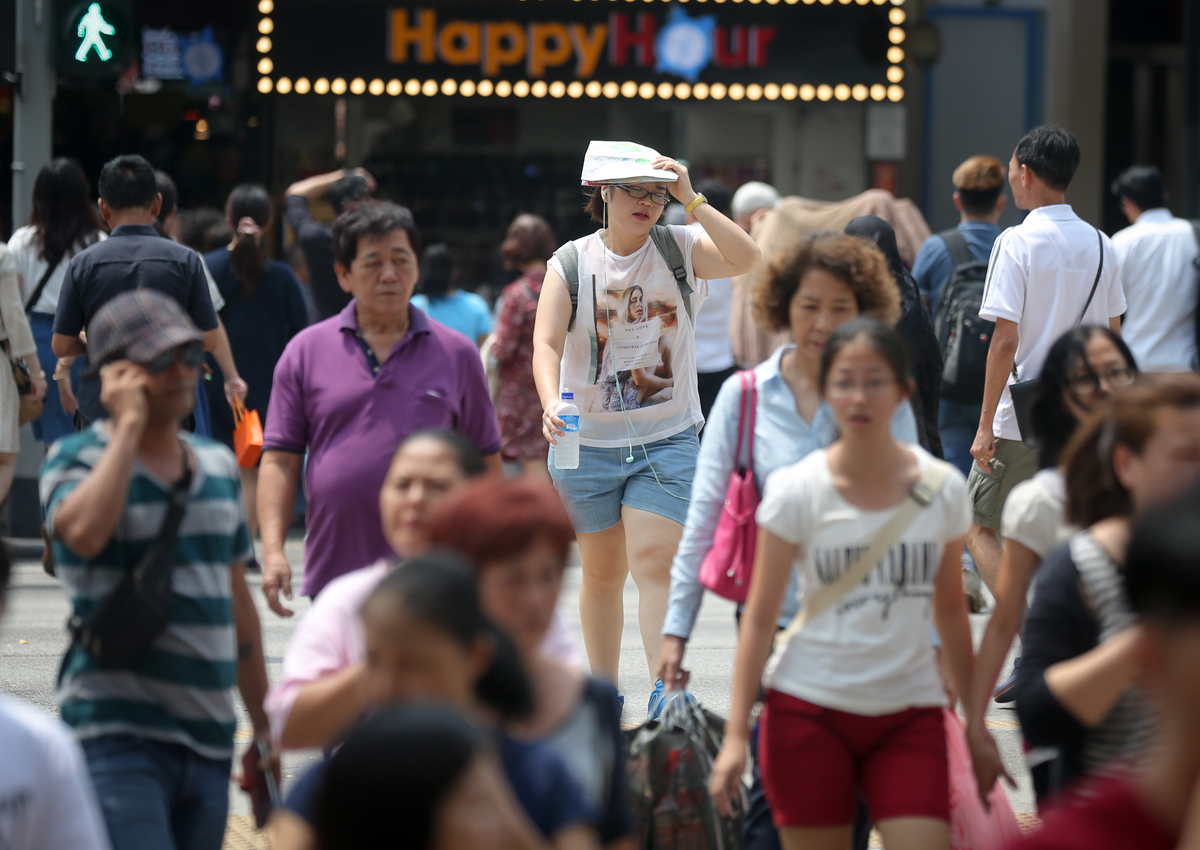
Hotter weather could become more frequent in Singapore, along with more extreme weather fluctuations in the drier and wetter months.

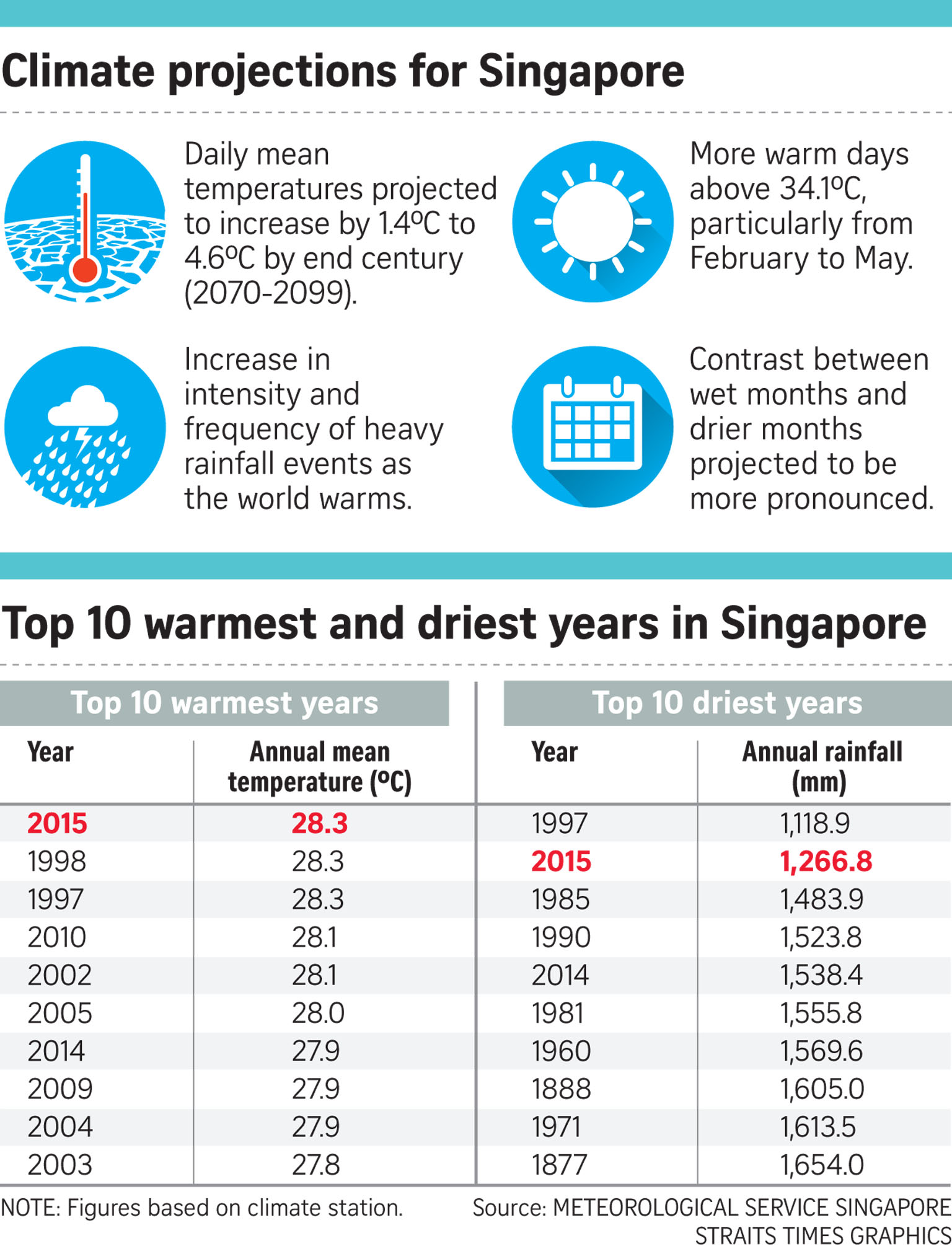
In years to come, there are indications that the daily mean temperatures will rise further, according to an inaugural climate assessment report released by the Meteorological Service Singapore (MSS) yesterday.

The wet periods from November to January and dry months of February and from June to September are projected to get wetter and drier respectively.

Last year, Singapore recorded its joint warmest year, together with 1998 and 1997, with an annual mean temperature of 28.3 deg C. The other seven of the country’s 10 warmest years also occurred in the 21st century.

The higher annual mean temperature set last year was partly influenced by one of the strongest El Nino events on record, particularly in the latter half of 2015.

New monthly records were set for the warmest July and December, and records were equalled for October and November.

The warming trend here has been observed over several decades. The average rise of 0.25 deg C per decade from 1948 to 2015 is higher than the global warming rate of 0.12 deg C for a similar period from 1951 to 2012.

With only 1,266.8mm of rainfall recorded, 2015 was also Singapore’s second driest year after 1997.

The prevailing El Nino, which developed in the middle of last year and is gradually weakening, exacerbated the dry weather conditions in the region, leading to one of the most severe haze episodes here.

The annual report by the MSS, the national authority for weather and climate, provides updates on climate trends over Singapore, and highlights climatic features and weather occurrences that have affected the country during the year. It aims to provide a perspective of Singapore’s current climate situation with that of historical records.

The projections are not surprising, according to experts.

Associate Professor Koh Tieh Yong of SIM University and Assistant Professor Winston Chow of the National University of Singapore’s geography department agreed that these outcomes are likely to take place as long as greenhouse gas emissions continue worldwide from human activity.

Prof Koh said Singapore’s urban build-up does not help the situation, as “concrete city landscapes trap more heat than natural vegetation”. He added that with the dry spells that may occur more frequently by the end of the century, water resource management will be more important for Singapore.

With indications that hotter, drier and wetter conditions are expected, timely weather information will become more important.

In view of this, the MSS also launched a weather mobile application, Weather@SG, yesterday to provide users with access to current conditions at various locations, latest weather forecasts, and warnings of heavy rain and other hazards.

calyang@sph.com.sg


This article was first published on March 23, 2016.
Get a copy of The Straits Times or go to straitstimes.com for more stories.

Image: 
Category: 
Publication Date: 
Wednesday, March 23, 2016 – 17:00
Send to mobile app: 
Source: 


Story Type: 
Others

Source link

Should e-scooter users wear helmets?

0

The death of a well-known member of the electric scooter community has ignited debate over safety precautions for users.

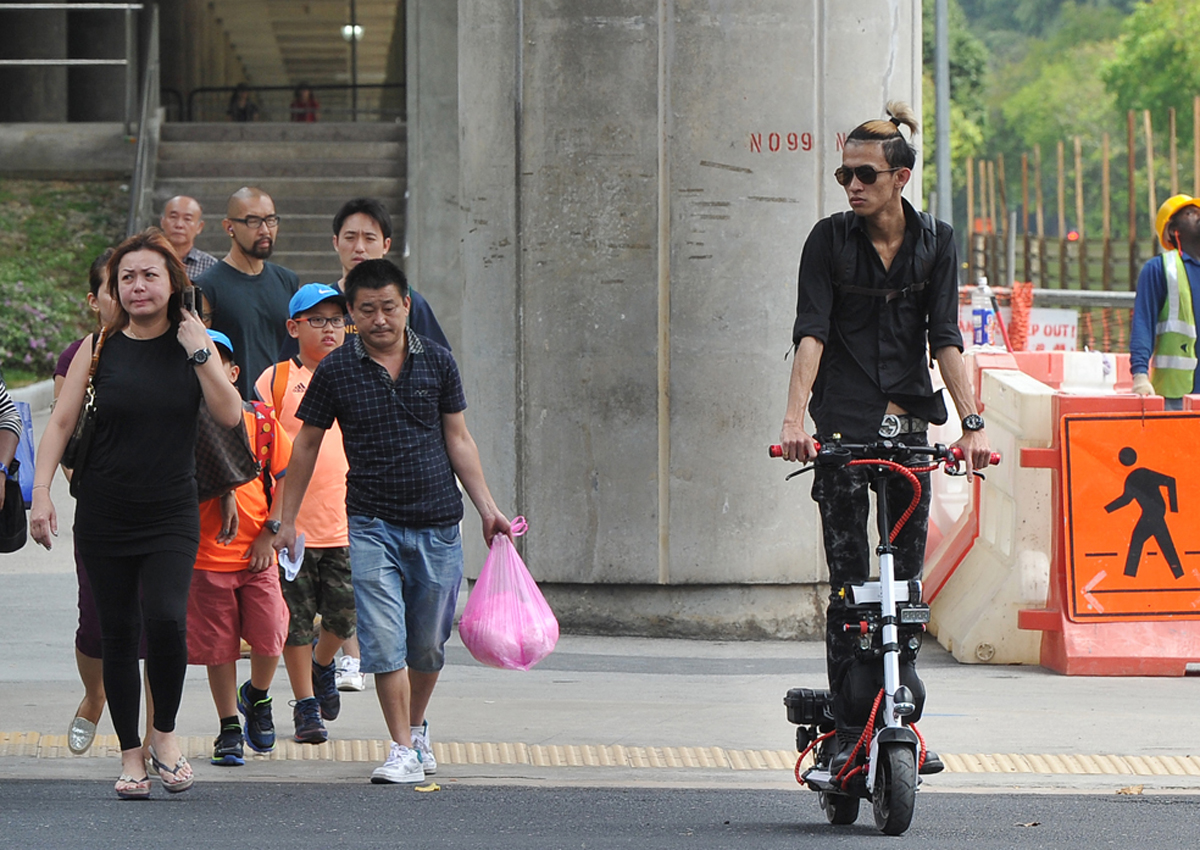
Mr Sam Koh, 23, was riding his e-scooter with two friends in the wee hours of Saturday morning near East Coast Park when he fell and landed on his back. Emergency responders said he was found conscious but in a drowsy state. It is understood he later fell into a coma.

Mr Koh died from severe head injuries on Sunday afternoon in hospital. His case is believed to be one of the rare fatal incidents involving e-scooter users here.

His younger brother, Benson, 22, said Mr Koh was not wearing a helmet but that he was an “expert and experienced rider”. “He would wear a cap when riding – it was the kind with a hard surface,” the full-time national serviceman told The Straits Times at his brother’s wake in Mountbatten yesterday.

Mr Sam Koh worked at Passion Gadgets, a shop selling e-scooters and electric unicycles.

“He would always say it was his passion, how he liked to fix these things,” said the younger Mr Koh. His brother was known in the community as a passionate advocate of the devices.

The freak incident involving one of their own has led some e-scooter users to raise the issue of whether protective gear such as helmets should be worn.

Last week, an expert advisory panel submitted a list of rules and guidelines on e-scooters and mobility devices to the Transport Ministry for consideration. It did not recommend the use of helmets for those using these devices but only for cyclists and users of motorised bicycles riding on the roads.

Experts say wearing a helmet on a slow-moving device like the e-scooter does not have to be made mandatory but individuals should assume personal responsibility for their own safety, and understand the risk they take if they do not wear protective gear.

Advisory panel member Denis Koh, who heads the interest group Big Wheel Scooters Singapore, said the panel decided not to make helmets compulsory because the move could be “intrusive”. “It is a recommended practice, but we decided not to make it mandatory. It would mean that all the aunties and uncles who ride to the coffee shop have to wear helmets too,” he said.

He does use a helmet himself, he said, adding: “Safety should be a personal responsibility.”

Users say the devices typically travel at speeds of between 15 and 25kmh, although more powerful versions can hit speeds of 40kmh.

“I think the risk is very low. I’ve been cycling for 30 years and never fallen and hit my head. The risk is lower on an e-scooter – the centre of gravity is lower and it’s easier to get off,” said Dr Kevin Soh.

Dr Soh, 52, uses his e-scooter daily for the 5km commute to Mount Elizabeth Hospital in town from his home in Bukit Timah. He travels at a speed of about 15kmh, he said.

Education manager Gerald Goh said that while a helmet might be a useful safety precaution, it was also important to stay vigilant while riding. “Riding safely and staying alert to traffic should be of the utmost importance,” said Mr Goh, 35.

Still, there are others like Ms Kelita Yeo from retailer Falcon PEV who feel helmets could potentially save lives .

“We highly recommend wearing helmets even though there are no regulations at the moment stating that it is mandatory,” said Ms Yeo.

“This helps to protect the rider in the event of an accident.”

Additional reporting by Samuel Mak

dansonc@sph.com.sg


This article was first published on March 23, 2016.
Get a copy of The Straits Times or go to straitstimes.com for more stories.

Image: 
Category: 
Publication Date: 
Wednesday, March 23, 2016 – 17:00
Send to mobile app: 
Source: 


Story Type: 
Others

Source link

Firms eye one-off Budget aid package

0

A one-off aid package to help ease the pain of the ongoing economic slowdown is at the top of companies’ wish lists for tomorrow’s Budget, according to a new survey by The Straits Times and PwC Singapore.

About half of the 158 respondents to the online poll said they hope the Budget will contain short-term measures that will give firms a shot in the arm and help them cope with slowing growth.

These could include more tax relief, help with costs or even freezing foreign worker levy hikes.

Singapore’s economic outlook has dimmed since the start of the year amid an ongoing global slowdown, with the impact felt most starkly in export-dependent sectors like manufacturing as well as sentiment-sensitive industries like finance.

The economy’s weakness has hit the labour market, with layoffs climbing 20 per cent to 15,580 last year even as job vacancies fell.

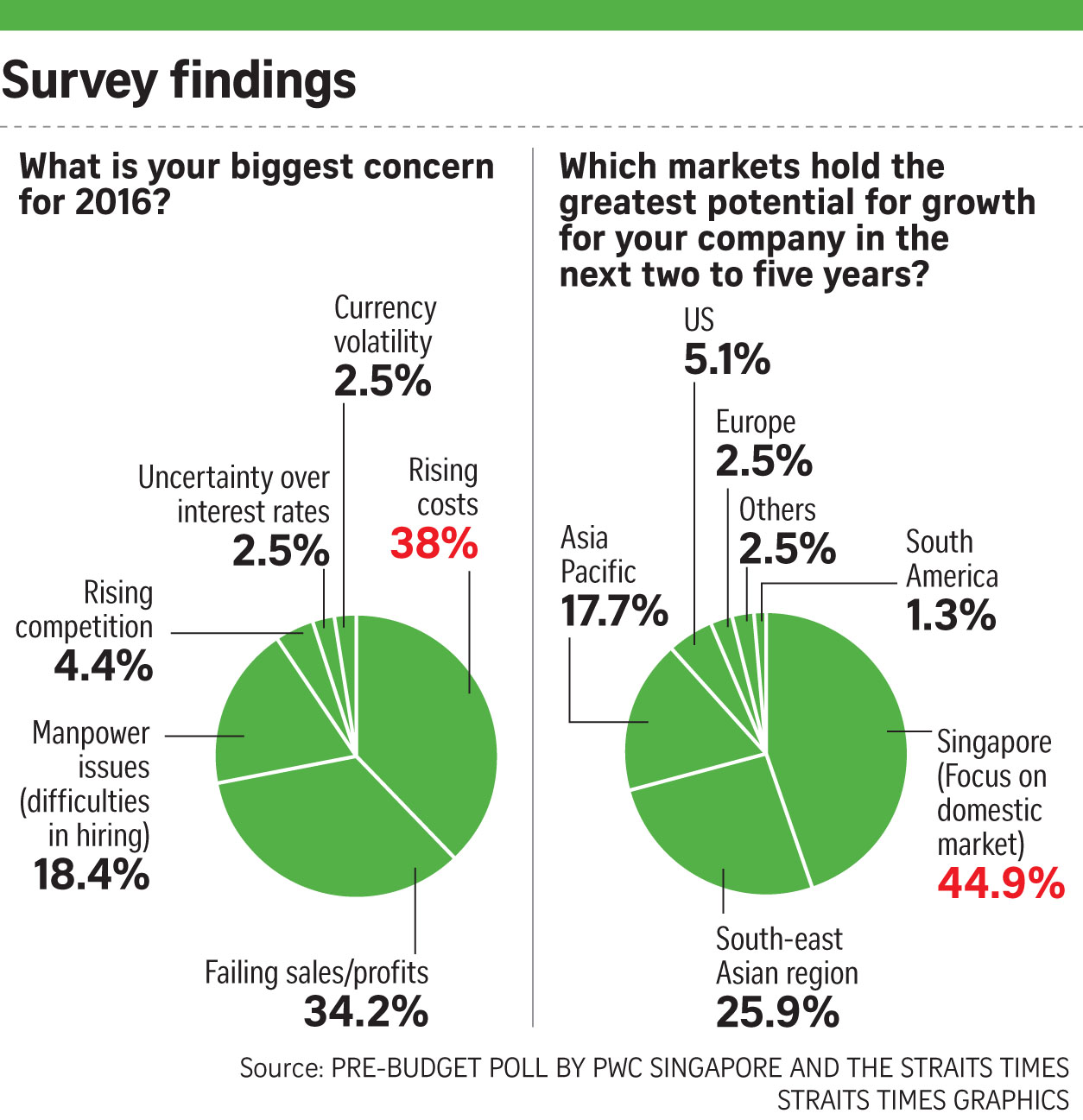
About 38 per cent of poll respondents said their top concern for this year is rising costs, while 34 per cent said they are most worried about declining sales and profits.

Mr Abhijit Ghosh, international tax partner at PwC Singapore, said these results are “not surprising” given weak market sentiment.

However, he pointed out that despite the slowdown, companies “should be more open to exploring markets outside Singapore”.

A significant share – about 45 per cent – of respondents expect most of their growth to come from the domestic market over the next two to three years.

Another 26 per cent said the South-east Asia region will be a key focus, while 18 per cent are looking towards the wider Asia- Pacific.

The greatest challenges companies venturing abroad face include coping with the different culture and business environment, difficulty in obtaining finance for overseas ventures and unfamiliar regulatory and tax environment.

“We can continue to strengthen the support (in these areas) further,” said Mr Ghosh.

The poll also showed that about 61 per cent of respondents plan to invest in innovation this year, with about 45 per cent saying that additional government grants and tax breaks will encourage them to pump in more money.

Finance Minister Heng Swee Keat has indicated that the Budget will focus on the economy, raising expectations that there will be measures offering some relief to firms hit by the slowdown.


This article was first published on March 23, 2016.
Get a copy of The Straits Times or go to straitstimes.com for more stories.

Image: 
Publication Date: 
Wednesday, March 23, 2016 – 17:00
Send to mobile app: 
Source: 


Rotator Headline: 
Budget 2016: Firms eyeing one-off aid package to cope with slowing growth
Rotator Image: 
Story Type: 
Others

Source link