Conflicts between employers and their domestic workers are common occurrences in many Singapore households — it can sometimes be almost like a chicken and egg situation. As outsiders, we will never know the full story.
However, in an employer-maid relationship, there are still certain expectations and boundaries to be drawn, as well as values to uphold to.
Taking things without asking for permission, according to Singapore influencer Jessica Loh, is definitely not one of them.
Maid taking food without permission
In a series of Instagram stories Loh posted on her account @shiberty on June 13, 2020, she expressed displeasure over her foreign domestic helper’s actions.
Loh’s maid, Ning, was said to have helped herself to the Seafood bee hoon that Loh cooked as part of her friend’s birthday feast, seeing that there was a lot of it.
After having found Ning “sneakily eating” the beehoon for dinner in the kitchen, Loh called her out on it for she did not seek permission before doing so.
Politicians are just like you and I, when they’re not having their hands full with state affairs. They too, take time to wind down by doing things that they love — apart from politics.
We stalk our politicians’ Instagram and Facebook in an attempt to find out more about their personal interests and are surprised by some hidden talents which many may not know about.
Here’s a look at politicians and their lesser-known skills:
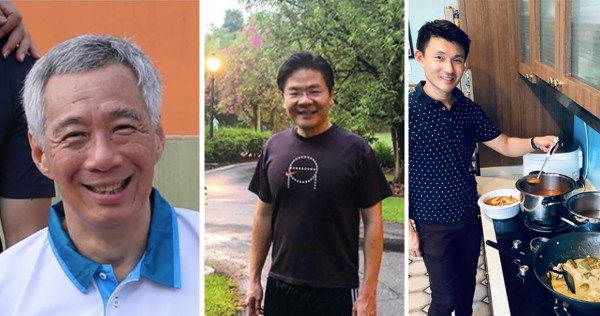
Lee Hsien Loong (PAP): Can code
I told the Founders Forum two weeks ago that the last computer program I wrote was a Sudoku solver, written in C++…
With the Covid-19 pandemic and a grim economic outlook, some fortitude is just what we need to overcome the tough times that lie ahead.
Announced by Deputy Prime Minister Heng Swee Keat on May 26, the Fortitude Budget, Singapore’s fourth budget this year, will channel an additional $33 billion towards supporting workers, businesses and families.
With the Unity, Resilience and Solidarity Budgets, close to $100 billion will be spent to help Singaporeans through this crisis.
But let’s focus on what’s important here: the four ways it’s going to help you and your family.
1) Helping with immediate needs
The impact of Covid-19 continues to weigh heavily on workers, with many having their livelihoods affected.
As part of the Fortitude Budget, an additional $800 million will be set aside for the Covid-19 Support Grant which covers eligible Singaporeans and Permanent Residents who have lost their jobs, been placed on no-pay leave for three consecutive months, or had their salaries cut by at least 30 per cent.
SINGAPORE: Shutters were pulled up once again and dust wiped off the display counters as malls and non-essential shops resumed business on Friday (Jun 19), the first day of Singapore’s Phase 2 post-“circuit breaker” reopening.
But there was no rush of people or snaking queues, with shoppers making a cautious return to the shops.
In the Ang Mo Kio neighbourhood, foot traffic was still slow at AMK Hub an hour after it opened at 10am. Outside the mall, pockets of shoppers were seen looking at the racks at general stores selling essential household items.
But Ang Mo Kio resident Eric Lai was excited to just be able to saunter through the mall again.
It was his day off, but the chef decided to head to the mall as “staying at home has been very boring”. He had plans to buy items that were unavailable during the circuit breaker and collect a pre-ordered PlayStation game.
A SafeEntry QR code sign for entry to AMK Hub in Ang Mo Kio (Photo: Rachel Phua)
Beauty salon owner Serene Ng, who lives across the mall, was on her way to work.
“After this lockdown, I realised that the freedom to go wherever I want makes me so happy,” said Ms Ng.
“I will definitely go back to Ang Mo Kio Central again next week on the weekdays when I have time off … I’m very happy to finally be able to meet my friends over coffee after our daily morning exercise, and just chit chat,” she added.
Outside AMK Hub, signs were displayed prominently to remind customers to check in on the SafeEntry system.
Employees were onsite to make sure people signed in, with one manning a temperature checking booth.
Some escalators and staircases were cordoned off so that patrons only used designated passageways to move up and down the mall.
People resting on public benches at Ang Mo Kio Central. Tape has been removed from these communal facilities as Singapore moved to Phase 2 of its reopening. (Photo: Rachel Phua)
A spokesperson from Mercatus, which runs AMK Hub, Thomson Plaza and Jurong Point, said that it has had the necessary processes in place since March to support safe distancing measures . This includes limiting the number of customers into the mall.
Temperature screening and the use of the SafeEntry system will continue to be in place at its malls during Phase 2, the spokesperson said.
And while it looked forward to the return of business normalcy, shoppers should be socially responsible and “play their part in ensuring safe distancing and exercise caution during their visits”, said the spokesperson.
The stores themselves have implemented their own safety measures.
At jewellery store Dreams Collage at AMK Hub, only one person or a group of up to five people will be allowed into the shop at any one time, said owner Ms Neo Bee Khim. Queue poles have been set up outside to manage the crowd.
Display shelves and jewellery will be cleaned after each customer leaves, added Ms Neo.
Other shops in the mall also had posters reminding people to stand at least 1m apart, and to check into the SafeEntry system.
A SafeEntry sign at a jewellery store in Ang Mo Kio (Photo: Rachel Phua)
Ms Vee Yan, a supervisor at Dreams Collage, said she was surprised when the Government made the Phase 2 reopening announcement on Monday – she thought retailers would get two weeks’ notice – but was glad as this meant she could finally return to work.
“It looks like people are healthy. That’s good,” Ms Yan said in Mandarin.
All non-essential shops and businesses were told to shut when Singapore imposed a circuit breaker on Apr 7 to stem the spread of COVID-19, leaving the cash tills empty, workers worried for their income and jobs, and the economy in a weakened state.
While Ms Yan was paid for the two months she stayed at home, she said it was “boring” and was happy to see life return to the mall.
Ms Yan and her colleague started preparations on Thursday to reopen the shop, polishing the jewellery and cleaning off the dust that had settled on the display cases during the two-month shutdown.
They also lined the floor with yellow tape to demarcate queues and indicate the 1m distance customers should stand apart from each other, and practised taking each other’s temperatures.
A shop selling cloth masks at Ang Mo Kio (Photo: Rachel Phua)
Across the island, many other shops like Dreams Collage welcomed shoppers again on Friday after Singapore entered the second of a three-step plan to ease COVID-19 restrictions .
On Monday, the Government announced that it had assessed the COVID-19 situation and found that community infection rates had remained stable despite more people returning to the workplace during Phase 1.
With the incidence of cases in foreign worker dormitories falling and no new large clusters emerging, Singapore was ready to enter Phase 2 of the post-circuit breaker plan after Jun 18, 11.59pm, it said.
“This is the announcement retailers have been waiting for … Elated Excited, Relieved!,” the Singapore Retailers Association (SRA) wrote on Facebook shortly after the news broke.
“Let’s not waste the containment efforts put in the past 2.5 months. Let’s all work hard to ensure we avert a resurgence in transmission,” it added.
The SRA’s elation at the news was understandable: With shops shuttered, retailers could only go online to sell their wares, and revenue took a big hit. In April, Singapore’s retail sales plunged 40.5 per cent year-on-year, the biggest fall on record.
At the market at Block 724 in Ang Mo Kio, a fashion retailer said in Mandarin that she was happy to open her stall again, but is also worried she will bungle up the safe distancing measures.
After being cooped up at home for two months, she is “still in a bit of a daze”, said Josephine Chua.
“Like, if a customer asked me: ‘How much is this’, it takes me a while to recall what to say,” she said.
A shop selling clothing and bags at Ang Mo Kio (Photo: Rachel Phua)
Another stall owner in the same market, Michael Ang, said that being able to reopen his business again felt “very good”.
Expenses had run high at home, and he had no source of income during that period.
Mr Ang, who sells electrical and hardware appliances at Zener Enterprise, was busy unpacking items and moving shelves out of the store.
Shoppers at a miscellaneous goods store in Ang Mo Kio (Photo: Rachel Phua)
While life was returning in Ang Mo Kio Central, the crowds were largely at general stores selling essential goods such as food, appliances and household items.
At an budget shop ABC, a long line of customers with blue baskets waited to pay for their purchases.
Ms Anita van den Bos, who lives in Sengkang, said she went to Ang Mo Kio to shop at the ABC store.
On her shopping list were household items such as hand soap and coffee, which she said are more expensive at supermarkets. She was glad the discount store had resumed business.
“I’m just coming out to stock up, then going home,” she said. She said she was afraid to stay out too long, citing the possibility of a second wave of COVID-19 infection.
Shoppers in line at an ABC Shop in Ang Mo Kio (Photo: Rachel Phua)
Ang Mo Kio resident Khor Ah Giak shared similar sentiments. She was browsing through a general store after having breakfast with a friend.
“I’m happy I can see my friends again and buy things that have spoiled at home,” she said in Mandarin. “But I don’t want to stay out too long and increase my risk and my family’s risk of catching the virus.”
SINGAPORE: Not all the red tape has been removed from playgrounds and public benches, but shutters are up at some shops and the din of diners has returned to eateries and hawker centres.
Singapore on Friday (Jun 19) sauntered into Phase 2 of its reopening, with masked faces and safe-distancing signs a constant reminder that the country is still grappling with the COVID-19 pandemic.
CNA caught sight of people hitting sports facilities, shops and supper spots, lapping up everyday activities that morphed into little luxuries after they were prohibited for weeks since early April, when Singapore took drastic measures to curb the spread of COVID-19.
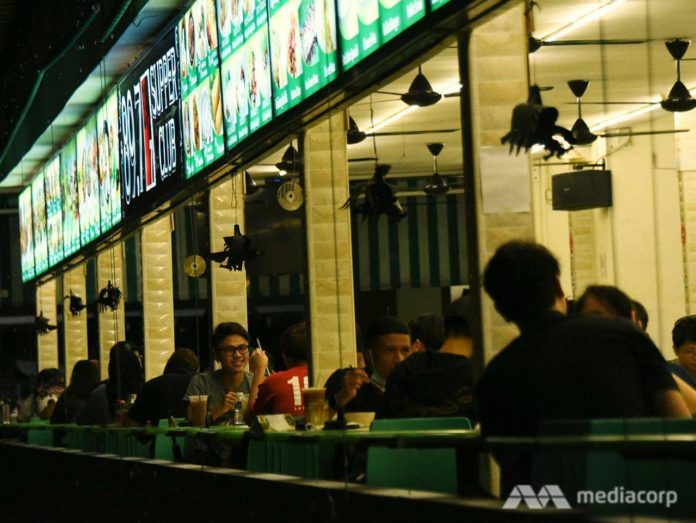
Crowds returned to the 89.7 Supper Club along Paya Lebar Road a little after midnight on Jun 19, the first day of Phase 2 of Singapore’s reopening. (Photo: Try Sutrisno Foo)
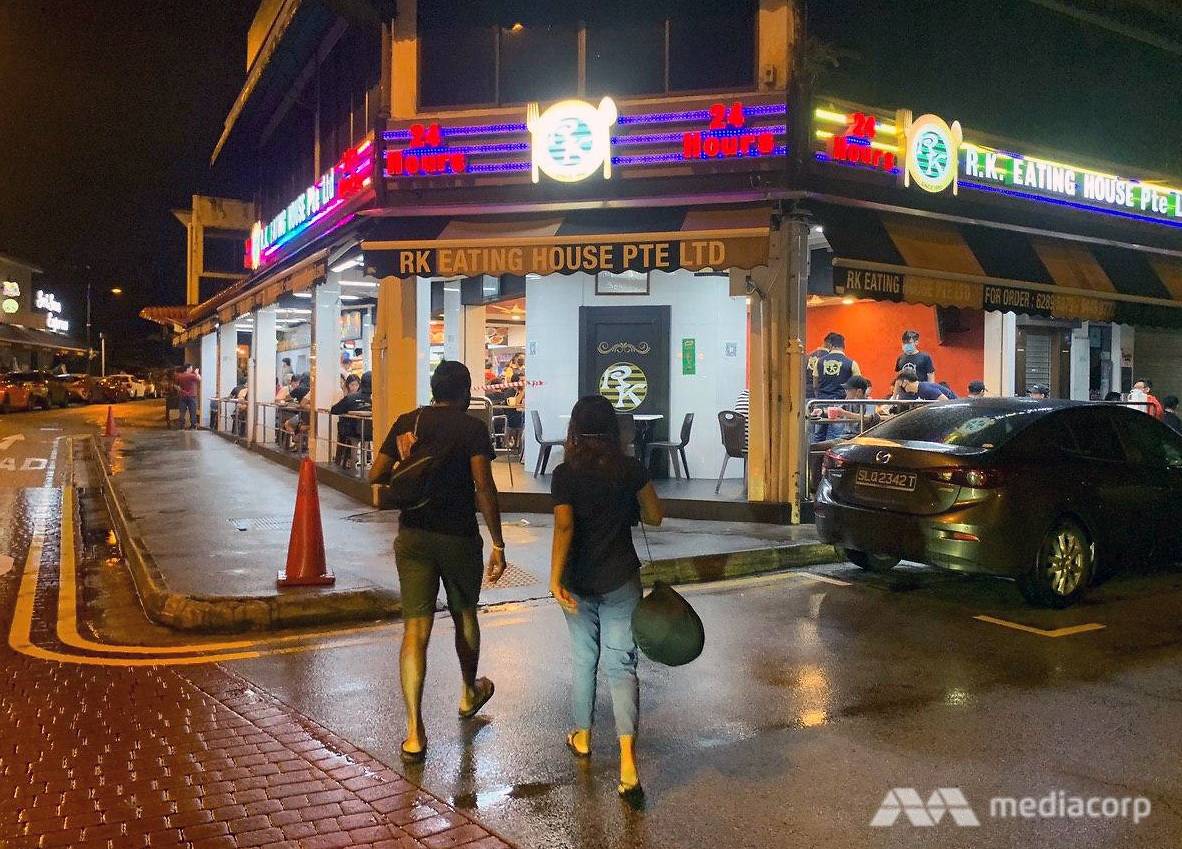
Despite the wet weather, a steady stream of people were seen headed for a late-night bite at Serangoon Gardens in the wee hours of Jun 19, the first day of Phase 2 of Singapore’s reopening. (Photo: Jeremy Long)
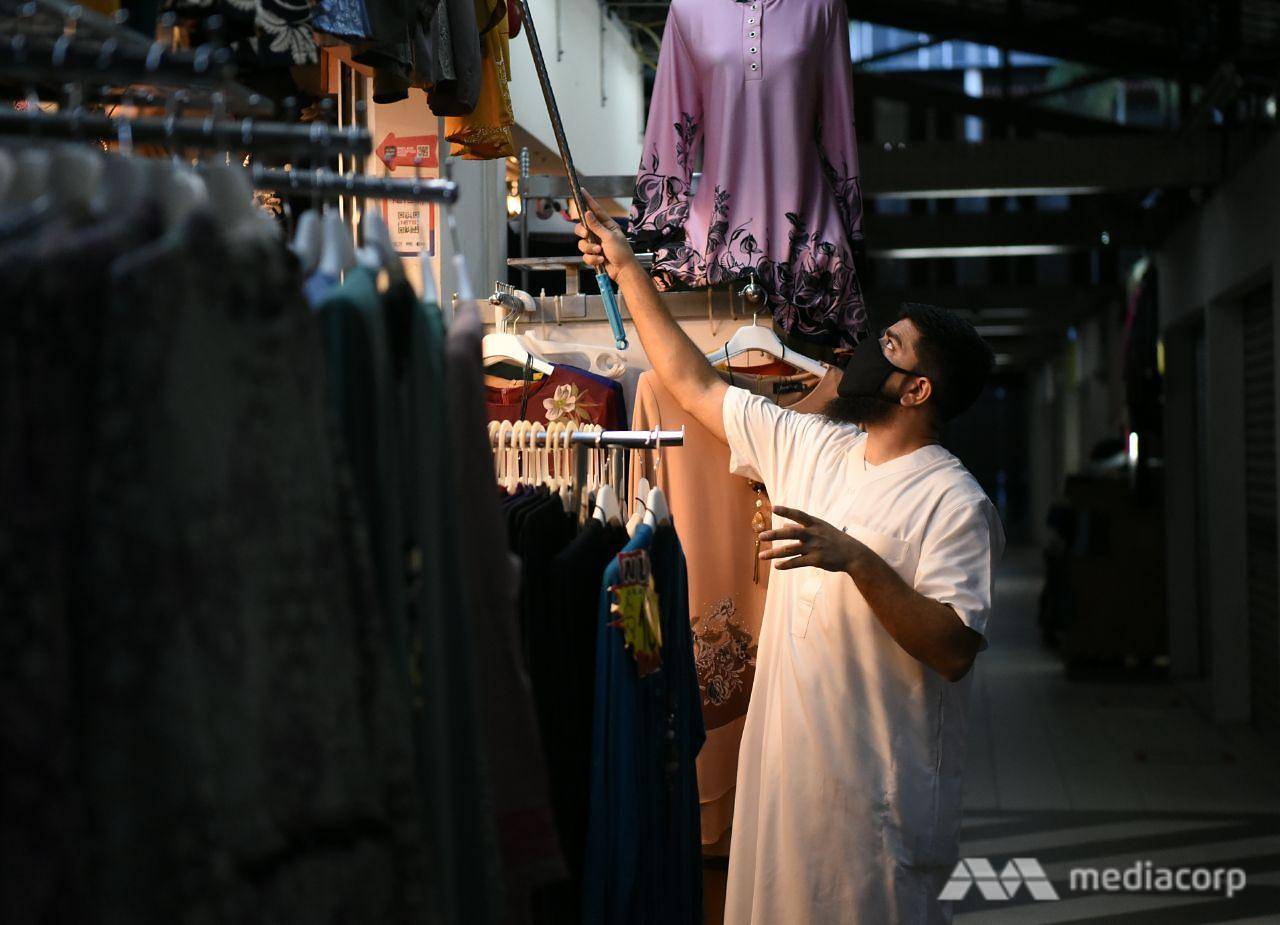
A stallholder opens shop at Geylang Serai Market on Jun 19, the first day of Phase 2 of Singapore’s reopening. (Photo: Try Sutrisno Foo)
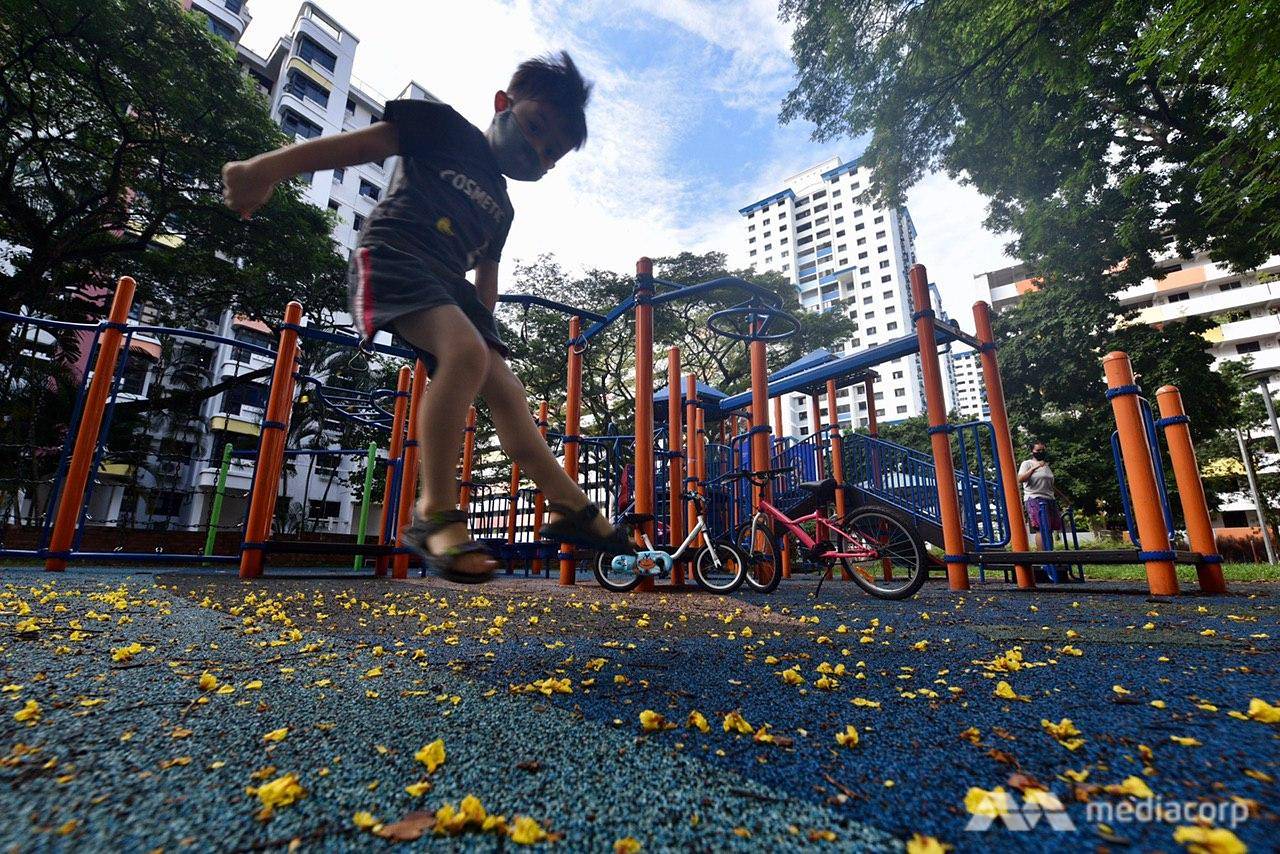
A child plays at a playground at Toa Payoh Lorong 8 on Jun 19, the first day of Phase 2. (Photo: Jeremy Long)
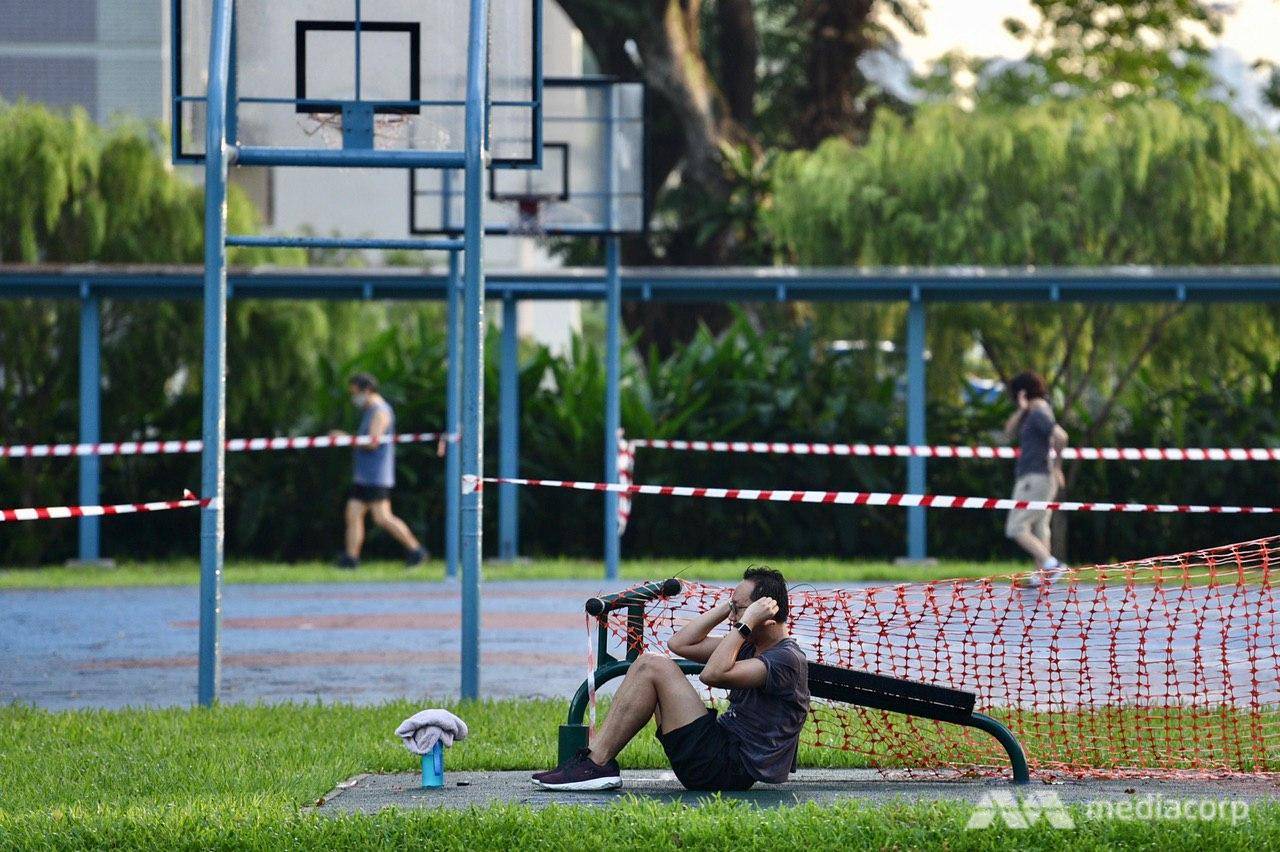
A man exercises at a workout corner in Toa Payoh on Friday morning (Jun 19), the first day of Phase 2 of Singapore’s reopening. (Photo: Jeremy Long)
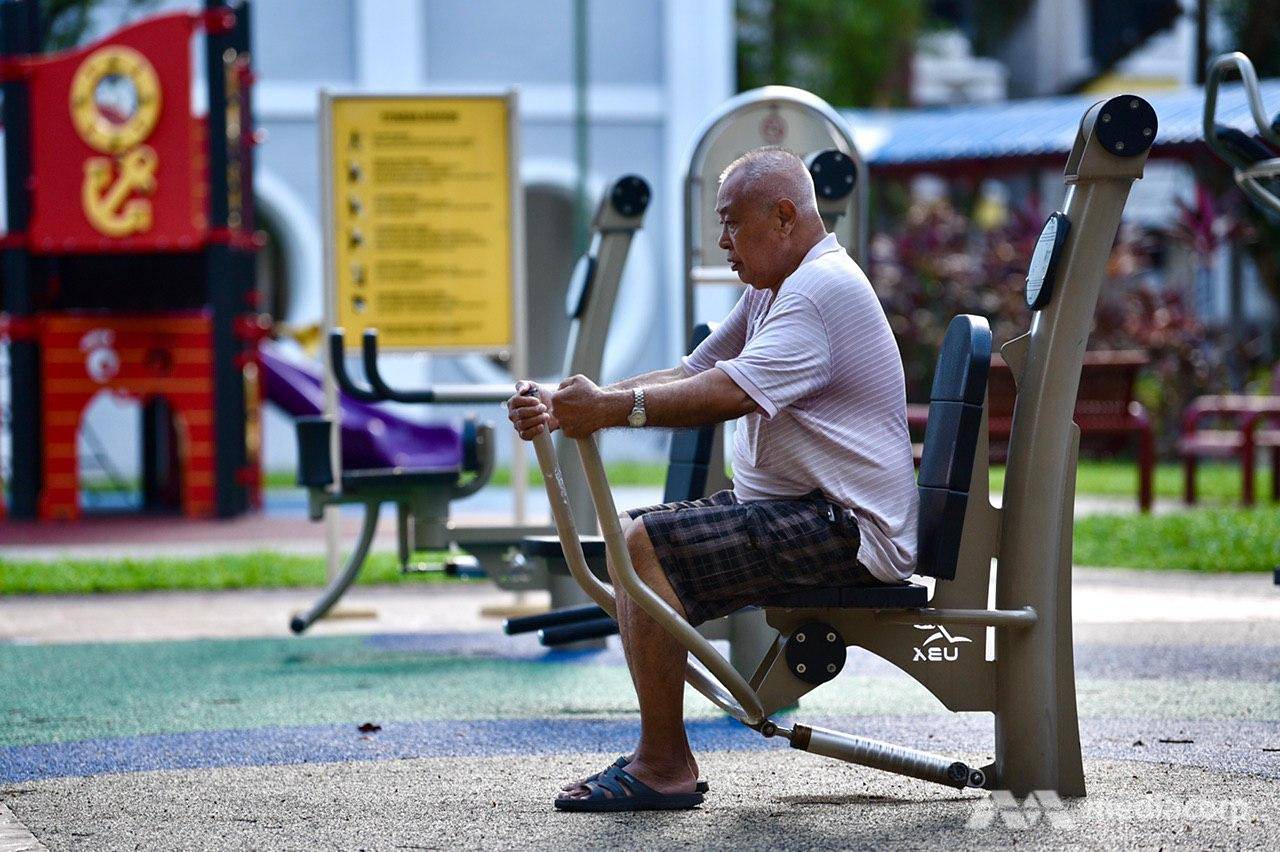
An elderly man gets a morning workout at a fitness corner in Toa Payoh on Friday (Jun 19), the first day of Phase 2 of Singapore’s reopening. (Photo: Jeremy Long)
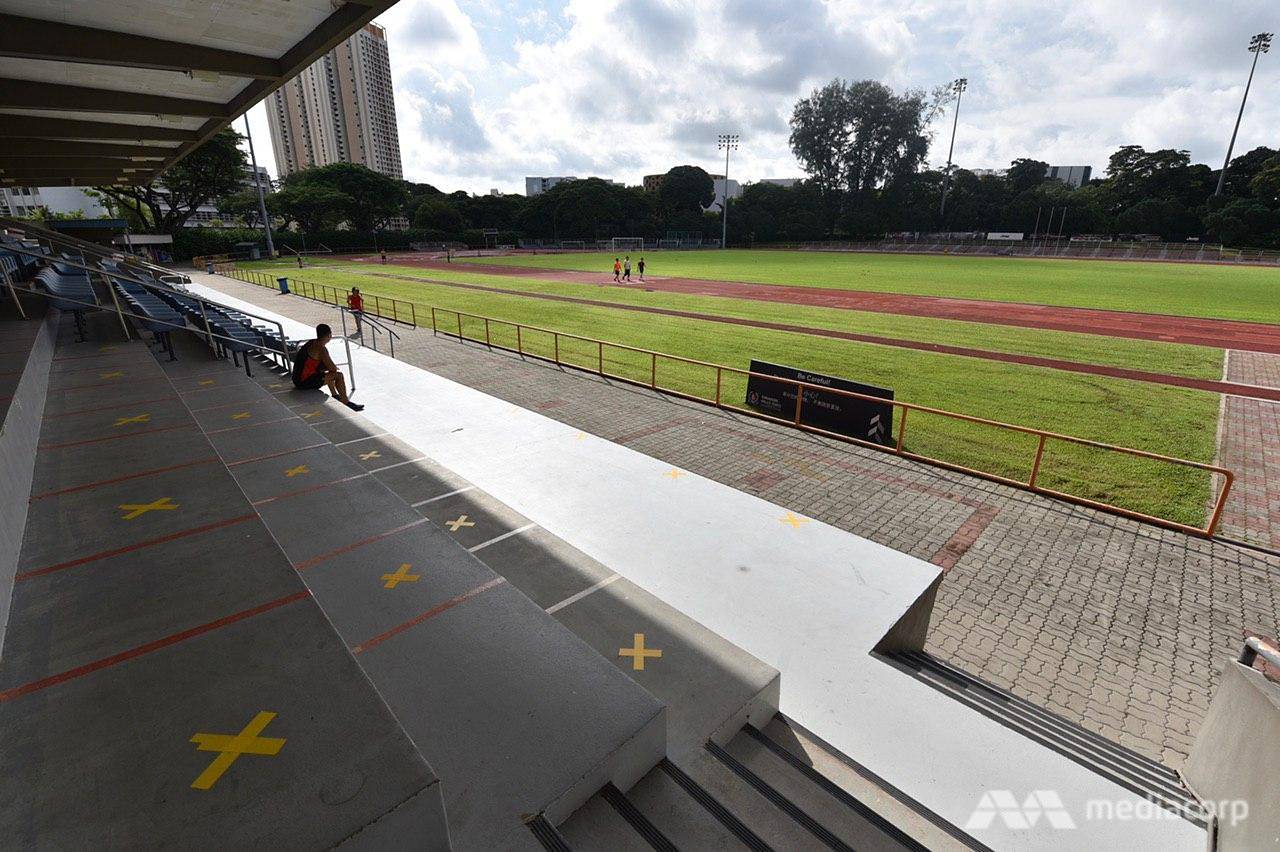
Toa Payoh Stadium reopened on Jun 19, the first day of Phase 2 of Singapore’s reopening. (Photo: Jeremy Long)
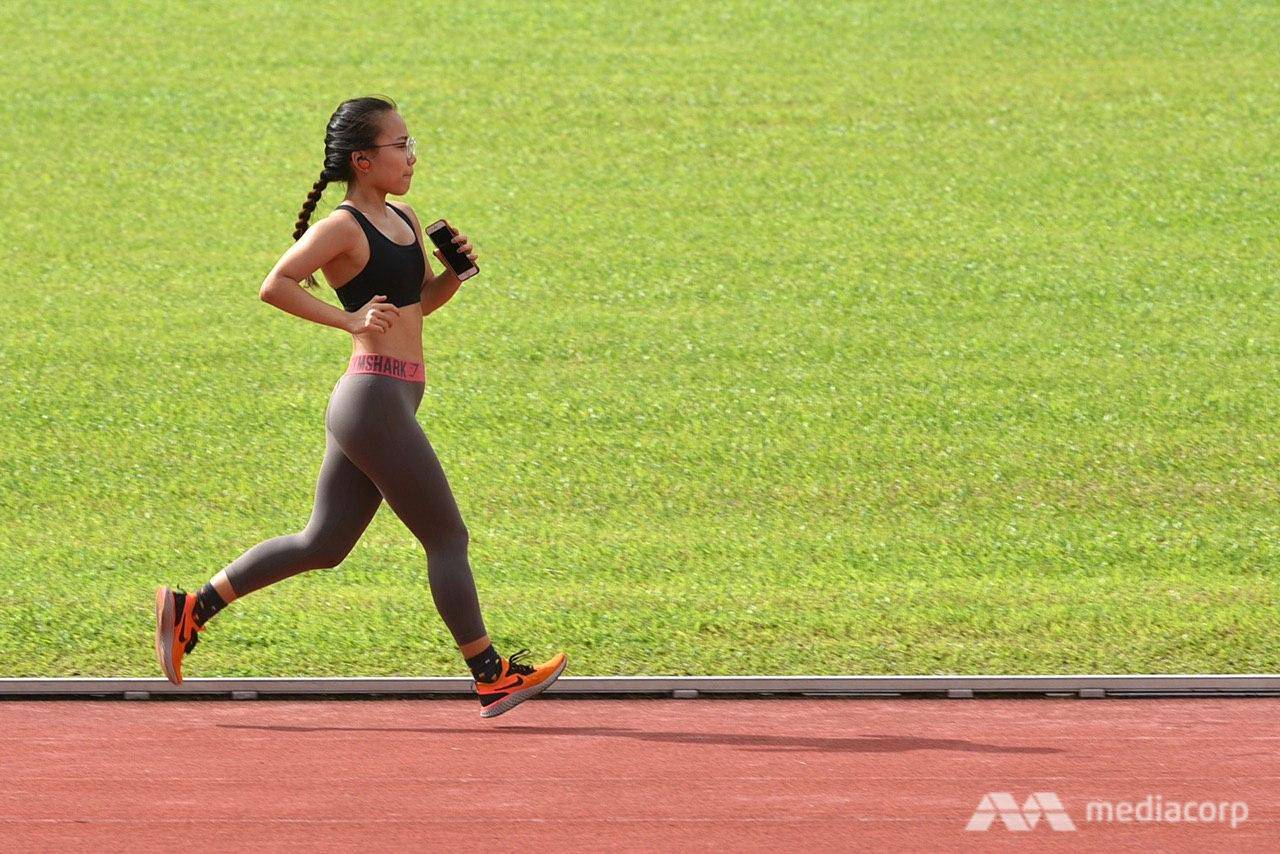
A jogger runs on the track at Toa Payoh Stadium on Jun 19, the first day of Phase 2 of Singapore’s reopening. (Photo: Jeremy Long)
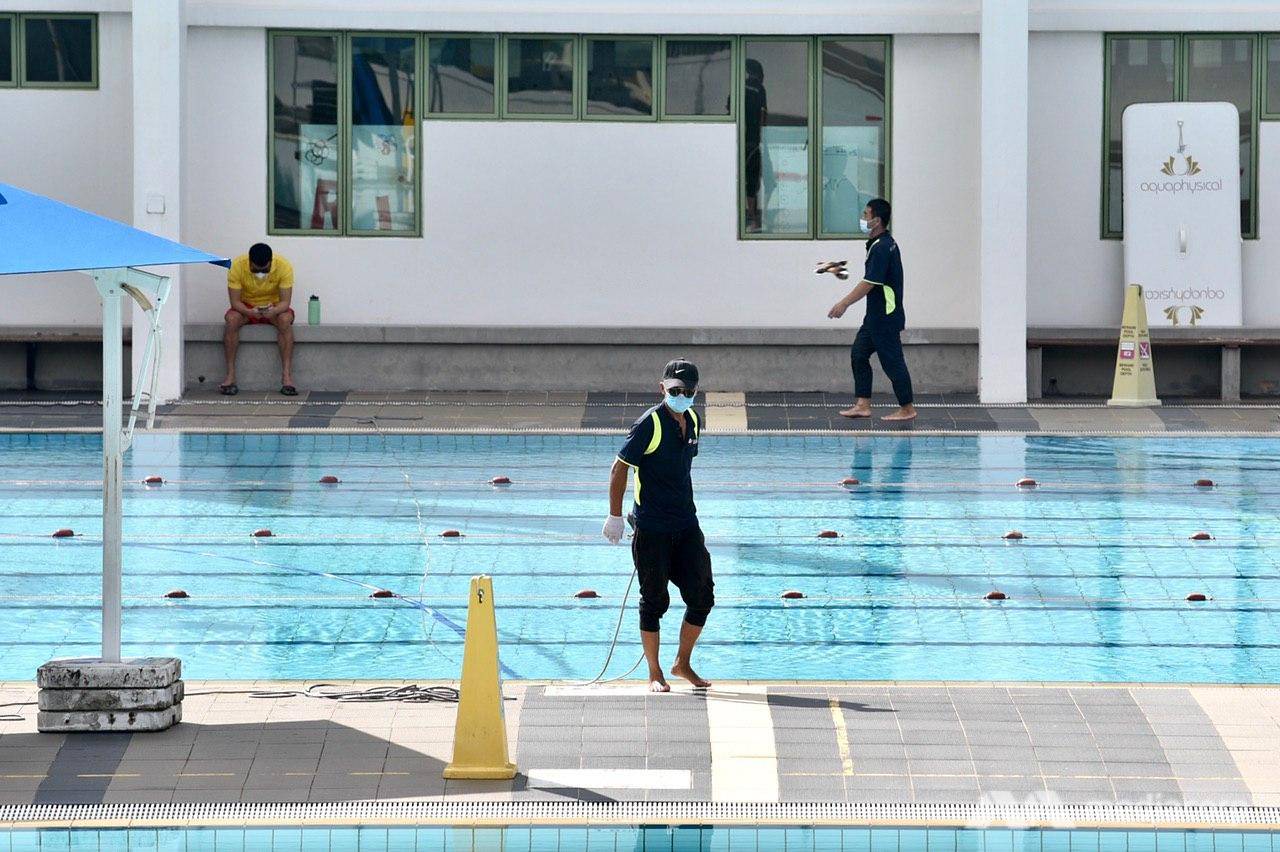
Staff doing checks on the pool at Toa Payoh Swimming Complex ahead of its reopening on Jun 19, the first day of Phase 2. (Photo: Jeremy Long)
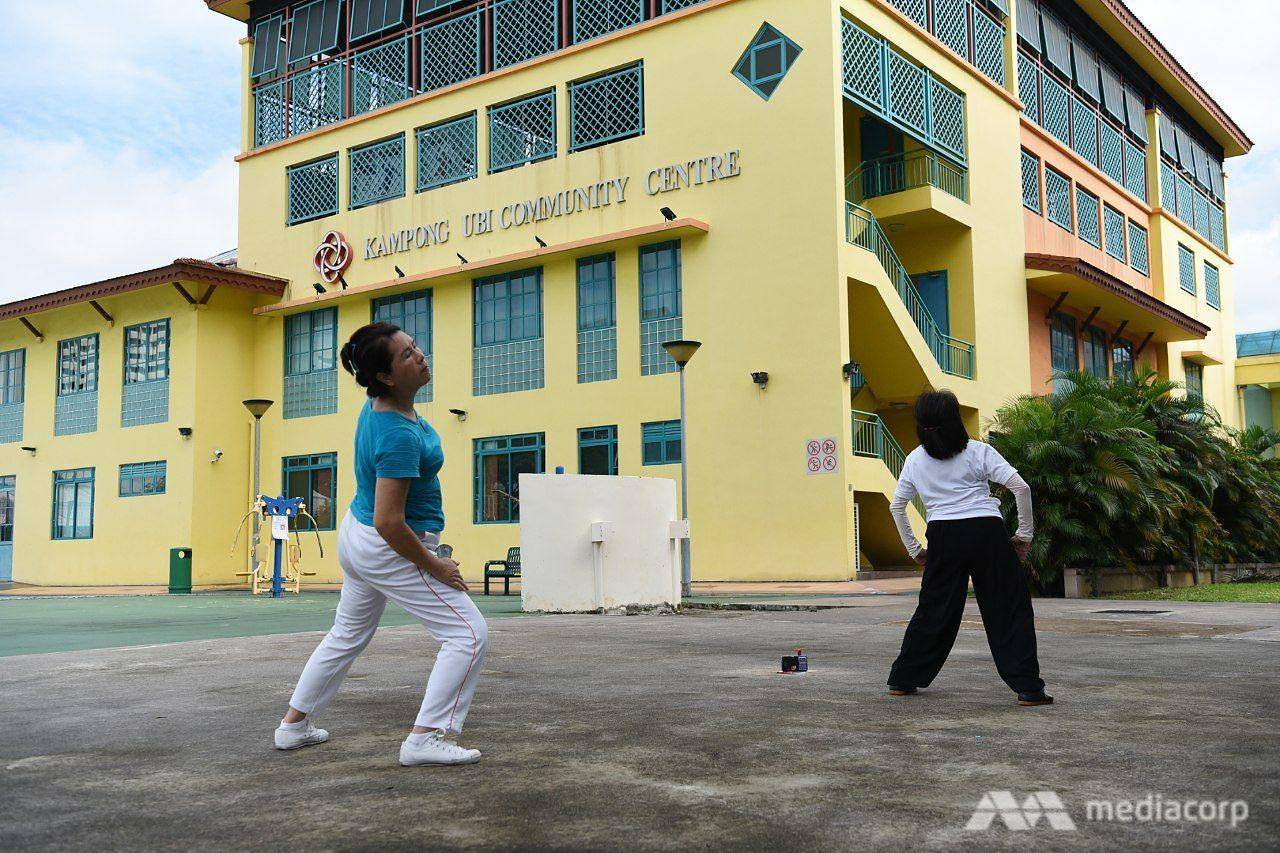
People practising Qigong at Kampong Ubi Community Centre on Jun 19, the first day of Phase 2 of Singapore’s reopening. (Photo: Try Sutrisno Foo)
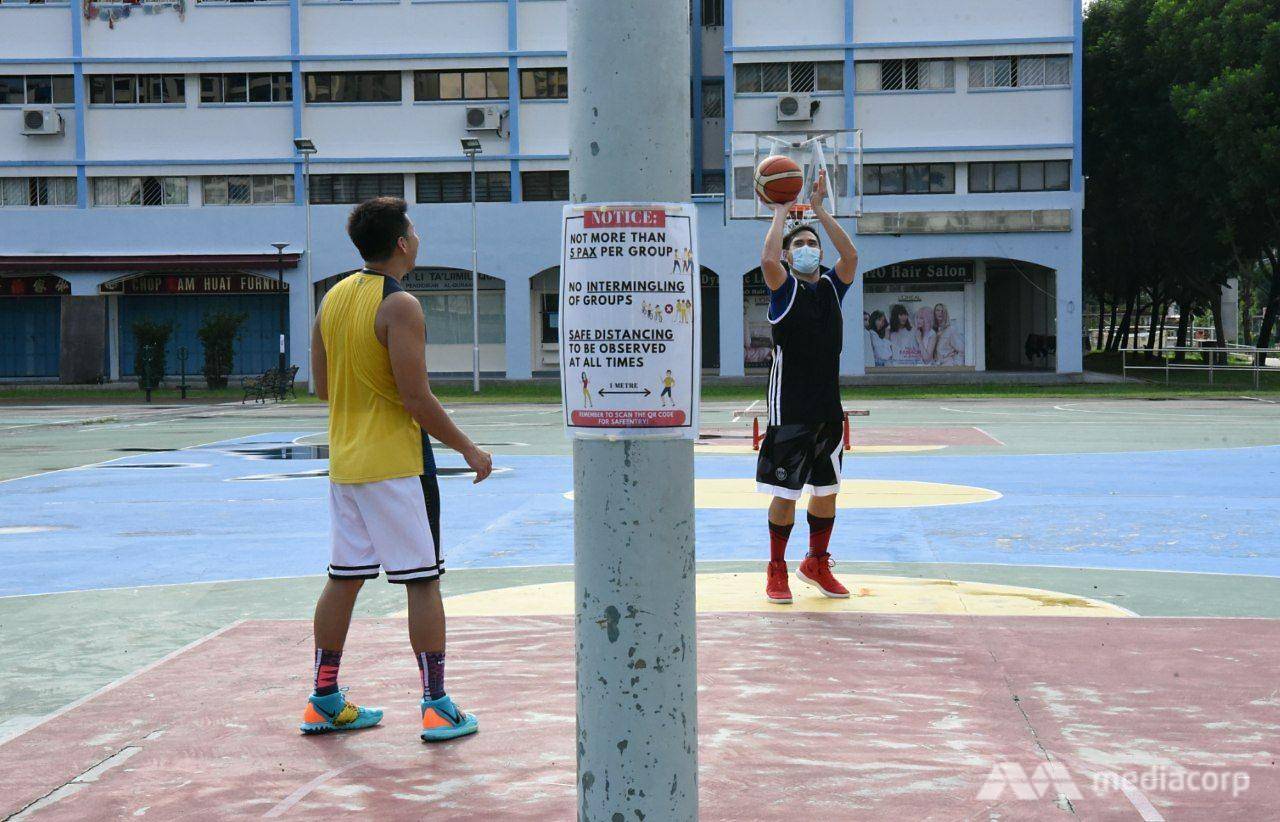
Two people play basketball at Kampong Ubi Community Centre on Jun 19, the first day of Phase 2 of Singapore’s reopening. (Photo: Try Sutrisno Foo)
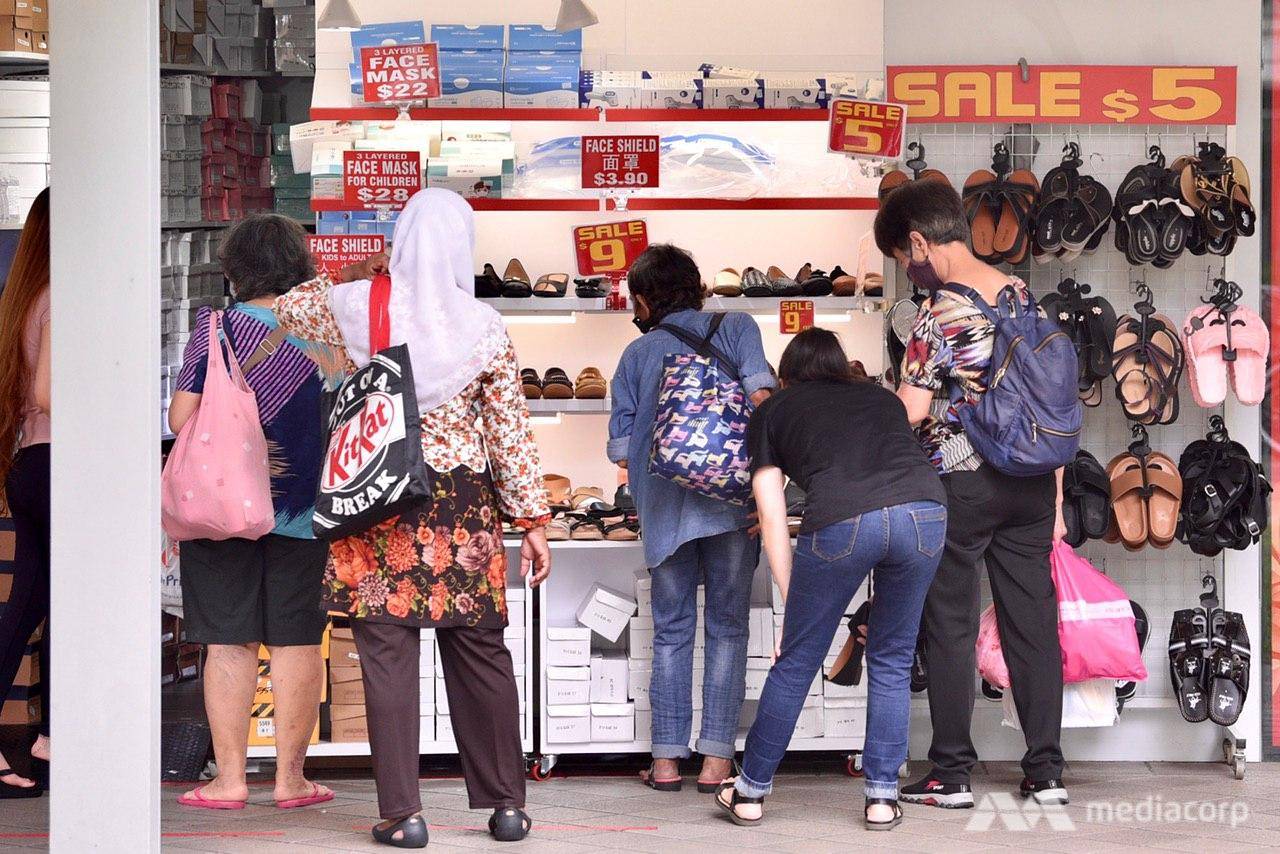
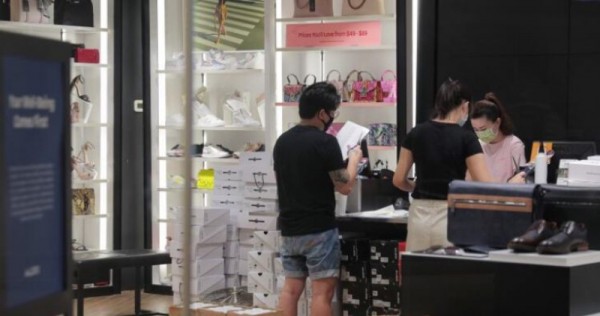
Shoppers looking at sale items at a Toa Payoh shoe store on Jun 19, the first day of Phase 2 of Singapore’s reopening. (Photo: Jeremy Long)
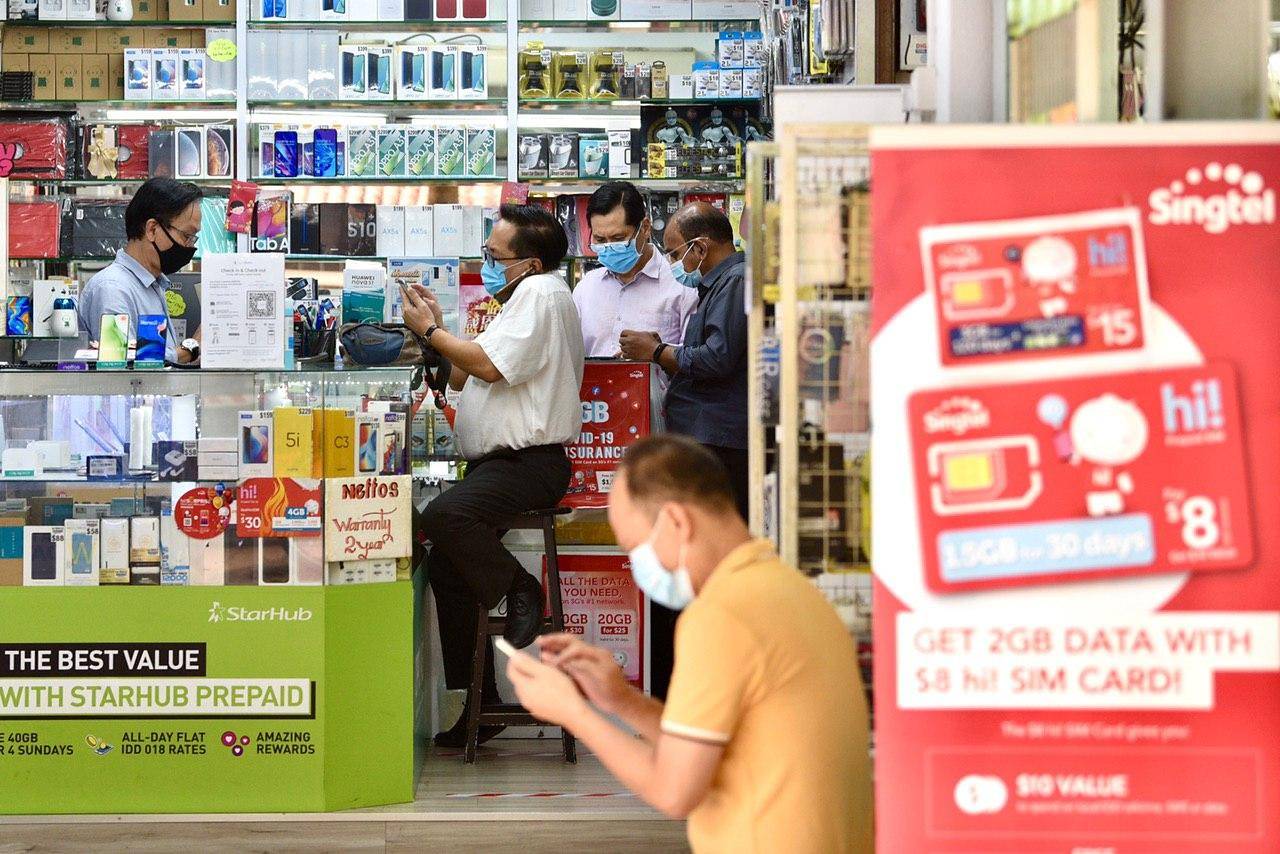
A mobile phone shop in Toa Payoh opens for business on Jun 19, the first day of Phase 2 of Singapore’s reopening. (Photo: Jeremy Long)
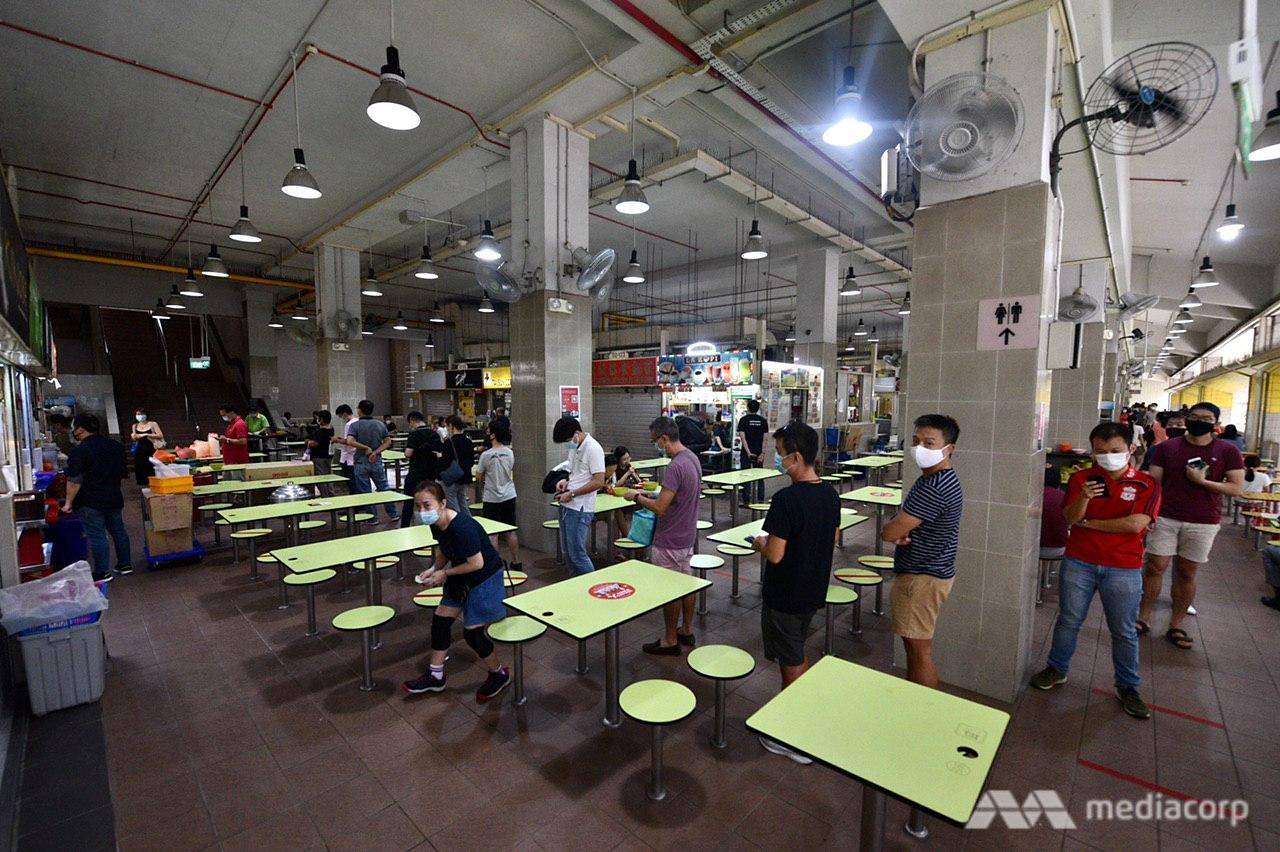
The lunchtime crowd at Amoy Street Food Centre observing safe distancing rules (Photo: Jeremy Long)
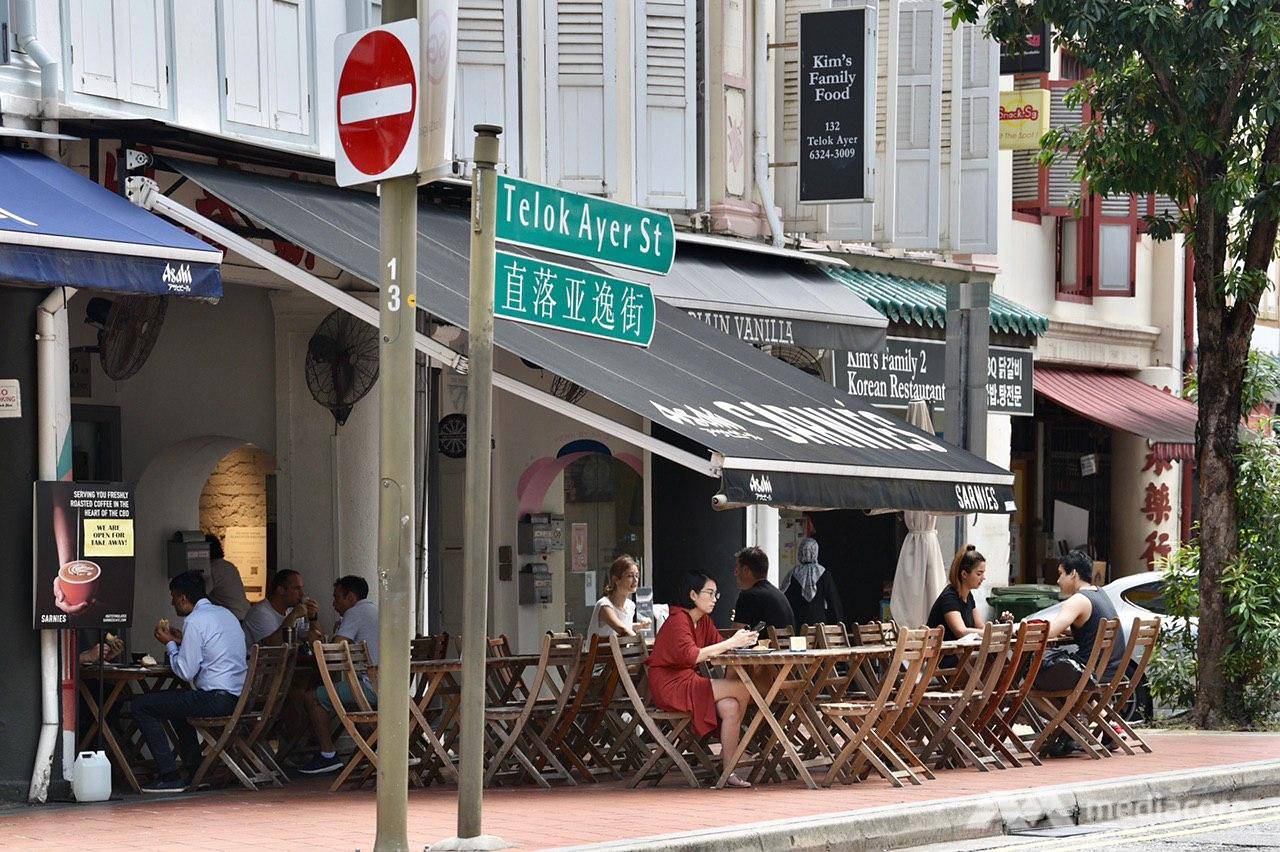
The lunchtime crowd at Telok Ayer Street on Jun 19, the first day of Phase 2 of Singapore’s reopening. (Photo: Jeremy Long)
A coffeeshop in Toa Payoh sees the return of lunchtime crowds on Friday (Jun 19), the first day of Phase 2 of Singapore’s reopening. (Photo: Jeremy Long)
The hustle and bustle has returned to Toa Payoh Central as retail shops are allowed to open. (Photo: Jeremy Long)
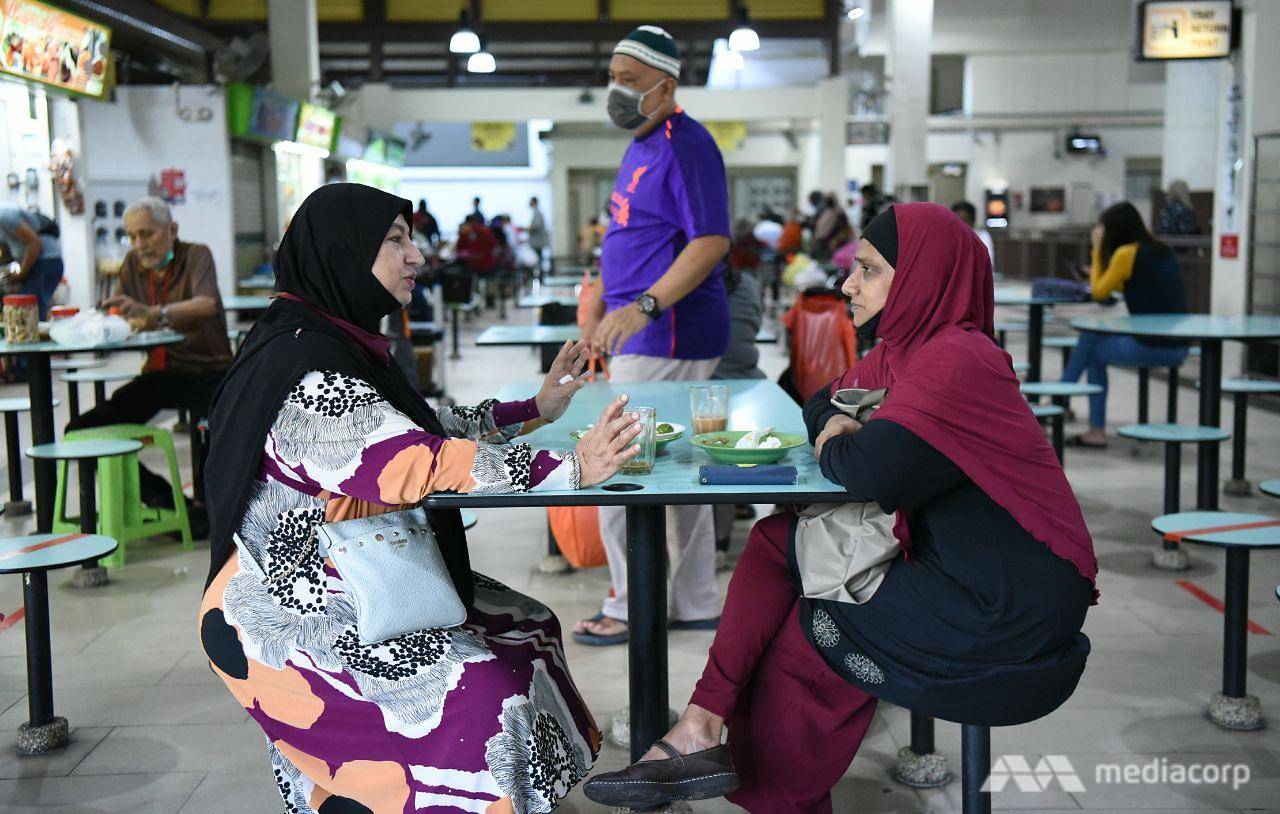
Customers dine in at Geylang Serai Market on Jun 19, the first day of Phase 2 of Singapore’s post-circuit breaker reopening. (Photo: Try Sutrisno Foo)
Breakfast time at Geylang Serai Market on Jun 19, the first day of Phase 2 of Singapore’s reopening. (Photo: Try Sutrisno Foo)
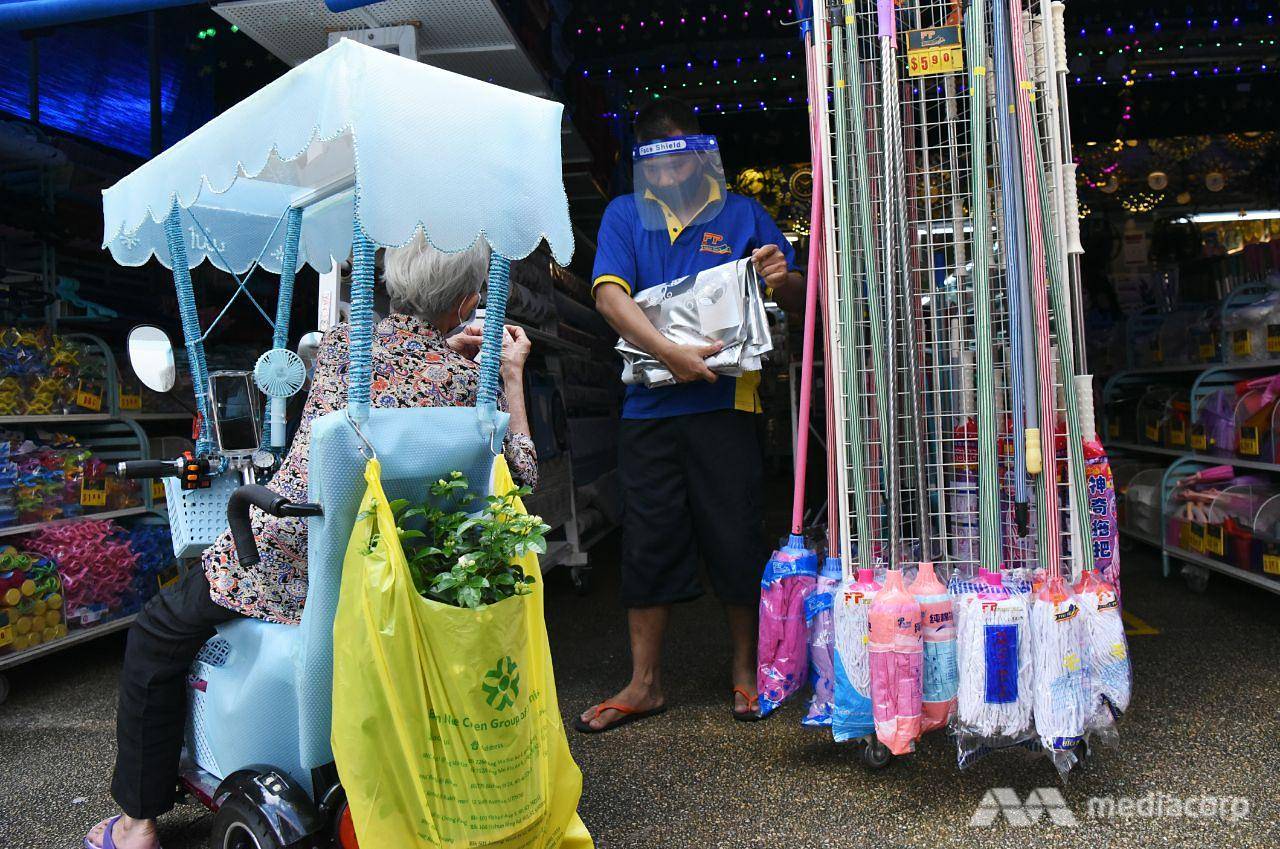
An elderly woman on a personal mobility device gets served by a shop assistant at Haig Road Market on Jun 19, the first day of Phase 2 of Singapore’s reopening. (Photo: Try Sutrisno Foo)
SINGAPORE: The Progress Singapore Party (PSP) will not shy away from three-cornered fights should the situation arise, said party secretary-general Tan Cheng Bock on Friday (Jun 19).
But Dr Tan added that he hoped “better sense would prevail” as opposition parties decide on where they field candidates for the next General Election.
“We don’t want to have three-cornered fights, but if we need to what can we do? It’s not our choice,” said Dr Tan.
Dr Tan was speaking to members of the media during breakfast with other PSP members at Mayflower Market and Food Centre, which is located within the re-introduced Kebun Baru Single Member Constituency (SMC).
He declined to confirm where the PSP might be fielding candidates, but said that it would make its decision based on “certain criteria”.
He said: “We will base our decision to contest in any ward on certain criteria: So we have to feel the ground, see the connectivity here, who are the chaps here. What kind of value that my men will bring here … then we will make a decision on whether to come (here) or not to come (here).”
Dr Tan added: “This is what I can tell them (other parties). If they insist that we have intruded into their territory, we can’t help it; we just hope that better sense will prevail.”
Dr Tan said that he has had discussions with members of the other opposition parties on the matter.
“At the end of the day, how they are going to contest is their own party’s choice. We just respect them and if they feel very strongly in a particular place we also want to go, let it be. Let Singaporeans decide,” he said.
The PSP has begun conducting weekly meet-up sessions via Zoom with constituents from West Coast Group Representative Constituency (GRC) and Pioneer SMC.
Dr Tan was Member of Parliament for Ayer Rajah for 26 years, when he was with the People’s Action Party (PAP). The ward is now part of West Coast GRC.
“If I convince myself that I’m going contest in West Coast, I will go. It doesn’t matter who else comes because that’s your belief,” he said.
At the last General Election in 2015, the West Coast GRC was contested by the Reform Party (RP) and the PAP.
RP garnered 21.4 per cent of the vote against a PAP team led by then-Minister for Trade and Industry Lim Hng Kiang, Minister for Communications and Information S Iswaran, Mr Patrick Tay and Ms Foo Mee Har.
In an hour-long Facebook Live session on Monday, RP did not reveal which constituencies it would contest. However, it has announced that it will be having a “meet-and-greet” session with West Coast GRC residents on Friday.
Tan Cheng Bock and several Progress Singapore Party members surrounded by media on Jun 19, 2020. (Photo: Matthew Mohan)
On Thursday, the PSP unveiled its first batch of potential candidates for the next election.
They include party vice chairman Hazel Poa, who was from the National Solidarity Party, as well as former People’s Voice member Brad Bowyer.
On Thursday, it was announced by the Elections Department that no physical rallies will be allowed if hustings for the General Election fall within Phase 2 of Singapore’s reopening, but alternative ways of reaching out to voters will be provided.
Physical campaigning activities will be restricted in line with Ministry of Health’s guidelines to prevent the spread of COVID-19 – which means that gatherings have to be restricted to a maximum of five people.
Dr Tan noted that the PSP will observe these rules during their campaigning.
“We have to follow the regulations well. We have to set the example also. And we will follow what is stated in the new rules,” said Dr Tan.
“We will be going along those lines.”
Earlier on Friday morning, PAP’s Henry Kwek and MP for Nee Soon GRC also visited Mayflower Market and Food Centre, where he chatted with residents.
A Singaporean company has developed advanced “eyes in the sky” technology to help police social distancing measures and prevent the spread of Covid-19. Like similar emerging technology, it raises privacy concerns.
New laws in the city state enacted in March under the infectious diseases act punish people who intentionally stand in a queue less than one metre (three feet) away from another person, sit on a fixed seat that has been marked as not to be occupied, or sit less than a metre away from another person in a public place.
Offenders can be fined up to $10,000, jailed for up to six months, or both.
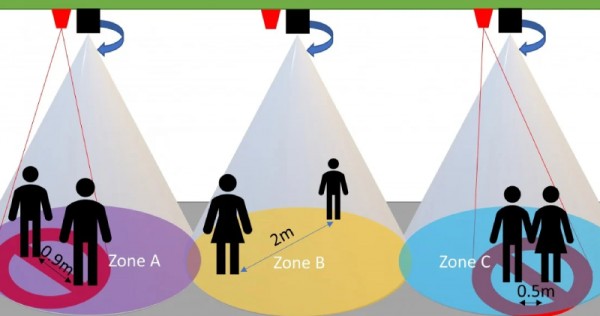
While the authorities have hired social distancing ambassadors to ensure compliance with the laws, Smart IoT’s new invention – Smart Distancing Sensors on Premise (SDSP) – can also help.
The invention consists of sensors in ceilings that scan crowds and measure the distance between individuals.
IoT, which stands for the internet of things, refers to a system of interrelated mechanical and digital computing devices that can send data over a network without the need for person-to-person or person-to-computer interaction.
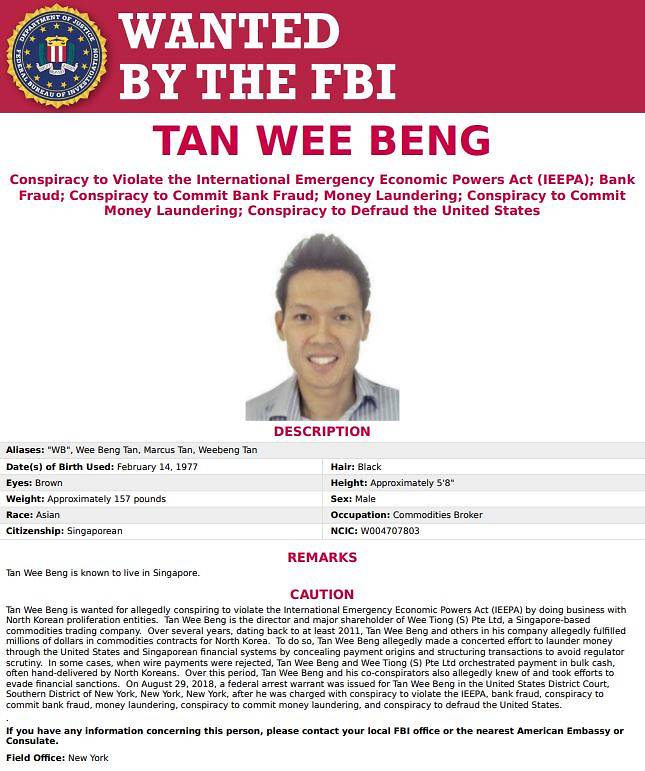
SINGAPORE: A 43-year-old Singaporean managing director, who is on the US Federal Bureau of Investigation’s (FBI) most wanted list, has been charged with falsifying invoices of two companies to conceal transactions with North Korea-linked entities.
Tan Wee Beng, managing director of commodity trading company Wee Tiong Holdings, was charged in Singapore on Friday (Jun 19), with Malaysian national Bong Hui Ping, 38, who is a shipping manager at the company.
Tan was charged with falsification of papers with intent to defraud, while Bong was charged with abetting those offences by intentionally aiding Tan.
Wee Tiong Holdings is alleged to have sold sugar to customers from North Korea between 2014 and 2016, with the payments for those sales made to the company and its related firm, Morgan Macros.
Tan and Bong are accused of falsifying invoices of both companies between November 2016 and October 2017 in order to “conceal” the companies’ transactions with North Korea-linked entities from two banks, police said.
If found guilty of falsifying papers with intent to defraud, Tan could be jailed for up to 10 years, fined, or both.
“The police take a serious view of persons who abuse Singapore’s financial system and will not hesitate to take swift action against the individuals or parties involved,” the force said.
A federal arrest warrant was issued for Tan in the United States District Court in New York in August 2018, an FBI notice said.
According to the notice, he is wanted for allegedly conspiring to violate the International Emergency Economic Powers Act (IEEPA) by doing business with North Korean proliferation entities.
A poster showing Singapore commodities broker Tan Wee Beng is wanted by the Federal Bureau of Investigation. (Image: Federal Bureau of Investigation)
The bureau said Tan and others in his company had allegedly fulfilled millions of dollars in commodities contracts for North Korea.
“To do so, Tan Wee Beng allegedly made a concerted effort to launder money through the United States and Singaporean financial systems by concealing payment origins and structuring transactions to avoid regulator scrutiny,” the FBI said.
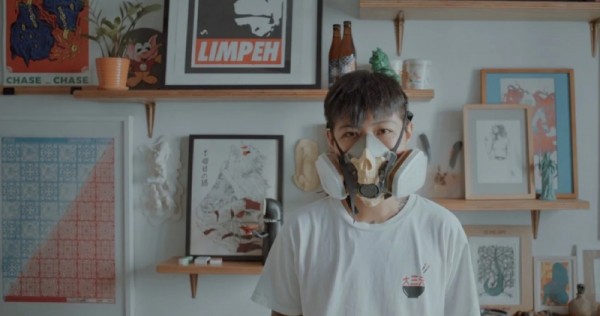
For a pair of young television rebels, Singapore is more than just an uptight, squeaky-clean, conservative state.
“People have this impression that Singapore is boring,” says 25-year-old Tan Hui Er, co-founder of the Not Safe For TV online channel. “The interesting parts of our country are there, but we just have to look for them in the right places.”
For the channel’s new Living in SIN micro-documentary series, Tan and her collaborators did just that.
Episodes in the series cover a range of topics, including the city state’s vibrant underground hip-hop scene; nonconformist advertising veteran Pann Lim, known for his offbeat style; two hardcore motorsports enthusiasts who defied the odds to pursue the thrill of fast cars in a city where racing opportunities are limited; and the chequered past of Singapore’s most wanted gangster, Roland Tan, linked to one of the world’s largest drug syndicates.
While many shoppers may be cautious about heading out on Friday (June 19) – the first day of phase two of the reopening of the economy – shopping malls and their operators are going all out to ensure that everything is safe and ready should the crowds return.
At CapitaLand malls, such as Ion Orchard and Bukit Panjang Plaza, directional signs for shoppers coming from the train stations are up, while floor markings and poles for queues are being set up at entrances to manage human traffic and space out the queues.
At Nex, more employees will be deployed at entrances to manage the anticipated increase in shoppers and ensure that those in line to enter the mall stay at least 1m apart.
It will open just five of its 28 entrances but is prepared to open more if needed, said its spokesman.
Shopping mall Paragon will have regular public announcements reminding shoppers to maintain a safe distance.
These measures are on top of other safe distancing steps retail establishments have to implement, including limiting customer numbers, using the SafeEntry check-in system and making sure common areas are cleaned regularly.