The smoke bomb is a double-edged sword. It has to be handled with care. It can hurt the thrower or help him.
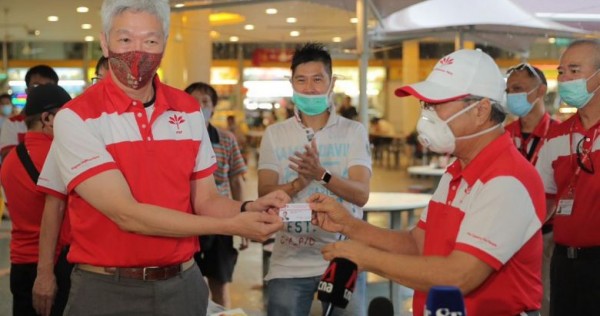
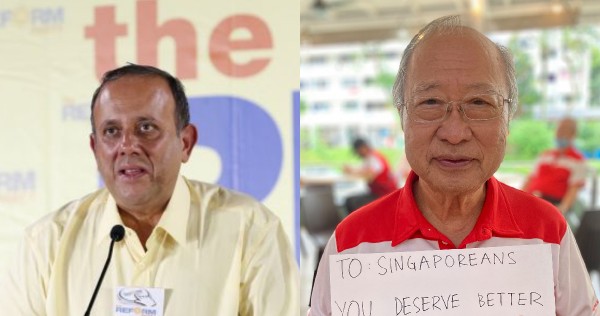
Lee Hsien Yang has thrown one and we will have to wait and see if it hurts him/his political party. His highly-publicised visit to the Tiong Bahru market with veteran politician and secretary-general of the Progress Singapore Party (PSP), Tan Cheng Bock, on Wednesday had raised many people’s expectations sky high that Lee, the younger brother of Lee Hsien Loong and second son of Lee Kuan Yew, would fight GE2020.
That was not to be; it was to tell Singaporeans that Lee Hsien Yang had joined Dr Tan’s PSP.
Two days later, Dr Tan announced the final list of his party’s candidates and Lee’s name was not on it. I could almost hear a collective sigh of exasperation. Pff.
Worse still, it came just a day after the uncle of Opposition politics, Low Thia Khiang, and two of his Workers’ Party colleagues said they were out of the election race. That announcement left a glaring vacuum in Opposition politics which many thought Lee could fill.
Looks like the People’s Action Party’s Gan Siow Huang and Poh Li San are not the only female Singapore Armed Forces (SAF) officers contesting in the upcoming general election.
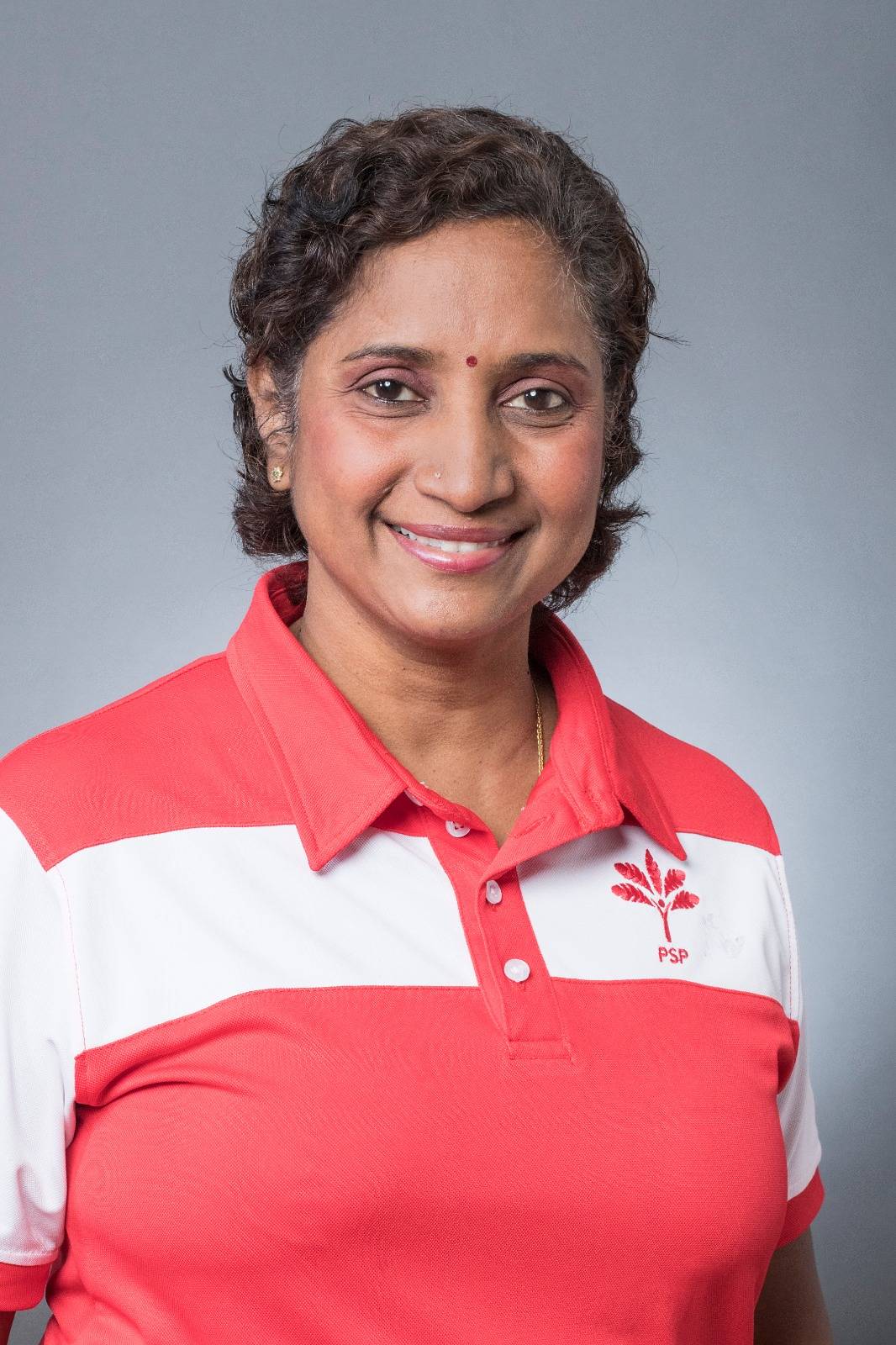
Kala Manickam has joined the political fray after being unveiled as a candidate during Progress Singapore Party’s (PSP) press conference this morning (June 26).
The 52-year-old was in SAF’s pioneer batch of female commissioned officers and became a platoon commander of the Women Wing in the Officer Cadet School.
After seven years in the military, she left as a lieutenant to become an adult educator for 15 years.
SINGAPORE: The People’s Action Party’s (PAP) firm grip on West Coast Group Representation Constituency (GRC) will be tested by the Progress Singapore Party (PSP) in the upcoming General Election, analysts say.
West Coast GRC has traditionally been a PAP stronghold since it was formed in 1997. In the last polls in 2015, PAP won 78.57 per cent of the votes against the Reform Party (RP).
The wide margin meant that the four-member PAP team, which comprised of Mr S Iswaran, Mr Lim Hng Kiang, Ms Foo Mee Har and Mr Patrick Tay, was among the best performing PAP teams in the 2015 General Election.
File photo of PAP’s S Iswaran and Foo Mee Har talking to residents at West Coast GRC. (Photo: Foo Mee Har/Facebook)
Although the PAP remains favourite to retain the ward according to observers, new challengers PSP, led by veteran politician Dr Tan Cheng Bock, could make it a much tighter affair.
“The support for the PAP will probably remain quite decent even in the face of a strong challenger. There is a high chance that the PSP, led by Dr Tan Cheng Bock, will make serious in-roads into this constituency, although short of taking over,” said associate lecturer at SIM Global Education Felix Tan.
Dr Tan was MP for Ayer Rajah for 26 years when he was with the PAP. The ward is now part of West Coast GRC.
He believes that his strong roots in the area, from his time serving as an MP and a medical doctor, will help PSP gain an advantage in the contest.
According to Dr Gillian Koh, research deputy director for the Institute of Policy Studies (IPS), Dr Tan’s experience as a former PAP politician would put him in good stead in the minds of voters in the area.
“People and voters especially in the region will feel that it is the PSP that is the party to watch, not just because it is a newcomer, but most importantly because it is helmed by Dr Tan, who was a party stalwart of the PAP for so many years,” said Dr Koh.
She noted that besides his experience as a PAP MP in Ayer Rajah, Dr Tan contested in the Presidential Election in 2011, where he lost marginally to Dr Tony Tan.
File photo of Dr Tan Cheng Bock. (Photo: AFP/Roslan Rahman)
“He is a seasoned campaigner … at his party’s press conference, he was campaigning to be given a chance to bring issues of governance in Singapore,” said Dr Koh.
“The PAP has always prided itself on delivering good governance so for someone from its camp formerly, setting up an opposition party indicates that Dr Tan feels that there is a deficit he wants to fix,” she added.
National University of Singapore (NUS) sociologist Tan Ern Ser told CNA that he anticipates the contest for West Coast GRC to be a “royal battle” between PAP and PSP.
He highlighted that Dr Tan’s experience in Ayer Rajah means that the PSP team has some “home-ground advantage and political capital” but also outlined that voters might regard him differently now that he is no longer with the PAP.
“He is no longer under the PAP banner, which means that if the GRC voters decide who to vote on the basis of the party a candidate comes under, then Dr Tan would be at a disadvantage,” said Assoc Prof Tan.
“HEAVYWEIGHT” NAME LIKELY TO JOIN PAP SLATE
Analysts said that the final candidate line-ups for West Coast GRC will be one to look out for on Nomination Day next Tuesday, with the number of seats expanded from four to five.
The Electoral Boundaries Review Committee report released in March showed that West Coast GRC took in parts of Chua Chu Kang GRC and parts of Hong Kah North Single Member Constituency (SMC) to become a five-member constituency, with 144,516 voters, up from 99,300 in 2015.
Observers said that PAP would likely field a refreshed slate for West Coast GRC, including some familiar faces.
For instance, Mr Lim Hng Kiang, who left his portfolio in Cabinet in May 2018 as Minister of Trade and Industry, will likely stand down for the upcoming election.
Analysts say three PAP members S Iswaran, Foo Mee Har and Patrick Tay will likely contest in West Coast GRC again for the 2020 General Election. (Photos: PAP)
IPS’ Dr Koh said it could be possible that PAP would name a strong, experienced candidate to stand alongside Mr Iswaran, Mr Tay and Ms Foo, with the GRC likely to be a key election battleground.
“We wait to see which other heavyweight candidate will be sent to complement Mr S Iswaran in this fight in the west, now that it is clear the PSP team they will be up against,” she said.
“Mr Tay, Ms Foo have been on the ground for many years and they, like Mr Iswaran, are most likely to stay in order to retain the political capital they have. It is just a question of the top up of two new candidates for the ward,” Dr Koh added.
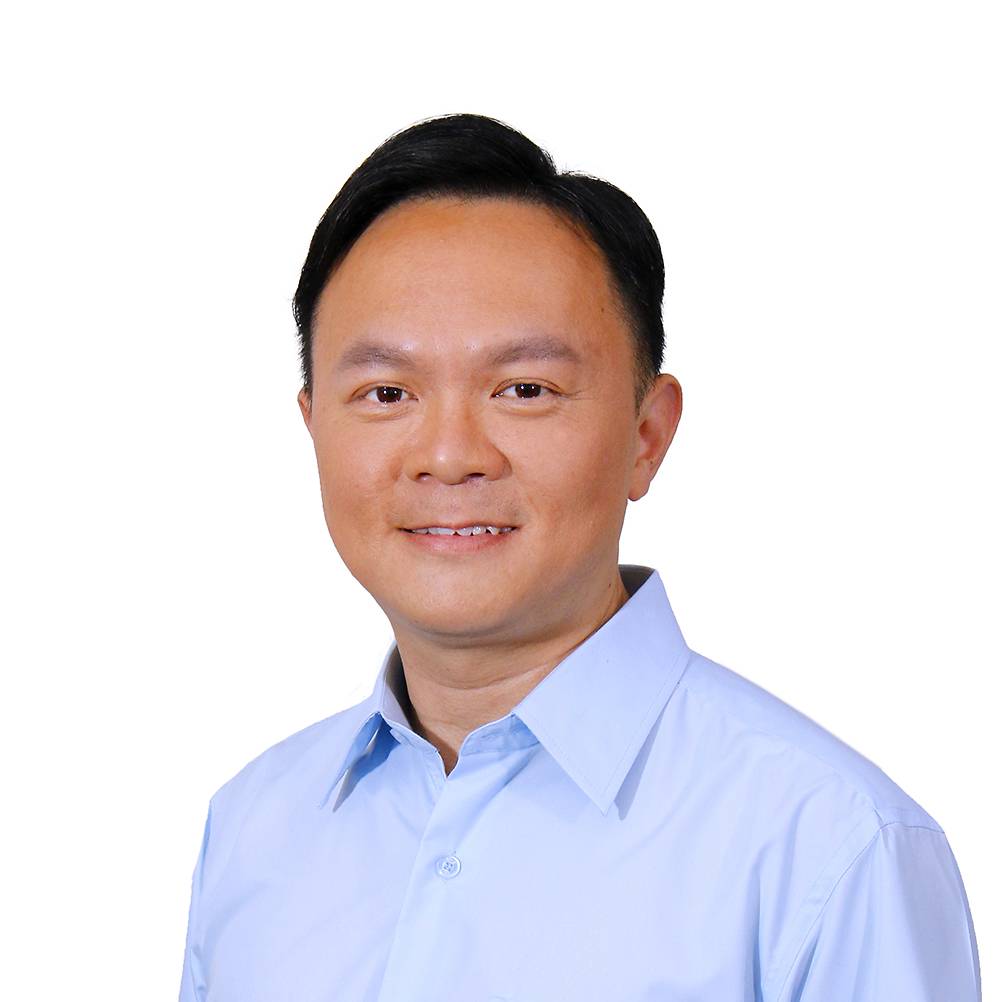
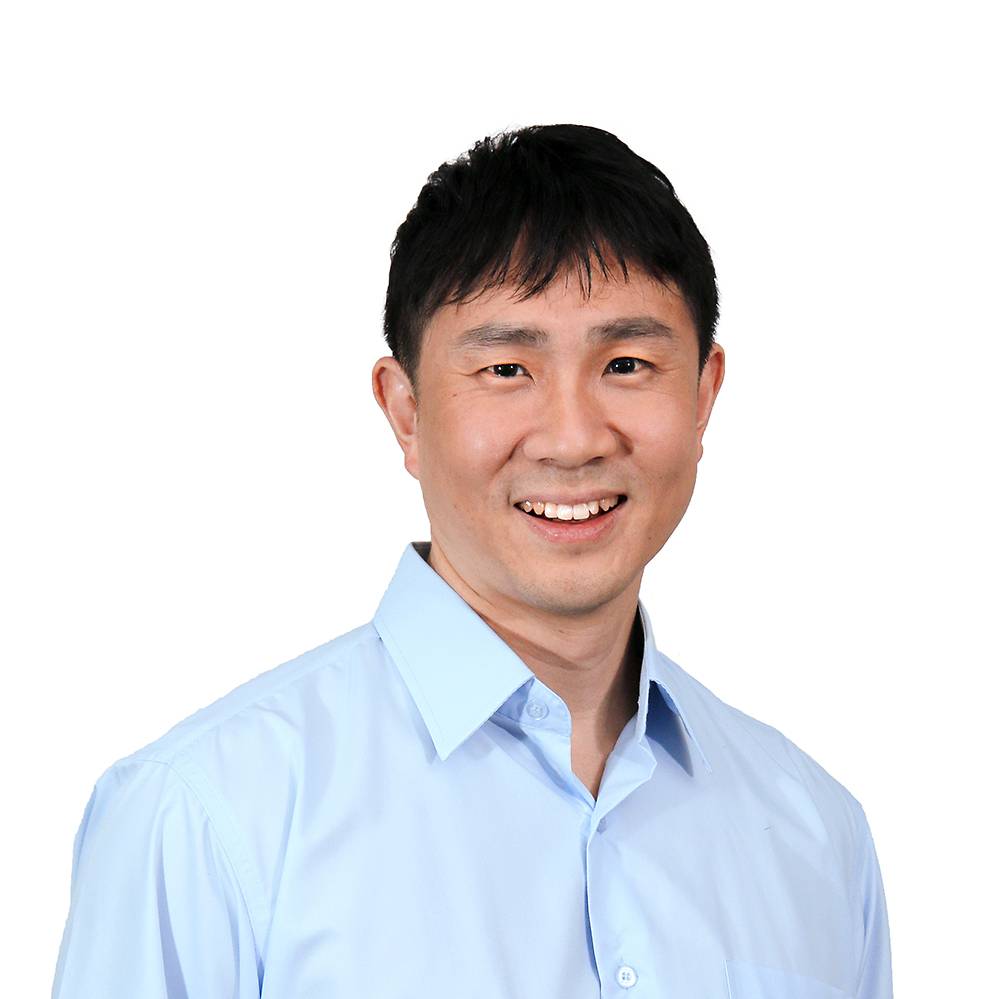
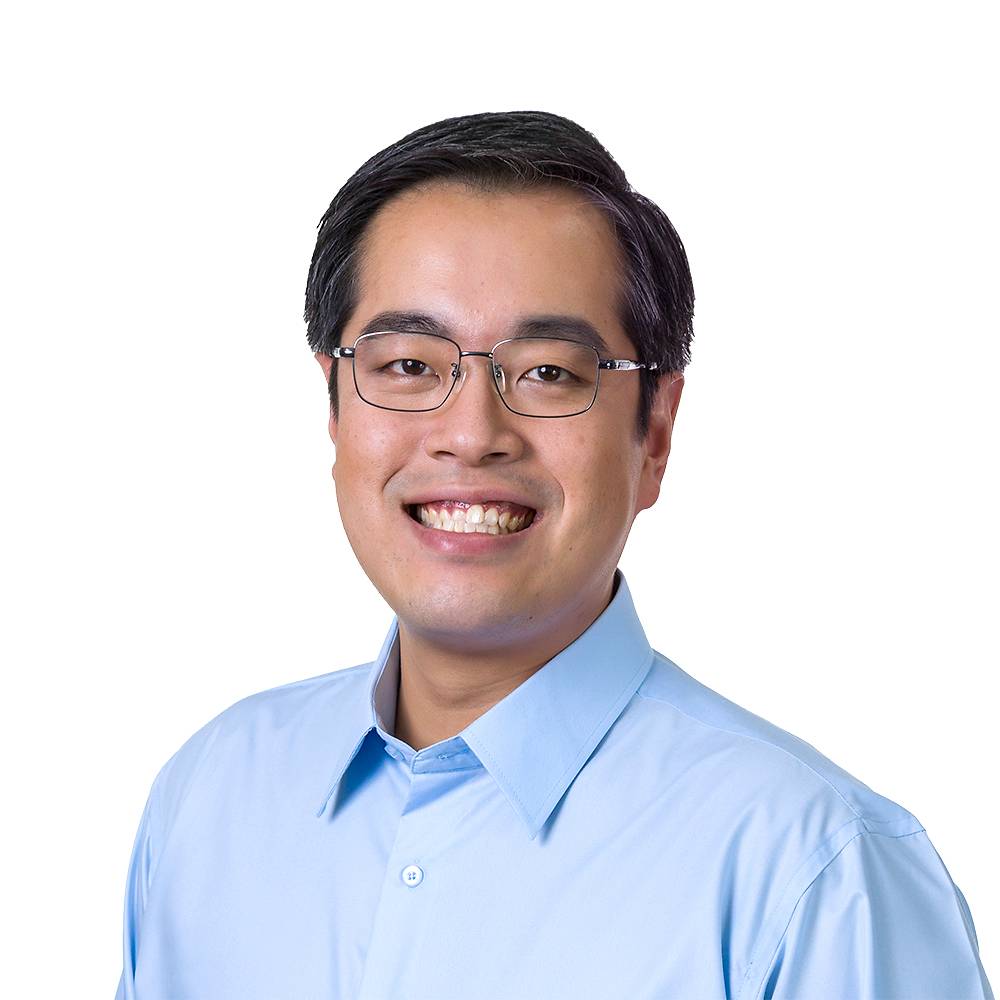
PSP announced on Friday morning that the potential candidates it will field in West Coast GRC alongside Dr Tan are Ms Hazel Poa, a former government scholarship holder who was a star catch for the National Solidarity Party in 2011, PSP assistant secretary-general Leong Mun Wai who is a former managing director at OCBC Securities, former Singapore Armed Forces lieutenant colonel Nadarajah Loganathan and marketing executive Jeffrey Koh.
NUS’ Assoc Prof Tan said that this will likely be PSP’s “Team A” and the quality of candidates who might stand alongside Dr Tan indicates that PSP would not be seen as a “one-person show”.
Dr Felix Tan shared similar sentiments. He noted that the potential candidates that PSP is likely to field in West Coast GRC is a “rather formidable team”.
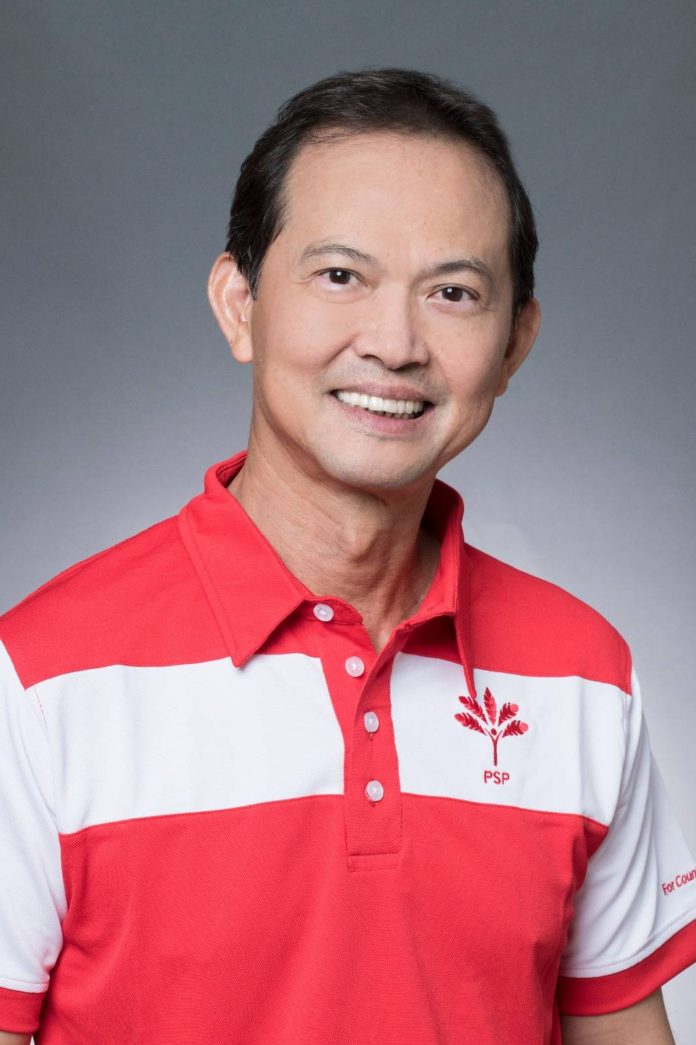
PSP’s five potential candidates for West Coast GRC. Clockwise from top left, they are Tan Cheng Bok, Hazel Poa, Nadarajah Loganathan, Jeffrey Koh, Leong Mun Wai. (Photos: PSP)
Dr Felix Tan noted that PSP as a collective unit has a strong slate of candidates, consisting of former PAP members and grassroots leaders who have experience in running town councils.
He added that this suits voters who are looking for an alternative voice, but prefer a party that does not deviate too much from the PAP.
“PSP would seem to fit that bill perfectly. It would now boil down to what the PSP can promise and whether their goals will be realistic and pragmatic enough,” he said.
PSP has unveiled 24 potential candidates for the election, and has announced that it intends to contest West Coast, Chua Chu Kang, Nee Soon and Tanjong Pagar GRCs as well as Kebun Baru, Yio Chu Kang, Marymount, Pioneer and Hong Kah North SMCs.
Dr Felix Tan noted that although PSP has candidates with impressive credentials, the COVID-19 measures announced by the Election Department – which include no physical rallies and no party walkabouts in groups of more than five – could be a handicap for newcomers like PSP, as voters may be unfamiliar with the candidates.
“Unfortunately, given the limitations to election campaigning and the timing of the elections this time around, one wonders whether the voters really have the time to take notice of the candidates’ portfolio or simply fall back on the ‘tried and tested’ party that they are familiar with,” said Dr Felix Tan.
“The PSP will have an uphill task to push for their candidates in a GRC more so and hence, given the circumstances, the PSP will have not much of a choice but to rely on the cult of personality that revolves around Dr Tan Cheng Bock,” he added.
3-CORNERED FIGHT STILL ON THE CARDS?
Observers told CNA that if the battle for West Coast GRC becomes a three-cornered fight, PSP’s chances of mounting a real challenge to PAP will be diminished as the votes for the opposition parties could be split.
On Tuesday, the Reform Party (RP) announced that it would not contest West Coast GRC, paving the way for a head-to-head fight between PAP and PSP.
RP secretary-general Kenneth Jeyaretnam said that the party decided to give West Coast GRC a miss after “long talks” with Dr Tan and assistant secretary-general Mr Leong.
However, on Thursday night, RP chairman Andy Zhu accused PSP of not honouring a “gentleman’s agreement” between the two sides, with PSP is set to contest Yio Chu Kang SMC, a ward where RP secretary-general Kenneth Jeyeratnem is expected to contest.
The ward was carved out from Ang Mo Kio GRC, which RP contested in 2015. Mr Zhu claimed that the rights to contest there should be awarded to RP.
Dr Tan announced on Friday morning that chartered accountant Ms Kayla Low would potentially contest Yio Chu Kang SMC for PSP.
In response to RP’s claim, PSP’s Mr Leong said on Friday that he had been in direct contact with Mr Jeyaretnam and there was an exchange of ideas. However, he pointed out that the two parties never arrived or agreed to any formal agreement.
Mr Leong said he would apologise to RP if there was any misunderstanding but he maintained that the party takes a “serious view” towards anyone who attacked the integrity of Dr Tan.
Observers said that these recent developments could mean that all bets are off between RP and PSP, and this could eventually lead to a three-corner fight in West Coast GRC.
Dr Felix Tan said that RP comprises largely of “unknown individuals with little experience in the political landscape”, and that their inclusion could have little impact on the result on Polling Day.
“RP might get a small percentage of the vote share, but their attempts would be futile, especially against two political parties led by strong personalities and political acumen,” said Dr Felix Tan.
Dr Koh maintained that all eyes would be on PSP to provide the arguments, and the PAP incumbent team to respond.
But she stated that PAP’s senior leaders would also put their weight behind their West Coast GRC team during the course of campaigning.
“In other words, this battle may feel less of a local one and more of a national one,” said Dr Koh.
Now that the cat’s out of the bag — the upcoming general election will be held on July 10 — the first question that comes to most of our minds are: Wait, do I have to vote?
To cut straight to the chase, if you’re a Singaporean citizen that’s 21 years of age (or older) as of March 21, 2020, you must vote in the upcoming election. Yes, voting is compulsory; it is not an option.
Why March 1, 2020? That’s when the Registers of Electors (a list of names of eligible voters) was prepared.
Hence, even if you were to turn 21 before polling day on July 10, you’d have to wait till the next election to cast your vote if your birthday is after March 1, 2020.
SINGAPORE: The Workers’ Party on Friday (Jun 26) introduced five more candidates that it plans to field in the 2020 General Election.
There are three familiar faces, including former Non-Constituency Member of Parliament (NCMP) Dennis Tan, as well as Dylan Ng and Ron Tan who both contested in the 2015 polls.
The other two are new to elections: 44-year-old associate professor of economics Jamus Lim and 26-year-old social activist Raeesah Khan, who is the party’s youngest candidate.
This was the WP’s second candidate introduction session. At the first session on Thursday, it unveiled four candidates, including former NCMP Yee Jenn Jong and advertising associate director Nicole Seah who ran in the 2011 election under the National Solidarity Party.
Two others were first-time candidates: 33-year-old equity research analyst Louis Chua Kheng Wee and 33-year-old gig economy worker Muhammad Azhar Abdul Latip.
The WP said it will be contesting two Single Member Constituencies (SMC) and four Group Representation Constituencies (GRC) for a total of 21 seats in Parliament come Jul 10. The constituencies are Hougang SMC, Punggol West SMC, Aljunied GRC, East Coast GRC, Marine Parade GRC and Sengkang GRC.
The WP had also said its former party chief Low Thia Khiang and his fellow Aljunied GRC team member Chen Show Mao, as well as former Hougang MP Png Eng Huat will not be standing as candidates in GE 2020. This is as the party pushes ahead with renewal.
Former NCMPs Gerald Giam and Leon Perera will stand in Aljunied GRC in the coming polls, while the party’s organising secretary and former NCMP Dennis Tan is the prospective WP candidate for Hougang SMC.
Speaking at the virtual press conference on Friday, party chief Pritam Singh said he will stand in Aljunied, together with party chairman Sylvia Lim and Mr Faisal Manap.
WP will unveil its election manifesto this weekend, Ms Lim said in response to a question.
WP has not announced where any of the other candidates will be fielded. Mr Singh has said this will be made known “in days to come”.
DENNIS TAN
Workers’ Party candidate for GE2020 Dennis Tan Lip Fong. (Photo: Workers’ Party)
Shipping lawyer Dennis Tan, 48, first ran under the WP flag in 2015 when he was fielded in Fengshan SMC. He lost to the People’s Action Party’s (PAP) Cheryl Chan after garnering 42.5 per cent of the votes. But as one of the best performers among the losing candidates in the 2015 polls, he secured a seat in Parliament as an NCMP and has spoken out on issues ranging from public transport to climate change.
He said his time as an NCMP has made him even more convinced that PAP’s “super majority in Parliament is bad for Singapore and Singaporeans”.
The world after the pandemic will be a “brave new world”, he said, adding that a diversity of ideas and a more balanced Parliament will be needed to deal with issues such as jobs, cost of living, retirement adequacy and the future economy.
Mr Tan said he began assisting Mr Png in Hougang three years ago with the running of the estate and constituency matters.
“I just want to say that Hougang constituency knows more than any other constituency in Singapore the importance of having an alternative voice in Parliament.
“I will continue to persuade as many Hougang voters as possible in this coming election, including new residents who have moved in,” he said.
The Hougang seat has been held by a WP MP since Mr Low Thia Khiang won it in 1991. When Mr Low moved to Aljunied GRC in 2011, Mr Yaw Shin Leong retained the seat but later stepped down due to a personal indiscretion, triggering a by-election. Mr Png won the seat in the 2012 by-election and again at GE2015.
RAEESAH KHAN
Workers’ Party candidate for GE2020 Raeesah Khan. (Photo: Workers’ Party)
Ms Raeesah Khan, 26, is the founder and director of Programs at Reyna Movement, a non-profit organisation that seeks to empower underprivileged women. The youngest candidate for WP has been spotted helping out at Sengkang GRC.
She is the daughter of one-time presidential hopeful Farid Khan, who had wanted to run in the 2017 Presidential Election but did not qualify for the contest.
Ms Khan credited her parents, who came from a humble background and worked hard to provide for the family, for her decision to become an activist and now, run for elections.
“Because of what they taught me growing up, I’ve always known that for far too many people hard work alone isn’t enough to get past the hurdles they face.”
She said she has worked with people from all walks of life, including underprivileged families, survivors of sexual abuse, youth activists and migrant workers.
Through her course of work, she often wondered why it is “getting disproportionately harder for working class families to live a decent life” and why do “only the elites get a seat at the table” when it comes to planning the future of Singapore after the COVID-19 pandemic.
She hopes for Singapore to become a country where the marginalised are cared for, with accessible housing for all and better protection for workers.
DYLAN NG FOO ENG
Workers’ Party candidate for GE2020 Dylan Ng Foo Eng. (Photo: Workers’ Party)
The 45-year-old will be running under the WP flag for a second time come Jul 10.
Mr Ng joined WP eight years ago as a volunteer and was fielded as part of the party’s slate of five candidates for Marine Parade GRC. The WP team garnered 35.9 per cent of votes cast and lost to the ruling PAP.
Asked what he has learnt from his campaigning experiences in the past, he said: “Basically it’s about having the heart to serve the residents, once you have the heart to serve and you hear their pain points, you can truly empathise with them … It’s about having a listening ear.”
The potential candidate said he hopes for a “balanced” parliament with diverse views and voices, and one that engages in robust policy debate.
Mr Ng has spent the past 20 years in the banking and finance sector. He is currently a director in a wealth advisory firm.
JAMUS LIM
Workers’ Party candidate for GE2020 Jamus Lim. (Photo: Workers’ Party)
Dr Jamus Lim, 44, is Associate Professor of economics at Essec Business School. He had been a lead economist with the Abu Dhabi Investment Authority and a senior economist with the World Bank before that.
His academic credentials include two doctorates from Harvard University and the University of California, a master’s degree from the London School of Economics and a bachelor’s degree from the University of Southern Queensland.
Dr Lim has been seen on the ground in the newly formed Sengkang GRC.
During the press conference, he spoke about the local education system which he described as a “pressure cooker” and questioned what this focus on outcome has meant in terms of opportunities for Singaporeans.
“I believe that we have allowed superficial success in our educational system to blind us to the fact that this system isn’t working and our education system is not preparing our children to actually take on and create good jobs for the future,” he said.
“I want to ask these kind of questions for the sake of my eight-month-old daughter but I also want to ask them for the sake of all children.”
RON TAN JUN YEN
Workers’ Party candidate for GE2020 Ron Tan Jun Yen. (Photo: Workers’ Party)
Mr Tan, 34, is a senior assistant manager at the NUHS Research Office.
He began volunteering with WP in Hougang in 2012 before becoming involved in constituency matters at Aljunied in 2017. He has been Mr Low’s legislative assistant since 2017.
Mr Tan was part of the 5-member WP team that contested Nee Soon GRC in the 2015 polls, but lost to the People’s Action Party.
Mr Tan said it is a “bittersweet” moment for him to be Mr Low’s last legislative assistant.
“The last three years have been very meaningful serving as Mr Low’s (legislative assistant),” he said.
“The best lesson I learned from him is that you have to be responsible to your residents, you’re elected to take on the responsibility to look after them, to be the voice for them in Parliament and to assist them with their day-to-day issues.”
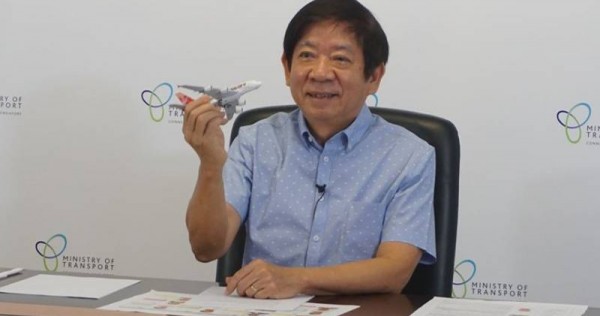
Minister for Transport and Coordinating Minister for Infrastructure Khaw Boon Wan has retired from politics.
In a letter sent out by the Prime Minister’s Office today (June 26), Prime Minister Lee Hsien Loong wished Khaw a “happy, healthy and well-deserved retirement” and thanked him for a “lifetime of public service to Singapore.”
Before Khaw became a Minister, he was a civil servant who served as principal private secretary to then-Prime Minister Goh Chok Tong and permanent secretary at the Ministry of Trade and Industry.
2020 marks Khaw’s 20th year in politics (he entered politics in 2001) and he has been at the head of several important ministries during his time in Parliament.
Known as Mr Fix-it, the 67-year-old has helmed not one, not two but three ministries during their most difficult periods — Health, National Development, and Transport.
He was a Senior Minister of State for Health during the Severe Acute Respiratory Syndrome (SARS) outbreak and subsequently took on the role of Minister for Health in 2004.
SINGAPORE: Coordinating Minister for Infrastructure and Transport Minister Khaw Boon Wan is retiring from politics after 19 years.
In a letter to Mr Khaw on Friday (Jun 26), Prime Minister Lee Hsien Loong thanked him for his “lifetime of public service to Singapore”, highlighting the roles he took on in the Ministry of Health, the Ministry of National Development and the Ministry of Transport during his political career.
In a later Facebook post, Mr Lee acknowledged Mr Khaw’s retirement, saying it was “with sadness” that he accepted the decision ahead of the General Election.
“Boon Wan has made immense contributions to Singapore, and left deep impressions on those he worked with, including me personally as a dear friend,” he said.
Mr Lee noted the start and end of Mr Khaw’s time in politics were marked by global crises – the aftermath of Sep 11 and the COVID-19 pandemic now.
“They bookend a remarkable political career, during which you have taken on the most challenging jobs in the Cabinet.”
MR KHAW’S WORK IN POLITICS
Mr Lee wrote about Mr Khaw’s work on the front line during the Severe Acute Respiratory Syndrome (SARS) outbreak while he was a Senior Minister of State at the Ministry of Health, where he subsequently took over as health minister from Mr Lim Hng Kiang.
“Learning the painful lessons of SARS, you instituted new processes and extensive preparations, to get us ready for the next novel disease outbreak. These served us well when COVID-19 came upon us,” said Mr Lee.
The prime minister also praised Mr Khaw for reforming MediShield and MediSave, and introducing Eldershield.
“These fundamental reforms reassured many Singaporeans that healthcare costs would remain affordable.”
When Mr Khaw took on the national development portfolio, Mr Lee said he “ramped up the HDB building programme, reduced Built-to-Order (BTO) waiting times and introduced policies to enable newlyweds to own their first flat earlier and live near their parents”.
“These measures gave young Singaporeans the confidence that an affordable home would always be within their reach.”
Mr Lee touched on Mr Khaw’s contributions to the “politically spiky transport portfolio”, outlining projects he pushed for, such as the construction of Changi Runway 3, Changi Airport Terminal 5 and the Tuas Megaport.
He added Mr Khaw’s personal rapport with foreign counterparts was “invaluable”, referring to the “complicated negotiations” on the Johor Bahru-Singapore Rapid Transit System Link and the Kuala Lumpur-Singapore High Speed Rail and the airspace issue with Indonesia.
“Besides your ministerial duties, you also made significant contributions to the People’s Action Party,” Mr Lee wrote, describing how Mr Khaw helped identify where the PAP had “fallen short” after the “disappointing results of the 2011 General Election”.
“You presented your conclusions and recommendations at the 2011 Party Conference, where they were actively debated.
“That was a watershed moment for the PAP.”
“You were in my Cabinet since day one, and have been one of my most reliable lieutenants.
He added Mr Khaw was a “role model and a source of sage advice” for younger ministers.
“His colleagues could always depend on him for generous and sound advice. I am happy that he has agreed to continue sharing his experience and wisdom even after retirement,” Mr Lee said in his Facebook post.
Transport Minister Khaw Boon Wan and Prime Minister Lee Hsien Loong. (Photo: Facebook/Lee Hsien Loong)
MR KHAW’S TIME AS AN MP IN SEMBAWANG
As a Member of Parliament (MP), Mr Khaw was known for being “dedicated and responsive to residents”, Mr Lee said.
“You were active in bringing the community together, and infusing the kampung spirit in your residents.
“You took special pride in keeping Sembawang clean and green, and residents often encountered you when you took walks in Sembawang Park to relax.
“On behalf of all Singaporeans, and especially your residents in Sembawang, I thank you for all that you have done for Singapore, and wish you a happy, healthy and well-deserved retirement.”
“WEEK OF HIGH EMOTION”
In a Facebook post, Mr Khaw himself addressed the residents of Moulmein and Sembawang.
“Today, PM announced my retirement from politics, after 42 years of public service,” he said.
“It is a week of high emotion for me. Gratitude fills me to the brim!
“Gratitude to #Singaporeans for the many life-changing opportunities, starting from a scholarship, to citizenship and a great career in public service.
“Gratitude to the residents of #Moulmein and #Sembawang who gave me the honour to represent them in Parliament.”
He also thanked his colleagues in Parliament and Cabinet.
“Ten years after my heart bypass, it’s time to say farewell and disembark at the next station, confident that the next crew will take #Singapore to newer height(s).
“I travel light, but I shall disembark, fully laden with friendship and great memories!”
“Bidding farewell to 42 years of public service! It’s been an eventful journey. See you all on trains and buses!,” said Transport Minister Khaw Boon Wan on Jun 26, 2020. (Photo: Facebook/Khaw Boon Wan)
SINGAPORE: Nestled in the heart of Henderson estate, a local start-up which grows strawberries indoors is expecting to yield its first harvest in September for sale.
Singrow’s technologies enable strawberries to grow at a temperature of about 28 to 30 degrees Celsius – a warmer climate than usual for strawberries – and the company aims to achieve eight to nine harvests per year. This is compared to the roughly four harvests a year on farms in Japan that grow regular strawberries.
The company is among the agri-food companies here that will receive funding to help them build new capabilities and innovate.
More than S$55 million will be set aside for this purpose, announced Enterprise Singapore (ESG) on Friday (Jun 26).
“This builds on ESG’s ongoing efforts to develop a vibrant agri-food tech ecosystem that will catalyse innovation and scalable solutions to meet evolving needs,” said the agency.
ESG also encourages the industry to adopt cutting-edge agriculture and aquaculture technologies.
An employee of Augmentus explaining how harvesting works. (Photo: Grace Yeoh)
Singrow, for instance, combines proprietary cultivation methods with innovative technologies to enhance the growth of high-value crops, while significantly reducing their cultivation period.
This technology can also be applied to other crops that are in higher demand now, including leafy vegetables, said the company.
INCREASED SUPPORT FOR AGRI-FOOD TECH STARTUPS
Since the start of the year, Singapore’s agri-food tech start-ups have benefited from more than S$40 million in investments coming from both the public and private sector, said Senior Minister of State for Trade and Industry Koh Poh Koon on Friday during a visit to Singrow.
There have been various initiatives to support the growth of the agri-food tech start-up ecosystem, noted ESG.
Last January, ESG’s investment arm SEEDS Capital appointed seven co-investment partners to invest more than S$90 million in early-stage agri-food tech start-ups.
“ESG has also anchored five global agri-food tech accelerators and one local life sciences accelerator in the past year under the Startup SG Accelerator programme,” the agency added.
“These six accelerators are expected to groom over 150 agri-food tech startups over the next three years.”
Created by Augmentus, an industrial automation company, this machine pollinates flowers and harvests strawberries. (Photo: Grace Yeoh)
One of the accelerators, GROW, is currently helping Singrow in fundraising efforts for its seed round.
The start-up also plans to set up a larger facility for commercial crop production by early 2022, and expand to markets including China, Indonesia, Malaysia and Vietnam.
“ESG’s support for agri-tech companies has enabled Singrow to rapidly expand our network of prospective partners through international co-innovation programmes,” said Dr Bao Shengjie, CEO of Singrow.
“Our focus on innovation has given us an advantage in the agri-tech field and allowed us to continually explore and develop new solutions for the industry.”
Other companies that ESG is working with include Singapore Aquaculture Technologies (SAT) and Sustenir Agriculture.
SAT undertakes innovative solutions to grow fish, as well as enable it to prevent and detect diseases in fish early.
Sustenir produces vegetables with a controlled environment agriculture system that utilises 95 per cent less water compared to traditional farming methods. It also uses robotic solutions that support seeding and transplanting.
SIGNIFICANT SECTOR DESPITE COVID-19
The COVID-19 pandemic has underscored the importance of food security amid disruptions seen across the global food supply chain, said ESG’s deputy CEO Ted Tan.
“There is an urgency for our agriculture and aquaculture companies to leverage agri-food technologies to address the growing demand locally and globally,” he added.
“The current COVID-19 situation has underscored the importance of supporting agri-food tech startups and the use of disruptive innovation to future-proof food production in Asia, amidst disruptions observed across the global food supply chain.”
With a continued push to grow the agri-food industry, more jobs will be created.
“Start-ups like Singrow provide growth potential that can bring young interns who are interested in the new fields, leveraging a science and technology background to enter the interesting space of growing food as well. At the same time, it also provides an opportunity for mid-career switches,” said Dr Koh.
“Aside from COVID, the world knows that overall food production will be in short supply compared to consumer needs. We see the sector as a growth sector, and post-COVID, people who are looking at new sectors to venture into (should) keep a flexible mind and be prepared to try new things.”
SINGAPORE: The Progress Singapore Party (PSP) on Friday (Jun 26) introduced six more potential candidates for the Jul 10 General Election.
The potential candidates include: Singapore Airlines pilot Terence Soon, former SAF platoon commander Kala Manickam, consulting engineer Abdul Rahman and Jeffrey Khoo, chief marketing officer of a multinational corporation.
They also include: Chartered financial consultant Lim Cher Hong and founder of investment firm Timbre Capital Leong Mun Wai. Mr Leong is also the PSP’s assistant secretary-general.
With this latest announcement, the PSP has now introduced 23 prospective candidates.
PSP secretary-general Tan Cheng Bock had previously stated the party’s intention to contest 24 seats in the General Election. Dr Tan confirmed on Friday that he will also run in the upcoming election.
Speaking at a virtual press conference, Dr Tan said that the potential candidates possess “courage and determination” to step forward and serve.
“They are mainly very ordinary Singaporeans. Some have gone to achieve greatness in their own fields, some are ordinary Singaporeans like you and I, but I think the important ingredient I see in them is that their courage and determination to come and serve,” said Dr Tan.
“They all share the values that I want, that I have been advocating in what the PSP stands for.”
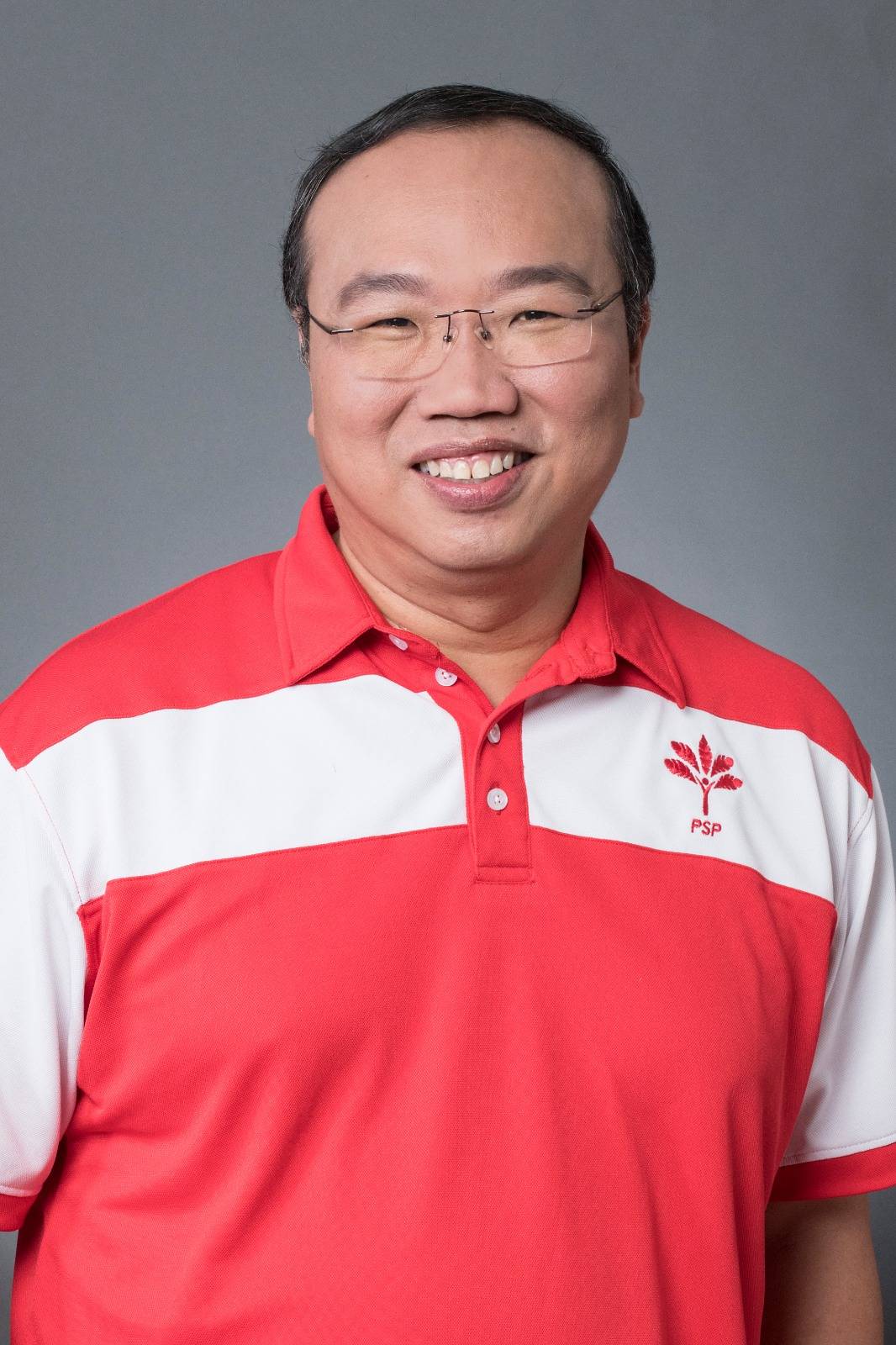
Mr Leong, 60, is the founder of investment firm Timbre Capital, a firm that provides capital and advice to local start-ups and small- and medium-sized enterprises (SMEs).
Mr Leong was also previously a managing director at OCBC securities and a director at Merrill Lynch Hong Kong.
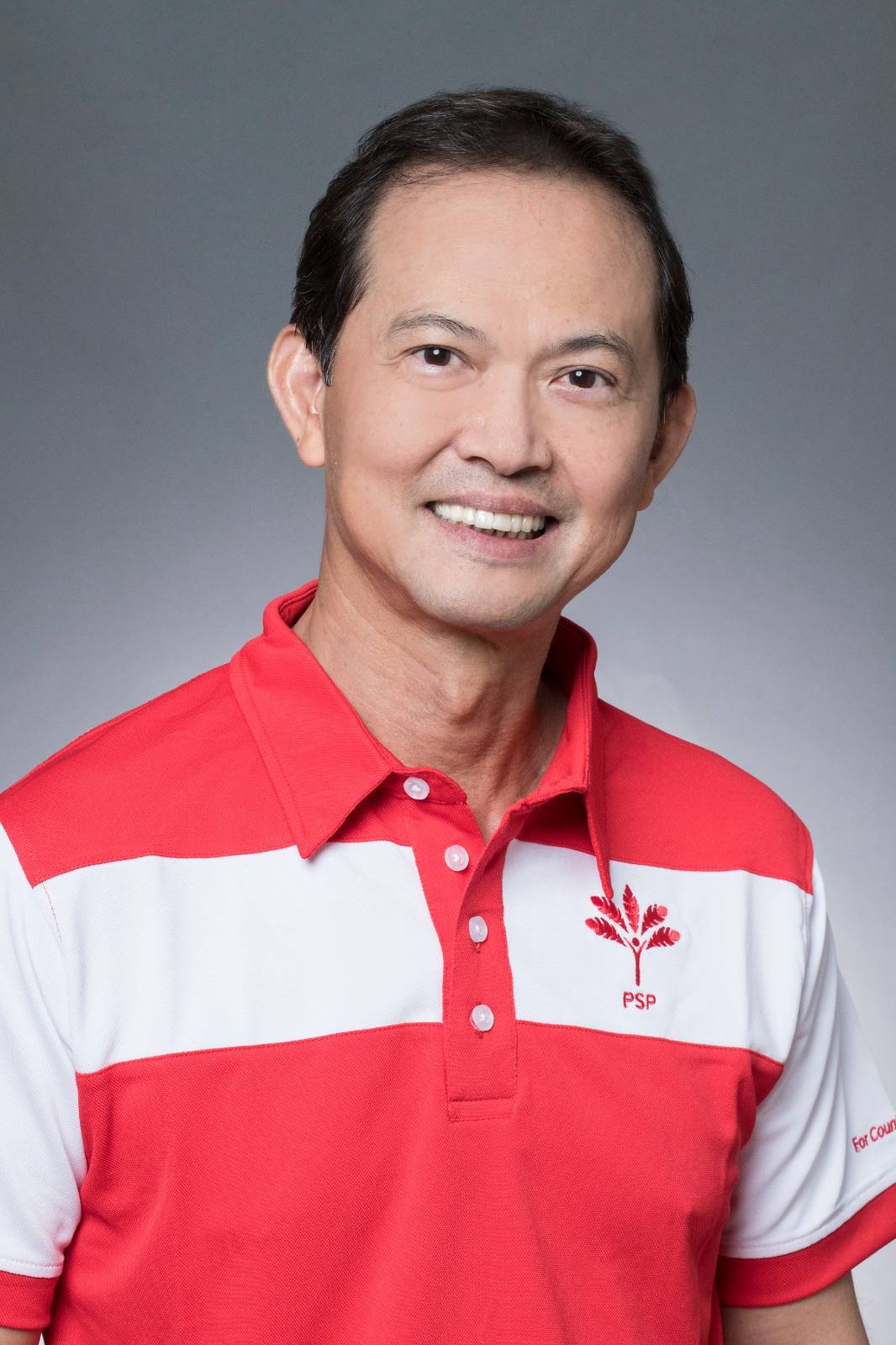
PSP candidate for GE2020 Leong Mun Wai. (Photo: PSP)
Mr Leong’s experience as an economist will help the party “evolve an economic policy for Singapore”, said Dr Tan.
“I want to do something more for the country so that everybody gets the same opportunities as me,” said Mr Leong. “We all take politics every seriously. Politics decides how a society looks like, and society affects the lives of all the people.”
Compassion is “fast diminishing” in Singapore’s society, added Mr Leong.
“We believe in progress with compassion, we believe that prosperity without happiness is not progress”, he added. “PSP is committed to building a united, compassionate, and progressive society.
TERENCE SOON
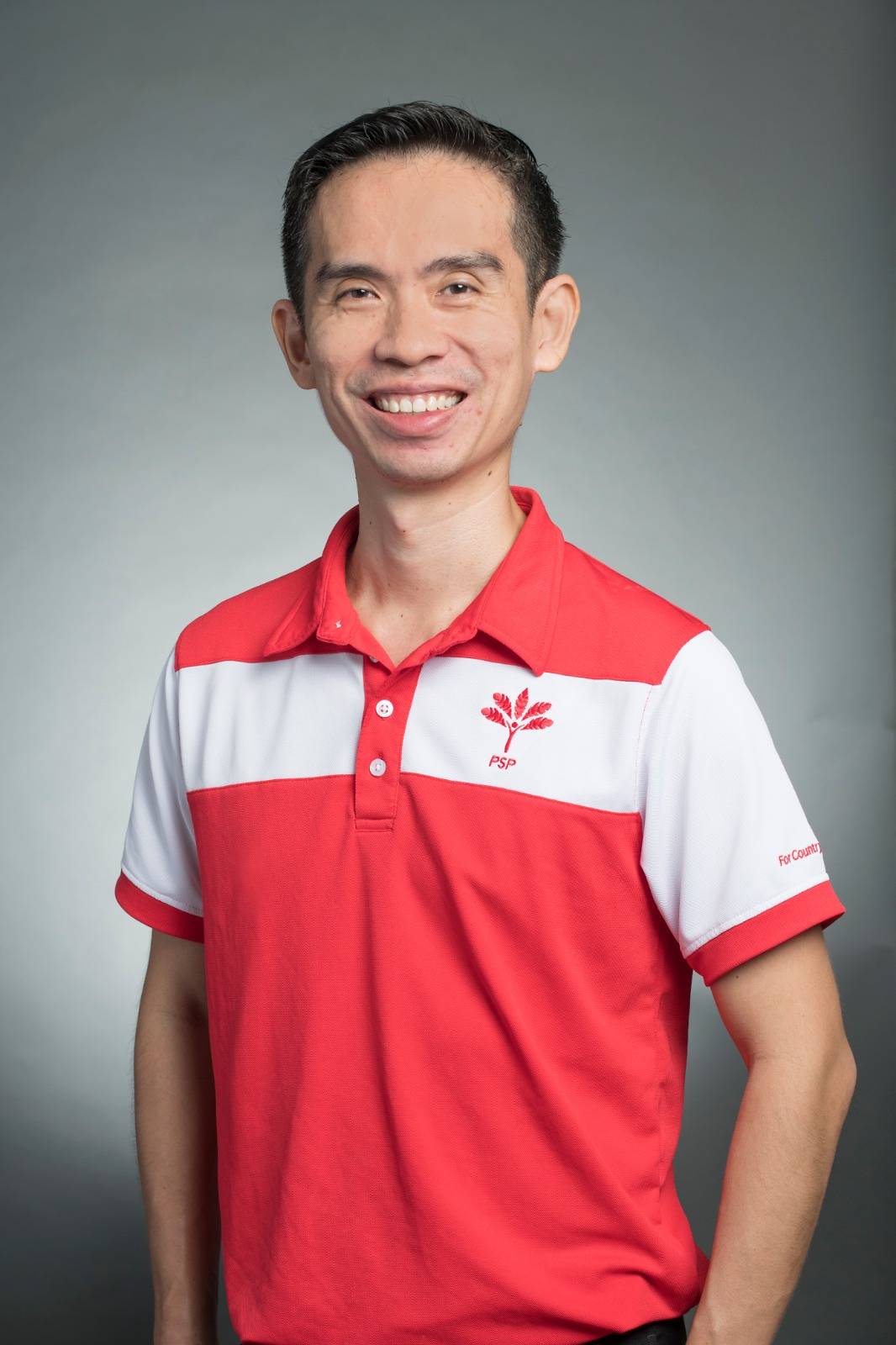
Mr Soon, 29, is a pilot with Singapore Airlines (SIA). Prior to joining SIA, Mr Soon ran his own business in the private aviation sector.
A firm supporter of enterprise and helping youths to start their own ventures, Mr Soon started his own business in university.
Describing Mr Soon as a man with “a lot of courage”, Dr Tan said he represents young Singaporeans, and is determined to drive positive change and progress for the country.
Mr Soon said that he will campaign to ensure that Singaporeans of his generation will be able to secure jobs during the current economic downturn. Rising housing prices are also a concern, said Mr Soon, as are the costs of raising children.
“I hope that through the kind of work we do here in the PSP, we can inspire more young Singaporeans, and all Singaporeans in fact to be able to step up with courage and do what is right for the country,” said Mr Soon, who is the second-youngest candidate in PSP’s slate after undergraduate Choo Shaun Ming.
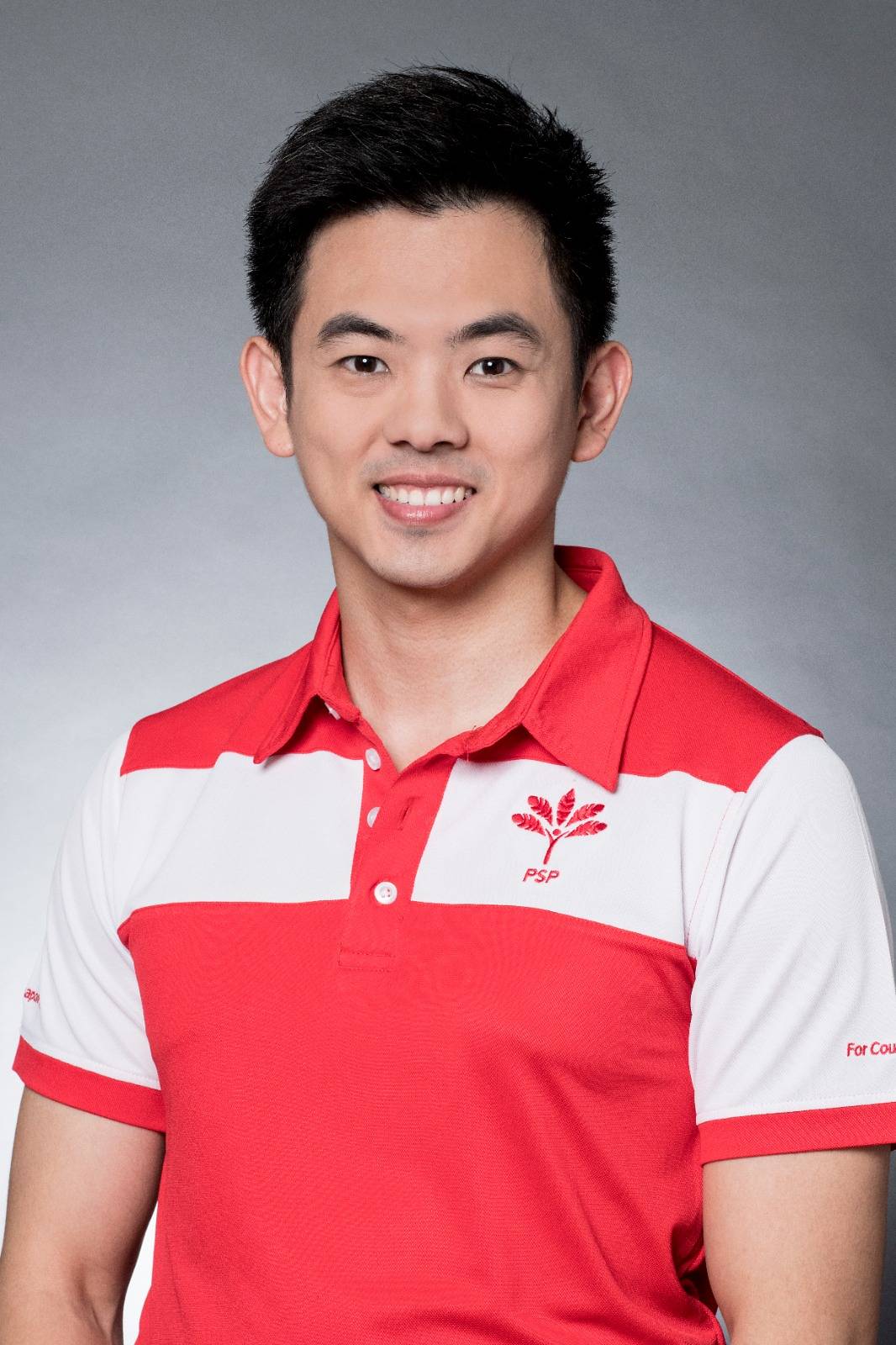
PSP candidate for GE2020 Terence Soon. (Photo: PSP)
Ms Manickam was previously a platoon commander of the women wing in the Singapore Armed Forces’ Officer Cadet School. She was part of the first batch of female officers integrated into the tri-service, serving side-by-side with men.
The 52-year-old later moved on to the private sector and has 30 years of experience in the areas of human resource management and learning development. Ms Manickam has been an adult educator for 15 years.
PSP candidate for GE2020 Kala Manickam. (Photo: PSP)
“She has this opportunity to interact with people from different walks of life, and bring out the best in them,” said Dr Tan. “That is good, that is a fine art.”
Speaking to the media, Ms Manickam said her line of work opened her eyes to the “pain of Singaporeans.”
“It threw me into a deep reflection – the way that people are not recognised for their unique talents and groomed to keep abreast of the fast-moving changes,” she said.
JEFFREY KHOO
Mr Khoo, 51, is the chief marketing officer for a multinational corporation in the insurance sector.
He is also the founder of the National University of Singapore Society (NUSS) Mentorship Programme and serves as the NUSS honorary treasurer.
PSP candidate for GE2020 Jeffrey Khoo. (Photo: PSP)
Calling himself “just a normal guy”, Mr Khoo said that if elected, he intends to be the voice of the common man in Parliament.
“I hope to achieve two things, firstly to provide an alternative voice, checks and balances in Parliament. And secondly to serve the residents to the best of my team’s ability,” he added.
Mr Khoo spoke of how he has seen Singaporeans passed over for “well-paying and senior roles” during his corporate life, despite them being equally if not more suitable than foreign candidates.
“As a country with no natural resources, foreign investment is definitely key to our survival, but we need to strike a better balance, one that is compassion to Singaporeans,” he added.
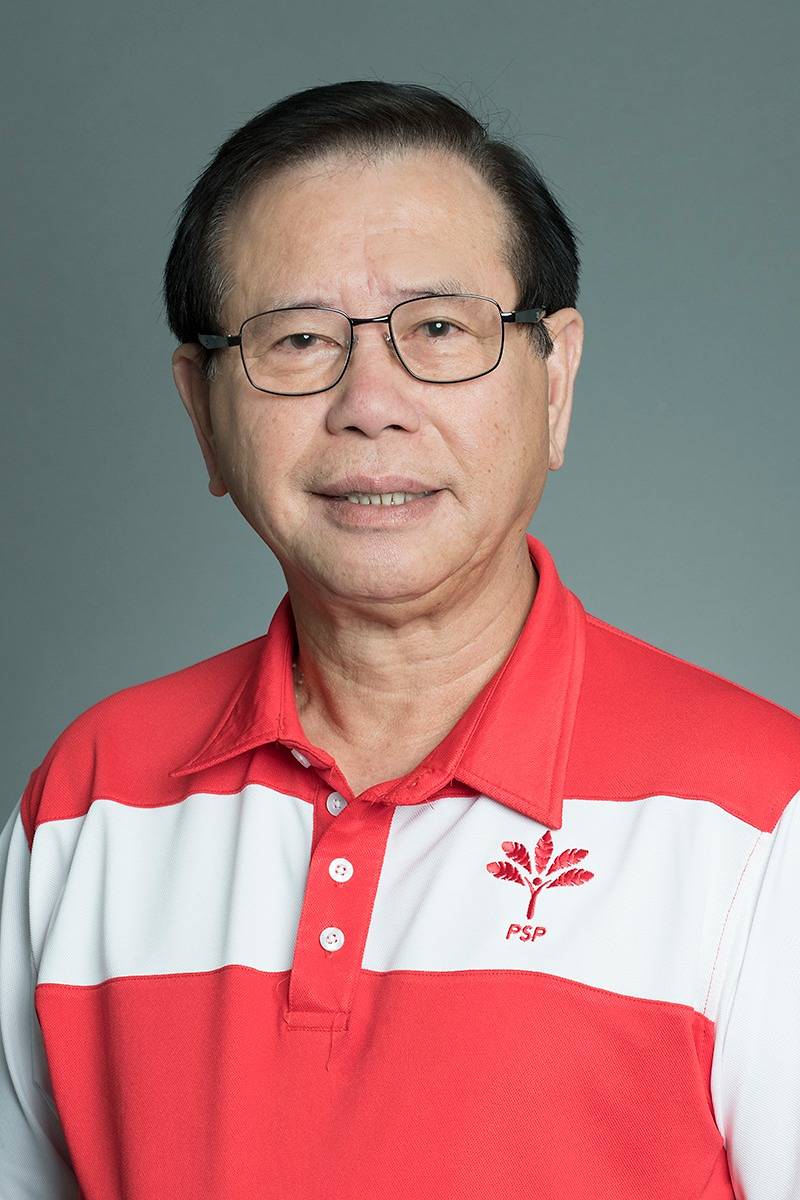
Mr Abdul Rahman, 67, began his career with the Singapore Fire Brigade in 1975 and was also involved in engineering maintenance and design.
Mr Abdul Rahman is currently a consulting engineer specialising in fire and life safety audit and design.
PSP candidate for GE2020 Abdul Rahman. (Photo: PSP)
Dr Tan said that Mr Abdul Rahman was one of few people who stepped forward to provide moral support when the PSP was just getting started.
“He was among the very few, the 12 of them, who came and stepped forward and gave me that moral support,” said Dr Tan. “That was so important at that time when everybody were so frightened of putting their names on the dotted line to get registered as a political party.”
Speaking to reporters, Mr Abdul Rahman said that there is a need to narrow the income gap in Singapore and ensure that citizens have the opportunity to improve their lives.
LIM CHER HONG
Mr Lim is a chartered financial consultant as well as an author.
Prior to joining the PSP, Mr Lim was a programme coordinator as well as coordinator for the Silver Generation Office.
As part of this role, he managed a team of volunteers who assisted seniors in applying for government schemes as well as referred them to the relevant government agencies.
PSP candidate for GE2020 Lim Cher Hong. (Photo: PSP)
A father of three young boys, Mr Lim said that there needs to be more support provided for parents with growing children.
“The current schemes are not adequate for parents if the government wants to improve total fertility (rate),” he added.
Mr Lim said that he was inspired to join the party after hearing a speech by Dr Tan.
“I always tell my friends that PSP is not an opposition party, we are a proposition party, we don’t just complain, we come up with better long-term solutions to serve people’s needs,” said Mr Lim.
Things between the Reform Party (RP) and Progress Singapore Party (PSP) appear to be heating up, with the possibility of three-cornered fights back on the table.
In a cryptic Facebook post late last night (June 25), RP accused PSP chief Dr Tan Cheng Bock of acting “dishonestly”, asserting that any deal between the two parties was “presumed dead in the water”.
The post, which has since been removed, came after PSP reaffirmed its intentions to contest Yio Chu Kang SMC — one of the wards RP has staked claim over.
RP added in a comment: “We has an agreement and then noticed in the media PSP said about [Yio Chu Kang]. Presumed some mistake and it took them all day to get back to us [sic].”