SINGAPORE – The motorist who alerted the police last week about another driver suspected of drink driving on the Central Expressway (CTE), has been hailed by netizens as a “hero”. But he said he was only “doing what any ordinary person would”.
“My intentions were simple – I just wanted to avoid a car accident,” said the motorist, 27, who only wanted to be known as Mr Nick, on Monday (Oct 14).
The 51-year-old suspect was arrested by police for drink driving on Oct 8 after Mr Nick informed them about the matter.
The police said they were alerted to the dangerous driving case earlier on the same day at 12.12am, which happened on the CTE towards Woodlands.
In a video posted on the Roads.sg Facebook page, a car, presumably driven by the suspected drink driver, is seen moving erratically on the road and swerving from lane to lane. In several instances, the car nearly collides with other vehicles on the road.
Mr Nick, who recorded the incident with his in-vehicle camera, said he followed the driver for about 20 minutes.
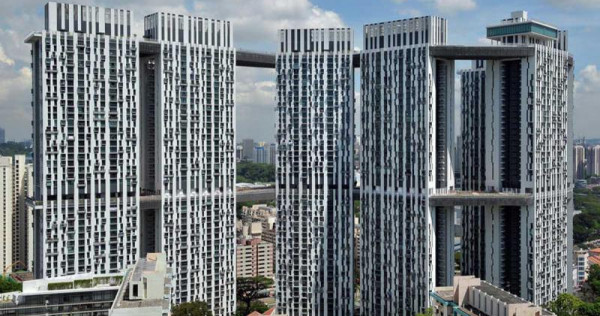
A woman has died after falling off the sky bridge at Pinnacle@Duxton.
According to Lianhe Zaobao, the 20-year-old sat on the ledge of the bridge at the 50th storey for nearly an hour.
In an attempt to rescue her, the Singapore Civil Defence Force (SCDF) said it deployed two safety life air packs at 1A Cantonment Road on Monday (Oct 14) evening.
But the woman fell beyond the air packs after jumping.
She was pronounced dead at the scene by SCDF paramedics.
Police classified the incident as a case of unnatural death and said that investigations are ongoing.
HELPLINES
Samaritans of Singapore (SOS): 1800-2214444
Singapore Association for Mental Health: 1800-2837019
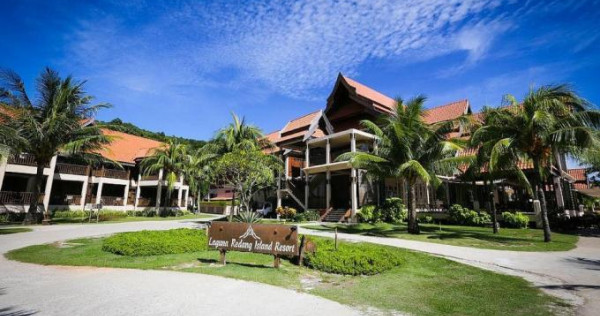
A 76-year-old Singaporean man drowned while snorkelling in the waters off the island of Redang, Malaysia, on Monday (Oct 14) at about 3pm. Mr Lim Joo Yong, a passenger onboard cruise ship Genting Dream, was on a six-day, five-night trip with a group of family and friends.
The ship departed from Singapore on Sunday and was en route to Bangkok, Thailand, with stopovers at Redang Island and Sihanoukville in between.
Chinese evening daily Lianhe Wanbao reported that Mr Lim was found floating in the waters of the South China Sea.
He was unconscious.
Wanbao also quoted a resort worker who said that there was a commotion when Mr Lim was brought to shore.
The worker added that Mr Lim was not wearing a life jacket at the time, but he was not sure if it was taken off while they were trying to rescue him.
Mr Lim was rushed to a clinic at the Laguna Redang Island Resort where a doctor performed cardiopulmonary resuscitation for almost an hour but failed to revive him.
A doctor from the cruise ship later arrived but was also unable to help, said the worker.
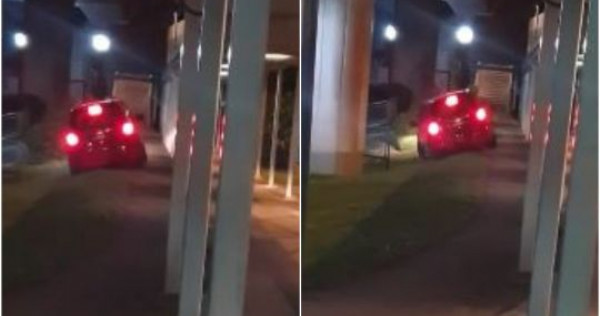
SINGAPORE – A 41-year-old man was arrested by the police for drink driving after he was caught on video driving his red Toyota car on the pavement in Yishun, near Khatib MRT station, on Monday (Oct 14).
Police said on Tuesday that the incident happened on a pavement along Block 201 Yishun Avenue 2 at around 11.20pm.
The act was caught on video and posted on Facebook. In the clip, the red car is seen driving slowly along the pavement and on a grass patch.
The car then makes a left turn and momentarily comes to a stop between two pillars of the overhead train tracks.
SINGAPORE: For many who have been through Singapore’s education system, sexuality classes involved workshops with external counsellors, social workers or healthcare professionals, where students were given lessons on how to build healthy relationships and steer clear of sexually transmitted infections.
However, that approach has changed in recent years with a dwindling number of schools engaging external entities to provide supplementary sexuality education classes for their students. Instead, schools have been opting to stick with the Ministry of Education’s (MOE) programme.
Replying to a parliamentary question in 2015, then-Senior Minister of State for Education Indranee Rajah said just seven schools engaged four approved external providers in 2014 at a cost of S$20,000 to conduct sexuality education programmes for students.
Since 2009, schools spent about S$460,000 on such supplementary programmes, or an average of S$8 per student, she added.
The small number of schools engaging external providers for supplementary sexuality education programmes has since dropped to zero.
According to the MOE, schools have not engaged them since 2017.
“This is largely because schools feel that the MOE sexuality education programme is able to meet the developmental needs of students,” said Mdm Choy Wai Yin, director of the guidance branch under the student development curriculum division of MOE, in response to CNA’s queries.
“Since students these days are increasingly likely to turn to and confide in their teachers – even on sensitive or personal matters – teachers are better able to support them and help manage their concerns, including on sexuality issues,” she added.
Associate Professor Jason Tan of the National Institute of Education (NIE) Department of Policy and Leadership Studies said he thinks schools have stopped engaging external providers because they “are harder to control”.
External sexuality education vendors were last in the spotlight in 2014, when a Hwa Chong Institution student wrote a letter to her principal to criticise a Focus on the Family (FOTF) Singapore programme for being sexist and for perpetuating gender stereotypes.
The incident spurred former Hwa Chong students to start a petition, calling on the school to suspend the workshop immediately.
MOE eventually clarified that the workshop on relationships did not fall under the ministry’s sexuality education programme, even though FOTF Singapore had been approved by MOE to run sexuality education programmes in schools.
MOE said FOTF Singapore was appointed by the Ministry of Social and Family Development for this workshop, and also announced that the programme would “cease its run” by the end of 2014.
In 2010, the Association of Women for Action and Research (AWARE) pulled its Comprehensive Sexuality Education (CSE) programme out of schools, after admitting that the programme was not offered to MOE for vetting.
According to media reports at the time, the instructor’s guide for CSE had lines that condoned homosexuality, and stated that anal sex was ‘healthy’ if consensual and done with a condom.
Complaints from concerned parents prompted the ministry to suspend all programmes run by external vendors in 2009, and start vetting these groups.
Before the incident, schools used to have the autonomy to hire external vendors of sexuality education programmes.
Prior to the 2009 suspension, the organisations that provided external programmes to schools included AWARE, the Singapore Planned Parenthood Association, Family Life Society, Fei Yue Community Services and Focus on the Family Singapore.
MOE declined to provide an updated list of approved external sexuality education vendors.
The Ministry of Education building. (File photo: Ngau Kai Yan)
According to MOE’s website, for an external provider of supplementary sexuality education programmes to be approved, they have to meet various criteria.
For example, the external provider should not advocate “any religious stands” in the programmes, and the content of the proposed programme should avoid “touching on any sensitivities related to any ethnicity, gender or religion”.
The external provider should also have “in-depth knowledge” of sexuality-related matters and trainers should have relevant working experience in the field of social services, health, education or counselling.
“Teachers and MOE-approved external trainers should respect that they are in a position of trust with respect to students and ensure that schools are not used as arenas for advocacy on controversial issues,” read the website.
In the past, some sexuality education providers have had a religious affiliation. Dr Tan suggested that most schools would now prefer to opt for a secular approach.
“And then of course, you’re not allowed to have providers that provide contrarian messages, that’s stated very clearly in the guidelines. It’s an easier option for the schools to stick largely to the MOE-designed curriculum,” he added.
FOTF Singapore confirmed that its programme on pornography and addiction is one of the approved MOE supplementary programmes.
“We equip parents to be the primary educators and role-models of healthy sexuality and relationships – and part of that includes teaching on boundaries and body safety, as well as respect for self and others,” said Ms Judith Alagirisamy, a family life strategist at FOTF Singapore.
SEX ED CURRICULUM REGULARLY REVIEWED
Mdm Choy said MOE conducts “regular reviews” of the sexuality education curriculum to “ensure that lessons remain current and relevant to emerging trends”.
“Lesson scenarios and real-life case-studies have been updated to cover online risks such as social networking dangers and sexual grooming,” she added.
Mdm Mohana Ratnam, a senior character and citizenship education (CCE) officer with MOE who taught sexuality education in schools for about 15 years before being posted to MOE headquarters, said the sexuality education curriculum is “nimble and flexible”, and that it “responds to the changing needs of society”.
She explained that the programme has three main areas – to help students learn social and emotional skills to understand themselves and build healthy relationships, to integrate these skills with accurate, current and age-appropriate knowledge on human sexuality, and to establish that parents play a primary role in sexuality education.
Although the three key messages are “evergreen”, Mdm Mohana said MOE is aware of the changing environment around teens, and in particular, the influence of social media.
“We acknowledge that students are on social media networks and they are hearing and seeing things. We want to make sure that accurate information is being presented to them,” she said.
“These discussions do happen in the classroom, on the influence of these technologies and media on self-image, esteem, friendships and relationships. This is a very good conversation piece in the classroom for them to hear perspectives on what presents as beauty, for example.”
According to Mdm Mohana, teachers are “quite professional” and able to respond quickly to news circulating on social media during character and citizenship education (CCE)classes, which includes the sexuality education syllabus.
Estimating that it could take teachers anywhere between a few days to a week to respond to current events in class, she explained that teachers receive bi-weekly news updates, and they can then make use of these resources to come up with lesson packages.
Secondary school students in Singapore. (File photo: MOE)
Dr Tan said school programmes need to engage in “an honest and extended discussion” about alternative sources of information on human sexuality.
“The Internet is so pervasive in teenagers’ lives that you can’t pretend they don’t consult the Internet. Of course, you have no idea at all what they see, what information they are consulting for, and what they do with that information,” he added.
FOCUS ON ABSTINENCE
Mdm Mohana also stressed that the sexuality education syllabus is consistent across teachers and schools because the teachers undergo training and are guided by the syllabus.
“For sexuality education in particular, school leaders will select the teachers, and then they are specially trained so that they are comfortable, they are confident, and they are convinced that this is something that is necessary and important to bring to the classroom,” she added.
In terms of content, according to MOE’s website, the ministry believes that “abstinence before marriage is the best course of action for teenagers”, and the programme teaches students the possible consequences of sexual activity and that pre-marital sex is not desirable as there are inherent risks.
“A practical approach is adopted” to reduce the incidence of sexually transmitted infections and teenage pregnancies among youths, said the website.
“Sexuality Education teaches students facts about contraception, repercussions of casual sex, and the prevention of diseases from a health perspective. This is in addition to teaching teenagers about building healthy relationships and how to say “no” to sexual advances.”
According to the website, the syllabus also teaches students what homosexuality is, and the current legal provisions concerning homosexual acts in Singapore.
Associate Professor Jude Chua, head of policy and leadership studies at NIE said focusing on the health benefits of abstinence is a “sensible approach”, because “the desire to avoid disease is a compelling reason that can be appreciated by any sound-thinking person, and has good reach”.
“At the same time, parents can do their part to inform their children, and they may themselves be informed by religious or cultural considerations that their own children are also attuned to,” he added.
“The latter may also help children understand that sexual restraint is not just about avoiding harms, but can be a more effective way to secure some goods are best enjoyed with trust, exclusivity, security, dedication and responsibility.”
Yvonne (not her real name) said she found that the most effective way to dissuade her students from sexual activity was to illustrate how much it costs to be responsible.
“When they have a grand scope of how much it costs to get pregnant and to deal with it, it is often a very sobering piece of knowledge for mature students,” she added.
“And unfortunately that is not addressed. My students don’t know where they can get contraception from, they don’t know what the options are, or they think contraception maybe only lies in the hands of the guy and not the girl.”
“IT DEPENDS A LOT ON THE TEACHER”
Teachers that CNA spoke to also shared that within the classroom, the content and quality of sexuality education remains largely dependent on the facilitation skills of the member of staff involved rather than the syllabus.
Yvonne told CNA that the CCE team at her school found that for a lot of the topics addressed in sexuality education, the quality of the classroom discussion depended on whether the teacher “was comfortable talking to students about it”.
She explained that many classes involved scenario-based learning, and materials from MOE highlighted “what was perceived as pertinent points between a boy and a girl”.
“We would go through points like how does a guy show interest, how should a girl reciprocate, what happens when a guy makes his advances, how a girl should respond,” she said.
Teachers would then offer up talking points to students, and ask them how they would respond if they were in the different situations, said Yvonne.
“How would you let him down nicely, or how would you respond to somebody who rejects your advances? Again, this is actually quite nuanced and the outcome of it depends a lot on the person who is facilitating the discussion, which obviously does not always work out,” she added.
Janet (not her real name) told CNA that there is an element of the teacher’s own experience in every lesson. “So most of it comes from the teacher’s own perspective sometimes, rather than what is shown on the screen,” she said.
“There are some teachers who just stick to the slides because they are afraid of sharing too much. It can become a personal topic when the students are very interested in your own experience, and some teachers might not be ready to share these things,” she added.
“At the same time, there are some teachers who are very open to sharing, and then it can become quite a vibrant discussion. I think it depends a lot on the teacher and the dynamics of the students, and how mature they are.”
SINGAPORE: Parliament passed enhanced legislation recently to preserve religious harmony in Singapore, adding to the safeguards that seek to maintain racial and religious peace here.
Such legislative provisions have proved important in maintaining the delicate boundaries of racial and religious coexistence.
They have saved Singaporeans perhaps from the more overt and violent forms of racism that have occurred, and still occur, elsewhere in the world.
In fact, substantial effort has been channelled into sustaining social harmony. Whether through policies to ensure public housing is racially integrated or through regulations on offensive speech, the Government has been active in attempts to create a harmonious society.
Law and Home Affairs Minister K Shanmugam in Parliament on Oct 7, 2019.
GO BEYOND LAWS
However, these laws alone are not sufficient in securing the future of a racially and religiously harmonious society. This is especially so if we aspire to a harmony that is not merely the absence of racial or religious violence but also the removal of prejudice, stereotypes, bigotry, discrimination and cultural insensitivity from society.
Government leaders seem cognisant of this fact. Speaking at a recent dialogue on race held at the Asian Civilisations Museum, Home Affairs and Law Minister K Shanmugam suggested that “to achieve real, true racial harmony, we need to go beyond the Government”.
Echoing this, in her speech in Parliament on the debate on the amendments to the Maintenance of Religious Harmony Act, Minister for Culture, Community and Youth Grace Fu highlighted:
At a more fundamental level, we cannot legislate to remove irrational fears and stereotypes, nor to accept that a set of different beliefs can coexist with ours.
In other words, the truly harmonious society to which we aspire requires individuals and the community to play an active role in sustaining racial and religious harmony in our everyday lives.
What happens in the family is crucial in this regard. We, the authors, can attest to it from our own experiences as parents.
CHILDREN PICK UP CUES ON RACE
Studies show from as early as pre-school, children display cognitive awareness of racial differences, and begin showing signs of racial prejudice. They exclude their peers of different races from play and other activities.
A file photo of a pre-school teacher with her class. (Photo: AFP)
This awareness is the result of the child’s socialisation in various environments which exposes them to social differences through encounters with people of different races, genders, religions and customs.
The positive or negative associations children make about people different from themselves are based on cues they pick up from peers and trusted adults around them.
TEACHING KIDS TO BE CULTURALLY SENSITIVE
What can parents and other caregivers do to prevent children from taking to the path of racism inadvertently? It is certainly not by encouraging “colour-blindness”, where there is a denial of difference.
Rather, the more productive approach would be to employ personal strategies that make it easier for children to treat difference as being normal.
For example, parents can help their children identify the different cultural traditions that abound in the Singapore space.
They can reinforce the value of this diversity and point out that while traditions and beliefs can be different, and sometimes irk their own sensibilities, they are valuable because they contribute to the diversity that makes Singapore special.
Many traditions in Singapore symbolise community aspirations of being well, and of respecting family and forebears.
Members of the National Steering Committee on Racial and Religious Harmony saying a prayer to commemorate the commitment to religious harmony. (Photo: Gwyneth Teo)
This of course requires a degree of cultural literacy on the part of parents as they need to be aware of good intentions and aspirations reflected in these diverse cultural practices.
It is precisely this literacy they must acquire if they are to socialise their children into becoming contributors of the multicultural harmony we have today and want to enhance looking ahead.
An attempt to understand the diversity of traditions, people and groups here does not have to be merely academic.
Given the diversity of the population, there are many opportunities for families to not only identify groups from a distance but to actively participate, engage in and celebrate our multicultural space.
The upcoming Deepavali festivities are just one of the many possible cultural celebrations where parents can intentionally expose their children to the flavours of ethnic cuisine, and the beauty and meanings of ethnic art forms such as kolam drawings (floor decorations traditionally made of coloured flour).
This is important, as interethnic understanding has important implications for social solidarity.
For instance, an Institute of Policy Studies (IPS) paper analysing a 2017 nationwide survey on community responses after a terrorist attack revealed that those who had at least some interactions with people from other communities and attended their cultural celebrations, were less likely to be phobic of a group they associate wrongly with terror activities.
DISCUSSING UNCOMFORTABLE TRUTHS
Parents and caregivers can help children recognise there are “bad things” out there, such as racism, and talk to them about these uncomfortable truths.
(File photo: TODAY)
This endeavour is an uphill climb requiring constant, deliberate effort. Even as we spend time dispelling stereotypes our children sometimes mouth, it does not prevent them from being exposed to racist ideas elsewhere.
This is certainly something that parents in Singapore recognise.
A CNA-IPS survey on race relations conducted in 2016 found that more than 90 per cent of Singaporeans interviewed believed children should be educated about issues related to race, particularly why racism is bad for society and about what those of other races found offensive.
Unfortunately, less than 60 per cent of parents actually have had open discussions with their children on these issues.
Perhaps this has to do with the general discomfort some parents might feel in broaching such sensitive topics. The fear of saying the wrong thing keeps people from informing their children better.
LOOKING TO SCHOOLS
In fact, parents might look to the school system to help inculcate such cultural literacy or imbue in children the principles and values related to racial and religious harmony.
Interestingly, around 50 per cent of parents with primary-school-going children surveyed in the IPS Survey of Parents and Education in 2016 believed more emphasis should be placed on the teaching of racial and religious harmony.
A family walking in Singapore. (Photo: Gaya Chandramohan)
This was more than those who wanted greater emphasis on IT skills, current affairs, science and Mother Tongue languages.
While schools certainly are an important conduit for inter-cultural education, they in no way can replace the most trusted and constant figures that children have found in their families.
Without appropriate guidance and open discussion with parents and caregivers from an early age, there is a high risk of unchallenged prejudiced attitudes being entrenched into adulthood.
This means of course that parents themselves have to shed their prejudices and lead by example.
Mathew Mathews is Head, Social Lab, and Senior Research Fellow at the Institute of Policy Studies, National University of Singapore. Shane Pereira is a Research Associate at the Institute of Policy Studies.
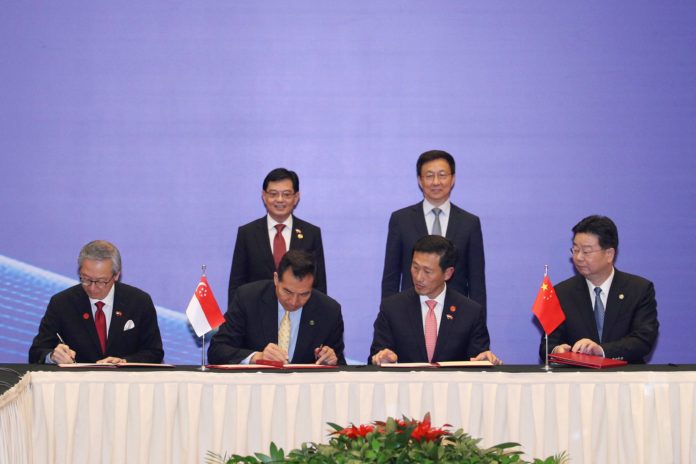
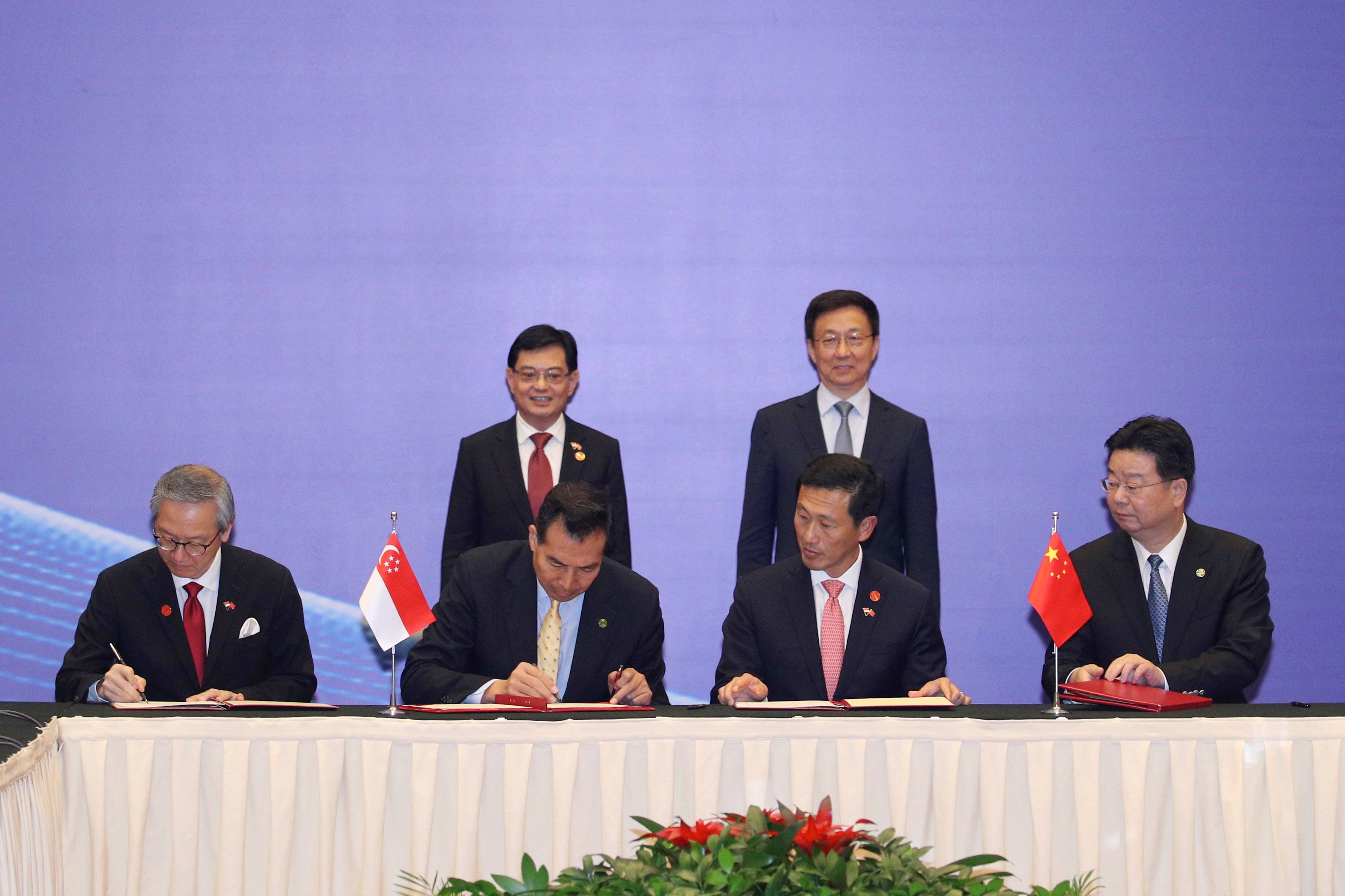
CHONGQING: Singapore and China have signed nine agreements and Memoranda of Understanding, following the conclusion of a top-level bilateral meeting in Chongqing on Tuesday (Oct 15).
They witnessed the signing of the agreements, which covered areas like customs clearance, intellectual property management, education, innovation and communications, as well as smart city development.
Singapore and China inked nine agreements covering areas like customs clearance, intellectual property management, and education, innovation, communications, and smart city development at the 15th China-Singapore Joint Council for Bilateral Cooperation meeting on Oct 15, 2019. (Photo: MCI)
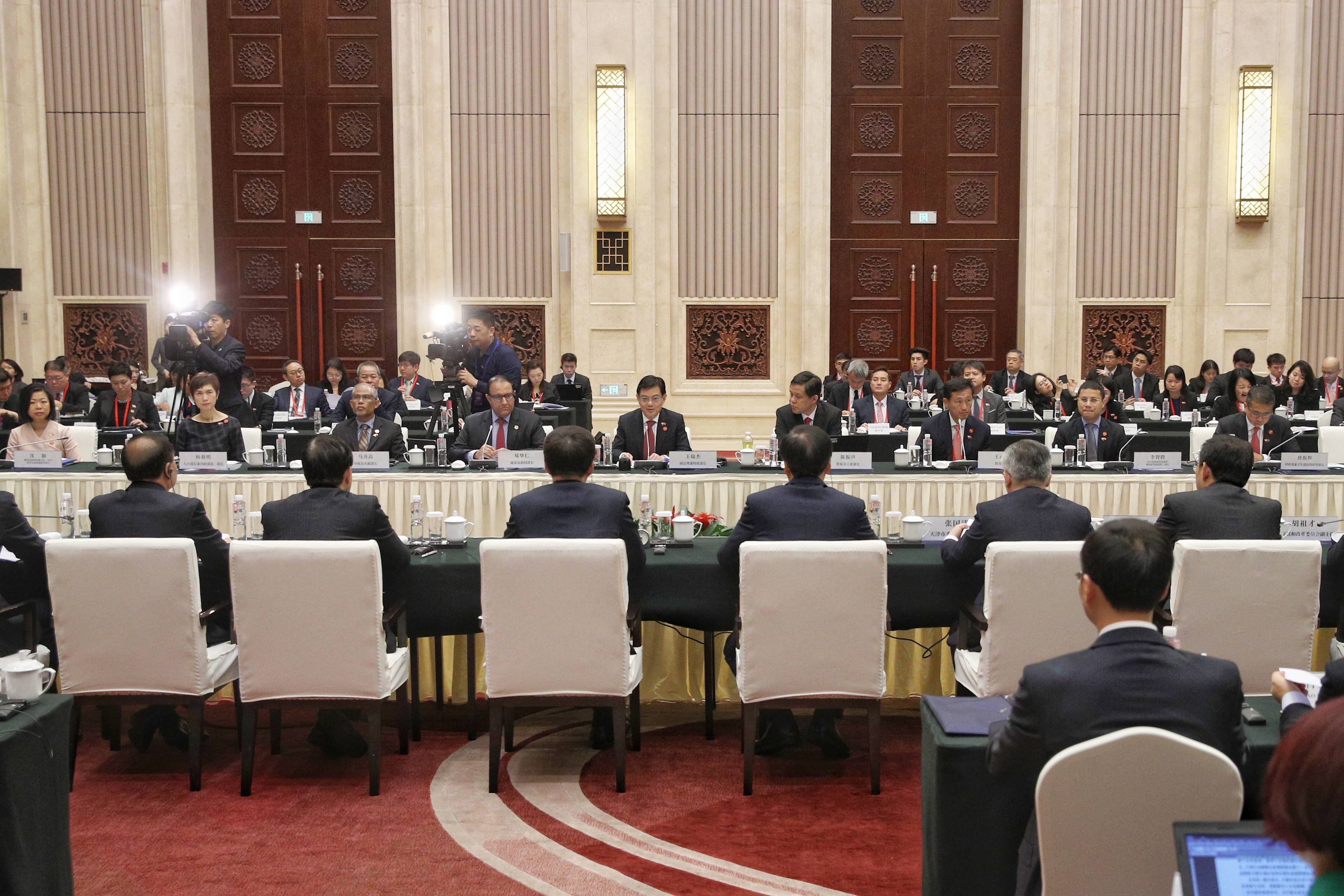
Mr Heng and Mr Han exchanged views on the “excellent” state of bilateral relations, said Singapore’s Prime Minister’s Office (PMO) in a press statement.
The co-chairs reviewed topics such as bilateral cooperation under the Belt and Road Initiative, economic transformation and trade liberalisation, financial cooperation, as well as state-level bilateral cooperation projects.
They also pledged to further strengthen bilateral cooperation, and directed officials to develop events and projects to commemorate the 30th anniversary of Singapore-China diplomatic relations next year.
The 15th China-Singapore Joint Council for Bilateral Cooperation meeting was co-chaired by DPM Heng Swee Keat and Chinese Vice Premier Han Zheng in Chongqing on Oct 15, 2019. (Photo: MCI)
Mr Heng said that collaboration between Singapore and China must progress with the times, as both countries embark on a new phase of development.
This is why, on his first trip to China as co-chair of the JCBC meeting, he was accompanied by other members of Singapore’s fourth generation leadership, including six full ministers.
After the conclusion of the meeting in Chongqing, Mr Heng told reporters that this was as an opportunity for the next generation of leaders to deepen bilateral ties.
“As one of the officials mentioned at one of the intervention yesterday, we are rather unique in being a country that has so many cooperation platforms with China,” said Mr Heng.
“So I think this is something that we value, and both sides value, and we’d like to take this forward.”
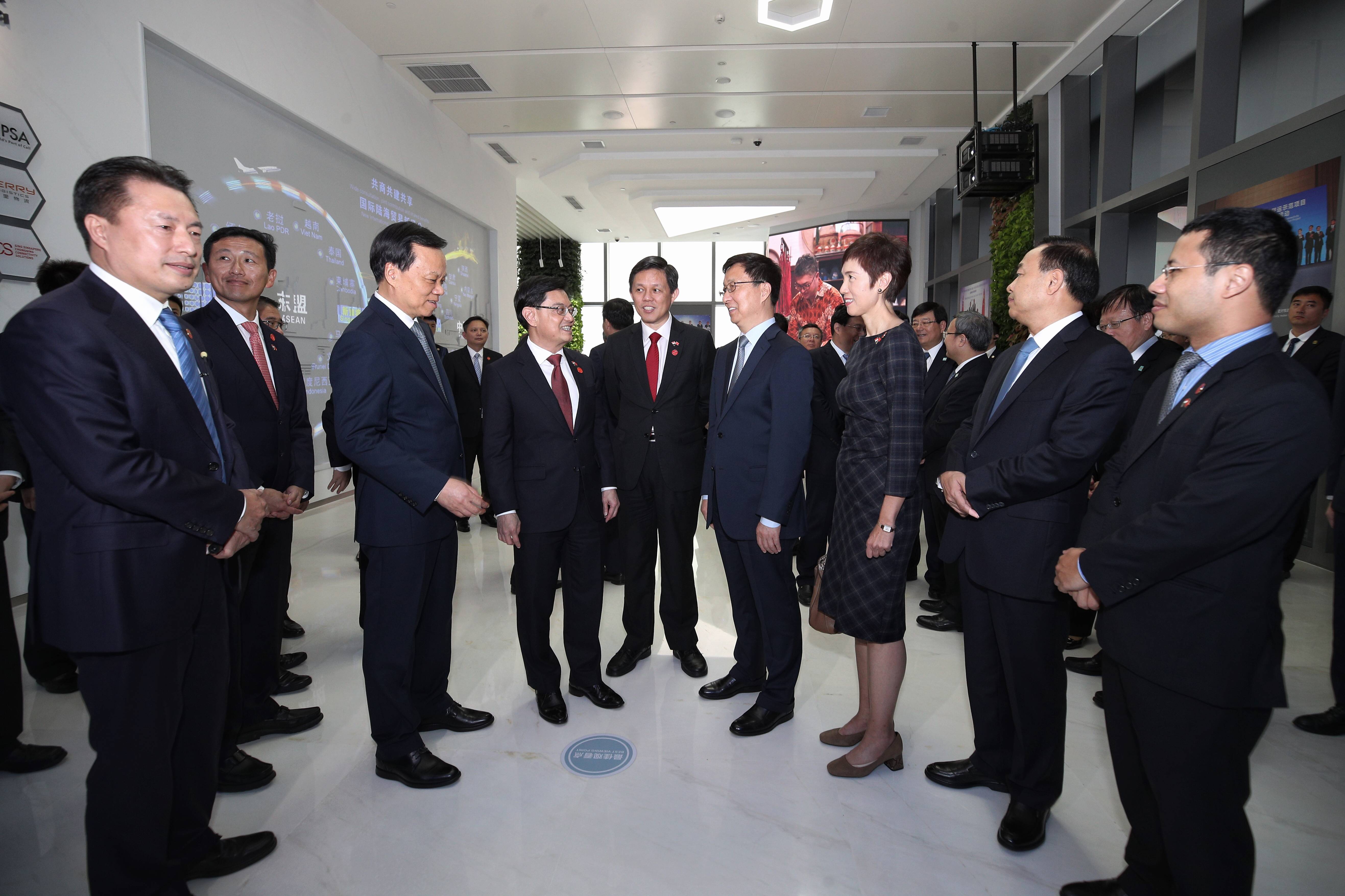
DPM Heng Swee Keat and the Singapore delegation in Chongqing on Oct 15, 2019. (Photo: MCI)
Mr Heng also highlighted common challenges facing Singapore and China, including environmental protection, food security and an ageing population.
This is the 15th JCBC meeting. Mr Heng said one of the key aims of these annual meetings is for Singapore leaders to understand China’s development priorities and see how Singapore can play a role.
Speaking earlier in the day at the meeting, he noted that the JCBC’s comprehensive agenda reflects Singapore and China’s forward-looking cooperation.
“This year, we have a new sub-agenda item on smart cities cooperation that will see the establishment of a Smart City Initiative for Shenzhen, in the Guangdong-Hong Kong-Macau Greater Bay Area. We also have a new sub-agenda item on capital market cooperation,” he added.
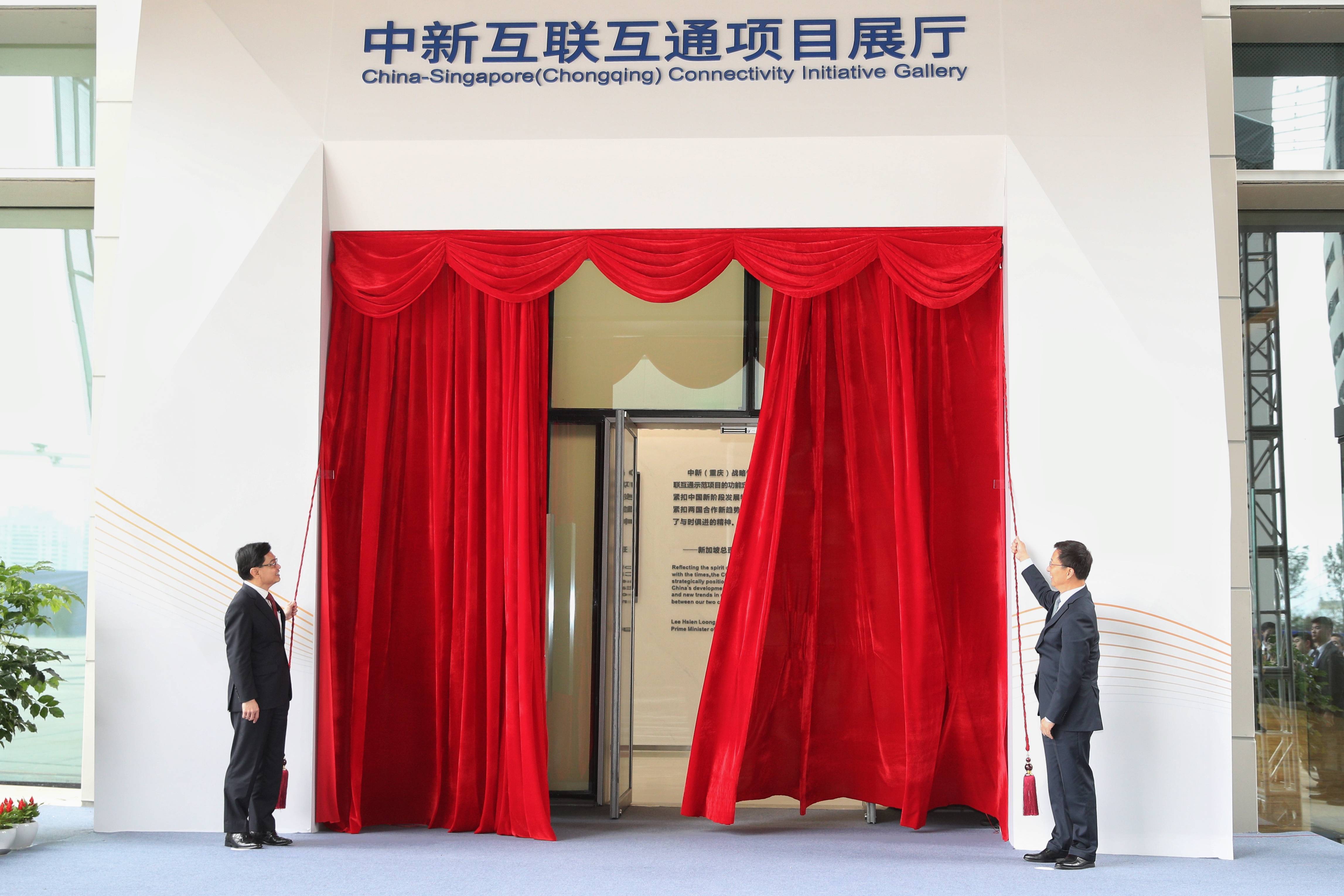
DPM and Minister for Finance Heng Swee Keat and Chinese Vice Premier Han Zheng launched the China-Singapore (Chongqing) Connectivity Initiative Gallery on Oct 15, 2019. (Photo: MCI)
On his part, the Chinese co-chair said the 15th JCBC meeting is important as it builds on warm bilateral ties.
Referring to remarks made by President Xi Jinping to mark the 70th anniversary of the founding of the People’s Republic of China, Mr Han thanked friendly nations like Singapore for supporting China over the years.
“No force can stop China’s development and the progress of the Chinese people and Chinese civilisation. Our progress and achievements are due to the hard work of 1.4 billion Chinese people. It is also due to friendly nations like Singapore, who support us,” said Mr Han.
The co-chairs also reaffirmed the commitment to free and open trade, and announced the start of the China-Singapore Free Trade Agreement Upgrade Protocol.
Mr Heng will travel to Tianjin and Beijing next. His visit to China ends on Thursday.
SINGAPORE: About 40 per cent of residential consumers have switched from SP Group to a new electricity retailer as of end-August this year, the Energy Market Authority (EMA) said on Tuesday (Oct 15).
The nationwide roll-out of the Open Energy Market (OEM) started in November last year and was completed by May 2019.
Those who switched enjoyed savings of 20 per cent to 30 per cent compared to the regulated tariff, said EMA in a press release. The tariff rate is 25.07 cents per kWh this quarter.
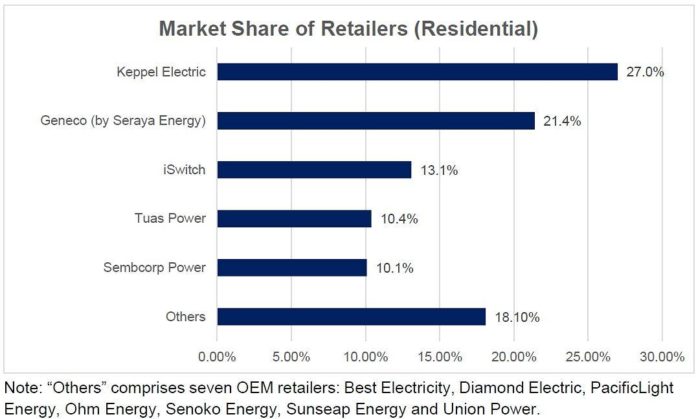
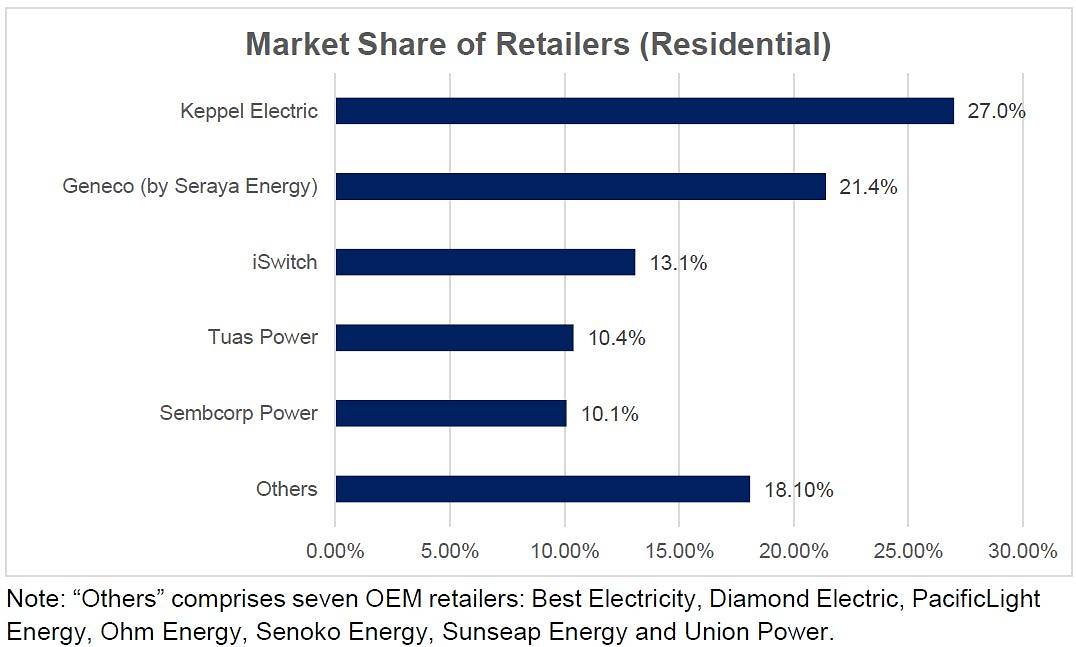
The three OEM retailers with the largest market share are Keppel Electric (27 per cent), Geneco (21 per cent) and iSwitch (13 per cent).
About 85 per cent of those surveyed said they were satisfied with the service provided by the new retailers, according to a survey conducted by EMA that included more than 10,000 households who had switched to a new retailer between November 2018 and February this year.
HIGHEST RATED RETAILERS
The survey also asked consumers to rate the 12 retailers, with EMA developing a rating system to reflect the overall satisfaction level for each OEM retailer.
Ohm Energy, Sunseap Energy and Tuas Power Supply received the highest rating of four stars out of a maximum five stars.
Geneco, Keppel Electric, PacificLight Energy, Sembcorp Power, and Senoko Energy Supply received three and a half stars.
Best Electricity Supply and iSwitch received two stars, and there was no rating for Diamond Energy Merchants and Union Power because of insufficient survey responses.
The ratings will be updated every six months, EMA added.
Chief executive of EMA Ngiam Shih Chun said: “The Energy Market Authority hopes to help consumers make more informed decisions when choosing their electricity retailer.
“We also hope this rating system will motivate retailers to continually improve their products and services for the benefit of consumers.”
Almost all consumers in the survey, about 98 per cent, said they found the process of switching to a retailer easy, while 94 per cent said the retailers presented their offers accurately.
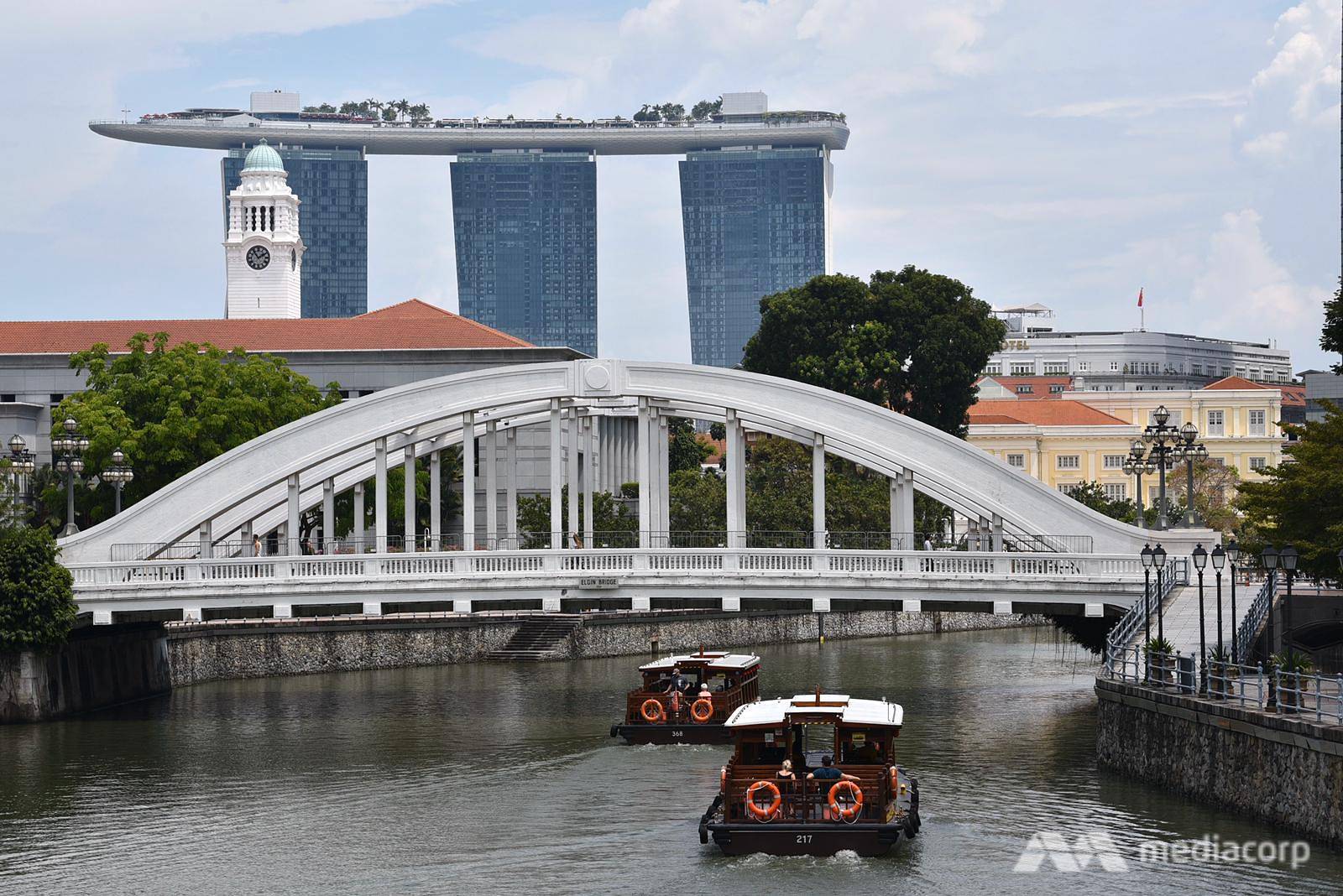
SINGAPORE: The Cavenagh, Anderson and Elgin Bridges have stood at the Singapore River’s historic mouth for decades, facilitating easy access between the waterway’s north and south banks.
On Tuesday (Oct 15), they were collectively gazetted as Singapore’s 73rd national monument, giving them the same status as other landmarks such as the Istana and Raffles Hotel.
More than just an easy way to get to Boat Quay or an aesthetically pleasing cameo in the Singapore Grand Prix, the bridges also illustrate Singapore’s growth as a trading port and flourishing city.
Here are some facts about Singapore’s newest official national monuments:
THEY’RE PRETTY OLD
Opened in 1869, 1910 and 1929, respectively, the Cavenagh, Anderson and Elgin Bridges date back to Singapore’s colonisation by the British.
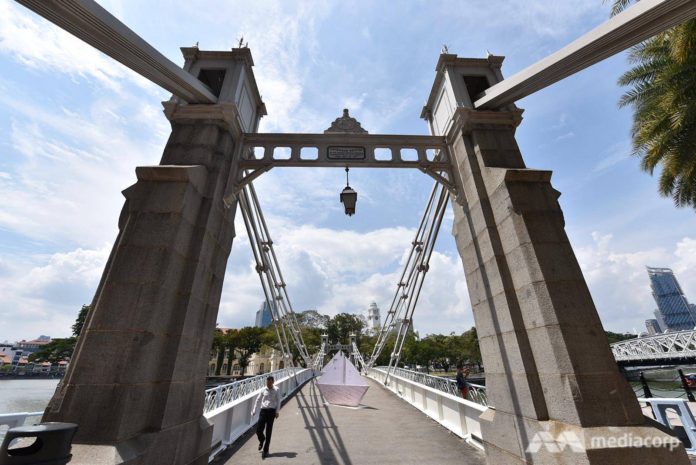
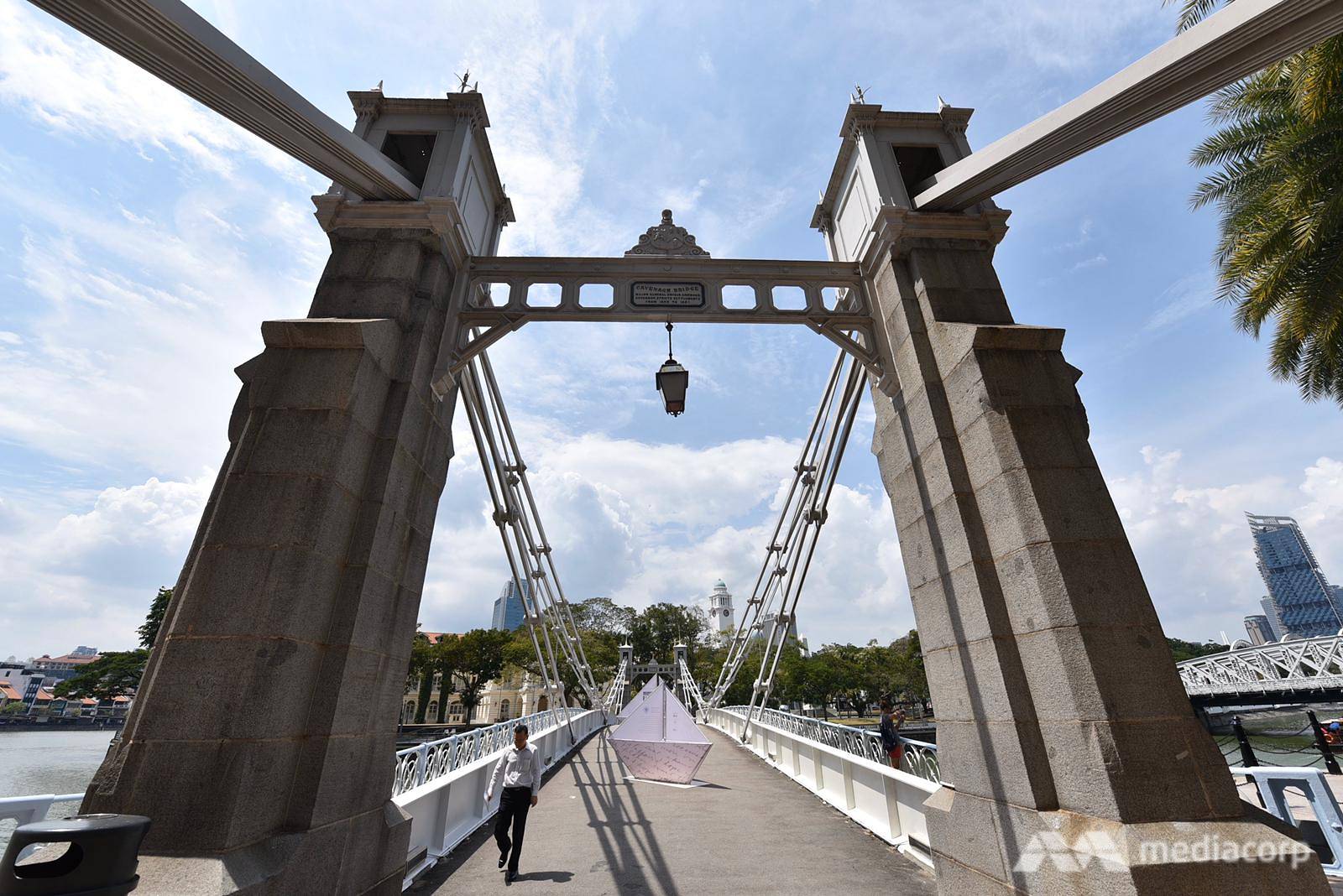
Of the three, Cavenagh Bridge stands out as it is the oldest surviving bridge across the Singapore River.
It is also one of only two remaining bridges in the world built with the “Ordish-Lefeuvre system”, a type of modified cable-stayed bridge design (the other is the Albert Bridge in London).
A pedestrian walks along Cavenagh Bridge. (Photo: Jeremy Long)
However, the present Elgin Bridge has an equivalent claim to fame – it stands at the site of the first footbridge to be built in Singapore (around the 1820s, and so earlier than the Cavenagh Bridge). It is the fifth bridge and second “Elgin Bridge” to be built on the site.
MADE IN BRITAIN
The structural components of the three bridges were manufactured in Britain and then shipped to Singapore.
The engineers involved were also British, as were the bridges’ namesakes.
Cavenagh Bridge was named after Sir William Orfeur Cavenagh, the governor of the Straits Settlements at the time.
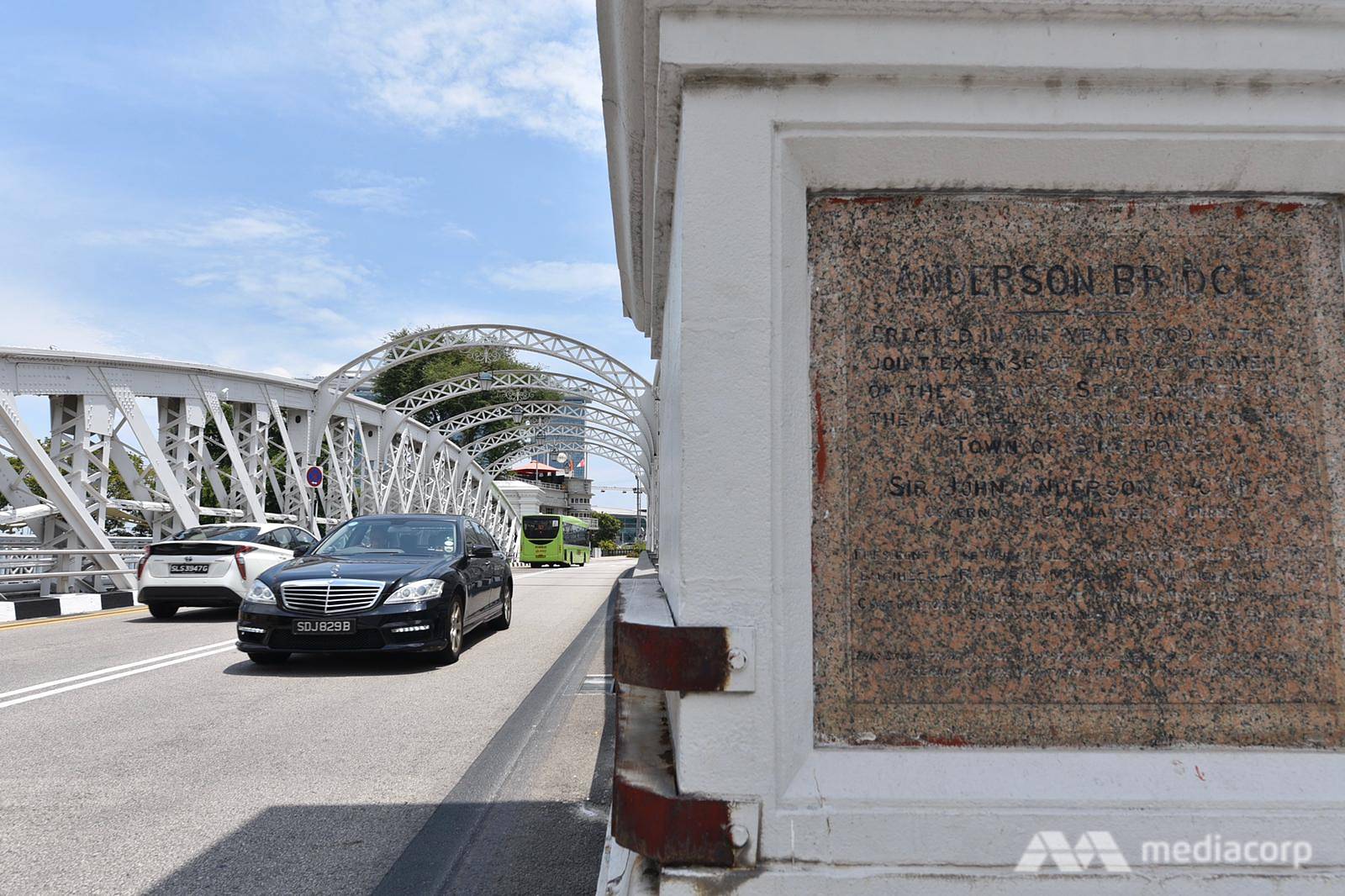
Anderson Bridge was named after Sir John Anderson, Governor of the Straits Settlements and High Commissioner of the Federated Malay States, while Elgin Bridge was named after Lord James Bruce Elgin, Governor General of India from 1862 to 1863.
View of Elgin Bridge and Marina Bay Sands. (Photo: Jeremy Long)
NO CATTLE AND HORSES, PLEASE
Following the opening of Anderson Bridge, heavy traffic was diverted away from its older sibling, which was converted into a pedestrian-only bridge.
Keen-eyed members of the public crossing Cavenagh Bridge will be able to spot antique signs at the end of the bridge prohibiting “any vehicle of which the laden weight exceeds 3 cwt and to all cattle and horses”.
Something to bear in mind next time you cross.
TRIBUTES TO ENGINEERS … AND LIONS
Apart from bans on cattle and horses, the bridges also feature tributes to their engineers.
Cavenagh Bridge has steel plates emblazoned with its engineers’ names.
Meanwhile, Elgin Bridge has bronze plaques engraved with lion symbols.
Lions didn’t quite make it for the Anderson Bridge – its original design featured a pair of bronze lions, but these were eventually left out for reason of economy, according to the National Library Board.
However, the bridge does have a plaque made of red granite imported from Aswan, Egypt.
View of Anderson Bridge. (Photo: Jeremy Long)
BUILT BY CONVICTS
Amid its status as the oldest bridge across the Singapore River, Cavenagh Bridge also has a more sombre past.
It was built by convicts from India, with the NLB describing it as the “last major project undertaken by Indian convict labour”.
According to the board, Singapore began receiving Indian convicts from British India from 1825 to serve out their sentences, to assist with a labour shortage and development requirements.
Cavenagh Bridge was one of the monuments, bridges and other infrastructure built by convict labour in Singapore.