Home Blog Page 524

6 more stations on Thomson-East Coast Line opening this year

0

SINGAPORE: Six more stations on the Thomson-East Coast Line are on track to open in the later part of this year, the Land Transport Authority (LTA) said on Friday (Jan 17).

The second stage of the Thomson-East Coast Line (TEL) is about 90 per cent complete and comprises six stations from Springleaf to Caldecott, with two interchange stations at Bright Hill and Caldecott.

Bright Hill station will link to the future Cross Island Line, while Caldecott station will link to the existing Circle Line.

READ: Free rides when first 3 stations open on Thomson-East Coast Line

Springleaf MRT TEL

Interior of Springleaf station along Thomson-East Coast Line. (Photo: Land Transport Authority)

Springleaf station is located along Upper Thomson Road, between Thong Soon Green and Springleaf Road.

LTA said it took steps before and during the construction of Springleaf station to minimise impact on nearby shop tenants and residents.

It also worked closely with Singapore PowerGrid to ensure that its cable tunnel which runs through Springleaf station could be constructed without interruptions.
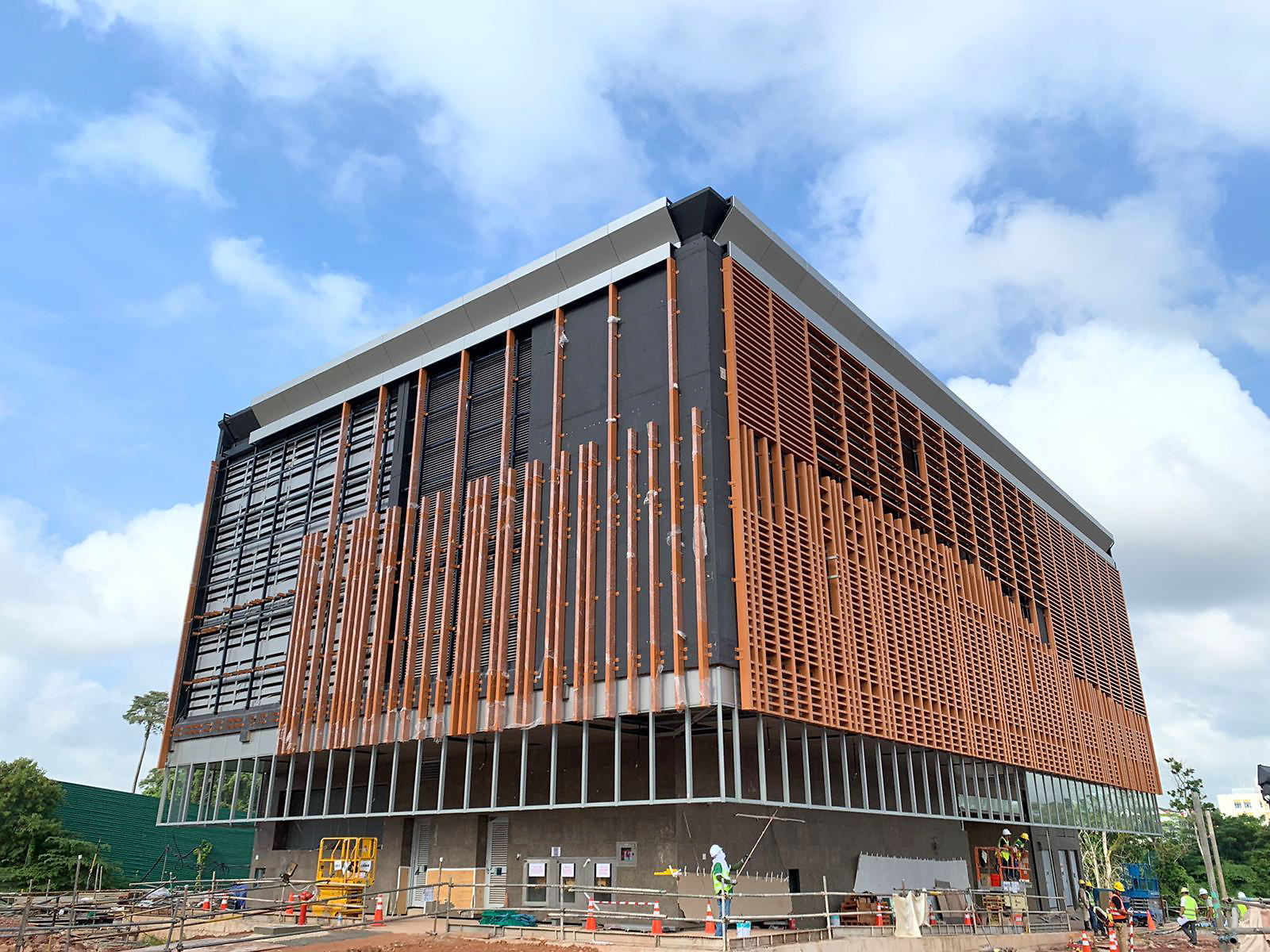
Lentor Station TEL

Thomson-East Coast Line’s Lentor station at entrance A. (Photo: Land Transport Authority)

Lentor station will benefit residents of Lentor Estate and Teacher’s Estate. Its location adjacent to residential areas required top-down construction for the station box and entrances to minimise impact to nearby residences and high-rise developments.

“Extensive studies were conducted to identify the network of utility services located within the work zone, to prevent any disruptions that could affect the neighbouring estates,” LTA said.

READ: Expect longer waiting times during initial phase of Thomson-East Coast Line: LTA
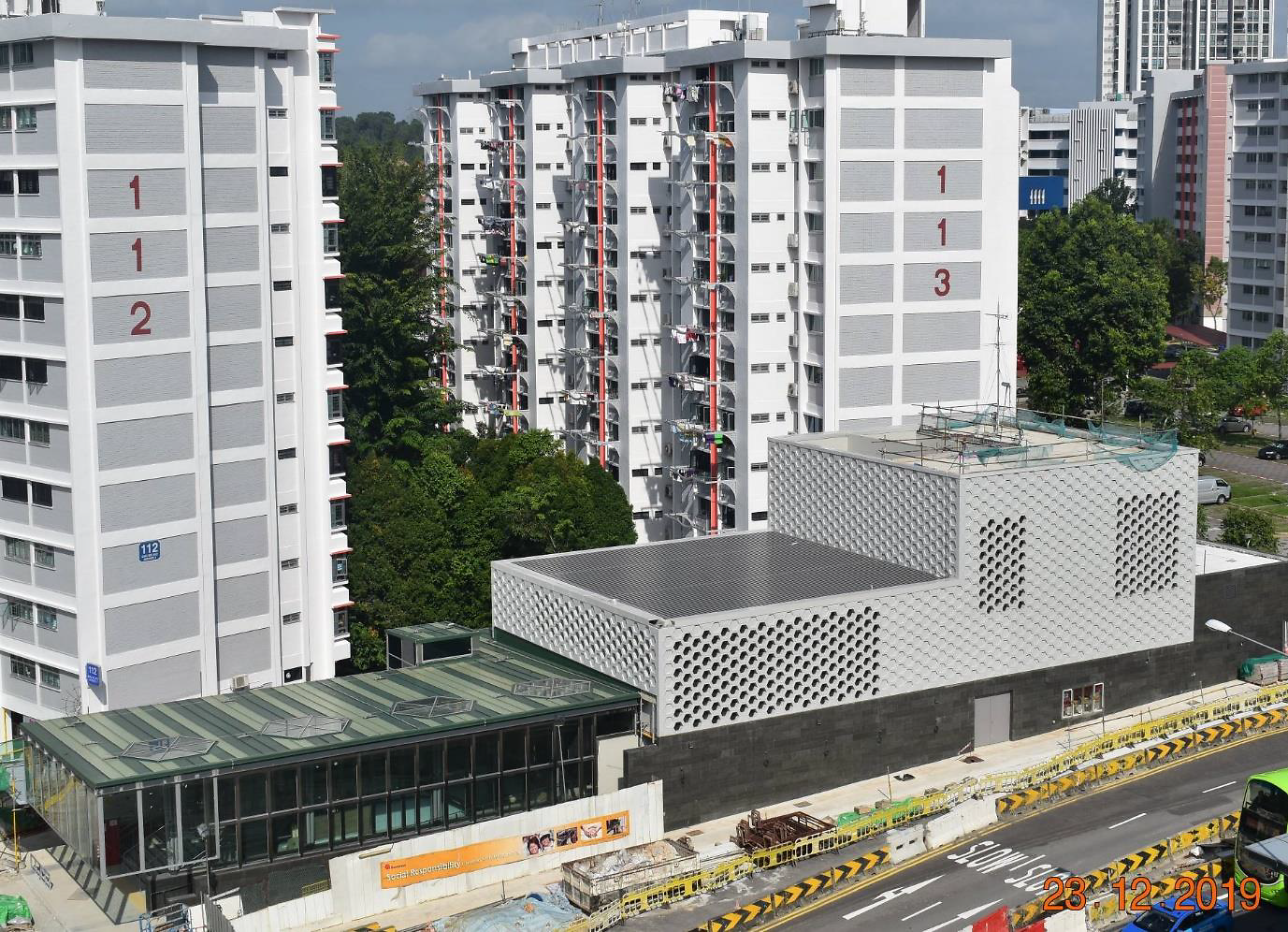
Mayflower station TEL

Thomson-East Coast Line’s Mayflower station at entrance G. (Photo: Land Transport Authority)

Mayflower Station, which is located in the mature Ang Mo Kio and Kebun Baru estate, will have barrier-free entrances to allow commuters, especially elderly residents, to access the station easily.

“The station will bring rail connectivity to schools, community amenities and residential developments in the Kebun Baru estate, such as CHIJ St Nicholas Girls School, Mayflower Secondary School, Ang Mo Kio Primary School and the Kebun Baru Community Club,” said LTA.

Located along Sin Ming Avenue, Bright Hill station’s entrance locations were chosen to serve residents of Sin Ming Garden, Faber Garden and Gardens at Bishan, as well as Ai Tong Primary School.
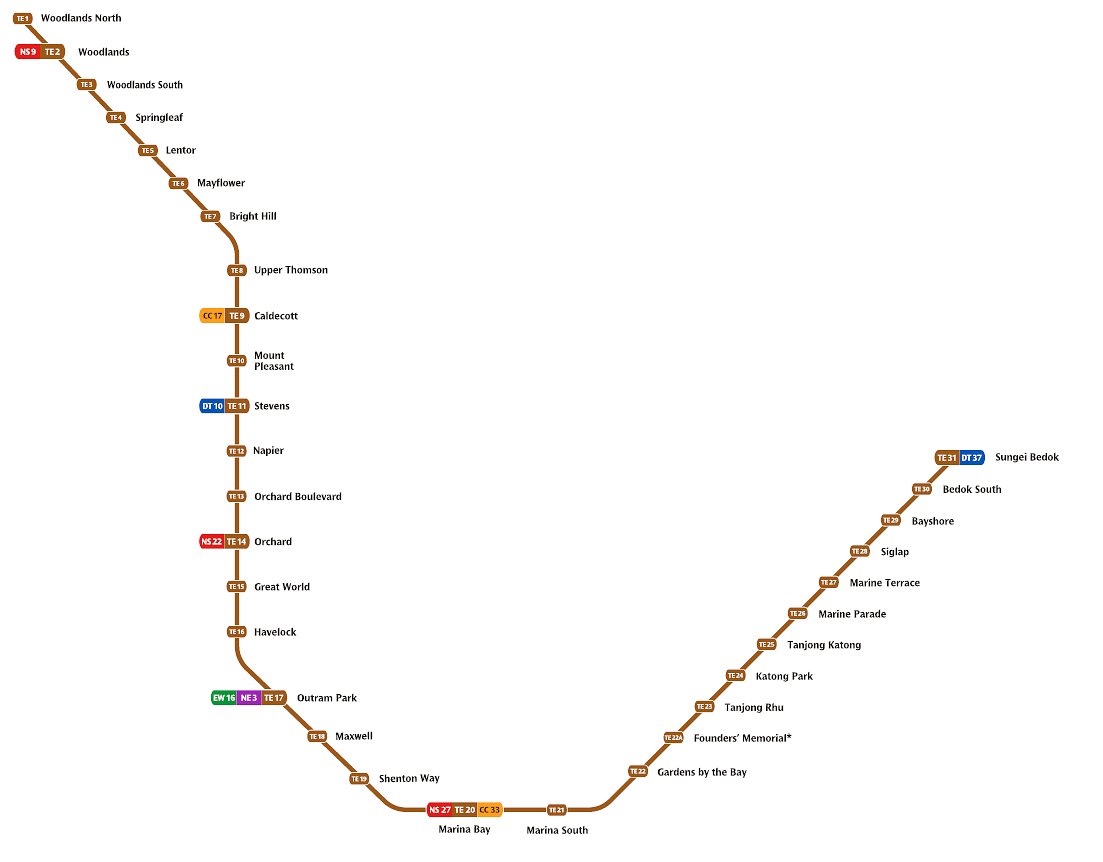
Graphic map of TEL line

Map of Thomson-East Coast Line. (Graphic: LTA) 

Due to the presence of hard granite around Bright Hill station, LTA said it was a challenge to install more than 1,500 secant bored piles, which were required for the Earth Retaining Stabilising Structures for the station before excavation work could commence.

 “As the area is highly urbanised, the tunnels from Bright Hill station towards its adjacent stations required tunnelling under an existing low-rise residential building. To ensure safety, enhancement work was carried out to strengthen the building’s foundation system prior to tunnelling work,” said LTA.

READ: Thomson-East Coast Line trains to feature tip-up seats, LCD route maps

Upper Thomson TEL station

Upper Thomson Station entrance C. (Photo: Land Transport Authority)

Upper Thomson station will serve neighbouring residential estates such as Soo Chow Estate, as well as developments such as Thomson Plaza, Church of the Holy Spirit, and various dining establishments.

“As the station is located directly beneath the busy Upper Thomson Road and flanked by two rows of terrace houses, traffic diversions and canal diversion adjacent to Soo Chow Estate were implemented in phases to support the various stages of construction,” LTA said.
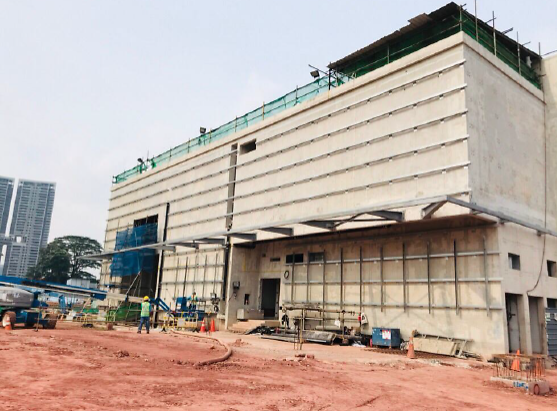
Caldecott MRT at TEL

Caldecott station entrance A. (Photo: Land Transport Authority)

Commuters working and residing in the Thomson Road and Toa Payoh Rise estates will enjoy further convenience once Caldecott station is opened.

The interchange station with the Circle Line will also provide easier access to the Singapore Association of the Visually Handicapped, Lighthouse School, Mount Alvernia Hospital, St Joseph Institute International (SJII) and MacRitchie Reservoir.

“To avoid impacting SJII, the mined tunnel construction method was adopted as it would not require ground excavation. It is the largest mined tunnel ever constructed in Singapore in a mixed soil condition,” LTA said.

TEL WILL EVENTUALLY SERVE 1 MILLION COMMUTERS DAILY

The 43km TEL is Singapore’s sixth MRT line, adding 32 new stations to the existing rail network, with eight interchange stations in total. The line will open in five stages starting from this year to 2024.

The first stage of TEL – made up of Woodlands North, Woodlands, and Woodlands South MRT stations – will begin passenger service on Jan 31.

“About 100,000 households will benefit from TEL1 and TEL2, as they are now within a 10-minute walk from one of the nine stations. These residents will be able to experience travel time savings of up to 50 per cent. For example, a Sin Ming resident travelling to Republic Polytechnic will have his journey time halved, from 50 minutes to 25 minutes,” LTA said.
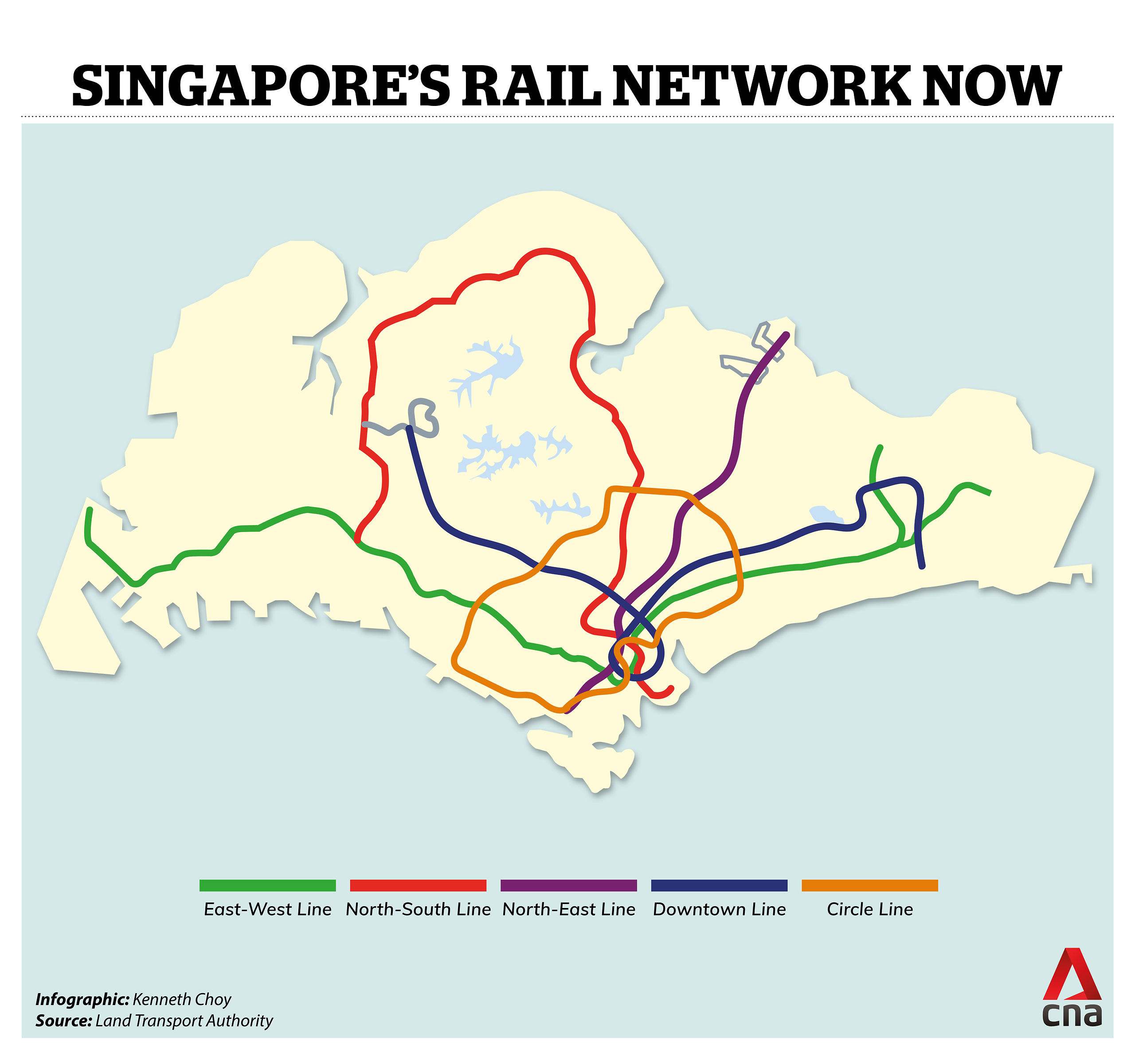
Graphic showing Singapore's current rail network - LTA Master Plan 2040

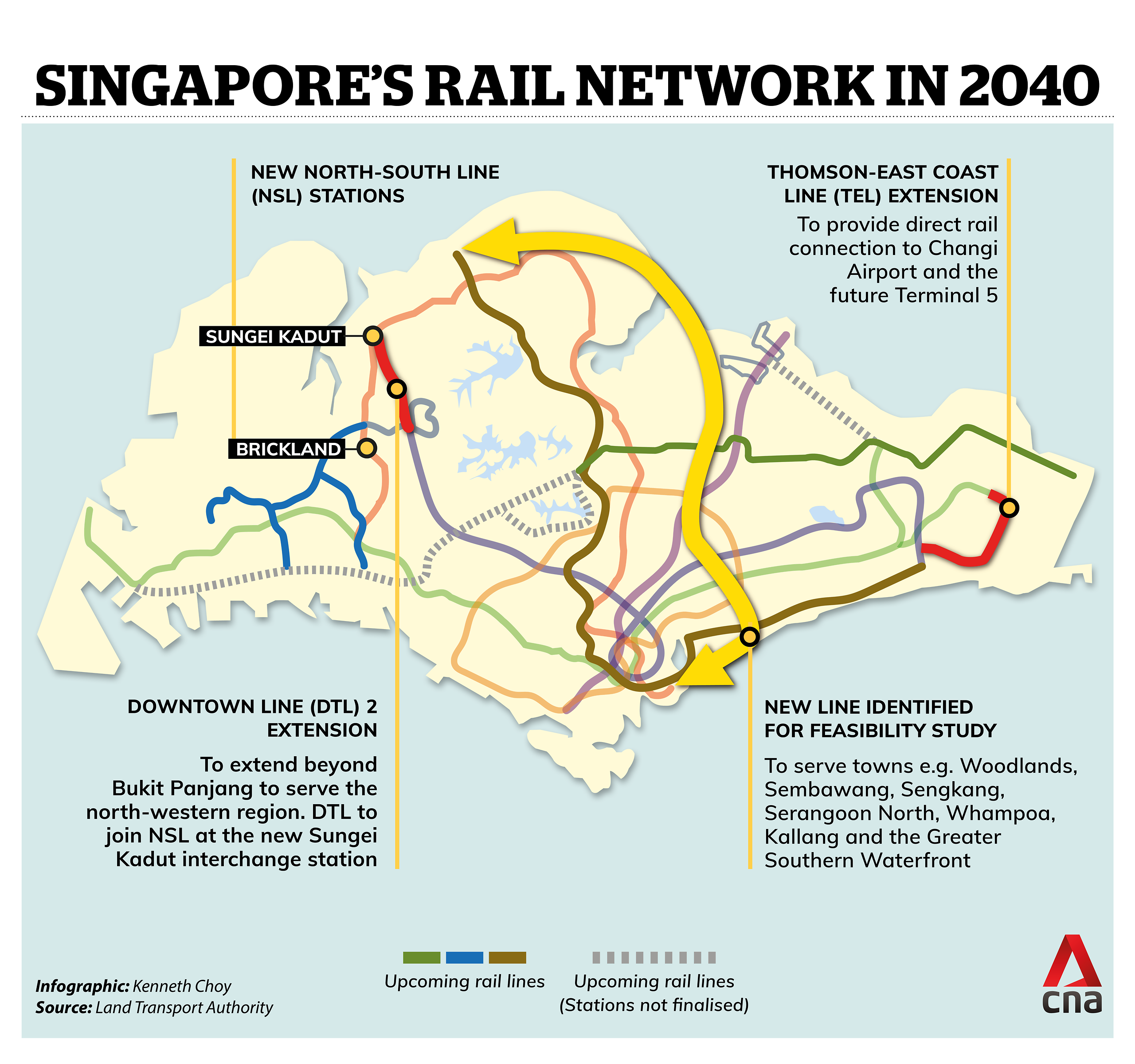
Graphic showing Singapore's rail network in 2040 - LTA Master Plan 2040

When fully operational in 2024, the TEL is expected to serve approximately 500,000 commuters daily in the initial years, rising to about 1 million commuters in the longer term.

The fully operational date of 2024 excludes the opening of the Founders’ Memorial station which will be opened in tandem with the memorial.

“Besides enhancing connectivity between the northern, central, and eastern parts of Singapore, the TEL will strengthen the resilience of our rail network by providing alternative travel routes for commuters on other lines. As the TEL runs parallel to the North-South Line (NSL), it will also help to reduce reliance and crowdedness on the NSL,” LTA said.

Source link

Banker fined over $70 million for smuggling Picasso painting out of Spain

0

[ad_1]

MADRID – An 83-year-old former Spanish bank chairman was fined €52 million (S$78 million) on Thursday (Jan 16) after being convicted of smuggling a Pablo Picasso painting abroad after it was designated a national treasure.

Jaime Botin, 83, ex-chairman of Bankinter, was also given an 18-month prison term but he is unlikely to serve it due to his advanced age and his status as a first-time offender.

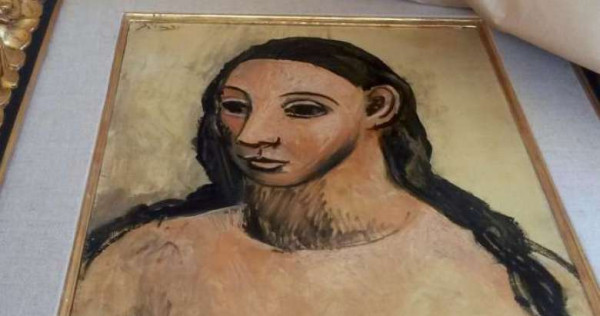
The case stemmed from the seizure of Spanish master Picasso’s “Head of a Young Woman”, a 1906 painting valued at €26 million, from Botin’s yacht during a search by customs officials on the French island of Corsica in 2015.

Spanish prosecutors accused Botin of trying to sell the painting, depicting a woman with sharp features and long black hair, in defiance of a ban on exporting an artwork of cultural significance for Spain.

Botin, the uncle of Santander bank chairman Ana Botin, denied the charges.

While acknowledging that the painting had left Spanish territory, Botin said he had been taking it to Switzerland for safekeeping.

Thursday’s verdict, which can be appealed, also transferred ownership of the painting to the Spanish state.

[ad_2]

Source link

$1.5m condo parking saga: Resident given stern warning for verbally abusing security guard

0

[ad_1]

SINGAPORE – Mr Erramalli Ramesh, the man who was caught on a widely shared video verbally abusing a condominium security guard last October, has been issued a stern warning by the police for intentionally causing harassment.

Four other men were in turn also given warnings for harassing Mr Erramalli, including threatening him and his family with death, violence and rape.

The police said on Friday (Jan 17) that it reached the decision in consultation with the Attorney-General’s Chambers.

Despite Mr Erramalli saying that he did not wish to pursue the matter against those who harassed him, the police said they nevertheless carried out investigations.

Two men, aged 41 and 47, were issued stern warnings for causing intentional harassment to Mr Erramalli. Two other men, aged 19 and 56, were given 12-month conditional warnings for threatening him and his family with death and violence.

The  spat between Mr Erramalli and the security guard happened at Eight Riversuites condominium in Whampoa during the Deepavali weekend last year.

[ad_2]

Source link

2 passengers taken to hospital in accident involving bus, lorry and car in Braddell Road; lorry driver arrested

0

[ad_1]

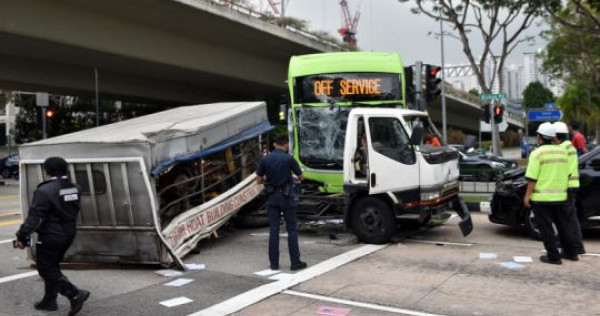
SINGAPORE – Two passengers were taken to hospital after a road accident involving an SBS Transit bus, lorry and car at the junction of Braddell Road and Bishan Road on Thursday (Jan 16).

The police have arrested the lorry driver, a 23-year-old Indian national, for dangerous driving.

The Singapore Civil Defence Force (SCDF) and police were alerted to the accident at around 3.30pm. A 22-year-old male lorry passenger and a 46-year-old female bus passenger were conscious when taken to Tan Tock Seng Hospital, the police said.

The other bus passengers were evacuated and the bus was taken off service.

Eyewitnesses said that the collision between the lorry and the bus at the junction pushed the lorry to the opposite side of the road, causing it to hit the stationary car that was waiting for the traffic light to turn green.

Madam Jenny Toh, the driver of the stationary car, told The Straits Times: “It happened too quickly that I had no time to react. My car was bought only two years ago. I could not even reverse in time to avoid them. I am just lucky that I am okay.” The 53-year-old, although visibly upset, did not sustain any visible injuries.

[ad_2]

Source link

Family baffled by death of bride-to-be in motorcycle accident

0

[ad_1]

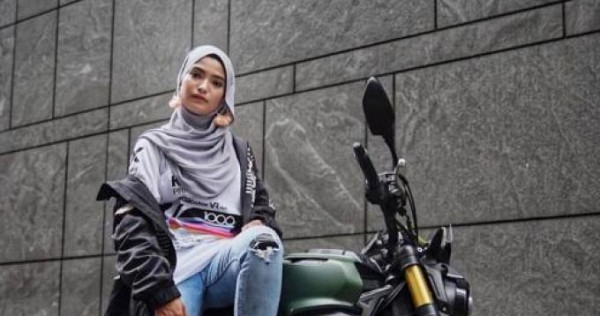
The death of a woman motorcyclist on a quiet stretch of road in Yishun ahead of her wedding next month has left her family wondering how it happened.

Miss Fadhillah Muhammad Hussain, 28, a nurse, was found unconscious a short distance from her dark green Honda CB150R in Yishun Avenue 8.

Though the accident happened during evening peak-hour traffic on Tuesday, no witness has come forward so far.

Her cousin, Mr Jad Hamzah, 50, a technician, said her family members are devastated by the tragedy and find it hard to accept that she could have crashed on her own.

“She got the bike about three years ago after getting her motorcycle licence, and she had always been a safe rider who used all the proper gear,” he told The New Paper yesterday.

Mr Jad said Miss Fadhillah was riding home after collecting her new passport from the Immigration and Checkpoints Authority in Kallang Road for her honeymoon in Italy.

“I was at the mosque attending a class when I received a call from my sister at about 6.15pm,” he said.

“She told me Fadhillah had left us after getting into an accident. I broke down and cried.”

[ad_2]

Source link

Extended train, bus services on eve of Chinese New Year

0

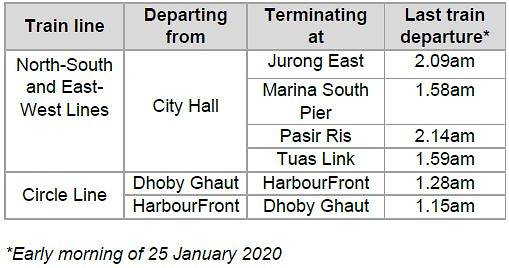
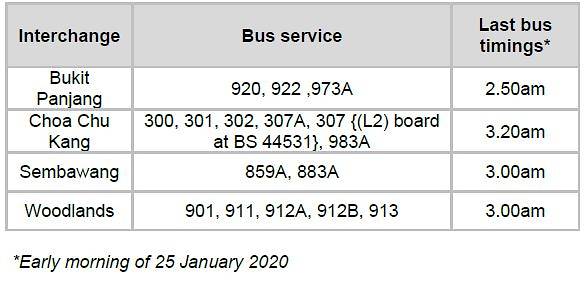
SINGAPORE: Operating hours for some train and bus services will be extended on Jan 24, the eve of Chinese New Year, to cater to those who may be travelling late.

Transport operator SMRT said in a news release on Friday that will extend service hours for trains departing from City Hall on the North-South and East-West lines, as well as from Dhoby Ghaut and HarbourFront on the Circle line.

train operating hours

(Table: SMRT)

Selected bus services will also have extended operating hours.

bus operating hours

(Table: SMRT)

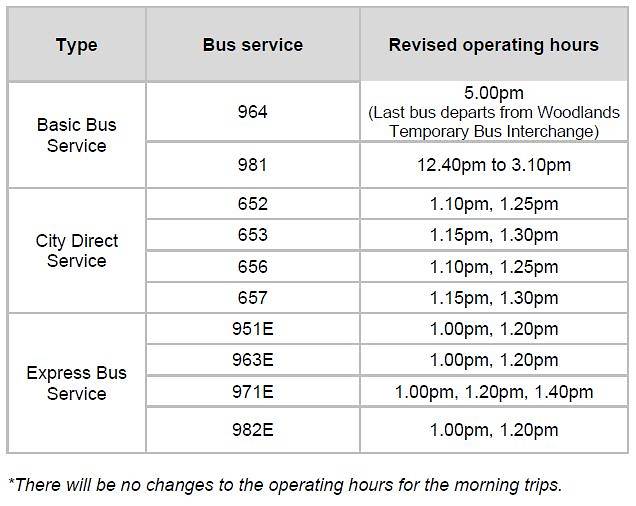
Additionally, operating hours for several bus services will be brought forward. These include express services 951E, 963E, 971E and 982E, as well as City Direct services 652, 653, 656 and 657.

bus operating hours brought forward

(Table: SMRT)

Source link

Singapore Pools to contact punters affected by glitches in Toto Quick Pick system

0

[ad_1]

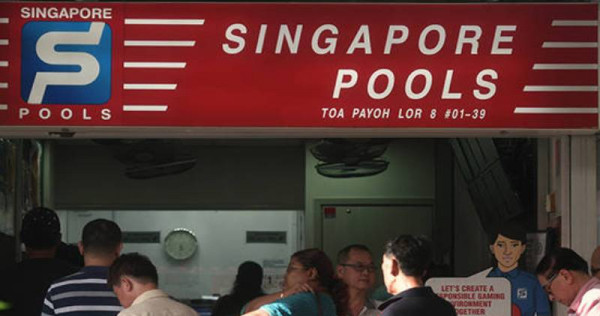
SINGAPORE – Punters affected by the software glitches that hit Singapore Pools online Toto Quick Pick option will be contacted via e-mail or on their mobile numbers registered with the lottery operator.

In an update on Thursday (Jan 16), Singapore Pools said it has started contacting affected customers and will continue doing so over the next few days.

The glitches affected only punters who placed their bets online via the Toto Quick Pick system. To create an online account with Singapore Pools, one would have to provide details like e-mail address, mobile number, residential address and NRIC number.

On Wednesday, Singapore Pools revealed that its online Toto Quick Pick system had been affected by two software glitches, the first of which left the number 49 out of the set of random numbers generated in punters’ bets for a period of more than a year.

[ad_2]

Source link

Singaporeans to get to shape curriculum new citizens undergo before getting their ICs

0

[ad_1]

SINGAPORE – How should a new citizen of Singapore behave? What values, norms and rights should they uphold? What are some of their obligations to the city and their fellow Singaporeans?

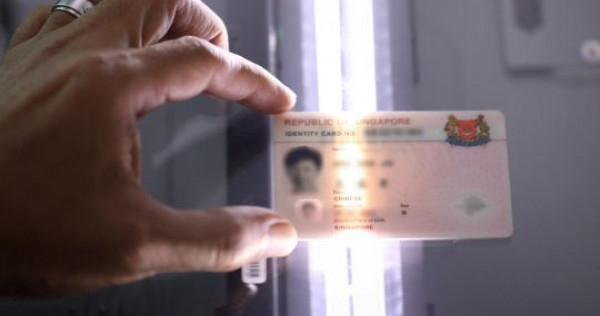
Singaporeans will be able to weigh in and shape the mandatory curriculum which new citizens undergo before becoming full-fledged members of Singaporean society.

On Thursday (Jan 16), the Ministry of Culture, Community and Youth (MCCY) launched a recruitment drive for 100 Singaporeans to form a workgroup to give input on the Singapore Citizenship Journey programme. Singaporeans can apply online to be part of the workgroup from now till Feb 21.

MCCY said the workgroup will be  diverse and reflective of Singapore society.  

While the authorities have taken in feedback from the public over the years, the workgroup is the first of its kind.

Initially introduced in 2011, the Singapore Citizenship Journey is designed to deepen understanding of Singapore’s history and culture via interactive online modules on topics such as the country’s history and culture, national symbols and national policies, and experiential learning programmes such as visits to museums.

[ad_2]

Source link

3rd suspected Wuhan virus case detected in Singapore, man isolated as precaution

0

[ad_1]

SINGAPORE – A 69-year-old man who travelled to Wuhan has been diagnosed with pneumonia, said the Ministry of Health (MOH) on Thursday evening (Jan 16).

“He has been admitted for further assessment and treatment, and isolated as a precautionary measure,” a ministry spokesman said. “His condition is stable.”

The man, a Singaporean, had not visited the seafood wholesale market in Huanan, from where the new bug is thought to have emerged. Investigations are ongoing to establish whether his illness is linked to the Wuhan disease cluster.

The man is the third person in Singapore to be suspected of having the Wuhan virus. The first two were a three-year-old girl and a 26-year-old man, both of whom were Chinese nationals. They had visited Wuhan – the capital of central China’s Hubei province – but subsequently were tested negative for the virus.

On Thursday, a Japanese man became the second confirmed Wuhan virus case to be reported outside China.

The first death from the mystery virus occurred in China on Jan 9. The 61-year-old man, who had serious underlying medical conditions, was confirmed to have been infected with the new viral pneumonia.

[ad_2]

Source link

Commentary: Why support for the Islamic State has persisted in Southeast Asia

0

SINGAPORE: The Islamic State (IS) was severely weakened in 2019, following the fall of Baghouz, its last territorial stronghold in Iraq and Syria, in March, and the death of IS leader Abu Bakr al Baghdadi in October during a US special forces raid.

But the defeat of IS in the Middle East has not translated into a substantial diminution in support for the group in Southeast Asia.

READ: Commentary: Islamic State militant group ran an info war ‘like a viral marketing campaign’

Indeed, regional support for IS has been resilient, owing in large part to the fact that IS had established regional branches which operate independently and wage localised conflicts. 

But even that modus operandi has morphed to embrace greater decentralisation in recent years.

The issue bears revisiting following the recent landmark prosecution of Imran Kassim on terrorism financing offenses in Singapore.

PERSISTENCE OF SOUTHEAST ASIAN OFFSHOOTS

Imran was sentenced to 33 months in prison for donating S$450 to IS on Oct 31, 2014, at the height of its caliphate operations in Iraq and Syria.

READ: Singaporean man jailed 33 months for financing terrorism by funding Islamic State

At that time, much of IS’ operations were confined to the Middle East. The group also gained huge global visibility after they drove Iraqi security forces out of Mosul in 2014 and established a territorial stronghold there, the first for an extremist terror group.  

IS’ activities in Southeast Asia were initially driven by the Katibah Nusantara (Battalion of the Malay Archipelago) – a network of Southeast Asian IS fighters based in Iraq and Syria.

The group, which has since been inactive, had engaged in activities such as fundraising, propaganda dissemination, and recruiting Southeast Asian militants to migrate to the conflict zone. At least 1,000 Southeast Asians were estimated to have left to fight in the Syrian conflict, according to the Soufan Centre.

More than a year after Islamic State-linked fighters seized the southern Philippine city of Marawi,

File photo of southern Philippine City of Marawi seized by Islamic State-linked fighters. (Photo: AFP/Ted ALJIBE)

However, the IS’ shift to a decentralised structure in 2015 saw the establishment of multiple wilayah (provinces) across the globe.

In particular, the Mujahideen Indonesia Timur (MIT), an IS-linked militant network in Indonesia, declared its intention to establish a wilayah in the country’s Poso region.

However, such aspirations were crushed soon after, as the Indonesian authorities launched successful armed assaults against MIT forces in the forested, mountainous hideouts the group occupied in Central Sulawesi.

READ: The Big Read: Battered in the Middle East, Islamic State eyes Southeast Asia as next terrorism hotspot

This eventually led to the death of MIT leader Santoso in July 2016, with the IS subsequently turning its attention to neighbouring Philippines, which was suffering from deteriorating security conditions.

Isnilon Hapilon, who led a splinter network of the Abu Sayyaf, was declared leader of the Islamic State “East Asia Wilayah” (ISEA) prior to the Marawi siege in May 2017.

The subsequent five-month long siege witnessed the most devastating urban warfare in Southeast Asia which led to the internal displacement of over 350,000 mostly Muslim residents.

READ: Commentary: Why the use of women and children raises the stakes in the fight against terrorism

READ: Commentary: Has the war in Marawi killed the Philippines peace process?

Coming at a time after IS had just lost Mosul to coalition forces, the battle for Marawi reflected how the threat of extremism to territorial integrity could spread to other regions outside of the main Iraq and Syria theatre.

Being severely weakened in the Middle East may have provoked IS supporters to cast their eye elsewhere to establish a new base of operations. Southeast Asia is a particularly attractive target, given its huge Muslim population and the number of extremist radical groups that share a desire to establish a caliphate.

In Indonesia the Islamic State group claimed credit for the 2018 Surabaya bombings on three churches

In Indonesia the Islamic State group claimed credit for the 2018 Surabaya bombings on three churches and a police station that killed 13 people (Photo: AFP/Andy PINARIA)

Indeed, following the defeat of IS in Marawi in October 2017, support for the group in the region has persisted.

This can be observed in the activity of pro-IS Telegram group channels and chats in Southeast Asia, after being kicked off Twitter and Facebook. At its peak, almost 4,000 propaganda messages were sent over a one-month period in 2019, in Malaysia, Indonesia and the Philippines.

READ: Commentary: Social media and live-streaming have created performance terrorism

READ: Commentary: Islamic State militant group ran an info war ‘like a viral marketing campaign’

The sheer volume of such messages demonstrates not just a worrisome level of online activity by IS supporters in the region, but also the huge challenge to counter-terrorism intelligence such private, encrypted channels pose.

Many supporters also no longer rely on IS leaders in Iraq and Syria for direction, using the name of IS instead to legitimise their own fight.

CONTINUED POTENCY OF IS

Beyond support in the digital domain, three trends demonstrate the continued potency of IS in the physical space: The sustained recruitment of militants, the involvement of foreign fighters, and the adoption of suicide bombing tactics in the Philippines.

The recruitment of militants persists in the region. Today, skirmishes between pro-IS groups and the Philippines’ authorities rage on in regions such as Sulu, Cotabato, and Maguindanao. Such exchanges have seen the mobilisation of up to 150 local and foreign militants since 2017.

Foreign fighters from the region and beyond also continued to enter the Philippines to support pro-IS groups. 

Foreign fighters supplement the local fighting force in the defence of their territory. Experts have highlighted that more than 100 foreign fighters have entered Mindanao since the end of the Marawi siege.

Marawi, the centre of Islam in the mainly Catholic Philippines, was swarmed by tanks, attack

Marawi, the centre of Islam in the mainly Catholic Philippines, was swarmed by tanks, attack helicopters and thousands of troops fighting Islamic State-linked combatants holed up in homes and buildings AFP/TED ALJIBE

The area remains attractive to pro-IS Southeast Asian militants, given its status as an alternate conflict theatre in the fight for IS’ brand of ideology and ease of access.

Known routes such as the Sulu Archipelago and the Sangihe Islands, through which funds, supplies, and foreign militants are smuggled, are difficult to regulate due to the long coastlines and the densely forested islets.

Extra-regional foreign fighters from the Middle East, North Africa, South Asia and Europe have also travelled or attempted to travel to Philippines to participate in the conflict. 

These include Moroccan Abu Khatir al-Maghribi, the perpetrator of the Lamitan car bombing killing 10 in July 2018 and two Egyptians whose attempted suicide attacks were foiled by Filipino authorities in November 2019.

READ: Commentary: Islamic State brides and the meaning of citizenship

Finally, the reinvigorated adoption of suicide attacks is a cause for concern.

The willingness to conduct suicide operations demonstrates how entrenched the IS ideology is among some regional militant networks, how easy it can be to gain access to explosive materials and execute copycat acts of terror with instructions disseminated over encrypted platforms. Lone wolf attacks by radicalised individuals have become a real-and-present danger.

READ: Commentary: The secret group dynamics that fuel horrifying terror attacks

While suicide tactics are not new in Indonesia, planned suicide bombings in the Philippines were unprecedented before 2019. Many Muslim tribes in Mindanao espouse the idea that courageously dying in battle is more honourable than the cowardly act of terror suicide attacks.

In January 2019, however, the Philippines witnessed its first suicide attack in the country, marking a sea change in the counter-terrorism fight. Mooted emir of the IS in the Philippines, Hajan Sawadjaan is said to have recruited members of the Indonesian Jamaah Ansharut Daulah to conduct the suicide attack at a church in Jolo.

VIGILANCE KEY TO COUNTER-IS FIGHT

Ultimately, support for the IS in Southeast Asia is not solely determined by its strength in the Middle East.

Hence, the IS’ territorial and leadership losses in Iraq and Syria, while representing a blow to its global expansion aims, has not substantially tamped down militant activity in this region due to the group’s decentralised structure.

FILE PHOTO: Marawi's ruins a reminder of Islamic State's devastating reach

FILE PHOTO: Dilapidated structures are seen at the most affected war-torn area of Marawi City, Lanao del Sur province, Philippines, May 11, 2019. REUTERS/Eloisa Lopez/File Photo

Going forward, we can expect financial support, propaganda, and aspiring militants wanting to join the IS to be directed not only to the Middle East but also active conflicts in Southeast Asia.

Imran’s case also presents a reminder that support for IS can take the seemingly innocuous form of monetary contributions, but in the wider context of the fight against terror in Southeast Asia, cannot be underestimated.

The key to meeting this challenge is sustained cooperation between authorities in the region to clamp down and keep up the pressure on known groups, and deal decisively with individual cases of radicalisation. 

Citizens are also advised to remain vigilant and provide any information on suspected radicals to the relevant agencies for early intervention through rehabilitation, counselling, and social support.

Kenneth Yeo is a Research Analyst from the International Centre for Political Violence and Terrorism Research, a specialist centre of the S. Rajaratnam School of International Studies, Nanyang Technological University.

Source link