SINGAPORE: A new set of stringent measures will be introduced in Singapore’s efforts to contain the Wuhan coronavirus, a newly-formed multi-ministry task force announced on Monday (Jan 27).
The task force is co-chaired by Health Minister Gan Kim Yong and National Development Minister Lawrence Wong.
Among other measures, Mr Wong announced at a media conference that people should defer all non-essential travel to mainland China, an extension from an earlier advisory to defer all travel to Hubei.
“We are doing this now because of the latest developments in China which the China government itself has described as grave and they have also said the virus is getting stronger and infections will continue to rise,” said Mr Wong.
Given Singapore’s status as an international transport hub, Mr Wong said this extended travel advisory is a necessary safeguard against further spread of the virus.
ENHANCED TEMPERATURE SCREENING
Authorities will also strengthen border measures by implementing temperature screening for all incoming flights by Wednesday, Mr Wong said.
Thermal scanners will be deployed at the piers of the airport to cover all incoming flights, he added.
Currently, temperature screening is only conducted for passengers on flights from China at air checkpoints.
Temperature screening will continue at land checkpoints for bus, car and train arrivals and at sea checkpoints.
There will also be additional attention given to flights from mainland China at the aerobridge. These include visual identification of unwell travellers for evaluation by the medical team.
Travellers deemed unwell with fever or respiratory symptoms, or have relevant travel history to Hubei, will be referred to nursing stations.
The Immigration and Checkpoints Authority (ICA) will also check passengers who are in possession of passports issued in Hubei.
Such passengers will be referred for attention to ensure that they are well, and to obtain their contact details to expedite subsequent contact tracing if required.
There will also be “extra precautions” taken for the workforce and students returning from mainland China, Mr Wong said.
For students returning from China from Tuesday, they will be given a Leave of Absence (LOA) for 14 days so they can stay at home and minimise close contact with others.
The minister said organisations have been advised to collect health and travel declarations from employees returning from mainland China from Tuesday.
“We are doing this now, we are getting ready now because we fully expect more to come back after the Chinese New Year holidays,” he added.
More stringent precautions are in place for organisations with staff who have close contact and sustained interactions with vulnerable populations.
These measures will apply to schools, including preschools, healthcare and eldercare facilities.
Employers in these sectors will need to issue a Leave of Absence for 14 days upon their workers’ return to Singapore.
The general workforce is recommended to follow these measures as well. Employers may adopt additional precautionary measures if they choose to do so.
Mr Wong said: “We have no evidence that there is community spread of the virus in Singapore. But it may happen. And if it does we stand ready to take additional measures.”
“I want to assure Singaporeans that we will do everything we can to protect Singaporeans and Singapore, but this does not mean overreacting or worse turning xenophobic. We must be proactive and rational in our response and base our actions on the available evidence and data,” the minister added.
The most important defence is still at the individual level. To beat the virus, it would not be enough for the Government to act alone, he said.
Singapore has so far confirmed four cases of the SARS-like virus – the fourth was announced early Sunday morning.
The first case of the novel coronavirus in Singapore was announced on Thursday, while two cases were confirmed on Friday.
Contact tracing has been activated for confirmed cases and as a precautionary step, Government quarantine facilities have been set up to house close contacts who are well.
The Ministry of Health (MOH) said there were no new confirmed cases of the Wuhan virus in Singapore as of noon on Sunday, adding that it has been notified of 92 suspected cases in total.
Of the 92 suspected cases, 46 have tested negative for the new coronavirus, which originated in Wuhan, China. Test results for the remaining 42 cases are pending.
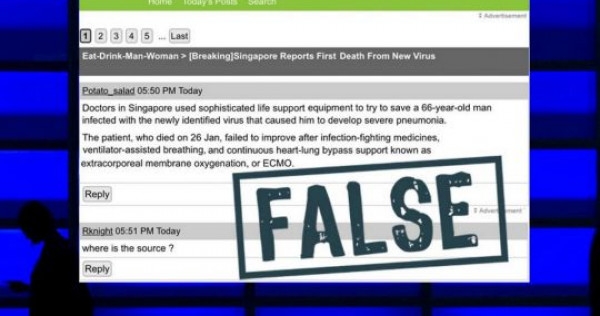
SINGAPORE – SPH Magazines has complied with an order by the Protection from Online Falsehoods and Manipulation Act (Pofma) office to correct an online post in the HardwareZone Forum that falsely claimed that a man in Singapore has died from the Wuhan virus infection.
“A false statement was made in a HardwareZone forum post, claiming that a man has died from the Wuhan coronavirus infection in Singapore. HardwareZone is required to carry the Correction Notice to all end-users in Singapore who use HardwareZone.com,” said the Pofma Office said in a statement early on Monday (Jan 27).
Health Minister Gan Kim Yong instructed the order to be issued, Pofma Office added.
The forum post was made on Sunday at 5.50pm. It has since been removed.
SPH Magazines, which operates HardwareZone Forum, complied with the correction notice on Monday which included a link to the government website which corrected the falsehoods in the original post.
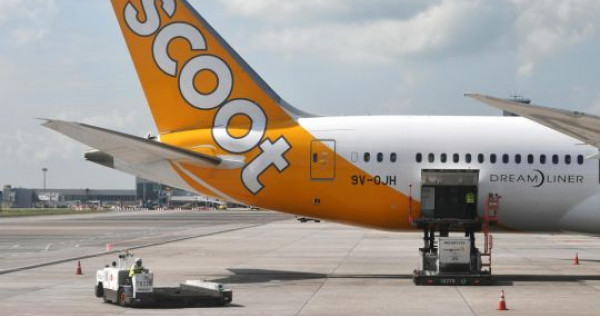
SINGAPORE – Eighteen Singapore residents and 10 staff members of Singapore Airlines’ budget arm Scoot arrived back home safely from Hangzhou on a relief flight in the early hours of Monday (Jan 27), a Transport Ministry (MOT) spokesman said in a press release.
Scoot’s relief flight TR5001 departed Singapore shortly before noon on Sunday (Jan 26) and flew back from Hangzhou as TR1189 at 8.28pm Hangzhou time, according to a spokesman from Scoot.
The passengers were part of a group who had boarded Scoot flight TR188 to Hangzhou last Friday (Jan 24).
All 314 passengers on the flight were then isolated at Hangzhou International Airport due to the detection of two passengers who had fever and were subsequently confirmed as cases of novel coronavirus infection by Chinese authorities.
All passengers and crew members were declared afebrile or not feverish after undergoing stringent medical checks upon arrival at Changi Airport.
MOT added that the health status of the group is being closely monitored.
SINGAPORE: Time is the most valuable resource we have.
Nobody seems to have enough of it and “digitally charged” lifestyles increasingly take time away from sleep and recreation.
Paradoxically, the yearning to get more out of life, and feeling bad if one is not constantly online, in touch and experiencing things, results in the degradation of the very life we seek to enhance.
A well-known bank has long boasted it never sleeps. Their ATMs may not, but living things do and sacrificing sleep comes with personal and community costs.
Parents who fail to adopt good sleep habits are likely to transmit their behaviors to their children. When this pattern is propagated across communities and social networks, whole countries are put at risk.
According to the Rand Corporation, developed economies could suffer a loss of 2 to 3 per cent of their annual GDP as a result of insufficient sleep.
In the short term, sleep loss decreases cognitive performance, makes us moody and is associated with feelings of tiredness.
In the longer term, not sleeping adequately puts ourselves at risk of diabetes, heart attacks, stroke, early cognitive decline, dementia, some types of cancer, mental illness, accidents, lowered productivity and presenteeism.
THE NEED FOR SLEEP CANNOT BE SIMPLY ‘ADAPTED AWAY’
Research conducted by my group has shown that on average, from late adolescence to old age, East Asians wearing sleep trackers sleep between 25 to 65 minutes less than their counterparts in Australia and New Zealand.
The differences are most prominent when comparing older adolescents and young adults, likely reflecting the influence of lifestyle differences across countries, particularly in the young.
The self-reported increase in sleep duration was, on average, around 20 minutes.
Could young Asians have adapted to short sleep? In a series of studies my group found that even highly motivated adolescents show cumulative decline in sustained attention if they have only 6.5 hours to sleep at night for five nights in a row.
This 6.5 hours of nocturnal sleep is below what is recommended (of eight to 10 hours, with seven hours being possibly adequate) but is the duration the average Singaporean adolescent reports sleeping on weekdays.
Memory encoding and mood are also impaired with sleep restriction. At five hours of sleep a night for five consecutive nights, the negative effects on vigilance were even stronger.
Bottom line? Asians haven’t adapted to short sleep.
Only 1 to 3 per cent of the population can get by with five hours of sleep a night on a sustained basis, so for every 100 who think they can flourish with this amount of sleep, more than 95 cannot.
Some will point out that in terms of life expectancy, we aren’t faring badly. However, this could be because long-term effects have not had time to fully manifest.
Gains made through improved medical care and reduction in infectious diseases are being eroded by lifestyle health risk factors. A clear sign of concern is that while life span has increased, the number of disease-free years – “health span” has not grown as much, and this is proving extremely costly.
It is undeniable that the prevalence of obesity and diabetes has increased dramatically in East Asia and projected to grow more.
While dietary changes and reduced physical activity play a part, the contribution of poor sleep to increasing the risk of diabetes has been insufficiently acknowledged.
The same can be said of cognitive decline in older people where new epidemiological and experimental studies both indicate that disrupted sleep is a risk factor for dementia that merits attention.
According to the World Health Organisation, dementia affects some 47.5 million people worldwide – with 7.7 million new cases every year (Photo: AFP/Sebastien Bozon)
Professional athletes are recognising the importance of sleep as a contributor to peak performance and speaking out about its benefits.
Sleep is entering the conversation in homes and corporate wellness programmes. What can the average person do to improve sleep and wellbeing? Here are five action points to ponder.
Homework is a significant cause of late bedtimes for students and while this needs to be addressed by educators and policy makers, students themselves have control what they do in-between homework. Research has shown that academically stronger students sleep earlier and get more sleep.
More working adults are bringing work home with constant connectivity blurring the boundary between home and office.
This too has to be dealt with at a societal and corporate level but if individuals collectively resist or curtail their own after-office work commitments, things will start moving along.
Explosive growth in smartphone use has been accompanied by a massive increase in the number of people who feel compelled to constantly stay online.
The convergence of entertainment, communication and work-related channels on mobile devices has blurred the boundaries between different social functions.
Hanging around online, constantly checking one’s phone insidiously steals time from sleep, face-to-face communication and is altering society in an unhealthy manner that should not go unchecked.
Supporting the notion that giving in to digital temptations, erodes sleep, a recent study conducted in Germany found that people living in regions where broadband internet services had 25 minutes less nocturnal sleep than those in regions without access.
Governments should consider imposing a fee for late night internet use. The UK has a green paper on getting Google and Facebook to pay for measures to reduce cyberbullying and online abuse.
A focused man working on a sticker-covered laptop in a coffee shop. (Photo:Unsplash/Tim Gouw)
TIP #3: HAVE A WIND DOWN ROUTINE BEFORE YOU GO TO BED
An overactive mental state works against falling asleep. When one is still young and sleep signals are strong, mental hyperactivity may not hinder sleep.
However, by mid-life, many will encounter difficulty initiating sleep if they do not make an effort to disengage themselves from their worldly cares before bedtime.
What one finds relaxing or enjoyable prior to bedtime will vary from person to person as does the time required to wind down. The key is to ringfence pre-sleep downtime and stick to that resolution.
TIP #4: WORK INTENSELY BUT GIVE YOURSELF DOWN TIME
High-intensity interval training has gained many adherents because the cycling between intense physical work and recovery brings on physiological changes that produce visible results with relatively short training durations.
If we took this same approach to work or study, we will likely get what we need done and still have time to enjoy leisure and to sleep better.
Like an athlete whose performance declines with over-training, people who do not get enough good quality sleep will burnout, and may experience reduced willingness to exert mental effort.
Sleepy, tired people are likely to defer important tasks till they feel better. This could in turn result in staying up later. If this cycle is not broken, not only will productivity be reduced, a person’s expectation of what they are capable of could diminish.
When sleep deprived and fatigued, positive mood declines. Harmless slips made by others can be perceived as deliberate slights and the significance of minor mistakes may be unreasonably amplified.
It is a myth that productive people must deny themselves adequate rest. Tobi Lutke, the CEO of Shopify, a successful e-commerce company works mainly regular hours and claims not to have ever worked through a night while setting up his multi-billion dollar company.
Unlike the heart that must beat constantly, the brain needs sleep to function optimally and clear its waste. The occasional all-night stint or even a week of long work hours may be tolerable but chronic overwork is associated with an increased risk of stroke and heart attacks.
A woman using her smartphone. (Photo: Unsplash)
Workers in China are pushing back against the “996” work week and research from Stanford University suggests that productivity drops sharply when work time exceeds 50 hours a week.
TIP #5: RETHINKING WORK, STUDY AND PLAY TO AVOID DROWNING BY DATA
Optimising how information is collected and used is a major area where time can be re-purposed and reclaimed. Tapping on readily available, curated data repositories instead of employing elaborate agency-specific forms can save everyone hours.
Going to the ground to meet people, collect valuable contextual information, give feedback and build relationships, is superior to appraising pro-forma key performance indicator filled reports read from a distance.
Reports and presentations themselves have grown in volume and complexity owing to the profusion of information sources as well the misplaced belief that more intense performance monitoring is a benefit.
In reality, many decision-makers are already overloaded with information and do not spend enough time critically appraising and acting on what they are being presented with.
Shifting our focus to thinking of how to communicate more effectively with fewer points, instead of seeking to impress by being prolific, is a change many managers and decision makers need to embrace and transmit to their teams.
Habits that mark conscientiousness and drive, which are important for success can become limiting if taken too far.
Needing to win at every contest, constantly make clever comments and having one’s team score winners without a letdown, will wear down both individuals and their teams. Life is not an idealised Instagram post.
“Winning all the time” starts from being immersed in a school culture where students are made to feel they are failures if they don’t constantly achieve perfect or near-perfect scores in homework, tests and exams.
Tracking performance has its uses but always requiring results to validate one’s self-worth, be it at school, on social media, in-person or by proxy through parents is unhealthy and robs our young of their childhood.
Time for play and self-discovery are important if we are to harness the opportunities improved access to knowledge and skills present.
People need sleep as well as time to play, to reflect and to ponder how to adapt and help others adapt to a complex, constantly changing world.
Both leaders and ordinary citizens need to play a part in recovering time that has been lost and which can be repurposed to improve health, mental well-being and performance.
Prof Michael Chee leads the Centre for Sleep and Cognition at the Yong Loo Lin School of Medicine, National University of Singapore and has a long affiliation with Duke-NUS Medical School. He also consults for AIA-Vitality’ sleep programme.
In March 2020, the inaugural CNA Digital Economy Leadership Summit 2020 will bring together some 200 key decision makers from Government, diplomatic circles and the private sector from around Asia, to explore key issues that include: How to grow and innovate in a digital economy, as well as how to manage talent and ensure sustainability in the digital economy.
SINGAPORE: When Grab and Uber burst into Singapore’s transportation scene in 2013, commuters were presented with the convenient option of hailing a ride at the tap of their fingers, whenever they wanted.
No longer did they have to wait on the sidewalk, or incur a fee by calling for a taxi. It allowed many, including homemakers, to make a side income as ride-hailing drivers.
Despite Uber’s exit from Southeast Asia in 2018, a plethora of digital platforms that broker on-demand services connecting workers to customers have since sprouted in Singapore, giving anyone from couriers to caregivers to ability to pick up work at their own time and preference via an app or website.
These companies and workers are part of the gig economy, a term first coined by journalist Tina Brown back in 2009 where she described the work world as “a bunch of free-floating projects, consultancies, and part-time bits and pieces”.
In Singapore, the closest definition of those who perform these task-based labour are called ‘own-account workers’, or “self-employed persons who are engaged in a trade or business without employing any paid workers”, according to the Ministry of Manpower (MOM).
The ministry’s Labour Force in 2018 report said that there were 210,800 residents who were own account workers, or 9.3 per cent of all employed residents. More than eight out of 10 of these workers did own account work as their primary job.
Informally, they are called gig workers, or independent contractors.
Economic experts and industry players say the rise of the gig economy has been beneficial for both companies and consumers in Singapore.
But as it continues to grow, the country has to look at enacting the right regulations and gearing the gig industry to offer jobs that lift the skills of workers.
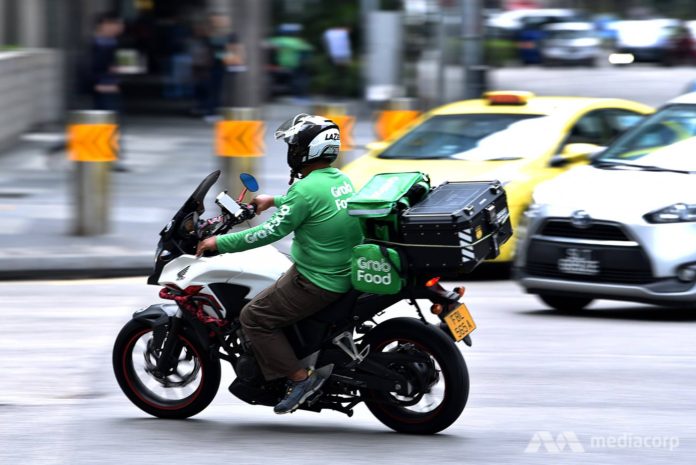
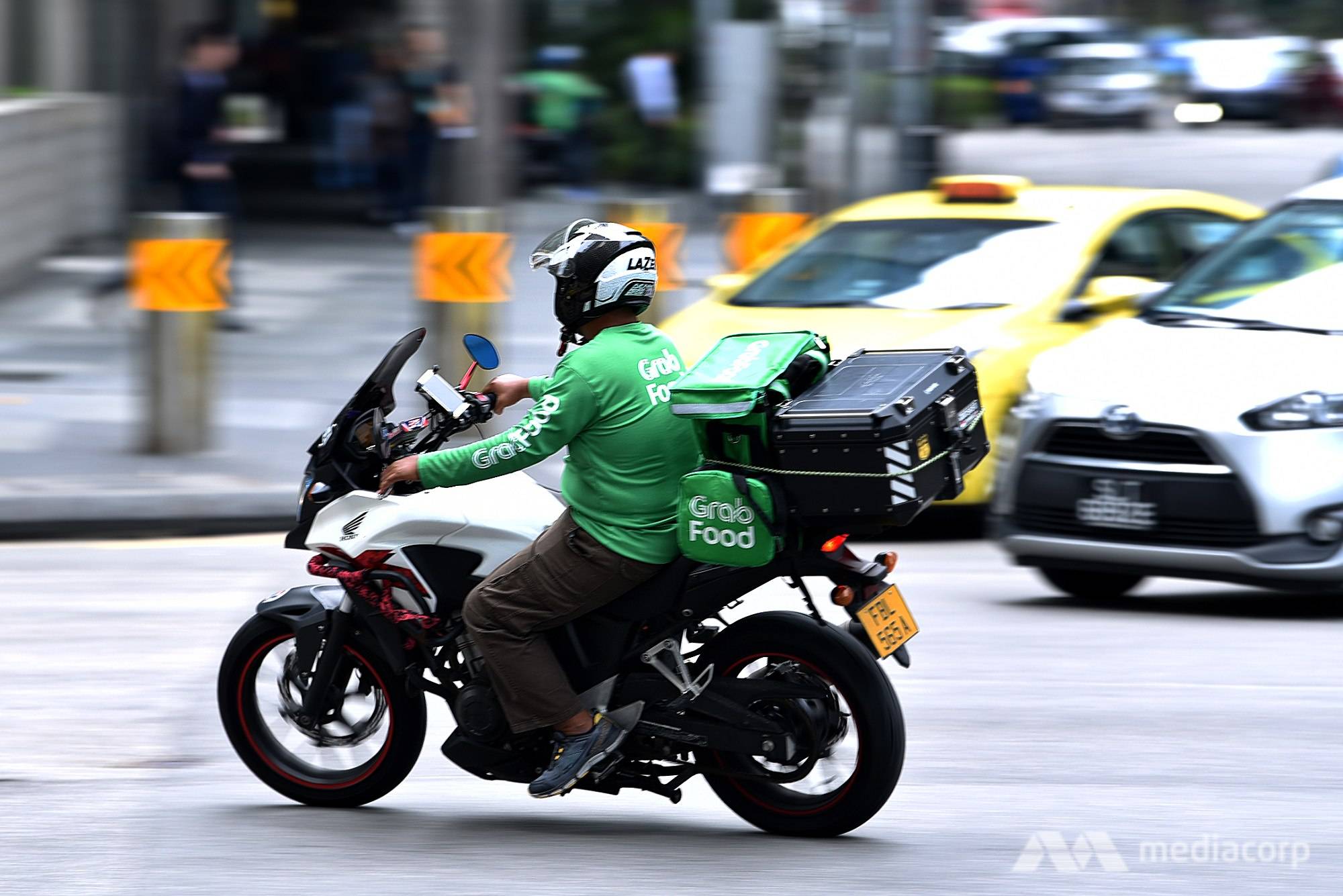
File photo of a Grab Food delivery driver (Photo: Jeremy Long)
MORE BANG FOR YOUR BUCK
Among consumers, the gig economy has brought about lower prices and greater variety of products, said Professor Sumit Agarwal from NUS Business School.
Instead of hotels, Airbnb could offer cheaper accommodations to tourists. Instead of hailing a cab, commuters can take a ride on someone else’s car.
By offering alternative products and services to consumers, gig economy companies have added to the competition in the industries they operate in, he said.
But rather than conclude that the traditional service providers such as taxi companies or hotels have lost out, observers said the digital players have pushed them to improve their performance.
“With disruptions, incumbents tend to up their game,” said Ang Hin Kee, the deputy chairperson of the Government Parliamentary Committee (GPC) for Transport. “Taxi operators are doing more to compete, from partnering (other companies), launching their own apps, and even improving terms to retain their drivers as well as enhancing privileges for commuters.”
The gig economy has also paved the way for individuals and small companies to become more entrepreneurial, said Prof Agarwal. Resources that were inefficiently used – the car sitting idle in the parking lot, the spare rooms in the empty nester’s apartment – can now be tapped on to make money.
Cooks were often only busy during lunch and dinner hours, but now they are kept occupied throughout the day because orders stream in the afternoons and late nights too, Prof Agarwal said.
File photo of char siew sold at a Singaporean restaurant.
STRIKING A BALANCE ON REGULATIONS
But for benefits of the gig economy to play out completely, the government has to first guarantee a level playing field, the experts said.
Right now, countries and cities are still figuring out how best to protect gig economy workers.
In April 2019, the European Parliament approved rules on minimum rights for gig workers, including the need to provide free training and keeping workers informed about their working condition from the beginning.
In a more drastic move, the US state of California passed a bill in September last year requiring gig economy companies such as Uber and Lyft to treat gig workers as employees and grant benefits like paid time off and minimum wage.
So far in Singapore, some of the initiatives mooted to help freelancers include the Tripartite Standard on Contracting with Self-Employed Persons, a set of voluntary employment practices released in March 2018 on contracting freelancers.
Starting this year, freelancers hired by the Government will have a portion of their fees automatically transferred to their MediSave accounts under the Contribute-As-You-Earn (CAYE) pilot scheme, although there are no plans yet to extend this to the private sector. Self-employed individuals can also purchase an insurance policy by NTUC Income and Gigacover for long-term medical leave.
Instead of heavy-handed regulations, industry players and observers said the authorities should create an environment that allows for free entry and exit into the market.
Eventually, some legislation might be required but the Government “must be careful not to choke innovations and options for the worker”, Mr Ang, who is also the National Trades Union Congress’ (NTUC) freelancers and self-employed unit director, said. Offering employee benefits such as paid time off could translate “into costs at some end”, like higher rental fees.
Mr Ang, who is part of the tripartite workgroup that studied the issues faced by those self-employed, said that Singapore should follow through with the group’s recommendations.
Founder of ride-hailing firm RYDE, Terence Zou agreed that there should be a “light-touch approach” towards regulating the gig economy, to allow new entrants to grow without being pushed down by cost.
Ultimately, competition improves the products end-users get, he pointed out.
Certain regulations such as ordering employers to insure freelancers or offer paid time off would not make sense as they can decide when to walk away from a job or take the day off, said Walter Theseira, a labour economist with the Singapore University of Social Sciences.
However, there is still room for more protection of freelancers, Dr Theseira, who is also a Nominated Member of Parliament, said. Laws on CPF special account contributions, the expansion of CAYE and work injury insurance that is tailored to specific tasks should be looked at, he said.
The authorities must also ensure that workers are not abused in a way that they feel “compelled to work all the time in order to remain in good standing”.
CPF Maxwell Service Centre. (Photo: Central Provident Fund Board)
For example, if a driver makes a reasonable income only by hitting the incentive targets, and to do so they need to work 12-hour shifts every day, the driver should be counted as an employee, he said. Benefits such as paid time off should be granted.
Across the board, the larger gig providers in Singapore – Grab, Deliveroo, Foodpanda and Gojek – have introduced several forms of protection and perks, ranging from personal accident insurance to fuel discounts.
When asked about whether they would implement a social security programme similar to CAYE, both Grab and Deliveroo said they are in discussions with the authorities.
Eventually, platforms that don’t see the importance of employee welfare will fail, said NUS sociologist Vincent Chua, as workers gravitate towards those that provide benefits.
Another worry about the gig economy is the possibility of stymying the growth of these workers, given that their jobs – be it driving or delivering food – are relatively easy, nor would they be motivated to go for courses if they can use the time to make a quick buck instead.
In response to these concerns, the platforms cited the various training programmes and career coaching services made available to their riders and drivers, while the flexibility of the work gives them the option to upskill themselves at their own time.
In fact, “a career in ride-hailing imparts a myriad of lifelong skills to drivers”, a spokesperson from Gojek said, as they develop skills in areas such as time management and customer service – “skill (that) build competence and confidence…and beneficial for any industry”.
Commuters pass by a Gojek advertisement in Singapore Mar 4, 2019. (Photo: Reuters/Edgar Su)
At the end of the day, it is up to the workers to decide what their long-term career goals are, the experts said.
Gig workers need to be aware of what these jobs entail, said Dr Chua. “Do gigs provide job ladders…Or are they ultimately dead end jobs?”
WHAT’S NEXT FOR THE GIG ECONOMY
After working as a public hospital nurse for five years, Lynn Ng left her job in August 2018 to broaden her skill set.
Instead of jumping into another full-time role, the 27-year-old decided to go freelance and signed up with on-demand healthcare platform Jaga Me the following month. She was curious about what nursing in a home care setting was, and it gave her the time to travel abroad as well.
Lynn Ng left her full-time job as a nurse and signed up as one of on-demand healthcare platform Jaga Me’s freelancers. (Photo: Rachel Phua).
Fears over her erratic financial situation aside, Ms Ng is “definitely happy” with her choice to take a career risk. She has learnt more in her current position, having to conduct physical examinations and assess patients on her own. Those were the doctor’s duties when she worked in the hospitals, she said.
It is professionals like Ms Ng that the gig economy should be geared towards, said Indranil Roy, an executive director in the human capital practice at global consultancy Deloitte.
“A project-based economy…is where the level of upskilling of people is going to be fastest,” he said.
Mr Roy explained when more specialised jobs are available on gig platforms, workers can choose the various tasks they want to try their hands on, work on it for a couple of months, learning something new, and move on to the next project.
Otherwise they would be stuck in one department, solving “one problem over and over again”, he said.
Economic growth will also speed up if Singapore cultivates a blended workforce – a greater number of freelancers and fewer full-time, permanent employees compared to the current proportion – as firms can adjust more quickly to disruption, Mr Roy said.
For example, a traditional small business can change their business model sooner if they are able to have immediate access to the software developers or graphic designers they need for the purpose of moving their processes online, which may only last a short period of time.
Companies and professionals in Singapore first need to see freelancing as a viable option, he added. Right now, both parties prefer hiring and being hired as permanent, full-time employees, while many human resource departments are still unable to create alternative pay structures and recruitment policies.
If Singapore strives towards creating flexibility in the labour market and systems that match companies to highly-skilled individuals, “then I’m very optimistic” about the gig economy, said Mr Roy.
In March 2020, the inaugural CNA Digital Economy Leadership Summit 2020 will bring together some 200 key decision makers from Government, diplomatic circles and the private sector from around Asia, to explore key issues that include: How to grow and innovate in a digital economy, as well as how to manage talent and ensure sustainability in the digital economy.
SINGAPORE: There were no new confirmed cases of the Wuhan virus as of noon on Sunday (Jan 26), said the Ministry of Health (MOH), adding that it has been notified of 92 suspected cases in total.
Singapore has so far confirmed four cases of the SARS-like virus.
Of the 92 suspected cases, 46 have tested negative for the new coronavirus, which originated in Wuhan, China. Test results for the remaining 42 cases are pending.
The patient, a 36-year-old man from Wuhan, is currently being treated in an isolation ward at Sengkang General Hospital.
Prior to his admission on Jan 24, he stayed at Village Hotel Sentosa.
He also said he had visited Universal Studios Singapore and Vivocity, said MOH, adding he had also travelled on public transport, including by taxi.
The ministry said the risk of infection from transient contact, such as from public transport or public spaces, is “assessed to be low”.
Nine people have been identified as close contacts of the man, added the ministry.
As of noon on Sunday, eight have been contacted and are being quarantined.
Efforts are ongoing to contact the remaining person, said MOH.
In total, 115 close contacts have been identified for the four confirmed Wuhan virus cases as of noon.
Of these, 86 are still in Singapore, 66 of whom have been contacted and are being quarantined or isolated, said MOH.
Efforts are still ongoing to contact the remaining 20 people.
Close contacts will be quarantined for 14 days from their last exposure to the infected person, said the ministry.
All other identified contacts who have a low risk of being infected will be under “active surveillance” and will be contacted daily to monitor their health status, it said.
OTHER CONFIRMED CASES
Singapore’s first case of the novel coronavirus was on Thursday, while two cases were confirmed on Friday.
The first case – a 66-year-old Wuhan resident – had stayed at Shangri-La’s Rasa Sentosa Resort and Spa and indicated that he had kept within the hotel vicinity.
The next two patients were the 37-year-old son of the first confirmed case and a 53-year-old woman.
She had stayed at J8 Hotel and visited Orchard Road, Marina Bay Sands and Gardens by the Bay, and had also used public transport in Singapore, including the MRT and taxis.
“They have reported that they are well,” said MFA.
At least 56 people have died from the outbreak in China, with the number of confirmed cases across the country nearing 2,000.
The virus has spread nationwide in China and cases have been reported in several other countries as far away as the United States, France and Australia.
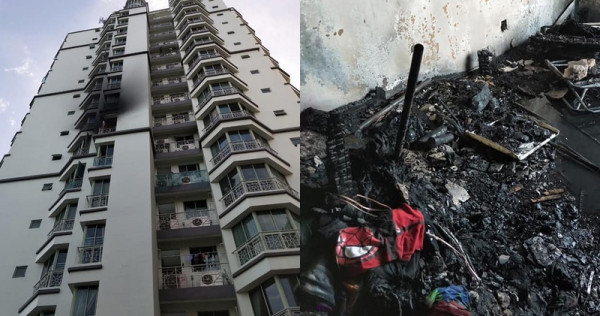
SINGAPORE: About 180 people decided to evacuate after a fire broke out at Hougang Green condominium early Sunday morning (Jan 26).
The Singapore Civil Defence Force (SCDF) said they responded to a fire at 5 Buangkok Green at 5.50am.
The fire “involved the contents of a bedroom” and was put out by emergency responders with a water jet, said the SCDF in a Facebook post.
“Two persons were assessed by SCDF paramedic(s) for superficial burns and difficulty in breathing respectively, but they refused conveyance to the hospital,” said SCDF, adding that about 180 residents had “self-evacuated” before they arrived.
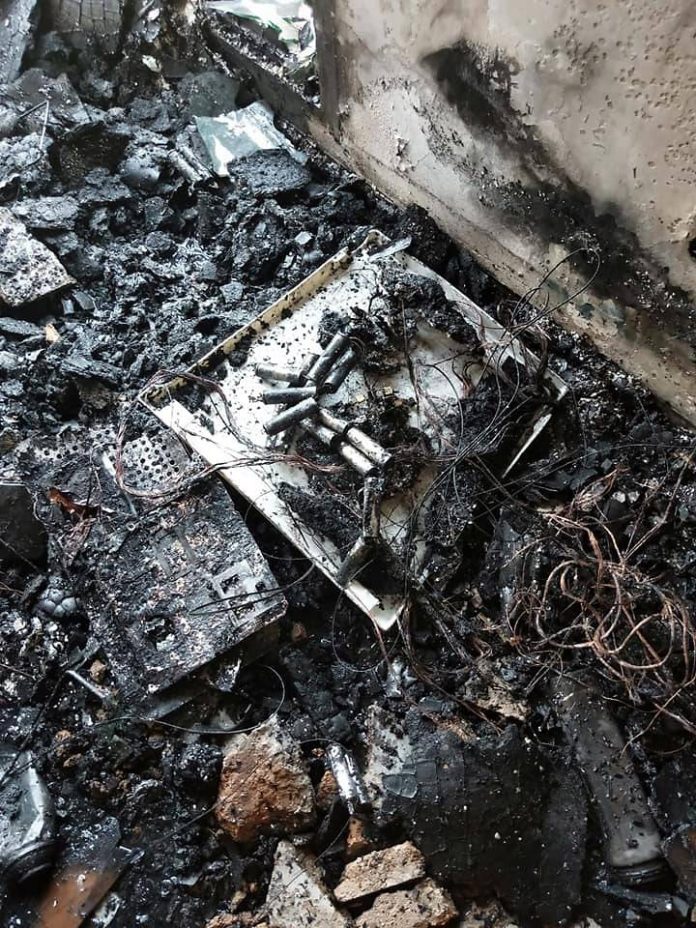
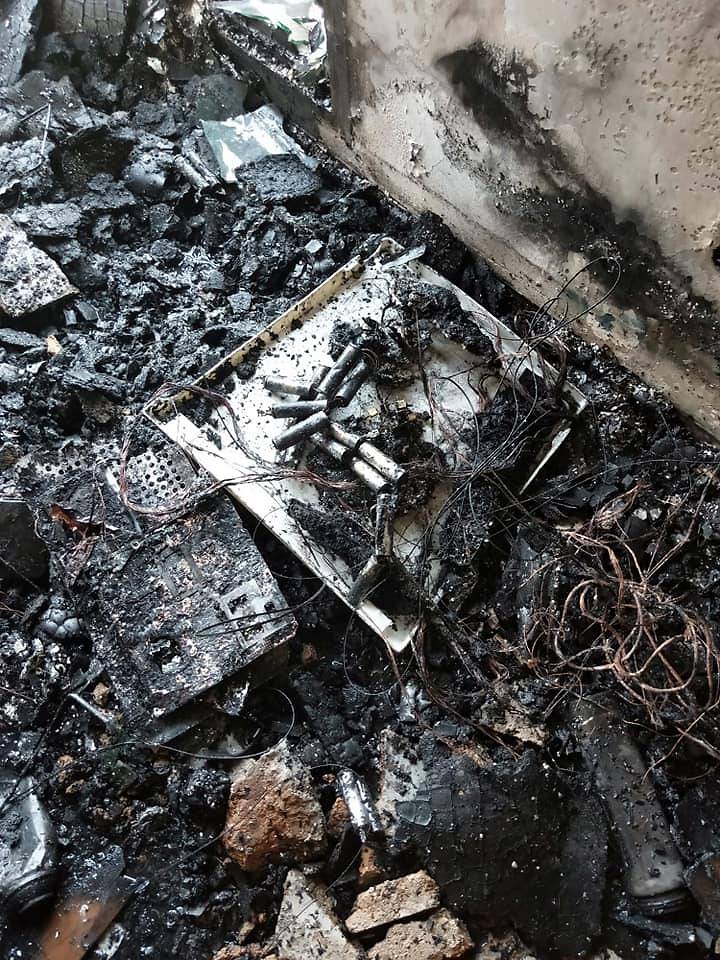
Preliminary investigations indicate the fire was of electrical origin, from a charging e-bike battery. (Photo: Facebook/SCDF)
Preliminary investigations indicate the fire was of electrical origin, from a charging e-bike battery.
Photos put up by SCDF on Facebook showed a room with a large amount of charred debris, as well as what looked like black smoke coming out of the flat.
A fire broke out in a Hougang condominium unit in the early hours on the second day of the Chinese New Year celebrations on Sunday (Jan 26).
The fire, which is linked to a personal mobility device (PMD), set ablaze a unit at Block 5 Buangkok Green and about 180 residents self-evacuated before Singapore Civil Defence Force officers arrived, SCDF said in a Facebook post on Sunday.
SCDF added that two people were assessed by a paramedic for superficial burns and difficulty in breathing but both of them refused to be taken to the hospital.
SCDF said that it responded to the fire at 5.50am and preliminary investigations found that the fire started in a bedroom where an e-bicycle battery was being charged. SCDF officers put out the fire using a water jet.
SCDF also reminded the public on how to prevent fires due to PMD or power-assisted bicycles, with an infographic on fire safety tips on their Facebook page.
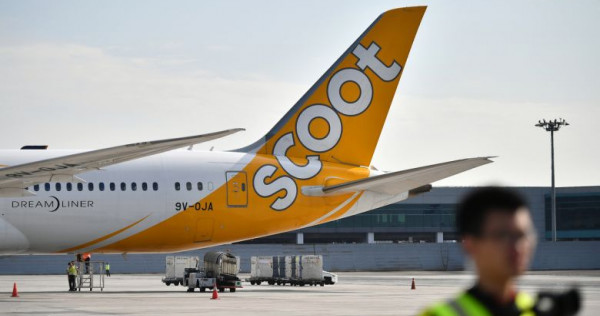
The Singaporean passengers and crew of Scoot flight TR 188 are scheduled to return home on Sunday (Jan 26) night, after spending more than a day being quarantined in Hangzhou, China.
The Straits Times understands that Scoot flight TR 5001 left Changi Airport at about noon and should arrive in Hangzhou before 5pm.
It will return with the nine Singaporean passengers, including a four-year-old boy, and 11 Scoot staff.
It is understood that the plane will be leaving Hangzhou in the evening and land in Singapore after 10pm, at the earliest.
The return flight is expected to take about five to six hours.
After TR 188 landed on Friday (Jan 25) in Hangzhou, a male passenger was taken for further blood tests.
All 314 passengers on the flight were isolated at Hangzhou International Airport.
On Saturday, Scoot said that due to the temporary suspension of all public transport networks in China’s Hubei province, the carrier had cancelled all flights between Singapore and Wuhan, the capital of Hubei, from Jan 23 to Feb 2.
SINGAPORE: After more than a year of tit-for-tat tariffs in the US-China trade war and generalised anxiety about the cost to the world economy, it is remarkable that foreign direct investment into Southeast Asia continued to grow strongly last year, even as global levels flat-lined.
Newly-published estimates from the United Nations Conference on Trade and Development (UNCTAD) suggest that, out of a global foreign direct investment (FDI) spend of US$1.39 trillion (S$1.88 trillion) in 2019, member-states of the Association of Southeast Asian Nations received US$177 billion, breaking the region’s 2018 record of US$155 billion.
ASEAN DID COMPARATIVELY WELL
While Southeast Asia’s 2019 total was substantially less than European Union’s US$305 billion or the United States’ US$251 billion, its inward FDI is increasing while the EU’s dropped 15 per cent and the US’ stayed much the same.
To put Southeast Asia’s FDI in greater perspective, the total for Japan was a mere US$11 billion. Despite its imminent departure from the EU, the United Kingdom took in US$61 billion worth of FDI, which, though a slight drop on 2018, was significantly more than either France and Germany and slightly more than all of South Asia.
Of the other developing economy regions, Latin American and the Caribbean received slightly less FDI than Southeast Asia, with both regions far ahead of Africa’s estimated US$49 billion.
And while China’s total of US$140 billion was slightly above its 2018 total, East Asia as a whole saw a significant decline of 21 per cent, much of it down to an estimated halving of Hong Kong’s inward FDI to US$55 billion.
SINGAPORE GAINING FROM HONG KONG’S WOES
Hong Kong entered a recession in the second quarter last year, but the implication is that pro-democracy protests and fears that China might resort to a heavy-handed clampdown have prompted investors to look to Singapore, which took in the biggest share by far of the Southeast Asian total: US$110 billion, a 42 per cent surge on 2018.
This augurs well for Southeast Asia’s economic prospects in 2020, and particularly Singapore, with analysts judging the city-state has benefited from the diversion of visitors and economic activities away from Hong Kong.
The news will no doubt be doubly welcome to FDI-dependent Singapore as it struggles with a slowing wider economy, with 2019 gross domestic product growth estimated at a sluggish 0.7 per cent and electronics exports down.
Singapore struggles with a slowing wider economy, with 2019 gross domestic product growth estimated at a sluggish 0.7 per cent and electronics exports down. (File photo: AFP/Simin Wang)
According to World Bank data, 2018 FDI inflows equalled over 23 per cent of Hong Kong’s GDP and over 22 per cent of Singapore’s – both percentages far higher than elsewhere in Southeast Asia, where the next highest was Cambodia’s 12.6 per cent.
Singapore’s 2019 FDI total – the fourth highest of any country – was down to “deals in the information and communication sector”, according to UNCTAD.
Singapore has long traded as regional finance capital and headquarters hub – and regularly vies with Hong Kong near the top of the World Bank’s “Doing Business” rankings – so much of its colossal investment total is really aimed at its neighbours.
TRICKLING DOWN INTO THE REGION
As noted in the 2019 ASEAN Investment Report published last year, “more than 80 per cent of FDI in finance in ASEAN last year went to Singapore.
A significant part of that investment may be used to fund FDI activities throughout the region, given the importance of regional headquarters functions in Singapore.”
Some of that onward bounce likely went to the biggest country and economy in Southeast Asia, Indonesia, which saw a record US$24 billion in FDI, according to UNCTAD – perhaps a surprise given that 2019 was an election year that saw several rounds of violent political protests in major cities.
Indonesia’s 12 per cent increase on 2018 was down to “significant flows going into wholesale and retail trade (including the digital economy) and manufacturing,” according to UNCTAD.
BENEFITING FROM THE TRADE WAR
The UNCTAD findings did not delve into any other Southeast Asian countries, but the 2019 ASEAN Investment Report put the previous years’ influx – also a record at the time – as down to “the gradual shift of production capacity from China and elsewhere to ASEAN, caused by structural factors (the increase in relative labour costs in China) and accelerated by the United States–China trade tensions.”
Employees work at the production line of aluminium rolls at a factory in Zouping, Shandong province, China, China has seen a gradual shift of production capacity to ASEAN, caused by structural factors and accelerated by its trade war with the US. Nov 23, 2019. (File photo: Reuters)
Vietnam has been widely-touted as Southeast Asia’s beneficiary-in-chief of the China-US trade tensions – which have abated, for now, with the signing of a Phase One deal that leaves most of the recently-imposed tariffs intact.
Cambodia, too, has picked up FDI due to trade war dislocation, with inflows for the first half of 2019 up 9.4 per cent on 2018’s US$3.2 billion record.
For all the gloomy assessments about the global economy, the “buoyant ASEAN region” as UNCTAD puts it, is standing out by posting world-beating investment growth.
Simon Roughneen is a Southeast Asia-based correspondent for Nikkei Asian Review and several other newspapers. This commentary first appeared on Lowy Institute’s blog The Interpreter. Read it here.