Home Blog Page 4529

Guidelines released on proper use of LKY's name, image

0

As corporations, agencies, community groups and individuals begin to commemorate the first anniversary of the death of Mr Lee Kuan Yew on March 23 last year, the Government yesterday released guidelines on the appropriate use of his name and image.

The Ministry of Culture, Community and Youth noted in a statement that since the founding Prime Minister’s death, individuals and organisations have commemorated him in different ways.

And in response to feedback, it looked into ways to encourage the appropriate use of his name and image, and yesterday released three broad guidelines:

Mr Lee’s name or image or likeness may be used for the purposes of identifying with the nation, including on works of art or publications, or items for charitable purposes, in accordance with the law.

Mr Lee’s name or image or likeness should be accorded dignity and respect.

His name or image or likeness should not be used for commercial exploitation or be assumed or taken to indicate any kind of official endorsement of products or services.

The ministry will continue to monitor the use of Mr Lee’s name and image.

In May last year, the Government said it was looking to legally protect Mr Lee’s name and image to prevent its commercial use and exploitation. The guidelines are timely given the many activities taking place on and around the March 23 anniversary.

Businessman Jaromel Gee, 25, is planning a candlelight rally. The event banner features a black and white silhouette of Mr Lee’s face.

He welcomes the guidelines as “there have been instances of organisations exploiting Mr Lee’s name and image for their own gains”. “But Mr Lee belongs to Singaporeans, and if they want to use his name and image they should be able to do so within reasonable means,” he said.


This article was first published on March 17, 2016.
Get a copy of The Straits Times or go to straitstimes.com for more stories.

Image: 
Category: 
Publication Date: 
Thursday, March 17, 2016 – 17:00
Keywords: 
Send to mobile app: 
Source: 


Story Type: 
Others

Source link

New B1 insurance plan fails to address some concerns

0

This week, the Ministry of Health (MOH) announced the introduction of a standard B1 plan for those who want basic medical insurance coverage at the B1 level. That’s one class above the B2 level that MediShield Life covers. At B1, patients can choose their doctors and enjoy air-conditioned rooms.

The new B1 standard plan is one of several Integrated Plans(IPs) that people can buy to enhance their MediShield Life coverage. It is the most basic of IPs. The problem is that it is anything but standard.

The so-called B1 standard plan, which becomes available on May 1, comes with different premiums, depending on which insurer a person buys the plan from.

MOH said it created this standard B1 plan in response to public feedback on four aspects of insurance coverage related to the launch of MediShield Life last November. They are:

Demand for affordable IPs that provide coverage beyond subsidised treatment;

Concern about the affordability of IP premiums over time;

Flexibility to reassess choice of IP over time and downgrade to a cheaper plan if needed, with many saying B1 would be enough;

Confusion about benefits since different plans offer different things.

The question is, does the introduction of the standard B1 IP address these concerns? In my opinion, the answer is “No”.

Let’s look at each of the four concerns in turn.

AFFORDABLE IPS

MOH has decided to leave it to insurance companies to decide on the premiums they want to charge. All MOH has insisted on is a set of standard, no-frills benefits.

As a result, premiums for the identical product do vary, by as much as $1,863 a year.

One wonders if some of these insurers are charging high premiums to discourage people because they really do not want to offer this standard IP, whether because they already have their own B1 plans or because they see little profit in this.

Furthermore, these premiums will remain unchanged only for two years, after which insurers are free to raise premiums.

So while this standard B1 plan might be affordable today, there is no guarantee that it will remain so in future.

In fact, the president of the Life Insurance Association of Singapore, Mr Khoo Kah Siang, has already warned of future hikes, saying: “IP premiums are not guaranteed and therefore different insurers may raise premiums differently over time.”

The only concession to keeping this IP affordable is that it comes with no frills, so premiums will likely be lower than for those B1 IPs that come with bells and whistles.

Having said that, depending on insurer and age group, there are premiums for this standard no-frills B1 plan that cost more than some as charged B1 plans and even Class A plan for people of the same age group.

That is rather inexplicable.

AFFORDABILITY OF IP PREMIUMS

People worry about IP premiums rising over time and how they can afford to keep paying, especially after retirement, says MOH.

Yet, the premiums for the standard B1 plan for people over age 75 already exceed the Medisave withdrawal limits for most in this age group. They will have to top up in cash and that makes the plan less affordable to them.

The MediShield Life Review Committee had recommended that “the premiums for the Standard Integrated Shield Plan should form the basis for setting Medisave Withdrawal Limits” for such plans.

In the spirit of this recommendation, the full premiums for this plan should be payable by Medisave. But given the huge difference in premiums of almost $2,000 for older age groups, that is surely not possible.

To address people’s concern about runaway premiums, MOH could have set a cap of a certain percentage increase a year. But it has not.

NEED TO REASSESS CHOICE OF IP OVER TIME

Many people are of the view that B1 class treatment would be sufficient for them once they have retired. With the introduction of the new standard B1 plan, all those who have bought or intend to buy IPs will be able to downgrade to a B1 plan if they wish.

In my view, there are better ways to achieve this end but, at least, this particular public concern has been addressed.

CONFUSION ABOUT BENEFITS

This concern, unfortunately, remains.

That’s because with the introduction of the standard B1 plan in May, there will be a total of 12 B1 plans. True, three no longer accept new policyholders. That leaves nine B1 plans to choose from.

People’s confusion over the different plans on offer could have been addressed if the standard B1 plan had replaced all existing B1 plans, so there is only one set of benefits for people to look at.

But doing so could have upset those who are on “better” B1 plans. After all, the standard plan comes with no frills, while some of the existing B1 plans offer more coverage, although at higher premiums.

For example, several existing B1 plans cover pre- and post- hospital treatment for up to 120 days. Some cover bills “as charged” with no treatment cap, so long as the treatment takes place in a public hospital B1 class.

With the plethora of B1 plans, it has just become harder to decide.

How important are pre- and post- hospital coverage? Is it worth paying slightly more for an “as charged” plan?

After all, MOH has said that the standard B1 plan would cover only 90 per cent of big B1 bills. The question people will ask is: Will that be enough for me?

Currently, fewer than 500,000 people, or just 19 per cent who have IPs, have opted for B1 coverage. By adding more B1 plans, is the ministry simply splitting the risk pool further? Will this result in greater premium fluctuation?

Looking at various IP categories today, generally the insurer with a larger market share tends to charge lower premiums while the insurer that has the smallest number of policyholders charges the most.

That makes sense, since one immense bill – if shared among a small pool of policyholders – could send premiums sky-rocketing. Knowing that, those insurers with fewer policyholders would need to protect themselves with higher premiums.

That same bill, shared by a large number of policyholders, would have a smaller impact. As these insurers face lower risks, they can afford to charge a lower safety margin.

By extension, diluting the B1 market could result in higher than necessary premiums.

If instead, all those who want the standard B1 plan form just one pool, then there is not only greater long-term stability, but it will also mean that everyone within an age group pays the same premium for the same benefits – instead of the current system where some pay more and others less for exactly the same coverage.

With health insurance, it’s not a matter of just picking the cheapest on the market.

That’s because the majority of older people have developed some chronic ailments that might result in exclusions should they change to a different insurer.

One way of ensuring both standard benefits and premiums is if the Central Provident Fund (CPF), which manages the basic MediShield Life, also runs this standard plan. It could then allow for people to downgrade from a higher IP with no penalty.

Alternatively, if the CPF does not want to administer the scheme, it could tender it out to one of the five insurers to manage. The other four would get a commission for passing on their existing policyholders who opt for the scheme.

That way, there will be only one standard B1 scheme, making it easier for people to choose an insurance plan that suits them best. With a larger pool of policyholders, premiums can also remain more affordable over the long term.

It will also not eat much into existing IP business as more than four in five people are choosing IPs that cover Class A or private hospital treatments.

Some would also prefer to choose as charged B1 plans that offer more coverage.

The standard B1 IP will serve, as originally meant, as a safety net for those who want more than subsidised care.

facebook.com/ST.Salma


This article was first published on March 17, 2016.
Get a copy of The Straits Times or go to straitstimes.com for more stories.
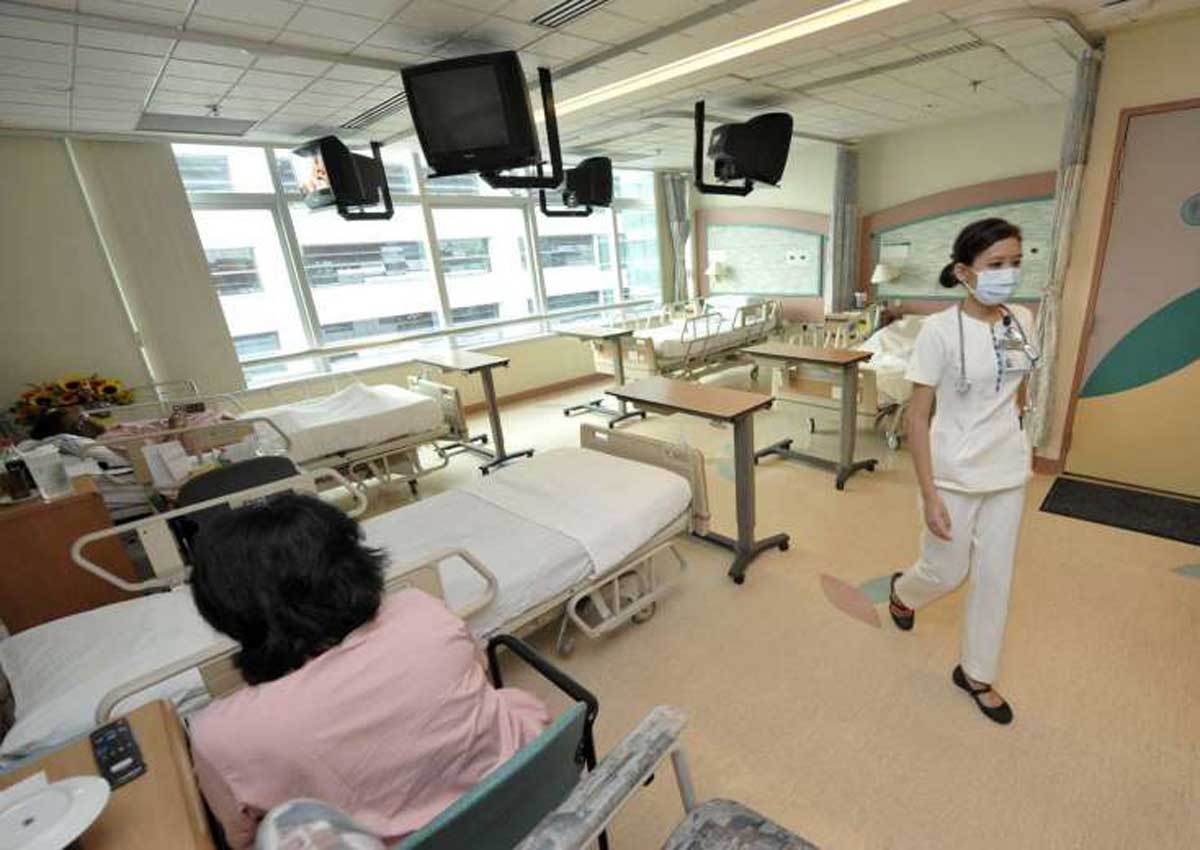
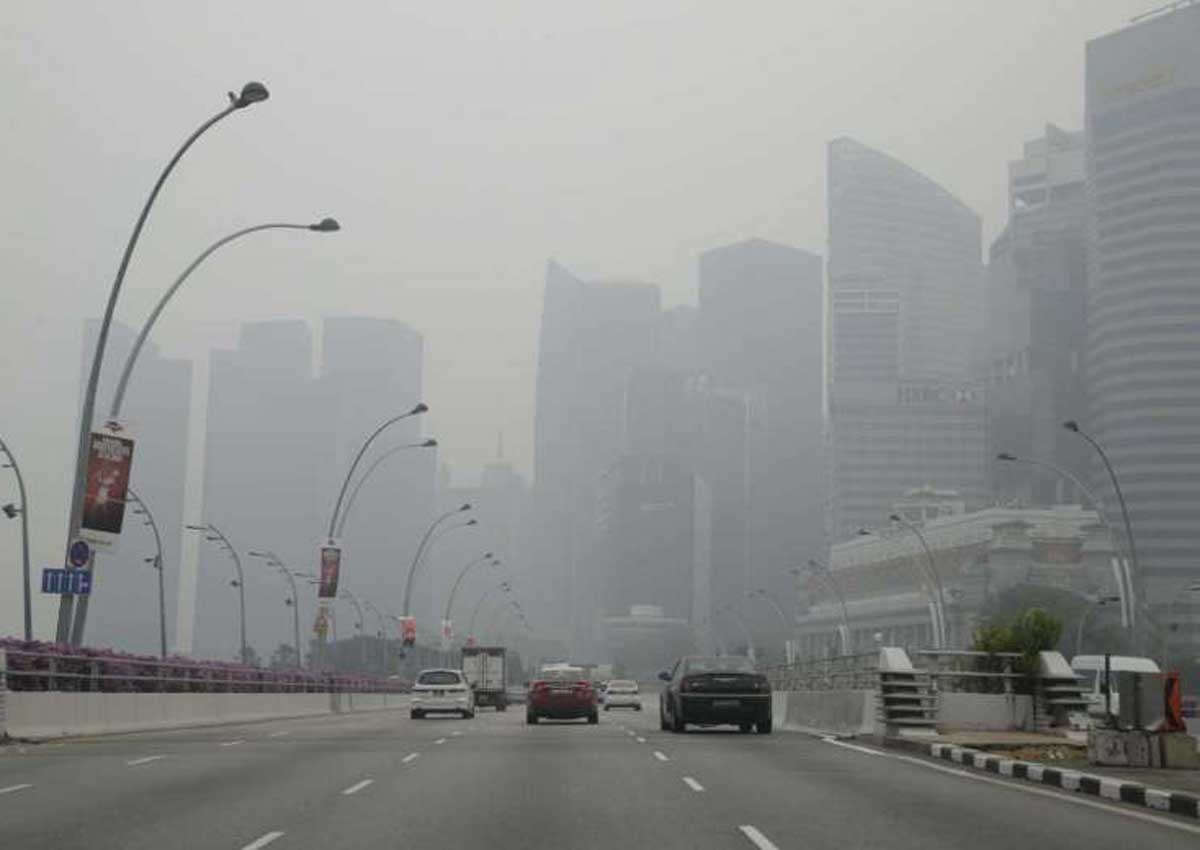
Image: 
Publication Date: 
Thursday, March 17, 2016 – 14:33
Keywords: 
Send to mobile app: 
Source: 


Story Type: 
Others

Source link

Burning smell 'unlikely' due to haze

0

Scientists say it is unlikely that a return of the haze is to blame for a burning smell noticed by residents across Singapore over the past few days.

Even though there have been land fires in peninsular Malaysia and Indonesia, Pollutant Standards Index (PSI) readings show that these hot spots are unlikely to be the cause of the acrid stench.

As of 7pm yesterday, the 24-hour PSI reading stood in the good to moderate range of 49 to 58.

“During the last two weeks, the PSI has been around the low moderate range, which reflects the typical air pollution conditions of Singapore,” said Dr Erik Velasco, a research scientist from the Singapore-MIT Alliance for Research and Technology.

“When haze from wildfires in neighbouring islands starts affecting Singapore, the PSI moves to the high levels of the moderate range, reaching unhealthy levels on some occasions.”

Dr Santo Salinas, a senior research scientist at the Centre for Remote Imaging, Sensing and Processing at the National University of Singapore, added: “The smell could be due to local burning. So far, the hot spots are very few in Malaysia and Riau, Indonesia.”

The Singapore Civil Defence Force (SCDF) said it has responded to four small bushfires here since last Saturday, the largest of which was only 1.5m by 1.5m in dimension.

All were extinguished with either a hose reel or buckets of water and they are thought to have been too small to be behind the burning smell.

Banker Berlina Lim, 47, noticed the smell at her Hougang home last Saturday and on Tuesday night.

“It was bad enough that both my mum and I thought someone was burning incense downstairs at my block,” she said.

“Subsequently, I read on a friend’s Facebook account that the haze is back. I would be concerned if it worsens or continues.”

The north-east monsoon conditions are expected to weaken over the next two weeks, giving way to the inter-monsoon period.

A spokesman for the Meteorological Service Singapore (MSS) said the period between April and May is typically characterised by prevailing winds that are light and variable in direction.

“During this period, the winds could occasionally blow from the west or south-west, bringing in any haze from Sumatra,” he said.

“Whether Singapore is affected by transboundary smoke haze would also depend on other factors, including the location and extent of the fires in Sumatra, and the occurrence of rain.”

Singapore suffered from one of its worst bouts of haze last year with the extended El Nino season – a weather phenomenon which causes temperatures in the Pacific Ocean to rise, affecting weather patterns in the region.

The rising temperatures and drier weather in turn make fires harder to put out.

The MSS said it is unlikely that the haze has returned, with the spokesman adding: “Over the past few days, the prevailing winds over our surrounding region were blowing from the north-east and fewer hot spots were detected in Sumatra.”


This article was first published on March 17, 2016.
Get a copy of The Straits Times or go to straitstimes.com for more stories.

Image: 
Category: 
Publication Date: 
Thursday, March 17, 2016 – 14:30
Keywords: 
Send to mobile app: 
Source: 


Story Type: 
Others

Source link

New tour sheds light on Mr Lee Kuan Yew's life

0

SINGAPORE – How much do we actually know about Mr Lee Kuan Yew’s early life? Who was he behind the public persona? What did he like to eat?

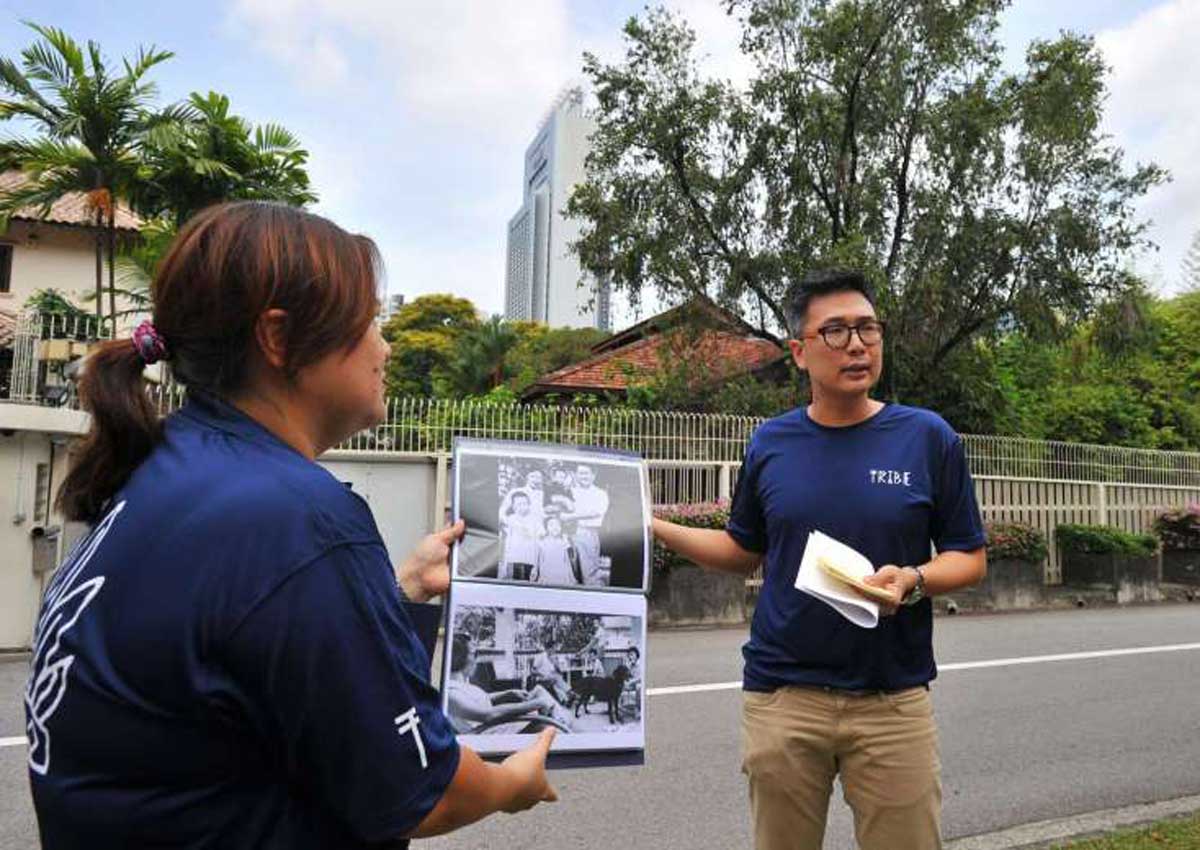
About Mr Lee, a new guided tour by local tour firm, Tribe, aims to show the person behind the fiercely private man, starting with his early life.

The tour weaves through locations associated with Mr Lee, such as his long-time home in Oxley Road, and lesser known spots, such as one of his favourite Peranakan restaurants.

It goes through various themes of the late former prime minister’s personal life, exploring Mr Lee as the eldest son in his family, a life-long learner, family man and loving husband.

Tribe co-founder and tour curator Jason Loe, 42, believes that the story of Mr Lee’s political life is already known to most. He kept his family life, however, far from the spotlight.

“There’s so much interesting material about Mr Lee, and more so about his private life,”

Laden with details gleaned from months of research, the four-hour tour offers glimpses of the frugal and studious family man that stood in contrast to his giant political persona.

The tour proceeds mostly by bus, and stops around Singapore to trace Mr Lee’s Peranakan heritage, political roots and his greatest love – his wife Madam Kwa Geok Choo.

About Mr Lee reveals details from Mr Lee’s life: what he liked for breakfast, how cold he liked his beer and why he gave up smoking.

Participants can also eat at one of Mr Lee’s favourite restaurants, from which he ordered otak-otak and other dishes for Istana events.

Mr Loe and his co-founder Ms Cheong Yoke Chun, 43, began research for the tour in late last year (2015), and their inspiration came with Mr Lee’s passing on March 23 last year.

“Last March was quite special for us – there was a very different air about things,” said Mr Loe. He hopes that this tour would be his small contribution to Singapore.

All the money earned from March’s tours will go to The Straits Times School Money Pocket Fund, to help children from low-income families through school. After that, 10 per cent of earnings each month will go to charity.

The tour runs every Wednesday, Saturday and Sunday. Mandarin-speaking tours are available on weekends. Tickets from $30 available at www.tribe-tours.com.


This article was first published on March 17, 2016.
Get a copy of The Straits Times or go to straitstimes.com for more stories.
Image: 
Category: 
Publication Date: 
Thursday, March 17, 2016 – 14:30
Keywords: 
Send to mobile app: 
Source: 


Story Type: 
Others

Source link

Are 'fights' over void deck space killing the kampung spirit?

0

Are we becoming less neighbourly? And is “kampung spirit” simply a phrase we like to bandy around but never truly embody?

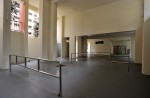
I wonder, because our void decks – the shared spaces so synonymous with Housing Board living – may now sprout barriers to stop teenagers from playing football and posters banning board games.

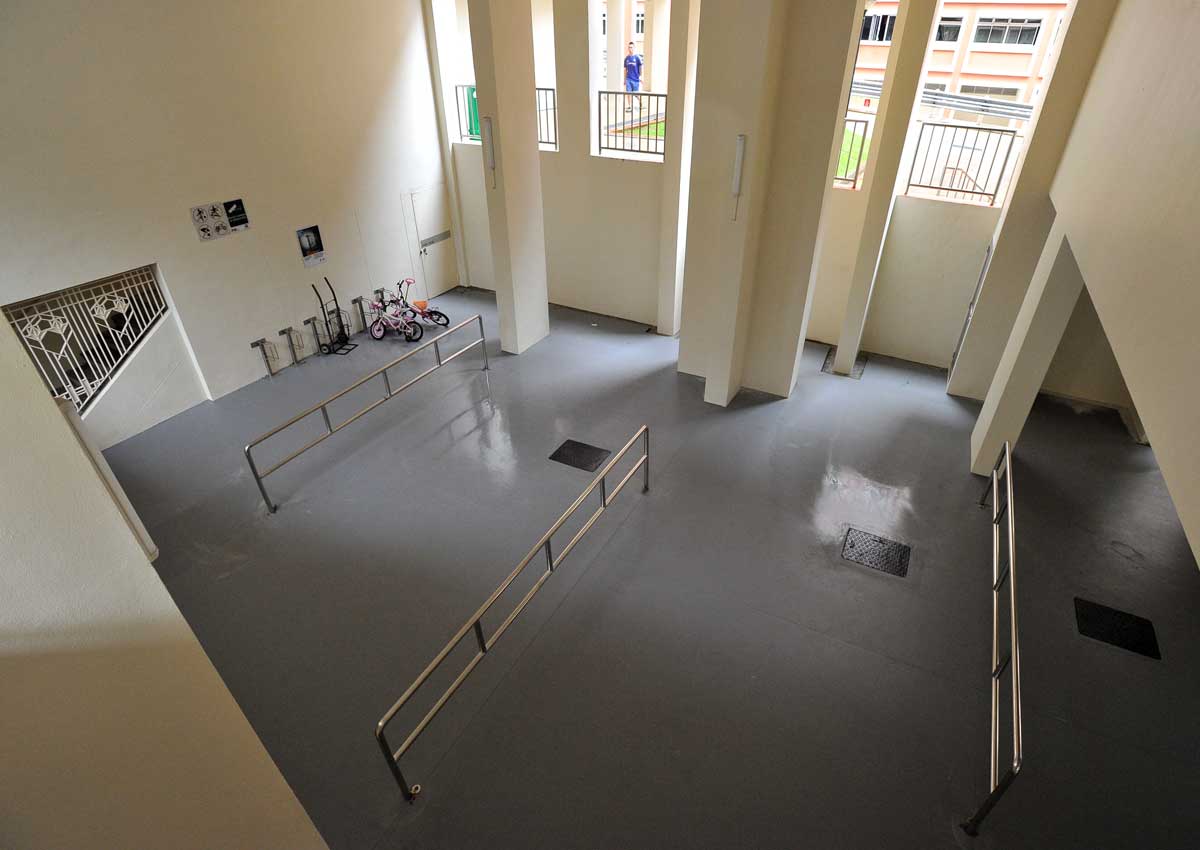
Last month, some residents at Block 143, Mei Ling Street were puzzled when three metal railings were erected under their block. Tanjong Pagar Town Council explained that the barriers were there to stop football games, apparently after property was damaged and residents complained of noise. It stressed they could be removed for functions such as Malay weddings or Chinese funeral wakes.

News of the railings struck a raw nerve among many, who felt their void decks were being overly regulated.

One netizen declared the barred void deck a “dead space”. Others pined for a time before football was disallowed in void decks.

“Playing ball with my neighbours at void decks was part of my precious childhood memories,” said one. “Friendships were forged with neighbours, regardless of race or religion.”

Then, just this week, Marine Parade Town Council came under fire for putting up posters at Block 11 Haig Road banning the playing of chess in common areas, including sheltered walkways and void decks.

The signs, which went up in January, were targeted at a group of draughts players. The town council and residents said the elderly men often made noise and obstructed the linkway.

The posters drew similar flak, with one Facebook user commenting: “No noisy football. Now no silent chess… We want robots.”

The town council, however, later apologised for the posters and removed them.

NOT JUST AN EMPTY SPACE

The response by residents and netizens could come across as overly emotional to a seemingly cosmetic change. After all, void decks are essentially a bare, functional area on the ground level where you wait for the lift, check your letter box or seek shelter from rain.

Indeed, one of the Oxford Dictionary definitions for “void” is “completely empty”. Yet for many Singaporeans, there is absolutely nothing empty about a void deck. More than just white walls and cement floors, it is a place filled with precious memories.

I remember batting at shuttlecocks at the bottom of my block as a boy, because that was the most convenient place for a game of badminton. My father and I simply took the lift down for a friendly match, instead of going through the hassle of booking a court elsewhere.

In primary school, the “mamak shop” or sundry kiosk at the void deck of a nearby block in Clementi was the regular hangout spot for my classmates and I after the bell.

We would spend whatever remaining pocket money we had on crackers and sweets, and crowd around the toy dispenser, hoping that our desired Pokemon figurine would drop into our hands.

When my grandmother died three years ago, the void deck below her Bukit Batok block was where we bid our final goodbyes.

Over five days, the space was filled with mourners and songs. On the last night, my cousins and I shared old photos and videos of our grandmother, and we cuddled together and slept beside her coffin.

On happier occasions, my friends tied the knot at the void deck, which, for a day, was transformed into a makeshift ballroom complete with chandeliers and chiffon drapes.

VOID DECKS OVER THE YEARS

Even more than bamboo poles sticking out of windows, void decks are intrinsic to Singapore’s unique public housing landscape.

When the Housing Board started building flats in the 1960s, the ground floor of most blocks was lined with residential units.

The first void deck was supposedly built in 1963, at Block 26 in Jalan Klinik in Tiong Bahru. Later, more ground floors were freed up to provide opportunities for bonding and social functions.

As local as the concept sounds, this idea was borrowed from the late Swiss-French architect Le Corbusier, who in the early 1900s used concrete columns to “lift” buildings off the ground, allowing for “circulation” space beneath.

Local newspapers started using the term “void deck” around 1970, although it isn’t clear who first coined the term, and when.

Over time, these decks have grown less empty as facilities like bicycle racks, sundry shops and childcare centres became regular fixtures. Basic amenities, like letter boxes and public telephones, were the main features in the 1970s.

In the next decade, recreational fittings, such as ping pong tables and chess and checker tables with stools, were added. Void decks also served as polling stations for the first time in the 1980 General Election.

Some deck features have not survived. Community children’s libraries were all the rage in the early 2000s, but shut when the National Library Board expanded its community branches.

Playgrounds were also a familiar sight until a fire broke out at one in Tampines in 2005. Now, they are no longer allowed in void decks for fire-safety reasons.

Aside from government initiatives, void decks have taken on a life of their own, with many residents treating them as an extension of their homes.

Today, anyone passing by a void deck can easily spot groups of elderly women chatting with plastic bags of market shopping in tow, folks clustered round a chess table, or people hoisting up cages of chirping birds.

The shady spot is also where young couples share their first kiss, and children weave around on their bicycles and skate-scooters, careful to avoid the occasional cat that is too lazy to budge from its spot.

STIFLING COMMUNITY SPIRIT

The fact that Singaporeans value void decks was underscored in 2012. Residents in Woodlands and Tanjong Rhu started petitions to protest against facilities for the elderly being built in their void decks.

They were upset that they were not consulted, and concerned it would deprive their kids of a place to play.

No wonder emotions ran high when the Mei Ling Street railings and Haig Road posters went up.

In fact, this is not the first time the authorities have introduced similar measures. Barriers had been erected in other void decks around the city before. Nails and barbed wire have even been placed on walls to prevent noisy ball games taking place.

Such measures, however well-intentioned, threaten to stifle the void deck’s spirit of community. They deny residents the possibility of using the open space creatively, such as engaging in a fun, inclusive game of football.

As a result, railings like the ones at Mei Ling Street make the space come across as cold and unwelcoming.

As for the Haig Road posters, they send the signal that one does not have the freedom to enjoy a simple board game at the bottom of the block.

Certainly, the sound of balls slamming against walls or men shouting over checkers can be annoying for residents, especially if they last late into the night.

There are more considerate ways to enjoy such pursuits, such as going to a nearby field or community club.

But these do not come with the convenience of being just a lift ride away from one’s game of checkers and football. For the infirm elderly who are unable to walk much, or kids who are not able to stray far without adult supervision, the common areas below the block are the ideal option.

This could be one reason why the Haig Road posters failed to achieve their objective, and ended up incurring the ire of residents.

In realising this, the town council put up new posters, this time with more measured wording that simply reminded players to be considerate.

As for the metal barriers, netizens have argued that their installation could backfire and encourage other hobbies that are equally noisy. These could include skate-boarding, parkour and pole dancing, some joked.

Others suggested replacing the barriers with more inventive structures like chess tables, benches or exercise equipment.

I agree – at least these are items that enable, rather than disable, activity in the void deck.

Of course, it can be tricky determining how these common spaces should be used when there are differing opinions.

If they are for all residents to enjoy, who should have the final say in a dispute?

For this reason, I cannot help but worry about another kind of barrier – the one between disputing neighbours.

COMMUNICATION BREAKDOWN

As can be seen in the Mei Ling Street and Haig Road incidents, many people these days do not address problems with their neighbours in person, preferring to complain to the authorities.

According to the latest HDB Household Sample Survey in 2013, most residents suffering a nuisance problem with neighbours did not take any action. Only one in 10 resolved the matter personally, while another one in 10 referred such issues to the authorities.

This begs the question: What happened to good ol’ neighbourliness?

Have neighbours given up on talking to one another if the TV next door is too loud? If our neighbour tells us nicely that our football match has woken her baby, do we simply carry on playing?

A writer to The Straits Times Forum page this month said that placing tables and chairs at the Mei Ling Street void deck in lieu of railings would only encourage people to “generate more noise”. This might make it even easier for “undesirable people” to gather and pose a security threat, he added.

It is such attitudes that go against the kampung spirit of openness and tolerance that we claim to possess.

While alerting the authorities can be effective, it is not always the best solution. When it comes to shared spaces, people often have conflicting interests. Use of an area cannot be based purely on a system of rules and bans.

Tolerance and cordial communication can go much further than antagonism in resolving an issue. As long as both sides are willing to give and take, surely metal barriers, spikes and posters won’t be necessary?

There is another factor to consider, too.

As newer HDB blocks are built taller instead of wider, void decks are shrinking. Some have been moved to higher floors in the form of sky gardens, while others have been replaced by precinct pavilions shared by a few blocks.

The familiar, communal spaces so dear to us are no longer a guaranteed part of our heartland landscape.

It is time to start cherishing and relishing these spaces, instead of fighting over them.

yeosamjo@sph.com.sg


This article was first published on March 17, 2016.
Get a copy of The Straits Times or go to straitstimes.com for more stories.

Image: 
Publication Date: 
Thursday, March 17, 2016 – 17:00
Send to mobile app: 
Source: 


Story Type: 
Others

Source link

Hush Puppies Warehouse Sale 17 – 20 Mar 2016 | SINGPromos.com

0

Hush Puppies Warehouse Sale now on

Hush Puppies Warehouse Sale 17 – 20 Mar 2016 | SINGPromos.com

Hush Puppies will be having a Warehouse Sale from 17 Mar to 20 Mar 2016 at Sulisam Building, Level 2

Source

Nike launches HyperAdapt 1.0 'self-lacing' sneaker

0

Nike is taking innovation to a whole new level; its shoes now lace themselves.

The Beaverton, Oregon, company announced on Wednesday the Nike HyperAdapt 1.0, the first sneaker with “power lacing.” After a decade spent securing patents, the company has unveiled an adaptive sneaker that is said was self-lacing and self-fitting.

It will be the first mass-produced sneaker of its kind, the sportwear giant said.

“We think this is going to change the way all shoes are made in the future,” the shoe’s creator and lead Nike designer, Tinker Hatfield, told CNBC.

According to Nike, the show automatically adjusts to the athlete’s foot, and can be adjusted by plus and minus buttons located on the sides of the sneaker.

The shoe’s stitching combines the FlyWeave and FlyWire technology that Nike had previously introduced.

The HyperAdapt 1.0 will be available in the 2016 holiday season, exclusively on Nike’s new digital application Nike +, in three colour variations.

“This is our first effort,” said Hatfield. “We know it’s not perfect but it’s a big step forward,” he added.

Hatfield said Nike was already working on the shoes’s second iteration.

“Much like an autonomous car is adaptable and can tell you when someone is too close to you, these shoes can sense your body and react accordingly,” he said.

Image: 
Publication Date: 
Thursday, March 17, 2016 – 14:02
Keywords: 
Send to mobile app: 
Source: 


Story Type: 
Others

Source link

Changi Village accident involving a bus, car, 7 motorbikes looks like disaster scene

0

A bus hit several parked motorcycles at Changi Village at around 7am yesterday (March 16), and two bikes ended up stacked under a parked Toyota Vios.

A witness was travelling along Changi Village Road when he saw the scene of the accident and shared photos with Stomp citizen website.

Said the witness ‘Vincent’, who was surprised to see the aftermath: “I was on the way to work but I stopped to take photos because it was really bad.

“The accident held up traffic along the road for about half an hour because the road was not very wide.”

AsiaOne update: Police is investigating the accident which involved an SBS bus, a sedan, seven motorcycles. The aftermath of the accident showed a trail of destruction and vehicles being crushed, but fortunately only one person was reported hurt. A man, who was conscious, was taken to hospital.


Visit STOMP for more stories.

Category: 
Publication Date: 
Thursday, March 17, 2016 – 13:22
Keywords: 
Send to mobile app: 
Source: 


Rotator Headline: 
Changi Village accident involving a bus, car, 7 motorbikes looks like scene from disaster movie
Story Type: 
Others

Source link

People's Association receives artillery shell casing memento from 21-gun salute at Mr Lee Kuan Yew's funeral

0

March 17, 2016 1:01 PM

SINGAPORE – Some 600 People’s Association (PA) staff, grassroots leaders and volunteers gathered at the Association’s headquarters on Thursday to receive the artillery shell casing from the 21-gun salute that was fired during the State funeral procession of founding Prime Minister Lee Kuan Yew last year.



Source link

Man who molested 5-year-old girl gets 15 months’ jail

0

The 45-year-old petrol pump attendant molested the child in his home after his niece, who was supposed to be babysitting the girl and her brother, fell asleep.

Source link