New 24-hour clinic in Alexandra Hospital for walk-in patients only to open on April 4

Japanese warships in Philippines near disputed waterway
PHILIPPINES – Two Japanese destroyers and a submarine docked at a Philippine port on Sunday near disputed South China Sea waters, where Beijing’s increasingly assertive behaviour has sparked global concern.
Manila is seeking to strengthen ties with Tokyo as tensions mount over the disputed waterway, almost all of which is claimed by China.
Japanese submarine Oyashio and destroyers JS Ariake and JS Setogiri docked in the Subic port Sunday for a routine visit at a sprawling former US naval base just 200 kilometres (125 miles) from a Chinese-held shoal.
“The visit is a manifestation of a sustained promotion of regional peace and stability and enhancement of maritime cooperation between neighbouring navies,” Philippine Navy spokesman Commander Lued Lincuna said.
The Ariake was equipped with an anti-submarine helicopter, according to an AFP photographer at the scene.
The port call came on the eve of war games between the United States and Filipino soldiers in the Philippines, which is seen as a showcase of a long-standing military alliance that the Philippines is counting on to deter China.
Seriously outgunned by its much larger rival China, the Philippines has turned to allies like the United States and Japan to upgrade its armed forces in recent years.
In February, Japan agreed to supply the Philippines with military hardware, which may include anti-submarine reconnaissance aircraft and radar technology.
Tensions in the South China Sea – through which one-third of the world’s oil passes – have mounted in recent months since China transformed contested reefs into artificial islands capable of supporting military facilities.
Aside from the Philippines, Vietnam, Brunei, Malaysia and Taiwan also have overlapping claims.
Japan and China are locked in a separate dispute over an uninhabited island chain in the East Sea.
The Philippines has asked a United Nations-backed tribunal to declare China’s sea claims as illegal and the government expects a decision this year.

Want to pre-plan your funeral?
Pay for funerals in instalments.
And not just your own funeral.
Yes, there are schemes that allow people to make regular, upfront payments to a group fund to ease the burden of families who cannot afford it.
Khairat kematian is a scheme where people can sign up to ensure that their last rites will be executed without complications.
It operates on a principle of mutual benefit; everyone pitches in a small amount for the person who needs the money.
Engineer Yahya Ahmad, 57, is a believer of this practice.
Four years ago, he started setting aside $5 a month to ensure that when he dies, all funeral arrangements will be carried out for him at no extra charge.
All the necessary procedures,such as prayers, bathing the body, embalming and even transport to the burial ground, will be included.
NO WORRY
Says Mr Yahya: “I no longer have to worry about what will happen when I pass on as everything is settled.”
These schemes are carried out by Muslim burial service organisations.
Mr Yahya belongs to the Persekutuan Kebajikan Islam Teluk Kurau, which has been carrying out this scheme for more than 60 years.
The organisation has over 5,000 subscribers to the scheme, which also covers spouses.
Teluk Kurau’s administrative executive, Mr Ariffin Yusoff, 65, says the concept of khairat kematian has been around since people were living in the kampung.
The average cost of a Muslim burial is around $1,400. Mr Ariffin says that some people have been paying Teluk Kurau for more than 20 years.
“In a way, those who sign up for this not only help themselves, they also help other members of the community (who can’t afford a funeral),” adds Mr Ariffin.
He says about 10 other Muslim burial service organisations have this khairat kematian scheme.
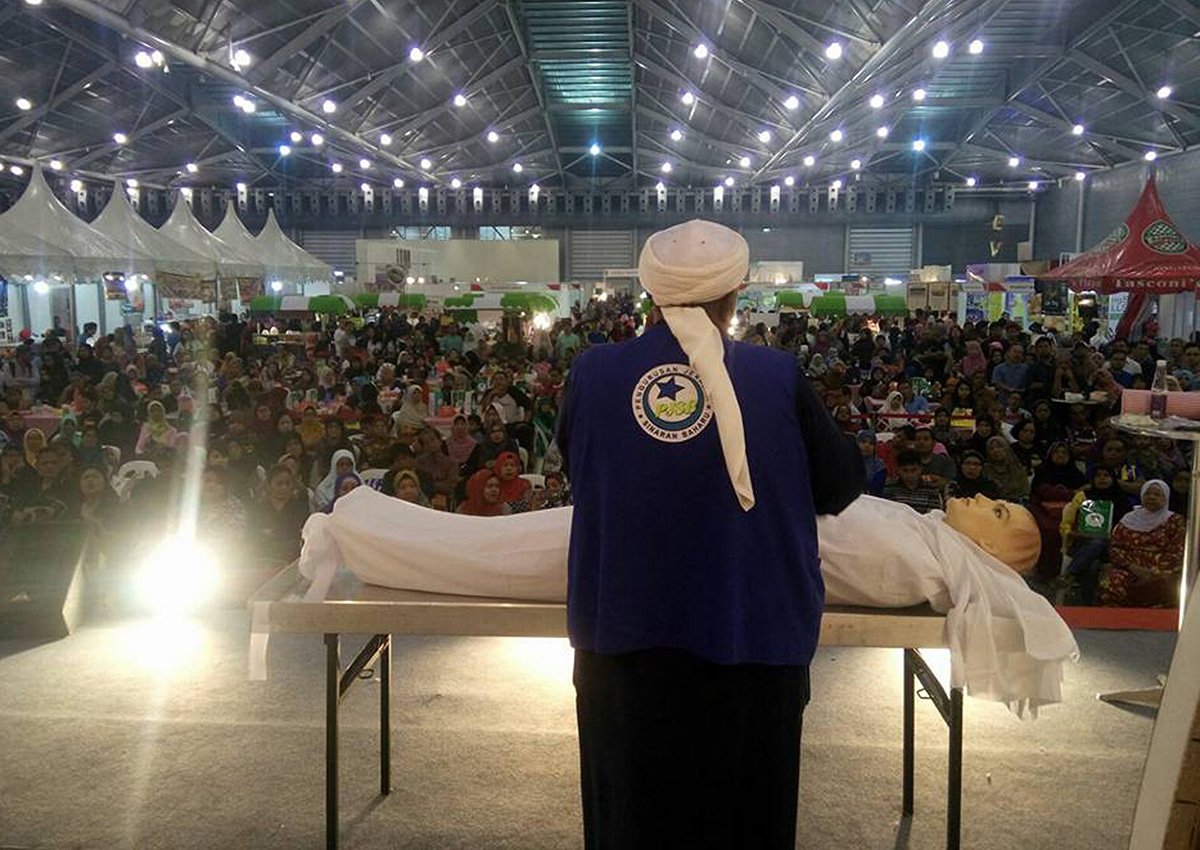
More than 120 people have signed up for the two-year-old scheme offered by Persatuan Kebajikan Islam Sinaran Baharu .
Mr Roslan Sambri, the 52-year-old director of Sinaran Baharu, says: “It helps to lessen the worry for the person who signed up, and also you get to help people who might be in need.
“It is what we encourage in Islam – to support one another.”
Sinaran Baharu and Teluk Kurau are both Mutual Benefit Organisations registered under the Ministry of Culture, Community and Youth.
“We regularly submit reports about our company, and all the money we collect goes to the appropriate avenues,” says Mr Ariffin.
“This is money that people have entrusted to us. We are not going to misuse it.”
“We were put on this earth to not just think about ourselves,” says Mr Ariffin.
“This way I get a peace of mind, but also I get to help people at the same time.”
Going out on your own terms
Singapore Funeral Services (SFS) launched a monthly instalment package for pre-planned funeral services about two years ago.
Funeral director Hoo Hung Chye says about 200 people have signed up for this package.
Mr Hoo says: “Funerals can be expensive so we want to reduce the financial burden placed on family members.”
Customers who sign up for the plan, called Legacy, pay $138 a month for 10 years.
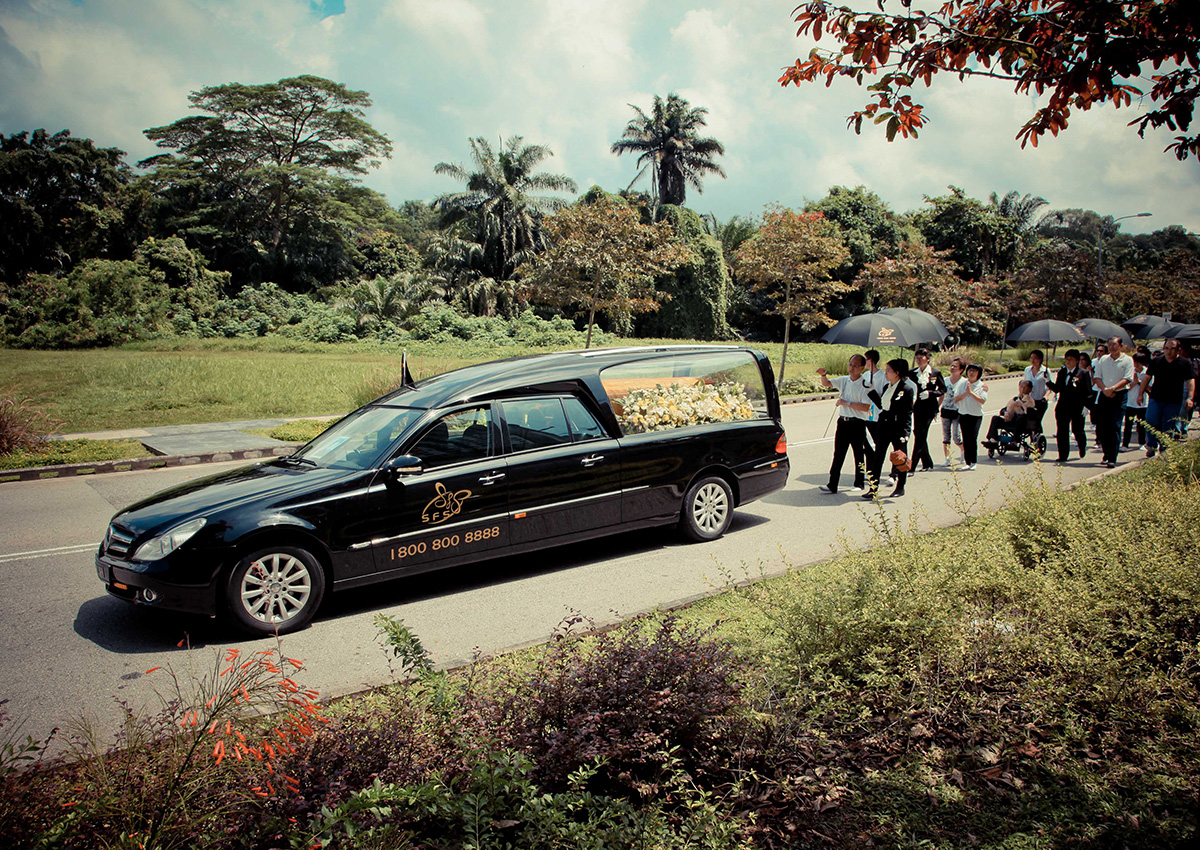
The three-day, two-night service includes a void deck enclosure with tables and flowers, a wooden coffin, a Mercedes Benz to take the coffin to the crematorium and an air-conditioned bus to transport about 45 mourners.
CUSTOMISABLE
The $13,888 Legacy package is just one of the options available, says Mr Ho. SFS can customise the package too.
Many of those people who sign up for the prepaid plans live alone or are in their 50s and older.
Mr Hoo says such services are offered overseas and it is time Singapore followed suit. (See report, below.)
“If you take a look at the global market, people have been doing it for a long time. Death has always been taboo but people are opening up,” he says.
“With this option, people can continue living their lives without it at the back of their minds.”
Customers can pick everything – from coffins to music choice.
Direct Funeral Services (DFS), offers the pre-planned service because it helps avoid disagreement later.
Ms Jenny Tay, the company’s managing director, says: “Sometimes, there is a conflict over what the deceased would have wanted, especially when it comes to religious rites.
“Pre-planning avoids this and lets people decide what’s best for them.”
While these plans can be made in advance, customers cannot pay upfront for everything.
“We only allow people to prepay things for which the service has been done, like importing a particular coffin. For any services that have not been delivered, the payment will be settled after,” says Ms Tay.
Overseas ‘try before you die’ practices
JAPAN
The practice of funeral planning has become so popular in Japan that there is an annual festival.
The Shukatsu festival sees as many as 50 different coffin companies and businesses exhibit their products and services for visitors to try ahead of their funeral.
Visitors can test coffins for comfort, try on their funeral make-up and even the outfits they want to be buried in.
Shukatsu, which loosely translates to “preparing for one’s end”, is a yearly hit with visitors. Last year, the festival, which is held in Tokyo, attracted more than 5,000 people.
There are even Shukatsu tours so people can travel to different locations to have their funeral portraits taken and see where they would like their ashes scattered.
There are also tours to local cemeteries and homes for the elderly. The tours are so popular, there are waiting lists.
UKRAINE
In Ukraine, people lie in coffins to get used to them.
Mr Stepan Piryanyk, a coffin producer whose company makes about 1,000 coffins a month, has set up a special room for coffin therapy – where people can rest in a coffin and experience being dead.
According to a BBC report, people can choose to pay about $30 for 15 minutes to experience death. While they are in the coffins, the sound of a waterfall and birds fill the room.
“When a person lays here, it should be like confession. Maybe he will lie down and think about their actions, and repent,” says Mr Piryanyk.

This article was first published on April 03, 2016.
Get The New Paper for more stories.


Gaps in Taiwan's mental health care
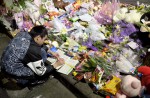
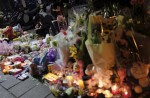
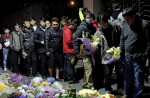
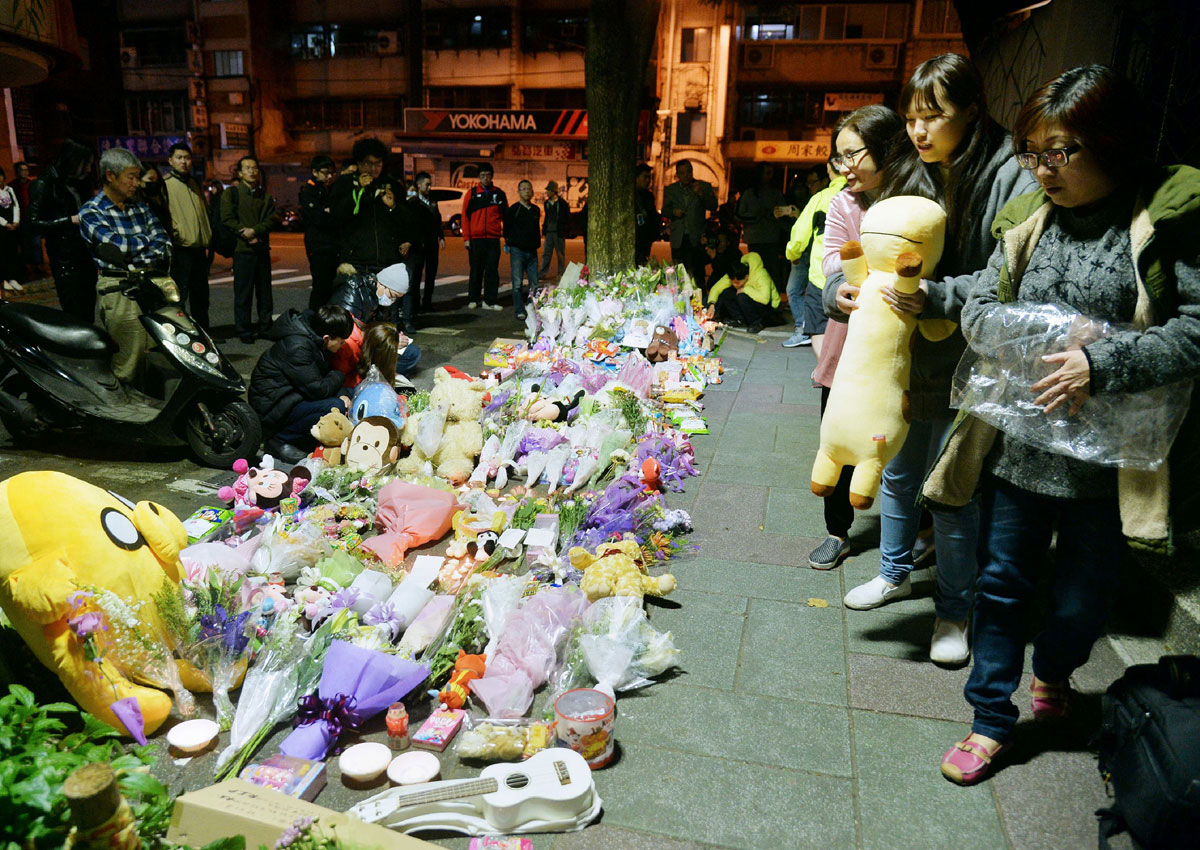
Thousands came to the street where the tiny girl was decapitated.
They carried Winnie the Pooh stuffed toys, flowers, balloons, cards and even a red bike.
They wrote to her family, with fervent offers of compassion and aid.
The massive outpouring of grief from the Taiwanese over Monday’s random killing of the four-year-old, nicknamed Little Light Bulb for her sunny disposition, overwhelmed her mother Claire Wang with gratitude.
But the 44-year-old housewife called on the well-wishers to redirect their efforts to those in need.
“There are many others whose lives are not so wonderful. They are lacking in psychological well-being, lacking in material needs,” she said. “Please focus your kind intentions and offers towards making society a better place.”
Ms Wang’s call, penned on her Facebook page on Friday, underscored what many say is an urgent need for Taiwan to tackle mental health issues and, beyond that, broader concerns about its economy and education.
Little Light Bulb’s suspected killer Wang Ching-yu, who is 33 and jobless, has a history of mental illness and drug abuse.
In 2006, he was convicted of drug-related offences but was released. Two years ago, he sought psychiatric treatment at a hospital.
However, he did not have a government-issued disability card, which would have entitled him to health benefits and kept him on the watch list of the authorities.
At his home later, police officers found scribbling on his notepad which read “Killing Sichuan girls can extend ancestral bloodline”.
That was apparently his mission on Monday. That morning, he bought a kitchen cleaver at a market and took the train to Neihu district in eastern Taipei.
There, he waited.
At 11am, he spotted and accosted Little Light Bulb and her mother, who were on their way to meet family members. For some reason, he believed the girl was from the mainland Chinese province.
Little Light Bulb was struggling to wheel her strider bike out of a pothole and her mother, who was pushing an empty stroller, thought he was helping her. Instead, Wang reportedly grabbed the child, slashed at her neck and severed her head.
Cases like Wang’s, where mental instability apparently played a role, are not isolated in Taiwan any more.
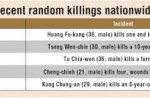
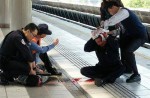
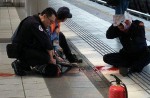
Less than two years ago, university student Cheng Chieh, then 21, embarked on a stabbing spree on the Taipei subway, killing four and injuring 24. He had fantasised about “doing something big” since childhood, he told police. Last May, an eight-year-old died after her throat was slashed in the toilet of her school. The culprit, Kung Chung-an, claimed voices in his head had urged him to do so.
With the latest case, politicians have admitted that Taiwan has been found wanting, both in caring for the mentally unstable and in protecting society from their actions.
Taipei Mayor Ko Wen-je, who is trained as a doctor, told reporters after the incident that Taiwan’s “safety net has holes” and that both “preventive and protective mechanisms” will have to be reviewed.
Incoming President Tsai Ing-wen vowed to “double down on efforts to resolve issues of drugs, child safety, police actions (and) psychological and mental health treatment”.
Experts say the recent spate of incidents is not a case of there being more severely mentally ill people in Taiwan.
Dr Lee Chau-shoun, a psychiatrist at Mackay Memorial Hospital, says such senseless killings would likely be driven by serious disorders such as schizophrenia and bipolar disorder. These are endogenous diseases caused mainly by genetic and biological factors, so there has been no sharp increase over time. About 70,000 people – or 0.3 per cent of Taiwan’s population of 23 million – suffer from them. What has changed though, say those interviewed, is how Taiwan handles mental health issues.
Since the 1995 establishment of a national health insurance scheme covering medical fees, doctors are moving into more profitable specialities like cosmetic surgery, while budgets for less glamorous fields such as psychiatry are shrinking.
Dr Lee’s department is in charge of the psychiatric community care centre in New Taipei, which has a population of four million, but it has a budget of NT$1 million (S$42,000) for work that requires five times that amount.
“You may imagine the quality of the final results and the hard work required of the staff,” he says.
Strapped of resources and manpower, many psychiatrists have had to make the decision to let “some difficult patients remain in the community and be treated intermittently”. At the same time, counselling – a long-term regimen – is not covered by insurance, says Dr Chan I-wen of the Community Services Centre in Taipei.
Taiwanese society remains hazy about mental illnesses. The education system has churned out people armed with cognitive skills but little understanding of their inner well-being and the need to seek help if unwell, says Dr Chan.
She blames the proliferation of virtual gaming for eating into human interaction. Meanwhile, parents work long hours while their children study even longer hours.
She says: “We need a government with leadership to solve Taiwan’s economic problems and allow parents to have time to spend with children, while also having the resources to help them.”
There is also stigma attached to mental illnesses. Some may not wish to register for the mental disability card, as Wang did not, because of the negative associations.
Acknowledging this, Mayor Ko told reporters: “If society is full of harmony, the mentally ill – even if they are hallucinating – will move in a positive fashion. But when society is full of violence and negativity, they will feel persecuted and will take action to protect themselves.”
As Dr Lee puts it: “The killer of Little Light Bulb – if indeed he is mentally ill – is a victim too.”
Other slashing cases
Date: May 29, 2015
Where: Wenhua Elementary School in Taipei’s Beitou District
What happened: Kung Chung- an, 29, entered a girls’ toilet, where he slashed a girl in second grade twice across her throat. She died a day later.
He told interrogators he was frustrated at not finding a job and that voices in his head had told him to commit the act. The court found that he was suffering from a psychotic disorder and sentenced him to life imprisonment.
Date: May 21, 2014
Where: A subway train in Taipei
What happened: University student Cheng Chieh, then 21, hacked at passengers with a knife. Four died and 24 were injured.
Cheng told investigators he did it because he wanted the death penalty. The court convicted him on four counts of murder and 22 counts of attempted manslaughter. He was sentenced to death and his case is now under appeal.
Date: December 2012
Where: A video arcade in Tainan
What happened: Tseng Wen- chin, 31, killed a 10-year-old boy by slitting his throat with a knife.
The jobless man told investigators that “in Taiwan nowadays, I could kill one or two people and would not get the death penalty. I will just be locked up for life”.
The judge found that he had “lower than normal IQ” and sentenced him to life in prison.
xueying@sph.com.sg

This article was first published on April 3, 2016.
Get a copy of The Straits Times or go to straitstimes.com for more stories.

Jinjja Chicken Free Bowl of Jjajangmyeon For Singles 10 – 17 Apr 2016 | SINGPromos.com
For singles: Free bowl of Jjajangmyeon at Jinjja Chicken Bugis Village (10 – 17 Apr) ?
Jinjja Chicken Free Bowl of Jjajangmyeon For Singles 10 – 17 Apr 2016 | SINGPromos.com
Jinjja Chicken celebrates Korean Black Day with free Jjajangmyeon for all singles from 10 to 17 April. Simply make a declaration that you are single on Facebook and enjoy a free bowl of Jjajangmyeon on the house!
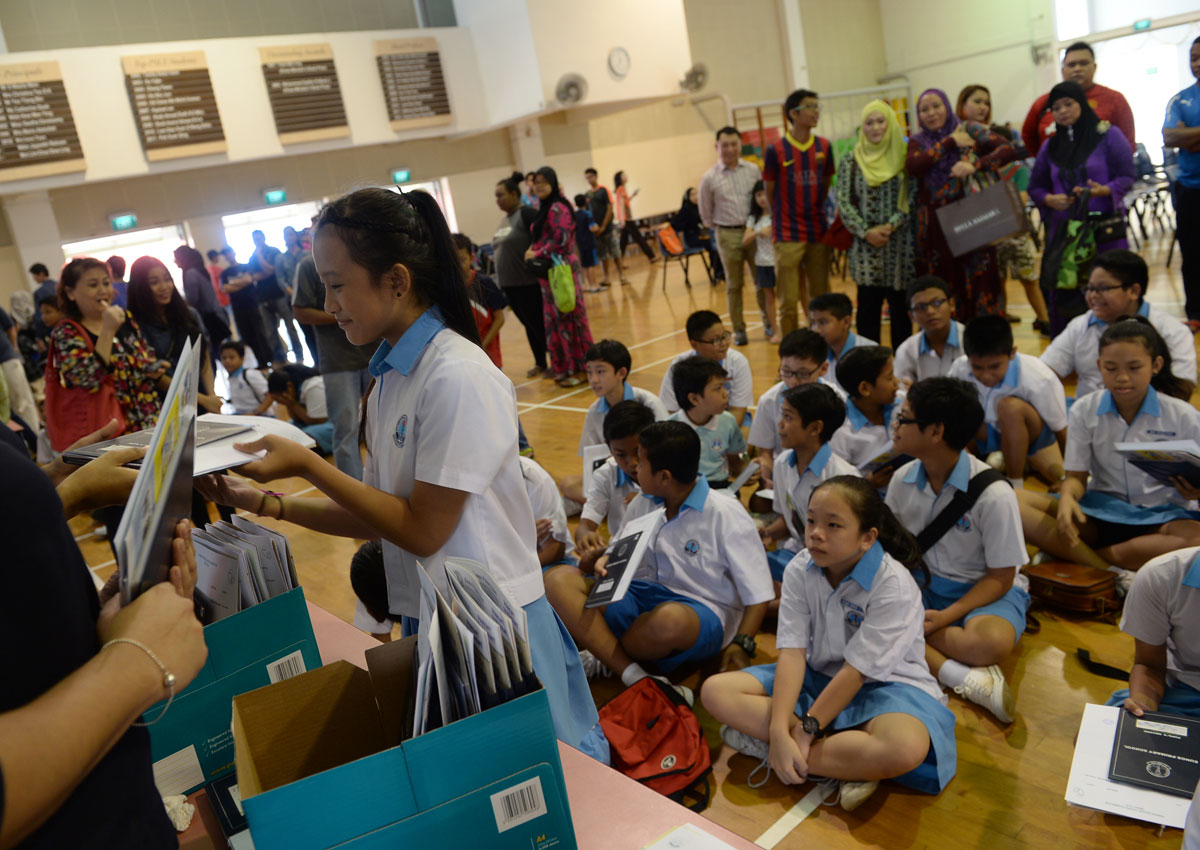
What will the new PSLE grading system look like?
How will primary school leavers be sorted into secondary schools if the Primary School Leaving Examination (PSLE) aggregate score is scrapped and replaced with simple grade bands such as A, B and C?
This is the question at the top of parents’ minds when asked about the long-awaited change to the national exam, which could be announced some time this year.
Still, most parents and educators agree that removing the aggregate score will reduce stress on pupils, and instead of chasing that final few marks, they can focus on a more holistic development of their skills and interests.
Expressing the most common complaint about the current scoring system, parent Lee Kah Cheng, a 37-year-old IT manager with a seven-year-old son, said: “Our kids should not be defined by a single score and have their future determined by that.”
On one popular education forum, parents even discuss starting PSLE “training” for children from as early as Primary 3.
National University of Singapore lecturer Kelvin Seah said a banding system is likely to lower the pressure children face in the lead-up to the national exam, and encourage a more flexible and diverse education.
“Although the aggregate score is a sharper indicator of pupil performance, it leads to a very competitive situation because every point matters. But the move to grade bands will likely reduce the risk that children are too finely sorted by academic ability at a young age. After all, pupils who score anything between 90 and 100 marks, for instance, will get the same grade.”
A similar point was stressed by Prime Minister Lee Hsien Loong during his 2013 National Day Rally when he first revealed that the major revamp of PSLE grading was in the works. “At the age of 12, one examination, four papers and you want to measure the child to so many decimal points… It is a distinction which is meaningless and too fine to make,” he said.
NEW GRADING SYSTEM – HOW COULD IT WORK?
In his speech, PM Lee said that students could be given letter grades and placed in “wider bands” – the way O- and A-level examinations are marked. Most educators and parents hope that the new grading system will be more like the A levels, where the grades are fewer and bands are wider.
In the O levels, which children take at the end of secondary school, grades are divided into A (1,2), B (3,4), C (5,6), D7, E8, and F9. A grade of C6 or better is considered a pass at the O levels.
Grades for the A levels, which students sit at the end of junior college, consist of A, B, C, D, E, S and U – with S signifying an O-level pass but an A-level fail. The PSLE also provides grades A*, A, B, C, D, E and U, but these matter less compared to the aggregate score.
One issue that educators raised is whether the new PSLE grading method will be based on a child’s actual score, or will the score be weighted against those of his or her peers.
The current aggregate system does exactly that. It involves working out a child’s so-called T-score for each subject – English, Mother Tongue, mathematics or science – by ranking his score within the cohort.
That, critics say, turns the PSLE into a direct competition between pupils, and pushes parents into trying to outdo each other by giving their children more tuition and at an earlier age.
Associate Professor Jason Tan, an education policy expert at the National Institute of Education, believes the new grading system may be set against a bell curve.
“Our exam system here is a norm-referenced one, where a student’s performance is ranked in relation to other students’ performance, which means that there will be a spread of different scores in a cohort,” he said.
Dr Timothy Chan, director of SIM Global Education’s academic division, said: “The focus should not be on how one performs relative to others, but how well the person himself performs in the exam.”
Educators said this will be more in line with the efforts of the Ministry of Education (MOE) and schools to move away from an over- emphasis on grades.
Since 2012, MOE has not named the top PSLE scorer. A year later, it stopped revealing the highest and lowest scores in the cohort.
Primary schools have also been recognising their best performers in groups rather than individually. They celebrate the achievements of those who overcame odds in their lives or did well in non-academic areas such as sports.
LESS TRANSPARENCY IN SECONDARY SCHOOL POSTINGS?
For all the brickbats against the PSLE aggregate score, some parents feel that it provides a clear-cut system for allocating pupils to secondary schools, which set cut-off points depending on applications.
A one-point difference in aggregate score may mean that a child is posted to one secondary school instead of another – too fine a sieve according to many, but there are those who believe it is fair and provides transparency.
Said 44-year-old housewife Lydia Sim, who has two daughters aged 11 and 13: “The aggregate score doesn’t leave room for speculation. Those who work harder to achieve better marks than their peers should not be robbed of a chance at entering good schools.”
So how would the posting exercise work if PSLE scores are simply grade bands?
Each grade may carry a certain number of points, and these can be used to decide which secondary school a child qualifies for – the way O-level grades are converted into points for admission into polytechnics and junior colleges. But these would still mean larger numbers of pupils with similar scores.
“If there are many students with the same grades, how will schools determine who is more deserving?” asked Mrs Wong Xue Ling, 41, a housewife, whose daughter is in Primary 6.
This has raised worries that schools will give higher weightage to non-academic achievements and this could possibly translate into greater pressure to send children for enrichment classes.
Ms Candy Lau, 46, a technical manager whose daughters are in Primary 5 and Secondary 2, said: “On top of doing well in their studies, do primary school children also have to excel in areas such as public speaking, art or music to stand out from their peers?”
Administrative manager Siti Abdullah, 40, who has a nine-year-old son, is worried schools will select students based on hard-to-measure attributes such as leadership potential. “These are young kids. It would be quite stressful for them if the non-academic areas – the fun stuff – become part of the criteria for admission into a school,” she said.
Some wonder if schools will also be given greater autonomy in choosing who to admit, and this could even involve interviews.
“Popular secondary schools may have to select students based on other aspects such as community service, co-curricular activity performance, leadership potential and resilience, which may be more subjective,” said Dr Seah.
Educators hope parents can take the changes in the right spirit, and not simply force children to replace one form of tuition with another.
One parent who posted on the KiasuParents forum also wondered if a pupil who scored 90 marks in each of the four subjects will end up being rated higher than another who scored 99 in three subjects but 85 in another, and if that was fair.
Educators agree there is no perfect system, but most believe the move away from aggregate scores is a positive one. Parents whom The Sunday Times spoke to agreed.
Engineer Daniel Yeo, 45, whose son received his PSLE results last year, said a grade banding system will definitely take some pressure off parents and children.
“Most parents have been waiting for this for a long time,” he said.
Additional reporting by Wong Shiying
THROUGH THE YEARS
1960
PSLE is introduced. Pupils are told only if they passed or failed.
1973
T-scores are introduced, but not revealed to pupils.
1980
Letter grades A, B, C and D are used. Pupils have to pass at least three out of the four subjects – English, Mother Tongue, Mathematics and Science. It is compulsory to pass English.
1981
Grade A* is introduced.
1982
T-scores are issued to candidates, and the overall highest and lowest scores are printed on result slips.
2004
Direct school admission at the secondary level is introduced. The scheme allows pupils to secure places in secondary schools based on their talent in sports, the arts or academics, before their PSLE results are released.
2012
The Education Ministry (MOE) decides to stop announcing the top PSLE scorer, to cut excessive competition and stress.
2013
Prime Minister Lee Hsien Loong announces in his National Day Rally speech that the T-score will be replaced with wider grade bands, such as those used in the O- and A-level exams.
MOE does not reveal the highest and lowest scores achieved by pupils in a cohort, to encourage them not to compare results.
calyang@sph.com.sg
ateng@sph.com.sg

This article was first published on April 3, 2016.
Get a copy of The Straits Times or go to straitstimes.com for more stories.


Scribbles with Terence Cao
If you are a fan of Terence Cao, get ready for bonanza time.
The actor is starring in the ongoing drama Beyond Words. From Monday (April 4), he will also feature in the 170-episode Peace & Prosperity.
He took some…
Source link
Australia says possible MH370 debris found on Mauritius
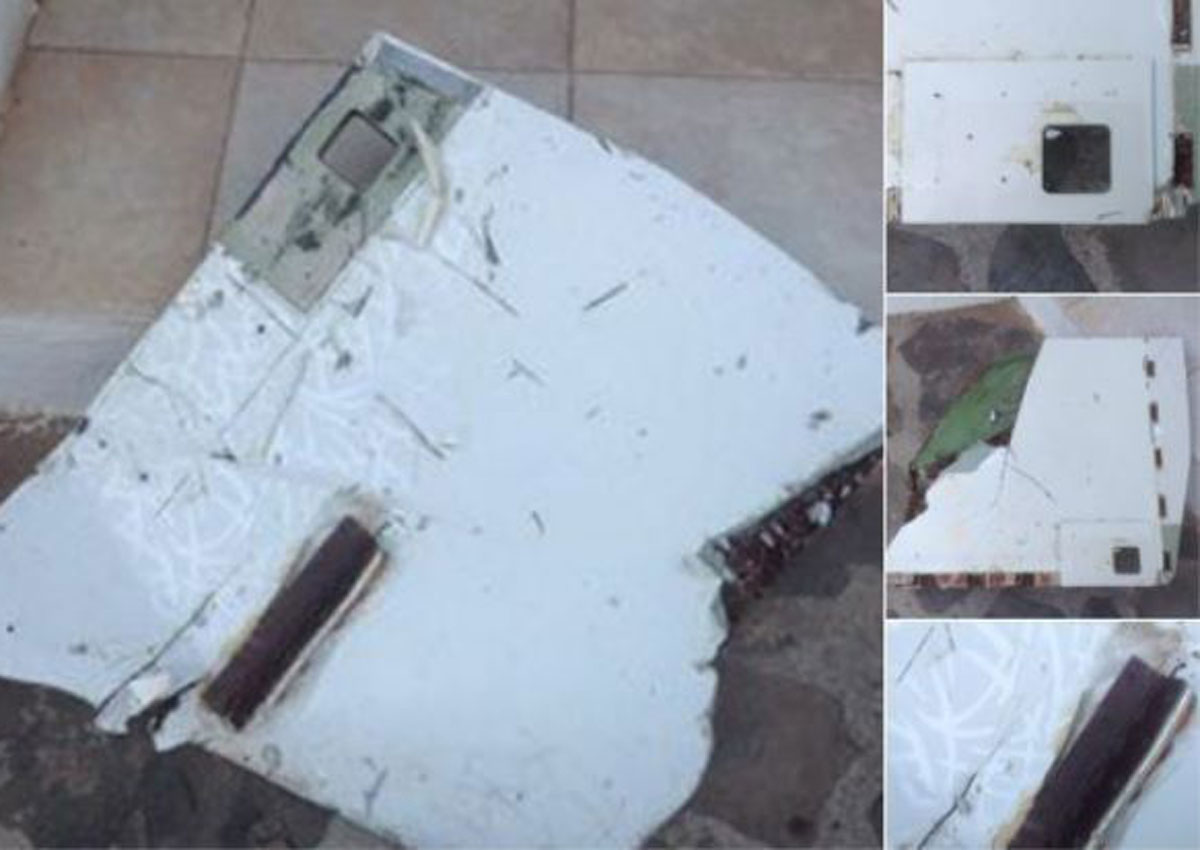
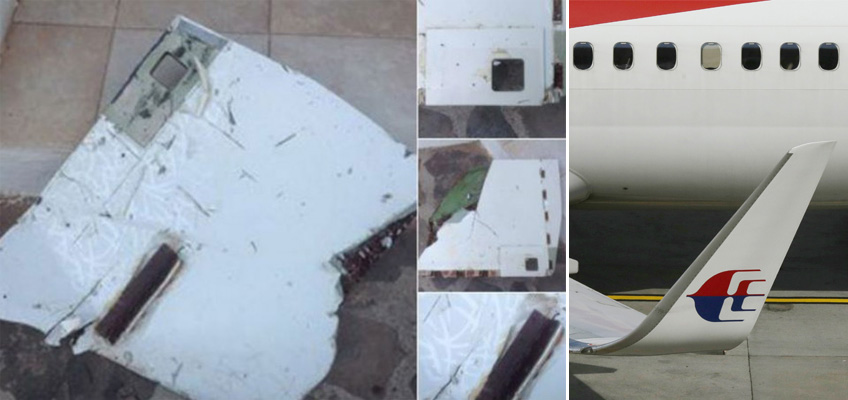
SYDNEY – Australia’s transport minister Sunday said new debris found on the Indian Ocean island of Mauritius would be examined to see if it belonged to MH370, just weeks after two Mozambique fragments were linked to the missing flight.
The debris was found on the Mauritius island of Rodrigues by a vacationing couple, news.com.au reported citing Reunion island website Clicanoo.
“The Malaysian government is working with officials from Mauritius to seek to take custody of the debris and arrange for its examination,” Australian Transport Minister Darren Chester said.
“This debris is an item of interest however until the debris has been examined by experts it is not possible to ascertain its origin.” However, it remains unclear which country would examine the debris.
Aviation expert Don Thompson told the Australian news website the fragment could be the internal bulkhead from the Malaysia Airlines’ Boeing 777 business or economy class cabin.
The latest discovery came less than two weeks after Australian and Malaysian authorities said two pieces of debris found in Mozambique were “almost certainly from MH370“.
Another fragment picked up near Mossel Bay, a small town in Western Cape province in South Africa, would also be analysed to see if it came from MH370, South African officials said last month.
Before the latest discoveries, only a wing part recovered from the Indian Ocean island of Reunion, which lies east of Mozambique and neighbours Mauritius, had been confirmed as coming from the jet that disappeared two years ago.
Australia is leading the search for MH370 in the remote Indian Ocean, where the Kuala Lumpur-Beijing flight is believed to have diverted when it disappeared on March 8, 2014 carrying 239 passengers and crew.
Chester added that authorities “remain hopeful the aircraft will be found”. More than 95,000 square kilometres (36,700 square miles) of the target zone of 120,000 square kilometres has been scoured so far, but no crash site has been found.
The governments of Australia, China and Malaysia have said they will end the hunt when the target area is fully searched unless new, credible information emerges.


Shanghai opens first authorised Hello Kitty-themed restaurant
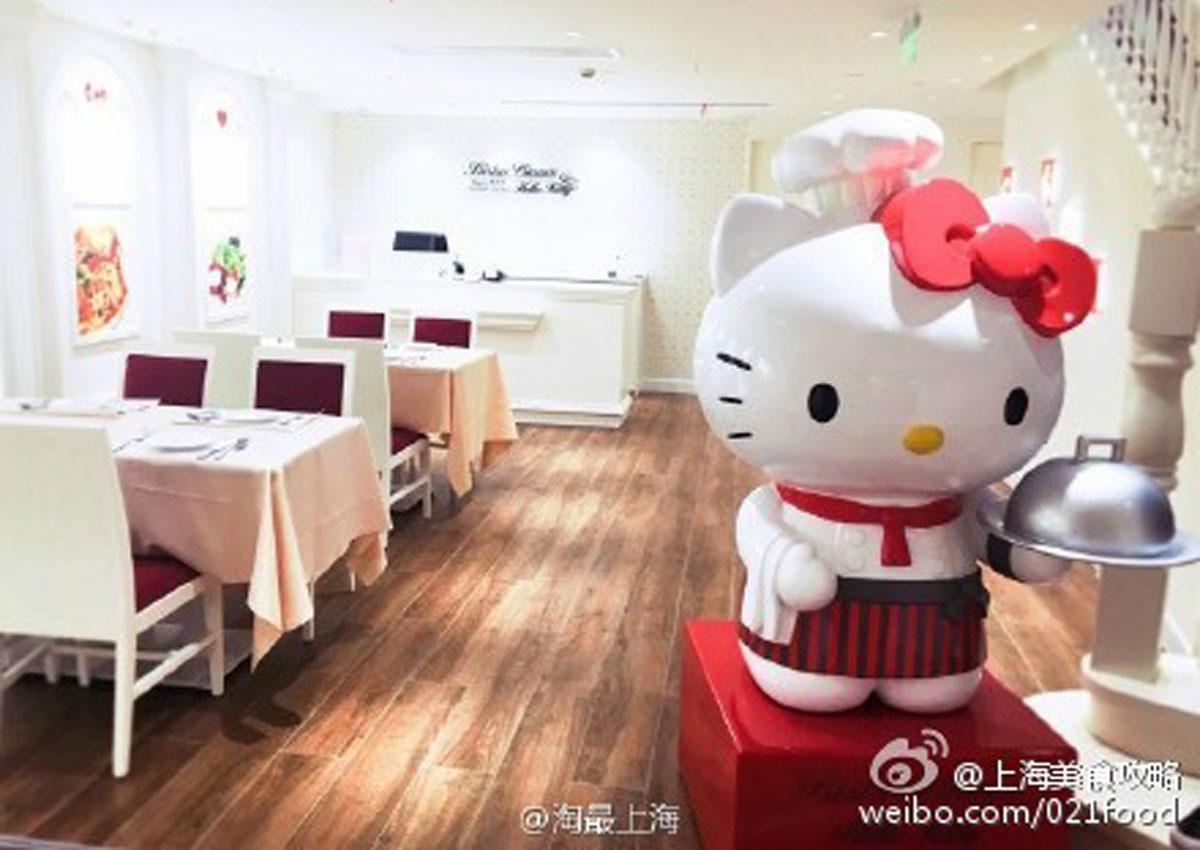
Hello Kitty fans in Shanghai can now enjoy their meals at a Hello Kitty-themed restaurant, the first authorised Hello Kitty restaurant from the Tokyo-based Sanrio.
Located in a shopping mall on Shandong Lu of Nanjing Dong Lu, one of the ten business centres in Shanghai, the restaurant has two floors.

Restaurant guests can visit and do some shopping for official Hello Kitty products sent directly from Japan on the first floor, and on the second floor, guests can order Hello Kitty themed food at the western restaurant.

Murali Pillai outlines plans for Bukit Batok
The PAP candidate for Bukit Batok says if elected, he will set up a fund to install panic buttons in the homes of the elderly in the SMC, as well as work on increasing their medical literacy.
Source link


1.jpg)