Home Blog Page 4229

More leave for new dads from next year

0

From next year, fathers will get a second week of compulsory paid leave to spend time with their baby and a bigger share of their wives’ maternity leave.

These changes, when combined with the existing baby leave they get, could give a new father a total of eight weeks of leave. But they have to use the new perks before their child turns one year old.

The additions, announced by Senior Minister of State Josephine Teo in Parliament yesterday, are part of an official effort to encourage couples to have more babies by getting fathers more involved in parenting.

To spur fathers to do more, those whose children are born from Jan 1 next year will get two weeks of mandatory paid paternity leave. Only one week is now compulsory. The second week is up to companies.

The Government will pay for the extra week of leave, capped at $2,500 per week, including Central Provident Fund contributions.

Working mothers can share up to four weeks of their paid maternity leave with their husbands from July next year. Now, they can share only one out of the 16 weeks they get.

Together with one week of childcare leave and one week of unpaid infant care, fathers can get a total of eight weeks off work. Mrs Teo acknowledged businesses may be concerned about the extra leave affecting their manpower needs. But the changes are being announced eight months before they take effect, to give employers time to plan their staffing schedules, she said.

To qualify for the paternity leave and shared parental leave, fathers must be married to the child’s mother, and the child must be a Singapore citizen.

In another change, mothers who adopt will get 12 weeks of paid leave to look after their adopted child, up from the current four weeks. The adopted child must be a Singapore citizen below 12 months of age and adopted on or after July 1 next year.

Mr Kurt Wee, president of the Association of Small and Medium Enterprises, said given the gloomy economic outlook, employers would have preferred 18 to 24 months’ notice. “We understand that male employees don’t have kids every year.

“But in the years that they do, they may take quite a lot of time off from work. Can they be given automatic approval to defer their reservist training that year?” he asked.

charyong@sph.com.sg


This article was first published on April 14, 2016.
Get a copy of The Straits Times or go to straitstimes.com for more stories.
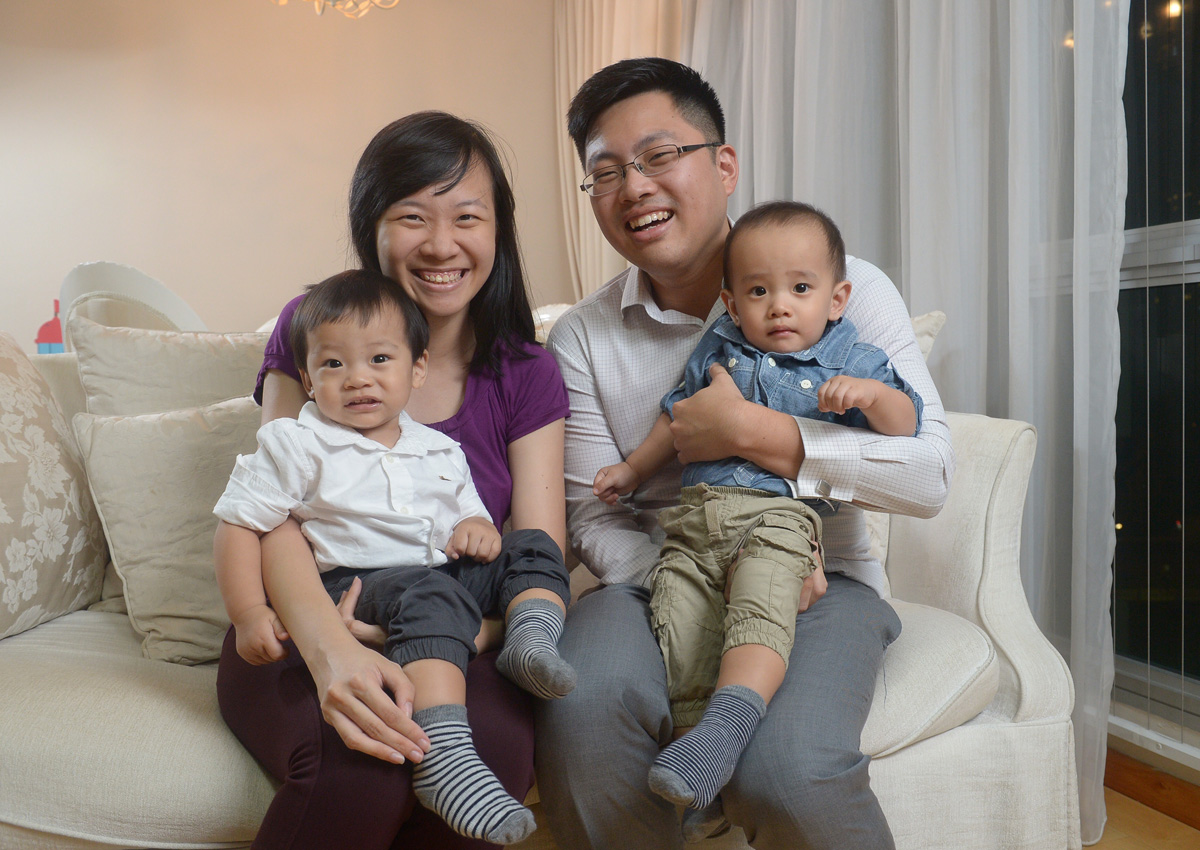
Image: 
Publication Date: 
Thursday, April 14, 2016 – 10:41
Send to mobile app: 
Source: 


Story Type: 
Others

Source link

MOH to wage war on diabetes

0

The Ministry of Health has declared war on diabetes, describing it as one of the biggest drains on the healthcare system here.

In outlining how the Government intends to battle the disease, Health Minister Gan Kim Yong revealed in Parliament that four Singaporeans lose a limb or appendage daily because of complications from diabetes.

Dealing with diabetes is already costing more than $1 billion a year, he said during the debate on his ministry’s budget yesterday.

“Left undetected, untreated or poorly managed, diabetes can lead to heart disease, stroke, kidney failure, blindness and amputations,” he warned.

Of the over 400,000 diabetics in Singapore today, one in three does not even know he has the disease.

Of those who do know, one in three has poor control over his blood sugar levels. If nothing is done, things will get worse, with one out of every three people here – more than a million – getting diabetes.

“Therefore, I am declaring war on diabetes,” Mr Gan said.

“We want to help Singaporeans live life free from diabetes and, for those with the disease, to help them control their condition to prevent deterioration.”

Mr Gan will co-chair a new Diabetes Prevention and Care Taskforce with Acting Education Minister Ng Chee Meng that will include people from the public and private sectors, as well as patient advocacy and caregiver groups.

This “war” will start with the young. Minister of State for Health Lam Pin Min said it is worrying that children and young people are getting increasingly overweight.

“Childhood obesity is likely to persist and progress into adulthood,” he said. Such individuals are at higher risk of getting chronic diseases like diabetes and hypertension.

“It is important for us to work upstream to lay strong foundations for our young to lead healthier and more productive lives, starting from those as young as two years old,” said Dr Lam.

He will jointly lead an inter-agency NurtureSG Taskforce with Minister of State for Education Janil Puthucheary in this effort.

Senior Minister of State for Health Amy Khor’s Women’s Health Committee will help women with gestational diabetes prevent birth complications and tackle higher risk of diabetes in the child.

Studies show four in five babies born to women with uncontrolled gestational diabetes will likely become obese or diabetic.

Minister of State for Health Chee Hong Tat will work with the community to promote healthy living and reduce the prevalence of diabetes.

He will try to get more people to screen for diabetes, and strengthen the follow-up treatment for those diagnosed with the disease.

Said Mr Gan: “The war on diabetes will not be a quick battle, but a long war requiring sustained effort.”

Success will be far reaching as it will “curb not just diabetes but other related chronic diseases such as heart disease, and we will improve the lives of Singaporeans and reduce the burden on their families”.

salma@sph.com.sg


This article was first published on April 14, 2016.
Get a copy of The Straits Times or go to straitstimes.com for more stories.

Image: 
Publication Date: 
Thursday, April 14, 2016 – 10:41
Send to mobile app: 
Source: 


Story Type: 
Others

Source link

More effort to promote healthy living habits

0

The budgets of the Prime Minister’s Office, the Ministry of Health and the Ministry of Culture, Community and Youth were debated yesterday. Here are the highlights.

NurtureSG task force set up to encourage people to live healthily from a young age

To stay alert while on the night shift, taxi driver Wong Pang Koon would down an average of five cans of Red Bull – a sugary energy drink – every week. He had a sweet tooth, too, and would often have a bowl of dessert for supper.

But 20 years ago, a doctor told him he had diabetes. Recently, the 62-year-old developed kidney failure, and now has to undergo dialysis three times a week.

“My doctor told me that I was eating too many sweet things and did not exercise enough,” recalled Mr Wong. “At the time, I would sleep in the day and at night, I would just go out to drive my taxi. I did not have time to exercise.”

Mr Wong is one of more than 400,000 Singaporeans who have diabetes, a third of whom may not even be aware of the condition.

Health Minister Gan Kim Yong told Parliament during the debate on his ministry’s budget yesterday that his ministry will wage war on the disease, which can lead to complications such as stroke, kidney failure, blindness and amputations. “In fact,” said Mr Gan, “four Singaporeans a day lose a limb or appendage due to diabetic related complications.”

To stem the rising diabetes numbers, the Ministry of Health will do more to encourage people to live a healthy lifestyle from a young age.

Minister of State for Health Lam Pin Min and Minister of State for Education Janil Puthucheary will lead a task force, NurtureSG, to this end.

The Health Ministry will also step up efforts to screen and identify diabetics, so interventions can take place earlier. And it will help those already diagnosed with the disease to avoid complications and better manage their condition.

“For those with diabetes, we need to do our best to help them have good quality of life, at all stages, by having good control over their disease,” Mr Gan said.

NurtureSG will rope in parents, educators, caregivers and the community, and aims to get young people to maintain healthy habits after they leave school and as they enter the workforce.

The health and education ministries will consult the public to get ideas on how to get children and youth to adopt and maintain healthy lifestyles.

The Health Ministry is also reaching out to different groups of workers. It has organised health screenings and deployed health coaches to taxi service centres, so cabbies can check their health when they send their vehicles for servicing every month.

Meanwhile, Mr Wong has managed to take charge of his condition by eating right and trying to lead a more active lifestyle.

He has stopped working the night shift, and his diabetes is under good control and only requires insulin jabs to keep it in check.

“I try my best not to eat too many sweet things now – if I order tea, I will ask for less sugar,” he said. “I also do a lot more brisk walking now.”

linettel@sph.com.sg


This article was first published on April 14, 2016.
Get a copy of The Straits Times or go to straitstimes.com for more stories.
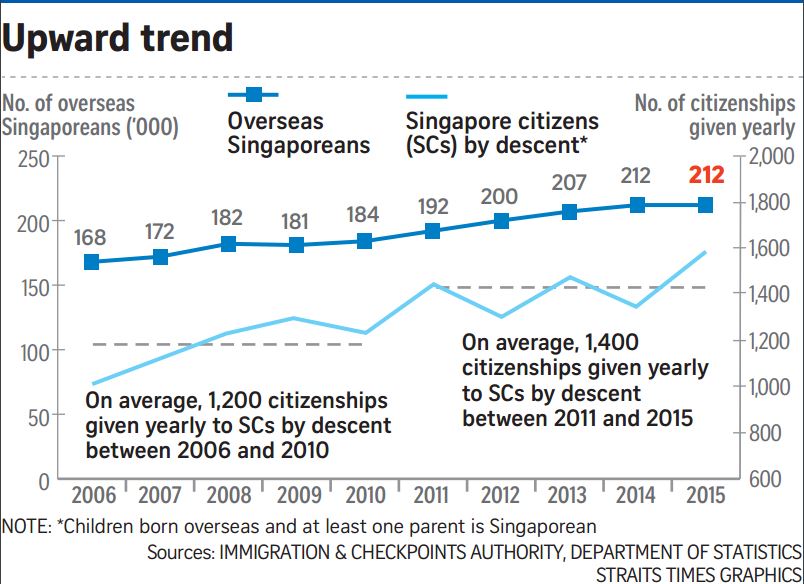
Image: 
Publication Date: 
Thursday, April 14, 2016 – 10:41
Send to mobile app: 
Source: 


Story Type: 
Others

Source link

Live updates: Committee of Supply debate, Day 7

0

On Apr 14, the MCCY will expand on its Budget estimates for FY2016, to be debated by the Committee of Supply in Parliament.

Source link

More parents abroad register babies as citizens

0

More Singaporean parents living abroad are registering their children as citizens.

There were 1,600 children born overseas to at least one Singaporean parent who were registered as citizens last year. They made up 8 per cent of the 20,815 total citizenships registered last year.

This is up from the 1,200 such children registered on average each year from 2006 to 2010, and the 1,400 registered on average each year from 2011 to 2015.

The increase is a result of more Singaporeans living, working or studying overseas for extended periods, Senior Minister of State in the Prime Minister’s Office Josephine Teo said yesterday.

There are 210,000 such citizens now, a 30 per cent rise compared with 160,000 a decade ago. “This shows how Singaporeans are increasingly mobile and welcomed by employers and educational institutions internationally,” she said during the debate on spending plans of the Prime Minister’s Office.

Mrs Teo, who oversees population matters, said the Government has kept a “calibrated pace of immigration” to prevent the citizen population from shrinking.

Apart from the new citizenships granted last year, there were 29,955 others given permanent residency.

Mrs Teo said more should be done to help new citizens deepen their sense of belonging here. She suggested they get involved in all aspects of local life, including learning to speak local languages and taking an interest in issues that concern fellow Singaporeans. “Most important of all, they must understand our roots as a multiracial and multicultural society,” she said.

Agreeing with MPs Darryl David (Ang Mo Kio GRC) and Rahayu Mahzam (Jurong GRC), she encouraged Singaporeans to remain open to people of diverse backgrounds.

Mrs Teo said immigration measures will not fully meet the country’s growing workforce needs. But rather than grow the population more quickly through immigration, “we have decided to press on with the restructuring of our economy towards one that is less dependent on manpower for growth”, she said.

As such, the growth of the foreign workforce has slowed considerably, she noted. The Government is also trying to equip Singaporeans with more skills so they can remain relevant through measures like SkillsFuture, she added.

“Our vision must be a Singapore that is cohesive and open, where Singaporeans feel a sense of connectedness wherever they are in the world… and at the same time, have the capacity to welcome new additions to our family whether for a period of time or for good.

rachelay@sph.com.sg


This article was first published on April 14, 2016.
Get a copy of The Straits Times or go to straitstimes.com for more stories.
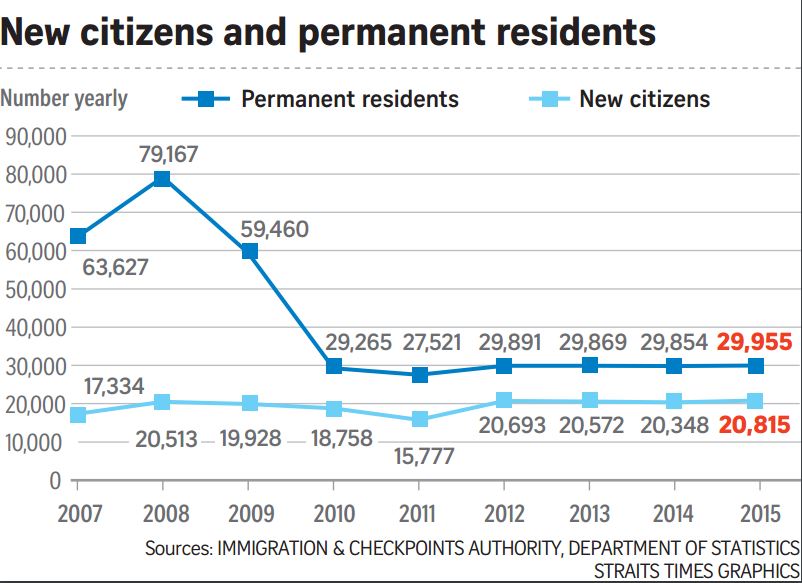
Image: 
Category: 
Publication Date: 
Thursday, April 14, 2016 – 10:41
Keywords: 
Send to mobile app: 
Source: 


Story Type: 
Others

Source link

Uber’s uberX Fares Now Cheaper by 15% From 14 Apr 2016 | SINGPromos.com

0

UberX now cheaper by 15%, with base fare of just $3 from today

Uber’s uberX Fares Now Cheaper by 15% From 14 Apr 2016 | SINGPromos.com

Starting today, your favourite ride just became more affordable than ever – Uber is dropping uberX fares by an average of 15%. With a base fare of just $3, you can count on uberX for the cheapest ride around Singapore.

Source

What seniors need, care providers seek to meet

0

There is often a lot of logistics involved in ensuring that frail seniors get the care they need.

Some of them need transportation to daycare centres or meals to be delivered. Others may need help in managing their medication and making medical appointments.

The Ministry of Health (MOH) is working with care providers on a trial to offer these services, tailored to the specific needs of a senior, under the Integrated Home and Day Care package. It was among measures announced during the debate on the ministry’s budget yesterday, aimed at supporting seniors as the population ages.

Ageing was on the mind of MPs, who spoke about issues such as standards of daycare services and ensuring the elderly age actively.

Fees for the Integrated Home and Day Care package can range from $1,100 to $2,200 per month, depending on the services needed, said MOH. But subsidies of up to 80 per cent are available to those who qualify.

Ms Low Mui Lang, executive director of Peacehaven Nursing Home, which is involved in the trial, said the scheme will simplify things for seniors, who sometimes do not get the help they need because they want to avoid hassles.

The MOH will also be piloting an Integrated Operator Scheme this year to ensure that care is delivered seamlessly to the elderly even as their needs change.

Under this scheme, it will appoint operators that will offer all three services commonly needed by the elderly: nursing homes, eldercare centres and home care.

Senior Minister of State (Health) Amy Khor said this could lead to economies of scale and result in more affordable care.

In a bid to ensure that seniors can get services they need within their own neighbourhoods, the MOH is also working with the Housing Board to build “Active Ageing Hubs” within new Build-to-Order developments.

These one-stop centres can serve a range of needs. For instance, they can provide active ageing programmes, daycare and rehabilitation services, or grocery delivery.

The ministry also hopes to encourage learning among seniors so they can age actively.

A new National Silver Academy will offer more than 10,000 learning places across 500 courses this year. Singaporeans aged 50 and above can start to register for courses from next month.

They will be able to take selected courses offered by the Institute of Technical Education, polytechnics and universities for a token fee, and will attend classes together with existing students.

“We hope (this) can not only fulfil seniors’ aspirations to keep learning, but also help shape a new mindset regarding ageing,”said Dr Khor.

“I think having seniors learn with younger students in the same classroom will foster inter-generational interactions and… inspire our younger generation that learning does not stop at any age.”

Turning to mental health issues, Dr Khor said the focus for her ministry will be on dementia.

Currently, the rate of dementia is about 10 per cent among seniors aged 60 and above.

With the number of those suffering from the condition likely to grow as the population ages, the Government has moved to increase the capacity of dementia care services in the community, she said.

By 2020, there will be 3,000 daycare places and 1,970 nursing home beds for those with dementia. There will be 160 elder-sitters.

There are also plans to help communities in towns such as MacPherson, Queenstown and Bedok become more dementia-friendly. Residents in these towns will be trained to provide assistance to people with dementia.

A “safe return” system for lost seniors will be piloted.

Said Dr Khor: “We need to rally the whole Singapore kampung to play a part in supporting seniors with dementia and their caregivers within our communities.”

wztan@sph.com.sg


This article was first published on April 14, 2016.
Get a copy of The Straits Times or go to straitstimes.com for more stories.
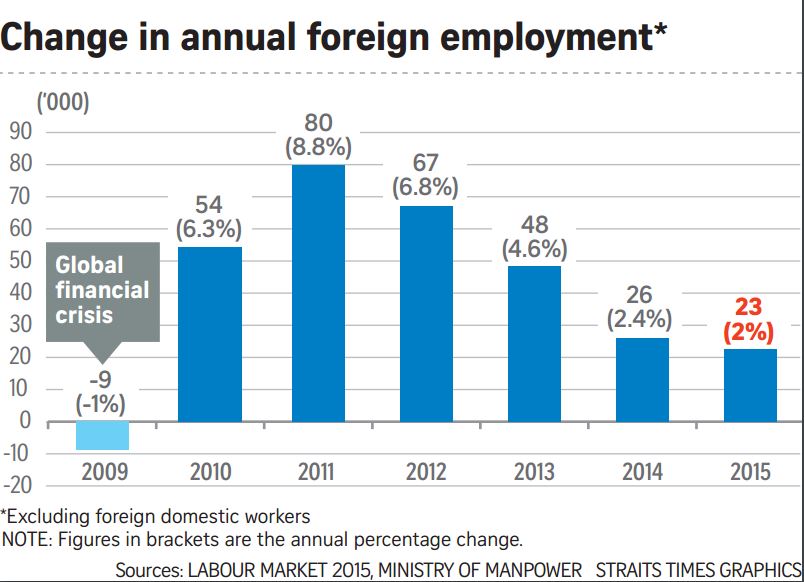
Image: 
Publication Date: 
Thursday, April 14, 2016 – 10:41
Send to mobile app: 
Source: 


Story Type: 
Others

Source link

Healthcare costs cause concern

0

Singapore’s Healthcare Masterplan 2020 is on track, and people here rank behind only Japan and Andorra in terms of leading the longest healthy lives in the world.

But there are some worrying trends, said Health Minister Gan Kim Yong yesterday, including the ability to sustain the current level of service as the population ages. Costs are of particular concern.

“Many developed countries with ageing populations are facing similar challenges as us,” he said. “One important lesson we can learn from their experience is that doing more of the same cannot be the solution.”

The Government has already more than doubled its healthcare spending from $4.7 billion in FY2012 to $11 billion this year.

The launch of MediShield Life to cover everyone from birth till death last year has also helped people pay for their healthcare cost. Between December and February, this new scheme has paid out $136 million to cover 95,000 claims. This is 29 per cent more a month compared to payouts last year, he said.

But more needs to be done and he suggested three paradigm shifts:

One of these deals with choosing appropriate care. Some insurance policies for private care provided by Integrated Shield plans pay according to what doctors and hospitals charge. Some people also buy “riders” that do away with the need for the patient to pay anything for major medical treatment.

These could lead to a “buffet syndrome” since the cost is paid by someone else, said Mr Gan. “This contributes to rising healthcare costs for everyone and eventually pushes up premiums.”

This system will have to be studied, he said.

Meanwhile, the ministry has set up an Agency for Care Effectiveness (Ace) to look into the use of high-cost treatments and technologies “to ensure that the outcomes from these technologies are commensurate with these costs”.

Not all medical tests and treatments are necessary or useful, he said.

Countries like the United States, Britain and Japan have launched “Choose Wisely” campaigns to educate people on low-value tests and treatments.

These countries have identified 400 such treatments.

Ace will do the same for Singapore. It will also encourage healthcare providers to manage costs while providing quality care.

He said: “This will help patients, caregivers and physicians make more informed treatment decisions and avoid over-provision of services that will drive up costs.”

Another shift involves moving beyond the hospital to the community. This requires a comprehensive system of primary, intermediate, long-term and home care to support hospital treatments.

It should centre on the patient’s desire to recover quickly with as much functional ability as possible. By streamlining care, the stay in hospital can be shorter and rehabilitation, if needed, started earlier.

The third push is to increase the years of healthy life for people here, which stood at 70.8 years for men and 73.4 years for women in 2013.

Unfortunately, with longer lives, the number of years people here live in ill health has also gone up, and in 2013 stood at 8.9 years for men and 10.6 years for women.

Dr Lily Neo (Jalan Besar GRC) and Dr Chia Shi Lu (Tanjong Pagar GRC) had asked about what Singapore is doing about diabetes, which is fast becoming a major global healthcare burden.

To them, Mr Gan said his ministry will be waging a multi-year war against diabetes, a disease which costs Singapore more than $1 billion a year.

salma@sph.com.sg


This article was first published on April 14, 2016.
Get a copy of The Straits Times or go to straitstimes.com for more stories.
Image: 
Publication Date: 
Thursday, April 14, 2016 – 11:07
Send to mobile app: 
Source: 


Story Type: 
Others

Source link

Where to get free Wi-Fi in Singapore?

0

You’re outside and you want to surf the Internet but don’t have a data phone plan. What should you do?

Head to the nearest fast food outlet or library. Most of these places are hotspots for Singapore’s free public Wi-Fi…

Source link

MAS eases currency policy, sets appreciation rate of Singdollar to 0%

0

Image: 
Publication Date: 
Thursday, April 14, 2016 – 10:43
Send to mobile app: 
Source: 


Rotator Headline: 
S'pore GDP grew 1.8% in Q1, MAS sets rate of Singdollar appreciation to 0%
Rotator Image: 
Story Type: 
Others

Source link