PETALING JAYA – Since the imposition of the movement control order (MCO) on Wednesday (March 18), some Malaysian workers in Singapore have resorted to sleeping outside an MRT station, reports Today Online.
Storekeeper Armel Sharil, 31, said that he waited until the metal gates of the Kranji MRT Station closed at 1am before laying down a cardboard on the floor to sleep on.
“I’ll wake up at about 5am, around the time the station opens,” he was quoted as saying by the Singaporean news portal.
He said his employer was still looking for accommodation for him.
Armel, who did not have time to pack his belongings, only had his wallet, a phone with no Internet access, a portable charger, a small tub of hair wax and mouthwash that he just bought.
“I’m going to continue working here even if the lockdown is extended because I need to feed my family back home.”
“I’m so tired but I can’t sleep because I really miss them,” he said.
Armel was one of about 20 Malaysians who spent Wednesday (March 18) night around the station.
SINGAPORE – Despite the record number of 47 new Covid-19 cases announced on Wednesday (March 18), schools and kindergartens will reopen next Monday as planned with stricter measures, said the Ministry of Education (MOE), the Ministry of Social and Family Development (MSF) and the Early Childhood Development Agency (ECDA) on Thursday.
The measures include requiring students and staff of schools, pre-schools and student care centres who were overseas during the school holidays from March 14 to serve a 14-day isolation period from the date of return, and schools suspending all co-curricular activities and getting students to sit further apart.
Pre-schools will do more frequent temperature screening for all staff and students.
MOE, MSF and ECDA made the announcement on Thursday morning amid wide speculation among parents and students that the one-week school holidays which began on March 14 will be extended.
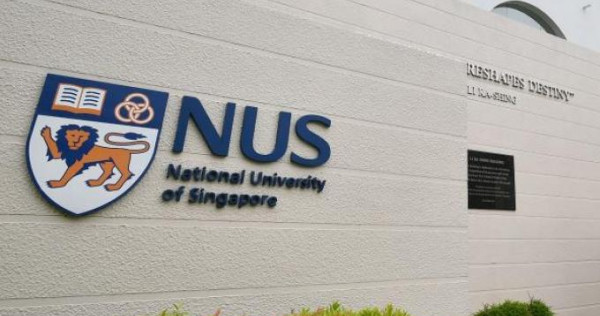
To protect students from the coronavirus, the National University of Singapore (NUS) allowed them to take a practical examination at home.
But despite being warned not to cheat, a significant number allegedly shared their answers and plagiarised each other.
NUS is now scrutinising their submissions and identifying the alleged cheaters so action can be taken against them.
Replying to queries from The New Paper, a spokesman for the NUS School of Computing confirmed it is investigating, with instructors still making plagiarism checks and have yet to finalise the results.
“NUS takes a serious view of academic dishonesty and does not condone plagiarism,” she said.
TNP understands Mr Prabawa Adi Yoga Sidi, the lecturer teaching the module, sent out an e-mail about a week ago urging students who had cheated to confess.
It is believed that several have come forward and admitted to plagiarism.
The exam is worth 15 per cent of the final grade for the programming methodology module, which is compulsory for engineering students.
SINGAPORE – The National Council Against Drug Abuse (NCADA) is officially launching its anti-drug campaign by showcasing Singapore’s first interactive short film.
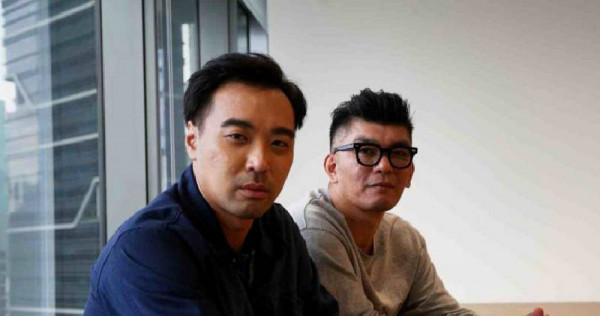
Titled, HIGH, the film by award-winning director Royston Tan, will not be a “preachy” movie. It will allow the audience to make choices via an application and decide on the outcome for “Nick”, the main protagonist played by Shawn Thia.
Unlike past anti-drug messaging, HIGH has four endings, said Mr He Shuming, the film’s scriptwriter.
But Mr He, 34, said making the movie was an emotional journey as the characters were based on real life examples of people that he and Mr Tan knew.
When the pair were approached to produce the film in the middle of last year by Dentsu Aegis Network, which promotes the anti-drug campaign in partnership with NCADA, they agreed because both had friends who were addicted to meth.
Said Mr Tan, 43: “I’m not going to stand on the moral high ground but I do not want to lose another friend. I have already lost one. I don’t know if he’s alive or dead, or just totally disappeared (because of his meth addiction).”
SINGAPORE: With an increasing number of countries enacting travel restrictions to curb the COVID-19 outbreak, Singapore is left “extremely vulnerable” due to its status as an aviation hub, say analysts.
Smaller carriers may also end up going belly-up during this period, due to a drop in demand, they noted.
Singapore has 313 confirmed cases of the coronavirus, which has infected more than 200,000 worldwide, resulting in more than 8,000 deaths.
Such restrictions have impacted the airline industry, with numerous airlines suspending flights.
On Tuesday, Singapore Airlines (SIA) said it would slash its capacity by 50 per cent, attributing the move to increasing travel restrictions as a result of countries the spread of COVID-19.
“Given the growing scale of the border controls globally and its deepening impact on air travel, SIA expects to make further cuts to its capacity,” the national carrier said in a statement.
“Jetstar Asia is containing the impact as much as possible by asking senior leadership to take salary cuts and the rest of the teams to take paid and unpaid leave during this time, in addition to cancelling annual bonuses and the Annual Wage Supplement,” said a spokesperson for the budget carrier.
Earlier this month, the International Air Transport Association (IATA) warned the COVID-19 pandemic could cost passenger airlines up to US$113 billion (S$162.7 billion) in lost revenue this year.
“The demand has basically collapsed,” noted Greg Waldron, Asia managing editor for industry publication FlightGlobal.
“I think people are fearful of the virus, but also all the different country closures, the quarantines – all these different things just mean that the market for air travel has pretty much vanished overnight,” he said.
“Singapore is extremely vulnerable as it is a financial centre and an aviation hub,” aviation analyst Shukor Yusof told CNA.
“It will immediately have a knock-on impact on the hospitality sector, and likelihood of job losses if this is prolonged,” added the founder of consulting firm Endau Analytics.
The move by airlines to suspend flights is the right one, said Mr Waldron.
“Basically, I think the airlines need to do everything possible to minimise their costs at this time. It’s not a question of making profits anymore.”
Independent aviation analyst Brendan Sobie said while SIA had announced a 50 per cent capacity cut, he expected “much deeper cuts” in the next few days.
The founder of analysis firm Sobie Aviation noted that unlike in countries such as China, where the domestic aviation market has started to show signs of recovery, SIA does not have a domestic market to fall back on.
Like JetStar Asia, airlines can also choose to shut their operations completely until the situation improves, added Mr Shukor, though he noted they then run risks such as losing flight slots.
The Changi Airport control tower in front of Jewel Changi Airport (Photo: Jeremy Long)
SMALLER CARRIERS AT GREATER RISK
In a report this week, the CAPA Centre for Aviation said that the impact of travel restrictions due to COVID-19 would leave “most world airlines” bankrupt by the end of May this year.
Coordinated government and industry action would be needed to avoid such a catastrophe, said the Sydney-based industry body.
Mr Shukor however described CAPA’s estimate as “rather optimistic”, noting many carriers would not be able to financially sustain themselves beyond end-May.
Singapore Management University transport economist Terence Fan said different airlines would be impacted differently, depending on how much money they have and whether they receive government support during this time.
“But in the absence of any actions, I think we may see some of the smaller carriers being forced into some sort of liquidation administration in a few months time,” said Assistant Professor Fan.
Some governments in the region may wish to maintain a national airline and thus support them financially, he said.
“The question is what extent they’re going to keep propping up (the airlines),” he added, noting governments may no longer provide as much as financial support to airlines as they used to.
Assistant Professor Fan also noted the drop in demand for flights will lead to a decline in the local maintenance, repair and overhaul (MRO) sector.
And while airlines may get such financial bailouts due to their high-profile nature, there are various sectors vying for government support due to the impact of COVID-19, said Mr Waldron.
“If you look at it from the government’s perspective, it’s not only the airlines that are having trouble right now,” he said.
“The hotel industry is having trouble. The restaurant industry is having trouble. Pretty much anybody who does anything is having a difficult time.”
In his budget speech last month, Deputy Prime Minister Heng Swee Keat announced a S$112 million package to help Singapore’s aviation sector tide over the coronavirus situation.
Larger airlines may still pull through this period, said Mr Waldron, though he noted this may come at the cost of layoffs and other cost-cutting measures.
Mr Sobie noted that SIA and other full-service airlines have cargo to depend on as a source of revenue, which budget carriers do not.
This puts budget carriers at a disadvantage, he said, noting some may have already been struggling even before the coronavirus outbreak.
Still, governments may yet be inclined to support the aviation sector, said Mr Waldron.
“I think one thing that could bode well for the airlines (hoping to) receive a bailout is that governments could view them as a strategic asset for economic growth, which they are,” he noted.
“You could argue that airlines have a very important role to play in the recovery of the economy. I’m sure that airlines will make that case.”
SINGAPORE: The world is coming to grips with the SARS-CoV-2 pandemic that began last year in China and is now sweeping the globe.
Much is now known about this virus, indicating we are facing a threat the scale of which has not been seen since the 1918 influenza pandemic.
One other thing is also certain: Letting the pandemic take its “natural course” is not an option we should consider.
The main statistic driving action, despite the relative perceived mildness of most infections, is that approximately one in 20 confirmed adult cases will require mechanical ventilatory support, available primarily in hospital intensive care units.
If demand exceeds supply of this relatively scarce and inelastic resource, fatality rates will increase dramatically beyond COVID-19’s current estimated fatality rate of 0.3 per cent to 1 per cent, as will deaths from any other conditions requiring hospitalisation and intensive care.
IMPORTATION AND NEW OUTBREAKS LIKELY
No country will be completely free from the threat of SARS-CoV-2 in the short and medium term.
The SARS-CoV-2 virus will likely continue to circulate globally, perhaps becoming the fifth endemic human coronavirus, given that countries and territories are at different stages of the pandemic.
China may have eliminated the virus from large segments of the country, while several Asian countries – including Singapore and South Korea – have slowed or managed its national spread.
Chinese President Xi Jinping waves to residents quarantined at home in Wuhan, the epicentre of the novel coronavirus outbreak, Hubei province, China on Mar 10, 2020. (Photo: Ju Peng/Xinhua via REUTERS)
But Europe, North America and several countries in the Middle East are in the ascending phases of their epidemics, while African and South American countries are just starting to report cases.
That means China, Singapore and other places thought to be recovering from the spread will remain vulnerable to virus importation and new outbreaks that are potentially as severe as the first wave as more than 99 per cent of their populations have not yet been infected.
The spike of 17 imported cases in Singapore on Tuesday (Mar 17), with a further 33 on Wednesday, shows we must stay vigilant.
HOW TO MANAGE THE PANDEMIC
How can countries end or at least manage this pandemic? The answer lies in trying to convert a “tsunami” into multiple smaller and manageable “waves”.
In epidemiological terms, if the effective reproduction number “R” of SARS-CoV-2 is brought below 1 – i.e. each infected person infects on average less than one other person – the outbreak will be on a downward trajectory and transmission will end once “R” reaches 0.
If “R” remains just above 1, the local outbreak will spread more slowly and ultimately result in fewer persons infected – “flattening the epidemic curve” – thus not overwhelming the healthcare system.
Many experts believe that the coordinated interventions implemented by China, if contextualised and applied globally, would end the pandemic – a metaphorical “global reboot”.
These measures include locking down regions with uncontrolled community transmission (as China did with Wuhan and large parts of Hubei) to prevent exportation of cases; aggressive case detection and contact tracing, with prompt isolation and treatment of cases and quarantining of close contacts; strict social distancing that includes cancelling mass events, curfews, and shutting down public transport where necessary; and logistical support to the population affected.
Hundreds of foreigners were evacuated from Wuhan as the virus took hold. (Photo: AFP/STR)
South Korea, however, chose a different model. Even at the height of the epidemic in Daegu, the city was not locked down. Instead, testing was ramped up rapidly, including setting up make-shift test centres near areas with many infections and novel drive-through testing.
In just under three weeks, South Korea established a network of laboratories that could perform up to 20,000 tests a day, allowing for earlier diagnosis and isolation of cases, with mild infections isolated at home rather than in the hospital.
Other social distancing interventions were more restrictive, including school closures and cancellation of large events.
What we are seeing around the world in the past two weeks is a variety of different combinations of interventions aimed at “flattening the epidemic curve” but time is needed for these to bear fruit.
Where there is already widespread community transmission, such as in parts of Italy or Spain, the interventions have resembled what occurred in Wuhan.
Virtually all countries and territories to date have also significantly stepped up travel restrictions – including Malaysia this week – aimed at reducing one source of infections.
The Causeway early in the morning at around 7.20am on Mar 18, 2020. (Photo: Try Sutrisno Foo)
Which particular intervention are more likely to work or which are redundant in terms of reducing “R” relative to their socioeconomic cost is dependent on the specific situation and health system in each country.
However, the more restrictive and self-isolating interventions will exact considerable socioeconomic costs and negatively impact closely inter-dependent countries and territories.
SINGAPORE MUST PREPARE FOR SPIKE IN CASES
What does this mean for Singapore?
Our country has thus far taken a relatively moderate approach to controlling the virus spread, focusing primarily on aggressive contact tracing and quarantining of close contacts of confirmed cases.
However, we must not become complacent. We must prepare for a scenario in which significant case increases threatens to overwhelm our intensive-care resources.
Such a scenario will require resolute implementation of more intrusive or liberty-limiting social distancing measures, as in China or Italy, to reduce “R” and achieve more manageable COVID-19 case numbers.
Prime Minister Lee Hsien Loong referred to these reduction measures as the “extra brakes” in his address to the nation on Friday (Mar 12). Because such interventions are difficult to sustain, a plausible approach would be to ease off these interventions once containment is achieved, and reintroduce them, or “tap the brakes”, as needed – repeatedly if required.
This may be more acceptable and feasible than the alternative of an indefinite national lockdown to attempt a “reboot” to a COVID-19-free state.
INTERVENTIONS SHOULD BE GUIDED BY SCIENTIFIC EVIDENCE
Countries are most successful in mitigating the spread when their interventions are guided by the scientific evidence.
Shoppers pass a thermal screening booth as part of precautions for the coronavirus at a mall in Singapore Feb 19, 2020. (Photo: REUTERS/Edgar Su)
In Singapore’s current situation where the majority of cases are imported, travel restrictions have been temporarily extended to all territories exporting cases even if official case numbers remain low.
Alternatively, closing schools – given the data suggest that children are not the main transmission drivers – would not be helpful to bring down “R” except as a general signal of the gravity of the situation.
Closing public transport or imposing curfews should only be done as a last resort in the context of a massive rise in unknown community clusters and deaths.
It is important to note that we will not know how well any approach, whether our current moderate social distancing, more rigorous but temporary brake-tapping, a full lockdown and reboot, or some combination can work to reduce “R” before its implementation.
Unlike a laboratory experiment, there is no way to reset and repeat interventions until we have definitive answers.
Epidemiological modelling will only generate a narrower range of uncertainties. Interventions have to be implemented in imperfect conditions. The nature of outbreaks is such that the effect of any intervention on case counts will only start to be evident one to two weeks later.
Passengers wearing face masks, amid concerns over the spread of COVID-19, walks through the arrival area at Changi International Airport in Singapore on Mar 16, 2020. (Photo: Roslan RAHMAN/AFP)
Additionally, case numbers remain inaccurate as over 80 per cent of infected people – especially children – will experience mild symptoms and may never be diagnosed.
Thus, countries that test extensively will detect more cases than those that do not, while countries with large numbers of deaths relative to cases, or that export cases, will have far higher proportions of infected but undetected cases.
GETTING READY TO TAP THE BREAKS
Our current approach in Singapore appears to be working and allowing a relatively sustainable balance between restrictions and normalcy.
However, we must be prepared to quickly implement more restrictive social distancing measures – at least as a means of national brake-tapping – should COVID-19 case numbers begin to increase significantly.
Hsu Li Yang is the Infectious Diseases Programme Leader and Associate Professor at the National University of Singapore’s Saw Swee Hock School of Public Health. Natasha Howard is an interdisciplinary health policy and systems researcher with a dual Associate Professorship at the Saw Swee Hock School of Public Health and the London School of Hygiene and Tropical Medicine.
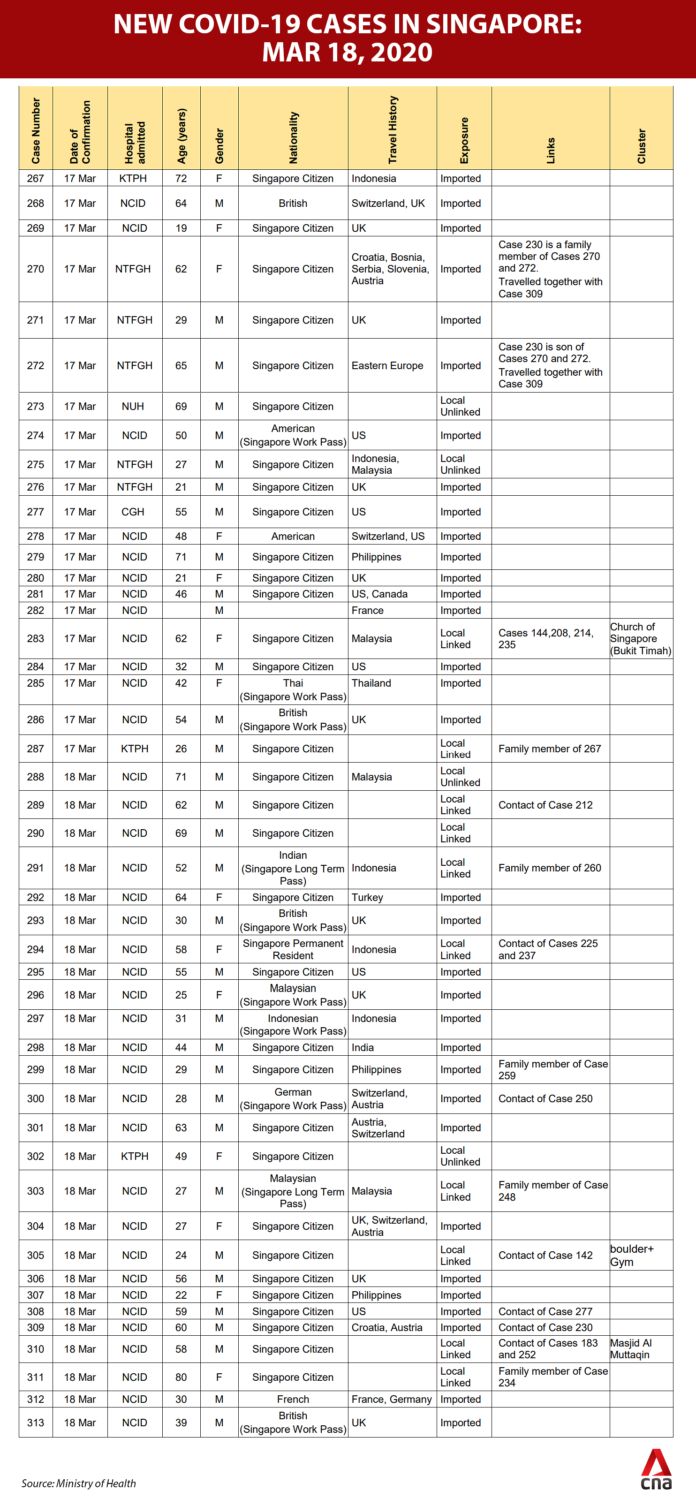
SINGAPORE: Singapore reported 47 new COVID-19 cases on Wednesday (Mar 18), taking the total in the country to 313.
Three more patients were also discharged, said the Ministry of Health (MOH).
To date, a total of 117 cases have fully recovered from the infection and have been discharged from hospital. Of the 196 confirmed cases who are still in hospital, most are stable or improving.
Fifteen are in critical condition in the intensive care unit.
Of the new cases, 33 are imported. Thirty of the cases were returning residents and long-term pass holders while three were visitors.
The imported cases had travelled to various countries such as the United Kingdom, Turkey, Indonesia, India, the Philippines, Switzerland, Austria, Croatia, France, Germany and the United States.
SINGAPORE – Singaporeans and residents returning to the country will all have to serve a 14-day isolation period, while people in the country should defer all travel overseas, the authorities announced on Wednesday (March 18), as the number of new cases in the country jumped by an all-time high of 47.
This brings the total number of cases to 313.
In line with recent trends, 33 of these are imported and 30 of them involve Singapore residents returning from abroad.
The new, broader measures to contain the coronavirus come as the country braces itself for more to come.
As more Singaporeans such as students and workers all wanting to return home, the country has to be mentally prepared that numbers could remain high in the coming days, said National Development Minister Lawrence Wong, who co-chairs the multi-ministry task force set up to deal with the outbreak.
The rise in the number of infected cases on Wednesday and in recent days was a cause of concern for all, he noted, during a press conference on Wednesday.
SINGAPORE: Singapore on Wednesday (Mar 18) reported 47 new COVID-19 cases, taking the total in the country to 313.
This is the first time the number of infections in Singapore have passed the 300 mark, and is the highest number of confirmed daily cases reported so far.
Of the new cases, 33 are imported, and includes 30 returning Singapore residents who were infected overseas and brought the infection to Singapore, authorities said.
These imported cases comprise citizens, permanent residents and long term pass holders.
Nineteen of them have a travel history to Europe while six had been in North America. Six other cases have a travel history to ASEAN nations while another case travelled beyond ASEAN to other parts of Asia.
The remaining imported case had travelled to both Europe and North America.
Nine other cases are linked to previous cases while five are currently unlinked, MOH added.
As part of enhanced efforts to tackle the spread of COVID-19, MOH said it is advising Singaporeans to defer all travel abroad, and that Singaporeans coming back from overseas will have to serve a 14-day self-isolation.
“Most of these cases are imported ones and the majority are Singaporeans and residents coming back from overseas … we cannot afford to take further risk if the number of these imported cases continue to rise,” said National Development Minister Lawrence Wong.
Health Minister Gan Kim Yong said he expects the number of cases to increase but Singapore’s healthcare capacity is “designed to handle them”.
“So 47 is the highest single day so far, but we do see the number going up … many residents have returned to Singapore, even before we introduced the Stay-Home Notice and the current travel advisory,” he said.
“We do expect some of them to be infected. They are now in the incubation period and in the next two or three weeks, we will see some of these infected cases emerging.”
He also said that MOH would be announcing additional social distancing measures, particularly for the more vulnerable such as the elderly.
“This will help to further reduce the risk of transmission in our local community,” he added.
SINGAPORE, MALAYSIA HEALTH OFFICIALS HOLD VIRTUAL MEETING
Health Minister Gan Kim Yong held a virtual meeting on Wednesday with his Malaysian counterpart Dr Adham Baba, as well as senior officials from the Malaysian Health Ministry and the Johor state health department.
“Dr Adham Baba informed us that Malaysia had to make a serious announcement on Mar 16 night to implement a Movement Control Order to curb the spread of COVID-19,” said MOH in a Facebook post. “With rapid increases in cases seen in many countries, the COVID-19 outbreak is now a global pandemic and it is concerning to us.”
Malaysia has barred citizens from going overseas and foreigners from entering the country for two weeks, a move announced by Prime Minister Muhyiddin Yassin on Monday night amid a spike in COVID-19 cases in the country.
Virtual meeting between Singapore’s and Malaysia’s health ministries on Mar 18, 2020. (Photo: Singapore Health Ministry)
Health officials from both countries agreed that they should continue to work closely together, “as the situation is evolving quickly”.
“Senior Officials under the Singapore-Malaysia Joint Working Group (JWG) are in close communication and are sharing information with each other on COVID-19 to facilitate timely response and contact-tracing of confirmed cases,” said Singapore’s MOH.
“We will work together to find solutions to minimise the impact on the lives of our people and protect them from COVID-19,” the Facebook post added.
Several cases in Singapore has been linked to a religious gathering in Malaysia, resulting in the the closure of all mosques in Singapore until Mar 26.
MOH found that 101 people in Singapore had attended the gathering, Minister-in-charge of Muslim Affairs Masagos Zulkifli had told the media.
A 34-year-old Malaysian man who attended the event died on Tuesday, said Dr Adham – the first death linked to the event, which was attended by 16,000 people, including 1,500 foreigners from Indonesia and Brunei, among others.
SINGAPORE – A one-time payment of up to $300 will be given to about 108,000 workers who lose their jobs or suffer income losses due to the coronavirus outbreak, the National Trades Union Congress (NTUC) said on Wednesday (March 18), as the pandemic continues to take a toll on the global economy.
The payment will be funded by a $25 million sum set aside by NTUC, unions and the Government and apply only to union members.
Those who are self-employed and are union members are also eligible for the NTUC Care Fund (Covid-19).
“Workers in Singapore, especially those in sectors such as aviation, tourism and point-to-point transport, are experiencing hardship due to losses in income amidst the Covid-19 outbreak,” NTUC said.
“NTUC, its affiliated unions and associations together with the Singapore Government are banding together in a show of support to help our workers by providing them with temporary cash relief which will help to ease their daily expenses during this period of hardship.”
Private-sector economists had earlier said that Singapore can expect its economy to contract by 0.8 per cent in the first quarter due to the pandemic.