Home Blog Page 4068

He's behind the special perks for SMRT cabbies

0

At SMRT Taxis, cabbies are called “taxi partners”, reflecting their value to the company.

The cabbies also enjoy such perks as bursaries for their school-going children, discounted fuel prices at Esso petrol stations and free health checks when they send their taxis to the SMRT workshop in Woodlands for servicing.

These perks are the brainchild of the firm’s general manager Tony Heng, 43, and for his enlightened management style, he was awarded a Medal of Commendation by the National Trades Union Congress last night as part of its May Day celebrations.

“It is an honour,” he told The Straits Times, adding that cabbies are an under-appreciated lot here.

They are required to drive 250km each day, spending as long as 12 hours on the road, and face the risk of drunks and thugs running off without paying the fare, and, worse, being robbed.

“Few realise they provide a transport service and even fewer say ‘thank you’,” said Mr Heng.

“I understand well how stressful it is for taxi drivers on the roads,” he said, as he used to drive buses for his family’s transport company.

He joined ComfortDelGro in 2003 after it bought his family’s business.

In 2011, SMRT Taxis hired him to be its director and, in 2013, he was promoted to general manager.

One of his key achievements, he said, was growing its fleet from 2,500 to 3,500 now. “We would not have been able to grow without the support of our taxi partners.”

He has been getting regular feedback from cabbies over competition from private-hire car companies such as Uber and GrabCar.

Earlier this month, SMRT launched its private-hire car arm Strides. It plans to put 300 cars on the road over six months. “This is often misunderstood as us competing with private-hire car companies. It is not. It allows us to give an option to our taxi partners who want to drive private-hire cars,” he said.

“We let them transfer their loyalty discounts of $5 a day off daily rents when they switch.”

Mr Heng was nominated by the National Taxi Association for the May Day award. It said his “firm yet visionary leadership…steered the management to not only respect the association but, more importantly, to work hand in hand with the leaders of the association”.

Still, there were occasional differences. In 2013, the association said a letter the firm sent to taxi drivers who did not meet taxi service standards was terse – it had warned it could terminate its hiring contracts.

“We understood what the association said,” said Mr Heng, who introduced relationship officers to talk to the drivers instead of just sending them letters.


This article was first published on April 30, 2016.
Get a copy of The Straits Times or go to straitstimes.com for more stories.
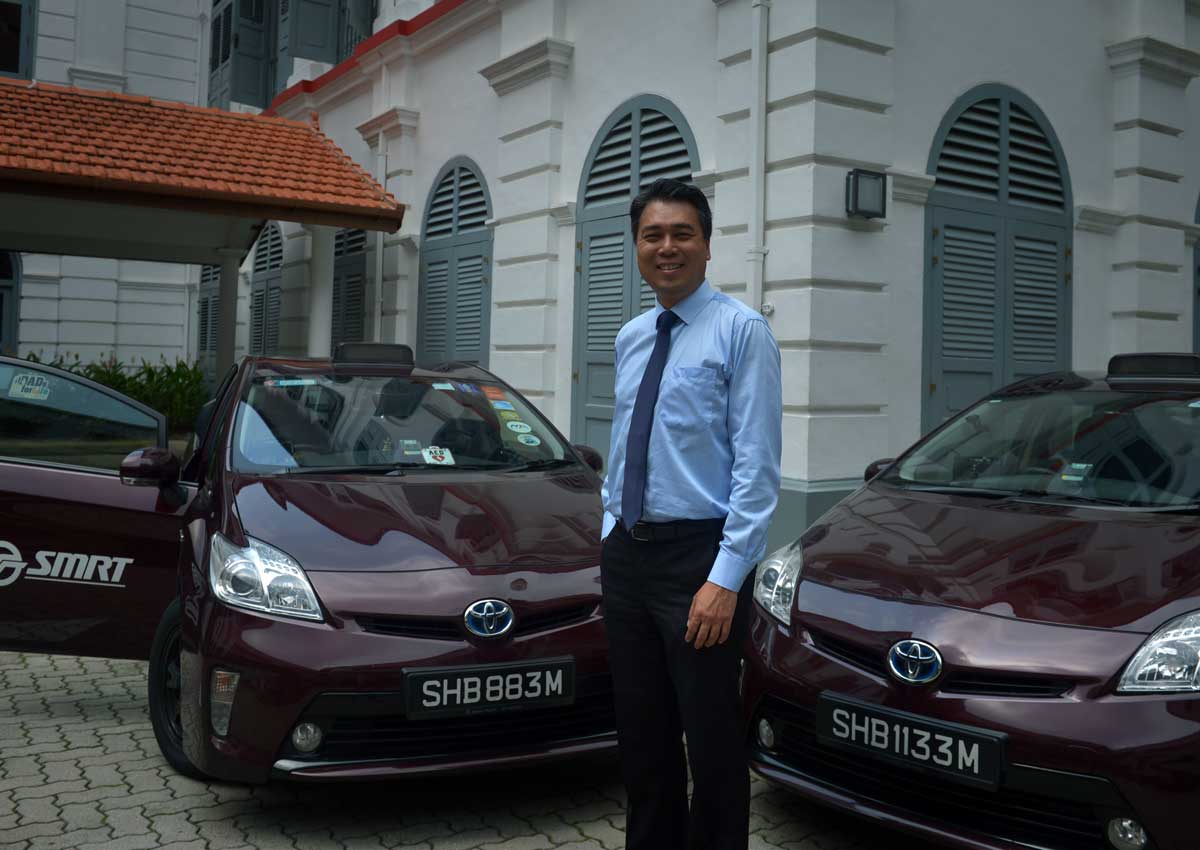
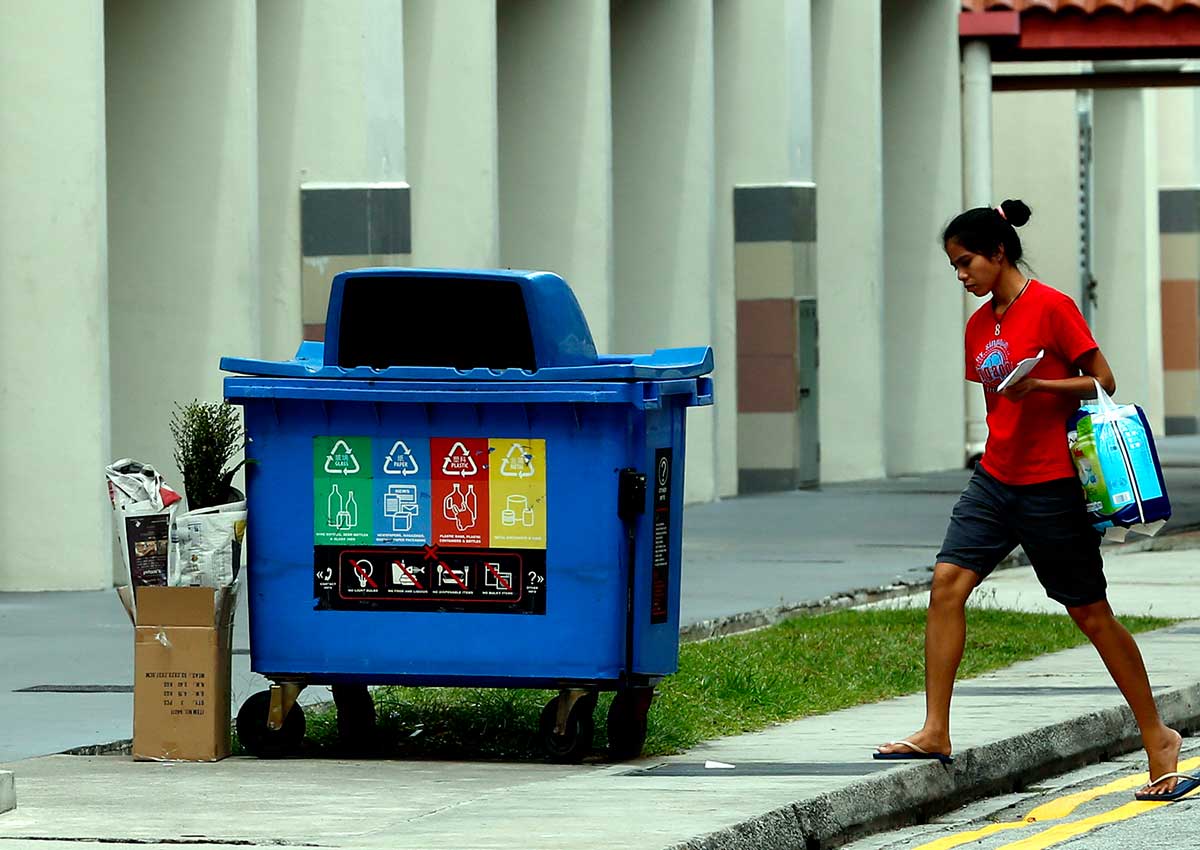
Image: 
Category: 
Publication Date: 
Sunday, May 1, 2016 – 07:30
Keywords: 
Send to mobile app: 
Source: 


Story Type: 
Others

Source link

People recycling less despite govt measures to encourage it

0

Reader Jason Oon wrote to askST to commend the National Environment Agency (NEA) on its efforts at encouraging recycling and the introduction of recycling bins at HDB estates.

He added: “I’m interested in knowing if NEA monitors recycling outputs from residential areas and if what people are putting into the recycling bins is indeed recycled or ends up being treated as garbage because they are contaminated.”

Environment reporter Audrey Tan answers.

As pointed out by the reader, the Government has implemented a slew of measures to encourage people living here to go green. Unfortunately, Singapore residents are still recycling less.

In March last year, The Straits Times reported that the domestic recycling rate fell to 19 per cent in 2014 from 22 per cent in 2010.

This was despite a raft of government initiatives to make it more convenient for people to recycle.

For instance, since September 2014, every Housing Board block has had a blue recycling bin, in which people put paper, plastics and other recyclables, placed close by. Before the initiative began in 2011, one bin was shared by five blocks. In January 2014, the HDB also said it would install recycling chutes in all new blocks with throw points on each floor.

Recyclables collected in the big blue bins are picked up by a dedicated recycling truck and sent to a materials recovery facility, where they are sorted into different waste streams, such as plastic, paper, metal and glass, bundled, and sent to local and overseas recycling plants.

Although there have been cases where public waste collection companies were found to have mixed items meant for recycling with rubbish for incineration during refuse collection, the NEA requires recyclables and waste to be collected separately and in separate trucks.

There are various recycling facilities in Singapore for recycling different types of waste. When paper is sent to a recycling facility, for instance, it is shredded, soaked in vats, and made into pulp. After further refinement, the pulp is fed into a machine to be made into sheets of paper. Recycled glass is first sorted at the facility based on colour, then cleaned and crushed into cullets, which are melted to form new products.

A list of local recycling companies which process different sorts of waste can be found at www.nea.gov.sg.

The NEA said the dip in domestic recycling rate in 2014 was largely due to a 30 per cent increase in food waste output over the period.

If food waste is placed with other recyclables, it would contaminate the lot, which the public waste collector then has to toss out. This puts the brakes on Singapore’s green push. A good habit to practise at home is to separate food waste from other recyclables instead of dumping them together.

In Seattle in the United States, residents who fail to separate food waste from trash can be fined US$1 (S$1.35) for each violation, and up to US$50 for business or apartment complexes.

Last year, the overall recycling rate here was 61 per cent.

Will it be necessary to implement a fine system here, considering that Singapore wants to have an overall recycling rate of 70 per cent by 2030? You decide.


This article was first published on April 30, 2016.
Get a copy of The Straits Times or go to straitstimes.com for more stories.
Image: 
Category: 
Publication Date: 
Sunday, May 1, 2016 – 06:30
Keywords: 
Send to mobile app: 
Source: 


Story Type: 
Others

Source link

Talks on transition to new rail model a work in progress

0

A plan for the Government to assume ownership of all rail assets is stuck in second gear, with stakeholders still struggling to come to an agreement almost six years after the policy shift was mooted.

At yesterday’s post-results briefing, SMRT Corp chief executive Desmond Kuek said talks with the authorities on a transition to the so-called new rail financing framework is “progressing” – something which SMRT has been saying for at least eight quarters.

Mr Kuek added that when the move is complete “SMRT Trains will be asset-light” as all operating and fixed assets will be transferred to the Land Transport Authority (LTA).

SMRT will then pay the LTA for an operating licence. It will focus on meeting service standards in order to re-tender for operating contracts that last for about 15 years – instead of 30 today. Under such a model, an operator’s focus is not diluted by concerns of hefty and lumpy capital expenditures for asset renewal. And the Government can replace a non-performing operator more easily instead of having to wait 30 years.

Asked when the transition would take place, Mr Kuek said he was not at liberty to divulge more – another frequent refrain.

So far, only the Downtown Line operated by SBS Transit falls within the new framework. But even that company has not yet converted its North-East Line contract, which is valid till 2033. SMRT’s North- South and East-West line contract expires in 2028, while its Circle Line deal ends in 2019.

The Straits Times understands that most major issues have been resolved, and that the only ones remaining pertain to earnings accrued from non-transit operations but which are tied to transit.

These are namely rental of retail space in train stations, and revenue from advertisements on trains.

In the case of SMRT, the two account for three-quarters of its operating profit. It enjoys an operating margin of about 60 per cent for the pair, largely because it pays only a token rental to the Government for the stations.

Under the new regime, the Government is said to be looking at these fat margins when devising the operating licensing fee it will charge SMRT. This is so that the operator’s future margins are more in line with the lower risks it assumes in an asset-light regime.

It is said that this probable formula is spooking some shareholders, who feel it will impact SMRT’s earnings in the near term.

Research analyst Abhishek Nigam at stockbroking firm Nomura predicts SMRT’s rail margin will be in the region of 5 per cent. That would translate to an operating profit of $34 million based on revenue for the year ended March 31.

That compares with last year’s loss of nearly $10 million, if not for a tax writeback.

“It’s better for SMRT to move to the new framework. It will help them with their cashflow quite a bit,” Mr Nigam said. “I think it will happen, but the timing is uncertain.”


This article was first published on April 30, 2016.
Get a copy of The Straits Times or go to straitstimes.com for more stories.

Image: 
Category: 
Publication Date: 
Sunday, May 1, 2016 – 06:30
Send to mobile app: 
Source: 


Story Type: 
Others

Source link

ISIS 'may set up caliphate in S-E Asia'

0

As the Islamic State in Iraq and Syria (ISIS) loses its grip on territories in the Middle East, the militant group is expected to look towards South-east Asia to perpetuate its claims to a caliphate.

Counter-terrorism analysts say the region’s long history of militancy and rising number of extremist groups adopting ISIS ideology make it attractive to the Sunni extremist network.

Possible targets include Indonesia, Malaysia, the Philippines and Singapore, where the Jemaah Islamiah (JI) and Jemaah Anshar Khilafah terror networks, as well as the Abu Sayyaf, operate.

“These are existing sanctuaries that the Islamic State would love to plug in,” said Mr Patrick Skinner from New York-based security consultancy The Soufan Group (TSG).

“There is no such thing as a clandestine caliphate, they need sanctuary, they need a place for these people to go to, where they can say: This is where our flag is,” he added.

The former case officer with the Central Intelligence Agency was testifying on Wednesday before the US House Committee on Homeland Security about the terrorism threat in the region.

He wrote in a report released by TSG on the same day that while ISIS has yet to establish a South-east Asian wiliyah, or state, “it is likely that it will do so this year, as its grip on Syria and Iraq weakens”.

ISIS, he added, is also finding Libya “a difficult place to remain (in) and expand, and it is very possible that places like southern Philippines will be its next priority”.

His latest analysis comes after ISIS lost a series of territories as local militias, backed by coalition forces, managed to retake cities from the group in the new year. The last of ISIS’ major battlefield victories, for instance, was when it seized Ramadi in Iraq almost a year ago.

“Long-held assumptions about South-east Asia not being fertile ground for violent extremist groups such as Al-Qaeda and the so-called Islamic State tend to downplay the previous several decades of terrorism in the region,” he wrote. “Now, concern is building among… the Philippines, Malaysia, Indonesia, and Singapore that the Islamic State has the region in its cross hairs.”

Analysts from the International Centre for Political Violence and Terrorism Research at the S. Rajaratnam School of International Studies (RSIS) confirmed that ISIS has started a campaign to establish an Islamic caliphate across Asia.

Mr Jasminder Singh and Mr Muhammad Haziq Jani said in a report that to fulfil the vision of a caliphate, ISIS founder Abu Bakr al-Baghdadi affiliated militant groups in South-east Asia with his group’s doctrines, “turning them into a unified force”.

While terrorism – whether perpetrated by ISIS or JI – will not be eradicated any time soon, Dr Joseph Liow said in a report yesterday that the threat remains “at a low level”.

“One possible factor that could prompt a change is a deliberate shift of attention of ISIS central to South-east Asia,” said the RSIS dean, who also spoke before the committee in Washington. “This, however, seems unlikely for now as ISIS is preoccupied with its immediate priority of holding ground in Iraq and Syria, and expanding its fight to Libya and Europe.”

Dr Liow said while governments in the region today are better prepared to deal with terrorism compared with 15 years ago, “capacity can… be further improved with co-operation among themselves, and with some help from the United States”.


This article was first published on April 30, 2016.
Get a copy of The Straits Times or go to straitstimes.com for more stories.
Image: 
Category: 
Publication Date: 
Sunday, May 1, 2016 – 03:00
Keywords: 
Send to mobile app: 
Source: 


Story Type: 
Others

Source link

In an emergency, alert police via i-Witness

0

The community will be roped in to fight terrorism by sending vital information to the police during an emergency.

The new i-Witness function within the Police@SG mobile app will let the public alert the police to an attack by sending text, pictures and videos.

Launched yesterday, it forms the next phase of the Singapore Police Force’s (SPF) crowdsourcing efforts by tapping in-built cameras in mobile devices.

“If we can reach out effectively, it will provide SPF with millions of sensors, millions of pairs of eyes, which will help us protect our people better in our communities,” said Home Affairs and Law Minister K. Shanmugam.

Besides major incidents, the public can also report crime and traffic matters using the app.

A new SMS service will also be rolled out on Sunday. It allows the public to send necessary information to the police when it is unsafe to call 999. For instance, in hostage situations where speaking would reveal a person’s position, the person can instead SMS vital information to 71999.

Public education efforts will also be stepped up to better prepare the community in the event of a terror attack.

They include raising awareness in the coming months of “Run, Hide, Tell”, as part of the SG Secure movement.

Rather than confront armed assailants, the public will be advised to run away from danger, hide from the attackers and inform the authorities immediately about the threat through various channels, such as i-Witness.

Police national service officers will be trained to be SG Secure mobilisers under a new community-engagement vocation.

These officers will support the Community Policing Units at the neighbourhood police centres and form the key link to the ground by communicating counter-terrorism messages in schools and at community events.


This article was first published on April 30, 2016.
Get a copy of The Straits Times or go to straitstimes.com for more stories.
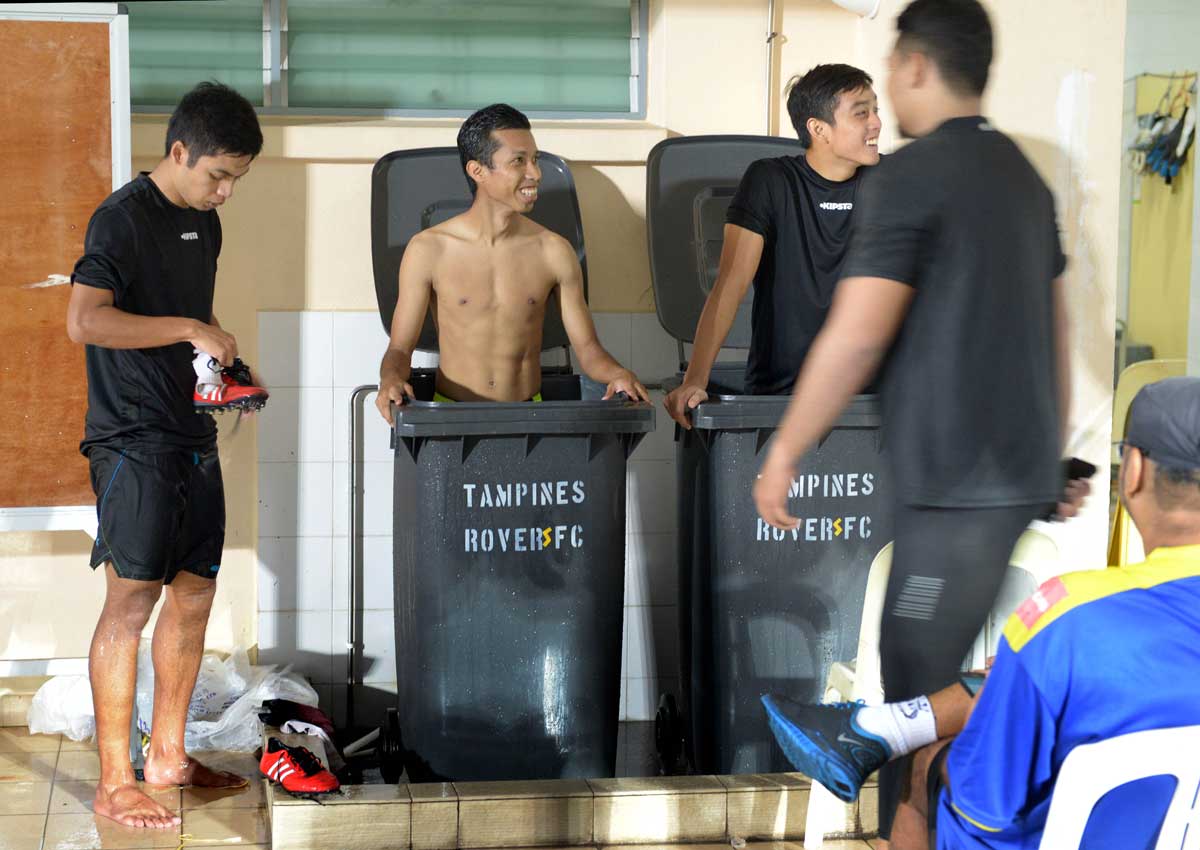
Image: 
Category: 
Publication Date: 
Saturday, April 30, 2016 – 17:00
Send to mobile app: 
Source: 


Story Type: 
Others

Source link

Taxi companies and drivers must up their game now: Ang Hin Kee

0

“They may have been comfortable in the past, but now, there’s a need to be more innovative or push a bit harder with regard to how they share profit, with regard to how they design their contracts, with regard to how they make money,” says the National Taxi Association Adviser. 

Source link

Tampines ready to cash in

0

S-LEAGUE

Tampines Rovers v Warriors FC

Jurong West Stadium, 7.30pm

Midway through training on Thursday, Tampines Rovers coach V. Sundramoorthy, who was observing his team from afar, was approached by a middle-aged man.

The man, who gave his name as Vijay, gushed about Sundram’s bicycle kick goal against Brunei in 1993. The man nicknamed “the Dazzler” smiled and regaled memories of a happier time. But talk to Sundram about Tampines’ current cash flow woes and the coach immediately wore a serious look.

Last week, it was revealed that Stags chairman Krishna Ramachandra had asked the Football Association of Singapore (FAS) for advances on subsidies due to the team. The FAS said it will help but only “within the prescribed guidelines and regulatory framework”.

Preferring not to wade into affairs concerning the management, he told The Straits Times: “As a coach, I’m just focused on what I can do – which is to prepare the team. This I can talk about.”

Star signing Jermaine Pennant said it is inevitable that players’ morale will take a hit in light of the club’s problems.

The former Arsenal and Liverpool man said: “In any job, whether you’re a banker, a footballer, or a reporter, when you hear rumours that you’re not getting your wages, sure, (uncertainty) creeps in. It cracks into some people because you need to pay the bills. It’s not good for players’ morale to hear this.

“But I’m sure there won’t be any hiccups. We don’t know much (about the cash-flow issues) but as professionals we got to do our job.”

Tampines are second in the S-League with 17 points, six behind leaders Albirex Niigata, who have played two games more.

They take on Warriors FC today at the Jurong West Stadium. It remains to be seen if they can lift themselves after a 2-3 loss to Bangladeshi side Sheikh Jamal Dhanmondi in the Asian Football Confederation Cup on Tuesday.

Sundram said: “We conceded four penalties in our last (three defeats), so we need to be more careful. But for me it boils down to us. We can prepare the team well but the team needs to show up. If they do I am confident we can win.”

He also rejected criticism that the team have not been living up to the pre-season hype.

“It’s still early. The boys are motivated and I know they want to fight for every (trophy),” said the tactician, who masterminded the LionsXII’s 2013 Malaysian Super League win.

It is a sentiment shared by Pennant. The Englishman said: “People should stop making judgments. You don’t win the league in the first few months.

“What matters most is where we finish. I’m not worried (by the team’s form). If we win our games in hand we’re level on points and as long as we keep staying up there we’ll be ok.”

Against the Warriors, the Stags will be without Canadian winger Jordan Webb, who is injured, while Pennant could also sit out with a hamstring problem.

But defender Afiq Yunos is confident of his team’s ability to do the job without their foreign attackers.

He said: “We have the quality. As long as we stay firm at the back, don’t let (Warriors striker Jonathan) Behe get a sight of goal, we should have the firepower to win.”


This article was first published on April 30, 2016.
Get a copy of The Straits Times or go to straitstimes.com for more stories.
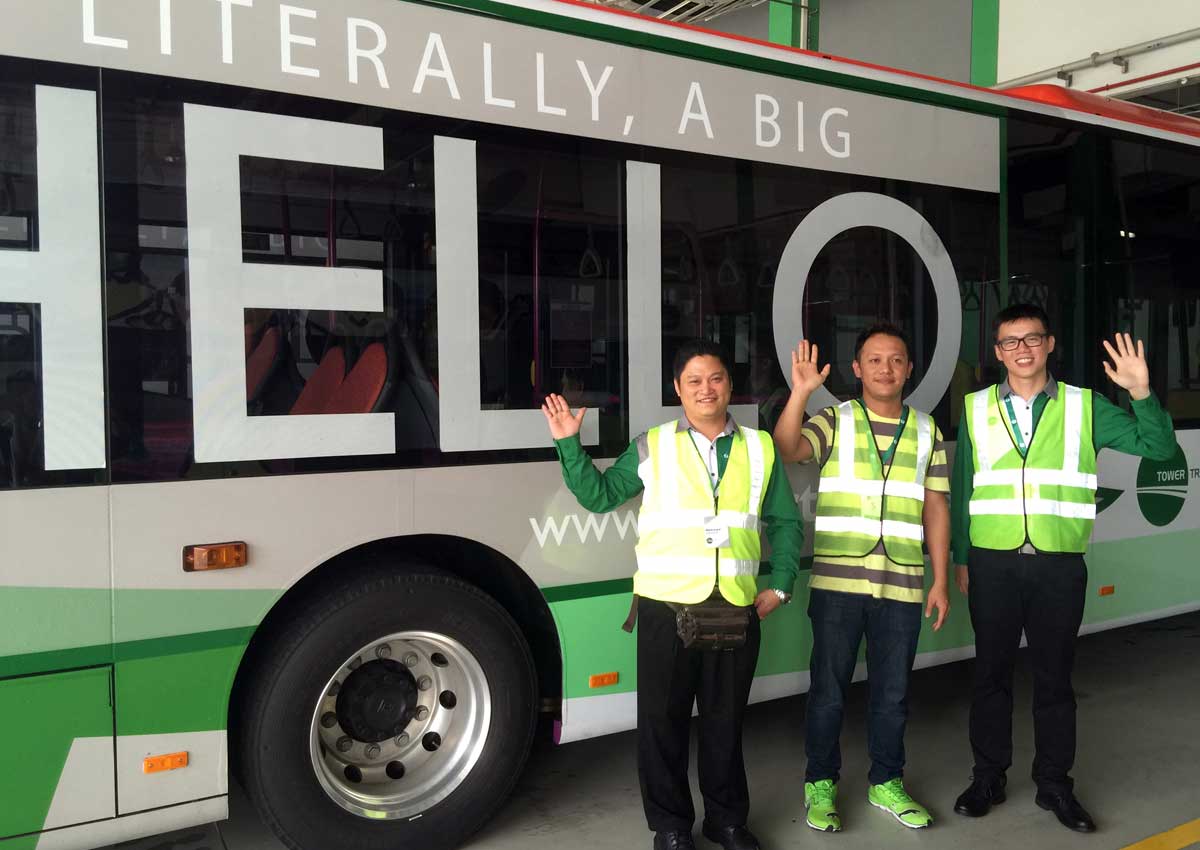
Image: 
Category: 
Publication Date: 
Saturday, April 30, 2016 – 17:00
Keywords: 
Send to mobile app: 
Source: 


Story Type: 
Others

Source link

ISIS mulls establishing caliphate in South East Asia, experts warn

0

MILITANTS of the Islamic State in Iraq and Syria (ISIS) are said to be eyeing South East Asia to consolidate its presence in the region as it loses control over occupied Middle Eastern territories.

Experts have warned that they are looking into the region to perpetuate its claims to a establish a caliphate.

According to The Straits Times of Singapore, counter-terrorism analysts said the region’s long history of militancy and rising number of extremist groups adopting ISIS ideology make it attractive to the Sunni extremist network.

An article in the paper pointed out Indonesia, Malaysia, the Philippines and Singapore as potential targets, where the Jemaah Islamiah (JI) and Jemaah Anshar Khilafah terror networks, as well as the Abu Sayyaf, operate.

SEE ALSO: Malaysia, US bolster cooperation to fight terrorism

Patrick Skinner from New York-based security consultancy The Soufan Group (TSG) said: “These are existing sanctuaries that the Islamic State would love to plug in,”

“There is no such thing as a clandestine caliphate, they need sanctuary, they need a place for these people to go to, where they can say: This is where our flag is,” he was quoted saying.

Skinner said this when testifying at the US House Committee on Homeland Security about the terrorism threat in the region.

In a recent TSG report, the former case officer with the Central Intelligence Agency wrote what ISIS was likely to establish a South-east Asian wiliyah (state) as its control in Syria and Iraq weakened.

He added that the terrorist group was also facing problems remaining and expanding in Libya, and places such as the southern Philippines would be its next priority.

In the Straits Times report, analysts from the International Centre for Political Violence and Terrorism Research at the S. Rajaratnam School of International Studies (RSIS) also confirmed that ISIS has started a campaign to establish an Islamic caliphate across Asia.

The post ISIS mulls establishing caliphate in South East Asia, experts warn appeared first on Asian Correspondent.

Source link

Three in 4 of new bus firm's drivers are S'poreans, PRs

0

Three in four of 812 bus drivers hired by Tower Transit, the third local bus operator, are Singaporeans or permanent residents.

Of those hired, 278 – or 34 per cent – are joining the public bus industry for the first time.

Tower Transit has hired 448 new bus drivers – all Singaporeans or PRs – since October.

The median age of these new bus drivers is 43. This is 15 years younger than the industry median of 58. The youngest driver is 21.

The recruitment figures, which it said shows “demographics that buck industry trends”, were revealed at a media briefing at Bulim Bus Depot yesterday.

SMRT Buses employs about 2,500 staff. About half of them are Singaporeans and permanent residents.

When contacted, SBS Transit said it could not share data on staff as it is “competitive information”.

Tower Transit managing director Andrew Bujtor said of its recruitment drive: “This is unprecedented in the local public bus industry.

“When we were first awarded the Bulim Package, we prepared ourselves for the uphill task of recruiting talented Singaporeans to captain our buses. We weren’t, however, prepared for the wave of interest that followed.”

The company said over 5,000 people have expressed interest in joining as drivers since May last year.

It offers a higher starting wage than the incumbents and 26 weeks’ paid maternity leave.

National Transport Workers’ Union executive secretary Melvin Yong said in a Facebook post: “It is indeed good news that our third public bus operator, Tower Transit, has recruited a team of bus captains with a strong Singaporean core.”

He said the management had been in touch with the industry. “They, too, acknowledge the importance of being able to attract and retain more Singaporeans in the industry.”


This article was first published on April 30, 2016.
Get a copy of The Straits Times or go to straitstimes.com for more stories.

Image: 
Category: 
Publication Date: 
Saturday, April 30, 2016 – 17:00
Keywords: 
Send to mobile app: 
Source: 


Story Type: 
Others

Source link

PM Lee speaks out against playing race card in Bukit Batok by-election

0

SINGAPORE – Prime Minister Lee Hsien Loong spoke out on Saturday (April 30) against online comments and whispers going around Bukit Batok asking Chinese voters to cast their ballot along racial lines, calling this “completely wrong and bad”.
Speaking to the…

Source link
