Home Blog Page 3819

Retailers get in early before GSS kicks off

The Great Singapore Sale (GSS) officially starts on Friday but a number of retailers have jumped the gun and are holding their mid-year sales earlier.

Smaller retailers said that by doing so, they will not have to compete head-on with bigger retailers, which can afford to offer more attractive discounts during the annual shopping festival.

“We may not be able to match their discounts. So instead of going against them, we decided to (start) before them this year,” said Mr Kyle Hu, a manager at Huayi Shang Hang, the parent company of retailer Kitchen+Ware.

The home and kitchenware store, which has outlets at The Star Vista and Waterway Point, started its sale on May 20, offering discounts of up to 60 per cent.

Also organising pre-GSS promotions for the first time were baby supplies store Mothercare and hardware chain Home-Fix.

“There’s intense competition within our vertical – a lot of kids retailers are holding their sales quite early,” said Mothercare’s executive director Pang Fu Wei.

He said that response to its sale, which started on May 18, has been very good. “Sales are up roughly 20 per cent. It’s the strongest start to the GSS we’ve had so far,” he said.

Home-Fix said it held its pre-GSS three-day warehouse sale this weekend so that its customers will not have to squeeze with the crowds when the official sale begins.

“It’s also to reward our shoppers and tie it in with our 23rd anniversary celebrations,” said a spokesman.

Department stores Robinsons, Metro and OG have started their sales as well.

The GSS usually starts in May but, according to retailers, the Singapore Retailers Association (SRA) – which organises the event – wanted it to coincide with a long weekend holiday in China to attract Chinese tourists. The 10-week sale ends on Aug 14.

Robinsons started its sale on May 10 and will tentatively end it on July 17. “We held it earlier than the official dates, in line with shoppers’ expectations (for sales to start in May),” said a spokesman, adding that the department store wanted to be able to cater to such shoppers.

She said that the store’s marketing calendar for the year had been planned before the SRA announced the GSS dates.

Singapore Polytechnic senior retail lecturer Sarah Lim noted that, in previous years, retailers had been starting their sales earlier and earlier, which could dilute the impact of GSS to an extent.

“It’s common for retailers to want to start earlier and catch the first crowds,” she said.

“Consumers have the perception that sales are going on all-year round. So it’s good that the SRA is being more targeted and trying to attract Chinese tourists,” she said, noting that such tourists have spending power.

Account manager Loo Sook Yong, 39, said: “It’s good that retailers start their sales earlier so I won’t have to rush with other shoppers, especially if I already know what I want to buy.”

mellinjm@sph.com.sg


This article was first published on May 29, 2016.
Get a copy of The Straits Times or go to straitstimes.com for more stories.
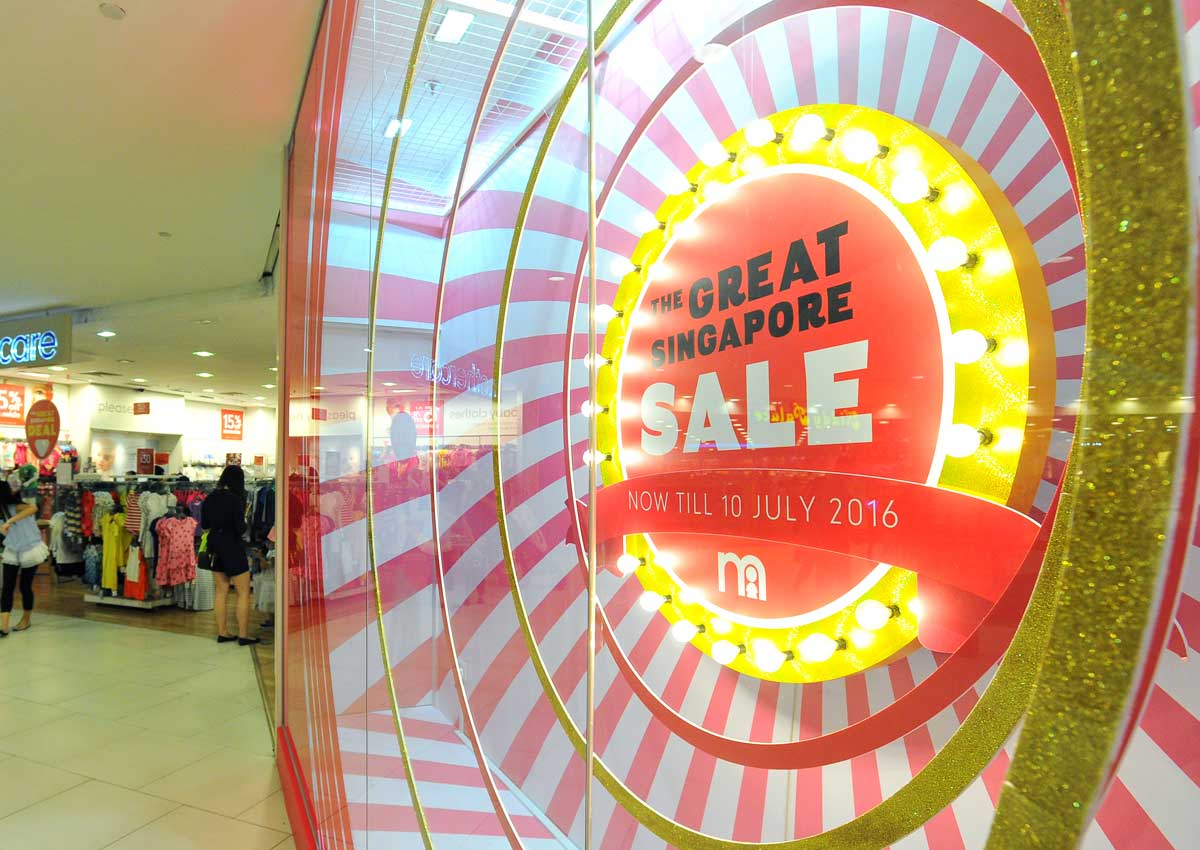
Image: 
Category: 
Blurb: 
Smaller stores hoping to get head start on the bigger retailers that can offer larger discounts. -ST
Publication Date: 
Sunday, May 29, 2016 – 15:00
Keywords: 
Send to mobile app: 
Source: 


Story Type: 
Others

Source link

Beaches here vital to turtles' survival

Singapore’s sandy beaches are a popular place for people to enjoy a relaxing day off, but they are also vital to the survival of one of the world’s most fascinating creatures.

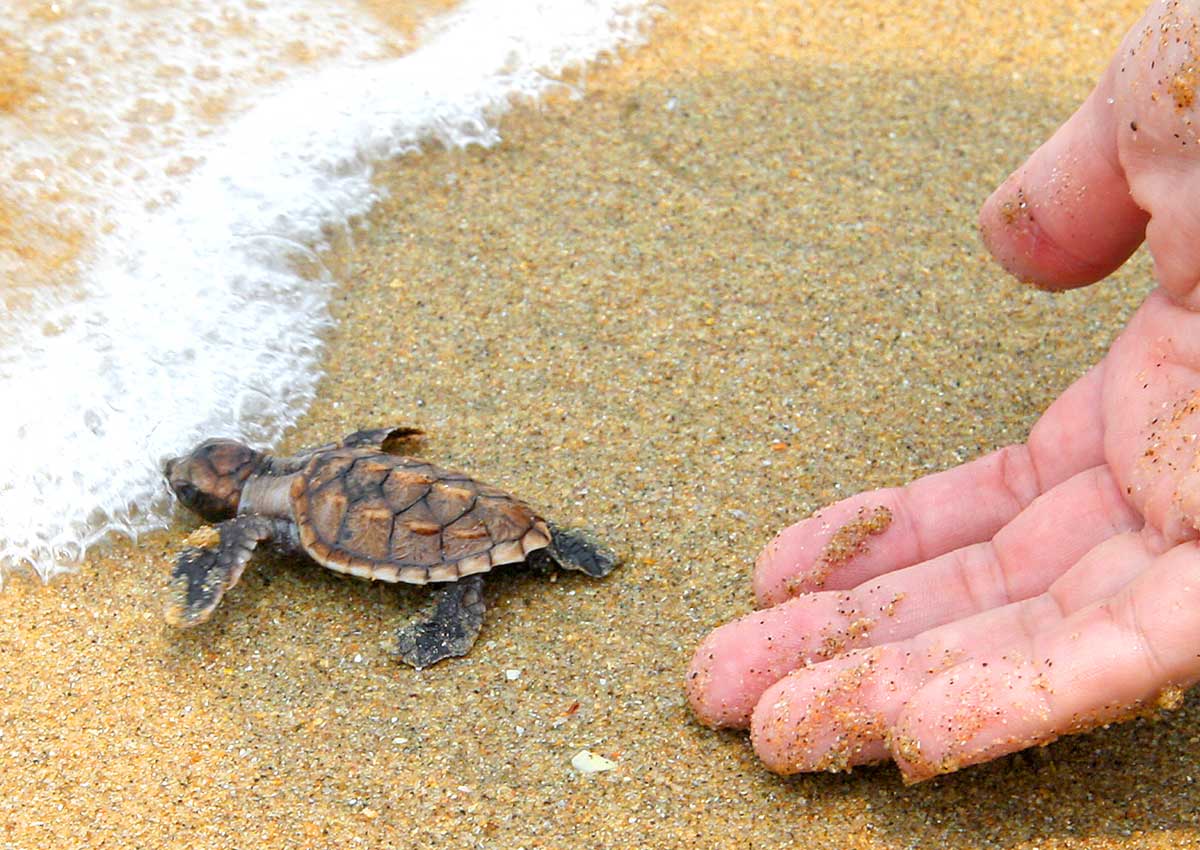
Throughout the year, endangered sea turtles make landfall on beaches like Changi and East Coast Park to lay their eggs.

The emerging baby turtles, however, risk being trampled on by people or disoriented by bright city lights.

More than 200 turtle hatchlings have been rescued from such predicaments since 2009, according to the Animal Concerns Research and Education Society (Acres).

Soon, turtle eggs will have a safe place to develop should they need protection, with plans being hatched for the country’s first sea turtle hatchery, supported by a $500,000 donation from HSBC Singapore.

The facility will be set up at the southern lagoon on Small Sisters’ Island by the end of next year, and will form an integral part of Singapore’s first marine park.

National University of Singapore’s (NUS) Mr N. Sivasothi, who has been working with Acres, the National Parks Board (NParks) and volunteers in turtle rescue and release since the 1990s, said: “This initiative will be very helpful in coordinating action and educating people who may not know we have turtles landing on our shores to lay eggs.”

Mr Stephen Beng, chairman of the marine conservation group of the Nature Society (Singapore), noted that the effort could facilitate the collection of reliable population data, especially in the face of rising sea temperatures.

Turtle beach sagas have been chronicled in Singapore for about 20 years.

Back in 1996, a group of colleagues having a barbecue at East Coast Park could not believe their eyes when a turtle came up on the beach and laid 100 eggs. One of them said she thought that “it was impossible for such things to happen in Singapore”.

In 2006, rollerbladers at East Coast Park raced to rescue about 80 hatchlings crawling haphazardly onto cycling tracks and falling into drains, disoriented by lit lampposts.

Since 2012, there have been 10 reported sightings of turtle hatchlings or adults laying eggs on the shores of East Coast Park and Changi Beach, said NParks, while Acres said it receives about six calls a year related to sea turtle sightings on Singapore’s beaches.

When a turtle sighting is reported, an NParks officer will assess the situation on site, and decisions are made based on sound science, in consultation with Acres and NUS where necessary, said Dr Karenne Tun, director of NParks’ National Biodiversity Centre.

“It is best to leave the eggs in the natural habitat that the turtle has chosen,” said Acres deputy chief executive Anbarasi Boopal.

Eggs are moved only when there are risks such as poaching, predation, pollution or flooding and the risks cannot be mitigated on site.

Ms Boopal added that Acres would look at getting hands-on training from other hatcheries and turtle rehabilitation centres in the region, and adapt it to Singapore’s context.

Turtles remain under threat in the region despite the presence of more than 10 sea turtle sanctuaries and hatcheries in Malaysia and Indonesia.

Their eggs are popular as a delicacy in Malaysia, with a study finding that more than 400,000 eggs were traded in the state of Terengganu in 2007. Turtle eggs were sold in Singapore many years ago before it became illegal to harvest them.

With the new hatchery, there will be one more safe refuge where they can develop close to their natural environment.

Mr Beng said that the design of the hatchery, which has not been finalised, should include a buffer zone of native vegetation and reduce light pollution, which can be fatal to nesting females and their young.

Besides hatching eggs and studying local sea turtle populations, the facility will conduct outreach programmes.

HSBC staff will also be involved in habitat maintenance and possibly the collection of eggs.

Said HSBC Singapore chief executive Guy Harvey-Samuel: “Building a sustainable environment requires public and private sectors, NGOs and communities to work together to deliver lasting positive changes.”

Mr Beng stressed that outreach activities must be managed carefully to minimise disturbance to the turtles, giving the example of one overseas nesting site where the nesting population crashed following swelling tourist numbers.

“The hatchery must remain a place for the benefit of the sea turtle and not one for human entertainment.”

Turtle haven

Singapore is in a region considered by the World Wildlife Fund to be one of the world’s most important for sea turtles, as it is next to Indonesia whose sprawling archipelagoes host all but one of the world’s seven species of these reptiles.

Five turtle species have been recorded in the waters around Singapore, although only two are regulars here – the green and the hawksbill.

The green turtle is listed on the International Union for Conservation of Nature’s Red List as endangered, while the hawksbill is critically endangered.

Hawksbill populations have suffered from centuries of hunting for their beautiful shells, which are used to make ornaments.

The three other species that have been seen in Singapore are the leatherback, loggerhead and Olive Ridley turtles.

Mr Stephen Beng, chairman of the marine conservation group of the Nature Society (Singapore), said that sea turtles demonstrate the interconnectivity of marine and coastal ecosystems.

“The sea turtle relies on our coral reefs, seagrasses and mangroves for food and shelter, and needs our sandy beaches for reproduction,” he said.

“By conserving our sea turtles and studying them, other marine species and habitats may benefit as well.”

In 2010, Underwater World Singapore released 18 hawksbill turtles, eight of them outfitted with satellite tracking devices, in a study of migratory behaviour in collaboration with organisations in Japan and the United States.

One of them travelled more than 2,600km in 83 days, reaching waters near the Philippines.

linyc@sph.com.sg


This article was first published on May 29, 2016.
Get a copy of The Straits Times or go to straitstimes.com for more stories.
Image: 
Category: 
Blurb: 
Many lay their eggs in the sand but the hatchlings risk being trampled on or disoriented by bright lights. -ST
Publication Date: 
Sunday, May 29, 2016 – 15:00
Send to mobile app: 
Source: 


Story Type: 
Others

Source link

Robinsons Expo up to 70% off from 26 May – 5 Jun 2016 | SINGPromos.com

ONGOING: Robinsons Expo till 5 June. Shoppers get $9 off with every $90 spend till 29 May

Robinsons Expo up to 70% off from 26 May – 5 Jun 2016 | SINGPromos.com

Robinsons Expo will be back and happening at Singapore Expo Hall 3 from 26 May to 5 June 2016, 10.30am to 10pm

Source

Singaporean part of royal birth support team

There are very few doctors who can list the British royal family among their patients, much less doctors who do not even hail from the United Kingdom.

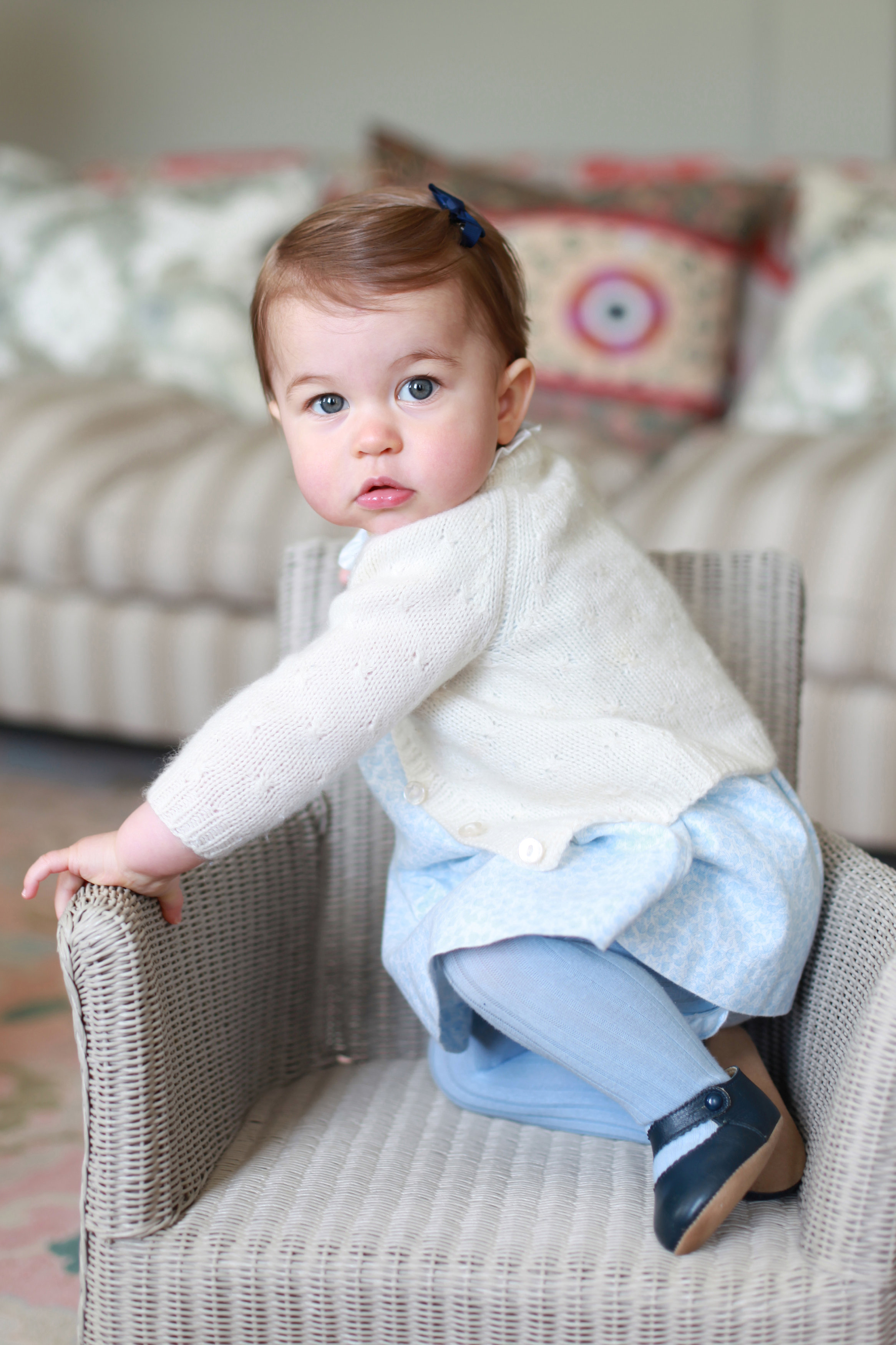
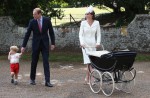
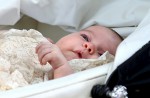
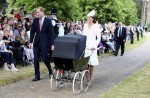
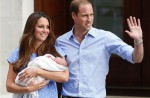
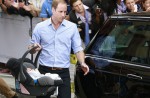
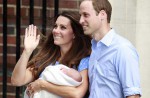
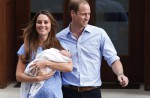
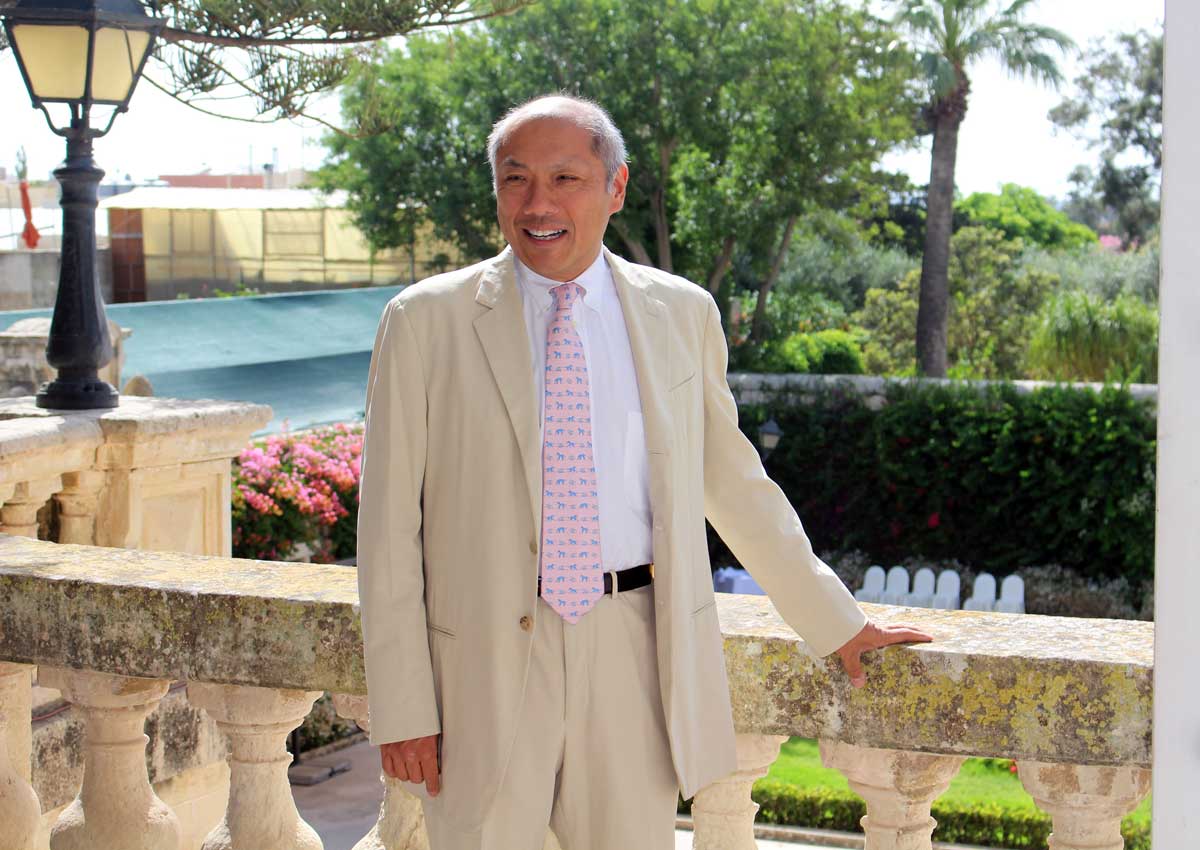
But Professor Teoh Tiong Ghee is an exception. The Singaporean was recently revealed as being part of the support team for Catherine, Duchess of Cambridge, at the birth of Prince George in 2013 and Princess Charlotte last year.

Prof Teoh, 57, is a consultant obstetrician and gynaecologist at St Mary’s Hospital in Paddington, West London, and was one of 23 members of the Duchess’ team.

“The team was hand-picked to provide the best possible care for the Duchess,” he told The Sunday Times by e-mail from London, where he is based with his wife Lisa, also a gynaecologist, and his sons Finn, 16, and Max, 13.

Prof Teoh, who specialises in the study and prevention of premature births, was one of two doctors on standby in case of complications during the two births.

“There were extensive plans made months in advance to plan for all eventualities,” he said.

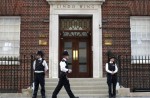
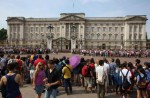
Last Tuesday, he was invited to a garden party at Buckingham Palace along with the staff of St Mary’s Hospital who were also involved in Princess Charlotte’s birth.

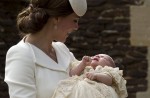
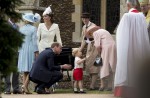
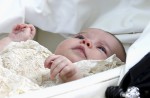
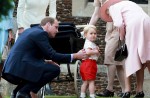
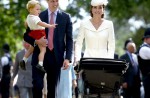
Britain’s Princess Charlotte. Photo: Reuters

Despite being the divisional director of Women’s and Children’s Support for Imperial College Healthcare, Prof Teoh still has close ties to Singapore. “I visit Singapore two to three times a year to see my father, brother, family and friends,” said Prof Teoh, who is a permanent resident in the UK but still a Singapore citizen.

Educated at Anglo-Chinese School (Barker Road), he completed his undergraduate medical degree in Dublin, Ireland, followed by post-graduate training in Dublin, Oxford, Toronto and London.

Cardiologist Dr Leslie Lam, 73, who has known Prof Teoh for over 30 years, said: “When the royal family needed someone, they didn’t care if he was Singaporean – he is the best guy for the job, without any doubt.

“He is a Singaporean we can be proud of.”

Prof Teoh said: “In the field of medicine in the UK, achievement is attained on merit and ability, and I am fortunate to have had the nurturing of my Singaporean roots as a foundation for my career.”

aleysaj@sph.com.sg


This article was first published on May 29, 2016.
Get a copy of The Straits Times or go to straitstimes.com for more stories.
Image: 
Category: 
Blurb: 
Doctor on standby in case of complications in births of Duchess of Cambridge's children. -ST
Publication Date: 
Sunday, May 29, 2016 – 14:00
Send to mobile app: 
Source: 


Story Type: 
Others

Source link

Sngaporean part of royal birth support team

There are very few doctors who can list the British royal family among their patients, much less doctors who do not even hail from the United Kingdom.

But Professor Teoh Tiong Ghee is an exception. The Singaporean was recently revealed as being part of the support team for Catherine, Duchess of Cambridge, at the birth of Prince George in 2013 and Princess Charlotte last year.

Prof Teoh, 57, is a consultant obstetrician and gynaecologist at St Mary’s Hospital in Paddington, West London, and was one of 23 members of the Duchess’ team.

“The team was hand-picked to provide the best possible care for the Duchess,” he told The Sunday Times by e-mail from London, where he is based with his wife Lisa, also a gynaecologist, and his sons Finn, 16, and Max, 13.

Prof Teoh, who specialises in the study and prevention of premature births, was one of two doctors on standby in case of complications during the two births.

“There were extensive plans made months in advance to plan for all eventualities,” he said.

Last Tuesday, he was invited to a garden party at Buckingham Palace along with the staff of St Mary’s Hospital who were also involved in Princess Charlotte’s birth.

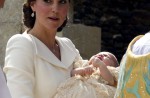
Britain’s Princess Charlotte. Photo: Reuters

Despite being the divisional director of Women’s and Children’s Support for Imperial College Healthcare, Prof Teoh still has close ties to Singapore. “I visit Singapore two to three times a year to see my father, brother, family and friends,” said Prof Teoh, who is a permanent resident in the UK but still a Singapore citizen.

Educated at Anglo-Chinese School (Barker Road), he completed his undergraduate medical degree in Dublin, Ireland, followed by post-graduate training in Dublin, Oxford, Toronto and London.

Cardiologist Dr Leslie Lam, 73, who has known Prof Teoh for over 30 years, said: “When the royal family needed someone, they didn’t care if he was Singaporean – he is the best guy for the job, without any doubt.

“He is a Singaporean we can be proud of.”

Prof Teoh said: “In the field of medicine in the UK, achievement is attained on merit and ability, and I am fortunate to have had the nurturing of my Singaporean roots as a foundation for my career.”

aleysaj@sph.com.sg


This article was first published on May 29, 2016.
Get a copy of The Straits Times or go to straitstimes.com for more stories.
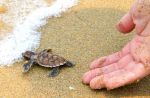
Image: 
Category: 
Blurb: 
Doctor on standby in case of complications in births of Duchess of Cambridge's children. -ST
Publication Date: 
Sunday, May 29, 2016 – 14:00
Send to mobile app: 
Source: 


Story Type: 
Others

Source link

Who were the reclusive Tan sisters?

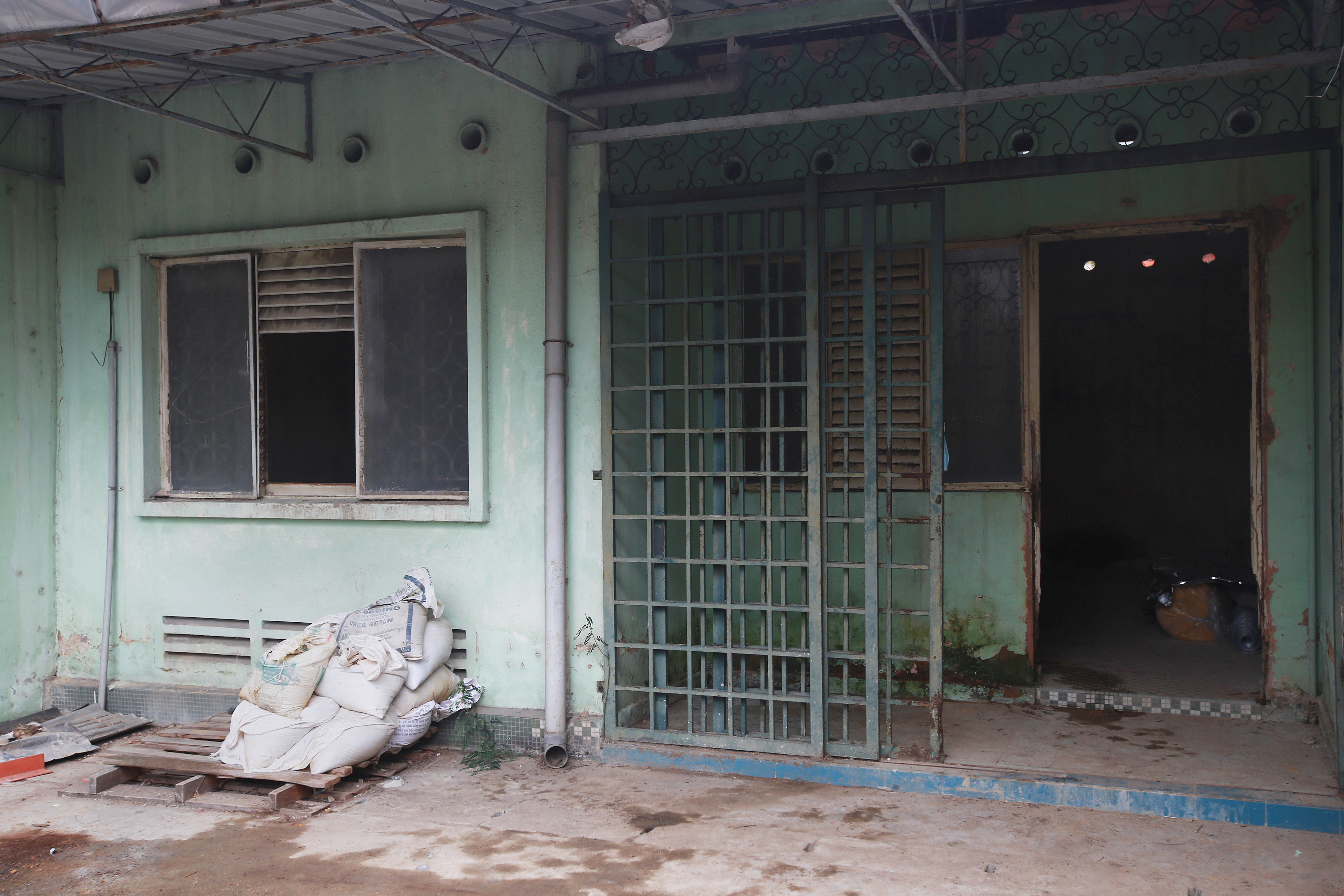
In a cul-de-sac off Upper Thomson Road, in the shambles of a derelict single-storey terraced house, the skeletal remains of two women lay undiscovered for years.

In 2006, National Environment Agency (NEA) officers entered 17, Jalan Batai for a mosquito check and found a skeleton in the toilet. Last September, a worker clearing rubble from the guest room found a skull and thigh bone.

On May 11, State Coroner Marvin Bay entered an open verdict on the latter set of remains, echoing the decision reached in the earlier case.

While neither set could be identified as DNA could not be obtained from the bone samples, the coroner’s report stated that both belonged to elderly women, with the latest estimated to be from someone who died aged 60 to 70. Foul play was ruled out in both cases.

Circumstantial evidence pointed to the fact that the only residents of the house were reclusive sisters Pearl Tan and Ruby Tan, who would have been 81 and 68 in 2006.

Neither woman has been seen in over a decade, neighbours told The Sunday Times earlier this month.

A next-door neighbour, who gave her name as Madam Soon, was among those who reported possible mosquito breeding at the Tan house to the NEA, leading to the grisly discovery in 2006.

“I moved in shortly before and never met them,” she said, adding that living next to the deserted house has not bothered her.

Madam Soumini Raman, who is in her 70s and has lived in the street for over 50 years, said she never spoke to them other than to say hello.

“They lived there with their mother, who was bedridden and died a long time ago,” she said.

A neighbour three doors down described the sisters as friendly but not chatty. “They would smile and wave when they walked by on the way to the shops. I remember they spoke very well,” said the civil servant who declined to be named.

When The Sunday Times visited the house recently, no furniture or belongings could be seen.

After complaints about mosquito breeding, unsanitary premises and overgrown greenery last year, the authorities worked together to resolve the issues, the Municipal Services Office said in response to queries.

Last August, the Building and Construction Authority (BCA) served a Dangerous Building Order and Closure Order on the owner as the damaged roof was assessed to pose a potential danger to public safety.

Unable to contact the owner, the BCA deployed its contractor to erect a temporary roof deck and clear debris, which led to the discovery of the second set of remains.

According to Inland Revenue Authority of Singapore records, the house is owned by Ms Pearl Tan.

Pearl and Ruby Tan are the only known residents of the house where skeletal remains of two women were found. Photo: The Straits Times

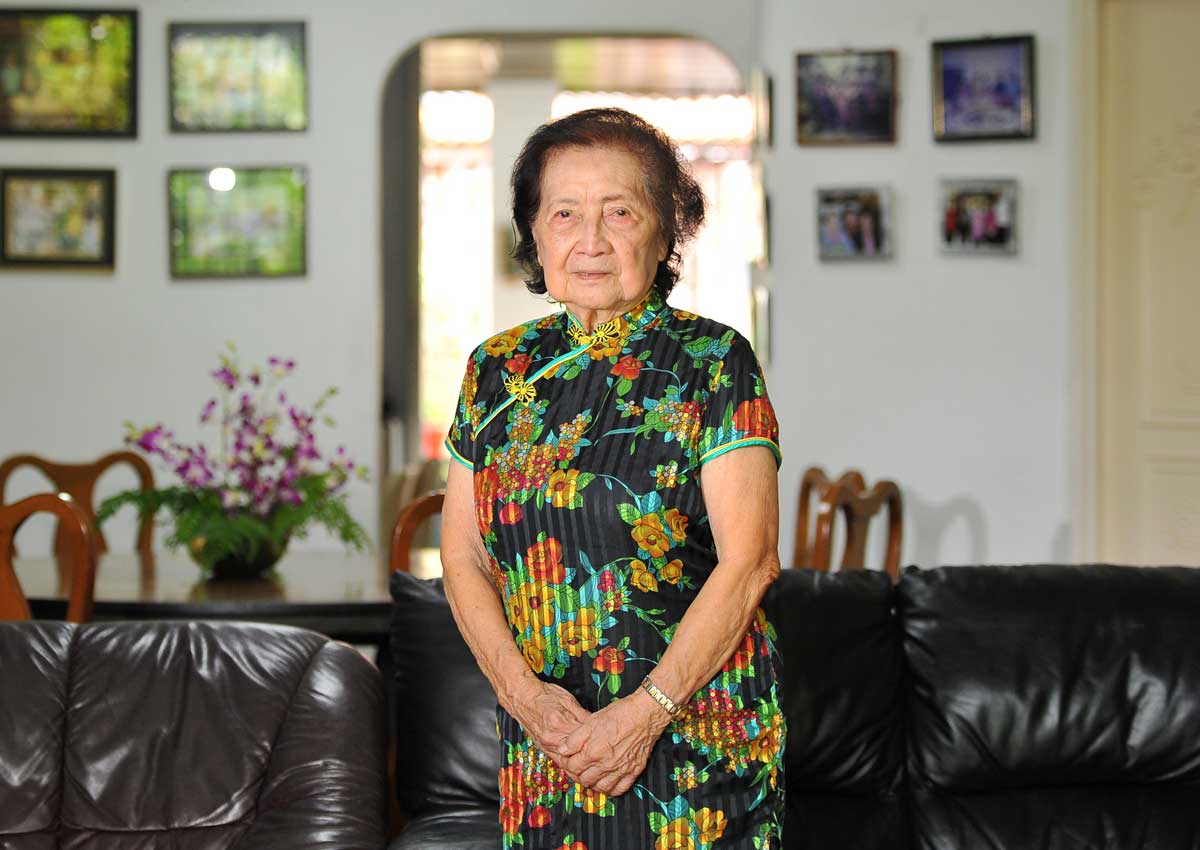
She was a civil servant who worked in the administrative section of the National Library.

Younger sister Ruby had suffered from schizophrenia and had an outpatient treatment history with the Institute of Mental Health from 1991. Her last known review was in 2002, but it appears that her battle with the illness began much earlier.

Lawyer Freddy Neo, 63, lived next door to the Tans from 1958 to 1979. Ruby was the friendlier one, he recalled, though her schizophrenia became more severe over the years. “She would smile and talk to herself. Once, while standing outside the house, she told my mother that she wanted to beat her.”

Eventually, Pearl told Ruby to stop mixing with the neighbours, he said. The sisters were Peranakan, and often spoke to each other in Malay. Their mother, a widow, died on National Day in 1970 and a funeral was held at their house.

Mr Neo recalled that both sisters loved cats and Ruby fed strays hawker food like char kway teow.

Their house was shrouded in darkness, as the blinds were always drawn. Pearl would play the piano at odd hours, the same tune every night – Beethoven’s Fur Elise.

“It was kind of spooky,” he said.

Retired school principal Eunice Tan, 88, said she is a cousin of the sisters on the paternal side.

The family once lived in a large house in Mountbatten. “Their father, my mother’s brother, was better off than us, but I don’t know what he did. Then the Japanese came and it was quite a bad period.”

Madam Tan was not close to the sisters. However, she saw more of Pearl when, in her 60s, she started taking weekly piano lessons from Madam Tan’s brother-in-law.

“Then suddenly, she stopped coming. Didn’t say why. And later on I read about the house. It was strange and sad,” she said.

The mystery of what happened to the sisters remains. Pearl was last seen at a relative’s wedding in 1991. She had $227,000 in bank deposits and last drew from the account in 2004. Records show that she left Singapore via Woodlands Checkpoint on July 18 that year and there is no record of her returning.

A question mark also remains over what will become of the house.

The High Court issued an order last June that both sisters be presumed dead, and according to court documents, a niece, Madam Woon Sook Han, applied to the Public Trustee’s Office to administer the estate of the Tan sisters in 2013.

However, Mr Kesavan Nair, director of Genesis Law Corporation, which is acting for a claimant to the estate, told The Sunday Times that no one has stepped forward to administer it. Mr Nair, who declined to reveal his client’s identity, said that as far as he is aware, neither sister left a will.

While the mystery of the sisters’ deaths may never be solved, one thing is clear: they led such an isolated existence that when they died, the world failed to notice.

“I suppose when you live on your own and don’t mix with people, that’s what becomes of you,” said Madam Tan. “It’s very sad, we could have done something if we had known it was so bad. But they didn’t seek any companionship, they just kept to themselves.”

  • Additional reporting by Ang Qing

tiffanyt@sph.com.sg


This article was first published on May 29, 2016.
Get a copy of The Straits Times or go to straitstimes.com for more stories.

Image: 
Category: 
Blurb: 
Neighbours recall details such as Pearl playing the same piano tune at odd hours every night. -ST
Publication Date: 
Sunday, May 29, 2016 – 14:00
Keywords: 
Send to mobile app: 
Source: 


Story Type: 
Others

Source link

Tower Transit begins operations as first bus rolls out

SINGAPORE – Buses run by UK-based operator Tower Transit began plying the roads and serving commuters on Sunday (May 29) morning, marking the start of operations of Singapore’s new bus contracting model.
The first bus to roll out of the Bukit Batok…

Source link

Crowds pack car showrooms with easing of loan curbs

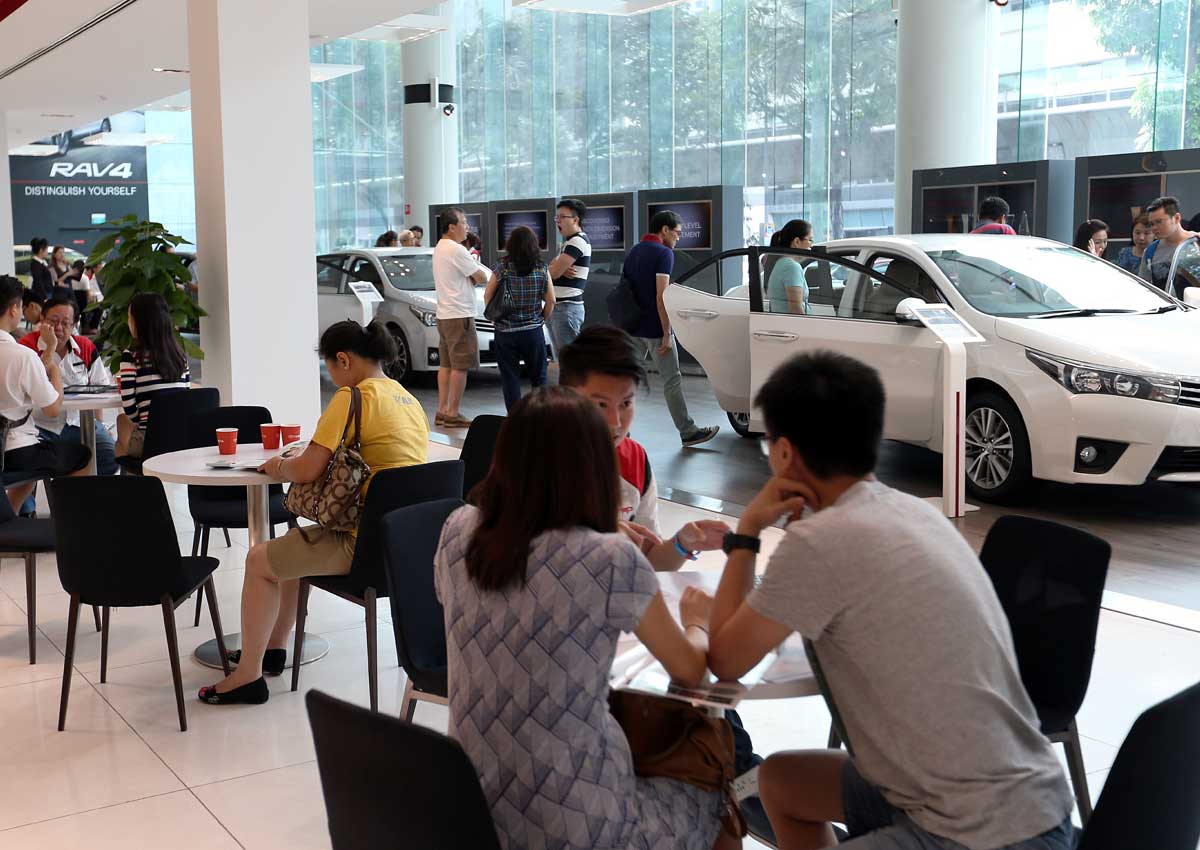
Car showrooms across the island saw a surge in visitor numbers yesterday, following a move by the Monetary Authority of Singapore (MAS) to ease restrictions on loans for motor vehicles.

Both new and used car dealers saw an increase of between 10 and 50 per cent in showroom traffic, though many remain cautious about its impact on sales.

“We’ve had a good crowd since late afternoon on Friday with about 50 per cent more customers walking in,” said Mr Victor Kwan, the managing director of Wearnes Automotive.

“The ease may help push those who have been sitting on the fence, as they may now (need to) pay less cash up front when buying a car.”

Under a move that kicked in on Friday, buyers can now borrow up to 70 per cent of the purchase price for cars with an open market value (OMV) of $20,000 or less. This is up from 60 per cent previously.

Those who buy cars with OMVs of more than $20,000 can now borrow up to 60 per cent of the purchase price, up from 50 per cent.

The loan tenure has also been increased from five years to seven.

Read also: Car showrooms on new MAS loan measures: ‘Monthly payments will be less tough’

Showrooms were busy in Alexandra Road when The Sunday Times visited yesterday, with sales representatives attending to calls and customers checking out vehicles.

Engineer Jason Teo, 38, who visited the showroom of Toyota distributor Borneo Motors Singapore, said the move helped him when buying a $104,888 Toyota Wish yesterday.

“The previous loan restrictions meant that we would have had to cough up a substantial amount up front, but the recent change gives us more leeway to figure out the payment,” said Mr Teo.

However, Mr Kwan believes there remains a need to monitor certificate of entitlement (COE) prices in the months ahead, as well as the reaction from banks.

SH Automobile director Lionel Song agreed, saying: “More people are having a look, but they may be holding back to see if bank interest rates will be going down.”

Mr Raymond Tang, first vice-president of the Singapore Vehicle Traders Association, said: “The increase in loan tenure will give potential used car buyers more options to consider cars with up to seven years of COE validity.

“Those with a tighter budget will also be able to spread their instalments over a longer period.” He reported an increase in showroom visitors of up to 15 per cent yesterday.

Speculating that COE premiums may go up due to rising demand, some decided they should not wait too long to make their purchases.

Research assistant Chew Ah Bian, 40, was trying to decide between the Honda Civic and the Honda HR-V, both of which are retailing at around $108,999 inclusive of COE.

“The recent relaxation of rules could mean that more people will be looking to buy a car, which could push up the prices of COEs in the coming months,” said Ms Chew, who is intending to make a purchase by the end of this weekend.

Ms Anna Goh, 40, who is self-employed, said the announcement pushed her and her husband to buy the Peugeot PureTech, retailing at $114,900 including COE. “The COE (for our current car) will expire in July and we wanted to wait a while for prices to drop, but it wouldn’t have made a difference as we expect more people to make purchases now.”

nghuiwen@sph.com.sg

yuensin@sph.com.sg


This article was first published on May 29, 2016.
Get a copy of The Straits Times or go to straitstimes.com for more stories.
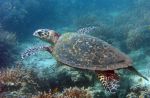
Image: 
Category: 
Blurb: 
Dealers hope changes may push some fence sitters into buying as they need to pay less up front now. -ST
Publication Date: 
Sunday, May 29, 2016 – 14:00
Send to mobile app: 
Source: 


Story Type: 
Others
Source link

Emergency guide launched as part of Emergency Preparedness Day

The guide is a pocket-sized card that lists emergency telephone numbers and also has information on what residents should do in the event or a firearms or weapons attack.


Source link

As the floral industry blooms, old-timers evolve to keep up

SINGAPORE – Faced with an influx of younger “hipster” florists offering new arrangements and cheaper prices, older brick and mortar florists here have had to evolve to keep up.
TODAY speaks to some old-timers to find out the challenges they face, and how…

Source link