Home Blog Page 3800

Unauthorised fixtures, litter and even faeces among areas assessed

From graffiti to litter, “human/animal faeces” to unauthorised fixtures, the list in the Town Council Management Report is a long one.

Four main areas are looked at: estate cleanliness, maintenance, lift performance, and service and conservancy charges (S&CC) arrears management.

When it comes to cleanliness at the national level, the most common culprits included dumped bulky refuse, stain and litter, moss/cobwebs, graffiti and human/animal faeces. The estates where dumped bulky refuse was most seen were Pasir Ris-Punggol (43 per cent of total observations) and East Coast (39 per cent).

Stain or litter was a serious problem in Ang Mo Kio (40 per cent), while Pasir Ris-Punggol and East Coast were the cleanest areas in this regard (30 per cent).

Out-of-reach corners seem to be an issue for estate cleaners: Moss or cobwebs were the third-most common observation. The problem was especially common in Potong Pasir (27 per cent). Human/animal faeces was the least of an issue. Bishan-Toa Payoh (7 per cent) and Marine Parade (6 per cent) were the two estates most affected by this problem.

When it comes to estate maintenance, the three biggest problems at the national level were obstruction of common areas, unauthorised fixtures within a block and exposed wiring or trunking and unlocked socket outlets.

Obstruction of common areas was most prevalent in Sembawang (53 per cent), followed by Pasir Ris-Punggol and Nee Soon (both 43 per cent). Unauthorised fixtures, such as blinds mounted as sun shade, were most common in Potong Pasir (25 per cent). Missing or damaged gratings and floor traps were also a problem in Potong Pasir, accounting for 13 per cent of maintenance observations.

Overall, Ang Mo Kio, Bishan-Toa Payoh, Marine Parade, Nee Soon and Sembawang were the top performers. They scored green in all categories: estate cleanliness, estate maintenance, lift performance and S&CC arrears management.

With the exception of Bishan-Toa Payoh, the other four town councils had also notched up top ratings across the categories in the previous assessment period from April 2014 to May 2015.

nsanjay@sph.com.sg


This article was first published on May 31, 2016.
Get a copy of The Straits Times or go to straitstimes.com for more stories.
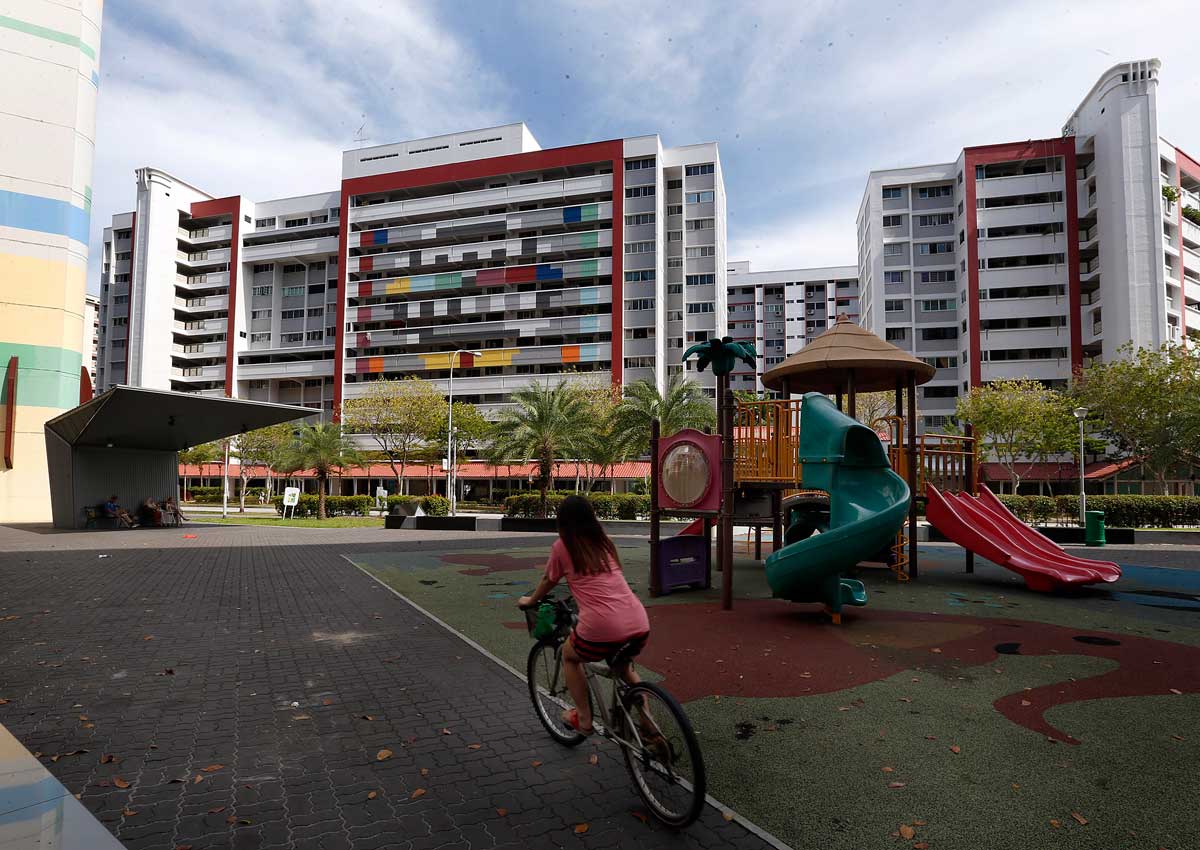

Image: 
Category: 
Publication Date: 
Tuesday, May 31, 2016 – 15:00
Send to mobile app: 
Source: 


Story Type: 
Others

Source link

Iswaran on 3-day working visit to Sri Lanka from Tuesday

Mr Iswaran will visit Colombo, the capital of Sri Lanka, and Trincomalee, a major port city in the eastern province.

Source link

Ex-tour guide tries to approach widow and her niece in court

He has not been seen or heard in public for almost two years since he was locked away in Changi Prison.

When former China tour guide Yang Yin was led into the courtroom yesterday morning, he was wearing purple overalls with the label “prisoner” on his back.

His hair was neatly cropped and his hands and legs were in chains.

“He seemed to have lost weight,” said Madam Chang Phie Chin, a family friend of widow Chung Khin Chun, 89, who was in court.

Yang, 42, was standing trial yesterday for allegedly duping the authorities into granting him permanent residency.

He has also been charged with falsifying receipts and stealing $1.1 million from Madam Chung.

Madam Hedy Mok, the widow’s niece, has also sued him for allegedly manipulating the widow to control her assets, estimated to be worth $40 million.

Yang looked tense as he was led into the courtroom through a side door.

He scanned the room for familiar faces and in the barely filled public gallery, he spotted two – Madam Chung and Madam Mok.

He tried to make eye contact and shuffled towards them, but Madam Mok waved him off and court marshals led him away.

It was the first time in nearly two years that Yang and Madam Chung had seen each other.

Yang stood solemnly in the dock as his lawyer Wee Pan Lee was rapped by Deputy Presiding Judge of the State Courts Jennifer Marie for being late.

Mr Wee apologised for being late and said he had to go for another pre-trial conference in the morning.

Mr Wee said Yang was prepared to plead guilty, but the lawyer asked for a short break to study the statement of facts that the prosecution gave him less than two weeks ago.

But the judge wanted to hear from Yang directly that he was prepared to plead guilty.

A female court interpreter whispered the judge’s instruction to Yang and replied in English on his behalf: “I confirm, your Honour.”

When Yang returned to the court after a one-hour break, he saw Madam Chung and Madam Mok again.

He walked towards them but was pulled away by court marshals. Losing his composure, he shouted at them in Mandarin: “Reflect on what you have done!”

Madam Mok held the arm of her elderly aunt and waved Yang away. They left after the morning hearing and did not return for the afternoon session.

Before leaving, Madam Chung was asked how she felt about seeing Yang. “I don’t feel anything. I don’t know what to think,” she said.

Meanwhile, the tussle between Yang and the widow over her will looks set to continue.

In 2010, Madam Chung made a will in which Yang stood to inherit everything. But in April last year, the courts recognised a new statutory will that Madam Mok made on behalf of her aunt, under which most of the assets would go to charity.

Yang appealed on grounds of a procedural failure as the judge had denied his lawyers the chance to cross-examine witnesses who gave evidence to support the application for the new will.

The appeal was dismissed last month but Yang made a court application to be allowed to appeal again. A closed-door hearing was held last Friday, with the names of the parties unusually redacted from the High Court’s public hearing list.

When contacted, the lawyers for Yang and Madam Mok declined to comment.

The Straits Times understands that the application was unsuccessful but the law allows Yang a final shot to take the appeal to the Court of Appeal.

tohyc@sph.com.sg

kcarolyn@sph.com.sg


This article was first published on May 31, 2016.
Get a copy of The Straits Times or go to straitstimes.com for more stories.

Image: 
Publication Date: 
Tuesday, May 31, 2016 – 14:00
Keywords: 
Send to mobile app: 
Source: 


Story Type: 
Others

Source link

Night Safari welcomes birth of baby elephant

Night Safari’s 30-year-old female Asian elephant Sri Nandong surprised her carers when she gave birth to a bouncy calf earlier than expected.

Weighing 149kg, the female baby elephant was delivered on May 12, two weeks before the park turned 22 on May 26, said the popular tourist attraction in a media statement today.

Welcoming its new member like a birthday gift, the Night Safari said it was the park’s first elephant birth in six years.

The calf has gained 43kg since its birth, and now weighs 192kg. It added that the “gentle yet inquisitive” calf was sired by 39-year-old Chawang, the famous Asian bull elephant at the park.

Night Safari is now home to three female and two male elephants.

Visitors can witness the close bond between mother and baby at the Asian elephant exhibit from late June. For now, the yet-to-be-named calf enjoys getting acquainted with her elephant ‘aunties’, said the park.

chenj@sph.com.sg

Image: 
Category: 
Publication Date: 
Tuesday, May 31, 2016 – 13:59
Send to mobile app: 
Source: 


Rotator Image: 
Story Type: 
Others

Source link

S'pore in 2035: Inclusive and innovative

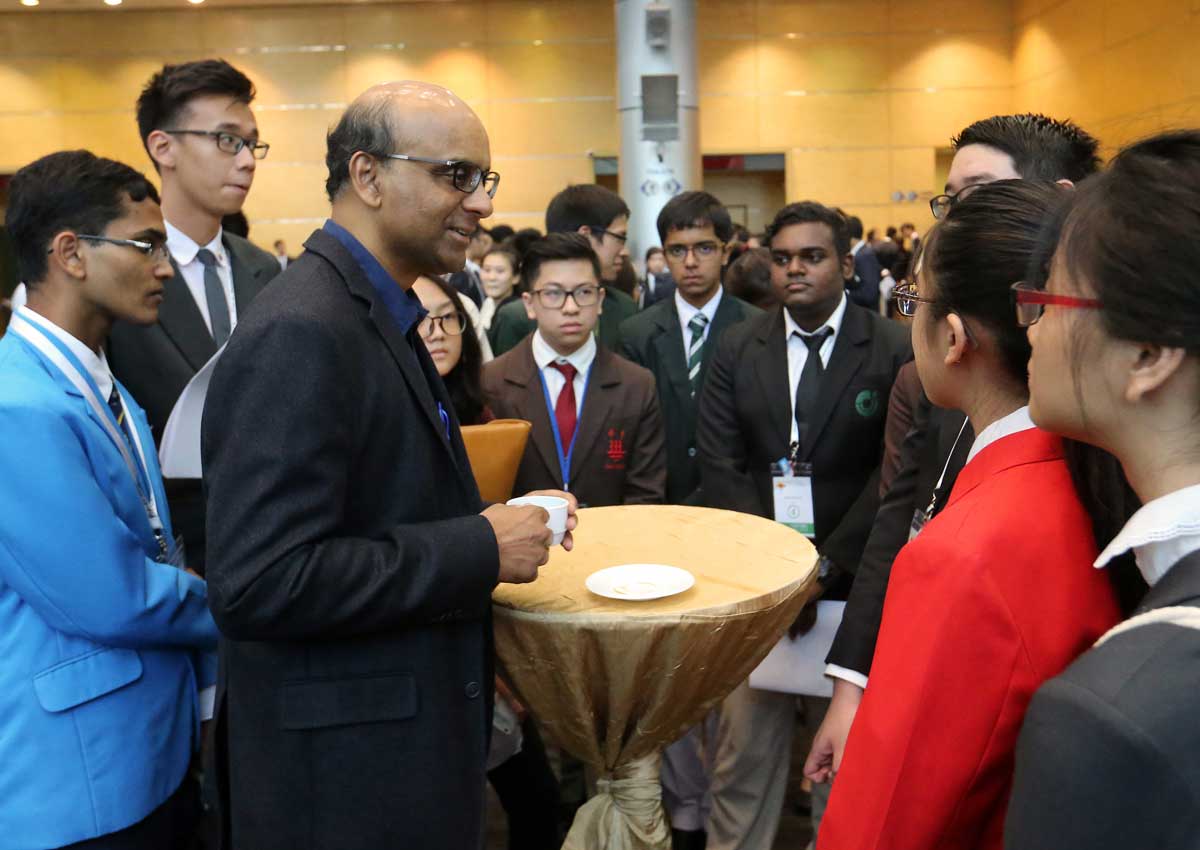
The Singapore 20 years from now will be an innovative and deeply inclusive one, where a new generation of Singaporeans define their own purpose in life, each with a sense of individuality, in a society that is bound together and at home with itself, said Deputy Prime Minister Tharman Shanmugaratnam yesterday.

Painting a picture of what the Republic will be like in 2035, based on a poll of students, he said: “Twenty years from now, we will still be a little red dot, always will be.

“But it will be a deep red dot. The colour of the Singapore heart.”

Education, he said, would become more holistic, flexible and encouraging.

A more flexible system and a focus on skills and job performance, rather than qualifications earned early in life, will be needed instead for the fluid job market of the future, noted Mr Tharman, who is also Coordinating Minister for Economic and Social Policies. He was speaking at the opening ceremony of the Pre-University Seminar held at the Nanyang Technological University.

About 550 students from 30 pre-university institutions, including junior colleges and polytechnics, attended the event, whose theme this year is “Living the Singapore Spirit”. It is co-organised by the Ministry of Education (MOE) and Hwa Chong Institution.

Citing an informal survey MOE did to find out the aspirations of seminar participants, Mr Tharman noted that students ranked job satisfaction and the ability to make the most of one’s talents, above factors like pay and career progress. Most also felt the Singapore of the future has to be innovative and inclusive.

Whether or not these aspirations could be met would depend on how Singapore reacts to changes in areas such as technology and geopolitics, said Mr Tharman.

Some jobs – such as software engineers, data scientists and healthcare professionals – could be in demand, while demand for lawyers, accountants and real estate or insurance agents could taper off.

While there is a “real fear” in many advanced countries that the jobs lost will outstrip the jobs created, Singapore can avoid that by responding in advance to what is coming, said Mr Tharman. Studies show it is more productive for humans to “cobot” – collaborate with robots – than to have enterprises that rely purely on humans or robots alone.

Education will also evolve, with a premium on original thinking, which breeds the innovative spirit.

The way students and parents go about selecting schools will change, he said, with people valuing schools that develop their interests rather than schools with the highest cut-off scores.

But there is a “deeper tension” between innovation and inclusiveness, said Mr Tharman. While young Singaporeans will have a stronger sense of individuality, Singapore must not become an individualistic society but maintain a “spirit of solidarity” with “diversity of thinking” .

“It is a tension, but how this plays out depends on us,” said Mr Tharman, who also fielded questions from students on issues such as meritocracy, media freedom and cultural preservation. The Pre-University Seminar, which has been held yearly since 1970, ends on Thursday.

yuensin@sph.com.sg


This article was first published on May 31, 2016.
Get a copy of The Straits Times or go to straitstimes.com for more stories.

Image: 
Category: 
Publication Date: 
Tuesday, May 31, 2016 – 15:00
Keywords: 
Send to mobile app: 
Source: 


Story Type: 
Others

Source link

What challenge to Low Thia Khiang means

The unprecedented challenge that Workers’ Party (WP) chief Low Thia Khiang faced on Sunday for the post of secretary-general from fellow Aljunied GRC MP Chen Show Mao made public the rumblings that have been going on in the party for some time.

What lies behind it, and how Mr Low responds to the first contest for the post that he has held for 15 years, will impact on how the WP continues to be regarded by its members and supporters alike.

The rumblings appear to be over leadership style, the WP’s future direction and its poorer performance – by way of overall vote share – at last year’s general election compared with GE2011.

There has been talk that while younger talent are being groomed, and they are getting prominent positions – whether by being fielded as general election candidates or by being co-opted into the Central Executive Council (CEC) – these are occurring at the expense of older members.

The party’s showing at GE2015, where its younger and next-generation politicians were in the limelight, and where the WP narrowly retained Aljunied GRC but lost Punggol East, had some questioning the effectiveness of Mr Low’s strategy.

Clearly, a number of cadres, backed by non-voting members, believed Mr Chen could bring changes, including, according to sources, being more consultative and allowing a better share of decision-making.

That Mr Low prevailed with 61 votes against Mr Chen’s 45 at the biennial CEC election shows that the veteran politician still commands broad support.

Some analysts suggest that the challenge shows the WP’s level of maturity: It can entertain a challenge and survive a leadership change if it came to that.

Still, the challenge was a shot across Mr Low’s bows.

While he retains the mandate to lead, and even Mr Chen urged members to move on together, Mr Low must address issues that concern members lest unhappiness grows. If that festers, the strains will show and the fabric of the party could split.

The CEC result, in fact, allows Mr Low to show he is a leader able to unify the party, and the ball is now in his court.

rachelay@sph.com.sg


This article was first published on May 31, 2016.
Get a copy of The Straits Times or go to straitstimes.com for more stories.

Image: 
Category: 
Publication Date: 
Tuesday, May 31, 2016 – 14:00
Keywords: 
Send to mobile app: 
Source: 


Story Type: 
Others

Source link

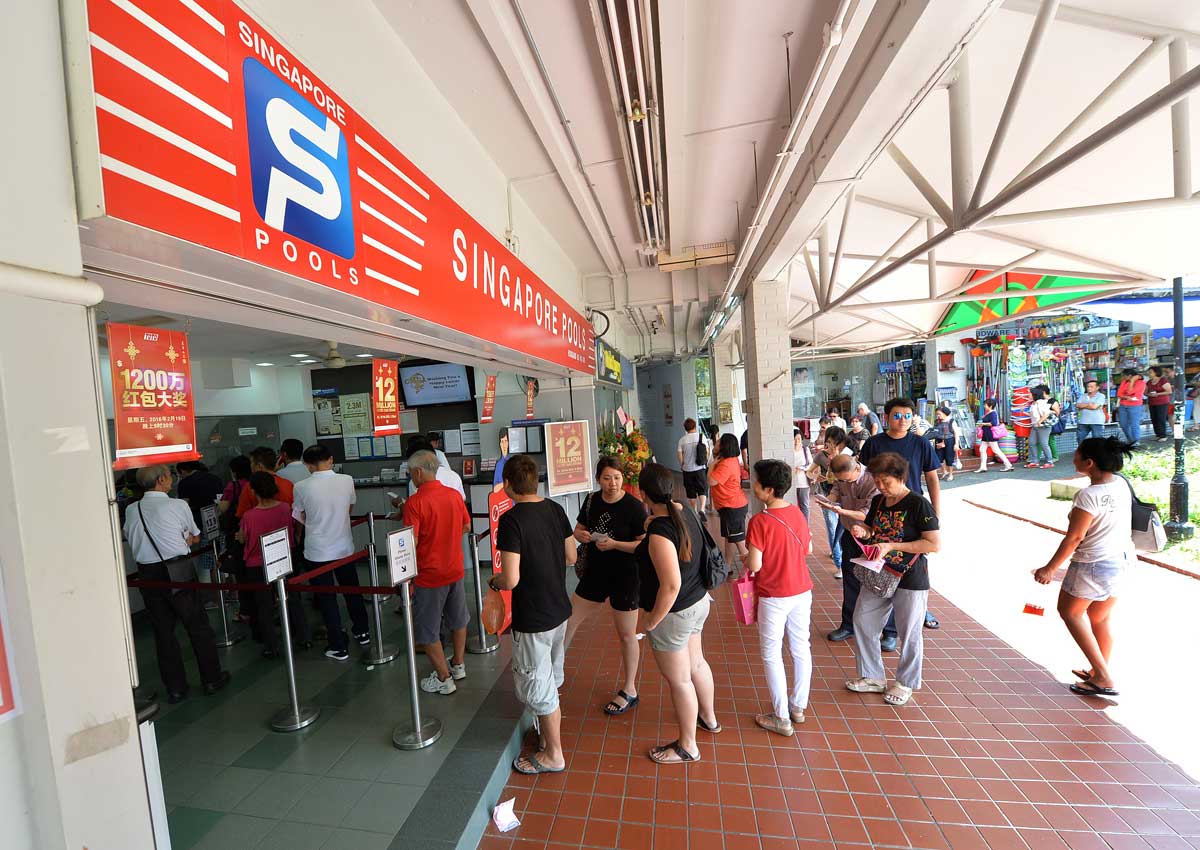
Singapore Pools still waiting for nod on online betting

Lottery operator Singapore Pools has yet to gain approval to run its first online betting website, with less than two weeks to the start of Euro 2016.

A Ministry of Home Affairs (MHA) spokesman told The Straits Times that the application from Singapore Pools for exemption from laws that curb online betting “is currently being evaluated”.

The Straits Times reported in July last year that Singapore Pools and the Singapore Turf Club had both applied to be exempted under the Remote Gambling Act, passed in October 2014 to clamp down on unregulated online betting.

The MHA said then the evaluation process would take nine to 12 months, based on “strict” criteria.

A steering committee led by Singapore Pools chief executive Seah Chin Siong was also set up to oversee the operator’s sports business and IT teams, which were working towards getting Singapore Pools’ site up and running in time for the European championship, which kicks off in France on June 10.

Singapore Pools also had hired British giant OpenBet, which it said provided online gambling software for major bookmakers such as William Hill, Paddy Power and Betfair, to help replace its website with one which can offer sports betting.

In the e-mailed response, the MHA spokesman said for exemption, the entity applying had to be not for profit and one which contributes to public, social and charitable causes in Singapore.

It must have a consistent and good track record of compliance with legal and regulatory requirements, and fulfil other requirements.

Should an exemption certificate be issued, the operator has to keep the management and operations of the remote gambling service free from criminal influence, ensure the integrity of the operations, and implement social safeguards and responsible gambling measures.

Singapore Pools said last year it planned to display the time spent on the gambling website and even allow people to apply for self-exclusion orders.

The Remote Gambling Act came into effect in February last year. It criminalises a host of remote gambling activities, among them phone betting, unless exemption is specifically obtained.

jkoh@sph.com.sg


This article was first published on May 31, 2016.
Get a copy of The Straits Times or go to straitstimes.com for more stories.

Image: 
Category: 
Publication Date: 
Tuesday, May 31, 2016 – 14:00
Send to mobile app: 
Source: 


Story Type: 
Others

Source link

Diabetes treatment gets a shot in the arm with new Centre of Excellence

The centre plans to advance treatment and care management of the disease in the region and give patients access to innovative technology, in particular intensive insulin therapy. 

Source link

Few commuters notice difference after switch to Tower Transit

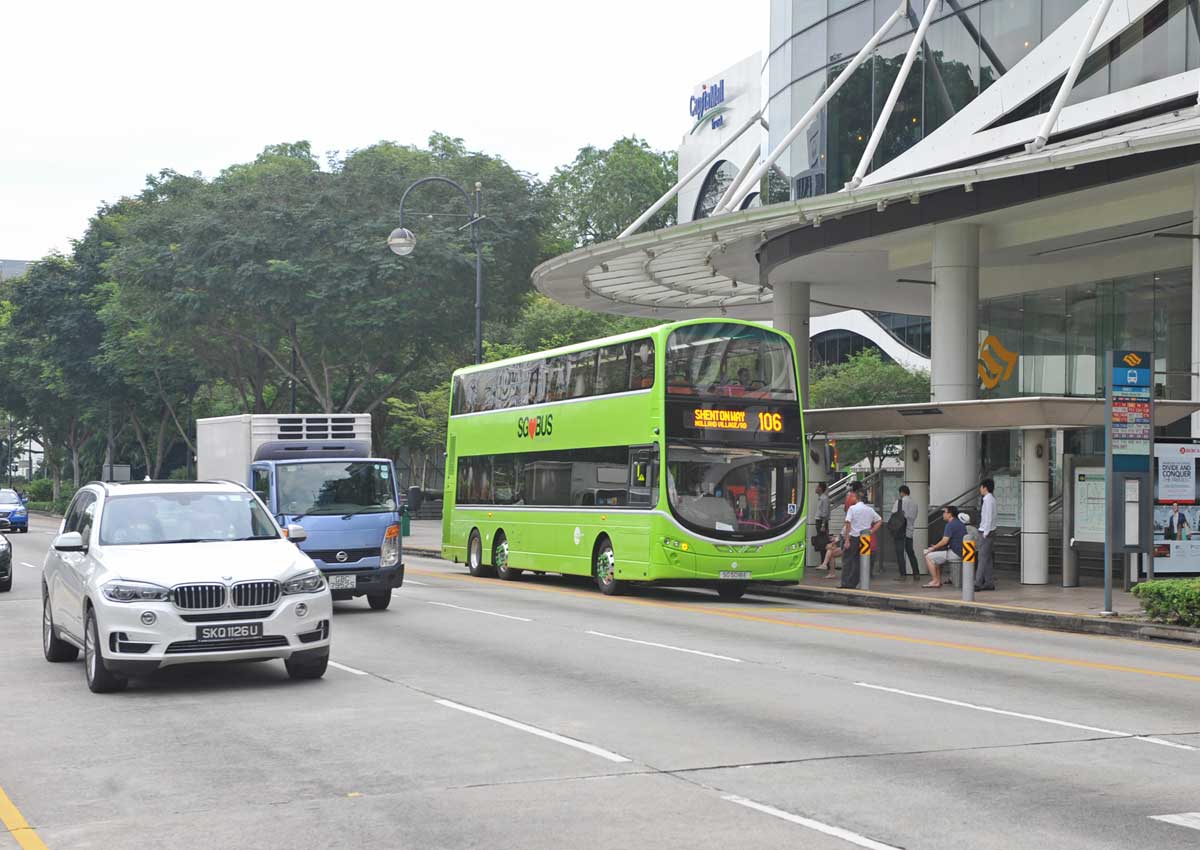
The first weekday of operations for Singapore’s new bus operator Tower Transit appeared to go smoothly yesterday, said several commuters.

Among the commuters The Straits Times spoke to, who were travelling to the Central Business District on the operator’s services 77 and 106, many said they had not noticed any difference after Tower Transit took over from the previous operator, SMRT. But a few of them noted some improvements.

Tower Transit began operating nine bus services on Sunday. Some commuters did not realise the bus services had changed hands because many of the Anglo-Australian firm’s buses were not painted green yet – the colour chosen in a public voting exercise. Only 10 are green in colour. The other buses, around 90, retain SMRT’s colour scheme or have advertisements on them.

For commuters like Ms Anne Chua, 25, the buses’ colour change was the only feature that stood out.

Said the retail assistant, who took service 106 from Bukit Batok to Lucky Plaza: “If not for the colour change – the bus is now green – I would not even know that the service provider is different.”

While Ms Meilina Wijaya, 30, an assistant manager, did not notice significant changes with the new operator, she said Tower Transit’s bus driver “seemed more friendly than usual, because he was telling us ‘good morning’ very cheerfully”.

Tower Transit was satisfied with yesterday’s operations. Said managing director Andrew Bujtor: “Our bus captains are getting more familiar with the systems and processes. As with any transition, there are some kinks to be ironed out.”

The operator said it is too soon to say whether it has met the stricter service standards set under a new government contracting model.

For example, Tower Transit is required to have 50 per cent of its buses operate at intervals of not more than 10 minutes during peak periods. The maximum interval allowed between buses is 15 minutes.

Under current service levels, 30 per cent of buses operate at intervals of 10 minutes, and the maximum interval allowed between buses is 30 minutes.

Some commuters noted greater frequency in Tower Transit’s services.

Said Mr Basel Chan, 30, who works in healthcare: “The bus service seems more frequent. When I check the bus timings, (the frequency) is usually five to eight minutes. Now, it is two to five minutes.”

aleysaj@sph.com.sg

xsun@sph.com.sg


This article was first published on May 31, 2016.
Get a copy of The Straits Times or go to straitstimes.com for more stories.

Image: 
Publication Date: 
Tuesday, May 31, 2016 – 15:00
Keywords: 
Send to mobile app: 
Source: 


Story Type: 
Others

Source link

Night Safari welcomes baby elephant, first in six years

SINGAPORE – A 149kg female baby Asian elephant was born on May 12 (Thursday) at the Night Safari, marking its first elephant birth in six years.

With this birth, the Night Safari is now home to three female and two male elephants.

Born to 30-year-old Sri…

Source link