Home Blog Page 3719

Durian sellers predict falling prices, but lower-quality fruit

Durian lovers have been keeping away from their favourite fruit after recent reports of an expected hike in prices, said some durian vendors.

It was reported that weather woes have delayed the king of fruits’ peak season, which is usually from June to July.

As a result, customers would have to pay more for durians of lower quality.

Another report indicated that countries such as China, where the fruit has been finding more fans, were competing for the crop, with customers there willing to pay more. But the vendors interviewed refuted this.

The owner of Kong Lee Hup Kee Trading, Mr Chia Boon Huat, 62, who has been in the business for more than 40 years, noticed a drop in sales after the reports.

He told The New Paper: “Some customers were under the impression that prices were too steep. And unless they are my regulars, they won’t call me to check.”

Ms Angeline Chong, 45, a teacher, admitted that she had “cut down on my durian dates” from four times a week to just once a week.

“I felt that it was quite pricey. As much as I love to eat durians, I felt the pinch,” she said.

At one point, 1kg of the premium Mao Shan Wang cost $22 to $24, compared to $18 last year.

But out of five popular durian vendors approached, three dismissed the price hikes.

Mr Chia said he had started selling this season’s crop early last month at $24 for 1kg until last week, when the price dropped to $22.

“That was the first round, and naturally, it can be a little higher,” he explained.

By Monday, prices had gone down to $16 for 1kg of Mao Shan Wang and Mr Chia expects it to drop to $13 during the peak season in July and August.

Madam Linda Ang, 50, who works at Combat Durian, which was started by her father, is also confident that prices will come down.

She said: “We predict that it will drop to about $14 or $15 for 1kg of Mao Shan Wang.”

Combat Durian currently sells Mao Shan Wang at $16 to $18 a kilogram.

But it will still be a longer wait for customers, as this year’s peak season will be a month later than usual due to the bad weather in Malaysia, where the fruit is usually grown.

The first and second harvests of Mao Shan Wang, which come primarily from Pahang, Malaysia, were also not as bountiful as in previous years.

Mr Chia admitted that this year’s quality of durians is not as good.

“It is not as fragrant and the flesh is not as creamy,” he said.

A vendor, who wanted to be known only as Mr Shui, 57, said: “There was a drought in Malaysia in March and the flowers all died.

“For the first harvest, we collected only 20 per cent. That shows how low the yield of quality durian is.”

GOOD NEWS

But “there is hope” as the durian trees are still bearing fruit, said Mr Chia.

And the good news is that durian lovers will have two months, instead of the usual one month, to feast on varied crops.

“In July, people can expect bittersweet Mao Shan Wang, while we will get the bitter ones in August,” said Mr Chia.

“The quality of the next batch of durians will definitely be better than last month, even though it won’t be as good as those in the past years.”

A spokesman for Ah Di Dempsey Durian, which has been in operation for the past 30 years, said the price of durians can be unpredictable as it depends on the weather.

He said: “What can I do? I depend on the weather for the durians.

POPULAR TYPES OF DURIANS

MAO SHAN WANG

WHAT Bittersweet with a sticky and creamy texture

WHERE Pahang, Malaysia

BEST TIME Late July

PRICE $13 a kilogram

D24

WHAT Very creamy and bitter

WHERE Pahang, Malaysia

BEST TIME Mid-July

PRICE $10 to $12 a kilogram

RED PRAWN

WHAT Slightly sticky with a sweet aftertaste

WHERE Johor, Malaysia

BEST TIME Early August

PRICE $8 to $12 a kilogram


This article was first published on June 9, 2016.
Get The New Paper for more stories.

Image: 
Category: 
Publication Date: 
Friday, June 10, 2016 – 06:00
Keywords: 
Send to mobile app: 
Source: 


Story Type: 
Others

Source link

Singapore Government ‘definitely has not given up’ on cybersecurity: IDA

Mr Chai Chin Loon, Director of Cyber Security Group at IDA, says the move to separate Web access for public sector employees is a “calibrated approach” that aims to close off one big source of cyberattacks – the Internet.

Source link

Teachers will not be affected by the Internet ban next year, MOE says

SINGAPORE – Teachers will still be able to access the Internet from schools next year when the ban on public servants’ web access takes effect.

A spokesman from the Ministry of Education (MOE) told AsiaOne: “Teachers currently work on a separate network that will not be connected to the Government Enterprise Network. All teachers continue to have access to teaching and learning resources on the Internet from their computers.”

The Infocomm Development Authority (IDA) announced on Wednesday (June 8) that all computers used officially by public servants in Singapore will be cut off from the Internet from May next year to enhance security.

According to The Straits Times, a memo was sent out to all government agencies, ministries and statutory boards here about the Internet blockade.

However, teachers were later reassured that they will not be affected.

Others were not so lucky. When IDA’s announcement on the Internet ban for public servants first broke on Wednesday morning, there were concerns on how work systems would be affected.

Talk about a “mid-week crisis”. Netizens all over Singapore – public servant or not – protested against the impending “firewall”.

Online site, SGAG and blogger Mr Brown, posted several memes on social media, calling the measure a “backward” move.

Opposition politician Chee Soon Juan also questioned how IDA’s announcement was in line with Singapore’s transition to become a Smart Nation.

The Business Times reported on May 24 this year that the Government will be calling for a projected $2.82 billion of infocomm technology (ICT) tenders across FY2016 to spearhead the Republic’s Smart Nation goals.

On top of extending Wi-Fi to more areas in government schools to support smart learning, the Government will also continue to invest in its cybersecurity efforts, with a bulk tender for IT security services to be called in this fiscal year, The Business Times added.

While the move is an unprecedented one in light of The Business Times’s report, IDA has stated in its announcement on Wednesday that the ban only affects terminals connected to the Government Enterprise Network.

The Straits Times reported: “Web surfing can be done only on the employees’ personal tablets or mobile phones as these devices do not have access to government e-mail systems. Dedicated Internet terminals have been issued to those who need them for work.”

debwong@sph.com.sg

Image: 
Category: 
Publication Date: 
Thursday, June 9, 2016 – 12:36
Send to mobile app: 
Source: 


Story Type: 
Assignment

Source link

Singapore exploring multi-city flights in Myanmar

Singapore is looking to introduce multi-city flights within Myanmar by its carriers Singapore Airlines or SilkAir, as part of a series of ways the two countries can cooperate more closely.

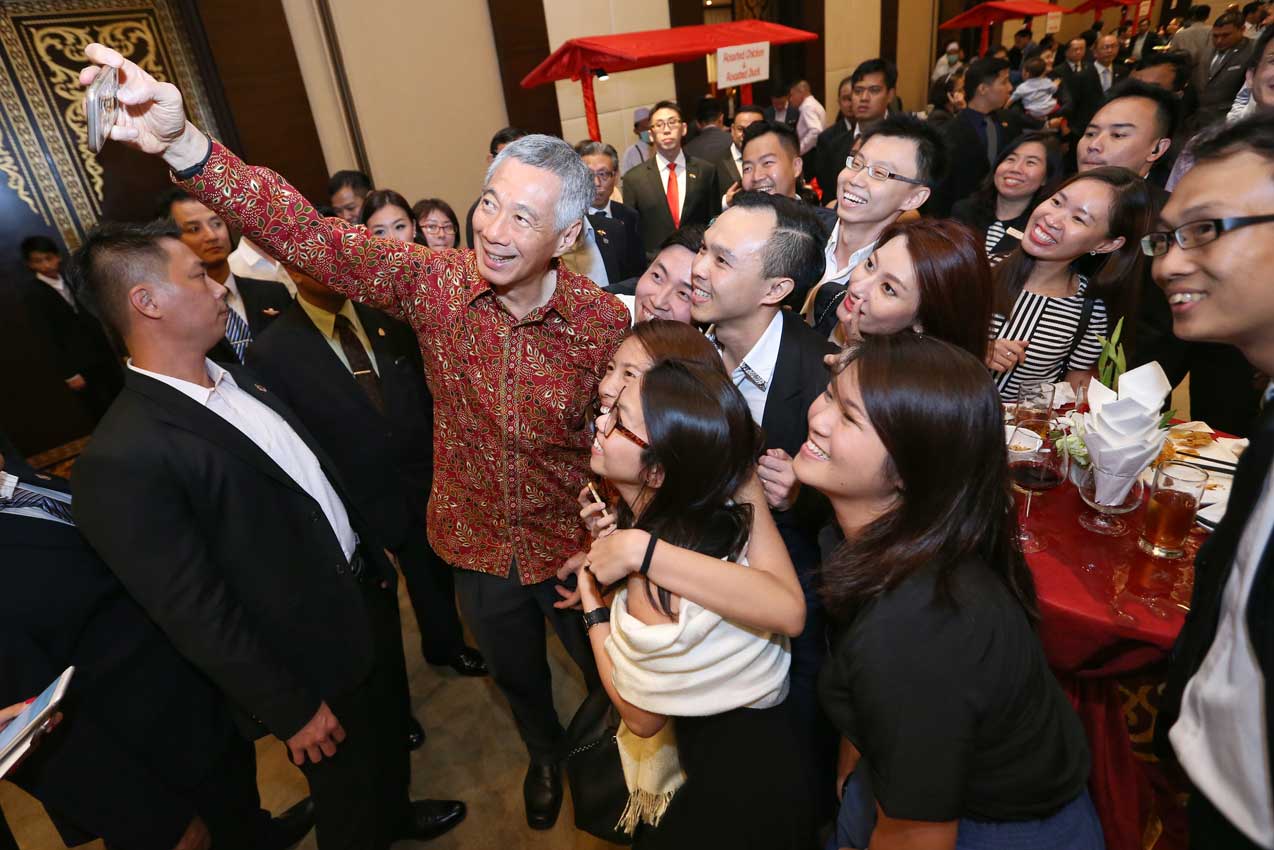
Prime Minister Lee Hsien Loong gave these updates yesterday at a reception with Singaporeans in Yangon at Sedona Hotel, which is built by Singapore developer Keppel Land.

These “stopover flights” from Singapore through Yangon or Mandalay would benefit tourists.

“When people come as tourists, they can come to Yangon, stop over for a couple of days, get back onto the next aeroplane, go on to Mandalay and then go home,” PM Lee said, calling it a more attractive network of connections.

The 49 direct flights a week between Singapore and Myanmar are international, with flights to and from Singapore and Mandalay, or Singapore and Yangon.

PM Lee said the Myanmar government is keen to work with Singapore to improve connectivity. Both sides have also been discussing ideas that can improve things for their peoples and business communities, he said. “They listened to me. Some of this will move; some of the others, they will still study.”

A key announcement on Tuesday was visa-free travel between Singapore and Myanmar for 30-day trips by their citizens. It will take effect on Dec 1.

PM Lee told the 300 Singaporeans at the reception: “I hope when your family members come back and forth, it will be more convenient for them. They won’t have to apply for a visa, and you’ll keep in touch with home more often.”

The Singaporean community in Myanmar has grown from 150 a decade ago to at least 500 now.

The number looks set to soar as Myanmar is opening up and is “an adventurous place to be in”, PM Lee noted. “Not everything is solved yet, so there is some uncertainty… but that’s what it means to be on the frontier. We need Singaporeans to be out there, finding new opportunities and doing well.”

Agreeing, Mr Lim Chong Chong, 38, group chief financial officer in a Myanmar company, told The Straits Times: “There are a lot of jobs and business opportunities in Myanmar for Singaporeans, but many are scared off by their negative impressions of the country.”

He cheered the visa exemption, saying: “It will make life easier, not having to keep going to the embassy to get a visa.”

Earlier yesterday, PM Lee had several meetings in Naypyitaw.

At Union Parliament building, he separately met Lower House Speaker Win Myint and Mr Mahn Win Khaing Than, the Upper House and Parliament Speaker.

They affirmed the strong ties between their peoples and Parliaments, said a statement from the Prime Minister’s Office.

The two Myanmar leaders also expressed their appreciation to PM Lee for Singapore’s support of their country’s human resource development.

PM Lee later met the commander-in-chief of Myanmar’s armed forces, Senior General Min Aung Hlaing. They discussed regional and international developments, and bilateral cooperation in human resource development and security.

Before flying to Naypyitaw, PM Lee had tea with former president Thein Sein, whose Union Solidarity and Development Party previously ruled Myanmar.


This article was first published on Jun 09, 2016.
Get a copy of The Straits Times or go to straitstimes.com for more stories.

Image: 
Blurb: 
Publication Date: 
Thursday, June 9, 2016 – 14:00
Send to mobile app: 
Source: 


Story Type: 
Others

Source link

Core of next WP leaders in place, says Low

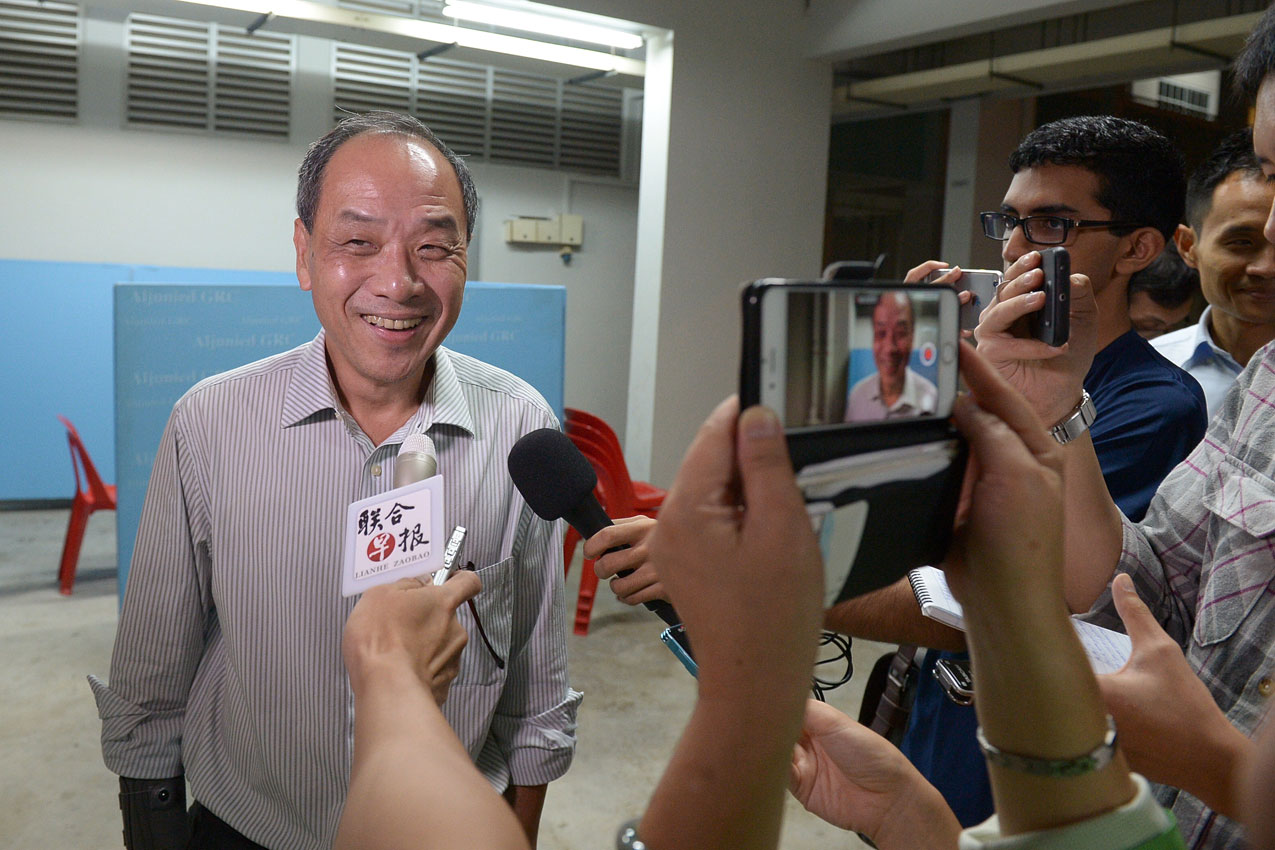
The core of the next generation of leaders who can take the Workers’ Party (WP) forward is reflected in the line-up of its new central executive council (CEC), party chief Low Thia Khiang said last night.

But whether these office-holders, including new assistant secretary-general Pritam Singh, will actually take over the reins of the party will boil down to two factors: whether they can garner the support and confidence of party members, and of the voting public.

“Whoever succeeds me as secretary-general will have to have the support of the party and, of course, public opinion counts,” Mr Low said.

“Whoever succeeds me as party leader, or for that matter anyone who becomes part of the leadership core, will need to have a favourable public opinion so the public will continue to support the WP. We are a political party so that’s a reality.”

Mr Low, who spoke to reporters before his Meet-the-People Session in Bedok Reservoir Road, did not want to be drawn into saying whether Mr Singh – appointed to a post which has been vacant since 2006 – will succeed him as party leader.

“Well, that I will leave to the public to interpret how they want to,” he said.

Asked why Mr Singh, 40, was chosen, he cited qualities such as his active grassroots activities and parliamentary work, as well as his experience as chairman of Aljunied-Hougang Town Council.

“So in terms of the totality, I think Mr Singh is suitable to be the assistant secretary-general,” he said.

Mr Singh, formerly the organising secretary, was appointed to his new post at the CEC meeting on Tuesday.

He has now occupied the two posts that Mr Low also held before he rose to become WP chief in 2001.

Mr Low, 59, said Mr Singh will assist him in decision-making and the planning of party matters, but did not want to elaborate further.

As for why the post had not been filled for a decade, Mr Low said he did not see the need to do so “because we were still developing, we were still cultivating, moulding the new leadership core”.

But he felt the time was right to revive the post as party succession plans are on track and there is now a fresh group of CEC leaders.

He cited how younger members had been appointed as deputies to assist their older counterparts in key party positions.

Mr Singh aside, Aljunied GRC MP Muhamad Faisal Abdul Manap, 40, is vice-chairman; Non-Constituency MP Dennis Tan, 45, is deputy treasurer; and Mr Kenneth Foo and Mr Tan Kong Soon, both 39, are the new deputy organising secretaries.

“The line-up has shown that the party has successfully cultivated a younger leadership core which, as I said, will be able to succeed the older leadership when the time comes,” he said.

He did not have a timeline nor did he want to engage questions on when he might decide to step down and hand over as secretary-general.

“When the time comes, you will know. I will not be able to tell you much about that because the situation changes,” he said.

Mr Low retained his position as secretary-general at the party’s biennial election on May 29 despite a challenge from fellow Aljunied GRC MP Chen Show Mao.

Asked if Mr Chen’s unprecedented move was discussed at last night’s CEC meeting, Mr Low said council deliberations were confidential and should not be divulged.

Mr Low held on to his position, winning 61 votes to Mr Chen’s 45 at the election.

Mr Chen, 54, retained his post as party treasurer.


This article was first published on Jun 09, 2016.
Get a copy of The Straits Times or go to straitstimes.com for more stories.

Image: 
Category: 
Publication Date: 
Thursday, June 9, 2016 – 14:00
Send to mobile app: 
Source: 


Story Type: 
Others

Source link

Victim of breast-cancer scammer: What kind of check-up would need my face?

She never thought she would fall victim to a scammer.

“Thinking back, I feel so stupid,” said the 20-year-old flight attendant.

Melissa (not her real name) had fallen for a man’s devious scheme to dupe her and several other women into sending him photos of their breasts.

Speaking to The New Paper over the phone, she said: “My family and boyfriend scolded me for trusting someone so easily. “I still feel so angry at the scammer. I’ll punch his face if I ever find out who he is.”

One afternoon in May, Melissa received a message from a female friend whom she had not spoken to recently.

The message over Facebook asked Melissa for help with a breast cancer project the “friend” was working on.

Melissa did not know that her friend’s Facebook Messenger App had been hacked by a man.

“She said she needed photos of the front and side view of my breasts for an online project.

“She also said she had already asked other people, but needed a few more to complete the project.”

Her first thought was to help the “friend”. So she thought nothing of the strange request and obliged.

The “friend” had also said the pictures of the breasts would be used to diagnose breast cancer.

“How could I believe that? I know you can’t tell if someone has breast cancer from a photo alone,” said Melissa.

The “friend” also promised Melissa a Samsung Galaxy S7 Edge and $600 as a reward.

But after Melissa sent the photos, the “friend” persisted in asking for a picture that included Melissa’s face.

“That’s when I started getting suspicious. What kind of breast check-up would need my face in the photo?” Melissa texted her friend to ask if she had messaged her on Facebook.

To her horror, the friend said she had not.

“I was really, really shocked. I thought to myself, ‘What have I done?’ I should have thought twice about doing something like that,” said Melissa.

Melissa, together with her friend and another victim who had been tricked by the same hacked account, made a police report on May 2.

The police managed to establish the identity of the suspect, who was arrested on Monday night.

The 27-year-old suspect was arrested along Orchard Road, said the police in a statement on Tuesday.

Related: Man busted for Facebook boob photos scam

SIMILAR SCAMS

Since May 2, several victims have made reports about similar scams.

Victims reported that their friends appeared to contact them on Facebook Messenger and asked them to send photos of their bare chests.

Some of the victims were promised cash and gifts when the photos were sent.

They realised later that their friends had not made the requests.

The police said the suspect is being investigated for a number of possible offences, including cheating by impersonating others and unauthorised access to computer material.

If found guilty of cheating, he could be jailed for up to five years and fined.

For the hacking offence, he could be fined up to $5,000 and jailed up to two years.

The police warned the public to seek verification if they receive dubious messages or requests.

How to avoid being scammed

Worried about falling victim to impersonation scams?

Here’s what the police say you should do:

  • Ignore unsolicited calls, especially those from unknown parties. Scammers may use caller ID spoofing technology to mask the actual overseas phone number, and show a local number. If you receive a suspicious call from a local number, hang up, wait five minutes, then call the number back to check the validity of the request.
  • Ignore instructions to remit or transfer money. No government agency will ask you to make payments through a telephone call, especially to a third party’s bank account.
  • Do not provide your personal information such as name, identification card number, passport details, bank account number or credit card details to the callers. Such valuable information may be used for criminal activities.
  • Call a trusted friend or talk to a relative before you act. You may be overwhelmed by emotion and err in your judgment.

If you have information related to such crimes or if you are in doubt, call 1800-255-0000, or dial 999 for urgent police assistance.


This article was first published on June 9, 2016.
Get The New Paper for more stories.
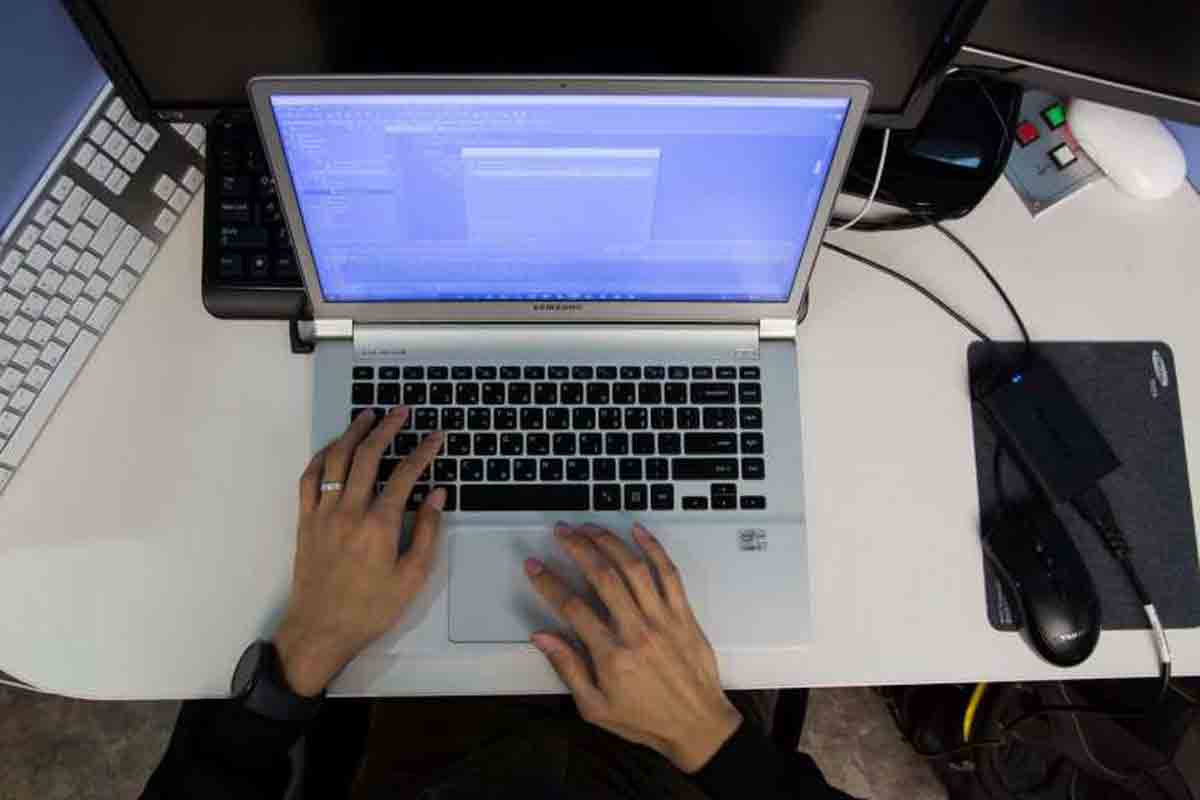
 

Image: 
Publication Date: 
Thursday, June 9, 2016 – 14:00
Send to mobile app: 
Source: 


Rotator Headline: 
Arrested: Scam suspect duped women into sending photos of their breasts
Rotator Image: 
Story Type: 
Others

Source link

VW driver found 80% liable for collision with Porsche

A jobless motorist was found to be 80 per cent responsible for a collision that caused $20,000 worth of damage to a Porsche – then was criticised by a judge for making an “inexplicable” late call for a witness.

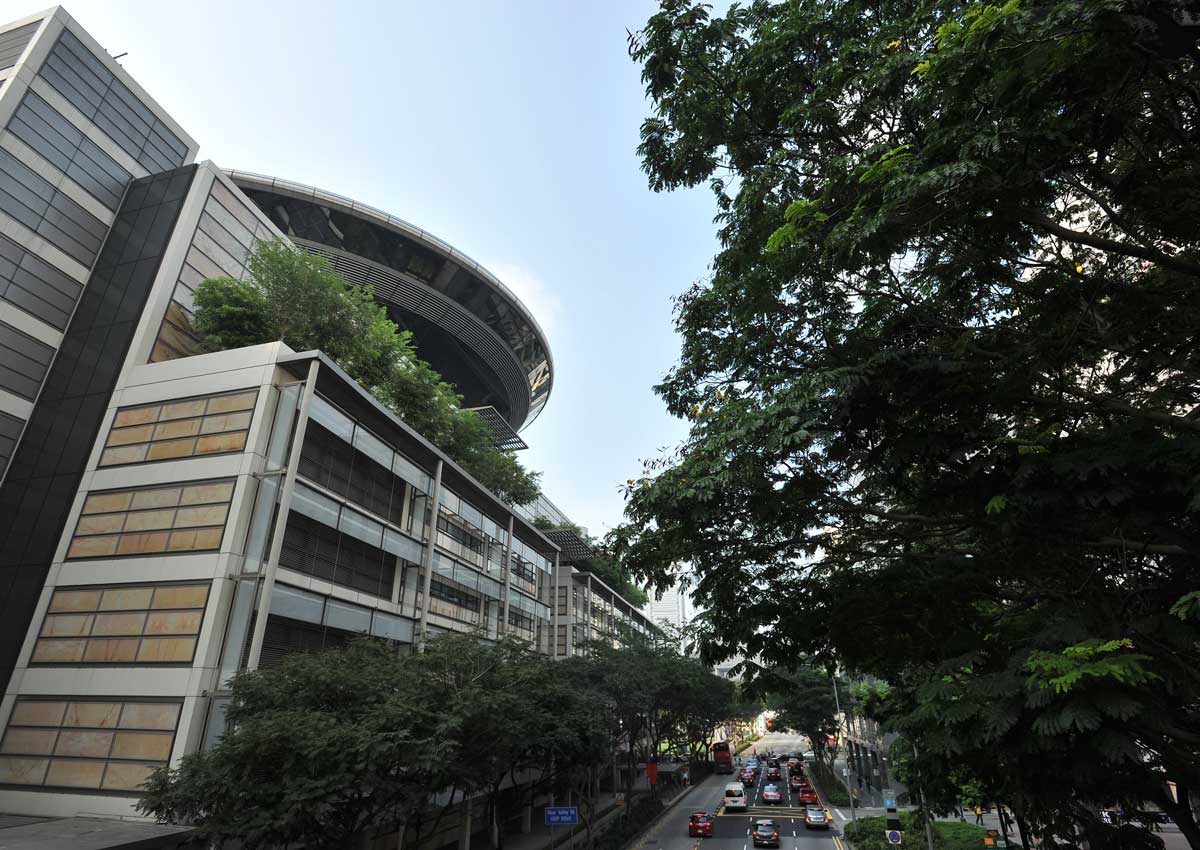
Mr Justin Chia had been driving his Volkswagen Golf GTI in North Bridge Road outside the Supreme Court building in April 2014 when he collided with a Porsche Panamera.

Its driver, Mr Mohamed Rafin Kadimhad – the chief corporate officer of the Park Hotel Group – sued Mr Chia for the cost of repairs, which both parties agreed to set at $20,000.

However, when it came to liability, each man blamed the other for the lunch-time bump.

Mr Rafin, represented by lawyer Joan Lim, argued that Mr Chia’s vehicle cut into his lane from a bus lane on the left. He braked but could not prevent the collision, which damaged the front left portion of his car and the rear right corner of Mr Chia’s.

Mr Chia countered that Mr Rafin’s Porsche hit the rear of his car as it slowed down behind a cab.

The judge found, among other things, that the damage pattern on Mr Chia’s car was more consistent with Mr Rafin’s version of the accident. After a half-day trial in which he considered other evidence, such as the resting places of the two cars, District Judge Chiah Kok Khun found Mr Chia was 80 per cent to blame. But he held that Mr Rafin also contributed 20 per cent to the accident as he ought to have kept a better lookout to avoid the run-in.

After both parties had made their closing submissions in the case and the judge was ready to deliver his decision, Mr Chia applied to call the security manager of the Supreme Court as a witness in relation to footage that had been caught by the building’s CCTV cameras but had since been overwritten.

In judgment papers released yesterday, the judge explained why he refused the application by Mr Chia’s lawyer, Mr Narayanan Ramasamy. He noted no reason was given as to why the proposed witness was not called earlier to give evidence in the 18 months from the accident date to the trial’s end. He added that the security manager’s evidence would have involved his official duties whereas this was a private dispute and there was no indication whether official clearance had been given for such security-sensitive information to be used in the case.

Judge Chiah explained that the application had to be seen in perspective. “In the context of a claim arising out of a minor road traffic accident and involving the sum of $20,000, from the perspective of proportionality, there is much to be said for the finality of proceedings.

“The answer that the plaintiff could be compensated by costs holds less water in small-value civil cases, where overall costs should be proportional to the value of the claim.” He added that the “proportionality principle” meant the “time and effort expended on a case should be proportional to the value of the claim, the importance of the case and the complexity of issues”.

Additional evidence would have been ” secondary” and “plainly run counter to the sense of proportion”, serving to protract the case.

He noted that in Australia and New Zealand, “the proportionality principle was gaining traction”, while in Singapore it is enshrined in the rules of court that took effect in November 2014 – after this suit commenced.

The judge added: “Allowing the belated application would result in restarting the trial and recalling the witnesses on an adjourned date.”

vijayan@sph.com.sg


This article was first published on Jun 09, 2016.
Get a copy of The Straits Times or go to straitstimes.com for more stories.

Image: 
Category: 
Publication Date: 
Thursday, June 9, 2016 – 17:00
Keywords: 
Send to mobile app: 
Source: 


Story Type: 
Others

Source link

Family seeks to save graves of ancestors

A family is battling to save the graves of 10 of their ancestors in Choa Chu Kang Cemetery.

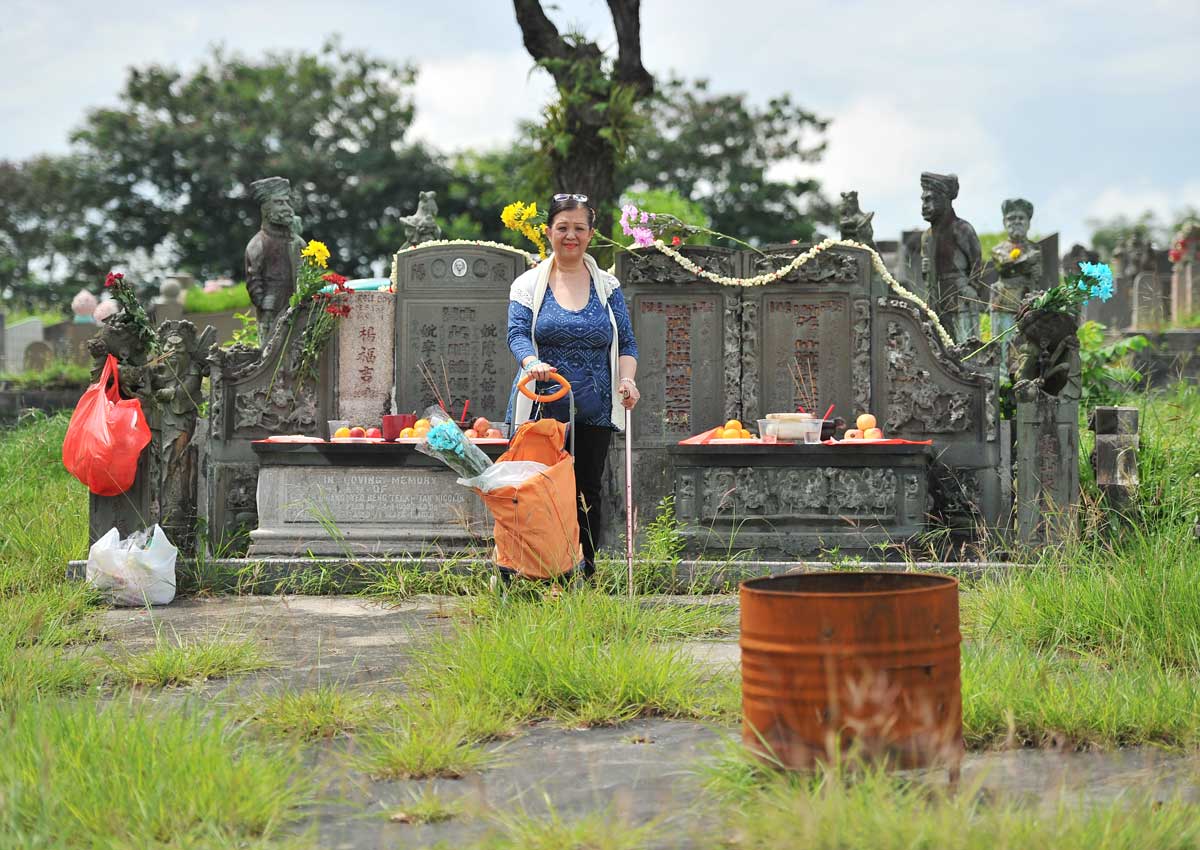
Ms Jean Yeo and her uncle, Mr Donald Yeo, have written to the authorities asking them not to exhume the graves, which are slated for exhumation in August.

They include a mass grave housing the remains of four of their relatives, including Tan Ja Dee Neo who once owned a park here.

Ms Yeo, 61, who used to work in sales, and Mr Yeo, 84, a retired legal professional, have appealed for the graves to be preserved in their existing state. The mass grave, flanked by statues of four Sikh guards and Chinese warriors, is one of 35,000 under Phase 5 of the National Environment Agency’s (NEA) exhumation programme at the Choa Chu Kang Cemetery.

Due to land scarcity, the NEA introduced the burial policy in 1998 to limit the lease of graves to 15 years. Those 15 years or older are exhumed in phases. The latest phase was announced in July 2014.

In an effort to make the best use of the limited land available for burial, the Crypt Burial System was introduced in 2007 to allow burials to be spaced closer together.

Ms Yeo, who has Stage 3 colorectal cancer and brain cancer, said it is her “dying wish” that her ancestors’ graves remain intact.

The NEA is in discussion with the National Heritage Board (NHB) and Ministry of National Development (MND) “on the future of selected structures” at the cemetery affected by the exhumation programme.

The wealthy Yeo family moved here from China and Semarang in Indonesia in the late 1800s and owned a batik business in Arab Street called Chop Yeo Hong Seng.

Ms Yeo’s great-grandmother, the late Tan Ja Dee Neo, owned 17 houses here. She also bought 27ha of land near Bukit Timah for a park which was named after her daughter, Yeo Ai Lin. The park is now part of the Dairy Farm Estate.

Tomb expert Raymond Goh said the Yeo graves “are aesthetically beautiful”, adding that the statues of Sikh guards and Chinese military warriors reflect Singapore’s “melting pot of cultures”.

Mr Goh has also appealed to the MND and NHB to save a 46 sq m World War II tomb memorial at the cemetery. Built in 1962, it is believed to house the remains of several Chinese residents who died during the Japanese Occupation.

He believes it could have been missed out during a national effort in the 1960s to rehouse the remains of the Chinese community’s war dead at the Civilian War Memorial in Beach Road. He said: “The WWII memorial is testimony to a war story of death and sacrifice – a story that Singapore should never forget.”

The area also houses the remains of 11,500 pioneers from the defunct 1840s Loke Yah Teng Cemetery in Tiong Bahru. Today, they take the form of plain markers arranged in rows at Choa Chu Kang Cemetery.

Many of the 35,000 graves slated for exhumation were moved there as a result of redevelopment. They were re-interred after being moved from defunct graveyards between the 1940s and 1970s with the aid of old clans, including those of the Huang, Chua and Lim lineages.

Mr Goh hopes the significant tombstones there will be studied by the NHB and later incorporated into a heritage trail.

The NEA said it “considers the demand projection and trends” in its planning to ensure adequate after- death facilities in Singapore to cater to the needs of various groups.

Choa Chu Kang Cemetery is the only active burial ground here. Religions such as Islam require their dead to be buried.

melodyz@sph.com.sg 


This article was first published on Jun 09, 2016.
Get a copy of The Straits Times or go to straitstimes.com for more stories.

Image: 
Category: 
Publication Date: 
Thursday, June 9, 2016 – 17:00
Send to mobile app: 
Source: 


Story Type: 
Others

Source link

Thai police nab two Ukrainian ATM card 'skimmers'

Two Ukrainian men have been arrested for allegedly using other people’s electronic card information to withdraw 400,000 baht (S$15,342) from ATMs across the capital.

The suspected skimmers Aleksandr Lupiak, 27, and Vitalii Svizhevskyi, 19, were presented to the press yesterday (June 8) at the Metropolitan Police Bureau along with 39 fake electronic cards, 16,950 baht in cash and two cellphones.
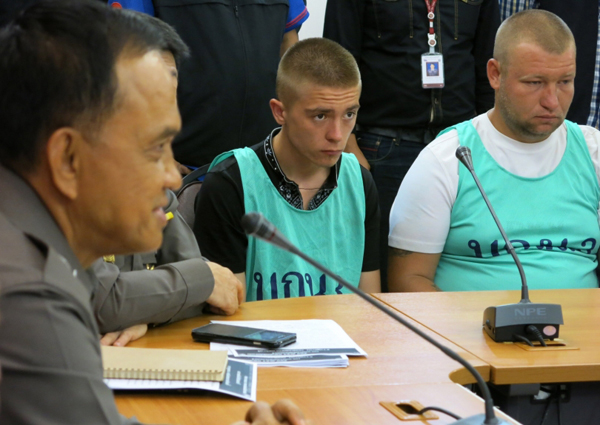
Acting Metropolitan Police chief Pol Lt-General Sanit Mahathaworn said the Rom Klao Police Station had been told by a private bank that two white male suspects were seen using fake electronic cards to withdraw money in the area. Police then investigated the case and arrested the two suspects as they emerged at the entrance of Soi King Kaew 54 in Samut Prakan’s Bang Phli district on June 6.

Further investigation helped the police locate the men’s rented house in a nearby housing estate, where officers found the 39 fake cards.

The duo reportedly confessed to the crime and said that two other compatriots were on the run, Sanit said. The gang allegedly installed cameras at ATM machines to read and remember people’s information, which they used to produce fake cards to withdraw money, Sanit explained. The Ukrainians would then send the cash back to their country and get US$2,000 (S$2,691) in return.

Sanit said the suspects had withdrawn cash 22 times from June 3-6 and got away with 400,000 baht. The police are hunting for another accomplice believed to be based in Lampang, he added.

Image: 
Category: 
Publication Date: 
Thursday, June 9, 2016 – 12:13
Keywords: 
Send to mobile app: 
Source: 


Story Type: 
Others

Source link

RM20 Vehicle Entry Permit fee to kick in on Jul 16: Report

After a trial period for the VEP system ends on Jul 15, Malaysian authorities are set to begin charging a fee for foreign vehicles entering Johor, says Malaysia’s New Straits Times. 

Source link