Myanmar needs to make up for lost time and develop not just its policies but the team leading the country, to bring it forward in a united way, says Prime Minister Lee.
Source link
Time for Myanmar to catch up with rest of SE Asia: PM Lee
6 weeks jail for maid who added urine to toddler’s milk

SINGAPORE – To get her employer and his family to “listen” to her after she was reprimanded, an Indonesian maid mixed her urine into the drinking water and milk that were meant for them.
Twenty-seven-year-old Ela, who goes by one name, was sentenced to six…
Source link
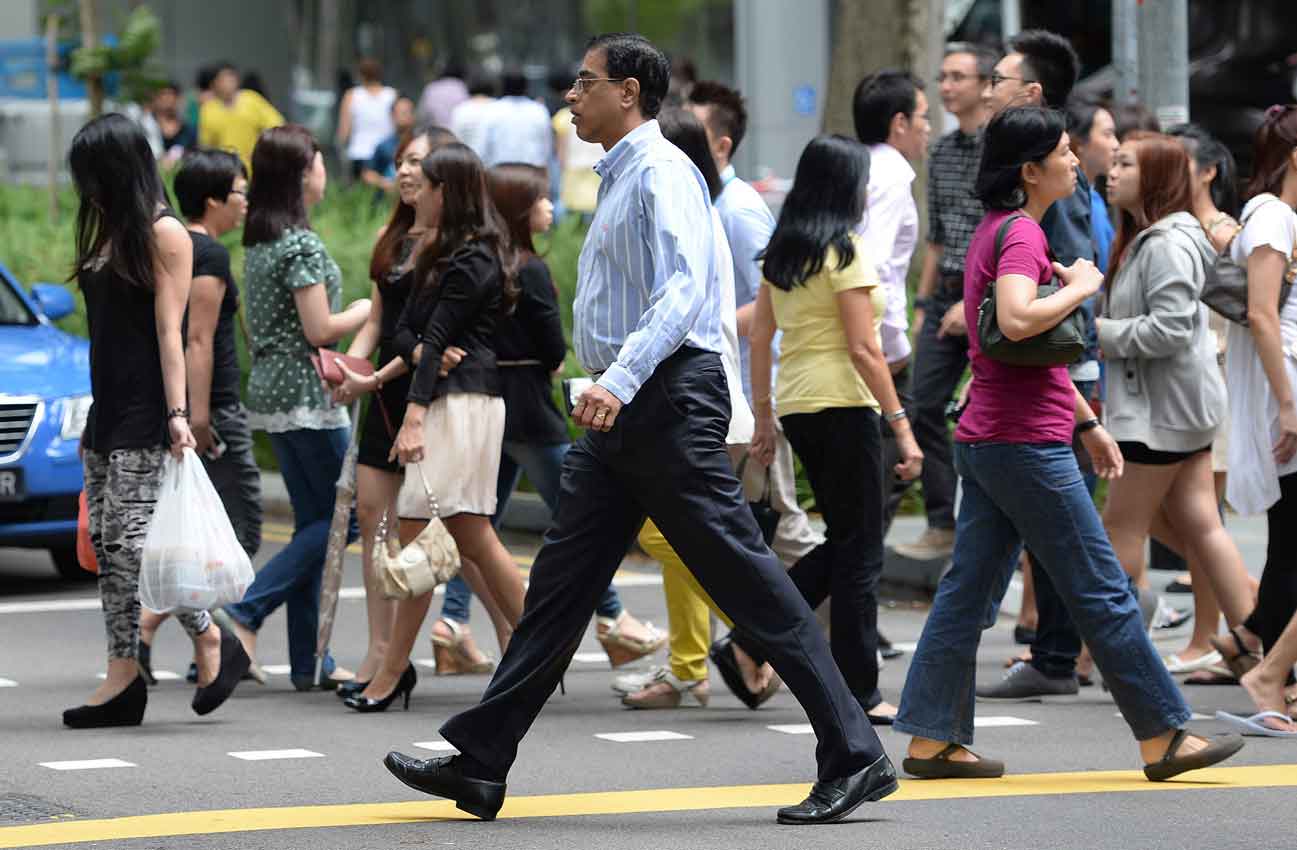
Should Singaporeans get free income from the Government?
Image:
Publication Date:
Friday, June 10, 2016 – 06:00
Keywords:
External URL:
Send to mobile app:
Source:
Story Type:
Others
Japan moving to charge former US Marine with rape and murder of local woman
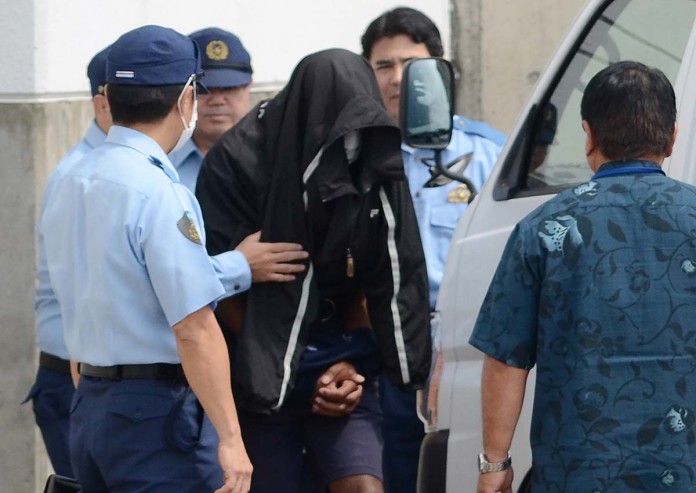
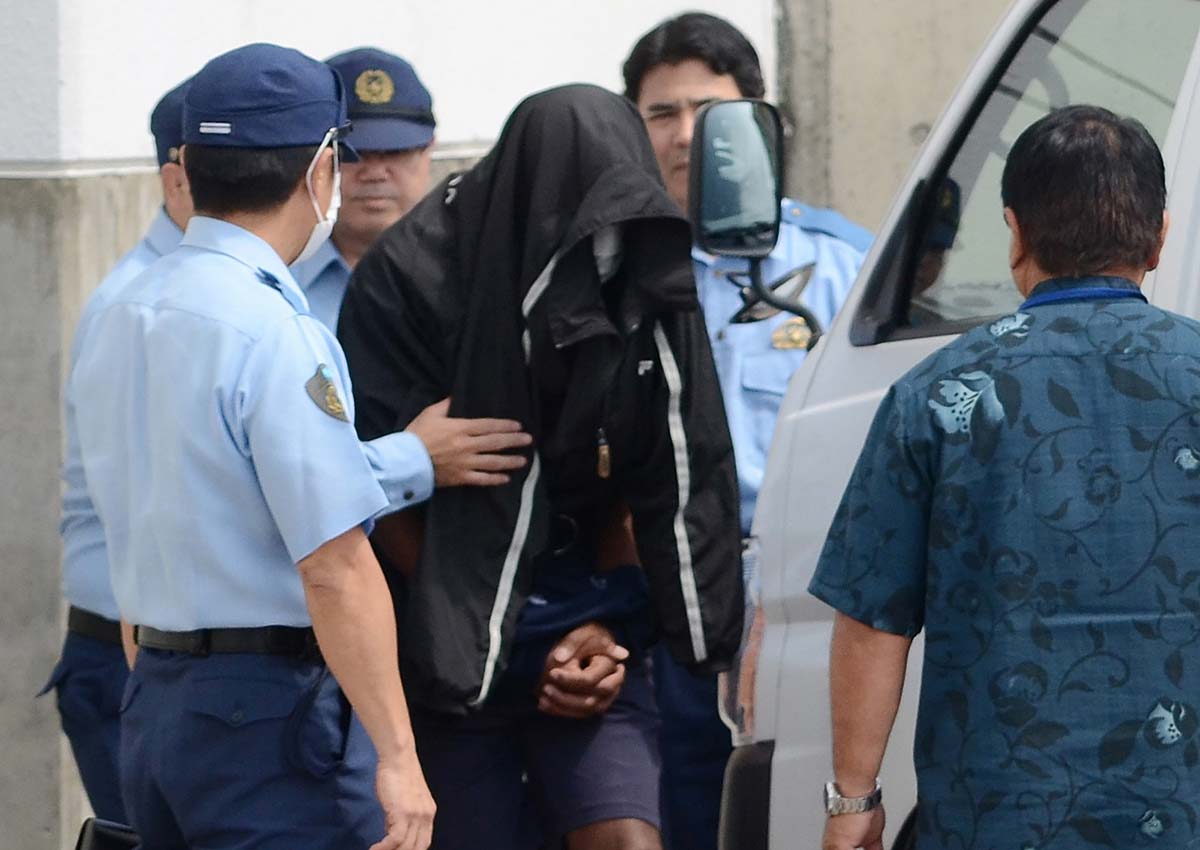
TOKYO – Japan on Thursday moved closer to charging a US military base employee with the rape and murder of a local woman on the southern island of Okinawa.
Kenneth Franklin Shinzato, 32, a former US Marine employed at the US Air Force’s sprawling Kadena Air Base, was first arrested last month for allegedly disposing of the body of the victim, identified by local media as Rina Shimabukuro.
On Thursday, as is common practice in Japanese law, he was again arrested, this time for the separate crime of the alleged rape and murder of the 20-year-old woman, an Okinawa police spokesman told AFP.
Japan’s Jiji Press reported that Shinzato was formally charged on Thursday for abandoning the body. Prosecutors, however, told AFP they could not comment.
The case has intensified longstanding local opposition to the American military presence on the strategic island, which reluctantly hosts about 75 percent of US bases in Japan by land area.
Crimes by US personnel have long sparked protests on crowded Okinawa, and have been a frequent irritant in relations between close security allies Japan and the United States.
The woman’s remains were found after investigators conducted a search in a weed-covered area based on Shinzato’s deposition, while police found DNA matching Shimabukuro’s in his car, news reports said.
His arrest last month sparked fresh anger among Okinawans as well as a harsh public rebuke by Japanese Prime Minister Shinzo Abe to US President Barack Obama when he visited Japan for a Group of Seven summit.
Obama expressed regret over the incident while vowing measures to prevent crime by Americans. The military on Okinawa, meanwhile, imposed restrictions including a curfew.
But last weekend a 21-year-old US sailor on the island was arrested for allegedly driving while intoxicated and injuring two people, one seriously, prompting the US Navy to impose an alcohol ban on its personnel throughout Japan.
More than half the 47,000 American troops in Japan under a decades-long security alliance are stationed on Okinawa, the site of a major World War II battle that was followed by a 27-year US occupation of the island.
A series of crimes including rapes, assaults and hit-and-run accidents by military personnel, dependants and civilians have long sparked protests.
In 1995 the abduction and rape of a 12-year-old girl by three US servicemen prompted Washington to pledge efforts to strengthen troop discipline to prevent such crimes and reduce the US footprint on the island.
Okinawans are planning a major rally later this month to protest the bases, as well as the behaviour of US personnel.
Image:
Publication Date:
Thursday, June 9, 2016 – 18:32
Send to mobile app:
Source:
Hermes ID:
2 356 696
Hermes ID String:
PKJAPAN09A
Story Type:
Others
Singapore firms must embrace disruption: Tharman
Mr Tharman was speaking at the launch of IBM’s new Watson Centre, the first of its kind to integrate IBM’s expertise in the areas of cognitive computing, IBM blockchain technology and design capabilities in one location.
Source link
Video hints Japan abetting illegal ivory trade: Conservationists
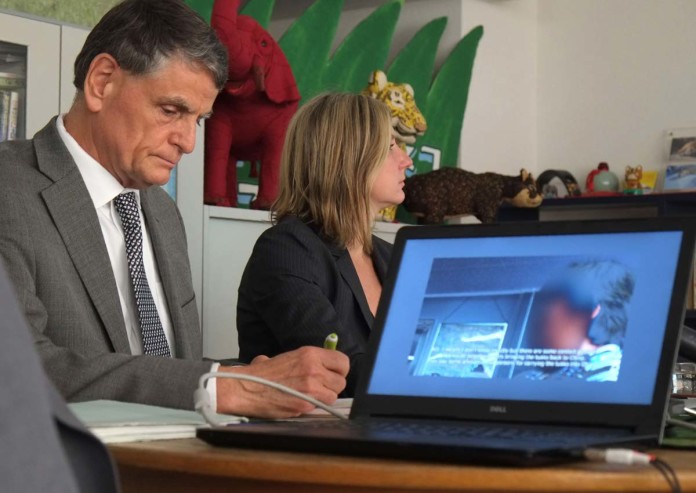
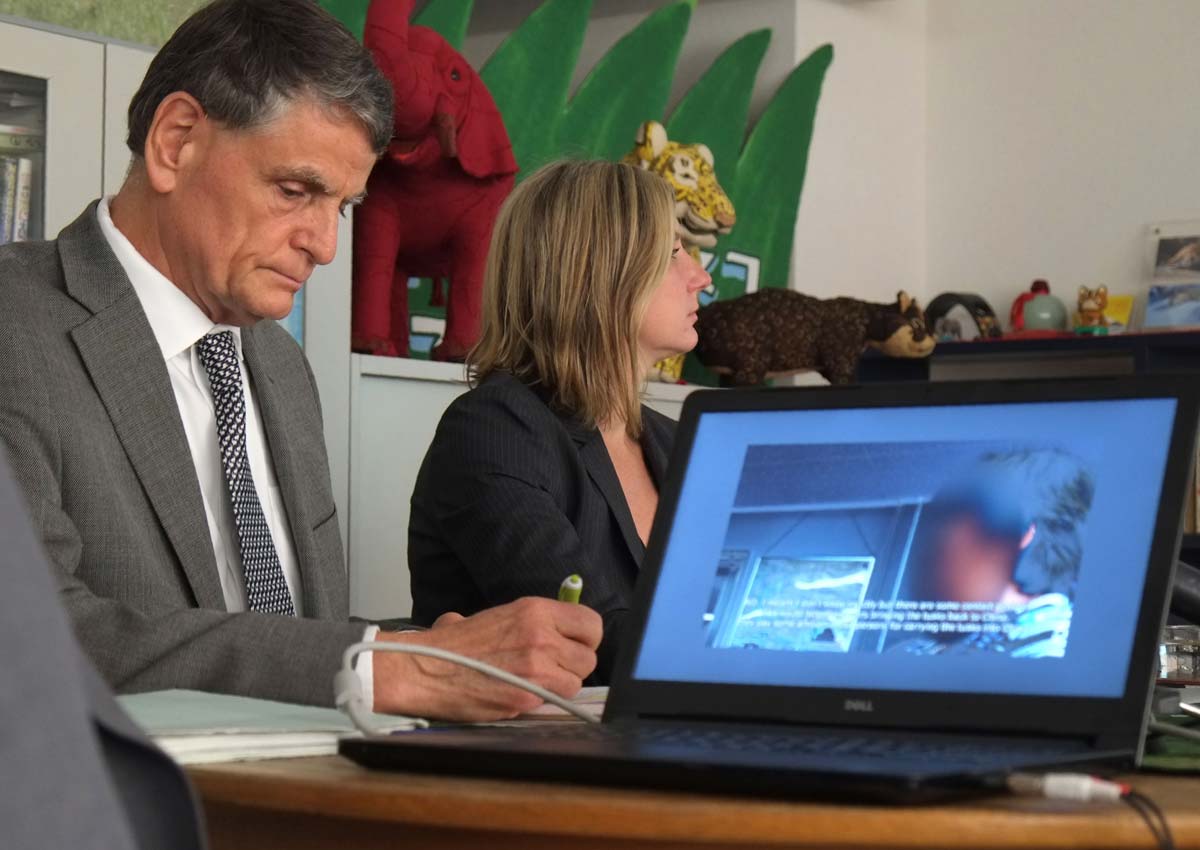
TOKYO – Conservation activists on Thursday showed undercover video they say suggests that a “huge loophole” in Japanese law enforcement is hindering efforts to rein in illegal ivory trading.
Experts say most illegal ivory heads for China, where it is seen as a status symbol. By some estimates the country accounts for as much as 70 percent of global demand.
The Convention on International Trade in Endangered Species of Wild Fauna and Flora, or CITES, banned international ivory trade in 1989.
Japan also prohibits cross-border trade and authorities say ivory bought and sold inside the country was legally obtained before the ban or under special arrangements with African countries.
But the US-based Environmental Investigation Agency, a campaign group, covertly filmed four ivory traders in different cities in Japan who showed no hesitation in selling ivory to Chinese buyers.
The Japanese traders acted “knowing the tusks would be illegally exported to China”, EIA said in a statement.
An undercover EIA investigator presented himself as a Chinese buyer and explicitly showed that he was willing to send ivory to China, EIA president Allan Thornton told reporters as the group showed the footage.
“You came too late,” a trader in Osaka is shown saying. “We sold so many ivory tusks that ivory has been vanishing from Japan.” Another trader in the central Japanese city of Gifu said: “I don’t care, Okay? Illegal is okay.” Japanese laws create a “huge loophole” partly because traders do not have to register all the tusks they have unless they intend to sell them, and because no registration is required for cut pieces of ivory, Thornton said.
“Traders know that it is illegal to export the tusks, but they don’t have any concern about selling the tusk to people who say they are going to illegally export them,” Thornton said.
“In the United States and other countries that would be conspiracy to break a law and that would be illegal.” The release of the footage comes weeks after the United States announced a near-total ban on the trade of African elephant ivory in the world’s second-largest market for it after China.
Africa is home to between 450,000 to 500,000 elephants, but more than 30,000 are killed every year on the continent to satisfy demand for ivory, largely in Asia where raw tusks sell for around $1,000 ($1,353) a kilo.
“While China is busting criminals smuggling tons of illegal ivory tusks from Japan, no enforcement action is taken by Japan to prosecute ivory traders facilitating illegal ivory exports,” said Danielle Grabiel, EIA senior policy analyst.
An environment ministry official was not immediately available for comment.
An official at Japan’s trade ministry, however, said authorities are closely monitoring registered traders while “such (illegal) cases fall under the category of criminal investigation”.
Image:
Publication Date:
Thursday, June 9, 2016 – 18:27
Send to mobile app:
Source:
Hermes ID:
2 356 624
Hermes ID String:
PKJAPAN09
Story Type:
Others
Accounts executive pleads guilty to cheque fraud
Money was siphoned from her previous two employer some of which was converted into casino chips at Resorts World Sentosa.
Source link
Singapore: Indonesian maid jailed for feeding ‘urine’ mixed into milk to employer’s child
A SINGAPOREAN mother was in for a nasty shock after finding out her Indonesian maid fed her four-year-old son with milk mixed with urine, as well as leaving a flask of water with urine in it for her and her husband to drink.
The 27-year-old maid, who goes by the name of Ela, pleaded guilty to one of two charges of mischief on Monday. She has been sentenced to six weeks in jail.
The court heard that the offence took place last October, when she had been employed for just a month by the boy’s father, reports the Straits Times.
According to the report, the boy’s mother said that some water she had just poured from a flask to drink was yellowish and tasted off. She showed it to her husband, who agreed and decided to see if the water would be any different the next day.
SEE ALSO: Indonesian maid jailed for poisoning Malaysian
The next day, he found that the liquid smelt acrid. Ela said nothing had happened to the water when asked, but was found washing out the flask, which she took from her employer’s bedroom, the day after.
After being taken to the agency she was employed from, Ela admitted she had collected her urine and mixed it into a bottle of milk and gave it to her employer’s son to drink.
The prosecutor told the court she that Ela was angry at the mother for reprimanding her, so she wished to make the family “listen and be obedient to her”.
SEE ALSO: Are Singaporeans mistreating their maids?
She pleaded guilty to one count of mixing urine into the child’s milk, but not to the count of mixing urine into the drinking water in the flask, reports Channel News Asia.
Stories of Indonesian domestic workers mixing bodily fluids into their employer’s food or drink are relatively common, as it is a colloquial belief that such “witchcraft” could exert their own “power” over their employers.
In 2012, an Indonesian maid was jailed for a month for adding her menstrual blood to her employer’s coffee. Jumiah, 24, did so after being told that it would make a person be “nicer” to her.
The post Singapore: Indonesian maid jailed for feeding ‘urine’ mixed into milk to employer’s child appeared first on Asian Correspondent.
40-foot trailer crashes into tree along KJE; no one hurt
Driver Anbon Raj was on his way back to Kulai in Malaysia when he lost control of the trailer at about 2.50pm.
Source link
New Internet ruling for public service 'a nuisance', but necessary: PM Lee

YANGON – As “volunteer number one”, he has been working on two separate computer systems since the start of the year, revealed Prime Minister Lee Hsien Loong, as he addressed the outcry over the Government’s move to separate internet access from work…
Source link


