Home Blog Page 3700

Ex-PAP man recounts 1957 'kelong meeting' to plot against Lee Kuan Yew

0

Former leftist Tan Kong Guan, who was vice-chairman of the People’s Action Party (PAP) for nine days before being arrested, has published his memoirs, including an account of a 1957 “kelong meeting” which led to a short-lived leftist takeover of key party posts.

Mr Tan, 84, who lives in Zhuhai, China, published the book in Chinese recently to recount his political career from when he was founding chairman of the PAP Bukit Timah branch in 1955 to his years in exile in Beijing in the early 1960s.

The book, titled Kelong Meeting – Truth On The Bid For Power, has three of its 20 chapters devoted to an overnight meeting at a kelong off the Jurong coast attended mainly by branch leaders.

This was a month before the fourth PAP conference on Aug 4 at the Singapore Badminton Hall. The kelong meeting, organised by Mr Tan, is widely regarded as when leftists hatched a plot against then secretary-general Lee Kuan Yew to deny him control of the central executive committee (CEC).

The late Mr Lee was among many senior party members who believed there was a plot against him and that the party CEC election was rigged by leftists.

Mr Tan denies the accusations.

“We never planned to take control of the CEC, but were simply helping to rally support for Mr Lee against the extreme-left members within the PAP,” he told The Straits Times in a telephone interview from Zhuhai last month.

At the party conference, the leftists won six of the 12 CEC seats, two more than they had previously. Mr Lee and his colleagues reacted by refusing to take up CEC leadership posts.

This led the six leftist leaders – comprising Mr Tan, then a welder, bookkeeper Tan Chong Kin, lawyer T.T. Rajah, unionist Chen Say Jame, clerk Ong Chye Ann and unionist Goh Boon Toh – to fill the posts of vice-chairman, chairman, secretary-general, assistant secretary-general, treasurer and assistant treasurer, respectively.

But their hold on the posts they took up on Aug 13 was short.

Nine days later, all except for Mr Rajah were arrested by the then Lim Yew Hock government for being communists.

A fresh CEC election followed and Mr Lee and other non-leftists were returned to the positions. Mr Tan Kong Guan, Mr Tan Chong Kin, Mr Ong and Mr Goh were deported to China in September 1957.

While he denies the kelong meeting was to plot a takeover, Mr Tan Kong Guan said he wanted to “tell my version so readers can better judge for themselves”.

But Mr C.C. Chin, 75, an independent scholar of leftist history, believes the kelong meeting was held to strengthen the left’s influence. “Why were there non-PAP members and extremist leaders from the left at the meeting if there was no plot?”

Mr Tan ran a food manufacturing business in Macau and Zhuhai until he retired about a decade ago.


This article was first published on Jun 11, 2016.
Get a copy of The Straits Times or go to straitstimes.com for more stories.
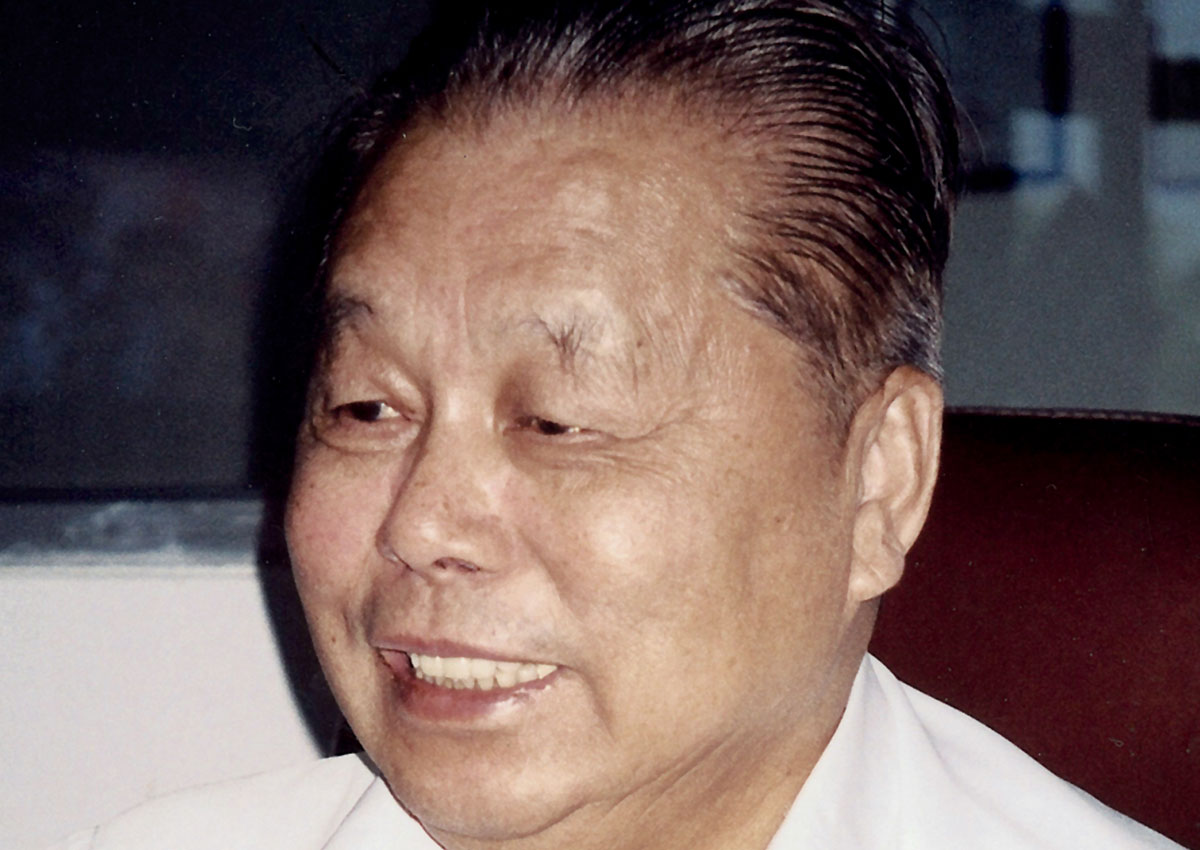
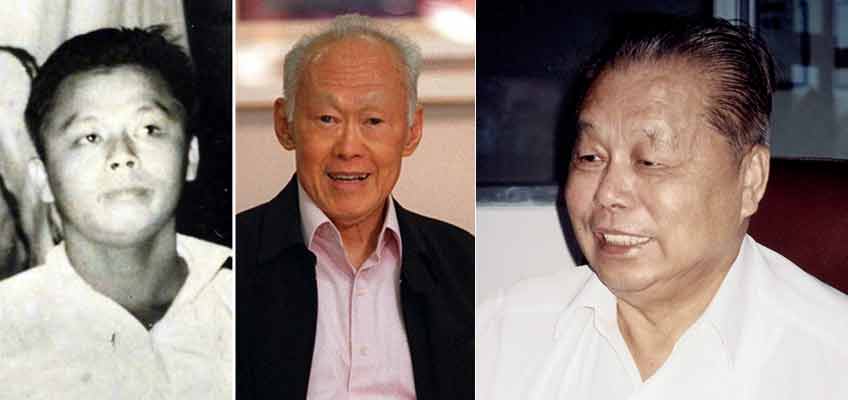
Image: 
Category: 
Publication Date: 
Saturday, June 11, 2016 – 17:00
Keywords: 
Send to mobile app: 
Source: 


Rotator Image: 
Story Type: 
Others

Source link

Ex-PAP man recounts 1957 'kelong meeting'

0

Former leftist Tan Kong Guan, who was vice-chairman of the People’s Action Party (PAP) for nine days before being arrested, has published his memoirs, including an account of a 1957 “kelong meeting” which led to a short-lived leftist takeover of key party posts.

Mr Tan, 84, who lives in Zhuhai, China, published the book in Chinese recently to recount his political career from when he was founding chairman of the PAP Bukit Timah branch in 1955 to his years in exile in Beijing in the early 1960s.

The book, titled Kelong Meeting – Truth On The Bid For Power, has three of its 20 chapters devoted to an overnight meeting at a kelong off the Jurong coast attended mainly by branch leaders.

This was a month before the fourth PAP conference on Aug 4 at the Singapore Badminton Hall. The kelong meeting, organised by Mr Tan, is widely regarded as when leftists hatched a plot against then secretary-general Lee Kuan Yew to deny him control of the central executive committee (CEC).

The late Mr Lee was among many senior party members who believed there was a plot against him and that the party CEC election was rigged by leftists.

Mr Tan denies the accusations.

“We never planned to take control of the CEC, but were simply helping to rally support for Mr Lee against the extreme-left members within the PAP,” he told The Straits Times in a telephone interview from Zhuhai last month.

At the party conference, the leftists won six of the 12 CEC seats, two more than they had previously. Mr Lee and his colleagues reacted by refusing to take up CEC leadership posts.

This led the six leftist leaders – comprising Mr Tan, then a welder, bookkeeper Tan Chong Kin, lawyer T.T. Rajah, unionist Chen Say Jame, clerk Ong Chye Ann and unionist Goh Boon Toh – to fill the posts of vice-chairman, chairman, secretary-general, assistant secretary-general, treasurer and assistant treasurer, respectively.

But their hold on the posts they took up on Aug 13 was short.

Nine days later, all except for Mr Rajah were arrested by the then Lim Yew Hock government for being communists.

A fresh CEC election followed and Mr Lee and other non-leftists were returned to the positions. Mr Tan Kong Guan, Mr Tan Chong Kin, Mr Ong and Mr Goh were deported to China in September 1957.

While he denies the kelong meeting was to plot a takeover, Mr Tan Kong Guan said he wanted to “tell my version so readers can better judge for themselves”.

But Mr C.C. Chin, 75, an independent scholar of leftist history, believes the kelong meeting was held to strengthen the left’s influence. “Why were there non-PAP members and extremist leaders from the left at the meeting if there was no plot?”

Mr Tan ran a food manufacturing business in Macau and Zhuhai until he retired about a decade ago.


This article was first published on Jun 11, 2016.
Get a copy of The Straits Times or go to straitstimes.com for more stories.

Image: 
Category: 
Publication Date: 
Saturday, June 11, 2016 – 17:00
Keywords: 
Send to mobile app: 
Source: 


Story Type: 
Others

Source link

Mexico, Singapore leaders back TPP ratification

0

Mexico City – Mexican President Enrique Pena Nieto said Friday (June 10) that he and Singaporean counterpart Tony Tan will promote the ratification of a trans-Pacific trade pact.
The two leaders met during Dr Tan’s state visit to Mexico, the first by a…

Source link

24-year-old Singaporean killed by gangster in Pakistan: He was shot 8 times

0

The Khan family from Singapore had gathered in the Swabi District in Pakistan on Jan 23 this year to celebrate a relative’s birthday. Tragically, their visit there ended in a violent death for one of them.

For two months without incident, Mr Abdul Aziz Khan, his wife, Madam Fajrah, sons Omais Khan, 26, and Ravaid Khan, 24, Mr Ravaid’s wife Ravina Khan and their daughter stayed in a house at Kaddi village, 107km from the capital Islamabad. The house belonged to Mr Abdul Aziz’s parents.

On March 23, a burly man showed up at the doorstep of the house, said Mr Abdul Aziz, 50, a taxi driver.

He claimed to be part of a gang led by a man called Mustafa. He demanded that Mr Abdul Aziz and his sons hand over 1 million Pakistani rupees (S$13,000) and buy three AK-47 assault rifles for them.

“He told me that his gang will kill one of my children if we failed to arrange the money and guns in 14 days,” Mr Abdul Aziz told The New Paper in his four-room Housing Board flat in Bedok North on Thursday.

In a chilling gesture, before leaving, the man left photographs of four men armed with AK-47s at Mr Abdul Aziz’s doorstep. He claimed they were fellow gang members.

Fearing for his family, Mr Abdul Aziz said he wanted to return to Singapore, but was unable to do so, as “the vicinity was surrounded with gangsters and they won’t let me escape”.

His sons did not think the man would go through with his threat and they went on with their daily tasks.

On April 6, when Mr Ravaid stepped out to run errands at 5.30pm, 11 or 12 armed men surrounded him in front of an alley facing the house.

One of them opened fire and shot him about eight times in the abdomen and legs.

A shocked Mr Abdul Aziz ran downstairs, but the men fled.

“He died in my arms,” a tearing Mr Abdul Aziz said. “He wanted to say something, but was unable to because of the blood coming out of his mouth.”

Mr Abdul Aziz drove his son to a nearby hospital. A police officer was there and Mr Abdul Aziz told him about the shooting.

Due to the number of times Mr Ravaid had been shot, his body was in gruesome condition.

His family decided to bury him in a cemetery in Kaddi the next day.

On April 7, Mr Abdul Aziz went to the Singapore Consulate-General in Karachi and told them about the incident. He was told the Ministry of Foreign Affairs (MFA) in Singapore would be informed.

Pakistan police arrested several suspects. They were charged in court in mid-April and are now out on bail, said Mr Abdul Aziz.

He and his family returned to Singapore on April 26.

They are still reeling from the death of their son, a former Mustafa Centre salesman.

Mrs Ravina, a housewife, who was seven months pregnant when her husband was shot, said: “I am just a 24-year-old widow with a one-year-old child and the other is in my womb.”

Her husband was especially excited about their second child, who is due at the end of this month. She showed photos of her husband with an ultrasound of the baby.

FATHERLESS

Mr Ravaid’s daughter was close to her father and used to wake him up every morning.

“She has been crying every morning looking for her father,” Mrs Ravina said.

Mr Ravaid’s brother, Mr Omais, a former part-time tutor, said: “He was more than a brother to me – we were almost twins.

“I feel helpless and dead inside.”

Mr Ravaid’s sister, Miss Seema, 21, did not get to see her brother for the last time.

She said: “My father stopped me from going for the funeral in Pakistan because he said the situation there was very dangerous.”

A cheerful person, Mr Ravaid was close to his national service mates.

One of his close friends, Mr Hafiz Zakariya, 24, a service technician, did not believe news of the death at first as “(Ravaid) was a funny guy who liked to play pranks”.

“This news is very hard to accept as we were very close. He was a nice friend and I’ll never forget him,” he said.

The family vows never to go back to Pakistan.

Mr Abdul Aziz went to the Ministry of Foreign Affairs on April 28 to follow up.

When TNP contacted the MFA on Thursday, a spokesman said: “MFA is in contact with Mr Abdul Aziz Khan and will continue to provide the necessary consular assistance to him and his family.”

Mr Abdul Aziz also filed a report with the police here on May 10.

“We are still in shock,” Mr Abdul Aziz said.

“I hope we can get justice for Ravaid.”


This article was first published on June 11, 2016.
Get The New Paper for more stories.

Image: 
Publication Date: 
Saturday, June 11, 2016 – 14:00
Send to mobile app: 
Source: 


Story Type: 
Others

Source link

$2,225 a month claim for undergrad expenses 'inflated'

0

The monthly sum needed to maintain a law undergraduate has come under scrutiny in a divorced couple’s court battle as a judge criticised claims for clothes, bags and pocket money as being too high.

At issue was how much the father should contribute to support his only daughter, a 20-year-old National University of Singapore (NUS) student who now lives with her mother.

The couple split 10 years ago and he has been paying $950 a month for his daughter’s expenses since 2010.

But his former wife applied to court last year to increase the sum to $1,450, in addition to him paying all of their daughter’s annual university fees.

District Judge Lo Wai Ping was not convinced and, in judgment grounds released yesterday, ordered the man’s maintenance sum for his daughter to remain at $950 and reduced his contribution towards her $17,563 annual tertiary fees to a maximum of 75 per cent.

The judge noted that the father, who has since remarried, “has been struggling” since last October to pay his former wife $2,300 a month for their daughter, comprising $950 for living expenses and $1,350 for tertiary fees. He also pays his former wife $500 in monthly maintenance.

The judgment means he now pays a total of $2,550 to his former wife and their daughter – $250 less than he used to.

“The issue in this case is whether, having regard to all the circumstances of the case, the monthly sum of $950 is still reasonable… now that the (daughter) is 20 years old and a law student,” said Judge Lo.

She explained that the sum had to be seen in the context of the entire increased maintenance ordered due to the daughter’s change in circumstances from college student to undergraduate, which amounted to a monthly average of $2,050, including $1,100 per month in tertiary fees.

None of the parties involved in the case has been named.

The mother, defended by lawyer Mimi Oh, had tabled various items such as food, transport and other allowances, and claimed that her daughter’s current living expenses had soared to $2,225 a month.

The father said the expenses were “inflated and unreasonable”.

He said the $950, when added to the mother’s contribution, was “more than sufficient” for their daughter to live comfortably as a university student.

His lawyer Lim Poh Choo supplied data on the monthly expenses that an undergraduate may incur at NUS, Singapore Management University and Nanyang Technological University. Ms Lim argued these figures showed an undergraduate would need about $750 in monthly living expenses.

The judge found that some of the monthly expenses claimed by the mother for her daughter “were indeed inflated and exaggerated”.

Among other things, the mother explained that her daughter needed $200 a month for clothes, shoes and handbags as she was required to wear office attire when giving presentations in school and attending court.

“Even so, there is no necessity to buy a new set every month for such school presentations or court attendances,” said the judge, ruling that $50 a month for these items would suffice for an undergraduate.

The judge also found that the $600 sought for personal allowances was “too high”, given that all the daughter’s expenses had been covered separately under other items. She halved the sum payable to $300 a month.

This $300 would also suffice to cover the miscellaneous expenses of $230 a month billed for items such as toiletries and presents, she ruled.

Judge Lo further noted that the research presented by the father included food prices at the NUS Bukit Timah campus, and accepted that prices at campus canteens would be cheaper, reducing the $600 a month sought for food to $350 a month.

The father is currently a sole breadwinner who sends $2,000 monthly to his China-based wife and six-year-old child, in addition to what he now pays for his daughter and former wife.

Judge Lo added that the working mother is also obliged to maintain her daughter and is able to do so, given her monthly income of about $3,000.

Underlining that both parents can provide reasonable maintenance only as best as they could, the judge said “the daughter is not precluded from taking on her own part-time work to earn some extra money to indulge in the luxuries she wants”.


This article was first published on Jun 11, 2016.
Get a copy of The Straits Times or go to straitstimes.com for more stories.

Category: 
Publication Date: 
Saturday, June 11, 2016 – 17:00
Send to mobile app: 
Source: 


Story Type: 
Others

Source link

Showcase of five decades of National Day Parades

0

From a fly-past with a flag about the size of a billiard table during the National Day Parade (NDP) of 1970, to one as large as a basketball field during last year’s parade – the event celebrating Singapore’s independence has evolved over the decades.

Highlights can be seen in a new travelling exhibition featuring 102 archival images and stories, which were put together after a “retrospective survey” by the National Heritage Board (NHB).

The exhibition, “50 Years of National Day Parades”, was launched at Kallang Wave Mall yesterday and will travel to Bedok Public Library, Velocity in Novena and One Raffles Place before returning to Kallang Wave Mall in the lead-up to National Day on Aug 9.

The showcase has been divided by decades into five sections from the 1960s to the 2000s. NHB assistant chief executive of policy and community Alvin Tan said the board felt it was timely to put together the showcase as Singapore celebrates its 50th parade this year.

He added: “We hope that Singaporeans will realise that the NDP is more than just a parade – it is the one time in the year that we are truly united in feeling proud of our achievements and hopeful for Singapore’s future.”

The first NDP in 1966 was held at 9am at the Padang and involved 23,000 participants. Another notable parade of the 1960s was the one in 1968 when participants performed their roles undeterred by a heavy downpour.

Retired major Ponnosamy Kalastree, 69, who took part in the first NDP in 1966, remembers being too excited to sleep the night before.

He said: “We felt a sense of duty and pride to serve and fight for the nation as soldiers. It was the first time we were appearing in public in our uniforms. It was also the first time that Singapore had its own soldiers to be proud of.”

The section on the 1970s features technological advancements. For instance, three colour cameras were acquired in 1974 to capture the parade’s proceedings. In 1976, the parade was held in the new National Stadium.

The 1980s was marked by a surge in confidence in Singapore’s growth and success in development since independence.

It was also in 1984 that the first National Day song, Stand Up For Singapore, was introduced.

The following decade also had several firsts, including the debut of the 21-gun salute in 1994.

In 1998, the National Day song, Home, a local favourite, was launched as Singapore celebrated 33 years of independence.

Meanwhile, a thread that runs through the millennium parades is national identity – remembering the country’s roots while gearing up for the future, said Mr Tan.

The grandest parade took place during the country’s Jubilee celebrations at the Padang last year.

Highlights included F-16 fighter jets forming the number “50”, a tribute to the late founding Prime Minister Lee Kuan Yew, a Singapore Airlines A-380 flying across the parade grounds, as well as a vintage parade.

Mr Ponnosamy said the exhibition will help the public understand the work that goes into developing the show each year.

“I was just a teenager when I took part in the first parade. I was very proud to be involved. Each parade is a countrywide effort that takes a year to put together.”

NHB is calling for members of the public to share their NDP memorabilia to be incorporated into the exhibition. People who wish to contribute may e-mail nhb_feedback @nhb.gov.sg


This article was first published on Jun 11, 2016.
Get a copy of The Straits Times or go to straitstimes.com for more stories.
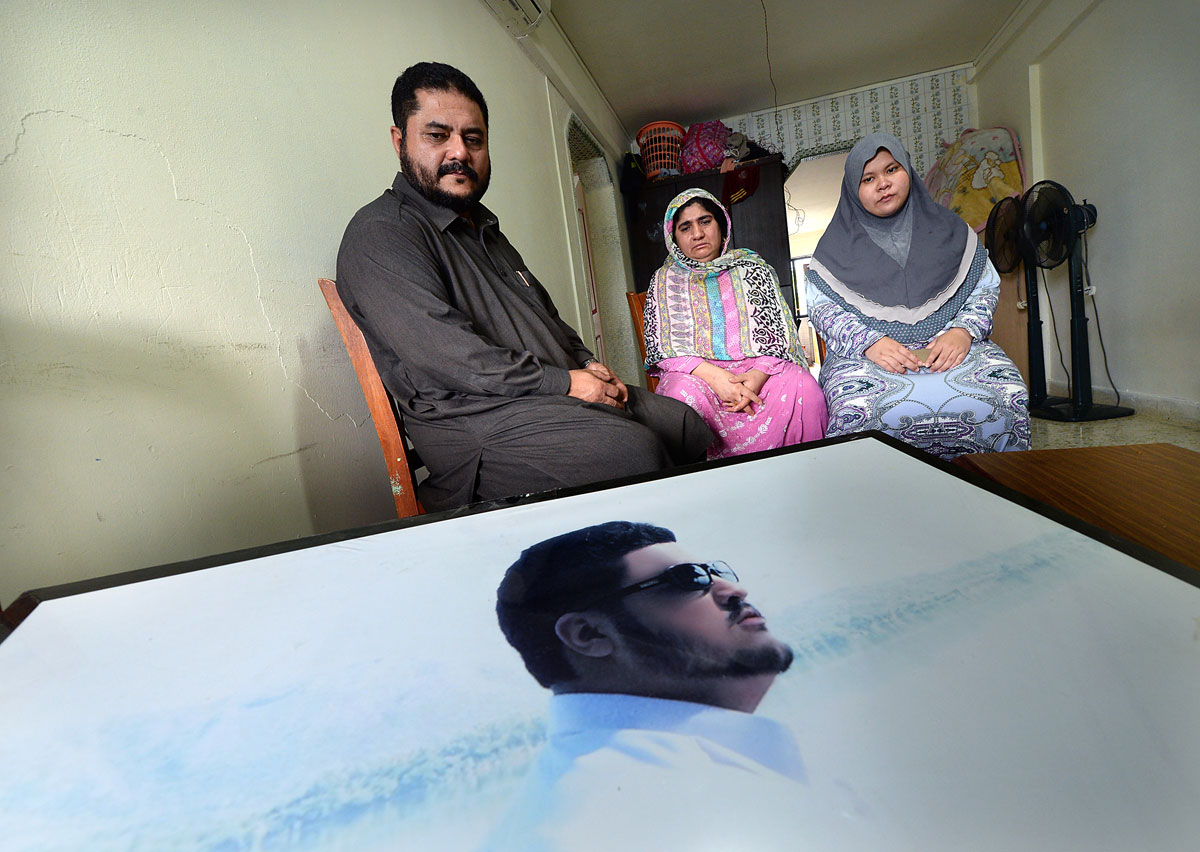
Image: 
Category: 
Publication Date: 
Saturday, June 11, 2016 – 17:00
Send to mobile app: 
Source: 


Story Type: 
Others

Source link

Thailand road accident kills 11 school staff

0

Bangkok – Eleven staff from a Bangkok elementary school were killed when their people carrier flipped over and caught on fire after a tyre burst, an official said on Saturday (June 11).

The accident took place on Friday evening on a motorway in Chonburi province as the teachers and other school staff travelled back to Bangkok from a seminar in Rayong province.

“The van’s tyre burst and it turned over before catching on fire,” an official from Thailand’s Disaster Prevention and Mitigation Department told AFP.

Photos published in local media showed the toppled vehicle engulfed in flames on the side of the road.

The passengers were from a small private elementary school in eastern Bangkok.

Four survived the accident with injuries, the disaster official said.

A school employee told AFP the school’s director was driving the vehicle and was among the injured.

Despite relatively good infrastructure, Thailand has the second most dangerous roads in the world in terms of per capita deaths, according to data collected by the World Health Organisation (WHO) in a 2015 report.

The WHO estimates about 24,000 people die each year in traffic accidents on Thailand’s roads.

Only Libya records a greater number of fatalities per capita.

Image: 
Category: 
Publication Date: 
Saturday, June 11, 2016 – 12:10
Send to mobile app: 
Source: 


Rotator Headline: 
11 school staff in Thailand die after van flips over and catches fire
Rotator Image: 
Hermes ID: 
2 360 480
Hermes ID String: 
THAIACCDIENT
Hermes Author: 
XIUHUIL
Story Type: 
Others

Source link

SMEs need to have an 'MNC mindset': PestBusters CEO

0

“Do you think that when people graduate they want to work for SMEs? No. They would rather go for MNCs because they feel that the future is better,” says Mr Thomas Fernandez, who went On The Record with 938LIVE on entrepreneurship, hiring locals and seeing recession as an opportunity.

Source link

Orchard Road turns to WeChat to drive sales

0

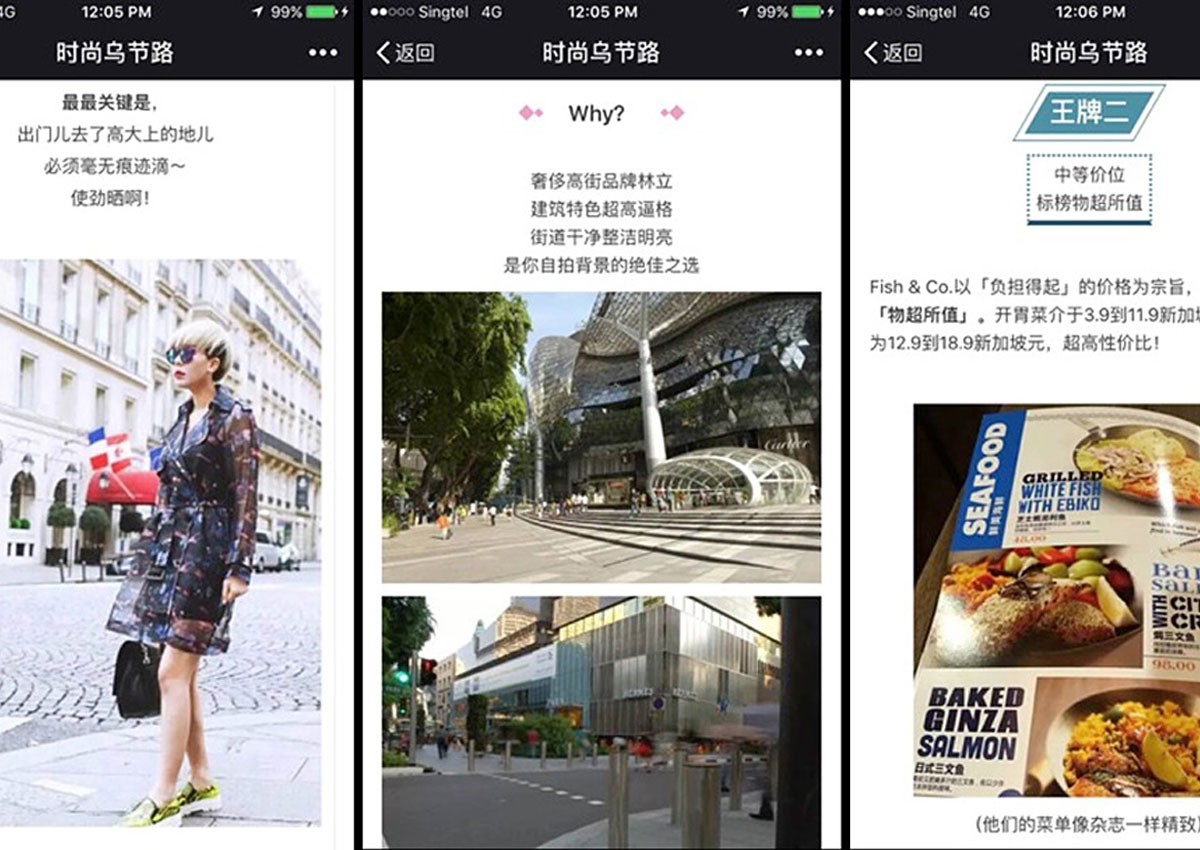
A post on Chinese social media platform WeChat touts Orchard Road as a prime spot for a selfie, with its backdrop of high street brands and clean surroundings.

Another post raves about the value of the dishes at seafood restaurant chain Fish & Co, where appetisers cost between $3.90 and $11.90.

The Orchard Road Business Association (Orba) set up the WeChat account two months ago to promote the shopping street directly to consumers in China.

“In China, without a WeChat account, it’s impossible to communicate with the consumers,” said Mr Steven Goh, Orba’s executive director.

Like many businesses in Singapore, Orba is looking to the Chinese to provide a boost to the flagging retail and tourism sectors.

Competition from online shops and weak consumer sentiments have translated into lower retail sales. Tourism growth is expected to slow to a crawl this year, as tourists tighten their belts ahead of a weakening global economy.

The Chinese, however, offer hope.

Last year, Chinese visitor arrivals grew 22 per cent year-on- year to 2.1 million. Although their expenditure of $2.54 billion was a 4 per cent dip from the 2014 figure, they were still the top spenders among visitors here.

In recent years, Orba has sent teams to different cities in China regularly to promote the street.

Recently, it hired a marketing agency in China to come up with twice-weekly posts on its WeChat platform that introduce – in the lingo of the mainland Chinese – the brands in Orchard Road.

Its efforts complement those of the Singapore Retailers Association (SRA), which roped in Chinese payments firm UnionPay International as a partner of its Great Singapore Sale this year.

SRA extended the sale to 10 weeks and started it a week later than usual to coincide with most of China’s summer holidays.

Other retailers are also taking the initiative to cater to the Chinese.

Retail shop Taula Jewellery in Clarke Quay widened its range in March to include fashion jewellery and items with prices starting from $29, instead of $49 previously. Its Chinese customers prefer fashion jewellery to precious metal jewellery such as silver and gold, and like good deals, owner Kanika Mittal, 35, noted.

Department store Takashimaya is “displaying more prominently” products that are more highly discounted and appealing to Chinese tourists, who make up 30 per cent of its foreign customers, said a spokesman.

SRA executive director Anthony Gan said the Chinese tend to look for goods and services tax refund service, shops that accept UnionPay, Mandarin-speaking staff and special offers.

The spending patterns of Chinese tourists have evolved, said UnionPay International South-east Asia general manager Yang Wenhui. He said it was “seeing spending on hotels, supermarkets, dining, airlines and retail grow at a much faster rate than luxury goods in general”.

Tourism consultant Edward Chew said Chinese tourists no longer “purchase everything they come across”, with many international brands now available in China.

The former Singapore Tourism Board regional director for Greater China said: “We need to distil what Singapore is good for and strong in and what’s unique about our retail scene, and actively promote them to the Chinese traveller in Singapore.”


This article was first published on Jun 11, 2016.
Get a copy of The Straits Times or go to straitstimes.com for more stories.
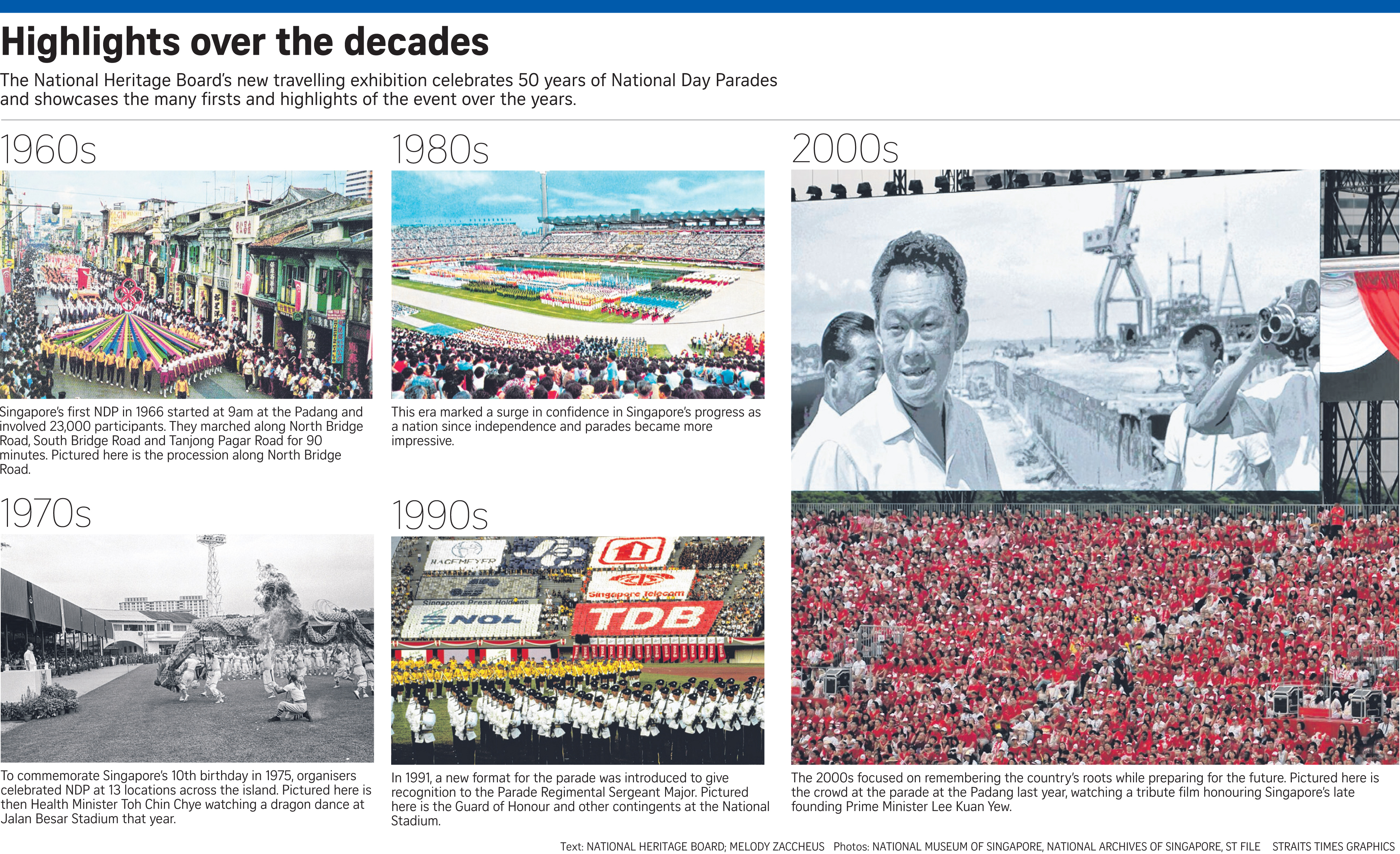
Image: 
Category: 
Publication Date: 
Saturday, June 11, 2016 – 14:00
Keywords: 
Send to mobile app: 
Source: 


Story Type: 
Others

Source link

'Not uncommon' to limit Internet access

0

Pulling the plug on Internet access on work computers is not uncommon in the private sector, say cyber-security experts and industry players, particularly in areas that deal with extra-sensitive information.

These include the defence, financial and healthcare industries, but to varying degrees depending on the nature of the work employees do.

The Straits Times reported on Wednesday that next May, 100,000 computers used by the public service will no longer have direct access to the Internet in order to keep government e-mail systems and shared documents safe.

Civil servants will have to log on to the Web on a separate terminal or through their personal devices such as mobile phones or tablets. They can forward non-sensitive e-mail to personal accounts.

Mr Bill Taylor-Mountford, vice-president for the Asia Pacific and Japan region at security intelligence firm LogRhythm, said Internet access is a key point of entry for attackers, and that cutting it essentially blocks a major path of attack.

“If you are dealing with very sensitive information such as healthcare, financial or defence, then you need to ensure that you limit the ways of attacks as much as you can,” said Mr Taylor-Mountford.

“These measures can include limiting Internet access, registering mobile devices used to access the network and blocking apps that are deemed vulnerable to attacks.”

Banks The Straits Times spoke to declined to go into the specifics of their cyber-security practices.

The Straits Times understands that while it is rare for banks to cut off all their computers from the Web, some restrict Internet access to only certain employees, such as analysts, sales staff and corporate communications staff.

When contacted, a DBS spokesman said: “We have policies and monitoring in place to ensure safe and responsible use of the Internet. We also conduct regular information security training sessions for our staff to ensure they demonstrate the correct behaviours when accessing the Internet, and to always be on their guard against online threats.”

Employee awareness and education are critical in ensuring the safety of a company’s network.

A UOB spokesman said: “Relying on technology alone as a line of defence against cyber-attacks is insufficient.”

Healthcare firms contacted by the Straits Times, such as the Singapore Medical Group, did not elaborate on their cyber-security practices, citing security reasons.

The Singapore Infocomm Technology Federation’s chairman for the security and governance chapter Tammie Tham said it will take some time for those in the public service to adjust to the inconvenience.

But she added: “Almost every company has some sort of control where certain sites such as Web-based e-mail, social media and file sharing are blocked.”


This article was first published on Jun 11, 2016.
Get a copy of The Straits Times or go to straitstimes.com for more stories.
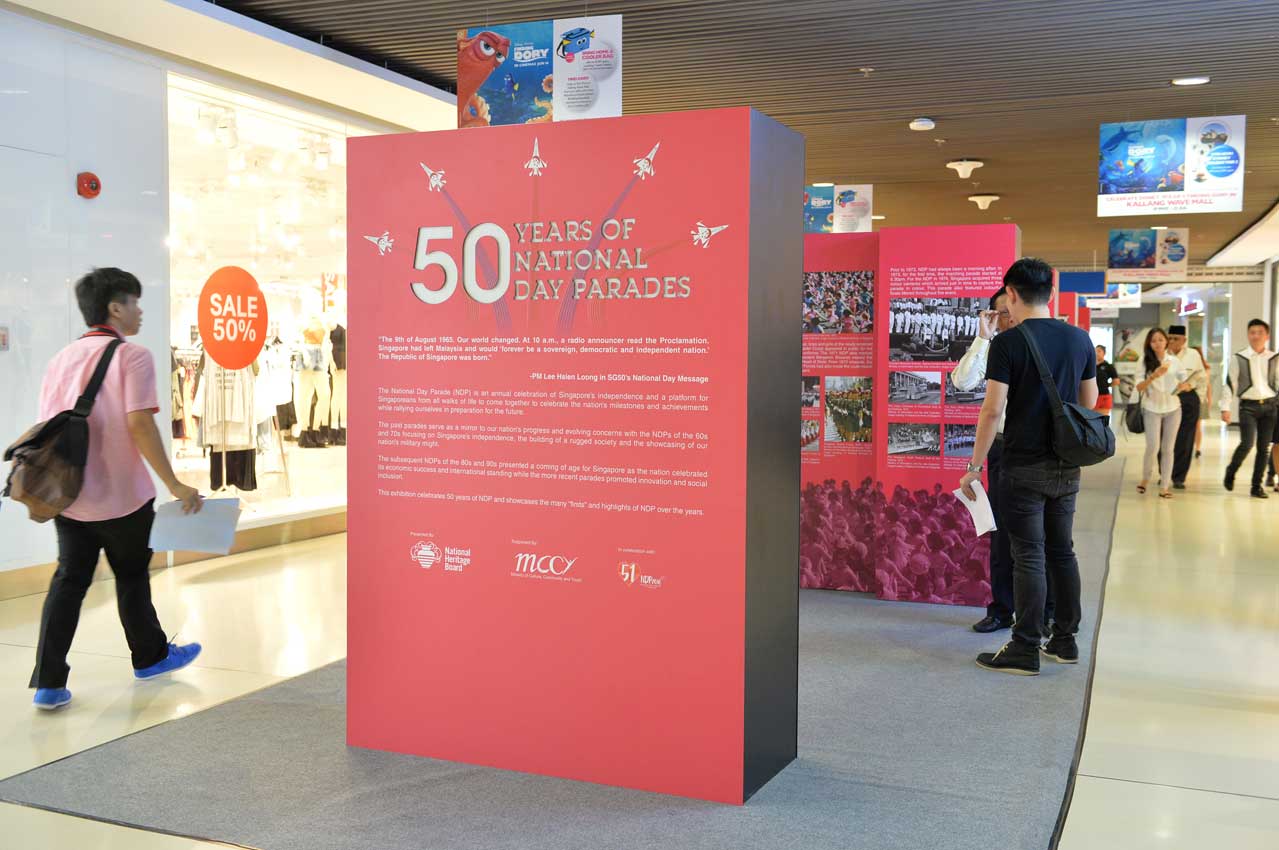
Image: 
Category: 
Publication Date: 
Saturday, June 11, 2016 – 14:00
Send to mobile app: 
Source: 


Story Type: 
Others

Source link