 SINGAPORE – Student care centre, Welcare Student Care Centre, will no longer be allowed to administer Government student care fee assistance from Aug 1.
The Ministry of Social and Family Development (MSF) said on Tuesday (June 28) it has served notice to…
Source link
MSF revokes status of Welcare Student Centre as administrator of student care fee assistance
MSF revokes Welcare Student Care Centre's rights to manage Govt funds
The revocation of the centre’s rights to administer student care fee assistance will kick in on Aug 1, says the Ministry of Social and Family Development.
Source link
Battle Box bunker officially opens after 2-year revamp
The World War II underground bunker at Fort Canning Park officially reopened on Tuesday (Jun 28) after a S$800,000 revamp that took more than two years.
Source link
TRS co-founder Yang Kaiheng jailed 8 months for sedition

SINGAPORE – Co-founder of sociopolitical site The Real Singapore Yang Kaiheng was sentenced to eight months’ jail on Tuesday (June 28) after he admitted to six charges of sedition last Friday.
He will start serving his sentence from July 5.
District Judge…
Source link
China communist party journal editor hangs himself: report
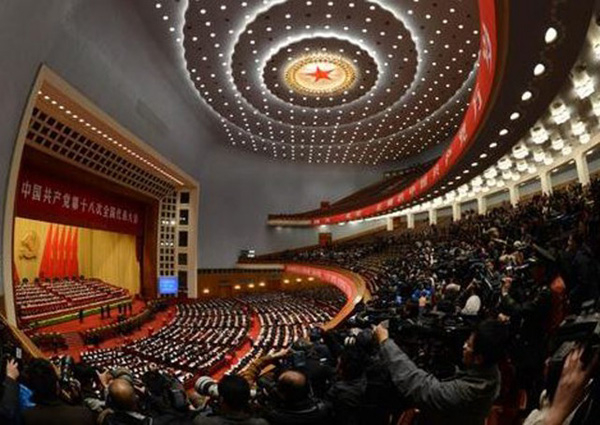
BEIJING – The deputy editor of the Chinese Communist party’s top theoretical journal has committed suicide, reports said, sending speculation swirling over political infighting, freedom of thought and corruption.
Zhu Tiezhi, 56, a well-known essayist on party theories and the deputy editor-in-chief of Qiushi — ‘Seeking Truth’ — hanged himself in the magazine’s garage, Chinese media said.
Citing an unnamed friend, Chinese media group Caixin said he had been depressed by ideological disputes in recent years between reformists and increasingly vocal conservative academics.
If the ruling party cannot solve real problems, “ideological debates would become empty talk to undermine the mutual trust between the party, the government it leads and the people”, it quoted one of Zhu’s articles as reading.
Under President Xi Jinping, authorities have tightened the space for debate both within the party and in wider society.
Zhu believed a scholar must preserve his integrity, independent way of thinking and unique views, the report cited the friend saying.
But “that concern does not sit well with the party’s call for all members and cadres to unite behind the party lines”, Caixin said.
People.cn, a website run by the Communist Party’s mouthpiece the People’s Daily, carried a brief report Sunday on Zhu’s death, without elaborating on the cause.
The report was widely picked up by other Chinese media, but most had been taken down by Tuesday.
Overseas Chinese media reports speculated that Zhu killed himself partly due to links with Ling Jihua, a fallen former aide to Xi’s presidential predecessor Hu Jintao.
Ling faces charges of accepting bribes and illegally obtaining state secrets.
Qiushi published a 4,000-word article by Ling in December 2014 — around two weeks ahead of his fall — that quoted Xi at least 16 times in a last-ditch attempt to showcase loyalty and beg for mercy, the reports said.
Ling may have influenced Zhu to expedite the publication by the journal, which is normally extremely selective, they said.
The Party’s anti-corruption watchdog, the Central Commission for Discipline Inspection, in October blasted Qiushi for “slack political censoring on the publication of some articles” and improperly manipulating the editing process to publish writings by friends.
Image:
Publication Date:
Tuesday, June 28, 2016 – 15:59
Keywords:
Send to mobile app:
Source:
Story Type:
Others
34-year-old man nabbed for loansharking activities
Police said they received a report of loanshark harassment at a HDB unit along Jalan Membina on May 25. The suspect was arrested on Monday (Jun 27).
Source link
Afghanistan's shocking subculture of boy sex slaves
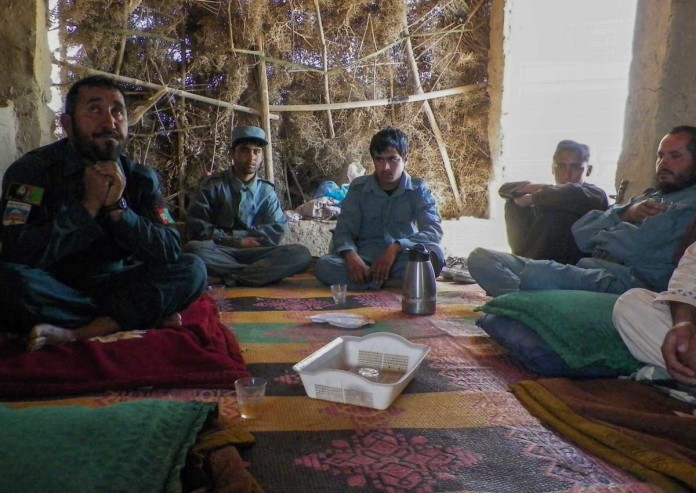
TARIN KOT, Afghanistan – The Afghan government says it will punish police officers involved in the institutionalised sexual abuse of children after an AFP report found the Taliban are exploiting the practice of paedophilic “bacha bazi” – literally “boy play” – to launch insider attacks.
Militants in Uruzgan province have killed hundreds of police after turning their child sex slaves against them, exploiting a centuries-old practice in Afghanistan that observers call one of the most egregious violations of human rights in the country.
Here are some some key answers about bacha bazi.
Powerful warlords, commanders, politicians and other members of the elite often keep “bachas” as a symbol of authority and affluence.
Bachas, dressed as women, are widely used by these men as dancers at private parties and are sexually exploited.
Bacha bazi is not widely seen as homosexual behaviour – popularly demonised as a deviant sexual act, prohibited in Islam – and is largely accepted as a cultural practice.
“Women are for child-rearing, boys are for pleasure” is a common saying across many parts of Afghanistan.
The ancient custom, banned under the Taliban’s 1996-2001 rule, has seen a resurgence in recent years. It is said to be widespread across southern and eastern Afghanistan’s rural Pashtun heartland, and with ethnic Tajiks across the northern countryside.
Tight gender segregation in Afghan society and lack of contact with women have contributed to the spread of bacha bazi, rights groups say.
Several other factors such as an absence of the rule of law, corruption, limited access to justice, illiteracy, poverty, insecurity, and the existence of armed groups have also resulted in the spread of bacha bazi, the Afghanistan Independent Human Rights Commission (AIHRC) said in a report in 2014.
AIHRC points out that Afghanistan’s criminal law prohibits rape and pederasty, but there are no clear provisions on bacha bazi.
“There is a gap and ambiguity in the laws of Afghanistan regarding bacha bazi and the existing laws do not address the problem sufficiently,” the report said.
“Many of the perpetrators have connections with the security organs and by using power and giving bribes they get exempted from punishment.”
Bachas are typically aged between 10 and 18. Sometimes they are kidnapped, says AIHRC, but often desperate poverty drives their families to sell them to abusers.
“The victims of bacha bazi suffer from serious psychological trauma as they often get raped,” AIHRC’s report said.
“Such victims suffer from stress and a sort of distrust, hopelessness and pessimistic feeling. Bacha bazi results in fear among the children and a feeling of revenge and hostility develop in their mind.”
In turn, many adolescent victims are said to grow up to have boy lovers of their own, repeating the cycle of abuse.
“In the absence of any services to recover or rehabilitate boys who are caught in this horrendous abuse, it’s hard to know what happens to these children,” said Charu Lata Hogg, a director at London-based charity Child Soldiers International.
“We have heard anecdotal reports that many grow up to keep their own bachas, perpetuating the revolving door of abuse.”
Bacha bazi is having a detrimental bearing on the perpetual state of conflict in Afghanistan, helping the Taliban to infiltrate security ranks in provinces such as Uruzgan, officials say.
The abusive practice in security ranks also undermines support for NATO-trained Afghan forces.
“To date, the US has provided over $60 billion in assistance to the Afghan National Defence and Security Forces (ANDSF), including nearly $500 million to the Afghan Local Police,” the US Congress said in December.
“Predatory sexual behaviour by Afghan soldiers and police could undermine US and Afghan public support for the ANDSF, and put our enormous investment at risk.”
The practice also continues to embolden the Taliban’s desire to reassert sharia law in Afghanistan and is fuelling their insurgency.
“Such wild abuses of the predatory mujahideen forces in the early 1990s drove the popularity of the austere Taliban, helping them sweep to power across most of the country. Similar behaviour of the government forces after 2001 is also helping to inspire the insurgency,” a Western official in Kabul told AFP.
Image:
Publication Date:
Tuesday, June 28, 2016 – 15:36
Keywords:
Send to mobile app:
Source:
Story Type:
Others
Afghan's shocking subculture of child sex slaves
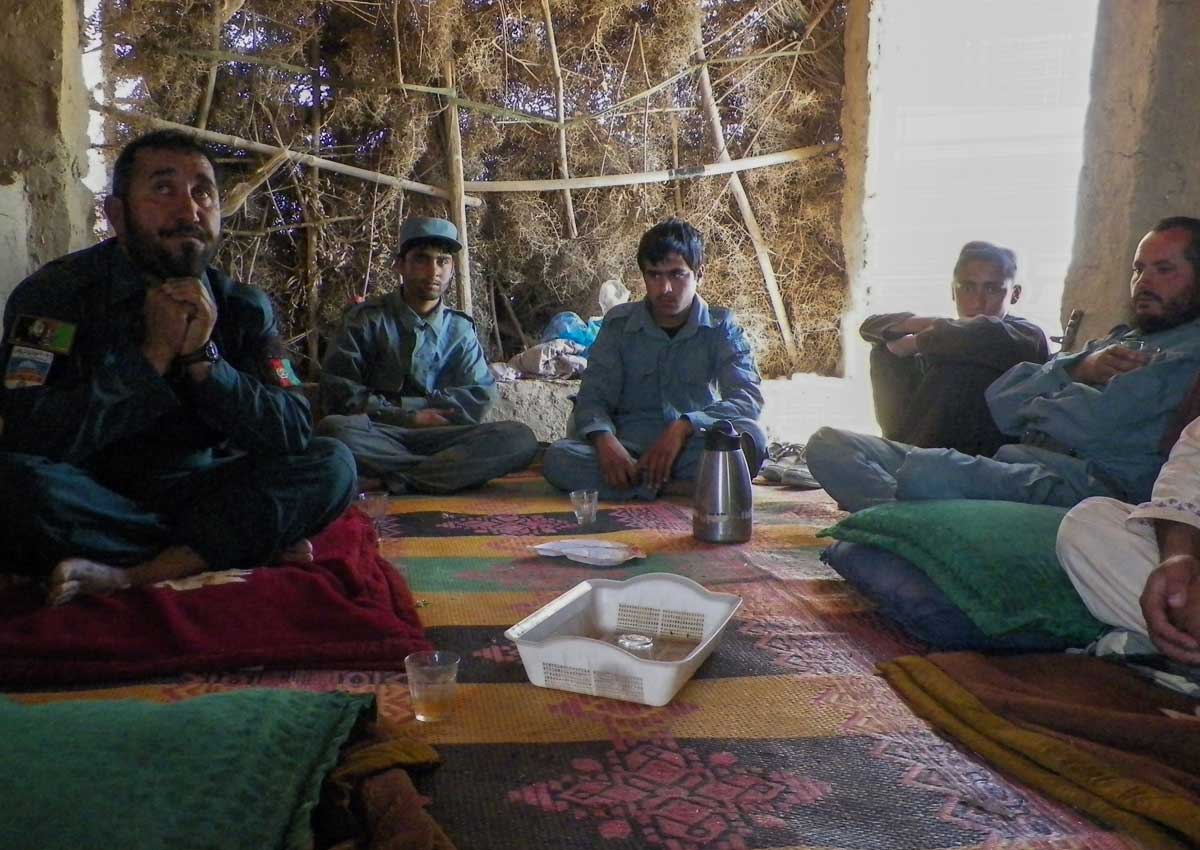
TARIN KOT, Afghanistan – The Afghan government says it will punish police officers involved in the institutionalised sexual abuse of children after an AFP report found the Taliban are exploiting the practice of paedophilic “bacha bazi” — literally “boy play” — to launch insider attacks.
Militants in Uruzgan province have killed hundreds of police after turning their child sex slaves against them, exploiting a centuries-old practice in Afghanistan that observers call one of the most egregious violations of human rights in the country.
Here are some some key answers about bacha bazi.
Powerful warlords, commanders, politicians and other members of the elite often keep “bachas” as a symbol of authority and affluence.
Bachas, dressed as women, are widely used by these men as dancers at private parties and are sexually exploited.
Bacha bazi is not widely seen as homosexual behaviour — popularly demonised as a deviant sexual act, prohibited in Islam — and is largely accepted as a cultural practice.
“Women are for child-rearing, boys are for pleasure” is a common saying across many parts of Afghanistan.
The ancient custom, banned under the Taliban’s 1996-2001 rule, has seen a resurgence in recent years. It is said to be widespread across southern and eastern Afghanistan’s rural Pashtun heartland, and with ethnic Tajiks across the northern countryside.
Tight gender segregation in Afghan society and lack of contact with women have contributed to the spread of bacha bazi, rights groups say.
Several other factors such as an absence of the rule of law, corruption, limited access to justice, illiteracy, poverty, insecurity, and the existence of armed groups have also resulted in the spread of bacha bazi, the Afghanistan Independent Human Rights Commission (AIHRC) said in a report in 2014.
AIHRC points out that Afghanistan’s criminal law prohibits rape and pederasty, but there are no clear provisions on bacha bazi.
“There is a gap and ambiguity in the laws of Afghanistan regarding bacha bazi and the existing laws do not address the problem sufficiently,” the report said.
“Many of the perpetrators have connections with the security organs and by using power and giving bribes they get exempted from punishment.”
Bachas are typically aged between 10 and 18. Sometimes they are kidnapped, says AIHRC, but often desperate poverty drives their families to sell them to abusers.
“The victims of bacha bazi suffer from serious psychological trauma as they often get raped,” AIHRC’s report said.
“Such victims suffer from stress and a sort of distrust, hopelessness and pessimistic feeling. Bacha bazi results in fear among the children and a feeling of revenge and hostility develop in their mind.”
In turn, many adolescent victims are said to grow up to have boy lovers of their own, repeating the cycle of abuse.
“In the absence of any services to recover or rehabilitate boys who are caught in this horrendous abuse, it’s hard to know what happens to these children,” said Charu Lata Hogg, a director at London-based charity Child Soldiers International.
“We have heard anecdotal reports that many grow up to keep their own bachas, perpetuating the revolving door of abuse.”
Bacha bazi is having a detrimental bearing on the perpetual state of conflict in Afghanistan, helping the Taliban to infiltrate security ranks in provinces such as Uruzgan, officials say.
The abusive practice in security ranks also undermines support for NATO-trained Afghan forces.
“To date, the US has provided over $60 billion in assistance to the Afghan National Defence and Security Forces (ANDSF), including nearly $500 million to the Afghan Local Police,” the US Congress said in December.
“Predatory sexual behaviour by Afghan soldiers and police could undermine US and Afghan public support for the ANDSF, and put our enormous investment at risk.”
The practice also continues to embolden the Taliban’s desire to reassert sharia law in Afghanistan and is fuelling their insurgency.
“Such wild abuses of the predatory mujahideen forces in the early 1990s drove the popularity of the austere Taliban, helping them sweep to power across most of the country. Similar behaviour of the government forces after 2001 is also helping to inspire the insurgency,” a Western official in Kabul told AFP.
Image:
Publication Date:
Tuesday, June 28, 2016 – 15:36
Keywords:
Send to mobile app:
Source:
Story Type:
Others
South China Sea reefs "decimated" as giant clams harvested in bulk

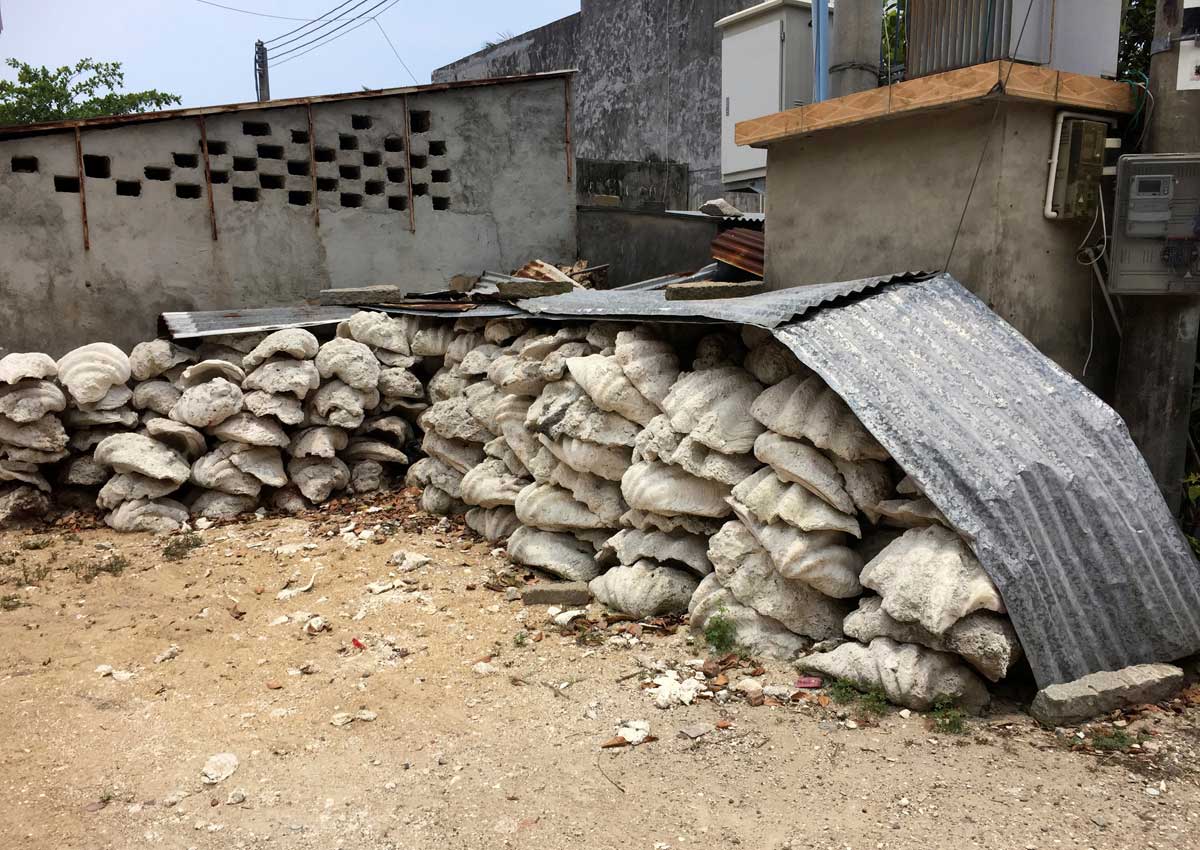
TANMEN, China – Ornaments made from the shells of endangered giant clams, renowned in China for having auspicious powers and the lustre of ivory, have become coveted luxuries, a trend which has wreaked havoc on the ecosystem of the South China Sea.
China banned harvesting of giant clams last year but in the tiny seaside town Tanmen on the southern island of Hainan, most stores still sell products made from the over four-foot-wide shells.
The once sleepy fishing village has transformed over the past three years to harvest clams on an industrial scale. There are around 460 handicraft retailers, compared to 15 in 2012, with the industry now supporting around 100,000 people.
The price of giant clams has risen 40-fold over the past five years, while the plundering of the seabed has led to severe degradation of the reefs, scientists and academics said.
“With rising tensions in the South China Sea, Tanmen fishermen’s important role in strengthening China’s claims in the disputed waters and supporting the People’s Liberation Army navy are recognised by the Chinese government,” said Zhang Hongzhou, an associate research fellow at Nanyang Technological University in Singapore.
“As a result, authorities have turned a blind eye.”
China claims almost the whole South China Sea, setting it at odds with rival claims from its Southeast Asian neighbours, including the Philippines. The region accounts for more than a tenth of global fisheries production.
The Qionghai government, which looks after Tanmen, announced in March 2015 that it would strictly enforce the ban on digging, carrying and selling of endangered marine species including the giant clams.
Rare and endangered beasts captured on film
Click on thumbnail to view photos. Source:
AFP, Creative commons, Karen Stout, PM Poon, The Star/ANN, The Straits Times, Batang Gadis National Park and Conservation International, Frank Wouters, Johan Embréus, Sandy Cole














“The government is enforcing the ban,” said Zhang Hongying, an official at the Qionghai government foreign affairs office. Another official called Zhao said the authorities were not doing anything to support the industry.
“If the business is legal, our government won’t stop people doing it,” he said. “But there’s no government file saying that we are going to do something to promote the shell industry.”
Fishermen said they had not been allowed to dig for clams since last year, while shop keepers said new supply remained tight.
To harvest the clams, the entire reef has to be dug up, said Neo Mei Lin, a marine biologist at the National University of Singapore.
“What used to be really good coral reefs in there have definitely been decimated over the last two to three years,” Lin said.
Tanmen fishermen’s income has more than tripled over the last three years, according to media, while the town has urbanized rapidly with neatly paved roads and modern buildings.
“I think the Hainanese have essentially taken out all the giant clam shells from the South China Sea, dead or alive,” said Ed Gomez, a senior adviser at the University of the Philippines Marine Science Institute.
But during a recent visit to Tanmen, stores lining the harbour promenade were mostly empty. Many retailers said business had dropped since April due to China’s tough economic climate and soaring temperatures.
“There are no tourists at the moment. We have to wait until September,” said Yu Guo, owner of Xianyu Xuan craft store. Yu, from Beijing, came to Tanmen to buy property four years ago and set up the store with a local partner as the economy boomed.
“In the good times, we could earn 10 million yuan (S$2 million) per month,” he said.
Image:
Publication Date:
Tuesday, June 28, 2016 – 15:27
Keywords:
Send to mobile app:
Source:
Story Type:
Others
Asian markets pare losses on post-Brexit stimulus hope

Image:

Publication Date:
Tuesday, June 28, 2016 – 15:30
Keywords:
External URL:
Send to mobile app:
Source:
Story Type:
Others


