Commuters and experts say companies like Uber and Grab can do more by implementing safety and other regulations ahead of the new licensing framework in 2017.
Source link
Ahead of private hire regulations in 2017, some question safety standards
Retailer who sold tobacco to pupil in uniform has license revoked
SINGAPORE – Despite seeing that a pupil was in school uniform, a tobacco retailer in Ang Mo Kio went ahead to sell the 14-year-old cigarettes.
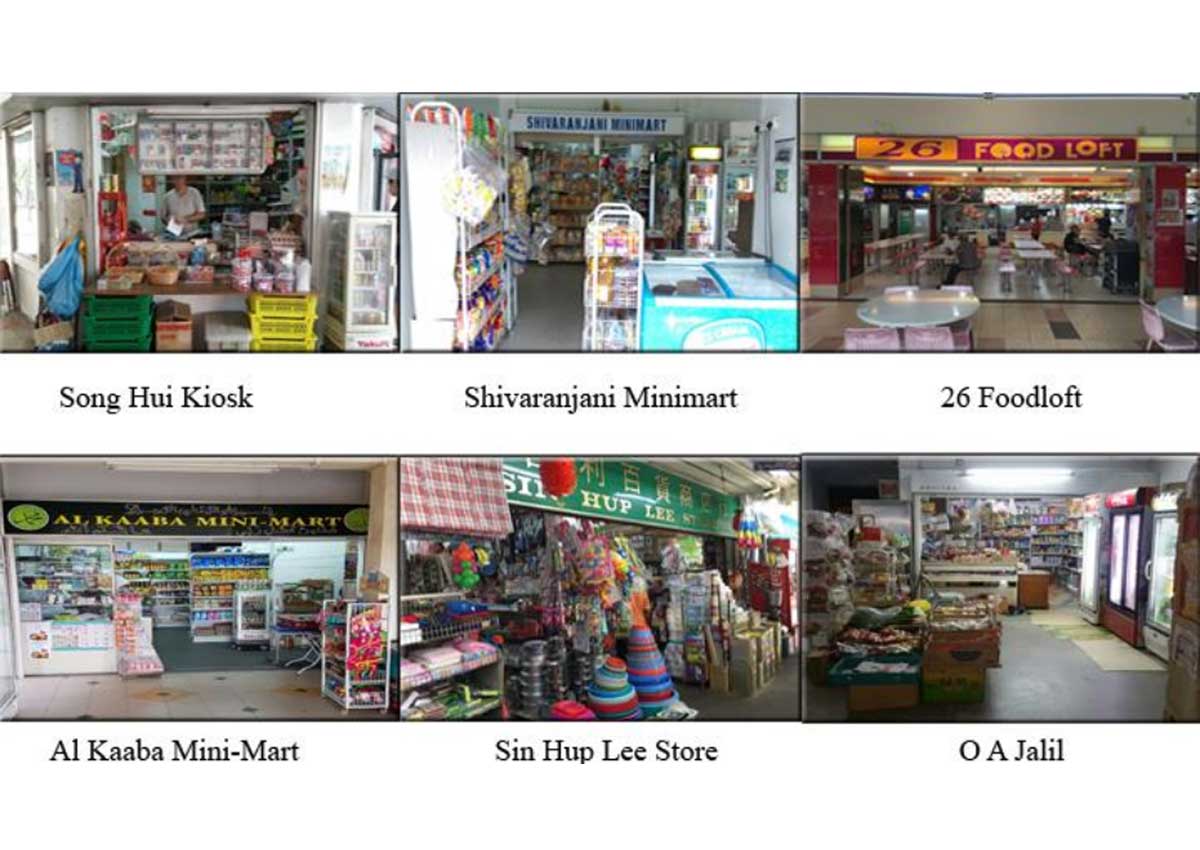
For that, the Health Sciences Authority (HSA) has revoked the tobacco retail licence of Song Hui Kiosk.
“It will no longer be allowed to sell tobacco products,” said the HSA in a statement today (July 5).
The errant retailer was caught via HSA’s ground surveillance, said the authority.
Five other errant tobacco retailers who sold tobacco products to minors under 18 years of age also had their licences suspended.
The outlets are Shivaranjani Minimart, 26 Foodloft, Al Kaaba Mini-Mart, Sin Hup Lee Store, and O A Jalil.
The suspension is for six months.
Anyone caught selling tobacco products to persons below the age of 18 is liable to a maximum fine of up to $5,000 for the first offence and up to $10,000 for the second or subsequent offence. In addition, the tobacco retail licence will be suspended for 6 months for the first offence and revoked for the second offence.
If any outlet is found selling tobacco products to minors under 18 years old in school uniform or to those under the age of 12, their licence will be revoked.
From 2013 to date, 22 tobacco retail licences have been revoked and 32 were suspended by HSA.
maryanns@sph.com.sg
Image:
Publication Date:
Tuesday, July 5, 2016 – 14:20
Send to mobile app:
Source:
Story Type:
Others
Bangladesh politician 'stunned' by son's role in attack

DHAKA – A Bangladeshi politician has spoken of his shock on discovering his son was one of the suspected gunmen who murdered foreign hostages, and said many young men from wealthy, educated families had gone missing.
Imtiaz Khan Babul said he was “stunned” to learn of his son Rohan’s involvement in the attack, and that he believed young Bangladeshi men were becoming radicalised online.
His comments came after Bangladesh’s home minister said the attackers who stormed the upmarket cafe on Friday night, taking dozens of diners hostage and killing 20, were highly educated and from wealthy families.
“We never imagined this,” said Babul, an official with the ruling Awami League party, in an interview with the BBC.
“There was nothing at home, no books or anything to indicate that he was leaning that way. So we had no inkling.” Babul, whose son was among those killed when Bangladeshi security forces stormed the cafe, said he had shared his concerns with friends in Dhaka.
“When I was searching for my son I found that many other boys are missing. Well-educated boys from good, educated families, children of professionals, government officers,” he said.
“I used to share my sorrows with them. We do not know how this is happening.” Six young men were shot dead Saturday at the end of the all-night siege in a Dhaka cafe claimed by the Islamic State group. One was taken alive and is being questioned.
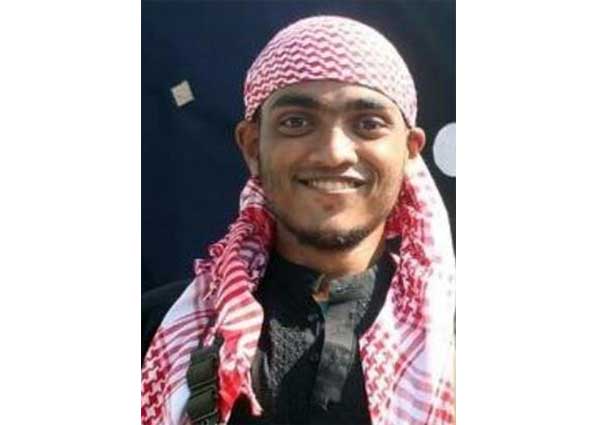
One of those killed may have been an innocent bystander, but among the remaining five are a graduate of Bangladesh’s leading private university, an 18-year-old student at an elite school, and Rohan, Babul’s son.
Another was a former madrasa student from the northern district of Bogra which is seen as a hotbed of Islamist radicalism.
Gunmen take hostages in Dhaka cafe
Click on thumbnail to view photos. Source:
Reuters, AFP

























The government has said all the attackers were members of the Jamaeytul Mujahdeen Bangladesh (JMB), a banned local Islamist group.
Rohan reportedly studied at Monash University in Malaysia after leaving Scholastica, where his mother teaches.
Babul said he could only guess at how wealthy young Bangladeshis were becoming radicalised, but that believed it could be through the Internet.
On Tuesday, police said they had identified a fifth attacker as Shafiqul Islam Uzzal, a 26-year-old from Bogra who had been working as a kindergarten teacher in Dhaka.
“His father and brother identified him by seeing the photos of his dead body. They said they had no idea how he joined the JMB,” Bogra police spokesman Gaziur Rahman told AFP.
“They said Uzzal left home on January 2, saying that he was going to a pilgrimage. And he never returned,” said Rahman.
Witnesses say the perpetrators of the attack spared the lives of Muslims while herding foreigners to their deaths, killing many with machete-style weapons.
They included nine Italians, seven Japanese, a US citizen and a 19-year-old Indian student.
On Tuesday the assistant commissioner of Dhaka police Rafiqul Islam told AFP police had filed an anti-terrorism case against five known Islamists and an unspecified number of “unidentified attackers”, without giving further details.
Image:
Publication Date:
Tuesday, July 5, 2016 – 14:12
Send to mobile app:
Source:
Rotator Image:

Story Type:
Others
Winning Singapore author barely passed English in school
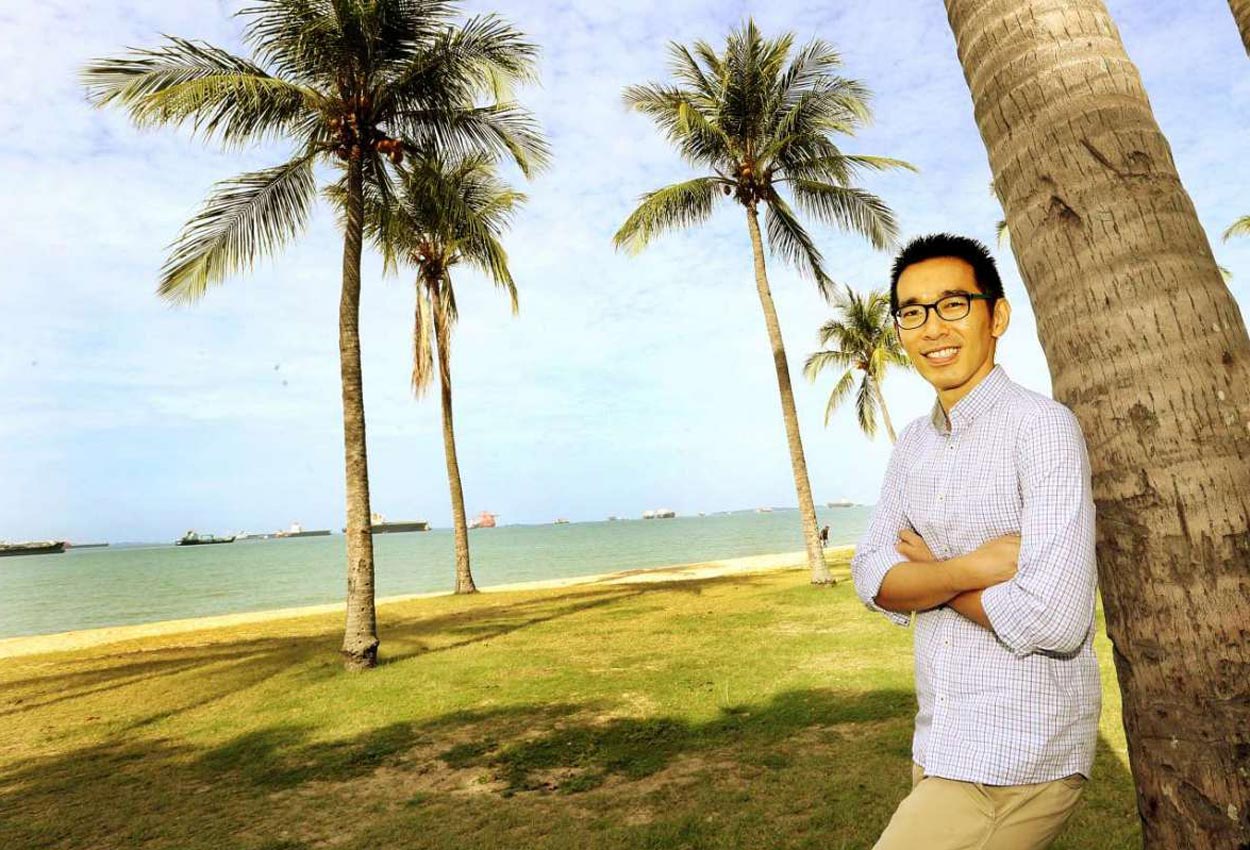
Singaporean writer O Thiam Chin is an avid runner who runs one full marathon every year. It is fitting then that the 38-year-old’s circuitous route to literary success has been a long and at times arduous journey.
He barely scraped a pass for English in secondary school, was rejected several times when he applied for writing jobs and made short-lived forays into film-making and poetry writing.
Through it all, he kept on writing. “I felt this desperate need to tell stories. I had to do it somehow, whether it was through an article, poem or anything else. Something had to come out,” he tells The Straits Times.
No one would have imagined that O, who was raised by Mandarin- speaking hawker parents, would one day become one of the country’s leading contemporary authors.
He beat three other writers – Sebastian Sim, Balli Kaur Jaswal and Wong Souk Yee – to clinch last year’s Epigram Books Fiction Prize.
The win netted him a $20,000 cash prize and publisher Epigram Books has published his first full- length novel, Now That It’s Over, which chronicles the unravelling of two relationships, set against the 2004 Boxing Day tsunami.
He researched parts of the novel while on a 2007 holiday to Phuket and wrote it between 2010 and 2014. He started work on it while on the International Writing Program at the University of Iowa in 2010.
The book is a non-linear narrative that flashes back and forth in time and features a gay relationship.
But he is not concerned that it will turn readers off. “I based the material off dynamics I’ve seen in both married and gay couples. Relationships are complex. They carry with them so much joy and pleasure, but also complications and sorrow. There are all these secrets, different expectations and interior lives that we all have,” says O, who is single.
He has penned five short story collections, of which the most recent, Love, Or Something Like Love, was up for the Singapore Literature Prize in 2014. It lost to writer Amanda Lee Koe’s Ministry Of Moral Panic. He also received the National Arts Council’s Young Artist Award in 2012.
Winning Singapore’s richest literary award is quite the feather in his cap, but he admits it came with great expectations. “Now, people know who I am, so they will read and judge my writing. All eyes are on me. They expect me to write top-notch stuff,” he says.
He used the prize money to pay his home loan and other expenses and is now living off income from freelance writing assignments and grant money from the arts council.
“It’s not really possible to survive as a full-time writer,” he says. “I can carry on like this for one or two years at most. After the announcement, I jumped back into writing again. Then I realised this is the part that doesn’t change. Writing still goes on painstakingly and slowly for me.”
He is working on a new story collection that will have a “more fantastical bent”, due out next year.
O was first exposed to stories by his English teacher in Townsville Primary School in Ang Mo Kio. His most vivid recollection was a retelling of The Twits by acclaimed English author Roald Dahl in class.
“I was so fascinated that this story was about two ugly and detestable people, which made it even more compelling. So I went to read the book,” he says.
As a student in Ang Mo Kio Secondary School, he would be late for school because he was hooked on the radio plays broadcast at noon on the Rediffusion radio station.
Following the plays regularly, however, taught him storytelling elements such as cliffhangers and how to “carry a story forward to compel listeners to tune in, and craft it in a way to hold their attention, and keep them in suspense”.
O studied English and literature in school, but scored C6 grades for both subjects at the O-level examinations (“A lot of memorisation that killed my love for reading”, he recalls).
He took up a diploma in mecha- tronics at Temasek Polytechnic, as he had no idea what to pursue then.
His National Service stint marked a turning point, as he had to travel to Pasir Laba Camp near Tuas for his military training.
Failing in order to succeed
The public transport rides of more than an hour gave him time to read the Pulitzer and Man Booker Prize winners. He counts American writer Raymond Carver and Japanese author Banana Yoshimoto as two of his biggest literary influences.
“Carver taught me that a sentence may look deceptively simple, but it takes a lot to pare it down to what you want to convey. I try to emulate Yoshimoto in my work as her stories are sad, soulful and beautiful.”
He got a job in a telecommunications company after national service, but did not enjoy working with telephone systems and left three months later.
“After 21/2 years of reading, I knew I wanted to do something dealing with words, so I looked for marketing communications and public relations jobs,” he says.
He eventually joined Mediacorp as a marketing and communications executive and was asked to star in an episode of Crimewatch by a show producer.
“He told me, ‘You look like a failed IT entrepreneur who lost a lot of money.’ All I did was make a call on the phone, loosen my tie and look dejected,” recalls O, mimicking the action and laughing.
In 2000, he enrolled in a part-time English language and literature course at the Singapore Institute Of Management. “I wanted to be able to go into a text, understand and dissect it – to learn those kinds of skills,” he says. He later started writing for magazines and online publications, and even applied to be a journalist at Singapore Press Holdings, but was rejected thrice.
Hoping to expand his repertoire, he wrote a screenplay and directed a short film about a mother who may have possibly killed her child. “It was so terribly conceived. I think it won a merit prize at a competition and was screened at a film event, but I didn’t even go to see it. I’m my own worst critic,” he says.
He also feels the same way about his first self-published short story collection, Free-Falling Man (2005), which he wrote while holding a full-time job as a marketing communications manager.
“I’m trying to destroy any copy of it that I can find now. It was one of my first attempts at fiction writing and it was cringe-worthy.”
Such is the author’s candour and self-deprecating humour. He flashes a broad smile and often breaks out in nervous laughter when he answers questions.
Looking back on his career, he says: “I believe that sometimes, you have to fail, fail and fail. I tried fiction-writing because I had failed at almost everything else. So it sounds like it’s my concubine, right? But actually, it’s my one true love.”

This article was first published on July 05, 2016.
Get a copy of The Straits Times or go to straitstimes.com for more stories.
Image:
Publication Date:
Tuesday, July 5, 2016 – 17:00
Keywords:
Send to mobile app:
Source:
Story Type:
Others
'Senseless acts of terror' are against Islam, do not represent muslims: Dr Yaacob Ibrahim
“The blast in the holy city of Medina is near the Prophet’s Mosque! These senseless acts of terror ignores the sanctity of human life, regardless of faith,” said the Minister-in-charge of Muslim Affairs.
Source link
Suicide bomb blasts are ‘senseless acts of terror’ against Islam: Yaacob Ibrahim

SINGAPORE – Condemning the multiple suicide bomb blasts around the world, including the recent attacks in Saudi Arabia, Minister-in-Charge of Muslim Affairs Yaacob Ibrahim said on Tuesday (July 5) that these were “senseless acts of terror” that are against…
Source link
Most residents of AMK block given all clear for TB
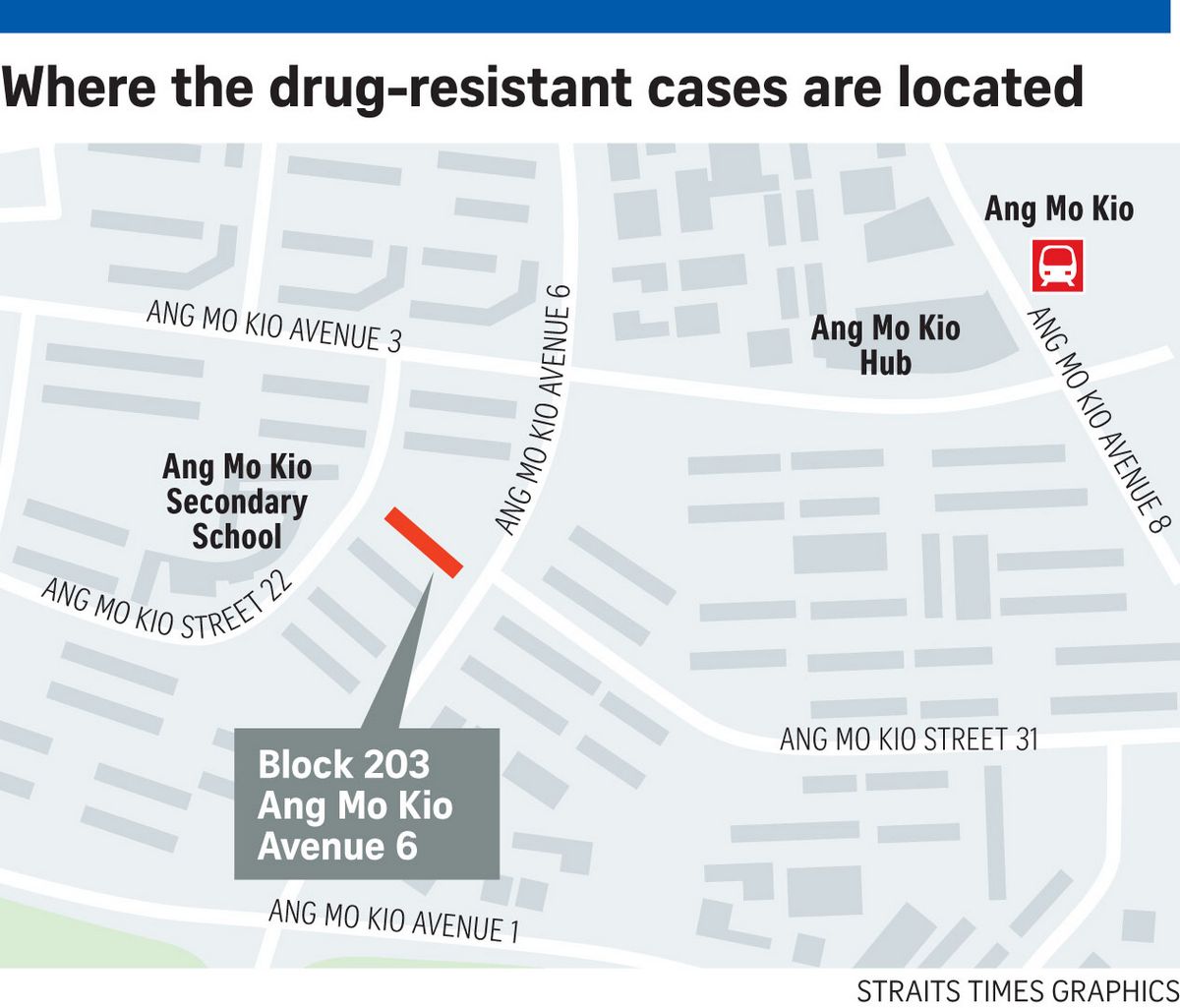
Residents of Block 203, Ang Mo Kio Avenue 3, are not overly concerned about the possible discovery of two more active tuberculosis cases, as most have already been screened and received the all-clear.
However, some believe neighbours who have not been screened should do so for everyone’s peace of mind.
“We can’t force people if they don’t want to help themselves, but they are being selfish and putting other people at risk,” said Mr Ahmad Huzaimi, 25, a medical information officer.
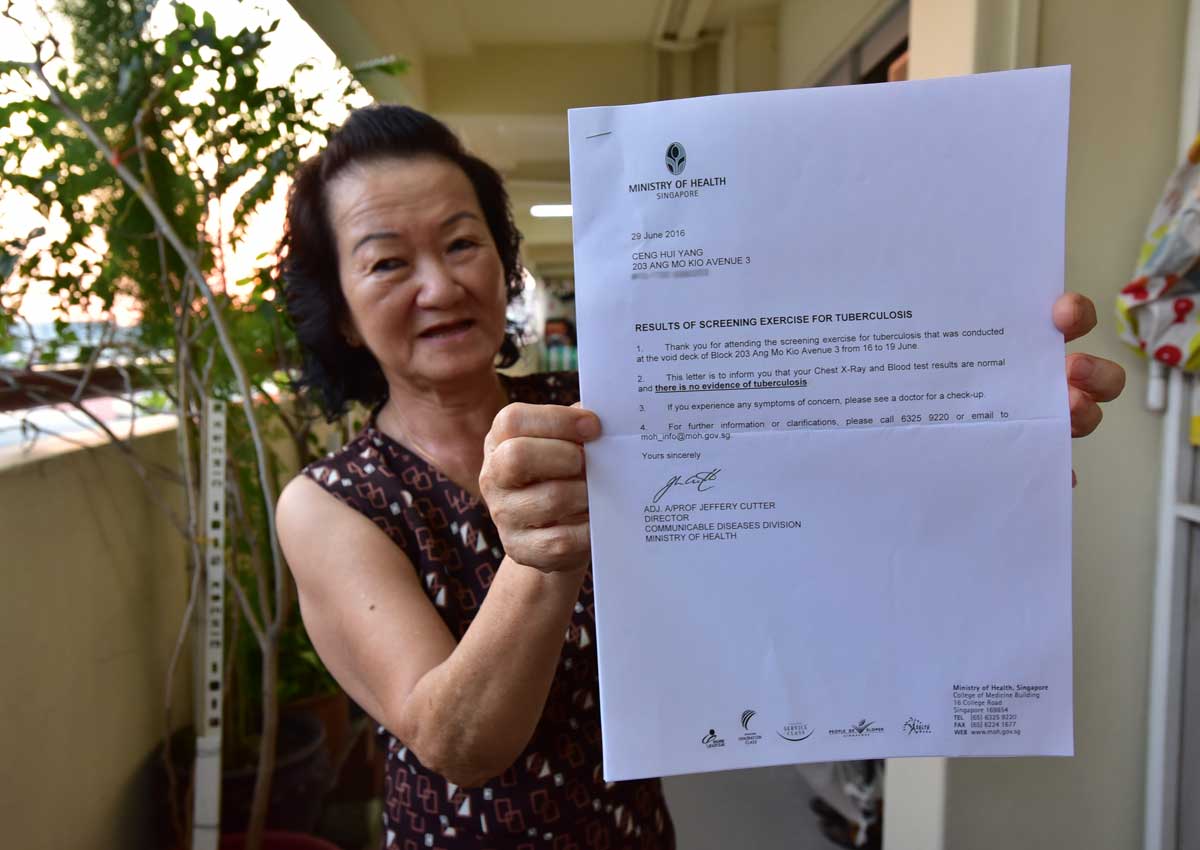
His family of three went for the screening organised by the Ministry of Health (MOH) at the block’s void deck from June 16 to 19 and received letters last week saying they were in the clear.
A former odd-job labourer who wanted to be known only as Mr Ng, 55, said he wished everyone would get tested: “It’s okay if I get it, but what if I spread it to my sister and her children?”
Out of 10 residents The Straits Times spoke to last night, nine had gone for screenings with their families and received letters saying their chest X-rays and blood tests were normal. About 350 people live in the block.
Madam Ceng Hui Yang, 70, said in Mandarin: “I’ve already tested, so I’m not worried. I don’t really visit the neighbours anyway.”
On June 16, the MOH revealed that six cases of multi-drug-resistant TB had emerged from Block 203, with the first case dating back to 2012. Asked if she was concerned given the new suspected cases, Madam Ceng said she has faith that the Government will contain any spread of the disease.
Institute of Technical Education student Muhaimin Yasman, 18, said his mother was worried when news first broke about the TB cluster at the block, but she is “not so scared now that the results stated that she’s okay”.
Click on thumbnail to view photos. Source:
The Straits Times, The New Paper












Only storekeeper Johan Samah, 48, said his family of five had not gone for the screening. “There’s nothing for me to check. Nobody is sick, why would I check? If they are sick, then I’ll worry,” he said.
Ministry officers, grassroots volunteers and staff from the TB Control Unit have visited 93 per cent of households in the block.
All residents who reported symptoms have been screened and assessed by the TB Control Unit.
Letters encouraging residents to get tested will also be sent to those who have not been screened.

This article was first published on Jul 05, 2016.
Get a copy of The Straits Times or go to straitstimes.com for more stories.
Image:
Category:
Publication Date:
Tuesday, July 5, 2016 – 14:00
Keywords:
Send to mobile app:
Source:
Story Type:
Others
Factory activity shrinks in June
Factory activity shrank for the 12th straight month in June as the lacklustre global economy continued to weigh on Singapore’s beleaguered manufacturing sector.
Elsewhere in the region, manufacturing experienced a small lift in some economies but analysts say the uptick will be short-lived and that long-term prospects remain anaemic.
Singapore’s Purchasing Managers’ Index (PMI) – an early indicator of manufacturing activity – came in at 49.6 last month, down slightly from the 49.8 reading in May. A reading below 50 indicates contraction.
The fall came as domestic and export orders shrank alongside declines in employment and production. The data is compiled by the Singapore Institute of Purchasing and Materials Management, from a monthly poll of purchasing executives at about 150 industrial companies.
Manufacturing, which makes up a fifth of the economy, has been hit hard by tepid global growth and ongoing restructuring. The industry has been in recession for over a year, according to some economists.
There will be “no light at the end of the Singapore manufacturing tunnel” in this half of the year, said OCBC economist Selena Ling.
“Domestic business confidence is likely to remain subdued in the near term, especially in the wake of the Brexit-induced uncertainties,” she added.
DBS economist Irvin Seah said PMI readings are expected to “inch gingerly higher in the coming months” due to seasonal effects, as manufacturers ramp up production to meet orders for the year-end festive season.
However, there could be fewer orders this year than last year.
“Without a sustained improvement in global demand, it is still a bleak outlook for the manufacturing sector after all,” added Mr Seah.
Manufacturing showed tentative signs of life elsewhere in the world. Key data in the United States showed positive signs, while South Korea and Taiwan – Asia’s industrial bellwethers – logged expansionary PMI readings for June.
“Look closely, however, and it’s doubtful there’ll be much follow- through,” said Mr Frederic Neumann, co-head of Asian economics research at HSBC, in a research note. “China is softening again, global new export orders continue to contract, and new orders in Asia aren’t improving. It all feels wobbly. And Brexit isn’t helping.”
China’s official manufacturing PMI edged down in June to reach 50, from the 50.1 logged in May and April.
A separate private survey of China’s manufacturing activity – the Caixin Manufacturing PMI – fell to 48.6 last month, from the 49.2 reading in May.

This article was first published on Jul 05, 2016.
Get a copy of The Straits Times or go to straitstimes.com for more stories.
Image:

Publication Date:
Tuesday, July 5, 2016 – 15:00
Keywords:
Send to mobile app:
Source:
Story Type:
Others
$58m spat is 'offshore case', rules commercial court here
The Singapore International Commercial Court (SICC) has ruled that a US$43 million (S$57.8 million) spat between parties based in the United States and Singapore is an “offshore” case – paving the way for foreign lawyers registered with the SICC to argue in the dispute.
International Judge (IJ) Henry Bernard Eder found the case had no “substantial connection” with Singapore – a key requisite under SICC rules to qualify for offshore status.
He said the various claims and counterclaims in the case are all concerned with the provision of services to three liquified natural gas projects in or off Queensland, Australia.
“The vast majority of these services and the issues relating thereto have nothing whatsoever to do with Singapore,” IJ Eder said in judgment grounds released last week.
The case is the first ruling by the SICC on what makes an offshore case, which means a party involved may be represented by foreign lawyers of their choice.
The SICC was launched last year to deal with transnational commercial disputes. Opposing parties involved may come from different countries to have cases heard here.
In this case, defendant Teras Cargo Transport (America) LLC had signed a contract with Bechtel Oil Gas and Chemicals and Bechtel International Inc for the provision of services and equipment in relation to three liquified natural gas projects in Australia.
US-based Teras Cargo had then subcontracted the work to Singapore firm Teras Offshore Pte Ltd.
Disputes arose and Teras Offshore took Teras Cargo to court, seeking US$29 million in claims while Teras Cargo denied liability and counterclaimed for about US$14 million.
As a preliminary issue, Teras Cargo, through lawyers Chew Kei-Jin and Tham Lijing, applied for the case to be treated as offshore, arguing there was an absence of a substantial connection to Singapore.
Teras Offshore lawyers Peter Doraisamy and Andrew Lee countered, among other things, that all its witnesses and relevant documents are in Singapore and even Teras Cargo had a (small) operational office here.
IJ Eder held that such factors showed some connection of the “action” with Singapore in a “procedural and administrative sense” but, taken together, were not “substantial”. He noted that the claims of the plaintiff, made up of some 75 individual bills ranging from less than US$1,000 to more than US$2 million, relate to work done in Australia.
He said the court would be concerned in the main hearing to evaluate the “factual bases” from the evidence and this “action” bears no substantial link to Singapore.
The judge was mindful that, given the SICC’s role to resolve international commercial disputes, “a parochial insistence that parties appoint Singapore qualified lawyers (even when there are are only a handful of coincidental or procedural connections with Singapore) would be anomalous and self-defeating”.
He added: “However, the question whether or not an action is an ‘offshore case’ must be determined by reference to a particular action; the focus must be the ‘action’ itself and whether it can properly be said that the action has no substantial connection with Singapore.”
This article was first published on Jul 05, 2016.
Get a copy of The Straits Times or go to straitstimes.com for more stories.
Publication Date:
Tuesday, July 5, 2016 – 15:00
Send to mobile app:
Source:
Story Type:
Others
She put nude photos of boyfriend's ex online
A jealous woman who was angry that her boyfriend kept nude photos of his ex on his laptop decided to publish them online.
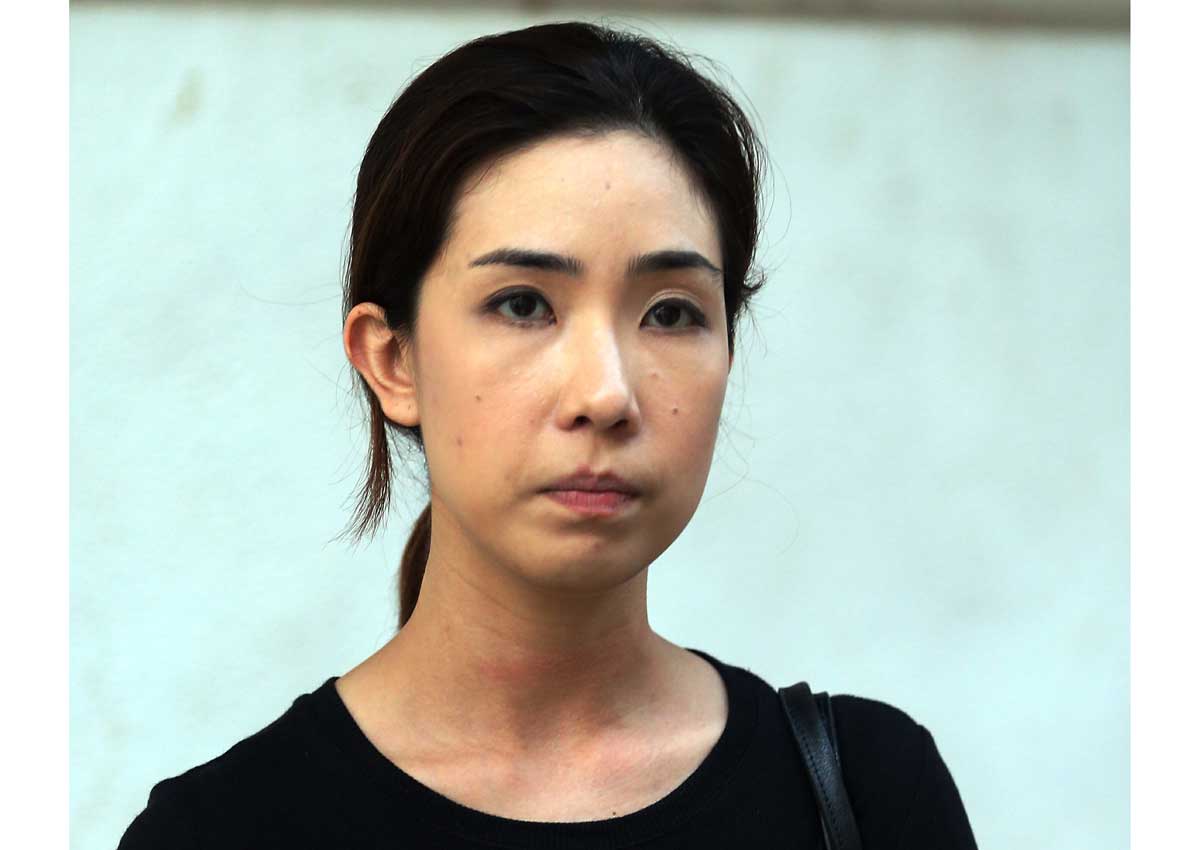
Freelance copywriter Yeo Hui Qi alias Yeo Min Ping, 29, was sentenced to a month in jail yesterday after a court heard how she had uploaded a folder of the woman’s photos into a thumb drive before putting 48 on an image-storage site five months later, in a folder titled “Naughtiness”.
They featured the other woman topless and naked and included her face. Yeo even used the victim’s real name when she created a fake profile.
She also created fake profiles in the victim’s name on two other websites, including a dating site.
Yeo pleaded guilty to one of three charges of transmitting an obscene object by electronic means from her home in Yishun Street 61 on Feb 10, 2014.
She is out on $10,000 bail, pending an appeal against her sentence.
District Judge Lee Poh Choo said “on the spur, she (Yeo) destroyed another totally innocent lady’s life”, adding that what she had done was “absolutely despicable”.
The harm done to the victim could not be calculated, she said, and the victim had to “suffer this for the rest of her life” as her pictures would always be circulated in her real name. She said Yeo’s use of the victim’s name also revealed “the extent of her viciousness”.
Yeo did not say why she did this. “If it is to punish her, for what? She did nothing to you,” the district judge told Yeo.
Deputy Public Prosecutor Tan Si En said the victim had sent photos of herself to Yeo’s 32-year-old boyfriend when they were in a relationship from 2011 after meeting in a university overseas. After he graduated in December 2011 and returned here, they kept a long- distance relationship until 2013.
Yeo and the man entered into a relationship in mid-2013. In September that year, she found the photos of his ex-girlfriend on his laptop. They have since broken up.
“She was angry and jealous as the witness was keeping his ex-girlfriend’s sexually explicit photos,” said DPP Tan. The court heard that the obscene photographs uploaded by Yeo are still available on pornographic websites.
Yeo’s lawyer Lee Ping asked the court to call for a pre-sentence report or impose a short detention order (SDO), a community-based sentence.
DPP Tan said there was a degree of pre-meditation in Yeo’s action and neither probation nor SDO was warranted on the facts of the case. The district judge agreed with her.
Yeo could have been jailed for up to three months and/or fined for the offence.
This article was first published on Jul 05, 2016.
Get a copy of The Straits Times or go to straitstimes.com for more stories.
Image:
Publication Date:
Tuesday, July 5, 2016 – 14:00
Send to mobile app:
Source:
Story Type:
Others


