Home Blog Page 3400

LTA to take over all operating assets from SMRT from Oct 1

0

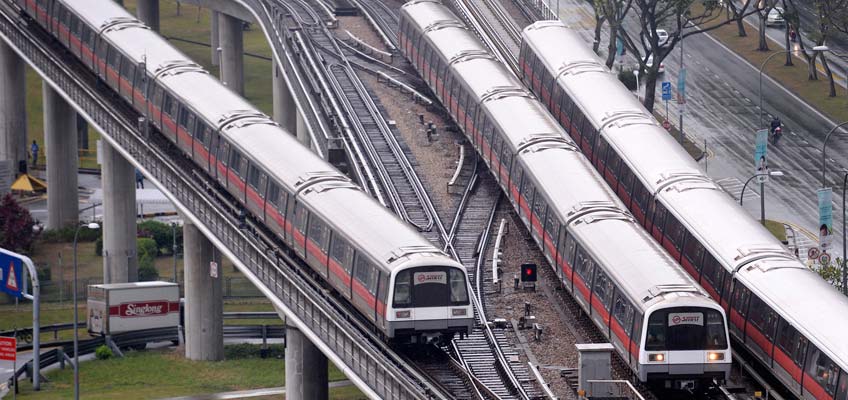
SINGAPORE – The Land Transport Authority (LTA) will take over all operating assets, including trains and signalling systems from SMRT on Oct 1 this year. 

In a statement, LTA said that this move to the New Rail Financing Framework (NRFF) means that SMRT will only operate the train system by paying a licensing fee to LTA. LTA said that this will allow SMRT to “better focus on the operations and maintenance of the rail network”.

The rail network that will be part of the NRFF includes the North-South and East-West Lines, the Circle Line and the Bukit Panjang LRT line.

On top of allowing SMRT to focus on the operational aspect of train service, LTA said the NRFF will benefit commuters in a few key ways.

The NRFF will allow LTA to take ownership of the networks, allowing it to make timely investments in the replacement and upgrading of trains and other assets.

LTA said: “As train operators currently bear the full financial risk of operating a rail network, they may be too cautious to undertake expensive capacity expansion, replacement or upgrading works.” 

Furthermore, with the operating licence for operating the NRFF shortened to 15 years instead of 30-40 years, LTA said that it would be able to re-tender the operation of the rail lines more frequently, allowing the industry to be more competitive. The new licensing fee could also be increased if SMRT should experience an increase in profits. 

LTA added that with the implementation of the new maintenance standards, it will be able to improve maintenance performance of the trains and rail network while ramping up its maintanence checks and audits. SMRT also plans to increase its maintanence staff by 20 per cent over the next three years.

Transport fares for commuters will remain unchanged after the move. 

SBS Transit is still in negotiations with LTA for its North-East Line and Sengkang-Punggol LRT to also come under the NRFF. 

prabukm@sph.com.sg

Image: 
Category: 
Publication Date: 
Friday, July 15, 2016 – 15:37
Send to mobile app: 
Source: 


Rotator Headline: 
LTA to take over all operating assets from SMRT from Oct 1; fares to remain unchanged
Rotator Image: 
Story Type: 
Rewritten Story

Source link

S. Korea PM egged in protest at US anti-missile system

0

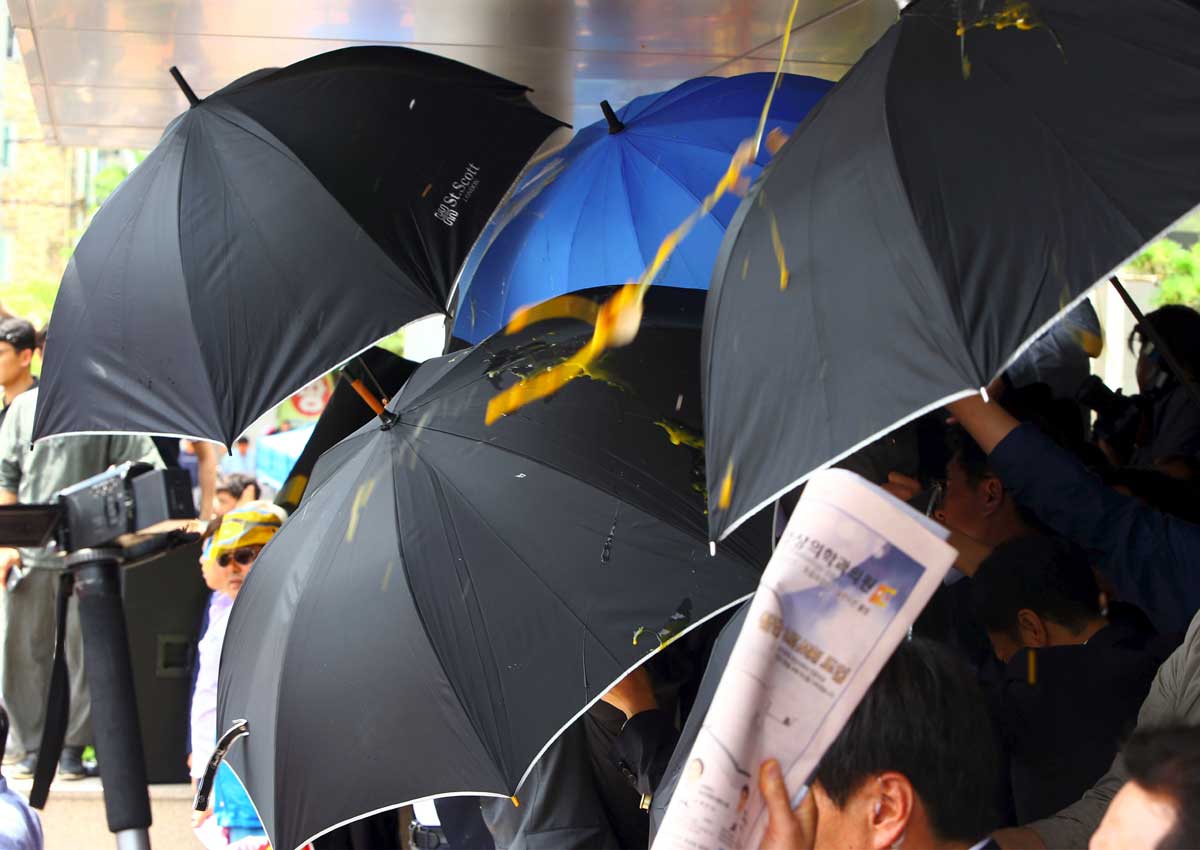
SEOUL – An angry mob of protestors on Friday threw eggs and water bottles at South Korean Prime Minister Hwang Kyo-Ahn, calling for the retraction of a decision to deploy a US anti-missile defence system in their home town.

South Korea announced Wednesday the Terminal High Altitude Area Defense system, or THAAD, will be installed in Seongju County about 200 kilomeres (135 miles) southeast of Seoul by the end of next year.

The announcement sparked fury among the town’s residents, who say the THAAD deployment would ruin their melon farming and cause health and environmental hazards.

“We apologise for not giving you prior notice,” the prime minister said before a crowd of some 3,000 protestors who gathered at the Seongju county government office on Friday.

The otherwise restful town has been roiled by angry protests since Wednesday when thousands took to the street carrying banners reading “We absolutely oppose THAAD deployment”.

The head of the county Kim Hang-Gon and other town leaders cut their fingers and wrote slogans in blood on banners at Wednesday’s rally.

“The government will do its best so the residents can live their daily lives without any concern,” said Hwang, accompanied by senior government officials including Defence Minister Han Min-Koo.

But his speech was cut short by angry residents who pelted water bottles and eggs at the prime minister and his company, TV footage showed.

“You bastard,” a protestor shouted, according to Yonhap news agency.

“Why would you bring THAAD to Seongju?”

Residents fear the THAAD radar could bring harmful economic and environmental effects to their town of 45,000 people, where 60 per cent are engaged in watermelon agriculture.

The prime minister’s visit comes a day after President Park Geun-Hye told her government officials to adress concerns among Seongju residents over THAAD while calling for an end to “needless” squabbling within the country over the issue.

Seoul and Washington last week revealed their decision to deploy the THAAD system in the South following recent North Korean missile and nuclear tests.

Tensions are high high since Pyongyang carried out its fourth nuclear test in January, followed by a series of missile launches that analysts said showed the North was making progress towards being able to strike the US mainland.

North Korea on Thursday accused Park of “offering the Korean peninsula to foreign forces as a theatre of a nuclear war.”

“She unhesitatingly sold off the destiny and interests of the nation and undermined regional peace and stability,” the North’s Committee for the Peaceful Reunification of Korea said in a statement carried by Pyongyang’s KCNA news agency.

South Korea’s Unification Ministry on Friday reubtted the North’s comments, defending the planned deployment as a “defensive measure”.

“We strongly condemn the North’s nonsensical slandering aimed at dividing our society,” the ministry said in a statement.

Image: 
Category: 
Publication Date: 
Friday, July 15, 2016 – 15:59
Send to mobile app: 
Source: 


Story Type: 
Others

Source link

3-year-old Indonesian child jockeys forced to risk lives for $5.40 pay

0

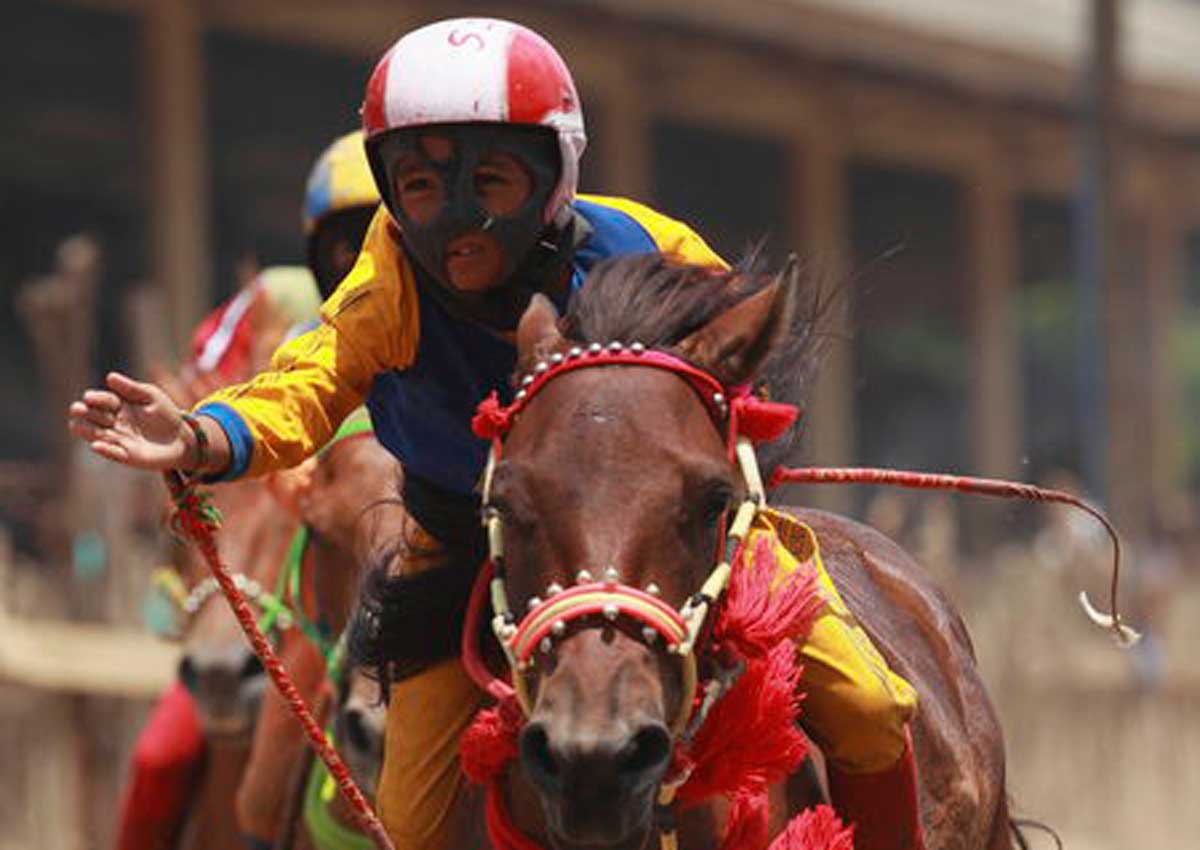
While horse riding is a luxury for children in Singapore, where parents can accompany their children for classes, it is a livelihood for some Indonesian children, many of whom are trained from the tender age of two and a half years.

In West Nusa Tenggara, children as young as three are often forced to compete in dangerous horse races as jockeys. The adults who rely on these child jockeys for money say it is part of the area’s traditions, the age at which training begins has gotten lower over the years.

A former jockey featured in Channel NewsAsia’s Get Real said that toddlers are sent for training once they have learned to walk.

In an episode titled Forced to Ride, the documentary series reported that children race on horses going as fast as 80 kmh so they can earn money to buy daily necessities such as motorcycles, cows, televisions or refrigerators.

The cash prize for winning a race ranges from US$300 to US$500 (S$403 to S$672), which translates to millions of Indonesian rupiah. But it’s not the children who get the prize.

Instead, horse owners pay the children a meagre US$4 to US$7 per round regardless of the results.

Photographer Romi Perbawa, who documented child jockeys in the area from 2010 to 2014, says that the children are forced to skip school during the season, which runs for up to 100 days a year.

The children also raced without proper safety gear, medical response teams or health insurance.

Accidents are common, Perbawa said, but this does not deter families from sending their young children, one after another, on to the racing tracks.

According to the documentary, a boy named Awang was killed in April under a stampede of horses after he fell during a race. According to residents interviewed, another boy who fell during training suffered nerve damage.

Why then are children risking their lives? Well, it is one way to escape poverty.

on Facebook

Mongolia’s child jockeys are battling bruises, broken bones and centuries-old traditions.

Posted by AJ+ on Wednesday, 13 July 2016

According to the United Nations’ Food and Agriculture Organisation, a farmer’s annual income in Indonesia is US$1,000, but child jockeys can earn over seven times that in a year. The parents of child jockeys depend on their children for a livelihood.

There are child labour laws in Indonesia but for the children in West Nusa Tenggara, survival proves to be more important.

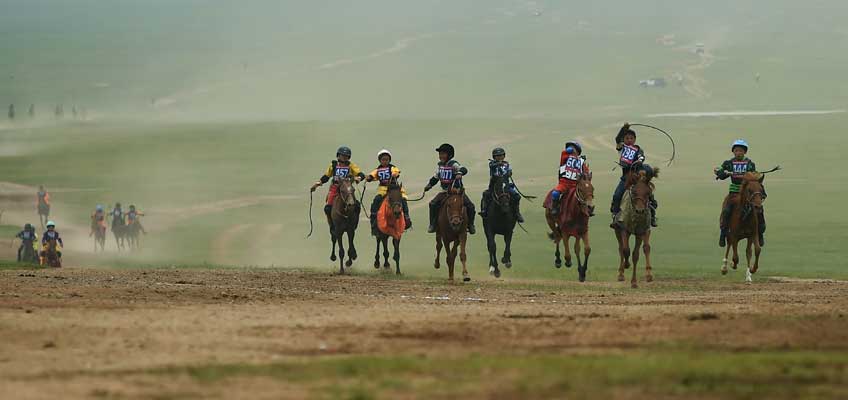
This practice is not unique only to Indonesia. In Mongolia, children are also made to be jockeys from the time they turn seven.

More than 11,000 children are registered as jockeys, according to the government’s child protection agency, and 150 of them participated in the main official celebrations of Naadam, Mongolia’s biggest festival, in Ulan Bator.

China Daily reported that a child jockey in Mongolia earns 500,000 tugrik (about S$340) a month and the money goes to their parents, while coaches pay for food and school materials.

A 2014 Unicef report said that some 326 child jockeys were hospitalised in 2012, mostly with head or bone injuries.

It surveyed 529 child jockeys, with some five per cent saying they had been beaten or kicked by their instructors.

stephluo@sph.com.sg

AFP contributed to this article.

Image: 
Category: 
Publication Date: 
Friday, July 15, 2016 – 18:08
Keywords: 
Send to mobile app: 
Source: 


Rotator Image: 
Story Type: 
Others

Source link

SGX outage triggered by hardware issue: CEO

0

In a conference call on Friday, SGX CEO Loh Boon Chye says that the exchange’s technology is supplied by Nasdaq, but did not say if the problem was originated internally or from the vendor.

Source link

Bollywood bad boy Khan's unstoppable box office appeal

0

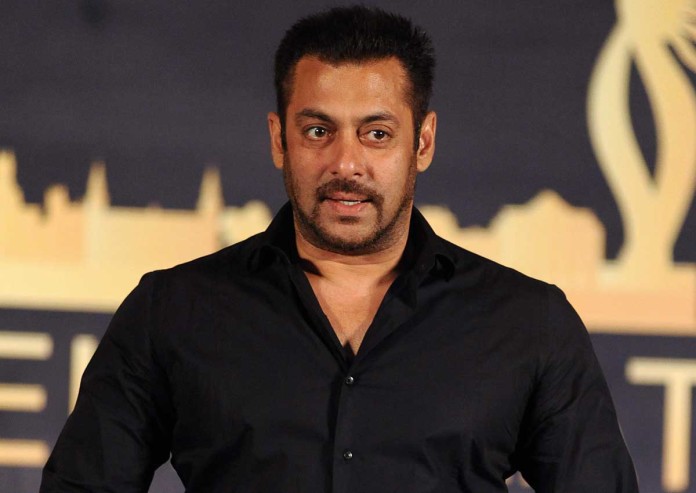
MUMBAI – He’s been accused of killing a homeless man, shooting dead an endangered animal and assaulting a former Miss World but it seems nothing can stop the box office appeal of Bollywood bad boy Salman Khan.

The Indian superstar’s latest blockbuster smashed records this week, just over a fortnight after he sparked fresh controversy by saying his heavy training schedule for the film left him feeling “like a raped woman”.

“Sultan”, in which Khan plays an ageing wrestler, enjoyed the highest-grossing opening weekend in Hindi cinema history, proving that for his legions of fans the body-building actor can do no wrong.

“I watch every Salman film. I love him. He is the reason I am in this profession,” Abhishek, a buff Mumbai fitness trainer, told AFP.

The actor known as “bhai”, meaning “brother” in Hindi, enjoys a cult-like status in star-obsessed India, with the majority of his devotees young men who envy Khan for being unmarried at 50.

They are largely from Mumbai’s mass of migrant workers who eke out a hardscrabble living in the sprawling financial capital but dream of a more glamorous life.

Invariably, they emulate his hairstyle and fashion, wearing pirated t-shirts emblazoned with Khan’s charity “Being Human”.

At weekends they gather outside his home where Khan waves at fans from his balcony.

“He has always been the poster boy of a large section of the youth population,” filmmaker Nikkhil Advani, who directed Khan in 2007 romantic drama “Salaam E Ishq”, told AFP.

The majority are not on Twitter and are immune to social media outcries such as the one Khan sparked last month when his rape analogy made to a local news site went viral.

Khan has not apologised for the comments, as demanded by India’s National Commission for Women, but his father Bollywood screenwriter Salim Khan made an apology of sorts on his son’s behalf.

Khan has starred in more than 100 films and television shows since his first hit “Maine Pyar Kiya” (I Fell in Love) in the 1980s. But his personal life has long been dogged by controversy.

Although he was cleared last year of killing a homeless man in a late-night hit-and-run crash in 2002, that decision is now being challenged in the Supreme Court.

Khan is also battling allegations he used unlicensed arms to shoot an endangered Indian antelope for which he spent a week behind bars in 1998.

His image also took a hit when former Miss World and Bollywood actress Aishwarya Rai accused Khan of assaulting her during a relationship which ended more than a decade ago.

Khan has denied ever hitting any women.

The controversies haven’t stopped him becoming one of Bollywood’s most bankable stars with “Sultan” making over two billion rupees (S$40.2 million) in the week since its July 6 release, according to industry estimates.

Khan earned more than US$33 million (S$44.3 million) in 2015 alone.

His earnings have been boosted in recent years by regularly playing the lead in India’s annual Eid blockbuster, capitalising on one of the year’s major holidays.

Director Kabir Khan, who worked with Khan on the movie “Bajrangi Bhaijaan”, believes his misdemeanours hint at a “vulnerability” that audiences relate to.

“He makes politically incorrect statements but that seems to endear him to audiences who see him the way he is,” he told AFP.

“He’s immensely popular because he wears his heart on his sleeve, he’s a bad boy and a brat, but then he does all this good work with Being Human.

“His fans stand by him and overlook many of his indiscretions by saying his heart is in the right place.”

Filmmakers say Khan’s popularity is sky-high as he’s now also winning over wealthier cinema-goers who previously tended to prefer the cleaner-cut images of Aamir Khan and Shah Rukh Khan.

Khan describes himself as a “humanitarian” on his Twitter profile and filmmaker Advani believes his “image makeover” has helped him persuade fans “to feel that he was always misunderstood and somewhat scapegoated”.

Khan’s following has been enhanced by his hosting of the Indian version of reality TV show “Big Brother”.

He’s also won praise for taking on difficult roles, such as “Sultan”, where his weight fluctuates wildly.

“He isn’t just playing safe and holding on to the success, unlike some of his peers,” said Kabir Khan.

“Audiences are responding to that effort and he’s attracting audiences outside of the cult followers, including women and children. His fans are growing.”

Image: 
Category: 
Publication Date: 
Friday, July 15, 2016 – 15:13
Keywords: 
Send to mobile app: 
Source: 


Story Type: 
Others

Source link

CEOs of WorkForce Singapore, SkillsFuture Singapore announced

0

Mr Ng Cher Pong, who is currently Chief Executive Officer of the Singapore Workforce Development Agency, will assume the CEO role when SSG is established. Mr Tan Choon Shian, who is currently the Principal and Chief Executive Officer of Singapore Polytechnic (SP), will be CEO of WSG.

Source link

What LTA's takeover of SMRT's rail assets mean for commuters, industry

0

1. Is Singapore moving towards a nationalised rail sector?No. The Government is not nationalising the rail sector. A nationalised system is one where the Government itself operates the rail services. Under the new rail financing framework (NRFF), private…

Source link

China does not need to always win to be great

0

BEIJING – In his address at the 95th anniversary of the Chinese Communist Party (CCP) this month, President Xi Jinping devoted an unusually lengthy part of his speech to foreign policy.

Speaking just days before a ruling by the Arbitral Tribunal at The Hague on China’s claims in the South China Sea, most international media focused on him saying that China will never compromise on its sovereignty. The Chinese media, however, picked out certain phrases to highlight his vision for the country on the global stage.

One of them is “ren lei ming yun gong tong ti”, or a “community of common destiny for mankind”, a term Mr Xi has used at least 60 times since 2013.

Building this community is the “Chinese solution” for an international world order that emphasises mutual benefits, and will allow China to fulfil its responsibilities as a major country, said party mouthpiece People’s Daily in a commentary on Monday.

Another Chinese media analysis said China has come up with the “Chinese solution”, or “zhong guo fan gan”, because it no longer wants to follow Western rules now that it has “a major country’s capabilities and self-confidence”.

Taken together, these points summarise China’s reimagining of its role as a “major country/great power” or “da guo” in recent years.

Although it became the world’s No. 2 economy in 2010, the Chinese have always debated whether their country is truly a great power. There is, however, little doubt in the mind of Mr Xi, who has more actively sought to answer the question: “So what should a great power do?”

Plenty, it seems. In recent years, standing up more forcefully on the world stage has become a corner- stone of the country’s diplomacy.

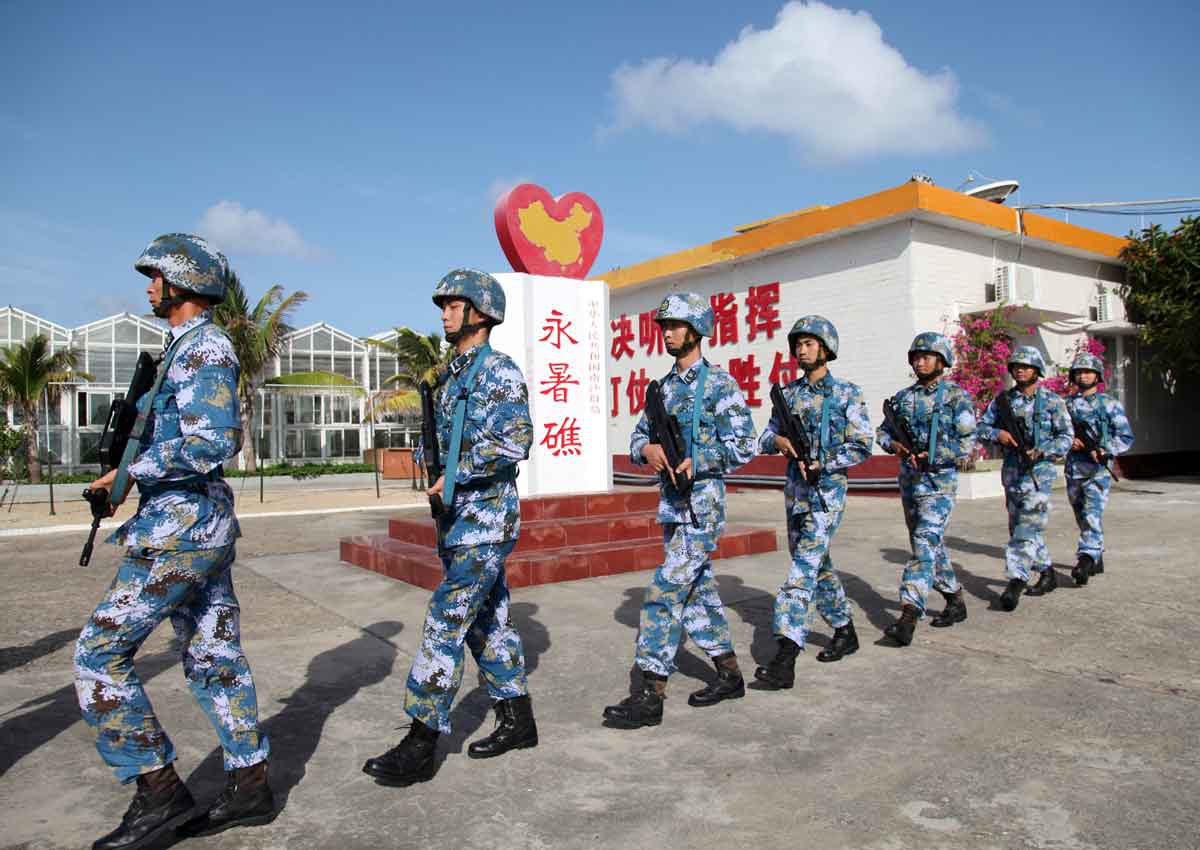
Last September, the People’s Liberation Army (PLA) carried out a rare and massive display of its latest hardware through Tiananmen Square in a show of military prowess that unnerved neighbours in the region and countries further afield.

That came amid a PLA restructuring and personnel reshuffle meant to improve its combat capabilities, as well as weapons deployment and land reclamation in the South China Sea.

Then last month, at a special meeting in Kunming between ASEAN and China’s foreign ministers, a planned joint press conference failed to take place after the Chinese applied pressure on a few ASEAN member states and caused the 10-member bloc to splinter over a proposed joint statement on the South China Sea.

Experts such as Nankai University analyst Liu Feng have pointed out that “China has been more inclined in recent years to use its coercive power to persuade neighbouring countries or to ensure that they indeed treat it with respect”.

That is consistent with the observation that China has modified its foreign policy strategy to become more pro-active, shifting from the decades-old mantra of “tao guang yang hui” (keeping a low profile) to “fen fa you wei” (striving for achievement), a term Mr Xi used at a high-level diplomatic work conference in 2013.

Yet, what a great power can do and what it should do are different things – and both China’s leaders and its people seem increasingly interested only in the former while “striving for achievement”.

That attitude extends to the Chinese public, as can be seen in the response of a fisherman from Hainan province who said in an interview in May: “Just attack them…, what are we afraid of?”

He was referring to the Philippines, which the tribunal ruled in favour of this week in the former’s disputes with China in the South China Sea.

Many of these fishermen had clashed with the coast guard and fishermen from the Philippines during their expeditions to the Spratlys, which the Chinese government encourages as a way of safeguarding sovereignty.

It is not uncommon to see netizens comment on territorial disputes online with a single word “da” (attack), born from the angst of seeing “great power” China supposedly being pushed around by smaller countries.

They feel that China’s might is not limited to the military either, often questioning what would happen if China decides to cut off trade ties or investment with another belligerent country. In short, now that we are strong, why do we need to play nice?

Yet, when it suits its cause, China (or its public) is quick to highlight that it is also a “rising power” – a developing country – hence relieving it of the international responsibilities that most expect a great power to shoulder.

Indeed, when Mr Xi committed US$2 billion (S$2.7 billion) last September to a development fund for poor countries and said China would aim to increase investment in least-developed countries to US$12 billion by 2030, that effort to change China’s image as an international “free rider” swiftly came under fire.

Why is China not helping its own poor, many Chinese asked. China is just a big country, not a rich country, others said.

None of that helps China’s standing on the global stage. In its rush to demand respect befitting of a great power, China has merely reaped acquiescence.

Just looking at ASEAN, for instance, closer economic co-operation with Beijing has failed to translate into mutual trust. If anything, it has been the opposite, with concerns growing about China’s readiness to wield its economic clout for geopolitical benefits. As one Western scholar observed, “China is a great power, but it doesn’t realise that being a great power doesn’t mean you need to ensure you win all the time”.

This is where China can perhaps heed a lesson it learnt from the remarkable feat it pulled off early this year, in opening the Asian Infrastructure Investment Bank (AIIB), which People’s Daily also sees as part of the “Chinese solution”.

Few would have given it a chance when Mr Xi first mooted it in 2013, especially given the intense pressure that the United States had put on other countries not to join the bank. But the benefits of this new institution were apparent to the 57 that eventually signed up, in what became a major public relations coup for China.

No coercive action was needed when the countries could assess for themselves the AIIB’s merits, while being keenly aware of the limitations and associated biases in current international financial institutions.

Two weeks on from Mr Xi’s address, the tribunal has ruled against China’s claims in the South China Sea and all eyes are on how forcefully it reacts. It should keep in mind that in recent years, assertive action has only served to push China’s neighbours further away from it.

It is still questionable, on balance, how much “striving for achievement” and not following “Western rules” has gained for China, and if that is still a path worth going down.

China deserves to have a greater say in the world order and, as it has pointed out, there should be no objection to its attempts to build a new world order that emphasises “mutual benefits and a non-zero sum game model”.

In such a world, however, the great power should not be the only big winner.


This article was first published on July 15, 2016.
Get a copy of The Straits Times or go to straitstimes.com for more stories.
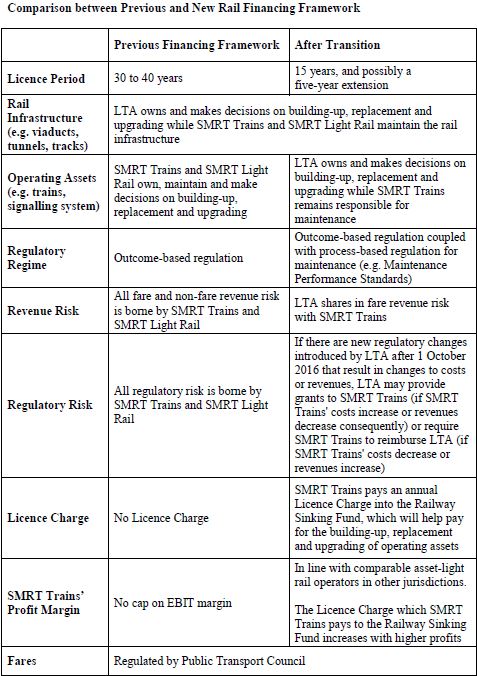
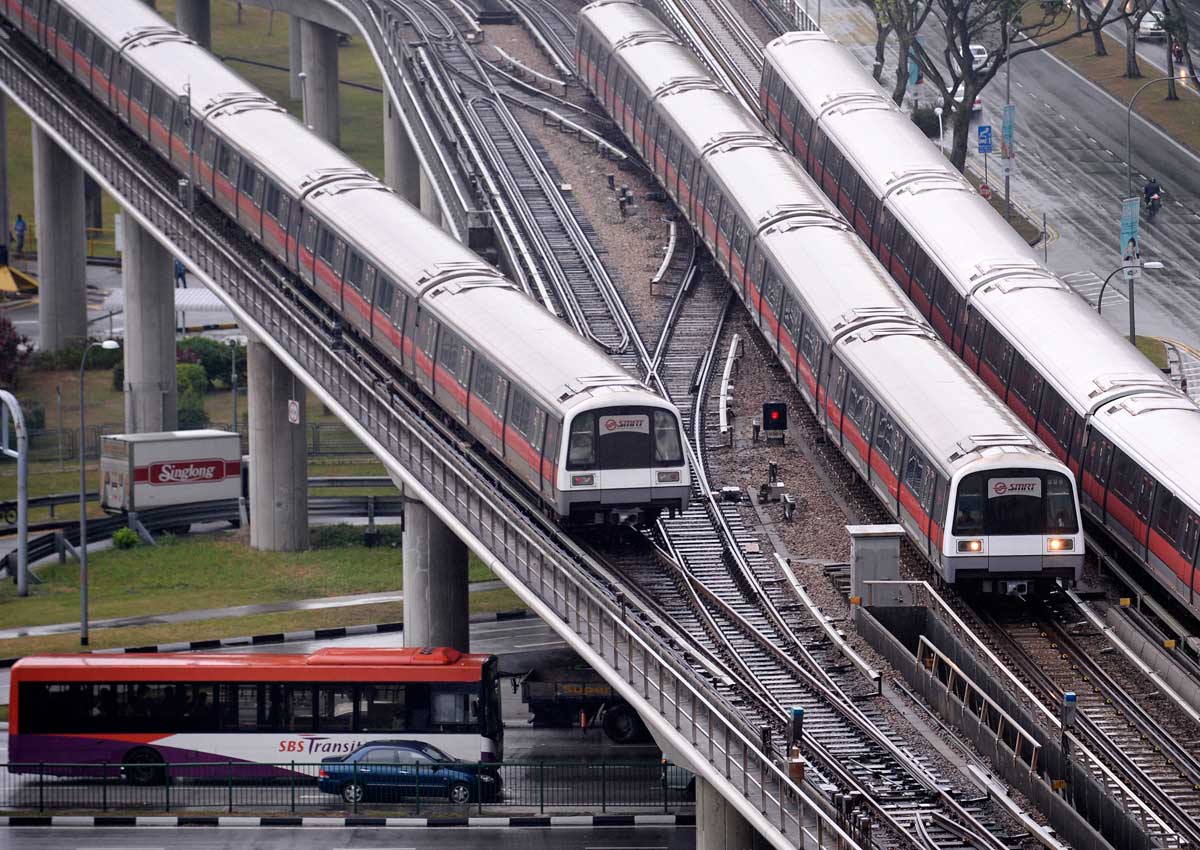
Image: 
Category: 
Publication Date: 
Friday, July 15, 2016 – 17:06
Send to mobile app: 
Source: 


Story Type: 
Others

Source link

China 'may build nuclear plants' in South China Sea

0

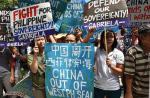
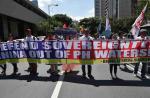
BEIJING – China may build mobile nuclear power plants in the South China Sea, state media reported on Friday, days after an international tribunal dismissed Beijing’s vast claims in the strategically vital waters.

“Marine nuclear power platform construction will be used to support China’s effective control in the South China Sea,” the website of the state-run Global Times cited the China National Nuclear Corporation (CNNC) as saying on a social media account.

The Global Times cited the report as saying that “marine nuclear power platforms will be used” in the islands and reefs of the Spratly chain in the contested sea “to ensure freshwater”.

The original report was deleted from CNNC’s account on social media platform WeChat on Friday, and a staffer at the firm told AFP that it “needed to confirm” its accuracy.

“In the past, the freshwater provision to troops stationed in the South China Sea could not be guaranteed, and could only be provided by boats delivering barrels of water,” the Global Times cited the report as saying.

“In the future, as the South China Sea electricity and power system is strengthened, China will speed up the commercial development of the South China Sea region,” it added.

China has rapidly built up reefs in the sea into artificial islands in recent months, installing civilian and military facilities on them.

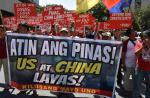
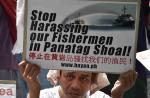
The report comes after a Permanent Court of Arbitration (PCA) tribunal on Tuesday backed the Philippines’ case that there was no legal basis for Beijing’s maritime claims which extend almost to the coasts of neighbouring states.

It also found that China’s activities had inflicted severe damage to fragile coral ecosystems and caused serious harm to endangered species.

China has insisted that it will ignore the decision while warning its rivals that increasing pressure on the issue could turn the resource-rich waters into a “cradle of war”.

The state-backed website The Paper on Friday quoted China Shipbuilding Industry Corporation (CSIC) engineer Zhu Hanchao as saying that 20 marine nuclear platforms were in development.

But Zhu added that they would be deployed to oilfields in the Bohai Sea off China’s northeast coast, not in the South China Sea. CSIC could not immediately be reached for comment.

Beijing included the development of two marine nuclear power plants, to be built by CNNC and the China General Nuclear Power Corporation (CGN) respectively, in its five-year plan for 2016-2020, both companies announced this year.

It did not specify where the marine facilities would be constructed.

The CNNC plant is expected to start operation in 2019 and CGN’s the following year, according to their statements.

Nuclear power is already used at sea for aircraft carriers and submarines, but doing so for civilian purposes appears to be unprecedented. A similar Russian project is reportedly already under construction.

Image: 
Category: 
Publication Date: 
Friday, July 15, 2016 – 14:59
Send to mobile app: 
Source: 


Story Type: 
Others

Source link

Hemsley’s Shop to Save – Up to 80% Off Bathroom Wares & Accessories from 16 – 31 Jul 2016

0

Hemsley’s Shop to Save up to 80% on Bathroom Wares & Accessories

Hemsley’s Shop to Save – Up to 80% Off Bathroom Wares & Accessories from 16 – 31 Jul 2016

Shop to Save at Hemsley: Up to 80% off plus instant rebates on European made bathroom wares including WCs, basin, tap & shower fittings and accessories from 16th to 31st July 2016

Source