Home Blog Page 3379

Vietnam rejects Chinese passports with nine-dash line

0

Vietnamese border officials are refusing to stamp new Chinese passports featuring the nine-dash line that represents China’s claim on most of the South China Sea.

According to a report by Vietnamese media group Tuoi Tre News on Saturday, holders of these passports are, instead, issued with a separate on-arrival visa. This is to avoid inadvertently recognising China’s claim.

Last week, the Arbitral Tribunal at The Hague ruled in a case lodged by the Philippines that the nine-dash line was illegal and breached Manila’s territorial rights. China refuses to recognise the ruling.

Vietnam, with maritime claims that overlap China’s, has said that it welcomes the verdict but has otherwise been restrained in its reaction.

The vice-chairman of Quang Ninh province’s People’s Council, Mr Nguyen Xuan Ky, was quoted by Tuoi Tre as saying: “By issuing separate visas, Vietnamese authorities can avoid directly stamping the passports, thus demonstrating Vietnam’s stance of not recognising the nine-dash line in any form.”

Any such passport stamped by mistake will be stamped “voided” upon the traveller’s next entry to Vietnam.

In southern Vietnam’s Phu Quoc airport, where foreign tourists do not need a visa for entry, Chinese with the nine-dash-line passport have to fill out a separate entry declaration, media reports say.

Customs officers at Da Nang airport have also confiscated from Chinese passengers many maps featuring the nine-dash line.

Meanwhile, a provincial Vietnamese television station has stopped airing Shanghai Bund, a Chinese remake of a popular Hong Kong series, after its lead actor Huang Xiaoming voiced support for Beijing’s claims over the South China Sea, according to online portal VN Express International.

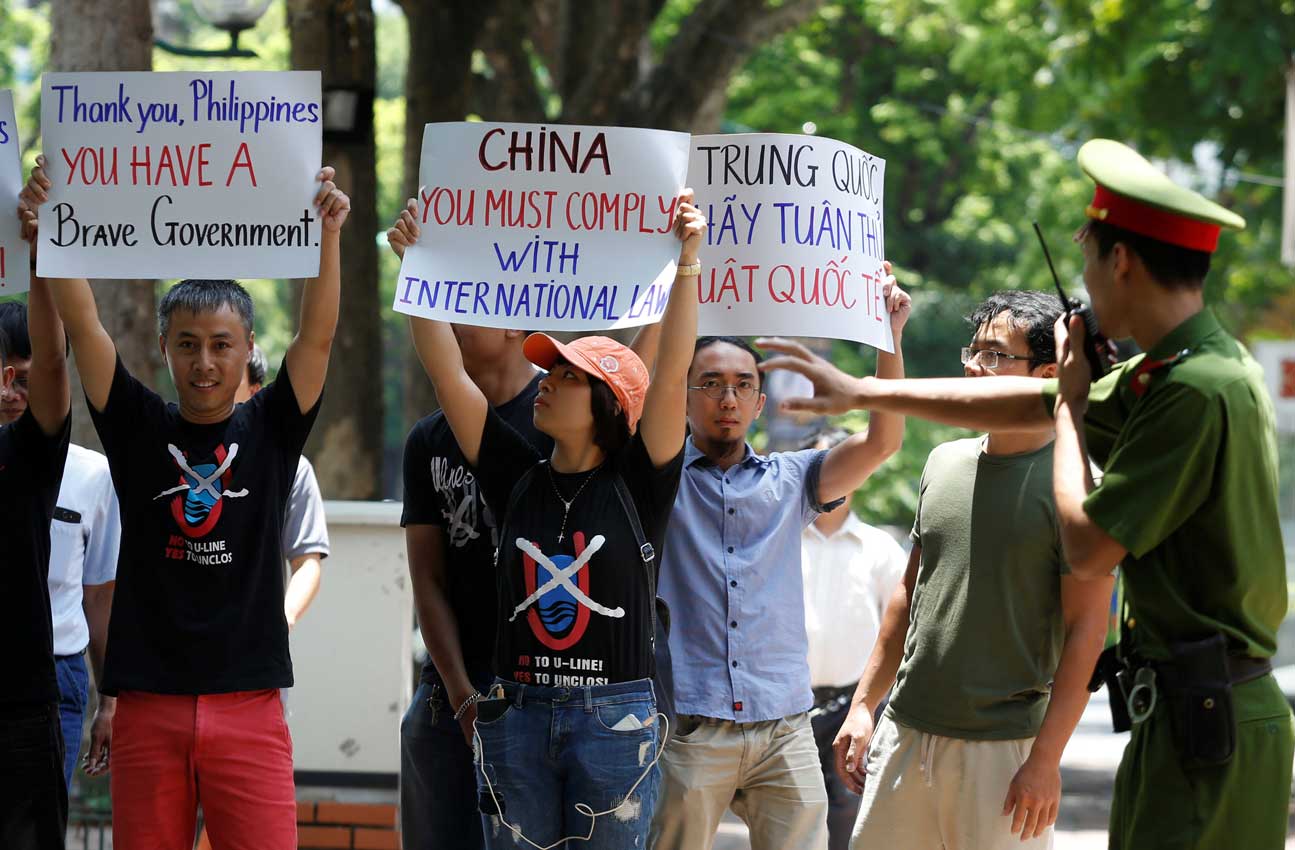
In Hanoi, about 20 people were detained yesterday while protesting against China’s rejection of the international tribunal’s decision.


This article was first published on July 18, 2016.
Get a copy of The Straits Times or go to straitstimes.com for more stories.

Image: 
Category: 
Publication Date: 
Monday, July 18, 2016 – 17:00
Send to mobile app: 
Source: 


Story Type: 
Others

Source link

Road brings jeans, satellite TV to Himalayan Shangri-La

0

LO MANTHANG, Nepal – A Himalayan Shangri-La that was closed to visitors until 1992, the former Buddhist kingdom of Upper Mustang in Nepal is facing unprecedented change as a new highway brings modernity to the roof of the world.

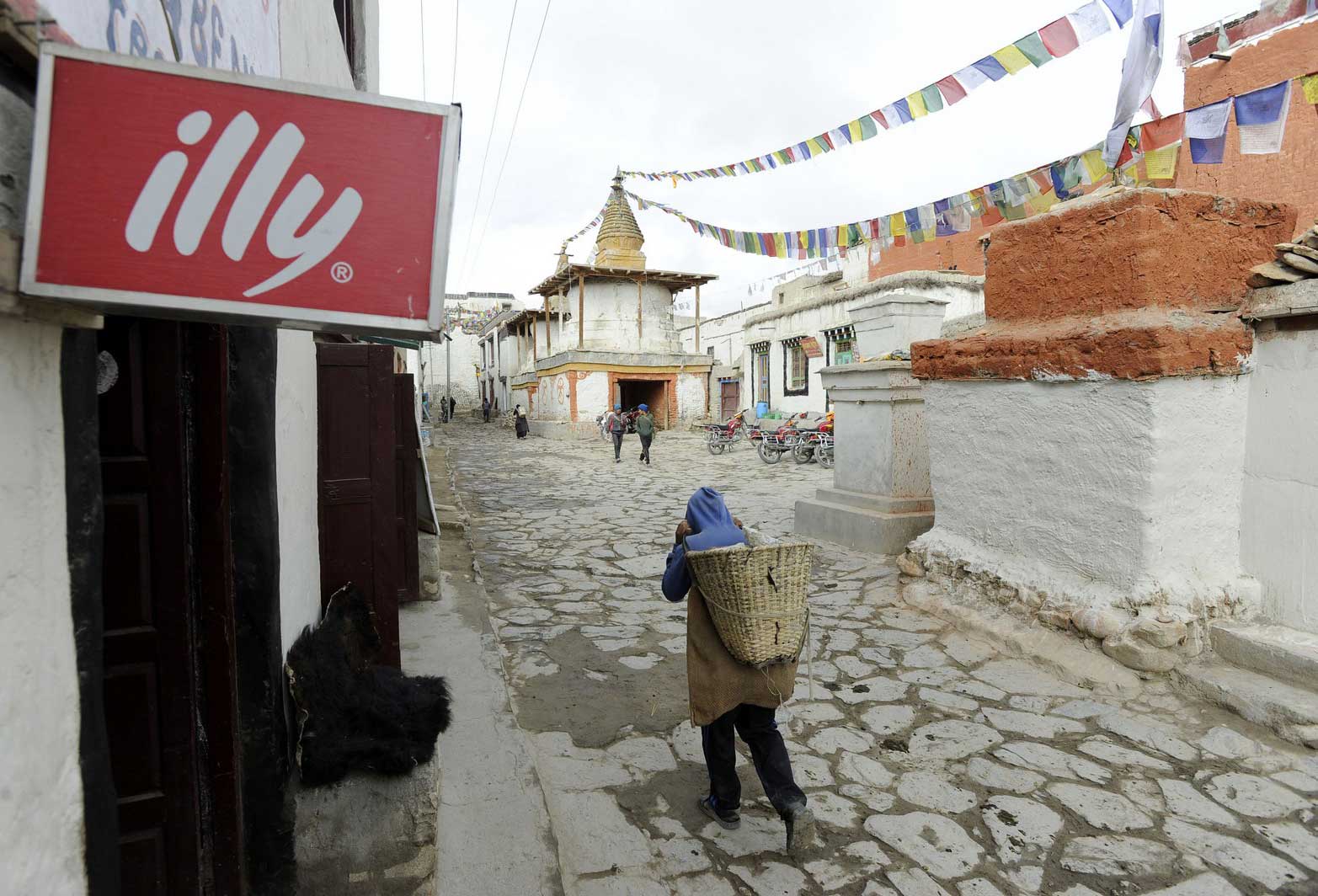
Kerosene lamps have given way to solar panels, denim sneakers have replaced hand-stitched cowhide boots and satellite dishes are taking over the rooftops of homes dotted across the region, which borders Tibet.

The former kingdom’s days as a cultural time capsule are numbered – and change cannot come soon enough for young people like Tsewang Norbu Gurung, who lives in its walled capital, Lo Manthang.

“I remember when Nepali TV first came here, less than 10 years ago. We used to pay 20 rupees (18 cents) for a three-hour sitting in someone’s house,” said Gurung.

Today, nearly everyone owns their own television – imported from China or India – and young men like 30-year-old Gurung spend their evenings watching Bollywood films, Tibetan mythological dramas or football matches.

Sitting with friends at a local teashop, their eyes glued to a television screen showing a Euro 2016 match, Gurung told AFP the road had transformed life in Lo Manthang.

“Earlier, everything – rice, oil, basic supplies – had to be carried up on mules, it would take so many days, now it takes just one day in a vehicle,” he said.

Gurung, who runs a souvenir shop, worked as a labourer on the road that was completed in 2014, connecting Upper Mustang with India and China – a modest throwback to an era when the region dominated trans-Himalayan commerce in salt, wool and spices.

For generations, traders led caravans through this forbidding high-altitude desert, passing vast canyons and red mountains that, legends say, are stained with the blood of a demon killed by the founder of Tibetan Buddhism.

Nepal annexed the kingdom of Lo, as it was known then, in the 18th century but allowed the king to retain his title. It renamed the area Upper Mustang.

For decades it saw virtually no foreign visitors and was accessible only by foot or horseback, leaving its residents cut off from outside influence until the road was completed a few years ago.

The local Loba community, who speak a variant of Tibetan, retained their Buddhist practices even as the Cultural Revolution hit religious traditions in neighbouring Tibet.

Upper Mustang’s isolation was so absolute that its royal family only boarded a plane for the first time in 1995, on visits to the US and Germany.

Former crown prince Jigme Singi Palbar Bista grew up in a cavernous five-storey palace with 108 rooms, but the family did not live in luxury.

With no electricity and with firewood scarce, palace staff would burn yak dung to heat the rooms.

There were no high schools in Upper Mustang, so the prince would spend days trekking or riding to Jomsom on the region’s outskirts.

“We are not like other royals… not that kind of luxury,” the 60-year-old told AFP.

Nepal’s transition from a monarchy to a republic in 2008 ruled out any chance of Bista inheriting the throne, making his father the last king of a 600-year-old dynasty.

The father-of-three now devotes his time to running a tour agency and doing charity work while overseeing repairs to the palace after last year’s earthquake.

But the Lobas still regard Bista as a spiritual guardian and approach him for help resolving land disputes that would otherwise have to be filed in court.

Nepal’s government has sought to preserve Upper Mustang’s unique culture by keeping tourist numbers down, charging a minimum visitors’ fee of $500.

But many fear the road threatens the region’s unique identity as younger Lobas embrace modernity, swapping handspun Tibetan robes for made-in-China jeans.

Lo Manthang’s gates are no longer locked at night to keep horses from running out. Instead, motorbikes crowd its cobblestone streets.

“It’s important to save our culture so it reflects our identity. Otherwise there will be nothing special left about (Upper) Mustang,” said Khenpo Kunga Tenzin, head of Lo Manthang’s Monchoe Dragkar Thegchen Ling monastery.

“We had our own identity, our own way of dressing… but now it’s all disappearing, it will all be gone.” Poised between an isolated past and an uncertain future, young Lobas like shopkeeper Gurung are more positive.

“When I realise that my generation doesn’t know local songs or dances, I feel a bit ashamed,” he said.

“But overall I am optimistic about the future. Things are getting better… life is getting easier.”

Image: 
Category: 
Publication Date: 
Monday, July 18, 2016 – 12:14
Keywords: 
Send to mobile app: 
Source: 


Story Type: 
Others

Source link

SGX to transfer regulation functions to new subsidiary

0

The move aims to further enhance the governance of SGX as a self-regulatory organisation by making more explicit the segregation of its regulatory functions from its commercial and operating activities.

Source link

SPH, Outbrain extend multi-year partnership to drive audience engagement

0

SINGAPORE – Content discovery platform Outbrain announced on Monday (July 18) that it has renewed a multi-year deal with publisher Singapore Press Holdings Limited (SPH) to provide users with personalised sponsored content.

The companies will work together to deliver relevant content recommendations across SPH’s online news platforms which include AsiaOne, The Straits Times, Business Times, and U-Weekly.

With Outbrain’s predictive analytics tools, SPH will be able to customise content recommendations that appear across various platforms such as desktop, tablet and mobile.

This will result in better audience engagement and performance, generate cross-site content recommendations using algorithms, and also increase revenue opportunities.

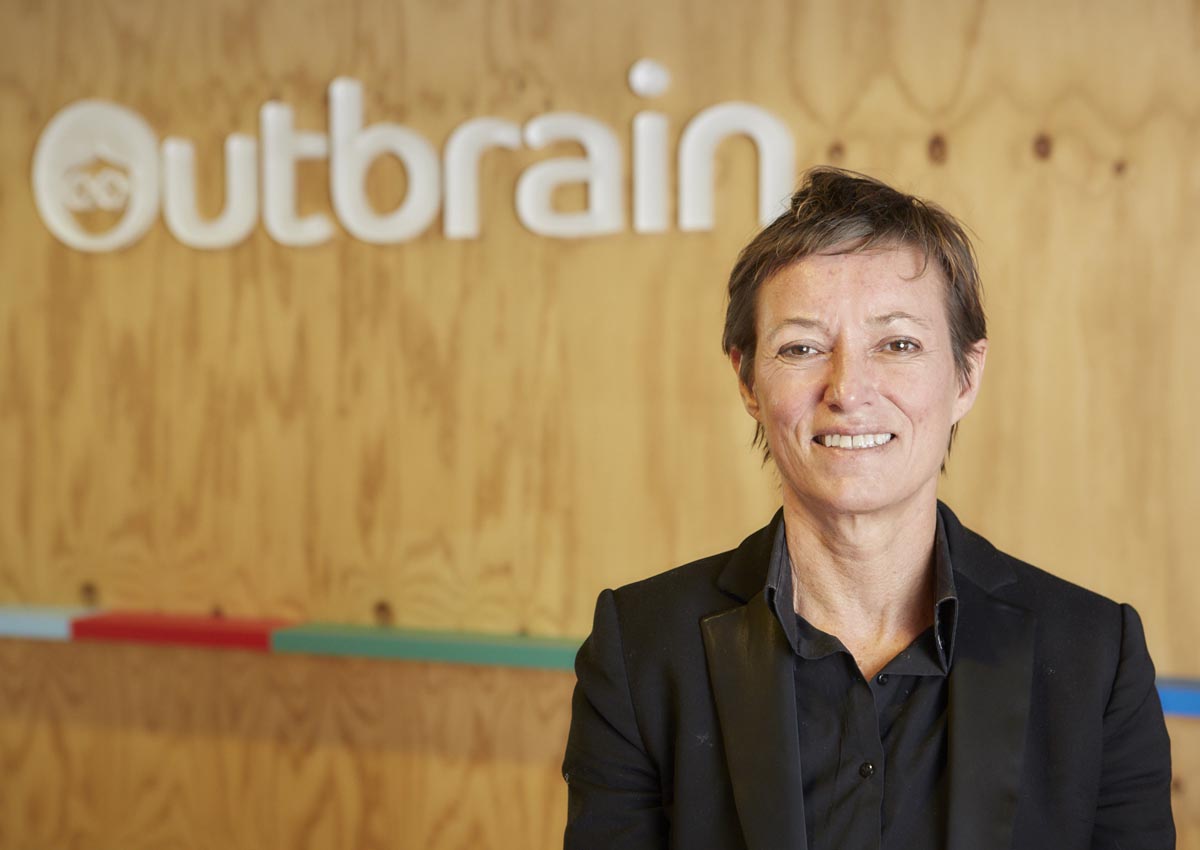
Ms Sigrid Kirk, VP of Engage at Outbrain said: “Outbrain gives publishers the flexibility and control needed to surface quality content, create a positive user experience and gain trust from readers – an element increasingly important and hard to come by in today’s fragmented media landscape where readers quickly jump around digital platforms.”

Ms Tan Su-Lin, Deputy Head of SPH’s Digital Division said: “Through this extended partnership, we are confident that Outbrain will continue to drive increased audience engagement, provide key insights and analytics about our core digital users, while at the same time maximising the monetisation of our audience through a native experience.””

Outbrain currently serves more than 6 billion content recommendations a day, and 250 billion a month, reaching over half-a-billion unique visitors across the globe – more than any other content recommendation company.

minlee@sph.com.sg

Image: 
Category: 
Publication Date: 
Monday, July 18, 2016 – 12:30
Keywords: 
Send to mobile app: 
Source: 


Story Type: 
Rewritten Story

Source link

New action-packed Korean drama Doctors may be hotter than DOTS

0

Just as the sun is setting on the Descendants Of The Sun (DOTS) phenom, another hot new Korean drama is poised to take its place as the next Hallyu torchbearer.

Doctors, now airing in South Korea, has already raked in 19.2 per cent in ratings and is set to hit the 20 per cent milestone in the coming week.

DOTS averaged at a stunning 26.27 per cent.

Doctors is a medical romance-drama between gangster-turned-doctor Yoo Hye Jung (Park Shin Hye) and her ex-teacher-turned-boss Hong Ji Hong (Kim Rae Won), as they deal with office politics and scars from the past.

So what exactly is driving its popularity in Korea? Here are four things that are making Doctors a better watch than DOTS…

1. SOLID SCRIPT

The unpretentious central romance is couched in a bigger arc, as Hong, rightful heir of the hospital, prevents a takeover by greedy doctors, while Yoo uncovers the cause of her grandmother’s death in the hospital 13 years ago.

DOTS’ popularity was boosted by its phenomenally good-looking cast, but it also featured an abysmal script.

This is unlike Doctors’ compelling plot, which does not pack too much in nor pretend to be more than what it is. And it is definitely not a fluffy, fairy tale whirlwind romance taking place during a humanitarian mission in a fictional war-torn nation.

2. PARK SHIN HYE FINALLY TURNS BADASS

The 26-year-old actress first caught international viewers’ attention through the 2013 Korean drama Heirs, where she played a maid’s daughter who spends around 20 episodes or so rejecting the love of her mother’s employer on the basis of status difference.

In Doctors, however, Park does a complete reversal.

She is headstrong, does not let injustice slide and tackles gangsters to the ground – with no stunt double.

At a press conference last month, she said that the character Yoo is unlike any she has played before.

It looks like Park has finally stopped being typecast as the passive, lovelorn heroine. Bonus points for being infinitely less whiny than DOTS’ female lead Song Hye Kyo.

3. A RELATABLE ANTAGONIST

How often do viewers of a Korean drama relate to and root for the female lead’s rival, in this case, jealous Jin Seo Woo (Lee Sung Kyung)?

This is drastically different from DOTS, which turned antagonists into caricatures that everyone loves to hate – foreigners of unknown nationality, evil simply because they innately are, complete with terrible acting.

In Doctors, Jin watches Yoo effortlessly taking all the things the former worked for, before getting back at her.

Thankfully, writer Ha Myung Hee developed her backstory and her resulting personality, that of a sheltered woman whose parents made her hyper-aware of her initial headstart in life.

4. KIM RAE WON’S FLIRTING SKILLS

The age gap between the two leads could have caused Kim to come across as a creepy old uncle, but the 35-year-old’s acting skill made him more like a protective oppa (big brother).

His Hong is assertive, but does not push Yoo around, guiding her while giving her room for her own self-improvement.

Most importantly, he delivers cheesy lines like no one else can. DOTS’ lover-boy Song Joong Ki needs to take notes.

FROM SOLDIER TO DOCTOR

Actors know that they need a bit of luck to score solid roles and enjoy adoration from their audience.

In South Korean rising star Kim Min Seok’s case, Lady Luck has shone on him generously.

This year alone, the boyish-faced 26-year-old has been in not one but two hit TV series.

He played cheeky, mischievous pickpocket-turned-soldier Kim Gi Beom in Descendants Of The Sun (DOTS).

And in Doctors, he portrays easygoing, happy-go-lucky hospital resident Choi Kang Soo, who harbours a crush on neurosurgeon Yoo Hye Jung (Park Shin Hye).

“I am so lucky because my experiences on both shows have been great,” Kim told The New Paper in an e-mail interview.

“After DOTS aired, I realise I have gained a lot of international fans on Instagram.

“I am very grateful for all their encouraging words, written in different languages. Their encouragement has helped me through long, tiring days.”

Kim, who made his acting debut in the 2012 coming-of-age high school drama Shut Up Flower Boy Band, added that after the success of DOTS, there were times when people on the streets of Seoul would recognise him and call out his character’s name excitedly.

“I get that especially from ajummas (aunties in Korean),” he said.

“They treat me like their son.”

Doctors, which is close on the heels of DOTS in viewership figures, looks set to be the next big drama of 2016.

MATURE

For Kim, Doctors allowed him to mature as an actor.

“I didn’t have a lot of screen time in DOTS and everything was less rushed because we filmed it in advanced,” he said.

“Doctors gave me an opportunity to grow my character. Even though we are filming it as the drama airs, our script and our production quality is outstanding.

“Because of the time we spent together, the cast members have bonded well.”

Kim, who said that he watched other medical-themed dramas such as Good Doctor (2013) and Yong-pal (2015) as research for his role, had nothing but praise for Doctors’ lead stars Park and Kim Rae Won.

“Kim Rae Won sunbae (Korean honorific term for seniors) is very different in person. In real life, he’s serious and very professional. I have seen his previous dramas and he usually plays serious characters who don’t smile.

“So I think it’s very refreshing for me, as well as the audience, to see him (in such a cheerful role) in Doctors,” he said.

“As for Shin Hye noona (elder sister in Korean), she is very kind and generous. Her fight scenes are so good. We are all very impressed by her.”


This article was first published on July 18, 2016.
Get The New Paper for more stories.

Image: 
Category: 
Publication Date: 
Monday, July 18, 2016 – 21:00
Keywords: 
Send to mobile app: 
Source: 


Rotator Image: 
Story Type: 
Others

Source link

Preacher linked to Dhaka terrorist under probe

0

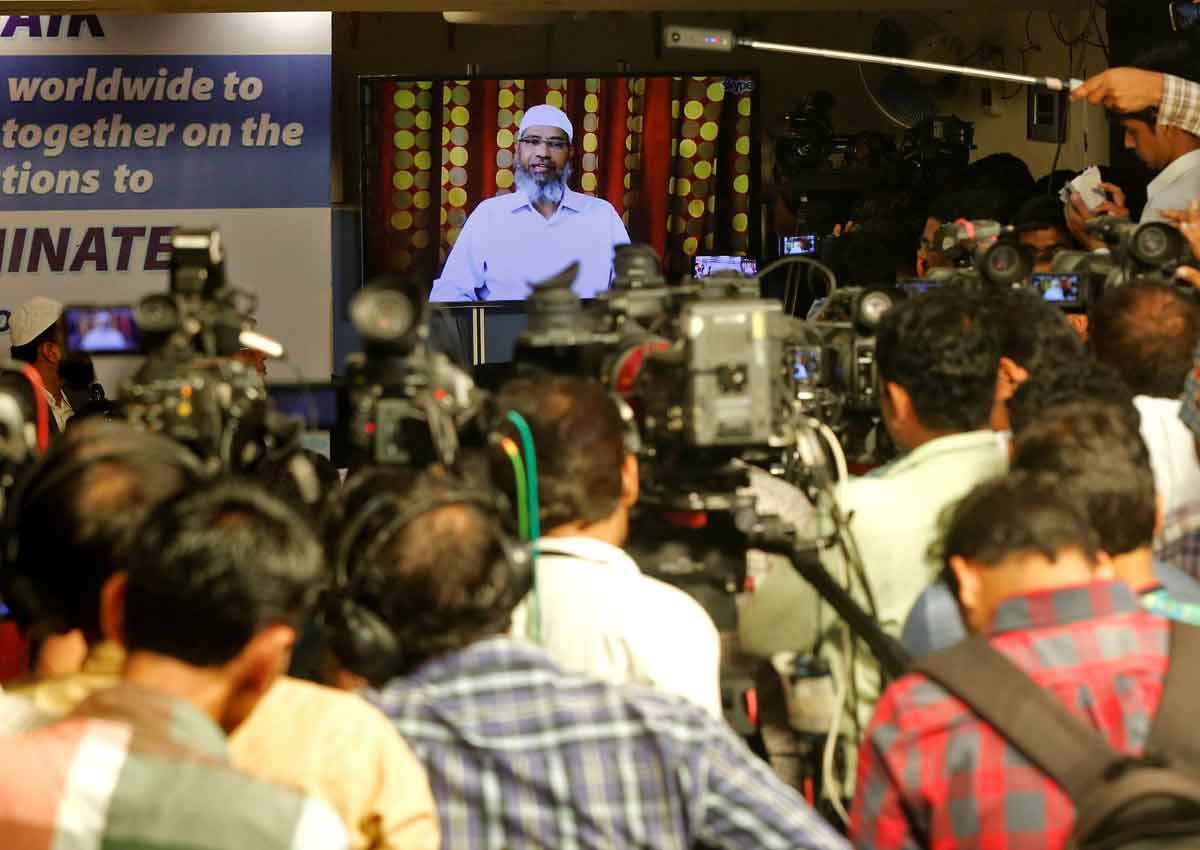
An Indian Islamic preacher, Dr Zakir Naik, whose teachings were popular with one of the terrorists in the Dhaka cafe attack, has denied advocating terrorism as the authorities in India and Bangladesh investigate whether his sermons could radicalise South Asians.

Bangladesh has banned Dr Naik’s Peace Television – a 24-hour Islamic channel that broadcasts in English and Urdu, while India is poring over the contents of his sermons and the funding of his Mumbai-based Islamic Research Foundation.

At least one Indian government minister said his speeches “were a matter of concern”.

The preacher has come under intense scrutiny since it was revealed that Rohan Imtiaz, one of the five gunmen behind the Dhaka cafe attack in which 20 hostages were killed, had quoted from Dr Naik’s sermons on Facebook last year.

“I did not inspire any terrorist… I am a messenger of peace,” Dr Naik said during a press conference last Friday via Skype from Saudi Arabia. He denied allegations that his speeches were inflammatory. “I have been branded a hatemonger without an iota of evidence.”

Earlier in a YouTube response, he had said: “Every Muslim should be a terrorist to anti-social elements like rapists and murderers.”

Dr Naik, who was born and raised in Mumbai, founded the Islamic Research Foundation in the early 1990s. He claims to have more than 100 million followers and his lectures are reportedly seen in more than 125 countries.

Last year, he launched Peace Television in China and was awarded the King Faisal International Prize in March last year for “service to Islam” awarded by Saudi Arabia.

But he has also faced controversy. In 2010, he was banned from entering Britain for making inflammatory remarks that “seek to provoke others to terrorist acts”.

Asked whether Dr Naik would be allowed to enter Singapore to preach, a Ministry of Home Affairs spokesman said it could not comment on specific cases.

But the MHA said the Government needed to “guard against foreign religious speakers, regardless of the faith they represent, who propagate divisive doctrines that advocate exclusivism, disrespect to other religions, or cause members of a particular faith to live apart from others in society”.

Dr Naik’s Peace Television, which is broadcast from Dubai and hosts Islamic scholars and preachers, was first denied permission to air in India in 2008. The government is asking cable operators to ensure they do not transmit the channel.

Dr Naik, who quotes from the Quran in his speeches, has appeared to support suicide bombers. But at the press conference last Friday, he said the footage of that particular speech had been doctored.

In other lectures, he has criticised the United States and described gay people as “patients suffering from a sinful mental problem”.

His supporters say his teaching was being misrepresented and maintained he was the target of a witch-hunt, even as critics have accused him of belittling the Shi’ite and Ahmadi Muslim sects.

Without naming Dr Naik specifically, Indian Prime Minister Narendra Modi noted earlier this month that “preachers of hate and violence are threatening the fabric of our society”.

Security experts said his sermons must be studied to see if they contained any inflammatory messages.

“His speeches are problematic. But it is a matter of judicial assessment whether it is incitement, advocacy or a provocation to other communities. There are legal standards,”‘ said Dr Ajai Sahni, the executive director of the Institute for Conflict Management.

Associates of Dr Naik said he would present himself for questioning by the Indian authorities if asked.

“When agencies summon him, he will come down. He spends six months out of India. He is ready to join any investigation,” said Mr Mohsin Khan, one of Dr Naik’s supporters and a volunteer at the All India Dawah Centres Association.

gnirmala@sph.com.sg


This article was first published on July 18, 2016.
Get a copy of The Straits Times or go to straitstimes.com for more stories.

Image: 
Category: 
Publication Date: 
Monday, July 18, 2016 – 14:00
Keywords: 
Send to mobile app: 
Source: 


Story Type: 
Others

Source link

University of Adelaide, Ngee Ann Kongsi wind up Singapore venture

0

A final intake of about 90 students will commence this semester, and the education centre will stop accepting new enrollments from Monday.

Source link

Family claims caterer whom they paid $600 did not fulfil order for Hari Raya

0

Lontong, rendang, and sambal prawns – that was what she was looking forward to serving her extended family at a special meal on July 5, the eve of Hari Raya Aidilfitri.

But the food, which cost her $600, did not appear on the dining table.

Ms Darniyati Majid, 46, is among several customers of a catering company who claim they did not receive what they ordered and also did not get refunds.

Attempts by The New Paper to contact the owners of the company several times last week were unsuccessful.

A search with the Accounting and Corporate Regulatory Authority (Acra) shows that the business is still listed as a live company.

Ms Darniyati, a quality inspector, said: “My mother is not feeling well, so I wanted to order a feast for her to host 30 to 40 family members visiting on Hari Raya eve.”

On July 4, a day before the delivery, she sent a Facebook message to the company to confirm the delivery timing, but there was no reply.

Ms Darniyati said she was “so worried I could not sleep” so on the morning of July 5, she contacted another catering company to order food for the dinner. It cost her $300.

Later that day, someone from the catering company sent her a message via Facebook, promising to refund her for the non-delivery, but she did not get a refund.

On July 6, she made a police report. A police spokesman told TNP a report was lodged and investigations were ongoing.

Another customer, graphic designer Zara Samsudin, 37, had ordered iftar (breaking of fast) meals for the entire duration of the fasting month.

From June 7 to June 24, the orders were fulfilled, but from June 27, she stopped receiving any food.

Ms Zara said: “The owner messaged me to say that her cook had been injured (due to an incident involving) hot oil.”

She said the company gave her a full refund of $145 on July 5.

Other customers have not been as lucky.

At least four people, who posted messages online complaining about the caterer, told TNP they did not receive their orders and refunds. They said they could not reach the owners after Hari Raya.

The amounts owed are between $69 and $149, according to their claims.

One of them, housewife Sheree Deen, 28, said: “The owner keeping quiet would not assuage our worries.”

When reporters visited the owner’s flat in Woodlands last week, he was not in. A woman at the flat, who declined to be named, said the catering business had closed down the week before.

PAGE TAKEN DOWN

The company’s Facebook page, which has been taken down since Tuesday night, listed the address of a food stall in Sembawang.

When TNP visited the stall last week, the cooksaid the owner was in Johor Baru.

Mr Seah Seng Choon, executive director of the Consumers Association of Singapore (Case), advised that consumers seeking for refunds from a registered business may file a claim with the Small Claims Tribunal (SCT).

Mr Seah added: “If they get a judgment in their favour but the business refuses to pay, they can enforce the judgment by way of a writ of seizure and sale to recover their money.”

Case said no complaints have been registered against the catering company in the past.

Consumers can contact Case for advice on filing a claim at the SCT via their hotline at 6100-0315.

Ms Darniyati said: “I hope caterers won’t take orders if they can’t cope. I would not want this to happen to anyone.”


This article was first published on July 18, 2016.
Get The New Paper for more stories.

Image: 
Category: 
Publication Date: 
Monday, July 18, 2016 – 14:45
Send to mobile app: 
Source: 


Story Type: 
Others

Source link

Olympics: Stakes high as Russia doping report released Monday

0

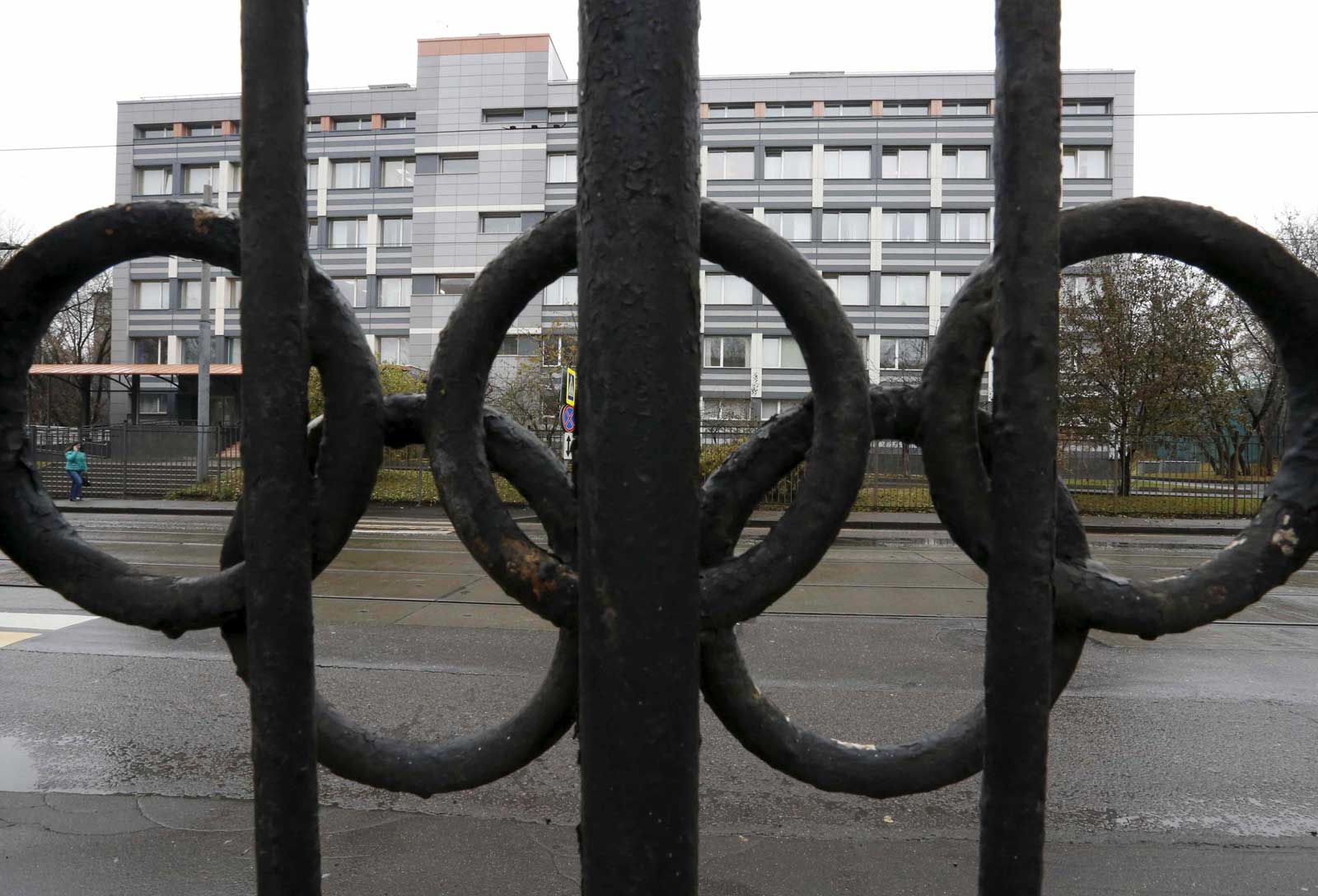
TORONTO – The report to be released Monday into allegations of widespread state-sponsored doping in Russia has already sparked rumblings it could trigger the “nuclear option” of a full ban of Russia from the Rio Olympics.

With the August 5 start of the Summer Games less than three weeks away, anticipation of the report by Canadian lawyer Richard McLaren had the Olympic movement on edge.

Some world sports leaders decried what they saw as a pre-emptive strike from others pushing for a Russian ban before the findings were revealed in a press conference scheduled for 9:00 am (1300 GMT) in Toronto.

McLaren was tasked by the World Anti-Doping Agency with investigating wide-ranging allegations made by former Russian anti-doping laboratory director Grigory Rodchenkov in a May article in The New York Times.

Rodchenkov, now living in the United States, claimed that even Russian secret services took part in an operation to manipulate Russian doping test samples at the 2014 Sochi Winter Olympics.

Mclaren said in June that the early results of his work had found “credible and verifiable” evidence to back the allegations.

“Kicking the Russia team out of the Rio Games would be the nuclear option,” former WADA president Dick Pound told the Sunday Times in June. “But it’s not impossible.” Russia is already barred from international athletics by the International Association of Athletics Federations (IAAF).

The Court of Arbitration for Sport (CAS) could rule as early as Tuesday on an appeal by 68 Russian athletes who say they should be allowed to compete in Rio.

European Olympic Committees (EOC) president Pat Hickey reacted angrily at the weekend to an e-mail seeking support for a blanket ban on Russia before McLaren’s report was issued.

“Such interference and calls ahead of the McLaren Report publication are totally against internationally recognised fair legal process and may have completely undermined the integrity and therefore the credibility of this important report,” Hickey said.

He said that Beckie Scott, the Canadian chairman of the WADA athletes commission and an International Olympic Committee member, had sent out an email appeal to back a letter from the US and Canadian anti-doping agencies to IOC president Thomas Bach about a ban of the Russia delegation.

Hickey wasn’t the only one complaining, with executives of the Croatian and Greek national Olympic committees also decrying what they perceived as a rush to judgment.

World swimming’s governing body FINA expressed concern “that there has been a drive behind the scenes, led by the WADA Athletes Commission Chair, to get a global coalition of support from selected organisations in the Olympic Movement to support the call for the total ban on Russia.” Rodchenkov’s accusations are certainly startling enough. He claimed Russia’s sports ministry was actively involved in doping – a claim that Russian officials have denied.

An intricate doping programme in the buildup to the Sochi Games “was working like a Swiss watch,” he said, adding that at least 15 Russian medalists were its beneficiaries.

He described a clandestine scene in the lab handling testing for Sochi, in which security agents helped switch urine samples in supposedly tamper-proof bottles – the athletes using text messaging to help thwart the system designed to keep lab workers blind to the identities of sample providers.

The IOC, Canadian anti-doping chief Paul Melia said in a blog, “will have no choice” but to ban all Russian competitors from Rio if the McLaren report confirms Rodchenkov’s allegations.”

Image: 
Category: 
Publication Date: 
Monday, July 18, 2016 – 11:57
Send to mobile app: 
Source: 


Story Type: 
Others

Source link

Concerns over affiliated school priority

0

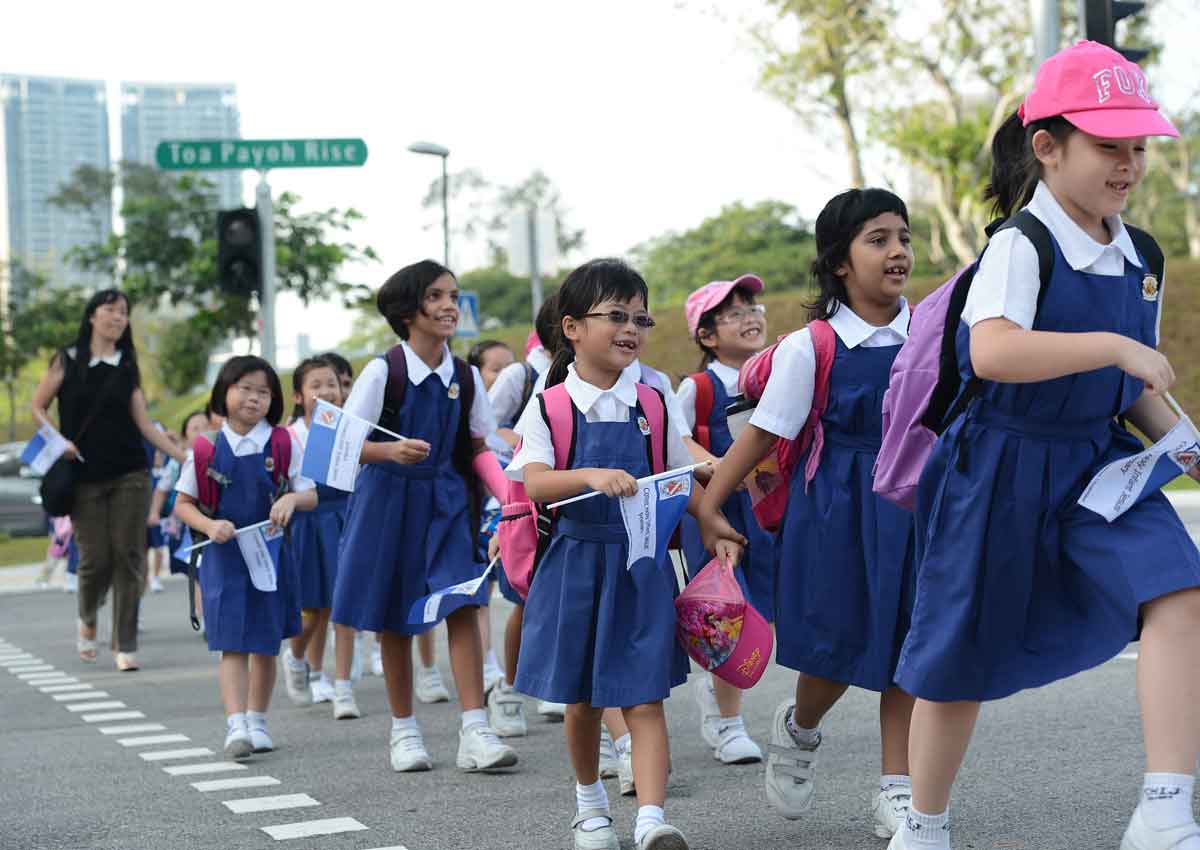
The debate on the priority given to pupils from primary schools affiliated to secondary schools has erupted again with the announcement on the changes to the Primary School Leaving Examination (PSLE) scoring system.

Last Wednesday, the Ministry of Education (MOE) revealed the details of the new scoring system, which will come into effect in 2021, and how it will be used for posting to secondary schools.

It said the advantage given to affiliated primary school pupils will remain. But it also said it is reviewing the details and will engage the schools before releasing more information. This has left many parents worried if the current generous advantage given to affiliated pupils will be diluted.

Currently, the entry scores for affiliated and non-affiliated pupils at some schools can vary by as many as 40 points. For example, for entry into CHIJ Secondary (Toa Payoh), affiliated pupils need only a T-score of 200 to make it to the Express stream. Non-affiliated pupils had to score 247 and above to secure a place in Express stream last year.

The score is the sum of the marks for all four subjects which has been adjusted depending on how the cohort performs.

With the overhaul in the scoring system, T-scores have made way for scoring bands known as Achievement Levels, ranging from AL1 to AL8. The PSLE score will be the sum of ALs for English, maths, science and mother tongue. The best score will be 4, and the lowest 32.

Under this new scoring system, some parents are questioning if this wide discount given to affiliated pupils will still be allowed.

Currently, pupils applying for a place in an affiliated secondary school are required to meet the cut-off set by the school and list the school as their first choice.

Parents with children in affiliated primary schools hope that the advantage will remain. There are 27 secondary schools that are affiliated to primary schools with links to religious and clan associations.

Said parent Sara Anne Lim, 30, a mother of two whose elder daughter is in Primary 1 in a mission school: “I was happy to read that priority will continue to be given, but I also read about MOE reviewing the details and that has me worried.

“Catholic parents like me want our children to remain in the same school. So, surely the cut-off should be kept to the minimum. As long as pupils make it to the Express stream, they should be given a place in the affiliated secondary school.”

The minimum score for entry into the Express stream under the new scoring system is 22.

Some parents, such as Mr Clement Tan, 40, have an opposing view.

Writing to The Straits Times, he said that as many of the mission schools are popular, they should not be allowed to give too much of an advantage to affiliated pupils.

He questioned if giving affiliated pupils a 30- or 40-point advantage under the current system was “too much”. “One place given to an affiliated pupil is one place fewer for a non-affiliated pupil,” said Mr Tan.

He suggested MOE should look into introducing a bonus point system under the new grading method, similar to the O-level system.

“Say, if you give one bonus point to affiliated pupils, that would be a fairer system and still leave places for others with no school links.”

Some schools have recognised that giving affiliated pupils too much of an advantage may have unintended consequences.

Before 2012, no minimum cut-off score was imposed on pupils from Kuo Chuan Presbyterian Primary School who wish to join the Express stream in the affiliated secondary school. Some pupils posted to the stream had T-scores as low as 187, the school revealed on its website.

This led to some pupils struggling academically at the O levels. A minimum T-score of 200 was implemented in 2012 for affiliated pupils.

Mr Gerard Ee, chairman of the St Joseph’s Institution board of governors, believes that the affiliation system should be standardised.

“If it is a bonus point system, there should not be some schools giving out more or fewer points.”

But he also said schools should be given autonomy when it comes to decisions like the quota set on the number of affiliated pupils joining the school, or for making exceptions for the sake of inclusivity.

“If a mission school wants to accept some pupils with learning needs who did not perform as well, it should be encouraged. It shouldn’t be inflexible to the extent that the school is penalised for doing good.”

National University of Singapore sociologist Paulin Straughan said that having such a “through-train” system of affiliation takes the stress out of having an overemphasis on academic achievement at the primary school level.

“If there is any kind of top-down directive, it should be about matching minimum competency levels in terms of academics. But the school should be left to decide what the demand and supply factors should be. A principal may think that it is still important to have diversity in the school, for example,” she said.

sandra@sph.com.sg

yuensin@sph.com.sg


This article was first published on July 18, 2016.
Get a copy of The Straits Times or go to straitstimes.com for more stories.

Image: 
Category: 
Publication Date: 
Monday, July 18, 2016 – 14:00
Keywords: 
Send to mobile app: 
Source: 


Story Type: 
Others

Source link