 SINGAPORE – Police have arrested a 48-year-old man over his suspected involvement in multiple cases of an employment scam, where he allegedly conned jobseekers into paying him agent fees during their interviews.
The suspect, who is due to be charged in court…
Source link
Suspected cheat arrested in connection to job scams
Japanese operators confident of winning bid to develop KL-Singapore High-Speed Rail
The Shinkansen’s (bullet train) safety track record, reliability and comparatively low costs gives Japan’s rail operators an edge over competitors to develop the High Speed Rail between Singapore and Kuala Lumpur, said Japan’s transport minister.
Source link
Singapore bans ISIS-linked newspaper Al Fatihin

 SINGAPORE – A newspaper linked to the Islamic State Group has been gazetted a prohibited publication under the Undesirable Publications Act.
Al Fatihin, which is published by Furat Media, an ISIS affiliated media agency, has been circulated across South-east…
Source link
China censors talk of beetle named after Xi Jinping

Chinese censors have stepped in to crush underfoot talk of a newly found species of beetle that has been named after China’s President Xi Jinping, reports had said earlier this month – much to the dismay of its loyal discoverer.
The Rhyzodiastes (Temoana) xii was identified in China’s southern island province of Hainan by Cheng-Bin Wang, a Chinese national affiliated with the Czech University of Life Sciences Prague.
In the peer-reviewed animal taxonomy journal Zootaxa he declared: “The specific epithet is dedicated to Dr Xi Jin-Ping, the President of the People’s Republic of China, for his leadership making our motherland stronger and stronger.”
His eight-page paper, published last month, described his find in minute detail, including the “lustrous” sheen of its body and its “genital segment … with handle moderately long and narrowly rounded at tip”.
Wang told Agence France-Presse that he greatly admired Xi’s actions in China, and saw the beetle as a symbol of the Communist Party leader’s achievements.
“The Rhyzodiastes (Temoana) is very rare – you might not encounter a single one even after 10 field collection sessions – and it also eats rotten wood for food,” he said.
“So it’s a metaphor for Xi Jinping, a rare person you only encounter once a century, and specifically his controls on corruption [eating rot], which will allow Chinese corruption to gradually disappear,” he said.
However, Chinese censors have ordered the internet wiped clean of references to Wang’s bug, the China Digital Times said.
The US-based website, which tracks censorship in China, cited authorities telling media: “All websites find and delete the article ‘Entomologists Report: Scholars Use ‘Daddy Xi’ to Name a New Type of Beetle’ and related information.”
“Daddy Xi”, or “Xi Dada”, is an avuncular nickname for the president that was once pushed in official propaganda, but has since been downplayed.
A search for the beetle’s Chinese name on China’s Twitter-like Sina Weibo social media platform on Tuesday yielded only a message stating that no search results could be shown due to “relevant laws and policies”.
The “xii” beetle is not the first new species to be named after a head of state.
A trapdoor spider, discovered in 2012, was namedAptostichus barackobamai after US President Barack Obama, while a sea slug found in 1999 was named the Mandelia mirocornata in honour of former South African president Nelson Mandela.
Wang was distraught at the censorship, saying: “Hello! Beloved President Xi! This is a rare beetle! The name of the species will exist forever! A tremendous honour!”
His gesture had been “deliberately vilified”, he said, calling online mockery that his beetle was a stinkbug “nonsense” propagated by people with “no culture”.
Image:

Publication Date:
Friday, July 22, 2016 – 18:09
Keywords:
Send to mobile app:
Source:
Story Type:
Others
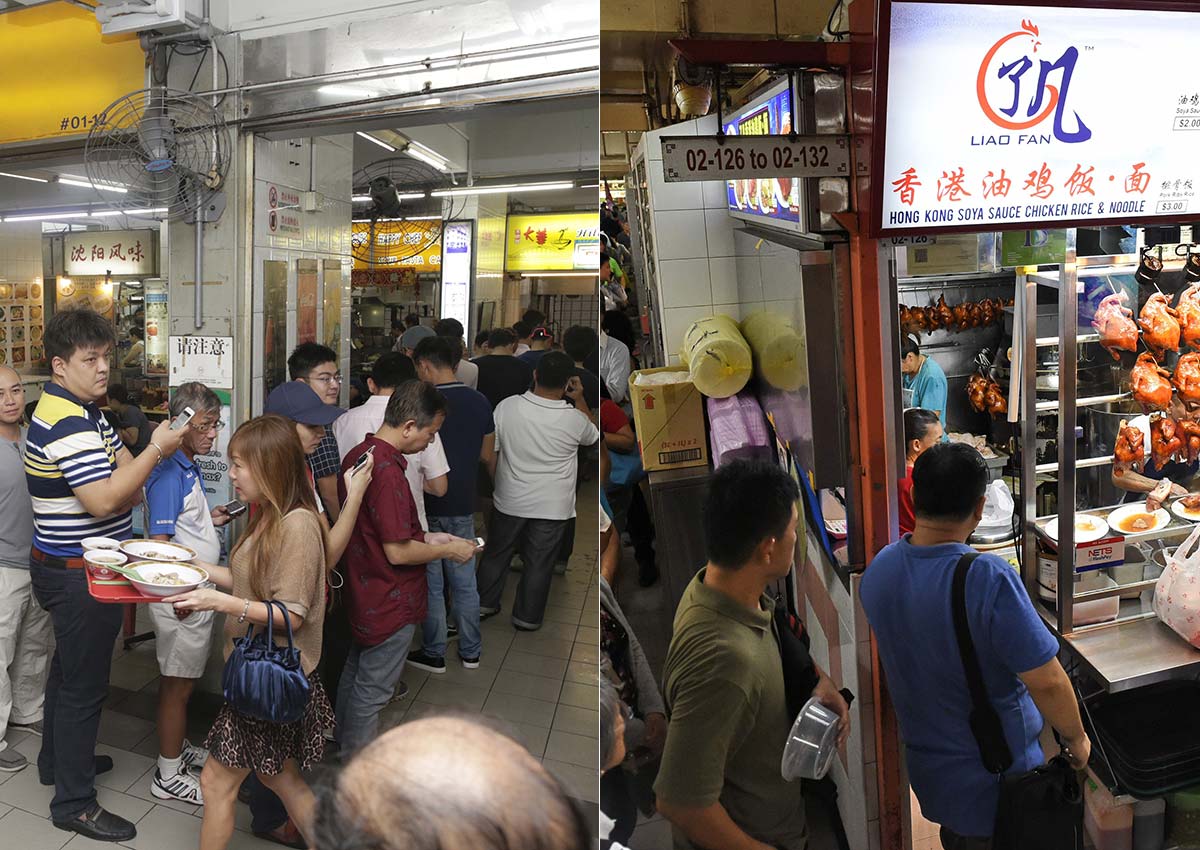
Long queues at 2 hawker stalls awarded Michelin stars
Image:
Publication Date:
Saturday, July 23, 2016 – 09:00
External URL:
Send to mobile app:
Source:
Story Type:
Others
Japanese 'rent men' who are paid just to listen

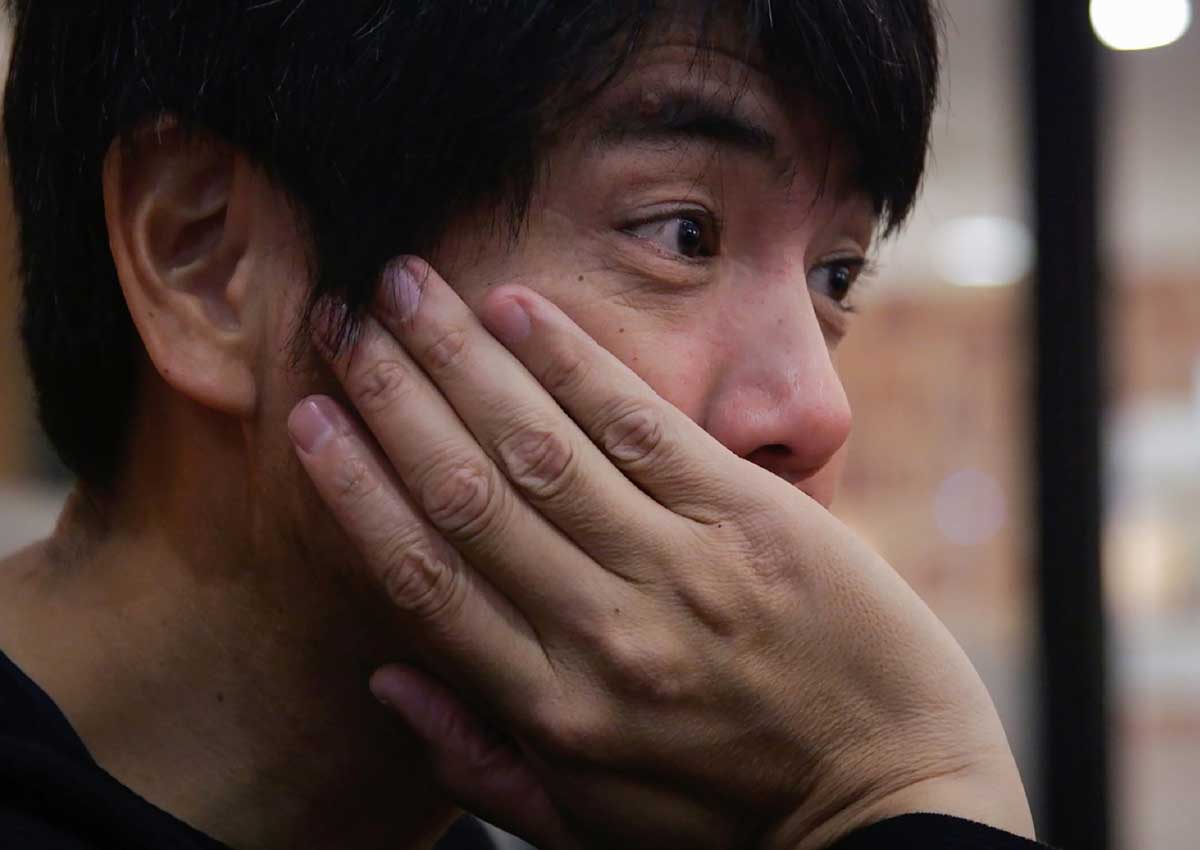
Tokyo – From lonely pensioners to Japanese schoolgirls with shattered dreams, Takanobu Nishimoto and his crew of middle-aged men will lend an ear to clients who would never dream of spilling their guts to a therapist or worse, their families.
Anyone in need of company can sign up to his online service to rent an “ossan” – a man aged between 45 and 55 – for 1,000 yen (S$14) an hour.
“For me, the service is a hobby more than anything,” says Nishimoto, who first came up with the concept four years ago and who now has a growing network of some 60 men across Japan.
“The initial idea was to improve the image of guys my age, people who might not be spring chickens anymore and not taken so seriously.”
And while the 48-year-old professional fashion coordinator is used to renting himself out, he insists conversation is all he offers to between 30 and 40 clients a month, roughly 70 percent of whom are women.
“The people who rent me are just asking me to keep them company for an hour or two, mainly to listen to them,” he tells AFP between sessions, giving the example of a woman in her 80s who would book him every week for a walk around the local park.
“I almost became like her son,” he says.
Other clients include a fisherman who was sick of waiting in solitary silence for a catch, a college student with ambitions to get into show business but who lacked family support, and an awkward young employee who did not know how to behave around his direct supervisor.
Feeling lonely? Rent a Japanese man from Ossan Rental
Click on thumbnail to view photos. Source:
Video screengrabs





Japan has struggled with problems of social isolation, most notably the phenomenon of “hikikomori” where people, often teens and young adults, refuse to leave the house or engage socially, instead opting to play video games or remain in their rooms.
But the people who come to Nishimoto do not suffer from detachment from society or challenges adjusting to it.
Rather, those who use the service say it allows them to forget the expectations of their family and friends and speak freely – an option which experts say is especially useful in Japan, where social roles can be tightly defined and expectations rigid.
“There’s a different ‘me’ depending on whether I’m with my friends, my family, or my boyfriend,” says 24-year-old Nodoka Hyodo after her session with Nishimoto.
She explains: “I create a ‘me’ in relation to others. Here, all that disappears because I’m talking to someone I don’t know – thanks to him, I feel like I’m understanding myself better.”
Psychologist Hiroaki Enomoto stresses that in Japan there are social norms governing what can and can’t be said even with close associates.
“When you come up against something new, it might be difficult to talk about this with someone because you might not necessarily have a suitable person in your existing circles,” he tells AFP.
“It’s difficult to know how to express yourself without bothering someone else.”
But by renting an “ossan” the relationship becomes a commercial one and thus follows different rules.
In recent years, a number of agencies have been offering “rent-a-friend” services paid by the hour.
Customers can rent an agency employee as a fake friend, family member, or companion for various occasions such as weddings, funerals and parties. Some use them just to have a conversation partner to ease times of loneliness and isolation in old age.
The married Nishimoto says he has considered stopping the service several times, but found that he needed his clients just as much as they needed him.
“I never know exactly what they’re going to ask for when they rent me, and of course that’s a bit scary, but it’s also why it’s so interesting. Honestly, I’ve never had problems with any weird clients… I’ve had plenty of emotional experiences.”
Image:
Publication Date:
Friday, July 22, 2016 – 17:22
Send to mobile app:
Source:
Hermes ID:
2 463 789
Hermes ID String:
22072016_JAPAN
Story Type:
Others
Apple to open first Apple Store in Taiwan

TAIPEI – Apple Inc is planning to open its first Apple Store in Taiwan, a move that comes after the U.S. technology giant raised US$1.38 billion (S$1.87 billion) in a bond offering last month on the island that is home to many companies in its supply chain.
Apple was seeking “a leader for personnel training plans for the Taiwan Apple Store” and other retail positions indicating it was looking for a team in Taiwan, according to job postings dated Friday on Apple’s website.
The Cupertino, California-based company confirmed it had plans to open the first Apple Store in Taiwan, but provided no other details.
The Apple Store is the envy of many in the retail world, with the highest sales per square foot in the industry, but some say the stores have lost their edge since the first one opened 15 years ago.
This year Apple’s popular iPhones saw their first ever sales decline during the second quarter as the firm struggled with an increasingly saturated smartphone market.
Apple’s Greater China revenue, which includes Hong Kong and Taiwan, sank 26 percent in its second fiscal quarter from a year earlier.
Apple didn’t break out revenue for Taiwan, but company executives said in April that the decline had to do with revenue from Hong Kong.
Apple launches new iPhone SE and 9.7-inch iPad Pro
Click on thumbnail to view photos. Source:
AFP, Reuters












































Image:

Publication Date:
Friday, July 22, 2016 – 17:15
Keywords:
Send to mobile app:
Source:
Hermes ID:
2 463 761
Hermes ID String:
22072016_APPLE
Story Type:
Others
You've said goodbye to some familiar places in 2016, here's more to add on to that list

You cannot go a day in Singapore without news about some international brand pulling out out of the country due to dwindling profits, or a long time local favourite brand losing the unending battle of sky-high rentals and e-commerce.
Two months ago, we explored the brands that in recent years had to shut down operations after suffering sustained losses in the current market conditions.
Now we’ll look at more retail locations and attractions that have had to succumb to the demons of rising costs and competition.
Underwater World
We begin by tugging at your heartstrings. If you grew up in Singapore, you would definitely have been to Underwater World Singapore at least once in your life. For those who didn’t, I’m sorry but your chance has been destroyed with its recent closing on 26th June.
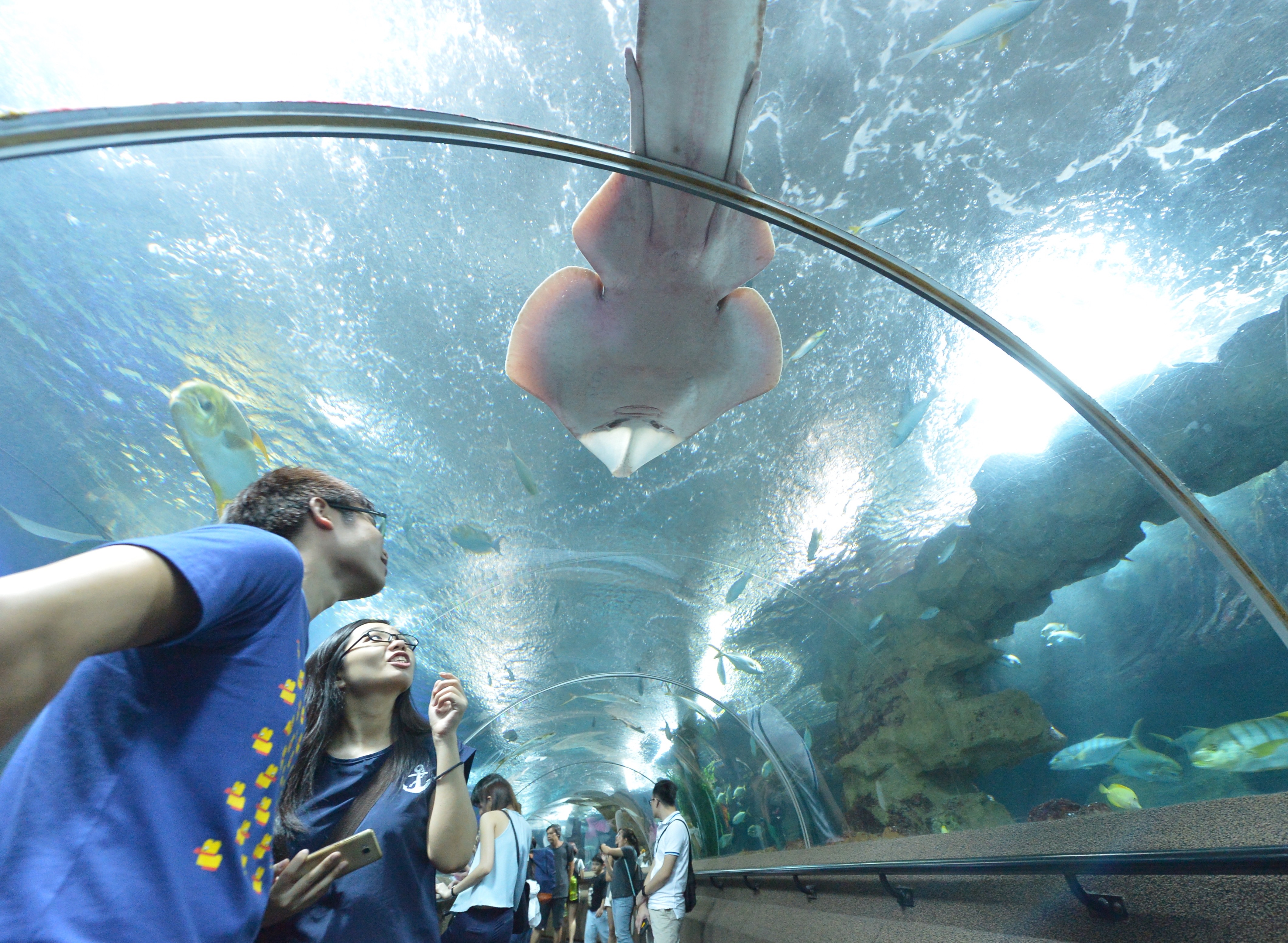
Photo: The Straits Times.
The signature tunnel that runs through its main aquarium holds many special memories for anyone who had visited it, and for many, it was the first encounter they had with undersea creatures as children.
As with any enclosed wildlife attraction, they were not too far away from trouble, and most recently came under scrutiny in 2014 for the health conditions of its pink dolphin inhabitants. This is nothing new, as a decade back in 2004, they were also accused of the way the dolphins were acquired by the Animal Concerns Research and Education Society (Acres).
Perhaps the final nail in the coffin came with the opening of the S.E.A Aquarium in Resorts World Sentosa at the tail end of 2012, then the largest oceanarium in the world.
Where Underwater World was becoming very dated and awkwardly located at one corner of Sentosa, the shiny new S.E.A Aquarium was located in the heart of Resorts World Sentosa, and is currently one of the more popular tourist attractions in Singapore.
Thanks for the memories, Underwater World.
77th Street
While I personally have not bought a single thing from 77th Street, I have accompanied friends who did.
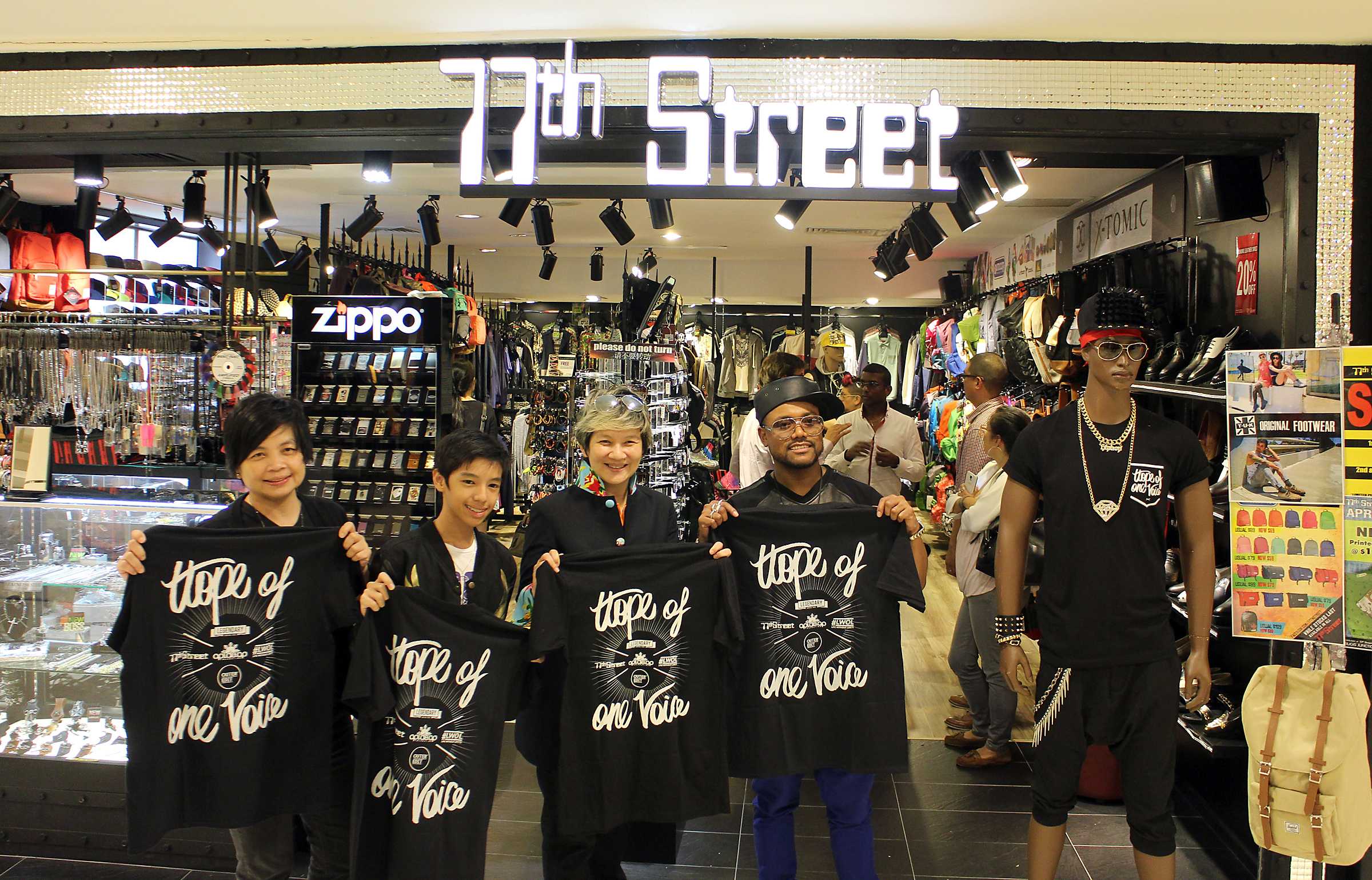
Photo: Elim Chew.
From the latest trendy backpacks, to even getting some bling-bling, they are a synonymous brand among teenagers of the 1990s and early 2000s. What’s more, their stores are as cool as their enigmatic founder Elim Chew.
In a perfect world, Elim would have wanted the last two outlets at Bugis Junction and Ang Mo Kio Hub to soldier on, but with consistently rising rentals, and also the lease of her store in China having ended in June, it was time to bid farewell to the brand.
Catch your last whiff of nostalgia of our very own streetwear store at its last location in Ang Mo Kio Hub before it finally winds down… for good.
California Fitness
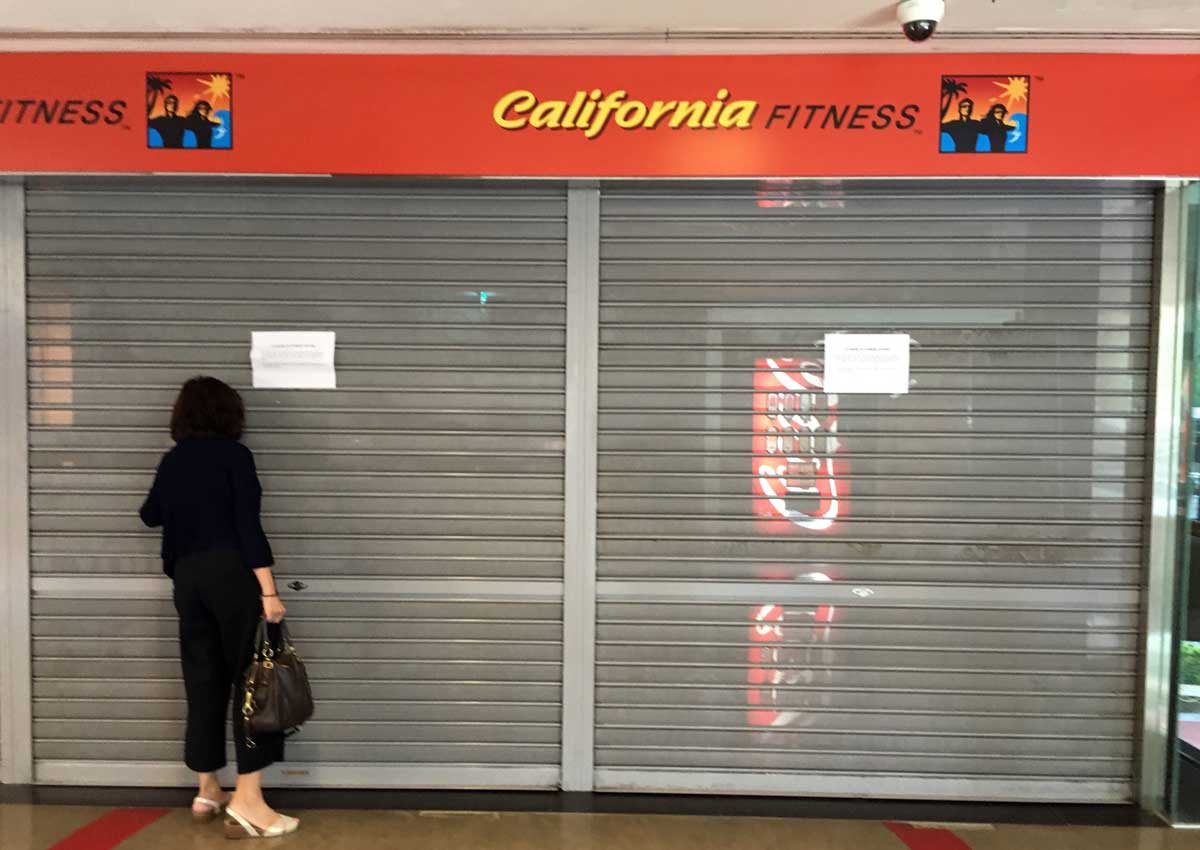
Update 20 July 2016: California Fitness has announced that, with immediate effect, all its remaining outlets will be shut down.
This was the source of an internet uproar within the local community this past Friday.
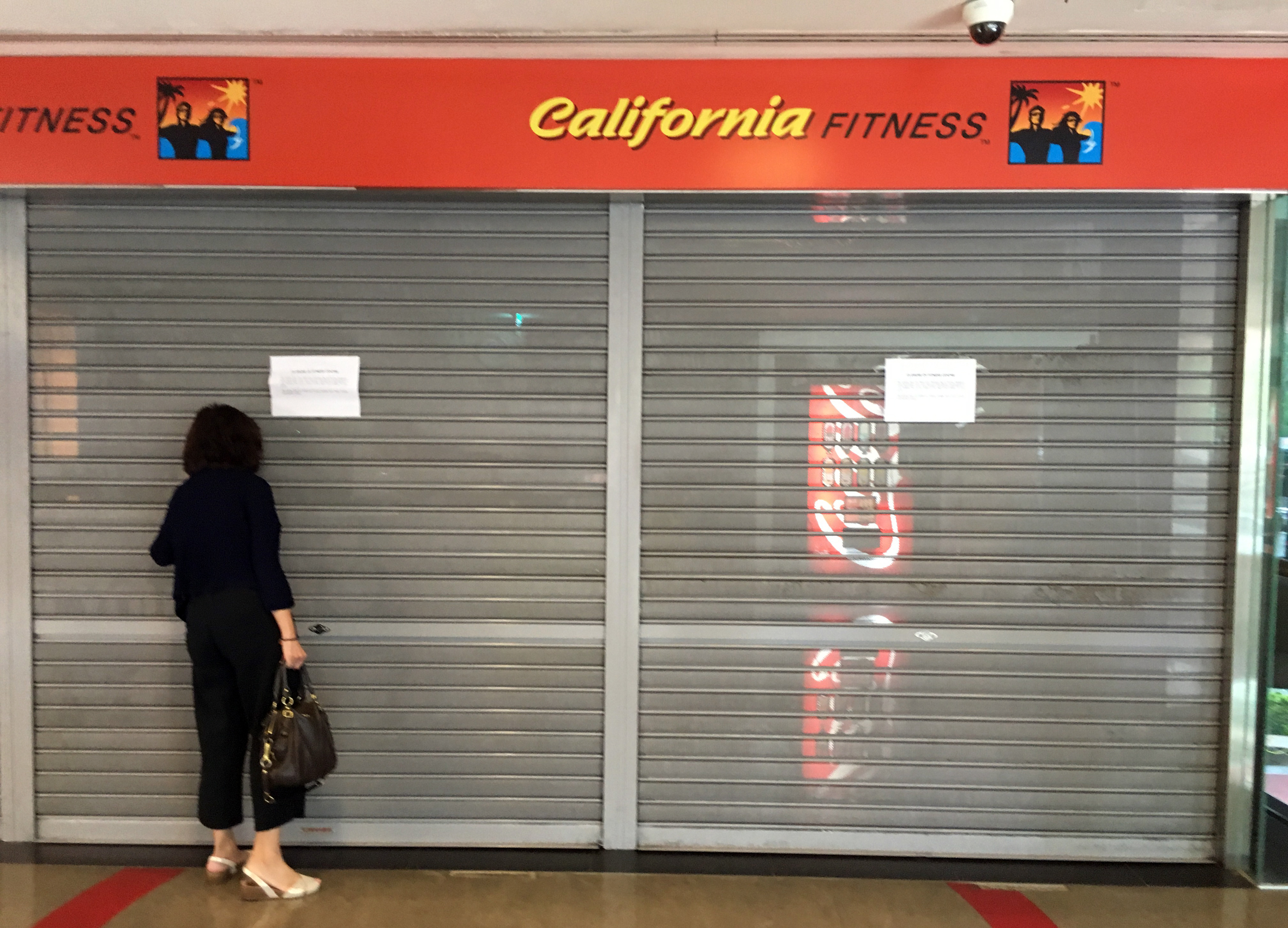
Photo: The New Paper.
While technically not fully closed down as of yet, the tell-tale signs are there, and soon the writings will be on the wall.
Merely a day after news outlets reported that California Fitness has closed all of its branches in Hong Kong, with those in China to follow suit, gym-goers were stunned to find out that the one in Raffles Place was also closed “until further notice”.
With the branch in Orchard having closed earlier this year in February, they went from four branches to two in less than six months, and if the news from Hong Kong is anything to come by, those who have signed long term memberships with the gym are already preparing for the inevitable.
Park Mall
More popularly known as somewhere to get the latest swanky furniture for your home, Park Mall will be closing its doors come end of September this year.
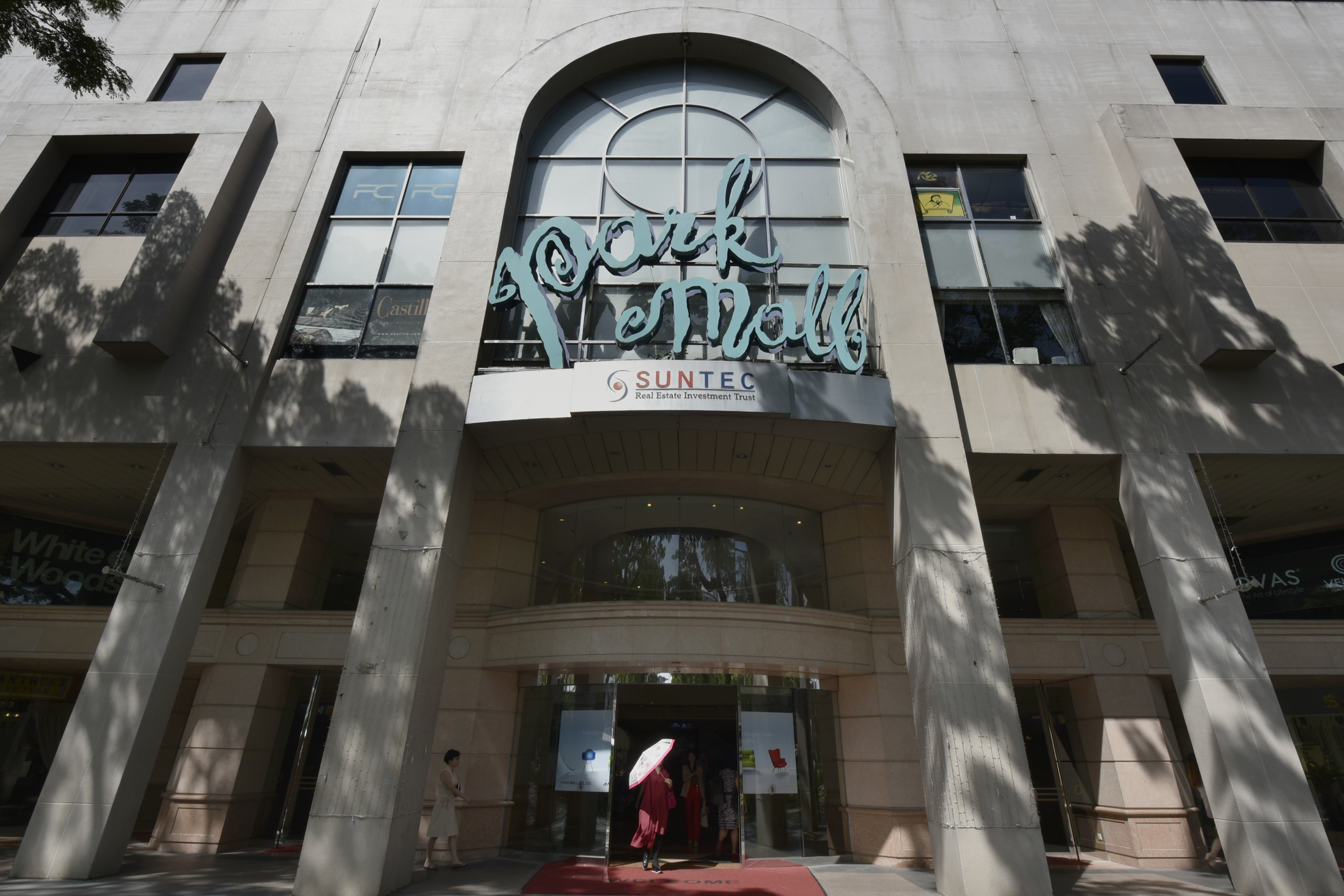
Photo: The Straits Times.
This comes after the property was bought over through a joint venture for a cool $411.8 million, and there are plans to turn the site into a two-block office property with a retail component, so say goodbye to Park Mall as it will be demolished not long after it officially closes.
In the meantime, you can still snag a good deal or two from the many furniture stores clearing their stocks from now until September.
Perhaps what Park Mall will instead be greatly missed for is actually right beside it – where the largest Fish & Co restaurant has taken residence for 14 years.
Many company dinners, school gatherings and reunions, and birthday parties have graced its dining halls. There’s just something special about having a get-together with large amounts of people while indulging in deep-fried seafood here.
Originally slated to close last month, they instead have extended operations to coincide with the closing of Park Mall itself, so you have until 26 September to reminisce over a plate of fish and chips.
Funan
The only other place in the list to have closed recently in June after Underwater World Singapore is of course everyone’s favourite IT mall Funan.
Often preferred to Sim Lim Square due to it’s more convenient location, as well as customer safety (of not getting conned), this place has been the go-to place to get your hands on the latest gadgets and accessories.
Farewell, Funan
Click on thumbnail to view photos. Source:
The Straits Times, The New Paper, AsiaOne



























































In its heyday, the mall had hosted a large variety of events and product launches, from the latest and biggest game titles and consoles, to the latest cameras and computers. The most famous tenant to have graced its floors will definitely be Challenger which takes up the entire 6th floor, and even has its roots in the mall – having had been started there by founder Mr Loo Leong Thye.
Now, the tenants have so far been scattered mostly to nearby Capitaland properties such as Bugis Junction and Plaza Singapura, while others have decided to stay in the vicinity by moving to neighbourhood buildings such as The Adelphi and Peninsula Shopping Center.
Raintree Cove
If you’ve ever had your fill of chili crab and seafood from Long Beach Seafood Restaurant, or feasted on Korean barbecue with your friends at Ju Shin Jung East Korean Charcoal BBQ Restaurant, you will know that this place is a favourite for friends and family gatherings.
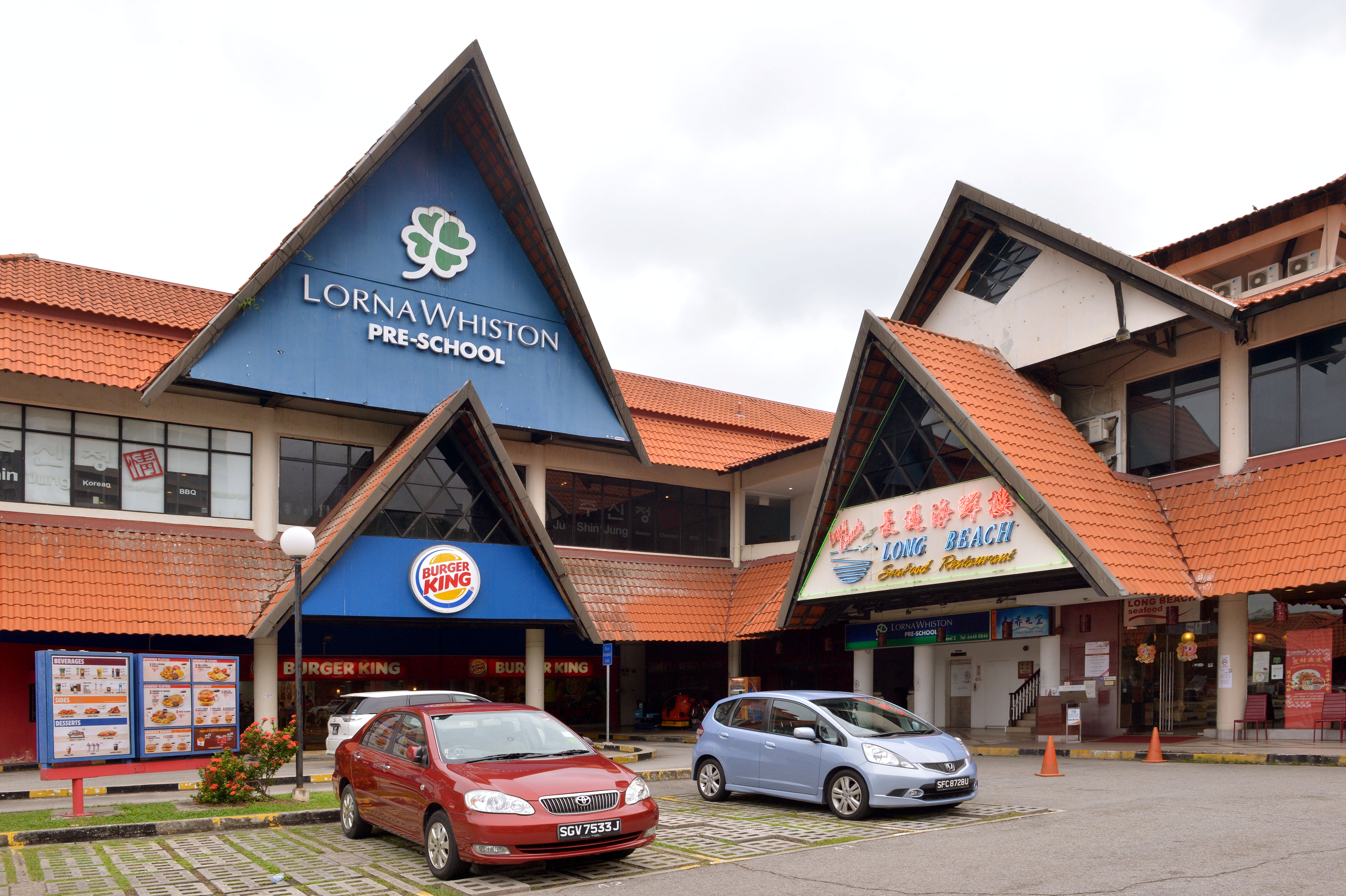
Photo: The Straits Times.
As part of the redevelopment plans by the National Parks Board, the plot of land that Raintree Cove sits on right has a lease that will end on February 28th in 2017, with NParks not revealing too much what visitors can expect in the future, citing that “it is too early to reveal the plans for development.”
Also home to Singapore’s only drive-thru Burger King outlet, this move was not a surprise considering that redevelopment has been ongoing in stages, with the Marine Cove area being opened again just last month with a spanking new McDonald’s outlet.
Big Splash
Another East Coast Park establishment with a lease expiring with NParks, albeit much earlier, is Big Splash.
Closing on 21st October this year, Big Splash is home to several food and beverage establishments much like Raintree Cove.
After 40 years where it currently stands, the company behind it has decided to call time on the business. While it no longer offers the exciting, and downright colourful water slides that made it famous and gave the area its name, many admittedly had fond memories of playing there as kids.
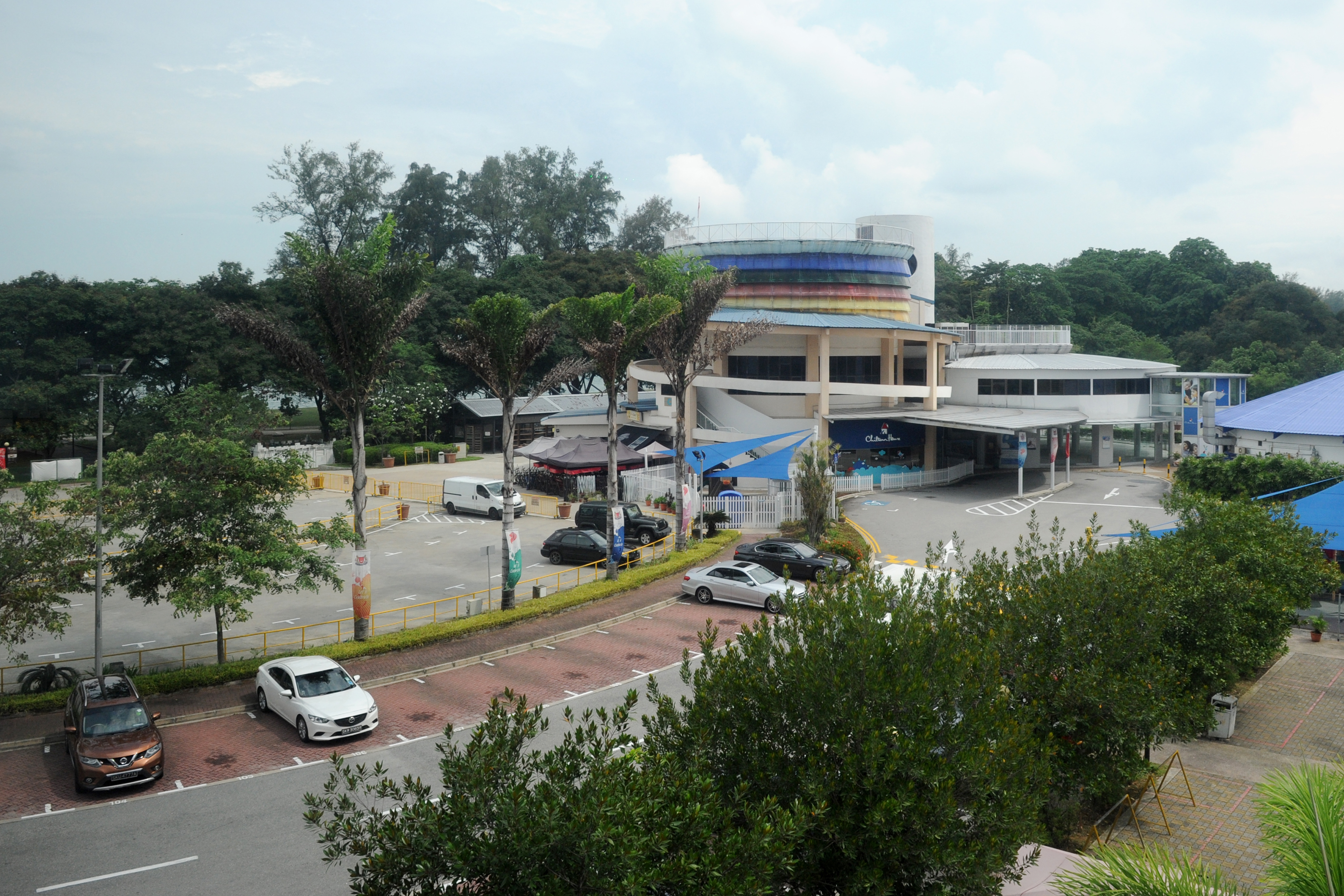
Photo: The Straits Times.
As for the future of the tenants, many have already made plans to move to nearby locales, while also having secured lease extensions at their current location to better facilitate their move.
It won’t be long now until the entirety of the East Coast Parkway loses the old charm that we grew up with, replaced with modernist designs and facilities that we need to grow accustom to.
Special Mentions
Not all who went bust were physical entities though.
As the e-commerce scene in Singapore continues to heat up with new players coming in, as well as established brands getting investments to grow larger, victims were also claimed in the process.
Rakuten
The first online retailer casualty of the year comes in the form of Rakuten. To think that not long before they announced the decision to pull out of Southeast Asia, I was sipping on some coffee at the Rakuten Cafe in downtown Shibuya.
As of March this year, they have ceased all online marketplace activities in Southeast Asia, as part of a corporate restructuring plan entitled Rakuten Vision 2020, with a view to redirect resources into their strongholds in Japan and Taiwan.
Interestingly enough, the regional APAC headquarters will still be maintained in Singapore. Maybe it won’t be the last time we’ll be clicking into the Rakuten marketplace – not until 2020 at least.
Ensogo
This one came as a shocker.
On the Monday morning of 20 June, staff of Ensogo at their office in Kallang were told to leave for home abruptly and were chased out before the doors were subsequently locked. Two days later, news outlets reported that on that same Monday, CEO Kris Marszalek had put in his resignation.
Used to be known as Deals.com.sg, who competed with the likes of Groupon back in its day, it was renamed to become Ensogo when it was bought over by its namesake e-commerce platform, and with it, transformed from a flash deals website with little inventory, to a full blown online marketplace.
Signs of trouble were going off as early as March this year when 22 of its 96 employees were asked to leave. Then came the angry merchants who were owed a significant amount of money – amounts owed were as high as $600,000 for one merchant! Signs of the money being returned are also unfortunately looking fainter by the days.
The Changing Faces Of Singapore; Online And Off
Change is constant, as proven by the examples above transcend both the physical and digital realms.
While some were victims due to the presence of new players and an inability to adapt to new business models, others are simply at the mercy of the developers, as shopping malls in Singapore seem to have an ever-decreasing lifespan when it comes to redevelopment.
Perhaps it is time that developers think about ways to retain both tenants and customers, before they have nothing left to redevelop as people continue to increase their online purchasing habits.
Vulcan Post is all about living life with a digital edge, up and coming startups, and people who inspire conversations.
Visit Vulcan Post for more stories.
Image:
Publication Date:
Friday, July 22, 2016 – 16:50
Keywords:
Send to mobile app:
Source:
Story Type:
Others
Commuters may need to wait to experience the benefits of SMRT privatisation: Analysts
Analysts say that with privatisation, SMRT will have its “hands free” to assume true responsibility under the new rail financing framework.
Source link
MAS charges Malaysian investor for spoofing

SINGAPORE – A Malaysian investor has been charged with spoofing on the securities market, the Monetary Authority of Singapore (MAS) said.
Dennis Tey Thean Yang was accused of buying and selling contracts for differences in the underlying securities of…
Source link


