Home Blog Page 3274

Singapore scientists grow 'mini-brains'

0

Singaporean scientists have taken a big leap forward in studying the human brain by growing “mini- brains” for research.

Measuring about 2mm to 3mm long, they are no bigger than a grain of rice and it is hoped they will be able to help researchers develop treatments for, and conduct studies into, Parkinson’s disease and other ageing-related brain diseases.

They are composed of a mass of tissues that have been grown in a laboratory and are a much simpler version of the human midbrain.

The tissue contains functionally active neurons, its cells can divide, cluster together in layers, and become electrically and chemically active in a three-dimensional environment – like the human brain.

While other researchers have successfully grown other parts of the brain, this research is a world first in creating midbrain tissue.

Importantly, the local team’s midbrain tissue created neuromelanin, a pigment found in the human midbrain. It has been associated with protecting cells from dying, and is diminished in the brains of patients with Parkinson’s disease.

The midbrain is termed the information superhighway of the human body, and controls a person’s hearing, vision and body movements. Problems with the midbrain are often linked to disorders such as Parkinson’s.

Prior to this discovery, researchers studying Parkinson’s often relied on simulations or studies on animals. Studies on the mini-brains can be conducted in the laboratory on cells that mimic the functions of the section of the brain that is affected by the disease.

‘Game-changer for drug research’

Said Professor Tan Eng King, research director and senior consultant at the Department of Neurology at the National Neuroscience Institute (NNI): “Chronic brain diseases pose considerable challenges to doctors and patients. This achievement by our Singapore team represents an initial but momentous scientific landmark.”

Parkinson’s is a gradually progressive neuro-degenerative disorder which affects a person’s control of movement, including speech. According to the Health Ministry, three in every 1,000 Singaporeans aged over 50 are afflicted by the disease.

Prof Ng Huck Hui, executive director of A*Star’s Genome Institute of Singapore (GIS), who led the effort, said: “Considering that one of the biggest challenges we face in Parkinson’s… research is the lack of accessibility to the human brain, we have achieved a significant step.”

Another project leader, Assistant Professor Shawn Je from Duke-NUS Medical School, said: “Now we can really test how these mini-brains react to existing or newly developed drugs before treating patients – which will be a game changer for drug development.”

Associate Professor Wang Hongyan, interim director of the Neuroscience and Behavioural Disorders Programme at Duke-NUS, who was not involved in the research, said “the midbrain organoid will… bring our findings from basic research much closer to the bedside”.

The research was done by GIS, Duke-NUS and NNI with the Lieber Institute for Brain Development, the Johns Hopkins University School of Medicine in the United States and Nanyang Technological University. The findings have been published in the prestigious scientific journal Cell Stem Cell.


This article was first published on July 30, 2016.
Get a copy of The Straits Times or go to straitstimes.com for more stories.
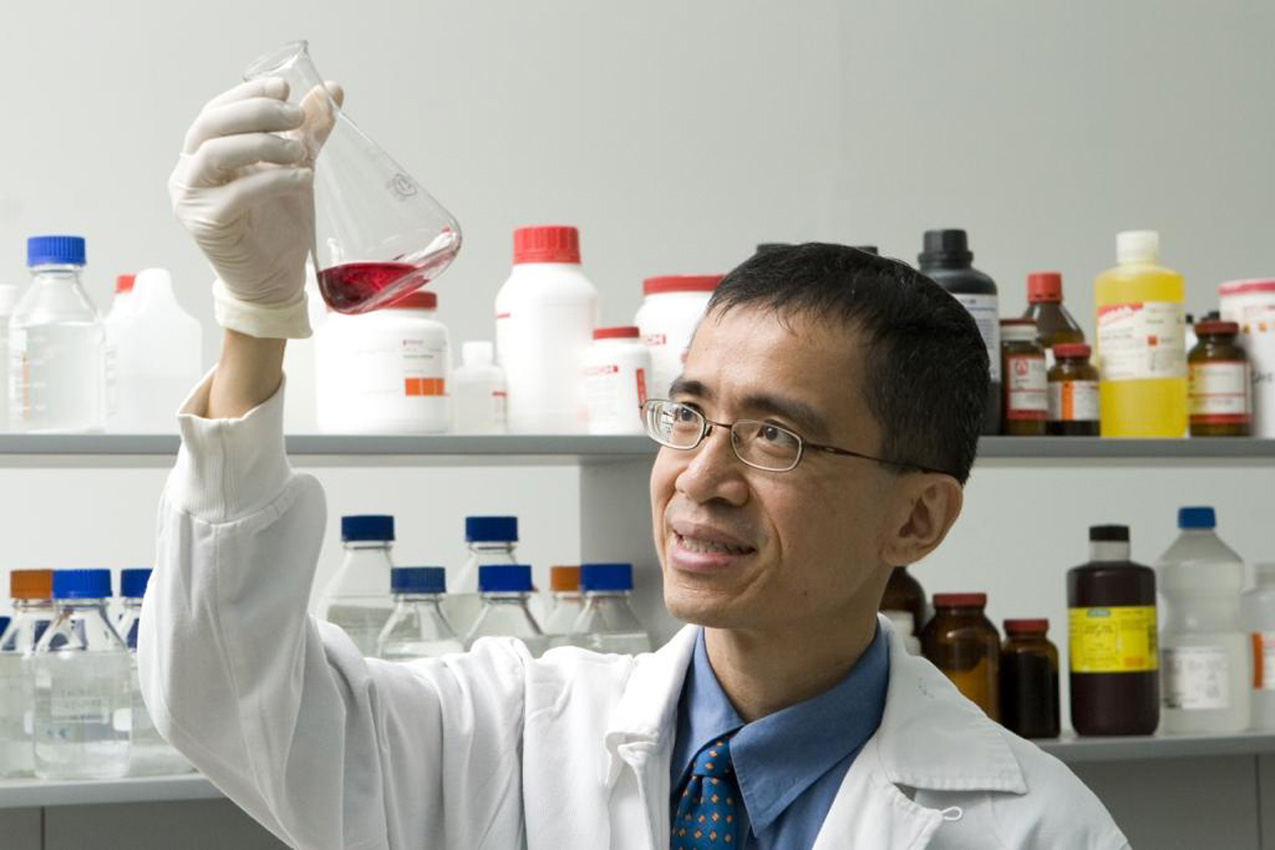
Image: 
Publication Date: 
Saturday, July 30, 2016 – 13:00
Keywords: 
Send to mobile app: 
Source: 


Story Type: 
Others

Source link

Japanese Emperor to express thoughts to public on possible abdication

0

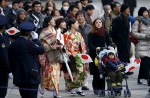
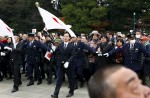
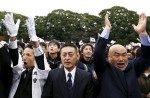
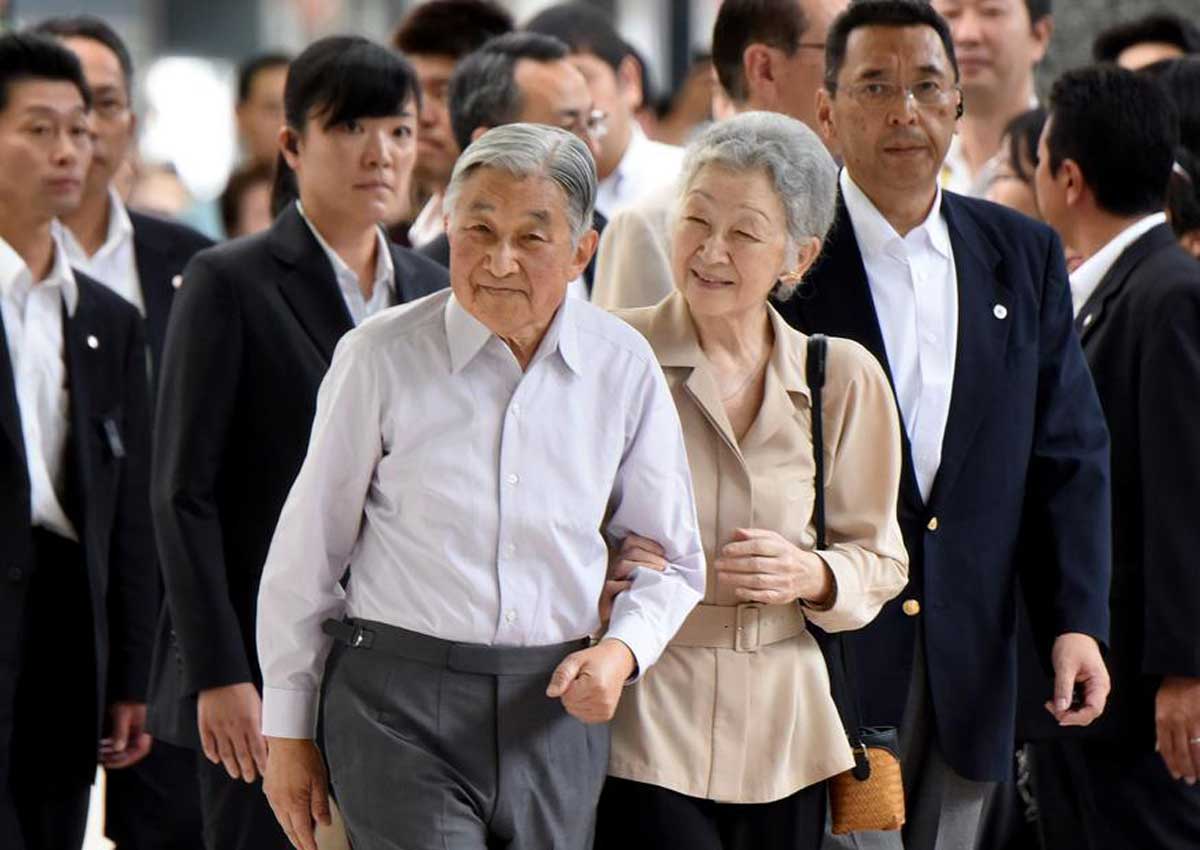
The Imperial Household Agency is arranging an occasion for the Emperor to express his thoughts to the public sometime in August in light of a series of reports earlier this month that he intends to abdicate the throne, The Yomiuri Shimbun has learned.

The agency had denied such reports but apparently considers it necessary to create an opportunity for the Emperor to directly explain to the public about the issue because it concerns the foundation of the system that recognises the Emperor as the symbol of the state.

The Emperor’s abdication would require revisions of the Imperial Household system, and expressing his intention may therefore be viewed as a political act prohibited by the Constitution. The agency is carefully examining the Emperor’s speech to the public.

According to sources with connections to the matter, the 82-year-old Emperor anticipates that it may become necessary to cede the throne to Crown Prince Naruhito, 56, if the Emperor should become unable to fulfil his duties as the symbol of the state as he further advances in years.

The agency is also considering a plan in which the Emperor’s expression of his thoughts will be conveyed through a televised speech in early August. It is expected that the Emperor would explain about his official duties as the symbol of the state as well as changes in his duties related to aging.

Abdication would require revisions of the Imperial House Law, which stipulates, “Upon the demise of the Emperor, the Imperial heir shall immediately accede to the throne.” Abdication would also require newly enacting a special law. Therefore, some people assert that the Emperor’s act to express his thoughts about Imperial succession may violate Article 4 of the Constitution, which stipulates that the Emperor “shall not have powers related to government.”

Since July 13, there have been a series of news reports over the Emperor’s possible intention to abdicate, and some of the coverage reportedly is against the Emperor’s intention. The agency is making arrangements to create an opportunity for the Emperor to express his thoughts directly to the public because it considers it important for the issue to be widely discussed among the public as abdication requires fundamental reviews of the system regarding the Emperor, who is the symbol of the unity of the people.

“I assume the Emperor’s speech will clearly convey his thoughts by touching on a series of reports [on his possible abdication],” an agency source said.

In the past, the Emperor has made remarks over the system that recognises the Emperor as the symbol of the state as well as over Japanese history through his messages at press conferences on the occasions of his birthday, the 10th and 20th anniversaries of his enthronement, and at the National Memorial Ceremony for the War Dead. The agency deems that there would be no problem for the Emperor to express his thoughts as he did in the past.

Shinichiro Yamamoto, the agency’s vice grand steward, told media on Friday, “Nothing has been decided” about the timing and how the Emperor may express his thoughts.

The Emperor has told those around him about his thoughts on abdication since at least a few years ago. In such talks, he reportedly has touched on practices overseas where succession to a throne takes place through abdication and also the fact that there have been no abdications over the last 200 years in Japan. In response, the agency has studied the establishment of legal systems that would become necessary to allow the Emperor to abdicate.

Chief Cabinet Secretary Yoshihide Suga on Friday said he “would refrain from making any comment on behalf of the government” regarding the report that the Emperor may express his thoughts in August.

Image: 
Category: 
Publication Date: 
Saturday, July 30, 2016 – 14:51
Send to mobile app: 
Source: 


Story Type: 
Others

Source link

Study loans 'not profit-driven like commercial ones'

0

While admitting the need to tighten recovery of student loans, the issue must also be handled with compassion, especially in cases of financial difficulty.

This was the response from the Ministry of Education (MOE), after a government audit flagged “inadequate controls” to ensure that outstanding loans funded by the ministry were promptly recovered.

Highlighting how education is the “best social leveller” and that “our young should not miss out because of financial difficulties”, the MOE told The Straits Times that its loan schemes are not administered the way for-profit commercial ones are.

Instead, it has “intentionally allowed easy access to loans” to ensure Singaporeans are not denied a university education due to money issues. That is why tuition fee and study loans are interest-free during the period of study, while repayment and interest can start up to two years after a student graduates. There is also a maximum loan repayment period of 20 years.

“While there is cost to the Government in delaying loan servicing and waiver of interest, these are deliberately policy decisions to assist students, especially those from lower- income families,” said the MOE.

In its report released on Tuesday, the Auditor-General’s Office (AGO) said the loans due for recovery from former students of the National University of Singapore (NUS) and Nanyang Technological University (NTU) stood at $228.04 million as of June 30 last year.

The AGO said that including other institutes of higher learning, the total is $511.49 million in outstanding loans. But only 1.4 per cent of the sum is in default and “may be unrecoverable”, highlighted the MOE.

“The vast majority of graduates service their loans and make regular repayments,” the ministry added.

Over the past few years, the take-up rates for loans have remained relatively stable, the ministry said. In 2014, about 30 per cent of undergraduates and 4 per cent of diploma students from publicly funded institutions tapped these loans.

Institutions outsource the administration of the loans, which includes processing of applications and recovery of loans, to the banks. MOE said banks have an established process to deal with borrowers who are late in repayments. If a borrower keeps missing repayments, legal action may be taken by the bank, and the borrower and guarantor “are liable to pay all legal costs and expenses on an indemnity basis”.

ST understands from financial insiders that the recovery of overdue government study loans is slow and not as straightforward as it seems.

One observer, who declined to be named, said: “The money borrowed doesn’t belong to the banks. The recovery would require the approval of a few parties.”

The MOE said in cases where the the borrower faces financial difficulties, it may allow him to defer the monthly loan instalment or reduce the instalment temporarily.

This was done in the case of a 26-year-old NTU graduate who became unemployed. His mother, the guarantor, was the sole breadwinner as his father had died.

The ministry also granted temporary deferments of loan repayments and interest for a 38-year-old NUS graduate as he was unable to work owing to a medical condition.

It added: “MOE is working closely with the institutions and banks to ensure prompt follow-up of loans in arrears or overdue.”

About the loans

The tuition fee loan covers up to 90 per cent of the fee payable by citizens at the undergraduate level. The remaining 10 per cent can be covered by a means-tested study loan.

Both loan schemes are interest-free during the period of study, and repayment of the principal and interest can start up to two years after a student leaves the institution.

This is to give students time to settle down in their careers before servicing their loans, said the Education Ministry in its reply to queries.

It added: “Our starting point is that education is the best social leveller. Our young should not miss out on education because of financial difficulties or family backgrounds.

“Loans and bursaries granted by our universities therefore aim to help equalise opportunities for all, regardless of the students’ background.”

Students can liaise with the banks to set their monthly loan repayment amounts based on their financial circumstances, subject to a minimum monthly instalment of $100 per loan, and a maximum loan repayment period of 20 years.

As their earning power increases over time, they can adjust the monthly instalment amounts upwards to allow them to pay off their outstanding loans at a faster rate.


This article was first published on July 30, 2016.
Get a copy of The Straits Times or go to straitstimes.com for more stories.
Image: 
Category: 
Publication Date: 
Saturday, July 30, 2016 – 13:00
Send to mobile app: 
Source: 


Story Type: 
Others

Source link

MasterCard: 20 Exclusive 1-for-1 Dining Offers for Cardholders from 30 Jul – 30 Dec 2016

0

Here’s 20 1-for-1 dining offers for Mastercard cardholders

MasterCard: 20 Exclusive 1-for-1 Dining Offers for Cardholders from 30 Jul – 30 Dec 2016

Explore Singapore with your MasterCard card and enjoy these exciting 1-for-1 deals. Curated for MasterCard cardholders by The Entertainer, these offers cover a range of restaurants, bars and bistros.

Source

ISA detention: Australian uni cooperating with relevant authorities

0

Singaporean Zulfikar Mohamad Shariff, who was openly supportive of the Islamic State and helped radicalised other Singaporeans, was reported to be a PhD student at La Trobe University in Melbourne, Australia. 

Source link

First official visit to US by a S'pore PM since 1985

0

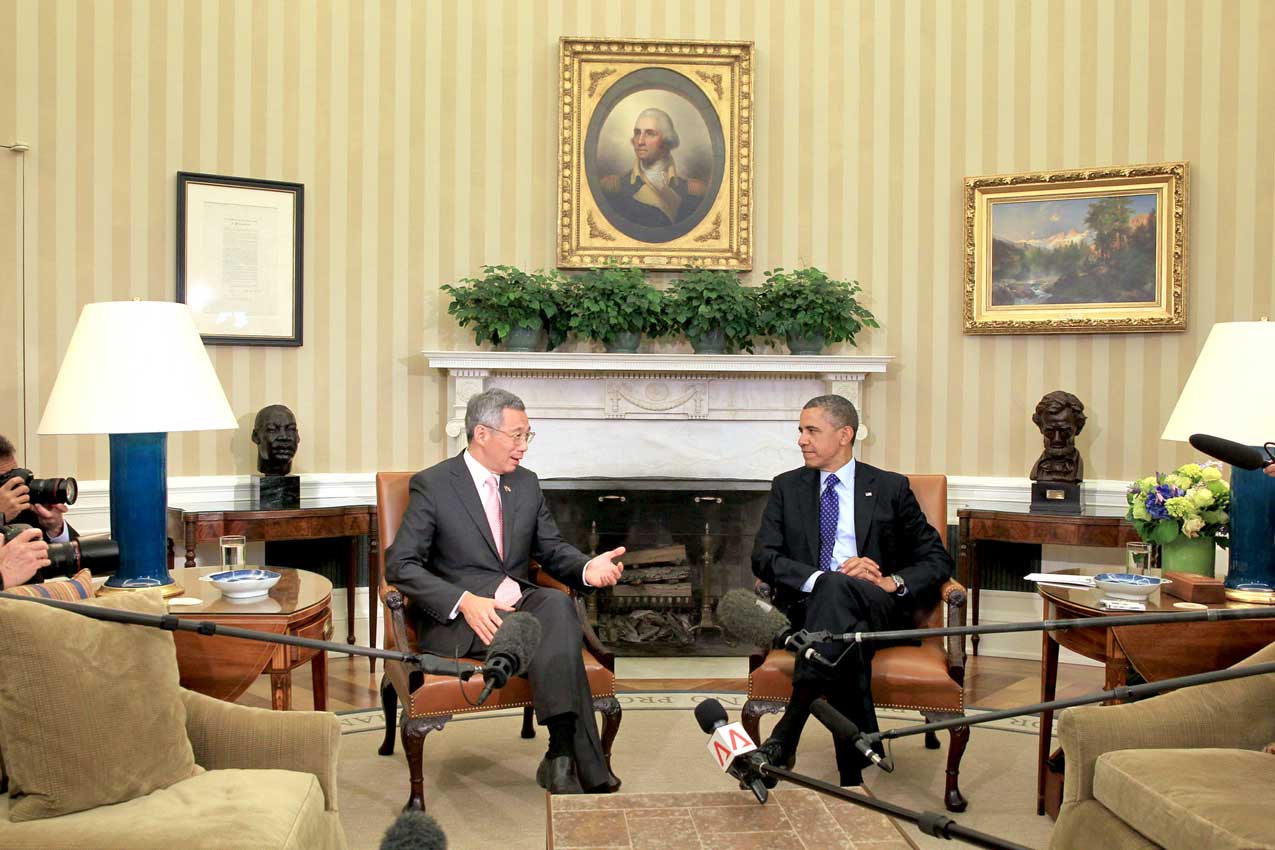
Prime Minister Lee Hsien Loong arrives tomorrow in the US capital Washington for a six-day official visit that is a first by a Singapore prime minister since 1985.

The visit coincides with the 50th anniversary of diplomatic relations between the two countries and underscores their close and longstanding partnership, the Prime Minister’s Office said in a statement yesterday.

US President Barack Obama will welcome Mr Lee at an official arrival ceremony at the White House South Lawn on Tuesday before their meeting in the Oval Office.

Later that day, Mr Obama and First Lady Michelle Obama will host PM Lee and his wife to a state dinner, an honour accorded by the Obama administration to only 11 other occasions in eight years. Four of them were for Asian countries: India, China, South Korea and Japan.

During his stay, Mr Lee will meet several senior members of the United States government.

On Tuesday, at the State Department, Vice-President Joe Biden, his wife Jill and Secretary of State John Kerry will host a state luncheon for Mr and Mrs Lee.

Secretary of Defence Ashton Carter will host PM Lee to lunch on Monday, the day after his arrival, and there will be separate meetings between him and Treasury Secretary Jacob Lew, Secretary of Commerce Penny Pritzker and Central Intelligence Agency (CIA) director John Brennan.

The Prime Minister will lay a wreath at the Tomb of the Unknown Soldier in Arlington National Cemetery on Monday. He will also speak at a reception jointly hosted by the US Chamber of Commerce and the US-Asean Business Council that day.

Earlier, on Sunday, he will meet Singaporeans at a National Day reception in the Singapore Embassy.

Mr Lee’s visit provides an opportunity for both countries to renew and expand bilateral cooperation, the Prime Minister’s Office said.

The Obama administration has made considerable effort in building ties with Asia in pursuit of its strategy to rebalance its military and diplomatic interests towards the region.

In February, a special Asean-US summit was held in California which Mr Lee attended. During his week-long working trip, he also met the chiefs of US technology giants such as Apple and Facebook.

But his upcoming official visit is special. It will be the fifth such visit by a Singapore prime minister. The previous four were made by founding Prime Minister Lee Kuan Yew in 1967, 1973, 1975 and 1985.

Accompanying PM Lee next week are Minister for Foreign Affairs Vivian Balakrishnan, Minister for Trade and Industry (Industry) S. Iswaran, Minister in the Prime Minister’s Office Chan Chun Sing, and Acting Minister for Education (Higher Education and Skills) Ong Ye Kung.

Three MPs will also be in the delegation: Mr Christopher de Souza, Ms Rahayu Mahzam and Nominated MP Chia Yong Yong.

In Mr Lee’s absence, Deputy Prime Minister Teo Chee Hean will be the Acting Prime Minister.


This article was first published on July 30, 2016.
Get a copy of The Straits Times or go to straitstimes.com for more stories.

Image: 
Category: 
Blurb: 
Publication Date: 
Saturday, July 30, 2016 – 13:00
Send to mobile app: 
Source: 


Story Type: 
Others

Source link

Speedy red-light surprise

0

He expected the shoot to take all day when he was asked last year to film a segment on new roadside cameras used to catch errant motorists.

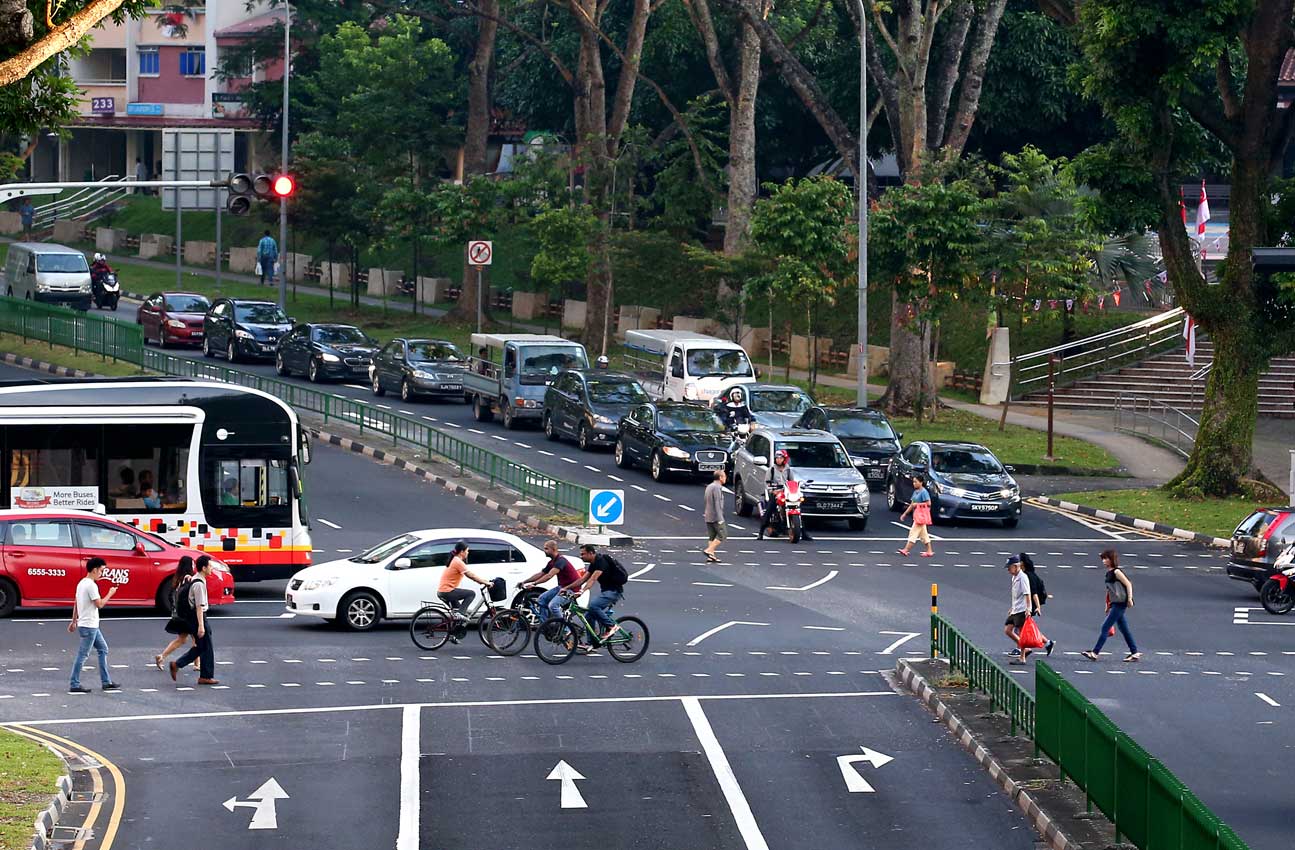
To Superintendent (Supt) Julius Lim’s surprise, he had to stand at Gambas Avenue in Sembawang for only a few minutes before several heavy vehicles were captured beating the red light.

The current English Crimewatch presenter said: “They broke the law even after the crew had set up signs saying that Crimewatch filming was in progress. We had our shot in just one take.

“This incident reminds me how important it is for the police to be aggressive in our outreach efforts.”

Supt Lim, 31, who is married with two young daughters, joined the Singapore Police Force in 2004.

The senior assistant director of the Ministry of Home Affairs’ joint operations group started hosting Crimewatch seven years later.

Since then, he has become a popular public figure. Supt Lim told The New Paper that in 2014, he was even recognised by a Myanmar national waiter in Kuala Lumpur.

With a smile, he said: “The waiter had never been to Singapore, but he found out about Crimewatch after his friend liked its Facebook page.

“The waiter decided to visit the page and soon became a Crimewatch fan.”

Supt Lim and his family now make it a point to stay at home on the last Sunday of every month to watch Crimewatch.

He said: “My then-fiancee – now wife – and I had spent many date nights watching the programme together. We now watch it with our girls, and they are always excited to see their papa on TV.”

Calm at Bukit Batok hot spot

The New Paper did its own traffic-light test and found that things have improved.

Over at Bukit Batok East Avenue 3 by Bukit Batok Street 21 – one of the hot spots for red-light running cases – yesterday, no drivers was seen beating the red light during the peak hour of 7am to 8am.

Statistics released by the Singapore Police Force in February also showed a drop. 

Mr Gopinath Menon, a transport engineering consultant, told The New Paper: “There has been a lot of publicity, education and enforcement on running red lights. Errant drivers are worried that they will get caught.”

Road-safety expert Gerard Pereira, operations manager of the Singapore Safety Driving Centre, said that apart from road-safety education, traffic cameras also played a part.

For failing to conform to traffic-light signals, drivers will be penalised with 12 demerit points and a fine ($200 for light vehicles and $230 for heavy vehicles).

Those who beat the red light twice within 24 months will have their licences suspended.


This article was first published on July 30, 2016.
Get The New Paper for more stories.

Image: 
Publication Date: 
Sunday, July 31, 2016 – 06:30
Send to mobile app: 
Source: 


Story Type: 
Others

Source link

Singaporean Muslim students describe fear and confusion after gun attack in Munich mall

0

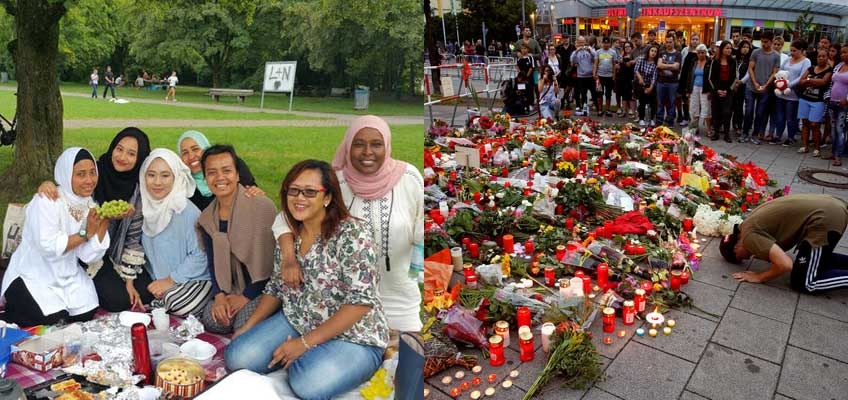
Despite the recent terror attacks in Europe and the increasing level of hostility towards Muslims, Singaporean student Maahirah Mohammed has never been afraid to put on her tudung in public.

That is until last Friday, when an attack happened in Munich, Germany, where she is studying.

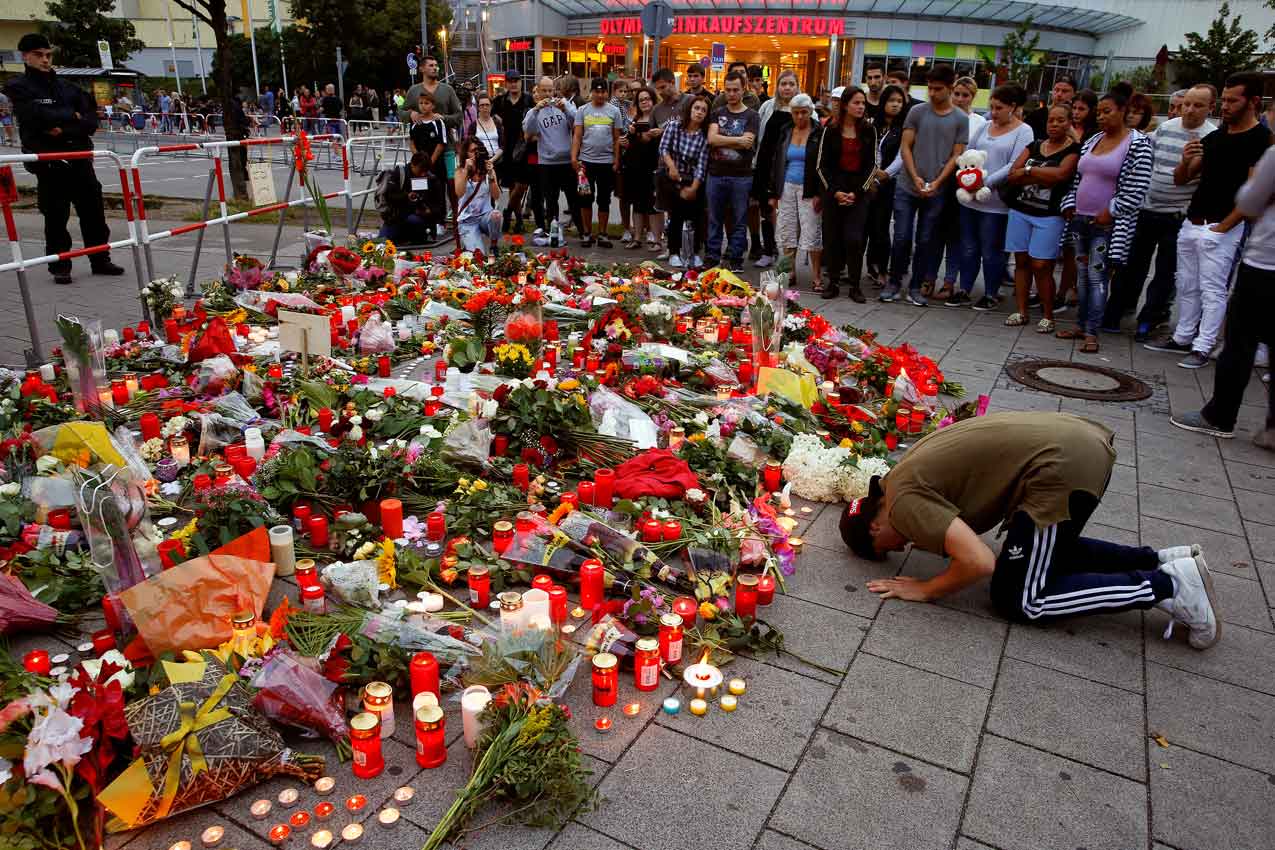
A teenage gunman opened fire at the Olympia shopping centre, killing nine people.

The mall is just five minutes by train from the flat where Miss Maahirah, 18, and her cousin, Miss Hanim Zaini, 18, have been living for the last 15 months.

Thankfully, they were on a picnic in the outskirts of the city with a group of friends when the shooting happened at around 6pm (midnight, Singapore time).

Miss Maahirah told The New Paper in a phone interview on Tuesday that she found out about the incident on Facebook as she was leaving the picnic.

She said: “I was quite shocked… because Munich is usually a very safe place. I kept thinking, ‘An attack? Here in Munich?'”

The shooting resulted in a shutdown of the city’s public transport system, leaving thousands stranded in the streets.

Mrs Norliza Asisi Maurer, 53, a fellow Singaporean at the picnic, dropped the cousins off at a tram station about 10 stops away from their flat, unaware that the trams were not running.

Miss Maahirah described the situation as confusing at first, and then gradually becoming more chaotic and tense as time passed.

“The streets were lined with people, and you could feel everyone’s frustration and anxiety,” she said.

There were also rumours that two other shooters were on the run, which added to the girls’ stress and paranoia.

The cousins, who both wear the tudung, were trying to figure out how to get home when an old man started yelling as he walked past them.

“He was pointing at us and shouting in our faces in German about ‘another terrorist attack again’, and cursing refugees and Islam,” said Miss Hanim.

The man walked away after his outburst and the girls quickly walked in the opposite direction.

“It was over very quickly, but we were so shocked and embarrassed as his voice was louder than the (din of the) crowd, so everyone was looking at us,” Miss Maahirah added.

The cousins said this was the second time they had been on the receiving end of anti-Islam sentiments.

Last year, while Miss Hanim was waiting at a traffic light junction, a woman made a rude gesture at her from across the street and called out anti-Islam comments.

Miss Maahirah said the shooting was the first time something had happened in Munich so now they are more concerned about their safety.

She said: “I’m scared of wearing my tudung out in public after getting yelled at like that.”

Unable to get home after the attack, the teens called Mrs Maurer, who is married to a German national and has been living in Munich for over 20 years. About half an hour later, she picked them up in her car.

ROADBLOCKS

But the journey home was not over.

The roads to their residential area had roadblocks, so they went to Mrs Maurer’s home, which was a 10-minute drive away from the tram station.

Miss Maahirah and Miss Hanim ended up spending the night there as public transport was unavailable throughout the night. Services only resumed at 4am so the girls returned home the next day.

Mrs Maurer, who helps her husband run a software company, said: “The locals here are usually very tolerant, and it’s very unfortunate that the girls were on the receiving end of someone’s frustrations.”

Miss Hanim’s family, who live in Saudi Arabia, frantically tried to reach her when they read about the shooting.

Her sister, Ms Yasmin Zaini, 22, told TNP: “We had just completed our umrah pilgrimage in Mecca and news of the shooting sent us into panic mode.

“We couldn’t reach my sister because her phone was off, but we found out that she was safe from Maahirah just a while later.”

While Miss Maahirah thinks that Munich is still a safe city, much like Singapore, she admitted she would not worry about her safety if such an attack happened in Singapore.

She said: “I don’t think Singaporeans would be hostile or look at us any differently.”


This article was first published on July 30, 2016.
Get The New Paper for more stories.

Image: 
Category: 
Publication Date: 
Saturday, July 30, 2016 – 21:00
Send to mobile app: 
Source: 


Rotator Image: 
Story Type: 
Others

Source link

NUS suspends student-led orientation activities: Dunking video was last straw

0

They were warned not to conduct inappropriate activities for freshmen but did so anyway.

Now, because of a handful of undergraduates, all student-organised freshman activities have been suspended at the National University of Singapore (NUS).

The activities suspended include Orientation Week, also known as O Week, a five-day event that was scheduled to happen next week.

It was to be the final orientation camp before the school semester begins.

The unexpected measure follows the controversy over how some of the games at the orientation camps had become sexualised.

The last straw appears to be a video that surfaced yesterday, showing students conducting dunking and ragging activities at Sheares Hall on Wednesday.

In the video, four students can be seen grabbing a limb of another student and dunking him into a body of water repeatedly while singing.

This was also carried out on a female student.

Another segment of the video then showed topless male students crawling on the floor while chanting obscenities.

NUS has since confirmed the video.

In a strongly-worded statement to the media yesterday, a spokesman for NUS said such activities were not condoned but were still carried out despite previous instructions on the matter.

“We are deeply disappointed that some of our students have flouted the rules and behaved in an unacceptable manner in organising freshmen activities,” she said.

“Dunking or any other form of ragging is strictly banned under the university’s guidelines for student activities.

“The university takes a very serious view of this breach and is currently conducting an investigation.”

The spokesman added that all student-organised team-building activities for freshmen have been suspended until further notice.

The New Paper understands that ongoing camps were stopped halfway because of the suspension, and the participants were told to go home.

The suspension and video come in the wake of current investigations of the union camp and arts camp at NUS.

On Tuesday, TNP reported that orientation games at some of these camps had become sexualised.

In the report, one freshman told TNP that she was asked whose bodily fluids she would drink, while another watched her peers re-enact an incestuous rape scene as part of a forfeit.

Acting Minister for Education (Higher Education and Skills) Ong Ye Kung also put up a post on Facebook on Wednesday evening, condemning the sexualised activities at NUS’ orientation camps as “reprehensible”.

Yesterday, the NUS spokesman said that those responsible will be brought before the university’s board of discipline.

“The instances of unacceptable behaviour and activities that have surfaced this week play no part in a university education,” the spokesman said.

“The university is conducting thorough investigations into these unacceptable as well as unauthorised activities.”

EXCEPTIONS

However, some activities for the freshmen are to continue.

The spokesman said: “The freshmen inauguration ceremonies, welcome receptions by deans, heads of department and masters, as well as faculty and department briefings, will continue as scheduled.

“The Nussu Rag and Flag activities, which raise funds for 22 Singapore charities, will continue.”

NUS undergrad Janella Ooi, 21, is a committee member of one of the events that was affected by the suspension.

She said they had spent about half a year planning the event and a lot of their own money.

“We are really sad because our juniors put in a lot of effort and now it is completely undone,” she said.

“But personally, I understand (the decision to suspend activities), and I was extremely appalled by the forfeit that promoted rape culture.”

She added that Orientation Week was to be a time for freshmen to get used to university life, but that opportunity has now been taken away.

She said: “I feel that NUS could perhaps have some official who could oversee the activities to ensure that these rules are adhered to strictly.”

Miss Hui Yan, 26, a marketing executive and NUS alumna, said she was previously a camp facilitator and feels that the rest of the school is being punished for the actions of just a few.

“It is an incredibly superficial and shortsighted move on the school’s part, thinking that removing a one-week event will solve deep-rooted issues of sexual harassment and misogyny once and for all,” she said.

“Careful planning has gone into the logistics in terms of ensuring overall safety and modesty at most of the camps.

“And organisers will feel frustration and betrayal by the school authorities for seeking a short-term solution instead of formulating a proper resolution in view of the amount of time (that has) gone into planning.”


This article was first published on July 30, 2016.
Get The New Paper for more stories.

Image: 
Category: 
Publication Date: 
Saturday, July 30, 2016 – 17:00
Send to mobile app: 
Source: 


Rotator Image: 
Story Type: 
Others

Source link

Indonesia detains 7 after attacks on Buddhist temples

0

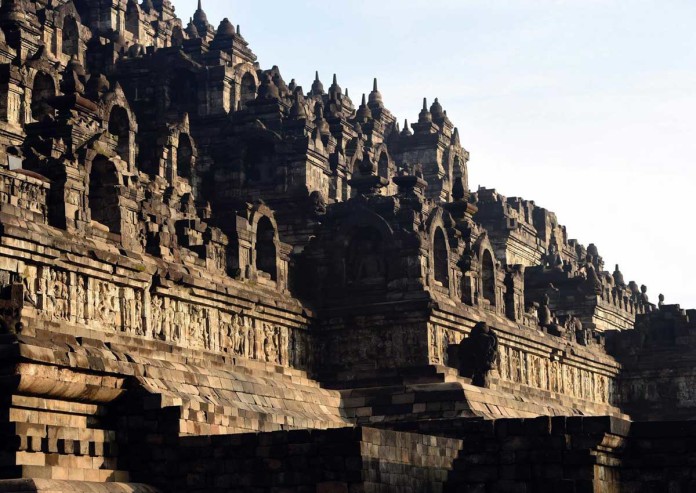
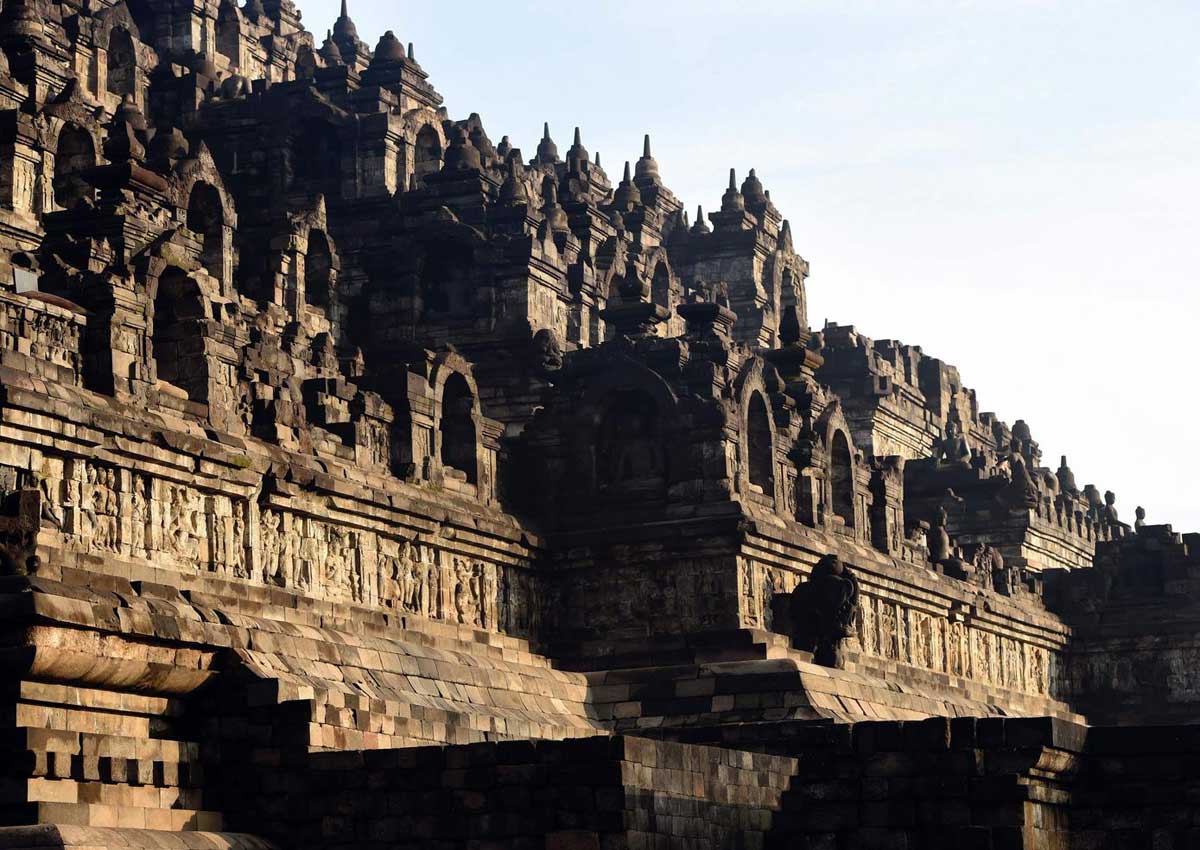
JAKARTA – Indonesian authorities detained seven people in northern Sumatra island on Saturday on suspicion of attacking several Buddhist temples the previous night, officials said.

A spokeswoman for North Sumatra provincial police said the seven had led a mob that damaged at least three temples and other property in the town of Tanjung Balai, near Indonesia’s fourth-biggest city Medan. No one was injured.

Indonesia is a Muslim-majority nation but has a sizable ethnic Chinese minority, many of whom are Buddhist. The country has a history of anti-Chinese violence, most recently in the late 1990s amid the political and economic crisis that brought down authoritarian ruler Suharto.

But police officials denied Friday’s attack was aimed at the Chinese community. “This was just a (dispute between) individuals,” said North Sumatra Police Spokeswoman Rina Sari Ginting, adding the situation was now under control.

Indonesia, where the majority of the population practices a moderate form of Islam, sees sporadic attacks on religious minorities by Muslim hardliners but authorities are quick to crack down on any violent incidents.

Hundreds of security personnel were deployed late last year when a Muslim mob burned down a number of churches in conservative Aceh province, saying they didn’t have the right building permits.

Image: 
Category: 
Publication Date: 
Saturday, July 30, 2016 – 13:48
Keywords: 
Send to mobile app: 
Source: 


Hermes ID: 
2 483 399
Hermes ID String: 
SY_INDOTEMPLE_0730
Hermes Author: 
SEANYAP
Story Type: 
Others

Source link