32.9 C
Singapore, SG
Wednesday, September 2, 2026
Home Blog Page 3250

Sunsilk: Buy Two Shampoos & Get Free Xiaomi Powerbank 5000mAH till 31 Aug

0

Sunsilk: Buy 2 shampoos & get FREE Xiaomi Powerbank 5000mAH (worth $13.99) till 31 Aug

Available at all major supermarkets and selected pharmacies

Sunsilk: Buy Two Shampoos & Get Free Xiaomi Powerbank 5000mAH till 31 Aug

Get a FREE Xiaomi Powerbank (5000mAh/2 full charges) worth $13.99 banded with two Sunsilk 650ml shampoos at only $19.90

Source

How Singapore earned the honour of a rare White House state dinner

0

When Singapore’s Prime Minister Lee Hsien Loong joins US President Barack Obama for a state dinner of American Wagyu beef at the White House on Tuesday, it will be a diplomatic coup for the small city-state.

Obama has thrown just 11 state dinners since he became president in 2009, in stark contrast compared to 1960s predecessor Lyndon Johnson, who held 54 state dinners in a single presidential term.

Singapore will be the first Southeast Asian country to have a political leader honoured with a US state dinner, and only the fifth Asian nation after India, China, Japan and South Korea.

And it is expected to be a lavish affair, with a preview of the menu showing it will include lime basil from first lady Michelle Obama’s own garden, plus a dessert of peach sangria cake accented with coconut milk and kaffir lime leaves in celebration of Asia, and a performance by US singer Chrisette Michelle.

“These state dinners are extremely rare … The fact that Singapore has been invited for such a visit and the state dinner is a tremendous compliment,” Judith Fergin, executive director of the American Chamber of Commerce in Singapore (AmCham Singapore), explained.

Fergin added that the state dinner also highlighted “the pivotal role that Singapore has played over the years in anchoring the relationship between the US and Asia.”

The two countries have had economic, military and diplomatic ties since 1966 – a year after Singapore’s independence – and are partners in the Trans-Pacific Partnership trade deal, the global coalition fighting Islamic State, and the Paris Climate agreement.

Khong Yuen Foong, Li Ka Shing professor of political science at the National University of Singapore’s Lee Kuan Yew School of Public Policy, said the foundation of the relationship was laid by Singapore’s late founding father Lee Kuan Yew, who was also the current Prime Minister’s father.

“When the British forces announced their withdrawal from Southeast Asia, Lee took two-month sabbatical in the US in 1968 and got to understand the Americans much better, coming back with an admiration for American innovativeness, universities, and strategies,” Khong said.

“Every since then, the American leaders saw Lee as someone from Asia who could add value to their strategic assessment of the Asia region,” he said, adding that “few leaders in Asia are seen that way.”

Lee developed close personal relationships with American politicians including legendary diplomat Henry Kissinger and President Richard Nixon. Lee was the guest of honour the last state dinner hosted by the White House for Singapore, by President Ronald Reagan in 1985.

“I have had the privilege of meeting many world leaders over the past half-century; none, however, has taught me more than Lee Kuan Yew,” Kissinger wrote in the foreword to a 2013 collection of Lee’s interviews, speeches and writing, called “Lee Kuan Yew: The Grand Master’s Insights on China, the United States, and the World.”

As well as a similarity in vision, Singapore policymakers have long sought military co-operation with the US because they believed a strong US military presence would add to stability in Asia.

Singapore played a part in facilitating a US military presence in the region, by signing the 1990 Memorandum of Understanding allowing the US to use its naval bases.

“The MOU was Singapore putting its money where its mouth was, because after the US military ejection from the Philippines, it did not have a base in Asia for logistics and the resupply of naval vessels,” Khong explained.

In 2004, Singapore constructed the Changi Naval Base, which was built large enough to accommodate US aircraft carriers and warships.

Another important dimension of US-Singapore bilateral ties lies in trade.

There were more than 3,600 US companies operating in Singapore, which are generally “regional headquarters, sophisticated intellectual property-intensive operations, research and development centres [and] high-tech innovators,” in 2015, according to an AmCham Singapore report.

There are also strong foreign direct investment flows between the US and Singapore; the United States is the largest foreign direct investor in Singapore, while Singapore is the US’s third-largest Asian investor, the most recent data from the Organisation of International Investment showed.

At the turn of the millennium, Singapore and the US signed the United States Singapore Free Trade Agreement (USSFTA), which was considered the “gold standards of FTAs,” AmCham Singapore’s Fergin told CNBC.

The USSFTA helped to transform Singapore’s economy because its provisions went beyond tariffs to open up Singapore’s financial sector to foreign investment, “which was also a keystone to Singapore’s success as a wealth management hub and financial management hub,” Fergin said..

“When people talk about a 21st century trade agreement as opposed to an older trade deal, these are things coming out of the USSFTA that were more than just tariffs, like investment provisions, intellectual property, data flows and dispute resolutions,” she said.

Fergin added that the USSFTA helped to seed the Trans-Pacific Partnership (TPP) agreement, an ambitious US-led trade deal that has yet to be ratified by Congress.

With anti-trade and protectionist rhetoric playing a prominent part in the US presidential election, with both the GOP nominee Donald Trump and Democratic nominee Hillary Clinton criticising the TPP, there have been concerns that after seven years of negotiations, the deal would be scuppered.

In June, Singapore’s Minister of Foreign Affairs Vivian Balakrishnan highlighted the importance of the TPP to US-Asia relations, telling a forum in Washington that “many leaders in Asia have gone out on a limb to support the TPP” and that the trade deal would be a litmus test to America’s commitment to Asia, The Straits Times reported.

Ahead of Prime Minister Lee’s visit to the US, a White House press secretary said that discussions at the stake dinner would focus on how the two leaders could push for “rule-based order” in the Asia Pacific.

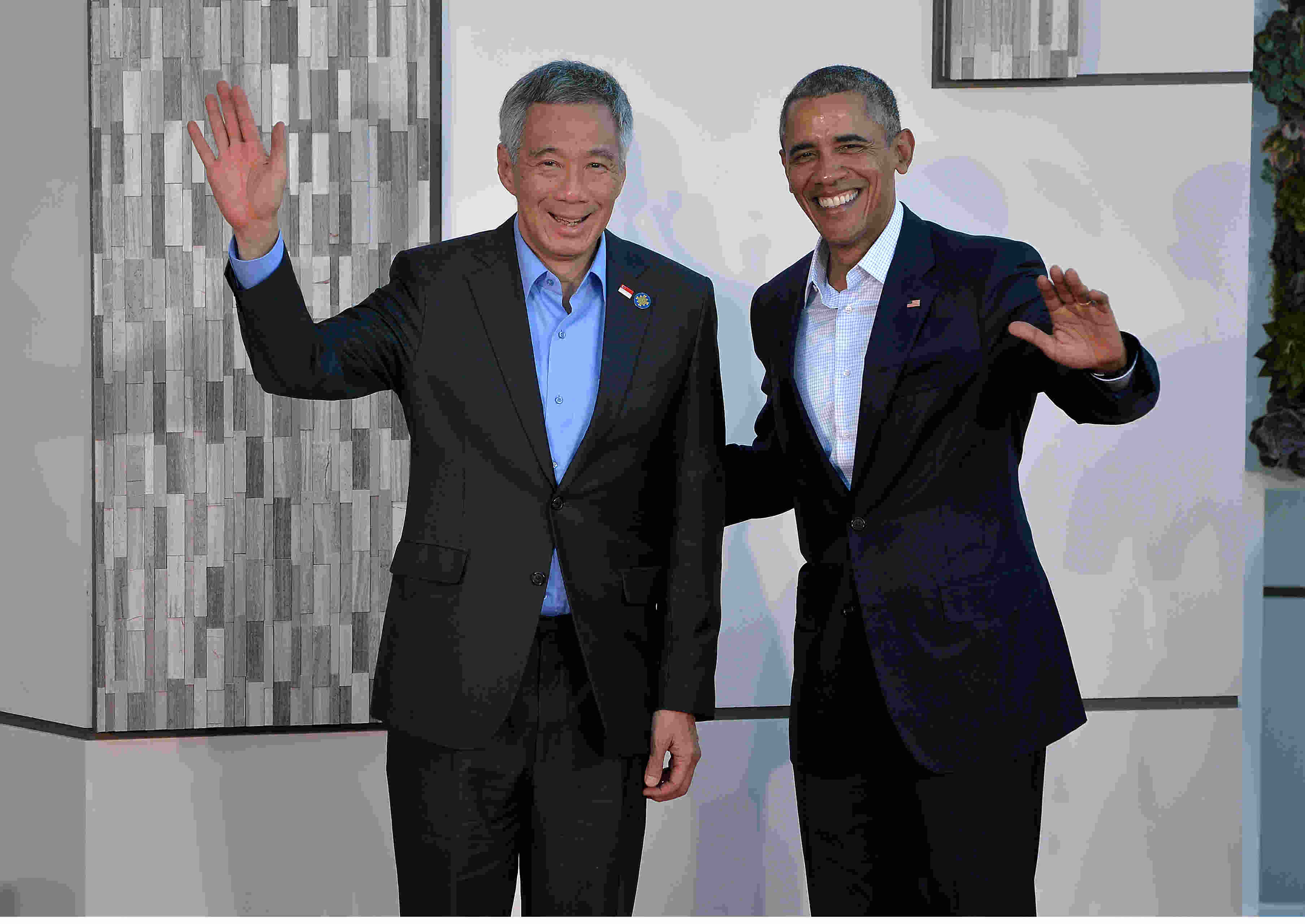
Image: 
Publication Date: 
Tuesday, August 2, 2016 – 11:00
Send to mobile app: 
Source: 


Story Type: 
Others

Source link

Raid over illegal employment breaks up syndicate, nets 44 arrests: MOM

0

SINGAPORE – An island-wide raid has led to the arrests of 44 people suspected of being involved in the illegal employment of foreign workers.
The two-day operation conducted by the Ministry of Manpower (MOM) last week (July 26 and 27) was carried out at…

Source link

Indonesia wages war on drugs but cuts funding for rehabilitation

0

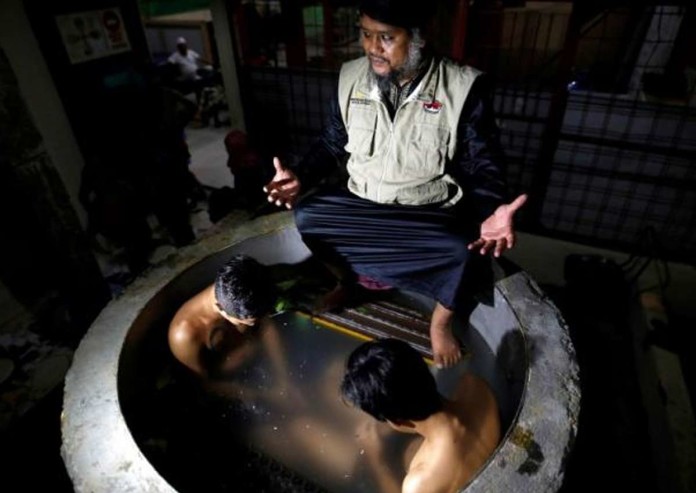
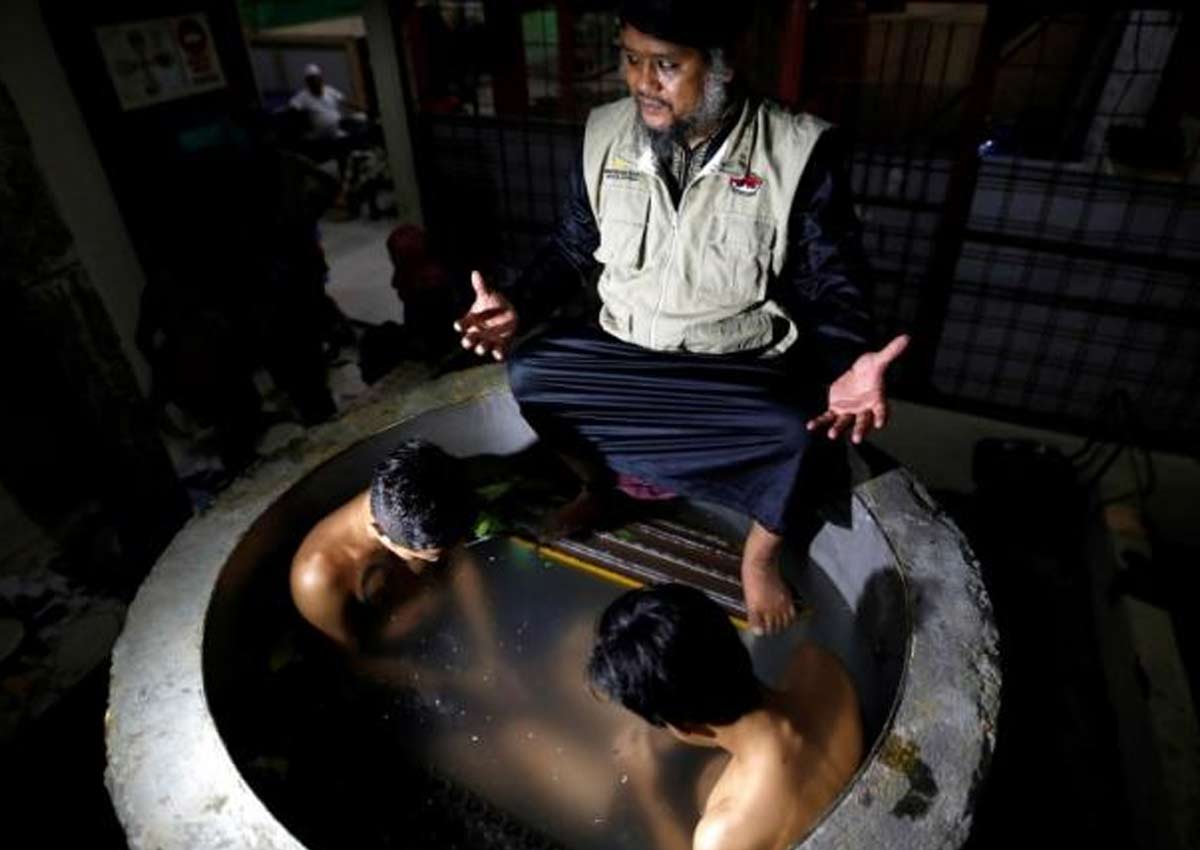
Rizki Mulyadi sits half-submerged in a steaming herbal bath, hands folded in his lap and head down.

Mulyadi hopes the concoction he is bathing in – and the Islamic teacher who makes it – will help him overcome a six-year addiction to the drug of choice for many in Indonesia: crystal methamphetamine, or “meth”.

The traditional rehabilitation centre in Purbalingga village on Java island says it has treated hundreds of addicts like Mulyadi, 26, with herbal teas and baths, prayer and counselling.

President Joko Widodo says drugs pose a bigger danger than Islamist militancy and he has ordered an intensification of a drugs war that has included the execution of drug traffickers, the latest last week when three Nigerians and an Indonesian faced a firing squad.

But while raids, arrests and punishments pick up, state funding for rehabilitation, that weans people off drugs and cuts demand, is dwindling.

That leaves thousands of people like Mulyadi with few affordable options in a country that within years has gone from being a drug transit point to one of Southeast Asia’s biggest markets for narcotics. “We need support in terms of budget to be able to rehabilitate all drug users in need,” Social Affairs Minister Khofifah Indra Parawansa told Reuters.

“Our budget alone is not enough for that, it is experiencing a decline.” The government estimates there are six million drug users in the country of 250 million people. Of those, more than 1 million are addicted to meth, the UN Office on Drugs and Crime said in a 2013 report.

But less that one per cent of dependent users got treatment in 2014 compared with a global average of 16 per cent, it said.

Indonesian law mandates rehabilitation for people caught with small quantities of drugs. But many end up in crowded jails. “Many of those who are in prison should not be sentenced to prison at all, they should be sent to rehab,” Parawansa said.

Parawansa’s ministry aims to rehabilitate 15,000 drug users this year on a budget of 87 billion rupiah ($6.6 million). Next year, it will only get funds to help 9,000, she said.

While rehabilitation funding has been cut, the president has tripled the budget of the national counter-narcotics agency, known as the BNN, to 2.1 billion rupiah ($160,000). It also draws on the police budget.

A spokesman for Widodo, asked about the cut to rehabilitation spending, said many areas were seeing tighter budgets, and it did not mean the president did not value rehabilitation. “The president is concerned about how to prevent the spread in drug use and rehab programmes are part of that,” said the spokesman, Johan Budi.

“We need to be hard on smugglers and traffickers, and that explains why the president is taking a hard approach, but that doesn’t mean the war on drugs is at the expense of rehabilitation. Both law enforcement and rehabilitation are happening at the same time.”

HERBS AND FAITH

Indonesia is not the only country to take a hard line.

President Rodrigo Duterte of the Philippines has also declared a drug war and about 300 suspected dealers were shot dead in July, most in vigilante killings, police say.

Thailand has also for years been tough on drugs but its soaring prison population has recently prompted a re-think and the downgrading of meth from a Category 1 drug to reduce numbers in jail.

Critics say Widodo’s stand on drugs criminalises victims and makes the path to recovery that much harder. “They want to build more prisons but they should be building more rehab centres and making more treatment options available,”said Andreas Harsono of Human Rights Watch in Jakarta.

The centre in Purbalingga is one of 160 such facilities across Indonesia that use traditional methods. There are 18 government rehab centres and almost 400 private ones and public clinics using more conventional means.

Ahmad Ischsan Maulana, head of the Purbalingga centre, said his clients must stop all drugs when they arrive. “I get them to quit immediately and replace their intake with herbs,” he said. “That relieves withdrawal symptoms without side effects,”said Maulana, known as “the boiling teacher” because of the hot baths.

His small complex of dormitories houses about 30 people. “What’s important is our faith in Allah who is the only one that can heal us. No doctor can heal us of drug addiction.” He says none of this clients has come back but he does not monitor people after they leave.

Mulyadi said he was determined to stop drugs. “I’ve come here to rebuild my relationship with my family,”he said, showing off a tattoo on his chest of his five-year old son.

Image: 
Category: 
Publication Date: 
Tuesday, August 2, 2016 – 10:46
Keywords: 
Send to mobile app: 
Source: 


Story Type: 
Others

Source link

Bali flights cancelled due to Mount Rinjani eruptions

0

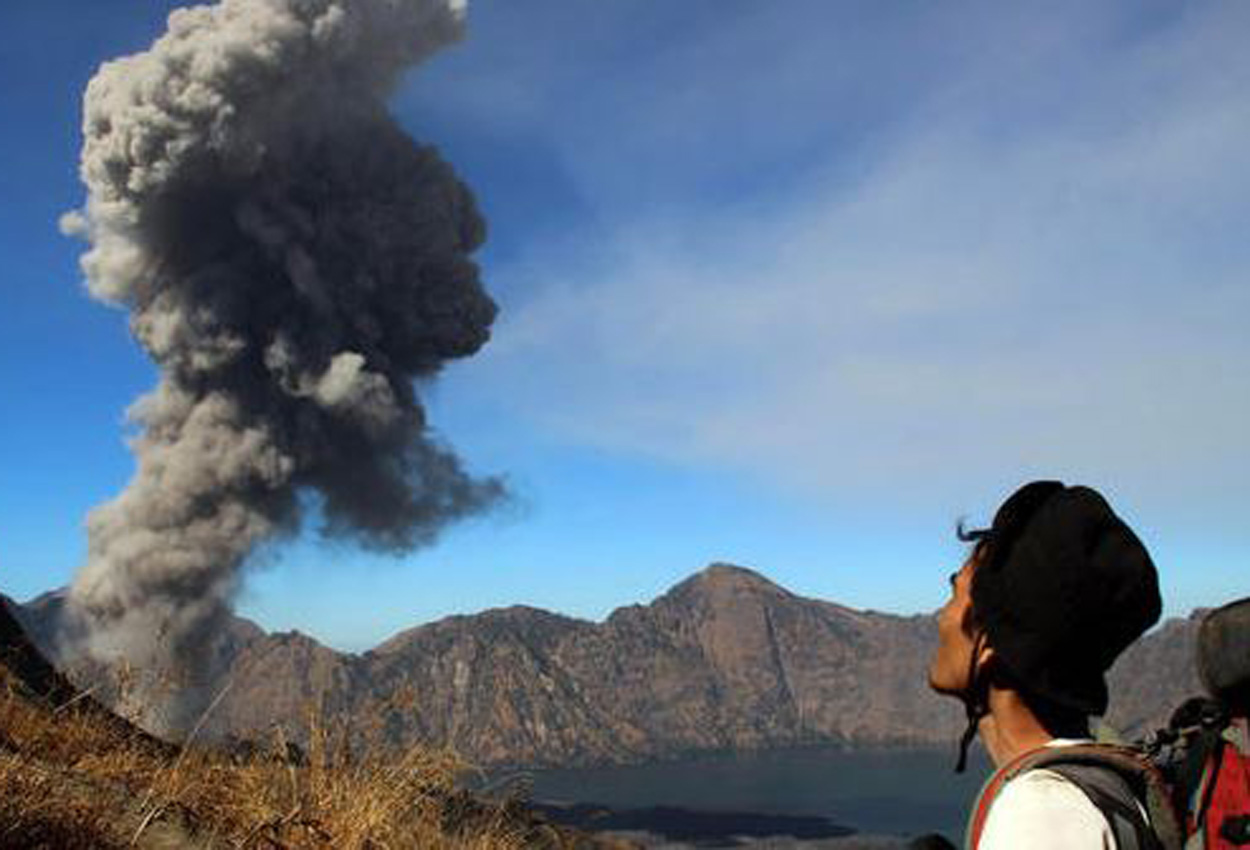
Due to safety reason, authority cancelled flights to and from Bali following Mount Rinjani eruption.

A number of domestic and international flights to and from Bali were cancelled on Monday following the eruption of Mount Rinjani in Lombok, West Nusa Tenggara.

Three domestic flights from Bali to Lombok have been cancelled, as the eruption forced the closure of Lombok International Airport on Monday afternoon, spokesman of I Gusti Ngurah Rai International Airport, Awaluddin, told The Jakarta Post.

“Three flights from Lombok to Bali were cancelled,” Awalludin said.

Meanwhile, five flights from Australia to Bali were cancelled, three of which were Tiger Air and two Virgin Airlines flights.

“The cancelled flights were from Australian cities Sydney, Brisbane, Melbourne, Perth and Adelaide,” he said.

From Ngurah Rai, two flights to Australia have also been cancelled. The flights included one Tiger Air flight to Perth and one Virgin Airline flight to Brisbane, leaving at least 335 passenger stranded in Bali.

“The cancellations were decided for safety reasons,” Awaluddin said.

Image: 
Category: 
Publication Date: 
Tuesday, August 2, 2016 – 10:35
Keywords: 
Send to mobile app: 
Source: 


Story Type: 
Others

Source link

Guangdong and neighbouring areas brace for Typhoon Nida

0

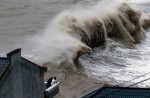
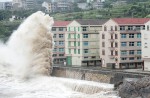
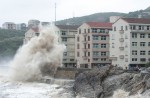
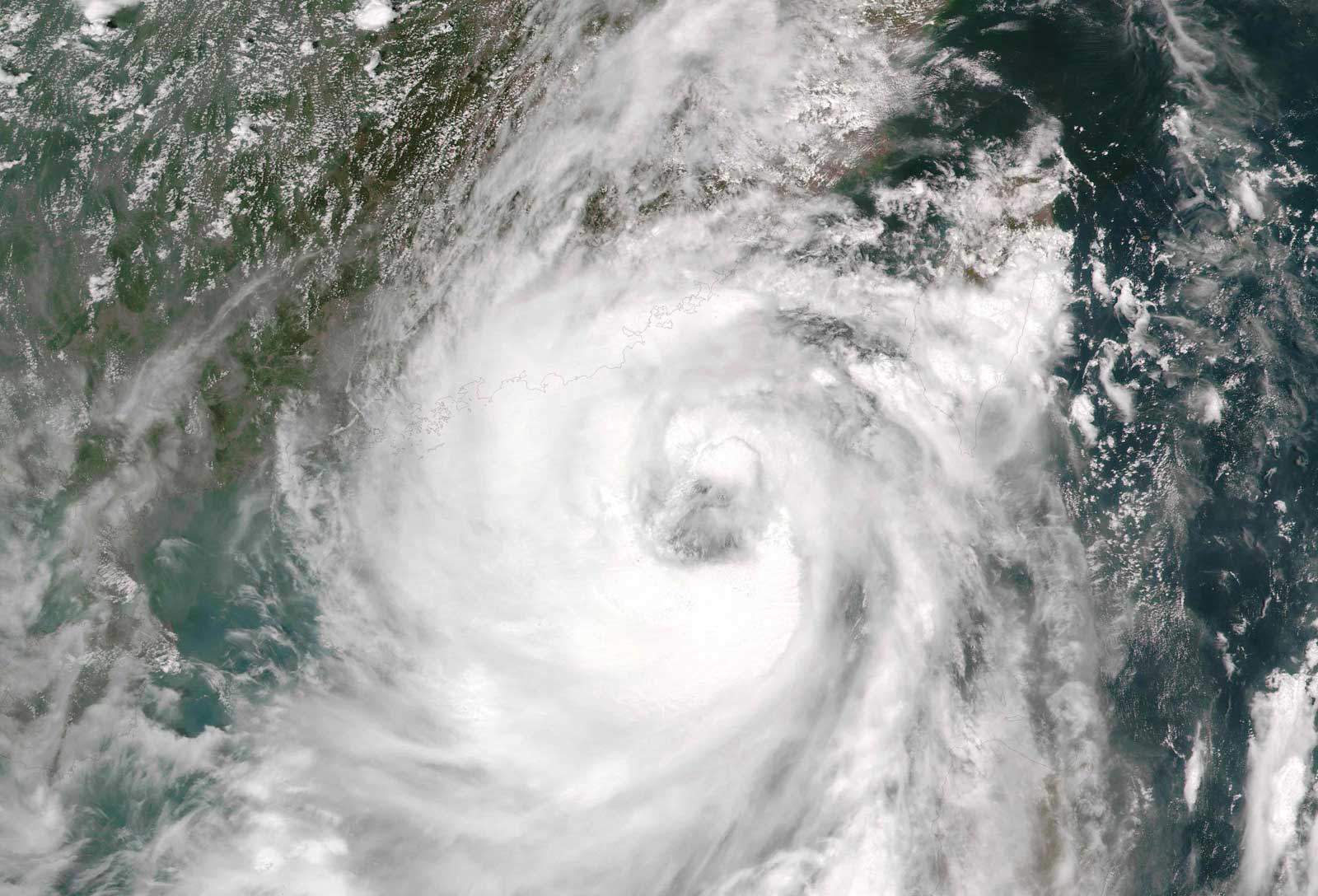
Typhoon Nida landed at 3:35 a.m. Tuesday at the Dapeng Peninsula in the city of Shenzhen, South China’s Guangdong province, local weather authorities said.

The strong typhoon packing winds up to 151.2 km per hour is moving northwest at 25 km per hour, and is expected to sweep across the cities of Shenzhen, Dongguan, Guangzhou, Foshan and Zhaoqing to Guangdong’s neighbouring Guangxi Zhuang Autonomous Region, according to Guangdong provincial weather authorities.

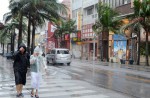
Dozens of flights, trains and ferries scheduled for Monday and Tuesday were cancelled on Monday as China issued its highest alert for Typhoon Nida, which was heading toward Guangdong province and neighbouring southern areas.

Nida, the fourth typhoon to hit China this year, was moving northwest toward southern and southeastern China. It was forecast to make landfall in the central coastal part of Guangdong on Tuesday morning, said DongLin, an expert in typhoon forecasting at the National Meteorological Center.

The centre issued a red alert, the highest emergency response among the four-tier national system, on Monday afternoon, warning of squalls, heavy rain and rough seas.

“The typhoon may grow stronger as it edges closer and reach its peak when landing,” Dong said on Monday, adding that winds of up to 172 kilometers per hour, or force 15 on the Beaufort scale, were possible at the typhoon’s peak.

Niu Ruoyun, another forecaster at the centre, said the Pearl River Delta would be the region hit by the strongest downpours through Tuesday night, with the volume of rainfall possibly reaching 100 millimeters per hour in some areas.

The typhoon was expected to affect large regions of the south and southeast, including Fujian, Guangdong and Hainan provinces and the Guangxi Zhuang autonomous region, Niu said.

Guangdong has geared up efforts against the typhoon, which will be the first to hit the province this year, by issuing a red alert that took effect at 2 pm on Monday.

Zhou Yawei, deputy mayor of Guangzhou, the province’s capital, ordered all construction sites to halt work, while schools were to suspend classes and residents were encouraged to stay indoors.

All the city’s emergency shelters will be open to the public, the city government’s statement said.

Ferry services connecting Shenzhen, Guangzhou and Hong Kong were suspended on Monday. About 100 trains heading for and departing from cities in Guangdong province have been cancelled or will change lines to avoid the typhoon until Wednesday, according to statements from provincial train stations.

For example, all trains heading for Hainan were halted, and trains linking Guangzhou and Zhuhai were to be suspended on Tuesday. Dozens of flights in three major airports in the province also were cancelled or delayed due to the coming typhoon.

In other affected provinces, governments also issued high alerts on Monday, requiring full preparations for the typhoon, including that all fishing boats must remain sheltered.

Wuzhou, the city hit by an earthquake on Sunday, was warned to be prepared for landslides or other downpour-triggered geological disasters on Monday and Tuesday, said Dong, of the National Meteorological Center.

The Ministry of Civil Affairs urged the affected governments on Monday to closely monitor the typhoon’s movements and update warnings and information to the public in a timely manner.

The China National Commission for Disaster Reduction recommended that residents in the affected regions stock up on enough daily necessities for one to three days.

Image: 
Category: 
Publication Date: 
Tuesday, August 2, 2016 – 10:22
Keywords: 
Send to mobile app: 
Source: 


Story Type: 
Others

Source link

44 arrested as syndicate involved in illegal employment busted

0

As a result of the operation which lasted more than 48 hours, six alleged members of the syndicate and 38 foreign workers have been arrested, says MOM.

Source link

44 arrested in operation against syndicate involved in illegal employment

0

As a result of the operation which lasted more than 48 hours, six alleged members of the syndicate and 38 foreign workers have been arrested, says MOM.

Source link

AGO report: Workers' Party calls on Government to adequately address lapses

0

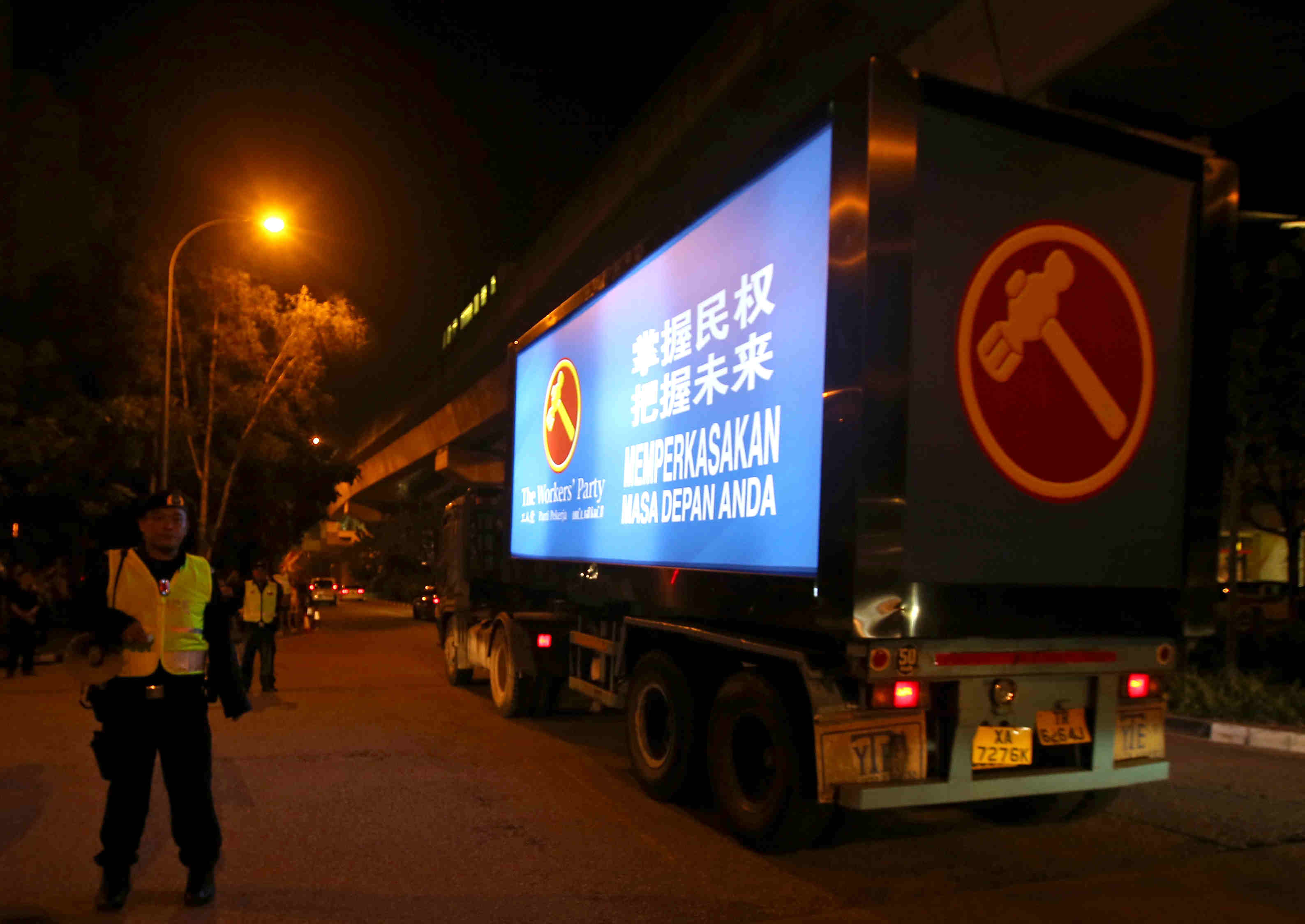
SINGAPORE – The Workers’ Party (WP) has called on the Government to adequately address the multiple lapses in public sector spending and governance highlighted in the Auditor-General’s Office (AGO) report released last Tuesday (July 26).

In a statement posted on its website on Monday (Aug 1), the opposition party said these are matters of “grave public concern”.

“Of particular concern are recurring lapses taking place under one ministry,” the statement by Non-constituency MP Leon Perera, the deputy chair of WP’s media team, said.

Focusing on the lapses by the Ministry of Education (MOE), WP pointed out that more than half of the scholars selected by the AGO for test-checks failed to fulfil their scholarship obligations to Singapore.

Another worrying trend, it said, is the pattern of lapses in procurement, tender and giving preferential access to a “related party” across several institutions.

WP also highlighted lapses by the Ministry of National Development for the Housing and Development Board’s long delays in making final payments to contractors, as well as the Ministry of Home Affairs for the Singapore Police Force’s “unusual solution” in amending regulations to regularise its $2.63 million in over-payments to volunteer special constabulary officers over seven years.

The party added that its MPs will be filing several questions for Ministers to answer at the upcoming Parliament sitting.

“WP calls for transparency on the interventions that will be applied to correct systemic lapses and repair the damage done,” the statement concluded.

“Getting to the root cause of systemic lapses and instituting preventive and deterrent measures are critical in ensuring that public funds are not misspent.”


This article was first published on August 1, 2016.
Get a copy of The Straits Times or go to straitstimes.com for more stories.

Image: 
Category: 
Publication Date: 
Tuesday, August 2, 2016 – 09:30
Keywords: 
Send to mobile app: 
Source: 


Story Type: 
Others

Source link

Yingluck rice scheme cost Thailand US$8 billion: Junta

0

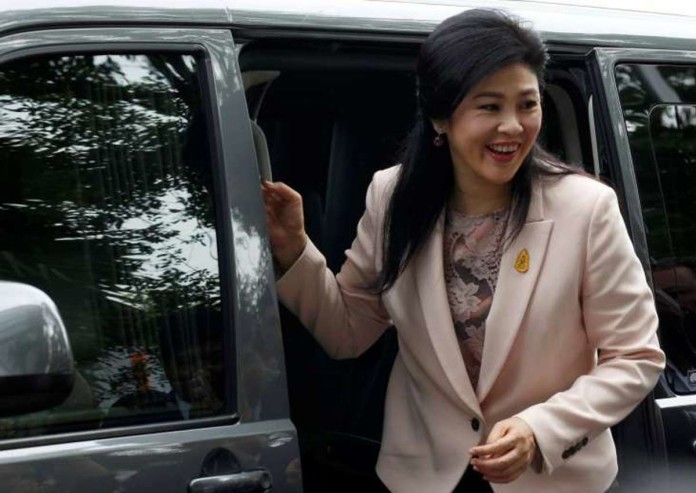
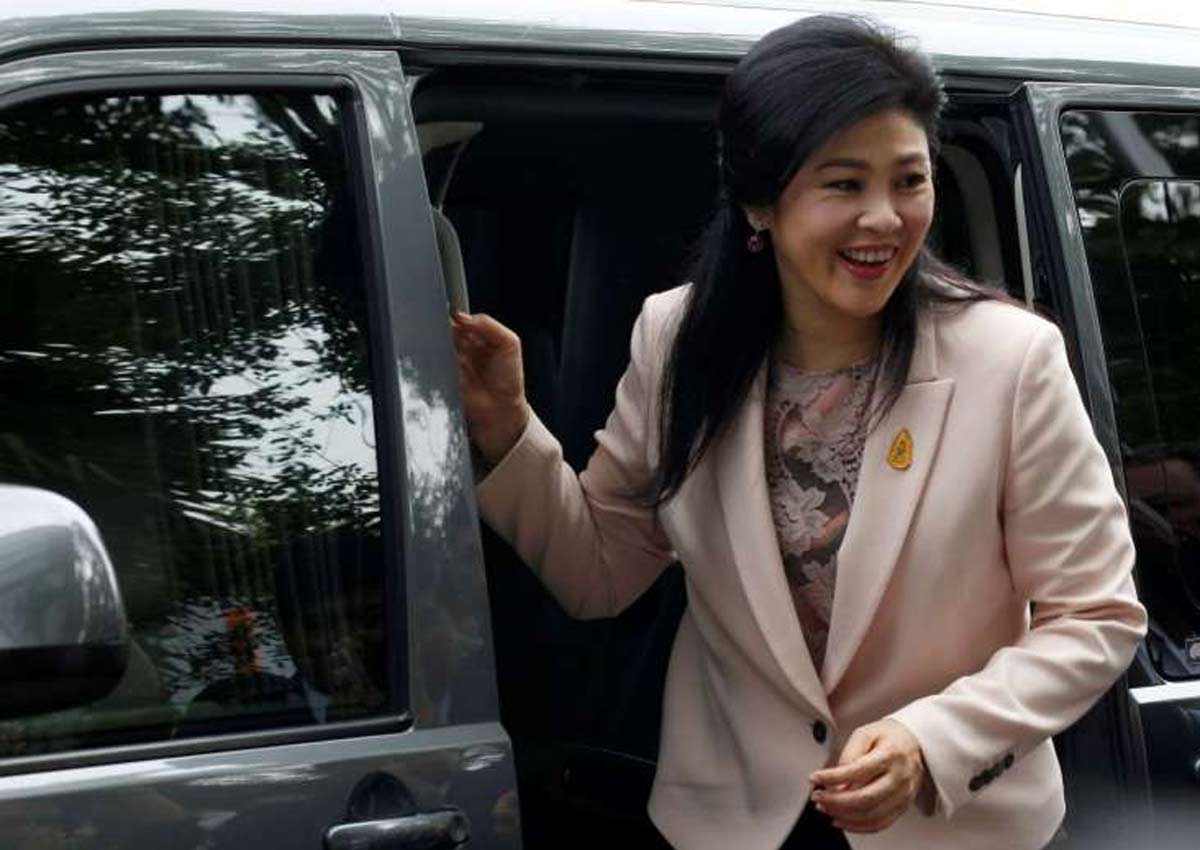
Thailand’s military rulers Monday (Aug 1) said a rice subsidy scheme by the government it ousted cost the state more than US$8 billion (S$10.7 billion), adding former leader Yingluck Shinawatra should be personally sued for the loss.

Yingluck, Thailand’s first female premier, was booted from office by a court days before army chief Prayut Chan-o-cha seized power in May 2014.

The rice scheme was a major catalyst in months of debilitating protests that led to the military takeover.

She has since been retroactively impeached over the scheme and is currently undergoing a separate criminal negligence trial which could see her jailed for up to ten years.

Now the junta says it will push a civil damages case against her and some key former ministers.

“A fact-finding committee panel… has found that the damage cost of rice pledging scheme was 286.6 billion baht (US$8.2 billion),” Panada Disakul, a minister to the Prime Minister’s Office, told reporters, the first time a hard figure has been given for the losses.

Yingluck, whose older brother Thaksin Shinawatra was booted out as premier by a 2006 coup, is accused of failing to halt rampant corruption in the multi-billion dollar subsidy.

She is expected to appear in court on Friday to begin laying out her defence in the ongoing criminal trial.

The scheme offered farmers nearly double the market rate for their crop, pumping billions of dollars into the Shinawatras’ key support base in the country’s northeastern rice bowl.

But the programme was panned by critics as financially ruinous and a naked attempt at vote-buying by the Shinawatra clan.

The former premier denies wrongdoing and says the scheme was a genuine attempt to help rice farmers, mainly in the poor, populous and long-neglected north and northeast.

But the policy led to a 40 per cent fall in Thai rice exports after the government hoarded rice in a bungled attempt to push up its global price to fund the policy.

That led to massive stockpiles as markets turned away from the Thai grain, costing the country its title as the world’s top rice exporter.

Yingluck says the case against her is a politically motivated attack on her family who are loved among rice farmers.

The Shinawatra’s electoral dominance over the past decade has rattled Thailand’s Bangkok-based elite.

The siblings are the figureheads of Thailand’s democracy movement, which has floundered for nearly a century under an arch-royalist elite desperate to retain power.

Fearful of a political comeback, the junta has tried to tangle Yingluck in legal rulings.

Economists have also accused the junta of adopting some of the Shinawatras more populist fiscal policies, including paying above market rates for rubber amid a global price slump.

Image: 
Category: 
Publication Date: 
Tuesday, August 2, 2016 – 09:27
Send to mobile app: 
Source: 


Story Type: 
Others

Source link