Home Blog Page 3210

Yang Ying wants to 'give up' testifying

0

SINGAPORE – A former tour guide on trial for misappropriating money from a rich widow had a moment of panic in court on Friday (Aug 5) and asked for permission to “give up” testifying.

Yang Yin, a Chinese national, has pleaded guilty to 120 charges but claimed trial a week ago to criminal breach of trust charges.

But before the prosecution could begin its cross-examination on Friday, Yang, who is accused of allegedly misappropriating $1.1 million from Madam Chung Khin Chun, 89, said he was unable to continue being cross-examined.

“I feel very stressed,” he told the court through an interpreter, adding he was physically and emotionally unwell.

He had been on the stand since Tuesday (Aug 2).

Deputy Presiding Judge of the State Courts Jennifer Marie then asked if he was able to proceed with the trial.

He replied: “I would like to request Your Honour… I would like to give up giving testimony.”

The former tour guide then requested time alone with his lawyer, Mr Irving Choh.

After the 15-minute break, Mr Choh made an application for his client to undergo a medical examination by the prison authorities.

This is to ascertain and ensure that Yang is “physically and mentally able” to continue giving evidence in court, said Mr Choh.

Judge Marie then agreed to adjourn the hearing to Aug 15 for Yang to undergo medical examination at the Changi Medical Complex, which would determine if there is “good cause” for him to refuse to answer any questions, she said.

Yang had been expected to plead guilty but withdrew that decision last week, saying he had more evidence to submit.

He is facing two charges over allegedly misappropriating $500,000 and $600,000 from Madam Chung.

The prosecution has sought to poke holes in his statements, and Yang admitted on Thursday (Aug 4) that he had lied in at least one instance when it suited him.

In May, Yang pleaded guilty to 120 other charges, most of which involve falsification of receipts to make it appear that a business he set up was real.

In 2014, Madam Chung’s niece, Madam Hedy Mok, began a series of civil actions to strip Yang of any hold over her aunt, claiming he had unduly influenced the old woman.

In 2008, Yang was Madam Chung’s private tour guide when she visited Beijing.

A year later, he moved in to live with her in her Gerald Crescent bungalow worth an estimated $30 million, and gained power of attorney over her affairs.


This article was first published on August 6, 2016.
Get a copy of The Straits Times or go to straitstimes.com for more stories.

Image: 
Category: 
Publication Date: 
Saturday, August 6, 2016 – 14:00
Send to mobile app: 
Source: 


Story Type: 
Others

Source link

'Military-grade rocket needed' to hit S'pore from Batam

0

Hitting Singapore from Batam would have required a military- grade rocket and complex calculations, said a military observer.

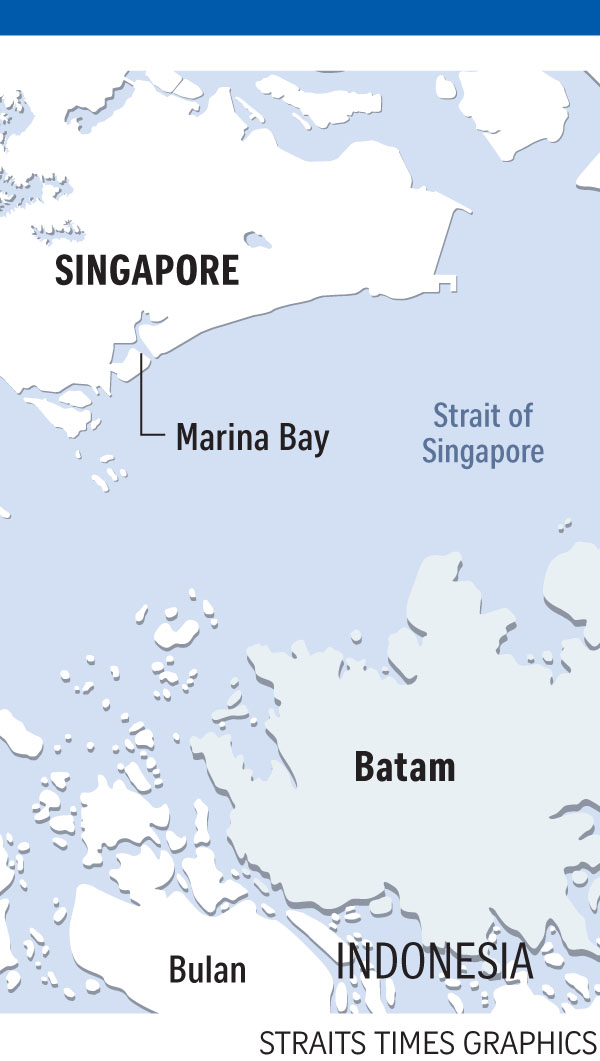
Though it is not known what kind of rockets the suspects planned to use, weapons and equipment editor Kelvin Wong of military publication IHS Jane’s told The Straits Times they would likely have needed a military-grade rocket able to travel the distance of around 25km between the Indonesian island and Singapore.

If they were building their own rocket, fine calculations would have been required.

“Building a rocket requires a high level of physics,” he said.

“There are also quite a lot of variables they need to account for – like wind direction, the launch angle, how much propellant to put in the rocket.”

Given the distance to Singapore, the suspects would also have needed rockets more powerful than the homemade Qassam ones fired by Hamas and Palestinian militants at Israel which have a maximum range of about 12km.

Reaching Singapore from Batam would require more powerful weaponry such as Katyusha-style, Grad and Chinese WS-1E rockets.

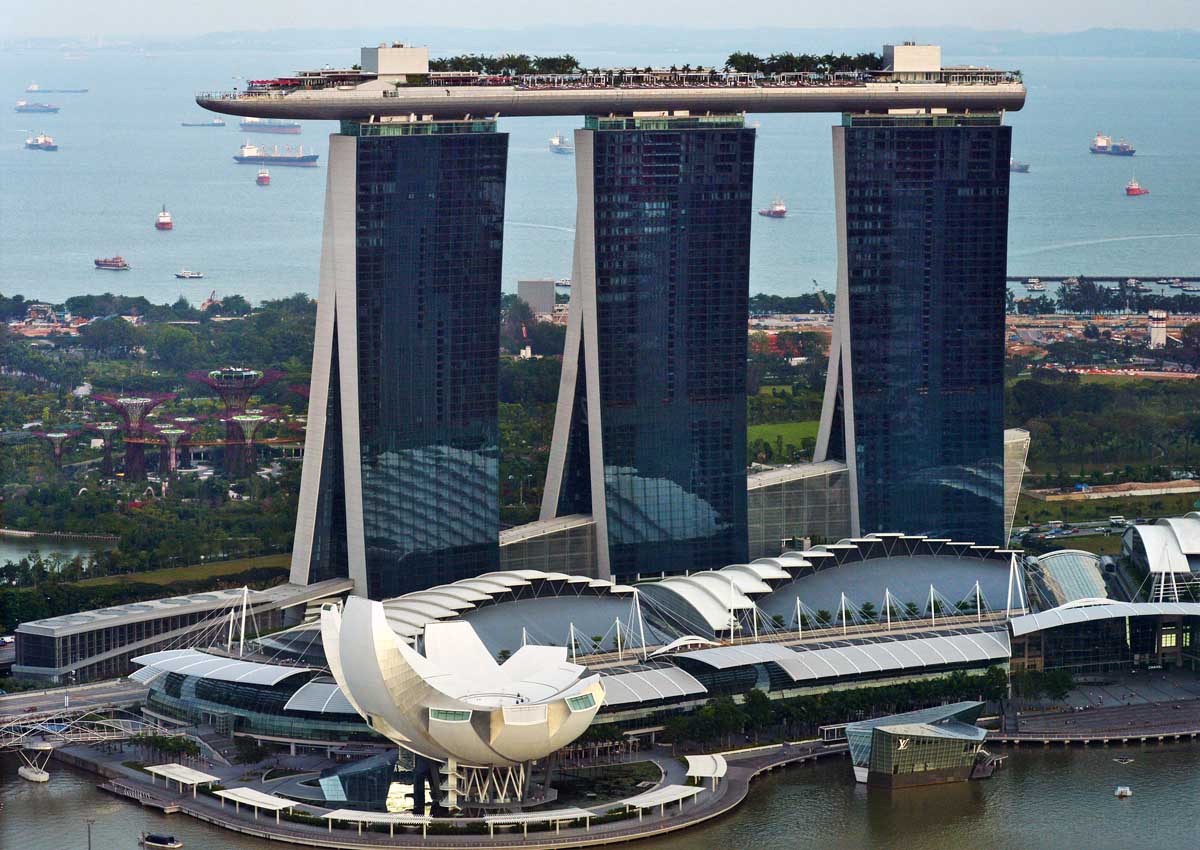
But S. Rajaratnam School of International Studies research fellow Wu Shang-su highlighted the possibility of attackers launching a rocket from a boat nearer to Singapore, possibly putting Marina Bay within range.

Batam’s terror links

August 2015

Dwi Djoko Wiwoho, director of the Indonesia Investment Coordinating Board’s licensing office in the Riau Islands, and his wife leave their house in Batam to join the Islamic State in Iraq and Syria (ISIS).

He was to return to work from leave on Sept 1.

February 2016

Four Indonesian followers of radical ideologue Aman Abdurrahman are deported from Singapore.

They had planned to use Batam and Bintan islands as transit points for others heading to the Middle East to join ISIS.

July 12, 2016

Indonesian police lower the terror alert levels in the Riau Islands after raising it following a bomb threat the previous week. A little-known militant group, Kelompok Islam Insaf, had sent two letters by local mail to the Singapore offices of ferry operators Horizon Fast Ferry and Batam Fast on July 4, threatening to strike tourist destinations such as Tanjung Pinang, Nagoya Hill mall in Batam, and key ports in Batam and Bintan.

Mid-July 2016

Indonesian intelligence is alerted that several Uighurs, a Turkic-Muslim ethnic group in China’s western region of Xinjiang, have entered the Riau Islands province. Uighur militants have been known to link up with extremist groups in Indonesia.

Aug 5, 2016

Indonesian police arrest six suspected militants in Batam.

The purported leader of the cell had plans to use a rocket to attack Marina Bay.


This article was first published on August 6, 2016.
Get a copy of The Straits Times or go to straitstimes.com for more stories.

Image: 
Publication Date: 
Saturday, August 6, 2016 – 14:00
Send to mobile app: 
Source: 


Story Type: 
Others

Source link

Japan marks Hiroshima bombing anniversary

0

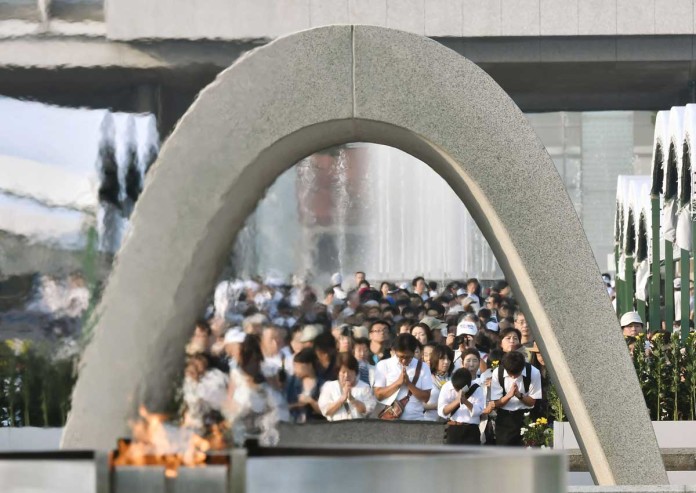
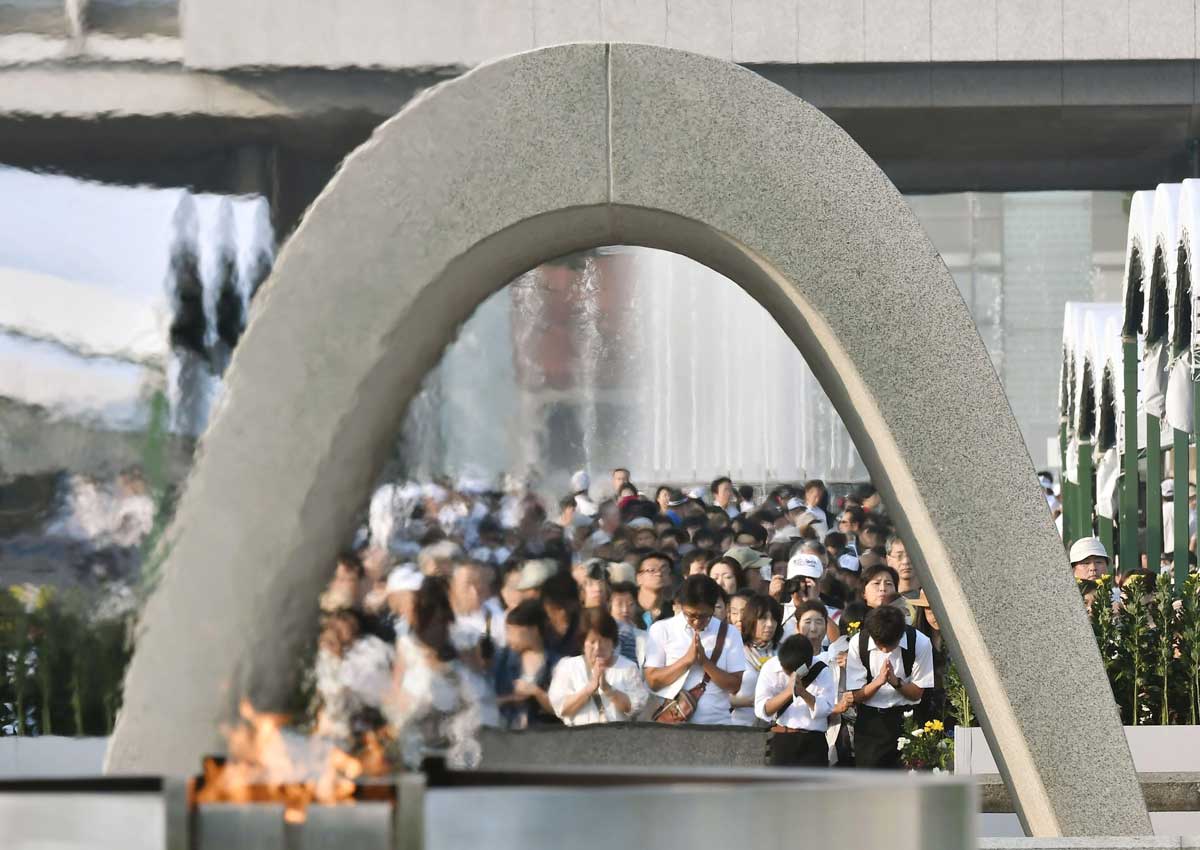
Tokyo – Japan on Saturday (Aug 6) marked 71 years since the city of Hiroshima was destroyed by a US atomic bomb, as its mayor urged the world to unite in abolishing nuclear weapons.

The annual ceremony came just months after Barack Obama became the first sitting US president to visit the western Japanese city, paying moving tribute to victims of the devastating bomb.

American B-29 bomber Enola Gay dropped its deadly payload, dubbed “Little Boy”, on Hiroshima at 8.15 am local time on Aug 6, 1945.

Much of the city was incinerated by a wall of heat up to 4,000 deg C – hot enough to melt steel – killing tens of thousands.

About 50,000 participants, including Prime Minister Shinzo Abe and representatives of more than 90 countries and regions, observed a minute’s silence at the exact time the atrocity occurred some seven decades ago.

During the solemn ceremony, Hiroshima mayor Kazumi Matsui recalled the visit by Obama in his peace declaration, citing the president’s historic speech.

“(His visit) was the proof that Hiroshima’s strong wish not to tolerate the ‘absolute evil’ was shared by President Obama,” he said.

The mayor urged the world to take action towards the abolition of “the ultimate form of inhumanity, united and with passion”.

Obama in May embraced survivors as he made his visit to the city and the Hiroshima Peace Memorial Park.

“71 years ago, death fell from the sky and the world was changed,” he said of the bomb, adding it “demonstrated that mankind possessed the means to destroy itself”.

Obama offered no apology for the bombings, having insisted he would not revisit decisions made by then president Harry Truman.

But his moving tribute and brief conversations with elderly survivors, which included an unexpected embrace with one of them, profoundly impressed most Japanese.

Abe, after lying a wreath of flowers, reiterated on Saturday that Tokyo will continue working to rid the world of nuclear weapons.

“I am convinced (Obama’s visit) brought a great hope for people in Japan, in the world and in Hiroshima and Nagasaki, who believe in a world without nuclear arms,” he said.

The bombing claimed the lives of 140,000 people. Some died immediately while others succumbed to injuries or radiation-related illnesses weeks, months and years later.

A second bomb destroyed the city of Nagasaki three days later. Japan announced its surrender in World War II on Aug 15.

Many in Japan feel the attacks amount to war crimes and atrocities because they targeted civilians and due to the unprecedented destructive nature of the weapons.

But many Americans believe they hastened the end of a bloody conflict, and ultimately saved lives, thus justifying the bombings.

Since Obama went to Hiroshima, the park and accompanying memorial museum have witnessed an increase in visitors.

But an association of atomic bomb survivors has criticised his speech, saying he failed to explicitly mention US responsibility for the bombing.

Abe last year faced harsh criticism, especially from A-bomb survivors, for his policy of expanding the role of Japan’s military and opening the door to possibly sending troops into combat for the first time since the war.

In his latest Cabinet reshuffle, Abe appointed nationalist confidante Tomomi Inada as Defence Minister.

Image: 
Category: 
Publication Date: 
Saturday, August 6, 2016 – 11:55
Send to mobile app: 
Source: 


Hermes ID: 
2 501 288
Hermes ID String: 
XHHIROSHIMA
Hermes Author: 
XIUHUIL
Story Type: 
Others

Source link

Rocket attack plot 'not to be taken lightly'

0

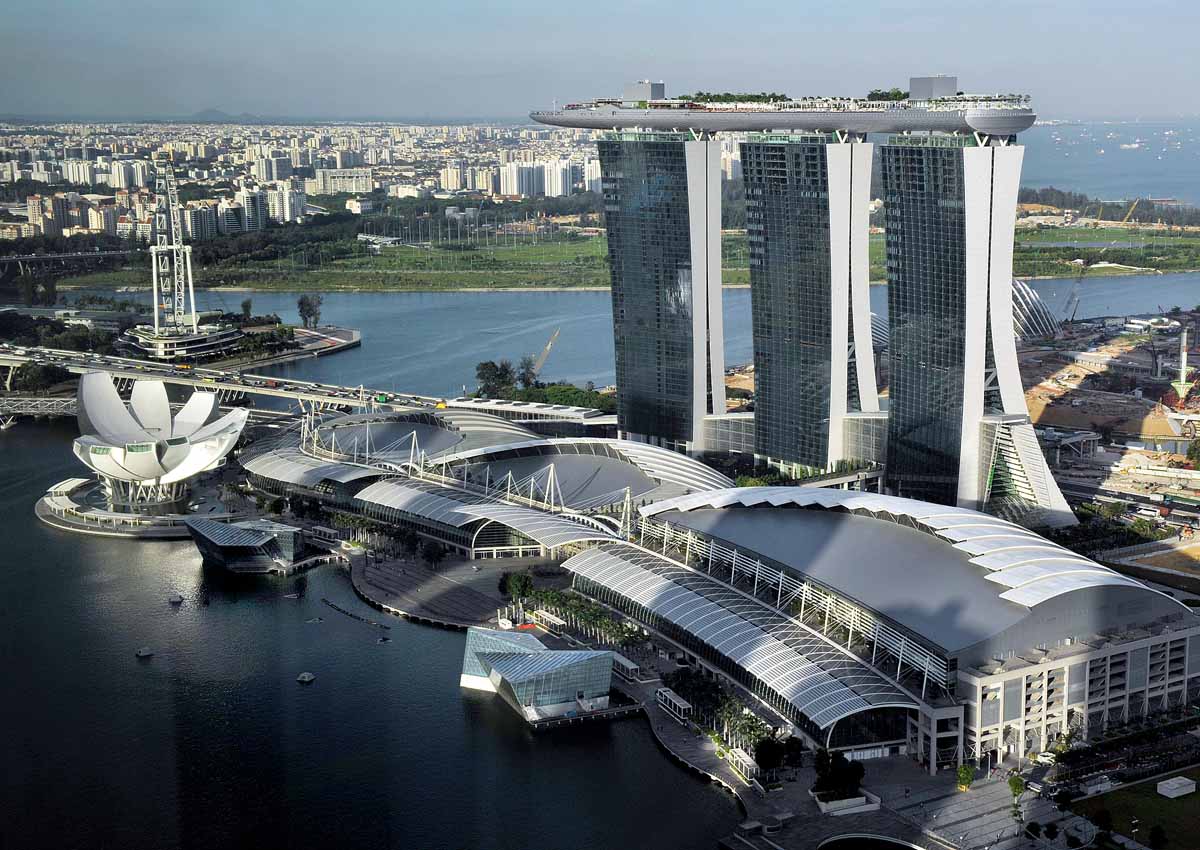
News of an Indonesian militant plot to fire a rocket to hit Singapore’s Marina Bay may seem like a far-fetched idea to some, but terror analysts say it is a “real possibility” and a threat not to be taken lightly.

And if the leader of the little- known terror group, Katibah GR or “Cell GR”, from the holiday island of Batam had succeeded in doing so, it would have been a “big achievement” for supporters of the Islamic State in Iraq and Syria (ISIS) in the region.

“Singapore is well known for being very careful and has very tight security. Terrorists hope to break it down.

“The attack, if launched successfully, would result in very strong resonance,” terrorism expert and Aceh university lecturer Al Chaidar told The Straits Times.

“It would be an important win, like the attack on the World Trade Center in the US.”

The group, led by 31-year-old factory worker Gigih Rahmat Dewa, comprises more than a dozen people and is “fairly new”, having been set up around 2014, Mr Al Chaidar said.

Analysts told The Straits Times that the group is linked to radical ideologue Aman Abdurrahman, who police said had a hand in plotting the Jan 14 terrorist attack in Jakarta, which killed eight people.

Aman was long suspected to have a role in the attack on the capital which was carried out by four militants under Indonesia’s Jemaah Anshar Khilafah terror network.

Indonesian police said yesterday that Gigih and a Syria-based Indonesian militant, Bahrun Naim, had plans to attack Marina Bay in Singapore.

Bahrun officially pledged himself to ISIS in 2014 and travelled to Syria last year after becoming a disciple of master recruiter Aman.

Indonesia’s security forces are focusing on domestic terror networks and smaller militant cells trying to take over the mantle from Jemaah Islamiah (JI).

Analysts noted that some of the group members rounded up are young – with the youngest being 19 – so they are “definitely not” recruits from JI.

They added that they were “surprised” to learn that the Batam cell was plotting to attack Singapore as its interest was really to fight alongside ISIS in Syria.

However, Mr Al Chaidar said rumours have swirled that Gigih’s group planned to hijack a boat and launch a homemade missile towards the Marina Bay area from sea, he said.

“They are not militants talking big.

“They do have the expertise since they have had industrial and technical jobs before. It’s not impossible,” he said.

Early last month, two chilling letters were sent by local mail to the Singapore offices of ferry operators Horizon Fast Ferry and Batam Fast, by a militant group called Kelompok Islam Insaf, threatening to strike popular tourist destinations such as Tanjung Pinang and the Nagoya Hill mall in Batam.

Indonesian police in the Riau Islands said a week later that the bomb threat no longer posed any immediate danger and lowered terror alert levels.

That was likely how the police uncovered the Batam cell, Mr Al Chaidar said.

Mr Taufik Andrie, a terrorism expert from the Institute for International Peace Building, told The Straits Times that Batam is a “hub” or gathering spot for Indonesian militants wanting to join the battle in Syria.

Gigih’s cell acts as a “connector”, helping them to make the trip illegally through Malaysia and Singapore.

He said Singapore is being targeted as it is considered to be “part of a global coalition against ISIS, even if the Singapore Government did not send people to directly fight in Syria”.

He said “it has been a while” since he last heard about plots to attack Singapore.

The last time was in 2002, when the Singapore authorities revealed that Yishun MRT station had been the target of a bomb plot by a terrorist cell.

Mr Taufik said he has not heard of terrorists wanting to launch an attack by firing a rocket, whether to Singapore or anywhere in Indonesia.

He said it is unlikely that a rocket could “fly across” from the Batam mainland to Singapore – whether hand-held or mounted on a vehicle – due to the distance of some 25km.

But he warned that an attack from sea is “highly possible”.

“We must remain vigilant and alert. We cannot underestimate them.

“After all, they are extremists. If they really want to do it, they will put in the effort,” he said.

“Every terrorist threat is important,” he added.

Analysts said the authorities in Indonesia, Malaysia and Singapore must step up joint sea patrols in the common waterways, as well as secure illegal ports in remote areas such as Aceh.

Regular spot checks must also be carried out on boats.

Indonesia has been the target of several terror threats in recent months, including lately from the East Indonesian Mujahidin extremist group.


This article was first published on August 6, 2016.
Get a copy of The Straits Times or go to straitstimes.com for more stories.

Image: 
Category: 
Publication Date: 
Saturday, August 6, 2016 – 14:00
Send to mobile app: 
Source: 


Story Type: 
Others

Source link

Ringleader of little-known Cell GR

0

Suspected Indonesian militant Gigih Rahmat Dewa is the ringleader of a little-known local terror cell called Katibah GR, or “Cell GR”.

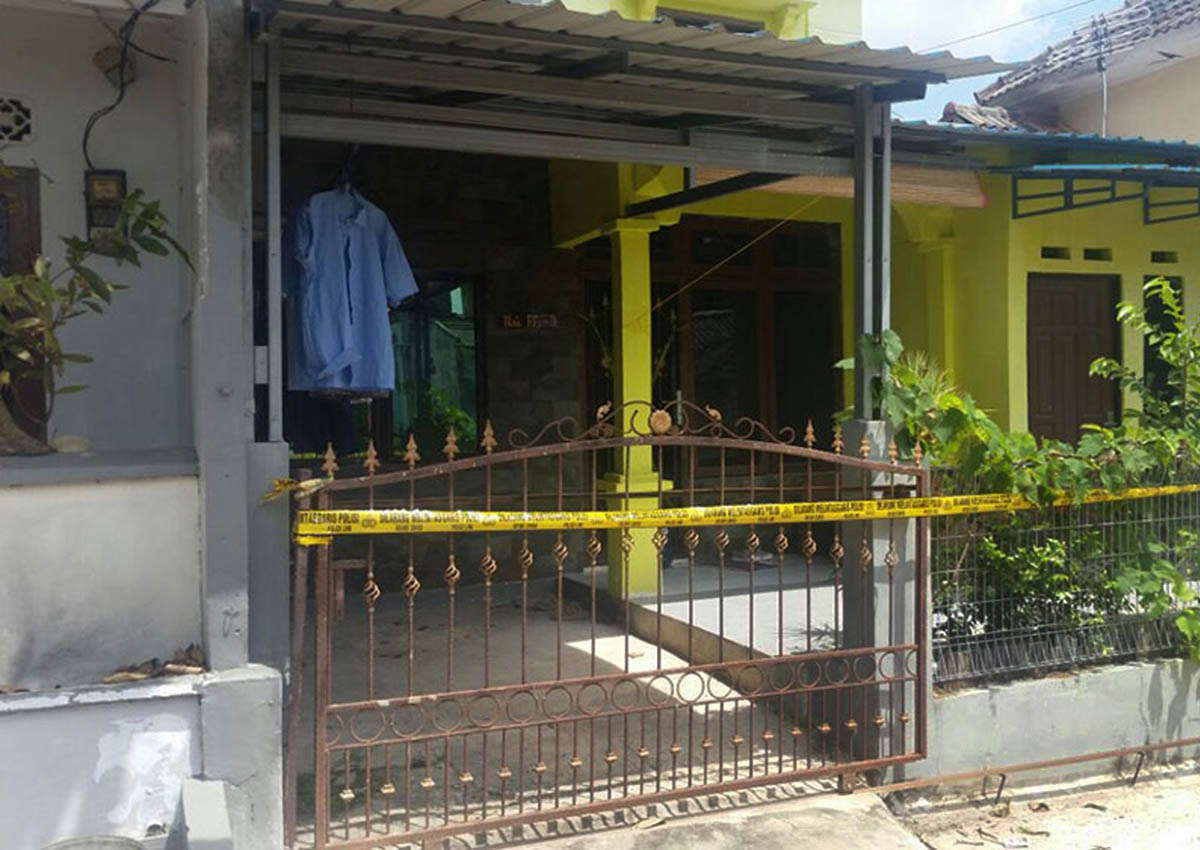
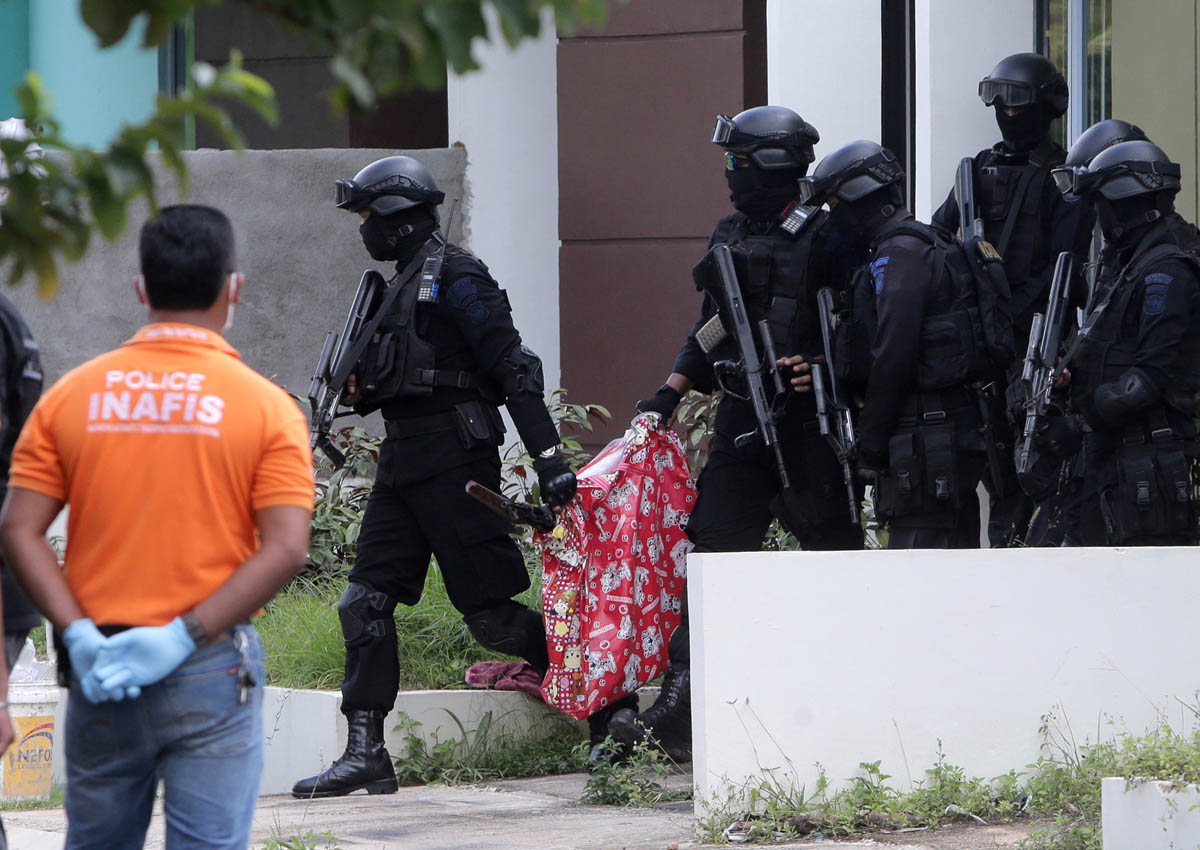
Indonesian police arrested him – along with his wife and baby – as well as five other cell members in raids on various locations on Batam Island yesterday.

Police said that besides having had plans “to launch a rocket from Batam to Marina Bay Singapore”, he was also said to have received and channelled funds for radical activities, and helped Indonesians make the trip to Syria, via Turkey, to fight with the Islamic State in Iraq and Syria (ISIS) militants.

The 31-year-old Solo native is said to be working for an elec- tronics factory in Batam.

He has been living in a house belonging to his older brother on the island since 2011.

The family kept to themselves and did not attend community gatherings, a neighbour, Ms Sundari, told reporters yesterday.

She also said the police told her they have seized some items from his house, including “a bomb which has already been assembled”.

Five others arrested

• Trio Syafrido, 46, bank officer

• Eka Saputra, 35, factory worker

• Hadi Gusti Yanda, 20, factory worker

• Tarmidzi, 21, factory worker

• Muhammad Tegar Sucianto, 19, factory worker


This article was first published on August 6, 2016.
Get a copy of The Straits Times or go to straitstimes.com for more stories.

Image: 
Category: 
Publication Date: 
Saturday, August 6, 2016 – 14:00
Send to mobile app: 
Source: 


Story Type: 
Others

Source link

Notorious militant's link to arrests

0

Indonesian militant Muhammad Bahrun Naim, whose name came up after yesterday’s arrests in Batam, has been in the news since 2010, when he was arrested for illegal possession of ammunition.

He is now said to be fighting alongside the Islamic State in Iraq and Syria (ISIS) in the Syrian city of Raqqa, the de facto capital of the terrorist organisation.

The 32-year-old is believed to be a leader among militants in the Katibah Nusantara, a South-east Asian military unit under ISIS that recruits militants from Indonesia, Malaysia and other parts of the region.

Yesterday, the Indonesian authorities said that Bahrun and Gigih Rahmat Dewa, the leader of a Batam cell who was arrested, had plans to attack Marina Bay in Singapore.

In March, Singapore’s Home Affairs Minister K. Shanmugam said in a speech that Bahrun was well-known to security agencies in the region, and was actively encouraging militants to launch attacks in Malaysia, Indonesia and Singapore.

In November 2010, Indonesian police’s elite counter-terrorism unit, Densus 88, arrested Bahrun and seized hundreds of bullets from his home.

He was jailed for 2 1/2 years.

The court, however, found insufficient evidence to pursue terror charges.

He disappeared after he served his time, and police believed he went to Syria.

But he remains in close contact with domestic terror cells and militants in Indonesia.

Bahrun is from Pekalongan in Central Java, and worked as a computer technician and ran an Internet cafe in the city of Solo.

Gigih is from Solo, also in Central Java.

Police believe Bahrun masterminded the brazen attack in Jakarta in January which killed eight people.

A police spokesman said at the time that Bahrun had sent money back to Indonesia to finance the attack.

Bahrun was believed to have also taught Nur Rohman, the suicide bomber who blew himself up near a police station in Solo on July 5, to build bombs.

A police officer was injured in the attack.

Indonesian police spokesman Agus Rianto yesterday said Bahrun had sent money to Gigih to finance radical activities.

“Gigih was to carry out attacks on several places on Bahrun’s order,” he added. These include suicide attacks targeting public places and police offices.

In a Telegram exchange with Reuters news agency on Nov 24 last year, Bahrun said there were more than enough ISIS supporters to “carry out an action” in Indonesia.

“Just waiting for the right trigger,” he reportedly said.

Not long after that Telegram exchange, intelligence officials began to pick up talk in social messaging chatrooms that an attack on Indonesia was imminent.

In the same exchange, Bahrun said he enjoyed life in Syria.

“I move around, depending on where our emir orders us to go. It’s good here in Syria.

“There’s electricity, accommodation, water, and it’s free.

“The services provided by them are good, cheaper than in Indonesia.”


This article was first published on August 6, 2016.
Get a copy of The Straits Times or go to straitstimes.com for more stories.

Image: 
Category: 
Publication Date: 
Saturday, August 6, 2016 – 14:00
Send to mobile app: 
Source: 


Story Type: 
Others

Source link

Singapore was aware of terror cell: Shanmugam

0

Singapore was aware of the group of militants based in Batam who were planning to attack Marina Bay, Home Affairs and Law Minister K. Shanmugam said yesterday.

The news that such a plot was being hatched so close to Singapore’s borders was no surprise, he added in reply to media queries after the Indonesian police arrested six members of the militant cell in Batam.

Mr Shanmugam had, in recent months, raised concerns about terrorists targeting Singapore from abroad, and who could try to enter the country or locate themselves just outside the country.

“Our small size increases these risks,” he said yesterday.

Apart from plotting the attack, the cell’s leader, 31-year-old Gigih Rahmat Dewa, was helping Indonesian fighters travel to Syria and was receiving funds from Syria-based militant Bahrun Naim for attacks.

Both Mr Shanmugam and Deputy Prime Minister Teo Chee Hean, who is Coordinating Minister for National Security, noted that Singapore’s security agencies and their Indonesian counterparts had coordinated closely to monitor the activities of the group and apprehend those involved.

The ministers said they were grateful for Indonesia’s co-operation and enforcement action.

Mr Teo said on Facebook that the police and other agencies have stepped up security measures in Singapore as well as at its borders.

“This development highlights the seriousness of the terrorism threat to Singapore, and the importance of the SG Secure national movement,” he added.

Prime Minister Lee Hsien Loong will launch SG Secure next month.

It aims to mobilise Singaporeans to be more conscious of security, respond to a terror attack and stay united as a society after an attack.

Defence Minister Ng Eng Hen said in a Facebook post that the arrests are a reminder that Singapore has to stay vigilant and keep improving its defence systems.

“Since 9/11, the SAF has paid very close attention to aerial threats and has upgraded our air defence systems,” he added, stressing the need for people to stay united.

Security analysts like Mr Jasminder Singh of the International Centre for Political Violence and Terrorism Research said the arrests are a reminder of the need to stay vigilant in the face of the terror threat.

Mr Singh said that while the actual risk of a successful rocket attack on Marina Bay is debatable, the threat of terrorism remains real given Singapore’s strong stance against terrorism and the Islamic State in Iraq and Syria (ISIS) group.

Referring to remarks Mr Lee made on an official visit to the United States this week, he said: “As Prime Minister Lee mentioned, Singapore being a target is not new – whether or not we are part of the US-led coalition against ISIS – because of what we represent: A harmonious multiracial and multi- religious country.”

The arrests underline the importance of intelligence sharing among governments in the region, he noted.

But a population that is alert to suspicious and radical activity is also needed to deter an attack.

This is why Ms Susan Sim, vice-president for Asia at security consultancy The Soufan Group, said SG Secure is crucial.

“It is a way to teach us to practise situational awareness so we don’t remain complacent or become paranoid, but can contribute meaningfully to keeping ourselves and everyone else around us safe,” she said.

Singapore’s low crime rate and high level of safety may lead some to assume that attacks may not happen here.

But Ms Sim noted that recent incidents in Germany and France, where attackers used knives and a truck respectively, show “the modus operandi of a terrorist is limited only by the imagination”.

“You don’t need sophisticated tools to launch an attack,” she said.

Reverend Bobby Lee, secretary of the Geylang Serai Inter-Racial and Religious Confidence Circle, said people need to realise that today’s peace “has to be guarded”.

“The public needs to realise that it is not just the police’s duty to protect us. We can’t think that we’ll just leave such matters to the experts,” he said.

“We have to have fortitude, be aware and remain vigilant.”


This article was first published on August 6, 2016.
Get a copy of The Straits Times or go to straitstimes.com for more stories.

Image: 
Category: 
Publication Date: 
Saturday, August 6, 2016 – 14:00
Send to mobile app: 
Source: 


Story Type: 
Others

Source link

Plot to attack Marina Bay with rocket from Batam foiled

0

The terror threat facing Singapore took on a more menacing face yesterday after six militants were arrested in Batam.

Police said their leader had been planning a rocket attack on Marina Bay together with a Syrian-based Indonesian ISIS militant.

The six men in Batam had been kept under watch for a while before they were arrested by Indonesian police in an early-morning raid.

Singapore Deputy Prime Minister Teo Chee Hean said on Facebook: “Our security agencies have been coordinating closely with the Indonesian authorities to monitor the activities of this group and to apprehend those involved.

“We are grateful for the good co-operation by the Indonesian authorities and their actions to apprehend the group.”

In response to this threat and the prevailing security situation, police and other agencies have been stepping up inland and border security measures, said Mr Teo.

“This development highlights the seriousness of the terrorism threat to Singapore,” he said.


Home Affairs Minister K. Shanmugam said the six “were thinking of attacking Marina Bay with rockets”, and “this shows how our enemies are thinking of different ways of attacking us”.

He drew a parallel with Molenbeek, the Belgian town from which terrorists planned their assault on Paris last November and, in a series of coordinated attacks, killed 130 people.

“There are several possible Molenbeeks around us from which attacks can be launched on Singapore.

“These include the Riau Islands,” he said.

The islands are a short boat ride from Singapore and include Batam, where the six members of a little-known terror cell called Katibah GR, or Cell GR, were picked up yesterday by Indonesia’s elite counter-terrorism unit Densus 88 along with the local police.

Five of those arrested work in electronics factories and one at a bank.

They are between 19 and 46 years old. Their leader, Gigih Rahmat Dewa, 31, was nabbed at his house, where he lived with his wife and baby.

Indonesia’s national police spokesman Boy Rafli Amar told reporters in Jakarta that Gigih “had planned to launch a rocket from Batam to Marina Bay Singapore”.

He had planned this with Bahrun Naim, an Indonesian militant believed to have been fighting alongside the Islamic State in Iraq and Syria in the Syrian city of Raqqa.

Police said Gigih took orders from Bahrun, and among their plans was to attack public areas.

The two men were also part of the larger terror narrative unfolding in Indonesia.

The cell was suspected of harbouring Uighurs, the Muslim ethnic group from China, some of whose members have joined extremists in Indonesia.

It had also received funds to send fighters to Syria.

Mr Shanmugam said that in addition to lone wolves and radicalised groups, the terrorist threat to Singapore now also came from those seeking to come in through its checkpoints and those who would try to launch attacks from just outside.

Defence Minister Ng Eng Hen said: “We should assume that there may be more plots, other terror cells on the lookout for ways, and new munitions to penetrate our defences.

“Terrorism is a global problem and no country is immune.”


This article was first published on August 6, 2016.
Get a copy of The Straits Times or go to straitstimes.com for more stories.



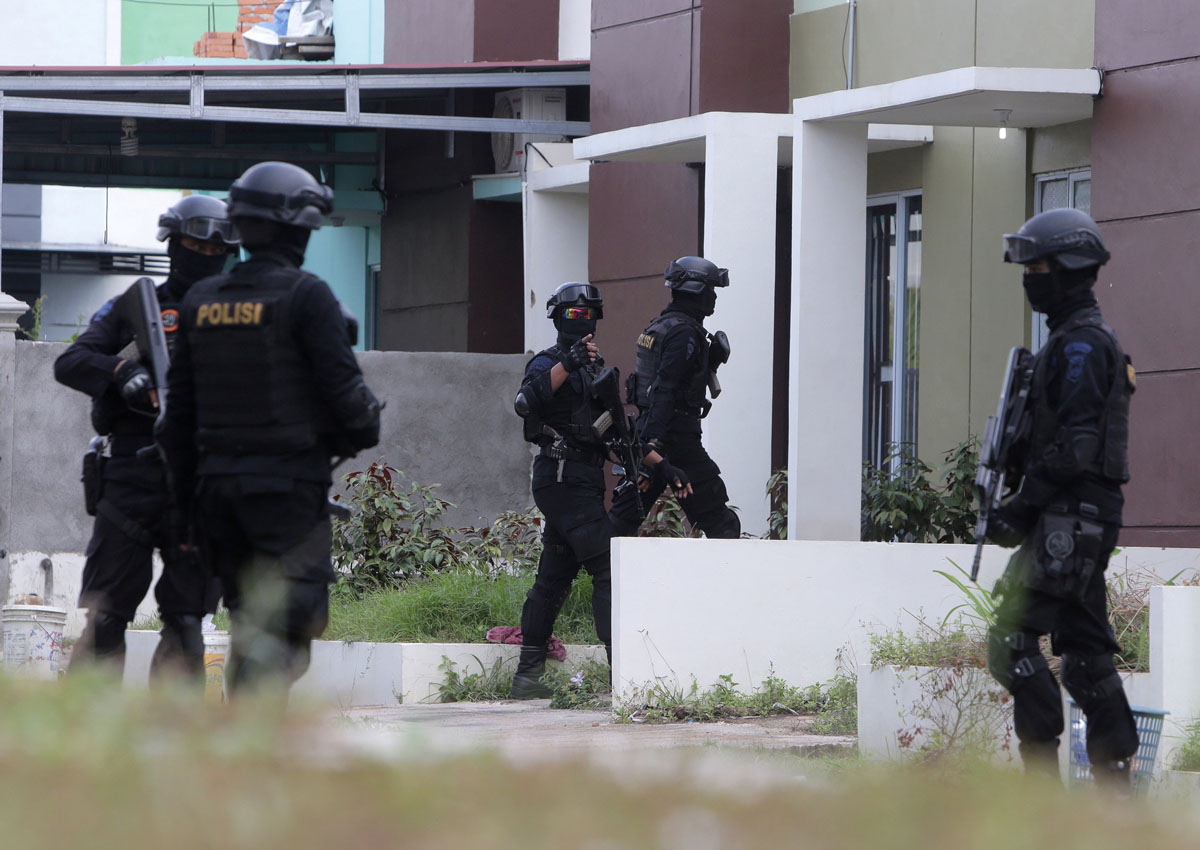
Image: 
Category: 
Publication Date: 
Saturday, August 6, 2016 – 14:00
Send to mobile app: 
Source: 


Story Type: 
Others

Source link

Pokémon GO Now Available in Singapore from 6 Aug 2016

0

You can now officially download Pokemon Go in Singapore

Pokémon GO Now Available in Singapore from 6 Aug 2016

Folks in Singapore can now officially download Pokémon GO from the Play Store or App Store. Discover Pokémon in the world around you!

Source

Rio Olympics 2016: Flag-Bearer Parade

0

Send to mobile app: 

Source link