Home Blog Page 3087

Fatal row: 2 houses of victim sold

0

Dark events overshadow the recent sale of two Good Class Bungalows (GCBs) – the most prestigious type of property in Singapore.

The two GCBs, said to have fetched about $35.8 million in total, form part of the estate of Mr Tan Kok Keng, whose son faces a charge of culpable homicide over his death.

One GCB is in Gallop Park and the other is in Victoria Park Close – both off Farrer Road.

Mr Tan, 67, died following an altercation at a semi-detached house in West Coast Rise in February last year. He was involved in several shipping-related businesses.

His son, Mark Tan Peng Liat, 30, is accused of putting a fatal headlock and chokehold on his father, after an argument between the two escalated into violence.

His trial, which got under way in the State Courts last month, is expected to resume next month. He is out on bail.

The Gallop Park GCB was sold for $16.8 million around July 6 to Mr Chua Soon Hock, who used to head fund management firm Asia Genesis Asset Management.

According to the caveat lodged, Mark Tan acted as one of two trustees of the estate in the sale.

The price works out to about $1,030 per sq ft (psf) of land. It is not known if the younger Tan is entitled to the sale proceeds, although next-of-kin are typically beneficiaries of such sales. He has a sister.

The Victoria Park Close GCB is said to have been sold recently for about $19 million, or slightly less than $1,000 psf of land.

The prices of the two properties are regarded by agents as being on the lower side.

The Victoria Park Close house is on a downward slope, which could explain the lower premium. As this was an estate sale – the sale of assets owned by the deceased – the sellers may also have been minded to achieve a quick sale, property agents noted.

There are just 2,400 GCBs in 39 gazetted areas islandwide. GCBs have a minimum land area of 1,400 sq m, or 15,069 sq ft.

Another recent sale of GCB land was at Eden Hall, the official residence of the British High Commissioner.

Two plots at the originally over 200,000 sq ft site were carved out and put up for sale early this year.

Developer OUE said on Thursday night it will pay about $56.58 million for the freehold parcels in Nassim Road, or about $1,652 psf.


This article was first published on August 20, 2016.
Get a copy of The Straits Times or go to straitstimes.com for more stories.
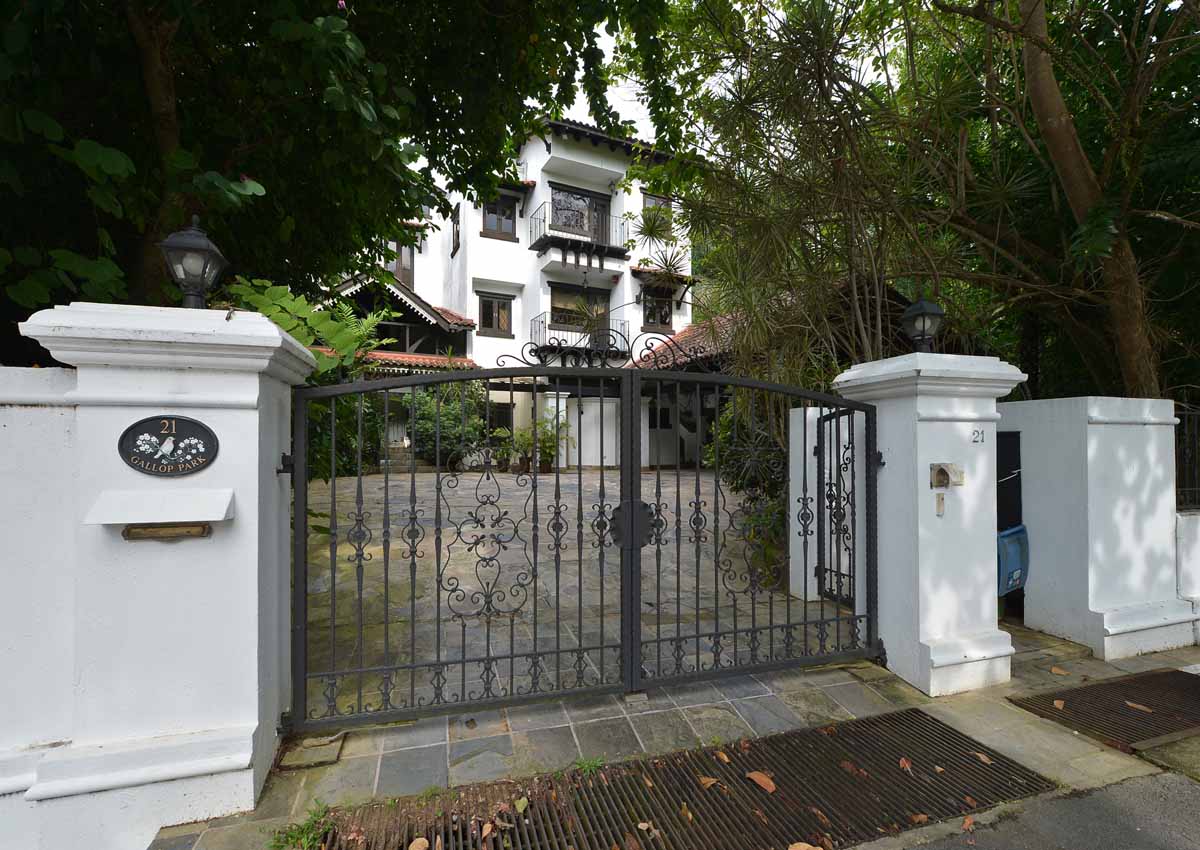
Image: 
Category: 
Publication Date: 
Sunday, August 21, 2016 – 14:00
Send to mobile app: 
Source: 


Story Type: 
Others

Source link

New migrants from China perceived as more racist

0

Singaporeans think new migrants from China are more racist compared with migrants from India and the Philippines, a survey has found.

This group of Chinese is also perceived to be more racist than the three main races of Singapore.

The findings show about 65 per cent of Singapore residents feel the Chinese migrants are at best, mildly racist. The corresponding figures for the Indian and Filipino migrants are 54 per cent and 56 per cent.

The survey on race relations, commissioned by Channel NewsAsia and the Institute of Policy Studies, had asked 2,000 Singapore residents how they perceive the racism of the new migrants from India, China and the Philippines.

The residents had to select from five options: very racist, moderately racist, mildly racist, hardly racist and not racist.

They were also asked for their perception of how racist Singaporean Chinese, Malays and Indians are.

More than half of them view Singaporean Chinese (56 per cent) and Malays (53 per cent) as being at least mildly racist.

Almost half see Singaporean Indians as being at least mildly racist.

Participants were also asked what constitutes racism. More than 70 per cent feel if a person remarks that people of a particular race are normally dirty, lazy or money-minded, or does not hire someone because of the person’s race or religion, then that person is a racist.

But only 37 per cent feel that speaking with a person of a different race in a language they are not familiar with as being racist.

National University of Singapore sociologist Paulin Straughan said that the survey “is teasing out our prejudices”.

“One can only make such generalised statements about people from China when there is an information gap, and people rely on hearsay,” she said.

Education and giving people the chance to interact with those from other races and nationalities are ways to counter such prejudices, she said. “If you have friends from a particular race or nationality, you will be more careful with the way you talk about them,” she said.


This article was first published on Aug 20, 2016.
Get a copy of The Straits Times or go to straitstimes.com for more stories.

Category: 
Publication Date: 
Saturday, August 20, 2016 – 17:00
Keywords: 
Send to mobile app: 
Source: 


Story Type: 
Others

Source link

Olympics: Bolt 'the greatest' bows out with nine golds

0

Rio de Janeiro – Usain Bolt bid farewell to the Olympics by powering to a record third straight sweep of the sprint medals and a final chance to declare himself “the greatest.” No one had the power on the track nor the courage off it to contradict the 29-year-old whose blistering run gave Jamaica victory in the 4x100m relay.

Allyson Felix hit her own landmark with a fifth gold as the US women won their 4x100m relay, a day after winning a reprieve into the final.

The track drama Friday and the prospect of a Brazil football final on Saturday almost overcame the shame felt by many Olympians after star swimmer Ryan Lochte had to apologise for inventing a story that he had been mugged in Rio.

Victory was not guaranteed when Bolt took the baton for the anchor leg, but he powered down the straight to cross in 37.27sec before soaking up the acclaim from an adoring crowd. A surprise Japan quartet came second, followed by the United States, who were disqualified to give Canada bronze.

A third straight 100m, 200m and 4x100m clean sweep put Bolt alongside Carl Lewis and Paavo Nurmi on nine track and field Olympic golds.

Bolt, who said at the start of the week that he would be an “immortal” if he claimed the ‘triple triple,’ had no doubt that he deserves more acclaim.

“There you go. I’m the greatest,” said the Jamaican, who kissed the finish line as he played to the crowd and the cameras.

And how did he achieve greatness?

“Dedication. I wanted it the most. I was never satisfied.” “I hope I’ve set the bar high enough that no one can do it again,” said Bolt whose departure is a second blow to the Olympics after the retirement of swimming legend Michael Phelps with his 23 career golds.

The United States women’s sprint team brilliantly beat Jamaica to complete a remarkable comeback from disqualification.

Felix, long jump gold medallist Tianna Bartoletta, English Gardner and Tori Bowie combined to clock the second fastest 4x100m relay ever run, in 41.01 seconds. Felix is the first women athlete to reach five golds.

The US team were forced into a solo re-run of their qualifier on Thursday, having overturned a disqualification for a dropped baton exchange between Felix and Gardner.

“It felt like we were really strong tonight. The adversity yesterday made us even more determined and we kept fighting the whole way through,” said Felix.

Greece’s Ekaterini Stefanidi won the women’s pole vault after virus-stricken defending champion Jenn Suhr crashed out.

Kenyan former world champion Vivian Cheruiyot reeled in 10,000m champion Almaz Ayana of Ethiopia to win the women’s 5,000m title.

Off the track, six-gold medal swimmer Lochte apologized for inventing a story about an armed mugging to cover up an act of vandalism at a Rio gas station.

Apart from criticism in the United States, Lochte and three other swimmers with him face an International Olympic Committee disciplinary inquiry.

“The commission members can ask to hear the swimmers and we will see if there is material for a sanction,” an IOC official told AFP.

Among 22 golds decided on Friday, Spain’s Carolina Marin beat India’s P.V. Sindhu in three games to become the first non-Asian badminton women’s singles champion.

Sindhu was not too disappointed. “I’m the first Indian woman to get a silver medal at the Olympics so that’s a great thing for me,” she beamed.

Estelle Mossely celebrated her 24th birthday by beating China’s Yin Junhua to become the first Frenchwoman to win Olympic boxing gold.

In stifling heat, world champion Matej Toth won a gruelling 50km walk littered with casualties including France’s Yohann Diniz, who soldiered on to finish seventh despite severe intestinal problems.

The United States’ NBA stars beat Spain 82-76 to go into a men’s basketball final on Sunday against Serbia, who beat Australia 87-61.

Another 30 golds will be up for grabs Saturday when Brazil’s soccer star Neymar takes centre-stage as his country play Germany in the final.

The match at the Maracana comes two years after Germany humiliated the hosts 7-1 in the World Cup semi-final at the same legendary stadium.

South Korea’s Park In-Bee goes into the last day of the women’s golf -returning to the Olympics after 112 years – with a two stroke lead over New Zealand’s world number one Lydia Ko.

The 19-year-old Ko hit her first ever hole-in-one on Friday to keep up the pressure.

Image: 
Category: 
Publication Date: 
Saturday, August 20, 2016 – 15:35
Send to mobile app: 
Source: 


Hermes ID: 
2 536 633
Hermes ID String: 
AS0820-BOLT
Hermes Author: 
SSANDREA
Story Type: 
Others

Source link

More police patrols in Pokemon Go hot spot

0

The Pokemon Go craze in Hougang has prompted police to step up patrols there “to monitor the situation for any law and order concerns”.

The police have also put up advisories at the Pokemon hot spot in Hougang Avenue 10, urging players to practise road safety, not to trespass on private property and not to litter, they told The Straits Times.

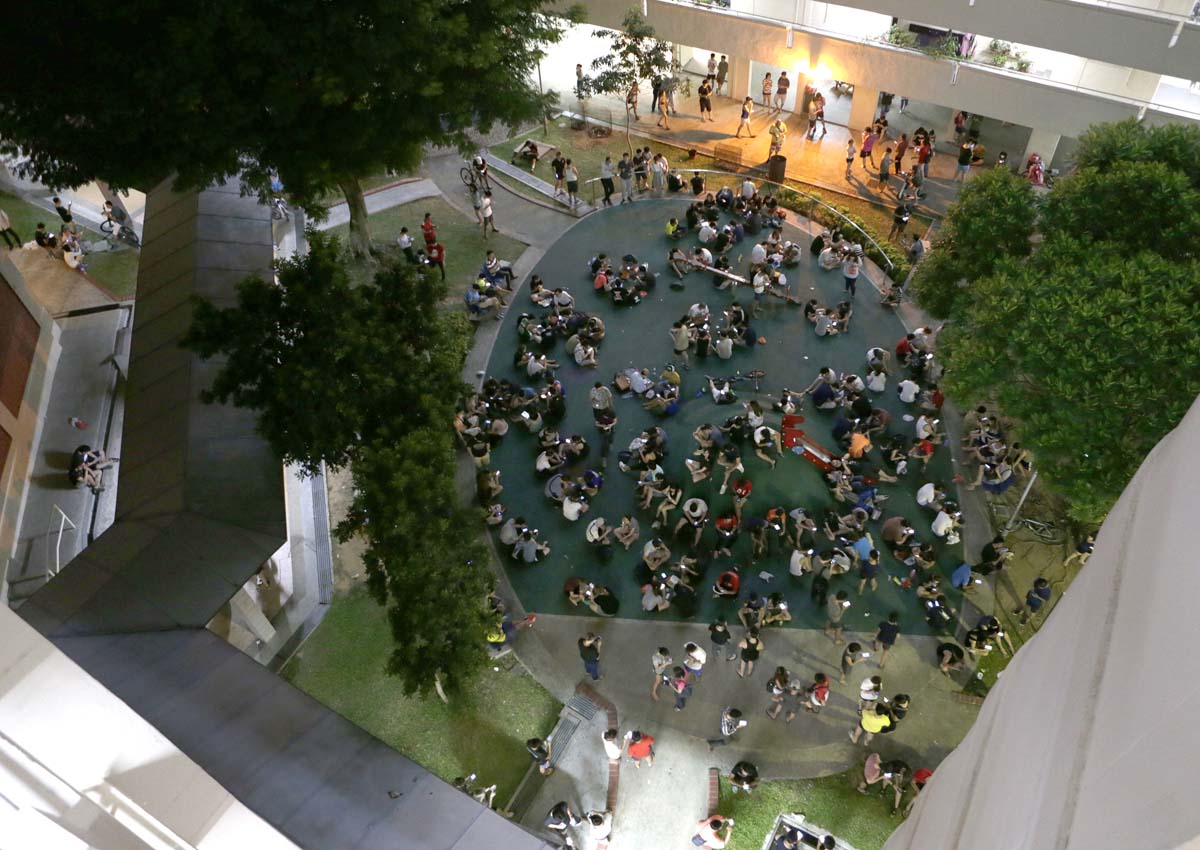
Since the game’s launch in Singapore on Aug 6, crowds have gathered daily at the Hougang hot spot, mainly at the amphitheatre and playground between Blocks 401 and 415, a strategic place for catching the game’s virtual monsters.

This has left residents fuming as some players hog parking spaces for residents or park illegally, blocking the roads.

Some of the residents have complained of having their sleep disrupted by the shouting and screaming that continue into the wee hours of the night.

“In the evening, it’s very crowded, until midnight, and it’s very noisy,” said service engineer Lim Pit Wee, 35, who lives on the fourth floor of Block 401.

“It’s very hard for us to find parking spaces. We sometimes have to park a few blocks away from here.”

Residents also voiced concerns about some players lingering at the common corridors and stairwells of nearby blocks to catch Pokemon.

Jeff, a manager who lives on the fifth floor of Block 415 and who declined to give his last name, said: “I like to leave my main door open for the cool air to blow in at night, but sometimes they peek into my home, so it feels like they’re invading my privacy.”

When ST visited on Tuesday and Wednesday nights, players were seen leaning against the common corridor railings.

Residents said litter has also become a problem, especially at the amphitheatre and playground.

When contacted, a spokesman for the Aljunied-Hougang Town Council, run by the Workers’ Party, said it has arranged for cleaners to sweep and clear the bins in the area more frequently.

It also acknowledged “civic- minded and helpful Pokefans who took it upon themselves to clear up after the crowd”.

Residents interviewed agree that it is the inconsiderate behaviour of a few that has given Pokemon Go players there a bad name.

Jeff, himself a Pokemon Go player, urged fellow players to be responsible.

“I understand their excitement and it’s fine if they want to play there, but please be responsible… Clear up your rubbish.”

Insurance broker James Tan, 28, who visits the Hougang hot spot to play the game, said he tries his best to be considerate.

“I don’t stay there past midnight and I try not to be noisy.”

According to Shin Min Daily News, some people have approached shop owners at the nearby blocks to rent the space in front of their shops to sell drinks, and even mobile phone chargers, to Pokemon Go players.


This article was first published on August 20, 2016.
Get a copy of The Straits Times or go to straitstimes.com for more stories.

Image: 
Category: 
Publication Date: 
Sunday, August 21, 2016 – 12:00
Send to mobile app: 
Source: 


Story Type: 
Others

Source link

Gyms see rise in sign-ups after closure of California Fitness

0

Some of the estimated 27,000 California Fitness members left adrift following the gym chain’s abrupt closure last month have found new workout homes, with gym operators reporting an increase in membership sign-ups.

True Fitness, which has six outlets here, told The Straits Times about 2,000 former California Fitness members had taken up its one-month free trial in the last month. Close to 900 signed up for membership packages after discounted rates were offered, said a spokesman.

HomeTeamNS, an association for national servicemen in the police and Singapore Civil Defence Force, offered affected members up to six months free use of the Fitness Workz gyms in its Bukit Batok and Balestier clubhouses.

It received over 200 queries and walk-in applications, and 25 eligible members signed up with the scheme, said a spokesman.

Fitness First, which has 16 outlets, offered discounted membership fees to displaced members for 10 days after California Fitness shut its last two gyms in Novena and Bugis on July 20.

Its managing director for Singapore, Mr Andrew Phillips, said the discounts and sign-ups were on a par with other promotions offered throughout the year.

A report by liquidators last week revealed that California Fitness members are owed $20.8 million in unused gym access and unredeemed personal training sessions, with little hope of recovering their losses.

However, some members of True Fitness and Fitness First are complaining of overcrowding with the influx of new members.

Private banker Fiona Lee, who has been a True Fitness member for over four years, said the outlets she frequents in Ang Mo Kio, Chevron House and Suntec City have been more crowded in the last month.

Fitness class slots are snapped up within minutes, with long waiting lists, said Ms Lee, 46.

Fitness First member Alvin Aw said gyms in the Raffles Place and Orchard Road areas were swamped during the last two weeks of July, with full classes and a shortage of lockers. But the crowd has since thinned, said the 38-year-old marketing manager.

True Fitness said its Suntec City and Chevron House outlets near former California Fitness centres saw the highest increase in membership sign-ups.

It has added about 200 classes monthly across its centres to cater to the increase in users, it said.

Fitness First said there were more users in two of its clubs in the Central Business District last month, while improvements were being carried out at its Capital Tower outlet – re-launched yesterday as a tailored sports performance centre – and because of the closure of California Fitness’ Raffles Place outlet.

It has increased the number of staff and classes at the more popular clubs, and made more towels available.

Several gyms have also announced expansion plans to cater to increased demand.

Fitness First will be opening a centre at Bugis Junction next March, and has plans to expand its heartland reach.

True Fitness will be opening an 18,000 sq ft facility at Viva Business Park in Chai Chee later this year, with a new functional training system and aerial yoga classes.

Virgin Active, which has one club at Raffles Place, will open two more by next year.

Mr Joseph Lee, who paid $5,000 for a lifetime membership at California Fitness, said he is considering True Fitness’ one-month trial.

Said the 35-year-old public servant: “I’m looking for another gym, but I will be more wary of lifetime memberships and upfront payments.”


This article was first published on August 20, 2016.
Get a copy of The Straits Times or go to straitstimes.com for more stories.

Image: 
Category: 
Publication Date: 
Sunday, August 21, 2016 – 10:00
Send to mobile app: 
Source: 


Story Type: 
Others

Source link

Thailand rejects request to extradite Holland Village bank robbery suspect

0

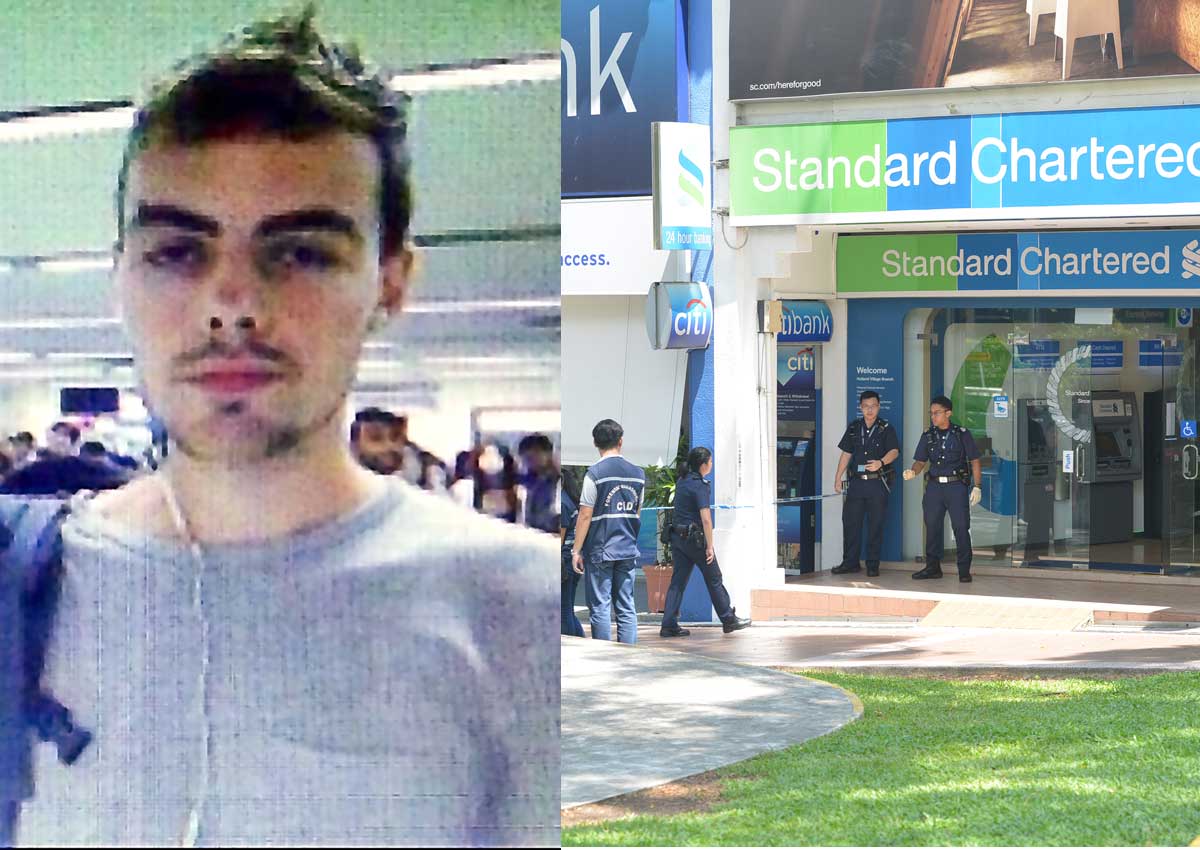
Singapore’s efforts to extradite a suspect in the Holland Village bank heist have hit a snag in Thailand. The Attorney-General’s Office in Bangkok has rejected its request for Canadian national David James Roach.

“We denied it because we are not in the position to consider it,” said Mr Amnat Chotchai, director-general of the international affairs department at the Attorney General’s Office. He did not elaborate on the reasons.

Roach, 27, is accused of robbing the Holland Village branch of Standard Chartered Bank on July 7, by allegedly handing the teller a note which said he had a weapon.

He flew from Singapore to Bangkok on the day of the robbery, but was detained by Thai police three days later. The Thai authorities revoked his right to stay here, and he has been held at Bangkok’s immigration detention centre since then.

It is unclear if there are other avenues that would allow Roach to be flown from Bangkok to Singapore to face trial. The two countries have not signed an extradition treaty.

As an immigration offender in Thailand, he would be deported back to Canada if he cannot be extradited. This would mean Singapore would have to pursue the case with Canadian officials. But that could be complicated by the lack of an extradition treaty between the two countries.

Thailand’s immigration police chief Nathathorn Prousoontorn said he was waiting for a final decision on the matter, but could not hold Roach for much longer. Thai police are required to deport immigration offenders as soon as it is reasonable to do so.

“The Canadian government wants us to deport him back to Canada,” he told The Straits Times. “Immigration (police) can’t detain him for a long time. It has been a month. We have to make a decision.”

According to Mr Amnat, the Attorney-General’s Office was now processing a request by Singapore police to examine the items found on Roach in Thailand. This has not been concluded, he said.

Singapore police, when contacted, said they are still working with the Thai authorities on the matter.

Roach was arrested on July 9 in Bangkok’s Boxpackers Hostel after Singapore police alerted their Thai counterparts. Thai police said he was found with 700,000 baht (S$27,000) in cash, as well as a notebook containing a detailed escape plan that included stopovers in Chiang Mai and Dubai. Also in the notebook was the same message found on the note used in the robbery.

While the contents of the note have never been made public, it has been reported by Shin Min Daily News as: “This is a robbery, I have a weapon, give me money, don’t call police.” The teller handed over $30,000 before alerting the police.

• Additional reporting by Danson Cheong


This article was first published on Aug 20, 2016.
Get a copy of The Straits Times or go to straitstimes.com for more stories.

Image: 
Category: 
Publication Date: 
Saturday, August 20, 2016 – 16:00
Keywords: 
Send to mobile app: 
Source: 


Story Type: 
Others

Source link

Same-race marriages still a preference for majority

0

When Ms Eileen Lim told her family that she was dating a Malay man, two of her eight older sisters objected to it.

“They were worried he would take more than one wife. They also told me it was not easy to convert to Islam,” said Ms Lim, whose parents are dead.

Today, nine years later, the stay-home mum has three girls and two boys with her husband Mirza Sutresno, 34, who is a consultant in a maid agency.

“My sisters eventually accepted our marriage, and our families get together whenever we can,” said Ms Lim, 37.

Her marriage goes against the preference of most Chinese, Malays and Indians polled in a recent survey on race issues.

The majority of the 2,000 Singapore residents surveyed said they preferred someone of the same race marrying into their family.

This is despite the jump in the number of inter-ethnic marriages in Singapore. Last year, such marriages made up 21.5 per cent of all marriages, up from 14.9 per cent in 2005.

The survey commissioned by Channel NewsAsia and conducted by the Institute of Policy Studies found that 98 per cent of Chinese prefer a Singaporean Chinese marrying into their family. Their preference for a Singaporean Malay is 24 per cent and Singaporean Indian, 21 per cent.

As for Malays, 95 per cent prefer a Singaporean Malay marrying into their family, while 63 per cent accept a Singaporean Chinese and 41 per cent, a Singaporean Indian.

With the Indians, 86 per cent prefer a Singaporean Indian marrying into their family, while 50 per cent are open to a Singaporean Chinese and 30 per cent, a Singaporean Malay.

The study also surveyed people on their racial preference when it comes to personal relationships, economic activity, social interaction and provision of services.

Participants were asked who they would share their personal problems with, ask for •help to manage their business, invite home for a meal, allow to play with their children or grandchildren, and engage to tutor their children or grandchildren in mathematics.

In each and every case, the preference was for someone of the same race. But as the activity or interaction becomes less personal, the acceptability level for another race becomes stronger.

For instance, 70 per cent of Chinese are fine with their children or grandchildren playing with Singaporean Malays and Indians.

With the Malays and Indians, it is 87 per cent for Singaporean Chinese.

Even in engaging a maths tutor, 97 per cent of Chinese want a Singaporean Chinese, 51 per cent a Singaporean Malay and 57 per cent a Singaporean Indian.

With the Indians and Malays, the corresponding figures for having a Singaporean Chinese tutor are 85 per cent and 88 per cent.

And 86 per cent of Malays want a Malay tutor and 78 per cent of Indians want an Indian tutor.

National University of Singapore sociologist Paulin Straughan said the findings highlight the importance of not leaving inter-racial relationships to chance. “We have to talk about multi-culturalism.The more we know of and about each other, the less apprehension we have,” she said.

As for marrying within the race, she said: “When people articulate their preference for such in-group relationships, it may not mean they have ill thoughts towards the alternative.”

It could suggest knowledge gaps in people’s understanding of the different ethnic groups, she added.

Mr Mirza said some of his in-laws think Malays are not hardworking. “I told myself to just do my best. People can tell,” he said.

There was also some friction between Ms Lim and her mother-in-law initially, when she stumbled over some Islamic practices.

She credits YouTube as the best resource to learn about Islam.

“I learnt how to wear the tudung, how to pray and why we should pray through the videos,” she said.

“But my understanding of Islam is still very basic. There is so much more to learn.”


This article was first published on Aug 20, 2016.
Get a copy of The Straits Times or go to straitstimes.com for more stories.

Image: 
Category: 
Publication Date: 
Saturday, August 20, 2016 – 16:00
Send to mobile app: 
Source: 


Story Type: 
Others

Source link

Taipei fire survivor enters NUS med school

0

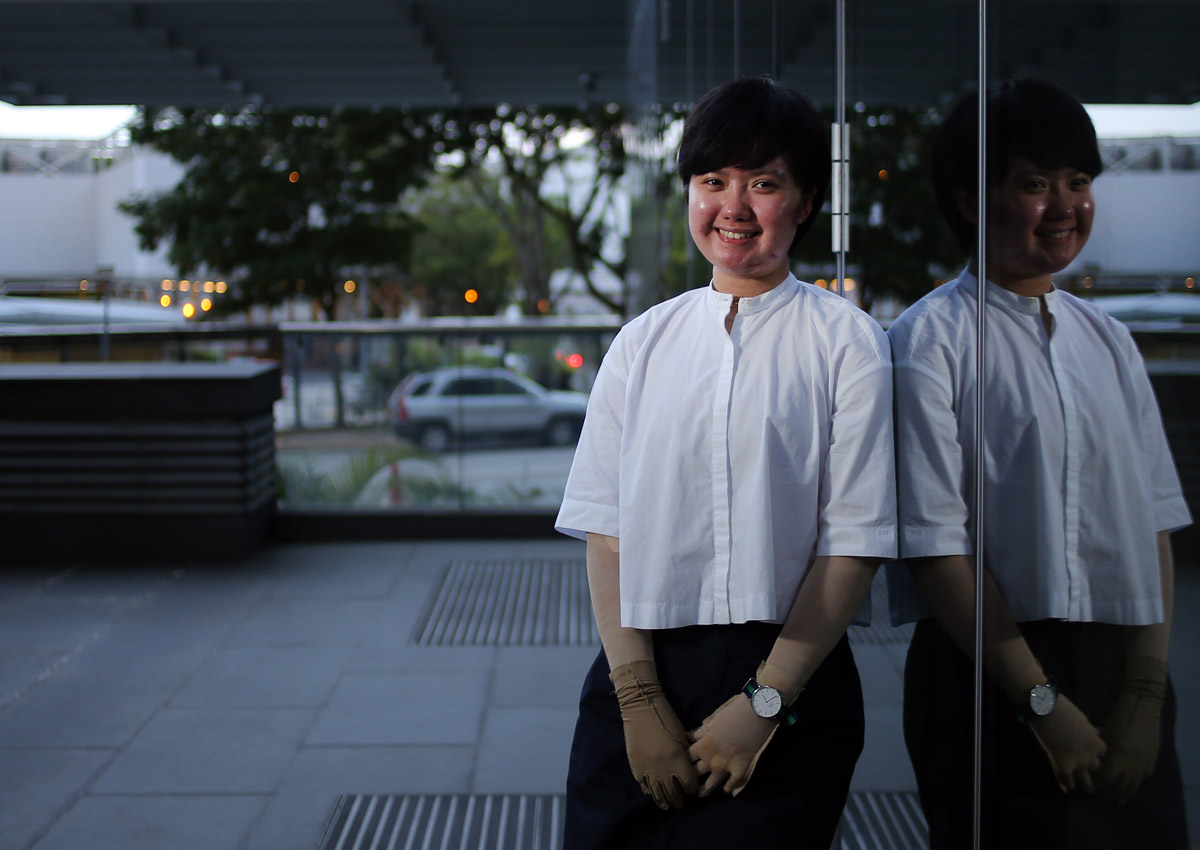
Megan Loy had first thought of studying medicine as a 16-year-old, but picked it only “by process of elimination” as she was strong in the sciences and wanted a profession that was not desk-bound.

But a brush with death and a four- month stay in hospital after she suffered severe burns in a water park blast in Taiwan last year has made her determined to be a doctor.

The good news for the 19-year- old was that she is one of 300 students admitted into the medical faculty at National University of Singapore (NUS) this year. She started her course last week.

Ms Loy, who achieved a high score of 42 out of 45 in the International Baccalaureate (IB) examinations, showed that she has the makings of a good doctor in her interviews and admission essay, said Professor Hooi Shing Chuan, vice-dean (Education) at NUS’ Yong Loo Lin School of Medicine.

He said she had demonstrated maturity of thought and tremendous resilience after suffering serious burns on up to 80 per cent of her body when a blaze broke out at the Colour Play Asia festival in Taipei in June last year.

What also came through was her strong wish to help people through medical training, he added.

“It was evident to the panel that this was a candidate who had the makings of a truly compassionate doctor; someone who would intuitively understand and respond empathetically to pain and suffering,” he said.

Ms Loy said her brush with death and subsequent treatment at the Burns Centre in Singapore General Hospital had crystallised her ambition to become a doctor.

After nine skin grafts, she is now free of burn wounds but still has some scars and tender spots on her skin and has to wear a pressure garment to protect it.

Ms Loy, who did her IB studies at Haileybury and Imperial Service College in England, said she had previously done volunteer work in hospitals, including a stint assisting doctors to deliver babies in Tanzania.

But it was her four-month stay at SGH that gave her the chance to experience the transformation, both physical and psychological, that doctors can bring about in their patients.

“Throughout my hospital stay, I met some of the most knowledgeable and dedicated doctors. What struck me was their commitment and enthusiasm for their vocation.

“As a patient, I experienced bouts of helplessness, frustration and anxiety. But I also felt the hope and comfort that doctors can bring.”

Ms Loy said she faces a “long and arduous journey” to become a doctor, but feels that the “gruelling hours” will be worth it.

“There is no greater joy than witnessing the positive change one can make in the lives of others,” she said, adding that she is leaning towards specialising in burns treatment or reconstructive plastic surgery after completing medical school.

Meanwhile, NUS said it has admitted more polytechnic graduates and students from a wider range of junior colleges into its medical faculty in recent years.

Among A-level holders, it used to draw most of its students from the top five junior colleges, with only one in six from other junior colleges.

Now, one in four are from institutions such as Serangoon and Meridian junior colleges.

The faculty draws more than 2,000 applicants a year.

Most have a string of As or, in the case of polytechnic graduates, near-perfect or perfect grade point averages of 4.


This article was first published on August 20, 2016.
Get a copy of The Straits Times or go to straitstimes.com for more stories.

Image: 
Category: 
Publication Date: 
Saturday, August 20, 2016 – 14:00
Send to mobile app: 
Source: 


Story Type: 
Others

Source link

Batam radio station draws strong opposition for extreme leanings

0

Armed with saws, a group of 300 Muslims gathered outside a radio station in Batam three years ago, threatening to cut its radio antenna if it did not stop airing extreme religious sermons.

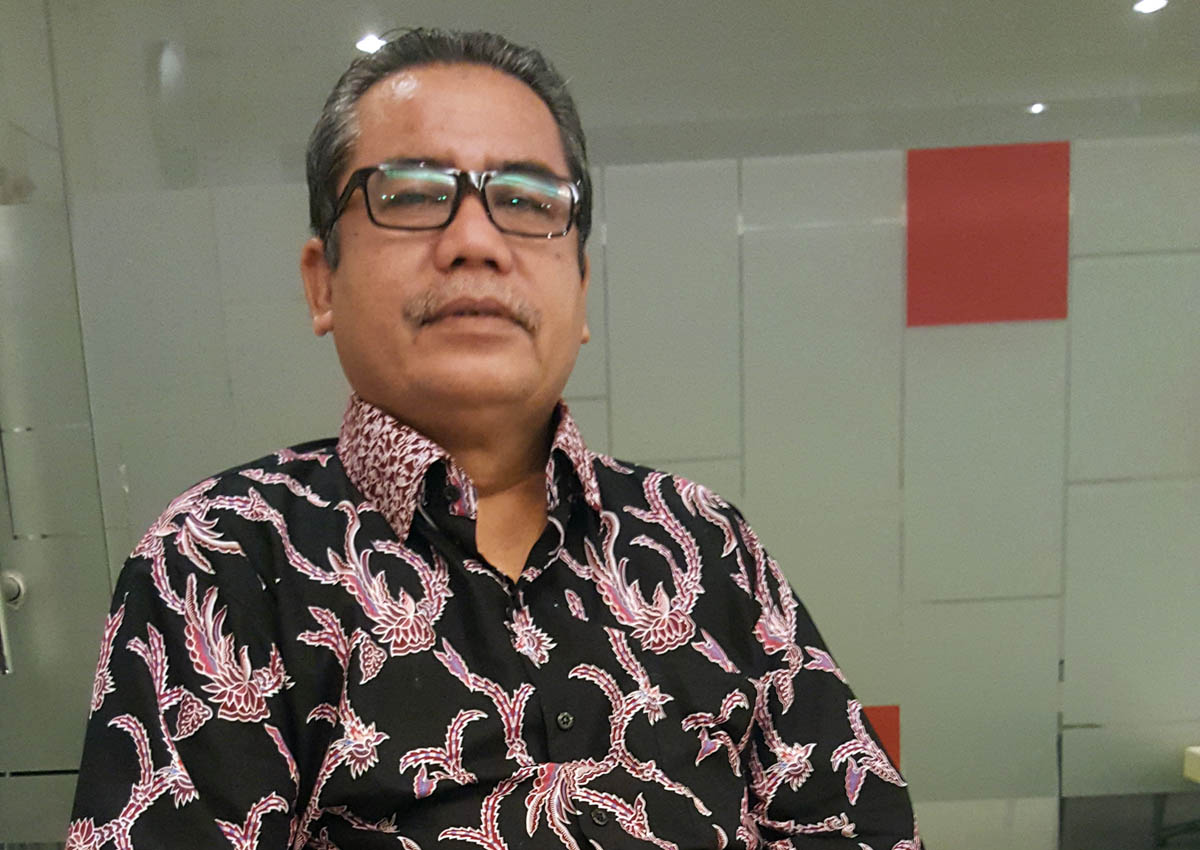
“They shouted, ‘If you don’t stop criticising us, we will break down this post,’ ” the head of Indonesia’s Religious Affairs Ministry in Batam, Mr Zulkifli Aka, told The Straits Times in an interview yesterday.

The authorities stepped in to control the crowd, and held a meeting between the protesters and clerics from the station, called Radio HangFM, to iron out their differences. The station’s preachers then signed an agreement promising not to call people who refused to follow their teachings infidels, he said.

But it broke its word, and the provincial broadcasting regulatory body, called the KPI, sent a warning letter to the station early last year.

“The government has been monitoring the station closely since then, and we are now gathering evidence to shut it down. We can’t simply close it for being against the mainstream as that’s not a crime,” Mr Zulkifli said.

The controversial radio station has a following among Batam’s neighbours, and even as local residents take issue with its intolerant, divisive preachers, their extreme views appear to have played a role in the radicalisation of several persons.

Singapore’s Ministry of Home Affairs yesterday announced it had detained two self-radicalised Singaporeans and issued Restriction Orders against another two who had planned to join the Islamic State in Iraq and Syria (ISIS) terror group.

The ministry noted that detainees Rosli Hamzah, 50, and Mohamed Omar Mahadi, 33, began listening to Radio HangFM in 2009 and 2010 respectively.

It is believed the station’s extreme preachers made them more susceptible to being radicalised by ISIS propaganda in later years, observers noted.

Mr Zulkifli said Radio HangFM was set up by a Batam resident, Mr Zein Alatas, a bank officer who “suddenly underwent a transformation after mingling with clerics who studied in the Middle East”.

The station can be accessed online and over the airwaves, and its website mentions an audience in “Batam, Singapore and Johor”.

It airs mostly Quranic recitations and religious speeches by local Bahasa Indonesia-speaking clerics who hold extremely conservative and exclusivist views and reject local traditions and customs, even though these have long been practised by many Muslims in South-east Asia.

“They say cultural ceremonies like shaving a newborn baby’s head and reading the Quran on Friday nights were not the Prophet Muhammad’s way,” he said.

The station, he added, had “tens of thousands” of listeners. Fans could call the station to get advice from its clerics and a number of them attended events it organised.

“The station plays no music, just Quranic reading and religious sermons non-stop. They say they are anti-terror, anti-radical and anti- ISIS,” he said.

“Their problem is that they try to impose their views on others. Those who do not subscribe to these views are called misguided.”

Mr Zulkifli added that he had been to a coffee shop in Singapore and noticed that “people were tuning in to the station”.

Some of the station’s followers in Batam have formed an “exclusive” group of about 500 people.

The men wear white robes and keep long beards, and the women wear veils covering their faces except the eyes, he said. They have even built their own mosque and run their own elementary school in Batam.

“We are worried. If they are not stopped, they will surely break up the community and I won’t rule out the possibility that it could lead to radicalism,” he said.

“This is not the brand of Islam that Indonesia represents. We are inclusive and tolerant,” he added.


This article was first published on August 20, 2016.
Get a copy of The Straits Times or go to straitstimes.com for more stories.

Image: 
Category: 
Publication Date: 
Saturday, August 20, 2016 – 14:00
Send to mobile app: 
Source: 


Story Type: 
Others

Source link

Nanjing restaurants offered insurance for illness caused by crayfish

0

A large insurance company with branches nationwide is offering restaurants in Nanjing, Jiangsu province, insurance for a degenerative muscle disease that can come from eating crayfish. Insurance for crab and hotpot are on the way.

The insurance, offered by Ping An Property Insurance, is designed to protect the restaurants from claims made by people who get sick.

A person diagnosed with rhabdomyolysis – or rapid muscle breakdown – can be paid a maximum of 20,000 yuan ($3,015). Five local restaurants have paid 1,500 to 3,500 yuan to be insured for a year.

Zhu Qiang, a manager of the insured restaurants, said the insurance helps ease customers’ worries, which will lead to increased business.

“Media report cases of rhabdomyolysis from time to time,” Zhu said. “Though we pay great attention to food sanitation, we still buy the insurance to make customers feel more comfortable and safe.”

Rhabdomyolysis, a deterioration of muscle fiber, has been associated with eating crayfish contaminated with chemical detergent residues. Chinese doctors speculate that a kind of widely used “shrimp washing powder” can cause the disease, which may later develop into kidney failure or even death.


“Some restaurants use the washing powder to cut cost,” said Zhu.

“Fewer workers are needed to wash the crayfish, which are not easy to clean. The powder is now strictly prohibited, and restaurants that value their reputations won’t take the risk of using it.” Under the insurance policies, customers who get the rare disease need to submit a hospital diagnosis to be compensated.

“The disease usually shows symptoms within six to 16 hours after eating crayfish,” said Li Dan, a product manager of the Jiangsu office of Ping An Property Insurance. “As a pilot insurance, we are temporarily setting a 12-hour window.”

According to a report released in August by Meituan, one of China’s most popular online food-ordering sites, there are 17,670 crayfish restaurants in China, and the market is still expanding.

“Crayfish insurance is a subitem in the food safety liability insurance,” said Wang Shengqi, deputy director of the market supervision bureau of Nanjing’s Gulou district.

“About 64.3 per cent of local customers never heard of food safety liability insurance, because the policies are too complicated for the public to understand.”

According to Wang, food safety liability insurance covering crab and hotpot, will be introduced soon.

Image: 
Category: 
Publication Date: 
Saturday, August 20, 2016 – 13:05
Send to mobile app: 
Source: 


Story Type: 
Others

Source link