Earlier, Foreign Affairs Minister Vivian Balakrishnan said Mr Lee’s tests at the Singapore General Hospital came back “normal” and that the Prime Minister had a vasovagal episode.
Source link
PM Lee to take medical leave till Aug 29 on doctors' advice
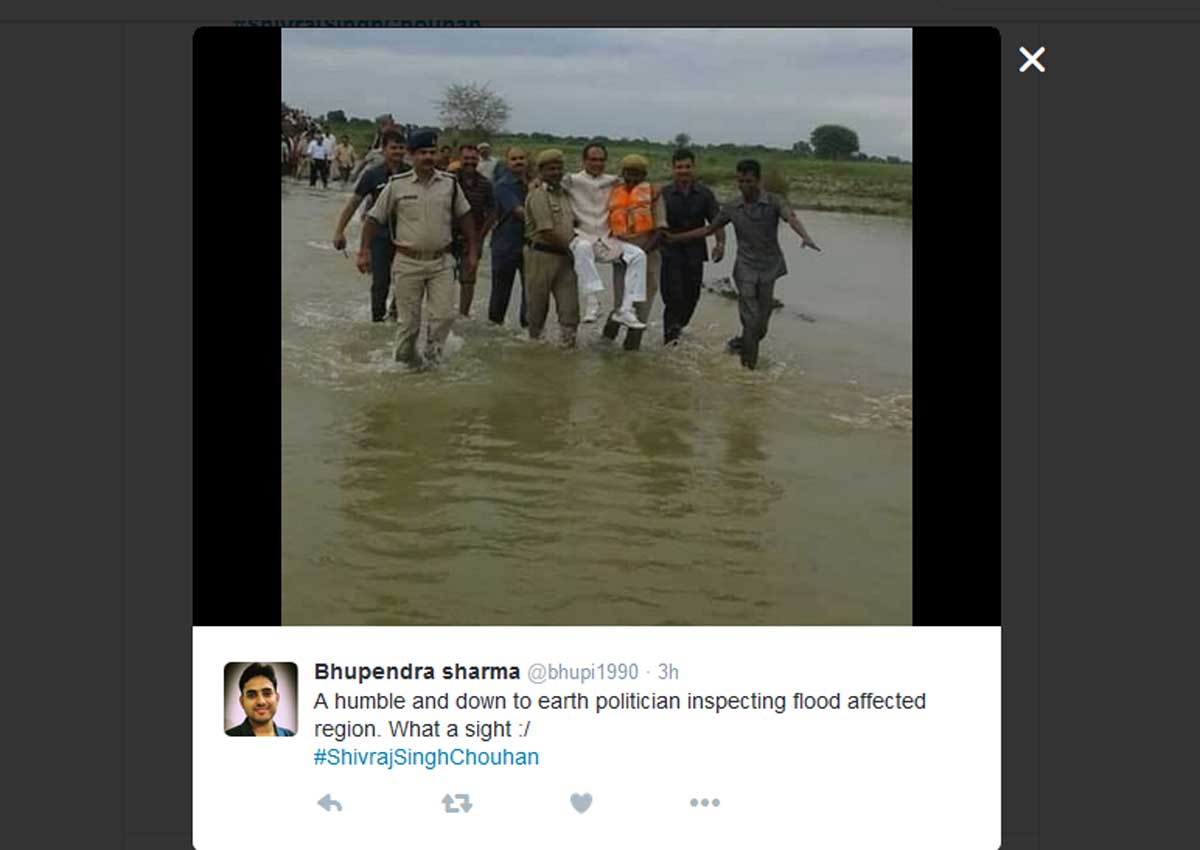
Twitter users mock Indian politician carried through floods
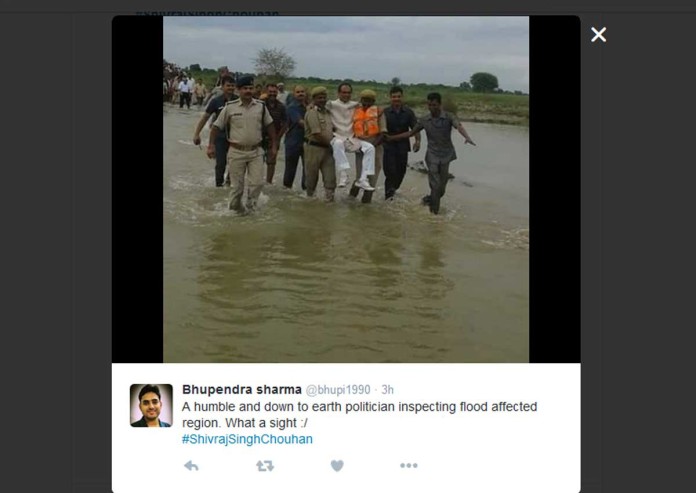
NEW DELHI – A senior Indian politician was widely mocked on Monday after photos showed policemen carrying him through ankle-deep muddy water while inspecting deadly floods in the country’s centre.
Shivraj Singh Chouhan, chief minister of Madhya Pradesh state, was shown wearing crisp white trousers and white shoes and being carried aloft through the water in a field, trailed by his entourage.
The photo of a smiling Chouhan with his arms wrapped around the two officers made newspaper front pages and sparked an outpouring of ridicule on Twitter.
Most comments were lighthearted. In India, politicians are almost always flanked by a legion of fawning officials and security guards.
“Shame on #Shivrajsinghchouhan. So embarrassing #wetyourfeet my man,” Twitter user Jennifer Fernandes wrote.
“#Shivraj training Indian athletes for 400M Relay 2020 Olympics,” read another.
But Chouhan was also accused of abusing his position, with comparisons drawn to the treatment of British officials during colonial times.
Government officials were quoted as blaming overzealous minders for the incident. Another said Chouhan hurt his foot and there was also concern about snakes in the water.
Chouhan himself posted several pictures of his flood visit on Twittter but skipped the controversial one, while his office denied on Monday releasing the image.
Floods triggered by monsoon rains have claimed hundreds of lives across India. In Madhya Pradesh at least 15 people have died after rivers burst and flooded villages, the Press Trust of India news agency said.
An Indian TV journalist was sacked in 2013 after he filed a report about deadly floods while perched on a survivor’s shoulders.
The reporter claimed the man who carried him while standing in ankle-high water had hoisted him onto his shoulders as a sign of respect.
Image:
Publication Date:
Monday, August 22, 2016 – 16:03
Send to mobile app:
Source:
Hermes ID:
2 540 515
Hermes ID String:
SP_TWITTERINDIA
Story Type:
Others
PM Lee's changes to Cabinet and other appointments to take immediate effect
SINGAPORE – The changes to Cabinet and other appointments announced by Prime Minister Lee Hsien Loong during National Day Rally 2016 will take effect immediately (Aug 22).
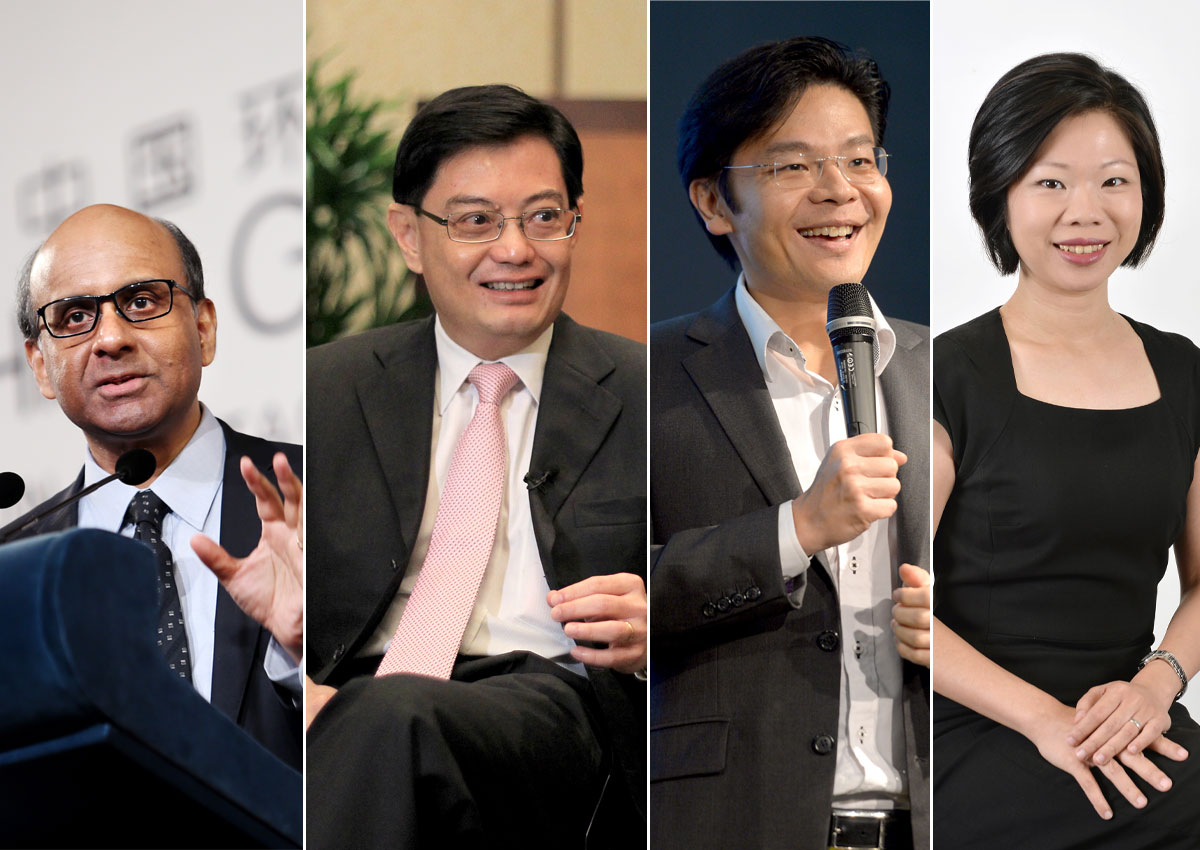
Detailing the various changes, the PMO said that Mr Heng Swee Keat will resume his responsibilities as Minister for Finance, taking over Deputy Prime Minister Tharman Shanmugaratnam who was covering Mr Heng during the latter’s absence.
The reshuffling of portfolios will also affect Ms Sim Ann, who will relinquish her appointment in the Ministry of Finance and join the Ministry of Trade and Industry as its Senior Minister of State.
She will retain her concurrent appointment as Senior Minister of State in the Ministry of Culture, Community and Youth.
PM Lee also announced yesterday that Mr Lawrence Wong will be appointed as the Second Minister for Finance, concurrently with his present appointment as Minister for National Development.
grongloh@sph.com.sg
PM Lee speaks at National Day Rally 2016
Click on thumbnail to view photos. Source:
The Straits Times, Twitter screengrabs
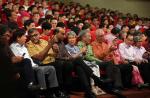
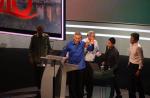

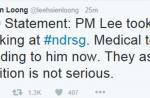
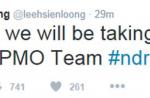
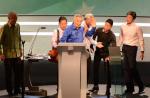
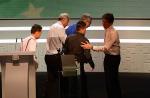



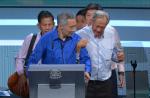







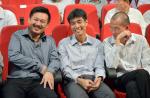
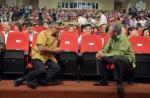

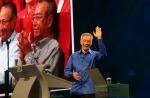
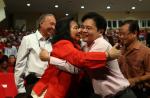
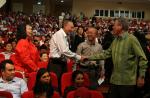
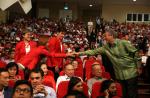
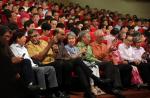

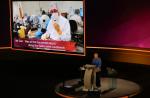
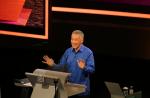
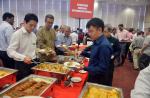
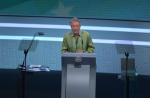

Image:
Publication Date:
Monday, August 22, 2016 – 15:55
Keywords:
Send to mobile app:
Source:
Story Type:
Rewritten Story
Heng Swee Keat resumes duties; Lawrence Wong appointed Second Minister for Finance
Mr Wong will hold the post concurrently with his present appointment as Minister for National Development.
Source link
Weight of President's job has increased, so qualifying criteria require an update
The qualifying criteria for presidential candidates must be updated, as these are no longer in line with the great responsibilities that the President faces, said Prime Minister Lee Hsien Loong.
“The weight of the job has increased,” he said in his National Day Rally speech last night.
Currently, candidates must have either held key appointments in the public service, or had experience in the private sector running large and complex companies – defined in the Constitution as companies with a paid-up capital of $100 million.
But this criterion is “out of date”, he said.
“Look at what the President is protecting,” he said, citing figures on how the economy and reserves have grown in the last 25 years.
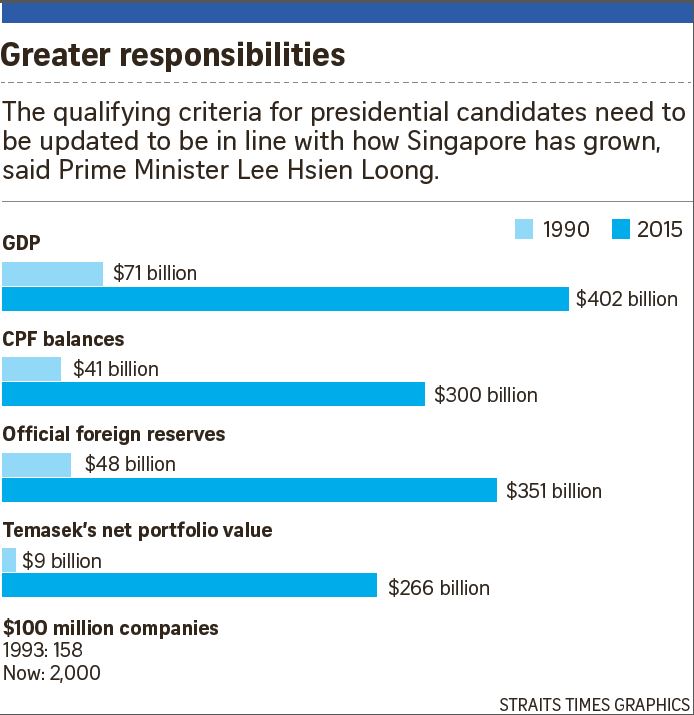
For instance, the Monetary Authority of Singapore’s (MAS) official foreign reserves were $351 billion last year, up from $48 billion in 1990.
The companies used as a benchmark, such as Singtel and DBS, have also grown much larger.
Today, $100 million is “the wrong number”, said Mr Lee.
“It is too small for a company to be considered even… the same kind of responsibility as (what) the President is doing here.”
There are now also many more such companies: 2,000, compared with just 158 in 1993.
So running such a company is no longer comparable to the responsibility of being the President, he said, adding: “We’ve got to update this benchmark.”
Having the right qualifying criteria is crucial because the President has the mandate to decide on the national reserves and key appointments, stressed Mr Lee.
The President must ensure that the government of the day does not fritter away Singapore’s carefully accumulated reserves, and that the people appointed to key posts are capable, upright and will uphold the system.
He must, thus, have the right experience to decide whether the Government’s budgets and spending proposals are sound and justified, and to judge the candidates for public-sector appointments.
These are “real and difficult choices” that the President must get right, said Mr Lee.
He raised the example of the global financial crisis in the late 2000s, when the Government sought the approval of then President S R Nathan to draw from the reserves for its annual Budget.
The Government wanted $5 billion to save businesses and jobs, and to guarantee all bank deposits in Singapore by backing them with $150 billion of Singapore’s reserves.
“We were not certain whether the plans would work, whether they would be sufficient,” he noted.
“The President had to judge whether the Government got it right, whether our recommendations were sound.”
Mr Nathan and the Council of Presidential Advisers were briefed by the ministries and MAS.
He consulted the council, thought it over carefully, and gave the Government permission – which turned out to be the right thing, said Mr Lee.
Because of that intervention, Singapore’s economy bounced back quickly once the outlook changed, and jobs were saved.
“So it is here that the President makes critical decisions and it is here that we need the President to be competent, be on top of the job, to be capable.
“And that is why we need the most qualified person,” concluded Mr Lee.
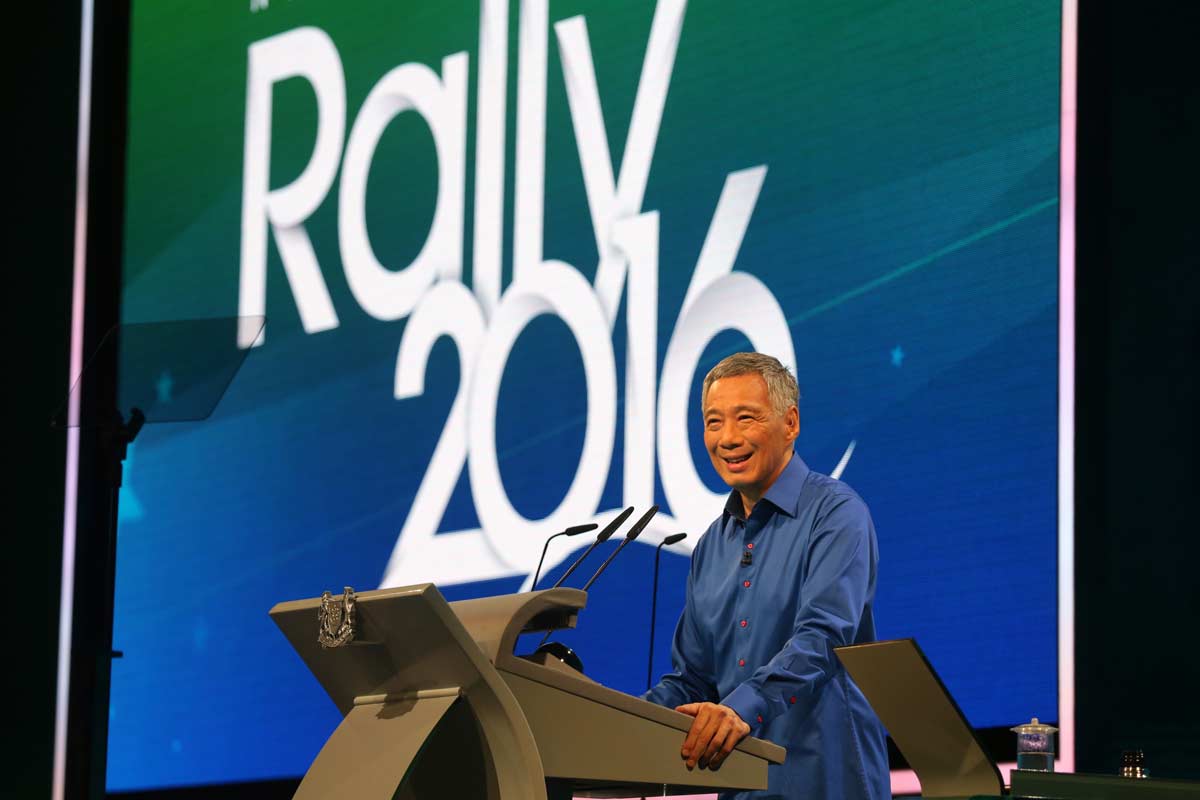
PM Lee speaks at National Day Rally 2016
Click on thumbnail to view photos. Source:
The Straits Times, Twitter screengrabs
Image:
Publication Date:
Monday, August 22, 2016 – 15:25
Keywords:
Send to mobile app:
Source:
Story Type:
Others
PM Lee on weeklong medical leave after fainting spell at NDR

SINGAPORE – Doctors have confirmed that Prime Minister Lee Hsien Loong did not suffer cardiac abnormalities or a stroke.
The update from the Prime Minister’s Office (PMO) on Monday (Aug 22) afternoon said Mr Lee had taken ill during his National Day Rally…
Source link
PM Lee to be on 1-week medical leave
SINGAPORE – Prime Minister Lee Hsien Loong will be on medical leave until Aug 29, the Prime Minister’s Office (PMO) said in a statement today (Aug 22).
PMO said that PM Lee had taken ill due to a temporary drop in blood pressure because of prolonged standing, exhaustion, and dehydration, and doctors have confirmed there were no cardiac abnormalities and no stroke.
Deputy Prime Minister Teo Chee Hean will cover PM Lee’s duties in his absence.
grongloh@sph.com.sg
PM Lee speaks at National Day Rally 2016
Click on thumbnail to view photos. Source:
The Straits Times, Twitter screengrabs
Publication Date:
Monday, August 22, 2016 – 15:29
Send to mobile app:
Source:
Story Type:
Rewritten Story
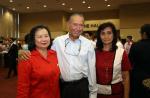
Levelling the playing field for taxis, Uber, Grab
The playing field between taxis and ride-hailing services such as Uber and Grab is “not quite level”, said Prime Minister Lee Hsien Loong yesterday, adding that the Government will look further into this.
The taxi sector is still subject to some extra rules – for example, cabbies must clock a minimum mileage daily and statutory requirements make operating taxis more expensive, he said.
“But then I remind the taxi drivers – you also enjoy some advantages. As drivers told me, they can ‘sweep the floor’… that means you can pick up from the kerb. Uber and Grab cannot,” he added.
“There are other advantages too. We will progressively sort all these things out. But I think we all know that we can’t stop progress,” he said at his National Day Rally.
He cited apps such as Uber and Grab as examples of how industries and jobs are being disrupted by technology and globalisation. He said that while Singapore must embrace disruption to stay ahead, it will help incumbents adapt.
Mr Lee said of Uber and Grab: “You open an app, it matches you to the nearest car… no need to book a cab by phone, no need to hail a cruising cab along the street.” He said the apps also analyse travel patterns, and adjust fares to match supply and demand.
Despite the disruption these apps have caused worldwide, and the taxi industry saying its business has been hit, commuters are benefiting – “better service, more responsive, faster”, he added.
Noting that cabbies in cities such as London, Sydney and Jakarta have staged protests seeking the blockage of these new services, Mr Lee said Singapore could close itself off, ban Uber and Grab, and impose restrictions to protect the “old ways”.
“But we will be left behind and our commuters will lose out, and our economy will suffer. The other way is to embrace change, let the disruption happen… but help the incumbents, and especially help the taxi drivers, to adapt to the changes.”
Mr Lee said this is being done, by updating rules to foster fair competition, while protecting commuters, and requiring drivers – whether cabbies or those under Uber or Grab – to have proper insurance and clean records.
In April, new regulations were announced, requiring Uber and Grab drivers to obtain a vocational licence by the first half of next year. Cars used for private hire must also be registered and be marked with a decal for easy identification.
Mr Lee said he knows quite a few cabbies who are anxious about their livelihoods. He said he told cabbies at a grassroots event: “I said you can also drive for the other side. They said yes but we have to work hard. But they can still make a living.”
Taxi drivers here have been level-headed about the competition and made useful recommendations to level the playing field, he said. Some also welcomed the competition, which has caused taxi firms to take drivers “more seriously”, responding with better offers and new technology, he added.
Mr Lee said: “Even Uber and Grab are going to be disrupted, and the next round may be no drivers – driverless cars running a taxi service.” Next year, Singapore will start a trial of driverless taxis in one-north.
National Taxi Association executive adviser Ang Hin Kee said requirements such as taxi availability standards – that require cabbies to clock a minimum mileage and ply the roads during peak hours – should be reviewed.
“The private-car hire services should adopt similar vehicle standards (as taxis) on safety and emissions,” he added.
PM Lee speaks at National Day Rally 2016
Click on thumbnail to view photos. Source:
The Straits Times, Twitter screengrabs
adrianl@sph.com.sg

This article was first published on August 22, 2016.
Get a copy of The Straits Times or go to straitstimes.com for more stories.
Image:
Publication Date:
Monday, August 22, 2016 – 15:06
Keywords:
Send to mobile app:
Source:
Story Type:
Others
Pursuing medicine after 1st degree
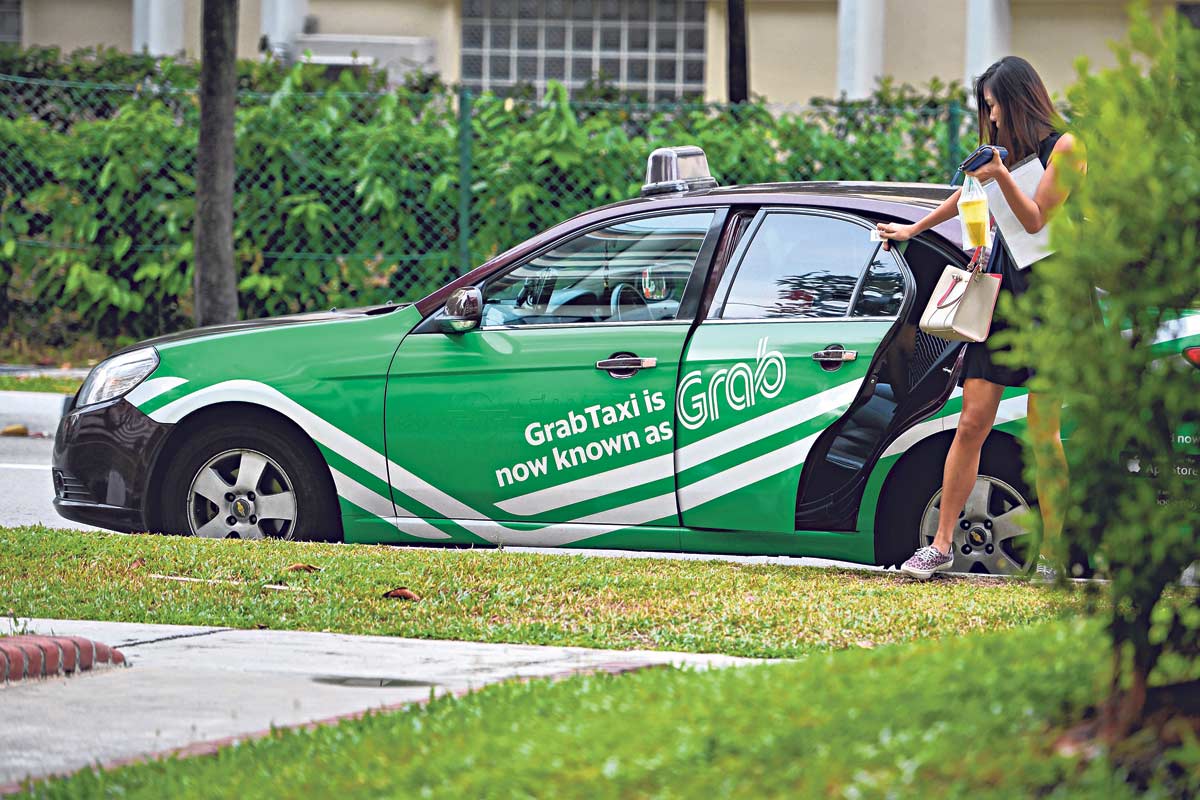
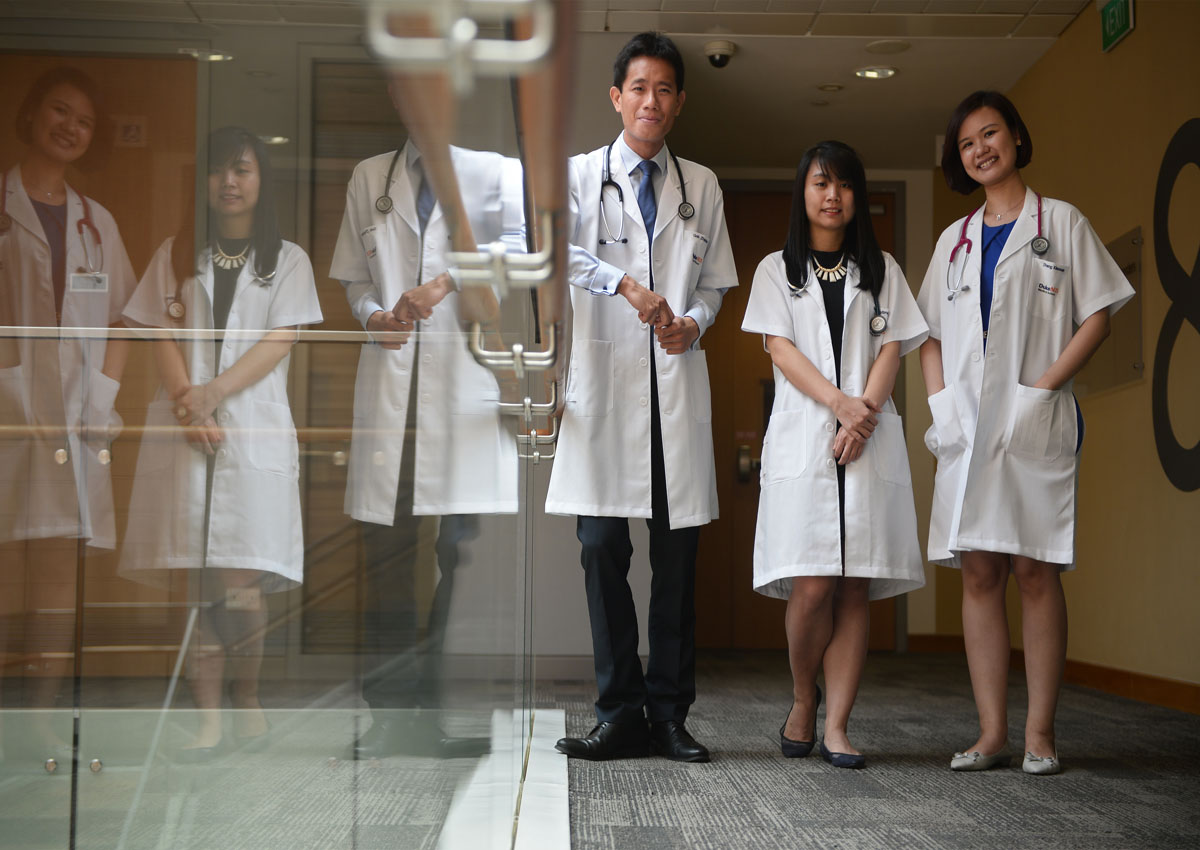
The cafe at Duke-NUS Medical School’s foyer draws a congregation of people of many backgrounds, from Imperial College London to Nanyang Technological University, and from former investment consultants to religious studies graduates.
All are there grabbing a bite before the next medical class starts.
On Aug 12, Duke-NUS Medical School enrolled its 10th batch of students. The latest batch has 61 students.
Unlike the typical undergraduates studying medicine fresh from pre-university, these students are pursuing medicine after a first bachelor’s degree in a different field.
While 80 per cent of the students are Singaporeans or permanent residents, the rest come from all over the world.
Some join the school after spending years honing their craft in another field. Others even held senior positions in their companies, leading comfortable lives before choosing to heed their calling to join the medical profession.
Duke-NUS Medical School’s former vice-dean of education Robert Kamei noted that the diversity of students brings varying perspectives to the medical field. “They’ve thought about medicine and sciences in a different way.”
During their time in school, students work together in teams of six or seven throughout the year.
Having a spectrum of backgrounds in each team means that students bring different ideas and thoughts, Dr Kamei explained.
Students graduate with either a Doctor of Medicine after four years or a Doctor of Philosophy, which takes four to five years to complete.
This article was first published on AUG 22, 2016.
Get a copy of The Straits Times or go to straitstimes.com for more stories.
Image:
Publication Date:
Monday, August 22, 2016 – 14:40
Send to mobile app:
Source:
Story Type:
Others
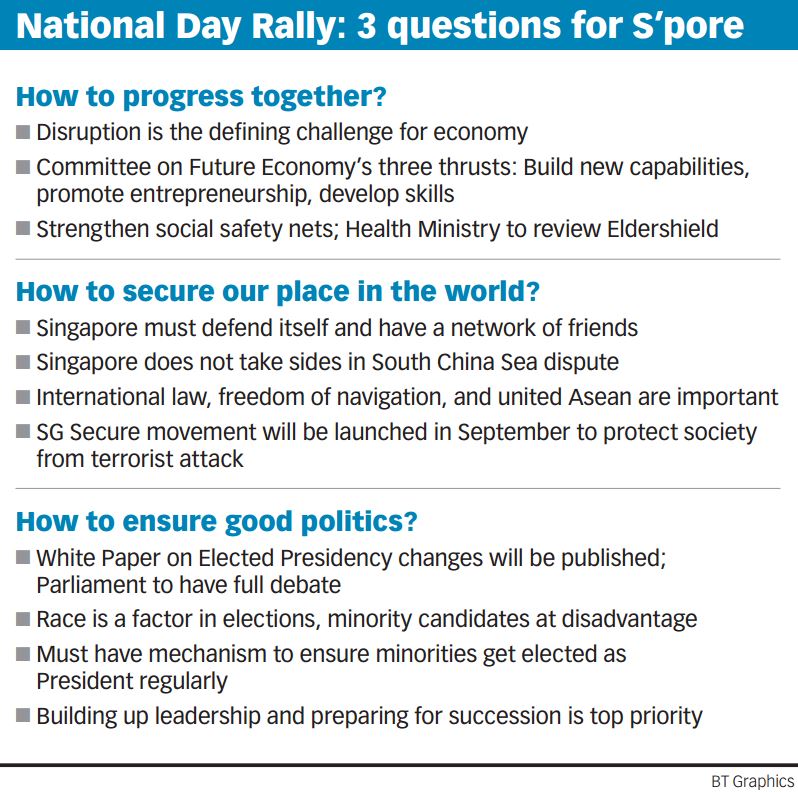
Changes to elected presidency soon
Singapore’s Constitution will soon be changed to ensure that ethnic minorities are elected as president from time to time.
Individuals who want to run for president will also have to meet stricter requirements.
Announcing the impending changes, Prime Minister Lee Hsien Loong said that the Government accepts in principle the recommendations of the high-level panel to review the elected presidency.
The Constitutional Commission, which started its work six months ago, submitted its report last week. The Government is studying the report and it will be released “soon”, said Mr Lee.
Detailing the process by which the law will be changed, he said the Government will publish a policy White Paper on the exact proposed changes.
Following that, it will introduce a Bill in Parliament to amend the Constitution to include the changes to the elected presidency.
The details of these changes will be debated in Parliament after that, and at least two-thirds of the 89 elected MPs must vote for the amendment before it can be passed.
While Mr Lee did not go into the details of the specific changes recommended by the commission, he spent significant portions of his three speeches – in English, Mandarin and Malay – making the case for reform.
The commission, first announced in January, was tasked to examine three areas of review. These are raising the eligibility criteria for candidates, strengthening the Council of Presidential Advisers (CPA), and ensuring minorities are elected from time to time.
The last issue was the most contentious and during the public hearings, some experts said such a tweak was necessary to ensure minority representation. Others were concerned that doing so would be affirmative action at best and an unmeritocratic move at worst.
Last night, in his starkest comments to date on the issue, Mr Lee said it is important that Singapore ensures that minorities regularly have a chance to become president so they feel assured of their place in society.
Race, he said, still matters in Singapore despite progress in race relations the past 50 years.
This puts minority candidates at a disadvantage, especially now that presidential elections are hotly contested.
Thus, if changes to the law are not made, said Mr Lee, minorities may ask if they are truly equal and the Chinese majority may become less sensitive to the needs of other races.
Reforms must therefore be implemented now while society is united, he said.
Such periodic political reviews are essential to Singapore’s survival, argued the Prime Minister.
While the political system here is good, some aspects of it need to be updated, he said.
“If the political system malfunctions, we fail to produce good leaders whom we trust and work with, or we can’t work together among ourselves and we are divided, then all our best laid plans will come to naught,” he added.
He pointed to anxieties and pressures in other countries that had led to deep fault lines between the haves and the have-nots, and to a mistrust of political leaders.
For instance, Britain had voted to leave the European Union for complex reasons that included socioeconomic inequality and a lack of faith in the political class.
Such a situation can also happen in Singapore unless its politics unite the country and uphold multiracialism, he added.
Besides ensuring ethnic minority representation, changes to give more weight to the advice of the CPA have been proposed and will be incremental and straightforward, he said.
Also, the criteria for someone to be a candidate for president should be raised to ensure that the president, who safeguards reserves and senior civil servant appointments, has the right experience.
Mr Lee argued that the president has to make critical economic and policy decisions sometimes, which is why Singapore needs the best qualified person for the job.
The current criterion of having had experience running large, complex companies with paid-up capital of $100 million is out of date and thus has to be updated, he said.
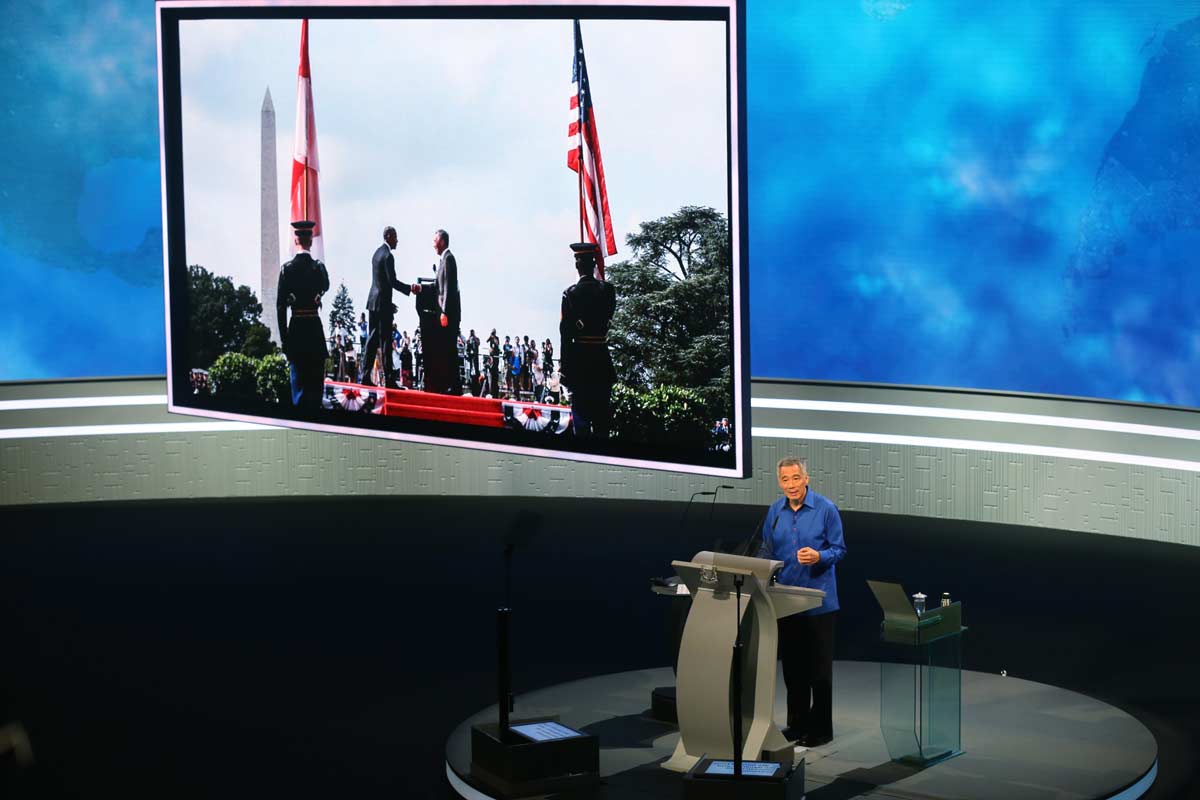
PM Lee speaks at National Day Rally 2016
Click on thumbnail to view photos. Source:
The Straits Times, Twitter screengrabs
charyong@sph.com.sg
This article was first published on August 22, 2016.
Get a copy of The Straits Times or go to straitstimes.com for more stories.
Image:
Publication Date:
Monday, August 22, 2016 – 14:25
Keywords:
Send to mobile app:
Source:
Story Type:
Others


