 SINGAPORE – A punch that put a security guard in a monthlong coma, and later led to his death, has landed its thrower in jail.
The assailant, Teo Chin Lai, was sentenced to three years’ jail on Wednesday (Aug 24), after a four-day trial at a district court,…
Source link
3-year jail term for assault of Fajar mall security guard who died

Cathay Pacific: Enhanced Baggage Policy – Additional 10kg Check-in Baggage from 15 Sep 2016

CATHAY PACIFIC: Extra 10kg check-in baggage allowance for tickets issued from 15 Sep onwards
Cathay Pacific: Enhanced Baggage Policy – Additional 10kg Check-in Baggage from 15 Sep 2016
Cathay Pacific Airways has announced the introduction of an enhanced baggage policy, which will see passengers benefit from increased check-in allowances and generally lower excess baggage charges.
SAF team disposes of Vietnam War bomb on barge
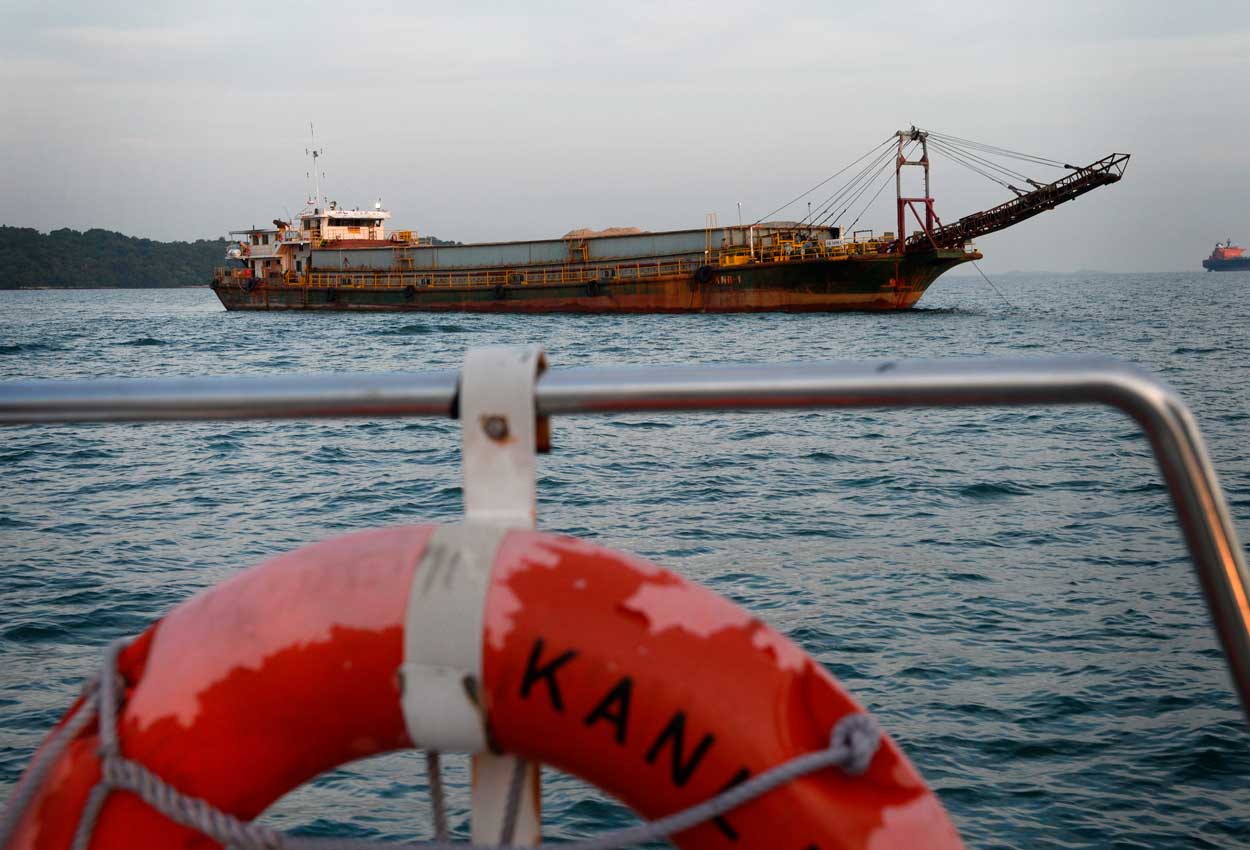
An unexploded aerial bomb found on a barge carrying a consignment of sand from Vietnam is likely to be disposed of by the Singapore Armed Forces (SAF) in the week ahead, sources said yesterday.
The war relic, estimated to be 2m long, was discovered on July 18 on the KNB 1, a Singapore vessel involved in land-reclamation work for a new port terminal in Tuas.
Over the last three weeks, sand around the bomb – which got stuck on the barge’s conveyor belt – had to be carefully removed so that experts could access the bomb. Those involved had earlier suggested hiring a private contractor, as the bomb was found to be safe to be moved on Monday.
However, further checks by The Straits Times found that, given the size of the bomb and its classification as “sensitive ordnance”, the task of removing it fell to the SAF’s Chemical, Biological, Radiological and Explosives (CBRE) Defence Group.
Sources said the CBRE team is now waiting for ideal tidal conditions at Pulau Senang, which is an offshore island used by the SAF for live-firing exercises and the disposal of unexploded ordnance.
The bomb will be taken to the island and detonated.
The KNB 1 barge is currently anchored off Pulau Sudong, at the Sudong Explosive Anchorage, a designated site for the loading or discharging of dangerous goods.
It was moved from the Tuas reclamation site after SAF experts decided that it was safe to do so.
The sand was loaded onto the KNB 1 from another vessel in the area and was to be unloaded onto the reclamation site when the crew discovered the bomb.
An industry expert, who did not want to be named, said there are generally two ways of detonating an unexploded bomb. One is a “low order” controlled blast, where the shell of the bomb is cut open and the explosives are burnt.
The other way is a “high order” method, where explosives are attached to the bomb to blow it up.
The expert said he did not believe that the bomb had been launched from an airplane before. If it had, it would be it armed and highly explosive.
He said: “The bomb was transported all the way from Vietnam to Singapore, and likely never used. It was probably kept in storage and disposed of into the sea, where it was later dredged up, along with the sand.”

This article was first published on August 24, 2016.
Get a copy of The Straits Times or go to straitstimes.com for more stories.
Image:
Publication Date:
Wednesday, August 24, 2016 – 15:00
Keywords:
Send to mobile app:
Source:
Story Type:
Others
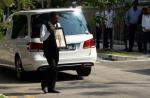
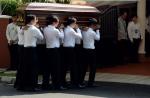
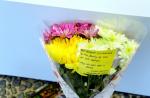
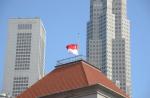
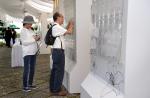
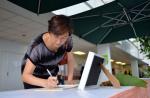
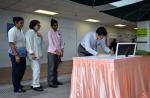
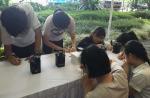
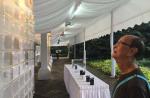
In pictures: Singaporeans pay respects to S R Nathan at the Istana
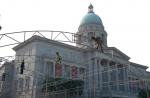
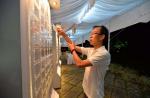
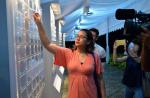
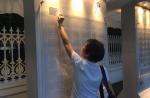
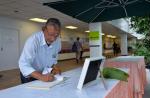
Handwritten notes piled up at the Istana, the President’s official residence, as the nation mourned the death of its longest-serving President on Monday (Aug 22).
Source link
Worrying about Singapore and Singaporeans till the end
From my three one-on-one conversations with former president S R Nathan over the years, I learnt that he considered the presidency his weightiest responsibility, chiefly because, first, he was uncomfortable that it technically made his former boss and mentor Lee Kuan Yew subordinate to him. And second, Mr Nathan could not shake off his own humble beginnings.
In our last meeting, on June 16, he recalled his years with The Straits Times fondly, and worried about Singapore’s future, given what he called increasing “anti- foreigner sentiment”.
That meeting included ST’s editor-at-large Han Fook Kwang and EDB Society president Lee Suan Hiang. Sadly, Mr Nathan was hospitalised just weeks later on July 8.
But on June 16, he was full of verve. He was about to turn 92 but he spoke firmly, fiercely, his eyes flashing conviction. Mr Han remarked that he was looking good.

Some are close confidants or friends. Others have seen him only from afar or on television. All were affected by his death.

Mr Nathan beamed and said later: “After my stroke, I can’t walk very much. At certain times, for no rhyme or reason, I get very tired. But my memory is good, particularly of events. It is very clear on the lessons of history.”
He then mused on many concerns, including increasing xenophobia here, and how discomfiting he found being president at first. He was also perturbed by how many Singaporeans, especially younger ones, embraced Western ways such that, as he put it, “we often forget ourselves”.
It was crucial, he stressed, that Singaporeans treasured their own values to “balance things”.
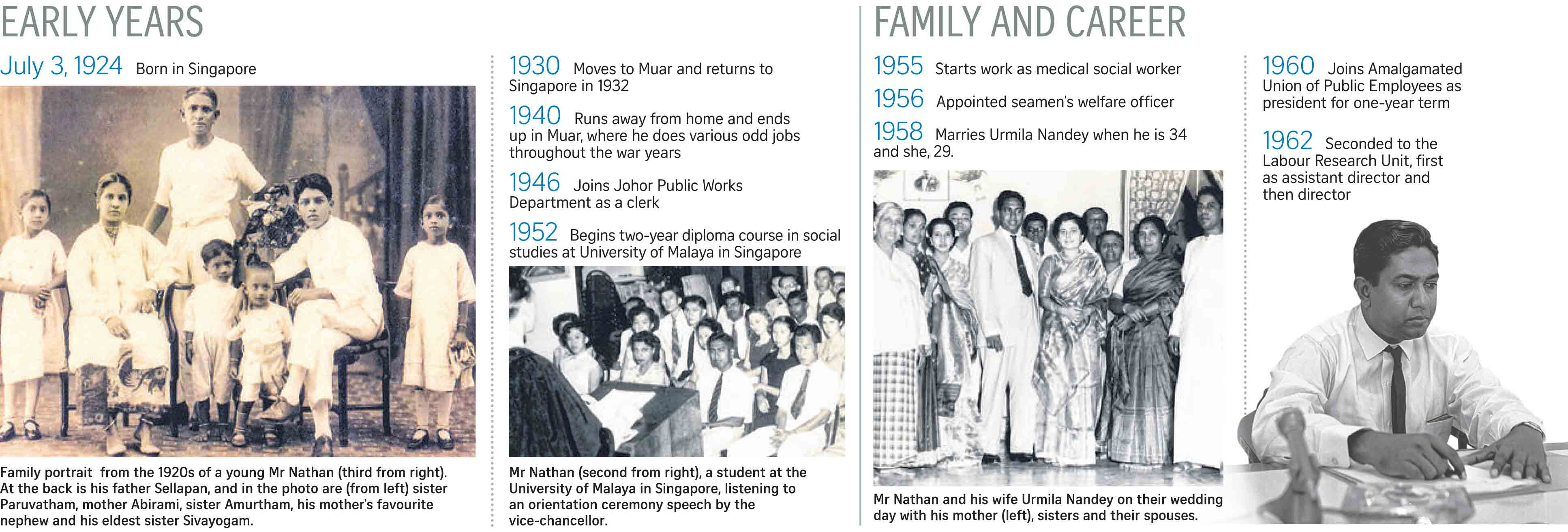
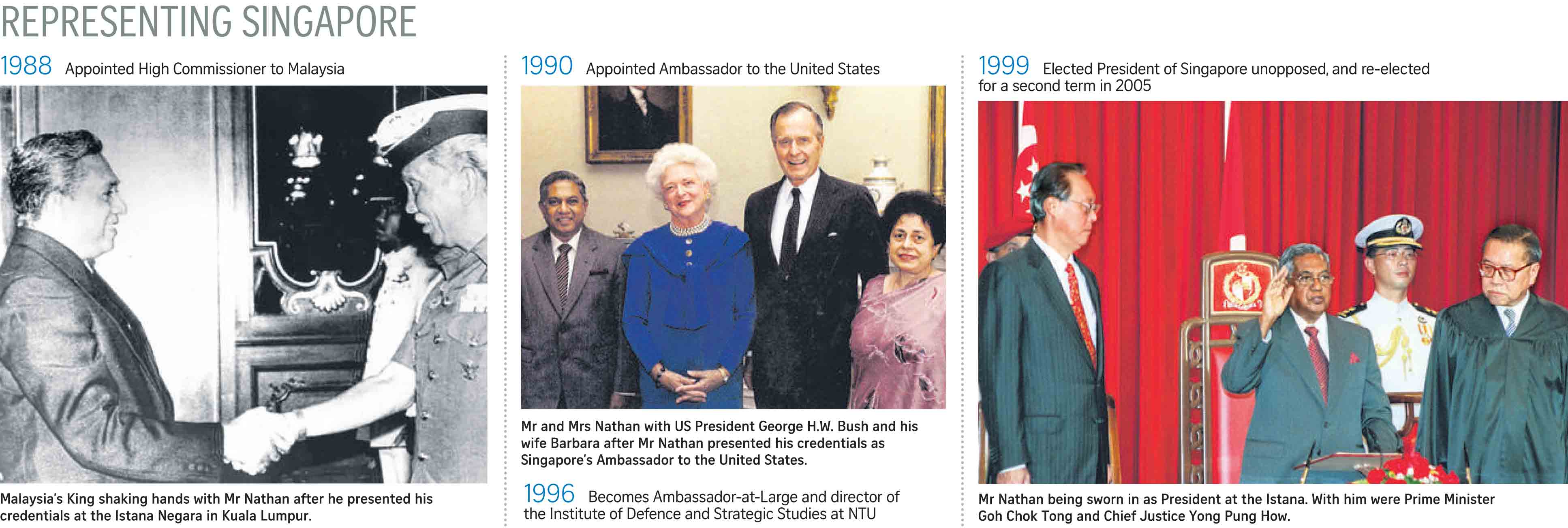
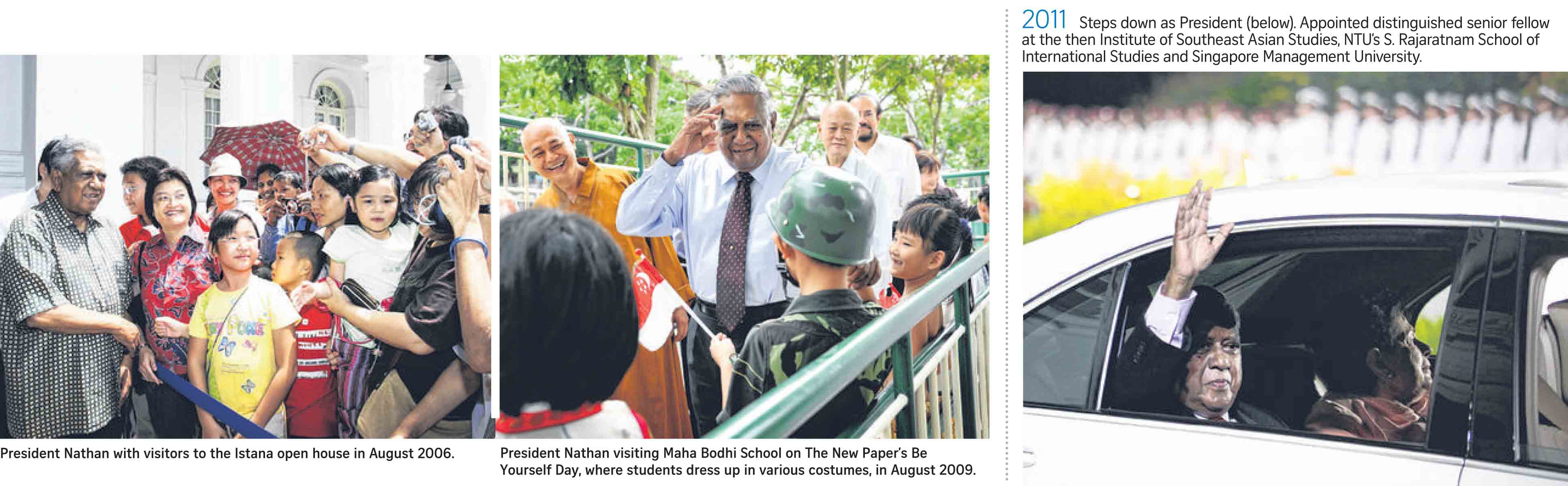
The former envoy to Malaysia and the United States then underscored the importance of humour and learning another’s language to build bridges. For instance, he once wondered why a Malay colleague, who spoke no English, always had a copy of ST under his arm. The colleague responded: “Pakai ST ada stail, stail mesti ada.” (To be seen with ST is to be stylish, and one must be stylish.)
What was also obvious from the June 16 chat was that his six years at The Straits Times Press (1975) Ltd – which morphed into Singapore Press Holdings – stayed with him.
“When I became executive chairman of Straits Times in 1982, all the fellows grumbled that I always found something wrong with the paper every day. I said, ‘Eh, how many mistakes did I point out today?’ They said, ‘Two mistakes’. I said, ‘Come on, lah!’
He added: “It soon became something of a source of pride whenever they could say, ‘He could only find two mistakes’.”
Direct but never curt, pithy but never glib, he described his experiences so vividly that yesteryear seemed like yesterday. When I mentioned that, like him, I once lived in Muar, he regaled us with historical nuggets about this Johor royal city. Were we aware that many Muarians hailed from Banjarmasin in Kalimantan? Did we know the Japanese had sunk a ship in the Muar River during World War II?
That was further proof that he never forgot his roots. At our first meeting at the Istana on April 26, 2010, Mr Nathan, a Hindu, told me that in all he did, he followed the words of his mother, Madam Abhirami Ammal, who brought him and her six other surviving children up after their father died in 1932: “One, nothing happens without His will. And two, whatever your obligation is, do it.”
Words to live by.
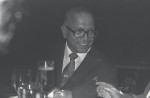
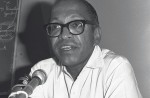
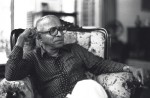
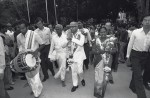
Singapore’s former president S R Nathan dies
Click on thumbnail to view photos. Source:
tabla!, The Straits Times, The New Paper, Berita Harian
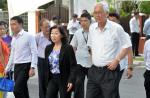


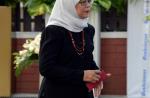



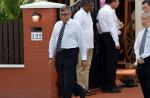
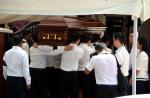
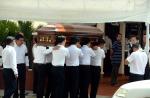
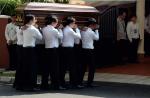
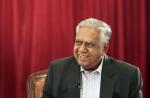
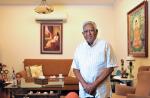
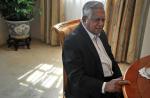
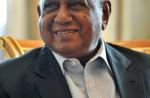
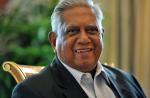
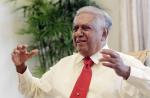
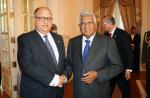
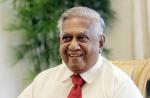
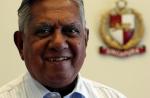
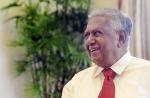
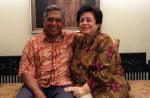
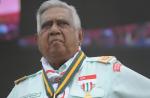
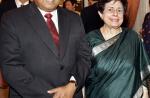
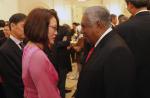
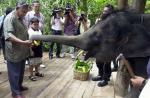
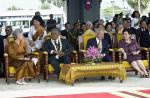
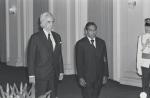

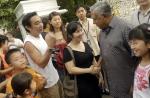


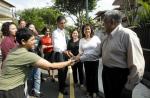
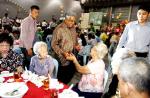
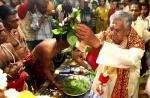
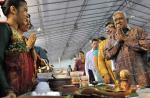
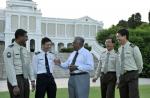
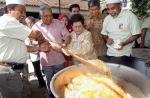
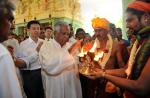
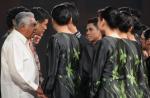
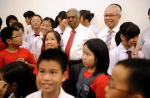
Click on thumbnail to view photos. Source:
The Straits Times, The New Paper







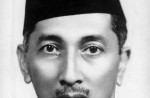
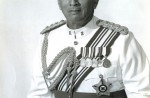
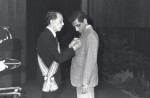
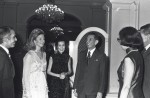
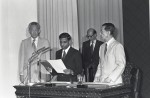
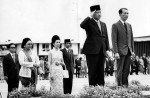
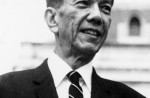
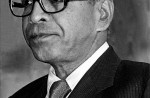
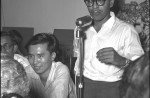
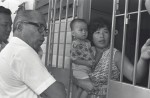
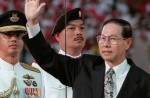
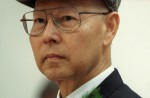
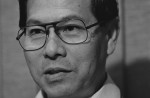
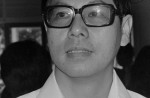
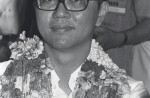
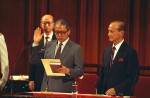
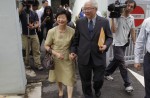
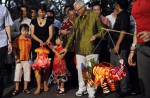
A look at the presidents of Singapore
Click on thumbnail to view photos. Source:
The Straits Times, Zawiyah Salleh, New Nation, Wee Kim Wee, The Business Times, The New Paper, The Ong family, Lianhe Zaobao
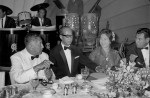
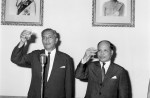
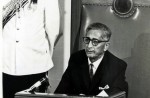
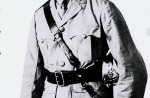
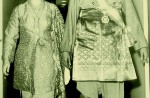
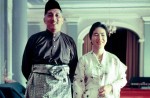
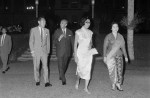
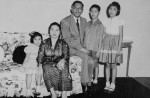
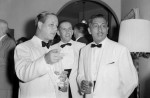
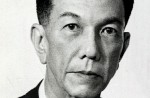
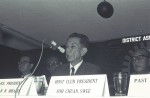
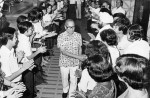
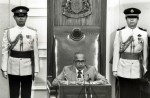
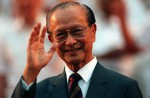
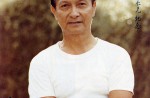
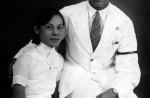
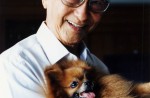
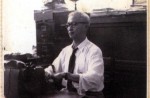
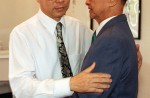
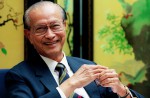
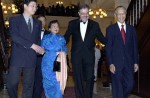
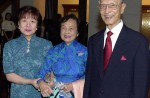
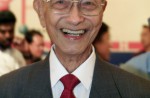
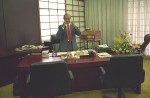
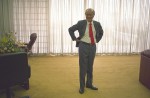
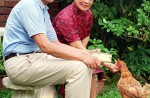
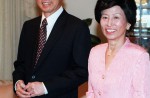


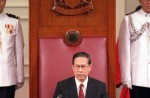
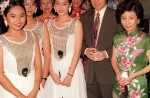

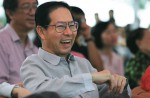
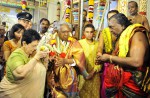

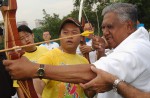
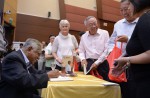
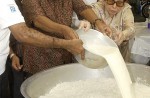
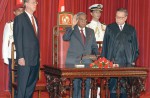
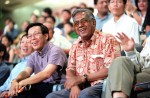
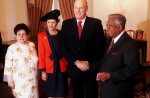
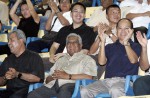
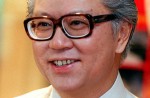

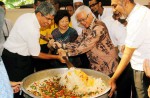

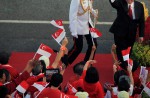

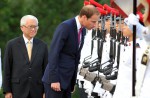
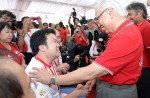
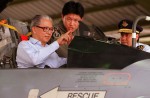
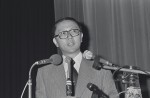
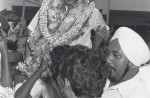
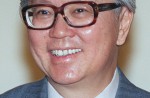
This article was first published on Aug 24, 2016.
Get a copy of The Straits Times or go to straitstimes.com for more stories.
Image:
Publication Date:
Wednesday, August 24, 2016 – 15:00
Keywords:
Send to mobile app:
Source:
Story Type:
Others
Hong Kong's 7-Eleven chain to stop selling milk tea recalled here by AVA
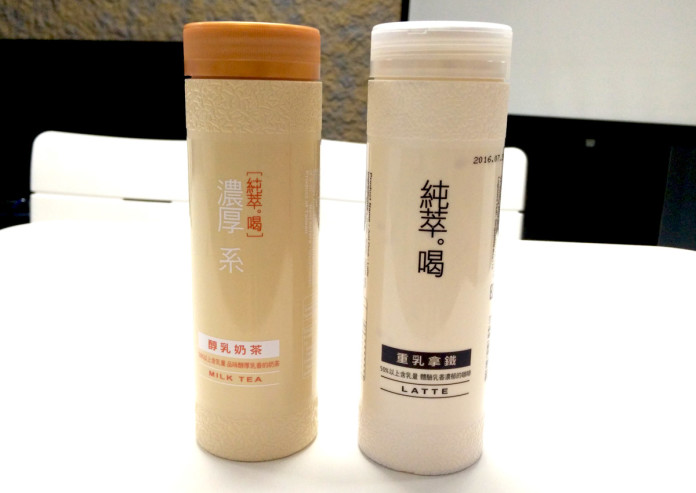
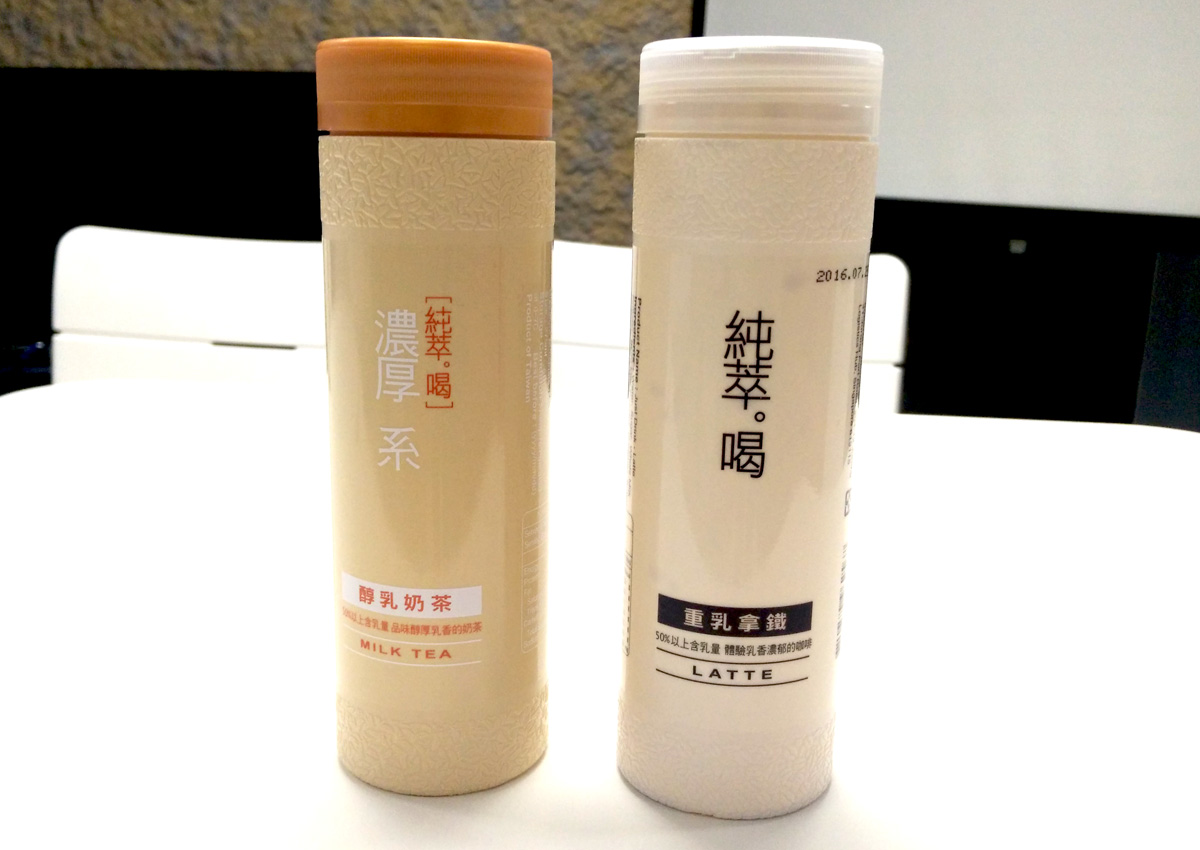
A day after a Taiwan milk-tea beverage was recalled by Agri-Food & Veterinary Authority of Singapore (AVA), Hong Kong authorities have followed suit in removing the drink from 7-Eleven convenience store shelves.
According to South China Morning Post (SCMP), a spokesperson for Dairy Farm International, which operates more than 900 7-Eleven stores in Hong Kong, said the recall happened on Tuesday (Aug 23) and authorities are awaiting test results.
AVA announced in a statement yesterday that the Chun Cui He beverage was recalled due to an unapproved food additive, L-theanine, which is not on the list of permitted food additives in Singapore.
The agency also said that it worked with the importer of the milk tea to recall the product.
Dairy Farm International’s spokesperson told SCMP that the company is following up on the case with the Hong Kong Food and Environmental Hygiene Department.
A staff member at a 7-Eleven outlet in Wan Chai said she was told to remove the affected milk tea beverage from shelves on Tuesday.
“We didn’t receive any memos about the latte and green tea. We were only told that one product was affected,” she said.
In Singapore, only the milk tea has been recalled.
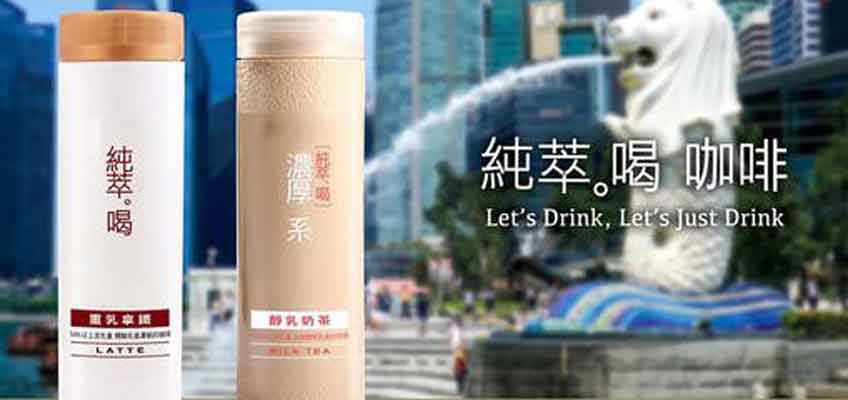
The beverage made its debut in mid-July at 7-Eleven stores here and quickly became popular among Singaporeans. Each bottle costs $2.80 and only two flavours – milk tea and latte – are available.
stephluo@sph.com.sg
Image:
Publication Date:
Wednesday, August 24, 2016 – 14:43
Keywords:
Send to mobile app:
Source:
Rotator Image:
Story Type:
Rewritten Story
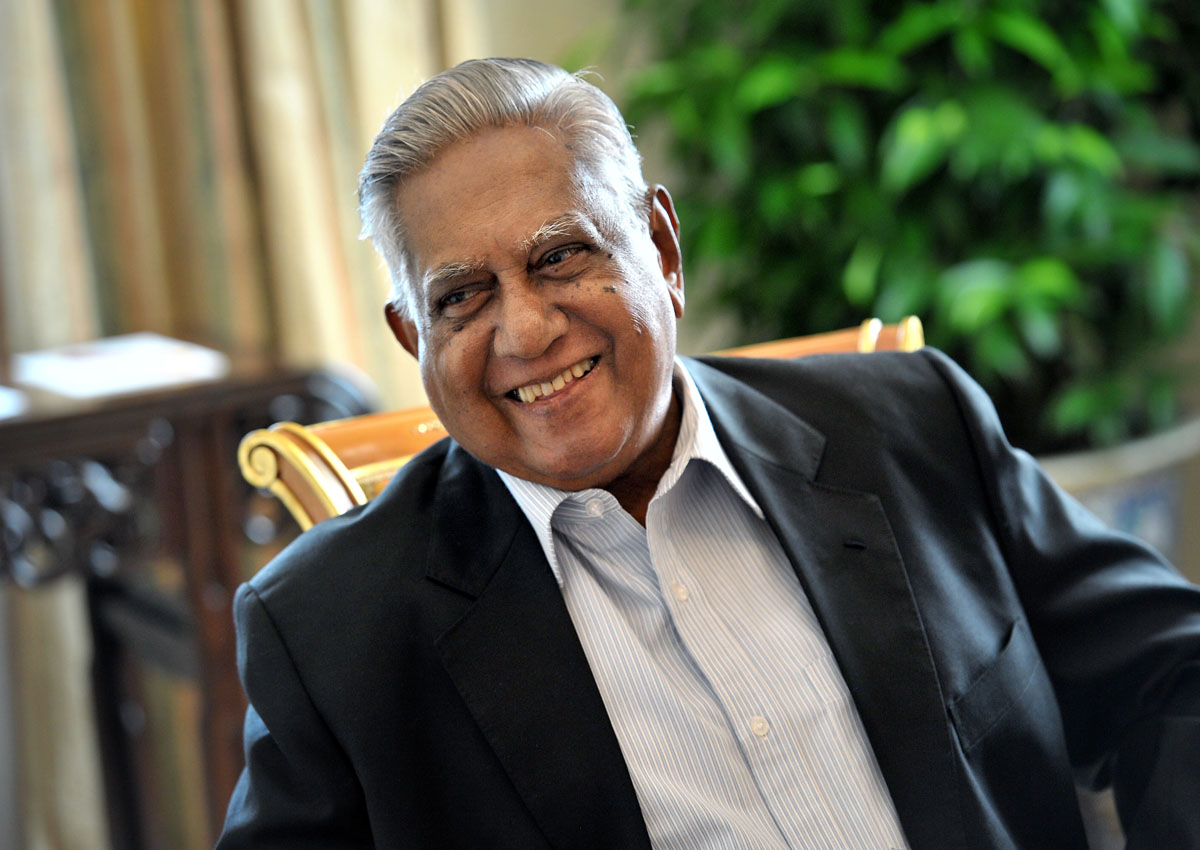
S R Nathan: A kind man who helped hundreds, says former aide
In a fit of anger, the boss of Mr S R Nathan ordered him to sack an officer who had made a mistake.
But Mr Nathan, a mid-level civil servant then, moved the man to a corner table in the office instead, out of the sight of his infuriated boss.
Days later, his boss saw the man, called Mr Nathan and told him: “I would have been aghast if you had gone ahead and fired him. You did the right thing.”
That was in the 1970s.
Already, he demonstrated the traits that would take him far in life: his independent judgment, boldness tempered with diplomacy and, above all, kind-heartedness.
The incident also typified his work ethos, recalled Mr Tan Eng Beng, 58, principal private secretary to Mr Nathan from 2005 to 2011 when he was president.
Each morning, Mr Nathan would carefully comb through the newspaper and whenever he came across a report of an individual down on his luck, Mr Tan was asked to find out how the person was being helped.
“He would open the newspaper and say, ‘Hey, this boy is sleeping at the bus stop, what are MCYS (the then Ministry of Community Development, Youth and Sports) and others doing to help him? Please tell me,’ ” he recounted.

The instinctive acts of compassion are Mr Tan’s most cherished memories of Mr Nathan, whom he saw for the final time on Monday afternoon at the Singapore General Hospital, hours before Mr Nathan died at the age of 92.
As his aide, Mr Tan had a front-row view of the former president’s relentless effort to fund the education of poor students.
He recalled a group of Malay students who did well and were admitted to prestigious British universities including Cambridge University and Imperial College London.
But they could not go on their own dime or that of self-help group Mendaki, which does not fund overseas education.
When he heard about their plight, Mr Nathan personally arranged for donors to pay their fees.
He went a step further and asked public agencies to give the students internships and jobs so that they would return to Singapore.
“He said we should do what we can to help them succeed in the universities there and then come back and be leaders of the community here in Singapore,” said Mr Tan.
Mr Nathan could also be counted on when aid schemes or groups like the Chinese Development Assistance Council did not pay for tertiary education: “He asked all these agencies and people to let him know if they came across someone who needed support.”
Mr Tan added: “He must have easily helped more than a hundred people this way over the years, without letting them know that he was the one supporting them. He never wanted to be acknowledged.”
Helping with an invisible hand was his way of living his strong belief that education improves lives.
Growing up with little, he received a bursary from oil giant Shell to study social work at the then University of Malaya in Singapore. He was 28.
He also set up the S R Nathan Education Upliftment Fund in 2011 to support disadvantaged polytechnic and Institute of Technical Education students. Said Mr Tan: “He always wanted to give back.”
For Mr Nathan, no individual was too unimportant and no detail too troublesome to look at – two qualities that stood out in his work.
He was an exacting boss who held those under him to high standards, said Mr Tan. “Whenever he had any questions, he would call me over, and I had to be very clear about a recommendation or decision I made.”
He held himself to the same standards: no cutting corners.
He would meticulously examine every piece of legislation before he gave his presidential approval.
Recounted Mr Tan: “He scrutinised whatever the Government put up, to the extent that government agencies were sometimes quite unhappy with me because I was the one who had to query them.
“They would say, ‘Why are you asking all these questions?’ “
On state visits, Mr Nathan – a former diplomat – always had a foreign policy goal he wanted to achieve, said Mr Tan.
“He’s not just going there to have tea with the president of the other side.”
Part of his responsibility as president was to consider the clemency pleas of death row inmates, and to sign their death warrants.
“He would even call up the Attorney-General to make sure he was doing right by the person, that he understood the case and was not signing blindly. He had this sense of trying to be fair to everyone,” said Mr Tan.
Mr Nathan was unafraid to disagree when he felt something was not right.
For instance, he disagreed with the decision to build casinos in Singapore, and gave his views to the ministers of the day.
But he could see beyond his personal preference and accept what was for the national good.
This article was first published on Aug 24, 2016.
Get a copy of The Straits Times or go to straitstimes.com for more stories.
Image:
Publication Date:
Wednesday, August 24, 2016 – 13:11
Keywords:
Send to mobile app:
Source:
Story Type:
Others
Opposition remembers ex-president

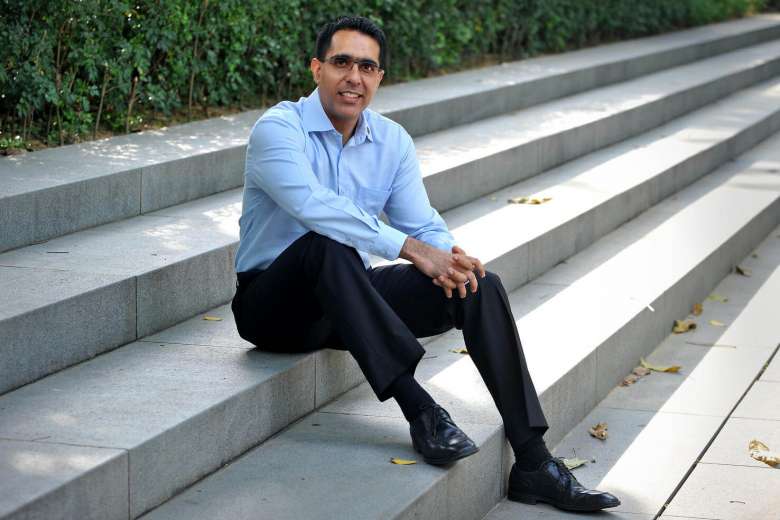
When Workers’ Party (WP) MP Pritam Singh attended the Cabinet’s swearing-in ceremony in 2011, he met then President S R Nathan.
A few weeks later, he received a pleasant surprise in the mail – a photo of him and Mr Nathan taken by the official photographer that night, with a note from the President wishing him the best.
Recounting this in a Facebook tribute to Mr Nathan, Mr Singh said: “I have come across some civil servants and state officials who by their actions and mannerisms, look down on Singaporeans who represent the opposition. President Nathan was not one of them.”
Several opposition politicians yesterday shared on Facebook stories about their encounters with Mr Nathan, who died on Monday.
Singapore’s former president S R Nathan dies
Click on thumbnail to view photos. Source:
tabla!, The Straits Times, The New Paper, Berita Harian
WP chairman Sylvia Lim said Mr Nathan and her father had been colleagues in the civil service. She added: “When I became Non-Constituency MP in 2006, President Nathan was very kind to me and generous with his precious time. He always made it a point to… say ‘hello’ and to ask how things were going.”
Former NCMP Gerald Giam recalled him as a president who never rejected a call from a foreign dignitary, no matter how last minute.
Once, a request came in from a foreign dignitary who wanted to meet Mr Nathan that very morning. Mr Giam, who was handling the request as a Ministry of Foreign Affairs officer, said Mr Nathan agreed despite the short notice and rushed to the Istana for the meeting.
Click on thumbnail to view photos. Source:
The Straits Times, The New Paper



“Such was the nature of the man. He took his responsibilities very seriously, and carried our flag with much grace and dignity,” he added.
Reform Party chief Kenneth Jeyaretnam said Mr Nathan had attended the wake of his father, the late opposition veteran J.B. Jeyaretnam.
“His family are in my thoughts at this sad time,” he said.
A look at the presidents of Singapore
Click on thumbnail to view photos. Source:
The Straits Times, Zawiyah Salleh, New Nation, Wee Kim Wee, The Business Times, The New Paper, The Ong family, Lianhe Zaobao
This article was first published on August 24, 2016.
Get a copy of The Straits Times or go to straitstimes.com for more stories.
Image:
Publication Date:
Wednesday, August 24, 2016 – 16:00
Keywords:
Send to mobile app:
Source:
Story Type:
Others
Former president a humble, caring leader
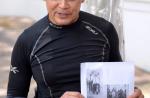
In 2009, Dr William Tan was diagnosed with Stage 4 leukaemia. The para-athlete was told he had only a year or less to live.
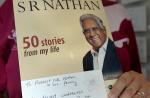
A lifeline came from the head of state. Then President S R Nathan wrote Dr Tan a note telling him to “keep on the fight”. He later autographed copies of Dr Tan’s memoir so he could raise funds for his cancer treatment.
“I was so touched that Mr Nathan made the effort to sign many copies of the book,” said the 59-year-old. “His support invigorated me to battle my cancer.”
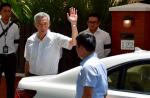
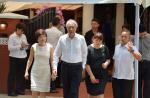
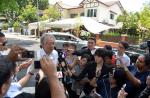
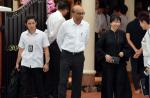
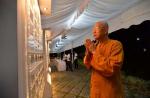
It left an indelible mark on Dr Tan, who marks his seventh year of remission next month. Yesterday, he was among hundreds of people who turned up at the Istana as well as Mr Nathan’s family home in Ceylon Road to pay their final respects.
Among those who went were a former prime minister, an old neighbour from Bukit Panjang, a part-time worker at McDonald’s and Singapore’s first chief of defence. There was also his old Tamil-language tutor, a former Robinsons salesman and a diplomat.

Some are close confidants or friends. Others have seen him only from afar or on television. All were affected by his death.
At the Istana, Ms Cheren Kwong, a freelance parenting coach, wiped her face of tears.
“While people will think that Mr Lee Kuan Yew and PM Lee Hsien Loong are the big stars, there are others who have contributed to our country too – and I believe Mr Nathan is one of them,” said the 49-year-old, who has never met the late former president.
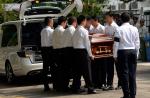
The mood in Ceylon Road yesterday was sombre as Mr Nathan’s body was taken home just before 11am for a private wake.
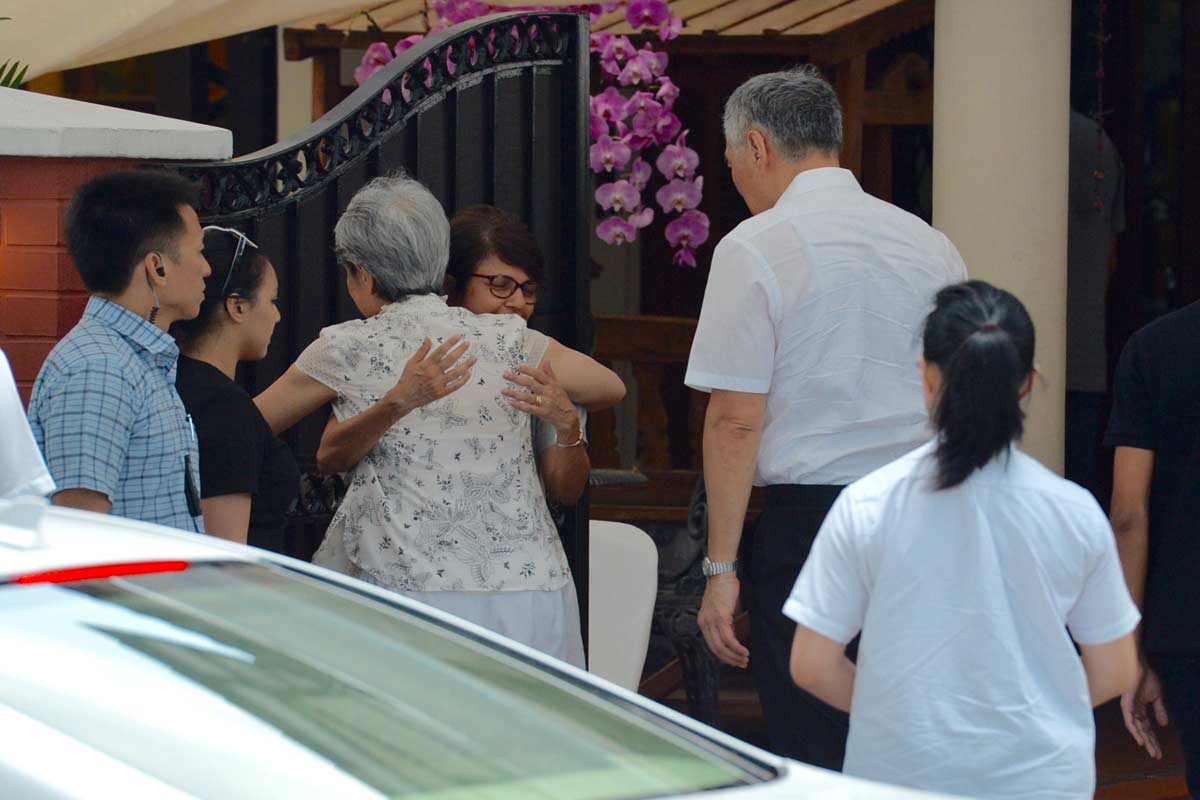
From inside the house where Mr Nathan lived for more than 40 years, his family emerged now and then to greet visitors. His daughter Juthika, 57, exchanged a hug with Mrs Lee Hsien Loong when she arrived with PM Lee at about 12pm.
Mr Nathan also leaves behind his wife Urmila, son Osith, 53, and three grandchildren.
Singapore’s former president S R Nathan dies
Click on thumbnail to view photos. Source:
tabla!, The Straits Times, The New Paper, Berita Harian
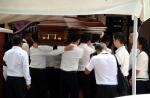
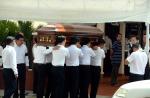
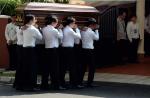
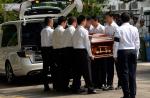
Mrs Nathan, 87, did not step out into the glare of the public eye. Emeritus Senior Minister Goh Chok Tong, who visited with his wife, said she was calm in the presence of visitors.
But when Mrs Goh touched on certain subjects – he did not specify which, the woman whom Mr Nathan wooed for 16 years and knew for 74 years lost her composure. “We could see her tearing,” said ESM Goh.
For the former prime minister himself, Mr Nathan was not just his president, but also his resident. His home is within Marine Parade GRC.
ESM Goh said he has lost a “distinguished and loyal resident”.
“Each time I came over here, he’ll be standing at the door. Unlike other residents where we had to knock on the door, this resident was out and waiting for me,” said ESM Goh.
He added: “His contributions to Singapore were immense but, I would say, probably under-appreciated by most people. ” Singaporeans – and non-Singaporeans – yesterday came with flowers and anecdotes of how Mr Nathan contributed to the country and touched people’s lives.
American Association of Singapore president Glenn van Zutphen, 52, took his children Max, seven, and Kate, 10, to the Istana, saying: “Even though many of us are not Singaporeans, we are still appreciative of what he has done.”
Besides his well-chronicled public service work – fending off American diplomatic pressure during the Michael Fay incident as ambassador, offering himself as a hostage during the Laju terrorist hijacking crisis and 12 years as president – Mr Nathan’s sense of duty quietly manifested itself in little ways as well.
Second-generation leader S. Dhanabalan recounted how, during a meeting to explain to Japanese investors how Singapore was an attractive investment destination, Mr Nathan – who was fluent in Japanese – stepped in to translate the discussion as the official interpreter was not doing a good job.
“That left a deep impression on me,” said Mr Dhanabalan, 79.
Deputy Prime Minister Teo Chee Hean recalled how during the 2003 Sars crisis, Mr Nathan called him to ensure special needs children were looked after when thermometers were given to all schools.
Mr Mok Yong Khiam, 84, a part-time worker at McDonald’s, said simply: “He is a very good and humble man who always helped our country. I feel very sad.”
For others, it was the loss of a friend. Mr S.P. Thinnappan, 82, who used to present tips on learning Tamil on radio, remembered how Mr Nathan called him in 1999, asking for lessons in reading and writing so he could reacquaint himself with the language.
Mr Thinnappan went to his home weekly for the next 15 years.
“He was a very good student. You only had to teach him once, and he would catch it immediately,” Mr Thinnappan said, beaming with pride as he recounted how Mr Nathan progressed to make speeches in Tamil.
Singapore’s first chief of defence Winston Choo recalled that in 1973, he and Mr Nathan once stayed in the same hotel in Bangkok. It caught fire.
“The first thing I thought of was checking on him. We sat outside watching the hotel burn and thinking of how lucky we were,” he said. He also noted how Mr Nathan was calm in the face of crisis, referring to the Laju hijacking incident.
“Let me put it this way. We couldn’t have found a better person for that because he was steady, unshaken,” he said.
Yesterday, Ms Hilma Hanapi took a day off from her job designing window displays. She and her mother Sarinam Mohamed, 63, took the train from Braddell, where they live. They brought with them a bouquet of chrysanthemums.
Holding back tears, Ms Hilma said: “I told my boss that it is an important day – I have to come here.”
kcarolyn@sph.com.sg
linettel@sph.com.sg
Additional reporting by Jalelah Abu Baker
Click on thumbnail to view photos. Source:
The Straits Times, The New Paper



Read also: People from all walks of life turn up to pen tributes to ex-president S R Nathan
This article was first published on August 24, 2016.
Get a copy of The Straits Times or go to straitstimes.com for more stories.
Image:
Publication Date:
Wednesday, August 24, 2016 – 14:00
Keywords:
Send to mobile app:
Source:
Story Type:
Others
NEA to study disposable packaging's environmental impact
The study will evaluate the environmental impact associated with all the stages of a disposable’s life cycle, says NEA.
Source link


