Home Blog Page 3043

Queues form in blazing sun as people pay last respects to former president S R Nathan

0

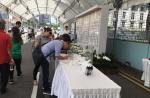
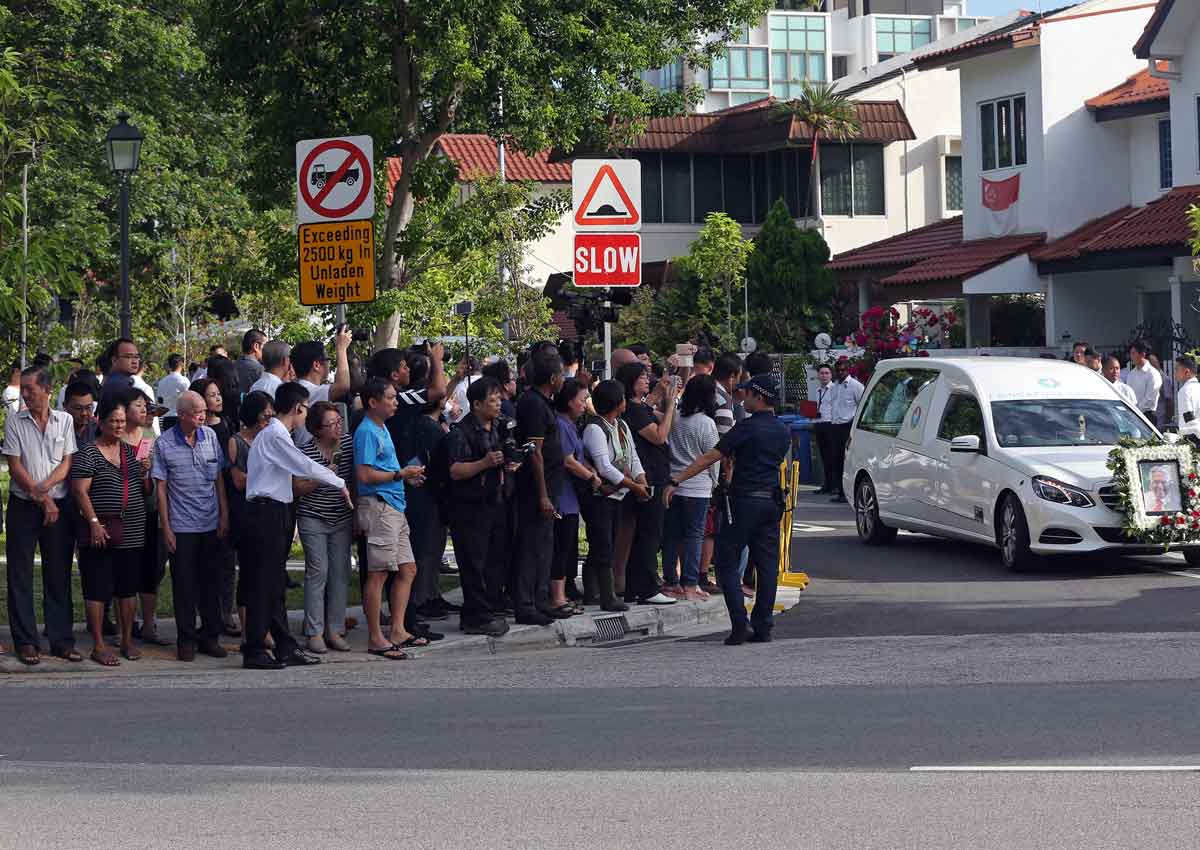
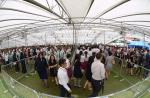
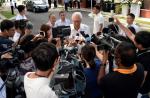
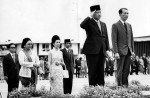
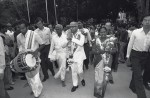
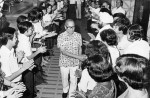
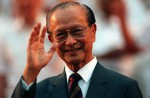
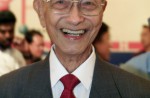
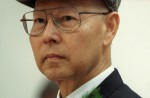
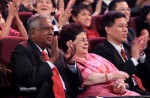
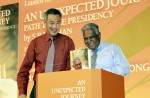
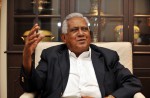
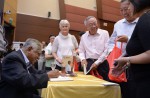
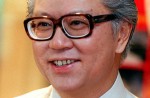
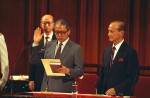
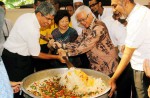
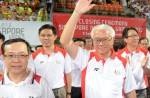
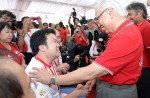
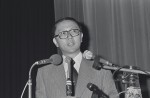
A blazing hot Thursday did little to put off throngs of people from all walks of life from paying their last respects to former president S R Nathan who died on Monday (Aug 22).

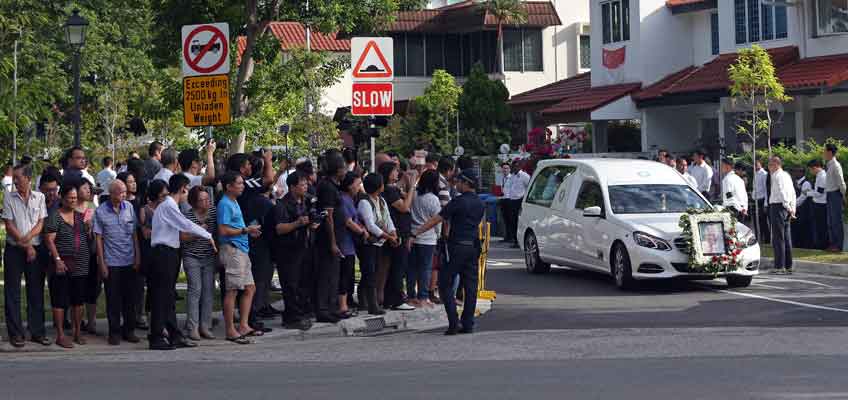
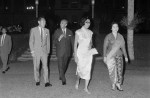
The Straits Times reported that about 100 people lined Ceylon Road to give their final goodbyes to Singapore’s sixth and longest serving president as family and friends followed the hearse on foot Thursday morning (Aug 25).

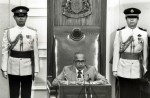
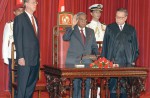
Mr Nathan’s hearse arrived at 9am at Parliament House. In the highest honour accorded to a leader, a state flag was draped over Mr Nathan’s casket.

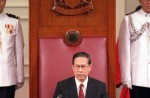
Singapore’s current president, Mr Tony Tan, arrived at 10am at the Parliament House with Mrs Tan to pay their last respects.

Labour chief and Minister in the Prime Minister’s Office Chan Chun Sing was among the early birds at the Parliament House. He led a 700-strong group from the labour movement.

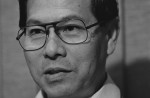
Among others who came to pay their last respects was veteran opposition politician Chiam See Tong, who was spotted at about 11.50am. Mr Chiam had also gotten out of his wheelchair, with support, to get closer to the coffin.

Some students, including those from Northland Primary, joined in the queue at Victoria Concert Hall in the late morning. The queue had stretched to the concert hall by 11am.

Japan’s Prime Minister Shinzo Abe also expressed his condolences on behalf of the Japanese government to the family of Mr Nathan on Wednesday (Aug 24).

In a statement on Japan’s Ministry of Foreign Affairs website, Mr Nathan was described as “a cornerstone of unity among the Singapore people”. It also mentioned that Mr Nathan was fluent in Japanese.

stephluo@sph.com.sg

Image: 
Category: 
Publication Date: 
Thursday, August 25, 2016 – 12:21
Send to mobile app: 
Source: 


Rotator Image: 
Story Type: 
Rewritten Story

Source link

Online food delivery industry 'vibrant', but exclusive agreements may hamper competition

0

Competition Commission Singapore says new entrants are currently competing aggressively and market shares are “changing significantly”. 

Source link

Mindset change the true measure of gold medal legacy

0

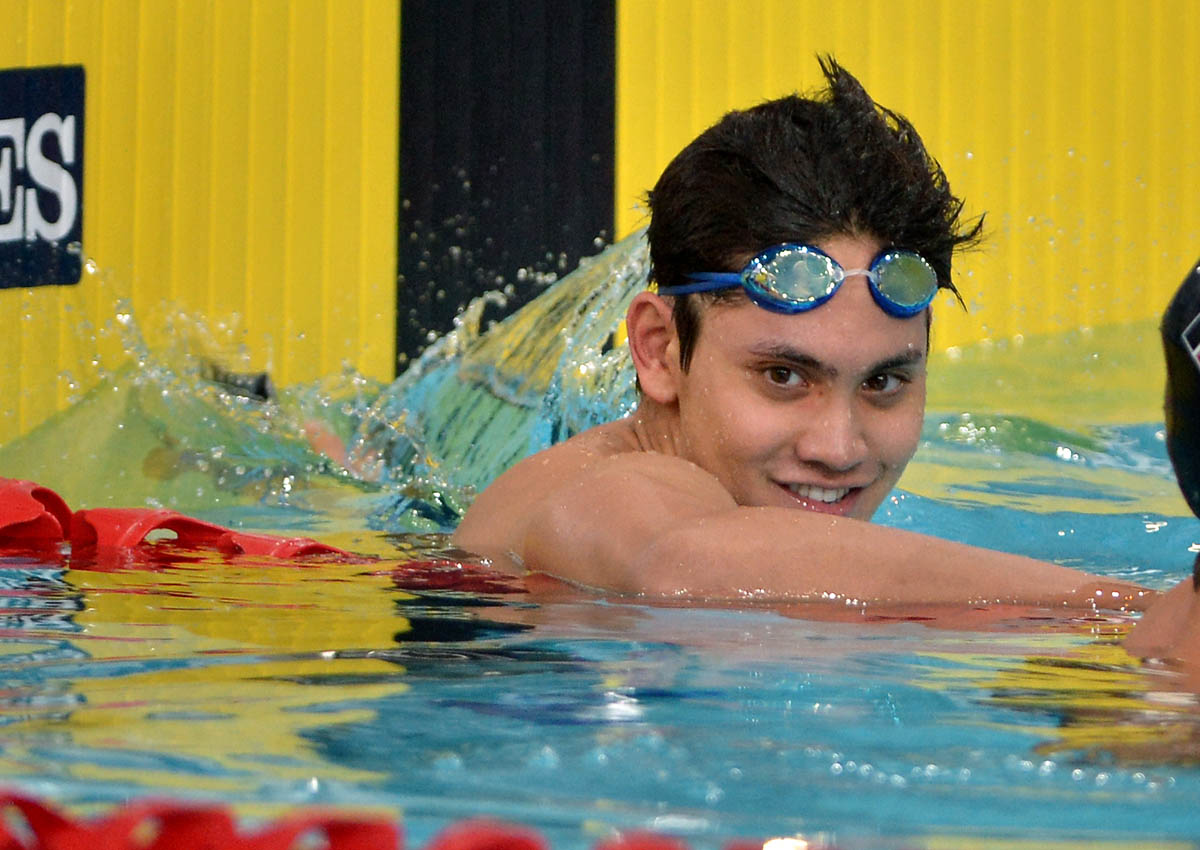
It has been over a week since Joseph Schooling won Singapore’s first Olympic gold, yet the 21-year-old swimmer continues to be the talk of the town.

Almost everyone I meet has had a question about the golden boy. What are Joseph and his family like? Is he really such a good boy?

He’s such a nice, handsome young man, remarked a family member at a gathering over the weekend.

In fact, the demand for more Schooling news is so high that Joseph’s parents, Colin and May, are scheduled to face an international media scrum at a press conference they are holding today.

The senior Schoolings were also invited to the National Day Rally on Sunday where Prime Minister Lee Hsien Loong paid tribute to their son and other Team Singapore athletes.

This followed a week in which there was an outpouring of support from corporate Singapore. From airlines to banks, everyone offered the champion their congratulations.

Having covered sport for over 13 years, it is refreshing and heartening to see local sport and athletes being elevated to the national conversation.

Yet, the sceptic in me wonders how long this will last.

Having witnessed the excitement over one sporting achievement after another dissipate after the initial euphoria, I reckon that Schooling fever will be months, at best.

ASEAN football titles, Olympic medals, and last year’s record SEA Games medal haul came and went. Soon after each achievement, as always, sport returned to its traditional place in the shadows of the Singapore way of life.

Let’s face it: We may now have an Olympic gold, but we are far from being a sporting nation where sport is a priority.

A Straits Times article last week highlighted how Schooling’s Olympic win had inspired at least two parents to allow their children to pursue their sporting ambitions.

While laudable, those parents remain a small minority. Most parents and teachers would still rather push their kids in studies than into a swimming pool or onto a football pitch.

Just last month, the ST sports desk approached the principal of a secondary school which had won its first-ever football title. We wanted to do a feature on the team and the school and celebrate their momentous achievement.

But the principal turned down the interview request, citing the students’ need to concentrate on the upcoming examinations.

While I understand her concern about her students’ academic future, I was disappointed she saw no value in an interview – one hour at most – celebrating the achievements of her student-athletes.

At a time when the Ministry of Education has been advocating the benefits of broad-based, holistic education, I was puzzled why she passed up the chance to highlight her school’s sporting feat.

SLOW TO EMBRACE SPORT

But if one were to analyse the wider approach to sport in Singapore, the principal’s reaction is perhaps not surprising.

For a start, Singaporeans were fortunate to have been able to watch Schooling’s historic 100m butterfly final on Aug 13 and witness how Majulah Singapura played at the Olympics.

Because, only weeks earlier, it wasn’t even clear if Singapore would get live telecast of the Games.

The national broadcaster had at first decided that there would be no live coverage because of cost.

That decision was eventually overturned, but the question begging to be answered is how Singapore could have been willing to allow a potentially monumental event in its history pass it by.

In negotiating for the rights to broadcast the Olympics, the Government had maintained that the decision to show the Games live or not should be a commercial one.

I agree and do not think the state should enter into negotiations with the rights holders. But, as the events of the past few weeks have shown, there is much national value in seeing our brightest athletes take on the world’s best.

And if we recognise that there is value in events like the Olympics, then the Government must find a way to work with the national broadcaster to ensure that, barring an astronomical rights fee, watching Team Singapore competing live is something Singaporeans should be able to expect.

This tentative approach to supporting sport was also evident in the absence of viewing parties for the Schooling race.

The Singapore Swimming Association had one, as did the Chinese Swimming Club and Singapore Island Country Club, but what was strangely missing were public events where the community could gather and watch.

It is especially strange given that public viewing parties were done for Euro 2016 football matches but not for an event featuring a Singaporean – what’s more, one who was fancied to win Olympic gold. There is nothing quite like watching sport as part of a community and an opportunity was lost with Schooling’s win.

LEGACY OF THE GOLD

If this lukewarm approach to sport is what we’re okay with as a nation then the status quo is fine.

But if we intend for Schooling’s Olympic medal to mean something more to this nation, to really be the game-changer for Singapore sport that it should be, then the traditional Singapore approach to sport and sportsmen needs to change, now.

For a start, funding models for athletes could be relooked.

Funding for sport has grown steadily over the years, rising from $8 million annually in 1994 to over $62 million, when the then Singapore Sports Council, now Sport Singapore, last released numbers in 2012 on how much government help national sports associations get.

The model has also changed, from one that looked at annual needs to one that is more of a multi-year approach, which can better help athletes plan long-term.

These days, there is also help from other programmes like the Sports Excellence Scholarship, which promises $40 million funding, up to 2018, for the nation’s elite athletes.

Despite the added financial support, athletes aiming to be world-class find the going tough.

The lack of world-class competition at home means almost all elite athletes spend much of their time training and competing overseas. Such stints require a sizable investment, one perhaps the Government should not be solely responsible for.

In mature sports markets like the United States, Britain and even nearby Thailand, it is not uncommon to see athletes on billboards and on television endorsing products.

There is much commercial value in backing a sportsman – they are often fit, dedicated and successful. Yet few see such value in Singapore’s athletes – at least not until they have won Olympic gold.

There is a lot corporate Singapore can do for athletes, especially fringe ones that may not quite fit into national programmes.

Rower Saiyidah Aisyah, for example, struggled to get the state funding she needed to mount a serious Olympic challenge. It was in part due to mediocre performances at the 2014 Asian Games, where she failed to win a medal, and at last year’s SEA Games, at home, where she failed to match her 2013 gold.

She resorted to crowdfunding and also found kind sponsors in fast-food chain 4 Fingers Crispy Chicken and eventually made it to Rio, finishing 23rd out of 32 rowers.

Could more be done for athletes like her?

Perhaps the $1 million reward for Olympic gold should also be relooked. It was started to entice athletes to reach the very top.

Now that Singapore has an Olympic champion, and other athletes in swimming, sailing, shooting and table tennis with potential to also be world beaters, could the money be better spent helping them get to the top?

As an Olympic gold medallist once remarked upon hearing about Singapore’s $1 million reward: “It’s like telling a driver that he will get a can of petrol after he completes his journey. Good to have, but much more helpful if it came sooner.”

SPORTING SINGAPORE

But perhaps the biggest impact Schooling’s gold can have for Singapore is to change the mindset of not just the Government and corporates but Singaporeans.

A national coach recently remarked that even parents of national junior athletes prefer their kids take a break from training during examination period. Are we prepared to see studies and sport as equally important components?

Will we now be more willing to pick up sport ourselves or let our kids pursue sport instead of pushing them to be doctors, lawyers and bankers?

Will we spend this Sunday outdoors with the family kicking a ball instead of at the shopping mall?

Will we give our support to athletes and back them at national championships and not just during the Olympics?

These are questions we have to ask ourselves as a nation. Because unless we change our mindsets about sport, how can we expect others to?

Only we can decide what to make of this historic Olympic gold.


This article was first published on Aug 25, 2016.
Get a copy of The Straits Times or go to straitstimes.com for more stories.


Image: 
Publication Date: 
Thursday, August 25, 2016 – 14:00
Keywords: 
Send to mobile app: 
Source: 


Story Type: 
Others

Source link

Fairprice: Haagen-Dazs Two Tubs for $19.85, LINDT Lindor & More Must-Buys from 25 – 31 Aug 2016

1

FAIRPRICE: Haagen-Dazs two tubs for $19.85 (u.p. $28.90), $6.70 LINDT Lindor Cornet (u.p. $10.95) & more must-buys (till 31 Aug)

Fairprice: Haagen-Dazs Two Tubs for $19.85, LINDT Lindor & More Must-Buys from 25 – 31 Aug 2016

Fairprice is offering some specials in its latest weekly Must-Buy offers – Haagen-Dazs ice cream 2 tubs for $19.85, Huggies, Milo, Mcvitie’s Digestive Biscuits, Dove and more

Source

Rare Dragonair Pokemon causes frenzy at Singapore Cruise Centre

0

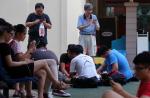
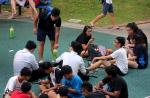
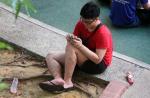
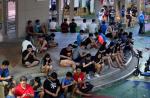
A crowd was spotted on Wednesday (Aug 24) at HarbourFront Singapore Cruise Centre supposedly to catch Dragonair in the popular Pokemon Go game.

According to Stomp contributor K, who sent in photos showing a crowd of Pokemon Go players gathered at around 9pm, players were rushing to ‘catch’ the Pokemon at the ferry terminal.

A Dragonair is considered a rare Pokemon in the game and does not appear often for trainers to catch.

Players tried to get as close as possible to the Dragonair in order to get their hands on the elusive virtual creature before it disappeared.

According to K, the crowd was then dispersed by security personnel thereafter.


Visit STOMP for more stories.

Image: 
Category: 
Publication Date: 
Thursday, August 25, 2016 – 11:50
Keywords: 
Send to mobile app: 
Source: 


Story Type: 
Others

Source link

Milk tea fans may have to wait a year

0

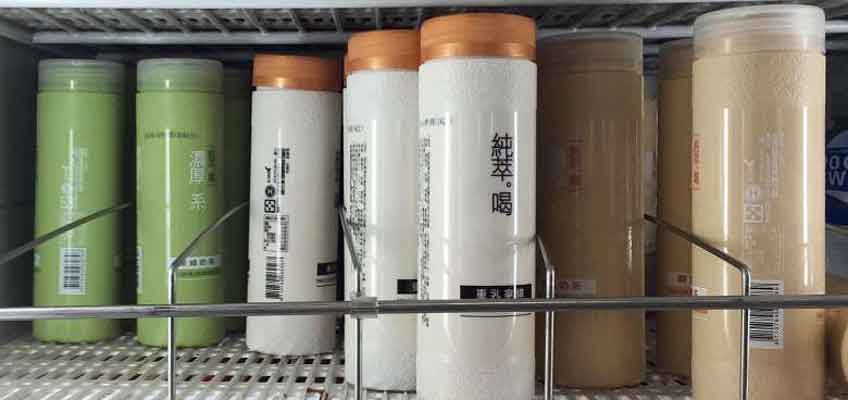
It may be several months before fans of the popular Taiwanese milk tea Chun Cui He can get their hands on a bottle here again.

The evaluation and approval process for the use of a new food additive in Singapore can take six to 12 months, the Agri-Food and Veterinary Authority (AVA) told The Straits Times yesterday.

Its response came a day after it announced a recall of the milk tea for containing L-theanine, a non-permitted food additive.

L-theanine, an amino acid found naturally in tea plants and fungi, is said to have calming properties. The AVA has said that it does not pose a food safety risk.

Taiwanese food company Bifido, which produces the milk tea, told The Straits Times yesterday that it had submitted documents to the AVA to register L-theanine as a permitted food additive.

When asked about this, the AVA said yesterday that it has received inquiries from an importer about the inclusion of L-theanine as an approved additive, and advised it to submit an application.

Applications are assessed based on whether the food additive is safe, recommendations on its use by international organisations, and regulatory approvals in other countries.

If evaluated to be safe for use in food, the Food Regulations have to be amended to provide for the legal use of the new additive, the AVA said.

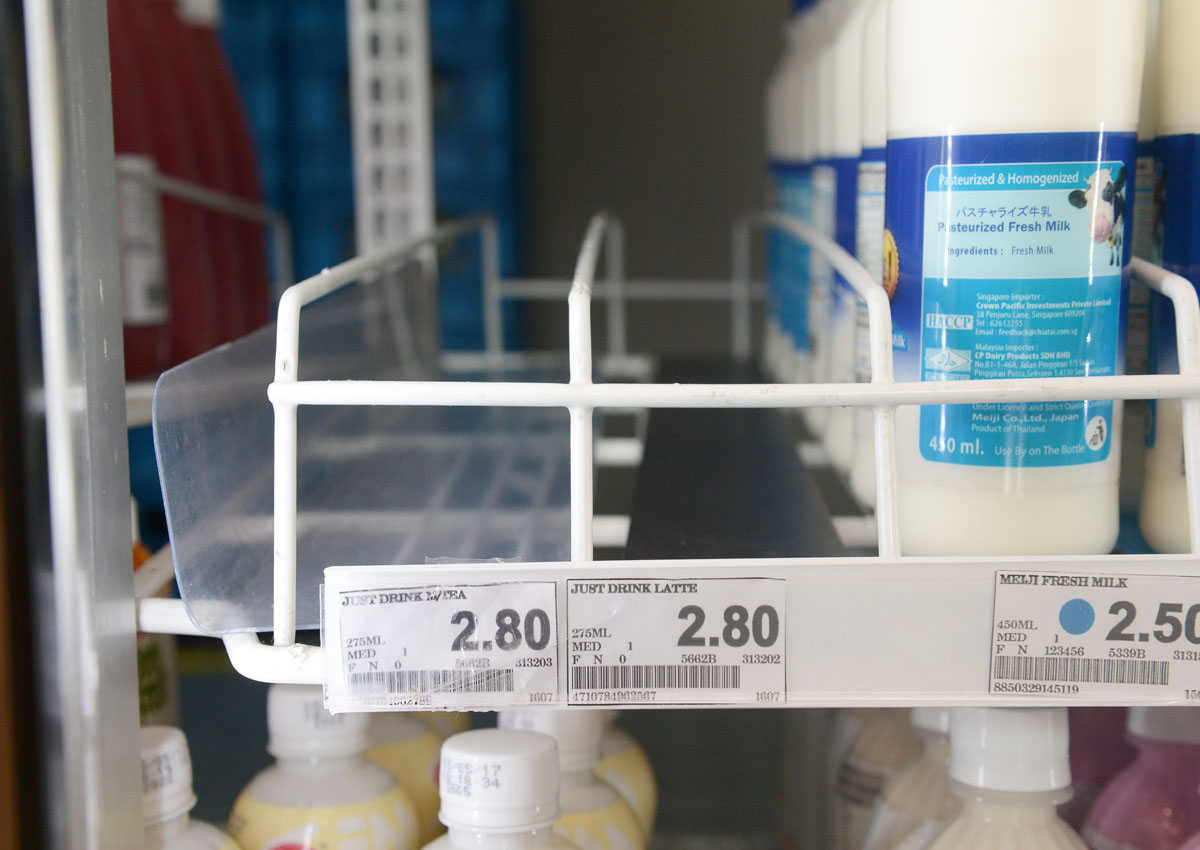
Chun Cui He milk tea was pulled from the shelves at all 7-Eleven stores on Monday, though the brand’s other flavour, latte, remains on sale here.

Hong Kong’s 7-Eleven chain followed suit on Tuesday, notifying its staff to remove the drink from shelves. By yesterday, all its 1,000 outlets across the city had ceased its sale, a 7-Eleven spokesman told The Straits Times.

“We stopped selling Chun Cui He milk tea after the Singapore Government banned it. It is to respond to the concerns expressed by our local customers as there is no clear guideline on the use of L-theanine in Hong Kong.

“We are liaising with the supplier and Centre for Food Safety to clarify if such little amount of L-theanine in the drinks is safe for human consumption,” the spokesman said.

The Straits Times understands that another convenience store chain, Circle K, has also pulled the drink from several of its stores in Hong Kong.

Professor William Chen, director of Nanyang Technological University’s Food Science and Technology programme, said that a standard 200ml cup of black tea is reported to have roughly 24mg of L-theanine, while a cup of green tea contains about 8mg. L-theanine is naturally found in teas, but is not allowed as an additive here.

The Chun Cui He milk tea and latte drinks sparked a frenzy when they debuted at 7-Eleven convenience stores here last month, prompting the convenience store chain to set a limit of four bottles a customer.

The difficult-to-snag beverages, which have their own Facebook page to monitor where stock is available, also appeared on online marketplace Carousell at marked-up prices.

However, after the AVA’s announcement on Tuesday, they disappeared, and remained unavailable yesterday.

A seller who goes by the username of fat-captain put up a notice saying that sales of the milk tea would cease until it is approved by the authorities, with full refunds offered to purchasers.

The seller, who declined to be named, told The Straits Times: “We are a kiasi (afraid to die) nation. Whenever there’s an advice or warning announced to the public from the authorities, I think most people would rather play it safe.”


This article was first published on Aug 25, 2016.
Get a copy of The Straits Times or go to straitstimes.com for more stories.

Image: 
Publication Date: 
Thursday, August 25, 2016 – 14:00
Keywords: 
Send to mobile app: 
Source: 


Rotator Headline: 
Chun Cui He milk tea fans in Singapore may have to wait a year for it to return
Rotator Image: 
Story Type: 
Others

Source link

He treated everyone equal, including staff

0

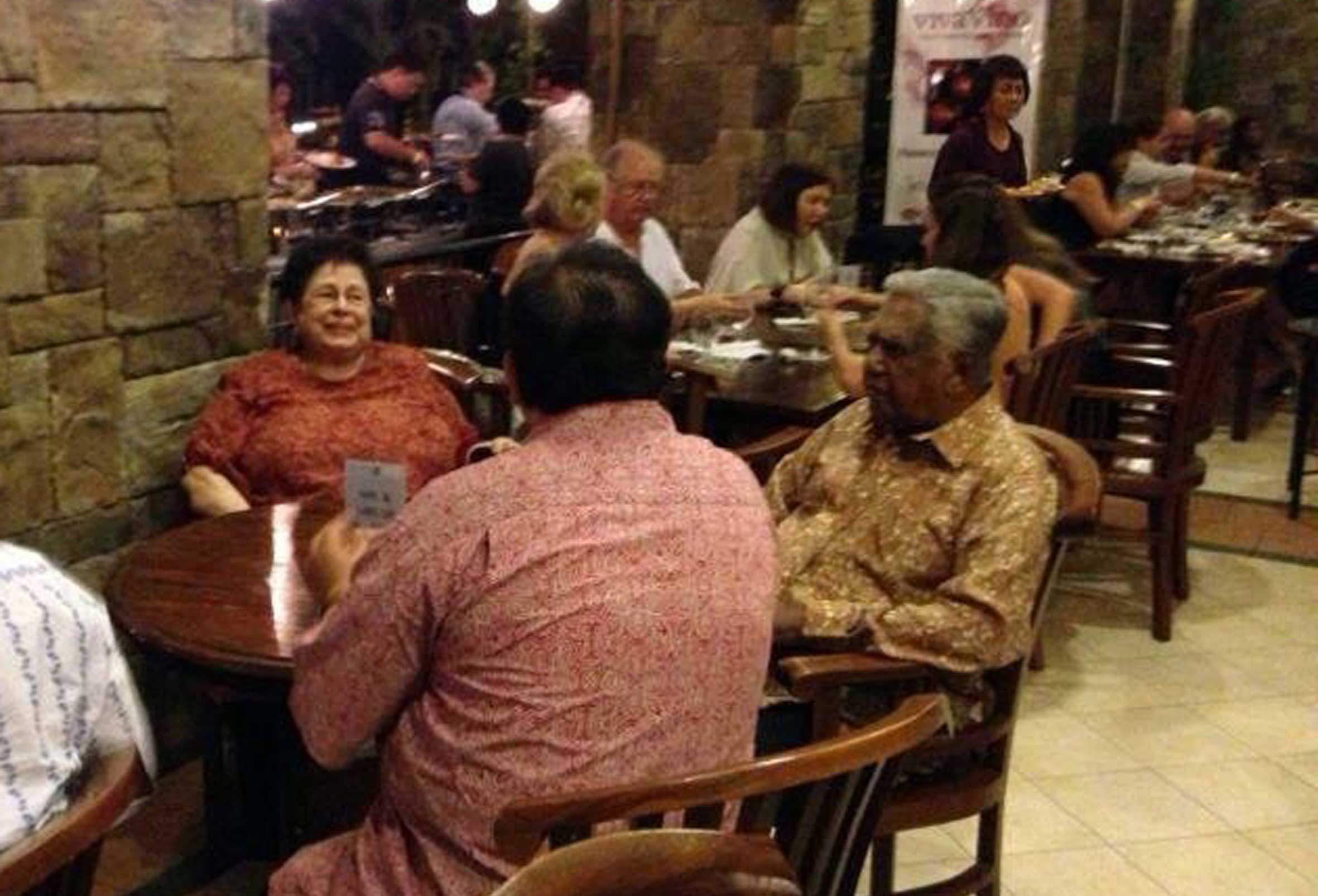
It was supposed to have been a quiet Valentine’s Day lunch for former President S R Nathan and his wife, courtesy of grandson Kiron.

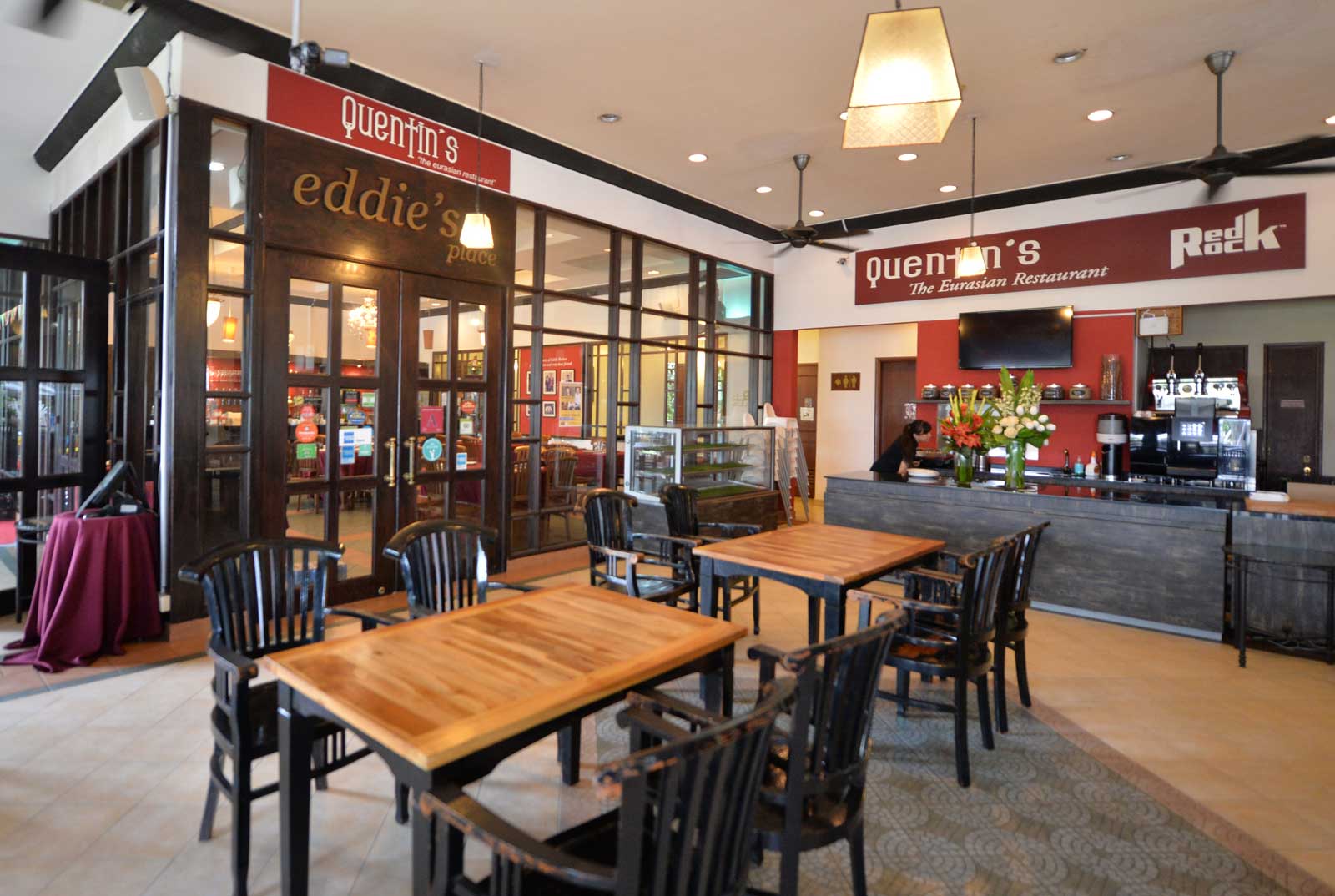
The place: Quentin’s, at the Eurasian Association just across the road from their home in Ceylon Road.

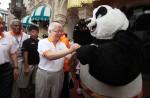
Instead, Mr Nathan spent about 45 minutes posing for pictures with other patrons.

“He was always happy to oblige,” the restaurant’s owner, Mr Quentin Pereira, told The New Paper, of that incident which happened a few years ago.

“Mr Nathan was a very down-to-earth man. He did not put on airs. He treated everyone as his equal, including the staff at my restaurant.”

Mr Pereira said Mr Nathan, who invited friends and family to his home every Deepavali, would also extend the invitation to the staff at Quentin’s.

“(During Deepavali) he told them to go over for a bite before the restaurant got busy. He was very sweet to have done that.”

RESTAURANT OF CHOICE

Being just “a hop and a skip” away, Quentin’s became the late president’s restaurant of choice.

“He and his family ate here regularly. He particularly loved the mee goreng. He could even tell if the noodles were cooked by someone else and not me,” Mr Pereira said with a laugh.

Mr Nathan’s grandson, now 24, could often be found in the pool room of the Eurasian Association or at Quentin’s.

“Kiron loves coming here since he was 10. He would often hang out and his grandparents would be concerned that he was being a nuisance. Mr Nathan would often apologise, saying he hoped Kiron wasn’t a bother,” Mr Pereira said.

Whenever Mr Nathan travelled, he would bring back souvenirs for Mr Pereira.

“He gave me a bottle of wine from the Taj Mahal and a penknife from Switzerland. Often, these gifts came with a note that said, ‘Thank you for taking care of Kiron’.

“He even remembered I had told him that my son loves cars. He would get books on cars or tiny toy cars for the boy.”

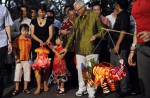
And every year when Mr Nathan returned from the National Day Parade, residents would line Ceylon Road to wave tiny flags to greet him.

“And every year, Mr Nathan would get out of his car to shake their hands,” Mr Pereira recalled.

“Such a humble, unassuming man. Ceylon Road will not be the same again. We will all miss him.”


This article was first published on Aug 25, 2016.
Get The New Paper for more stories.

Image: 
Category: 
Publication Date: 
Thursday, August 25, 2016 – 14:00
Send to mobile app: 
Source: 


Rotator Headline: 
Restaurant owner says Mr Nathan treated staff as his equals
Story Type: 
Others

Source link

Investors want greater transparency, disclosure in financial reports: Survey

0

The survey released on Thursday found that investors rated financial statements as the most important source for making investment decisions, compared to other sources such as company announcements and analyst reports. 

Source link

World’s first self-driving taxis hit the streets of One North

0

SINGAPORE – The world’s first self-driving taxis will be picking up passengers in Singapore starting on Thursday (Aug 25).
Select members of the public will be able to hail a free ride through their smartphones in taxis operated by nuTonomy, an autonomous…

Source link

Singapore bags 4 bodybuilding medals at Arnold Classic Asia competition

0

Four Singaporean athletes have bagged four medals, including one gold, in the bodybuilding division of an annual global sports convention held in Hong Kong for the first time this year.

Among 200 athletes from over 30 countries, the eight-member Singapore team managed to secure the medals across three different categories in the Arnold Classic Asia festival held last weekend (Aug 19-21).

Veteran Joan Liew who had earlier clinched a gold medal at the festival’s US stop in Columbus, Ohio, bagged a second one in Hong Kong under the Women’s Physique Gallery.

Liew said: “It’s an honour to be winning for the first Arnold in Asia.”

Arnold Classic Asia is an initiative of celebrity Arnold Schwarzenegger.

The other three Singapore athletes did just as well: Two silver medals were won by Benjamin Broughton in the Men’s Junior Bodybuilding and Shontel Chew in the Women’s Masters Bikini Fitness category. The last bronze medal was won in the same category by Ziela Eriksen.

According to the Singapore Federation of Bodybuilding and Fitness (SFBF), three competitors made the finals in their respective categories, which is narrowed down to the top six athletes.

Alex Michael Betts, president of SFBF, said: “The whole team pulled together and created a great team spirit, united and supporting one another like a family…to bring home four medals from a prestigious international event is quite a feat.”

For more information, visit www.arnoldclassicasia.com.

stephluo@sph.com.sg

Image: 
Category: 
Publication Date: 
Thursday, August 25, 2016 – 13:32
Keywords: 
Send to mobile app: 
Source: 


Rotator Image: 
Story Type: 
Rewritten Story

Source link