From 8 to 11 September, receive a complimentary bracelet* with a minimum spending. Complimentary Moments Single Woven Leather Bracelet Or Moments Silver Bracelet* (UP: $99 – $129) with a minimum spend of $260 nett
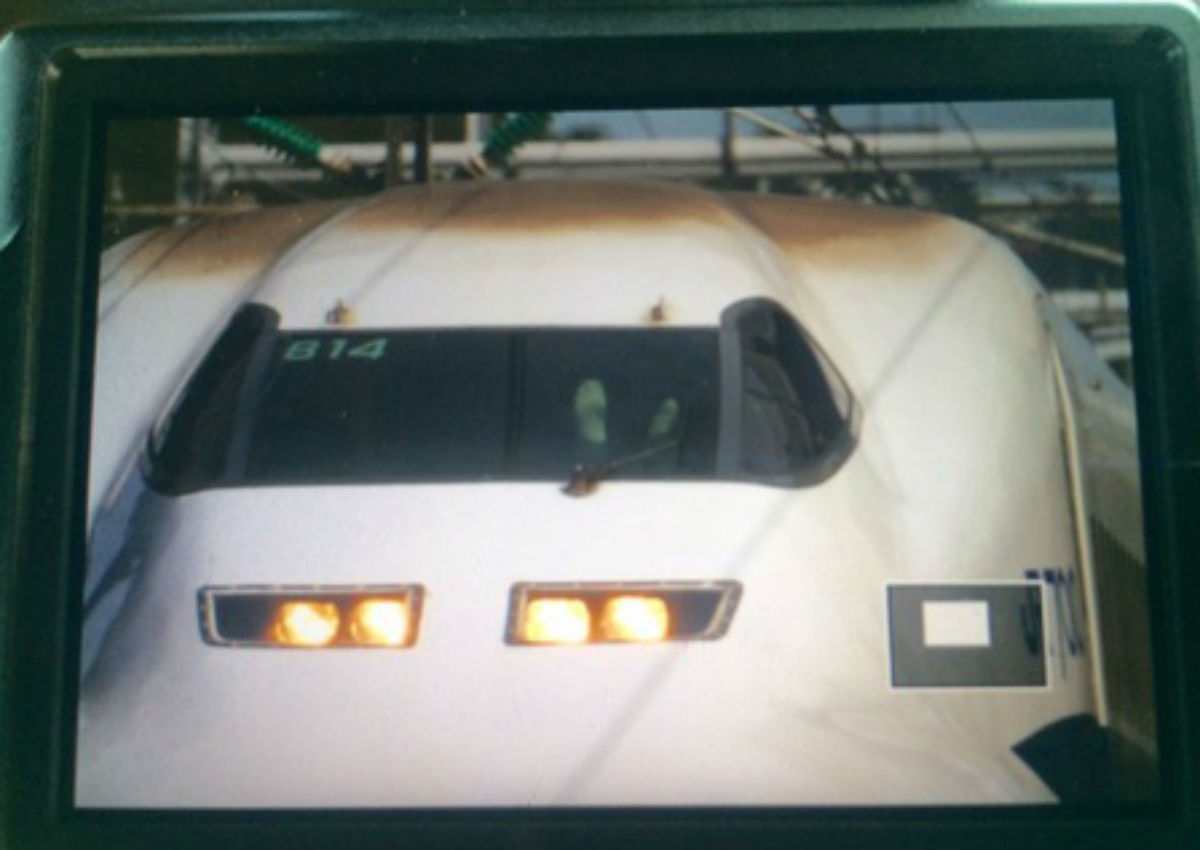
A Japanese bullet train driver came under fire Thursday after an online photo emerged of him operating it with his feet up.
Central Japan Railway said the 29-year-old acknowledged that he operated the high speed train in that position for 10 seconds on Tuesday.
“He told the company that he had tired feet,” a spokesman for the operator said, also telling AFP that there was never any danger to the 320 passengers aboard the Tokyo-to-Osaka train.
“Shinkansen are equipped with an automatic control system that manages speed and the distance between trains,” the spokesman said.
Central Japan Railway, however, in a statement called the behaviour “extremely inappropriate” and vowed a “strict” response, suggesting the driver would be punished.
Responses on Twitter were mixed. “I wonder if it was necessary to expose the photo on the internet,” one Twitter user said, while others criticised him, with one saying he “should know he’s responsible for passengers’ lives”.
Japan’s ultra-efficient shinkansen network was inaugurated in 1964 as Tokyo readied to host the Olympic Games and has become a symbol of the country’s technological prowess and efficiency.
It has an unparalleled safety record, with no crashes or fatalities due to mechanical reasons in its half-century of service.
Last year, however, a man set himself ablaze on board a moving bullet train, killing himself and a woman in an unprecedented incident.
Singapore leader Lee Hsien Loong says he is “relieved” the situation between China and Southeast Asian claimants over the South China Sea “has not escalated significantly”.
This weekend kicks off all the shenanigans leading up to the F1 that’s on next week from Sep 16 – 18. So, let’s get the party started with some recommendation from our very own Party Girl.
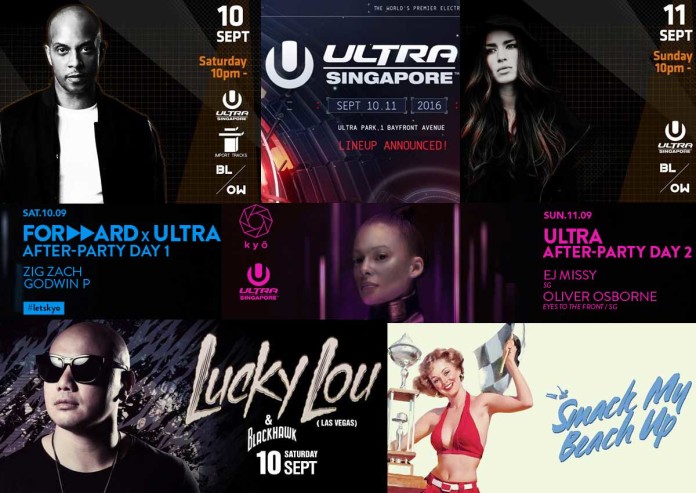
First, Ultra Singapore – one of the world’s biggest electronic dance music (EDM) festival – is happening here over Saturday and Sunday.
If you haven’t already noticed, the large space next to Marina Bay Sands Tower 1 has been taken over by the construction of the ultimate Ultra stage.
There will be a big line up of EDM DJs, and it’s a whole day event till 11pm.
Online tickets are now sold out but limited tickets are available at the ticketing booth at the Ultra Park.
And since it ends round 11pm, of course, there are after-parties.
If you’re an Ultra party-goer, do not remove your wristbands as you will get free entry into these places.
Suite26 on Beach Road will have New York City DJ Lucky Lou on deck duties with some commercial hip hop mixes on Saturday.
The first 50 Ultra wristband holders get complimentary entry, then, it’s $35.
Bermudas are allowed but strictly no slippers.
Canvas Club at The Riverwalk is having two nights of after-parties.
It’s free entry for those with Ultra wristbands, or $20 with one drink for both nights.
Saturday will have New York City DJ Cevin Fisher dabble in some electronic and house music.
And Sunday will have Dutch DJ Chelina Manuhutu playing groovy house with a lot of African and Latin drum beats.
kyo on Cecil Street, as well, will have two nights of after-parties.
Both nights will feature local DJs doing what they do best with techno and house music.
Cover is $28 with two drinks, and free for festival-goers.
And if you have the energy left, you can round Sunday off at Tanjong Beach Club at Sentosa where there will be A Hamilton & Rosberg Face-off.
Those into Lewis, come dressed in blue, white and red, and those into Nico, deck out in black, red and gold.
I, on the other hand, will wear orange and green as there can only be one Force India!
If you don’t know, now you know.
To catch the Party Girl, listen to her on OneFM‘s #1 Breakfast Show with Glenn Ong and The Flying Dutchman on Thursday mornings.
Find out what she gets up to on AsiaOne’s social media! Follow @sphasiaone on Instagram, Facebook and Twitter, and @RasbiSG on Snapchat.
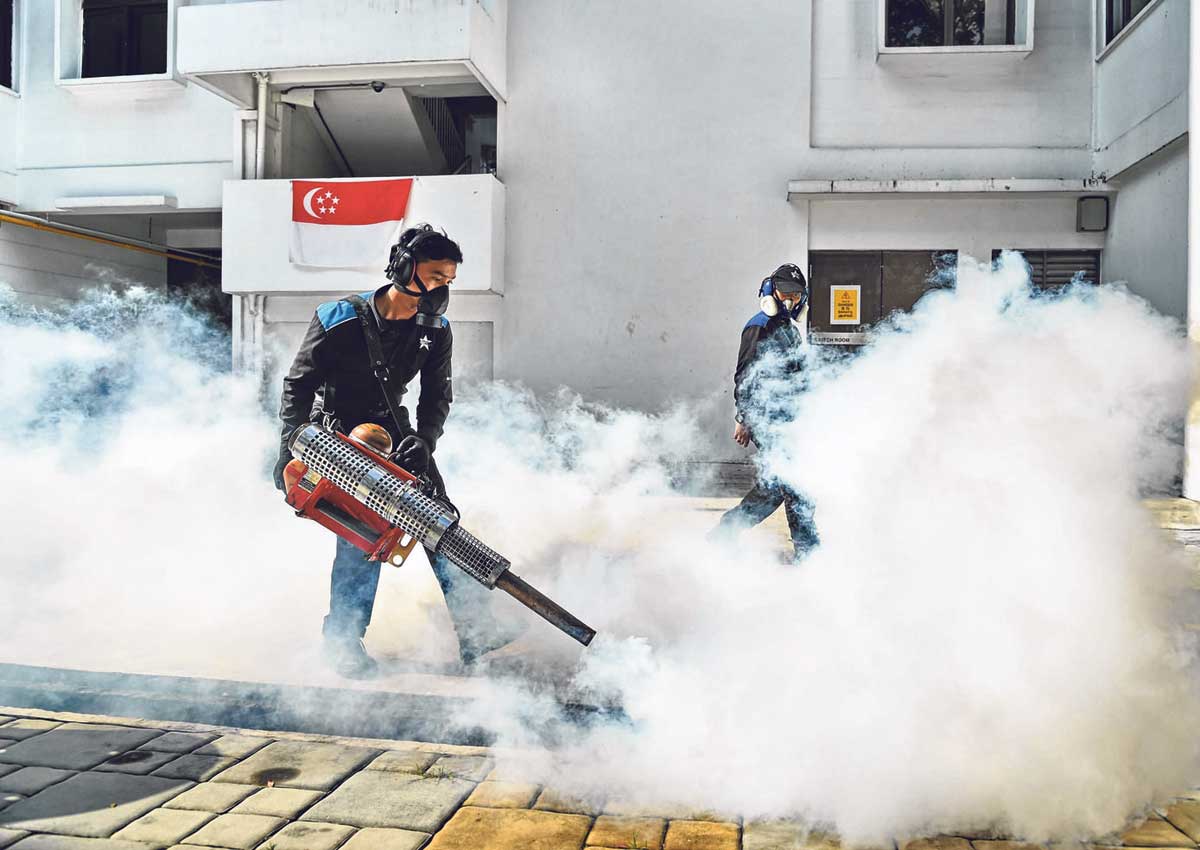
There is no evidence that the Zika outbreak in Singapore is caused by a viral strain that is more or less severe than the strain circulating in Latin America, Singapore media reported on Thursday, citing the health ministry.
Singapore has so far detected more than 280 Zika infections since reporting its first case on Aug. 27.
Zika infections in pregnant women have been shown to cause microcephaly – a severe birth defect in which the head and brain are undersized – as well as other brain abnormalities. The connection between Zika and microcephaly first came to light last fall in Brazil, which has since confirmed more than 1,800 cases of the birth defect.
In adults, Zika infections have also been linked to a rare neurological syndrome known as Guillain-Barre, as well as other neurological disorders.
An analysis of two locally infected patients showed the Zika strain in Singapore likely evolved from a strain already circulating in Southeast Asia since the 1960s, the Straits Times newspaper said on its website.
The analysis will be made available for the benefit of the global scientific community, including the World Health Organisation (WHO), the newspaper said.
On Wednesday, the WHO updated its assessment of the Zika virus as a cause of congenital brain abnormalities in babies and the Guillian-Barre syndrome, after considering months of research into the mosquito-borne disease.
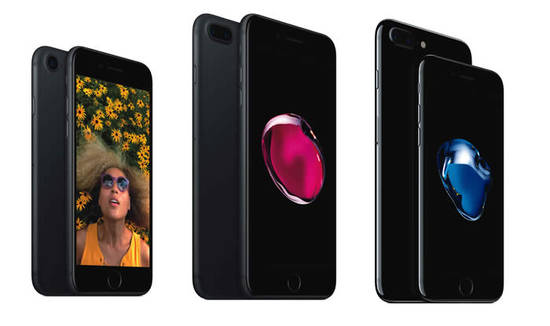
Register your interest for the new iPhone 7 models at Singtel, Starhub and M1 to get a better assurance of a reserved set for you on the release date of 16 September
A businessman from Singapore is purported to have been involved in a money laundering scheme in the Maldives, where up to US$1.5 billion (S$2 billion) was allegedly embezzled from the country’s central bank.
Stealing Paradise, a documentary by Al Jazeera’s Investigative Unit that was published on Tuesday (Sep 6), alleges that the plot, involving high-ranking Maldivian officials and businessmen from Singapore, Malaysia and Indonesia, involved flying in the cash, passing it through Maldives’ central bank and then transferring it back out.
According to the documentary, former Maldives vice president Ahmed Adib Abdul Ghafoor worked with three of president Abdulla Yameen’s closest aides to set up a lucrative “tourism investment plan” in a country well known for its luxury tourist resorts.
In the report by Al Jazeera, Singaporean businessman Tan Kuan Yew allegedly acted as the “middleman” for the operation.
Tan was first named in a report by The New Indian Express in February this year, claiming that he flew ‘huge cash amounts’ into the Maldives, which was then allegedly laundered through official banking channels in the island country.
Three other businessmen were reported by Al Jazeera to have been involved. They are Indonesians Rosihan Yacub and Abdul Hakam Hadi, and Malaysian Faidzan Hassan, who was described as “the architect of the deal”.
According to Al Jazeera, all four businessmen deny any wrongdoing and say no money was moved.
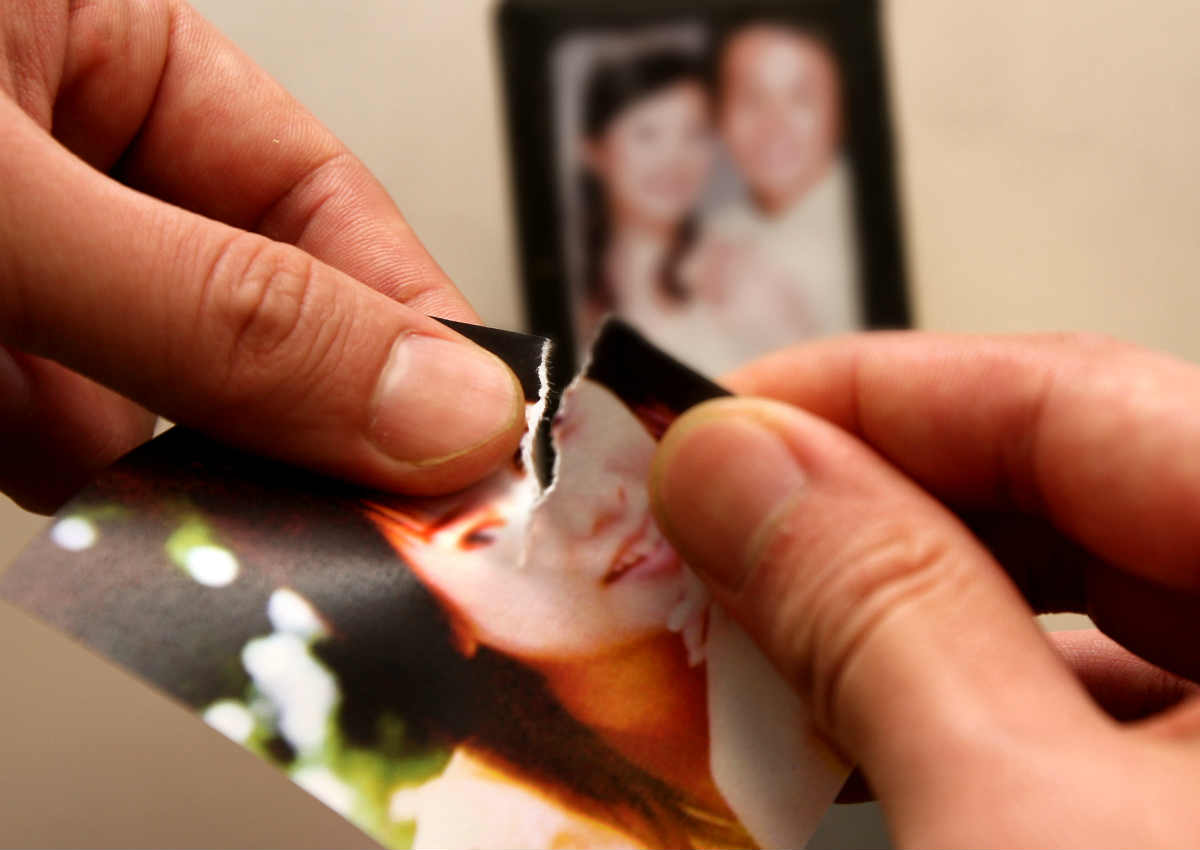
Don’t get mad, get your opponent to surrender voluntarily: when Mrs Wang discovered her husband had been cheating on her for several years, she called in an elite team of Chinese “mistress hunters”.
Rather than seek a divorce – which could have hit her social and financial standing – she hired a specialist to earn the other woman’s trust, and then persuaded her to end the extra-marital relationship.
It was a longstanding affair, but once the mistress hunters were called in, it was over within two months.
Wang said she paid between 400,000 and 500,000 yuan (S$80,800 – $101,000) for the service.
“I think it was worth it, I’m satisfied,” she added. So much so, she is now thinking of becoming a hunter herself.
“That way I can help women protect their families and their rights,” she explained.
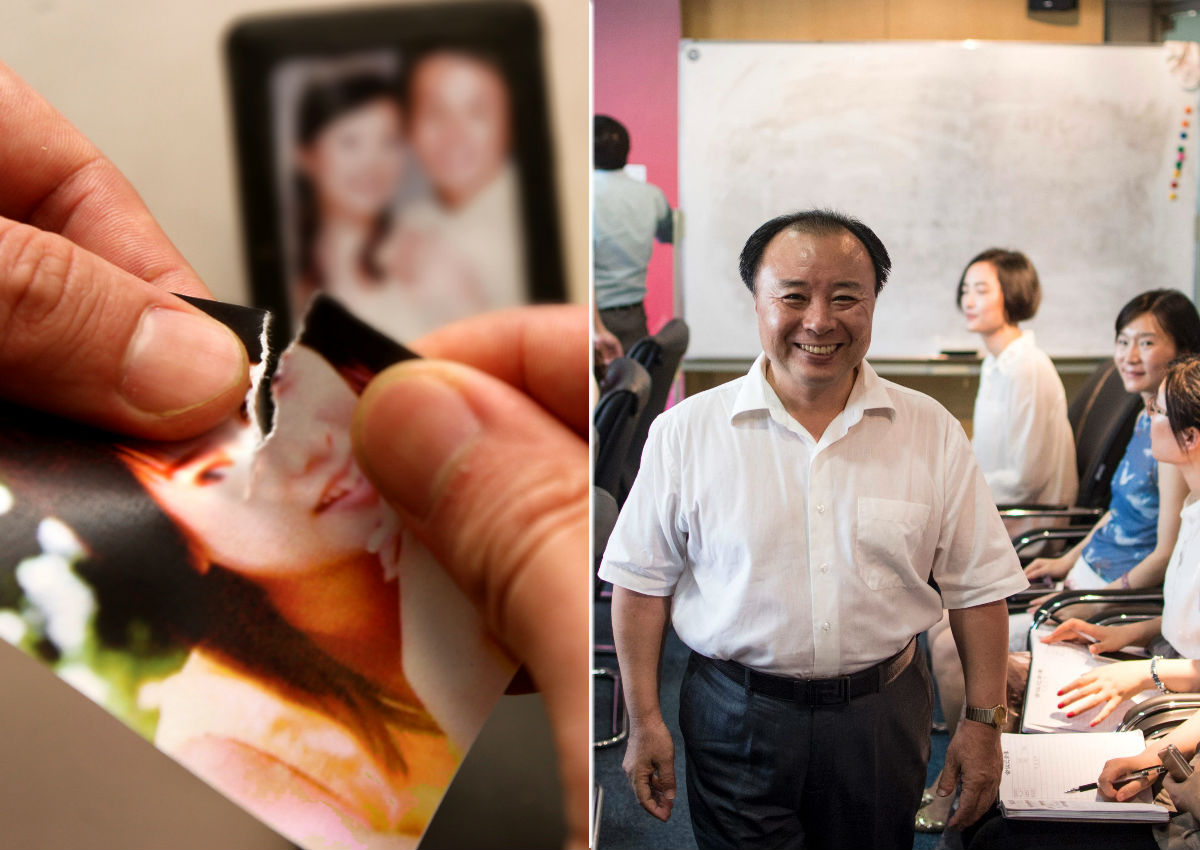
The company Wang used, Weiqing – or “protector of feelings” – has 59 offices across the country, and offers free legal advice and lectures.
Its founder Shu Xin said he has 300 agents at his command.
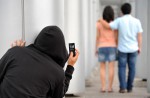
Tell-tale signs of a cheating spouse
Click on thumbnail to view photos. Source:
The New Paper, The Business Times, The Straits Times, SPH, Reuters, Shutterstock
“My goal is to prevent divorces,” he told AFP at his upmarket Beijing headquarters. “Every year we save some 5,000 couples.” The mistress hunters are mostly women and are all psychology, sociology or law graduates.
They spend three years learning the ropes before being sent out into the field, where they pose as neighbours, cleaners or even babysitters.
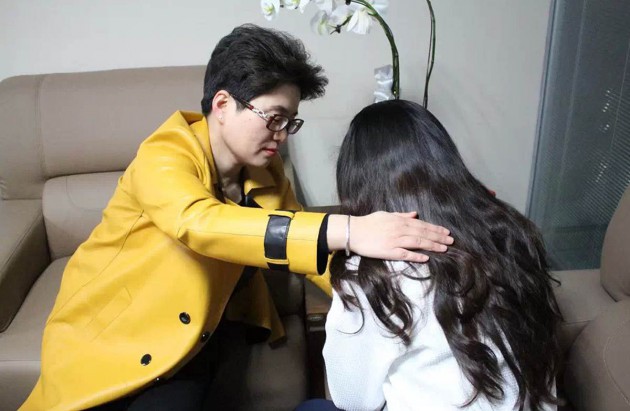
Photo: Courtesy of Ms Ming Li
Ming Li, 47, has been doing the job for three years. “I’m older than these mistresses, in general, so they listen to me,” she said.
“If the mistress goes to a park, to the supermarket or to work, I’ll happen to meet her. And even if she is a stay-at-home sort of person, I can claim I’ve got a leak in my apartment and ask for her help,” she told AFP. “We always find a way to initiate contact.
“One time, I pretended to be a fortune teller, and the mistress asked me to tell hers. Obviously, I already knew all about her from the wife, so it was easy to leave her dumbfounded and exhort her to leave the husband. It was one of our most quickly resolved cases.”
You’ve heard from mistresses – now listen to these confessions from ‘other men’
Click on thumbnail to view photos. Source:
Whisper
Chinese divorce rates have surged from 1.59 per 1,000 people in 2007 to 2.67 in 2014, according to the most recently available civil affairs ministry figures – far higher than in Europe, with France at 1.9 and Italy at just 0.9.
In Beijing, official statistics show 73,000 couples divorced in 2015 – almost three times the number nine years previously.
“The reasons? The liberalisation of morals, tensions related to differences between the husband’s and the wife’s income, incompatible personalities,” said Zhu Ruilei, a divorce attorney at Beijing-based law firm Yingke. “But also the desire to pursue personal dreams is stronger than it used it be.”
According to a study by dating site Baihe.com, at least one party has been unfaithful in half of Chinese first marriages.
The survey found that more than 21 per cent of first time husbands have had a mistress, and a similar number – 20 per cent – of wives have had a lover. In nearly nine per cent of first marriages, both partners have cheated.
“Today being unfaithful has become easy, especially with the internet,” said Pan Xingshi, who runs an online advice company, referring to the popularity of Tantan, China’s equivalent of Tinder.
But mistresses are still poorly regarded in the country, where having children out of wedlock remains socially taboo. They are known as “xiaosan”, a derogatory term meaning a third person of lower rank than a wife.
Sometimes they fall victim to violent vigilantism.
In June, a video went viral showing a naked girl being attacked by a group of women. She was suspected of being the mistress of one of the women’s husbands.
“Mistresses are global. But specifically in China they are kept women: the husbands, often rich, pay for luxury apartments, cars and luxury products,” explained Weiqing chief Shu, a former journalist.
“Some women do not want to divorce out of fear of getting into financial difficulty. They just want to get rid of the mistress. That’s where we come in,” said Shu.
It is an expensive process: the mistress hunters often have to rent similarly pricey accommodation and buy high-end jewellery and clothes as they try to forge a friendship with their targets.
“We are paid a lot. But we also risk losing a lot too, because if we fail then we repay the entire amount,” explained Shu, who says his mistress hunters sent 8,552 women packing in 2014 – some husbands have more than one.
Under Chinese law the activities of Weiqing and similar firms are not illegal, said Zhu, the lawyer, adding that they “serve a purpose”.
But there were also “many problems”, he added: “Invasion of privacy, the relationship between the mistress and the investigator is based on deceit. There is the risk that people’s feelings get hurt.”
Mistress hunter Ming has a solution for that: “Sometimes I help the mistress find a boyfriend,” she said. “It’s my way to bring her happiness.”
SINGAPORE – There is no evidence so far to suggest any difference in severity between the Asian and South American strain of the Zika virus, said the Health Ministry (MOH) and A*STAR on Thursday (Sept 9), as they reiterated that Zika virus strains in locally…
There is no evidence from existing studies and from this sequence to indicate whether the differences between these strains and the South American virus correlate with differences in severity or type of disease, according to Ministry of Health lab and A*STAR’s Bioinformatics Institute.









































































































































 SINGAPORE – There is no evidence so far to suggest any difference in severity between the Asian and South American strain of the Zika virus, said the Health Ministry (MOH) and A*STAR on Thursday (Sept 9), as they reiterated that Zika virus strains in locally…

