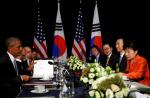
SEOUL – South Korea’s presidential office said on Friday US President Barack Obama had indicated he would take every action under a mutual defence treaty with the South, including providing its nuclear umbrella, to protect Seoul from any North Korean threat.
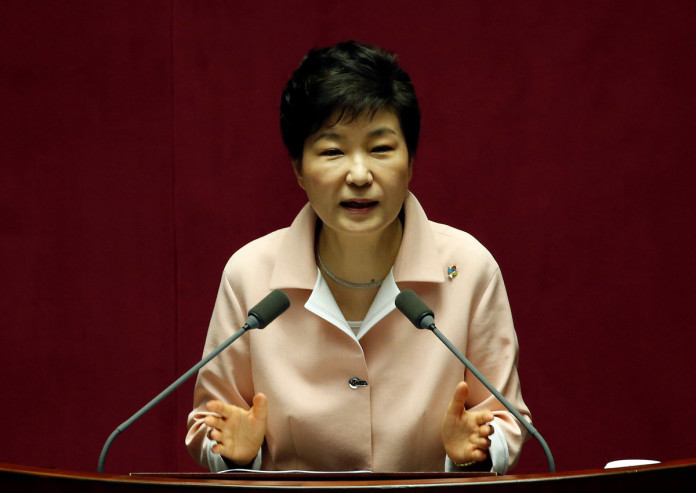
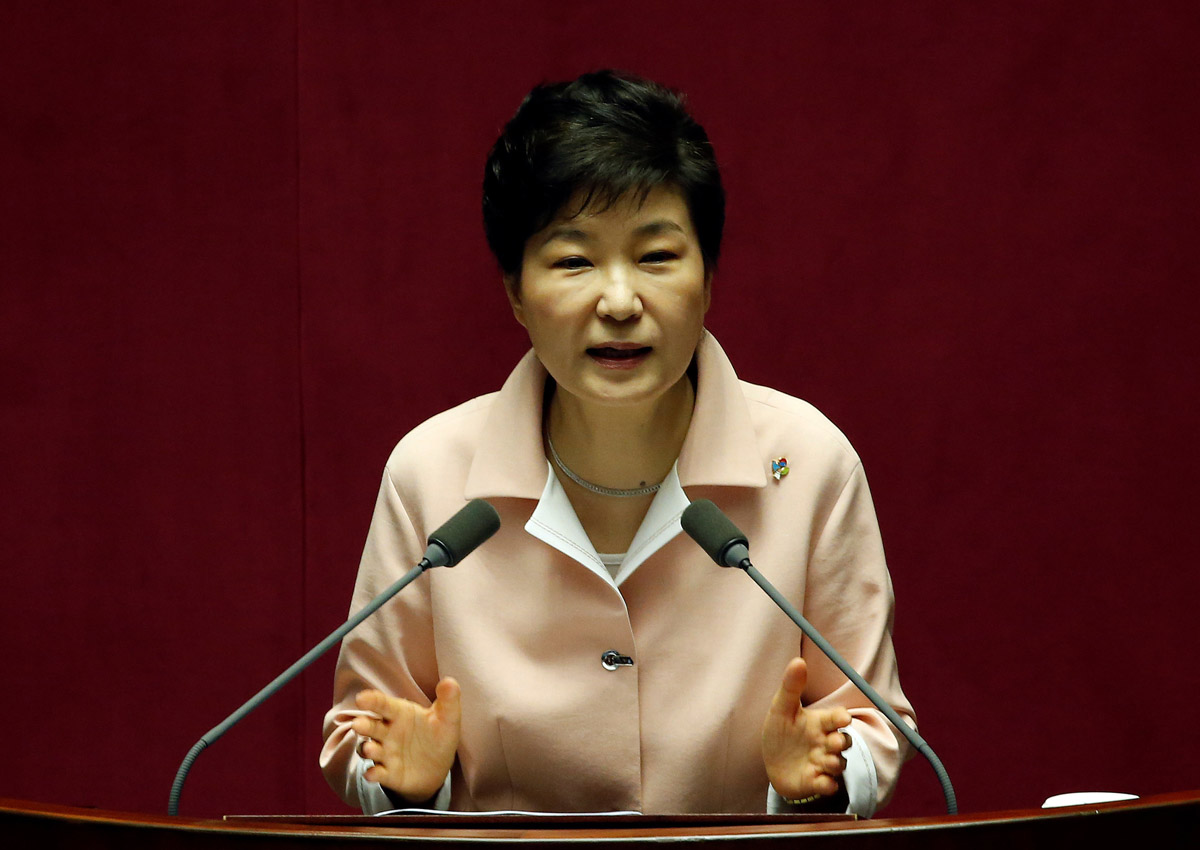
Obama and South Korean President Park Geun-hye talked by telephone, South Korea’s Blue House said, after a seismic event was recorded in North Korea that Seoul and Tokyo described as a nuclear test.
South Korea’s presidential office said the two leaders agreed to use every available means to pressure North Korea to abandon its nuclear programme, including adopting a new UN Security Council resolution.
NEW YORK – Singer Madonna and her ex-husband, director Guy Ritchie, have settled a custody dispute over their 16-year-old son Rocco, a court official in New York said on Wednesday.
It was not immediately announced with which parent the teenager would live.
Madonna, 58, and Ritchie, 47, have been in a legal battle over their son since December, when the teenager ignored a court order to fly back from Ritchie’s London home to live with his mother in New York.
The “Material Girl” singer and the director of 2009 film”Sherlock Holmes” married in 2000. After they divorced in 2008, they agreed that Rocco would live with Madonna.
Lucian Chalfen, a spokesman for the New York State court system, confirmed the case was officially settled on Wednesday but did not immediately provide further information.
Details of the settlement also were not revealed in online court records. Attorneys for Madonna and Ritchie did not immediately return calls for comment.
The world’s 5 most expensive divorces
Click on thumbnail to view photos. Source:
Reuters, AFP, Shutterstock, Wikimedia Commons
Madonna performs first-ever concert in Singapore
Click on thumbnail to view photos. Source:
The New Paper, The Straits Times, Zoe Tay’s Instagram, Zhou Chongqing’s Instagram, Jeanette Aw’s Facebook, Twitter
Even if the bar is raised for presidential candidates, he is still likely to qualify to stand for office.
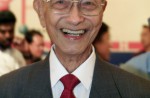
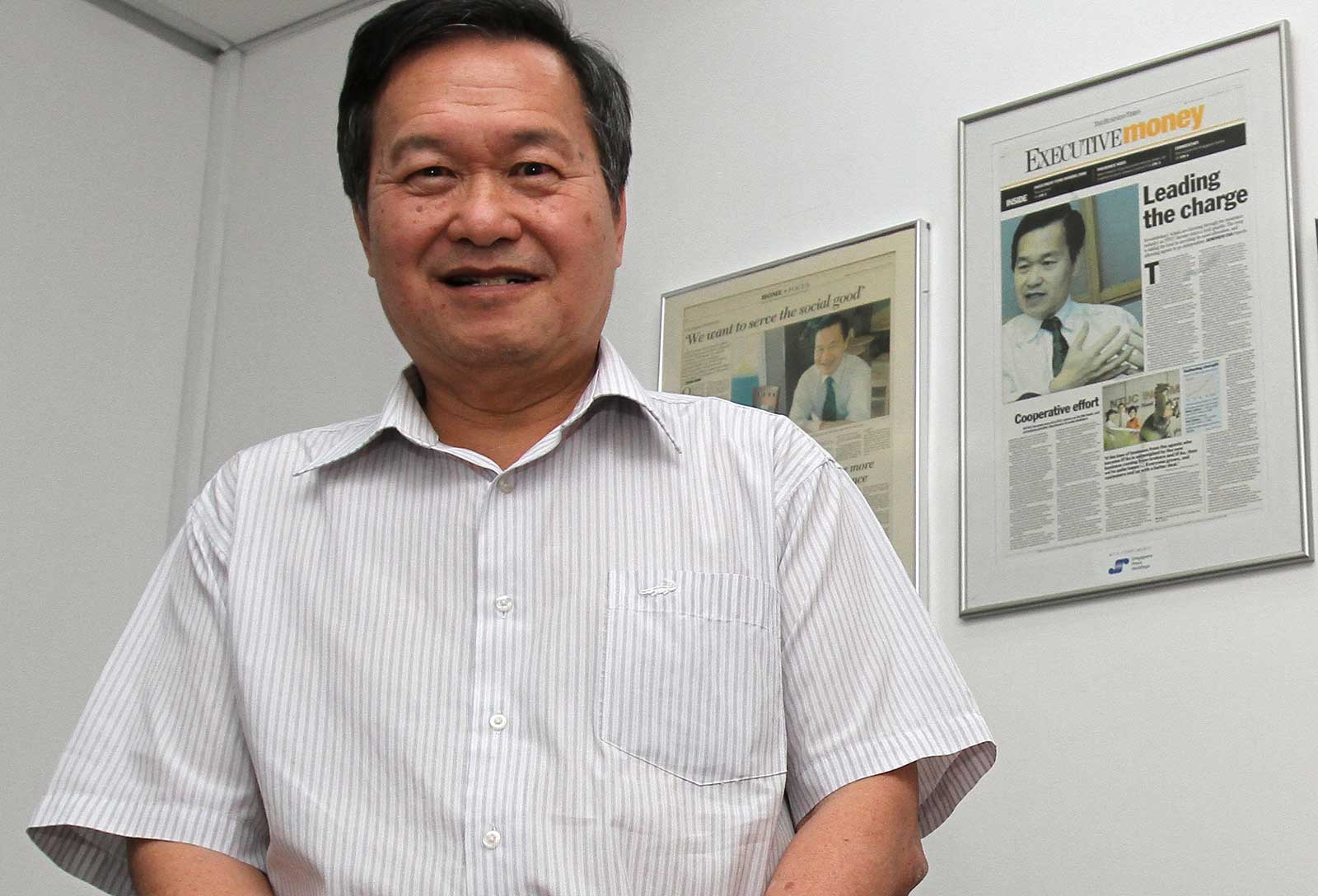
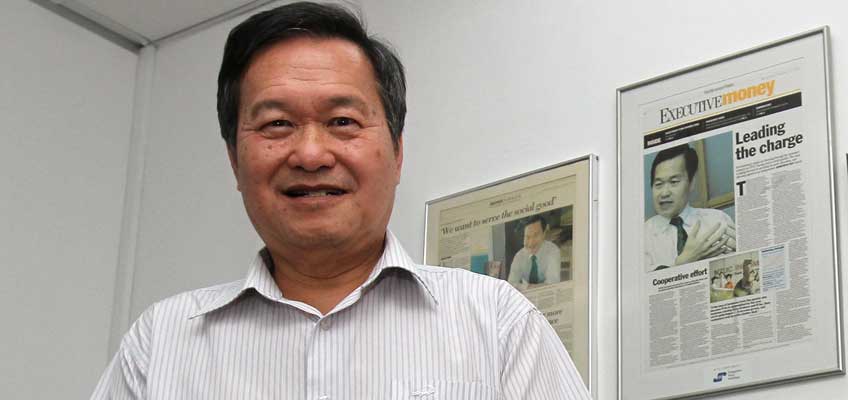
But Mr Tan Kin Lian, 68, is adamant he will not stand in the next Presidential Election (PE).
Mr Tan, who stood in the 2011 PE, told The New Paper yesterday: “Well, I didn’t get many votes the last time… I don’t see anything that will happen to make me change my mind.
“I’m sure there are many, many qualified people, so I don’t think there’s any need for me to come forward.”
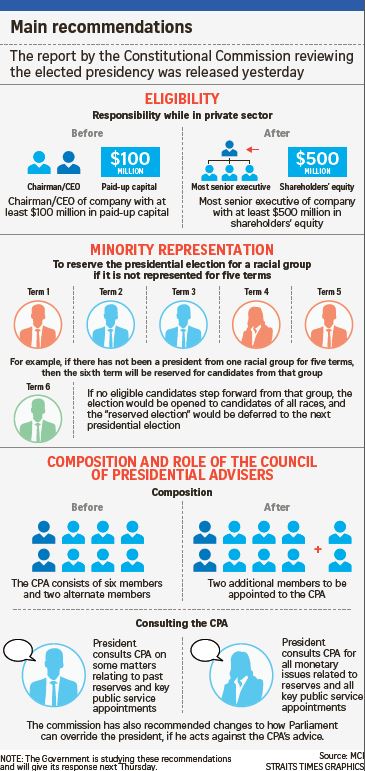
The Constitutional Commission, which was tasked by Prime Minister Lee Hsien Loong to review the elected presidency, released its recommendations on Wednesday.
Among them were:
Unbundling the president’s symbolic and custodial roles. An appointed president will play a symbolic role as head of state, while an appointed body of experts could take over the custodial functions;
Tightening the eligibility criteria for candidates;
Ensuring minority representation by triggering reserved elections; and
Requiring the president to consult the Council of Presidential Advisers before exercising his discretion in all fiscal matters touching on Singapore’s reserves, and all public service appointments.
Mr Tan, the former head of insurance cooperative NTUC Income, received the lowest number of votes – 4.9 per cent – in the 2011 PE, which was won by Dr Tony Tan Keng Yam with 35.2 per cent of the vote.
Former MP Dr Tan Cheng Bock placed second, followed by former civil servant Tan Jee Say.
IT CONSULTANCY
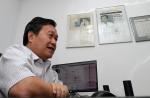
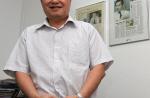
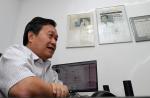
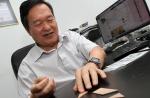
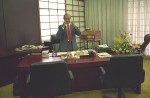
Mr Tan Kin Lian, who now runs his own IT consultancy, said he had hoped for the president’s role to extend beyond its custodial and ceremonial duties.
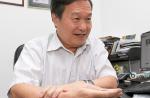
Speaking to TNP in his office, he said: “I wanted the president to be more (of) an office for the views of the people to be heard. That’s why I campaigned on the voice of the people, which, I think by now it’s quite clear, is not welcome.
“That’s the extra reason why I shouldn’t be running. I might get into trouble,” Mr Tan added before breaking into laughter.
Asked if he felt the president’s role is too narrowly defined or limited, he said he had not read anything in the Constitution that said the president should not be allowed to comment on anything.
If that is the case, better to make the president’s role a ceremonial one, he said, adding that he was in favour of the commission’s idea to revert to an appointed president and then unbundle the president’s custodial and ceremonial roles.
“But even a ceremonial president sometimes feels that there is moral duty to speak up. For instance, in Malaysia, the Sultan of Johor spoke out on issues which he thought were important… Even a president without powers should also be allowed to speak out.
“Unfortunately, not enough people supported my idea,” said Mr Tan, alluding to his poor showing in 2011.
Tan Kin Lian will not stand in next Presidential Election
Click on thumbnail to view photos. Source:
The Straits Times, The New Paper
CONSTITUTION
Singapore Management University constitutional law expert Jack Lee told TNP that the Constitution does not expressly say the president cannot comment on matters.
But what it does say is that the powers of the president are split into two categories – those he may exercise in his own discretion over reserves and appointment of public service officers, and those he must act in accordance with the advice of the Cabinet.
“(In the Constitution, it) sounds like the president can listen to the Cabinet’s advice, but choose not to follow. But legally speaking, it means the president has to follow what the Cabinet says,” Assistant Professor Lee explained.
This is contrary to what some of the 2011 presidential candidates did. Mr Tan, for instance, said he would introduce state pensions for the elderly, which is a breach of election rules.
Under the commission’s recommendations, a criminal sanction could be imposed on candidates who breach election rules.
Asked about this, Mr Tan would only say: “I think it was targeted at me.”
He declined to comment further.
To him, the most important is the commission’s recommendation of returning to a system of appointed presidency, and unbundling the president’s roles.
“I find the current system of elected presidency to be unworkable. Take a look at what happened to (former) president Ong Teng Cheong. He tried to understand what his duty was and tried to fulfil his duty. But he found it so difficult. So it’s unworkable.”
The late Mr Ong was involved in a dispute with the Cabinet over the access of information regarding Singapore’s financial reserves. Mr Tan added that “25 years is a long time to realise that the elected presidency is not working well”.
“You just cannot carry on because if one day the president decides to act against the wishes of the Government, how do you resolve that? That can be very difficult,” he said.
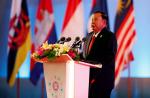
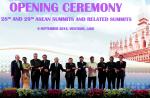
Whether there is clear progress on managing the South China Sea disputes will be seen by the middle of next year, when China has committed to complete a framework for a legally binding code of conduct (COC) together with ASEAN, Prime Minister Lee Hsien Loong has said.
A COC has proven elusive 14 years after ASEAN and China adopted a less binding Declaration of Conduct in the resource-rich waterway, to manage their territorial disputes. China has overlapping claims in the sea with four ASEAN states.
But Chinese Foreign Minister Wang Yi proposed in July that ASEAN and China “fast-track” negotiations for the COC.
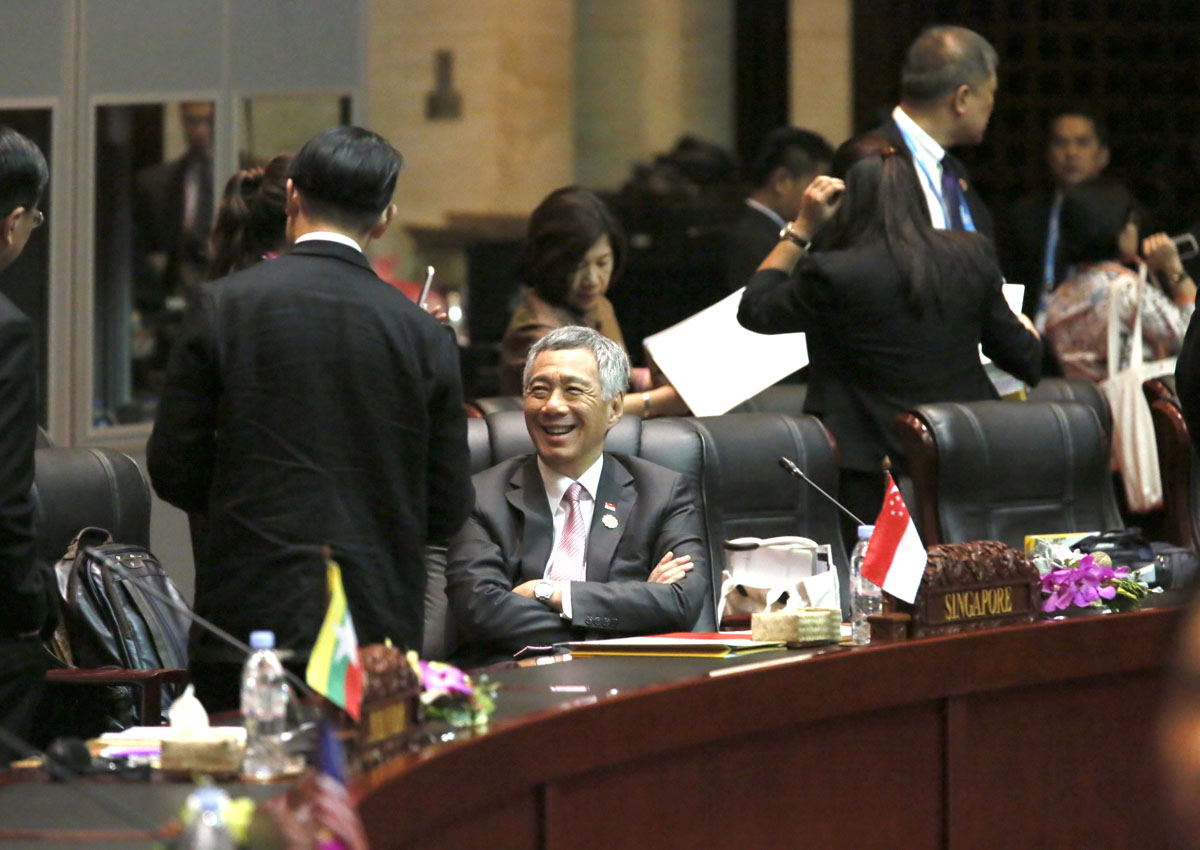
Mr Lee, in his remarks at the East Asia Summit earlier yesterday, said he welcomed China’s commitment to work with ASEAN to complete a framework for the COC by the middle of next year.
Speaking to reporters on the final day of the ASEAN summit yesterday, Mr Lee said ASEAN members have a range of perspectives on the South China Sea because the waterway is fundamental to many countries’ security calculations and even the way they view the world.
ASEAN Summit 2016
Click on thumbnail to view photos. Source:
AFP, Reuters, Lianhe Zaobao
He referred to points he had made during this year’s National Day Rally speech on why the South China Sea has proved so difficult a topic for everyone to be on the same page: It is not just a dispute about territory, but also the rights of the international community such as freedom of navigation and about how an international disagreement can be peacefully resolved.
“I don’t think that differences in perspectives on the South China Sea can easily be overcome, because they are fundamental to the strategic situations that the countries are in, and, therefore, the way they see the world: What are the threats, what are the opportunities, who are the allies, who are the neutrals, who are the potential adversaries,” he said.
These were realities of international relations, however, and “we have to navigate and find our position, find our way through such an unpredictable world”.
But this does not mean the situation cannot be managed or should be ignored, as tensions in the sea have a tangible, if hard to measure, effect on the economy.
The region has prospered until now because there has been peace, allowing countries to co-operate and deepen their inter-dependence on trade and investments, Mr Lee said. Conversely, tensions in the South China Sea lower investor confidence.
“When you have tensions in the South China Sea, the confidence – there is an impact when people make decisions on investments,” he said. “They won’t say that this is a decisive factor, but it’s one of the things which affects their decision.”
Reactions to South China Sea ruling
Click on thumbnail to view photos. Source:
Reuters, AFP, Weibo
If the situation is allowed to deteriorate to the point where there is an encounter or mishap there, “confidence will really be shaken and you will have a big problem”.
“So it’s one of those situations where you don’t feel that it is good, but neither can you say, ‘I can count how many dollars it has cost me’,” he said. “It’s a minus for me, I know it, and we really should mitigate that risk as much as we can.”
Noting that the summit in Laos is the first since ASEAN declared that it has formed an ASEAN Community in Kuala Lumpur last year, Mr Lee said the 10 countries in the grouping must now find the resolve to forge ahead and integrate more closely with one another.
At this year’s summit, members adopted a five-year work plan that aims to narrow the development gap, enhance the region’s competitiveness and support the implementation of three Community Blueprints which ASEAN leaders adopted last November.
“As always, after you’ve made an achievement, that’s the basis from which you have to keep on moving forward,” said Mr Lee. “And we’re trying to keep on developing and deepening the co-operation we have together.”
yanliang@sph.com.sg
This article was first published on September 9, 2016. Get a copy of The Straits Times or go to straitstimes.com for more stories.
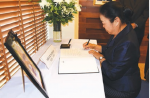
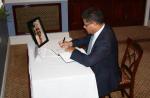
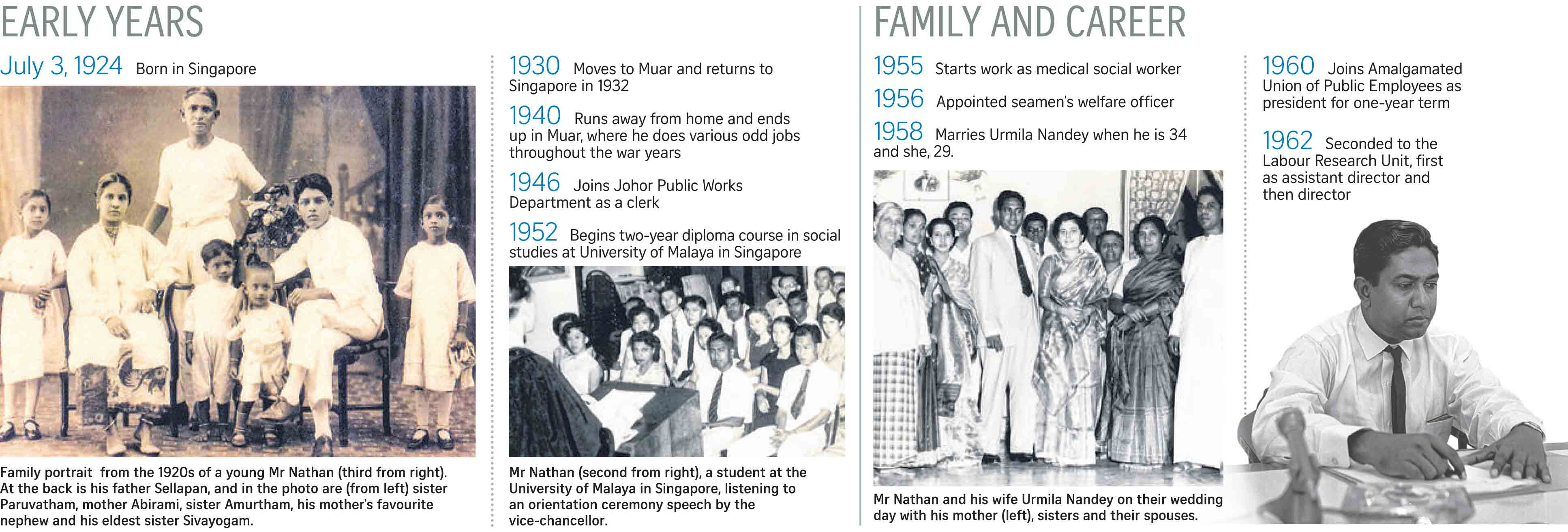
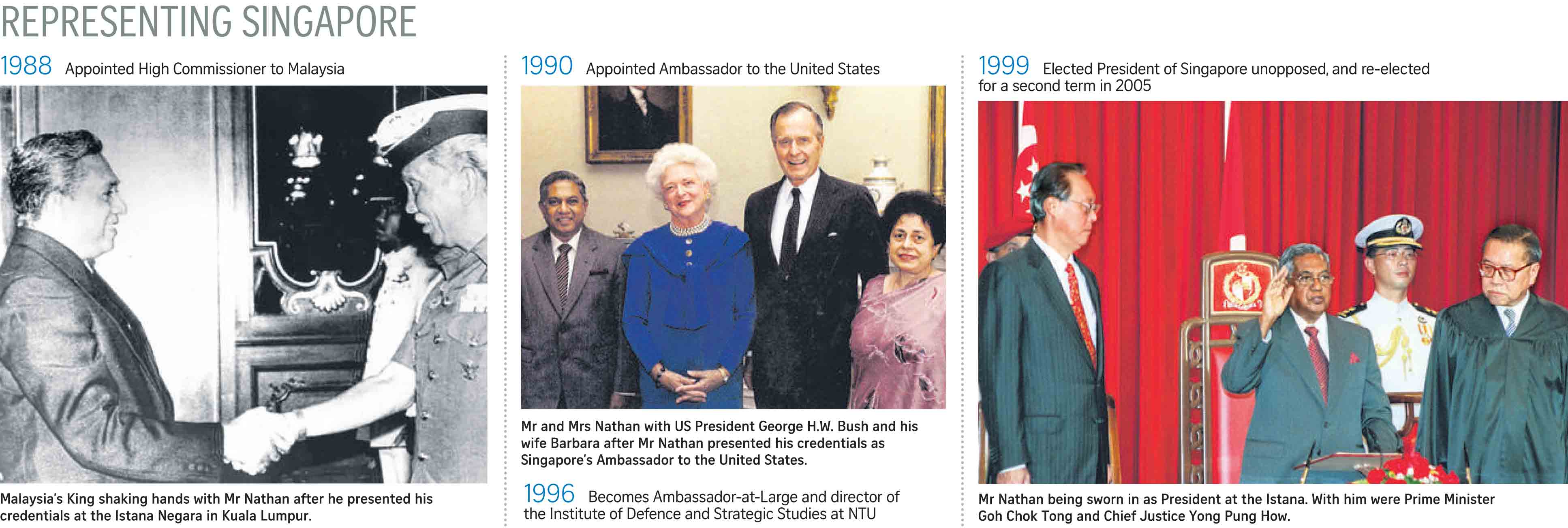
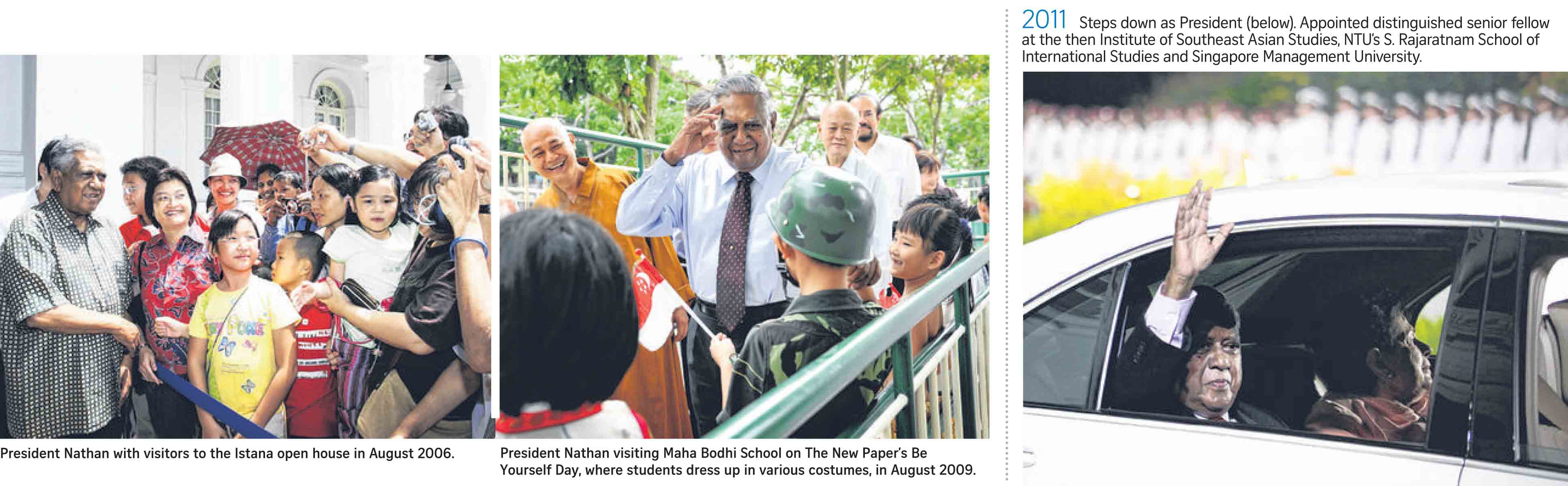
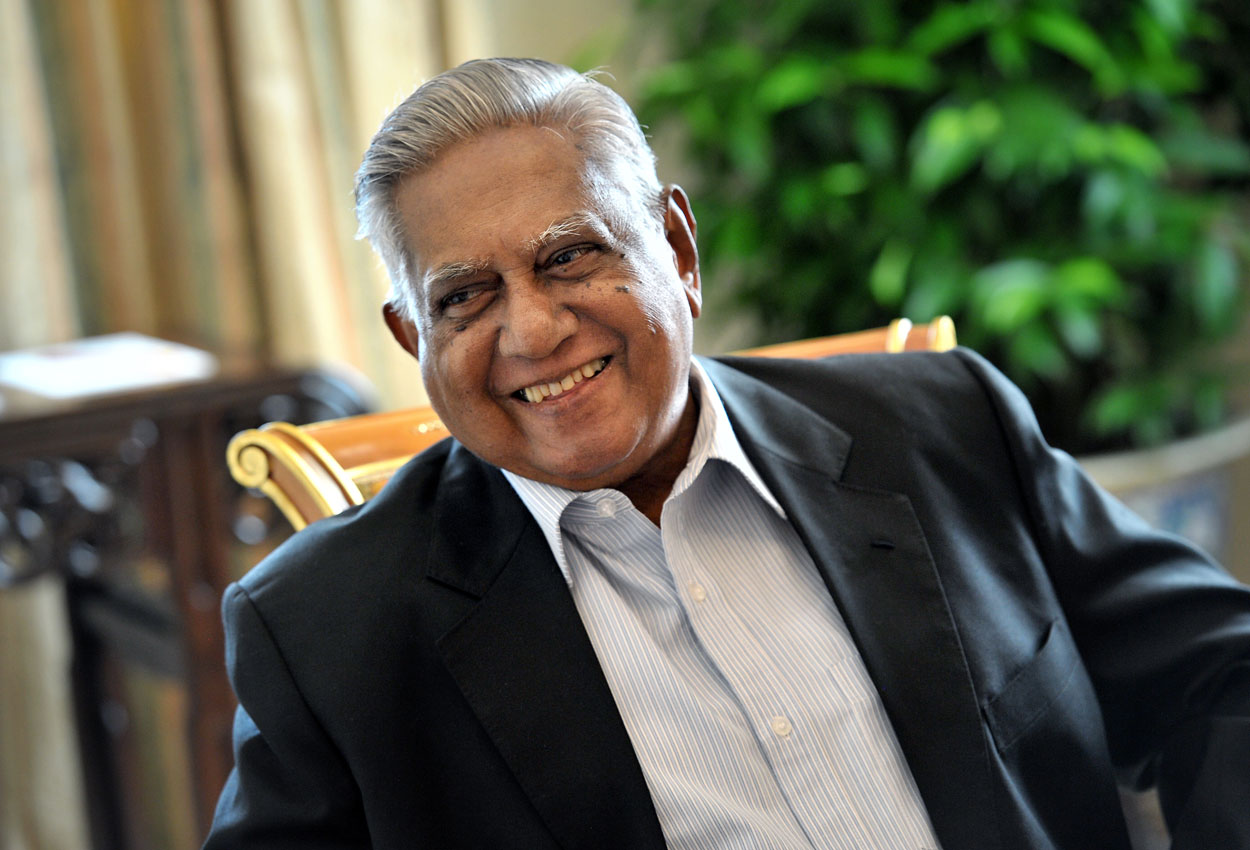
An hour-long chat with the late Mr S R Nathan made Mr Santhiran Ezhavarasan realise the importance of furthering his studies.
Mr Nathan had encouraged the then Institute of Technical Education (ITE) student to get a place in a polytechnic after his ITE studies. That is precisely what Mr Santhiran has done.
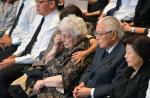
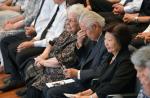
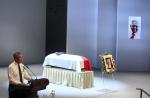
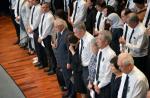
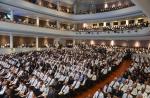
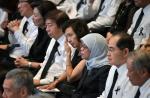
Last night, at a gathering of the Indian community here to remember the late former president, he told an audience of 800 that he had this week been accepted into Republic Polytechnic to pursue a diploma in sports coaching.
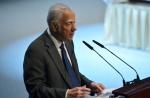
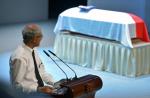
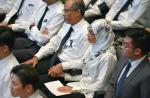
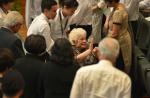
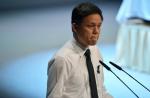
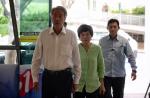
The 23-year-old was one of seven people who delivered eulogies to Mr Nathan last night at the PGP Hall in Serangoon Road, before an audience that included family members of Mr Nathan, who died at age 92 on Aug 22.
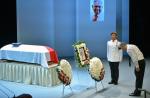
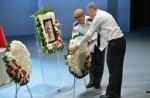
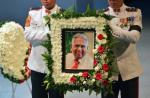
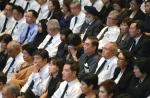
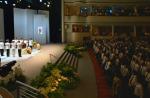
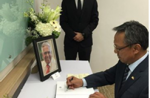
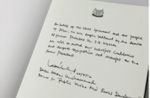
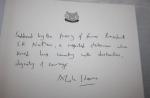
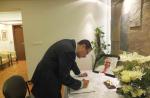
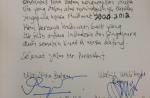
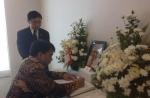
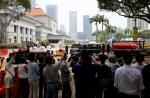
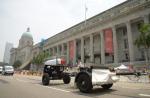
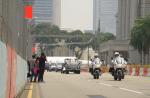
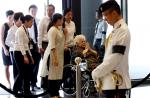
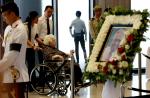
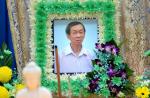
Singapore says farewell to former president S R Nathan
Click on thumbnail to view photos. Source:
The Straits Times
Mr Santhiran, who is currently doing national service, told The Straits Times that his hour-long meeting with Mr Nathan in January last year left a deep impression on him.
He had just received the S R Nathan Education Award, which helped pay for his school fees and gave him an allowance, and Mr Nathan had asked to meet all the recipients.
The award is provided by the S R Nathan Education Upliftment Fund, set up in 2011 to support programmes to raise the education levels of financially needy Singaporeans.
Last night’s tribute event was organised by the Hindu Endowments Board (HEB), Narpani Pearavai – the coordinating body for the Indian Activity Executive Committees – and the Singapore Indian Development Association.
Attendees included current and former Indian ministers, such as Deputy Prime Minister Tharman Shanmugaratnam and former Cabinet minister S. Dhanabalan, as well as Indian civil servants and community leaders.
In his eulogy, Mr R. Jayachandran, chairman of the HEB, recalled how Mr Nathan was still thinking about issues concerning the board even though he was then already in hospital.
At the event, Mr Tharman presented Mr Nathan’s family with a memento – a book containing photographs of Mr Nathan interacting with the Indian community.
This article was first published on Sep 09, 2016. Get a copy of The Straits Times or go to straitstimes.com for more stories.
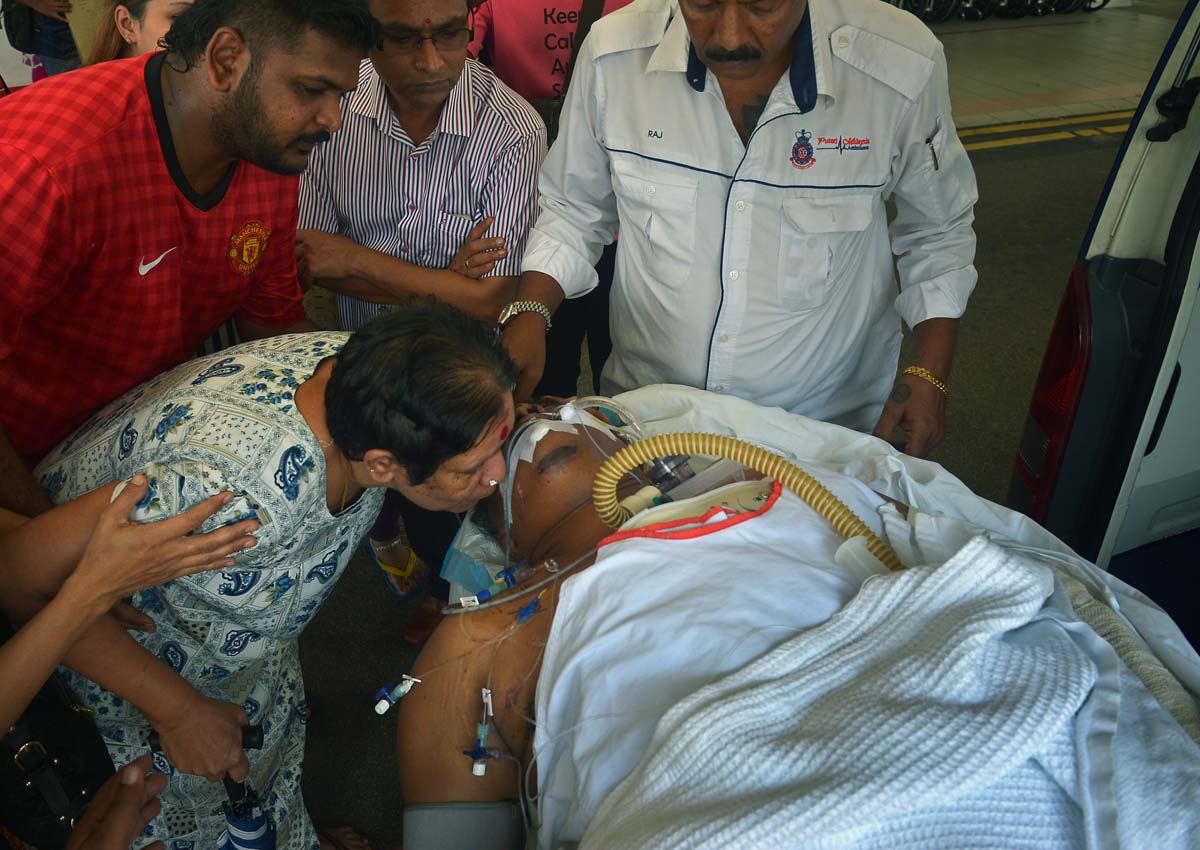
Overwhelmed with worry, Madam Thanabagiyam, 70, had not eaten or slept well for more than a week, as her eldest child, Mr R. Manokaran, lay unconscious in a hospital in Kuala Lumpur. Still in a coma, he finally returned to Singapore yesterday.
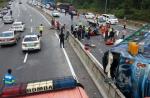
The 52-year-old barber was one of nine Singaporean passengers hurt after a Grassland tour bus returning here from Genting Highlands crashed into a road divider along a highway on Sept 1. One of them, Mr Lim Sia Thian, a 62-year- old accountant, died of his injuries on Sunday.
Mr Manokaran arrived in a Malaysian ambulance at about 2pm at National University Hospital (NUH) after a five-hour journey from Kuala Lumpur General Hospital.
As he was wheeled into the emergency department, his mother kissed him gently on the cheek. She was in tears and had to be supported by two family members.
Madam Muniandy, Mr Manokaran’s wife, who was also in the crash, had a hairline fracture in her spine. Photo: The Straits Times
Mr Manokaran’s wife, Madam Muniandy Barvathi, 48, was visibly worried while she waited for her husband. She had arrived about half an hour earlier by van from Kuala Lumpur. She sobbed after he was wheeled in for checks.
9 Singaporeans hurt after tour bus overturns in Malaysia
Click on thumbnail to view photos. Source:
facebook
The couple and two of their three children were returning home from a four-day holiday in Genting Highlands when the accident took place.
It is the latest fatal bus accident along a Malaysian highway involving Singaporeans.
Mr Manokaran broke his arm and a wrist bone and punctured a lung. He damaged several ribs and both his kidneys have failed.
Doctors in Kuala Lumpur had said on Wednesday night that Mr Manokaran would be able to make the journey home for treatment, said his 21-year-old niece V. Chandralekha. The student added that he was put on breathing support.
Yesterday evening, she said: “Doctors here said he has serious infections in his elbow and lungs and are now treating him with antibiotics.”
Madam Muniandy was found to have a hairline fracture in her spine yesterday after a check at NUH, but did not need to be hospitalised.
“My father’s condition is not okay yet. But I’m glad we are back,” said Mr Manokaran’s elder son, who declined to be named.
His two siblings, who were on the trip, had returned earlier to be treated for their injuries at NUH, but they have been discharged, he said.
Ms Chandralekha said Grassland Express and Tours has paid for Mr Manokaran’s medical costs in Kuala Lumpur, but the family will be talking to the agency about the expenses incurred here.
Grassland operations manager Steven Chew said the injured passengers have returned to Singapore. One other passenger remains hospitalised at NUH but her condition is stable.
nghuiwen@sph.com.sg
This article was first published on September 9, 2016. Get a copy of The Straits Times or go to straitstimes.com for more stories.
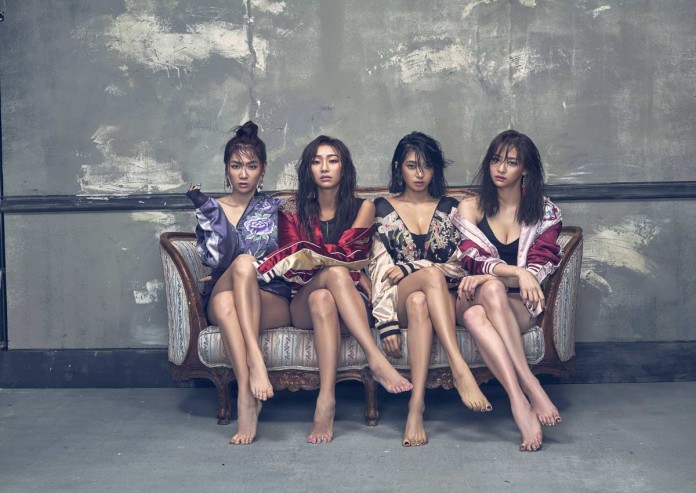
K-pop girl group Sistar is collaborating with Italian musician and producer Giorgio Moroder on a special project, according to the group’s management agency Starship Entertainment on Wednesday.
An established name in the global music industry, the three-time Academy Award winner received his fourth Grammy Award in 2014 for his contribution to French electronic duo Daft Punk’s “Random Access Memories” album.
In addition to working with international pop icons, Moroder wrote the official anthem for the 1988 Summer Olympics in Seoul, “Hand in Hand.”
Moroder expressed his eagerness and excitement at working with Sistar at a press conference in Sangam-dong in Seoul on Tuesday.
Having debuted in 2010, the four-woman act has gained a wide global following over the years. The group’s latest EP, “Insane Love,” topped global K-pop charts, including in China and the US, upon its release in June.
Sistar will be unveiling the collaborative production with Moroder at the upcoming global music festival Mu:con Seoul 2016, set to take place in Seoul from Oct 6-8.
To have the biggest players in the industry who have shaped Asian MMA into what it is today all under one roof is a rare occurrence. Yet, that is exactly what will happen this month.
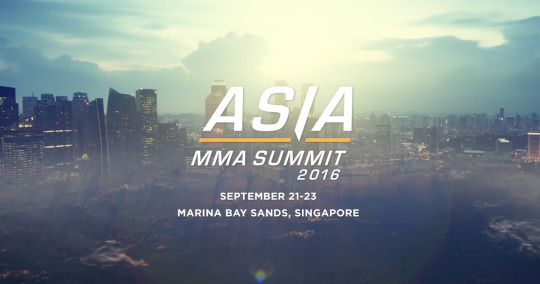
ONE Championship is hosting the third iteration of its Asia MMA Summit from 21-23 September at Singapore’s iconic Marina Bay Sands, and aims to bring together the most brilliant minds in the sport and business world to discuss ways to take MMA in Asia to the next level.
The possibilities emerging from the summit are endless, especially with the calibre of speakers that are bound to be present. Public registration is also available for those interested in attending the summit to learn more about the industry.
Here are three reasons the Asia MMA Summit 2016 could change the game, and have a lasting impact on the sport:
1. The Collective Decision-Making Power Present
Judging from past summits, the biggest names in the game are coming to town, including representatives from global television networks, top executives of existing and potential sponsors, heads of martial arts organizations and federations, the international media, and of course, top athletes.
It’s the ultimate gathering of the most important people in the industry who have played a part in cultivating mixed martial arts in Asia, building it from a relatively niche offering a few years ago into a mainstream sport watched all across the world today.
If any one group of people could have the power to influence the future of MMA in Asia, it’d be the participants of this summit. Plus, with the eyes of the world watching, decisions made here could very well have a global impact as well.
2. It is a Meeting of the Most Brilliant Minds in Asian MMA
Those invited to speak at the Asia MMA Summit 2016 aren’t just big names, they are some of most the brilliant minds in their respective industries. Many of them have been responsible for the innovation that has revolutionized MMA over recent years too.
With a comprehensive range of keynotes, panel discussions, and workshops set to take place during the Summit, it could very well be the place for participants to propose the next game-changing idea as they collectively brainstorm ways to bring the sport forward.
What’s more, the Asian MMA market isn’t the easiest market to penetrate, as the sport is still relatively new here compared to the western world. The presence of expert speakers who will be sharing their extensive knowledge would certainly help to rectify that.
3. It is an Incredible Networking Opportunity
Of course, having all these key people under one roof means that not only will the Asia MMA Summit 2016 be an important forum for the industry, it is also a place for people to come together, grow their networks, and potentially form groundbreaking partnerships.
With mixed martial arts events taking place all over the region with a corresponding increase in training facilities and business opportunities, it’s essential that everyone works together with the same goals if MMA in Asia is to grow as a whole.
Getting the chance to meet the biggest names in the sport will also serve as an invaluable opportunity for new players to establish a deeper connection with the industry, as well as gain invaluable knowledge and experience.
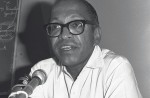
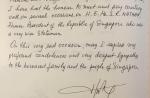
I was late knowing about former Singapore president SR Nathan’s passing because I was in Australia attending the Australian Council for Security Cooperation in the Asia Pacific’s (CSCAP) annual general meeting.
President Nathan dealt with Indonesian affairs from the end of Indonesia’s Konfrontasi against Malaysia in 1965, the year when Singapore separated from its union with Malaysia. He was then a member of the security team that prepared the opening of Singapore-Indonesia diplomatic relations.
On the Indonesian side, it was Benny Moerdani and Abdul Rachman Ramly of Ali Moertopo’s team who were his counterparts. That began his enduring interest in Indonesia, even when he was not in positions that directly related to the country, such as when he was ambassador to the US and high commissioner to Malaysia.
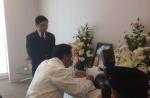
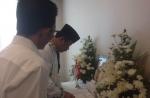
Singapore says farewell to former president S R Nathan
Click on thumbnail to view photos. Source:
The Straits Times
I fondly recall that when president Nathan was the head of Singapore Press Holdings, he and I occasionally took a morning walk along the beach near Mountbatten Road, and afterwards had some coffee or a little breakfast at a hotel nearby.
During those walks, Indonesia-Singapore relations were always the main topic of our discussions. During his tenure as president of the S. Rajaratnam School of International Studies (RSIS) he headed the Singapore CSCAP Committee and we co-operated very closely in expanding CSCAP’s programme to become a wider forum on security issues in East Asia and the Pacific, an extension of the biannual General Conference.
Click on thumbnail to view photos. Source:
The Straits Times, The New Paper
He was convinced that the Track Two activities on regional security were a very important endeavour since the Track One (governments) co-operation only started after the end of the Cold War and they needed more input and ideas from think tanks and other stakeholders like the media and political parties/parliaments.
He was very attentive to the young generations in Singapore and Indonesia and was always keen to prepare them for their future leadership role.
In that respect president Nathan particularly found in me a soul mate and he invited me to give a talk to his students at the Singapore Management University (SMU) on Indonesian experiences during the last years of the Sukarno era, the change of leadership and the beginning of the Soeharto administration.
He always believed that every young generation had to know more about its own and its neighbour’s history. In addition, he graciously chaired the launching of my book Shades of Grey in 2012, also at SMU. I am eternally grateful to him for that honour and kindness.
As his health began to falter, our plan to continue the series of lectures was discontinued. But in memory of president Nathan I will make myself available to keep the plan alive, especially as an effort to strengthen Indonesia-Singapore relations.
Singapore leaders visit S R Nathan in hospital
Click on thumbnail to view photos. Source:
The Straits Times
Our bilateral co-operation inside and outside of ASEAN is important to contribute to an East Asia that is stable, peaceful and developing well. Indonesia and Singapore complement each other in many aspects, which really contributes to that purpose.
My experiences in building regional institutions within the context of the ASEAN Institute of Strategic and International Studies (ISIS) and other regional institutions convinced me of the critical importance of Indonesia-Singapore co-operation.
So, talking about strengthening ASEAN and how to keep ASEAN’s centrality in the wider Asia-Pacific region, I think Indonesia-Singapore co-operation is a prerequisite. And I believe that somewhere there president Nathan would agree with me.
From president Nathan I found out that many Singaporean leaders were sympathetic to Indonesia, obviously because of Indonesia’s size and influence as a neighbour, but also as Singapore can learn from Indonesia’s diversity, self-confidence despite the challenges it has to face, and its foreign policy character, which Singapore can emulate as a young and small country proud of its independence among other big countries.
Together Indonesia and Singapore can do more to create better neighborliness despite existing negative stereotypes about each other. That can be remedied by better understanding between the two countries. May president Nathan rest in peace and may Mrs. Urmila Nandi and the whole family be strengthened in their loss.
The president must himself have a popular mandate to say no to certain actions by an elected government, Law Minister K. Shanmugam said yesterday.
A panel that reviewed the elected presidency had floated the idea of reverting to an appointed president in its report. It suggested having a group of appointed experts assume the custodial role of safeguarding the reserves and the integrity of the public service.
But Mr Shanmugam pointed out that the Constitutional Commission had also acknowledged that the head of state cannot veto government initiatives if he is not elected.
This is why its proposed group of appointed experts can only delay, but not block, government action – unlike the elected president.
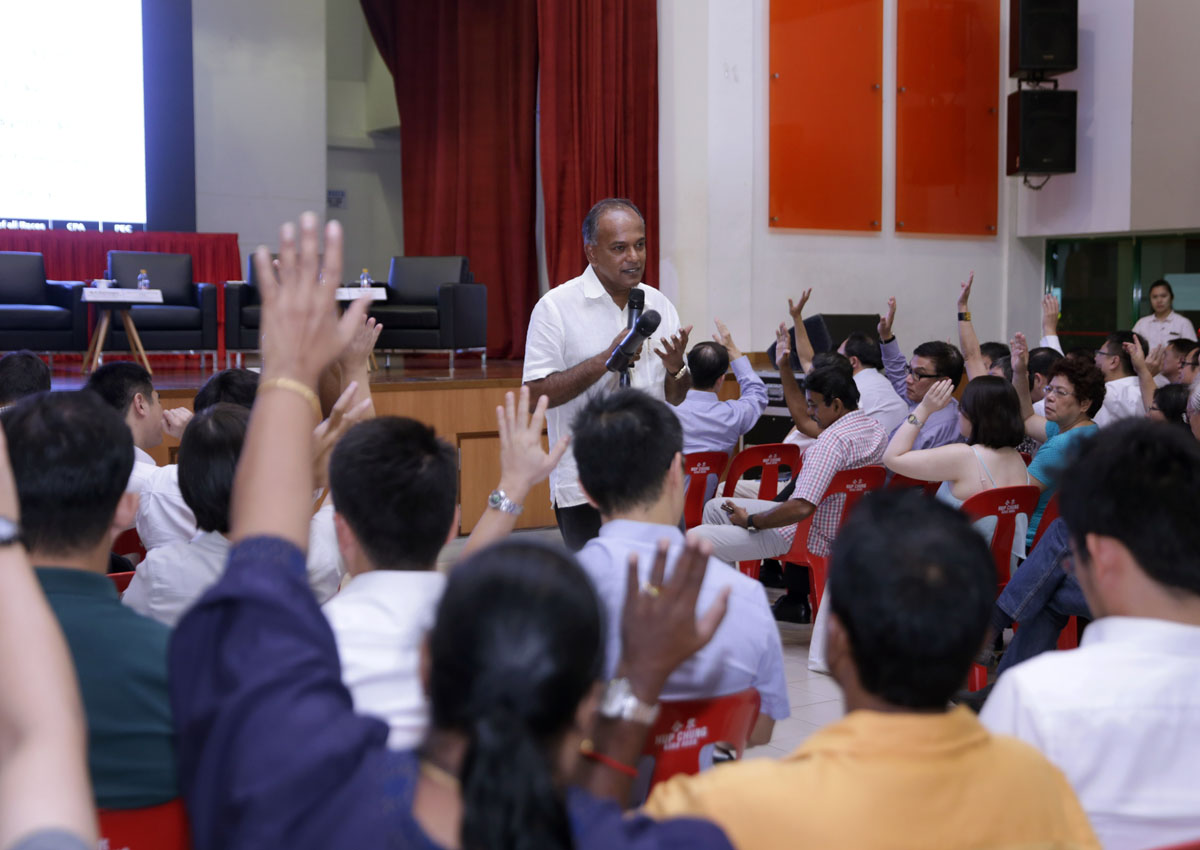
“You have to ask yourself, do you want to give real power to an individual or a group. If you want to give real power then they have to be elected,” he told reporters on the sidelines of a dialogue on proposed changes to the elected presidency with 600 grassroots leaders from the North West District.
Reporters were allowed into the session for the first hour but the second half was closed-door.
During the dialogue, one participant cited the commission’s suggestion of an appointed presidency, and asked if the Government would consider doing away with the presidential election.
Mr Shanmugam made clear the Government has not stated its view on the commission’s recommendations, but it was unlikely that presidential elections will be abolished.
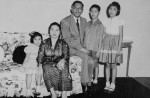
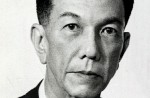
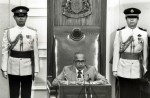
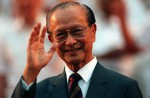
A look at the presidents of Singapore
Click on thumbnail to view photos. Source:
The Straits Times, Zawiyah Salleh, New Nation, Wee Kim Wee, The Business Times, The New Paper, The Ong family, Lianhe Zaobao
Singaporeans will also likely be displeased to lose their right to vote for their president, he added.
“Every single one of you probably voted in the 2011 Presidential Election. If I now come and tell you, you cannot vote any more, would you be happy? You will think the Government is trying to be funny,” he said.
A show of hands by the audience later to a question posed by Mr Shanmugam showed that most believed that the president should continue to be elected.
There was also broad agreement from the audience that potential candidates have to meet a set of eligibility criteria, and that the criteria must remain relevant and should be reviewed periodically.
But participants were split on the need for a proposal to ensure a minority president from time to time.
The commission had recommended that if there is no president from a particular racial group for five continuous terms, the next presidential election should be reserved for candidates from that group.
Asked by reporters about this reaction from the audience, Mr Shanmugam noted that the commission’s report was just released to the public on Wednesday , and people will need time to understand its nuances and clear up misunderstandings.
“Some people were saying it will affect meritocracy. As the commission made clear, whichever race the candidate is from, they have got to fulfil the same criteria. So there is no question of lowering the criteria for a particular race,” he said.
Also, if people of all races are elected from time to time, the provision to reserve an election for a particular race will never be invoked, he added.
Meanwhile, in a separate interview with Channel NewsAsia’s Talking Point broadcast last night, Mr Shanmugam also highlighted the symbolic role of the nation’s highest office.
“The president represents the entire nation… If you accept that, then I think it’s only right that we have presidents from the different races at certain frequencies,” he said.
ziliang@sph.com.sg
This article was first published on September 9, 2016. Get a copy of The Straits Times or go to straitstimes.com for more stories.