Image:
Publication Date:
Tuesday, September 13, 2016 – 16:10
Keywords:
Send to mobile app:
Source:
Story Type:
Others
The bank will also be issuing “instant” digital credit cards to customers by end October, it says.
Source link
They may have already changed their ways, but the drawings inked into their skin draw attention and make it hard for them to start a new life.
Some former offenders, though, are getting help to erase such reminders of their unsavoury past, under a new pro bono tattoo-removal programme. Called The Next Chapter Project, it is led by medical aesthetics supplier Absolute MS, which has roped in five doctors for the project.
Absolute MS managing director Jimmy Lok told The Straits Times: “We have been in the business for eight years, and we have been distributing medical lasers. We wanted to give back to society, and we thought this initiative is a good way to use the devices for a good cause.”
Executive project coordinator Deborah Seah, also from Absolute MS, said: “These ex-offenders have turned over a new leaf, but the social prejudice still remains. We want to help uncover the changed person that they already are.”
Absolute MS works with welfare groups that help former offenders, such as The Helping Hand and The New Charis Mission, to identify people who need tattoo removal.
Since the project started last month, 15 people have been identified for tattoo removal, including five who are not former offenders but come from disadvantaged backgrounds. The first person to have his tattoo removed went for his first session last Friday.
Dr Daniel Chang, who performed the tattoo removal, said: “It is meaningful to be able to help them, using what we already know and have learnt.” He does about 10 tattoo-removal sessions a month. The removal usually has to be done over several sessions, one to two months apart.
The number of sessions needed depends on factors such as tattoo size and colour. Tattoos in colours like red, green and yellow are harder to remove; likewise, those done many years ago or by professional tattoo artists.
“The removal process is painful, but patients will hardly tell you it is painful,” said Dr Chang.
“It is not difficult for them to start, but coming back takes discipline. When I see that they are so focused on getting the tattoos removed and they show the same level of enthusiasm each time, I feel that what I am doing is really helping them.”
There are other such programmes for former offenders. A project by the Singapore Anti-Narcotics Association and National Skin Centre offers a subsidy of up to 90 per cent for tattoo removal. The Singapore Prison Service offers the service free for inmates intent on renouncing gangs and their old ways.
Prison Fellowship Singapore executive director Andrew Tay welcomed the latest initiative.
“The Next Chapter Project’s objective aligns with our endeavours to give our clients a shot at reintegration into society,” he said.
Taking the first step to remove tattoos inked over 40 years ago
More than 30 years have passed since his release from prison. He now works as a part-time cleaner and his tattoos cannot be seen under a short-sleeved shirt.
But the 65-year-old was still determined to remove the tattoos, a mark of his past.
Peter (not his real name) went for his first appointment at Eden Medical Aesthetics clinic last Friday, more than 40 years after he first had the tattoos inked on his upper arms, chest and abdomen.
He is the first of 15 people to have their tattoos removed for free, under The Next Chapter Project, a new initiative by medical aesthetics supplier Absolute MS.
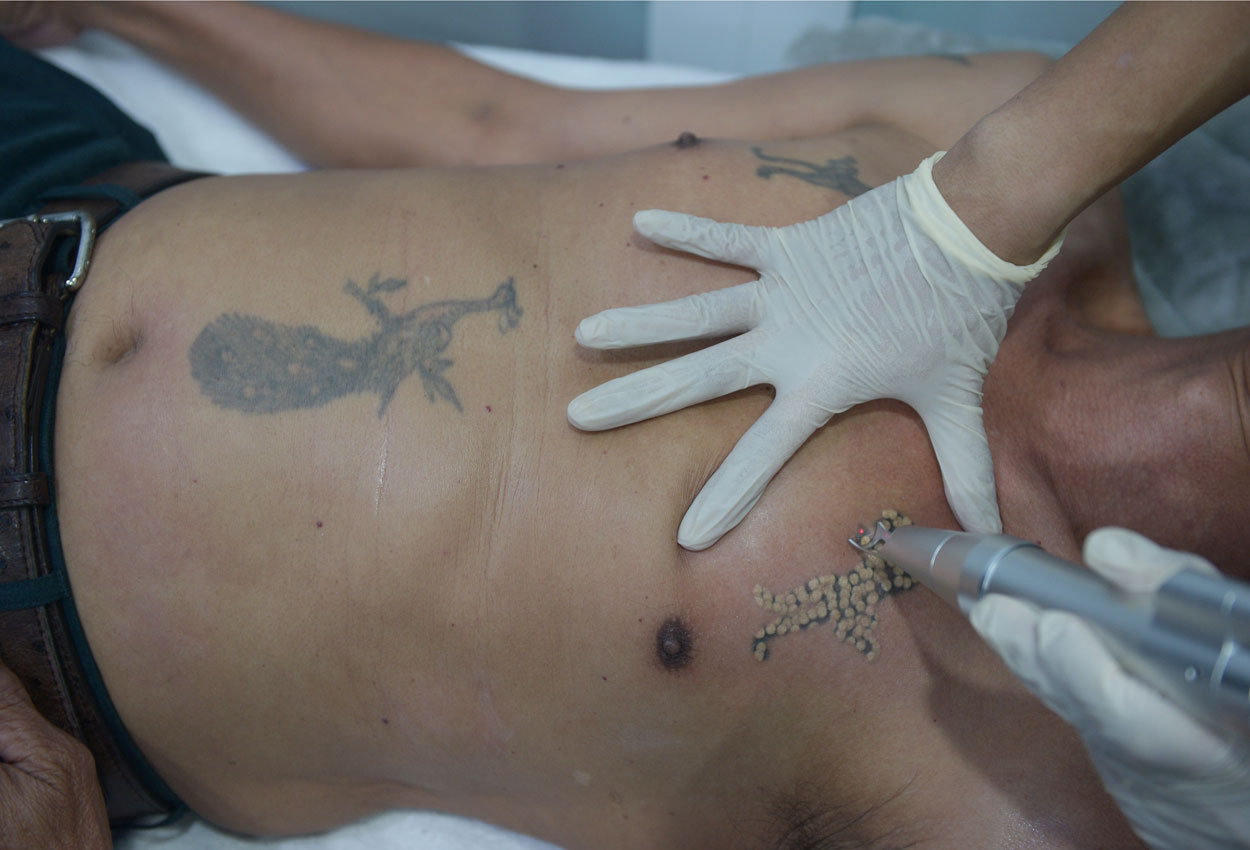
The tattoos on his upper arms depict women, while those on his chest and abdomen depict leopards and a peacock. The former gangster told The Straits Times in Mandarin: “I chose images from a book that the tattoo artist gave me. The other gang members had tattoos too, so I followed suit.”
He was in jail twice in his 20s – over 10 years in total – for armed robbery and clashing with rival gangs.
He had considered removing his tattoos previously, but techniques in the past – he heard of some that involved the use of acid – were more painful.
And modern methods using laser were expensive. One session usually costs at least $100 and a person may require several sessions to remove the tattoos, depending on factors such as size and colour.
The social stigma related to people with tattoos still exists, he said. In the past, his main reason for wanting to remove them was a practical one – he always had to keep his shirt on at home as his parents did not know about them.
Three years ago, he started swimming two to three times a week to alleviate his back problems. But he felt embarrassed at the pool. He said: “When people saw my tattoos, they would move away from me or give me weird stares. I now wear a swimshirt to cover them, but I’d much prefer not having to wear it.”
At his first tattoo removal session last week, he was given cream to numb the skin areas with tattoos for about 20 minutes. The removal process took about 10 minutes.
He pursed his lips throughout and later rated the pain a “four upon 10”, with 10 being the most painful. But he smiled after seeing that his tattoos looked lighter.
Dr Daniel Chang, who did the tattoo removal, said Peter would likely have to return for eight to 10 more sessions. Peter said: “The removal of the tattoo from my tummy area was particularly painful. But I can tolerate it and I’ll come back to do the rest.”

This article was first published on September 13, 2016.
Get a copy of The Straits Times or go to straitstimes.com for more stories.

 SINGAPORE – Routine, indiscriminate fogging is not a sustainable measure in the battle against the Zika virus, Minister of Environment and Water Resources Masagos Zulkifli said on Tuesday (Sept 13), amid calls for more fogging to be conducted at various…
Source link

 SINGAPORE – Close to 4,000 blood samples were tested and found negative for Zika between February and August this year, before the first locally-transmitted case of the infection was confirmed, revealed Health Minister Gan Kim Yong as he explained the…
Source link
“The journey in our fight against Zika is likely to be a long one, because of the presence of Aedes mosquitos,” said the Health Minister in Parliament on Tuesday (Sep 13).
Source link
SINGAPORE – For leaving the Communicable Diseases Centre (CDC) without permission while he was being isolated for the treatment of pulmonary tuberculosis (TB), and then hiding his identity from the police after absconding, a 54-year-old man has been sentenced…
Source link
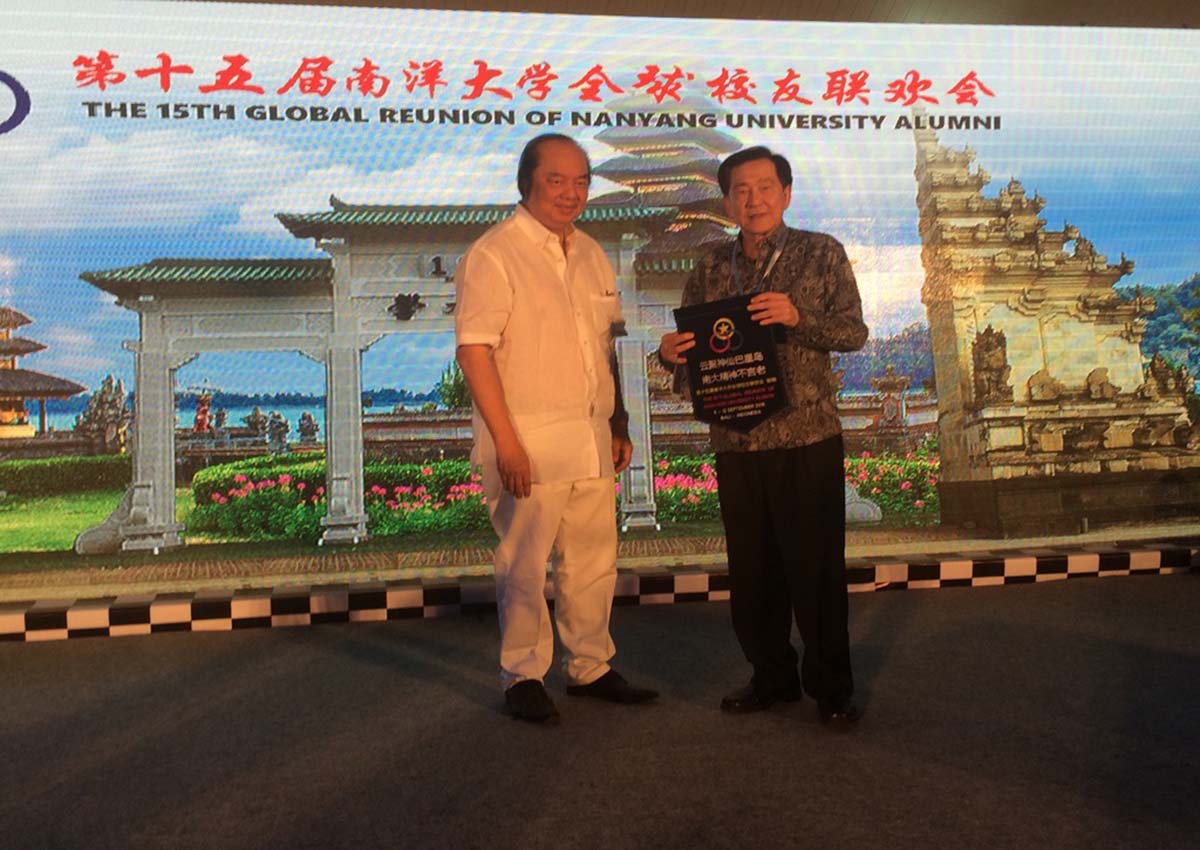
Indonesian billionaire and philanthropist Tahir has proposed setting up a charity foundation to help needy students who are children or grandchildren of former Nanyang University (Nantah) graduates complete their tertiary education.
Mr Tahir, 64, who goes by a single name, is himself a Nantah alumnus. He has pledged $1 million to get the foundation started and will also match donations dollar for dollar.
He made the proposal last Saturday at a global reunion of the university’s alumni in Bali, organised by graduates in Indonesia.
Speaking to an audience of more than 1,200 at the event’s gala dinner at the Rich Prada Bali Hotel, Mr Tahir said: “It is time we put into practice the Nanyang spirit expressed by founders of our university, which includes making sacrifices for our future generations.”
While reunions have been great opportunities for old friends to meet, eat, drink and be merry, they should also be meaningful, he said.
He hoped other Nantah alumni would show their support by donating generously.
The scholarship will be only for those studying at four public-funded universities in Singapore, as Nantah was located in Singapore. They are the National University of Singapore (NUS), Nanyang Technological University, Singapore Management University and Singapore University of Technology and Design.
A committee will be set up soon to work on details such as whether postgraduate students should be included and the amount to give out to the students each year.
Mr Tahir had asked Mr Chia Ban Seng, president of the Association of Nanyang University Graduates in Singapore, to take the lead.
Nantah was founded by the late rubber tycoon Tan Lark Sye, with support from Chinese communities in Singapore and Malaya. It took in its first batch of students in 1955; many of them were from Malaya and elsewhere in South-east Asia.
But Nantah’s enrolment declined, due largely to changes in language and education policies in Singapore from the 1960s. It merged with the University of Singapore to become NUS in 1980.
Mr Chia, 77, who will be organising the next global reunion of Nantah alumni in Singapore in 2018, said he supported the idea of the foundation, adding that he and other alumni leaders would need to study the proposal carefully first.
Agreeing, Mr Tan Cheng Huat, 78, president of the Nantah alumni association in Johor, said he would also need to discuss it with his members back home.
This article was first published on September 13, 2016.
Get a copy of The Straits Times or go to straitstimes.com for more stories.
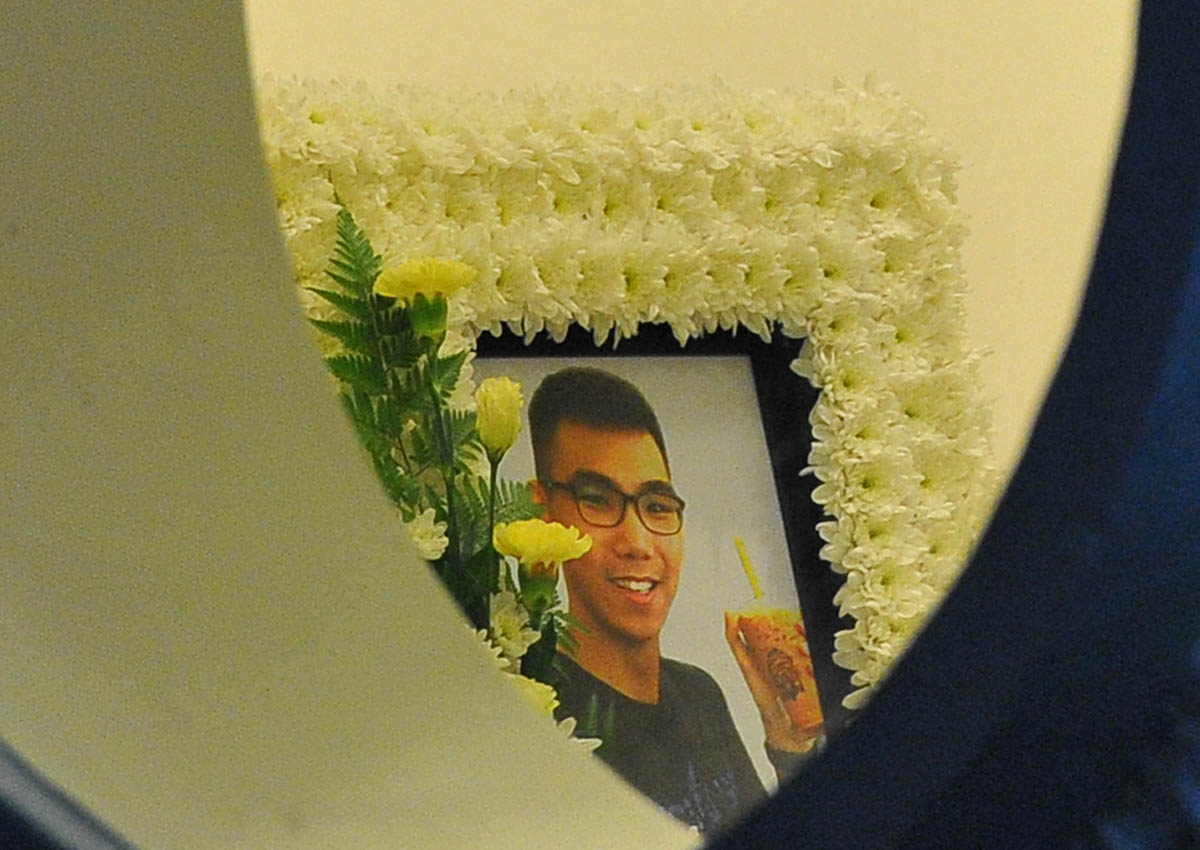
He was the only child and an obedient son who never lost his temper with his parents.
Mr Ng Kai Jie would have turned 22 next month, but he died in a car accident in Malaysia on the section of the North-South Expressway between Yong Peng and Pagoh at about 5.30pm on Saturday.
At his wake yesterday, his father Terry Ng, 57, a businessman, told The Straits Times: “We’ve given him 20 years of happiness. He really enjoyed his life, his friends enjoyed his companionship and he gave us a lot of happiness.”
He added: “I think it’s better than having someone with you his whole life and he gives you a lot of trouble. He was not a troublemaker.” The elder Mr Ng said his son never threw tantrums in front of him and his wife. “He was always smiling.”
The young man, who was in national service, started driving three years ago. His father said he was a safe driver and this was his first accident.
On Saturday, Mr Ng Kai Jie left for a two-night trip to Malacca with his friend Alson Ngian Zhi How, 23.
Their rented Proton Inspira hit the rear-left side of a lorry travelling in the same direction, said the Batu Pahat district police. The impact of the collision sent both vehicles veering off the road.
The lorry driver, Mr Baharom Ibrahim, a 43-year-old Malaysian, suffered minor injuries, as did Mr Ngian. But Mr Ng died on the spot.
More than 30 people were at Mr Ng’s wake at Mount Vernon Sanctuary at around 7.20 last night.
His friends recounted to his parents how he would think of getting his mother her favourite fish head curry dish whenever they passed by a restaurant.
“He didn’t know how to express his love to us, but I heard a lot of things from his best friend,” said the elder Mr Ng. “We love him and we will miss him always.”
Read More:
Singaporean among 3 killed in motorcycle accident in Johor
This article was first published on September 13, 2016.
Get a copy of The Straits Times or go to straitstimes.com for more stories.
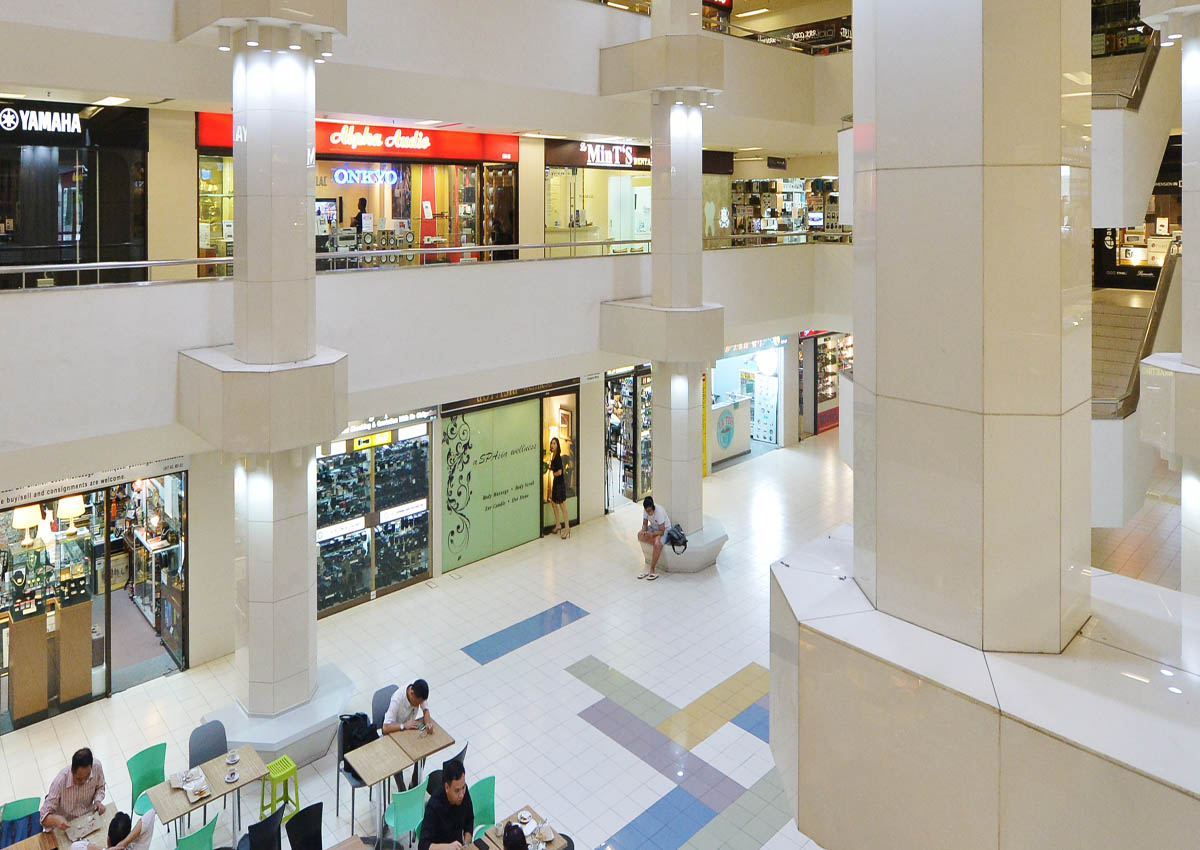
Next to the Supreme Court and St Andrew’s Cathedral, just steps away from Parliament, there used to be an area filled with sleazy massage parlours offering “specials” – code for sexual services such as erotic massages.
These had sprung up aggressively over the past seven years, mainly in the basement level of The Adelphi, which is in Coleman Street in the heart of Singapore’s civic district. The parlours attracted male tourists and well-dressed office workers from the Central Business District.
These seem to have finally been cleaned up permanently following an extensive police raid at the strata-titled building over six days in June. Responding to queries from The Straits Times, the police said at least 13 illegal massage establishments have closed at The Adelphi since then.
The raid was part of the authorities’ ongoing operations against massage establishments in Chinatown, Little India, Jalan Besar, Middle Road, Bencoolen Street, Jalan Sultan and Coleman Street between January and July this year.
Excelsior Shopping Centre next door and Fortune Centre in Middle Road were among the buildings that were also raided.
Tenants that The Straits Times spoke to said they welcomed the cleanup at The Adelphi, which is also known as an audiophile’s haven.
They said the sex workers, from countries such as Vietnam, Malaysia and China, were clad in tight and revealing attire and affected the reputation and image of the building as well as the city centre at large.
They added that tourists dropping in after visiting attractions and monuments such as the cathedral and the National Gallery could have a bad impression of the city.
To help rebuild The Adelphi’s reputation, landlords voted at its annual general meeting last Thursday to pass a by-law to stop illegal and unlicensed massage parlours from renting units.
Details are being worked out. The Adelphi’s Management Corporation Strata Title said it hopes the new by-law will prevent the recurrence of such activities.
Following the raid, The Adelphi’s tenancy mix now primarily comprises offices as well as audio-visual and beauty care stores. New cafes have also started moving in.
Mr Bohari Mohammed, 46, co-owner of a vinyl record shop, said the old situation was not conducive for families.
“Customers used to ask me why there were so many women dressed like that. We’re running a proper business, so we were somewhat concerned,” he said.
Elder Richard Chong of the National Council of Churches Singapore, whose headquarters is located in a corner of the basement level, said the proliferation of such businesses was one reason that made the council think of finding a new location.
Visiting pastors would sometimes get accosted by the women.
Mr J. Lee, 50, who has been working in sales at a basement unit there for the past four years, said some women would pull men into their shops. Others would stand outside their units in states of undress.
He said: “Yes, we are men and you’d think it’s something we’d like to see. However, we’re here to work. It was difficult to even go to the toilet.”
At least six unlicensed massage parlour operators were charged in July for operating an establishment for massage without a valid licence under the Massage Establishments Act. Some 60 massage establishments have also had their licences revoked in the last three years.
A police spokesman said: “The police have been conducting regular enforcement checks at The Adelphi.
“We have always taken a tough stand against illicit activities and will continue to monitor and work closely with the relevant stakeholders to take action against operators of such establishments.”
How parlours offer ‘special services’
Pretending to be customers, reporters who recently visited two massage parlours at another local shopping centre were asked if they would like “special services”.
Depending on the type of sexual services, prices ranged from $40 to $100.
Typically, a scantily dressed woman sitting at the reception counter beckons male clients. Once inside, the client is ushered into a small room, barely wide enough for a massage table.
A curtain to the entrance is drawn, and the front door to the shop is locked to prevent anyone else from entering the parlour.
Only when the doors are secure does the massage start.
About 10 minutes in, the masseuse asks the customer about extra services, sometimes using code phrases.
Such parlours have evaded detection during routine police spot checks by locking the doors, communicating in code and passing signals to tell patrons whether it is safe to leave.
This article was first published on September 13, 2016.
Get a copy of The Straits Times or go to straitstimes.com for more stories.