Manpower Minister Lim Swee Say adds that the process for the Lifetime Retirement Investment Scheme has also begun, but would take a longer time to roll out.
Source link
Updates from CPF Investment Scheme review expected within 12 months
A message of simplicity
It is a shame the Seventh-day Adventist Church in Balestier Road, mostly used as a landmark by pedestrians to find their bearings, is often overlooked as a destination.
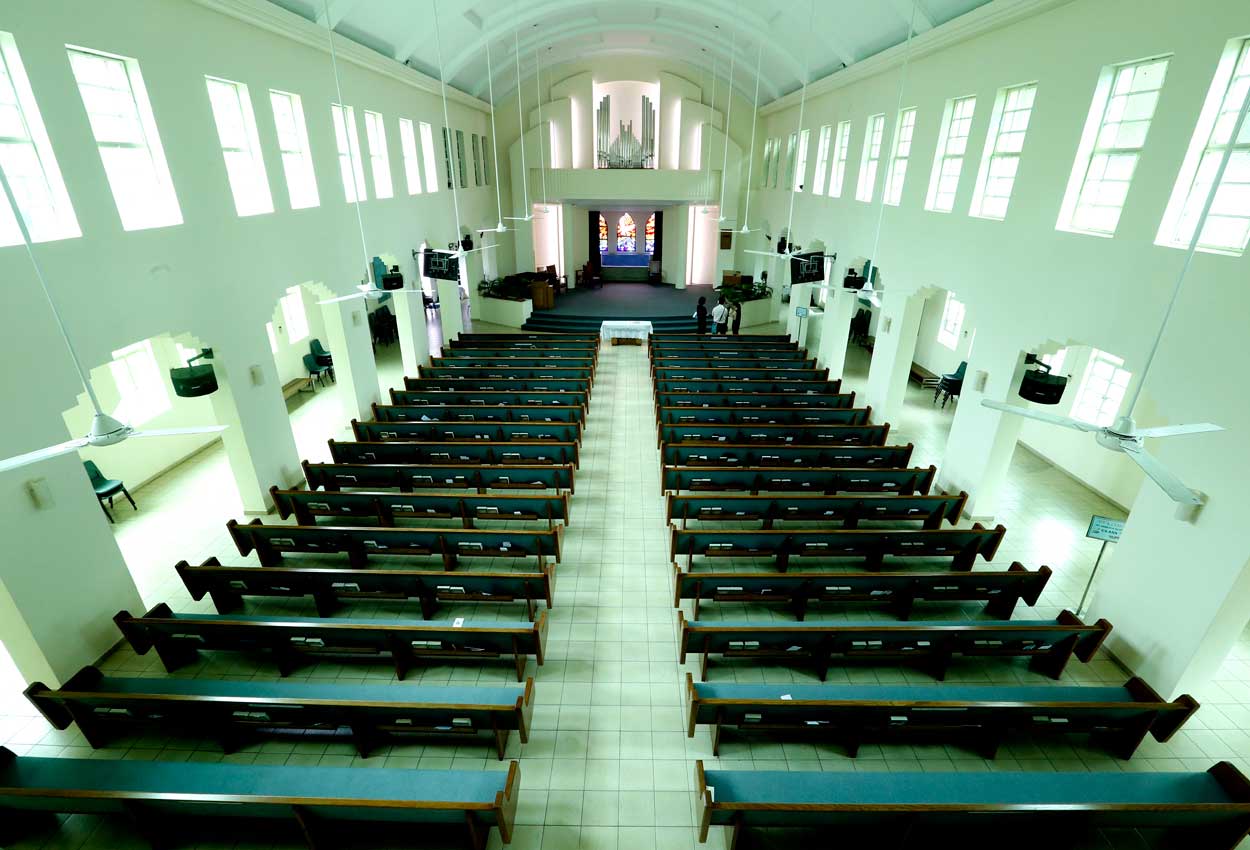
After all, the pre-war Art Deco building has interesting features, such as its double-height hall bathed in soft light, structural arches along the side aisles of the hall and its domed roof with decorative panels.
Churches built in recent years tend to be grand modern buildings, but the Protestant Christian congregation at the Seventh-day Adventist Church like their simple church.
“They do not like loud colours,” says the church’s senior pastor Mark Chan, 53, who has been preaching there since 1993.
As a result, the look of the building has remained largely unchanged since 1934 – the year it was built – with its original green glass windows intact, save for a few mismatched panels fitted in to replace the ones that broke.
Its exterior walls have also been kept white, similar to the light palette or pastel colours that Art Deco buildings typically have, says Mr Lee Yan Chang, executive architect of conservation management at the Urban Redevelopment Authority (URA). The original colour of the building is not known.
Even a major renovation from 1988 to 1989, which cost $400,000, was mainly a functional one.
A metal roof was installed over the hall’s concrete vaulted ceiling, rusty water pipes were replaced and the wooden pews traded in for cushioned ones.
A concrete stage at the back end of the church now takes the place of the original wooden one.
The only aesthetic element added was the trio of stained-glass windows behind the stage.
The church, which was gazetted for conservation in 2005, was originally owned by the Assemblies of God before the current church bought it in 1951 for US$29,000.
Mr Lee says the church is an “ideal example of conservation” and acts as the gateway to Balestier, an area URA gazetted for conservation in 2003 for its interesting streetscape.
• This is a monthly column on heritage buildings.
HIGHLIGHTS
330839
 Photo Gallery
Seventh-day Adventist Church
Source:
-

<!–
-

<!–
-

<!–
-

<!–
-

<!–
-

<!–
-

<!–
-

<!–
-

<!–
-

<!–
-

<!–
1. DOMED ROOF AND SLOPED FLOORS FOR THE HALL
The hall, which is about 15m high, has a concrete vault ceiling with simple decorative panels.
The high ceiling acted as a natural ventilation system before the church’s air-conditioning system was added in 1995.
Hot air, says Mr Lee Yan Chang, executive architect of conservation management at the Urban Redevelopment Authority, would rise and leave the hall through the windows on the top row, a design feature well suited to the tropics.
The floor slopes down towards the stage. This allows for an unblocked view for those seated at the back and is similar to an amphitheatre. Mr Lee says: “The floor of the traditional church is always flat. I am not aware of other churches of the era with a sloped floor.”
2. THE BUILDING’S FACADE
The stepped profile – which resembles the tubes of a pipe organ – is a common feature of Art Deco buildings, a simple style that differs from the excessive ornamentation of Neoclassical buildings in the late 19th and early 20th centuries, says Mr Lee.
The vertical fins can also be read symbolically. The seven columns, for instance, are believed to symbolise perfection and completion.
3. GREEN GLASS WINDOWS
Instead of cutting out most of the sunlight, the handmade dark-green window panes diffuse the sun’s rays, bathing the hall in a soft glow. The steel window frames, which are characteristic of the pre-war era, show signs of rust, but are otherwise well maintained, says Mr Lee.
(Read also: New Novena Church surprises many with grand look)

This article was first published on October 01, 2016.
Get a copy of The Straits Times or go to straitstimes.com for more stories.
Image:
Publication Date:
Saturday, October 1, 2016 – 14:45
Keywords:
Send to mobile app:
Source:
Story Type:
Others
Coffee Bean & Tea Leaf: 60% Off Coffee/Tea Beverages at 20 Outlets from 1 Oct 2016

LIMITED TIME ONLY: 60% off coffee/tea beverages at 20 Coffee Bean & Tea Leaf outlets
Coffee Bean & Tea Leaf: 60% Off Coffee/Tea Beverages at 20 Outlets from 1 Oct 2016
Save 60% off on five cups of Coffee/Tea at 20 selected Coffee Bean and Tea Leaf outlets (Upgrade and Upsize available) redeemable all day with this deal
Yang Yin trial: How judge decided on six-year term
In his 22-page grounds of judgment, Principal District Judge Bala Reddy explained in detail how he decided on a jail term of six years for Yang Yin’s criminal breach of trust offences.
He took into account aggravating factors submitted by the prosecution, which had asked for 10 to 12 years’ jail for Yang.
330825
Photo GalleryEx-tour guide Yang Yin jailed 6 years
-

<!–
-

<!–
-

<!–
-

<!–
-

<!–
-

<!–
-

<!–
-

<!–
-

<!–
-

<!–
-

<!–
-

<!–
-

<!–
-

<!–
-

<!–
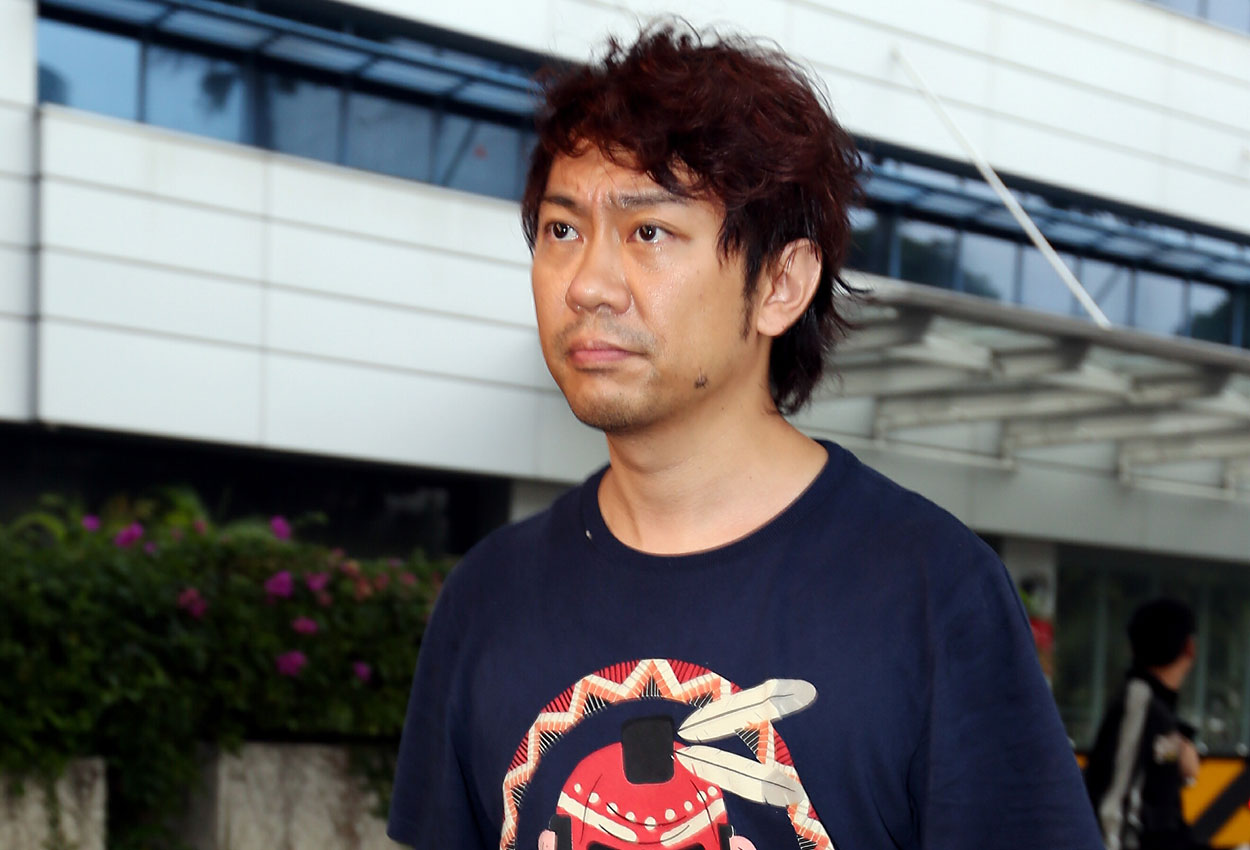
These include how Yang had betrayed the trust of 89-year-old Madam Chung Khin Chun by capitalising on her age and lack of immediate familial support to foster “an environment of unquestioning trust” with the widow.
The judge said: “Throughout the material time, the accused’s actions were the subject of what amounted to absolute trust, free from the scrutiny of the eyes of outsiders.”
He also said he gave “little credit” to Yang’s plea of guilt. “The trial had gone on for 12 days and it was during the accused’s cross-examination that he decided to plead guilty,” he wrote.
Tussle over widow’s $40m assets turns ugly
Click on thumbnail to view photos. Source:
The Straits Times, Madam Hedy Mok, Lianhe Wanbao, Madam Chang Phie Chin, Court Documents






















































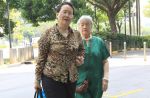



































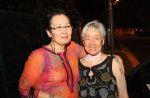
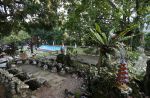


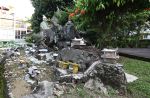




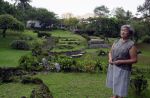
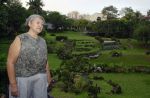
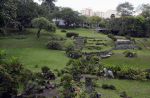
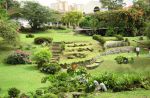

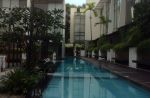



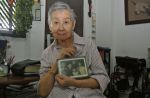



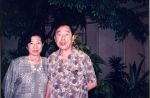















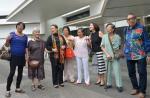







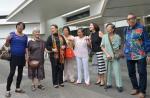




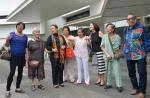


Yang first indicated he wanted to plead guilty in July before changing his mind weeks later to claim trial. A month later, he pleaded guilty.
The judge yesterday also raised another point made by the prosecution – that a deterrent sentence is needed to send a clear message that those who misuse funds entrusted to them by the vulnerable will be severely dealt with.
A deterrent sentence, however, need not be “crushing”, Judge Reddy said, explaining that 10 to 12 years’ imprisonment would be “manifestly excessive”.
Even though the accused had virtually depleted the widow’s liquid assets of about $2.7 million in early 2010 to less than $10,000 as of Aug 30, 2014, this should be viewed in the right perspective.
This is because Yang had pleaded guilty only to misappropriating $1.1 million from the widow. “This court could only sentence the accused to what he had pleaded guilty,” he said.
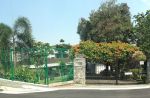
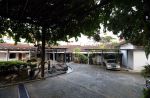
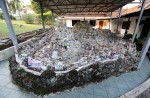
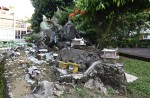
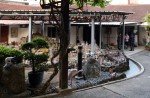
Tussle over widow’s $40m assets: A look at Madam Chung’s bungalow
Click on thumbnail to view photos. Source:
The Straits Times, Raymond Tan


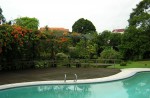


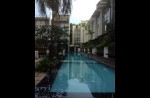








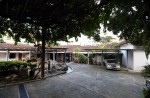










This article was first published on October 01, 2016.
Get a copy of The Straits Times or go to straitstimes.com for more stories.
Image:
Publication Date:
Saturday, October 1, 2016 – 14:25
Keywords:
Send to mobile app:
Source:
Story Type:
Others
Yang Yin trial: Widow's niece regrets not acting earlier
It was in 2009 when Yang Yin first moved into Madam Chung Khin Chun’s sprawling Gerald Crescent bungalow, going on to trick the 89-year-old widow into handing over more than a million dollars.
But it was only five years later that her niece, Madam Hedy Mok, found out what he was up to, evicted him from the home and went to the police – leading to Yang yesterday being sentenced to six years’ jail for criminal misappropriation.
330825
Photo GalleryEx-tour guide Yang Yin jailed 6 years
-
<!–
-
<!–
-
<!–
-
<!–
-
<!–
-
<!–
-
<!–
-
<!–
-
<!–
-
<!–
-
<!–
-
<!–
-
<!–
-
<!–
-
<!–
Still, it was bittersweet for Madam Mok. “I regret not acting against him earlier,” she told The Straits Times. “I did not know (the full extent of) what he had done until it was too late.”
Madam Mok became embroiled in the saga in early 2014, when she visited her aunt during Chinese New Year with her mother, Madam Doris Chung. Madam Doris Chung noticed that her sister’s memory was failing and asked her daughter Hedy to take her sister to a doctor.
Madam Chung was subsequently diagnosed with dementia and Madam Mok applied to be her aunt’s guardian in June. That was when she discovered that her aunt had already granted Yang, a former China tour guide, legal powers in 2012 to have full control over her assets estimated to be worth $40 million, including her bungalow. The legal powers were revoked in November 2014, after Madam Mok applied to the court to have the Lasting Power of Attorney cancelled.
Tussle over widow’s $40m assets turns ugly
Click on thumbnail to view photos. Source:
The Straits Times, Madam Hedy Mok, Lianhe Wanbao, Madam Chang Phie Chin, Court Documents

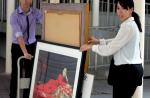

















When asked if she should have visited her aunt more often, Madam Mok said: “She is a private person.” She knew that Yang was living in the bungalow but he had avoided meeting family members each time they visited, she said. After finding out that he had gained control of the widow’s financial matters, she evicted him, his wife and two children from the bungalow.
Madam Mok, 62, who runs a tour agency, then took in her aunt to live with her in her semi-detached house in East Coast. Madam Chung has been living there since August 2014. The widow now spends her days reading newspapers in the morning and swimming in the afternoon. She also has a full-time maid to attend to her needs.
In court yesterday, Madam Chung, a retired physiotherapist, appeared oblivious to the proceedings. She closed her eyes during most of the trial. When asked by reporters how she felt about the outcome, she replied: “I don’t know.”
Madam Mok said she plans to sell the Gerald Crescent bungalow and use the proceeds for her aunt’s upkeep. “The rest will go to charity according to her will,” she added, although she has not decided when and how to sell the house.
When asked if she would miss the Gerald Crescent bungalow if it is sold, Madam Chung said: “Of course I will miss it. I lived there a long time. But Hedy’s house is my home now.”
Tussle over widow’s $40m assets: A look at Madam Chung’s bungalow
Click on thumbnail to view photos. Source:
The Straits Times, Raymond Tan
This article was first published on October 01, 2016.
Get a copy of The Straits Times or go to straitstimes.com for more stories.
Image:

Publication Date:
Saturday, October 1, 2016 – 14:08
Keywords:
Send to mobile app:
Source:
Video Media:
Other Video Media
Story Type:
Others
Threat from extremist groups to Southeast Asia growing: Ng Eng Hen
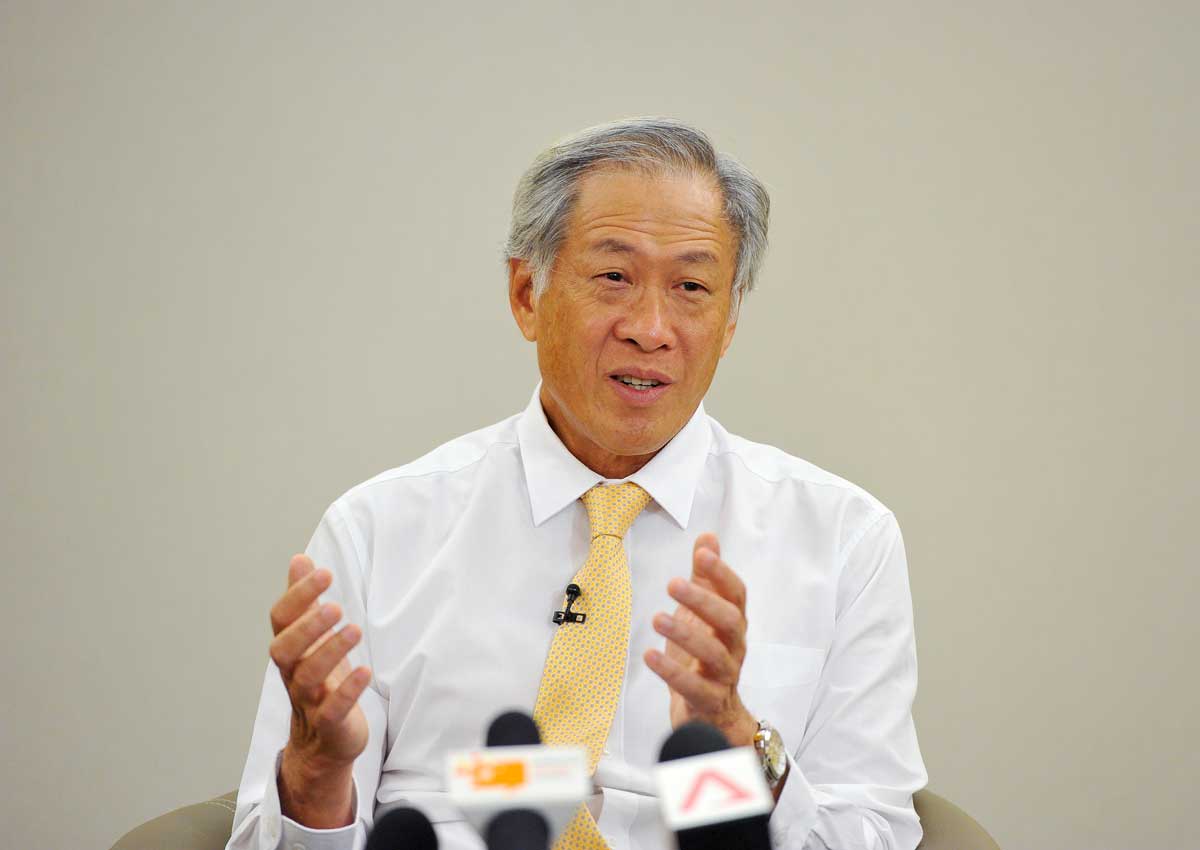
KO OLINA, Hawaii – The threat that violent extremist groups pose to Southeast Asia is growing each year as they become more organised and focused in their aims, Singapore Defence Minister Ng Eng Hen said on Friday.
Ng was speaking to reporters following a meeting of Southeast Asia defence ministers with US Defence Secretary Ash Carter in Hawaii, where the defence chiefs devoted a major chunk of time to discussing the threat from Islamic State and similar groups.
Over 1,000 Southeast Asians have flocked to join Islamic State’s self-declared “caliphate” in Iraq and Syria, Ng said.
“Every year we meet, the situation and threat from extremist terrorism rises,” Ng said. “Compared to, say, a year or even two years ago, they’re more organised…they’re more networked, they’re more clear in their articulation of what they want to achieve.”
Security officials said in June that Southeast Asian militants who claim to be fighting for Islamic State said they had chosen one of the most wanted men in the Philippines to head a regional faction of the group.
Authorities in the region have been on heightened alert since Islamic State claimed an attack in the Indonesian capital Jakarta in January in which eight people were killed, including four of the attackers.
Ng cited a recent plot in which an Indonesian cell coordinated by an Islamic State member in Syria had planned to shoot up hotels in Singapore’s Marina Bay area. The plot was foiled by Indonesian authorities, he said.
“They have gone beyond networks to push the flow of funds, weapons. They are already plotting,” Ng said.
US defence officials believe that hundreds of citizens from Southeast Asia have returned to their home countries after joining Islamic State in Iraq and Syria, raising concerns that they may try to launch a wave of attacks.
Ng said Southeast Asian defence chiefs believe that if Islamic State were destroyed in its base in Iraq and Syria, that would actually increase the risk to their region in the short-term, because seasoned Islamic State fighters would likely return home. The United States is leading an air campaign to dislodge Islamic State from Iraq and Syria.
“They would decide to come back, some re-energized, some trained and the networks would still be existing,” Ng said.
Indonesia teen’s friend tried to recruit him into terrorist group
Click on thumbnail to view photos. Source:
The New Paper







Image:
Publication Date:
Saturday, October 1, 2016 – 14:04
Keywords:
Send to mobile app:
Source:
Story Type:
Others
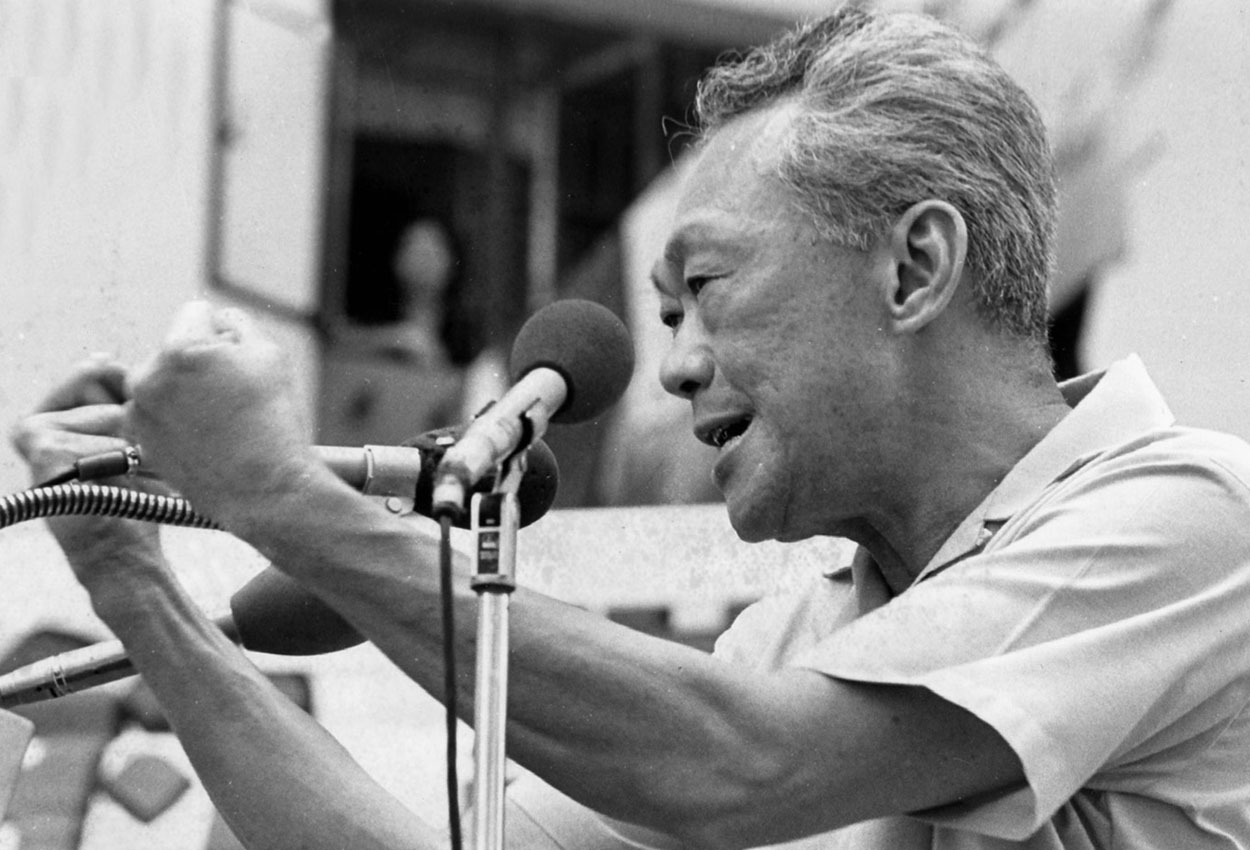
AGC clarifies claim by LKY estate on High Court ruling
The Attorney-General’s Chambers (AGC) has clarified an assertion in a statement by Mr Lee Kuan Yew’s estate that was issued following a High Court ruling on interviews that Mr Lee gave in the early 1980s.
The AGC said the estate’s statement was incorrect in saying the High Court decision that the estate holds a limited copyright to the oral history transcripts was a “key point” on which the Government had “disagreed with” the estate.
The court ruled this week that the estate has the copyright to the transcripts, but not in the conventional sense that it is entitled to access, copy and use the transcripts.
Instead, it has copyright only for the purpose of ensuring the Government’s compliance with the terms of the agreement that Mr Lee had signed regarding the interviews, which were done when Mr Lee was prime minister.
They were part of a government oral history project and are covered by the Official Secrets Act owing to the political sensitivity of their contents, the court added.
In a statement yesterday, the AGC said in response to press queries: “On the contrary, the Government agreed that the estate does have a limited copyright to the transcript under the interview agreement between Mr Lee Kuan Yew and the Government.”
It added: “In fact, the High Court’s finding that the Estate held a copyright, ‘but only for the purpose of ensuring the Government’s compliance with the terms’ of the agreement, is identical with the argument that the Attorney-General submitted to the court on behalf of the Government on 14 July 2016.”
Dr Lee Wei Ling and Mr Lee Hsien Yang, the executors of the estate of Mr Lee Kuan Yew, who died on March 23 last year, had applied to the court to clarify an agreement their father made over the control and use of the interviews.
The Government submitted that the late Mr Lee provided for the copyright to remain with him and, upon his death, his estate, for a limited period of five years – and only after that period would the copyright vest in the Government.
However, the agreement also bifurcated physical custody of the transcripts from copyright ownership. It put in place a “two key” system that provided for the Cabinet Secretary to be custodian to the documents, the Government said.
Lawyers for the Lee Kuan Yew estate, Rajah & Tann, had said on Thursday that it welcomed the High Court decision that the estate has the copyright to the tape recordings and transcripts of Mr Lee’s interviews. “This resolves a key point on which the Government disagreed with the estate,” they said.
The estate added that it was reviewing the court’s ruling that the copyright vested in the estate is limited to ensuring the Government’s compliance with the interview agreement, and does not include a right to use or make copies of the tape recordings and transcripts.
“The estate believes that such an interpretation of the interview agreement runs contrary to the context, language and purpose of the interview agreement, and is considering an appeal against this ruling.”
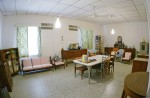
LKY’s estate donates furniture, personal belongings from Oxley Road home
Click on thumbnail to view photos. Source:
Estate of Lee Kuan Yew, Stamford Law, The Straits Times






This article was first published on October 01, 2016.
Get a copy of The Straits Times or go to straitstimes.com for more stories.
Image:
Publication Date:
Saturday, October 1, 2016 – 13:59
Keywords:
Send to mobile app:
Source:
Story Type:
Others
Woman to get $50k for TCM session gone wrong
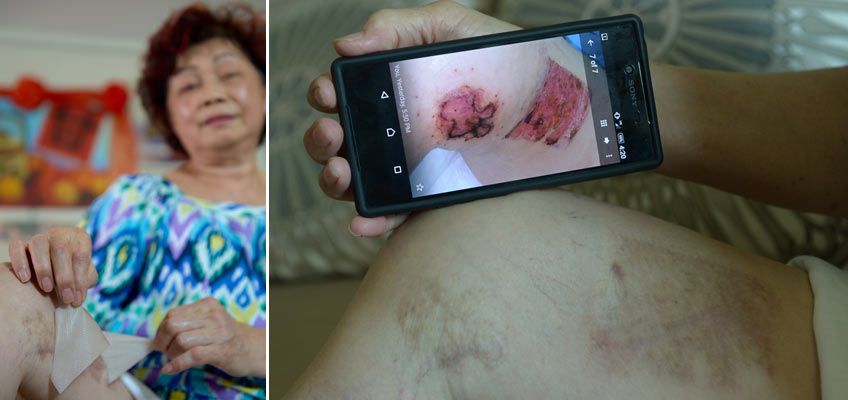
A 70-year-old woman who suffered third-degree burns on both legs following treatment at a traditional Chinese medicine (TCM) clinic will receive $50,000 in damages.
Housewife Chow See Mui first visited the Annie Tiang TCM Clinic in East Coast Road in August 2014 with her daughter. They bought two packages and health supplements costing more than $3,000. The packages were for acupuncture and tuina, a Chinese therapeutic massage.
But during a session on Sept 4, 2014, persuaded by TCM practitioner Xia Rongrong, Madam Chow underwent moxibustion. This involves placing the base of a mugwort – a small, spongy herb-cone – on the skin and burning the tip that is not in direct contact with the skin.
According to court papers, Ms Xia claimed the treatment would promote general health, and was painless, harmless and risk-free.
330838
Photo Gallery70-year-old woman suffered third-degree burns on both legs after TCM treatment
Source:
-

<!–
-

<!–
-

<!–
-

<!–
-

<!–
-

<!–
-

<!–
However, it landed Madam Chow, who had only minor aches before the treatment, in hospital for a month with a $95,000 bill, which she managed to claim from her insurance company.
A clinic staff member administered the treatment. In her lawsuit, Madam Chow said she felt extreme pain but was told to bear with it as the treatment was harmless and the pain would subside shortly.
She developed blisters the same day. Madam Chow’s children called Ms Xia and her husband Joseph Yap, also a TCM practitioner, to tell them her condition was worsening.
The couple maintained that the pain would subside without medical attention. On Sept 10, six days after the treatment, Mr Yap went to Madam Chow’s home to check on her, and said again that she did not need medical attention, giving her acupuncture instead.
But the pain persisted. A few days later, Madam Chow went to Gleneagles Hospital, where she was diagnosed with third-degree burns and warded for a month.
After her discharge, she found out a pain in her neck was caused by a plastic piece inserted into her neck during acupuncture. It failed to dissolve as she had been told it would. She had it surgically removed in December 2014.
When she brought her claim against the clinic, Ms Xia and Mr Yap, the owners and directors of the clinic, its insurer NTUC Income Insurance Co-operativeinitially offered her over $36,000 for both her damages and legal costs.
But she decided to take the claim to court through lawyer Raj Singh Shergill in October last year.
In her court papers, she claimed damages on the grounds of negligence and breach of contractual duty of reasonable care and skill. She also sought aggravated damages from the practitioners, for not just causing her burns but also deterring her from seeking medical attention, thus prolonging her pain.
The case was resolved last month after the court mediated between both parties. Madam Chow turned down an offer of extra money by the practitioners, offered in return for confidentiality.
Madam Chow, who said she still has residual effects from the burns, said: “There is a sense of vindication, but my concern remains that no one else in their elderly years, or any person for that matter, should suffer my fate.”
Mr Yap said the clinic staff member who carried out the treatment had been working there for about four months and had “accidentally” burned Madam Chow’s leg during moxibustion. “As a manager, I will claim responsibility. I am very sorry about this,” he said.
Past cases involving TCM physicians
June 2016
A 53-year-old traditional Chinese medicine (TCM) physician and acupuncturist was fined $5,000 and suspended in June by the TCM Practitioners Boardfor three months after misdiagnosing a 15-year-old pregnant patient.
Ms Wu Liping had prescribed the teen herbal medication that might have harmed her and her unborn baby. Ms Wu, then working at Shenzhou Chinese Physician Clinic in Jurong East, had diagnosed the patient’s condition as hormonal imbalance after she missed her menstruation for five months.
August 2015
An 81-year-old TCM physician who issued medical certificates (MCs) to students without properly assessing their condition was suspended in August last year for three months. She was also fined $2,000.
Ms Cheong Thiam Mui issued 122 MCs to 109 students of a private academy over about three months from December 2013 to March 2014 while working as a TCM physician and acupuncturist at Cheong’s Clinic in Burlington Square in Bencoolen Street.
Treatment not common, say practitioners
Moxibustion, a traditional Chinese medicine (TCM) treatment, involves the burning of a spongy herb called mugwort.
In direct moxibustion, the herb, which is dried into thin strips called moxa, is rolled into the shape of a cone or cylinder and placed on the skin.
The end not touching the skin is burnt. The moxa is expected to be removed before the burning portion touches the skin.
In indirect moxibustion, the moxa stick or cone is kept at a distance from the skin.
While indirect moxibustion is widely accepted and used, the direct treatment is not common, said Ms Tjioe Yan Yin, a TCM physician at Nanyang Technological University’s Chinese Medicine Clinic.
“Direct moxibustion will definitely cause burns. Some people accept it because they believe that burning stimulates the blood. They expect the burn to recover.”
When done right, moxibustion is expected to relieve pain from ailments such as rheumatism, she said.
In indirect moxibustion, physicians have to ensure that the moxa is about 3cm to 4cm away from the skin to prevent burns, and check that the heat generated is not too high.
Mr Chong Shaw Fong, 69, a TCM practitioner of 42 years, said he does not provide the treatment any more.
“Some patients’ skin may not be suitable for this treatment, for example, if they have diabetes and are taking aspirin,” said Mr Chong, who runs a medical hall in Upper Cross Street.
The treatment requires absolute attention and concentration to prevent injury, he said.
He has heard of cases of patients getting burnt but these are rare. “Young people may not trust the treatment but the elderly like it as they are desperate for pain relief,” he said.
This article was first published on October 01, 2016.
Get a copy of The Straits Times or go to straitstimes.com for more stories.
Image:

Publication Date:
Saturday, October 1, 2016 – 14:00
Keywords:
Send to mobile app:
Source:
Rotator Image:
Story Type:
Others
Wildlife Parks: Kids Enter FREE* this October at Bird Park, River Safari & Zoo from 1 – 31 Oct 2016

This October, your kid enters FREE to the Zoo, Bird Park & River Safari with purchase of a adult ticket
Wildlife Parks: Kids Enter FREE* this October at Bird Park, River Safari & Zoo from 1 – 31 Oct 2016
Enjoy free entry for your kids when you celebrate Children’s Day at Jurong Bird Park, River Safari and Singapore Zoo! Exclusive promotion for local residents, valid 1-31 October.
Education about helping students find themselves, not grades: SIM Global Education CEO
Dr Lee Kwok Cheong goes On The Record with 938LIVE’s Bharati Jagdish on why helping students discover their strengths and weaknesses beats getting them to score well in exams, and trends to look out for in the education sector.
Source link


