 SINGAPORE – A man in his 20s was badly injured after he fell through a Housing Development Board (HDB) rubbish chute at Block 8 Jalan Rumah Tinggi on Saturday (Oct 8).
According to a social media user, the man was doing painting work at the building.
The…
Source link
Worker at Queenstown injured after falling through HDB rubbish chute

More tertiary students signing on as part-time auxiliary officers
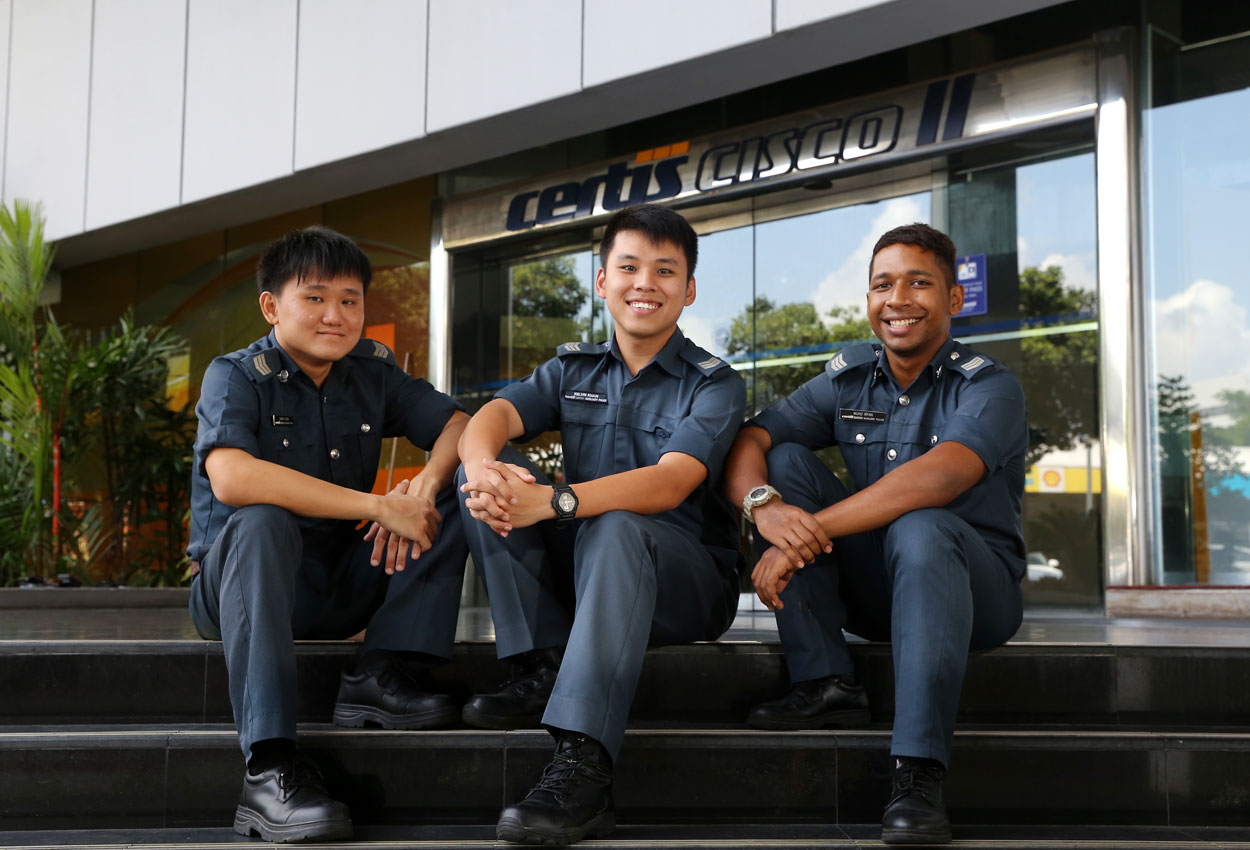
Mr Kelvin Khaw is 26 and a psychology graduate from the Singapore Institute of Management.
He is also a part-time auxiliary police officer (APO).
It may not have been a career he had planned for but Mr Khaw, who started working with Certis Cisco in 2013 as a student, said he was attracted to the flexible hours and high salary, compared with other part-time jobs.
“I am earning much more than my peers,” said Mr Khaw, who in April became the first part-timer to win the Commander’s Award, which recognises good work by APOs.
Although he graduated in June, he has continued working as a part-time APO and is able to earn $3,000 a month. Part-time officers are paid $12 an hour, which increases to $18 an hour if the officer works more than eight hours a day. They enjoy health insurance or other benefits. Students are eligible for study grants of up to $2,500 if they manage to clock 700 hours of work within six months.
Mr Khaw is one of almost 200 tertiary students or graduates working with Certis Cisco as part-time APOs.
The firm is actively recruiting such students amid “increasing security demands” here, said its spokesman.
It has gone out, including into schools, to recruit students, and conducted marketing campaigns targeted at youth, who must be at least 18 years old. It has also partnered Republic Polytechnic in offering APOs fully sponsored courses.
The efforts have paid off. The security firm has seen a 30 per cent year-on-year increase in the number of university and polytechnic students working as APOs since 2014. They make up about 60 per cent of its 300 part-time APOs.
In all, there are around 7,000 APOs in Singapore, whose work includes protecting sensitive installations. They also support police deployment at major events, for instance, the annual Laneway music festival in January.
Of the other two major employers of APOs here, SATS Security Services said it did not have any students working part-time as APOs, while Aetos declined comment.
Although APOs are trained in areas such as handling arms and counter-terrorism, there are still misconceptions about the job.
“When I told my parents I was going to work for Certis Cisco, they asked if I was going to stand in front of a bank,” said 28-year-old Damien Chew, who is studying biomedical engineering at SIM University.
Mr Muhd Irfan, 24, who studies history at Nanyang Technological University, said despite the flexible working hours, it could be difficult balancing work and studies.
The part-timers said they would consider their options before deciding whether to continue as auxiliary officers after graduating.
Mr Khaw said he does not mind staying on in the role, especially given the demand for security services because of terror threats. “I like working in uniform,” he said.

This article was first published on Oct 08, 2016.
Get a copy of The Straits Times or go to straitstimes.com for more stories.
Image:
Publication Date:
Saturday, October 8, 2016 – 18:00
Keywords:
Send to mobile app:
Source:
Story Type:
Others
HolyCrit duo on track to revive bike races – legally
Nearly two years after the HolyCrit street cycling race was stopped for breaching the law, its organisers are making progress in their bid to revive the race.
For a start, they have secured a site in Stadium Drive, with help from the Singapore Cycling Federation (SCF). Details of when the event will be held have not been confirmed yet.
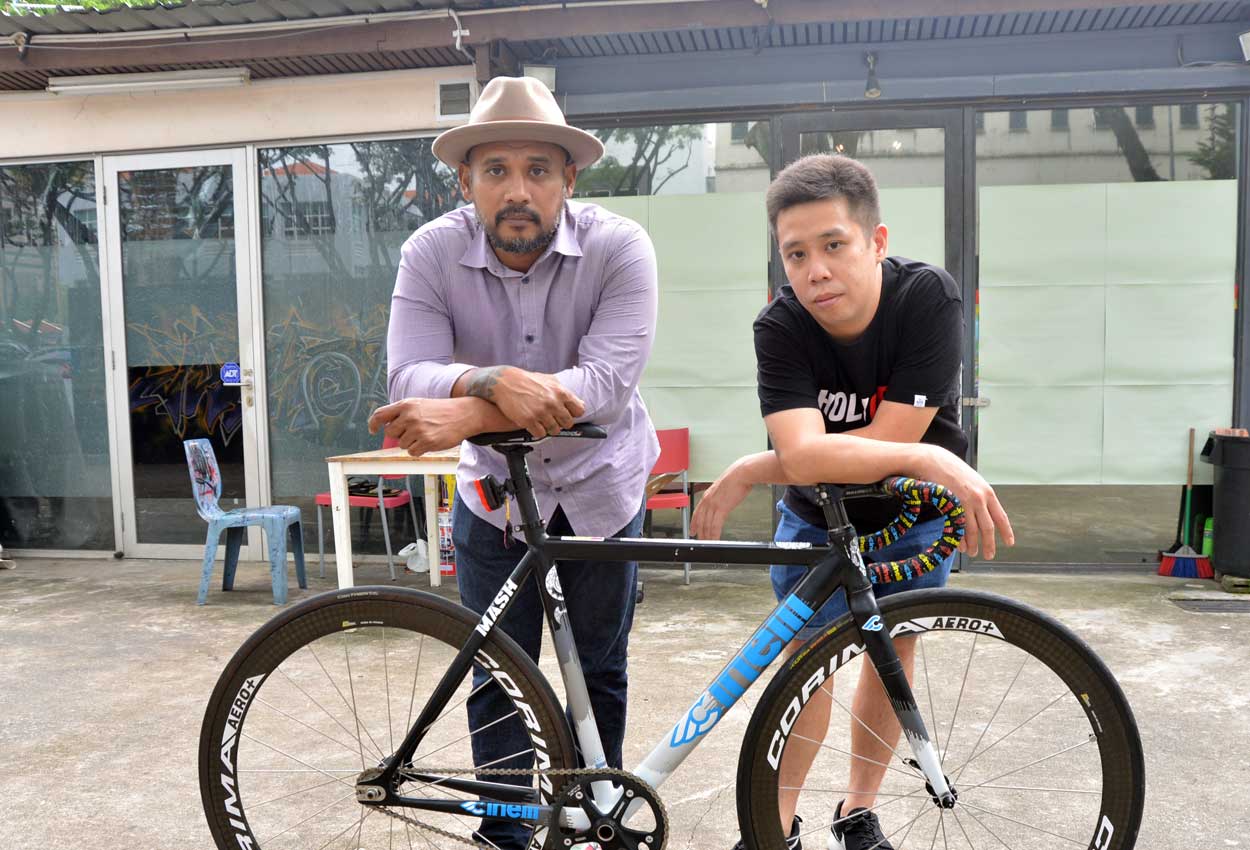
The race’s organisers, bicyle business owner Eric Khoo Shui Yan, 29, and freelance project manager Zulkifli Awab, 40, told The Straits Times they are determined to bring the night race back – but with the authorities’ full backing this time.
The SCF had helped to secure the Stadium Drive site free of charge.
Said SCF honorary secretary Hing Siong Chen: “They did not have enough funding and were driven to the edge. We want to help them as much as possible so they can run the race legally.”
Keen to extend its reach to some 500 fixed-gear cyclists here, the SCF will also offer technical advice on safety and circuit planning.
The HolyCrit race, which was in the news in 2014 after its organisers were hauled up by the police for organising the event without the relevant permits, involved the use of fixed-gear bicycles that come without brakes. The race, which debuted in September 2013, was previously held about once a month at venues such as Stadium Drive and Changi Business Park.
On Tuesday, Khoo and Zulkifli were each jailed for seven days and fined $5,000 for organising and promoting the races without police approval and permits. They were arrested shortly after their last race in November 2014 and are currently serving their sentence.
Khoo, also a freelance driver, said he started the race not for profit, but to bring young people together through sports.
“We didn’t want them to go astray or hang out with bad company in their free time, so we tried to get them to cycle with us as a hobby,” he said, adding that participants pay $10 to enter the race and the winner takes all the money.
Most riders are aged 12 to 14, with the youngest 10, said Mr Zulkifli, who said the group has grown over the years through word of mouth.
Beyond the sport, the cyclists also support each other by sharing their problems and giving advice.
Khoo’s bicycle shop at 71, Sultan Gate was once a gathering spot for about 30 teenagers, who dropped by daily after school to fix their bikes, and also to chat, often till dark. Business at the shop is slow these days.
Mr Kavin Louis, 20, an avid cyclist who works as a sales assistant, said: “We all felt at a loss because HolyCrit, the one thing that we looked forward to or trained for, was no longer there.”
However, Khoo and Zulkifli admitted they were wrong to go ahead with the race without a permit, after failing to get sponsors to defray the high costs.
District Judge Carol Ling said on Tuesday that there was a certain level of disregard for the law displayed in holding the races, and public safety was compromised.
Zulkifli said that while cyclists were racing at high speeds shoulder to shoulder, they had been briefed on safety thoroughly prior to each race. There were also at least four first-aid helpers and about 20 road marshalls on site, he said.
In any case, the duo are hoping to rope in sponsors to help defray the costs of staging the race again. For instance, to fulfil permit requirements, Khoo said they would need at least $25,000 for things such as hiring marshals and insurance for riders and spectators.
Without sponsors, participants would have to pay at least $50 each, he said. There are between 40 and 50 participants in each race.
Meanwhile, Khoo has also asked his lawyer Josephus Tan, who represented him pro bono, to be HolyCrit’s legal adviser.
Zulkifli said: “Moving on is important for us and we want HolyCrit to be an event that people will not forget.”
This article was first published on Oct 08, 2016.
Get a copy of The Straits Times or go to straitstimes.com for more stories.
Image:
Publication Date:
Saturday, October 8, 2016 – 18:00
Keywords:
Send to mobile app:
Source:
Story Type:
Others
Restoration works bring back shine for Architectural Heritage Awards winners
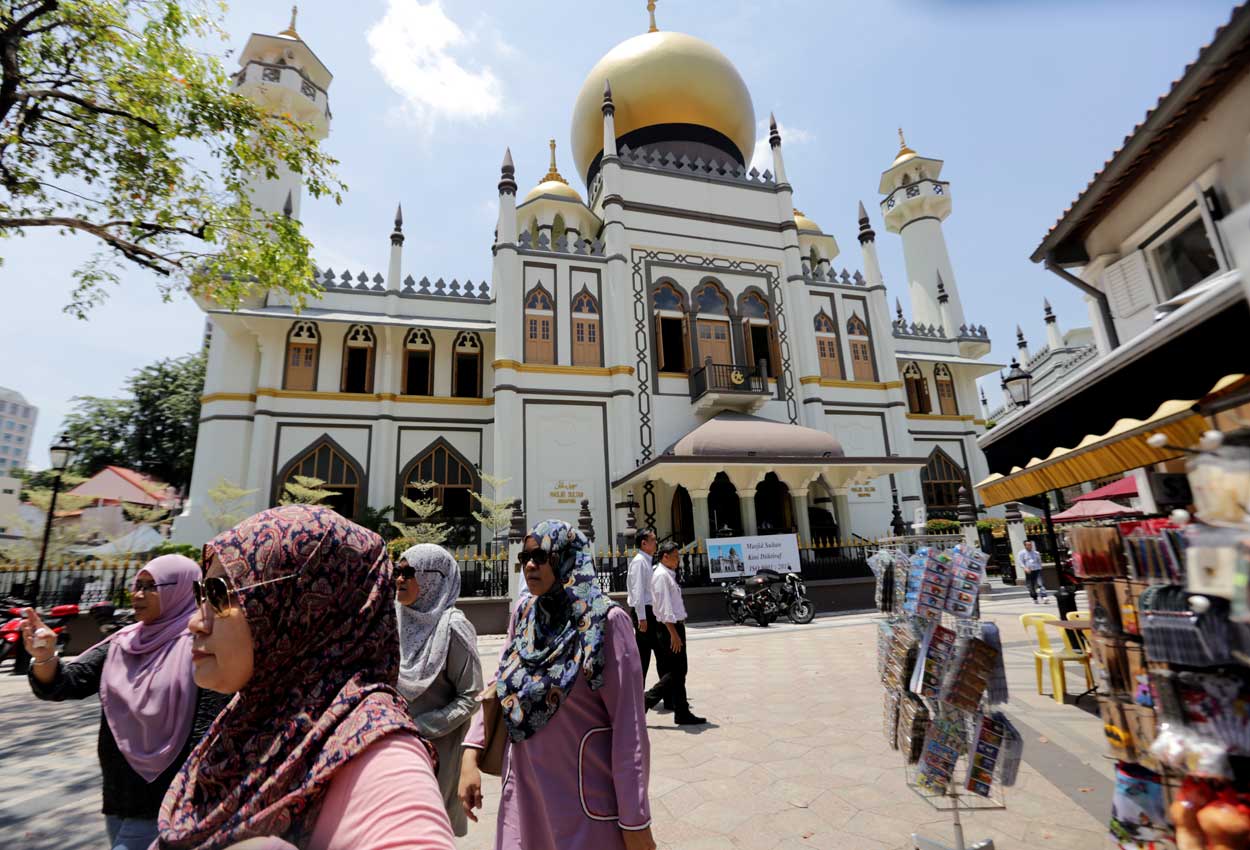
It was a diverse group of winners at this year’s Architectural Heritage Awards. A former clubhouse for Chinese businessmen, the iconic Sultan Mosque, a 146-year-old Roman Catholic Church and luxury integrated development Capitol Singapore were honoured at a ceremony on Thursday. They were chosen from nine submissions.
Given out by the Urban Redevelopment Authority, the annual awards, which began in 1995, recognise owners, architects, engineers, conservation specialists and contractors who have restored monuments and conservation buildings well.
Projects were judged by a 13- member assessment committee and awards were given out in two categories.
Restoration is for gazetted heritage buildings that were sensitively restored, carefully repaired and had many of their original features retained.
In the Restoration and Innovation category, the design and build teams were awarded for restoring old buildings and integrating new developments well.
VIEW IT / 2016 ARCHITECTURAL HERITAGE AWARDS EXHIBITION
- WHERE: Atrium, The URA Centre, 45 Maxwell Road
- WHEN: Till Nov 30, 9am to 5pm (Monday to Saturday); closed on Sunday and public holiday
- ADMISSION: Free
South Beach, a mixed-use development in Beach Road, received a special mention for work done on its four heritage buildings, including the former Non-Commissioned Officers’ Club.
The project team missed out on an award as judges felt the “rich military heritage of the complex of buildings has not been fully recaptured”.
A free exhibition showcasing the four winning projects is now on at The URA Centre until Nov 30.
Church of Saints Peter & Paul
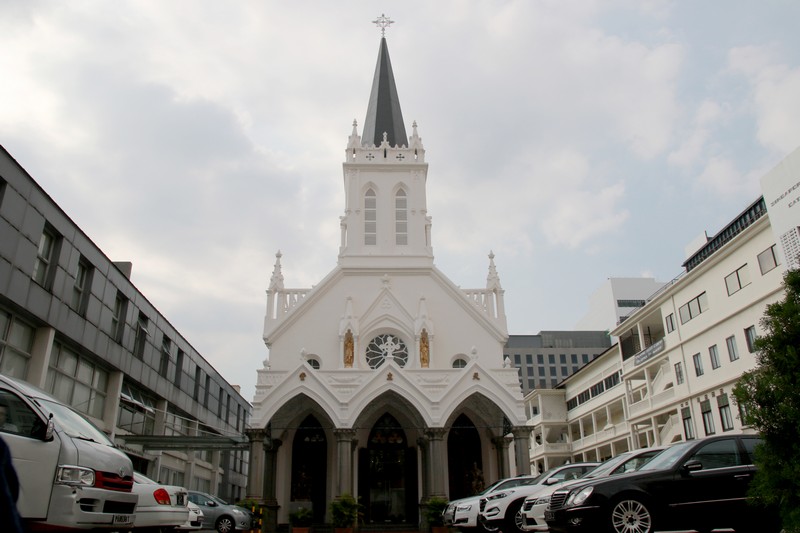
As architect Rita Soh sat on a pew in the Church of Saints Peter & Paul to discuss renovation plans, she got a sign from above – literally – of the state the building was in: plaster was flaking from the ceiling.
A corroded ceiling was just one in a long list of problems the design team and contractors had to fix at the 146-year-old national monument.
Originally completed in a tropical Gothic style in 1870, the church in Queen Street underwent numerous extension and renovations over time. A massive overhaul in 1969 – a year before its centennial celebration – saw the church do away with key features of the old architecture and opt for a modern look.
The terracotta roof tiles were replaced with metal sheets, while the floor was hacked and terrazzo slates put in instead. A cast-iron spiral staircase was removed so that a timber loft with a new staircase could be built for the choir.
Over the years, wear and tear got to the facade. When the team took over, the rosette windows were heavily warped due to heat and humidity, and the metal-sheet pitched roof had a termite infestation.
After much research and discussion with the church’s building committee and the authorities, a decision was made to restore the building to its pre-1969 look.
Ms Soh, managing director at RDC Architects, worked with Towner Construction on this project. The 57-year-old, also a former Nominated Member of Parliament, says: “We wanted to get back the essence of the church. The modern look was nice for the period it was built in, but it doesn’t show the eclectic features of the original church.”
The $7-million, year-long restoration gave the ageing church, which won an Architectural Heritage Award on Thursday, a fresh look.
The terrazzo floor slabs were replaced by Peranakan-inspired tiles that mirrored the original look.
The five lance-shaped panels and rosette windows were treated by Italian craftsmen, who fixed cracks and cleaned the glass. A protective glass panel was also installed on the exterior to prevent warping.
The choir loft was taken down, but the architect kept the two timber columns used to support the structure as they were in good condition. The columns became the base for two marble angel sculptures, which now stand among the pews.
There were new additions. Lanterns with the crossed-swords motif of St Paul and St Peter’s crossed-keys motif hang above the congregation hall and provide a soft glow.
The piece de resistance is a stunning 200-year-old white carrara marble altar from New York that features a carving of Leonardo da Vinci’s The Last Supper at its base. It was made by craftsmen from the Vatican in Rome.
Ms Sohsays parish priest Father John Chua was very hands-on with the restoration project, relating a story of how he climbed the facade to shade the sculptures of the two saints above the church’s entrance with paint.
“He found them too clean and wanted to ‘dirty’ them a little,” she adds with a chuckle. “Our passion is multiplied when you have a client like him who is so involved.”
The award, given out by the Urban Redevelopment Authority, is the fifth for Towner Construction’s director, Mr Er Kian Hoo, 56, who says they “worked very hard for it”.
Last week, the church won a Design Award in the Special Category at the annual Singapore Institute of Architects Architectural Design Awards, which are the profession’s highest recognition of works that show excellence in architecture.
Goh Loo Club
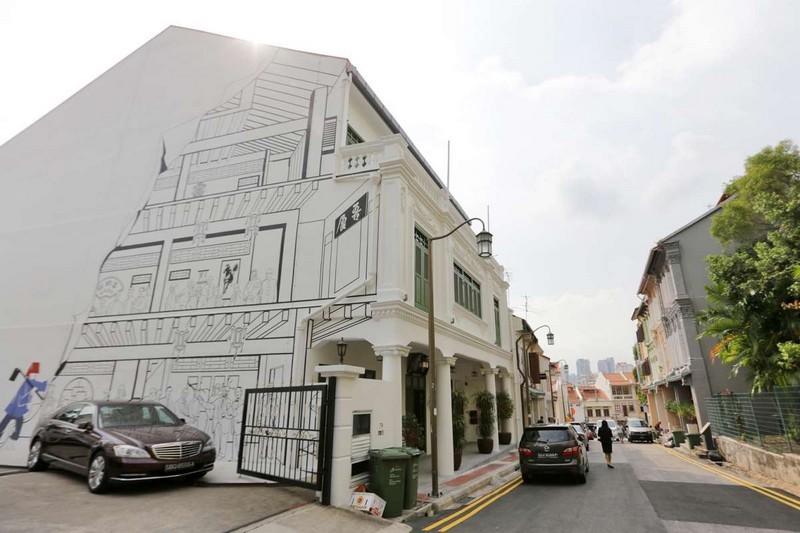
The mural painting on the side of a shophouse in Club Street is a poignant reminder of the colourful history of the Goh Loo Club.
In the artwork, a samsui woman wearing her iconic red headgear peels away the facade to reveal the activity in the shophouse: businessmen gather on the second level; Chinese revolutionary Sun Yat-sen holds court below; and a Japanese soldier stands guard at the door.
The mural is by artists Benny Ong, Zhao Jian Wen and Didier Ng. The 111-year-old club, whose name means My Abode in Hokkien, was formed as a place for the local Chinese community and dignitaries to gather.
Many of Singapore’s founding fathers such as Dr Lim Boon Keng, who was also a writer, and prominent businessman and philanthropist Lee Kong Chian were members.
Today, the shophouse looks new. But it was not always this way.
In the last decade, the building, tucked away in an uphill cul-de-sac among hip bars and restaurants, stood in disrepair. The building – once a hotbed of club activity – also housed illegal stayers and was used as a junk warehouse.
Unsightly air-conditioning units jutted out from windows at the second level, while layers of paint hid the ornamental moulding. The French windows with timber louvres had been modernised – aluminium sliding windows were put in.
The club made the news in 2010, when the committee running it sold a Xu Beihong painting without informing its members. The 110cm by 60cm work by the late renowned Chinese artist, titled Standing Horse, was given to the club in 1938 to thank it for raising funds for the anti-Japanese war effort in China.
The derelict state of the building – and its mismanagement and neglect – was a far cry from the building’s heyday. The third- and fourth-generation club members took over in 2012 and were determined to rejuvenate the club.
Ms Stephanie Lee, 31, one of its directors whose great-grandfather was a founding member, says: “It was an eyesore. We wanted a space that can have multiple uses, yet relevant to its time while still retaining its charm.”
Architect Chua Soo Hoon, 42, founder of Artprentice, had much to do. Renovation work, which cost about $4 million, started in January last year and was completed in April this year.
Major works included changing the roof, which was made of asbestos, and creating a new roof mezzanine level – the original shophouse has three storeys – for an office.
There were also surprising discoveries during the renovation. Two stone slabs with carvings were found and the owners decided to place them in a wall at the end of the club’s five-foot way.
Round decorative columns were found concealed by timber panels. Ms Chua says: “You don’t see columns in a shophouse, so these werefeatures we wanted to highlight.”
Efforts were made to reuse materials. For example, old bricks that were no longer needed to support the building were used for feature walls.
At the back of the premises, a courtyard was put in and decorative features such as old-school green glazed porcelain balustrades line the side of the walls.
The club also has plans to revitalise itself. The first and second levels are planned for dining establishments, while the third level will be kept for club activities.
Ms Lee says: “We still need to create relevant ideas to pave the way for the younger generation to combine their expertise and resources to better deal with the challenges of today. There is no point developing a club without it being meaningful and preserving its legacy.”
Capitol Singapore
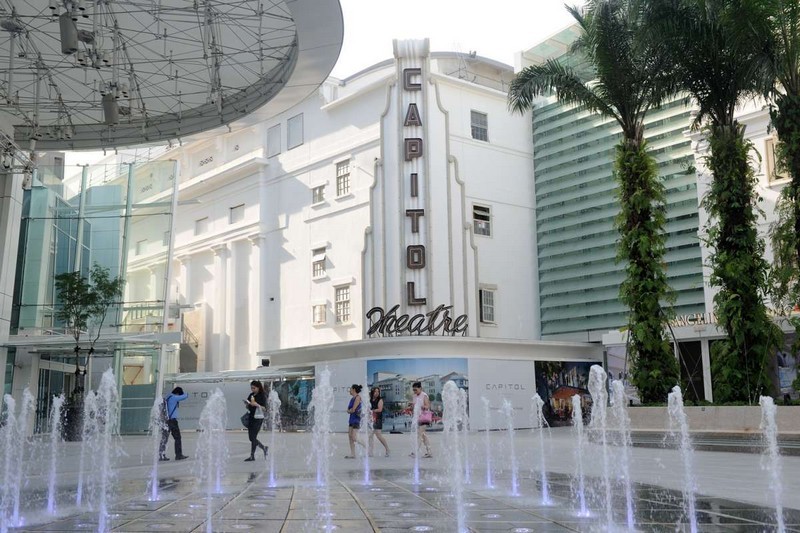
It has been 16 months since the revamped Capitol Singapore made its debut and architects61’s chief executive officer Michael Ngu is breathing easy.
Looking back, he says it was a “difficult” project to work on. Renovations took three years and there were many details to fix.
Capitol Singapore in Stamford Road is a mixed-use development that includes a collection of three beloved conservation buildings: the iconic 87-year-old Capitol Theatre; Capitol Building, which was built in 1933; and Stamford House, which was completed in 1904.
The design and concept were helmed by celebrated New York- based architecture practice Richard Meier & Partners Architects, which worked with Singapore firm architects61 on the development.
The architects also had to weave in new developments such as a four- storey mall called Capitol Piazza- Neue, which is connected to City Hall MRT station via an underpass, as well as a luxury apartment project, Eden Residences Capitol.
The conservation buildings were in poor shape when the architects were appointed. For example, they were built on soil, without any proper foundation, which did not comply with modern building codes.
The Capitol Theatre, in particular, needed a lot of work, having been left vacant for more than 10 years. Plaster was falling, ornaments missing and water seeped into its floors.
Mr Ngu, 60, who worked with conservation specialist Studio Lapis, says: “The theatre was in a derelict state for many years. Prior to that, many renovations were done. In a way, we had to go through many discovery phases to find out what was behind it.”
They gave the grand dame a majestic makeover and even engaged an artist to recreate the original Persian Zodiac ceiling mural – a familiar icon to patrons of the cinema.
The architects also had to modernise it. Their solution was to install an automated seating system in the theatre that would turn it into a multi- purpose venue. The theatre, which hosted live performances before it became a cinema in 1946, can now host a variety of events.
The Capitol Building now has new shops and restaurants and a part of it, together with Stamford House, houses the yet-to-open six-star hotel, The Patina Capitol.
In its citation, the awards assessment committee wrote: “Overall, the project has revived an important landmark, innovatively creating vibrant new urban spaces, honour(ed) the architecture… and refresh(ed) one of our city’s most prominent urban blocks.”
The entire project cost about $750 million.
Architects61 has also worked on other historic projects such as the nearby Raffles Hotel and the Fullerton Hotel, a former 1920s government office building and post office.
Now veterans at the Architectural Heritage Awards – the firm won its first award in 1999 and again in 2008 and 2009 – Mr Ngu says: “It has always been very delightful to work with old ‘fabric’. It’s a good thing that Singapore is catching up to preserve its history and culture. We’re glad to be part of it.”
Sultan Mosque
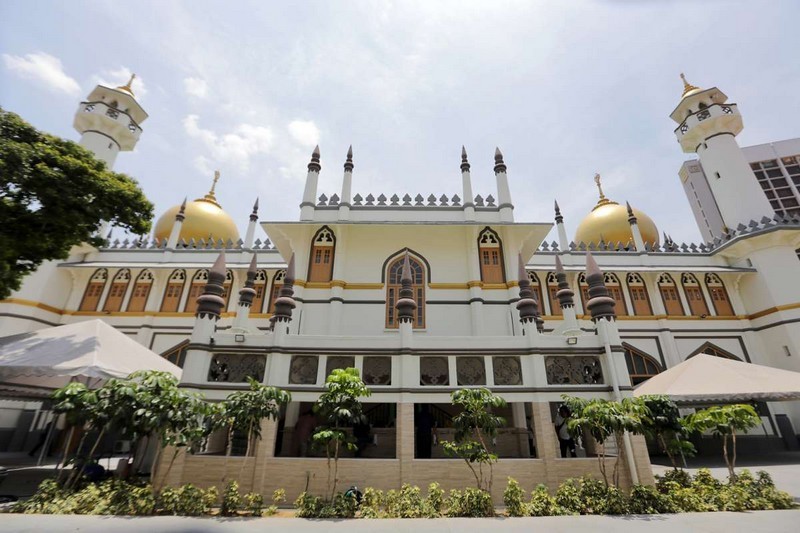
The onion domes and minarets topping the Sultan Mosque in Kampong Glam have undergone various colour changes through the years.
The domes were painted green in 1950, while the minarets were pink at one point.
Today, after a 15-month renovation that was completed last October, the domes are a gleaming gold – an homage to the mosque’s royal links in its early years. The mosque won an Architectural Heritage Award on Thursday, given by the Urban Redevelopment Authority.
Mr Timothy Wong, 58, an associate director of architecture firm Interconsultants, which worked on the project, says: “The mosque was built in a time when a king existed. We knew we had to reinstate that feeling of royalty and make it grand.”
The mosque was erected in 1824 and completed two years later for Sultan Hussein Shah, Singapore’s first sultan. It was a single-storey building with a double-tiered roof.
But almost a century later, the mosque had to be repaired and expanded to accommodate more worshippers.
Architecture firm Swan & Maclaren rebuilt the mosque in an Indo- Saracenic style. The popular look used by British architects in the late 19th century combined Hindu and Mughal elements with Gothic-tinged arches, domes and spires. The new mosque was completed in 1928.
Over the years, it underwent repairs and renovations when needed.
Considered by many as Singapore’s unofficial national mosque, it was gazetted as a national monument in 1975. An annexe was built next to the mosque in 1993 and houses meeting rooms and an auditorium.
Work for the latest spruce-up began in 2014. The last major painting work was done in 2004, says Mr Syed Mohamed Varussai, a member of the board of trustees.
Painting the domes required much work as they were discoloured and had surface bubbles. They had to be sanded down and the bubbles removed for a smooth finish.
Several shades of gold paint were tested to get the right one. Then, four coats of the chosen tone were used to get it to the right sheen such that it shimmered in the sun.
Inside the prayer hall, the dramatic arches were highlighted in green so that they now stand out.
The mimbar, the pulpit from where sermons are delivered, also got a fresh look – the layers of old paint were scraped down to its metal structure and repainted.
Most of the old timber windows and doors were refurbished, while those that were badly damaged were replaced.
To help older folk and the disabled reach the second level, a lift was put in. Previously, they had to take the stairs. The glass walls for the lift have the Arabic mashrabiya latticework pattern etched into them.
Water tanks that were installed in the two ablution areas were removed. New tiles were put in for the walls, while the floor was laid with a pebble wash to prevent slipping.
Mr Syed, 70, says the renovation, which cost $4.6 million, had to be done as the mosque gets a good volume of traffic. It can hold up to 5,000 worshippers and draws 12,000 to 15,000 tourists monthly.
Mr Wong, who worked closely with the mosque’s board of trustees and its management, says conservation should not be about “keeping the ashes”. He adds: “You have to adapt with the times and give the building new life.”
This article was first published on Oct 08, 2016.
Get a copy of The Straits Times or go to straitstimes.com for more stories.
Image:
Blurb:
<p>It was a diverse group of winners at this year's Architectural Heritage Awards. A former clubhouse for Chinese businessmen, the iconic Sultan Mosque, a 146-year-old Roman Catholic Church and luxury integrated development Capitol Singapore were honoured at a ceremony on Thursday. They were chosen from nine submissions.</p>
Publication Date:
Saturday, October 8, 2016 – 18:00
Keywords:
Send to mobile app:
Source:
Story Type:
Others
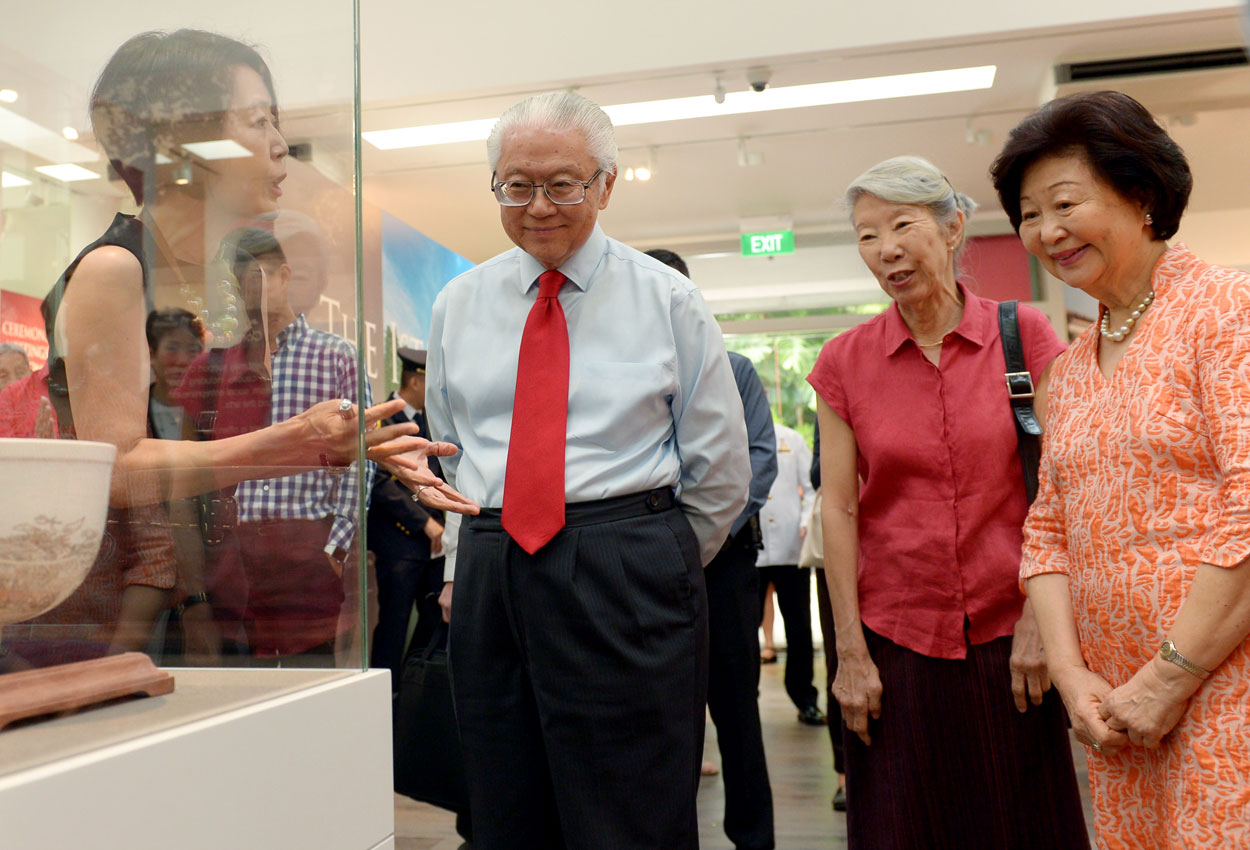
President Tan launches Istana Heritage Gallery
In a rare and historic gathering, relatives of Singapore’s past presidents gathered at Istana Park yesterday for the opening of the new Istana Heritage Gallery.
Among them was Puan Noor Aishah, 83, widow of Singapore’s first president, the late Yusof Ishak.
She posed for photos with a resin bust of her husband, along with President Tony Tan Keng Yam, who had launched the gallery, and the artist behind the sculpture, Mr Lim Yew Kuan, 88.
Her husband had gone for at least six sittings for the bust, she recalled after touring the gallery. She said she hopes the work and other artefacts on display at the gallery “will help the public better understand the history of the country”.
Launched yesterday, the gallery took about nine months to build and was initiated by Dr Tan as part of efforts to educate the public on the history and heritage of the Istana, a national monument.
The gallery, which sits opposite the Istana’s main gate, had been transformed from an open-sided shelter into a glass pavilion.
The size of about three four-room Housing Board flats, it also houses dazzling state gifts from world leaders such as a striking blue ceramic plate from French President Francois Hollande.
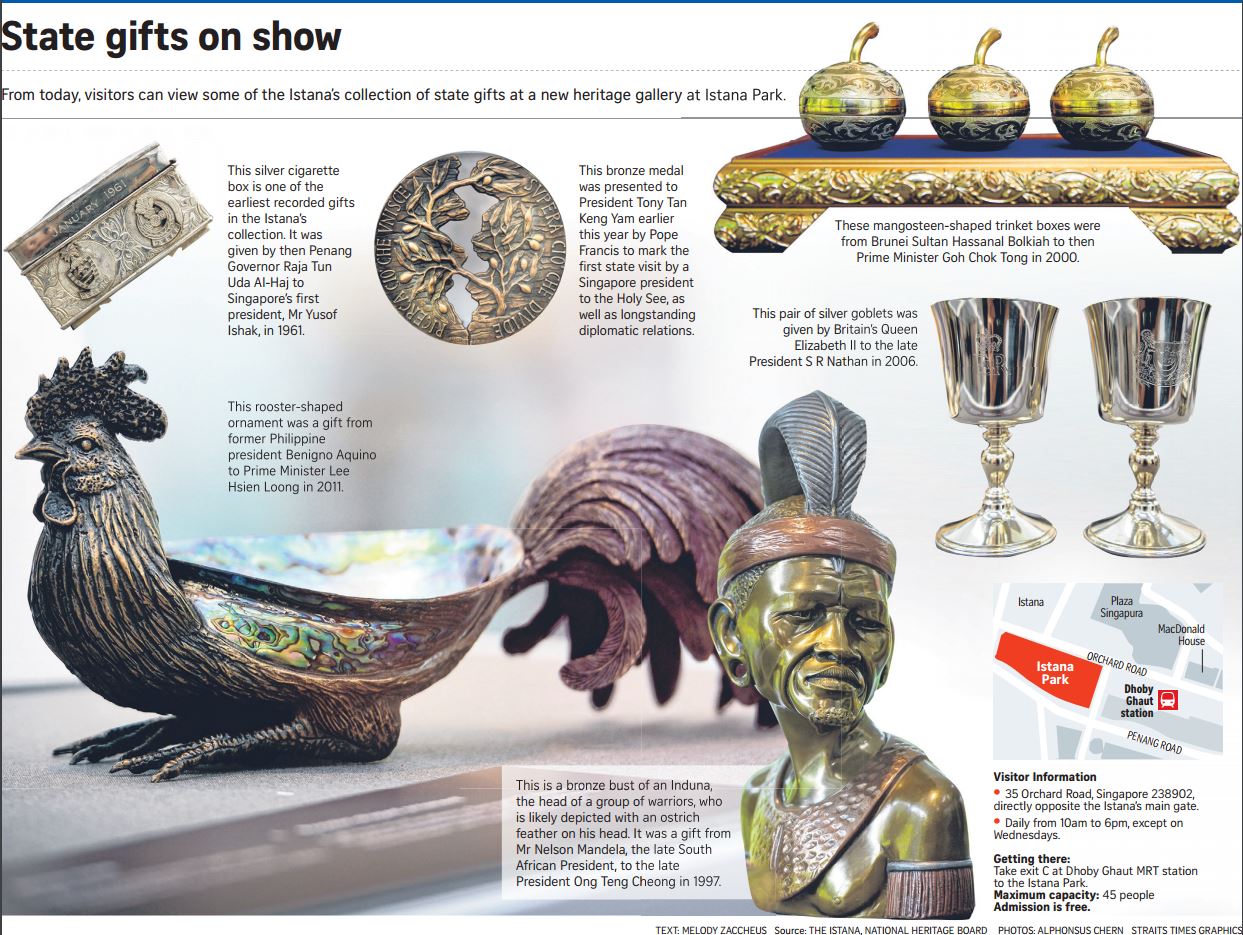
In all, there are about 1,500 state gifts in the Istana’s collection, and 18 will be on show at any one time at the gallery. The showcase on state gifts will be updated once a year.
Admission is free and the gallery is open from 10am to 6pm daily, except on Wednesdays.
There is currently no guided tour of the gallery. The public can start visiting from today.
Dr Tan said he wanted to make the Istana more accessible to Singaporeans, on top of the five times a year it opens to the public, as well as the existing heritage tours and nature walks.
He said he believes the gallery will evoke a sense of pride among Singaporeans, and give a sense of how far the country has come in its journey towards nationhood.
“The Istana is a vital part of our history,” he said. Also, the display of the state gifts gives a reflection of the important role Singapore plays throughout the world and shows the esteem in which Singapore is held, said Dr Tan, who was at the event with his wife Mary.
The gallery was curated by the National Heritage Board’s preservation of sites and monuments division.
There are six sections in the gallery. It starts off by covering the history of the Sri Temasek building on the Istana grounds which, together with the Istana, was preserved as a national monument in 1992.
It then discusses the Istana’s construction in detail in the second section.
The third section covers the effects of World War II on the Istana and its occupants.
The fourth section chronicles the Istana’s transformation from the Government House into the Istana and the replacement of the colonial symbols with the State Crest, Presidential Standard and Presidential Crest, after Singapore attained full internal self-government status in 1959.
The fifth section details the Istana’s flora and fauna, while the last describes the functions of the Istana, which include hosting visits by foreign dignitaries.
The showcase, which is expected to draw 120,000 visitors each year, is a collaboration between the President’s Office, the National Parks Board, National Library Board and the National Heritage Board.
This article was first published on October 08, 2016.
Get a copy of The Straits Times or go to straitstimes.com for more stories.
Image:
Publication Date:
Saturday, October 8, 2016 – 16:00
Keywords:
Send to mobile app:
Source:
Story Type:
Others
New Thomson Nature Park to be ready by end-2018

 SINGAPORE – The soon-to-be-developed Thomson Nature Park will be ready by the end of 2018, said the National Parks Board (NParks) on Saturday (Oct 8).
Work on Thomson Nature Park – located between Old Upper Thomson Road and Upper Thomson Road – will begin…
Source link
Beijing employer kisses female staff daily

An employer kisses his female staff every morning as a routine to “foster good relationships among colleagues”, China Press reported.
Quoting China’s Xin Min Wang daily, it said the staff had to queue up “to accept” the kiss from the man who owned the Beijing company and created the rule.
This “fostering of relationships” gesture is done between 9am and 9.30am every day, it was reported.
The employer claimed that he got the idea from an American company that practised such morning kisses.
He said his employees were more united as a result of it.
But members of the public were shocked to find out about the rule after a video clip of the man kissing his staff was circulated on the Internet.
Video of boss abusing employee goes viral
Click on thumbnail to view photos. Source:
Video screengrabs, Stomp

























Waitress smacks customer who tried to sexually harass her
Click on thumbnail to view photos. Source:
YouTube screengrabs
















Image:

Publication Date:
Saturday, October 8, 2016 – 13:45
Send to mobile app:
Source:
Rotator Image:

Video Media:
Other Video Media
Story Type:
Others
Court orders boy here to be returned to mum in Britain
A four-year-old boy at the centre of a custody battle has been ordered by a family court to be returned to his mother in the United Kingdom to settle the issue in a London court.
He has lived for the last three years with his paternal grandparents here while his Mongolian mother, 31, and Singaporean father, 37, are battling over who gets him.
District Judge Tan Peck Cheng said that the British proceedings have been ongoing since January 2014, and that there have been no fewer than 11 British court orders reiterating that the child is and was habitually resident in Britain since then, that the child is a ward of the British court and that the father and grandfather are required to return the child to Britain.
“In the light of that, it is difficult to understand the husband’s and the grandparents’ allegations that the proceedings started in Singapore first, and that the wife is a forum shopper,” she added in judgment grounds released yesterday.
The judge has allowed the grandparents’ application to stay her order, pending the outcome of their appeal against her decision.
None of the parties can be named for legal reasons.
The boy’s mother made the news in 2014 when she entered Singapore illegally by boat to try to snatch her son from his grandparents. She was jailed for 10 weeks and deported to London where she won her battle to get the custody issue settled in a London court.
But her husband wanted the case to be heard here, where they were married in 2011.
Their son was born in London in 2012, but registered as a Singapore citizen. The marriage faltered and they took him to Singapore and left him with his grandparents while they returned to London in 2013.
The husband divorced her in a Singapore court last year, while she sued to split in England.
After a British judge ruled that the son’s habitual home was London, she obtained a British court order for his return.
Ms Tan heard six applications altogether from the child’s mother, father and grandparents.
Acting for the woman, Ms Poonam Lachman Mirchandani applied for orders here “to mirror” the order made by the London courts, principally to confirm the child remains a ward of the British court and that he be returned to London.
The grandparents, through lawyer Raymond Yeo, applied to be the child’s legal guardians while lawyer Adrian Tan sought sole custody, care and control of the boy for the father, with supervised access for the mother.
Ms Tan found “real and connecting factors” that made Britain the “more appropriate forum for the child’s custody proceedings”.
The judge pointed out there was “no shred of evidence” that the child’s return would expose him to grave risk of physical or psychological harm or an intolerable position.
“It would neither be against the best interests of the child nor public policy for me to make orders to mirror certain UK orders and I order accordingly,” said Ms Tan.
See also: Child custody cases become cross-border tussles
This article was first published on Oct 08, 2016.
Get a copy of The Straits Times or go to straitstimes.com for more stories.
Image:

Publication Date:
Saturday, October 8, 2016 – 16:00
Keywords:
Send to mobile app:
Source:
Story Type:
Others
Home prices in S'pore falling faster than HK's
SINGAPORE/HONG KONG – On the surface, the property markets in Singapore and Hong Kong have much in common. The two Asian financial hubs have both moved to rein in runaway home prices in recent years as they sought to make housing more affordable.
Yet, home values in the cities have diverged. Singapore has been successful in damping buyer demand with curbs, while restrictions have had little impact on Hong Kong’s gravity-defying market, which is rebounding after a short-lived dip.
Urban planning researcher Demographia last year found Hong Kong housing to be the least affordable it has measured in 11 years of surveying large urban markets.
Singapore ranked 27th on the list with its overall affordability score holding steady in recent years. It takes an estimated 19 years of median household income to buy a home in Hong Kong, compared with five in Singapore.
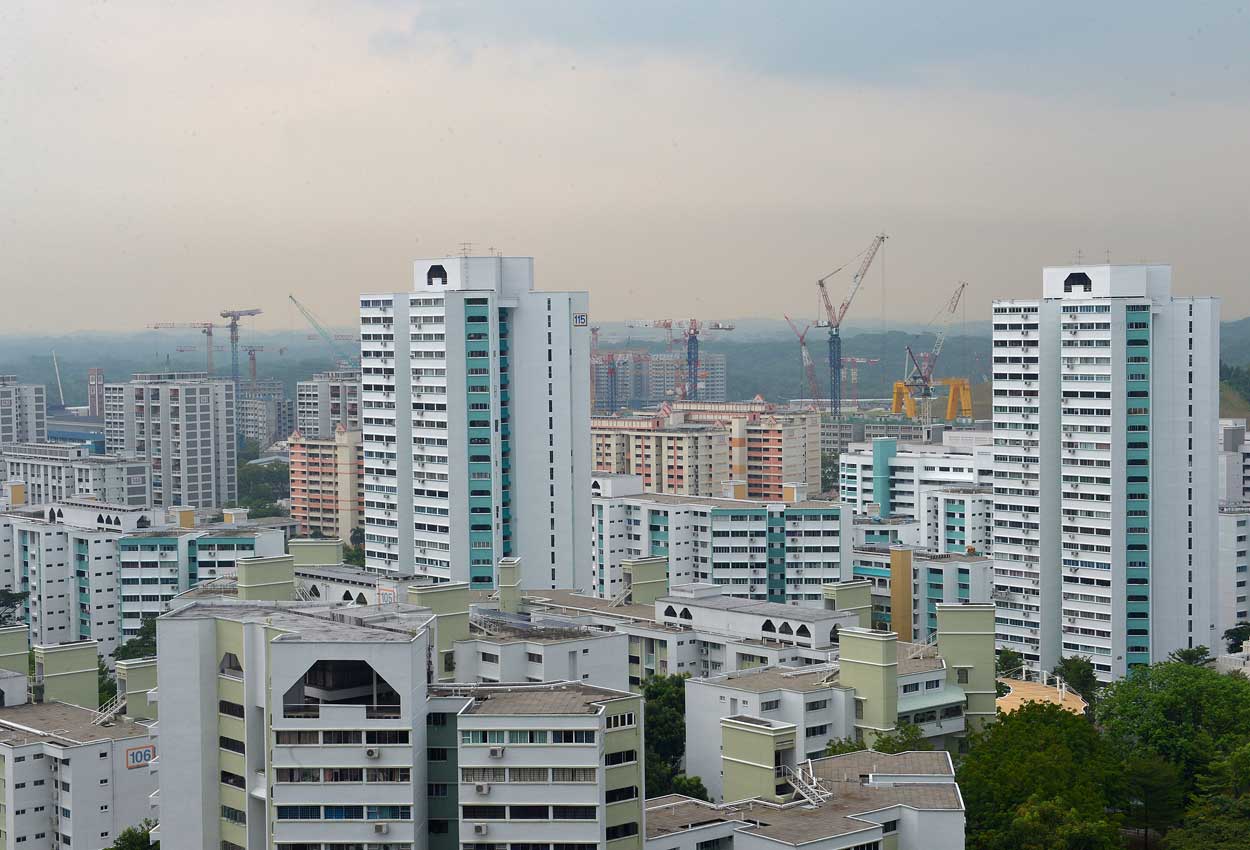
Singapore’s public housing model offers one explanation for how the city has been able to keep a tight leash on prices. Homes owned under a programme run by the Housing Board accounted for 80 per cent of all dwellings as of last year.
Hong Kong’s public housing accounts for only about 21 per cent of total home ownership, and there is an average waiting list of more than three years to obtain a government flat in the city.
“The fundamental difference between the two property markets is that in Singapore, there is a big public sector,” said Mr Raymond Yeung, chief economist at Australia and New Zealand Banking Group.
Hong Kong also has severe land-use restrictions and a higher population density, Demographia noted, resulting in a shortage of land supply. Less than 25 per cent of Hong Kong’s land has been developed, according to government figures. Even with a 6.3 per cent drop since a peak in September last year, home prices in Hong Kong remain up 35 per cent since curbs were rolled out in 2012.
Home sales, which dipped to a 25-year low in February, rebounded last month to levels not seen since at least the beginning of last year.
Another possible explanation for the Hong Kong market’s resilience this year is a resurgence of interest from mainland Chinese.
Seeking alternatives amid surging home prices in cities such as Shanghai and Shenzhen, they accounted for 9 per cent of total Hong Kong transactions in the three months ended June 30, compared with 5.8 per cent in the same period last year.
By contrast, the share of Chinese buyers in Singapore has been on the wane, with mainland investors representing 6.9 per cent in the second quarter, down from 7.1 per cent last year.
This article was first published on October 08, 2016.
Get a copy of The Straits Times or go to straitstimes.com for more stories.
Image:
Publication Date:
Saturday, October 8, 2016 – 15:00
Keywords:
Send to mobile app:
Source:
Story Type:
Others
Investing in property overseas: Look out for rules, risks and 'rentability'
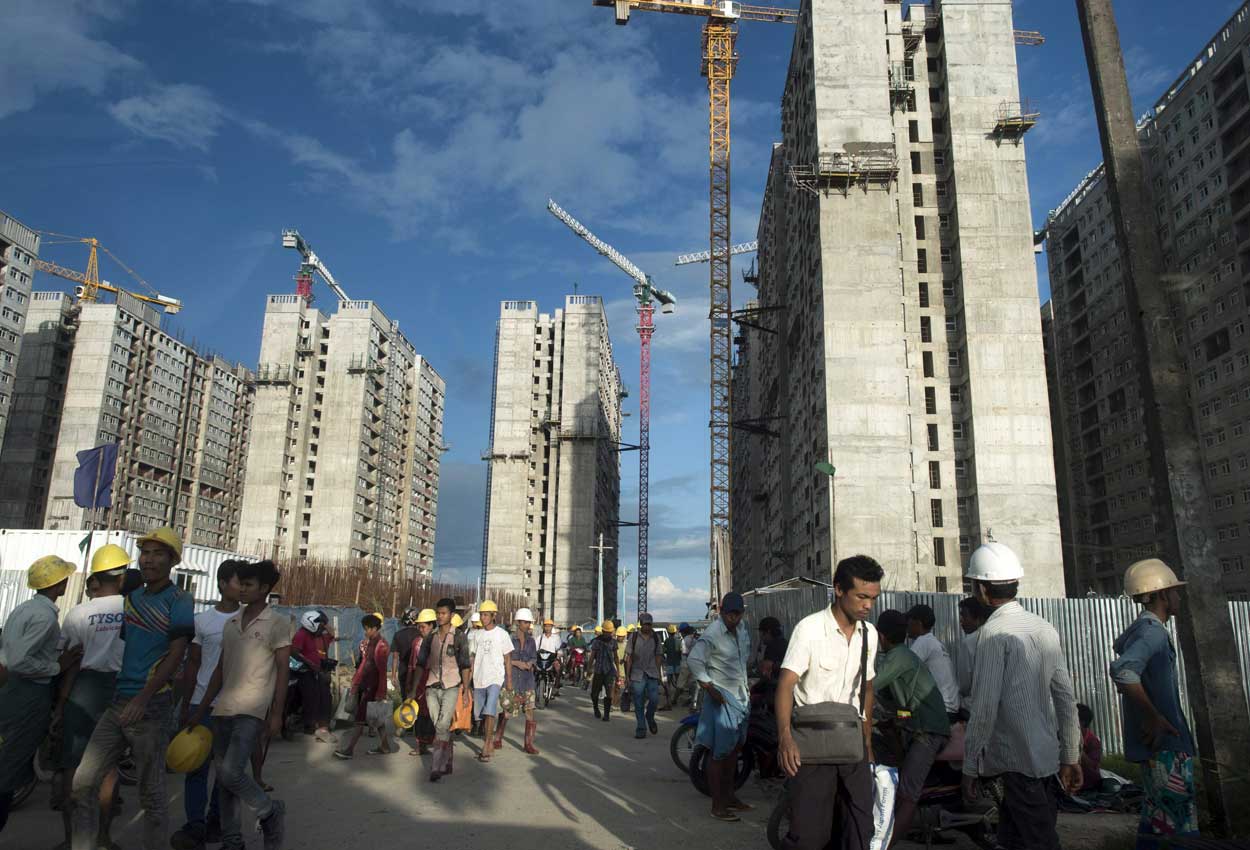
Property has its place in a diversified portfolio. Given relatively high home prices in Singapore, it is no wonder that many Singaporeans have, over the years, turned to investing overseas.
This was especially the case when the Additional Buyer’s Stamp Duty, first introduced in 2011 for Singaporeans buying third and subsequent properties, was imposed on second homes from January 2013. The total value of overseas properties snapped up by Singaporeans hit a peak of $1.67 billion in the first half of 2013, although this moderated to $0.4 billion in the first half of last year, according to Monetary Authority of Singapore data.
Properties in Britain, Malaysia and Australia have been popular for some years, but Singaporeans are increasingly buying in Japan, the Philippines, Vietnam, Cambodia and Thailand.
Mr Marc Townsend, CBRE Vietnam managing director, and Mr Keff Hui, a broker at Mortgage Supermart Singapore, give property reporter Rennie Whang the lowdown on some important factors to consider before investors jump in.
WHAT IS THE MARKET LIKE?
A flat or declining residential market, or a quiet market, is not ideal.
“You want to be buying into a lively market, where there is hopefully some potential for prices to rise further,” said Mr Townsend.

WHAT ARE RULES ON FOREIGN OWNERSHIP?
In Australia, for example, foreign investors can buy only newly built residential properties and must obtain prior approval from the Foreign Investment Review Board (FIRB) for some property types. For more details, would-be investors can check the FIRB website at https://firb.gov.au/resources/guidance/gn01/
In Thailand, foreign freehold ownership is not allowed, but foreigners can buy freehold land for manufacturing purposes with Board of Investment approval.
Foreign ownership restrictions in emerging Asian markets are expected to be relaxed gradually in the coming years as they seek to attract international capital, CBRE noted in a recent report.
“However, investors should be aware of restrictions on capital repatriation and currency volatility as countries look to ensure they remain cost-competitive.”
WHAT ARE RULES ON FOREIGN EXCHANGE AND TAXES?
Many countries have rules on foreigners bringing money into the country and taking it out.
Taxes can come in many forms, from transaction taxes to taxes for holding the property. As tax policies may need some interpreting and rates can change frequently, foreign buyers should speak to a lawyer and an accountant when entering a new jurisdiction.
WHAT ARE FOREIGN-EXCHANGE RISKS?
In some markets, tenants may want to rent in their local currency rather than in the US dollar or the Singapore dollar. Buyers should seek markets where the local currency has proven stable over time.
WHAT IS THE PROPERTY LIKE?
This includes a check on the quality of the developer, including if it is known to be reliable and will complete projects on time.
In some markets, location is essential, whereas in others with good transport infrastructure such as Bangkok or Singapore, it could be less of an issue.
WHAT IS THE ‘RENTABILITY’ OF THE PROPERTY AND WHAT KIND OF UNIT TO BUY?
A potential investor should find out if it is easy to get tenants and where they would be from.
This would include how much rent tenants in the market can typically pay and the features they may want in an apartment.
While everyone would love to snag a penthouse cheaply, it may not mean that a tenant would fork out more rent per sq ft than, say, for a two-bedroom unit.
For example, the rental market in Vietnam sees many Asian expatriates who often work in manufacturing. They may not have the high rental allowances of expatriates in other countries with large, fast- moving consumer goods, finance or telecommunications sectors, Mr Townsend noted.
“It’s better to buy according to what rent potential tenants can give you, and questions on yield expectation are important,” he said.
WHAT ARE FINANCING OPTIONS FOR OVERSEAS PROPERTIES?
These are aplenty, with options to finance the property in either Singapore dollar-denominated or foreign currency-denominated mortgages.
Foreign lenders may also offer additional options, such as flexibility for dual currency switching, fixed rates, and interest-only and interest-offset mortgages, depending on country of location, said Mr Hui.
HOW DOES THE TIMELINE FOR PROPERTY PAYMENT HERE DIFFER FROM THOSE IN MORE POPULAR OVERSEAS MARKETS?
While new properties sold in Singapore are on progressive payment schemes, most purchases in popular overseas markets – Australia, Britain and Malaysia, for example – are still typically sold under the deferred payment scheme.
This is where a buyer purchases the unit with a small 10 per cent down-payment deposit, with the remaining 90 per cent deferred till completion.
The payment timeline for completed overseas property purchases is similar to that in Singapore where the buyer places an upfront booking or option fee, with the remaining to be settled upon completion one to three months later.
Separately, another good resource for those interested in investing in overseas property may be found at https://www.ecitizen.gov.sg/Topics/Pages/Buying- foreign-property-Key-considerations.aspx
This article was first published on Oct 08, 2016.
Get a copy of The Straits Times or go to straitstimes.com for more stories.
Image:
Publication Date:
Saturday, October 8, 2016 – 15:00
Keywords:
Send to mobile app:
Source:
Story Type:
Others


