“Our base line projection is not an outright recession, but we cannot rule out the possibility that the economy will experience some quarters of negative growth on a quarter on quarter basis,” Trade and Industry (Trade) Minister Lim Hng Kiang says.
Source link
No recession but Singapore may see some quarters of negative growth: MTI
Slowdown in labour force growth to have ‘major implications’

 SINGAPORE – Reiterating a dire warning that the local labour force growth could stagnate in a decade or so, Manpower Minister Lim Swee Say painted a stark picture in Parliament on Monday (Oct 10) of what the Republic could be in for – including rising…
Source link
PM Lee visits Canberra to attend inaugural annual leaders’ summit

CANBERRA – Prime Minister Lee Hsien Loong will deliver a historic address to the Australian parliament this week while on an official visit to Canberra to attend an inaugural annual leaders’ summit held under the ambit of a landmark strategic partnership…
Source link
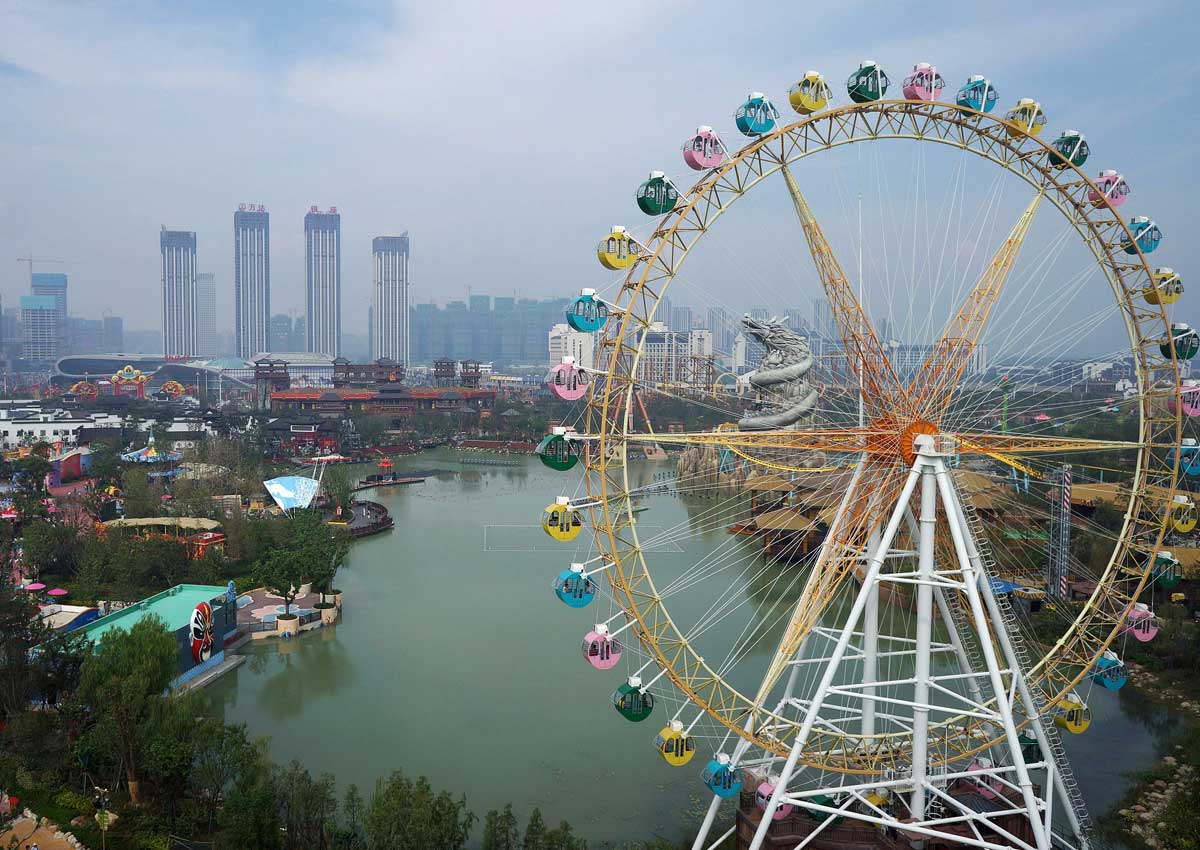
Golden relationship: Chinese tourists still in love after 18 years
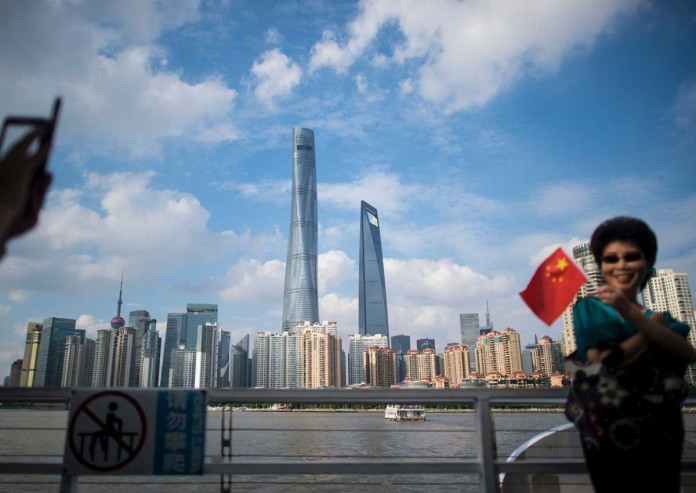
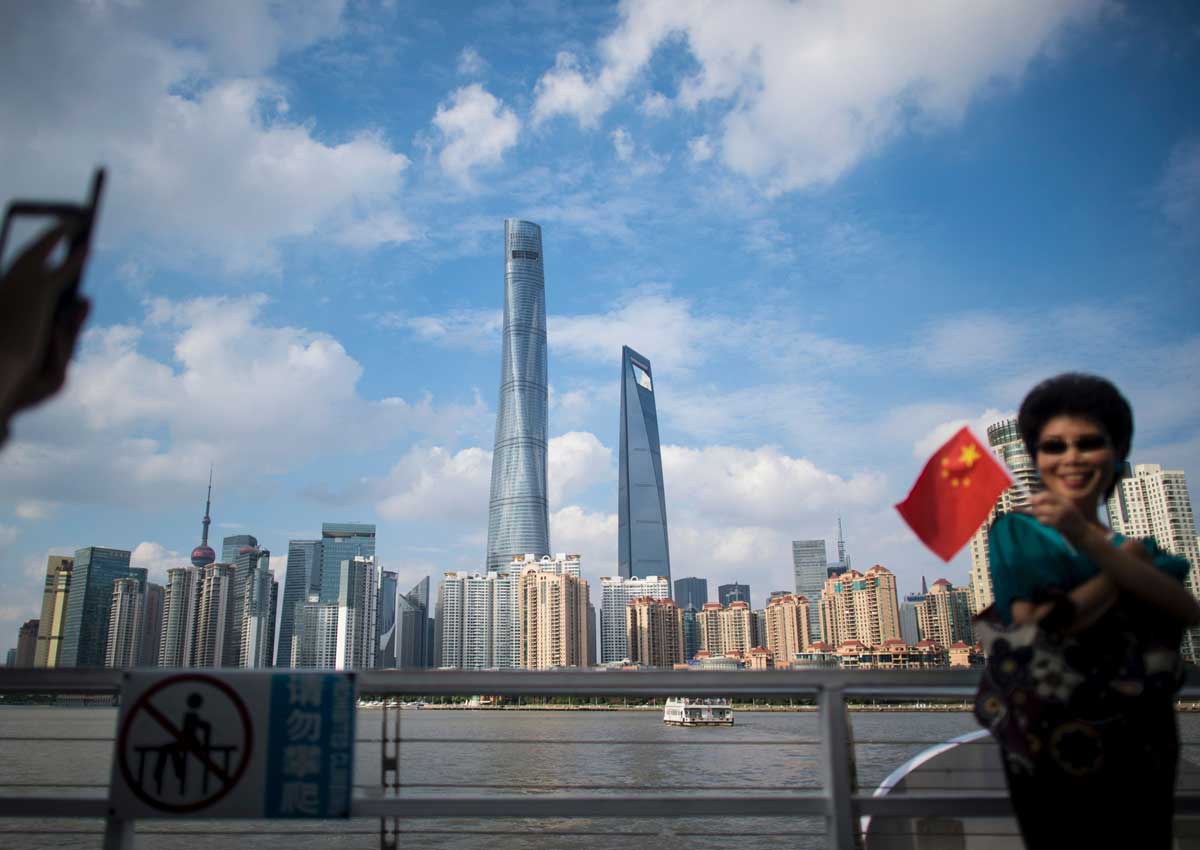
Since the National Day holiday or the Golden Week, one of the country’s biggest holidays of the year was established on Oct 1, 1999, Chinese people have never stopped showing their love to it.
Statistics show that about 28 million Chinese went travelling around the country during the first weeklong holiday in that year.
With the growing surge during the past 18 years, the tourist number and spending both hit record high this year.
The latest official statistics show a total of 593 million tourists visited tourist attractions around the country during the Golden Week holiday, up 12.8 per cent year on year.
And the spending rose 14.4 per cent year on year to 482.2 billion yuan (S$99 billion) during this period.
But the numbers are just part of the story. Compared to the early years, Chinese tourists are embracing the changes in tourism sector more rapidly.
Smartphone travel bookings a new trend
With the increasing popularity of modern technology, more online services for smartphones are available.
A latest report jointly released by China Tourism Academy and Ctrip, an online travel agency, found that 64 per cent of Chinese booked their flights, hotels, travel routes on mobile devices during this year’s National Daily holiday.
“I still remember I booked a hotel room with a telephone during the country’s first national day holiday,” Shanghai citizen Tao Zengrui said.
“This year also I booked a hotel, but through an app on a smartphone.”
According to the report, more than two million Chinese tourists made travel reservations to 1,230 foreign destinations through online agencies and mobile apps.
Many online products provided by the travel agencies such as customised tours and local travel experiences have becoming more popular among visitors.
The report shows that working people aged 23 to 55 accounts for about 60 per cent of the tourists, and seniors above 50 accounting for 21 per cent are getting more used to online booking.
Besides, the report also suggests that female tourists have been leading the tourism industry as they accounted for 59 per cent of all visitors, 18 percentage higher compared to their male counterparts.
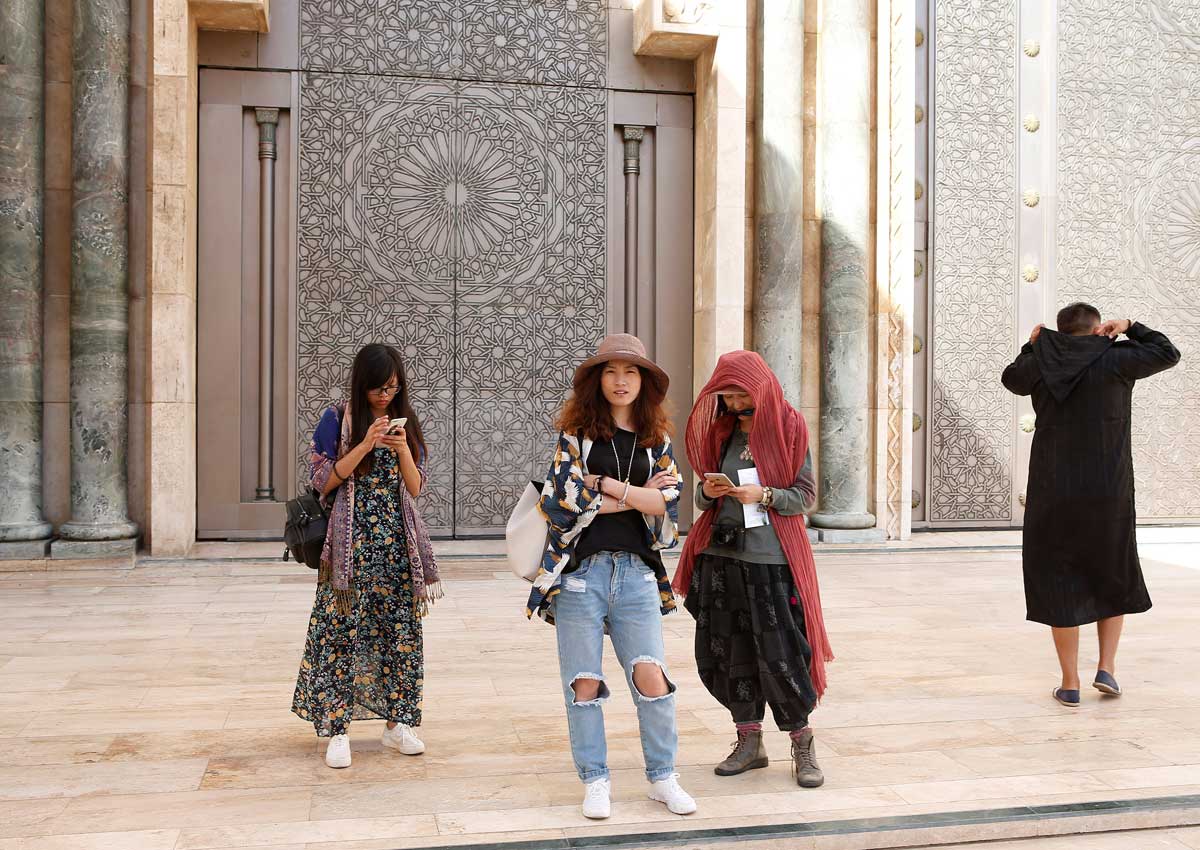
Photo: Reuters
Convenient transportation promotes tourism
Go back to 18 years ago; no one could imagine that one day he or she would take a train would travel at up to 350 km/h.
Now the dream is a reality.
According to the report, railways across the country carried 108 million passengers during the holiday, up 9.3 per cent year on year.
“With the high-speed trains, more train trips between different places are made,” said Lin Yu, a staff working in a local tourism bureau in Fujian province.
The airlines also saw a surge with the number of passengers reaching 9.96 million in the past week, up 11.6 per cent year on year, according to railway and civil aviation authorities.
Apart from that, the development of highways and the growing number of private cars, self-drive tour has become a preferred choice by tourists.
The data shows around 23.4 billion Chinese chose the self-tour during last year’s holidays, accounting for 58.5 per cent of the total tourists.
The China Tourism Academy estimated that by the end of the 13th Five Year Plan, the number of self-tour tourists will reach 5.8 billion, accounting for 70 per cent of the domestic tourists.
Tourist attractions diversified
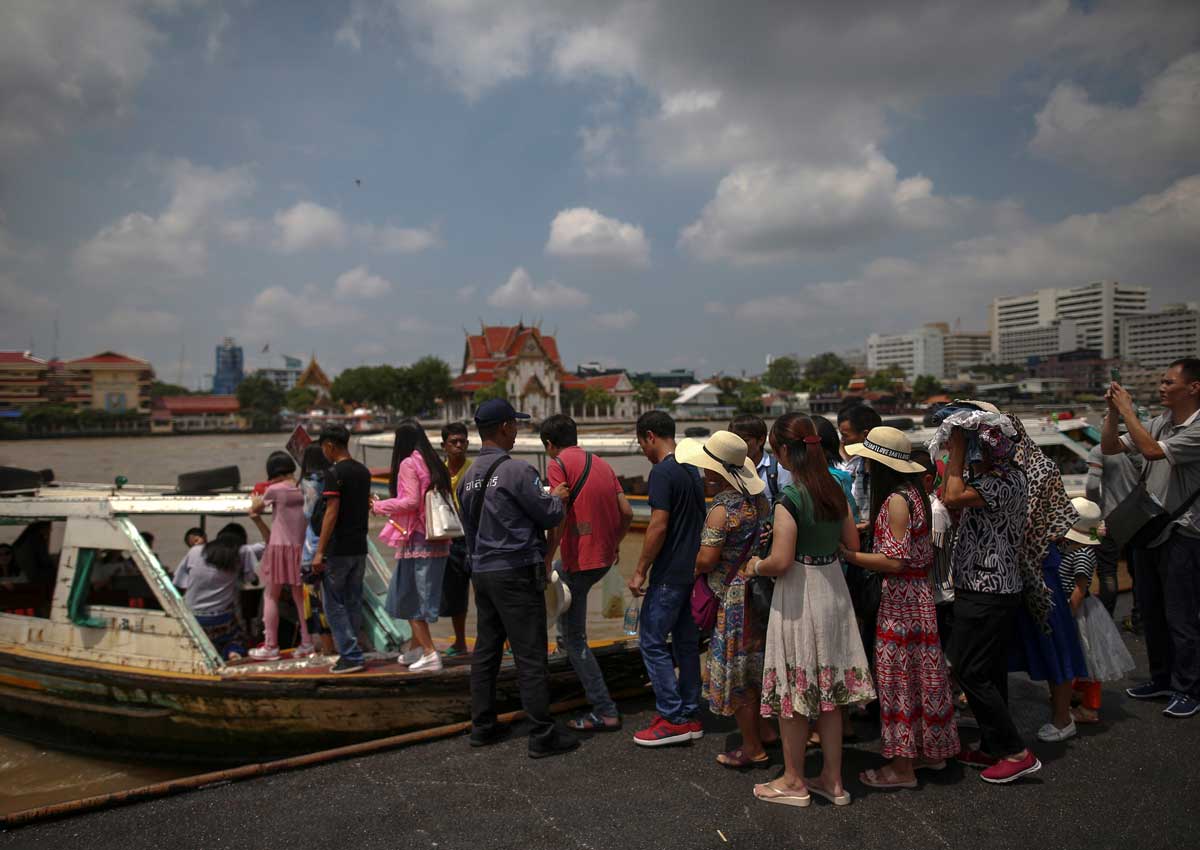
Photo: Reuters
Eighteen years ago most Chinese would travel to the country’s most popular destinations such as the Forbidden City in Beijing, or Terracotta Warriors in Xi’an.
But now the weeklong holiday is seeing more visitors not only travelling to different cities inside the country, but also to foreign destinations, especially the neighbouring nations.
According to the report, the number of outbound tourists is expected to hit six million, with South Korea, Thailand and Japan being the most-favoured foreign destinations.
For domestic trips, attractions in provinces along the Belt and Road Initiative saw an increase.
North China’s Inner Mongolia autonomous region saw its tourist visits rise by 21.49 per cent year on year while tourist spending in Xinjiang Uygur autonomous region rose 42 per cent year on year.
Popular cities, such as Beijing, Shanghai, Guangzhou, Shenzhen and Hangzhou, remain the favourite locations.
Meanwhile, more tourists are showing their “new flavors” for travel – to experience more about the local life in different places.
“The local tourism and business environment is playing a more important role to attract visitors,” said Dai Bin, head of the China Tourism Academy.
During the past year, Chinese tourism authorities have also taken effective measures to promote the industry.
New restrictions have been announced against uncivilized behaviours as part of the country’s efforts to promote civilised tourism.
Wuyan contributed to the story.
Image:
Publication Date:
Monday, October 10, 2016 – 17:25
Keywords:
Send to mobile app:
Source:
Story Type:
Others
8 dead after four buildings collapse in East China
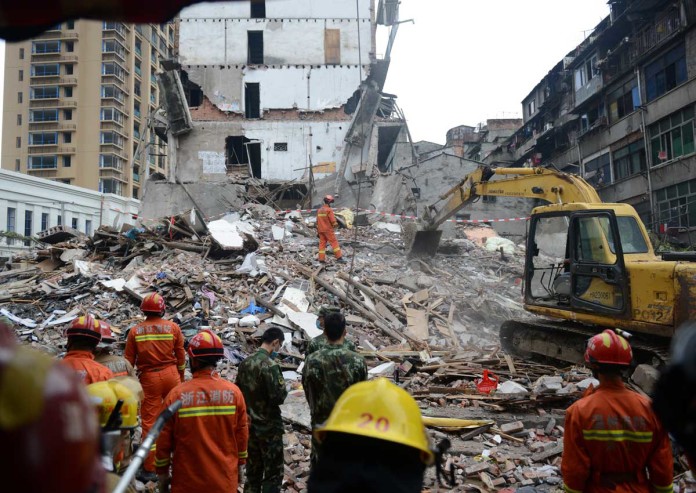
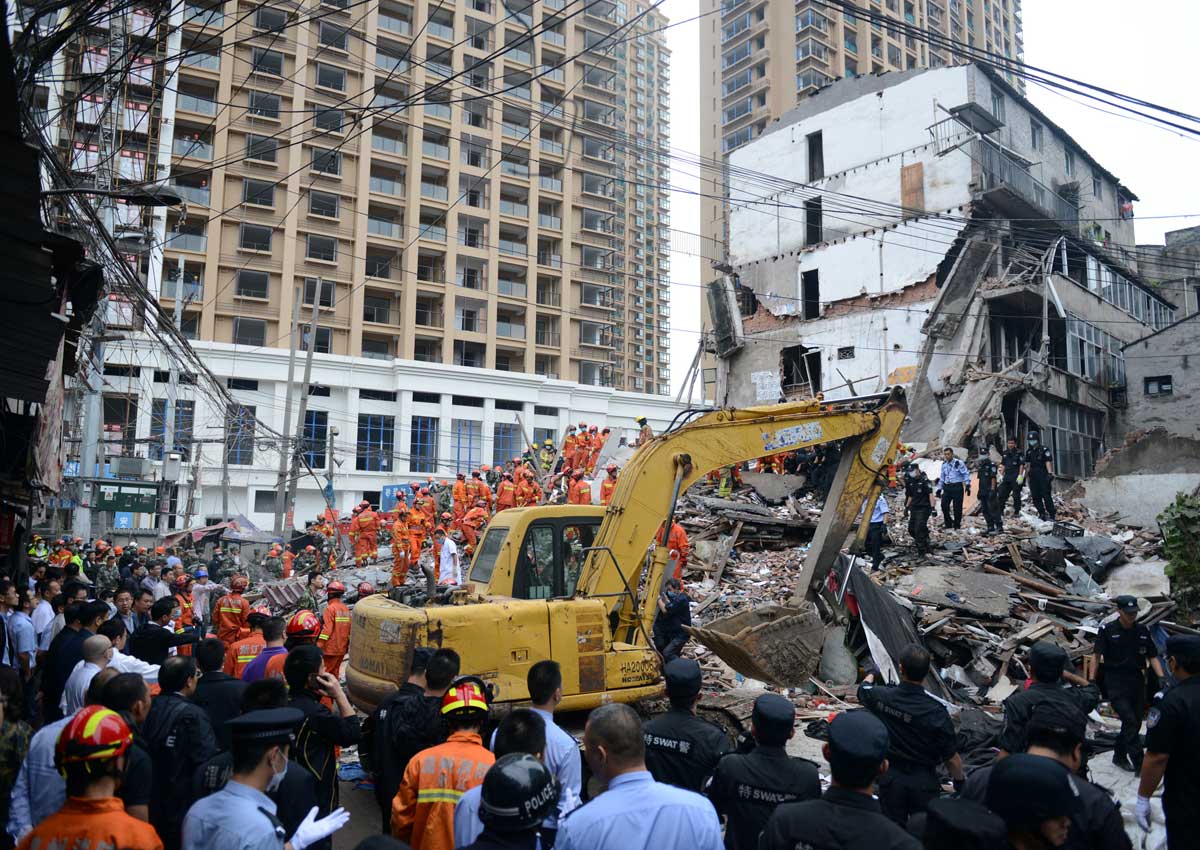
Eight people were declared dead after four residential buildings in Wenzhou, East China’s Zhejiang province, collapsed on the early morning of Monday.
Rescuers are still verifying the number of people buried under debris.
The disaster happened around 4 am in Wenzhou’s Lucheng industrial district.
As of 11:28 am, 13 people were rescued, but eight of them were announced dead.
A resident living in an opposite building told Beijing News that he “heard a big bang following the sudden shaking of the apartment”, and saw the opposite buildings had collapsed when he ran out.
The collapsed buildings were three- to five-storey tall and were self-built by local residents, according to a report of Beijing News.
Demolition of the buildings started two or three years ago, but somehow halted halfway, a local resident told Beijing News.
The houses were later rented to migrant workers at relatively low prices, the man said.
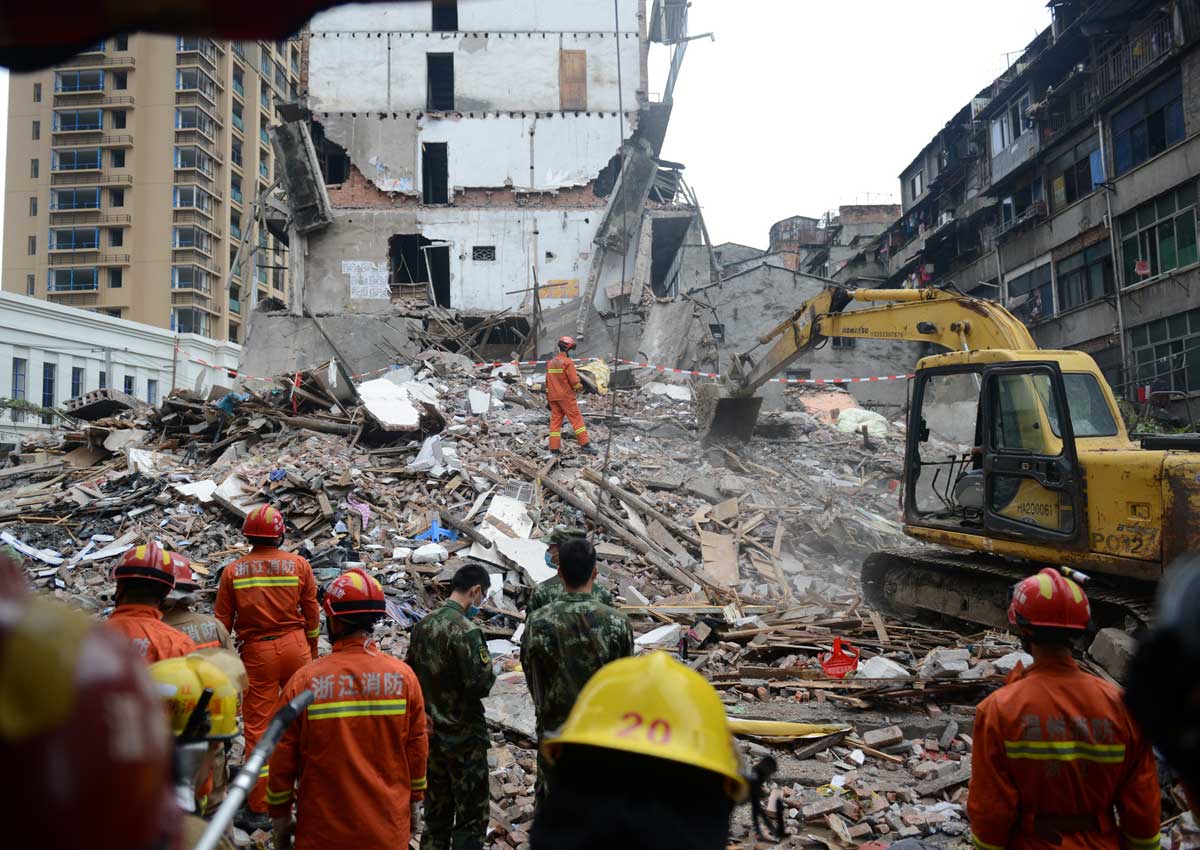
Photo: Reuters
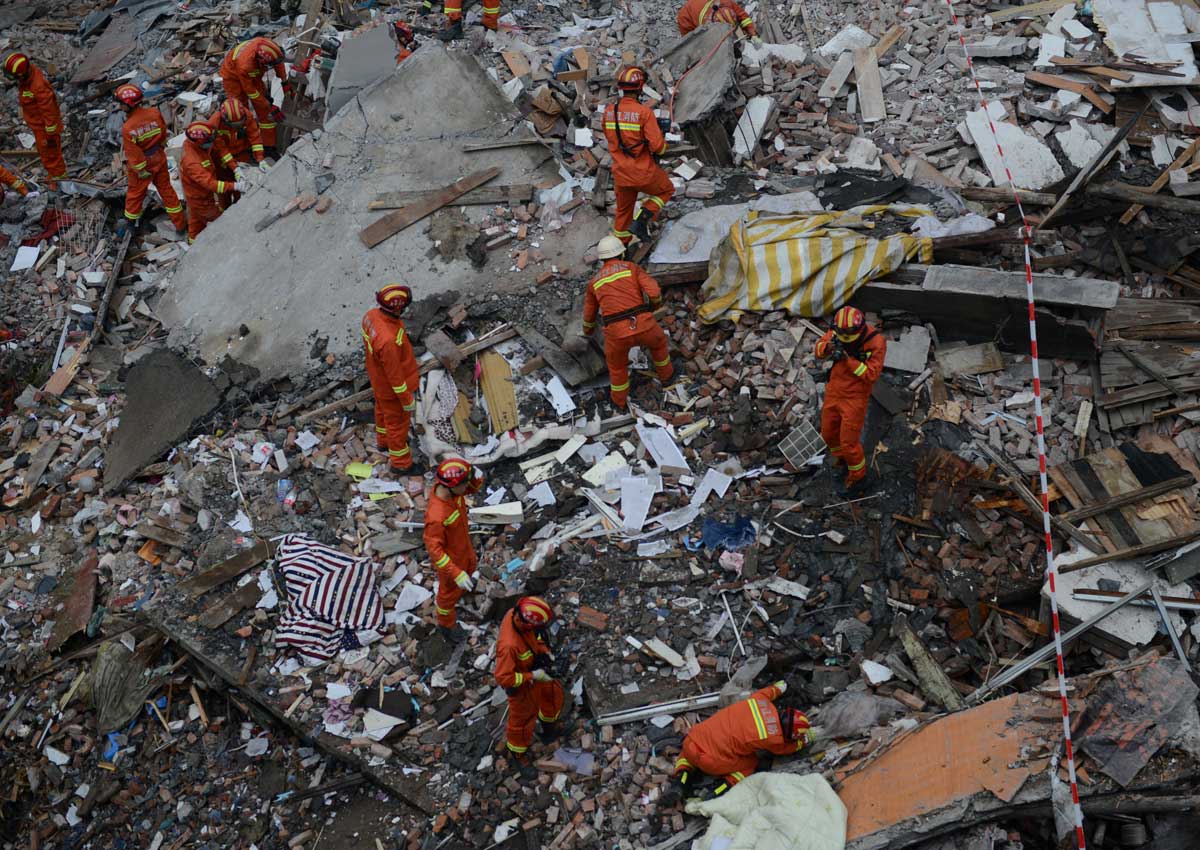
Photo: Reuters
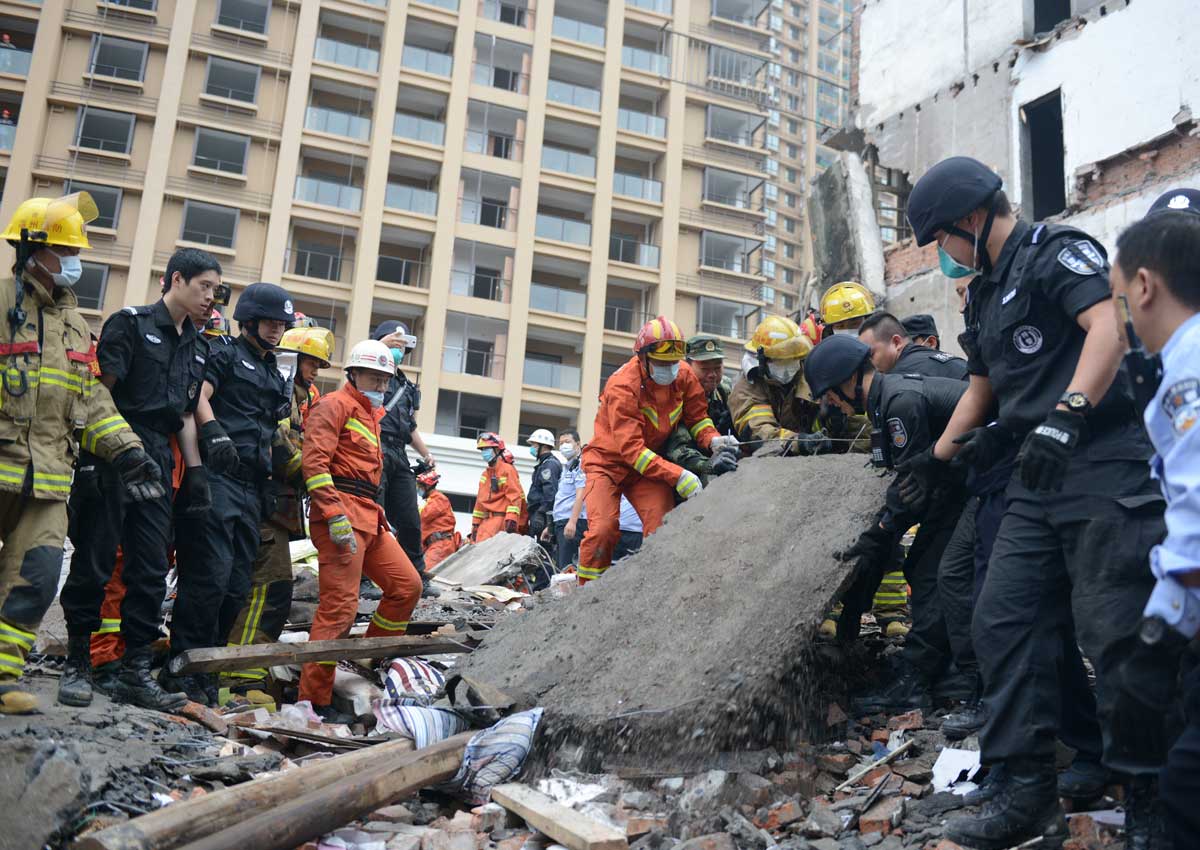
Photo: Reuters

Photo: AFP
Image:
Publication Date:
Monday, October 10, 2016 – 17:32
Keywords:
Send to mobile app:
Source:
Story Type:
Others
Local labour force growth could stagnate in the next decade: Lim Swee Say
With ageing and lower birth rates, and a relatively high labour force participation rate and low unemployment rate, Manpower Minister Lim Swee Say says Singapore will see a continued slowdown of local labour force growth.
Source link
CPF changes give greater flexibility, healthcare assurance for members

 SINGAPORE – Central Provident Fund (CPF) members born in 1958 or later will now be able to withdraw up to 20 per cent of their savings when they become eligible for monthly payouts at 65.
Those who prefer to defer their withdrawals can either transfer the…
Source link
World's longest sightseeing escalator awaits you in Central China
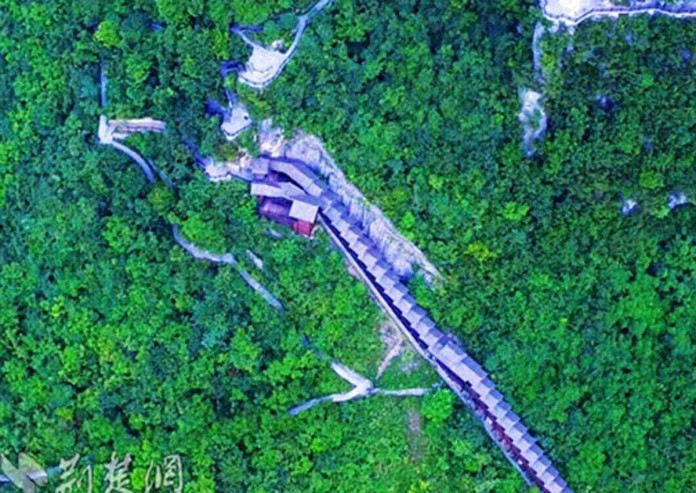
A 688-meter-long sightseeing escalator made its debut during the past week-long National Day holiday, contributing to tourists’ visits at Enshi Grand Canyon in Enshi city, Central China’s Hubei province.
“The escalator is the world’s longest sightseeing one, costing each visitor 20 yuan (S$4.10)”, said an insider, who went on saying that visitors can enjoy the beautiful sights by taking less time and effort thanks to the escalator.
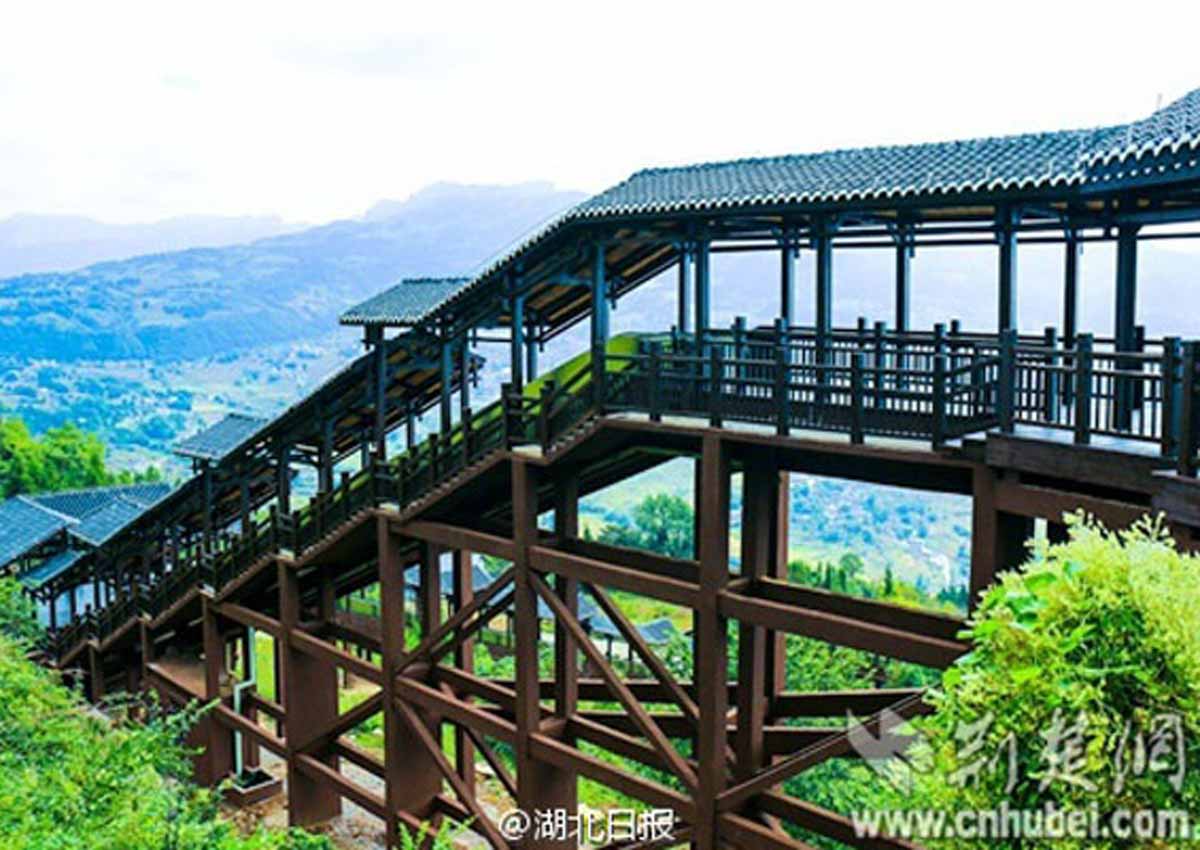
Using a steel concrete structure and a wooden structure, the escalator was built along the mountain in a “∑” shape at Qixingzhai scenic spot, a must-see at Enshi Grand Canyon.
“The whole engineering plan focused on ecological protection, which can be seen from the wooden structure and grey tile at the top of the escalator”, said Xiong Yan, who is in charge of the project and works at Central-South Architectural Design Institute.
Xiong said that many vine plants were planted along the escalator to integrate with the surrounding landscape.
It’s reported that the escalator can carry 7,300 visitors per hour in theory and is estimated to carry 600,000 visitors altogether in one year.
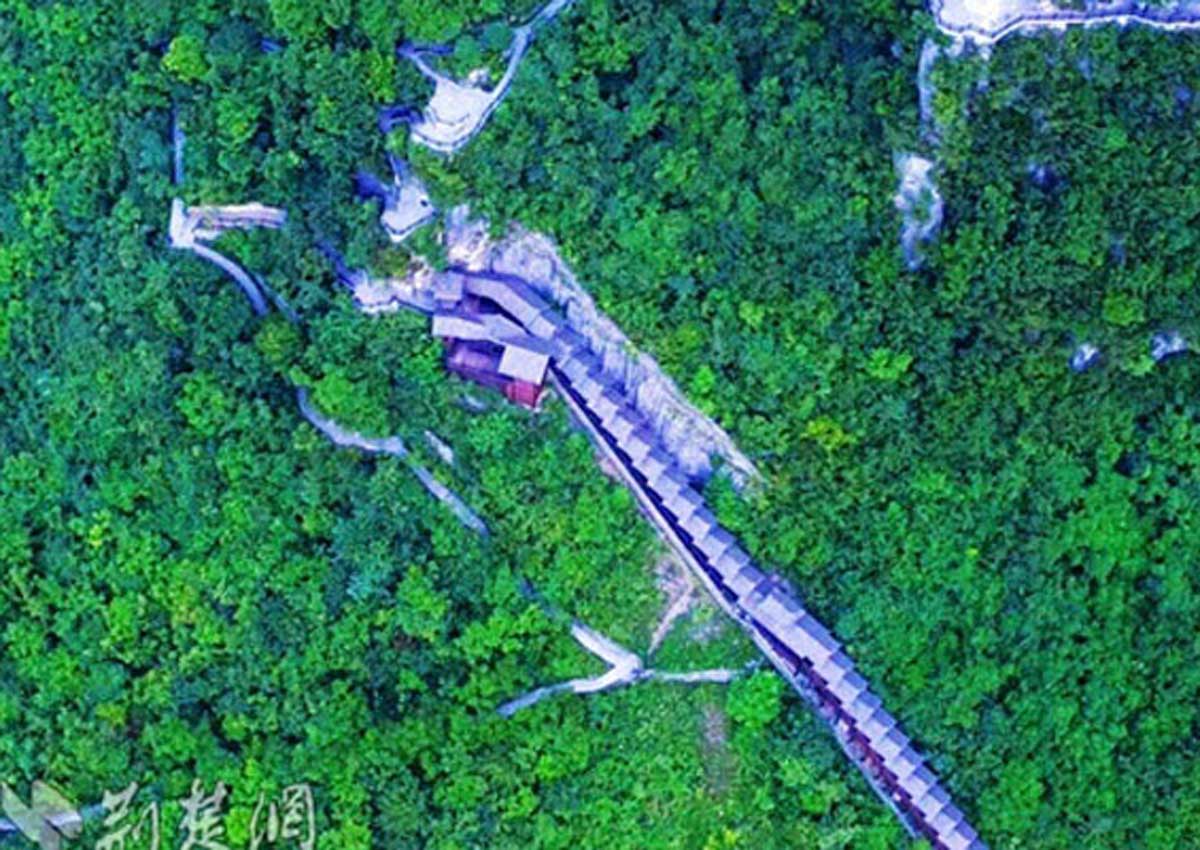
Photo: Weibo account of Hubei Daily
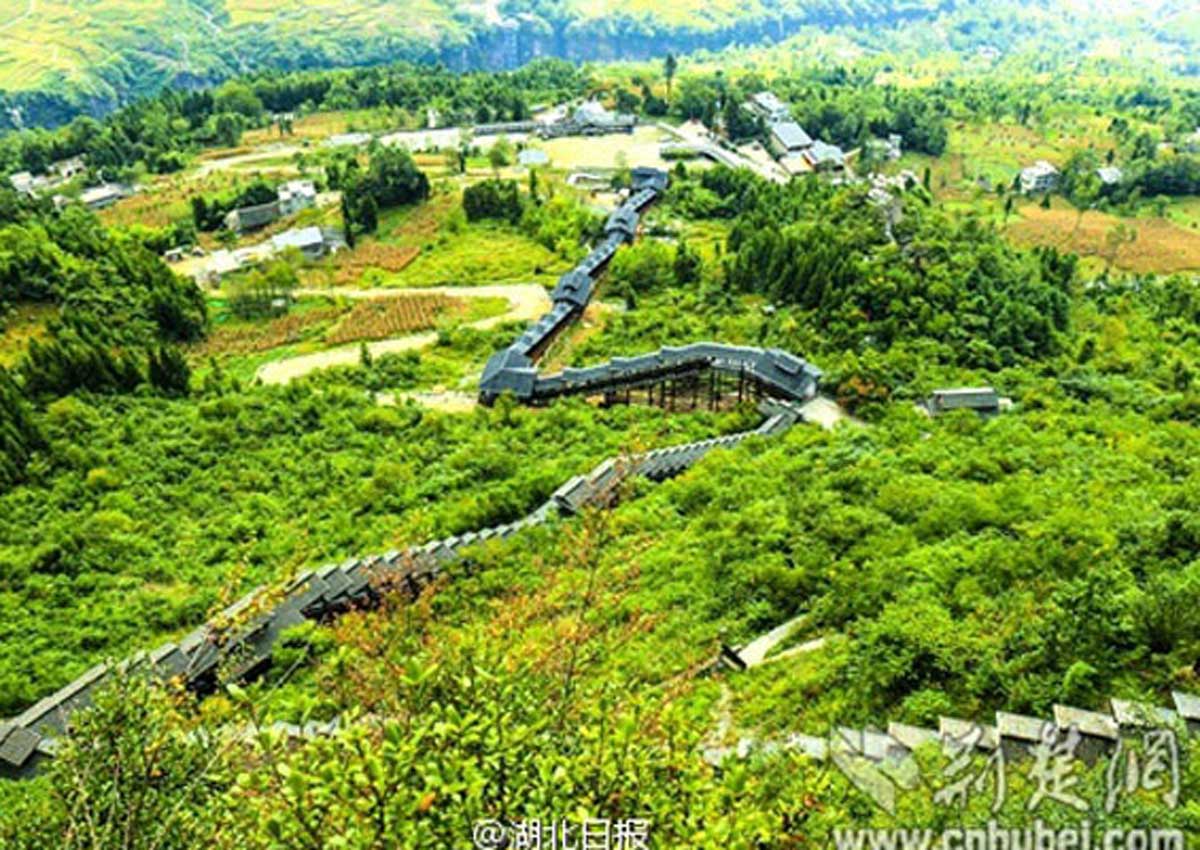
Photo: Weibo account of Hubei Daily
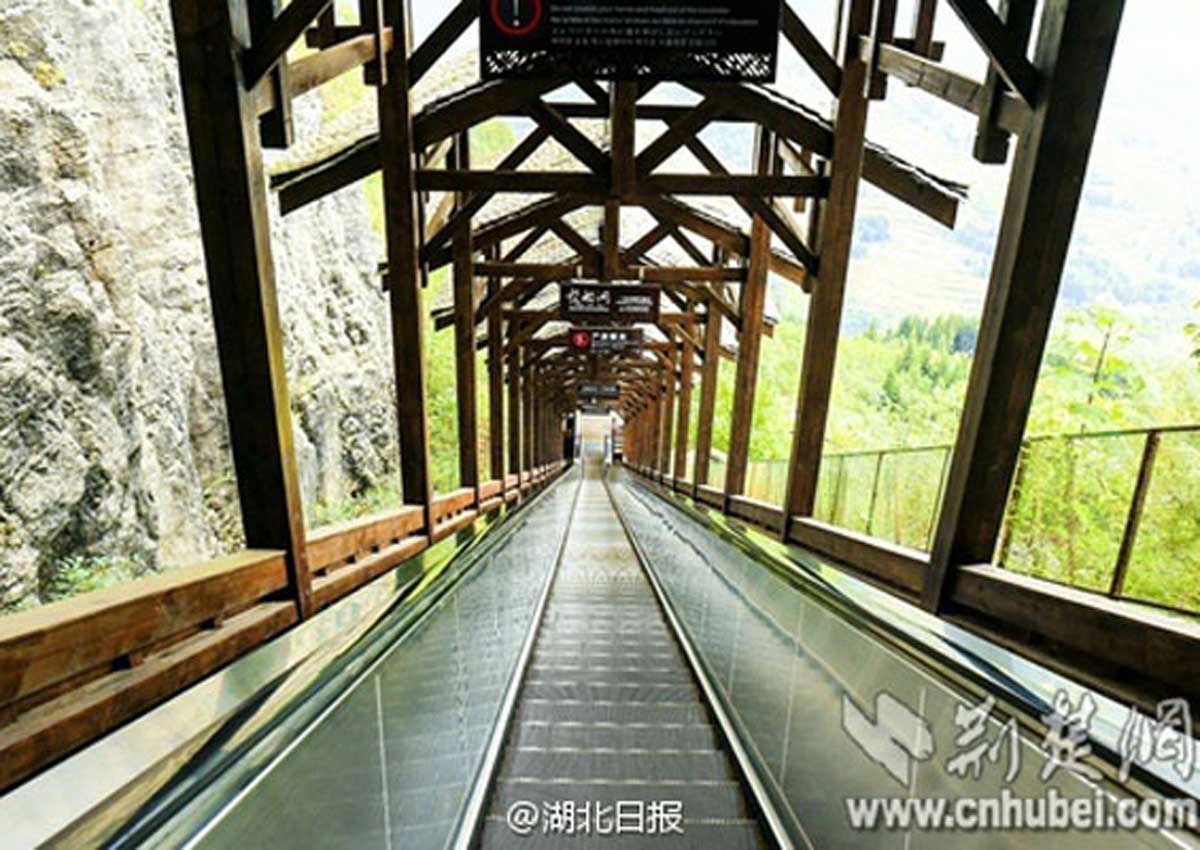
Photo: Weibo account of Hubei Daily
Image:
Publication Date:
Monday, October 10, 2016 – 17:10
Keywords:
Send to mobile app:
Source:
Story Type:
Others
MHA tables Bill to collect iris images from S'poreans, PRs
SINGAPORE – Singapore citizens and Permanent Residents may soon have to get their iris images scanned and recorded by the Immigration & Checkpoints Authority (ICA), on top of photographs and fingerprints.
This move to collect iris images as an additional…
Source link
Jokowi urged to take bolder steps to take back Riau airspace control from Singapore
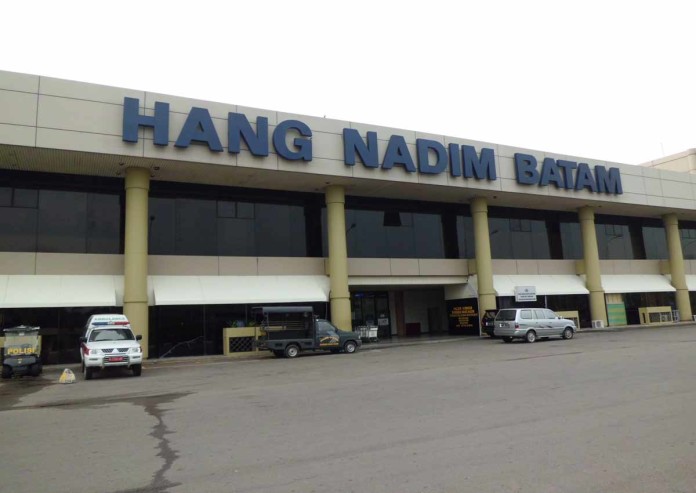
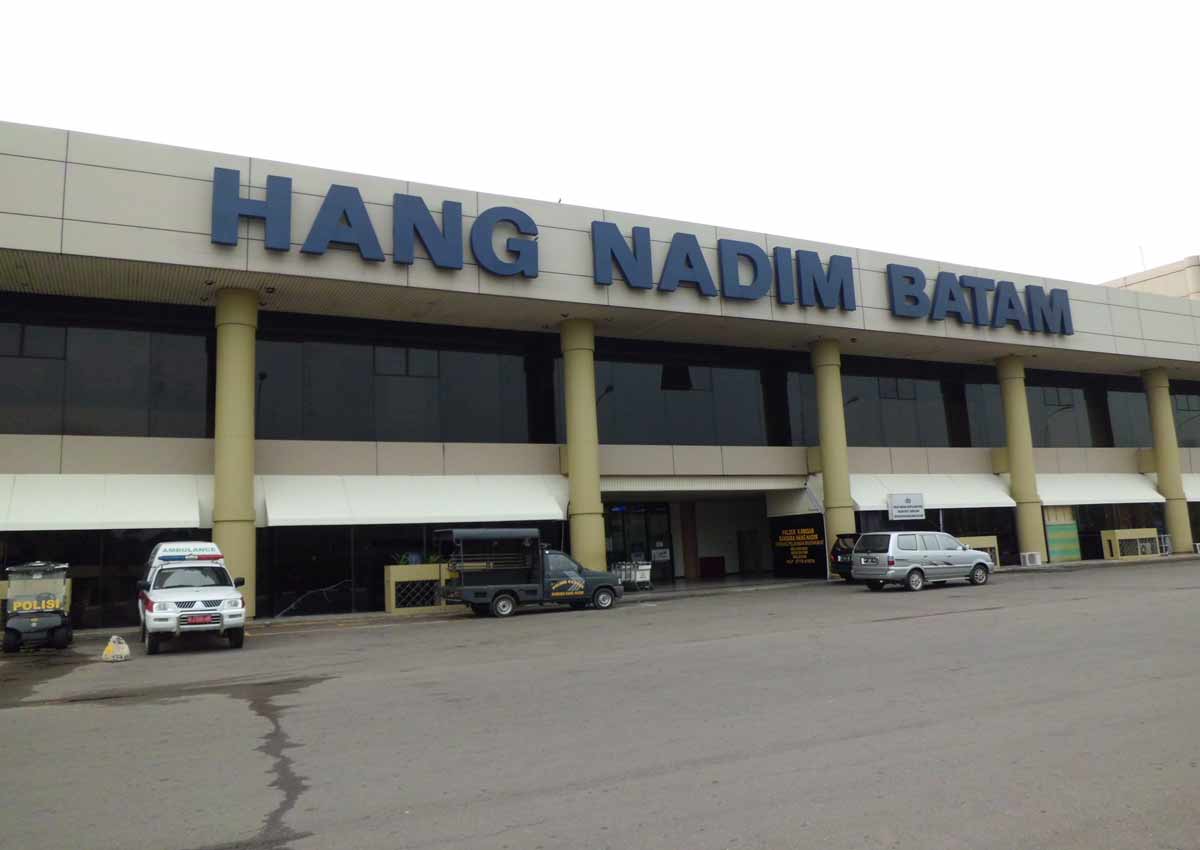
The Riau Islands Legislative Council has urged President Joko “Jokowi” Widodo to continue to strive for Indonesian authorities to take over control over the Flight Information Region (FIR) over Riau and Riau Islands from Singapore.
The call comes after Indonesia failed in its bid for International Civil Aviation Organisation (ICAO) Council membership for the period 2016-2019.
The council’s speaker, Jumaga Nadeak, said Indonesia’s failed ICAO Council membership bid was bad news for all Riau Islands residents, because it meant the islands’ airspace control would be still in the hands of Singapore. Indonesia could take over the FIR control only if it became an ICAO Council member.
“Indonesia’s sovereignty extends to land, airspace and territorial waters. Therefore, the control of airspace above Riau Islands must be discussed again and renegotiated. We will convey this matter to President Jokowi via the defence minister [Ryamizard Ryacudu] and foreign minister [Retno LP Marsudi],” Jumaga told The Jakarta Post on Friday.
The lawmaker explained that on Oct. 7, 2015, Riau Islands Legislative Council members met with then-Air Force chief of staff Air Marshal Agus Supriatna, adding that during the meeting, Agus had said the FIR control over Riau Islands would be handed over to Indonesia in 2019, several years earlier than initially planned.
“Now, that information must be followed up. We will remind President Jokowi to take over the FIR control from Singapore. We are a sovereign country,” said Jumaga.
Hang Nadim Airport general manager Suwarso said technically Indonesia would get many benefits if it took over control over the Riau and Riau Islands airspace from Singapore.
“If Indonesia controls the FIR, flight traffic in Riau and Riau Islands will be managed with economic considerations. Routes assigned to airlines will be shorter, which means there will be a more efficient use of fuel,” said Suwarso.
Currently, he said, Indonesian airlines had flight routes longer than they should and this was not economically feasible.
Citing an example, Suwarso said flight routes assigned to Indonesian airlines that served haj pilgrims departing from Hang Nadim Airport in Batam were from the north, causing unnecessarily long distances.
“Haj airplanes fly longer and spend more fuel because of the routes determined by aviation authorities in Singapore, and we cannot do anything about it, because it’s within their authority,” he said.
Although an airborne training module conducted by the Indonesian Military in the airspace above Riau and Riau Islands was fully controlled by the Air Force’s radar in Tanjung Pinang, in general Singapore still controlled and monitored it, he went on.
“It’s just like someone owns land but its use is controlled by other people,” said Suwarso.
Image:
Publication Date:
Monday, October 10, 2016 – 16:41
Send to mobile app:
Source:
Story Type:
Others


