When SCDF arrived they saw that the taxi driver was trapped. Using hydraulic rescue tools, they freed him.
Source link
Five injured after taxi and bus collision in Woodlands
Cat A COE falls while Cat B rises in latest exercise
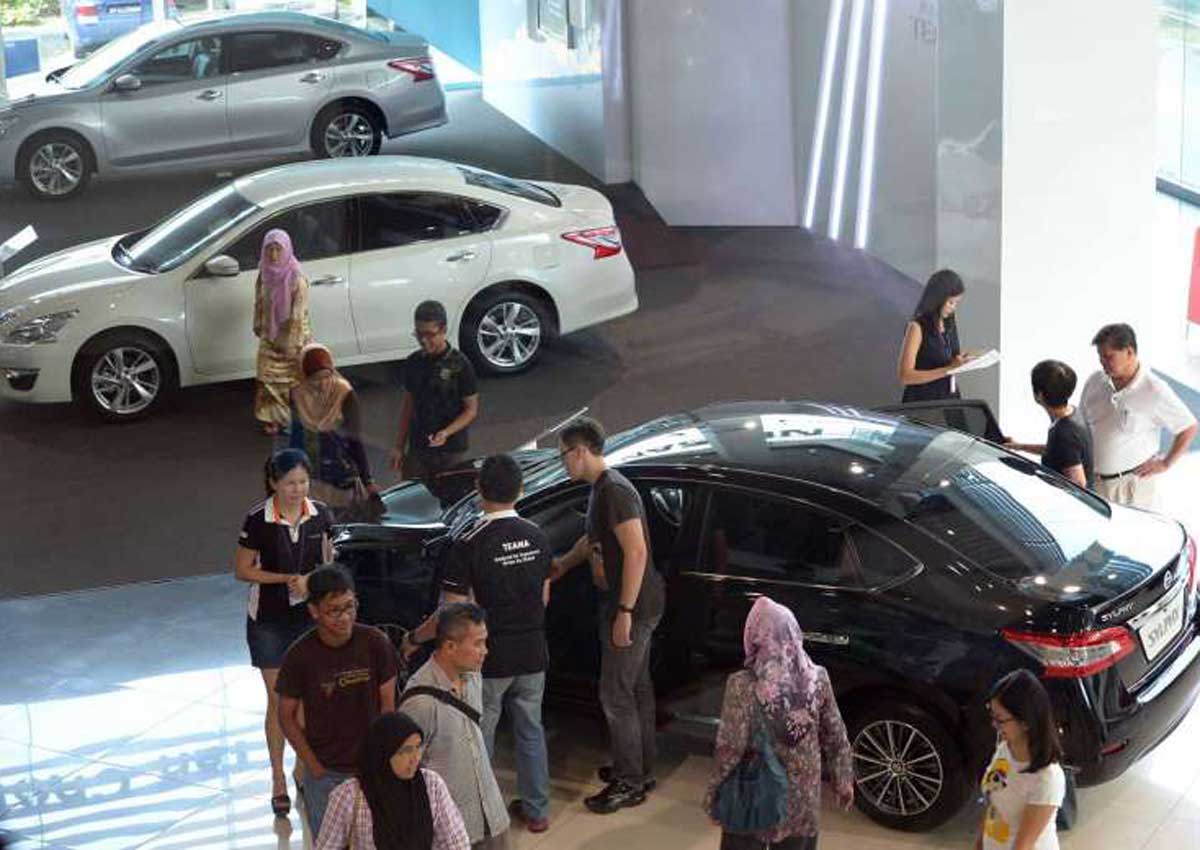
SINGAPORE – Certificate of entitlement (COE) premiums for Category A cars fell in the latest bidding exercise, while premiums for Cat B rose.
Cat A COE ended at $50,991, down from $51,507, while Cat B COE rose to $56,410 from $53,001 previously.
The COE premium for Cat C dropped to a five-month low of $45,589, and the premium for the motorcycle category ended with almost no change at $6,354.
Category E COE also rose, ending at $56,340, up from $54,200 two weeks ago.
ljessica@sph.com.sg
Image:
Publication Date:
Wednesday, October 19, 2016 – 20:39
Keywords:
Send to mobile app:
Source:
Story Type:
Rewritten Story
Two arrested for serial theft of metal parts

 SINGAPORE – Two men have been arrested for their suspected involvement in a series of theft of metal parts from unattended trailer chassis, said the police on Wednesday (Oct 19).
The police had received several reports of theft of metal parts from trailer…
Source link
55 years of haze: How plane bound for KL overflew to Singapore when it was all hazy on Oct 19, 1961
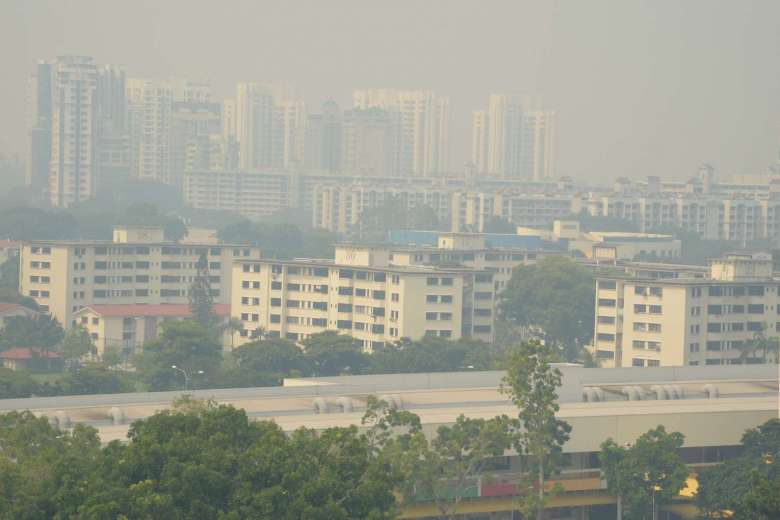
SINGAPORE – Good weather may have kept the haze away from Singapore for now, but it is unlikely that the seasonal plague is gone for good.
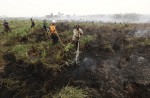
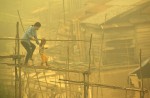
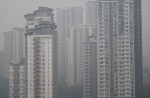
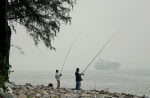
Plumes of smoke haze have clouded Singapore’s skies almost every year from as far back as the 1960s, with the first haze episode reported on Oct 19, 1961.
We look back at 55 years of haze history:
1. When it all started
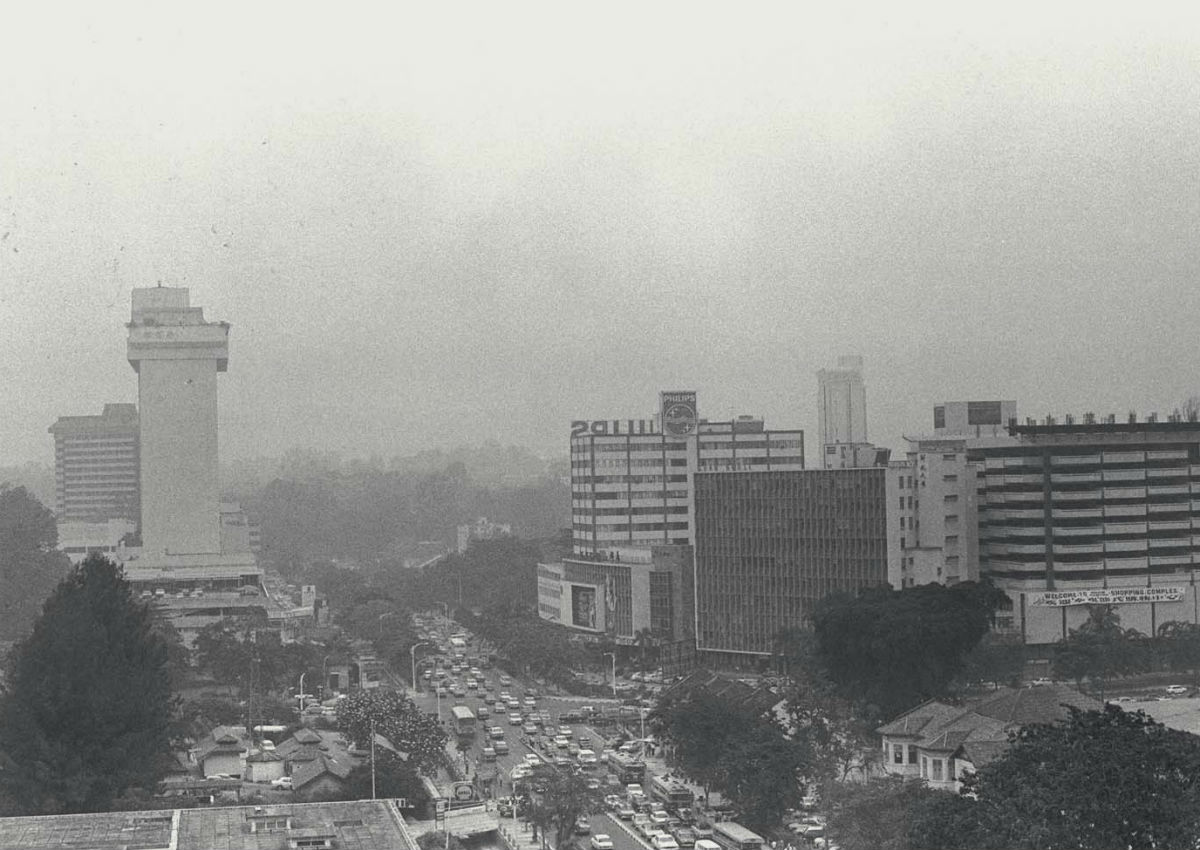
Singapore’s first encounter with haze was on Oct 19, 1961.
The haze that day was so bad that an aircraft flying from London missed its destination, Kuala Lumpur, and overflew to Singapore. The Straits Times also reported then that several readers had called in to ask if the haze had anything to do with a nuclear fallout.
2. Introducing the PSI
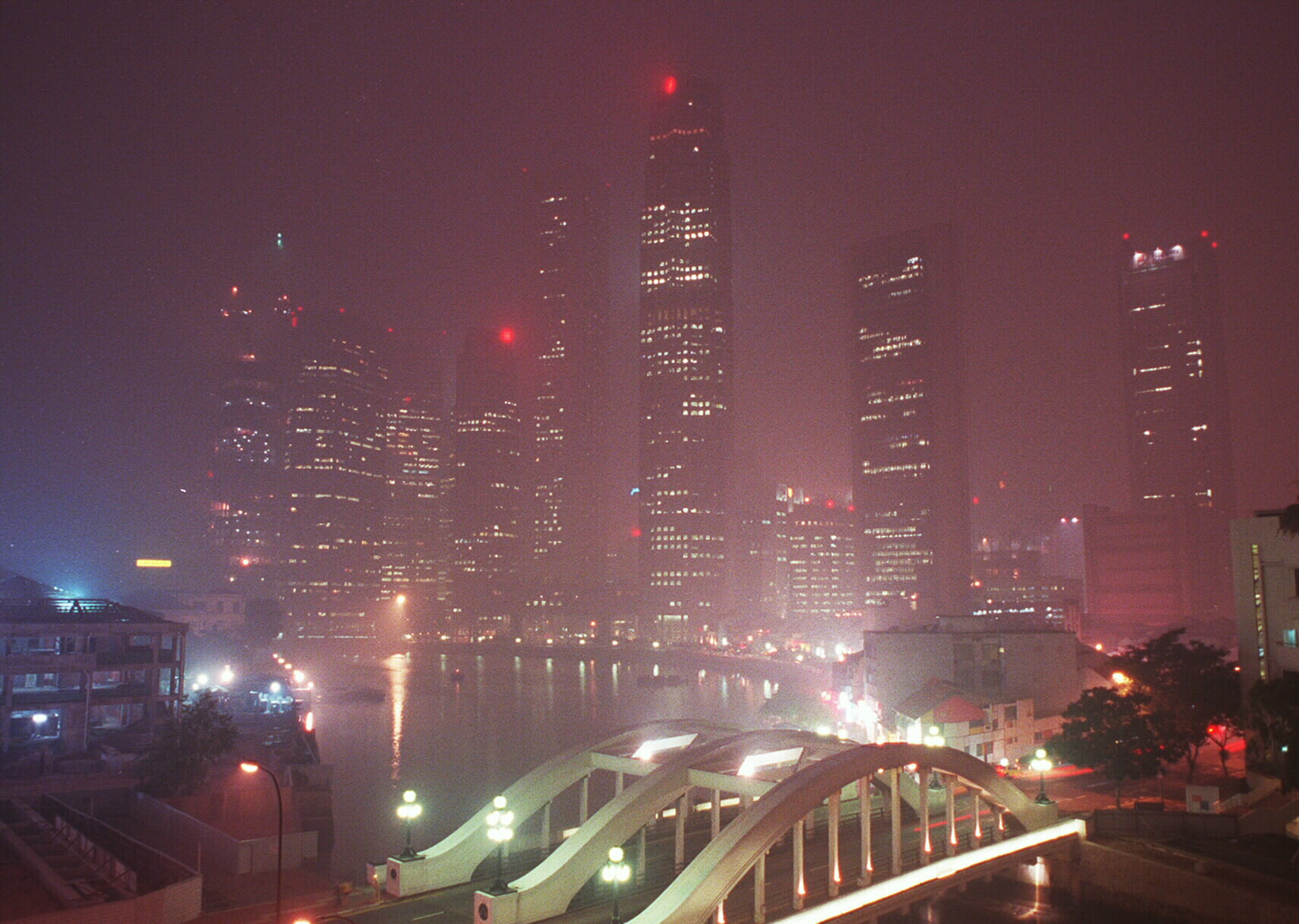
In 1991, Singapore’s Environment Ministry introduced the Pollutant Standards Index (PSI), which indicates the concentration of suspended particles, sulphur dioxide, nitrogen dioxide, carbon monoxide and ozone in the air.
As a recap, health advisories issued by the authorities are based only on the 24-hour PSI, which measures the average concentration levels of component pollutants over the past 24 hours. This is because scientific and epidemiological studies on the health effects of particulate matter have been based on 24-hour exposure, and not shorter-term measurements.
There are five air quality descriptors: Good, Moderate, Unhealthy, Very Unhealthy and Hazardous.
For more info on the types of activities that should be carried out during these periods, go to www.haze.gov.sg.
3. El Nino and haze
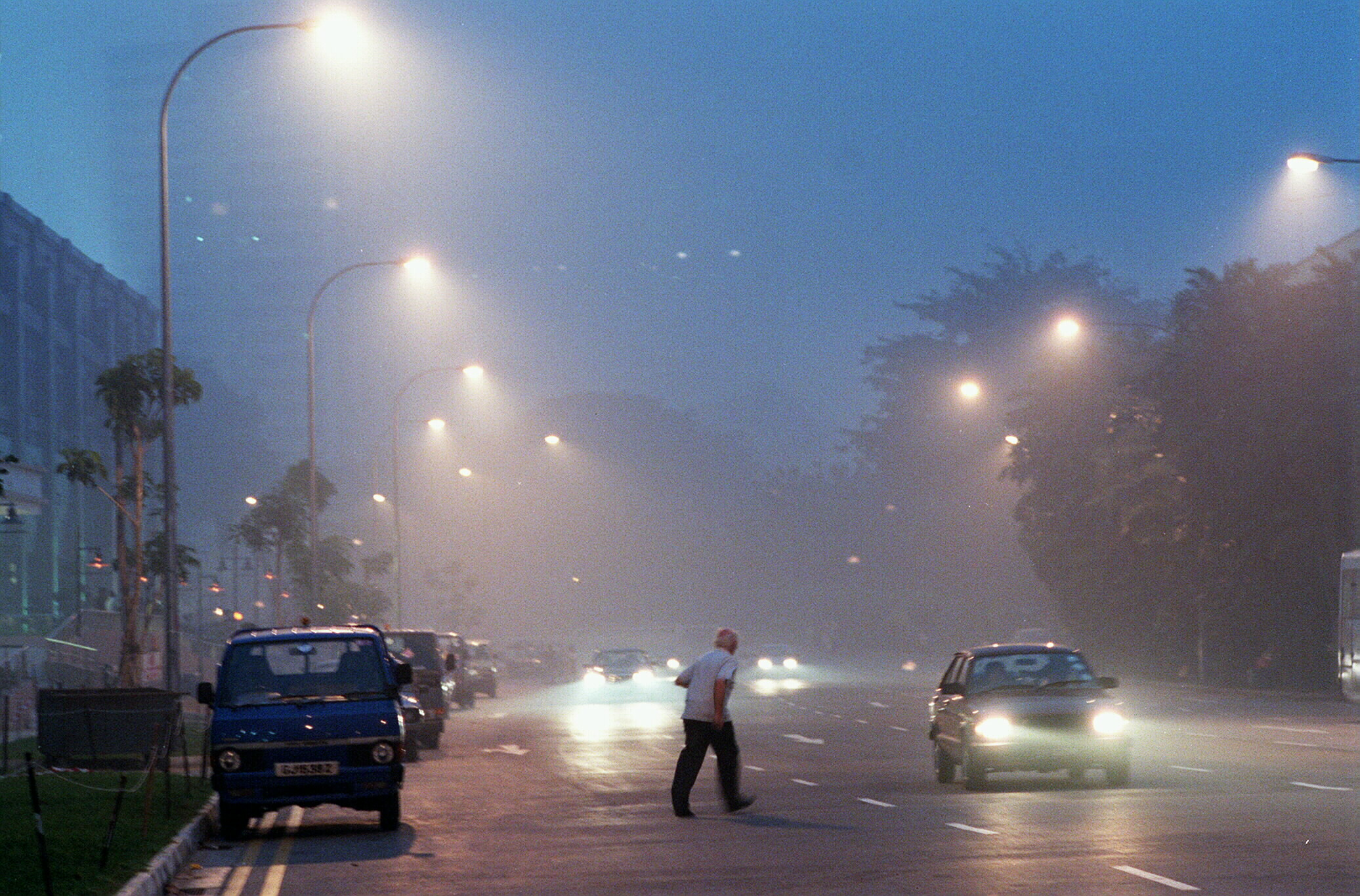
The year 1997 was an El Nino year, during which Indonesia experienced drier than usual conditions which made the peatland and forests there more flammable.
Fires in Sumatra and Kalimantan smothered the whole region in the worst haze at that time. The fires razed about 5 million ha of virgin forest and agricultural land in South Kalimantan and Sumatra, an area nearly 80 times the size of Singapore.
Considered one of the worst haze episodes to hit Singapore, it resulted in over $500 million in disruptions and lost revenue, according to environmental group World Wide Fund For Nature.
But that was not the worst haze crisis Singapore has encountered.
The most serious episode was in 2015, which was also an El Nino year.
4. The day when three-hour PSI hit 401
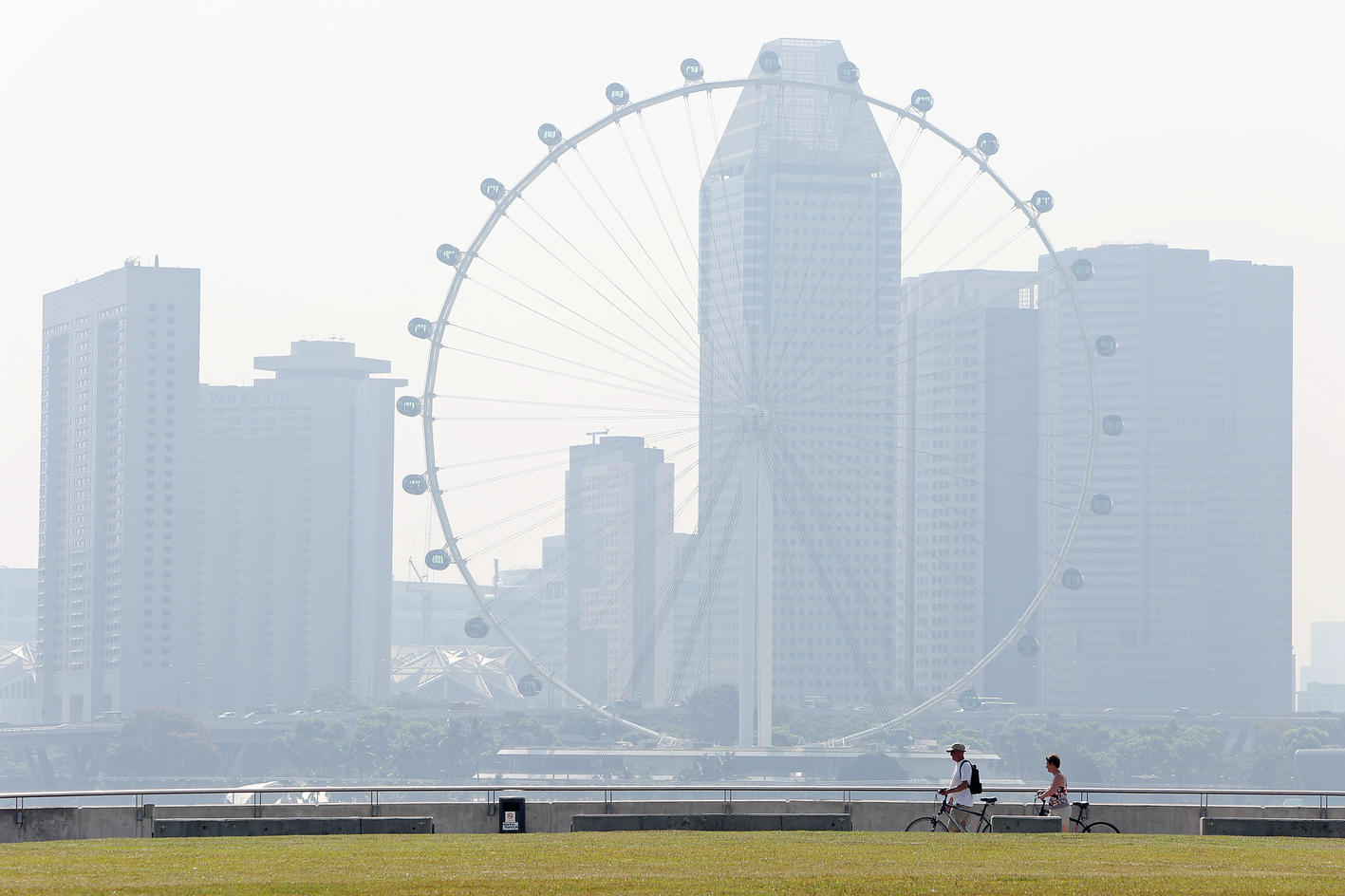
On June 21, 2013, the three-hour PSI climbed to 401, causing panic among some Singaporeans. Long queues formed at pharmacies and shops selling the N95 mask. But the authorities stopped short of issuing stop-work orders and asking schools to close as the 24-hour PSI did not reach hazardous levels.
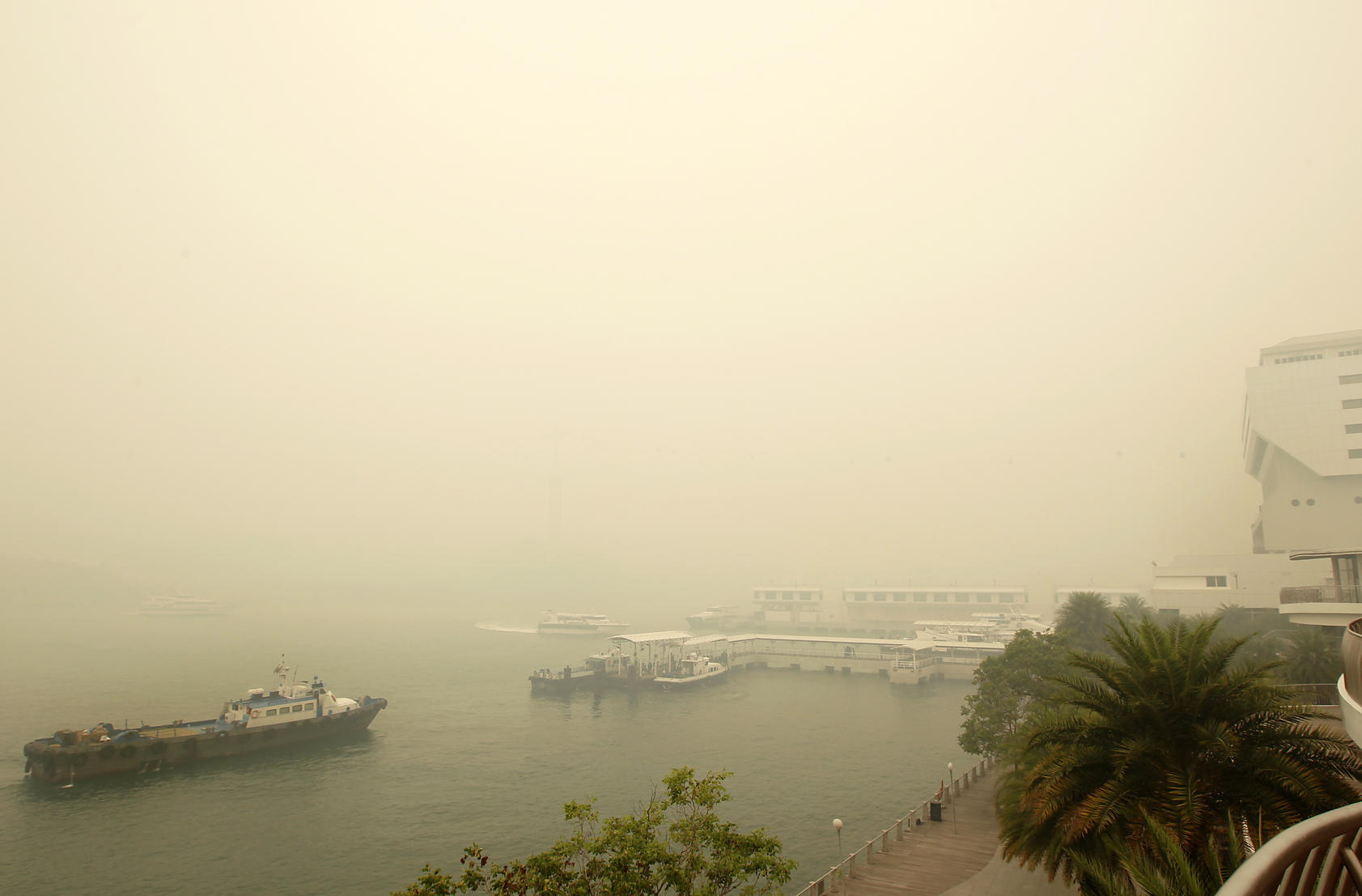
But amid the hazy skies, there was a silver lining.
The 2013 haze crisis prompted regional governments to take action. ASEAN countries adopted a haze monitoring system and agreed to share satellite data to help better locate fire hot spots and determine if they are on land owned by plantation companies. Indonesia also ratified the ASEAN Agreement on Transboundary Haze Pollution.
5. Going after the culprits
The Transboundary Haze Pollution Act, passed in Parliament in August 2014, targets those responsible for causing or condoning fires if burning results in unhealthy levels of haze here.
Those guilty can be fined up to $100,000 a day, capped at $2 million, for causing unhealthy haze – defined as a 24-hour PSI value of 101 or greater for 24 hours or more.
The 2015 haze crisis saw the Singapore Government wielding its powers under the Act for the first time. The National Environment Agency (NEA) sent six Indonesia-based firms notices under the Act asking them to explain steps they are taking to put out and prevent fires on their land.
NEA also served Singapore-listed firm Asia Pulp and Paper (APP) a legal notice to supply information on its subsidiaries in Singapore and Indonesia, and the measures taken by its suppliers in Indonesia to put out fires in their concessions.
6. Be grateful for clean air: Jusuf Kalla
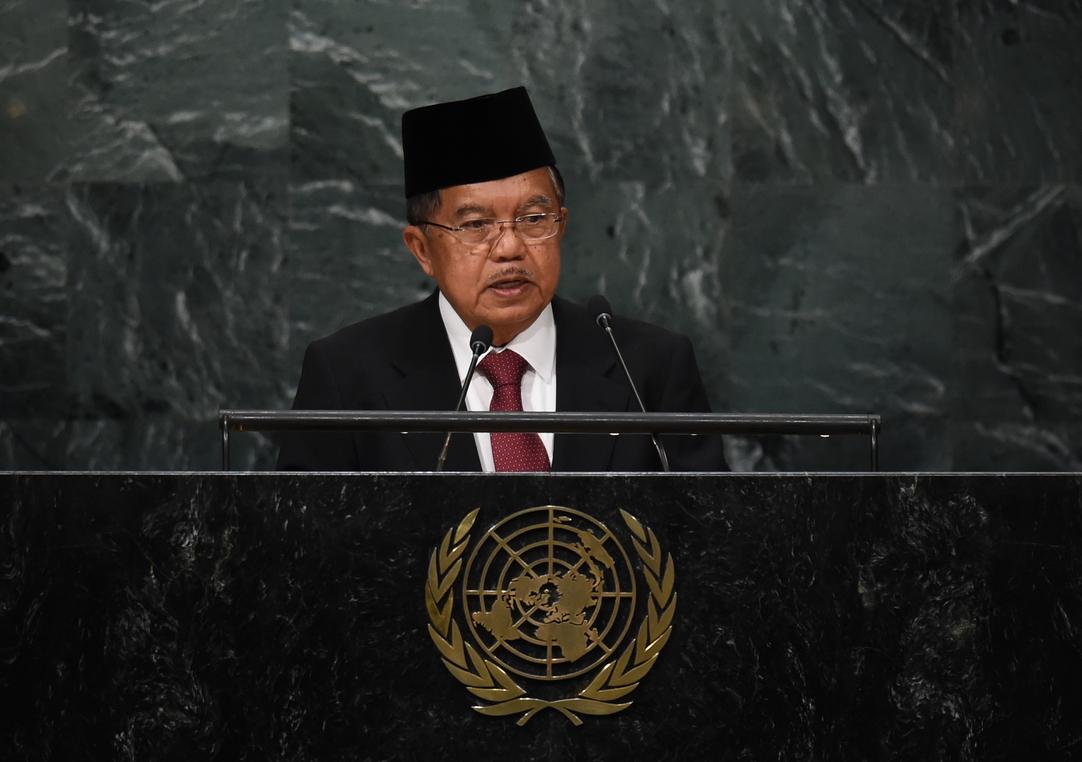
In March 2015, Indonesian Vice-President Jusuf Kalla rapped neighbouring countries for complaining about the haze, and asked them instead to be grateful for the clean air they enjoy for the rest of the year.
“For 11 months, they enjoyed nice air from Indonesia and they never thanked us… They have suffered because of the haze for one month and they get upset,” he was quoted as saying in the Jakarta Globe.
It was a flashback to 2013, when Mr Agung Laksono, a minister in the previous government, hit out at murmurs from Singapore, which was then shrouded by the haze.
“Singapore shouldn’t be like children, in such a tizzy,” he said. Some days later, his colleague Jero Wacik warned Malaysia and Singapore not to “tell stories to the world”.
Click on thumbnail to view photos. Source:
Reuters, AFP, The Straits Times, Berita Harian



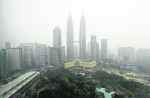
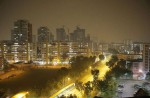
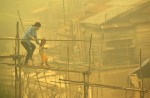
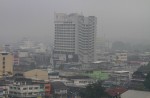
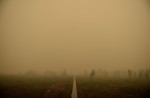
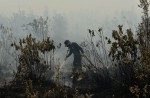
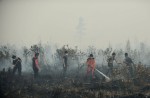
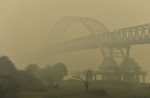


7. Understanding PM2.5
Tiny pollutant particles 30 times smaller than the diameter of a strand of human hair are what makes haze dangerous, as they are small enough to enter the bloodstream and be carried to other organs. These particles are known as PM2.5.
NEA has been publishing one-hour PM2.5 concentration readings since 2014, but it announced in June 2016 that it will provide breakdowns of what constitutes normal to very high levels of one-hour PM2.5 concentrations.
This is to help the public make sense of the readings and plan their immediate activities.
For instance, the range of 0 to 55 micrograms per cubic metre (mcg/m3) is described as “normal”, while anything above 250 mcg/m3 will be described as “very high”.
8. Green awakening
If the 2013 haze moved governments to act, the crisis in 2015 did the same for consumers. There was a green awakening among consumers and businesses, which sought to be more responsible with their purchases and practices.
Consumers said they would boycott products from haze-linked firms, while firms distanced themselves from suppliers such as APP over supposed links to the haze. Supermarkets yanked APP products off their shelves after the Singapore Environment Council suspended the use of its Green Label on APP products.
Non-government groups, including volunteer group People’s Movement To Stop Haze (PM.Haze) and WWF, launched campaigns such as We Breathe What We Buy to educate the public about how everyday choices – from buying cheese to toothpaste and lipsticks – could drive the palm oil industry where few employ sustainable or legal land clearing practices.
For more information, go to www.webreathewhatwebuy.com
On Oct 13, NTUC FairPrice chief executive Seah Kian Peng announced in a Straits Times forum letter that the supermarket now carries cooking oil from Roundtable on Sustainable Palm Oil (RSPO) certified sources.
Sources: WWF, ST Archive

This article was first published on October 19, 2016.
Get a copy of The Straits Times or go to straitstimes.com for more stories.
Image:
Publication Date:
Thursday, October 20, 2016 – 09:04
Keywords:
Send to mobile app:
Source:
Story Type:
Others
MFA advises Singaporeans not to break laws overseas
Following recent media reports on Singaporeans being arrested overseas, the ministry has for the first time issued a travel note advising Singaporeans to respect and abide by local laws and regulations.
Source link
SGX posts 16% drop in Q1 profit
The bourse’s total revenue for the quarter was S$191 million, down 13 per cent from a year earlier.
Source link
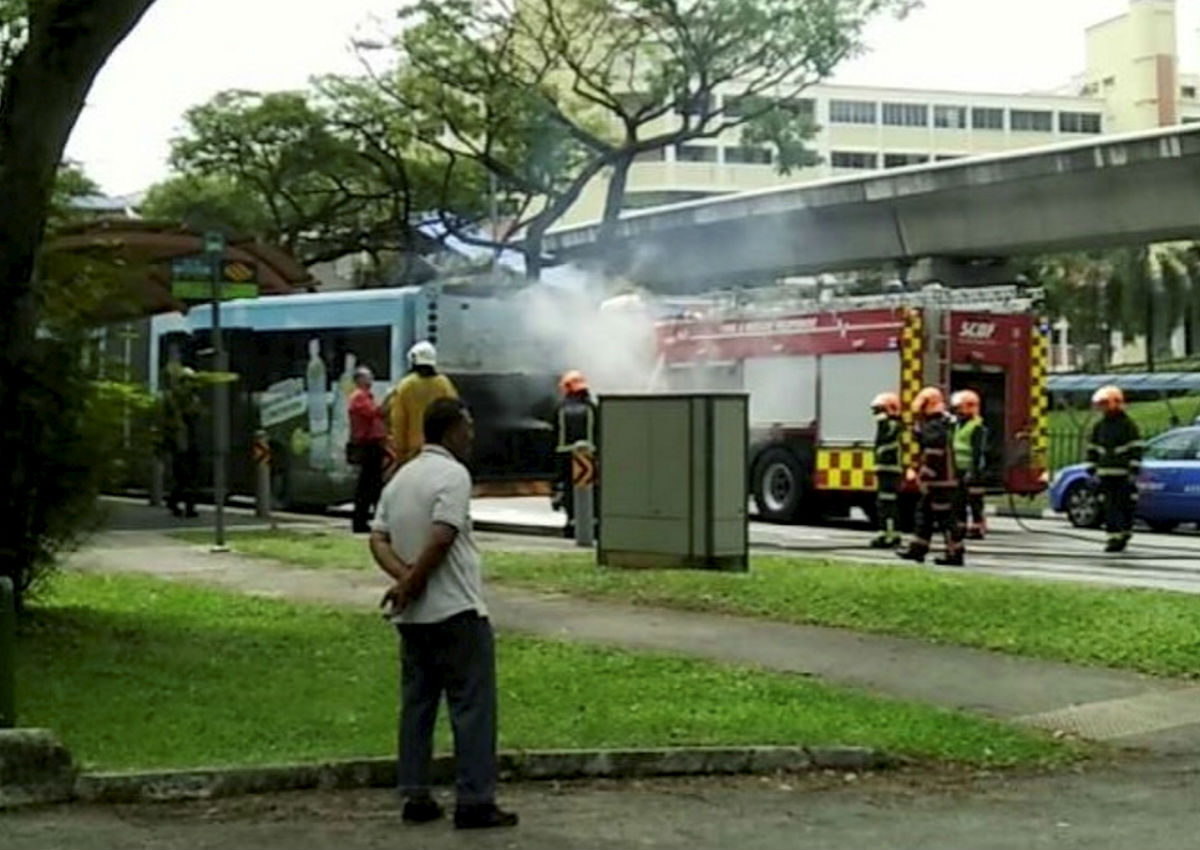
Bus catches fire along Choa Chu Kang Road, no reported injuries
SINGAPORE – A bus caught fire along Choa Chu Kang Road on Wednesday (Oct 19) afternoon.
Straits Times reader Darren Ng, who sent in a video of the incident, said it took place at a bus stop in front of the Choa Chu Kang depot.
He said an explosion was heard, followed by flames and thick smoke.
Firefighters arrived shortly to put out the blaze.
The cause of the fire is under investigation.
The Straits Times has contacted the Singapore Civil Defence Force for more details.
Image:
Publication Date:
Thursday, October 20, 2016 – 09:00
Keywords:
Send to mobile app:
Source:
Story Type:
Others
Investigations into executive director's suspension still ongoing: Singapore Environment Council
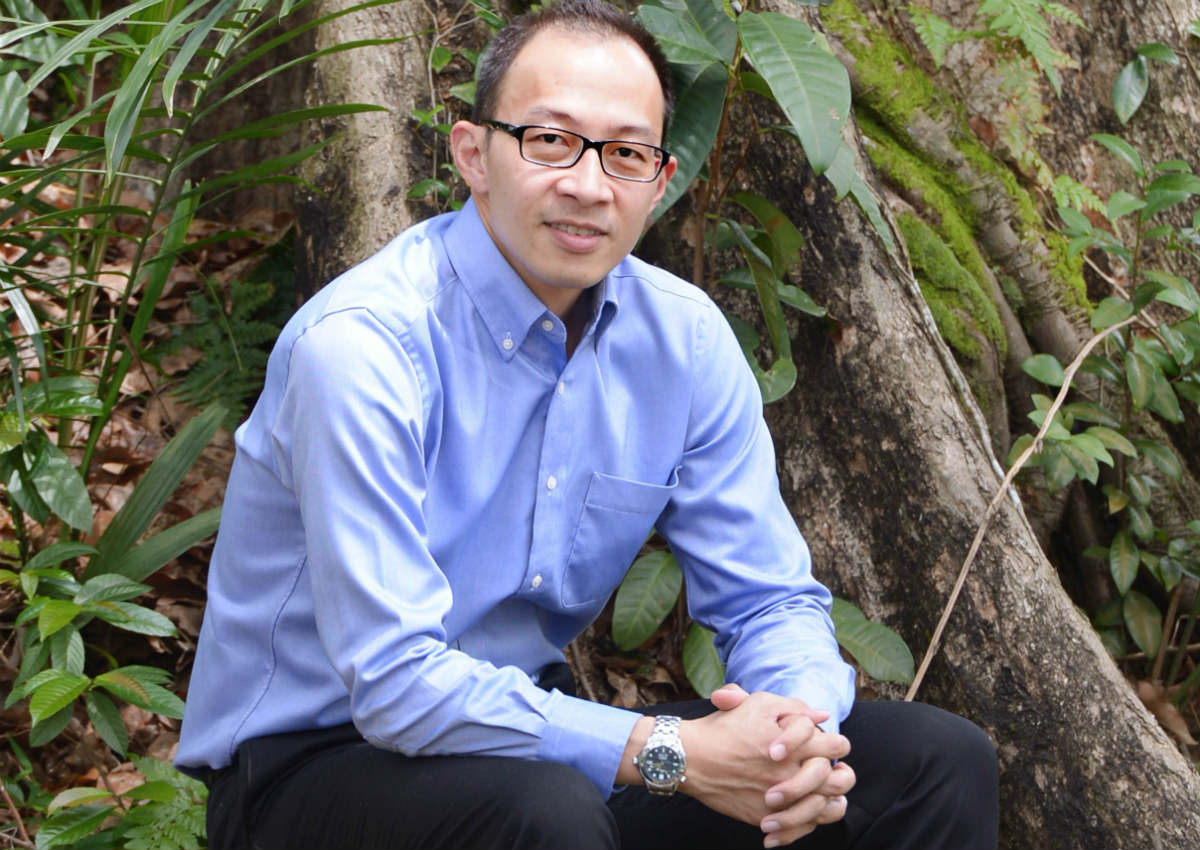
SINGAPORE – The executive director of the Singapore Environment Council (SEC), Mr Edwin Seah, was suspended from duty last Thursday (Oct 13), and a committee of inquiry by the SEC to look into the reasons for his suspension was supposed to be held today (Oct 19).
But it is unclear if such a meeting took place.
In response to queries from The Straits Times, an SEC spokesman would only say that investigations are ongoing.
The spokesman also did not say why Mr Seah was suspended.
Mr Seah, 46, could not be reached for comment.
This is the latest development since Mr Seah was told last Thursday morning (Oct 13) that he was suspended from duty.
He had said then that that no reasons were given for his suspension.
Mr Seah, who was previously at the Singapore Tourism Board and Energy Market Authority, was nominated along with SEC former eco-certification head Kavickumar Muruganathan for The Straits Times Singaporean of the Year award last year (2015).
They were recognised for raising awareness about the link between the haze and unsustainable paper products.
Mr Seah’s suspension is the latest in a string of personnel changes in the charity. In April, Mr Kavickumar, 27, left to join Asia Pulp and Paper (APP). Former chief executive Jose Raymond, 44, also joined APP in January but left in September and has since set up his own public relations firm.
This article was first published on October 19, 2016.
Get a copy of The Straits Times or go to straitstimes.com for more stories.
Image:
Publication Date:
Thursday, October 20, 2016 – 09:00
Keywords:
Send to mobile app:
Source:
Story Type:
Others
'DHL' parcel scam: 2 money mules of Malaysia-based syndicate jailed
The scam has seen 348 victims lose S$19 million as of end-August.
Source link
MFA reminds Singaporeans to behave overseas following string of recent arrests
SINGAPORE – Behave yourself when you are overseas: That is the Ministry of Foreign Affairs’ (MFA’s) reminder to Singaporeans following a string of arrests of citizens abroad.
MFA reminded Singaporeans to respect and abide by local laws and regulations when they go abroad, in a travel note put up on its website on Wednesday (Oct 19).
This is the first such reminder by the ministry.
The MFA was concerned as, in recent months, more Singaporeans have been arrested overseas for immigration and drug-related offences. It did not provide any figures.
In the note, MFA said that violation of foreign laws could lead to immediate arrests and detentions and, in some countries, the judicial process could take months. Singaporeans convicted of offences overseas could face heavy fines and/or long prison sentences, and in the case of drug-related offences, even capital punishment.
MFA added that it will render appropriate consular assistance to Singaporeans who are arrested and detained overseas. This includes notifying their next-of-kin and helping them get a lawyer.
“However, MFA cannot intervene in the legitimate law enforcement and judicial workings of another country,” it said, adding that Singaporeans should exercise due care and personal responsibility when travelling overseas.
The reminder follows a string of recent high profile arrests of Singaporeans overseas.
In August, a Singaporean woman and her two teenage children were detained at a Johor Baru checkpoint after she allegedly made a vulgar hand gesture at a Malaysian immigration officer. She also allegedly shouted vulgarities while pressing the car horn repeatedly.
In September, a Singaporean man was nabbed for drug trafficking in Bali, Indonesia, after he picked up two packages at a post office that contained crystal meth and cocaine. He claimed he did not know what was in the packages and was collecting them on behalf of a friend.
There has also been an increase in the number of Singaporeans being charged for seemingly trivial offences while overseas, The Straits Times understands.
This includes a case of a man who grabbed the hand of an immigration officer, an offence under Malaysian laws. The man was later charged with obstructing the officer from performing his duty. Others were detained for using their mobile phones and wearing headphones at immigration checkpoints, and refusing to co-operate with officers.
This article was first published on October 19, 2016.
Get a copy of The Straits Times or go to straitstimes.com for more stories.
Image:
Publication Date:
Thursday, October 20, 2016 – 09:00
Keywords:
Send to mobile app:
Source:
Story Type:
Others


