Home Blog Page 2557

Tiffany from Girls' Generation returns to Instagram after controversial Japanese flag post

0

Tiffany from Girls’ Generation has returned to Instagram, seven weeks after the controversial Japanese flag post.

On Wednesday the 27-year-old Korean-American posted three photos of herself which were largely welcomed by her fans.

In the first photo, Tiffany is showing her back with a blue ribbon around her head.

The second and third photo featured the singer endorsing a jewelry brand and a watch brand.

Tiffany came under fierce criticism after she posted a picture with a Japanese war flag emoticon to her Instagram account on Aug. 15, Korea’s National Liberation Day.

The incident resulted in her leaving the variety show “Unnies’ Slam Dunk” and she was also excluded from S.M. Entertainment’s pep rally.

Her Instagram has been on pause since she posted a second handwritten apology on Aug. 27.

Image: 
Category: 
Publication Date: 
Thursday, October 20, 2016 – 15:14
Keywords: 
Send to mobile app: 
Source: 


Story Type: 
Others

Source link

Celebrity divorce case exploited for free publicity

0

As scheduled the hearing of the divorce case between actor Wang Baoqiang (above) and his wife the actress Ma Rong, started at the People’s Court of Chaoyang District, Beijing, on Tuesday, attracting a lot of attention. Xinhua News Agency commented on Wednesday:

Most people will try to keep their marriage troubles low key.

As the saying goes it is better not to disclose family scandals to outsiders.

But some movie stars publicize their marital problems in social media postings, at press conferences and even at media events for the launch of their latest films.

They put their family ugliness into the huge vat of public opinion where it continues to ferment.

Such behaviour is an abuse of traditional Chinese morality.

As some netizens said, the divorce case has proved to be good publicity for the film the actor directed.

It is a farce carefully planned for the interests of the film company rather than a normal divorce case.

When the divorce proceedings are amplified by media reports, there follows an explosion of opinions on social media platforms.

No wonder some netizens have suggested gaining publicity in this way is a new profit model for film and television companies.

The majority of portal users are actually being used in such celebrity dramas, becoming invisible means of advertising.

Image: 
Category: 
Publication Date: 
Thursday, October 20, 2016 – 14:54
Send to mobile app: 
Source: 


Story Type: 
Others

Source link

Guinness recognises Chinese stamp collection

0

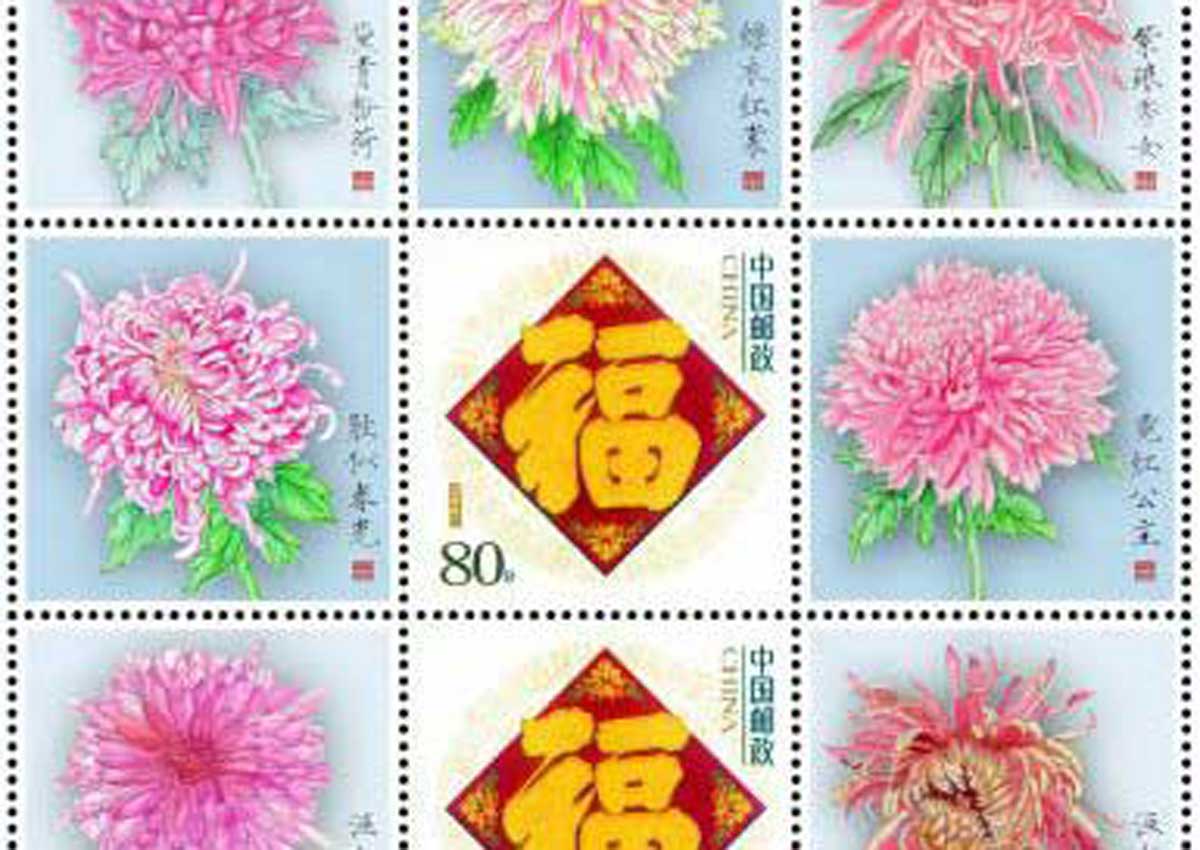
A collection of 1,606 stamps featuring the Chinese chrysanthemum has been officially recognised by the Guinness Book of World Records for containing the most stamps in a single series.

A representative of Guinness World Records made the announcement on Tuesday at the annual Kaifeng Chrysanthemum Festival in Central China’s Henan province, where cultivation of chrysanthemums has a more than 1,000-year history.

First released by China Post Group in 2012, the collection features 1,606 types of chrysanthemum flowers grown in the city.

The flowers were depicted in a traditional Chinese painting style.

It took the group four more years to release all eight sets in the collection.

Copies of the collection will be sold for 1,606 yuan (S$330).

It was not the first time a world record has been set at the festival.

In 2015, a “full-standing multiflorous chrysanthemum” grafted in Kaifeng earned its place in the Guinness Book of World Records for containing the greatest number of chrysanthemum species.

Image: 
Category: 
Publication Date: 
Thursday, October 20, 2016 – 14:42
Keywords: 
Send to mobile app: 
Source: 


Story Type: 
Others

Source link

S. Korea's university president quits amid scandals

0

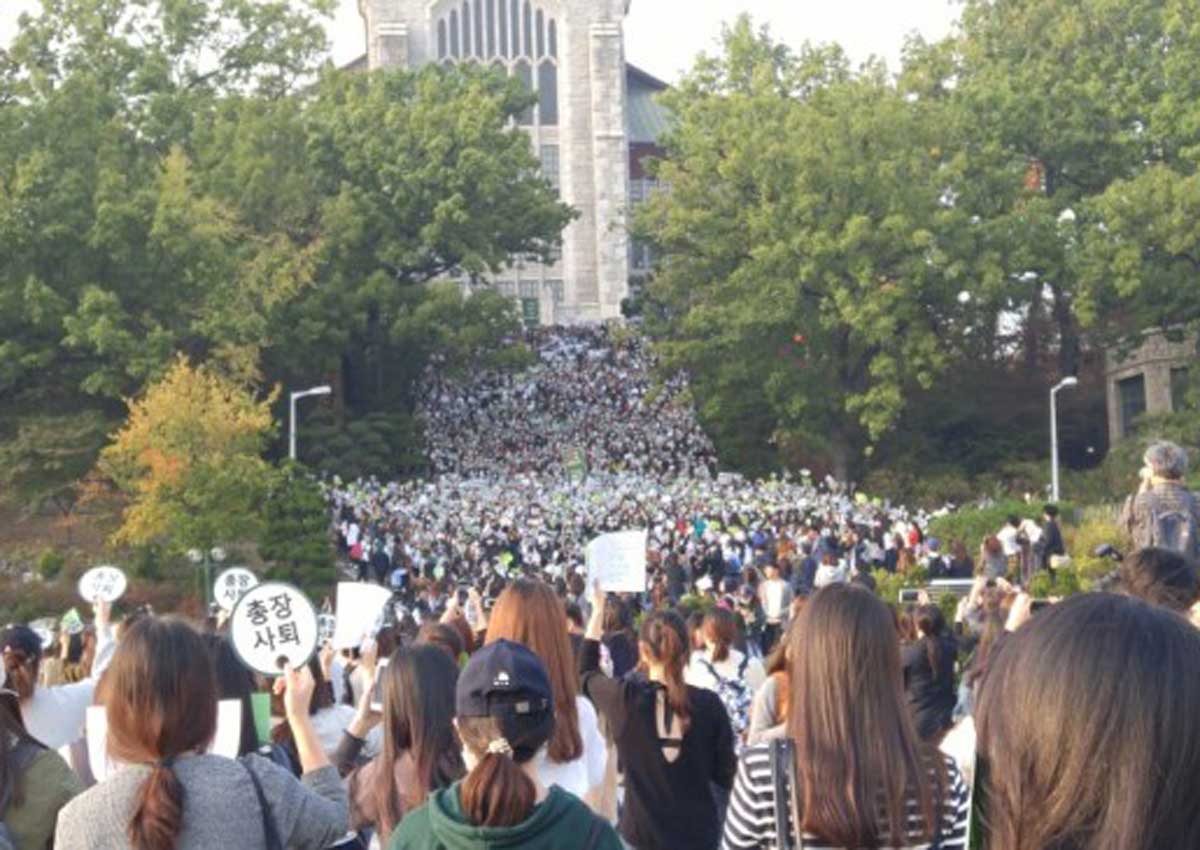
The president of Ewha Womans University stepped down Tuesday amid snowballing allegations the school offered preferential treatment to the daughter of President Park Geun-hye’s close friend.

“I decided to resign from the post in hope that members of the university continue to uphold the beautiful Ewha spirit of trust and harmony without being divided anymore,” she said in a statement.

The pressure on Choi to step down intensified after allegations surfaced that Jeong Yoo-ra, daughter of Park’s long-term friend Choi Soon-sil, received special favors in the admission process and for her academic records at the nation’s longest-running women’s university.

“I can say for sure that there was no special treatment for the student in accepting her into the school and giving her grades, and it is not possible for such a case to take place (at this school),” she said.

“The school will prevent such allegations from surfacing again by more systemically and strictly managing academic records of athlete students.”

Jeong, whose father is President Park’s ex-aide Jeong Yun-hoe, has been accused of entering the prestigious university on the back of her mother’s influence and receiving good grades despite long absences from the school and submission of assignments past deadlines.

Jeong’s mother Choi is suspected to be a political bigwig peddling influence in state affairs behind the scene.

Choi is the daughter of Choi Tae-min, the late pastor who is said to have served as a mentor for President Park.

The scandal erupted at a time when the school and its president were reeling from a bitter confrontation with students who opposed the president’s now-aborted plan to set up a state-funded college of continuing education for working women.

They have staged the sit-in since July 28, demanding Choi’s resignation, continuing it even after she decided to withdraw the plan on Aug. 3.

The students ended the protest after the announcement of her departure.

The resignation came an hour before the university professors were set to hold a rally in front of the main hall of the university to call for Choi’s ouster in the afternoon.

“If allegations that Jeong received special treatment in the admission process and the school changed the policy to protect her from the crisis are proven true, it would pose a threat to the foundation of the university,” said the professors.

“We are really sorry that we did not stand up for the students earlier. We promise to fight on behalf of our students from now on. Students sacrificed too much in this lonely fight.”

Image: 
Category: 
Publication Date: 
Thursday, October 20, 2016 – 14:17
Keywords: 
Send to mobile app: 
Source: 


Story Type: 
Others

Source link

China's TV series on corrupt officials get all agog

0

BEIJING – A week before a key meeting of the Communist Party of China (CPC), China has mounted a massive propaganda blitz against graft with the airing of a new series that dishes the dirt on disgraced officials.

The new eight-part series, titled Always On The Road, takes viewers behind the scenes of some of China’s most high-profile corruption cases. The first episode was aired on Monday and it proved to be a hit among Chinese viewers.

“People everywhere are talking about Always On The Road,” the Central Commission for Discipline Inspection, the party’s much- feared discipline watchdog, said in a statement. It produced the series with state broadcaster CCTV.

The prime-time series will run through Oct 25, coinciding with the ruling party’s sixth plenum which starts next Monday .

Two documents on strengthening party discipline will be discussed and approved at the meeting, reported Bloomberg.

“The series makes publicity preparations for the sixth plenum,” said Professor Zhu Lijia, a public affairs professor at the Chinese Academy of Governance in Beijing.

“It aims to show that corruption is a deep-seated socio-economic and political problem and calls for an enduring battle,” he told Bloomberg.

Law professor Yang Weidong at the Chinese Academy of Governance, a school for training senior officials, said the TV series holds lessons for party cadres.

“After watching the corrupt officials’ stories, officials and CPC members will exchange their views on the lessons they will have to learn, and… regulate their own behaviour according to the new rules,” China Daily quoted him as saying.

Chinese President Xi Jinping has waged a sweeping war on deep-seated corruption since assuming power almost four years ago, vowing to go after powerful “tigers” as well as lowly “flies”.

Last year alone, 336,000 party officials were reprimanded or punished for graft, reported news website Sixth Tone.

Mr Xi’s anti-graft campaign remains popular among average Chinese, with 83 per cent of those surveyed earlier this year by the Pew Research Centre describing corruption as a problem – a larger share than any other issue.

At the same time, 64 per cent said they believed the situation, which Mr Xi has cast as a life-and-death battle for the party, would improve over the next five years.

The first episode of the TV series was interspliced with excerpts from President Xi’s speeches and opened with the courtroom confession of former security chief Zhou Yongkang, who was sentenced to life in prison last June.

Three of the so-called “tigers” get camera time in the first episode – Bai Enpei, the former party boss of south-western Yunnan province; Zhou Benshun, an ex-party chief of northern Hebei province; and Li Chuncheng, a former deputy party boss of south-western Sichuan.

Footage on Monday showed furniture and tea collected by Bai and jade jewellery gifts given to his wife, with one bracelet reportedly worth 15 million yuan (S$3.1 million).

Zhou was accused of spending more than one million yuan to employ two chefs and two domestic helpers – one tasked solely with taking care of his pets. His salary should be a little more than 100,000 yuan annually.

The programme cited his temple visits and multiple shrines as evidence of “superstitious activities” frowned upon by the officially atheistic Communist Party. When his pet turtle died, he transcribed a Buddhist text to bury with it.

The first episode was widely discussed on Chinese social media, with some saying they found Li’s tears theatrical and unconvincing, according to Reuters. Li was given a 13-year jail term last year.

Bai was given a death sentence with a two-year reprieve on Oct 9 for accepting bribes of almost a quarter of a billion yuan. That same day, Zhou was formally charged with bribery.


This article was first published on October 20, 2016.
Get a copy of The Straits Times or go to straitstimes.com for more stories.

Category: 
Publication Date: 
Thursday, October 20, 2016 – 16:00
Keywords: 
Send to mobile app: 
Source: 


Story Type: 
Others

Source link

Singapore Airshow 2016 generates nearly S$329m in spending

0

The survey also found that 77 per cent of exhibitors and 57 per cent of trade visitors expect to finalise a sale, make a purchase or form a strategic partnership as a direct result of their participation at this year’s air show.

Source link

Oldest temple in S'pore draws crowds every day

0

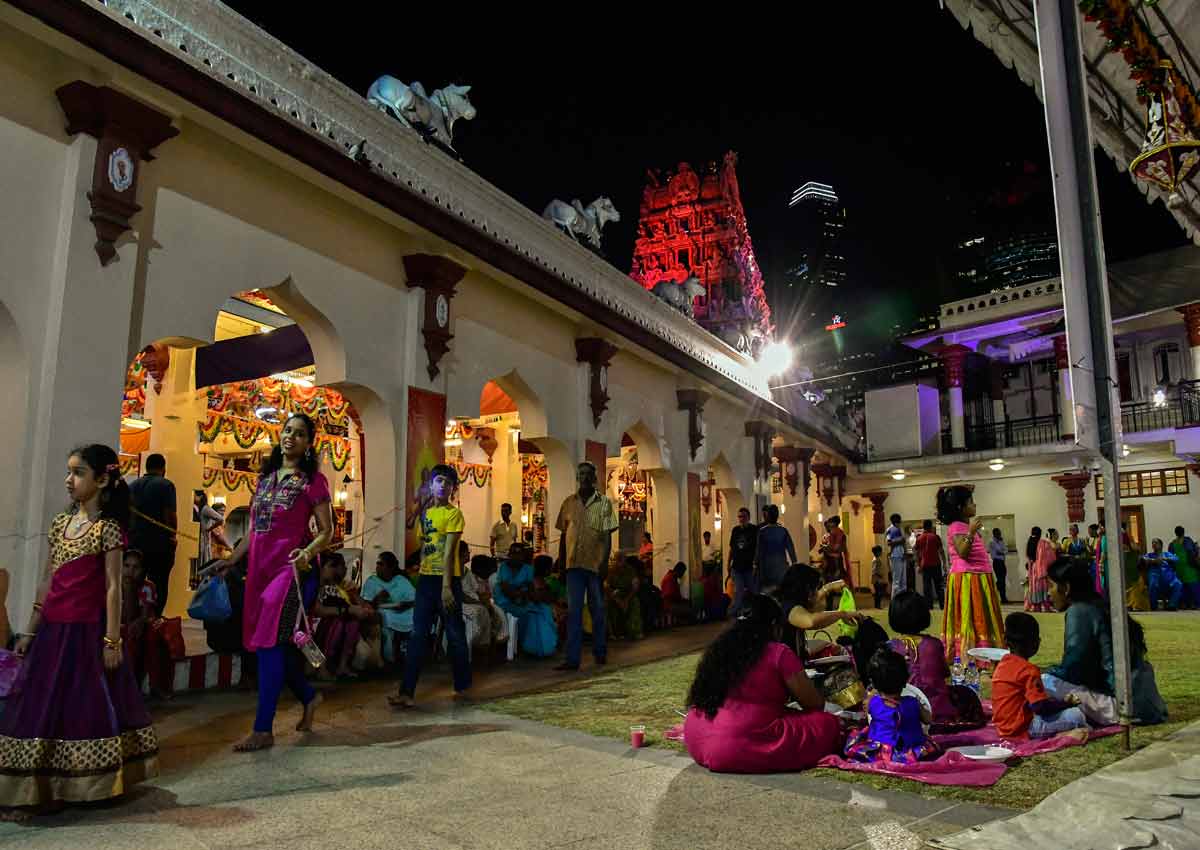
A man is playing the mridangam drum on a makeshift stage in a courtyard at the Sri Mariamman Temple in Chinatown.

Across the courtyard, worshippers clasp their palms together in a show of devotion to the temple’s deities, while volunteers nearby pluck neem leaves to prepare for prayers.

The festivities are part of the Navarathri festival, a nine-day celebration from Oct 1 to 10 that is part of the lead-up to the annual fire-walking festival to be held this Sunday.

Singapore’s oldest Hindu temple has been a venue for the festival for more than 170 years.

“More than 4,000 male participants will walk on fire. It’s one of the larger-scale festivals in the region,” said chairman of the temple management committee S. Nallathamby, 57.

“During the ceremony, the grass patch is dug up and we replace it with charcoal,” he added, pointing to the plot of land, about 6m by 3m, next to the stage.

Devotees walk across hot coals in exchange for a wish or blessing granted by the goddess Draupadi.

The event has become so popular that the temple now streams a live telecast of the festival online for viewers to watch from home.

Visitorship to the temple throughout the year has also grown, said Mr Nallathamby.

Set up in 1827, the temple is the oldest in Singapore and was gazetted as a national monument in 1973.

Today, it hosts around 300 tourists on any given day, up from about 100 from five years ago, Mr Nallathamby said.

It is also on more travel itineraries.

“Whoever goes to Chinatown, will visit the temple,” he said, adding that more tourists are bused to the temple as well.

He said: “In the old days, there were not so many visitors… there was not so much awareness. Today, it is so widely publicised, also because of social media… It has a lot of history behind it and that probably brings the crowd.”

First built as a humble wood and attap structure in 1827, the Sri Mariamman Temple was founded by Penang government clerk Naraina Pillai, who accompanied Sir Stamford Raffles, the founder of modern Singapore, on his second visit to the island in 1819.

Many of the temple’s early devotees were Hindus who came from South India to Singapore to work as coolies, craftsmen or merchants.

The temple was a place of lodging for new immigrants till the 1900s, and also the registry of marriages, births and deaths for Hindus.

Mr Nallathamby remembers his visits during the 1960s. “As a child, I used to go with my parents to the temple, we were living close by in Tanjong Pagar,” he said.

“In the early days, the place didn’t have paved stones. It used to be full of sand. As kids, we used to play around with the sand.”

Entire families would go to the temple on Fridays. Children would play while the parents prayed. “It was a space of social gatherings.”

For retiree Ratha Krishan, 69, who started visiting the temple regularly after meeting his wife when he was 18, it is a special place.

“I was a little rascal before that,” he laughed. “After I met my wife, I started going to the temple to pray and I feel changed.”

The temple houses statues of deities such as Sri Ramar and Sri Murugan, each in a colourful shrine. It also has a wedding hall.

The temple has a tower crowning its entrance in South Bridge Road. The five-tiered structure is carved with images of Hindu deities, abstract floral decorations and Indian sepoys from the times of the British Raj.

Inside, the main deity Sri Mariamman faces the entrance to the east, where the sun rises.

“In the old days, before people had electricity, the rising sun would light up the whole temple,” said Mr Nallathamby.

Over the years, the temple has gone through several restoration exercises, with the latest in 2009.

Long-time temple goers still maintain a deep connection with the place, no matter how it looks on the surface.

“The bond I have with this temple goes a long way,” said Mr Nallathamby.


This article was first published on Oct 20, 2016.
Get a copy of The Straits Times or go to straitstimes.com for more stories.

Image: 
Category: 
Publication Date: 
Thursday, October 20, 2016 – 16:00
Send to mobile app: 
Source: 


Story Type: 
Others

Source link

UniSIM a popular pick among working adults

0

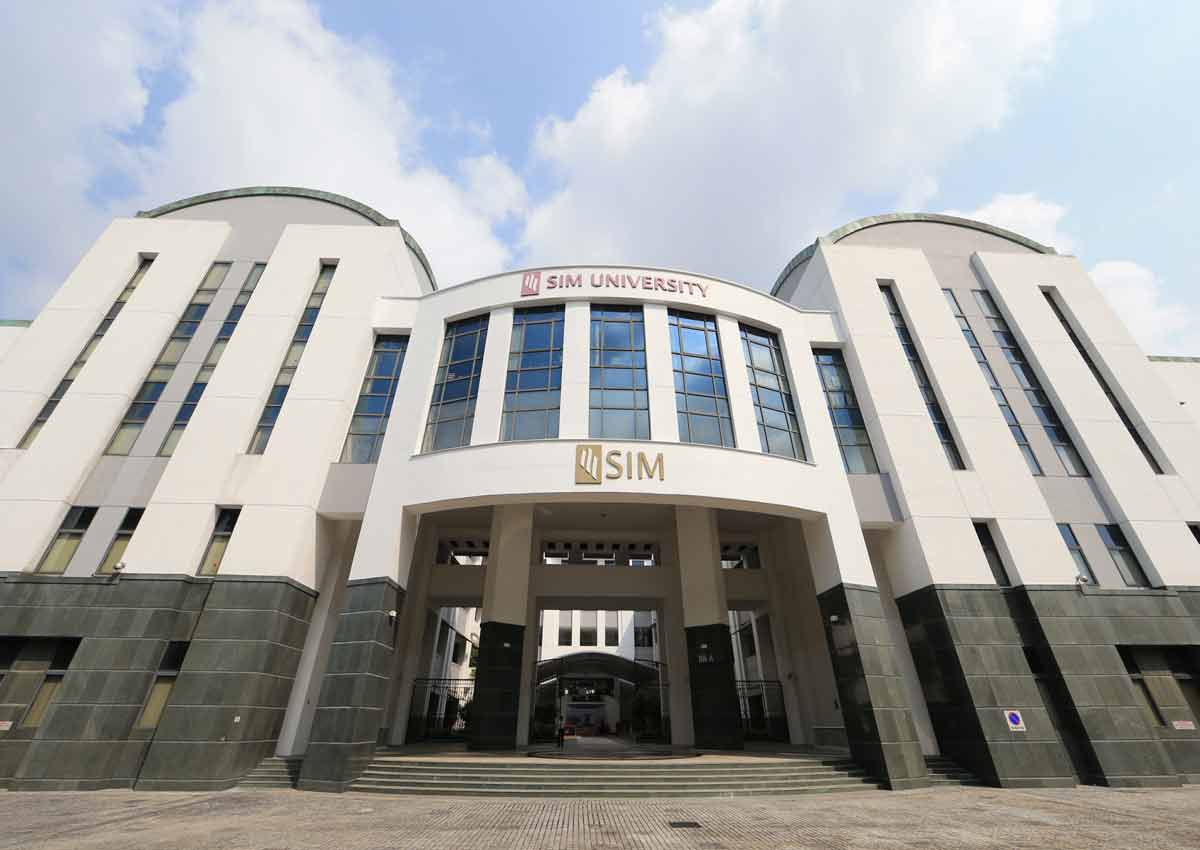
Even as it expands its full-time degree offerings and places, SIM University has maintained its appeal among its key target group – working adults eager to pursue part-time degree studies.

The university, which looks set to become Singapore’s sixth autonomous university, launched full-time degree programmes two years ago and now has 900 school leavers enrolled in six degree courses.

But based on enrolment figures released recently, its mainstay continues to be its 13,000 students enrolled in 60 part-time courses from counselling to accounting.

UniSIM said it continues to receive more than 5,000 applications a year from working adults and mature students who want to pursue a degree.

Communications, logistics and supply chain management, early childhood education, social work, and building and project management are among the courses that continue to draw students.

Nearly 400 people applied for the 60 places in UniSIM’s law school, which starts its two new programmes in January.

The school, Singapore’s third law school, hopes to plug a gap by training criminal and family lawyers.

UniSIM president Cheong Hee Kiat expects demand for its part-time degree courses to remain healthy over the next few years because of the SkillsFuture initiative, which encourages workers to update their skills to thrive in the workplace.

“Working adults want to further themselves in their career. Some want to make a switch. UniSIM offers them a flexible path to work and study for a degree at the same time,” he said, noting that a UniSIM part-time student is 28 years old on average. Most have three to five years of work experience, and attain their degrees in four years.

He said one of the main draws is the Ministry of Education’s (MOE) subsidy that covers 55 per cent of the tuition fees for Singaporeans. “It’s recognition by MOE that UniSIM offers quality degrees.”

Students say another draw is that the courses are job relevant and recognised by the industry.

Many of its 60 courses are accredited by professional bodies. Its popular accountancy degree, for instance, is recognised by the Accounting and Corporate Regulatory Authority.

Its Human Factors in Safety course is recognised by the Ministry of Manpower and meets a rising need for workplace safety and health professionals.

By 2018, 19,000 will be needed, up from the fewer than 5,000 now.

Professor Cheong also noted the good outcomes for UniSIM graduates.

In a survey last year, seven in 10 working adults reported a salary increase within a few years of graduating from UniSIM. The average increase in annual salary was 21 per cent.

UniSIM students welcomed the MOE’s move to convert the university into an autonomous institution, saying this will boost its stature and the recognition of its degrees.

Said Ms Felicia Teo, 28, a business development executive who is studying for a marketing degree: “UniSIM is well thought of by employers. In fact, it was my employer who encouraged me to take up this course. But if it is on a par with the other five universities, then there would be even more recognition for my degree.”

If the Government’s proposal is accepted, then the privately run university will come under the ambit of the MOE and be fully funded by it.

Acting Minister for Education (Higher Education and Skills) Ong Ye Kung, who announced the proposal at UniSIM’s convocation last week, pointed out that UniSIM has supported generations of working adults and mature learners.

Prof Cheong said UniSIM will keep its focus on applied learning and customising courses for working adults.

“UniSIM aims to become the standard bearer for continuing education and training,” he said.


This article was first published on Oct 20, 2016.
Get a copy of The Straits Times or go to straitstimes.com for more stories.

Image: 
Category: 
Publication Date: 
Thursday, October 20, 2016 – 16:00
Send to mobile app: 
Source: 


Story Type: 
Others

Source link

National table tennis player under probe, CPIB investigates alleged bribery

0

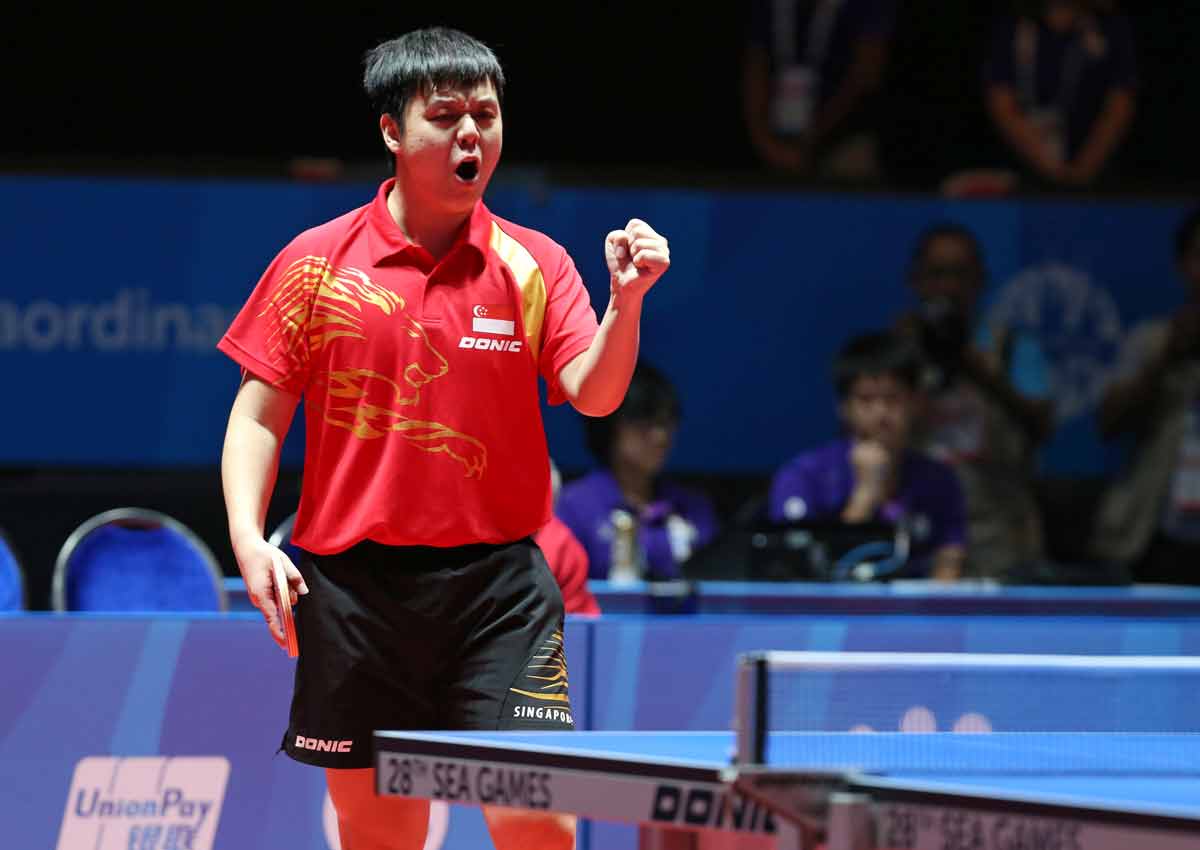
Officers from the Corrupt Practices Investigation Bureau (CPIB) paid a visit to the Singapore Table Tennis Association’s (STTA) Toa Payoh headquarters yesterday, with sources revealing that a national men’s player and his relative were being investigated for alleged attempted bribery of an official from the national sports association.

The New Paper understands that national men’s player Li Hu was the paddler in question, but it remained unclear what prompted the alleged bribery attempt that was brought to the attention of authorities by the STTA.

In addition to the paddler and his relative, the CPIB also took statements from STTA officials.

When contacted, the STTA declined to comment on the matter as investigations are ongoing.

In response to queries from The New Paper, the CPIB declined to ascertain facts of the case.

“Due to the nature of our work, we will not confirm or deny whether any individual or identity is being investigated for corrupt practices,” said its statement.

Li is currently ranked 58th in the world and struck gold at the 2015 South-east Asia Games held in Singapore.

He was part of the men’s winning team and partnered Gao Ning to win gold in the men’s doubles gold. He also clinched a bronze in the mixed doubles.

He is the Republic’s second highest ranked men’s paddler, with Gao Ning sitting 17 spots above him in 41st spot.

While Gao made it to August’s Rio Olympics, Li did not.

He was beaten to the qualifying spot by teammate Chen Feng (world No. 149) in the final of the South-east Asia segment of the table tennis Asia Olympic qualifiers in Hong Kong in June.

The men’s team did not qualify for the Olympics.

This year, Li’s best showing was a second-placed finish in the men’s singles at the Australian Open.


This article was first published on October 20, 2016.
Get The New Paper for more stories.

Image: 
Publication Date: 
Thursday, October 20, 2016 – 14:00
Send to mobile app: 
Source: 


Story Type: 
Others

Source link

Govt's decision on online betting a 'judgment call'

0

The Government has met the National Council of Churches of Singapore (NCCS), in the wake of a statement by the religious body urging the authorities to review the decision to allow two operators to offer online betting services.

After the meeting, the council, which represents more than 250 churches here, said yesterday it now recognises that the Government’s decision is a “judgment call”.

In a new statement to its members, NCCS said: “Given the data on the current remote gambling landscape, the Government deems this to be the best approach to mitigate driving remote gambling activities underground and exacerbating law and order concerns.

“The Government acknowledges the council’s deep concern about the negative social consequences of legalising two remote gambling platforms, and will regularly monitor the overall impact.”

The council had put out an initial statement two weeks ago, saying it “finds it difficult” to accept the Ministry of Home Affairs’ (MHA) rationale that a complete ban would only drive remote gambling underground, making it harder to detect.

This “cannot be the best option for Singapore”, the NCCS said then.

Since then, its representatives have had a “candid and important face-to-face discussion” with MHA and the Ministry of Social and Family Development, said the council.

It said the Government “is willing to proactively strengthen the family and social environment to prevent and mitigate the harmful consequences of online gambling”.

The Government has proposed to meet council leaders in the next three to six months “to take this further”.

Last month, MHA gave the green light to allow Singapore Pools and Singapore Turf Club to conduct online betting.

These will be rolled out on Oct 25 and Nov 15 respectively.

The authorities’ approval followed applications by the local operators to be exempted from the Remote Gambling Act passed by Parliament two years ago, banning phone and online gambling.

NCCS was the first religious body to weigh in, saying the Government is sending “confusing and conflicting signals”.

Yesterday, the council said that at the meeting, the Government explained this was not the case.

This is because when the Act was passed in 2014, the authorities had already said some exemptions would be given as they did not think a complete ban would work.

The Act, including the provision of exempt operators, was also discussed with social service leaders and religious representatives before it was passed.

During the meeting, the Government maintained that allowing exempt operators to provide online gambling services under stringent controls is the best approach to contain any adverse social consequences – a conclusion based on its assessment of possible scenarios.

But the council added that it still has its reservations about this conclusion, arguing that the family and social fabric of Singapore is “currently not strong enough” to provide the safeguards against problem gambling.

It said it will be rolling out a slew of measures to address the harmful consequences of online gambling.

The first is to set up a task force to explore ways to strengthen the family and Singapore’s social fabric; to care for problem gamblers within and outside of their congregations; and to work with the Roman Catholic Church, other faith communities and the Government on this area.

The second is to publish a tract on gambling “that can be placed in the hands of every church member and can be used as the basis for teaching and discussion on the subject”.

Lastly, the council aims to monitor the situation of online gambling closely and to provide feedback to the authorities with the aid of its member churches.

Other religious bodies have chimed in on the issue as well.

The Catholic Church on Oct 12 urged the Government to monitor the situation closely, and requested regular consultations and updates on the consequences of its decision.

Muslim leaders have also reminded the community about the ills of gambling – including online gambling, which they said is “firmly” prohibited in Islam.

In its letter, NCCS said it will always endeavour to “play its part as a responsible intermediate organisation to seek the welfare of our city-state and to work together with the Government and other religious and grassroots organisations to promote the common good”.


This article was first published on Oct 20, 2016.
Get a copy of The Straits Times or go to straitstimes.com for more stories.

Image: 
Category: 
Blurb: 
<p>The Government has met the National Council of Churches of Singapore (NCCS), in the wake of a statement by the religious body urging the authorities to review the decision to allow two operators to offer online betting services.</p>
Publication Date: 
Thursday, October 20, 2016 – 15:00
Send to mobile app: 
Source: 


Story Type: 
Others

Source link