Home Blog Page 2526

Market and food centre bustling again after blaze

0

It was all over the news.

A blaze tore through a market and food centre, destroying it beyond salvation.

Stallholders lost their livelihoods and the required demolition of the block clouded their outlook with further uncertainty.

A temporary market emerged as an option to tide them over.

But this was not the recent blaze in Jurong West Street 41.

In fact, this was what happened nine years ago to 232 stalls at the Block 628 market and food centre in Ang Mo Kio Avenue 4.

Many stallholders had been operating at the centre since it opened in 1980. Four months after the fire, a temporary market and food centre was set up behind Yio Chu Kang Community Club.

After two years, the market was rebuilt at a cost of $9.35 million.

Fast forward nine years.

A blaze engulfs a wet market and two coffeeshops at blocks 493 and 494 in Jurong West Street 41 on Oct 11, leaving 51 stallholders without their business.

Block 493 is currently undergoing demolition works, and will take over a year to be rebuilt. A temporary market will be set up at the basketball court in front of Block 498, before Chinese New Year.

When interviewed, stallholders at the Ang Mo Kio Block 628 market and food centre who stuck it out through the ordeal believe there is reason to be optimistic.

They said business returned upon their return to the original location in 2010, and their fear of regular customers going elsewhere was unfounded.

Said vegetable seller Ngan Fook Thim, 59: “Back then, I was hesitant about moving to the temporary market, but I figured I didn’t have a choice. If I didn’t do business, then what would I do for two years?”

But regular customers continued supporting his business, even when it was at the temporary market.

The block’s new design turned out to be more spacious.

A fishmonger, who wanted to be known only as Mr Lim, 67, said the building is now higher and wider, with fewer narrow spots, making it easier for people to get around.

Chicken rice seller Peter Chong, 48, said: “It is cooler and more spacious, so customers are more likely to sit and eat here.”

Things might have looked bleak for the stallholders at first, but, as Mr Sia Eng Kuang, 60, a meat and poultry seller, put it: “We had no choice but to pick ourselves up and restart from scratch.”

fabkoh@sph.com.sg


This article was first published on October 24, 2016.
Get a copy of The Straits Times or go to straitstimes.com for more stories.
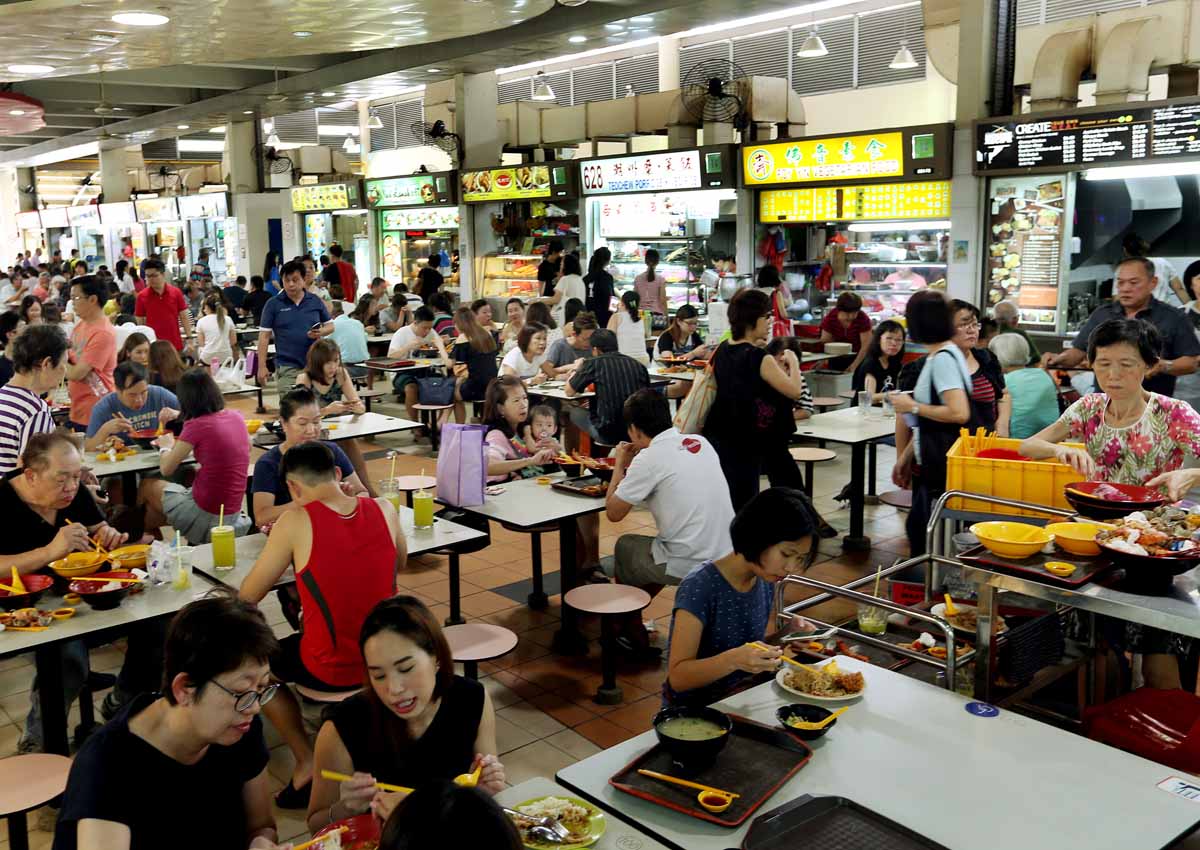
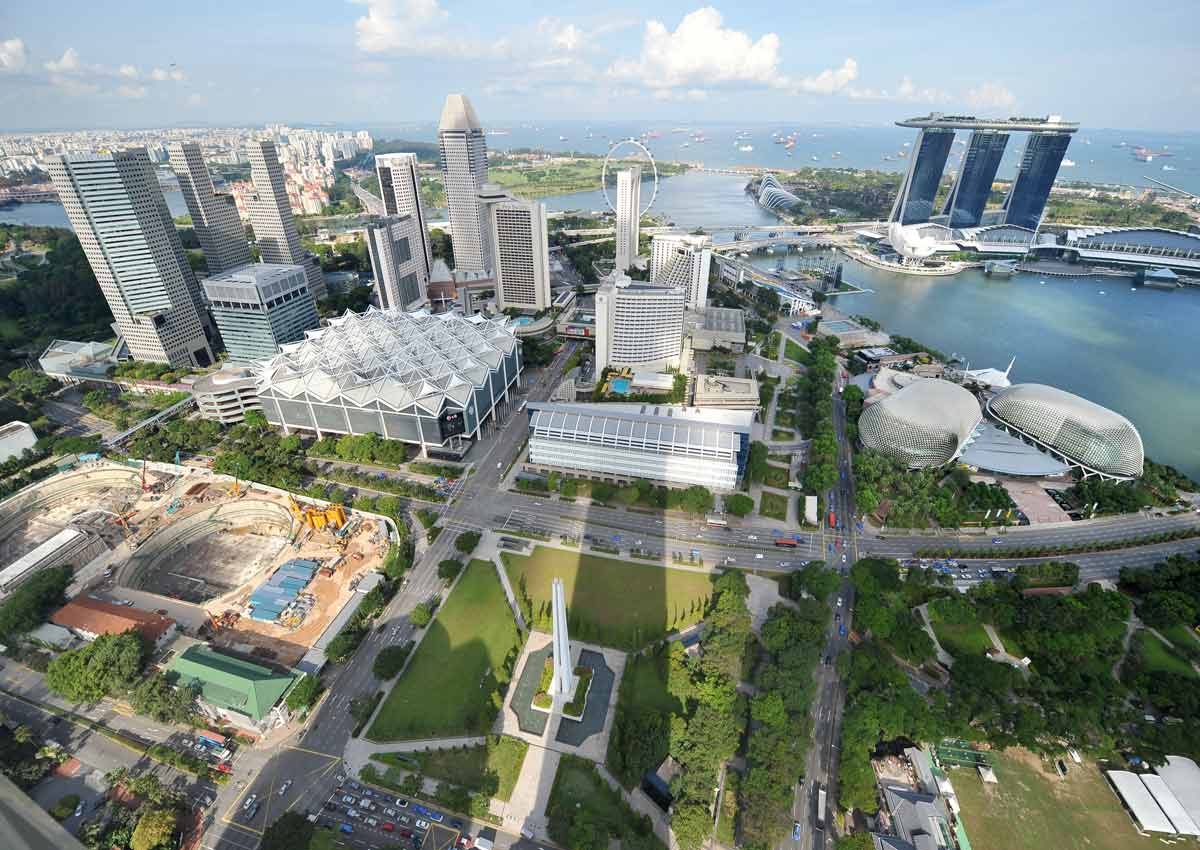
Image: 
Category: 
Publication Date: 
Monday, October 24, 2016 – 14:00
Keywords: 
Send to mobile app: 
Source: 


Story Type: 
Others

Source link

S'pore ranks No. 9 in world for rule of law

0

For the second year in a row, Singapore was ranked ninth globally for the rule of law, the only Asian state in the top 10 out of 113 countries.

The Republic was No. 1 for order and security as well as regulatory enforcement in the 2016 Rule of Law Index compiled by the World Justice Project (WJP), an independent advocacy group based in the United States.

Order and security looks at factors including how effectively crime is controlled and whether there is political unrest, while regulatory enforcement measures the effectiveness of government regulations, among other things.

For absence of corruption, the Republic was ranked behind only Denmark.

The top three overall performers in the WJP index were Denmark, Norway and Finland, while the last three were Afghanistan, Cambodia and Venezuela.

The index measures how the rule of law is experienced by the public worldwide in everyday situations based on surveys of 1,000 respondents per country and interviews with local experts.

A country’s performance is measured using 44 indicators across eight primary factors, each of which is scored and ranked globally and against regional and income peers.

These factors include constraints on government powers, open government, fundamental rights and civil criminal justice.

“The rule of law is notoriously difficult to define and measure. A simple way of approaching it is in terms of some of the outcomes that the rule of law brings to societies – such as accountability, respect for fundamental rights, or access to justice – each of which reflects one aspect of the complex concept of the rule,” said the WJP, which released its latest report last week.

“Effective rule of law reduces corruption, combats poverty and disease, and protects people from injustices large and small,” it added.

Singapore’s Ministry of Law welcomed the index, noting that Singapore is the only Asian country that has made it to the top 10.

“We welcome the World Justice Project Rule of Law Index as a tool that measures a nation’s adherence to the rule of law based on the perceptions of experts and the general public, which we will study as part of our commitment to a robust rule of law framework in Singapore,” said the ministry.

Observers here welcome the findings and said the report could be a starting point to discuss what Singapore excels in and what requires more attention.

Singapore did less well in the categories of constraints on government powers, fundamental rights and open government – which measure, for instance, the right to information and civic participation.

National University of Singapore law don Cheah Wui Ling said: “Singapore’s high ranking in certain WJP categories is positive, but we need to approach indicators and ranking systems with caution.”

She said indicators and indexes are “simplifications of reality”.

“In other words, the WJP index may not fully tell us how Singaporeans experience the rule of law as lived in reality,” she said.

Even if Singapore ranks highly in an area of governance based on the index’s indicators, it does not mean that “no improvements are needed to enhance the rule of law”, she said.


This article was first published on October 24, 2016.
Get a copy of The Straits Times or go to straitstimes.com for more stories.
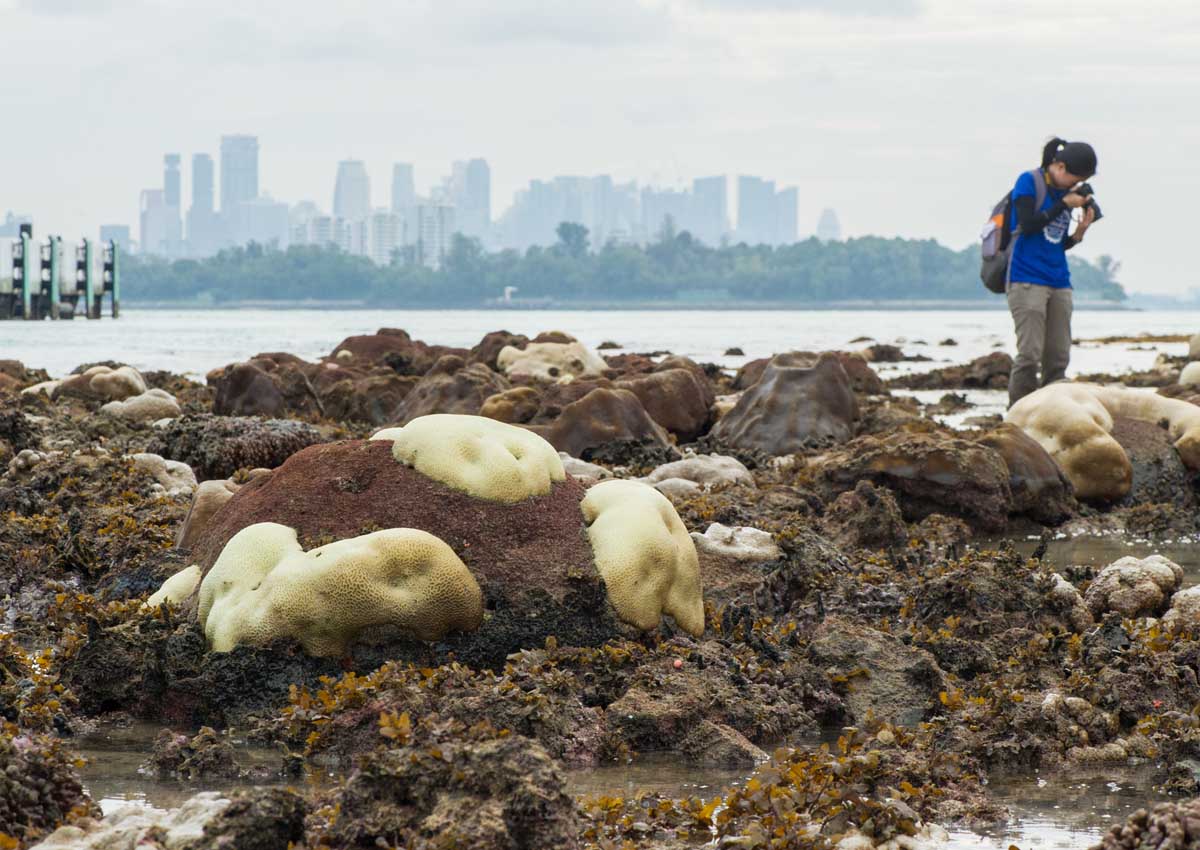
Image: 
Category: 
Publication Date: 
Monday, October 24, 2016 – 15:00
Keywords: 
Send to mobile app: 
Source: 


Story Type: 
Others

Source link

Warming seas cause longest coral bleaching in Singapore

0

Warming seas caused Singapore’s underwater gardens to lose their colour earlier this year, but the good news is that some corals are starting to recover from what is the longest bleaching incident to hit the Republic so far.

Preliminary assessments by scientists here have shown that this year’s event is more severe than two other major bleaching events in 1998 and 2010. This year, as with both the other years, is an El Nino year. This refers to the phenomenon linked to prolonged warmer weather.

Corals depend on symbiotic algae, called zooxanthellae, for food. Bleaching occurs when abnormally high sea temperatures cause corals to expel the zooxanthellae living in them, turning them white.

In 2010, the bleaching event started in June and ended in September, said Dr Karenne Tun, director of the coastal and marine division at the National Parks Board’s (NParks) National Biodiversity Centre.

And in 1998, it lasted from June to August, said coral expert Chou Loke Ming, an adjunct research professor at the National University of Singapore’s Tropical Marine Science Institute.

This year, however, water temperatures began exceeding the bleaching threshold of 31.14 deg C from end-April.

Water temperatures have since dropped to just below 30 deg C, which is still above the average temperature of 29.6 deg C expected at this time of the year.

“The sea surface temperatures dipped to just below the bleaching threshold from early June, but continued to remain above the maximum monthly mean till early October,” said Dr Tun.

She added that scientists observed this month that recovery from bleaching is still ongoing. “But we are hopeful that the remaining bleached corals will recover within the next one to two months if the sea surface temperatures continue on their downward trend,” she said.

A bleaching event is considered to have ended when sea surface temperatures go back to normal, said Prof Chou.

NParks has implemented measures to aid in the corals’ recovery. For instance, it has closed the dive trails at the Sisters’ Island Marine Park since June to minimise additional stress to the corals. The dive trails will remain closed until the end of this month.

Prof Chou said scientists are now following up on coral colonies affected to assess the survival rate. He added that while this year’s bleaching event was the worst in terms of duration, it was too soon to compare the impact.

Mortality was about 20 per cent in 1998 and 12 per cent in 2010. But in both cases, he said, recovery was seen.

Coral bleaching is not just restricted to Singapore.

The Great Barrier Reef in Australia is also affected. But contrary to a recent “obituary” for the world’s largest coral reef system published in Outside Magazine, it has not died.

The coral reef system is too large to simply die off, said Prof Chou. He added that while some parts of the system may die, it is also possible to end up with reefs with a different composition of coral species, depending on which can thrive under the changed conditions.

He added: “Singapore reefs have recovered from both bleaching events… and I take heart in reef resilience.”

audreyt@sph.com.sg


This article was first published on October 24, 2016.
Get a copy of The Straits Times or go to straitstimes.com for more stories.

Image: 
Category: 
Publication Date: 
Monday, October 24, 2016 – 14:00
Keywords: 
Send to mobile app: 
Source: 


Story Type: 
Others

Source link

Customised price plans for electricity in the pipeline

0

Consumers can look forward to shopping for electricity the way they choose a phone plan.

Electricity retailers are preparing a buffet of options for consumers, as the Energy Market Authority (EMA) plans to fully open up the electricity retail market to competition in the second half of 2018.

For the eco-conscious, there will be plans that guarantee a portion of energy consumed will be linked to renewable energy, such as solar power. And those who work in the day could sign up for options that allow them to take advantage of lower electricity tariffs at night.

Electricity is cheaper at night as there is lower demand for it.

Those who are home all day could in turn benefit from schemes that offer varying tariffs for different periods of the day, allowing them to choose to run home appliances when electricity prices are lower.

There will even be short-term trial packages to entice consumers who are resistant to change.

“In the initial stage, many consumers will be sceptical about switching for various reasons, like reliability, security and so on,” said electricity retailer iSwitch.

“iSwitch is planning to roll out price plans, such as short-term trial packages, to increase their confidence in switching,” it said.

These are just some of the customised price plans that small energy users, such as households and small businesses, could benefit from.

Currently, only 33,000 commercial and industrial consumers with an average monthly electricity consumption of at least 2MWh – which amounts to a monthly electricity bill of about $450 – are taking advantage of this flexibility. But the remaining 1.3 million consumers, mainly households, will get to benefit with the change, EMA said.

During this year’s Singapore International Energy Week, which starts today, participants are expected to discuss issues such as green energy and the implications of low energy prices.

There were just seven electricity retailers in 2013. This has increased to 20, EMA told The Straits Times.

Industry players say market liberalisation will benefit consumers.

“Not only will it lead to better value and services (for customers), but it also gives them the opportunity to achieve their other objectives, such as environmental protection in purchasing green energy,” said a spokesman for retailer PacificLight.

Customers may also enjoy lower tariffs.

Mr Vijay Sirse, chief executive of Red Dot Power, said: “It is expected that every household will potentially save anything from 10 per cent to 20 per cent of its monthly electricity bill.”

Associate Professor of Marketing (Education) Seshan Ramaswami, from the Singapore Management University, noted that while it is difficult to say whether prices will definitely go down, customers could benefit in other ways.

For instance, retailers could try to differentiate themselves by offering bundled or value-added services – such as installing smart home systems or giving discounts on energy-saving appliances.

Housewife Mastzainah Jalil, 45, likes the idea of being able to time the use of her appliances to when electricity tariffs are the lowest.

Assistant manager Daniel Govindan, 28, prefers a price plan which incorporates renewable energy and a smart system that sends alerts when energy-intensive appliances are in use when electricity tariffs are high.

He said: “Renewable energy is the way to go. I think clean air is a public good. So less fossil fuels, more clean air.”

audreyt@sph.com.sg


This article was first published on October 24, 2016.
Get a copy of The Straits Times or go to straitstimes.com for more stories.

Image: 
Category: 
Publication Date: 
Monday, October 24, 2016 – 14:00
Keywords: 
Send to mobile app: 
Source: 


Story Type: 
Others

Source link

NSEWL train services to resume regular operations from November

0

SMRT says the resumption comes seven weeks ahead of schedule, “in keeping with its commitment to keep commuter inconvenience to a minimum”. 

Source link

Singapore underlines energy hub status by joining key oil group

0

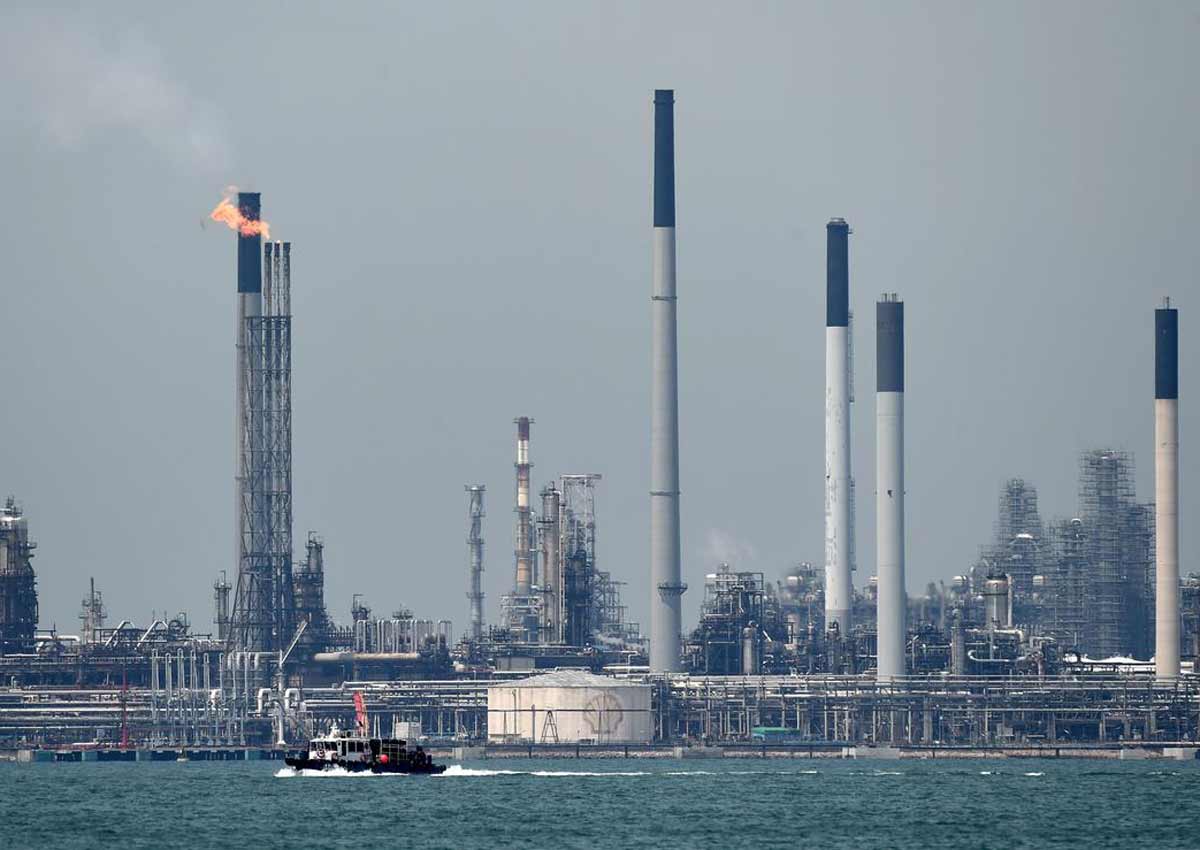
Singapore has joined the influential International Energy Agency (IEA) as an association country, upping the city-state’s focus on energy security.

A joint statement, released at the opening of Singapore’s International Energy Week (SIEW) conference, noted that the city-state had become an energy hub for Southeast Asia, which was expected to see energy demand rise by 80 per cent by 2040 amid strong population and economic growth.

“This initiative will help build a more inclusive global energy architecture and is especially important as Asia grows in importance in the global economy and energy landscape,” S. Iswaran, Singapore’s trade and industry minister, said in the statement.

The IEA is an autonomous group that was set up in 1974 to help countries co-ordinate their response to major disruptions in oil supply. It also provides data and forecasts, such as on oil demand, that can move global markets.

Fatih Birol, executive director of the IEA, told CNBC’s “Street Signs” on Monday that much of the tie-up’s focus would be on renewable energy.

“We are going to create different programs and activities with Singapore in order to make the decision makers in this region understand the benefits of using energy more efficiently and the opportunities that renewable energies are creating across the world,” he said, noting that the cost of renewables had dropped sharply, with solar down 80 per cent over the past five years.

Singapore was expected to work with the IEA on two new initiatives: hosting a regional training hub for energy programs and organising an Energy Efficiency Training Week next year.

The first Singapore-IEA forum will be held at the annual SIEW conference.

Association countries can participate in meetings of some IEA standing groups, committees and working parties. They also work with the IEA on energy security issues, including developing emergency response systems for oil-supply emergencies, building and maintaining emergency reserves and testing preparedness for supply disruptions, and on improving energy data reporting.

China, Indonesia and Thailand are association countries with the IEA.

The hurdles to becoming a full member of the IEA can be high. To become a member, countries that are net oil importers must show they have reserves of crude oil and/or products that are equivalent to around 90 days of the previous years’ average net oil imports. The government, even if it doesn’t own the reserves, must have access to them if the IEA’s co-ordinated emergency response measures (CERM) are activated.

Member countries must also have a programme to cut national oil consumption by up to 10 per cent. Additionally, they must be able to ensure all oil companies under its jurisdiction report information when necessary.

The CERM created a flexible framework for international efforts on coordinating stockdraws and other response measures in the event of actual or potential significant supply disruptions.

The CERM was activated in 1991, ahead of the First Gulf War, in 2005, after Hurricane Katrina shut down US oil production, and in 2011, when Libya’s civil war posed supply risks.

Image: 
Category: 
Publication Date: 
Monday, October 24, 2016 – 12:19
Keywords: 
Send to mobile app: 
Source: 


Story Type: 
Others

Source link

Comedian Bill Murray awarded Kennedy Center's Mark Twain Prize

0

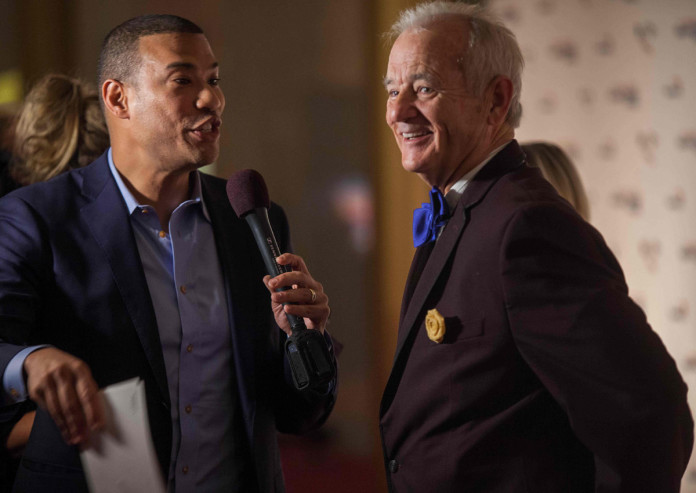
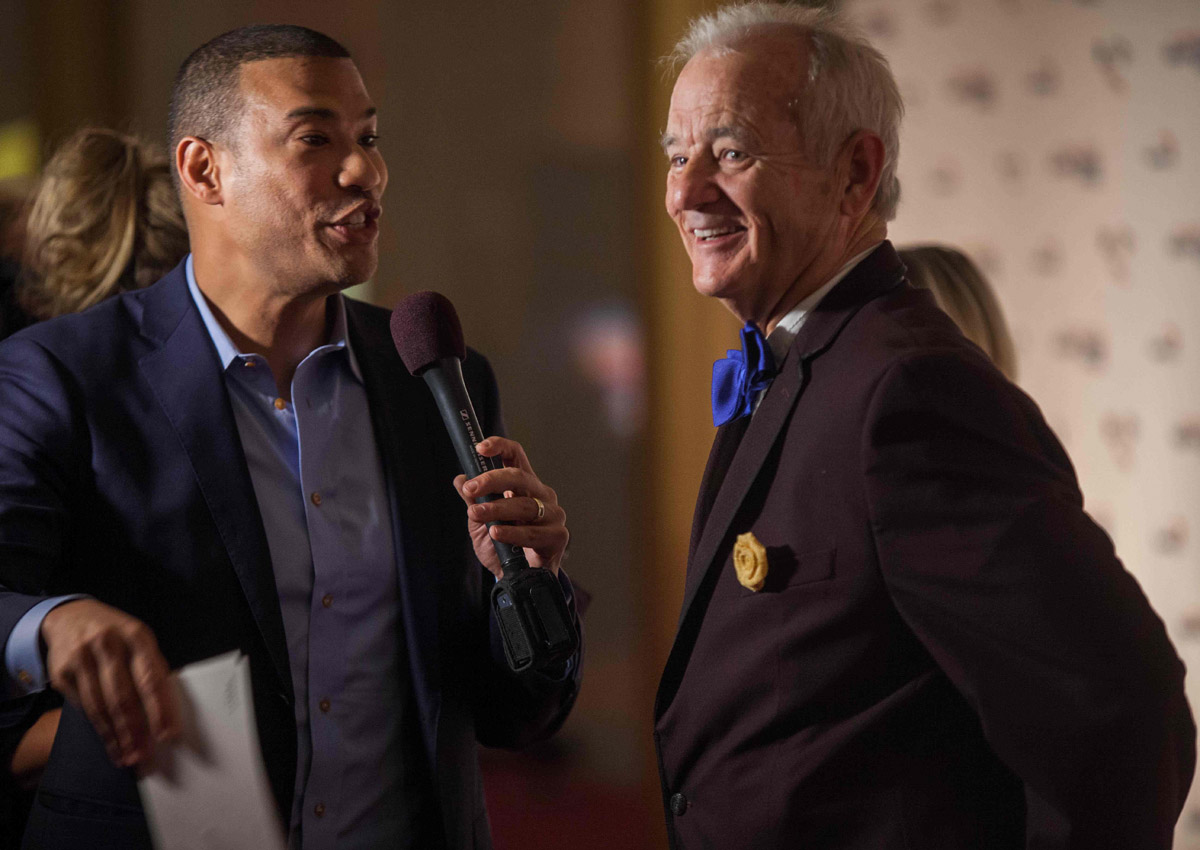
WASHINGTON – Comedian Bill Murray was awarded the Mark Twain Prize for American Humor at a star-studded Kennedy Center ceremony on Sunday, with friends and fellow actors praising him for the joy he has brought to audiences worldwide.

Murray, the 65-year-old star of such movies as “Groundhog Day,” “Ghostbusters” and “Rushmore”, said his success was grounded in love from his family and the talented people he had worked with for more than four decades.

“There’s love, that’s what we came with, that’s what we go with. I love you, let’s try to repeat that to each other,” Murray said after accepting the award named for the 19th century American author and humorist.

The comedian, known for his spontaneity and irreverence, handed the award, a bust of Twain, down into the audience to be passed around.

“When I can’t see it any longer, that’s when I’m coming down the steps,” said Murray, an Illinois native, before closing the show by singing a version of “Sweet Home Chicago.”

Murray was awarded the 19th Mark Twain Prize for making an impact on US society similar to Twain’s. Previous winners include Richard Pryor, George Carlin, Lily Tomlin, Neil Simon and Eddie Murphy.

Murray is among the best-known stars to emerge from NBC’s”Saturday Night Live.” He performed on the groundbreaking television comedy show from 1977 to 1980 and honed his skills portraying lovably smarmy characters.

Murray was nominated for a Best Actor Academy Award for his portrayal of a jet-lagged movie star in “Lost in Translation.” He has won two Emmy Awards.

Appearing in a video clip, Steve Martin, himself a Mark Twain Prize winner, said, “I’d like to say to you, welcome to the club. And to the Kennedy Center, I’d like to say – really?”

ABC late night TV host Jimmy Kimmel called Murray both a genius and fearless extrovert who can get away with stealing French fries off diners’ plates and crashing a White House press conference.

“Bill Murray could shove you off the side of the Hoover Dam and you’d be like, ‘Hey, Bill Murray,’ all the way down,” Kimmel said.

Others at the ceremony included “Ghostbusters” director Ivan Reitman, singer Miley Cyrus and former NBC “Late Night” host David Letterman, who had Murray on his shows 44 times.

The ceremony was recorded for broadcast on PBS television on Friday.

Image: 
Category: 
Publication Date: 
Monday, October 24, 2016 – 12:08
Keywords: 
Send to mobile app: 
Source: 


Story Type: 
Others

Source link

Tharman warns on American retreat from Asia

0

SINGAPORE – Failure to ratify the Trans-Pacific Partnership trade deal would be a “major setback” for the standing of the US in Asia, Deputy Prime Minister Tharman Shanmugaratnam has said, underlining concerns in the region that America’s Pacific pivot is in…

Source link

Top US diplomat to meet Philippine foreign minister amid 'separation' issue

0

MANILA – The most senior US diplomat for Asia has arrived in the Philippines and will meet the country’s foreign minister on Monday amid confusion over the status of ties between the two long-time allies, said the US embassy in Manila.

The visit by US Assistant Secretary of State for East Asian and Pacific Affair Daniel Russel is part of a three-nation swing through Southeast Asia that also includes Thailand and Cambodia, the US State Department announced on its website.

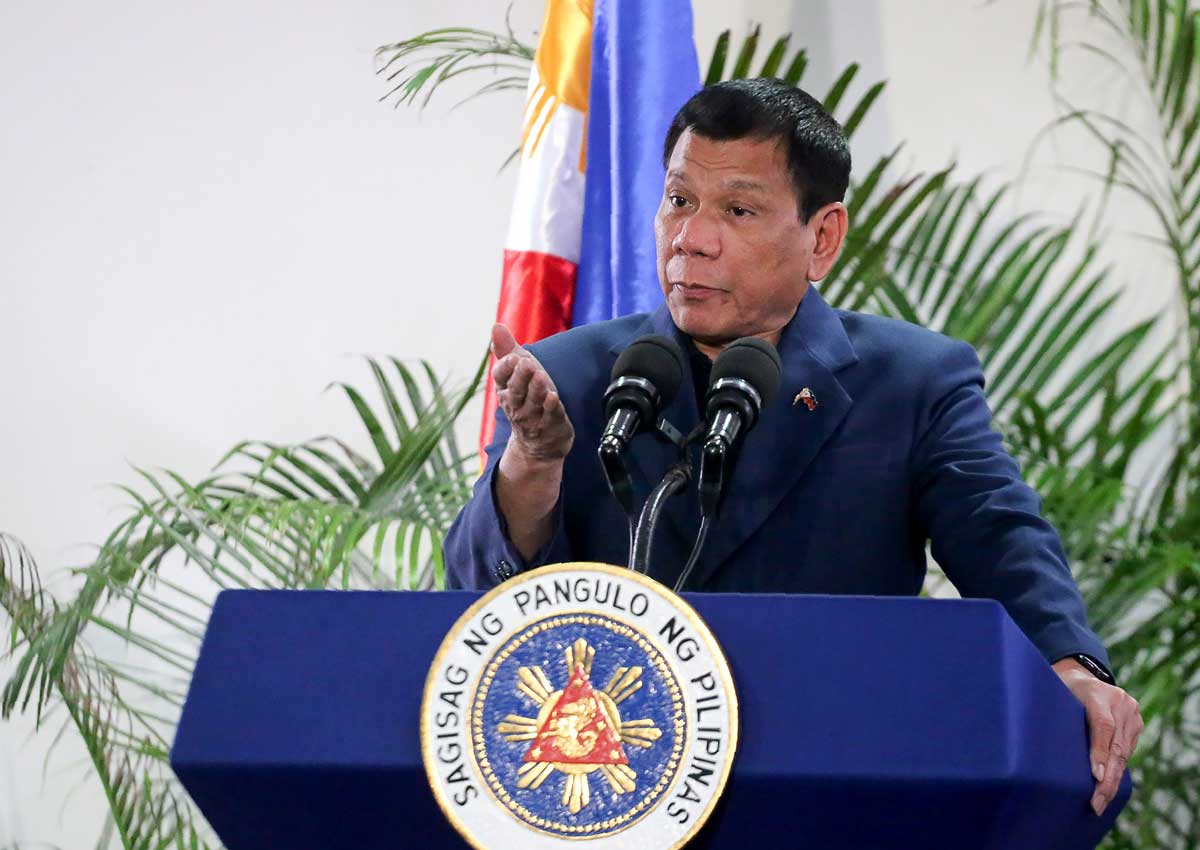
Russel arrives as confusion lingers over Manila’s ties with Washington, with President Rodrigo Duterte saying on Saturday the United States remains the Philippine’s “closest friend”, after earlier provoking alarm by announcing his country’s “separation” from the United States and realignment with China.

The United States is one of the Philippine’s largest trading partners and its closest security ally for about 70 years.

Russel was to meet with Philippine Foreign Affairs Secretary Perfecto Yasay, US embassy press attache Molly Koscina told Reuters, without giving details about issues to be discussed.

A Philippine foreign affairs official said Russel and Yasay will discuss the overall bilateral relations of the two allies following Duterte’s “separation” statement in China last week.

“The US wants a clarification from the Philippines and what direction the alliance will take,” the official told Reuters. “I think the US is confused. It is getting mixed signals from Manila,” the Philippine official said, requesting anonymity because he was not authorised to speak to the media.

Russel is expected to stay in Manila until Tuesday to meet with government officials and have lunch with Young Southeast Asian Leaders Initiative (YSEALI) participants, before leaving for Thailand.

He will be in Thailand until Wednesday to convey his condolences on the passing of His Majesty King Bhumibol Adulyadej and meet with Thai officials to discuss bilateral relations and regional issues.

From Thailand, he will fly to Cambodia to meet with government and opposition party officials, civil society organisations, and address a group of YSEALI members.

Also read: Duterte wants to have coffee with cop who ran over protesters

Image: 
Category: 
Publication Date: 
Monday, October 24, 2016 – 11:01
Send to mobile app: 
Source: 


Story Type: 
Others

Source link

NUS and Singtel launch cybersecurity lab

0

Over the next five years, S$43 million from NUS, Singtel, and the National Research Foundation (NRF) will be pumped into the lab.

Source link