Home Blog Page 2422

School a must for special needs children

0

In a move that fully includes special needs children in the education system, those with moderate to severe conditions will need to attend publicly-funded schools from 2019, just like all other children in Singapore.

The move to extend the Compulsory Education (CE) Act will take effect from the Primary 1 cohort just over two years from now – affecting those who turn seven then.

With the change, they will have to attend one of the 20 government-funded special education (Sped) schools, unless they obtain approval to be exempted. Primary 1 registration will begin in 2018.

Minister for Education (Schools) Ng Chee Meng, in announcing the new policy yesterday, called it “an important milestone in Singapore’s continuing drive towards national inclusiveness”. “This is a reaffirmation that every child matters, regardless of his or her learning challenges.”

Read also: MOE reassures parents who worry about lack of finances

The policy change comes nearly five years after it was recommended by a government-appointed panel, and the wait was to ensure Sped schools here had enough resources to support every special needs child.

Every cohort sees about 1,770 such children. Around 75 per cent have mild conditions such as dyslexia, which means they already come under the CE Act, and have to attend mainstream schools.
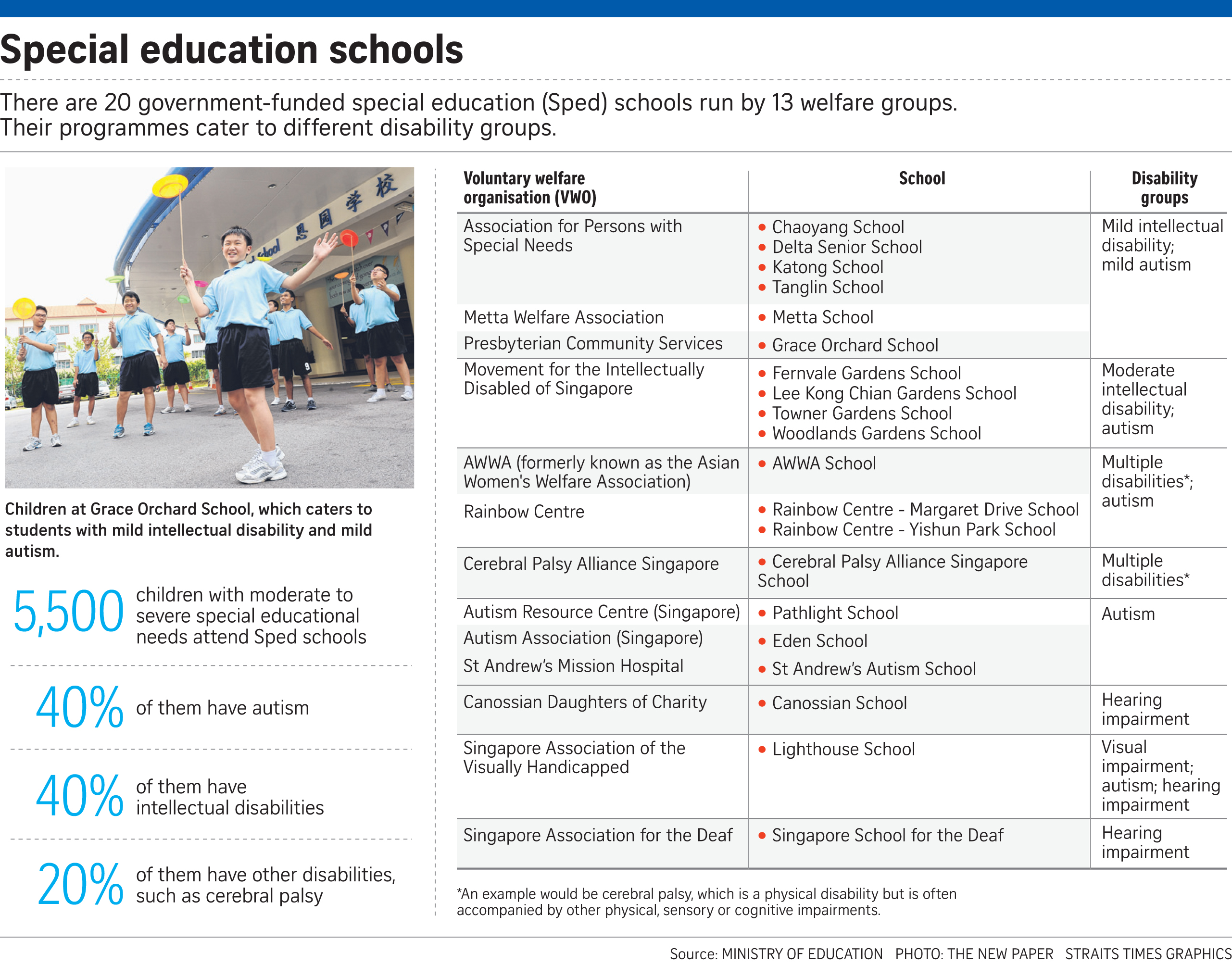
There are currently 18,000 students with mild special educational needs in mainstream schools.

The other quarter with more serious conditions such as autism, which number around 440 every year, do not have to go to school. But nearly all do so. Currently, 5,500 children with moderate and severe needs are in Sped schools.

Every year sees about 40 children who do not enrol, likely because of severe medical conditions, or whose parents prefer to homeschool them or send them to private schools. From 2019, this group will have to go through the public system, unless they can explain why they should not.

Read also: Learning life skills and resilience at Sped school

The CE Act, passed in 2000, requires all Singaporean children to complete six years of primary education in national schools before they turn 15. Parents can be fined up to $5,000 and/or jailed up to a year otherwise.

But Minister of State for Education Janil Puthucheary said: “CE doesn’t mean we’re going to force everybody to do one thing. We’re just going to do more in terms of including as many kids as possible into the education space.” He will chair a panel appointed by the Education Ministry to look into how best to put the policy into practice.

Asked why the policy is being changed only now, he said the Government had to be “confident” of being able to cater to every special needs child. And this has become possible “because of the good work… that has happened in the Sped sector”. From 2002 to 2012, 13 Sped schools were constructed and five others refurbished. There are now 1,000 Sped teachers, up by about 6 per cent since 2012.

Every one of the 20 Sped schools is run by a voluntary welfare organisation (VWO), and the VWOs have long been pushing for CE to be extended to special needs children.

MP Denise Phua, who is on the boards of the Pathlight School and Eden School for autistic children, said: “It ensures that every child has access to education opportunities, education being an important passport to a better life.”

In a Facebook post yesterday, Minister for Social and Family Development Tan Chuan-Jin called the change a huge step in making Singapore more inclusive and said it would “open up opportunities for continual learning, and employment” for special needs children.


This article was first published on Nov 05, 2016.
Get a copy of The Straits Times or go to straitstimes.com for more stories.

Image: 
Category: 
Blurb: 
<p>In a move that fully includes special needs children in the education system, those with moderate to severe conditions will need to attend publicly-funded schools from 2019, just like all other children in Singapore.</p>
Publication Date: 
Saturday, November 5, 2016 – 17:00
Send to mobile app: 
Source: 


Story Type: 
Others

Source link

A-Lin「Sonar 声吶世界巡回演唱会」新加坡回声限定场

0

A-Lin「Sonar 声吶世界巡回演唱会」新加坡回声限定场
from Saturday, March 4, 2017 at 12:00 AM to Saturday, March 4, 2017 at 12:00 AM

The Star Theatre

1 Vista Exchange Green 138617, Singapore, Singapore

Source link

Athletes and officials have to lay their cards on the table

0

SINGAPORE – In a chaotic sporting world, facts matter because they offer us clarity. They tell us how fast an athlete runs and how many a team scores. Facts have weight, they carry proof, they settle arguments.

Yet not enough facts have emerged in the sad soap opera that is table tennis. Instead accusation has walked with allegation and gossip has met with innuendo. After a wonderful 12 months for Singapore sport – the SEA Games, the ASEAN Para Games, Joseph Schooling’s swim – this saga has arrived like an unwanted bruise.

Facts, stated right at the beginning, might have reduced the endless conjecture and insinuation which followed. Facts, neatly listed, might have avoided later press statements and further meetings between the parties. Facts would have stated a clear position, except we still don’t know precisely why one of the finest athletes to represent Singapore is surplus to requirements at the Singapore Table Tennis Association.

Age? Even my mother, who couldn’t tell ping from pong, knows 30 – which is what Feng Tianwei is now – on its own means nothing in sport. Serena Williams got to three Grand Slam finals at 34 and won one; Kaori Icho won a fourth consecutive Olympic wrestling gold at 32; and Jemima Sumgong won gold in Rio in the women’s marathon at 31.

So if it can’t be age, it must be something else. Form? Could be. But Feng is world No. 5, which from any angle is impressive. Injury? If she’s falling apart just get a doctor to certify it. Attitude? If she’s a prima donna, let’s list her transgressions and chart her misconduct. A younger team is being built? No problem. Just tell us your detailed plans.

But still the case hasn’t been laid out specifically, it isn’t a list of cut and dried facts which makes us think: Oh, of course, no question, she must go.

Read also: Was Feng Tianwei axed because of disciplinary issues?

I have no interest in taking sides and no defence is being made for Feng here. This is not about whether she is a red-blooded Chinese or a true-blue Singaporean. This is about fairness for surely that’s what sport is supposed to preach.

This divide is unsurprising because athletes and officials are always going to scrap, fall out, sulk and accuse. Every issue, from selection to funding, is guaranteed to aggravate them. Administrators are accused of favouritism and athletes are charged with conceit. It’s the nature of their awkward marriage: The athlete is concerned with self-interest, the administrator is expected to look out for everyone’s interest. Each one thinks they know best.

Despite their daily encounters, misunderstanding lurks. Officials need to appreciate that athletes care for performance not posturing; the more politicking they see from administrators, the less athletes respect them. And if officials accuse athletes of becoming unbearable divas – which is inexcusable – then it often happens because pampering officials let it go so far.

Athletes, in turn, need to fathom that most officials work for no fame – aside from those who leap into photographs – and little money. These people in suits, they love sport, too. If athletes are the ornaments to sport, officials – the best ones – are its masons. They build stadiums, design great leagues and ensure riches for sportspeople. Dedication isn’t restricted to the athlete who lifts weights at 6am, but includes the administrator who slogs past midnight arranging schedules.

Read also: I won’t switch sides, says Feng

But eventually the centre of sport must be the athlete and in Asia – at the risk of generalisation – we’re not always comfortable with this.

Often we want athletes to follow orders and yet lead in the middle. We wish them to listen but don’t always give them a voice. We’d prefer if they weren’t cocky and yet expect them to dominate under the spotlight. We’d rather they were obedient when it’s free spirits we must harvest. We forget that athletes who always fall in line can’t be expected to stand out.

Of course, we don’t want athletes who are rude and disruptive but we must accept that they are complicated, fascinating, driven creatures. They wear pain every day, travel to the extremities of emotion, sit in lonely rooms defeated, obsessively hit a ball a thousand times a day and believe they are better than most people because that’s how they beat those people. They are not like us.

It doesn’t mean we indulge them, but we should understand them. And because Theodore Roosevelt famously said, “the credit belongs to the man who is actually in the arena, whose face is marred by dust and sweat and blood”, we should also listen to them.

Read also: STTA will support Feng Tianwei in international competitions

And this cuts to the very heart of this imperfect union of athlete and official, which is communication. They have to exchange words not jibes; they have to do what they ironically enjoy most, which is to find solutions. In a small nation, with limited sports funding and talent, it is the only way. If it still doesn’t work, if the athlete has erred too greatly, if even an athletes’ commission – a necessary addition to offer athletes support – can’t successfully mediate, then a separation is fine.

But through the process of a transparent divorce, we should remember this: Sport is a harsh place because the life of athletes is short, their future constantly unknown, their wages always uncertain. It doesn’t mean officials must mollycoddle them but nor should they ever be callous. This, after all, is a deeply emotional activity involving a human being, which we must not turn into a cold transaction. To an athlete who has brought joy to a nation, even in parting we must always bring dignity. Else no one wins. Only sport loses.


This article was first published on Nov 05, 2016.
Get a copy of The Straits Times or go to straitstimes.com for more stories.

Image: 
Publication Date: 
Saturday, November 5, 2016 – 15:00
Send to mobile app: 
Source: 


Story Type: 
Others

Source link

Singer Michael Buble says 3-year-old son has cancer

0

NEW YORK – Canadian singer Michael Buble said on Friday (Nov 4) that his three-year-old son has cancer, and that he is putting his career on hold.

“We are devastated about the recent cancer diagnosis of our oldest son Noah who is currently undergoing treatment in the US,” Buble and his Argentinian actress wife Luisana Lopilato wrote on his Facebook page.

“Luisana and I have put our careers on hold in order to devote all our time and attention to helping Noah get well,” the couple said.

on Facebook

Michael and Luisana confirm son Noah’s illness:

“We are devastated about the recent cancer diagnosis of our oldest son…

Posted by Michael Bublé on Friday, 4 November 2016

Buble did not say what kind of cancer his son is suffering from, but said he hoped the family “will win this battle.”

Noah is the first child of the couple who married in 2011. Their second son was born in January.

Buble, 41, has carved an international career and won four Grammy awards with easy listening pop songs like his 2009 hitHaven’t Met You Yet?

Image: 
Category: 
Publication Date: 
Saturday, November 5, 2016 – 12:38
Send to mobile app: 
Source: 


Story Type: 
Others

Source link

I won't switch sides, says Feng

0

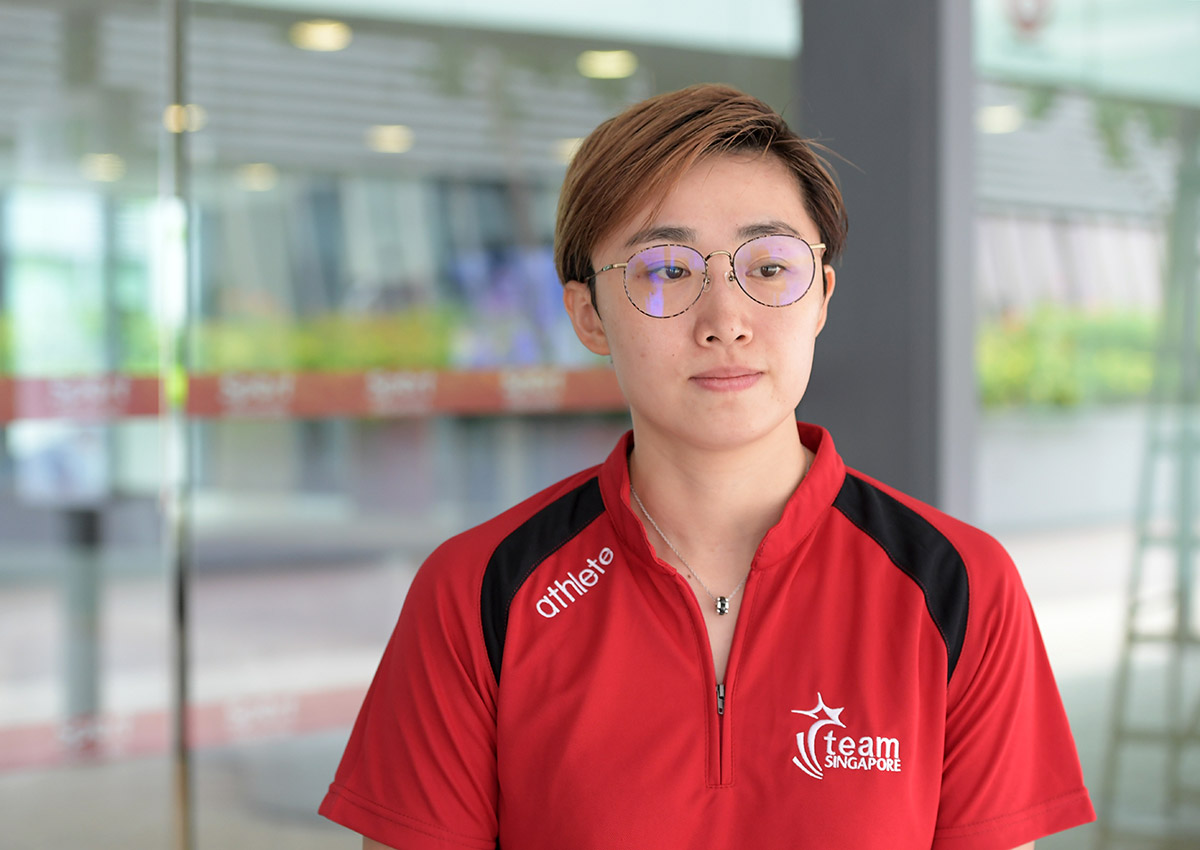
Despite being axed unexpectedly by the Singapore Table Tennis Association (STTA), Feng Tianwei insists that her desire to continue donning the red and white of the Singapore flag has not waned.

The world No. 5 came out to reiterate this yesterday as she responded to letters published in The Straits Times Forum section by reader Jeff Tan Hong Liak and the STTA’s chief executive officer Wong Hui Leng.

Read also: Was Feng Tianwei axed because of disciplinary issues?

Feng told The Straits Times: “I’ve always stated that I want to continue to play for Singapore even if I’m no longer a part of the national team. That was what I said from the start, and it’s still my hope now.”

In Wong’s Forum letter (“Time to develop, rejuvenate table-tennis teams”), she largely repeated the STTA’s stance from its shock announcement on Oct 25 when it said that it was dropping Feng from the national set-up because the 30-year-old “does not fit into its current plans for rejuvenation”.

Read also: Ex-coach Yang Chuanning speaks out

She explained that “bold moves are needed if we are interested in challenging the top table-tennis nations for honours, and we need to place greater emphasis on the development of our youth”.

In his letter “Feng Tianwei’s exclusion: Paddler still has much to contribute”, Tan had expressed concern that “many countries will surely grab her if she is released from our service”.

To which Wong replied by saying that the STTA “cannot stop Feng if she chooses to represent another country”.

Read also: STTA will support Feng Tianwei in international competitions

But yesterday, Feng dismissed any notion that she might switch allegiances and said she fully intends to continue playing for Singapore – at International Table Tennis Federation tournaments and competitions around the world, as well as at major Games.

“I’m a Singaporean, so I will definitely play for Singapore,” the Republic’s top female paddler said.

“I love Singapore and I love table tennis, and I’m thankful that as a Singaporean, I still have the chance to represent Singapore.”

Having made clear that the 2020 Tokyo Olympics remain firmly in her plans, Feng also told ST when she finally broke her silence last Friday that her immediate focus is to reclaim the SEA Games women’s singles title next year in Kuala Lumpur. She won golds in 2009 in Vientiane and 2011 in Jakarta.

Read also: Athletes and officials have to lay their cards on the table

Feng, however, still requires the STTA’s endorsement in order to continue competing in ITTF events. ST understands that talks on the “terms and conditions” of a mutual agreement between the two parties that would allow her to do so are under way.


This article was first published on Nov 05, 2016.
Get a copy of The Straits Times or go to straitstimes.com for more stories.

Image: 
Category: 
Publication Date: 
Saturday, November 5, 2016 – 15:00
Send to mobile app: 
Source: 


Story Type: 
Others

Source link

STTA will support Feng Tianwei in international competitions

0

SINGAPORE – Feng Tianwei’s future was put on a firmer footing yesterday after the Singapore Table Tennis Association (STTA) confirmed it will support her participation in international competitions, even though she is no longer part of the national set-up.

However, the arrangement for the world No. 5’s involvement in the International Table Tennis Federation World Tour circuit is subject to specific “terms and conditions” being met by both parties, said a joint statement from local sport governing body Sport Singapore (SportSG) and the STTA.

The 30-year-old player was axed from the national team on Oct 25 after the STTA said she did not fit into its rejuvenation plans.

Read also: Was Feng Tianwei axed because of disciplinary issues?

As for representing Singapore at major meets like the Olympics and Asian Games, Feng will have to vie for selection like everyone else. The selection policies will be revealed in due course.

Read also: Athletes and officials have to lay their cards on the table

Yesterday’s move paves the way for the player to remain on the Sports Excellence Scholarship (spexScholarship), which means she will continue to receive a monthly stipend that will help her defray the costs of hiring a new team, including a coach and training partner. The triple Olympic medallist is also entitled to receive sports science support.

The scholarship is governed by the High Performance Sports (HPS) Steering Committee, chaired by Minister for Culture, Community and Youth Grace Fu.

Mr Toh Boon Yi, chief of the Singapore Sports Institute (SSI), which administers the spexScholarship, said: “For the scholarship to continue, it was dependent on her being able to continue playing at the highest levels of the sport and be in fair consideration for selection to represent Singapore.”

Feng told The Straits Times last night: “This comes as a relief, and it will allow me to slowly put my energy and focus back into training. There are still a lot of details to be ironed out, but I’m thankful to SportSG and the SSI for their support, as well as to the STTA for their willingness to work together.”

Read also: I won’t switch sides, says Feng

STTA chief executive Wong Hui Leng said: “We are happy to agree with the HPS Steering Committee to continue supporting Feng Tianwei through the spexScholarship.”

Additional reporting from May Chen


This article was first published on Nov 05, 2016.
Get a copy of The Straits Times or go to straitstimes.com for more stories.
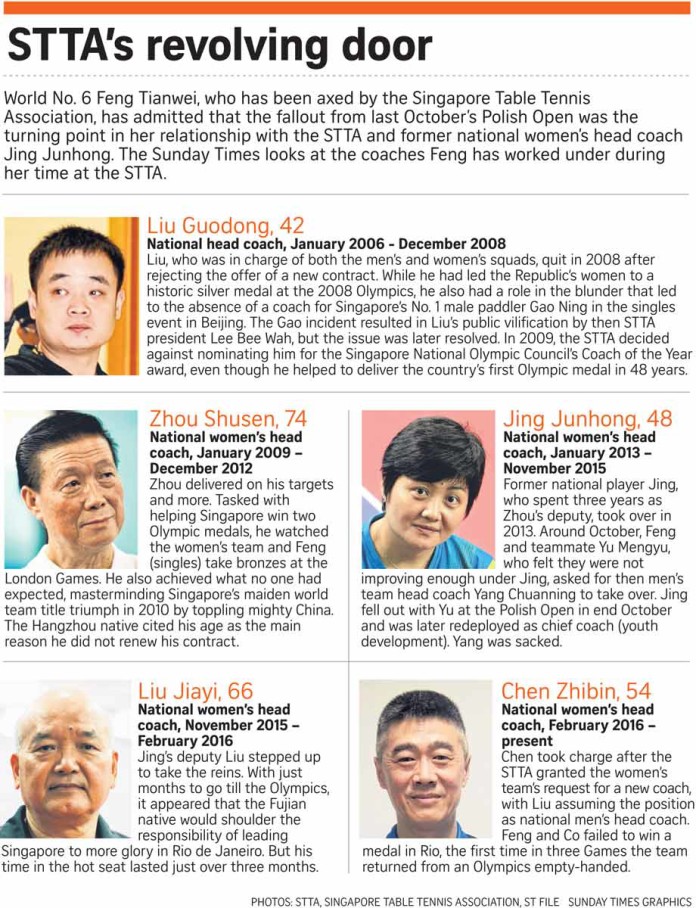
Image: 
Category: 
Blurb: 
<p>Feng Tianwei's future was put on a firmer footing yesterday after the Singapore Table Tennis Association (STTA) confirmed it will support her participation in international competitions, even though she is no longer part of the national set-up.</p>
Publication Date: 
Saturday, November 5, 2016 – 15:00
Send to mobile app: 
Source: 


Story Type: 
Others

Source link

Bus body raises concerns over carpool service for schoolkids

0

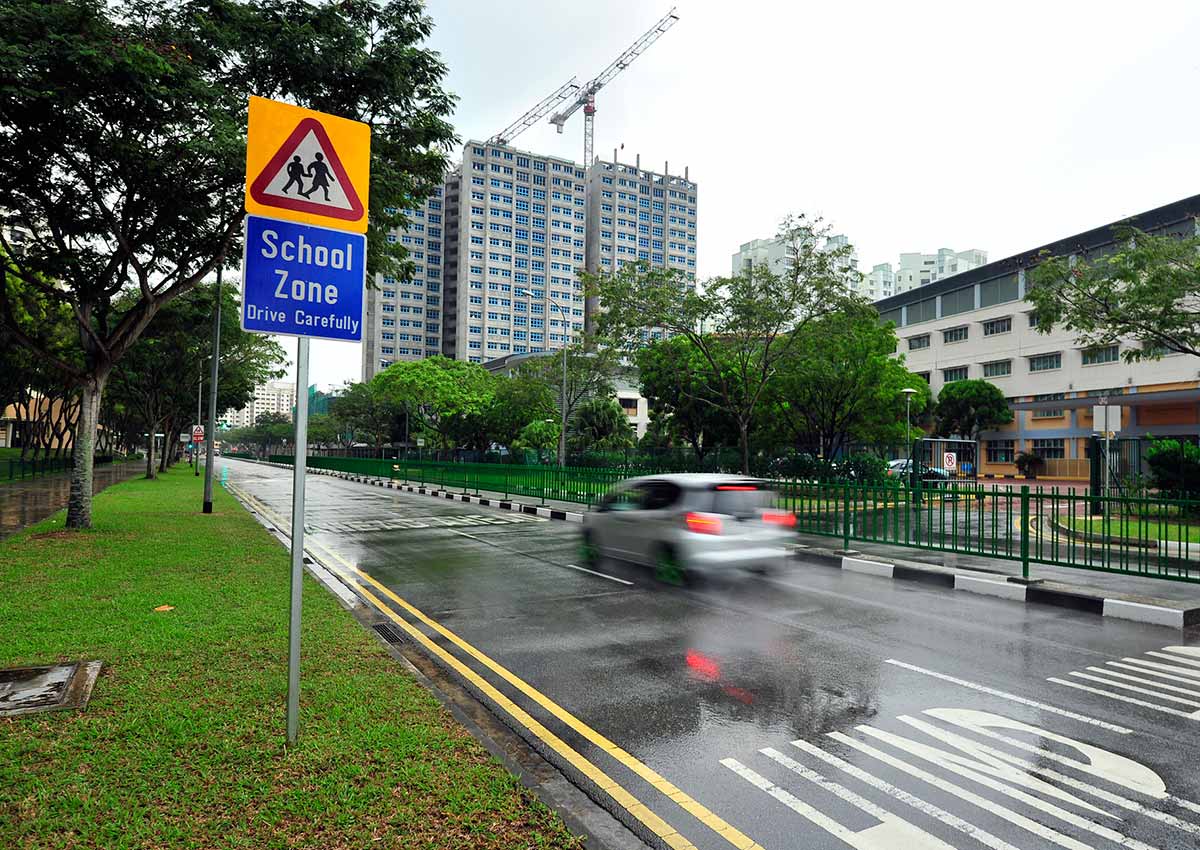
SINGAPORE – A new Uber-like service set to launch next year aims to get children to carpool to school by having parents who are driving their children pick up others along the way.

But a school transport association yesterday raised concerns over whether the Schoolber service – which started taking registrations from parents last month – was legitimate and covered by insurance.

Schoolber works by matching children in the same school living up to 2km from one another. One of them will have a parent who drives and is willing to ferry the others.

Parents negotiate a fee between themselves to help cover costs such as petrol and may also take turns to drive. Schoolber recommends a fee of between $70 and $150 a month, depending on the distance and whether the rides are one- or two-way.

The car pool allows children to leave home later than if they take a school bus, which makes more stops. Bus fares vary, but range from about $80 to as much as $300.

Mr Wong Ann Lin, executive council chairman of the Singapore School Transport Association (SSTA), said it welcomed the competition, but raised some concerns.

Suggesting that Schoolber could be a “pirate” taxi service, Mr Wong said at a press conference: “If they (parents) are willing to help (one another) voluntarily, then that is good… If they are collecting a fare, (then) it’s different.”

Mr Wong also questioned if parents should allow other parents to drive their children. He said school bus drivers are vocationally trained and go through background checks.

But when asked if SSTA’s concern stemmed also from the competition from a service like Schoolber’s, Mr Wong declined to comment on its impact on the industry. The SSTA has about 1,200 members, from self-employed bus operators to owners of transport firms. They run a combined fleet of 3,500.

Schoolber’s co-founder, Madam Charlemagne Lim, 44, said about 4,000 parents have put in their requests, and it has enlisted 500 parent-drivers to date.

She defended Schoolber against the SSTA’s concerns, saying it adheres to carpooling laws as parents do only two pooled trips a day – what is legally permissible – and collects a fee only to cover costs.

To put in a one-way trip request, parents have to pay $30 for a year. For two-way, it is $60. If a match is unsuccessful , this will be refunded.

Madam Lim, a mother of three who started Schoolber with her husband, said: “The parent is driving his own kids in the car, so he also has to ensure their safety.”

Insurance lawyer Lim Hui Ying said carpooling laws exempt drivers from the need to have vocational licences, but while this legalises such transport arrangements, insurance coverage is another matter.

Ms Lim, a partner at Withers KhattarWong, added: “Whether or not there is insurance coverage is entirely determined by what is covered in the policy.”

Schoolber’s Madam Lim, however, said no commercial insurance is required as the service is a carpooling arrangement.


This article was first published on Nov 05, 2016.
Get a copy of The Straits Times or go to straitstimes.com for more stories.
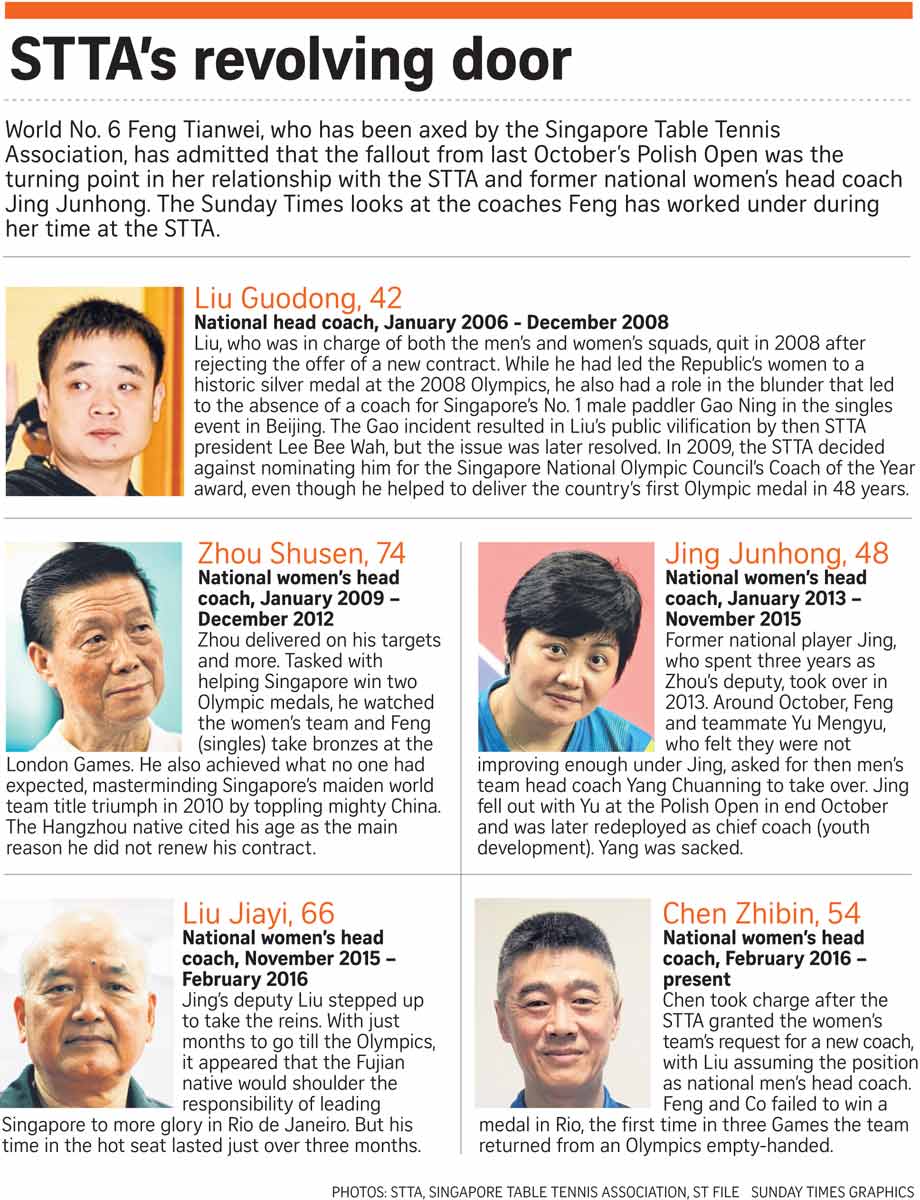
Image: 
Category: 
Blurb: 
<p>A new Uber-like service set to launch next year aims to get children to carpool to school by having parents who are driving their children pick up others along the way.</p>
Publication Date: 
Saturday, November 5, 2016 – 15:00
Keywords: 
Send to mobile app: 
Source: 


Story Type: 
Others

Source link

New Thomson-East Coast MRT line to run on contracting model

0

SINGAPORE – The operator of the upcoming Thomson-East Coast Line (TEL) will be the first to run a rail service under a contract similar to the model recently introduced for buses.

The successful bidder will operate the new line for a fixed sum over a fixed period, while the Government collects fare revenue, the Land Transport Authority (LTA) said yesterday. This is identical to the bus contracting model, which was rolled out just last year.

The first ridership contract for TEL will be for a period of nine years, with a possible extension of two. Only the existing rail operators, SMRT Trains and SBS Transit, which are familiar with the local operating context, will be invited to participate in the tender in the first quarter of next year, said LTA.

Although the industry is transitioning to the new rail financing framework (NRFF), LTA has chosen to initially depart from that model in the case of the TEL. Under NRFF, the State takes over the ownership of all fixed and operating assets, while the operators maintain and run the lines, pay a licence charge and earn revenues.

LTA has decided to make an exception in the case of TEL, which it described as the “most complex rail project to date”. It said the line, set to be completed by 2024, is being built along with “multiple other projects”, such as an interchange with the future Johor Baru-Singapore Rapid Transit System on its northern end, and new connections to Changi Airport on its east.

It added that the line will open in five stages over several years from 2019, and projection of ridership in the initial years will be “much more uncertain and challenging than earlier train lines”. Given these risks, a tender under the NRFF might result in bids that are “unfavourable to the Government”, said LTA.

After the first licence for TEL expires, ridership figures would have stabilised, and LTA will “revert to the NRFF for subsequent tenders”.

SMRT Trains managing director Lee Ling Wee said the firm “welcomes LTA’s decision to call for a limited tender to operate the new TEL”.

SBS Transit spokesman Tammy Tan said “we will assess the tender as we do all competitive bids”.

SIM University economist Walter Theseira said: “The past model of having for-profit private operators responsible for fare-based profit and loss worked well to concentrate the operators’ minds on efficiency. Unfortunately, too much concentration on efficiency, coupled with tight margins due to fare regulation, led to compromises.

“Today’s public transport model has swung decisively in the direction of focusing on reliability and quality – but will efficiency be compromised?”

He said this was possible as the Government will now assume revenue risk for the line – the first time it is doing so for a rail contract.

“Commuters will benefit from today’s renewed emphasis on quality, but taxpayers may yet pay the cost for this,” he noted.


This article was first published on Nov 05, 2016.
Get a copy of The Straits Times or go to straitstimes.com for more stories.

Image: 
Category: 
Blurb: 
<p>The operator of the upcoming Thomson-East Coast Line (TEL) will be the first to run a rail service under a contract similar to the model recently introduced for buses.</p>
Publication Date: 
Saturday, November 5, 2016 – 14:00
Keywords: 
Send to mobile app: 
Source: 


Story Type: 
Others

Source link

AHTC faces uphill task to recover payments: Observers

0

The Aljunied-Hougang Town Council (AHTC) has seven days to respond to the Housing Board on whether it will appoint a third party to recover improper past payments it has made.

It was given the deadline by HDB in a letter yesterday.

Observers interviewed said the town council faces an uphill task in getting its money back, adding that a more detailed forensic audit may be necessary.

They were commenting on the options available to the Government, following a statement by the Ministry of National Development (MND) and a letter sent by the HDB to AHTC yesterday.

In it, the HDB said: “It is clear that town council monies have been wrongfully paid, in substantial amounts that run into millions… It is imperative that immediate steps be taken to recover the improper payments, including, where necessary, the commencement of legal proceedings.”

It added: “As the improper payments may give rise to personal claims against existing town councillors, a suitable third party should have charge and conduct of these proceedings, on the town council’s behalf.”

Singapore Management University law don Eugene Tan said the town council would have to determine the extent of questionable transactions in order to recover any money paid erroneously.

But this would be difficult, he said, given its lack of discipline in record-keeping and financial operations highlighted in independent accountant KPMG’s report.

KPMG, citing AHTC’s spotty track record in this area, had said it could not conclude if the payments identified as improper, totalling about $6.9 million, are “exhaustive and on the complete quantum of improper payments that ought to be recovered”.

Institute of Singapore Chartered Accountants president Gerard Ee suggested that a possible next step would be to conduct a detailed forensic audit to analyse all the transactions to see if any were “seriously questionable”.

But even if this was established, there is no guarantee that the parties paid erroneously would cooperate, added Mr Ee.

The KPMG report established that some of the improper payments were made to AHTC’s then managing agent FM Solutions and Services (FMSS).

AHTC and FMSS are currently in arbitration over a financial dispute emerging from the lapses at the town council.

Mr Ee said that if FMSS refuses to pay back any sum deemed to be improper or excessive, AHTC may have to take FMSS to court and “building a case for such claims is not easy”.

Prof Tan said that even if monies cannot be legally recovered, the town councillors could be taken to task for potential breach of statutory and fiduciary duties.

In its letter to the town council, the HDB had also said: “The town councillors were under a duty not to improperly use or apply the public funds entrusted to them. They had a personal and collective responsibility for improper payments enabled or permitted by such a system.”

The HDB added that AHTC could “potentially look to the town councillors for recovery of losses or costs-savings arising from any breaches of fiduciary duties”.

The KPMG report had raised the possibility of criminal conduct if the improper payments were made intentionally, like criminal breach of trust under the Penal Code. Legal and town council governance experts, however, said the task of establishing such intent could be onerous.

“They might have been very careless in not observing certain rules, but were they being intentional?” said real estate don Yu Shi-Ming of the National University of Singapore.

Prof Tan also cautioned that it was crucial to “not get ahead of ourselves by presuming the town councillors to be guilty”.

“Ultimately, it could boil down to a question of competence,” he said.

The observers also pointed out that the current Town Councils Act does not give the Ministry of National Development the powers to obtain information on finances or relevant documents from town councils, let alone impose penalties on offenders.

MND has proposed changes to the Act and had asked for public feedback last month.

Prof Tan said that since public monies are involved, there will be the expectation for the Government to take a more “interventionist role”.

He added: “The MND statement suggests that it’s going to be a long road ahead for all concerned, especially for AHTC.”

How KPMG report came about

The statement the Ministry of National Development issued yesterday was prompted by findings of improper payments by the Aljunied-Hougang Town Council.

Independent auditor KPMG, appointed by AHTC following a court order, found that the improper payments the town council made between 2011 and last year amounted to at least $6.9 million.

KPMG had been tasked to determine if any past payments made by AHTC were improper and should be recovered, as part of a review into the town council’s books following lapses uncovered by the Auditor-General’s Office in a special audit.These events came after the AHTC’s own auditors declined to give an opinion about its financial performance and accounts four years in a row, indicating insufficient information.

In a report, released by AHTC on Tuesday, KPMG highlighted “pervasive control failures” in governance at the town council that had exposed $23 million of public funds to risks of improper use.

The sum was paid to AHTC’s managing agent FM Solutions and Services (FMSS), and had been approved by six of the town council’s key officers who were also shareholders of FMSS. KPMG found 748 transactions in which the six people had “effectively certified or approved payments to themselves”.

Of the $23 million, more than $1.5 million has been determined by KPMG to be improper payments, including overpayments, payments for work or services without proof that they were performed, or payments in breach of the law or the town council’s policies.

Separately, the accountant found AHTC had made another $5.4 million of improper payments through awarding tenders to higher-priced contractors and overpaying a town councillor, among other things.

AHTC, responding to KPMG, had disagreed that most of the payments were improper.

KPMG also said it was “outside our mandate to conclude whether any offence has or has not been committed”, but added it had flagged instances where facts and circumstances observed could “potentially give rise to an offence”.”We are advised that the issues identified… may give rise to personal claims against the town councillors or disclose the commission of criminality,” it said.

KPMG also said the “lack of discipline in financial operations and record-keeping” at AHTC meant it could not “conclude whether the improper payments identified… are exhaustive”.


This article was first published on Nov 05, 2016.
Get a copy of The Straits Times or go to straitstimes.com for more stories.

Image: 
Category: 
Blurb: 
<p>The Aljunied-Hougang Town Council (AHTC) has seven days to respond to the Housing Board on whether it will appoint a third party to recover improper past payments it has made.</p>
Publication Date: 
Saturday, November 5, 2016 – 14:00
Send to mobile app: 
Source: 


Story Type: 
Others

Source link

AHTC told to take steps to recover improper payments

0

The authorities have asked Aljunied-Hougang Town Council (AHTC), run by the Workers’ Party, to take steps to recover improper payments that it made.

The Housing Board, in a letter to AHTC yesterday, also asked that it confirms within seven days that it will appoint a suitable third party to take steps on its behalf, “to recover the monies which have been lost”.

These steps include taking legal action where necessary, the HDB said.

The Ministry of National Development (MND), parent ministry of the HDB, was similarly stern when it said: “To protect residents’ interests, steps must be taken to recover the monies which have been lost, and to ensure that those who acted wrongfully are held to account.”

Read also: AHTC faces uphill task to recover payments: Observers

Accounting firm KPMG, hired by AHTC to review its accounts, said that at least $23 million of payments were approved by town council members who had a conflict of interest. This included $1.5 million which AHTC paid to its then managing agent FM Solutions and Services (FMSS) and service provider FM Solutions and Integrated Services.

KPMG said that at least $624,621 paid to FMSS should be recovered.

It also said that if the payments were made intentionally, it could amount to criminal wrongdoing.

The MND said that given the concerns KPMG highlighted, the Government is considering what other steps are necessary.

These relate to “the way some of the town councillors have behaved, in dealing with public funds”.

AHTC disagrees that most of the payments were improper.


This article was first published on Nov 05, 2016.
Get a copy of The Straits Times or go to straitstimes.com for more stories.

Image: 
Category: 
Blurb: 
<p>The authorities have asked Aljunied-Hougang Town Council (AHTC), run by the Workers' Party, to take steps to recover improper payments that it made.</p>
Publication Date: 
Saturday, November 5, 2016 – 14:00
Keywords: 
Send to mobile app: 
Source: 


Story Type: 
Others

Source link