Home Blog Page 2301

Amazon Cyber Monday Deals Week: Featured Hot Deals & Offers from 26 Nov – 3 Dec 2016

0

Black Friday may have ended but Amazon continues the sale with Cyber Monday week till 3 Dec, 4pm

Amazon Cyber Monday Deals Week: Featured Hot Deals & Offers from 26 Nov – 3 Dec 2016

Black Friday may have come and gone, but the deals are still here. The once-in-a-year annual sale runs from 26 November through 3 December 2016, 4pm (local SGT dates).

Source

Eu Yan Sang recalls Infant Brown Rice Si Shen Powder

0

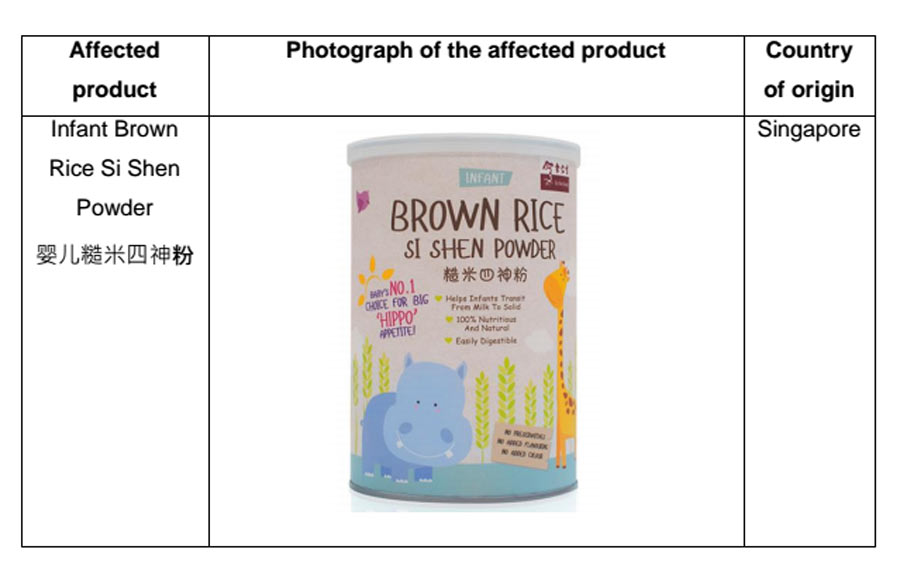
Chinese herbal chain Eu Yan Sang has recalled its Infant Brown Rice Si Shen Powder from stores after a consumer found a piece of wire mesh in it.

Consumers who have purchased the product are advised not to consume it, said a statement by the Agri-Food & Veterinary Authority of Singapore (AVA) today (Nov 26).

AVA said it had received feedback from a member of the public on Nov 23 about a piece of wire mesh that was found in a tin of the rice powder.

AVA is working with Eu Yan Sang to investigate the matter. “While investigations are ongoing, the product has been voluntarily recalled by Eu Yan Sang as a precaution,” it added.

The item is sold out on its Singapore website. The prices shown include the one on special offer at $13.20 while the normal price is listed as $16.50.

Consumers may contact Eu Yan Sang at 1800 888 1879 or email info@euyansang.com for enquiries or refund, it said.

chenj@sph.com.sg
 

Eu Yan Sang has recalled the product voluntarily.AVA
Image: 
Publication Date: 
Saturday, November 26, 2016 – 18:42
Send to mobile app: 
Source: 


Rotator Headline: 
Eu Yan Sang recalls Infant Brown Rice Si Shen Powder after wire mesh found
Story Type: 
Rewritten Story

Source link

Cab driver is a Monkey King performer even when driving his car

0


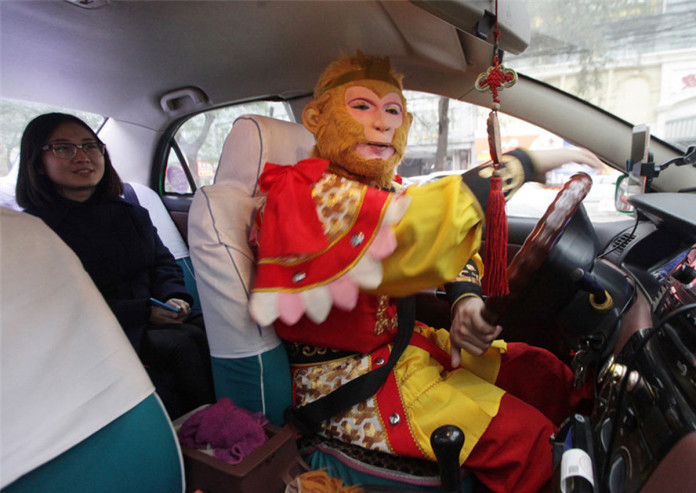
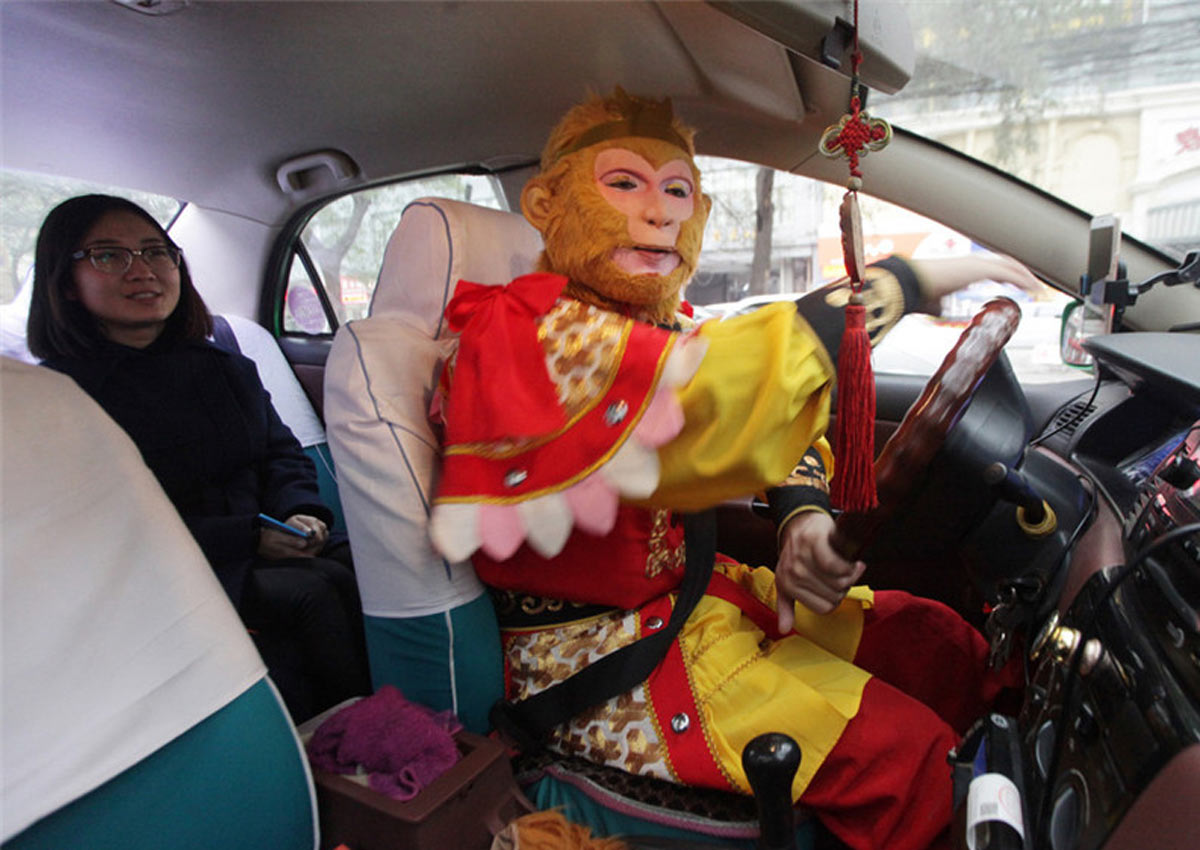
Cab driver Fang Jia has been a hard-core fan of the Monkey King ever since he watched the Chinese classic TV series Journey to the West as a child.

Last year, the 26 year old started to put his dream of playing the legendary role into practice. Now, he spends almost all his spare time performing as the Monkey King and even driving his taxi in the costume.

He applies the distinctive face markings of the Monkey King before driving his taxi in Xi’an city, Shaanxi province. It only takes him 10 minutes to finish the make-up, he says.

Read also

Image:
Publication Date:
Saturday, November 26, 2016 – 18:04
Send to mobile app:
Source:

Rotator Image:
Story Type:
Others

Source link

Putin gives Russian passport to Hollywood actor Steven Seagal

0


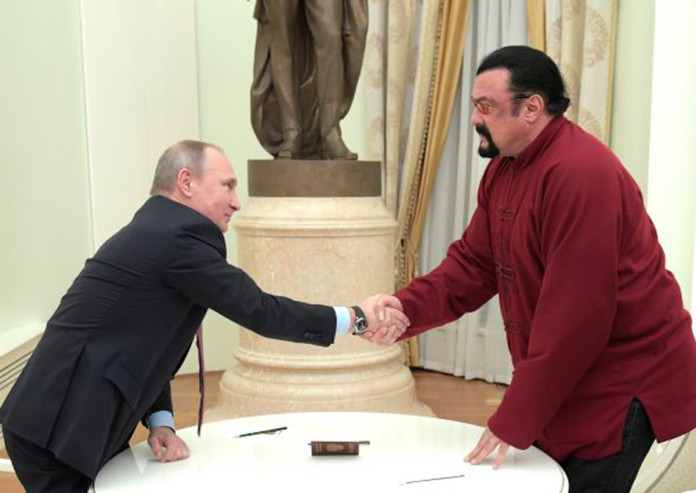
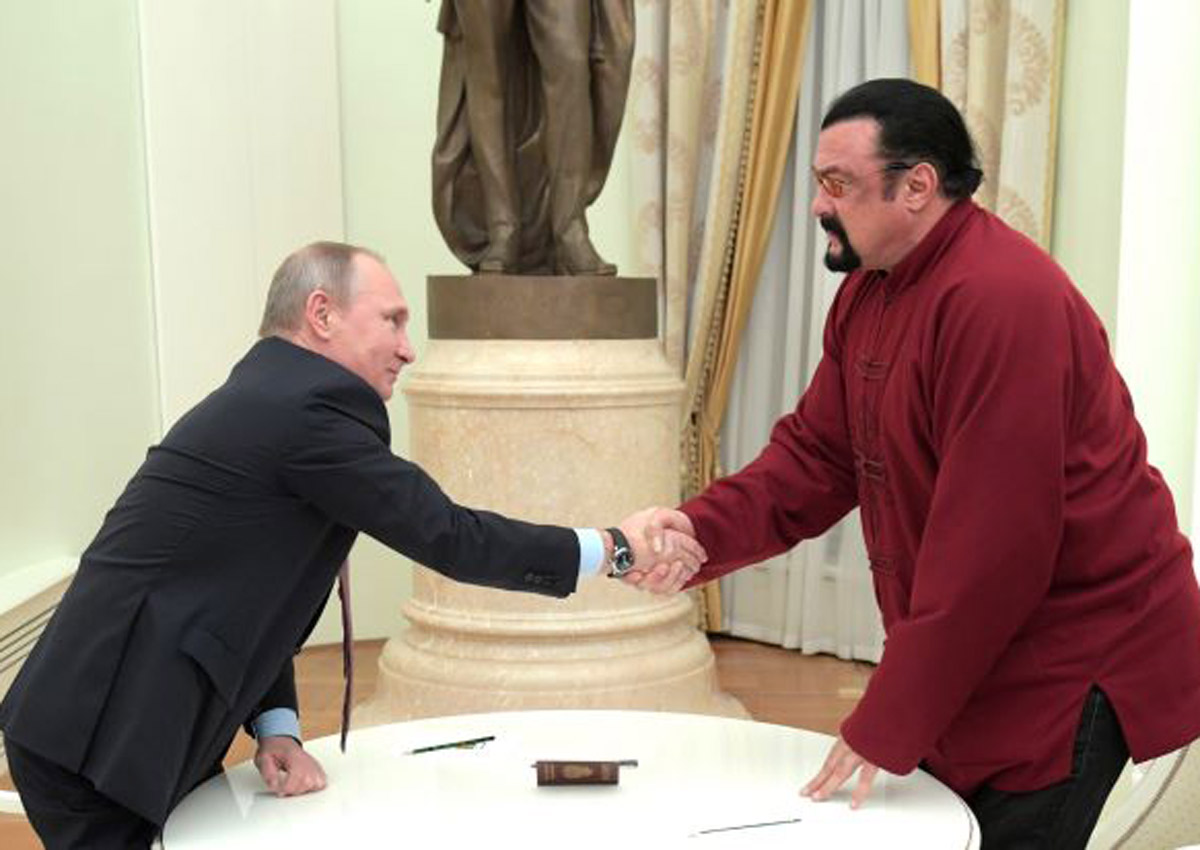
MOSCOW: Russian President Vladimir Putin presented a Russian passport to US actor Steven Seagal on Friday and said he hoped it would serve as a symbol of how the fractious ties between Moscow and Washington are starting to improve.

At a Kremlin ceremony where Seagal signed his new passport in front of Putin, the Russian leader said: “I want to congratulate you and express the hope that this is another, albeit small, gesture and it might be a sign of the gradual normalisation of relations between our countries.”

When Putin then asked how he was doing, the actor replied that “everything is good. We will talk later. For now just honoured to be here.” Putin, a fan of the kind of martial arts that Seagal often practises in his Hollywood action movies, signed an order at the start of this month to grant Russian citizenship to Seagal.

At the time, a Kremlin spokesman cited Seagal’s “warm feelings towards Russia” and his celebrity as the reasons for granting the gesture.

For more than a decade Seagal, who according to his own website is 64, has been a regular visitor to Russia. His movies, including such titles as “Under Siege” and “Sniper: Special Ops,” are popular with Russian audiences.

Seagal is the latest Western celebrity to have been given a

Russian passport in the past few years. In 2013, Gerard Depardieu, a French actor, was given citizenship by Putin.

In the past two years, relations between Russia and Washington have deteriorated to their worst level since the Cold War as a result of the armed conflicts in Ukraine and Syria, where Moscow and Washington backed opposing sides.

Putin has expressed hope that, with the election of Donald Trump as the next US president, relations will improve. Putin has praised Trump’s personal qualities, and the US president-elect has said he wants friendly ties.

Image:
Publication Date:
Saturday, November 26, 2016 – 17:16
Send to mobile app:
Source:

Story Type:
Others

Source link

An island-boy’s race against time and tide

0

Words by Mayo Martin / Multimedia by Lam Shushan 

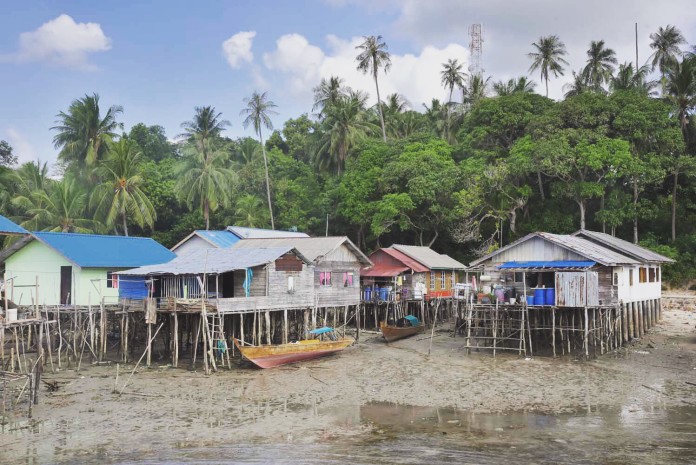
RIAU ISLANDS, Indonesia: It’s a bright and early morning as Mazlan Mohd Nasir steps out of the house to sights and sounds and smells that remind him he’s not among the high-rise HDB flats of home anymore.

His father is already up and about, leisurely watering the plants and sweeping the grounds of the complex of one-storey houses by the sea. At the jetty nearby, children wait for the sampan ferry that takes them to school on the next island. 

Down the dusty road, chickens wander freely while a couple of fishermen mend their nets and a woman peddling freshly-made epok-epok makes her daily rounds. 

Metropolitan Singapore is where Mazlan was born and where he and his family now live, in their Pasir Ris executive flat. But if home is what reminds you of the place where you grew up, then the island of Keban, in the southern Riau Islands, is like a homecoming of sorts.

Watch: Riau Island scenes, in 35 seconds

The 54-year-old takes a deep breath. “I can tell you, even when I sleep only three to four hours, I still wake up feeling fresh,” he says. He’d gone to bed after a sumptuous dinner of steamed gong gong, flower crab, Keban-style otak-otak and fresh-as-it-can-get fish caught simply by dangling a line out the window.

He continues: “It could be because of the food and the air. But it’s also the freedom. You have your own time, you don’t hear motor cars; at night you can see the stars, the moon, the real thing. The pace is very slow, very nice – that’s why you enjoy your life.”
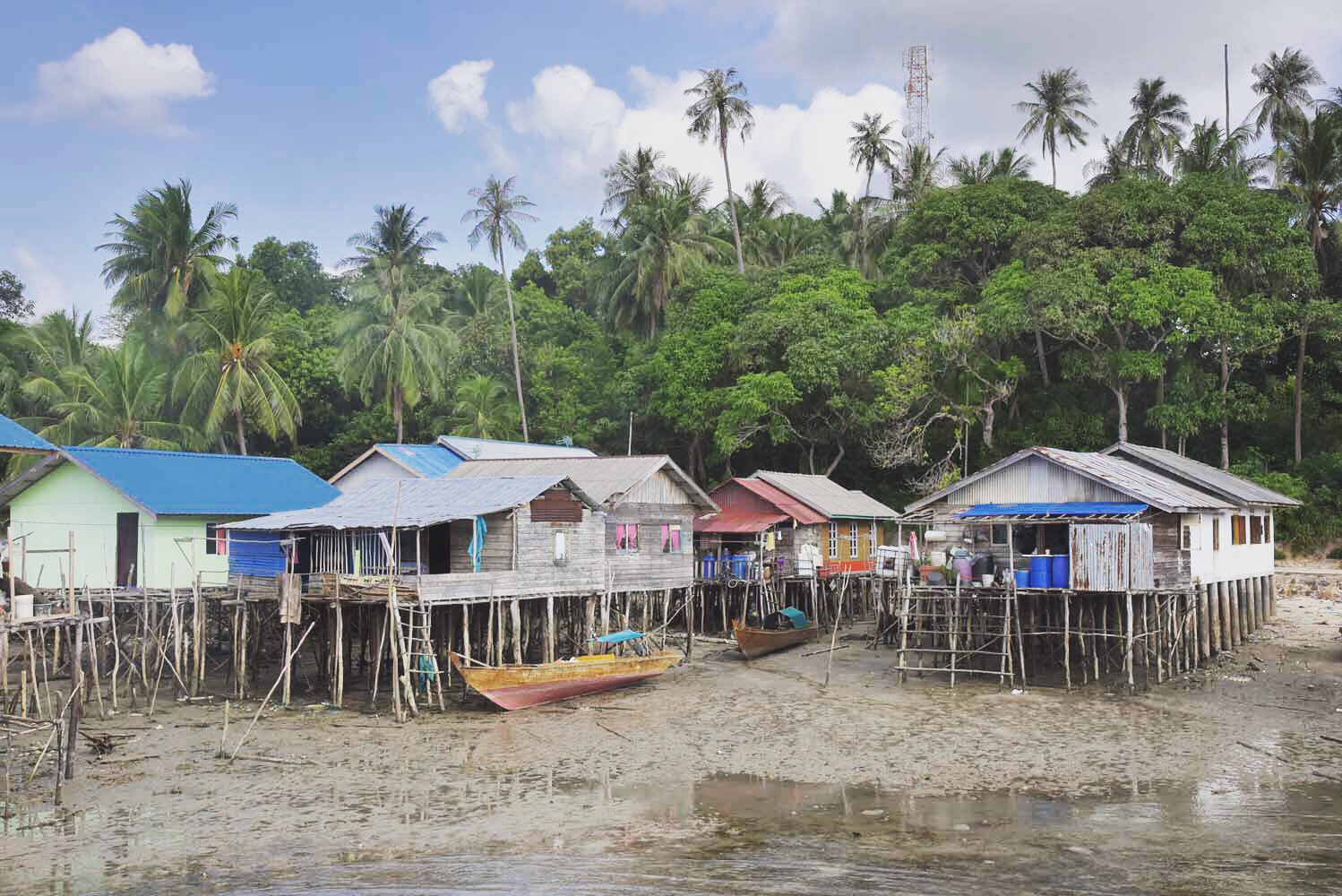
Every so often, Mazlan and other relatives make the two-hour journey by boat to this remote place. It’s not just that his father, 76-year-old Haji Mohd Nasir Awang, now lives here in retirement. Or that it takes Mazlan back to his island kampong childhood in Singapore, growing up surrounded by water.

This is also the place where his family is resurrecting a thrilling sports tradition from the past – first in the Riau Islands and, Mazlan wistfully dreams, one day in his homeland.

A SOUTHERN ISLAND BOY

Mazlan’s dad, Cik Nasir, was born to a family of village chiefs or penghulu in Keban, and sent to Singapore to further his studies as a teenager during the post-War years.

As a member of the pioneer generation here, Cik Nasir became a civil servant who taught at various schools, including those in the Southern Islands in the early 1960s. It was in these islands that Mazlan’s close relationship with the sea began.

Born in Eunos in 1962 (the second child in a brood of seven), he and the family moved a year later to St John’s Island. Shortly after, they shifted across to Lazarus Island, where Mazlan spent most of his growing-up years.

“I used to cross over to St John’s for school, and the teacher would arrive from the mainland every day using the ferry,” he recalls.
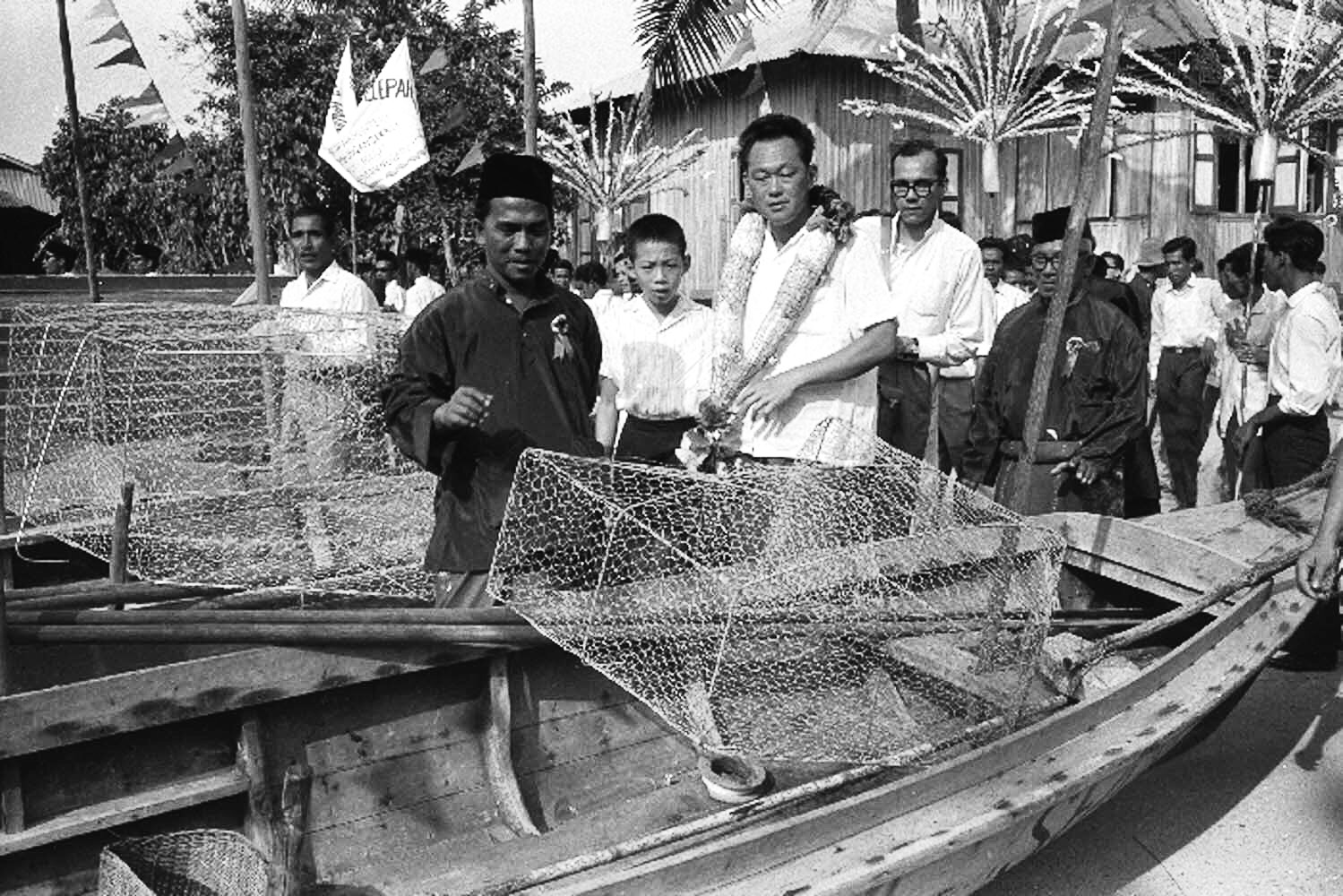
Then-Prime Minister Lee Kuan Yew visiting Pulau Sekijang Pelepah (Lazarus Island) in 1963 with his son, Lee Hsien Loong. (Photo: Ministry of Information and the Arts Collection, courtesy of National Archives of Singapore)

Sometimes, the island folk had visitors, such as VIPs, or else intrepid tourists keen on learning more about how these kampong folk lived off mainland Singapore. 

“(Fresh) water was difficult (to come by) and water rationing was practised. I would follow my mother to the well to wash clothes. In the evening, I’d play, play, play,” said Mazlan.

His father initiated him into island life. “When he had free time, he would bring me to go look for crabs and fish… Life was not so easy like what we have now; there was no handphone, no walkie-talkie to communicate… You just listened to the radio; there was no TV.”
But there was one aspect of island life that truly fired up the young Mazlan, and became a passion he never shook off – the annual races of the traditional wooden sailboats called kolek, or “dinghy” in Malay.

WHEN SAILBOATS RULED OUR COAST

He distinctly recalls watching one race when he was about eight.

“They organised a sea sport activity on the beach of Pasir Panjang, before it was developed into a port,” he tells us. That was the first time he finally got to see his own family’s kolek in a race. It was called Pujangga – or “poet-philospher” in Malay – and it finished third.

Mazlan was too young to join in these adult races, but the sight of the swift-moving boats with colourful sails gracefully threading the waters fired up his imagination. He would even sometimes sleep inside Pujangga.
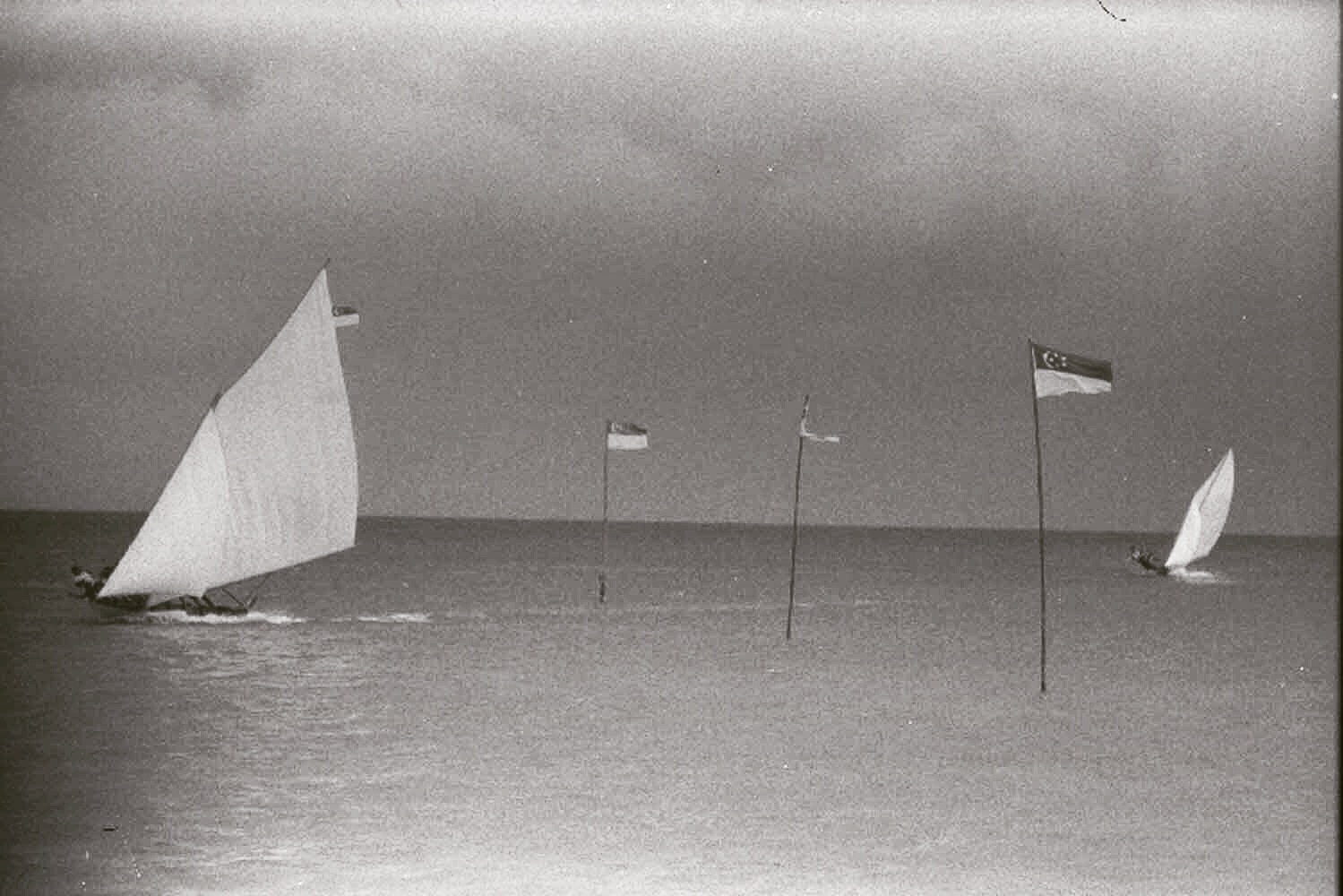
A kolek race in Bedok in 1963, with the Singapore flag in sight. (Photo: Ministry of Information and the Arts Collection, courtesy of National Archives of Singapore)

By the time he was 10, he and his friends would take part in mini-races for youngsters on Lazarus Island.

“I remember we once finished first, and the prize was three dollars!” he laughs.

Even back then, these unique races had been a way of life in Singapore for decades. There are newspaper reports, some dating back to the 1800s, that describe these annual events taking place. 

The most popular of these was held at Clifford Pier, as part of the annual New Year’s Day celebrations – like this 1905 regatta, in a photo from the Arshak C Galstaun Collection (courtesy of the National Archives of Singapore).
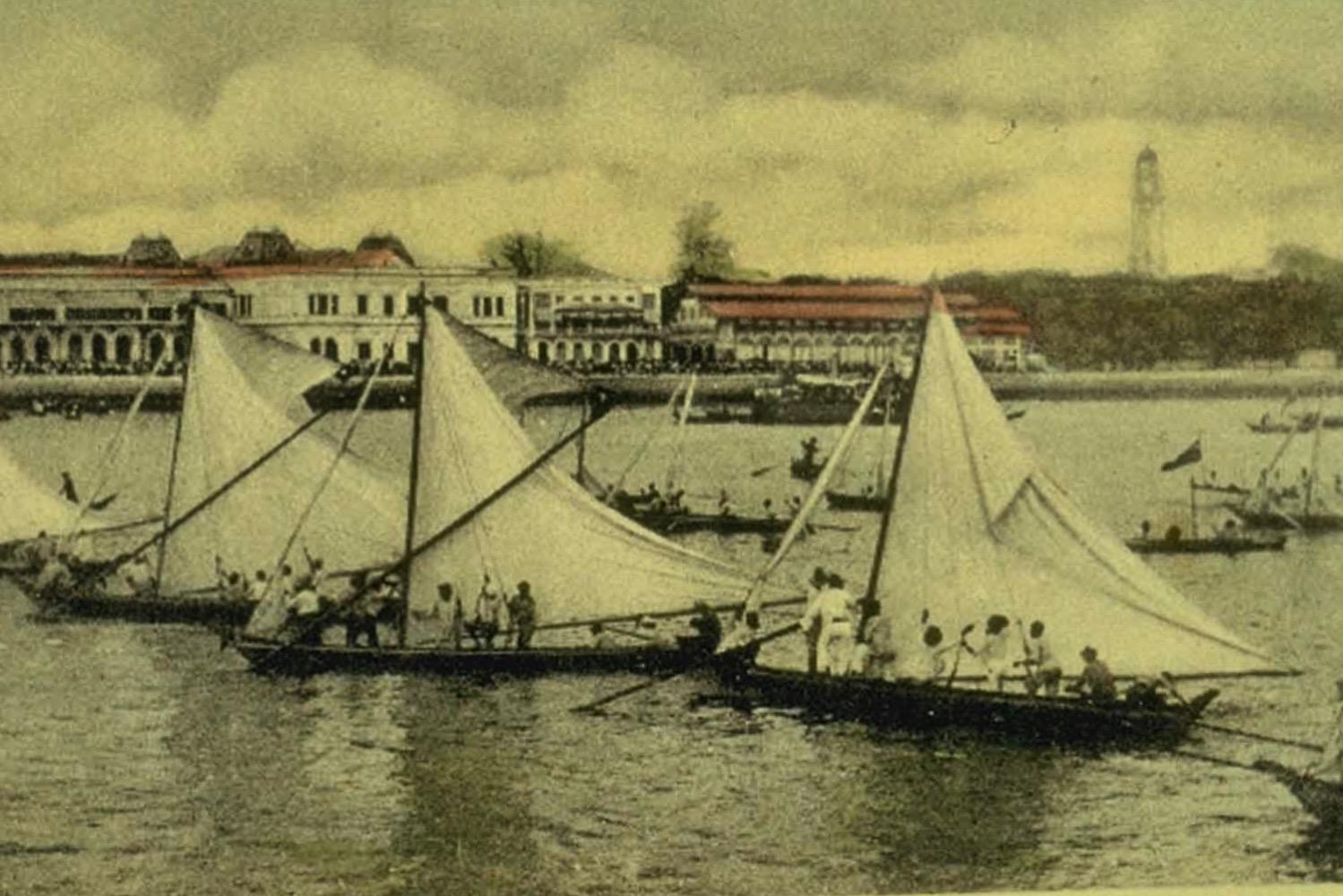
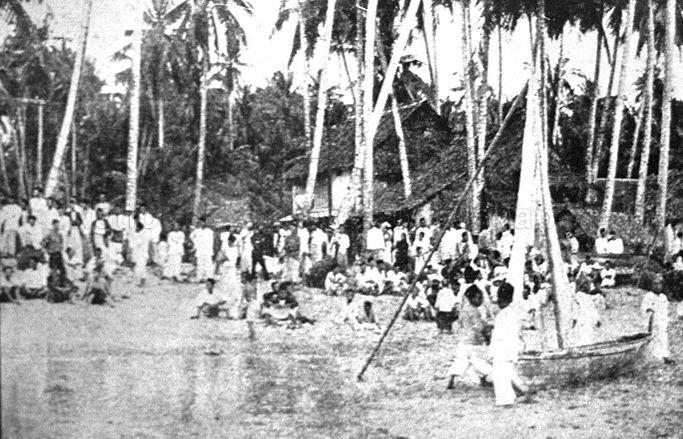
One newspaper report in 1938 even compared the races to the prestigious Sydney Harbour regattas. It described how “thousands of Malays thronged the foreshore at Siglap” and 40 boats from Singapore, Johore and neighbouring islands took part.

Like the maritime equivalent of the neighbourhood football club, each kolek represented a specific kampong, while the crew comprised villagers. And while the sport was associated mainly with Malays, it wasn’t surprising to see some Chinese taking part.
(Photo: Sport Singapore)

The regattas were held up and down Singapore’s coastline, but Mazlan didn’t have to travel too far. The Southern Islands were a popular spot for kolek racing, and it was collectively nicknamed the ‘5S Races’ to denote five of the islands in southern Singapore: Sudong, Seking, Semakau, Seraya and Sekijang – which referred to Sekijang Pelepah, the old name of Mazlan’s home island of Lazarus.

LAND AHOY!

But by the time the 1970s rolled in, things were changing fast for the people who lived in the Southern Islands and Singapore’s coastline.

Reclamation and modernisation projects were encroaching into the kampongs and many had to move inland – including Mazlan’s family, who did so in 1974.

“All the islanders were shifted to the mainland,” he says. “We first stayed in a rented house in Jalan Tauge in Kampong Ubi. Then after the redevelopment (there), we shifted to a flat in Eunos Crescent – on the 10th floor, I still remember. Then my father applied for a flat in Bedok North Avenue 3.”

Watch: A way of life disappears, in 1:30 min

Being uprooted from the sea took some getting used to. While in secondary school, young Mazlan joined a junior sailing club, but over time he was drawn to land sports such as football and rugby, which was perfect for his well-built, athletic physique.

Many from the older generation were not used to suddenly living in small, cramped spaces far from the open waters. It was a difficult time for his father, who still clung to anything that reminded him of island life, says Mazlan.

“He ordered one (fishing) boat from Keban, which we kept at East Coast. We needed a permit to store it but after a few years, the boat gathered dust and it was hard to maintain it.

“A few years later, he decided to buy another boat, so on Saturdays and Sundays, we went fishing. We’d go to Changi, the Tanah Merah side, or Siglap side, where they’ve got prawns. If certain places had no fish, we’d attack the Southern Islands which we knew well,” he says.
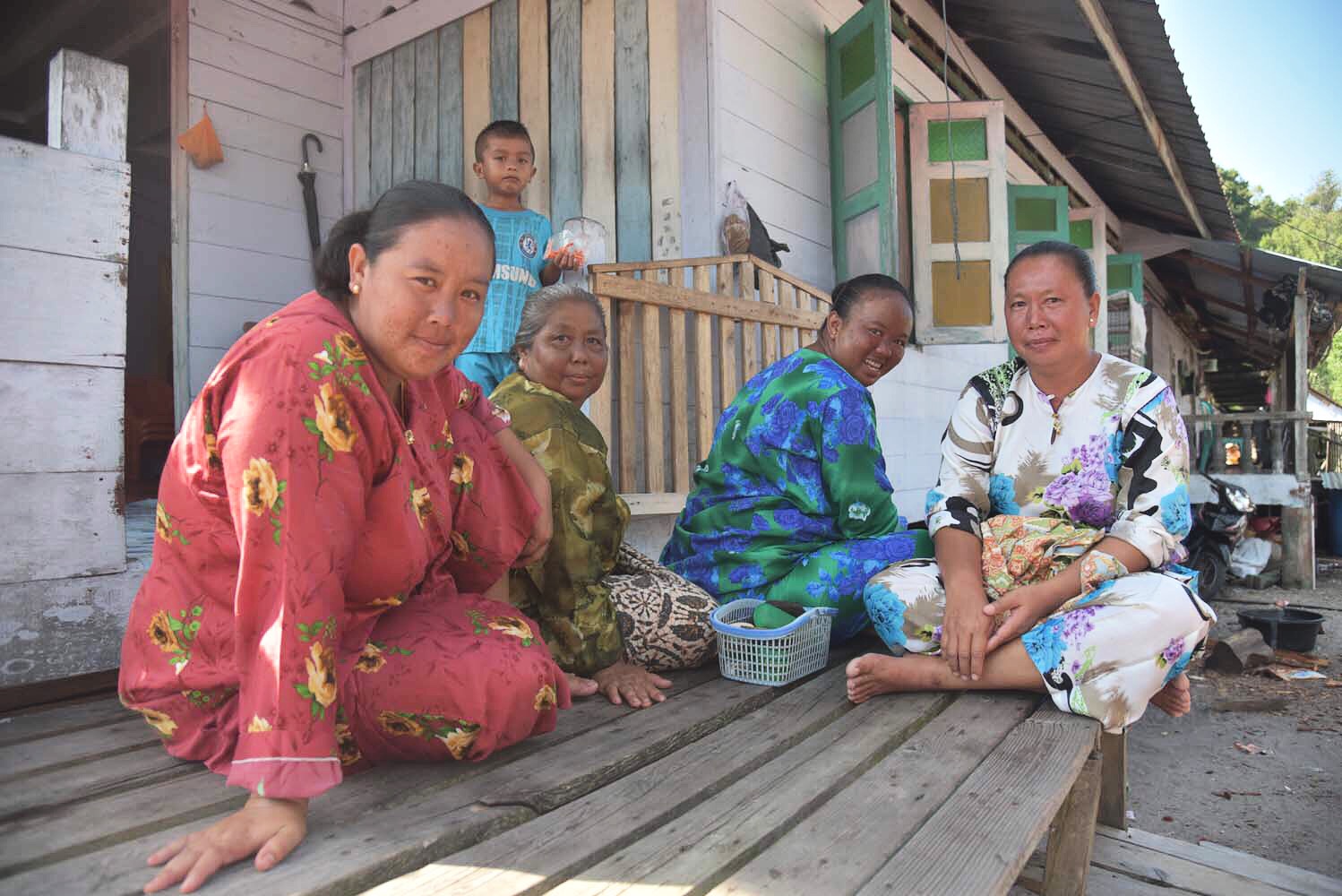
Island life was much simpler, for Mazlan and his dad. (Photo: Lam Shushan)

But even their old haunts didn’t look familiar for long. The so-called 5S-es slowly changed: Seking was swallowed by Semakau and turned into a landfill; Seraya was sucked into the mutant landmass now called Jurong Island; and Sudong became a live-firing zone.

And where Mazlan used to ride the boat to school, crossing from Lazarus Island (Sekijang Pelepah) to St John’s Island (Sekijang Bendera), a bridge would eventually be built to connect these two.

A TRADITION DISAPPEARS… 

There was also another, lesser known casualty of the mass relocation: The culture of kolek racing.

Storing the boats – that were mainly used just for racing – was too expensive for many of the ordinary folk, who had moved into landlocked flats anyway.

“Most of the islanders sent their koleks across to the Riau Islands, where they had distant or immediate relatives. But no one organised (races) anymore,” says Mazlan, who himself lost track of the family’s kolek, Pujangga.

Indeed, kolek races were only held sporadically in the years that followed. The last reported race in Singapore was in 2001. It was during a sea carnival at Sentosa’s Siloso Beach and 100 participants took part – but they all came from Indonesia.

Despite relocation, the sea continued to call out to Mazlan and his family. Many of his relatives took maritime-related jobs such as diving, being in the marine police, or working with the Maritime and Port Authority.

Even in his current job as an operations manager at a logistics company, Mazlan isn’t far from sea-related projects such as building barges.

Besides, just when he thought he had heard the last of kolek racing, Mazlan made a startling discovery more than a decade after moving inland. During a trip to Keban in 1987, he spotted a familiar-looking boat. It was Pujangga – damaged, but still intact.

….  AND IS REBORN IN RIAU

For Mazlan, it was a lightbulb moment. “I said, why is my (family’s) kolek sitting here? Why not we have a race?”
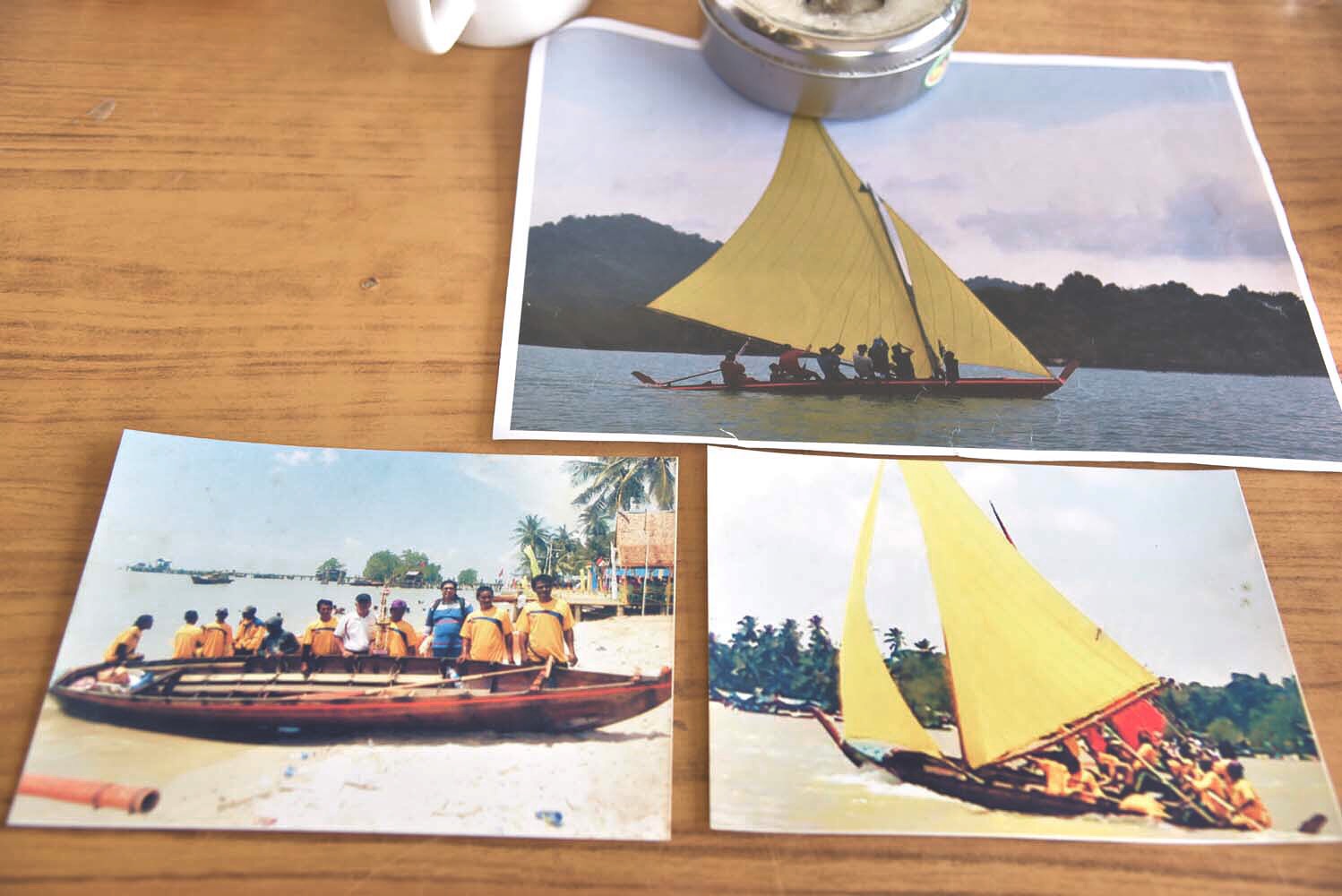
Photos of when they first got the Pujangga sailing again. (Photo: Lam Shushan)

After fixing its damaged hull, he suggested they bring back the races he had so fondly remembered as a child.

“We started to talk to the kampong people (in Keban) to try and revive it. ‘Never mind, we’ll just play and build up the kolek again’,” he recalls. “And it worked – we held a race with only three koleks from the area.”

Just like in Singapore, kolek racing had also disappeared in the Riau Islands. But Mazlan’s enthusiasm was so infectious that news eventually spread that the boats were back in business.

A year after Mazlan’s three-boat mini-race, a bigger race was organised at Belakang Padang in 1988. Kolek races would again become an annual event – even if it wasn’t in Singapore.

In Part 2 tomorrow: Thrills, capsizes and the hard work of rebuilding a kolek tradition.

Watch the full CNA Insider documentary (7:45 mins):

Source link

Bribery: Judge rejects guilty plea of ex-national player's mum

0

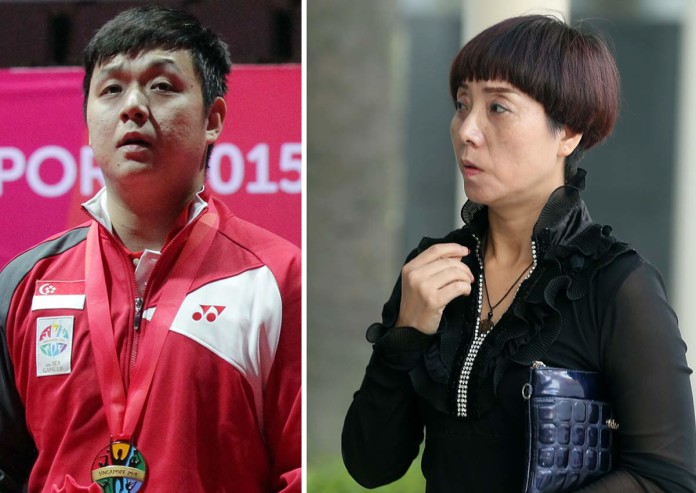
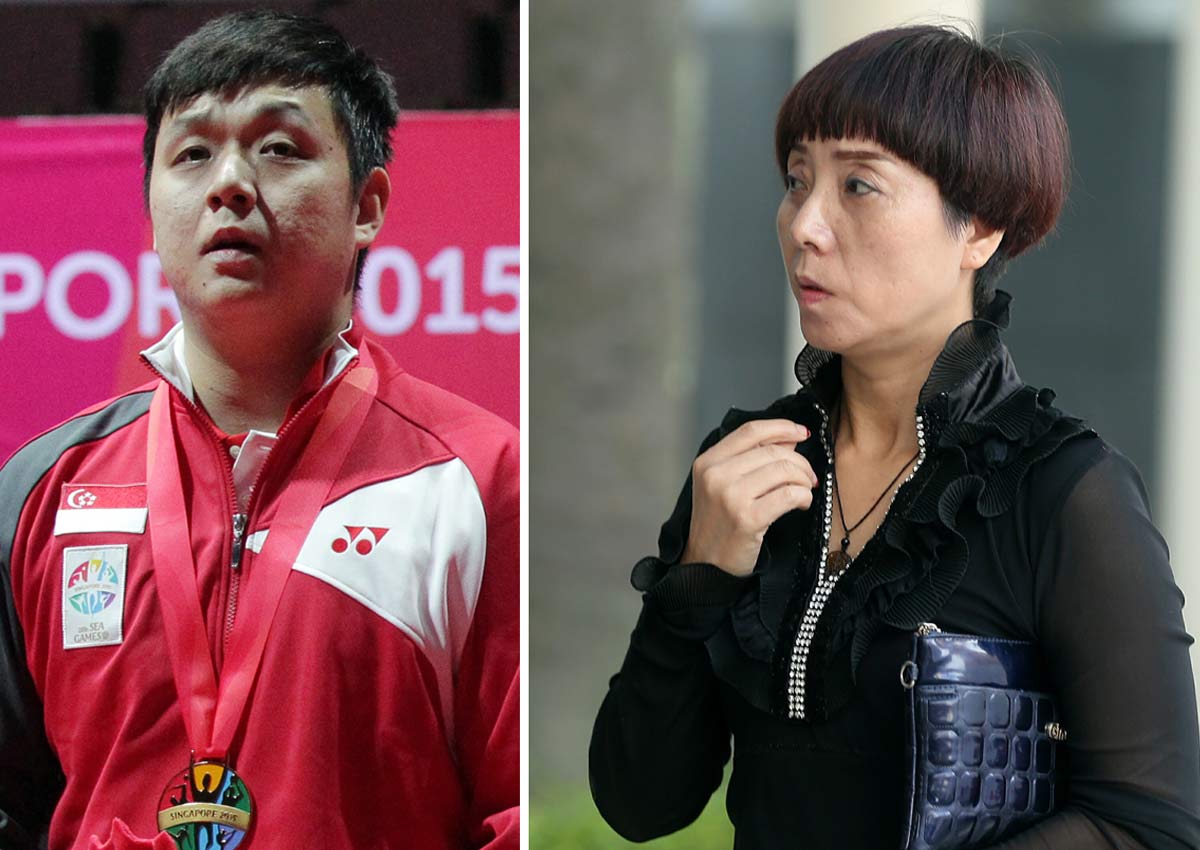
Su Fengxian, mother of former Singapore table tennis player Li Hu to be charged in court for bribe Loy Soo Han, the Technical Director of Singapore Table Tennis Association (STTA).A judge yesterday rejected the guilty plea of Su Fengxian, mother of former national table tennis player Li Hu.

Su, who turns 55 today, is accused of offering €2,000 (S$3,026) to Singapore Table Tennis Association (STTA) technical director Loy Soo Han, so as to influence an STTA investigation into her son.

At the Criminal Mentions Court, Su had said she would plead guilty.

However, when her case was mentioned again later in the day, she disputed an important fact relating to her charge, read by Deputy Public Prosecutor Sanjiv Vaswani.

DPP Sanjiv’s statement of facts said that Su “took out an envelope containing €2,000 from her bag and offered this to Loy”.

“When Loy realised what Su’s intentions were, he immediately told Su to leave his office, locking himself in. He then telephoned STTA chief executive Wong Hui Leng and reported the incident to her, before subsequently filing a police report.”

But Su said through a court interpreter that she had gone to Mr Loy’s office with the intention of asking him out for lunch. She added that she took out the envelope (with the money), but put it back in her bag without saying a word.

While Su maintained that she still wanted to plead guilty, District Judge Adam Nakhoda said this was an important fact of her charge and rejected her guilty plea.

A pretrial conference date has been set for next Thursday.

Su, looking solemn in black long-sleeved top and pants, arrived at the State Courts alone. She was joined in the building by Mr Bernard Tan, a friend of Mr Li.

The duo declined to comment when asked about their next course of action, or if they would hire a lawyer.

Su allegedly tried to bribe Mr Loy after her son Li was hauled before an STTA disciplinary committee last month for violating house rules.

A former world junior singles champion, Mr Li, 28, had let a female friend spend a night at the STTA hostel, located at its Toa Payoh headquarters.

Mr Li, a Hubei native, was eventually sacked. The STTA said its decision took into account his previous disciplinary issues.

In 2013, former STTA president Choo Wee Khiang, who is also a former Member of Parliament, was cleared of misappropriating funds to pay an assistant coach.

The prosecution appealed, but the decision was upheld by the High Court a year later.

Former STTA high-performance manager Koh Li Ping was also acquitted of helping Mr Choo commit the alleged offence.

In a press statement, the Corrupt Practices Investigation Bureau said: “Singapore adopts a zero-tolerance approach towards corruption. The Corrupt Practices Investigation Bureau takes a serious view of any corrupt practices and will not hesitate to take action against any party involved in such acts.”

If found guilty, Su faces a fine of up to $100,000 or up to five years in jail, or both.

siangyee@sph.com.sg


This article was first published on November 26, 2016.
Get a copy of The Straits Times or go to straitstimes.com for more stories.

Image: 
Category: 
Publication Date: 
Saturday, November 26, 2016 – 16:20
Send to mobile app: 
Source: 


Rotator Headline: 
Accused of bribing table-tennis official: Guilty plea of ex-national player's mum rejected
Story Type: 
Others

Source link

Boxing: Pacquiao says Philippine drug problem 'beyond imagination'

0

Tokyo – The Philippines’ drug problem is “beyond imagination”, boxing legend Manny Pacquiao said on Saturday in Tokyo, defending his hard-liner president’s controversial anti-drug campaign.

Pacquiao, a national hero and elected senator, is a high-profile supporter of President Rodrigo Duterte’s brutal war on crime that has left more than 3,700 people dead in four months.

“The problem in our country is beyond of our expectation, beyond of our imagination that these illegal drugs in our country is really bad,” he said in English at a press conference held by the Foreign Correspondents’ Club of Japan.

“A lot of our government officials, elected officials are involved with this illegal drug,” he said, defending Duterte’s crackdown which has drawn global condemnation for alleged extrajudicial killings.

Pacquiao, who was elected to the Senate in May, also supports Duterte’s call to restore the death penalty for drug traffickers in the mainly Catholic nation.

He himself is a convert to a conservative Christian sect.

“My main focus is to change our country and hold our president’s advocacy because the president and I are very close and join together to clean these illegal drugs in our country,” he said.

He was visiting Tokyo to prepare for the opening of a new gym in his chain, the first to appear outside the Philippines.

The 37-year-old boxing superstar shocked the world of sport in September when he admitted in an interview he had used narcotics in his youth.

He said he “sampled” marijuana and “shabu”, the local name for the cheap and highly addictive crystal meth stimulant, when he was 15 or 16.

At the Tokyo press conference, he made no secret of the fact he had tried illegal drugs before.

“But when I realised it’s not good and I don’t like it, then that’s why I strongly oppose and fight these illegal drugs,” he said.

Image: 
Category: 
Publication Date: 
Saturday, November 26, 2016 – 15:22
Send to mobile app: 
Source: 


Hermes ID: 
2 769 999
Hermes ID String: 
AS1126-PACQUIAO
Hermes Author: 
SSANDREA
Story Type: 
Others

Source link

George Yeo quits as Nalanda University chancellor

0

Singapore’s former foreign minister George Yeo has resigned as chancellor of Nalanda University over what he said was the Indian government’s failure to maintain the university’s autonomy.

In a statement yesterday, Mr Yeo said that as chancellor, he had not been consulted about or informed of the important decision to reconstitute the governing board, which makes key decisions for the university.

“The circumstances under which the leadership change in Nalanda University has been suddenly and summarily effected is disturbing and possibly harmful to the university’s development. It is puzzling why I, as chancellor, was not even given notice of it,” he said.

Mr Yeo has been involved for close to a decade in the project to revive Nalanda, an ancient seat of learning in India’s Bihar state. As foreign minister, he led Singapore’s diplomatic effort in 2007 to get support for the project at the East Asia Summit, an ASEAN-led annual forum that today brings together leaders of 18 nations.

His resignation added to the uncertainty surrounding the future of the university, which has been mired in controversies over autonomy issues and seen many delays.

Nobel laureate Amartya Sen resigned as chancellor in July last year but remained on the governing board. He had criticised the Indian government for bureaucratic delays and failing to safeguard the international character of the university. The Indian government, which provides the biggest share of funds, had wanted greater oversight over finances and other key decisions.

Mr Yeo said: “When I was invited to take over the responsibility from Amartya Sen last year, I was repeatedly assured that the university would have autonomy. This appears not to be the case now.”

On Monday, Indian President Pranab Mukherjee, who is the visitor of 126 universities including Nalanda and oversees them, had dissolved Nalanda’s old governing board and created a new one.

In a post on his Facebook page, Mr Yeo said the dissolution of the old board “is bound up with Indian domestic politics which I do not wish to be embroiled in”.

Nalanda currently has 130 students from 13 countries and 30 faculty members. It held its first convocation in August.

Harvard University professor Sugata Bose, an Indian politician who was on the disbanded governing board, called Mr Yeo’s resignation a “setback to the Nalanda dream”.

Read also: George Yeo visits Buddha’s enlightenment site, sees Nalanda U taking shape


This article was first published on November 25, 2016.
Get a copy of The Straits Times or go to straitstimes.com for more stories.

Image: 
Publication Date: 
Saturday, November 26, 2016 – 14:01
Keywords: 
Send to mobile app: 
Source: 


Rotator Headline: 
George Yeo quits as Nalanda U chancellor as he was consulted about board changes
Story Type: 
Others

Source link

S Korea police deployed ahead of anti-Park rallies

0


Seoul – Hundreds of thousands of people are expected to take part in street protests across South Korea on Saturday to demand President Park Geun-Hye resign over a corruption scandal or face impeachment.

Police said 25,000 officers had been deployed in Seoul and roads leading to the presidential Blue House had been blocked as organisers predict up to 1.5 million people will rally for the fifth weekend in a row.

Another half a million people are expected to demonstrate in provincial cities.

The weekend rallies have been growing in size over the past month, drawing an estimated one million people two weeks ago, and are among the largest seen in South Korea since the pro-democracy protests of the 1980s.

So far they have been largely peaceful, with families, high school students, workers and farmers participating, chanting slogans and carrying candles.

Park has apologised over the influence-peddling scandal involving her long-time confidante Choi Soon-Sil, who has been arrested for fraud and abuse of power, but has defied calls to step down.

Choi is also accused of interfering in government affairs, despite holding no official position.

Park has seen her approval ratings plunge to a record low for a sitting president as top advisers and some of the most powerful companies in the country are caught up in the snowballing scandal.

Choi, 60, allegedly leveraged her relationship with Park to coerce donations from large conglomerates, including SK, Lotte and Samsung, to non-profit foundations which she set up and used for personal gain.

A parliamentary vote to impeach Park could take place as early as next week as a growing number of ruling party politicians back the opposition-led campaign to oust the president.

Image:
Category:
Publication Date:
Saturday, November 26, 2016 – 13:18
Send to mobile app:
Source:
Hermes ID:
2 769 923
Hermes ID String:
AS1126-SKOREA-POLICE
Hermes Author:
SSANDREA
Story Type:
Others

Source link

Goldheart Jewelry throws 50% OFF sitewide online Black Friday promo from 25 – 28 Nov 2016

0

Goldheart Jewelry: 50% OFF sitewide online Black Friday promo till 28 Nov!

Goldheart Jewelry throws 50% OFF sitewide online Black Friday promo from 25 – 28 Nov 2016

The BLACK FRIDAY SALE is ON! Pamper yourself with dazzling Goldheart jewellery this Black Friday. Enjoy 50% off sitewide and receive a $100 gift voucher.

Source