Home Blog Page 2270

Save 35% off Haagen-Dazs pints, 33% off Ferrero Rocher & more with Cold Storage’s 3-day deals from 2 – 4 Dec 2016

0

Save 35% off Haagen-Dazs pints, 33% off Ferrero Rocher & more with Cold Storage’s 3-day deals till 4 Dec

Save 35% off Haagen-Dazs pints, 33% off Ferrero Rocher & more with Cold Storage’s 3-day deals from 2 – 4 Dec 2016

Good news for Haagen-Dazs fans. It’s time to stock up on your favourite ice cream with Cold Storage’s latest promotion, valid only for three days till 4 December 2016. FERRERO Rocher 30-pc box is also going at a promotion

Source

Popular to expand range of Malay titles by mid 2017

0

SINGAPORE: Popular will be adding more Malay books to its range by the middle of next year, the local bookstore chain announced at the launch of its annual book festival on Friday (Dec 2). 

It currently stocks Malay titles in four of its outlets, namely One KM mall, Bedok Mall, Causeway Point and Jurong Point. 

And in line with the National Reading Movement to promote reading in Mother Tongue languages, Popular will stock more Malay titles at three additional outlets by mid 2017.

Speaking at the launch of the 10th edition of Popular’s BookFest@Singapore, Minister of Communications & Information Yaacob Ibrahim said: “Through such efforts, we hope more will venture beyond their usual reads in English and cultivate an interest in their own mother tongue. Who knows, you may even pick up an interest in a third language and culture?”

The scale of this year’s BookFest has been increased to span 130,000 square feet, which earned it the title of the Largest Book and Stationery Event on the Singapore Book of Records.

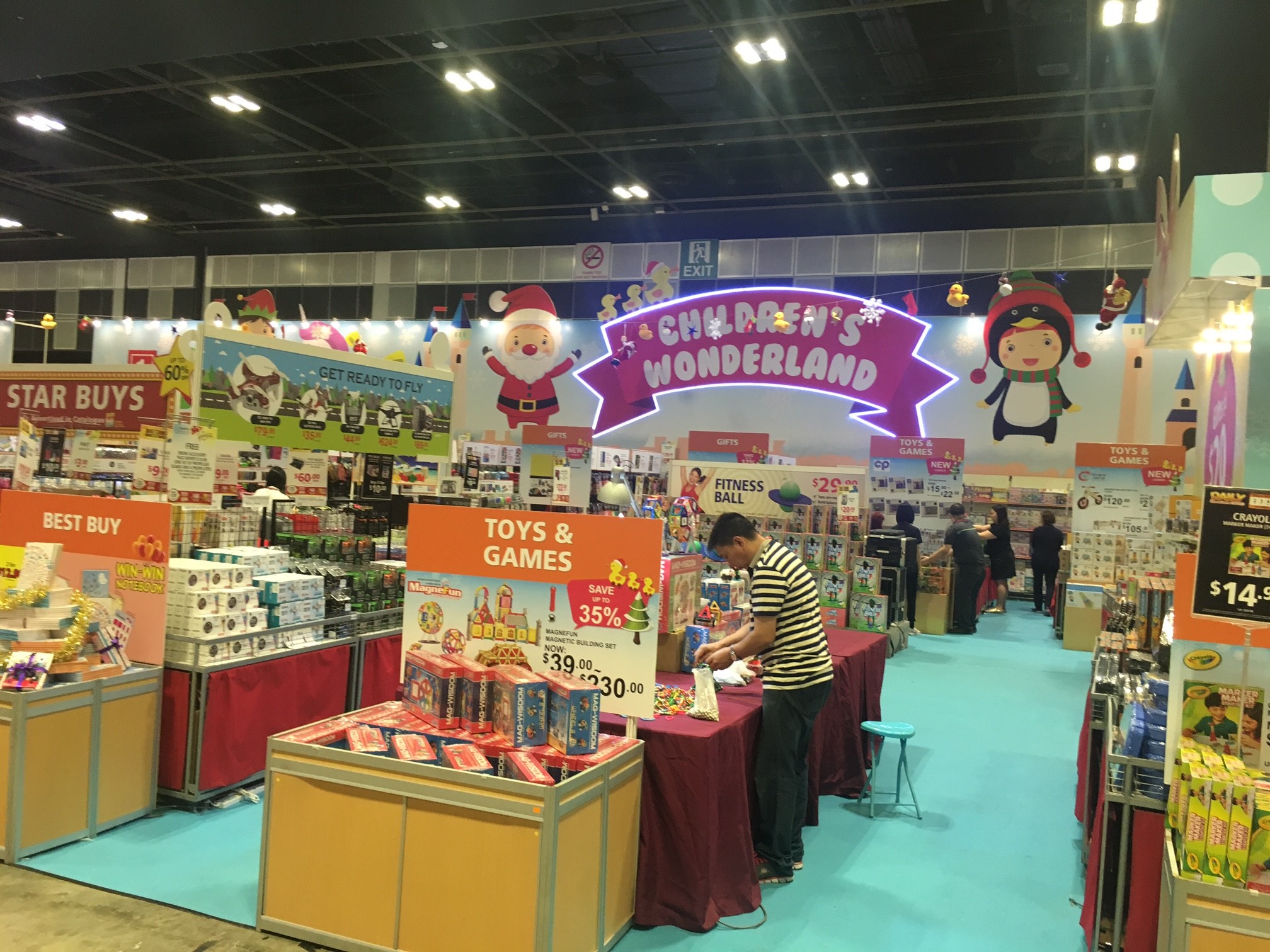
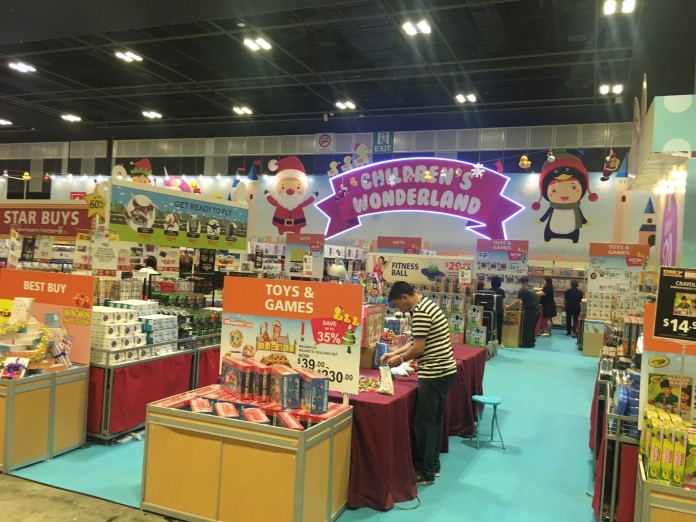
The 2016 Popular BookFest features a brand new section called “Children’s Wonderland”. (Photo: Junn Loh) 

Highlights of the event include three new sections – a tidbits area, a children play area and a household appliances sector. 

There will also be a booth where visitors can learn about traditional Chinese art like calligraphy as well as engage in activities with artistes, authors and celebrity chefs.

About 600,000 people are expected at the BookFest which will run from Friday till Sunday (Dec 11) at the Suntec City Convention Centre. 

Source link

Heng Swee Keat chairs first Committee on Future Economy meeting since stroke

0

SINGAPORE – Even with economic headwinds ahead, Singapore should remain confident in its ability to overcome challenges, said Finance Minister Heng Swee Keat on Thursday (Dec 1) after chairing a Committee on the Future Economy (CFE) meeting for the first time since suffering a stroke in May.

The committee is nearing the tail-end of its work, and will release a report on its recommendations in early 2017.

It was set up last October to identify key areas of growth and devise strategies to grow the economy in the long run.

Mr Heng, who is the committee’s co-chair along with Minister for Trade and Industry (Industry) S. Iswaran, said that committee members are confident about Singapore’s future.

He wrote on Facebook: “The key thing is to work together, build up our capabilities, and keep agile and nimble. This will take work, of course, but this is the right fighting spirit.”

on Facebook

Very glad to meet up with everyone in the Committee on the Future Economy in our meeting today. Even in the last few…

Posted by Heng Swee Keat on Thursday, 1 December 2016

Doctors gave Mr Heng the green light to resume light office duties in August, but he is staying away from crowds for now as he regains his immunity.

Thursday’s meeting was the committee’s fifth and final one, and Mr Heng noted how much the world has changed in the last few months.

The 30-member committee has held more than 80 discussions to date. These include meetings within the committees, and focus group sessions with more than over 1,000 students, educators, parents, union members, business leaders and academics.

Members of the CFE have also taken part in more than 20 panels, seminars and conferences, where they reached out to more than 6,000 people.

Mr Heng said he agreed with members who said that the public, private and people sectors should continue to work together even after the CFE completes its work.

In a separate Facebook post, Mr Iswaran, who chaired CFE meetings in Mr Heng’s absence, said even as the committee addresses business and global economic challenges, there must be a clear focus on Singapore’s future competitiveness and growth.

The committee has been gathering views and is studying how to continue transforming businesses, boost innovation, and ensure Singaporeans have the right skills to seize future opportunities, he added.


This article was first published on December 1, 2016.
Get a copy of The Straits Times or go to straitstimes.com for more stories.

Image: 
Category: 
Publication Date: 
Friday, December 2, 2016 – 12:14
Send to mobile app: 
Source: 


Story Type: 
Others

Source link

[Ends 11pm today] Jetstar promo fares from $35 all-in to Penang, Kuala Lumpur, Ho Chi Minh City, Phuket & more on 2 Dec 2016

0

[ENDS 11pm today] Jetstar promo fares fr $35 all-in to Penang, Kuala Lumpur, Ho Chi Minh City, Phuket & more (2 Dec)

[Ends 11pm today] Jetstar promo fares from $35 all-in to Penang, Kuala Lumpur, Ho Chi Minh City, Phuket & more on 2 Dec 2016

You have till 11pm today (2 Dec) to book frenzy sale fares to Penang, Kuala Lumpur, Ho Chi Minh City, Phuket, Bali and more from $35 all-in with Jetstar’s Friday Free Fare Frenzy promotion.

Source

Thousands flock to central Jakarta for anti-Ahok gathering

0


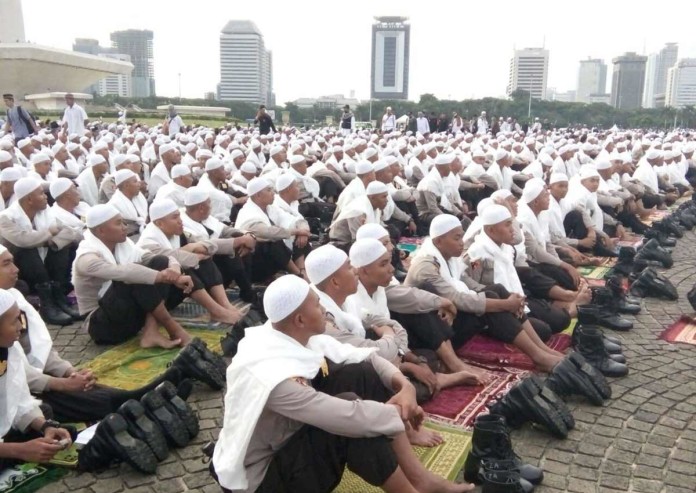
Thousands of Muslims worshipers have been gathering at the National Monument (Monas) square in Central Jakarta since Friday morning to join a mass prayer aimed at intensifying pressure on the police to detain Jakarta Governor Basuki “Ahok” Tjahaja Purnama in a blasphemy case.

Although the event, initiated by the National Movement to Safeguard the Indonesian Ulema Council’s Fatwa (GNPF-MUI), is scheduled to begin at 8 a.m., some participants said they had arrived as early as 5.30 a.m. Most of them were wearing white.

The arriving worshipers first did the wudhu cleansing ritual with water provided at the location, before sitting down on their prayer mats, facing a large stage where the sermon will be given.

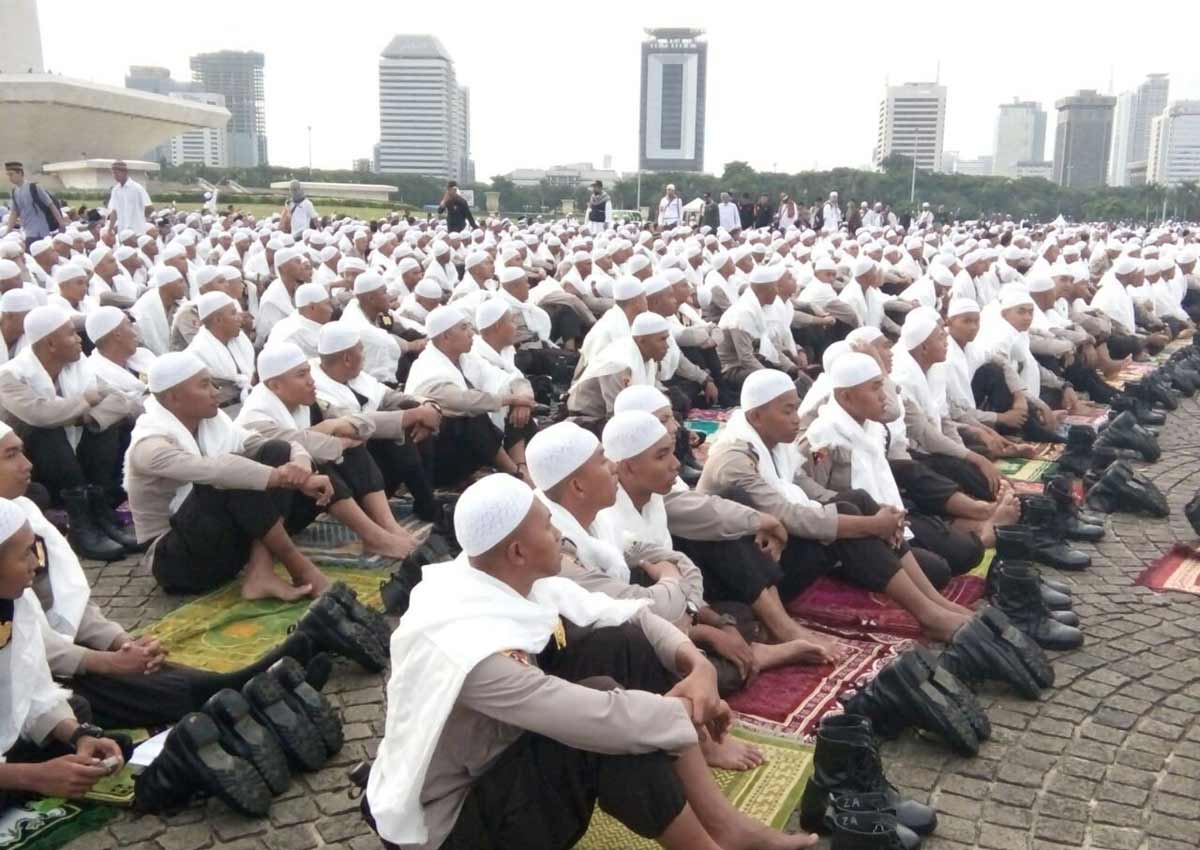
Hundreds of police personnel, wearing white Muslim caps, are on standby at the event.

As many as 200,000 demonstrators are expected to gather at Monas during the gathering, which has been authorised to run until 1 p.m. This event is a follow-up to a large-scale anti-Ahok rally on Nov. 4, when protesters, mostly from Muslim groups, swarmed Jakarta streets to demand Ahok’s prosecution.

Last month, the National Police named Ahok, a Christian of Chinese descent, a suspect of blasphemy over comments on a Quranic verse the governor had made during a visit to Thousand Islands regency in late September.

Image:
Category:
Publication Date:
Friday, December 2, 2016 – 09:42
Send to mobile app:
Source:

Rotator Image:
Story Type:
Others

Source link

MAS imposes penalties on Standard Chartered and Coutts for 1MDB-related breaches

0


SINGAPORE – Singapore’s central bank said on Friday it imposed penalties on the local units of UK-based Standard Chartered Bank and Coutts for money laundering breaches related to Malaysia’s scandal-tainted 1MDB fund.

The penalties – of S$5.2 million and S$2.4 million, respectively – were the latest punitive measures taken by the central bank in its crackdown on money laundering, having ordered the closure earlier this year of the local units of Swiss banks BSI and Falcon.

The inspection at Standard Chartered “revealed significant lapses in the bank’s customer due diligence measures and controls for ongoing monitoring,” the Monetary Authority of Singapore said.

While the 28 breaches were “serious”, the central bank did not find “wilful misconduct.” Standard Chartered said in a statement it is taking action to strengthen controls and surveillance systems.

“We regret that 1MDB-related transactions passed through Standard Chartered Bank Singapore accounts from 2010 to early 2013,” the statement said. “We reported the suspicious transactions, both before and at the time we exited the accounts in early 2013, and have been fully cooperating with the authorities investigating this matter.”

Malaysia’s 1MDB, once a pet project of Prime Minister Najib Razak who chaired its advisory board, is the subject of money-laundering investigations in at least six countries, including Switzerland, Singapore and the United States.

At Coutts, a private bank, the investigation revealed 24 breaches of AML requirements in relation to customer due diligence measures for politically exposed persons.

This was the result of actions or omissions of officers who have since left the bank, including Yak Yew Chee and Yvonne Seah, who had left Coutts to join BSI Bank in late 2009.

Coutts International was sold by Royal Bank of Scotland to Union Bancaire Privee in March 2015 and is in the process of winding down its Singapore operations.

UBP did not immediately respond to requests for comment MAS is also in the process of issuing a prohibition order against Tim Leissner, a former director and representative of Goldman Sachs Singapore.

Leissner was responsible for managing the relationship with 1MDB when Goldman Sachs was engaged by the fund to arrange three bond issues from 2012 to 2013. MAS’s investigation found he had made false statements on behalf of his bank without its knowledge or consent. “Today’s announcement refers to a matter we discovered in January of this year and identified as a clear violation of the firm’s standards…We continue to co-operate with the MAS,”Goldman Sachs said in a statement.

The proposed order will prohibit Leissner for a period of 10 years from performing any regulated activity under the Securities and Futures Act or taking part, directly or indirectly, in the management of any capital market services firm in Singapore.

The central bank said it was nearing the end of its 1MDB-related investigations and will provide a final update early next year.

Image:
Publication Date:
Friday, December 2, 2016 – 10:19
Send to mobile app:
Source:

Rotator Headline:
StanChart, Coutts fined $5.2 million and $2.4 million respectively by MAS for 1MDB breaches
Rotator Image:
Story Type:
Others

Source link

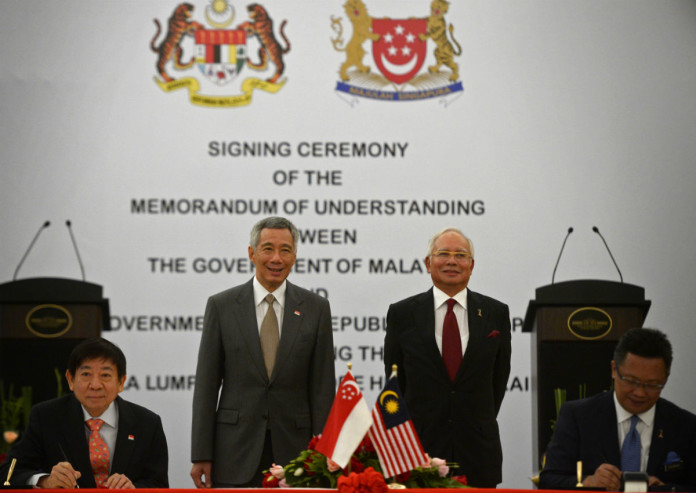
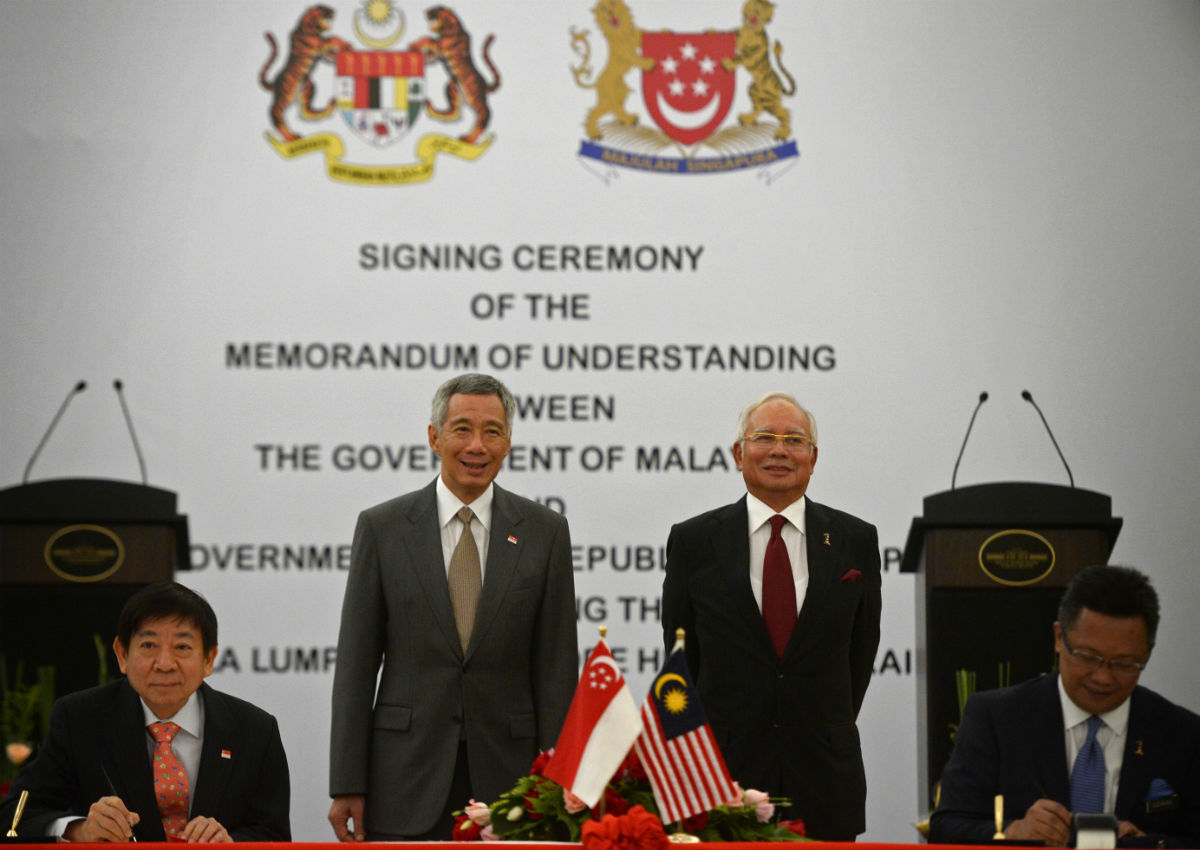
Singapore-KL high-speed rail pact will be signed by month’s end, says Malaysian minister

0


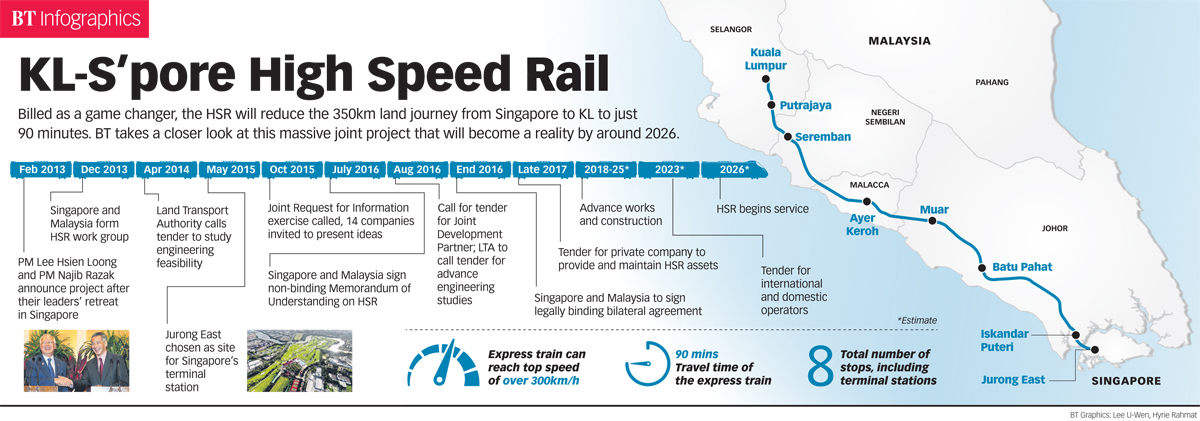
The bilateral agreement between Malaysia and Singapore on the High-Speed Rail (HSR) will be signed as scheduled by the end of the year, says Minister in the Prime Minister’s Department Datuk Abdul Rahman Dahlan.

It is likely to be signed around Dec 21 from its original date of Dec 5, he said, adding that the delay was due to scheduling and other administrative matters.

“Both sides are now taking the necessary follow-up action to comply with their respective internal procedures and legal requirements for the signing of this agreement,” he said.

On Nov 29, Abdul Rahman met Singapore Coordinating Minister for Infrastructure and Minister for Transport Khaw Boon Wan, to discuss the remaining details.Malaysia and Singapore signed a memorandum of understanding for the project in July.

See also: Singapore-KL high-speed rail: What you need to know

Mooted in 2013, the 350km rail project, of which 15km will be in Singapore, is expected to begin construction in 2018 and will start operating in 2026.

On Wednesday, Singapore Prime Minister Lee Hsien Loong said Singapore and Malaysia had made very good progress in the bilateral agreement on the HSR project.

He hoped both sides could sign the agreement when he and his Malaysian counterpart, Datuk Seri Najib Tun Razak, meet at a Leaders’ Retreat later this month.

Lee said the first thing was to have a sound agreement between the two countries on how the project was structured, how it was going to be executed, and how it was being backed by both governments.

“That is the first requirement, that we have a very good agreement which sets out clearly a sound basis to build and operate the system,” he said.

Both countries had been discussing the agreement for more than a year, Lee noted.

“We are almost there and I hope that when I meet the Prime Minister at the next retreat, we will be able to sign the agreement,” he said in an interview with Bernama chairman Datuk Seri Azman Ujang on Monday.

Image:
Publication Date:
Friday, December 2, 2016 – 10:23
Send to mobile app:
Source:

Rotator Headline:
Malaysian minister: HSR pact to be signed by month’s end
Story Type:
Others

Source link

Where to enjoy the best New Year’s Eve parties in Asia

0


With such distinctive cultures and traditions, you can expect the same diversity in the way Asia’s cities usher in the New Year! Party with hipsters in Beijing, enjoy the fireworks in Taipei or get foamy in Sentosa with Skyscanner’s top picks for the best New Year’s Eve parties in the region.

1. Taipei

Named one of CNN’s top ten destinations to spend New Year’s Eve, the main draw of the Taipei’s year-end festivities happens at the iconic Taipei 101. Tens of thousands flock to this skyscraper in Taiwan’s capital for a splendid fireworks show designed by French pyrotechnic design experts. Head down to Taipei City Hall or Sun Yat-sen Memorial Hall for the best vantage points.

Also, don’t miss the countdown concert at Civic Plaza, where you can expect to see the likes of Rainie Yang, William Wei, Wilber Pan and other popular entertainment artistes from Taiwan.

2. Hong Kong

One of Asia’s most gorgeous fireworks displays happens annually along Hong Kong’s waterfront. Watch the beauty of Victoria Harbour get enhanced by an eight-minute concert of light and music in the skies above the Hong Kong Convention and Exhibition Centre.

Choose between the Kowloon and Hong Kong sides of the harbour and be sure to head there at least several hours before midnight to secure a good spot!

3. Beijing

From massive countdown extravaganzas to nightclub parties, Beijing offers a host of activities for you to choose from as 2016 creeps to an end. One of the most significant countdown events happens at the Summer Palace – a popular tourist destination, originally built as a royal garden during the Qing Dynasty. The event will be broadcasted live, featuring breathtaking cultural performances and a sixty-second countdown.

For the hip crowd and those seeking to greet the New Year to fist-pumping beats there’s the YEN Countdown, touted as Beijing’s biggest New Year’s Eve party. Held at a former electronics factory in the 798 Art District, you can see this industrial concept space get transformed by glitter and a DJ deck amidst a sea of pulsating bodies under neon lights.

4. Tokyo

New Year’s Eve in the Land of the Rising Sun seems to be an entertainment-filled affair. Get ready to party the night away with renowned electronic dance music maestros at Tokyo’s clubbing hotspot Sound Vision Museum, which regularly features top house and techno masters from around the world!

If you’re a fan of live music, then you’d go wild at Rockin’ On magazine’s Countdown Japan festival, a four-day affair with a hundred featured artistes and bands playing across four stages that finally ends off with a huge all-night party. Jazz aficionados will also love The Pit Inn at Shinjuku, where veteran jazz musicians will serenade you into 2017.

5. Singapore

Our very own Singapore offers a wide range of experiences on the night of 31 December. You are sure to enjoy the beautiful people and scrumptious cocktails at the countdown at 1 Altitude which offers you a chance to get your glam on, while offering a spectacular view of the fireworks display happening against the iconic skyline of Marina Bay Sands.

In Marina Bay Sands, enjoy live music, awesome views and family fun at the Sky High Social at the MBS Observation Deck. If you’re up for a massive party, head down to Siloso Beach for Singapore’s biggest beach countdown party – Siloso Beach Party – and welcome the new year with gorgeous partygoers, lots of foamy party antics and thumping dance music.

This article first appeared on Skyscanner’s Where to enjoy the best New Year’s Eve parties in Asia

Image:
Publication Date:
Friday, December 2, 2016 – 10:18
Send to mobile app:
Source:

Interest:
Story Type:
Others

Source link

Singapore's new tallest building dubbed a 'vertical city'

0

Singapore’s canyons of skyscrapers have a new peak with the opening of the Tanjong Pagar Centre on the fringes of the central business district, sitting atop one of the wealth city state’s busiest train stations.

The complex has been dubbed a “vertical city” marks the revival for an area of the business core of Singapore, about a kilometer away from the three soaring burnt-glass coloured towers at the Marina Bay Financial Centre (MBFC) complex built on land reclaimed from the sea and adjacent to the Marina Bay Sands hotel and casino.

With office, retail, residence, hotel, fitness, and even an urban park, the new complex will be home to more than 150,000 square feet of green community space.

The Tanjong Pagar site at 290 meters high pips its nearest rivals by just 10 meters, with three other building in Singapore at 280 meters high, One Raffles Place, UOB Plaza One and Republic Plaza.

But it comes at a time that Singapore’s office and retail vacancy rates are rising and online shopping gathers pace with the arrival of a Singapore-based unit of China’s massive e-commerce firm Alibaba and the expected launch of new services by US-based Amazon.

“The approach of an integrated development solves the congestion problem so that we minimise travels. It also helps people do more things within the same location,” Cheng Hsing Yah, Managing Director of GuocoLand Singapore told CNBC Asia during a tour of the property.

The towers promise 32-per cent in energy savings compared to similar code-compliant buildings by using glazing and directional shading which reduces the sun’s glare from Singapore’s year-round tropical climate.

The project–which includes nearly 30 floors of office space–comes to market as a time when Singapore’s office vacancies has hit its highest levels in more than four years and been on its longest stretch of declines since the financial crisis.

“The market has been challenging in terms of the leasing, because of the economic situation as well as the supply, but we’re quire fortunate to experience a very strong tick up rate of our office as well as our retail and f-and-b (food and beverage)space,” Cheng said.

Guoco says office space for Tanjong Pagar Centre is already more than 85-per cent leased and the retail space is more than 90-per cent. Still, there are no signs of inventory slowing down.

Next year, Marina One, adjacent to MBFC, is expected to open which will bring nearly 2-million square feet of space to market, and Singapore’s government is reportedly selling prime land in the Marina Bay financial district, making it the first such sale in nine years.

Image: 
Category: 
Publication Date: 
Friday, December 2, 2016 – 10:05
Send to mobile app: 
Source: 


Video Media: 
Other Video Media
Story Type: 
Others

Source link

No place like home: How some families make ageing at home work

0

SINGAPORE: A recent debate on whether Singapore should have more single- and twin- bedded wards in state-subsidised nursing homes signals that changes in the care system could happen.

Societal expectations are shifting – not just to emphasise more privacy and autonomy for the elderly – but also in favour of more holistic, home-based care, over clinical and regimented institutional approaches.

“We have seen a rising trend of seniors choosing home-based care,” said a Ministry of Health (MOH) spokesperson, adding that demand for home care is expected “to continue to grow in tandem with increasing aged care needs”. MOH-subvented home health providers served about 6,800 subsidised clients in 2015, up from about 5,800 subsidised clients in 2014.

This is trend is not unexpected, given the high rate of homeownership in Singapore. But while ageing at home is ideal for those in good health, it can be a challenge for those with physical or mental impairments.

How do caregivers do what is right by an aged parent, or sibling, who has expressed an aversion to institutional care? Channel NewsAsia spoke to two families who made chose to reject institutional care, to find out how they coped.

Mdm Leela: Bedridden and living at home with family

Leelavathy Muttutamby suffered a stroke in July this year, and had spent three weeks in a public hospital when the situation took a turn for the worse. The hospital advised the family that Mdm Leela would be referred to a community hospital for step-down care, as there was not much more that could be done, due to her high-risk status.

“The ischemic stroke converted into a hemorrhagic stroke. So from a medical perspective, my mom, who is 84 years old, with a bleed in the brain, has multiple co-morbidities, kidney failure (and) in any medical textbook, this is very poor prognosis or poor quality of life,” said Mdm Leela’s daughter Kavitha (who asked that her real name not be used), who is medically trained.

But the family eventually decided not to go with the hospital’s recommended approach.

“As a family we came together, sat down and talked about it, and we felt it was important that she be with us in the family environment, and that we have access to her easily,” explained the 53-year-old.
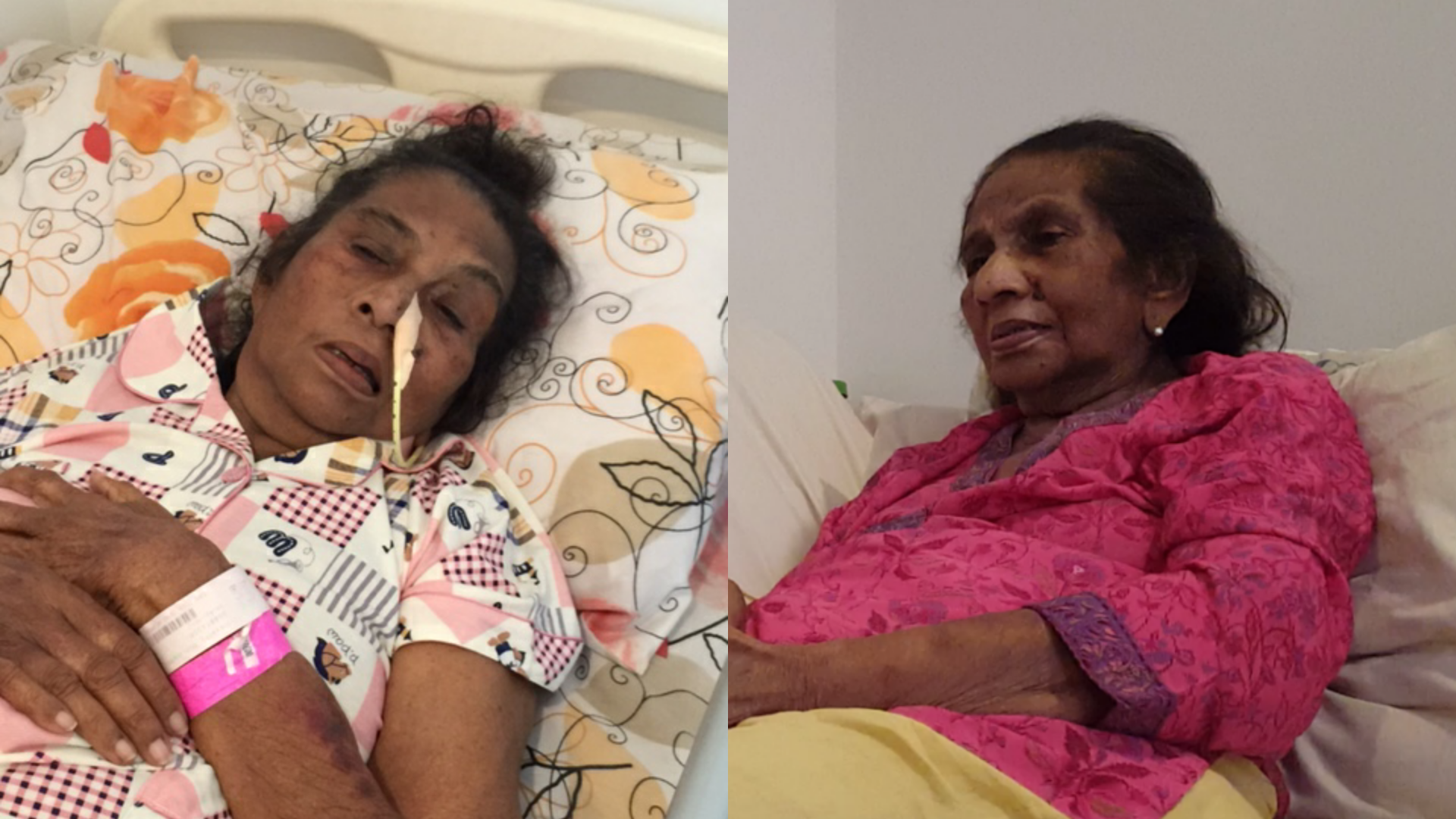
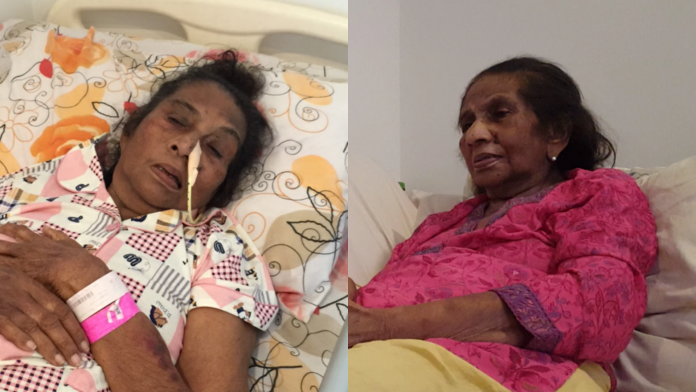
Mdm Leela (right) has made much progress since being discharged from the hospital in August (left). 

Four months on, Mdm Leela has improved. The retired teacher no longer requires tube feeding, and is beginning to regain speech.

Kavitha believes that being in the home environment, as well as seeing and feeling that the whole family is in it together, gave her mother greater determination to fight on. “I told her ‘I haven’t given up on you, so you don’t give up on me,’” she added.

How they made it work: Kavitha, who is widowed, lives with her teenage son and her domestic helper of seven years. She hired a second domestic helper in anticipation of Mdm Leela’s move home.

“Prior to my mum being discharged, the nursing staff at the hospital did changing and bed care training for my helpers and me, and also taught us how to do tube feeding, give basic physiotherapy and occupational therapy care. We followed the instructions at home and did up a schedule,” she said.

Kavitha, who has a full-time job as a senior management executive, also engaged private home care service Jaga-Me for advice on transitional care arrangements. Jaga-Me currently provides monthly respite care to relieve her domestic helpers. When needed, they also connect the family with ambulance services, and doctors who do house calls, for example.

Caring for Mdm Leela at home did initially take a toll on the household of four, as they struggled to work their lives around Mdm Leela’s care schedule, said Kavitha. “There’s a whole host of things to learn for caring for a person who’s bedridden, who has had a stroke.”

“There was a lot of learning for us. One example was feeding three-hourly on a tube. By the time you finish the one process of changing the patient, turning the patient, getting the milk, feeding her, doing the glucometer or the blood test, giving insulin – it’s time for the next cycle to start,” she added.

“So having a schedule is super important, because any delay shifts the whole schedule, and then for the rest of us… our dinners became (delayed) to 10 o’clock at night, because the priority was ensuring that my mom’s schedule was maintained.”

“There’s a whole host of things to learn for caring for a person who’s bedridden, who has had a stroke”: Mdm Leela’s daughter

The additional costs per month of looking after Mdm Leela come up to about S$2,500, said Kavitha. This is higher than what the family would pay if Mdm Leela were in a six-to-eight bedded community hospital, but she feels it is “all worthwhile”.

The case for home-based care: Care coordinator Catherine Heng, who took charge of Mdm Leela’s case, says home care fills important gaps in the eldercare and step-down care eco-system.

“During my five years in the public sector, I realised that a lot of patients and family members are ushered through the process in the hospital. The patients do get well in the hospital, but subsequently, upon (being) discharged, they are actually very lost and when they get home, they don’t have much of an idea of what is going to be happening at home,” said the former staff nurse in a public hospital.

The 25-year-old added: “There were a few cases which I know of, where they got home, and didn’t continue to manage well, and subsequently were re-admitted for likely the same reasons. It’s quite a vicious cycle for them, and I do realise that there’s this gap in the community. It’s a challenge that home care can definitely fill.”

Given Singapore’s high workforce participation rate, it is unsurprising that Jaga-Me co-founder Julian Koo says 90 per cent of his home care clients hire domestic workers. But he believes the view that home care is expensive is a myth.

“The public healthcare system provides subsidised home care. There are also private options which provide additional support on top of what the public sector can provide,” said the 29-year-old.

Currently, there are various measures to support households which hire domestic workers to care for seniors and family members with moderate to severe disabilities. One example is the Foreign Domestic Worker Grant, which provides a monthly grant of S$120.

Since 2012, this has benefitted at least 10,400 households, with the Government providing a total grant amount of S$20.6 million. Towards the end of 2016, MOH also started piloting an eldercare training scheme for foreign domestic workers, said an MOH spokesperson.
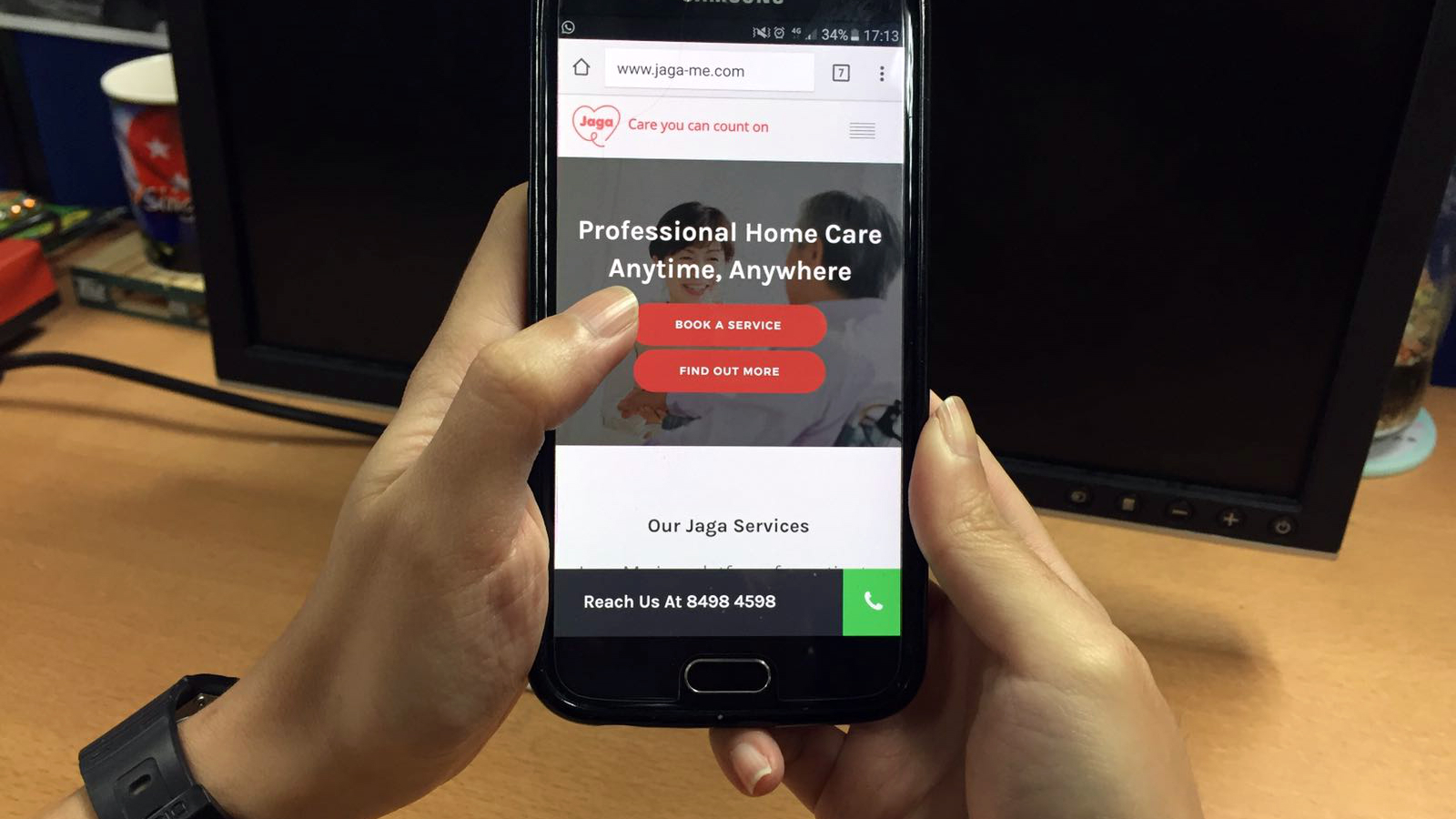
Private home care providers like Jaga-Me offer on-demand home care services, by linking clients to nurses in their vicinity.  

Mr Teng: Dementia patient living alone in a rental flat

Not every senior is fortunate enough to have the same level of family support and financial resources as Mdm Leela. But among those with lower levels of support, it is possible to age at home if they are relatively healthy and mobile.

Take retired hawker Mr Teng for example. The eldest of seven children, he has never married and is childless. The 76-year-old is diagnosed with dementia, high blood pressure, and diabetes, and lives alone in a rental flat. He relies on help from his siblings, state-subsidised dementia day care services, and charities like the Tsao Foundation.

Two years ago, Mr Teng’s siblings had a scare when he had a fall and was only discovered some 24 hours later. While mishaps like these might have been easily prevented in a nursing home with round-the-clock care and supervision, Mr Teng is adamant about retaining his independent lifestyle.

“Cost is an issue, and besides, there is no need for it at the moment,” he said. According to his 75-year-old sister, who looks in on him weekly, this reply is characteristic of him as he values his independence, and does not want to burden others.

Mr Teng’s decision is supported by his siblings, with help from the Tsao Foundation’s Community for Successful Ageing (ComSA) Whampoa Centre. Chua Hui Keng, a care manager, took on Mr Teng’s case more than a year ago, and began coordinating services to enable him to live independently.
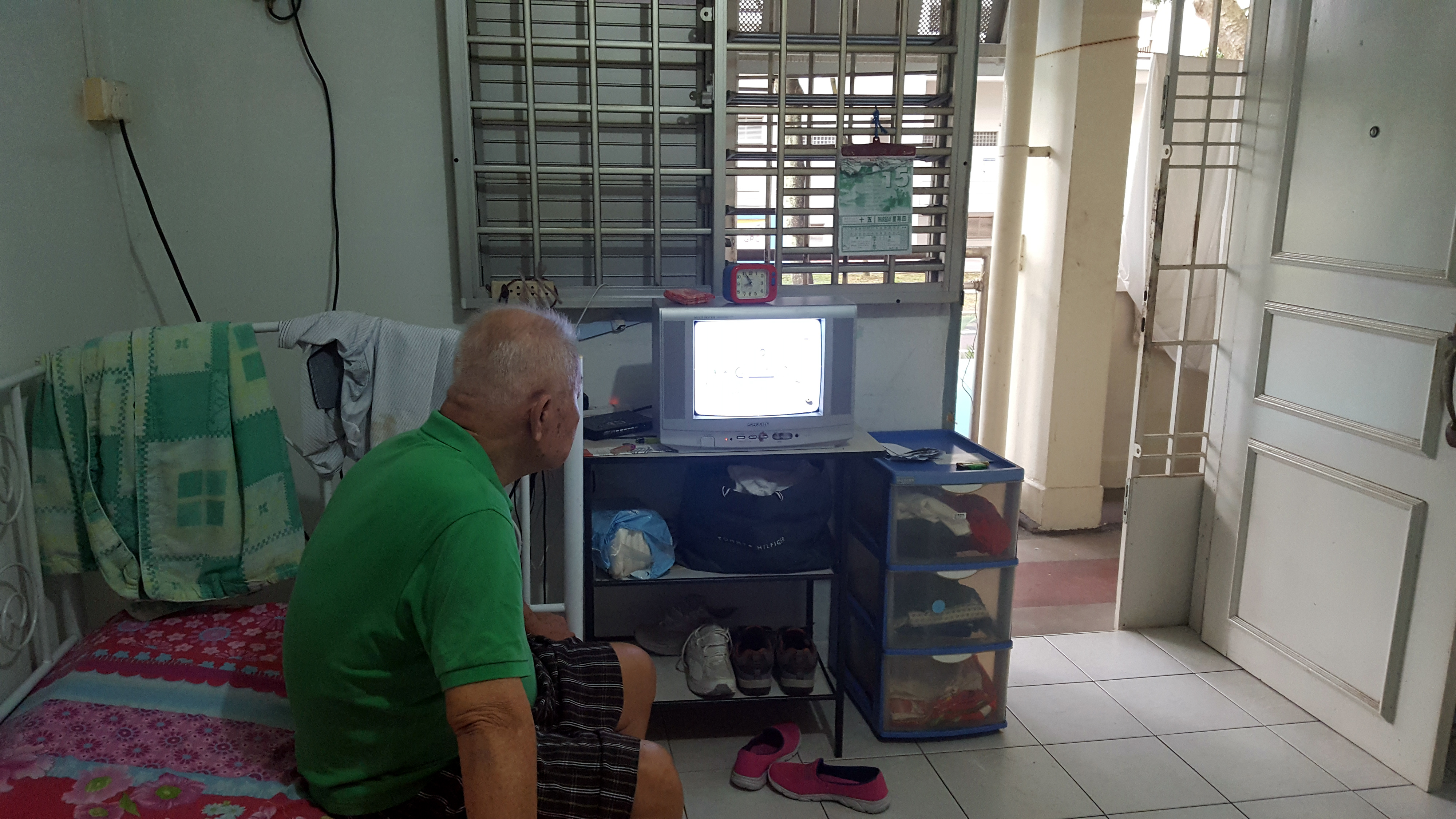
Mr Teng watching television in his rental flat. (Photo: Linette Lim)

How they made it work: From 8.30am to 4.30pm on weekdays, Mr Teng attends dementia day care at St. Andrew’s Community Hospital, which costs about S$300 to S$400 a month. When the bus drops him off at home, he usually walks to the nearby food centre to buy his dinner, before heading home.

“I watch TV, and talk to people,” said Mr Teng, when asked how he spent his time at day care. This is a marked improvement from the socially withdrawn person he was, according to Ms Chua, who believes that attending dementia day care has had a positive effect on Mr Teng’s social wellbeing.

“He is more open, more alert, and more engaged now. He used to shoo us away, but we’ve managed to build rapport with him,” added the 40-year-old. Outside of dementia day care, Mr Teng’s younger brother pops in to make sure he takes his daily medication, while Ms Chua makes sure there is a weekly cleaning service in place.

Ms Chua’s role in linking Mr Teng to services he needs – from housekeeping, to dementia day care – is known as case management, or care management within the Tsao Foundation. The Foundation, which is widely considered a pioneer in the field, says their “integrated, person-centred medical and psycho-social services” reach thousands of clients.

“We assess the needs of a client using a bio-psycho-social framework. Biologically – what are the things they can do? Can they cook, can they dress themselves? Are they able to see well, do they have fall risk? Psychologically – how are they feeling, do they have somebody to talk to? Do they feel secure? And social – the family and and social support they have,” said Ms Chua.

“We assess the gaps that need to be filled, and come up a care plan. Then we coordinate services, to bring in services to enable these older persons to age in place,” she explained, noting that the overarching idea is to empower the older person as much as possible.

“Instead of giving them the service – taking over basically – we look at their capacity and competency. How much can they do? And we see whether we can maintain that, or improve on that, before we say, ‘hey you can’t do this, let somebody else do it’. Then obviously they would become even more disempowered.”
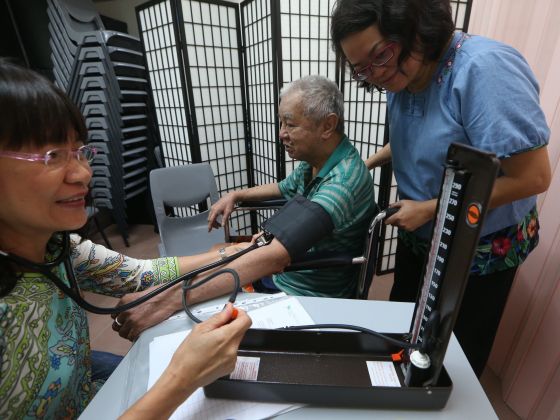
A patient has his blood pressure checked at the Tsao Foundation’s ComSA clinic in Whampoa. (File photo: Ooi Boon Keong, TODAY)

The case for community-based care: According to MOH, injecting aged care services within public housing estates is a “key thrust” of its efforts. For instance, it has expanded, and will continue to expand day care and home-based care capacity. There are enhanced subsidies for home- and community-based care, and there are also plans to pre-build larger centres called “Active Ageing Hubs” for seniors within new HDB developments which will serve a range of eldercare needs.

All these dovetail with other efforts to build stronger community-based support to complement family support. For example, the Government announced in this year’s Budget that it will pilot a Community Networks for Seniors initiative, which aims to link up befrienders, volunteers, and Voluntary Welfare Organisations (VWO) with the elderly in their estates.

When implemented successful, this will replicate on a larger scale, what charities and VWOs such as the Tsao Foundation and the Thye Hua Kwan Moral Society have been doing in certain neighbourhoods.

But what worries social workers like Ms Chua is a lack of awareness and understanding on the part of caregivers and elderly dependents. “We serve more of those living in rental flats, but we also see three-roomers, four-roomers, who are defined as more well-resourced. Even these people have just as limited an understanding of how the whole system works, of what is out there.”

This limited understanding, especially of the alternatives to institutional care, means elderly persons may get moved along a process chain with little consideration for what they want, said Ms Chua, echoing former public sector nurse Ms Heng.

“Singaporeans are very efficient – once there’s a problem, (you look for a) solution and options. But in between, how do you get to the solution, what is the thinking behind it? A lot of times, when we look into housing the elderly, we look at the solutions very quickly but we don’t look at the process,” said Ms Chua, adding that it would help if caregivers have truly considered and exhausted alternative care arrangements.

She admits that whether this happens or not depends greatly on individual and family circumstances. Ideally, the caregivers have to initiate honest conversations with their elderly dependents, and the elderly have to want to be engaged.

“You have to have tried. This helps the older person cope because they would know the children have tried. This also helps the children or caregivers because otherwise they may also be suffering psychologically, from guilt.”

This is the second of a two-part series on ageing in Singapore. The second installment looks at daycare and home care options, while the first focused on institutional care options.

Source link