34.1 C
Singapore, SG
Saturday, September 26, 2026
Home Blog Page 2250

Court upholds deportation order for Thai teenager born and raised in Japan

0

A Thai teenager born and raised in Japan lost an appeal on Tuesday against a lower court ruling that upheld his deportation order, highlighting the country’s deep reluctance to accept foreigners even as its population ages and shrinks.

The Tokyo High Court ruled that Utinan Won, a 16-year-old high school student living without a visa, should leave Japan.

Won’s mother had already left Japan after lower court judges said her son could win residency if she returned to Thailand.

“Of course I want to stay in Japan,” Won told reporters after the ruling. “I’d waited so long for this decision. I’m so sad and pained that it was made so quickly.”

The High Court judges made their ruling in little more than 10 seconds, with cries of “Why?” and “Terrible” coming from a packed public gallery.

Won’s case has drawn sharp focus on the plight of hundreds of children who, like him, live on “provisional release” – a status that allows those without visas to stay in Japan while banning them from working and travelling freely.

Last month, Reuters exposed the agonising pathway to residency offered by the Japanese immigration authorities and courts to some families living on provisional release: Children can stay in Japan legally if their parents return to their country of origin.

Tokyo District Court judges said in June Won could win a special residence permit if his mother – who at the time was also on provisional release – left Japan, and if he found another guardian.

Won’s mother, Lonsan Phaphakdee, returned to Bangkok in September to give her son a chance to continue life in the only country he has known.

Won now lives with a Japanese man who has been supporting the family.

The High Court judges said in a written ruling: “We must say that the (lower court’s) decision and the deportation order are legally legitimate.”

Although Won does not read or write Thai, he is able to speak the language and is young enough to adapt to life back in Thailand, the judges said.

Won’s lawyer, Koichi Kodama, said the judges did not take into consideration the fact that the mother had left Japan and only re-evaluated evidence submitted to the lower court.

Wearing his school uniform and sneakers, Won remained impassive throughout the ruling, his head bowed slightly.

Representatives from the government, the defendant in the case, were not present at the hearing.

His lawyer said Won had not yet decided whether to appeal against the latest ruling. 

Image: 
Category: 
Publication Date: 
Tuesday, December 6, 2016 – 16:38
Keywords: 
Send to mobile app: 
Source: 


Story Type: 
Others

Source link

Generals dominate new Thai king’s Privy Council

0


Bangkok – Thailand’s new King Maha Vajiralongkorn has filled a powerful advisory body with top army brass including three generals linked to the ruling junta, according to a statement Tuesday.

The move illustrates the close military-royal alliance that has defined Thai politics for the last five decades, an era that has seen brief flirtations with democracy punctuated by multiple palace-endorsed coups.

The most recent coup was in 2014, when generals ousted an elected government. Analysts believe it was staged to control the looming royal succession as the former king’s health declined.

The deeply revered King Bhumibol Adulyadej died in October aged 88 after a seven-decade reign, leaving the politically turbulent country bereft of a unifying figure.

His only son, 64-year-old Vajiralongkorn, was proclaimed king last week.

The royal succession is a highly sensitive topic in Thailand, where criticism of the monarchy is banned, and has thrust the kingdom into a new era of uncertainty.

Tuesday’s statement on television announced that Vajiralongkorn has trimmed the size of his Privy Council from 16 to 11, keeping eight members appointed by his father and elevating three new ones.

The new appointees are three top generals associated with the junta.

Read also: The dawning of a new Thai King

Two are members of the military government’s current cabinet, Justice Minister General Paiboon Koomchaya and Education Minister General Dapong Ratansuwan.

The third new member is General Teerachai Nakvanich, who became army chief under the junta in 2015 and retired earlier this year.

They join three ex-generals who keep their positions, giving the armed forces a majority on the council.

The military has long styled itself as the defender of the monarchy, almost always staging coups in its name.

Privy councillors have been appointed interim prime ministers after some previous coups, and wield significant political influence behind the scenes.

While the constitutional monarchy has limited formal power, it controls one of the world’s richest crowns and attracts the loyalty of much of the business and military elite.

The royal family is also shielded from public criticism by a draconian defamation law that punishes each offence with up to 15 years in jail, forcing subjects and media to heavily self-censor.

The junta has ramped up use of the law since its power grab, throwing scores of people behind bars – sometimes for decades.

Read also: Thai junta allows ‘culture of torture’ to flourish: Rights group

Image:
Category:
Publication Date:
Tuesday, December 6, 2016 – 16:49
Send to mobile app:
Source:

Story Type:
Others

Source link

Singapore bond market ending the year with a whimper

0

Singapore: The local bond market is ending the year with a whimper – beset with anxieties over upcoming interest rate hikes and uncertainty over the incoming policies of the next US president.

With issuance down 15 per cent in the first 11 months of the year over the first 11 months of last year, the full-year volume may turn out to be the slowest since the decade began.

Returns are off their highs, but haven’t been half bad, although this may not be apparent from news about the slew of defaults.

New issuances for the first 11 months of this year came to S$18.6 billion from 98 issues – down 15 per cent from the first 11 months of last year, which was S$21.8 billion from 157 issues.

Issuance volume for the full year last year was S$22.8 billion.

The record year was 2012, with S$31.5 billion in issuances; a year later, it had plunged to S$19.9 billion.

The SGD bond market for this year looks like it will end up at close to 2013’s new-issuance volume of just under S$20 billion, said Clifford Lee, DBS Bank’s head of fixed income.

He offered 2 main reasons for the slow market: “The credit stress in the SGD bond market, although very much isolated to bonds issued by the offshore and marine sector, has seen more risk aversion among investors.

The issuance volume of mid-cap issuers’ bonds has correspondingly dropped.

“Traditional investment-grade issuers who could have issued in the SGD bond market were offered cheaper issuance options in other markets (such as in USD and HKD).”

Andrew Wong, OCBC Bank credit analyst, said another factor for the muted activity in 2016 is Singapore’s weak economic outlook, which depressed performance in some key industry segments that issue bonds in SGD, namely property and financials.

Making things worse in 2016’s final quarter – a traditionally slow period – was last month’s unexpected victory by Donald Trump in the US presidential elections.

Todd Schubert, Bank of Singapore head of fixed-income research, said that the result of the election caused a re-pricing of bond risk globally, on the assumption that the Trump presidency would be marked by reflation caused by expansionary fiscal policies.

“Coupled with the potential for a Fed rate hike later this month, this has basically brought the SGD market, and indeed, bond markets globally, to a standstill,” said Mr Schubert.

But although issuance has been slow, this year’s performance hasn’t been too bad overall.

The Singapore Fixed Income Index, which stood at 124.35 on Dec 2, is up almost 3 per cent in the year to date.

The all-time high was 128.96 on Sept 8.

Some of this year’s best performers have been perpetuals.

The top performer is AusNet Services 5.5 per cent S$200 million bonds sold in March.

It was quoted on Monday at around 107, down from its 108.07 high on Oct 9.

At its current price, the yield has fallen to about 3.8 per cent.

Bonds are sold at 100 par. Bond yields fall when prices rise and vice versa.

Perpetuals are hybrid bonds with no fixed maturity, though they typically have a call date when the issuer has the option to redeem the bond.

Strictly speaking, the AusNet deal is a long-tenure bond of 60.5 years with a call in 5.5 years, giving it perpetual-like features.

That means the debt matures in September 2076, but it can be called or redeemed by the issuer in September 2021.

But for those hurt by the defaults, the bond market has lost its lustre.

Said Mr Schubert: “I would indeed say that the spate of defaults were the defining feature of the SGD market in 2016.”

While the number of defaults was not large relative to the number of outstanding issues, for it to go from zero to around half a dozen is significant, he said.

Investors’ losses amount to about S$1.1 billion, representing about 0.74 per cent of the S$149 billion outstanding SGD bonds, The Business Times reported last month.

The defaults highlighted the immaturity of the local bond market – the lack of liquidity in the secondary market.

Neel Gopalakrishnan, Credit Suisse’s emerging-markets bond analyst, said: “The absence of meaningful secondary-market liquidity also hurt investors, as it was difficult to exit exposures to companies that had deteriorated fundamentally.”

For those looking for a silver lining, the regulator has stepped up regulatory scrutiny and efforts to support the market.

Mr Schubert said the defaults proved to be a catalyst for tightened regulatory scrutiny, such as the mandatory disclosure of rebates on new issues and the impetus for a more robust legal framework for bankruptcies based on Western best practices.

The Monetary Authority of Singapore last month also said that Asian and Singapore bond issuers will get help to offset credit-rating fees, in an effort to raise the quality of bonds sold here.

Qualifying Asian issuances will be able to offset up to half the one-time issuance costs such as credit-rating fees.

For Singapore-dollar bonds, only rated issuances would be eligible under the Asian Bond Grant scheme.

As for 2017, there will be opportunities from refinancings.

Terence Lin, assistant director of bonds and portfolio management at fund researcher iFast, said: “We count S$14.45 billion of SGD bonds maturing in 2017, with another S$9.95 billion of bonds callable next year, for a total of S$24.4 billion which could be taken out of the market.”

DBS’s Mr Lee said that, with heightened expectation of rate hikes, 2017 promises more volatility.

“SGD-centric investors, however, remain cashed-up and will still need to invest, and they will continue to do so in the new year, during periods of market stability.

“In periods of low supply of new SGD bonds, investors may have to invest in non-SGD bonds and swap the proceeds back to SGD until supply returns,” he said.

Devinda Paranathanthri, credit analyst with UBS Wealth Management, said that UBS prefers bank-subordinated bonds, larger developers, Singapore Reits and some overseas issuers.

Mr Lin said next year could be an interesting proposition for the brave investor, and also from a currency angle.

“Weak investor sentiment and the gross underperformance of SGD high yield in 2016 means the segment provides rich pickings for value-oriented investors,” he said.

The SGD bond market may provide an interesting opportunity for global (US dollar-centric) investors who feel that the recent SGD sell-off is overdone, he said.

“A recovery in the SGD vis-à-vis the USD would provide currency upside from a USD investor’s perspective, while domestic rates would also be expected to decline under such a situation, which would boost the prices of SGD bonds,” he said.

“The credit stress in the SGD bond market, although very much isolated to bonds issued by the offshore and marine sector, has seen more risk aversion among investors.

The issuance volume of mid-cap issuers’ bonds has correspondingly dropped.”

DBS Bank’s head fixed income Clifford Lee on why the market was slow this year.

Another reason is that investment-grade issuers were offered cheaper issuance options in other markets


This article was first published on December 06, 2016.
Get The Business Times for more stories.
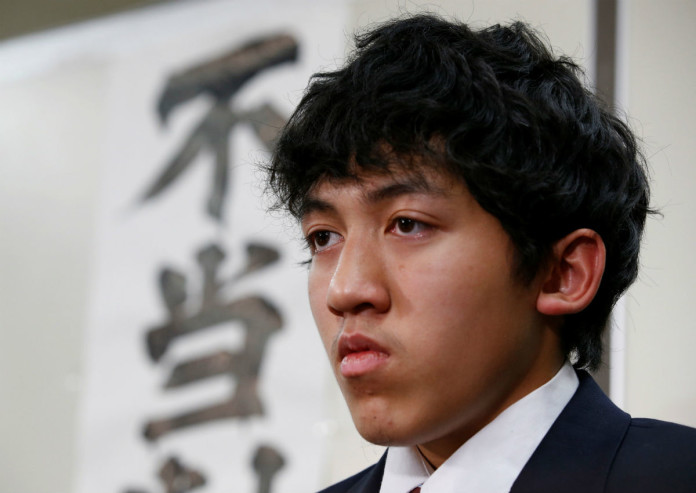
Image: 
Publication Date: 
Tuesday, December 6, 2016 – 15:32
Keywords: 
Send to mobile app: 
Source: 


Story Type: 
Others

Source link

Enjoy a 3D2N vacation fr $95/pax (Hotel + Flights + Taxes) with Air Asia Go from 5 – 11 Dec 2016

0

Grab a 3D2N vacation (Flights + Hotels + taxes) from $95/pax with AirAsiaGo’s latest promo. Travel from now till 31 Jan ’17

Enjoy a 3D2N vacation fr $95/pax (Hotel + Flights + Taxes) with Air Asia Go from 5 – 11 Dec 2016

Air Asia Go is having a 7-day Sale featuring 3D2N packages (Hotel + Flights + Tax) from just S$95/pax. Destinations include Thailand, Malaysia, Indonesia, South Korea and Japan

Source

JJ Lin proves to be your regular DOTA fan, spotted at local LAN shop on day of Singtel disruption

0

Even if you’re not a Singtel user, you would have definitely heard the collective wails of agony across the island during Singtel’s day-long broadband service disruption last Saturday.

While many who spent the entire day out weren’t as affected as those who preferred to veg out on tv shows and games over the weekend (guilty, as charged), tempers flared as Singtel’s inconclusive updates were dished out over the day.

Singtel’s attempt to appease the mob came in waiving data charges for customers tethering from their smartphones, but some Singaporeans decided to find even more creative ways to carry out their Saturdays online – and one of these Singaporeans is popular Mandopop singer JJ Lin.

Read also: Still no access for some Singtel subscribers

Still no access for some Singtel subscribers

According to a Weibo post, a netizen spotted the singer, who recently returned to Singapore (his career is mostly based in Taiwan), in a local LAN shop playing games – with some even hazarding a guess that he had to resort to appearing in such a public place due to the broadband disruption.

Said ZhangJLY on Weibo, “JJ Lin’s surfing the net next to me! This is his autograph and internet credentials!”

Photo: @ZhangJLY Weibo account

From the photos, netizens who saw the post guessed that it was taken at the OASIS Netcafe located at PoMo.

Another netizen, going by username Hokming, also posted his own photos of the star, adding on the detail that Lin was actually “playing DOTA”.

He also noted that while fans were waiting outside the toilet for Lin, no one disturbed him while he was playing his games.

Photo: Hupu user Hokming

As Lin was leaving, Hokming said to the singer, “JJ bye bye”, to which, Lin replied “bye bye”.

While the actual reason behind Lin choosing to game in a LAN shop is still unknown, we can’t help but think that the sighting revealed one more tidbit on the singer – just like many of us, he too can’t live without his wifi.

Vulcan Post is all about living life with a digital edge, up and coming startups, and people who inspire conversations.
Visit Vulcan Post for more stories.

Image: 
Category: 
Publication Date: 
Tuesday, December 6, 2016 – 15:13
Send to mobile app: 
Source: 


Rotator Headline: 
JJ Lin spotted at local LAN shop on day of Singtel disruption
Story Type: 
Others

Source link

Local telcos' support for Mobile Connect laudable

0

Last week, Singapore’s Big Three telcos announced plans to jointly support Mobile Connect (MC), a global authentication standard that will allow their customers to access online services with just their mobile numbers.

It offers a simple and secure way for mobile users to sign in to websites and apps.

Using only one’s cellphone number and cell phone to verify one’s identity, MC decisively removes the need for usernames and passwords.

Its advantages are plain to see – and its potential is immense and far-reaching.

MC could majorly transform online transactions in banking, e-commerce, telecommunications, entertainment, government and travel services.

Solving a real problem

Just imagine the number of websites and apps you won’t be able to access without usernames and passwords.

It’s frustrating, MC says in its online pitch, that the more we use the Internet, the more login details we have to memorise.

Moreover, users sometimes log in to websites and apps using their social network login details (such as Facebook’s) to avoid having to remember new usernames and passwords.

But more are worried about how much personal information such logins require and share, and whether their personal data will be used without permission.

A spokesman for MC says: “It gives customers simple, secure access on any device, negating the need to remember complex usernames and passwords and ensuring that they have control over what personal information is shared with digital service providers.”

How safe is it?

The question is whether MC is secure enough to win over users and online service providers.

Compared to typical username-and-password schemes – where criminals may obtain a user’s password and steal his identity – MC lets the user use his mobile number and mobile phone to verify his identity. MC says: “As you are the only person in possession of your phone, you are the only person who can log in.”

But what happens if the user’s mobile phone is lost or stolen?

MC suggests that the user calls his mobile operator to report the incident, after which his MC account will be blocked to ensure that it cannot be used to log into any website or app.

If a website or app requires higher security levels (such as that of a bank), the user will have to perform an extra step: enter a personal pin, which he has to memorise.

With MC, a customer now only needs to remember his personal pin and carry his smartphone with him – to conduct banking transactions.

No need for cumbersome and expensive physical tokens, or even one-time passwords.

Local banks, when asked by The Business Times about the viability of MC, mostly said that the technology is still very nascent and that there are no plans to adopt the standard as of now.

UOB, however, appeared to have identified the hassle of physical tokens early.

Dennis Khoo, the bank’s head of personal financial services for Singapore, told BT that UOB was the first local bank to offer a digital token.

He said: “With UOB Mighty Secure, customers can make mobile banking transactions without having to toggle between the smartphone and the physical security token.”

On whether UOB will support MC, Mr Khoo said: “Ultimately, innovative mobile solutions that align with the customer’s changing lifestyle needs are a step in the right direction as it will bring greater convenience for them.”

Needed: An ecosystem

The success of MC will depend on the number of participating online service providers, such as banks and even the government. BT understands that M1, Singtel and StarHub are already in talks with several interested vendors, with which they are evolving a commercial model for MC.

Clement Teo, principal analyst at research firm Ovum, says MC will make a good tool for e-government services.

Its low-friction authentication will lead to better engagement with users, and reduce the likelihood of users abandoning transactions due to authentication issues.

Mr Teo notes that while MC could potentially replace SingPass (which today is used by citizens to conduct personal and corporate e-government transactions), it wouldn’t be anytime soon.

“Given the government’s recent shoring up of security for SingPass, it wouldn’t be replaced so quickly.”

Nonetheless, that all three telcos here are supporting MC is laudable.

Today, India is the only country globally to have implemented this platform across all its telcos – enabling vendors to access all mobile consumers in the country.

It may be very early days for MC in Singapore, but it’s an idea whose time has come.


This article was first published on December 06, 2016.
Get The Business Times for more stories.
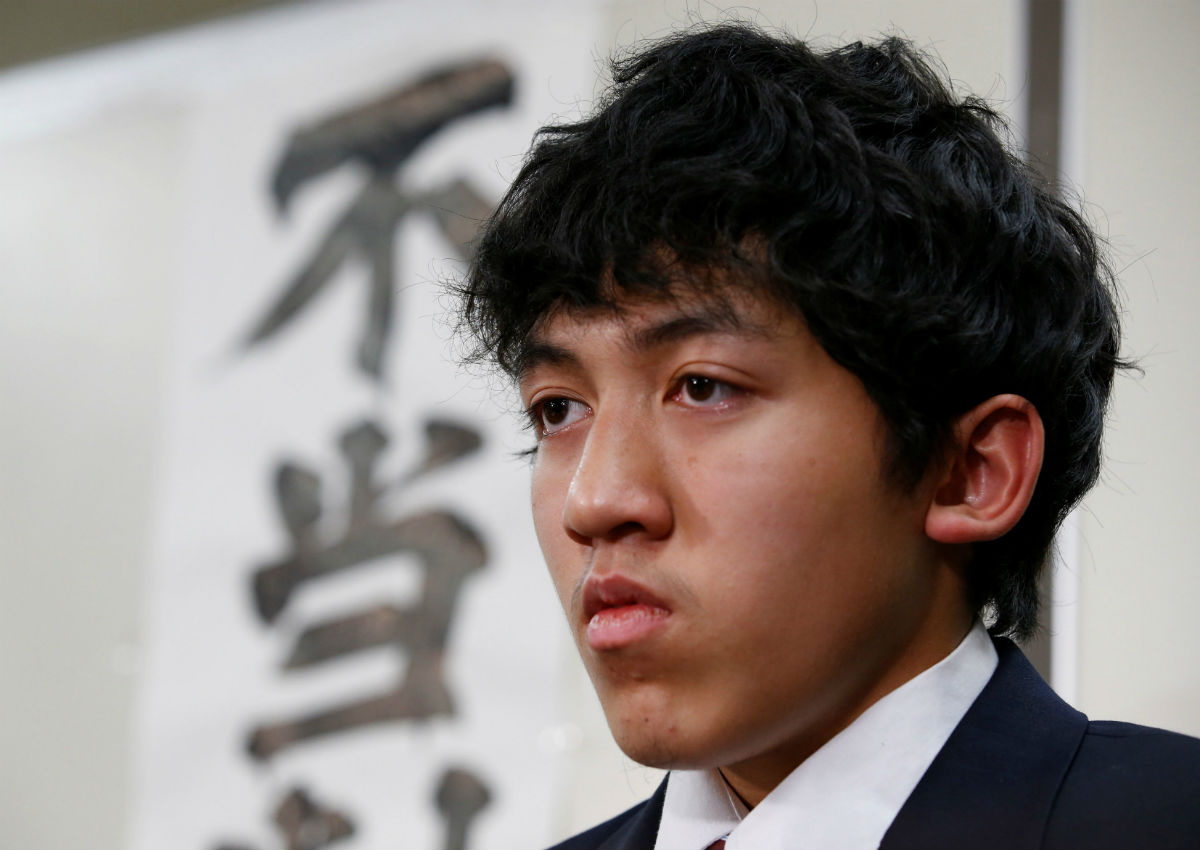
Image: 
Publication Date: 
Tuesday, December 6, 2016 – 15:11
Send to mobile app: 
Source: 


Story Type: 
Others

Source link

National Museum of Singapore's Glass Rotunda reopens on Saturday

0

SINGAPORE: The National Museum of Singapore’s Glass Rotunda will reopen to the public on Saturday (Dec 10) after two years of renovation work. It is now home to two permanent installations featuring the flora and fauna of Singapore. 

Story of the Forest is a digital installation based on the museum’s prized collection of watercolours, William Farquhar’s Collection of Natural History Drawings. Farquhar was the first Commandant of Singapore and had commissioned artists to illustrate the country’s flora and fauna, according to the museum. 

Visitors to the Glass Rotunda can interact with the flora and fauna featured in Story of the Forest. (Photo: Dewi Fabbri) 

The museum commissioned Japanese digital art collective, teamLab, to create the interactive digital installation, which turns 69 drawings into animated illustrations. Using sensors, the installation allows visitors to interact with the flora and fauna.

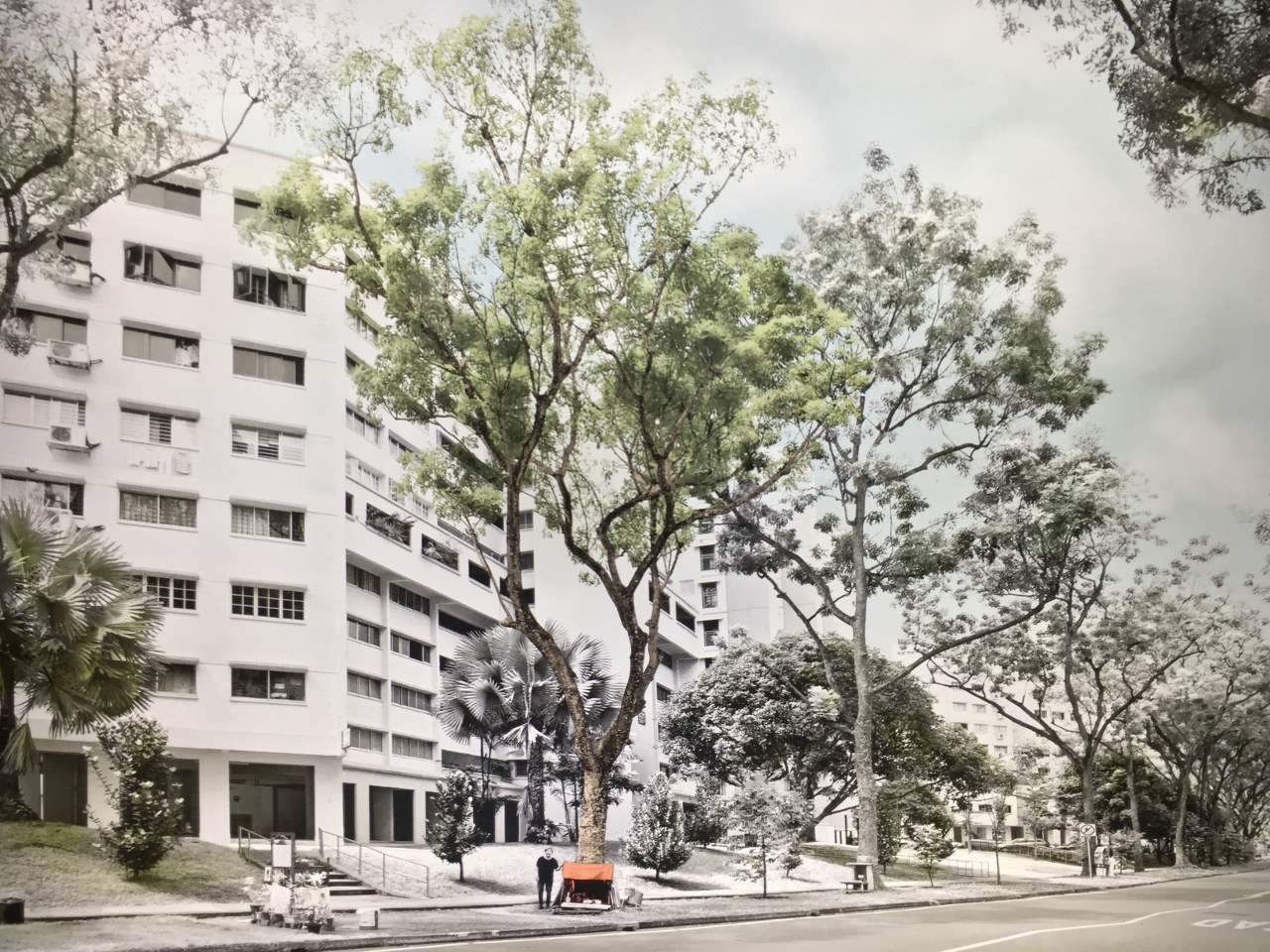
The second installation is a part of one of the museum’s latest acquisitions: Photographer Robert Zhao’s collection named Singapore, Very Old Tree.

Monkey God Tree, Jurong West. (Photo: Robert Zhao) 

The installation, which goes by the same name, showcases 17 out of the 30 images in the collection, and attempts to explore the personal connections that Singaporeans have with trees around the island, according to the museum.

Source link

GIC buys 3.5 trillion rupiah ticket to the movies in Indonesia

0

“The investment by GIC reflects our confidence in Indonesia’s long-term growth potential,” said Amit Kunal, GIC’s head of direct investments group for South-east Asia, private equity and infrastructure.

“NSR’s operational expertise and portfolio of high quality cinemas positions it well to benefit from the rapidly expanding consumer class and economic development in Indonesia. We look forward to working with the team at NSR to accelerate its presence nationally and to achieve the vision of providing best-in-class cinematic experience to the country.”

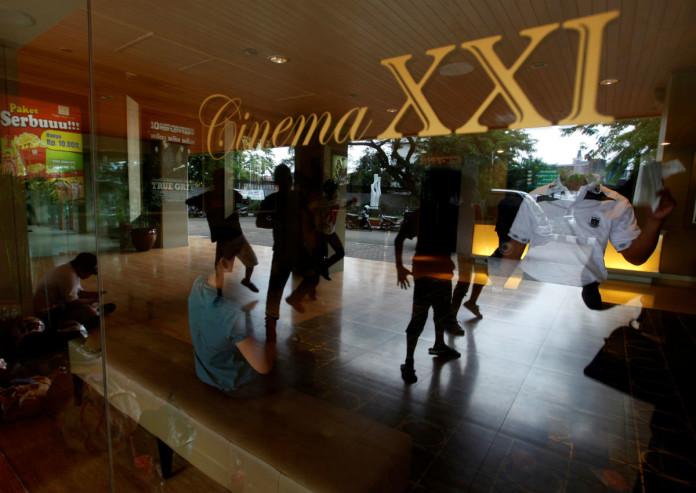
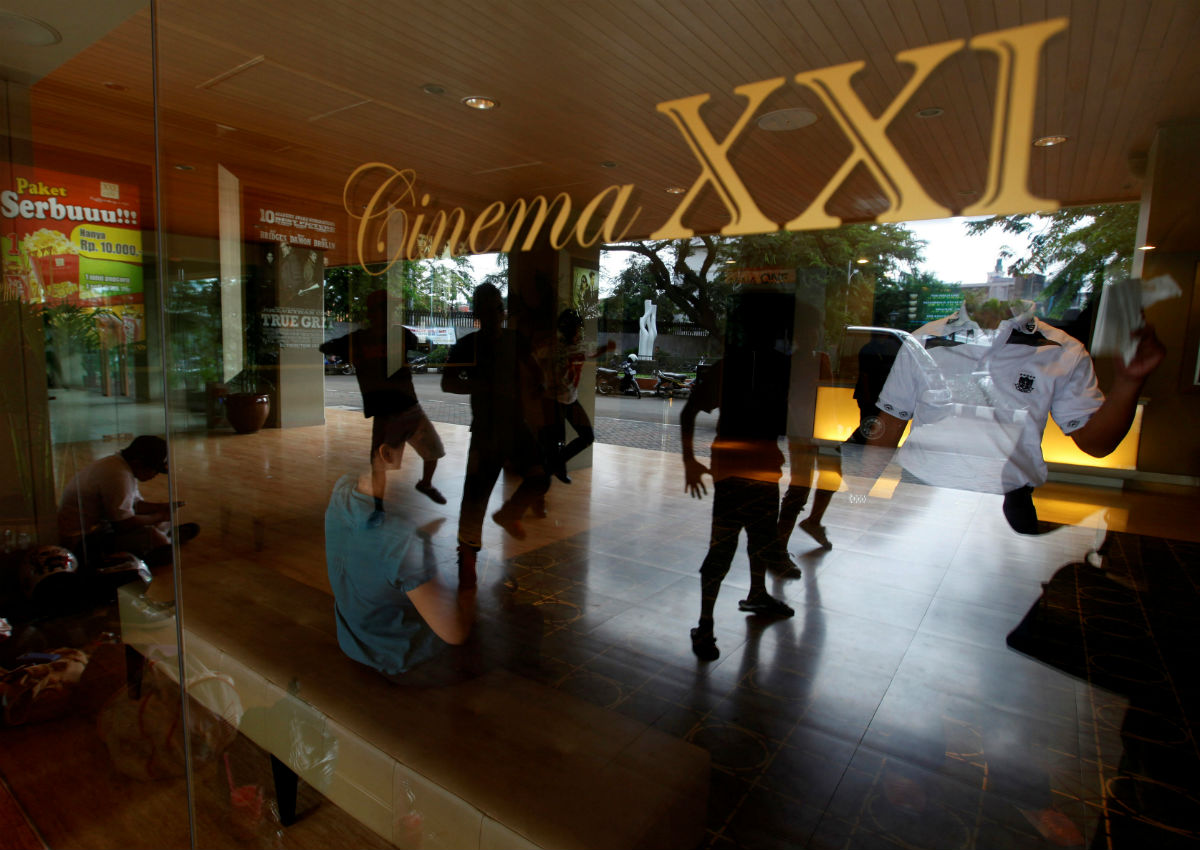
NSR owns the Cinema 21, Cinema XXI and The Premiere brands in Indonesia.

The company operated 864 screens in 157 cinemas across 36 cities in the country as at December 2016.

The NSR investment is in line with GIC’s stated long-term optimism about the region’s economic prospects.

In GIC’s investment report in July, the fund noted that it held more emerging market equities than a reference portfolio.

About 19 per cent of the fund’s portfolio was invested in emerging market equities as at March 31, 2016, up slightly from the 18 per cent allocation a year earlier.

“We have assessed that emerging market equities will benefit from the sustained structural improvements in these economies, and contribute positively to the long-term real returns of the GIC portfolio,” GIC said.

“We have maintained this assessment even though emerging market equities have underperformed developed market equities in recent years.”

The worldwide cinema industry is expected to continue to grow over the next few years, with Asia-Pacific outpacing the global average, according to an analysis by PwC.

In a recent report, PwC estimated that the Asia-Pacific cinema business could grow at a rate of 11.8 per cent per year from US$14.2 billion in 2015 to US$24.7 billion in 2020.

The expected global average is a more modest 5.8 per cent per year over the same period.

Box office sales in the region are estimated to grow at 12 per cent per year through 2020, about double the global outlook of 5.8 per cent per year.

Asia-Pacific cinema advertising is expected to grow at 6 per cent every year through 2020, more than two times faster than the expected global average of 2.8 per cent.


This article was first published on December 06, 2016.
Get The Business Times for more stories.

Image: 
Category: 
Publication Date: 
Tuesday, December 6, 2016 – 15:00
Keywords: 
Send to mobile app: 
Source: 


Story Type: 
Others

Source link

Online platform helps channel items from hotels to charities

0

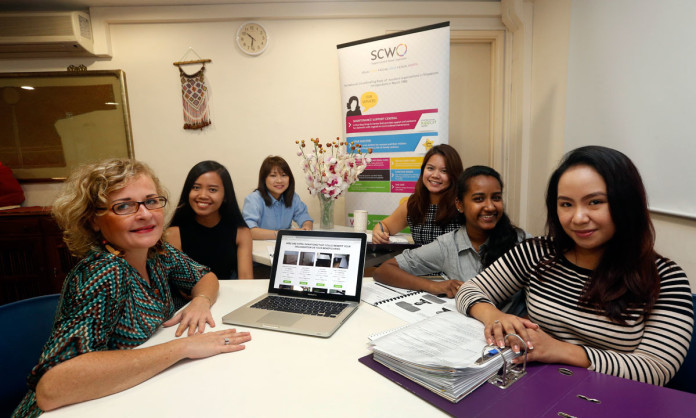
When the Singapore Council of Women’s Organisations (SCWO) wanted new tables for its training room and cafe, it got them the free and easy way. A new online platform matched the charity to the Ibis Singapore on Bencoolen hotel, which had tables to give away.

Launched by local social enterprise Papayapaths, the H3Rs Giveaways Programme channels items donated by hotels towards charities, non-governmental organisations and social enterprises. H3Rs stands for Hotels Reduce, Reuse, Recycle.

SCWO marketing and public relations executive Amanda Ho, 35, said: “In the past, when we needed furniture, say, for shelter residents who were going to be relocated, we would usually just blast it out in our newsletter and maybe on Facebook.

“The platform helps a lot because we can just go to the website and see what is available.”

The programme is the brainchild of Papayapaths co-founder Muriel Boutin-Becuwe, 48, a French national who came to Singapore in 2004.

Alarmed by the growing burden of waste on the environment, the permanent resident decided to take the plunge and tackle the issue.

She left her job as a project manager with a multinational corporation to set up Papayapaths, a social enterprise which would help make the hospitality industry greener.

Ms Boutin-Becuwe’s team spoke to hotels and organisations, and realised that most yearned to be more sustainable and reduce wastage but lacked an outlet.

She said: “We spotted an opportunity to collaborate with the hospitality industry to create a practical and socially beneficial solution for waste diversion.”

Read also: ST’s Causes Week back for second run

Using the platform is simple: Hotels are invited to list items they wish to donate – which could include anything from beds to leftover stationery. Participating charity organisations may post their requests. Both hotels and charities receive an e-mail whenever new items or requests are posted, ensuring that all parties are kept in the loop.

The platform therefore matches the donations with the corresponding requests, giving a new lease of life to items which would otherwise be discarded.

Papayapaths has conducted two successful week-long pilot programmes, during which two tonnes of items were given to the needy.

Over the past year, more than 100 hotels and charity organisations have expressed an interest in the platform, which Ms Boutin-Becuwe believes will save at least 100 tonnes of items over the next three years. It has also won the support of The Food Bank Singapore and the National Environment Agency.

Mr Kevin Teng, executive director of sustainability at Marina Bay Sands (MBS), said: “Marina Bay Sands is always looking for opportunities to donate leftover items to charity and the H3Rs Giveaways Programme makes it even easier for us to do so.”

MBS has donated some of its furniture to Babes Pregnancy Crisis Support, which helps teen mothers, and plans to use the platform as a strategic part of its waste management planning for next year.

Said Mr Teng: “The platform effectively complements our waste management strategy… At the same time, it allows us to support a good cause.”


This article was first published on Dec 6, 2016.
Get a copy of The Straits Times or go to straitstimes.com for more stories.
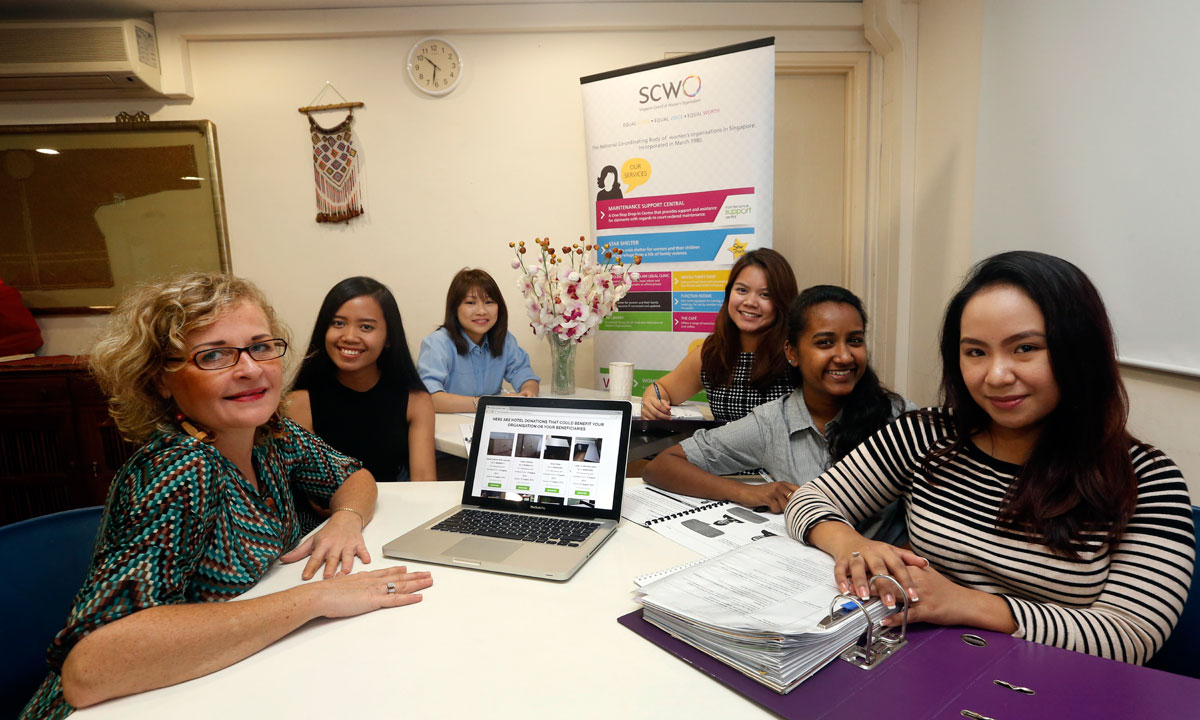
Image: 
Category: 
Publication Date: 
Tuesday, December 6, 2016 – 15:00
Keywords: 
Send to mobile app: 
Source: 


Story Type: 
Others

Source link

Shock, sadness at sudden demise of a kind soul

0

He may have been soft spoken by nature, but John Gibson’s heart of gold will be a quality that family and friends will remember him fondly by.

The 29-year-old died after collapsing during the half-marathon of the Standard Chartered Marathon Singapore (SCMS) on Sunday morning. Gibson, who holds a British passport but was born in Hong Kong where he mostly lived, was about 1km away from the finish line.

College mate Gordon Tang said Gibson – or “Gibbo” as he was affectionately known – was active in university affairs while he was an undergraduate at the London School of Economics (LSE), where he earned first-class honours in mathematics and economics.

“Gibbo was probably one of the kindest souls I knew back in (university),” Tang told The Straits Times yesterday.

The duo lived in the same student hall during their freshman year, and both served in LSE’s Association for British and Chinese University Students committee.

Added Tang: “He was very soft spoken and just really kind.

“He was always going out of his way to help friends.

Read Also: Runner, 29, dies 1km before finish line at Standard Chartered Marathon Singapore

“I definitely do have that impression of him even until today. Gibbo will be remembered very fondly by many of us.”

Gibson may have picked up a passion for endurance sports in recent years, completing two triathlons this year, but he was known as more of a ballroom dancing enthusiast back in school, even entering competitions.

He had worked as a chartered accountant at PricewaterhouseCoopers in London and was to have received the results of his dissertation for a masters degree in international relations and diplomacy at the University of London’s School of Oriental and African Studies (SOAS) yesterday.

His father Robert told The Straits Times yesterday: “He would be so happy to know that he got a distinction for this dissertation, leading to a distinction for the degree.

“He had worked very hard for this.”

Gibson’s parents were in Singapore yesterday, travelling from Hong Kong where they live, and were at the morgue. Gibson’s father is a Briton while his mother is a Hong Konger.

There will be a memorial service in celebration of the late Gibson next Tuesday in Hong Kong.

His sudden death had come as a shock because he seemed to be “in excellent physical condition” and “went running regularly”.

Said the late Gibson’s godfather William Heller: “John was everything you could have wished for in a son – bright… sporty… considerate, charming, full of life and (a) sense of humour.”

According to his sister Fredel, the runner had also completed a full-body check-up only months ago, when he was given a clean bill of health. Gibson has another brother.

The family had planned a “double celebration” to commemorate the completion of his master’s studies and his birthday on Thursday.

Some took to social media yesterday to pay tribute to the late Gibson.

Shama Junejo, Gibson’s classmate at the School of Oriental and African Studies, said on Twitter: “Deeply saddened and shocked on the sudden demise of my young friend…”

Island School in Hong Kong, where the late Gibson attended before leaving for college, also expressed condolences on Facebook:

“We are very saddened to learn of the tragic death of alumnus John Gibson during the (SCMS).

“The Association extends its deepest condolences to John’s family, including Robert Gibson, Chair of the Island School Council.

“John and his family have been great supporters of the Island School community, and John no doubt will be dearly missed by many of us.”


This article was first published on December 6, 2016.
Get a copy of The Straits Times or go to straitstimes.com for more stories.

Image: 
Category: 
Publication Date: 
Tuesday, December 6, 2016 – 14:30
Send to mobile app: 
Source: 


Story Type: 
Others

Source link